1. Search Result
Search Result
Results for "

CDK12 inhibitor

" in MedChemExpress (MCE) Product Catalog:
Targets Recommended:
Cat. No. Product Name Target Research Areas Chemical Structure
  • HY-138293
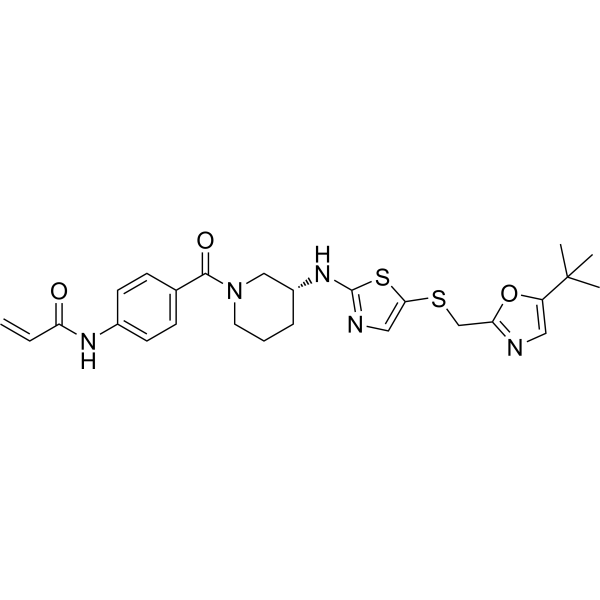
    SY-5609
    5+ Cited Publications

    CDK7-IN-3

    CDK Apoptosis Cancer
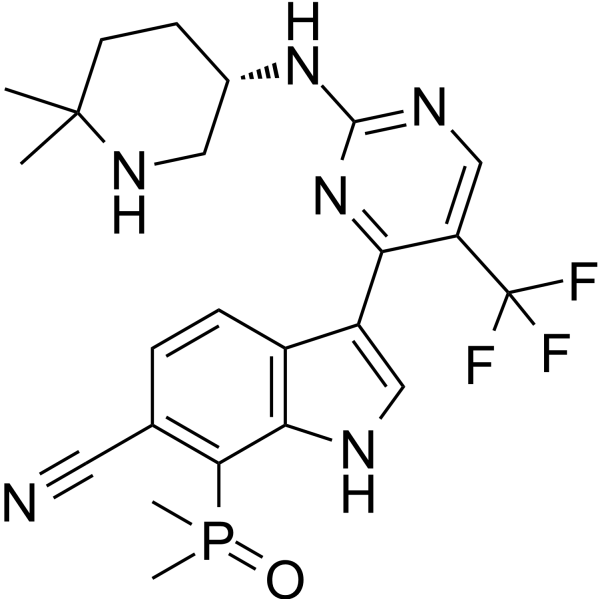
    SY-5609 (CDK7-IN-3) is an orally active, highly selective, noncovalent CDK7 inhibitor with a KD of 0.065 nM. SY-5609 shows poor inhibition on CDK2 (Ki=2600 nM), CDK9 (Ki=960 nM), CDK12 (Ki=870 nM). SY-5609 induces apoptosis in tumor cells and has antitumor activity .
    SY-5609
  • HY-80013
    THZ1
    Maximum Cited Publications
    93 Publications Verification

    CDK Cancer
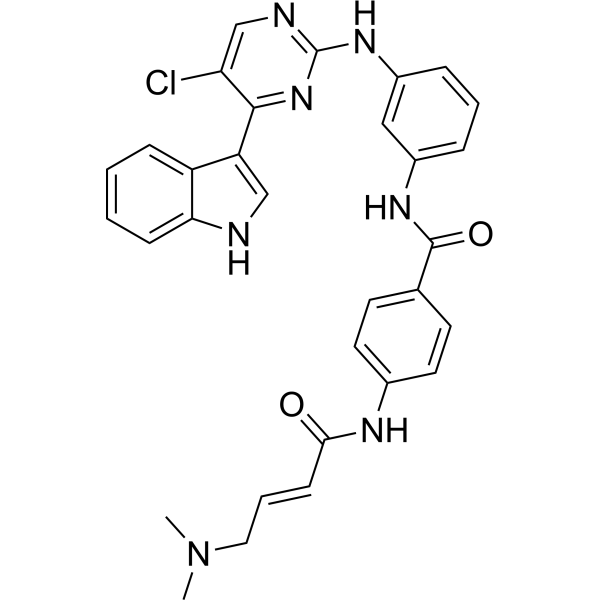
    THZ1 is a selective and potent covalent CDK7 inhibitor with an IC50 of 3.2 nM. THZ1 also inhibits the closely related kinases CDK12 and CDK13 and downregulates MYC expression .
    THZ1
  • HY-101257
    YKL-5-124
    15+ Cited Publications

    CDK Cancer
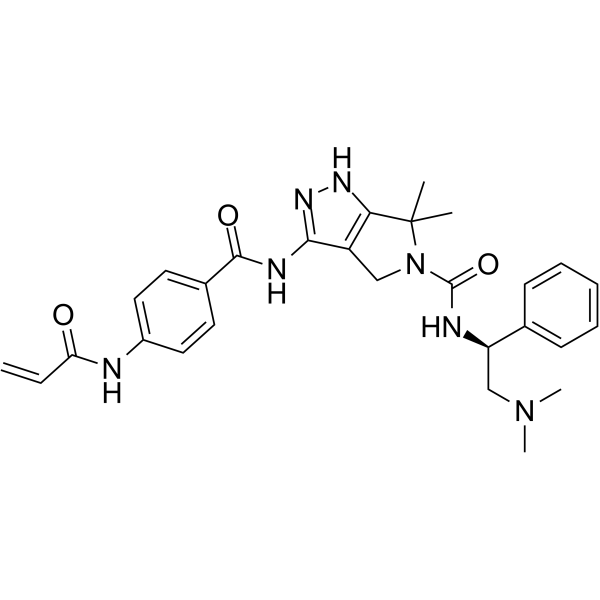
    YKL-5-124 is a potent, selective, irreversible and covalent CDK7 inhibitor with IC50s of 53.5 nM and 9.7 nM for CDK7 and CDK7/Mat1/CycH, respectively. YKL-5-124 is >100-fold greater selective for CDK7 than CDK9 and CDK2, and inactive against CDK12 and CDK13. YKL-5-124 induces a strong cell-cycle arrest, inhibits E2F-driven gene expression, and exhibits little effect on RNA polymerase II phosphorylation status .
    YKL-5-124
  • HY-130250
    SR-4835
    15+ Cited Publications

    CDK Apoptosis Cancer
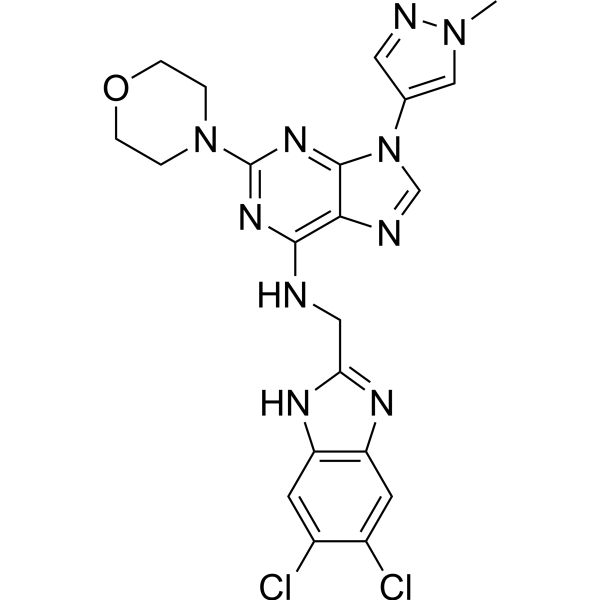
    SR-4835 is a potent, highly selective and ATP competitive dual inhibitor of CDK12/CDK13 (CDK12: IC50=99 nM, Kd=98 nM; CDK13: Kd=4.9 nM). SR-4835 acts in synergy with DNA-damaging chemotherapy and PARP inhibitors and provokes triple-negative breast cancer (TNBC) cell death .
    SR-4835
  • HY-103618
    THZ531
    35+ Cited Publications

    CDK Cancer
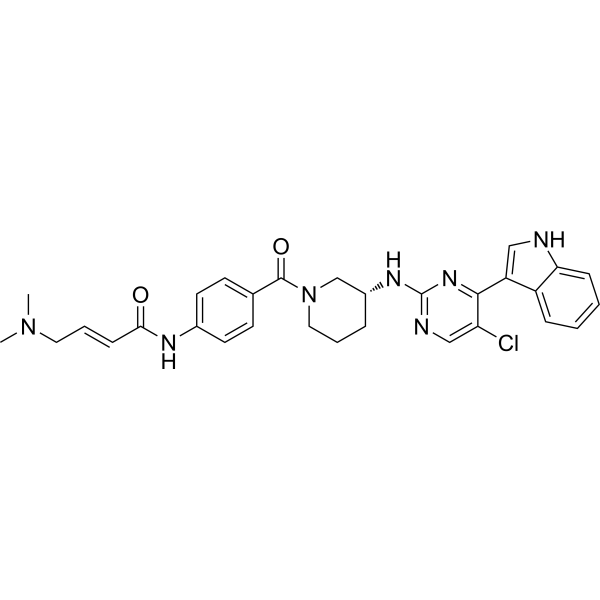
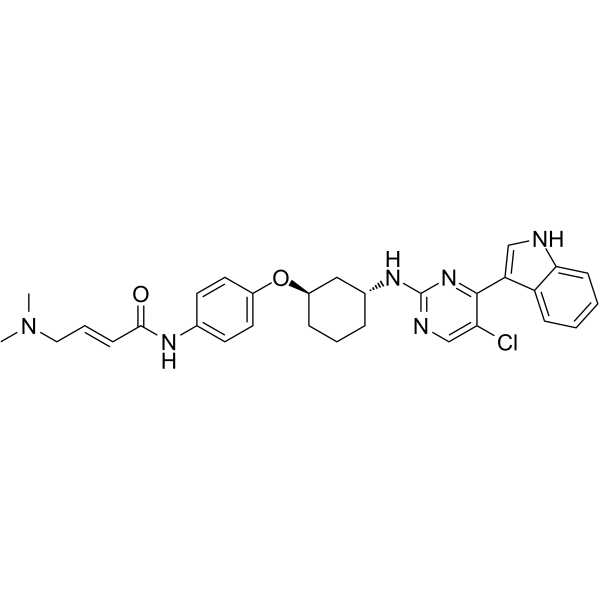
    THZ531 is a selective and covalent inhibitor of both CDK12 and CDK13 with IC50s of 158 nM and 69 nM, respectively .
    THZ531
  • HY-10542
    GW 5074
    5+ Cited Publications

    Raf Apoptosis Cancer
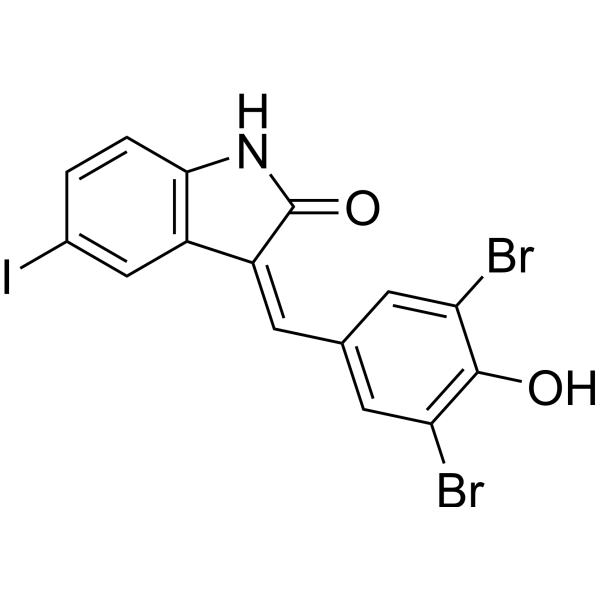
    GW 5074 is a potent and selective c-Raf inhibitor with IC50 of 9 nM, and has no effect on the activities of JNK1/2/3, MEK1, MKK6/7, CDK1/2, c-Src, p38 MAP, VEGFR2 or c-Fms .
    GW 5074
  • HY-139039
    BSJ-4-116
    4 Publications Verification

    PROTACs CDK Cancer
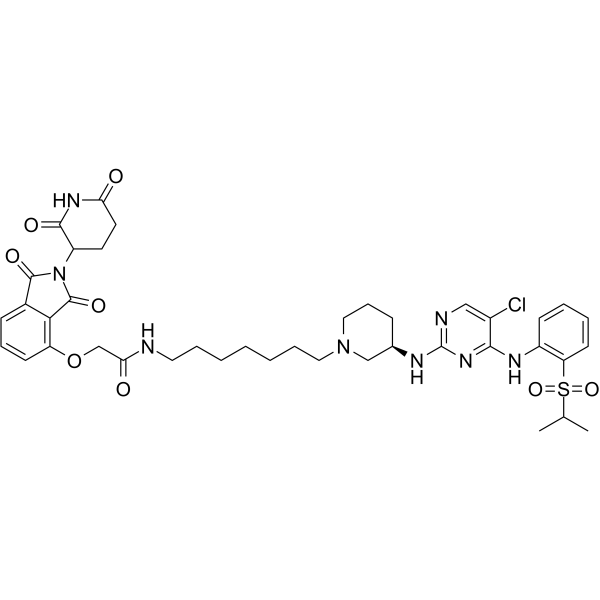
    BSJ-4-116 is a PROTAC connected by ligands for Cereblon and CDK. BSJ-4-116 is a highly potent and selective CDK12 degrader (PROTAC) with an IC50 of 6 nM. BSJ-4-116 downregulates DDR genes through a premature termination of transcription, primarily through increasing poly(adenylation). BSJ-4-116 exhibits potent antiproliferative effects, alone and in combination with the poly(ADP-ribose) polymerase inhibitor Olaparib (HY-10162) .
    BSJ-4-116
  • HY-168162

    PROTACs CDK Cancer
    ZLC491 is an orally active PROTAC degrader that selectively targets CDK12/CDK13 and exhibits certain oral bioavailability. ZLC491 induces cereblon- and proteasome-dependent selective degradation of CDK12 and CDK13. ZLC491 inhibits the transcription and expression of long genes, and mainly acts on a subset of DNA damage response genes. ZLC491 inhibits the proliferation of various triple-negative breast cancer cells. ZLC491 can be used in research related to triple-negative breast cancer .
    ZLC491
  • HY-112626
    CDK12-IN-2
    1 Publications Verification

    CDK Cancer
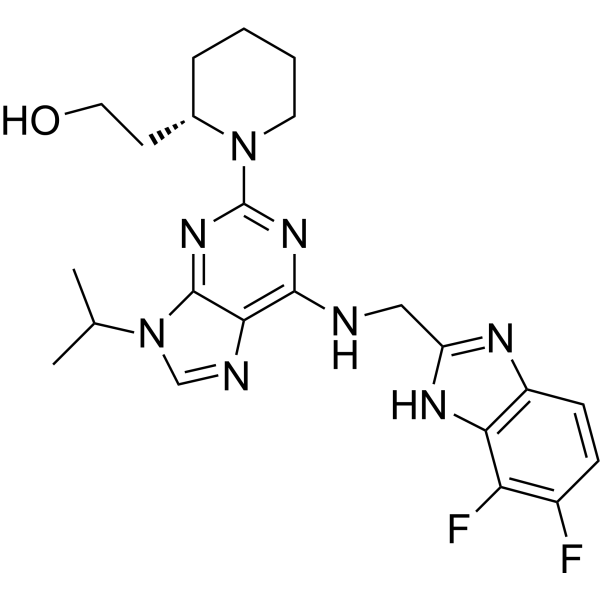
    CDK12-IN-2 is a potent, selective and nanomolar CDK12 inhibitor (IC50=52 nM) with good physicochemical properties. CDK12-IN-2 is also a strong CDK13 inhibitor due to CDK13 is the closest homologue of CDK12. CDK12-IN-2 shows excellent kinase selectivity for CDK12 over CDK2, 9, 8, and 7. CDK12-IN-2 inhibits the phosphorylation of Ser2 in the C-terminal domain of RNA polymerase II. CDK12-IN-2 can be used an excellent chemical probe for functional studies of CDK12 .
    CDK12-IN-2
  • HY-163944

    DNA/RNA Synthesis Molecular Glues CDK Apoptosis RAD51 ATM/ATR PARP Cancer
    LL-K12-18 is a CDK12 kinase inhibitor and a dual-site molecular glue. LL-K12-18 inhibits human CDK12 with an IC50 value of 283.9 nM, and selectively degrades cyclin K via the ubiquitin-proteasome system by stabilizing the CDK12-DDB1 complex. LL-K12-18 downregulates DNA damage response genes, reduces the phosphorylation level of CTD Ser2 in RNA polymerase II, and modulates biomarkers such as ATM, RAD51, γ-H2AX and cleaved PARP, thereby effectively inducing apoptosis and inhibiting proliferation of breast cancer cells. LL-K12-18 exhibits high target selectivity and serves as a research tool for studies on triple-negative breast cancer .
    LL-K12-18
  • HY-80013A
    THZ1 Hydrochloride
    Maximum Cited Publications
    93 Publications Verification

    CDK Cancer
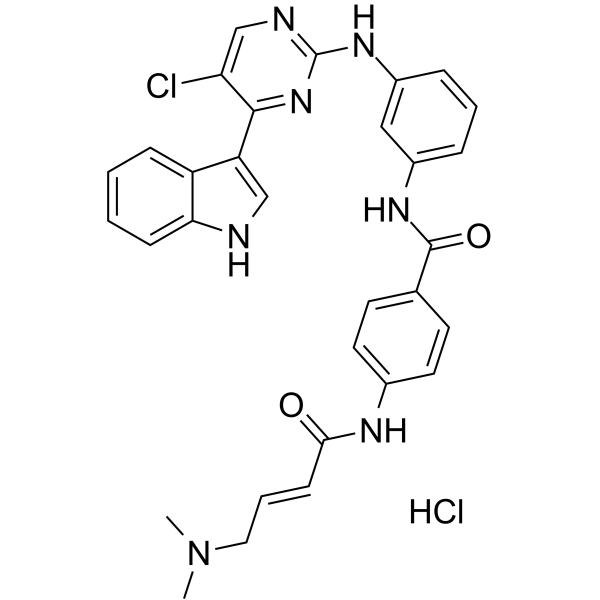
    THZ1 Hydrochloride is a selective and potent covalent CDK7 inhibitor with an IC50 of 3.2 nM. THZ1 Hydrochloride also inhibits the closely related kinases CDK12 and CDK13 and downregulates MYC expression .
    THZ1 Hydrochloride
  • HY-168555

    PROTACs CDK Apoptosis Akt mTOR Cancer
    YJ1206 is an orally active selective CDK12/CDK13 PROTAC degrader. YJ1206 induces DNA damage and genomic instability, activates the AKT pathway, and triggers apoptosis. YJ1206 reduces tumor cell viability, inhibits tumor growth, and attenuates tumor cell dissemination. YJ1206 is applicable to research related to prostate cancer and high-grade serous tubo-ovarian cancer .
    YJ1206
  • HY-112462

    CDK Cancer
    Cdk1/2 Inhibitor III (compound 3n) is a highly potent and selective Cdk1/cyclin B and Cdk2/cyclin A inhibitor of with IC50s of 0.6 nM and 0.5 nM, respectively. Cdk1/2 Inhibitor III shows selectivity over VEGF-R2 (IC50 of 32 nM), GSK-3β (IC50 of 140 nM), and a other kinases. Cdk1/2 Inhibitor III inhibits in cell proliferation with IC50s of 20 nM, 35 nM and 92 nM for HCT-116, HeLa, and A375 cells, respectively .
    Cdk1/2 Inhibitor III
  • HY-112261
    CDK12-IN-3
    1 Publications Verification

    CDK Cancer
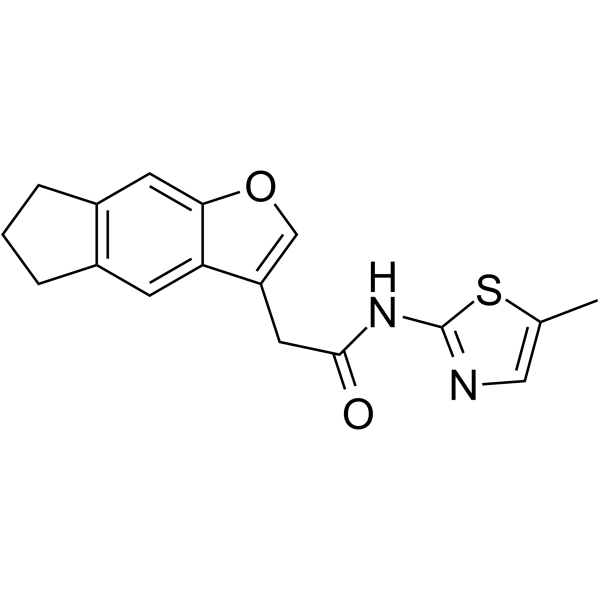
    CDK12-IN-3 is a potent and selective CDK12 inhibitor with an IC50 of 491 nM in enzymatic assay.
    CDK12-IN-3
  • HY-117203A
    CDK12-IN-E9
    1 Publications Verification

    CDK Cancer
    CDK12-IN-E9 is a potent and selective covalent CDK12 inhibitor and a non-covalent CDK9 inhibitor, while avoiding ABC transporter-mediated efflux. CDK12-IN-E9 has weak binding ability to CDK7/CyclinH complex with an IC50> 1 μM .
    CDK12-IN-E9
  • HY-139329

    CDK Cancer
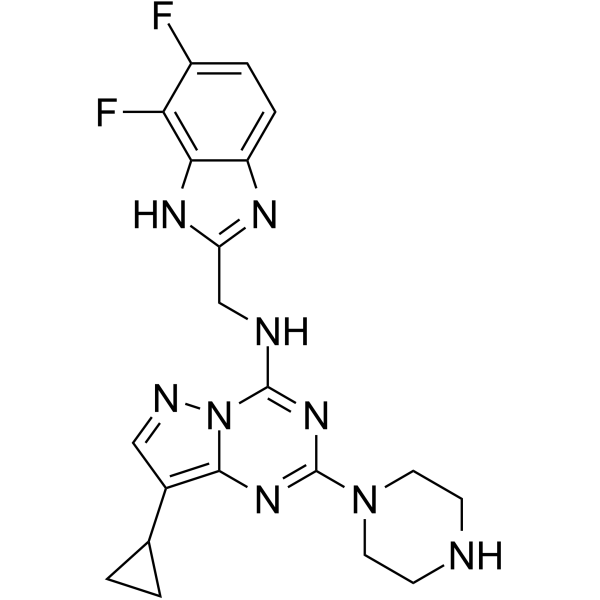
    CDK12-IN-6, a pyrazolotriazine, is a potent CDK12 inhibitor with an IC50 of 1.19 μM at high ATP (2 mM). CDK12-IN-6 has no effect on CDK2/Cyclin E (IC50>20 μM) and CDK9/Cyclin T1 (IC50>20 μM) at high ATP (2 mM) (WO2021116178A1) .
    CDK12-IN-6
  • HY-145072

    CDK Cancer
    BSJ-01-175 is a potent and selective CDK12/13 covalent inhibitor. BSJ-01-175 demonstrates exquisite selectivity, potent inhibition of RNA polymerase II phosphorylation, and downregulation of CDK12-targeted genes in cancer cells .
    BSJ-01-175
  • HY-W181530

    Molecular Glues CDK Apoptosis Ligands for E3 Ligase Cancer
    NCT02 is a molecular glue degrader based on the E3 ubiquitin ligase DDB1 that targets CDK12 and its binding partner CCNK. NCT02 triggers the ubiquitination and proteasomal degradation of CCNK, thereby downregulating CDK12 protein levels and inhibiting its downstream signaling pathways. NCT02 can induce tumor cell apoptosis, arrest the cell cycle, and selectively inhibit the proliferation of colorectal cancer cells carrying TP53 defects or belonging to the consensus molecular subtype CMS4. NCT02 has the potential to inhibit tumor growth in in vitro and in vivo models .
    NCT02
  • HY-139328

    CDK Cancer
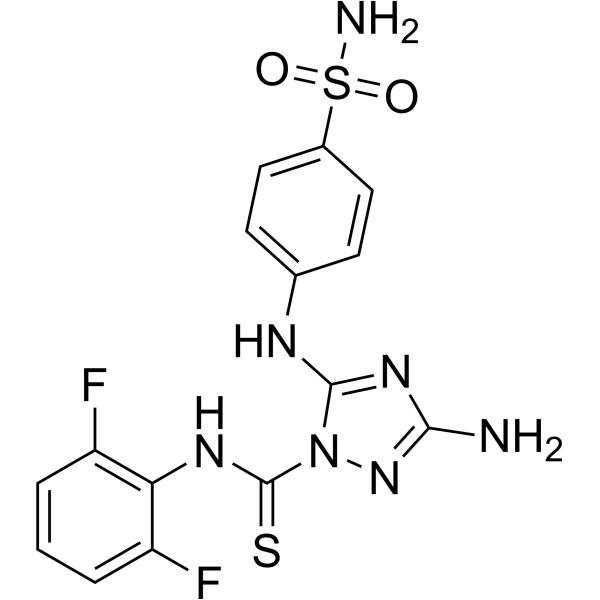
    CDK12-IN-5, a pyrazolotriazine, is a potent CDK12 inhibitor with an IC50 of 23.9 nM at high ATP (2 mM). CDK12-IN-5 has no effect on CDK2/Cyclin E (IC50=173 μM) and CDK9/Cyclin T1 (IC50=127 μM) at high ATP (2 mM) (WO2021116178A1) .
    CDK12-IN-5
  • HY-144691

    PROTACs CDK Cancer
    PP-C8 is a potent and selective PROTAC CDK12-Cyclin K degrader. PP-C8 induces CDK12-Cyclin K degradation with DC50s of 416 and 412 nM for CDK12 and Cyclin K, respectively. PP-C8 demonstrates profound synergistic antiproliferative effects with PARP inhibitor in triple-negative breast cancer (TNBC) .
    PP-C8
  • HY-153244
    MFH290
    1 Publications Verification

    CDK Cancer
    MFH290 is a potent and highly selective cyclin-dependent kinase 12/13 (CDK12/13) covalent inhibitor. MFH290 forms a covalent bond with Cys-1039 of CDK12 and exhibits excellent kinome selectivity and inhibits the phosphorylation of serine-2 in the C-terminal domain (CTD) of RNA-polymerase II (Pol II). MFH290 is used for cancer research .
    MFH290
  • HY-46568

    CDK Cancer
    CDK7/12-IN-1 is a selective CDK7/12 inhibitor with IC50s of 3 and 277 nM for CDK7 and CDK 12, respectively. CDK7 and CDK12 inhibition is an effective strategy to inhibit tumour growth .
    CDK7/12-IN-1
  • HY-101257B
    YKL-5-124 TFA
    15+ Cited Publications

    CDK Cancer
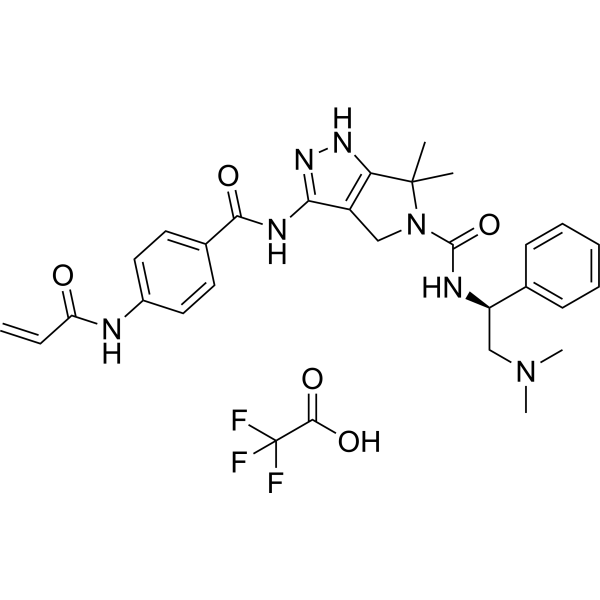
    YKL-5-124 TFA is a potent, selective, irreversible and covalent CDK7 inhibitor with IC50s of 53.5 nM and 9.7 nM for CDK7 and CDK7/Mat1/CycH, respectively. YKL-5-124 TFA is >100-fold greater selective for CDK7 than CDK9 and CDK2, and inactive against CDK12 and CDK13. YKL-5-124 TFA induces a strong cell-cycle arrest, inhibits E2F-driven gene expression, and exhibits little effect on RNA polymerase II phosphorylation status .
    YKL-5-124 TFA
  • HY-116871

    CDK Cancer
    YKL-1-116 is a selective and covalent inhibitor of Cdk7. YKL-1-116 does not target Cdk9, Cdk12, or Cdk13. YKL-1-116 is more potent than THZ1 (HY-80013) toward both Cdk7 WT and Cdk7 as, although Cdk7 as is relatively resistant to this compound as well .
    YKL-1-116
  • HY-173059

    CDK Cancer
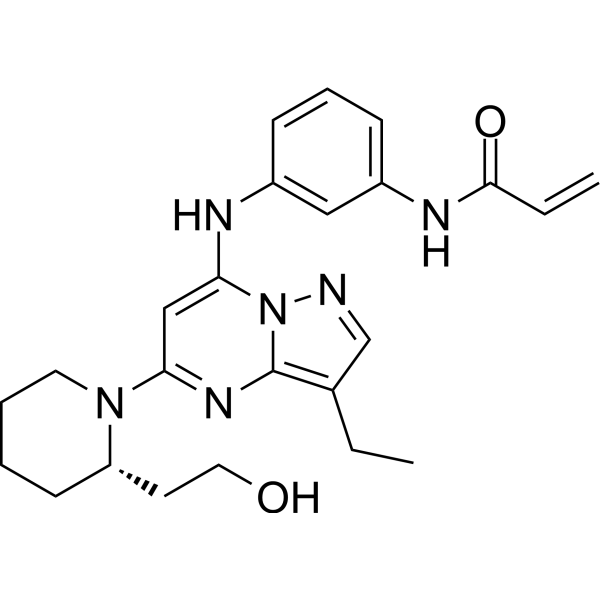
    CDK12/13-IN-3 (Compound 12b) is the orally active inhibitor for CDK that inhibits CDK12 and CDK13 with IC50 of 107.4 nM and 79.4 nM. CDK12/13-IN-3 inhibits the phosphorylation of Ser2 on the CTD of RNA polymerase II, induces DNA damage, and downregulates the gene expression of DNA damage response (DDR). CDK12/13-IN-3 exhibits antiproliferative activity against multiple cancer cells with IC50 of nanomolar levels. CDK12/13-IN-3 exhibits antitumor effect in mouse models, exhibits good pharmacokinetic properties with an oral bioavailability of 53.6% .
    CDK12/13-IN-3
  • HY-168556

    CDK PROTACs DNA/RNA Synthesis Cancer
    YJ9069 is a selective CDK12/CDK13 PROTAC degrader with an IC50 of 22.22 nM for in VCaP cells. CDK12/13 degradation rapidly triggers gene-length-dependent transcriptional elongation defects, leading to DNA damage and cell-cycle arrest. YJ9069 effectively inhibits proliferation in subsets of prostate cancer cells and significantly suppresses prostate tumor growth. (Pink: CDK12/CDK13 degradation agent (HY-168658); Black: Linker (HY-W015967); Blue: ligand for E3 ligase (HY-103596)) .
    YJ9069
  • HY-171787A

    CDK Cancer
    PPA-037 TFA is an orally active, highly potent and selective inhibitor of cyclin-dependent kinase 12 (CDK12). PPA-037 TFA induces the degradation of cyclin K (Cyclin K), enhancing antiproliferative effects on tumor cells. PPA-037 TFA is promising for research of cancers .
    PPA-037 TFA
  • HY-149819

    HDAC CDK Cancer
    CDK/HDAC-IN-3 is an orally active HDACs/CDKs dual inhibitor. CDK/HDAC-IN-3 has potent and selective inhibition of CDK9, CDK12, CDK13, HDAC1, HDAC2 and HDAC3 with IC50 values of 98.32 nM, 98.85 nM, 100 nM, 62.12 nM, 93.28nM and 82.87 nM. CDK/HDAC-IN-3 can be used for the acute myeloid leukemia (AML) .
    CDK/HDAC-IN-3
  • HY-172970

    CDK DNA/RNA Synthesis Apoptosis Cancer
    HQY1428 is an orally active CDK12 inhibitor. HQY1428 inhibits DNA replication, causes G2/M arrest in SKOV3 cells, induces DNA double-strand breaks and apoptosis. HQY1428 has anti-tumor activity in the SKOV3 xenograft mouse model. HQY1428 combined with the HER2 inhibitor Lapatinib (HY-50898) in the NCI-N87 xenograft mouse model produces a synergistic therapeutic effect .
    HQY1428
  • HY-157297

    CDK Cancer
    CDK-IN-13 (compound 32E) is a potent and selective inhibitor of CDK12/cyclinK with an IC50 of 3 nM. CDK-IN-13 inhibits the growth of the HER2-positive breast cancer cell lines .
    CDK-IN-13
  • HY-172224

    CDK PARP Cancer
    PARP1/CDK12-IN-1 (107) is a dual inhibitor of CDK12 and PARP1, with IC50 values of 285 nM and 34 nM for CDK12 and PARP1, respectively .
    PARP1/CDK12-IN-1
  • HY-176279

    HSP Cancer
    Hsp90-IN-42 (Compound 13l) is a potent heat shock protein 90 (Hsp90) inhibitor (IC50=15.65 nM). Hsp90-IN-42 reduces the stability of the epidermal growth factor receptor (EGFR), suppressing the activation of the EGFR-Akt signaling pathway, inducing G0/G1 phase arrest in colorectal cancer cells (such as HT-29 cells), and slightly triggering apoptosis. Hsp90-IN-42 also inhibits cell proliferation and migration by down-regulating the expression of CDK12, CDK13, and Bcl-2 proteins, and up-regulating the expression of Bax protein. Hsp90-IN-42 is promising for research of colorectal cancer .
    Hsp90-IN-42
  • HY-177743

    Molecular Glues CDK DNA/RNA Synthesis Cancer
    TR-213 is a potent molecular glue degrader that targets Cyclin K (CDK). TR-213 induces 91% and 56% decrease in CDK12 and Cyclin at 1 μM. TR-213 can inhibit RNA polymerase II activity and regulates alternative polyadenylation (APA) activity. TR-213 can be used for the research of cancer .
    TR-213
  • HY-150641

    CDK Apoptosis DNA/RNA Synthesis Molecular Glues Cancer
    CDK-IN-9 (compound 24) is a potent CDK inhibitor, also as a molecular glue inducing an interaction between CDK12 and DDB1, with an IC50 values of 4 nM for CDK2/E. CDK-IN-9 leads to polyubiquitination of cyclin K and its subsequent degradation. CDK-IN-9 induce apoptosis through dephosphorylation of retinoblastoma protein and RNA polymerase II .
    CDK-IN-9
  • HY-151878

    CDK GSK-3 Metabolic Disease
    CDK7-IN-20 is a potent, selective and irreversible CDK7 (CDK) inhibitor with an IC50 value of 4 nM. CDK7-IN-20 displays >206-fold selectivity for CDK7 over CDK1, CDK2, CDK3, CDK5, CDK6, CDK9 and CDK12 . CDK7-IN-20 has the potential for autosomal dominant polycystic kidney disease (ADPKD) research .
    CDK7-IN-20
  • HY-171786

    CDK Cancer
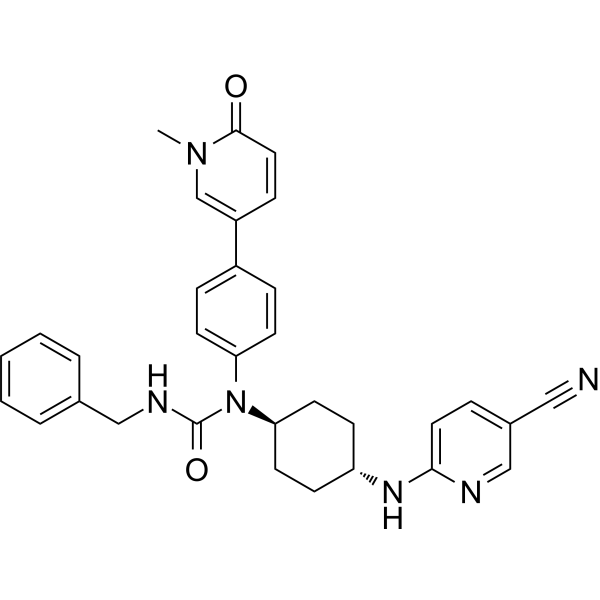
    CDK12-IN-8 (Compound Cpd143) is an orally active and highly selective inhibitor of cyclin-dependent kinase 12 (CDK12). CDK12-IN-8 inhibits CDK12-mediated phosphorylation of the C-terminal domain (CTD) serine 2 of RNA polymerase II, interfering with gene transcription elongation and DNA damage repair pathways. CDK12-IN-8 is promising for research of cancers with high CDK12 expression such as small cell lung cancer and triple-negative breast cancer .
    CDK12-IN-8
  • HY-162528

    CDK Cancer
    CDK12-IN-7 (Compound 2) is a CDK12 and CDK2 inhibitor with IC50 values ​​of 42 and 196 nM, respectively. CDK12-IN-7 has anti-cell proliferation activity and can be used in cancer research .
    CDK12-IN-7
  • HY-177786

    Molecular Glues CDK Cancer
    CDK12 ligand-3 is a molecular glucose degrading agent that targets the CDK12 protein (DC50 = 35 nM). CDK12 ligand-3 degrades CDK12, CDK13 and their regulatory subunit Cyclin K in a concentration dependent manner, and inhibits RNA polymerase II CTD (Ser2) phosphorylation. CDK12 ligand-3 exhibits potent anti proliferative activity against Jurkat cells. CDK12 ligand-3 can be used for research on cancers such as leukemia .
    CDK12 ligand-3
  • HY-173042

    CDK Cancer
    CDK12/13-IN-2 (Compound 24) is a covalent inhibitor of CDK12/13, with IC50 values of 15.5 nM and 12.2 nM for CDK12 and CDK13, respectively. CDK12/13-IN-2 can inhibit the proliferation of breast cancer cells and can be used in the research of triple-negative breast cancer .
    CDK12/13-IN-2
  • HY-139327

    CDK Cancer
    CDK12-IN-4, a pyrazolotriazine, is a potent CDK12 inhibitor with an IC50 of 0.641 μM at high ATP (2 mM). CDK12-IN-4 has no effect on CDK2/Cyclin E (IC50>20 μM) and CDK9/Cyclin T1 (IC50>20 μM) at high ATP (2 mM) (WO2021116178A1) .
    CDK12-IN-4
  • HY-173273

    CDK Apoptosis DNA/RNA Synthesis Akt Cancer
    YJZ5118 is a selective CDK12/CDK13 inhibitor with IC50 values of 39.5 nM and 26.4 nM. YJZ5118 suppresses transcription of DNA damage response genes and induces DNA damage in tumor cells. YJZ5118 inhibits proliferation and triggers apoptosis. YJZ5118 inhibits RNA polymerase II Ser2 phosphorylation and increases Akt pathway activity. YJZ5118 exhibits synergistic effects with Akt inhibitors. YJZ5118 can be used for the research of cancer, such as prostate cancer .
    YJZ5118
  • HY-171787

    CDK Cancer
    PPA-037 is an orally active, highly potent and selective inhibitor of cyclin-dependent kinase 12 (CDK12). PPA-037 induces the degradation of cyclin K (Cyclin K), enhancing antiproliferative effects on tumor cells. PPA-037 is promising for research of cancers .
    PPA-037
  • HY-149398

    Apoptosis PARP CDK Cancer
    PARP-1/2-IN-2-IN-1 (Compound 12e) is a PARP1/2/CDK12 inhibitor (IC50: 34, 30 and 285 nM respectively). PARP-1/2-IN-2 inhibits DNA damage repair, promotes cell cycle arrest and apoptosis. PARP-1/2-IN-2 inhibits the growth of TNBC cells and TNBC xenograft tumor .
    PARP-1/2-IN-2
  • HY-160284

    CDK Cancer
    CDK12/13-IN-1 (Compound 4) is a CDK12/13 inhibitor. CDK12/13-IN-1 has antitumor activity .
    CDK12/13-IN-1
  • HY-164553

    Apoptosis CDK Cancer
    ZSQ836 is an orally active dual covalent inhibitor of CDK12/CDK13, with an EC50 value of 32 nM against CDK12. ZSQ836 can induce apoptosis and exhibit anticancer activity in vivo. ZSQ836 can be used in the study of ovarian cancer .
    ZSQ836
  • HY-173147

    CDK Cancer
    CDK2-IN-42 (Compound H63) is a CDK12 inhibitor with an IC50 value of 10 nM. CDK2-IN-42 has anti-ESCC (Esophageal Squamous Cell Carcinoma) cell activity. It can block transcriptional elongation, downregulate the core genes in the G1 phase to induce cell cycle arrest, and alter the CDK12-ATM/ATR-CHEK1/CHEK2 signaling axis, resulting in DNA damage. CDK2-IN-42 can effectively inhibit tumor growth in a xenograft mouse model of human ESCC KYSE150. CDK2-IN-42 holds great promise for research in the field of cancer .
    CDK2-IN-42
  • HY-118310

    CDK Cancer
    Xylocydine is an inhibitor of CDK1/2, inhibiting CDK function in various apoptotic processes. Xylocydine specifically blocks CDK1 and CDK2 activity with IC50 of 1.4 nM and 61 nM, respectively. In addition, Xylocydine downregulates phosphorylated nucleolin and retinoblastoma protein levels. .
    Xylocydine
  • HY-155038

    PARP CDK Cancer
    Antitumor agent-104 (Compound 9) is an antitumor agent by inhibiting DNA damage repair in tumors. Antitumor agent-104 inhibits PARP1 enzymatic activity and the PAR protein level. Antitumor agent-104 also inhibits the expression of CDK12 .
    Antitumor agent-104
  • HY-181645

    CDK Cancer
    CDK12-IN-9 is a potent and selective CDK12 inhibitor with an IC50 of 2.2 nM. CDK12-IN-9 inhibits pSER2 (a downstream marker of CDK12/13 activity). CDK12-IN-9 can be used for the research of cancer .
    CDK12-IN-9
  • HY-182312

    CDK Apoptosis Cancer
    CTX-439 is an orally active, ATP-competitive small-molecule inhibitor of CDK12 and CDK13, with an IC50 of 3.1 nM and a Kd of 0.38 nM against CDK12, and an IC50 of 9.2 nM against CDK13. CTX-439 induces DNA damage and apoptosis in tumor cells. CTX-439 is applicable for the research of breast cancer and ovarian cancer .
    CTX-439

Inquiry Online

Your information is safe with us. * Required Fields.

Salutation


Country or Region *

Applicant Name *


Organization Name *

Department *


Email Address *


Product Name *

Cat. No.


Requested quantity *

Phone Number *


Remarks

Inquiry Online

Inquiry Information

Product Name:
Cat. No.:
Quantity:
MCE Japan Authorized Agent:

