1. Search Result
Search Result
Results for "

CNS permeability

" in MedChemExpress (MCE) Product Catalog:

27

Inhibitors & Agonists

6

Screening Libraries

1

Fluorescent Dye

2

Peptides

2

Natural
Products

1

Click Chemistry

Cat. No. Product Name Target Research Areas Chemical Structure
  • HY-B1473
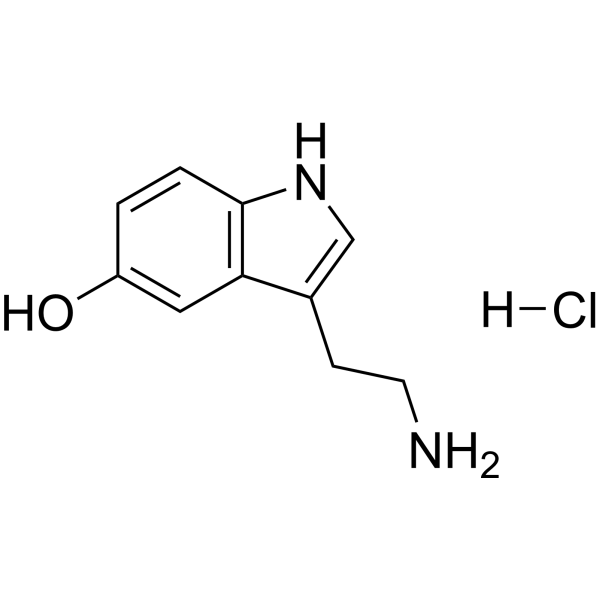
    Serotonin hydrochloride
    30+ Cited Publications

    5-Hydroxytryptamine hydrochloride; 5-HT hydrochloride

    5-HT Receptor COMT Endogenous Metabolite Neurological Disease
    Serotonin (5-Hydroxytryptamine) hydrochloride is a monoamine neurotransmitter in the CNS and an endogenous 5-HT receptor agonist, with blood-brain barrier permeability. Serotonin hydrochloride is also a catechol O-methyltransferase (COMT) inhibitor with a Ki of 44 μM.
    Serotonin hydrochloride
  • HY-125021
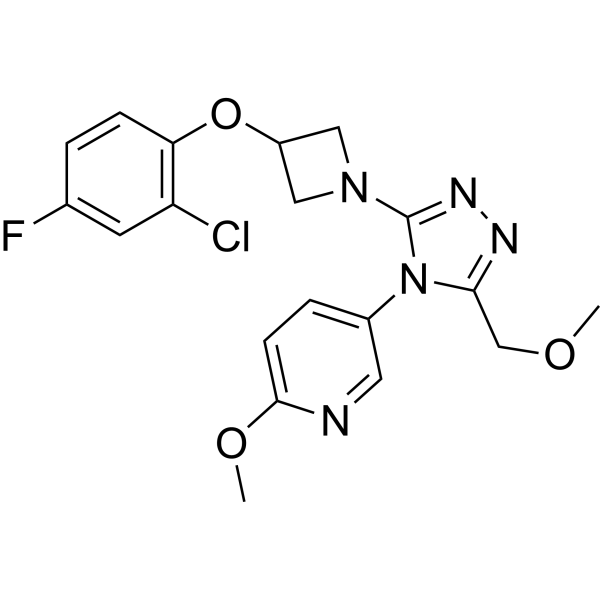
    2BAct
    3 Publications Verification

    Eukaryotic Initiation Factor (eIF) Neurological Disease
    2BAct is a highly selective, orally active, and CNS-penetrant eIF2B (eukaryotic initiation factor 2B) activator with an EC50 of 33 nM. 2BAct prevents neurological defects caused by a chronic integrated stress response. 2BAct displays improved solubility and pharmacokinetics relative to eIF2B activator ISRIB trans-isomer (HY-12495) .
    2BAct
  • HY-A0168
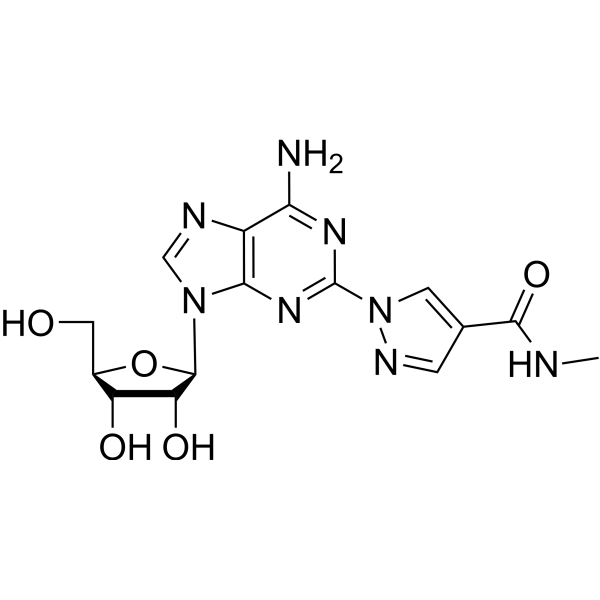
    Regadenoson
    3 Publications Verification

    CVT-3146

    Adenosine Receptor Cardiovascular Disease Cancer
    Regadenoson (CVT-3146) is a selective A2A adenosine receptor agonist and vasodilator that increases coronary blood flow, can be used in study of myocardial perfusion imaging. Regadenoson also increases the permeability of the blood-brain barrier (BBB) in rodents, can be used to study increased delivery of agents to the human CNS .
    Regadenoson
  • HY-111263
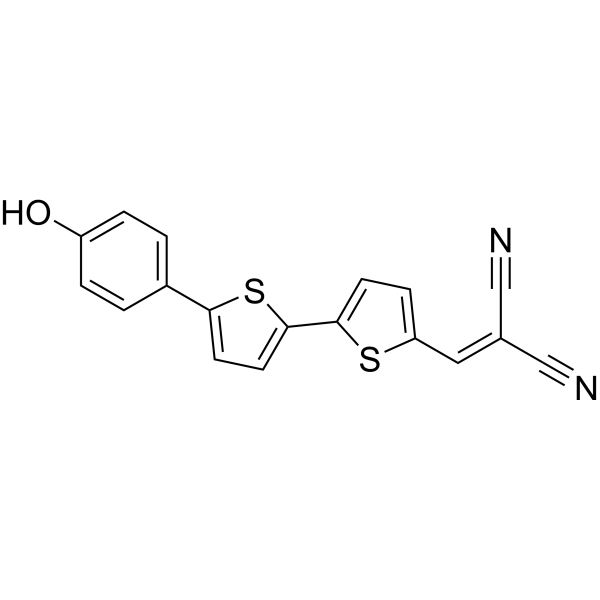
    NIAD-4
    1 Publications Verification

    Fluorescent Dye Amyloid-β Others
    NIAD-4 is a blood-brain barrier permeable fluorophore for optical imaging of amyloid-β () in the central nervous system (CNS) for Alzheimer’s disease (AD). NIAD-4 binds to the same Aβ site with the binding affinity (Ki) of 10 nM .
    NIAD-4
  • HY-105231
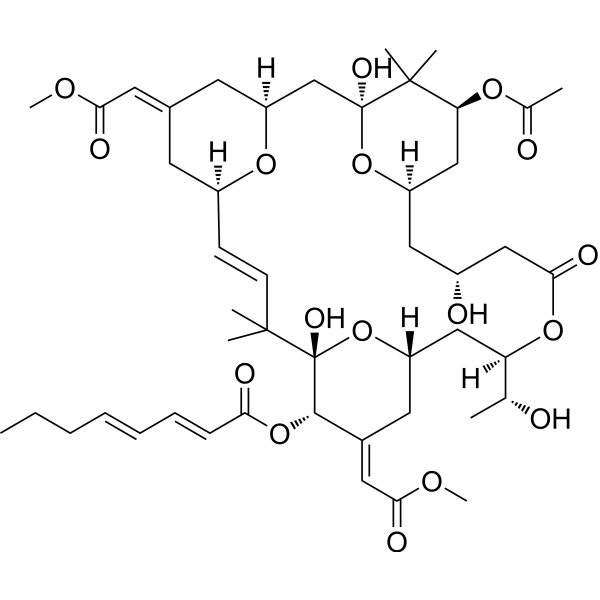
    Bryostatin 1
    2 Publications Verification

    PKC HIV Bacterial Infection Neurological Disease Inflammation/Immunology Cancer
    Bryostatin 1 is a natural macrolide isolated from the bryozoan Bugula neritina and is a potent and central nervous system (CNS)-permeable PKC modulator. Bryostatin 1 binds to the isolated C1 domain of Munc13-1 and the full-length Munc13-1 protein with Kis of 8.07 nM and 0.45 nM, respectively. Bryostatin 1 has anti-cancer, anti-inflammatory, neuroprotective, anti-HIV-1 infection properties .
    Bryostatin 1
  • HY-101418
    JNJ-47965567
    5 Publications Verification

    P2X Receptor Neurological Disease
    JNJ-47965567 is a centrally permeable, high-affinity, selective P2X7 antagonist, with pKis of 7.9 and 8.7 for human and rat P2X7, respectively. JNJ-47965567 can be used to probe the role of central P2X7 in rodent models of CNS pathophysiology .
    JNJ-47965567
  • HY-15023
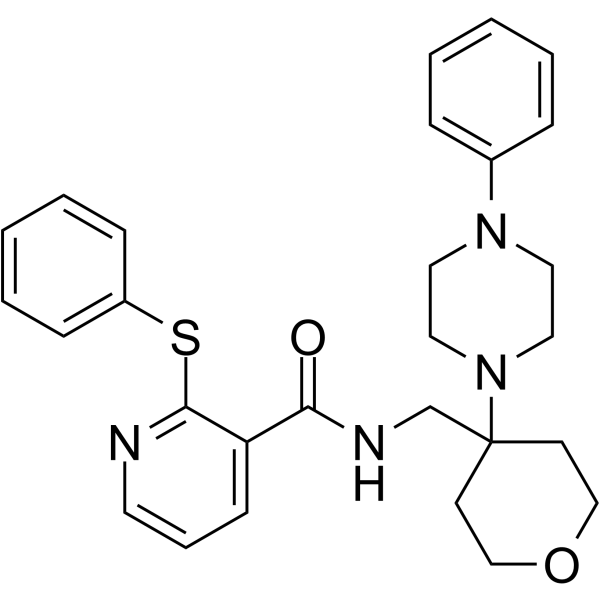
    Cligosiban
    5+ Cited Publications

    PF-3274167

    Oxytocin Receptor Endocrinology
    Cligosiban (PF-3274167) is an orally active, highly selective, and centrally permeable oxytocin receptor antagonist with good pharmacokinetics in rats and can inhibit physiological ejaculation in rodents [1][2].
    Cligosiban
  • HY-119939
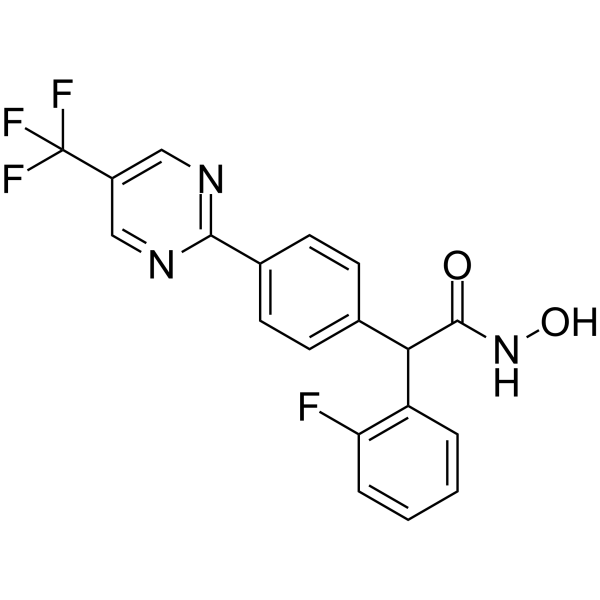
    CHDI-390576
    1 Publications Verification

    CHDI00390576

    HDAC Cancer
    CHDI-390576, a potent, cell permeable and CNS penetrant class IIa histone deacetylase (HDAC) inhibitor with IC50s of 54 nM, 60 nM, 31 nM, 50 nM for class IIa HDAC4, HDAC5, HDAC7, HDAC9, respectively, shows >500-fold selectivity over class I HDACs (1, 2, 3) and ~150-fold selectivity over HDAC8 and the class IIb HDAC6 isoform .
    CHDI-390576
  • HY-W019710

    HDAC Neurological Disease
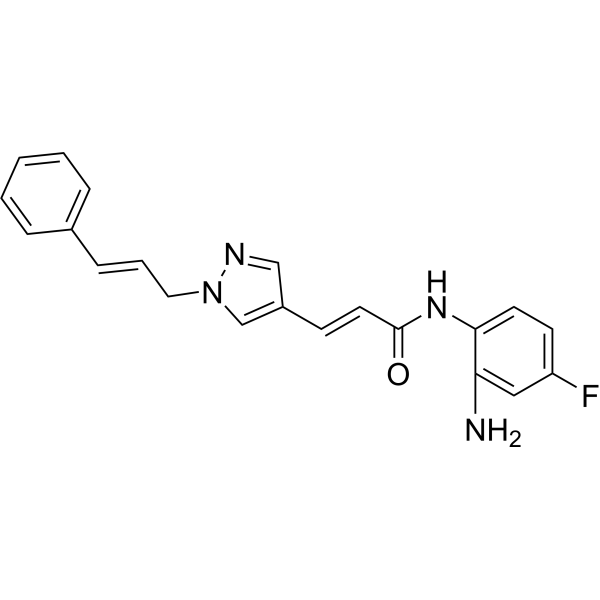
    (E,E)-RGFP966 is a selective and CNS permeable HDAC3 inhibitor that can be used for the research of Huntington’s disease .
    (E,E)-RGFP966
  • HY-155079

    EGFR Cancer
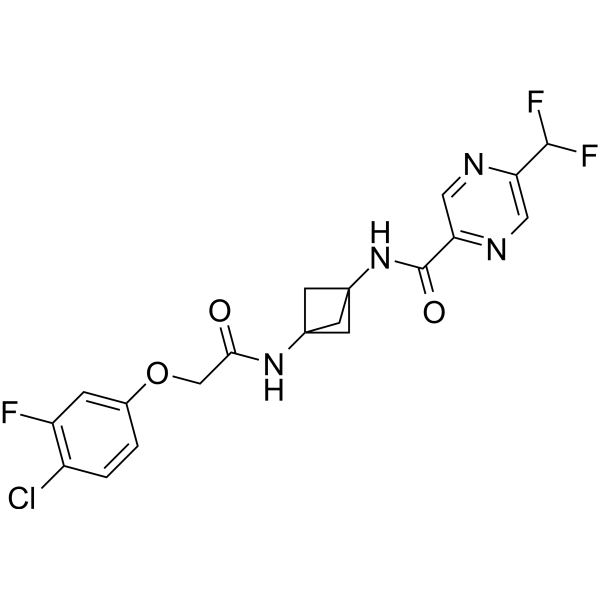
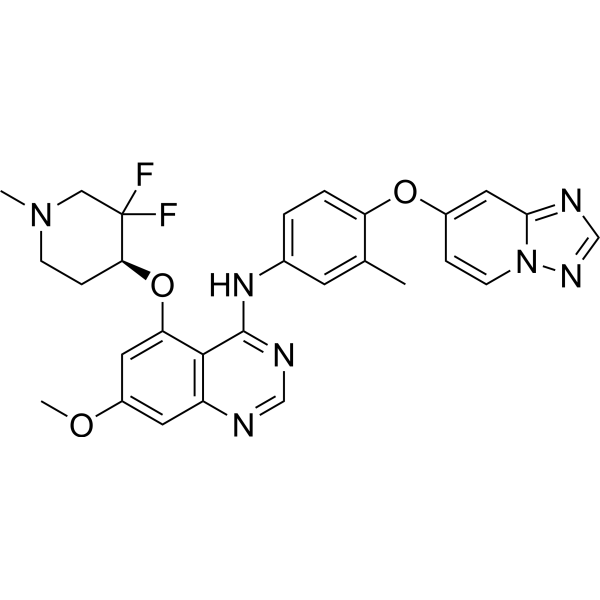
    DZD1516 is a potent and selective HER2 inhibitor (IC50=0.56 nM) with good blood-brain permeability. DZD1516 exhibits antitumor activity in CNS and subcutaneous xenograft mouse models .
    DZD1516
  • HY-153615

    mGluR Neurological Disease
    CVN636 is a potent, orally active and selective mGluR7 allosteric agonist with an EC50 value of 7 nM for hu mGluR7. CVN636 has central nervous system (CNS) permeability .
    CVN636
  • HY-P10502A

    LDLR Others
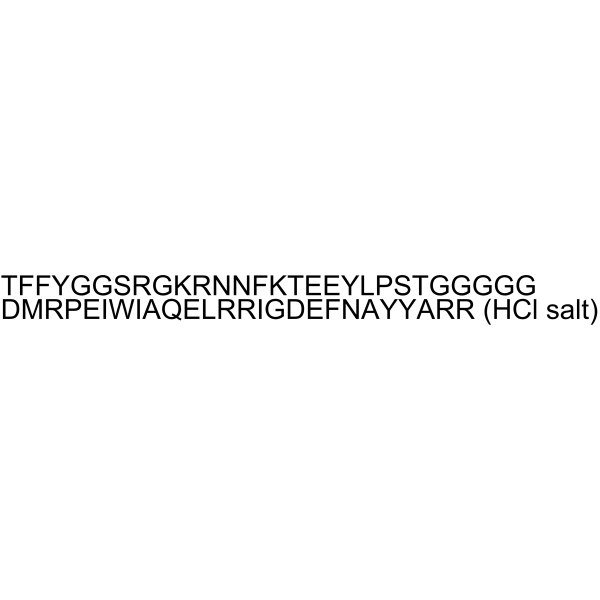
    L57 acetate is a Low-density lipoprotein receptor-related protein 1 (LRP1)-binding peptide. L57 acetate exhibits high affinity to LRP1 with Ki of 45 nM. L57 acetate exhibits blood-brain barrier (BBB) permeability and plasma stability. L57 acetate can be utilized as the carrier for CNS drug delivery .
    L57 acetate
  • HY-149408

    Monoamine Oxidase Cancer
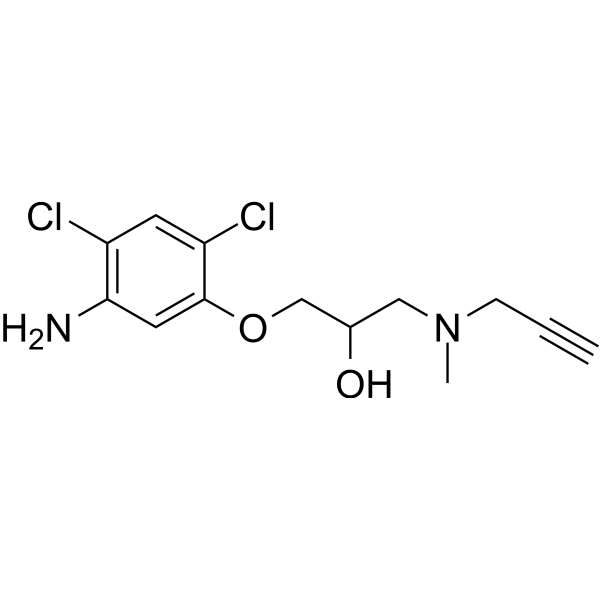
    MAOA-IN-1 (compound 15) is an orally active MAOA inhibitor with cytotoxicity against prostate cancer cells. MAOA-IN-1 has Caco-2 permeability and lower CNS permeability. MAOA-IN-1 can be further used in the research of anti-cancer and anti-inflammatory indications .
    MAOA-IN-1
  • HY-162750

    DYRK Tau Protein Neurological Disease
    ZJCK-6-46 (32) is a potential and orally activeDYRK1A inhibitor (IC50 = 0.68 nM) with high BBB permeability (CNS+). ZJCK-6-46 (32) reduces tau phosphorylation. ZJCK-6-46 (32) ameliorates cognitive dysfunction by obviously reducing the expression of phosphorylated tau and neuronal loss in vivo .
    ZJCK-6-46
  • HY-118179

    mGluR Neurological Disease
    VU0486321 is a compound in a class of mGlu1 positive allosteric modulators (PAMs). VU0486321 maintains acceptable mGlu1 PAM potency, DMPK profile, CNS permeability, and mGluR selectivity.
    VU0486321
  • HY-155320

    Opioid Receptor Neurological Disease
    Mu opioid receptor antagonist 7 (compound 24) is a potent and CNS permeable antagonist of µOR (µ-opioid receptor), with an IC50 of 29 ± 3.0 nM. Mu opioid receptor antagonist 7 can be used for the research of pain and opioid use disorder .
    Mu opioid receptor antagonist 7
  • HY-175482

    PARP Neurological Disease Cancer
    PARP1-IN-43 (Compound 5350) is a blood-brain barrier (BBB) permeable PARP1 inhibitor, with an IC50 of 5 nM. PARP1-IN-43 can be used for the study of homologous recombination (HR)-deficient central nerve system (CNS) cancers .
    PARP1-IN-43
  • HY-131068

    Beta-secretase Neurological Disease
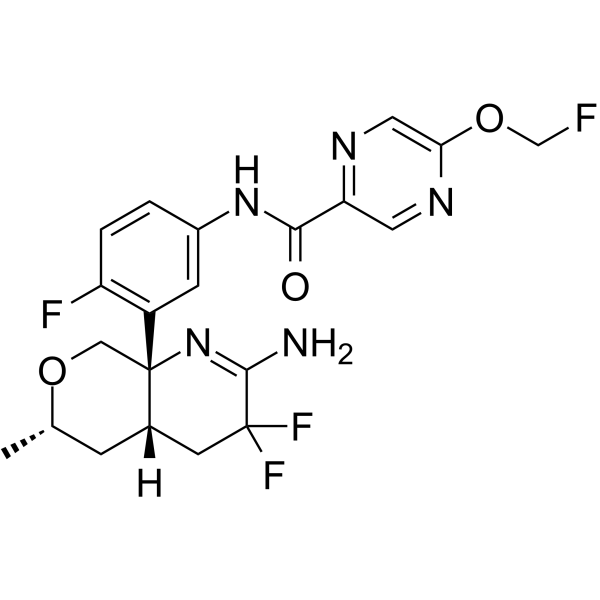
    BACE-1 inhibitor 2 is a potent and CNS permeable BACE-1 inhibitor with an IC50 of 1.5 nM in BACE-1 enzymatic assay .
    BACE-1 inhibitor 2
  • HY-P2342

    Biochemical Assay Reagents Neurological Disease
    Angiopep-Bim BH3 hydrochloride, a BBB penetrated peptode, could be used to investigate the permeability of CNS therapeutics .
    Angiopep-Bim BH3 hydrochloride
  • HY-15023R

    PF-3274167 (Standard)

    Oxytocin Receptor Reference Standards Endocrinology
    Cligosiban (Standard) is the analytical standard of Cligosiban. This product is intended for research and analytical applications. Cligosiban (PF-3274167) is an orally active, highly selective, and centrally permeable oxytocin receptor antagonist with good pharmacokinetics in rats and can inhibit physiological ejaculation in rodents .
    Cligosiban (Standard)
  • HY-149243

    Cholinesterase (ChE) Neurological Disease
    BChE-IN-16 (compound 87) is a highly potent BChE inhibitor with an IC50 of 3.8 nM for hBChE. BChE-IN-16 has low cytotoxicity, potential CNS permeability, unique adaptability and can be used in Alzheimer's disease (AD) research.
    BChE-IN-16
  • HY-A0168A

    CVT-3146 hydrate

    Adenosine Receptor Cardiovascular Disease
    Regadenoson hydrate (NSC 169186) is a selective A2A adenosine receptor agonist and vasodilator that increases coronary blood flow, can be used in study of myocardial perfusion imaging. Regadenoson hydrate also increases the permeability of the blood-brain barrier (BBB) in rodents, can be used to study increased delivery of agents to the human CNS .
    Regadenoson hydrate
  • HY-A0168R

    CVT-3146 (Standard)

    Reference Standards Adenosine Receptor Cardiovascular Disease
    Regadenoson (Standard) is the analytical standard of Regadenoson. This product is intended for research and analytical applications. Regadenoson (CVT-3146) is a selective A2A adenosine receptor agonist and vasodilator that increases coronary blood flow, can be used in study of myocardial perfusion imaging. Regadenoson also increases the permeability of the blood-brain barrier (BBB) in rodents, can be used to study increased delivery of agents to the human CNS .
    Regadenoson (Standard)
  • HY-123934

    P-glycoprotein Neurological Disease
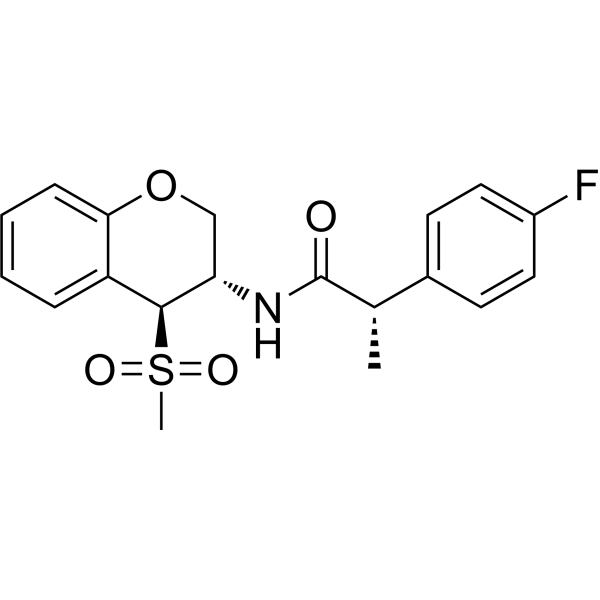
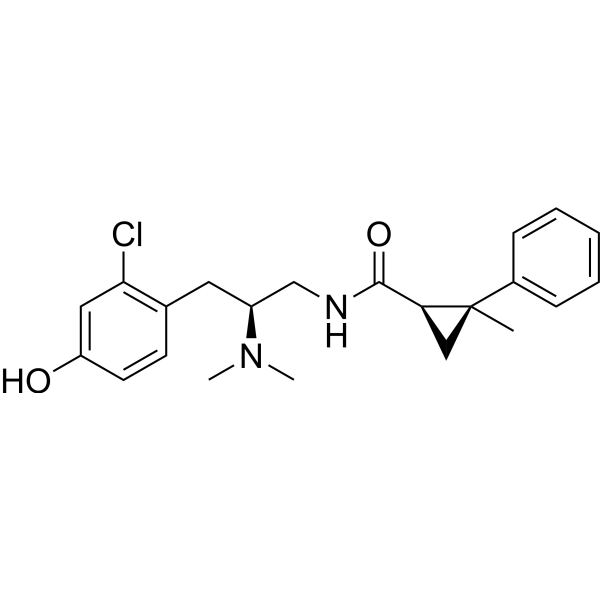
    VU6007477 is a brain-penetrant, selective M1 positive allosteric modulator (PAM) with an EC50 value of 230 nM. VU6007477 is also a human P-glycoprotein (P-gp) substrate with moderate permeability. VU6007477 displays improved central nervous system (CNS) penetration over the hydroxylated congeners. VU6007477 a pyranyl amide derivative, which is promising for research of robust cholinergic seizure activity .
    VU6007477
  • HY-18679

    mGluR Neurological Disease
    TC-N 22A is a potent, selective, orally active and brain-permeable mGlu4 PAM with an EC50 of 9 nM in human mGlu4-expressing BHK cells. TC-N 22A is less active (EC50>10 μM) in agonist and PAM model at mGlu 1, 2, 3, 5, and 7 receptors. TC-N 22A has the potential for research of CNS disease in vivo .
    TC-N 22A
  • HY-101418R

    P2X Receptor Reference Standards Neurological Disease
    JNJ-47965567 (Standard) is the analytical standard of JNJ-47965567 (HY-101418). This product is intended for research and analytical applications. JNJ-47965567 is a centrally permeable, high-affinity, selective P2X7 antagonist, with pKis of 7.9 and 8.7 for human and rat P2X7, respectively. JNJ-47965567 can be used to probe the role of central P2X7 in rodent models of CNS pathophysiology .
    JNJ-47965567 (Standard)
  • HY-186183

    iGluR Cardiovascular Disease Neurological Disease Inflammation/Immunology
    Normethyl-ZCAN262 (Normethyl-262) is a blood-brain barrier-permeable selective GluR2/AMPAR receptor modulator. Normethyl-ZCAN262 inhibits AMPA-mediated neurotoxicity, the formation of the GAPDH-GluR2 complex, and GluR2/AMPAR neurotoxicity. Normethyl-ZCAN262 enables in vivo imaging of brain AMPA receptors and is used in research related to multiple sclerosis, amyotrophic lateral sclerosis, neuroinflammation, stroke, epilepsy, Parkinson's disease, Alzheimer's disease, dementia, and Huntington's disease .
    Normethyl-ZCAN262

Inquiry Online

Your information is safe with us. * Required Fields.

Salutation


Country or Region *

Applicant Name *


Organization Name *

Department *


Email Address *


Product Name *

Cat. No.


Requested quantity *

Phone Number *


Remarks

Inquiry Online

Inquiry Information

Product Name:
Cat. No.:
Quantity:
MCE Japan Authorized Agent:

