
1. Search Result
Search Result
Pathways Recommended: Stem Cell/Wnt Cell Cycle/DNA Damage
Results for "

CT26 cell

" in MedChemExpress (MCE) Product Catalog:

66

Inhibitors & Agonists

3

Peptides

9

Inhibitory Antibodies

5

Natural
Products

2

Oligonucleotides

Cat. No. Product Name Target Research Areas Chemical Structure
  • HY-113016
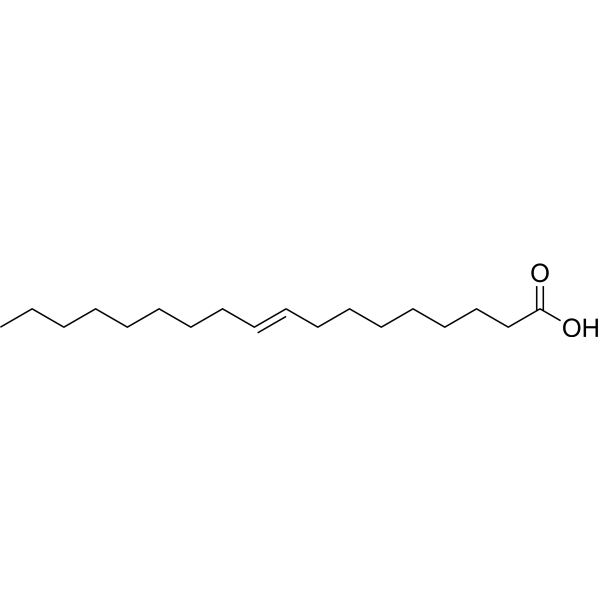
    Elaidic acid
    4 Publications Verification

    Apoptosis Wnt ERK Bacterial Interleukin Related Infection Metabolic Disease Cancer
    Elaidic acid is an orally active trans fatty acid. Elaidic acid enhances the stemness of colorectal cancer cells by activating the Wnt/ERK1/2 pathway, thereby promoting cell proliferation, invasion and metastasis, and inhibiting apoptosis. Elaidic acid also inhibits the growth of Lactobacillus and alters the cell surface hydrophobicity of Lactobacillus. Elaidic acid reduces basal 2-deoxyglucose uptake in muscle cells and adipocytes. Elaidic acid can be used in research on colorectal cancer, insulin and other related areas .
    Elaidic acid
  • HY-P990117

    Integrin Cardiovascular Disease Cancer
    Anti-Mouse/Rat/Human Osteopontin/SPP1 Antibody (MPIIIB10) is a mouse-derived Osteopontin/SPP1 IgG1 κ type antibody inhibitor. Anti-Mouse/Rat/Human Osteopontin/SPP1 Antibody (MPIIIB10) blocks Angiotensin II (HY-13948)-induced DNA synthesis and collagen gel contraction in cardiac fibroblasts. Anti-Mouse/Rat/Human Osteopontin/SPP1 Antibody (MPIIIB10) significantly inhibits tumor growth in CT26 or MC38 tumors mice models .
    Anti-Mouse/Rat/Human Osteopontin/SPP1 Antibody (MPIIIB10)
  • HY-136244
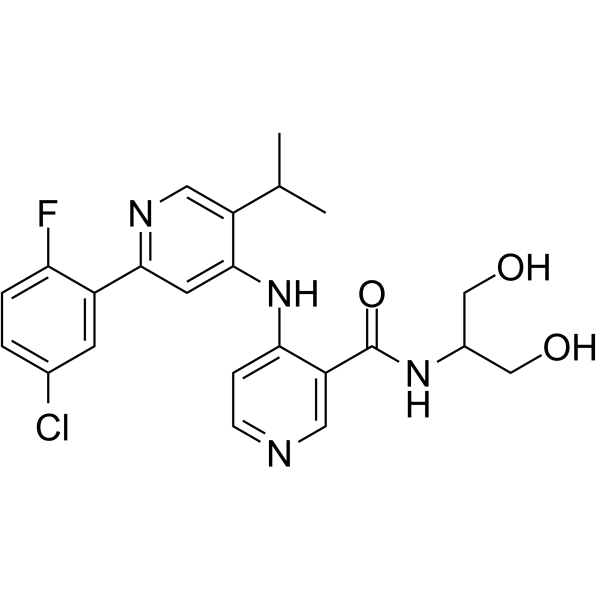
    PF-06952229
    4 Publications Verification

    TGF-β Receptor Cancer
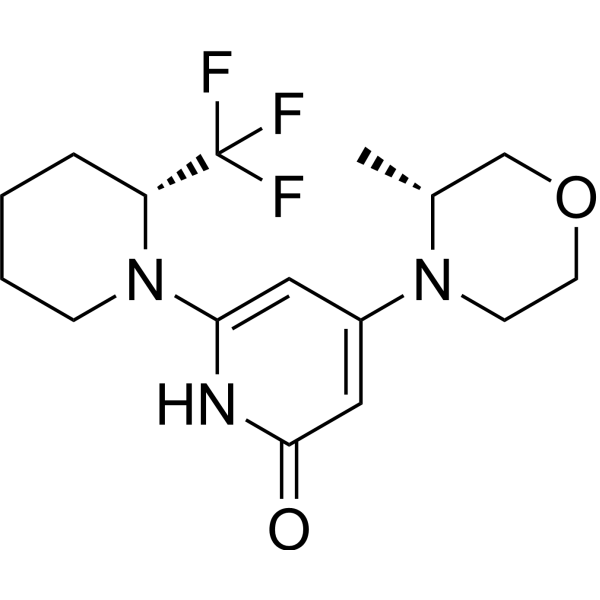
    PF-06952229 is a potent, selective and orally active TGFbR1 inhibitor. PF-06952229 specifically binds to TGFbR1 and prevents TGFbR1-mediated signal transduction.?PF-06952229 is a promising antineoplastic?agent for the study solid tumors, especifically metastatic breast cancer .
    PF-06952229
  • HY-128679

    IKK Cancer
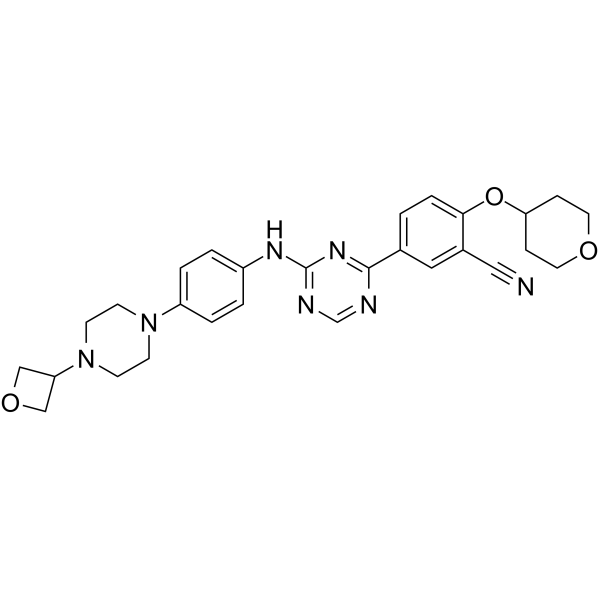
    TBK1/IKKε-IN-5 (compound 1) is an orally active TBK1 and IKKε dual inhibitor, with IC50 values of 1 and 5.6 nM, respectively. TBK1/IKKε-IN-5 enhances the blockade response to PD-1 and induces immune memory in rats when combines with anti-PD-L1. TBK1/IKKε-IN-5 can be used in cancer research, especially in tumour immunity .
    TBK1/IKKε-IN-5
  • HY-N0353
    Curdione
    2 Publications Verification

    (+)-Curdione

    Ferroptosis Apoptosis Reactive Oxygen Species (ROS) Autophagy Glutathione Peroxidase Keap1-Nrf2 Heme Oxygenase (HO) TGF-β Receptor Indoleamine 2,3-Dioxygenase (IDO) Cardiovascular Disease Neurological Disease Cancer
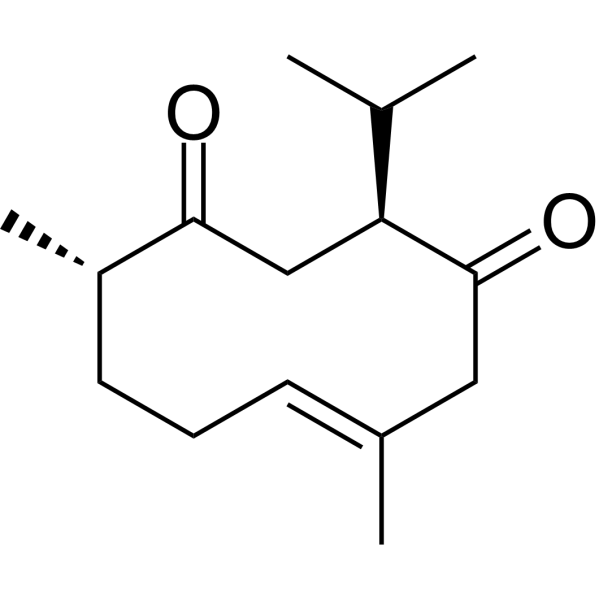
    Curdione ((+)-Curdione) is an orally active sesquiterpenoid. Curdione inhibits platelet aggregation. Curdione induces ferroptosis in colorectal cancer via m6A methylation mediated by METTL14 and YTHDF2. Curdione inhibits ferroptosis in Isoproterenol (HY-B0468)-induced myocardial infarction by regulating the Keap1/Trx1/GPX4 signaling pathway, suppressing oxidative stress (ROS) and apoptosis. Curdione ameliorates Doxorubicin (HY-15142)-induced cardiotoxicity by inhibiting oxidative stress (ROS) and activating the Nrf2/HO-1 pathway. Curdione ameliorates sepsis-induced lung injury by inhibiting platelet-mediated neutrophil extracellular trap formation. Curdione ameliorates Bleomycin (HY-17565A)-induced pulmonary fibrosis by inhibiting TGF-β-induced fibroblast-to-myofibroblast differentiation. Curdione exhibits neuroprotective effects against focal cerebral ischemia-reperfusion injury in rats. Curdione exerts antiproliferative effects against human uterine leiomyosarcoma by targeting IDO1. Curdione protects vascular endothelial cells and atherosclerosis by regulating DNMT1-mediated ERBB4 promoter methylation. Curdione inhibits inducible prostaglandin E2 production (IC50 = 1.1 μM) and cyclooxygenase 2 expression .
    Curdione
  • HY-P10439

    PD-1/PD-L1 Inflammation/Immunology Cancer
    CVRARTR is a programmed cell death ligand-1 (PD-L1) antagonist with a KD of 281 nM. CVRARTR induces the internalization of PD-L1 and downregulates PD-L1 on the cell surface. CVRARTR restores cytokine secretion and T cell proliferation in cell CT26. CVRARTR exhibits antitumor efficacy against in CT26 homograft mouse model. CVRARTR can be used in melanoma research .
    CVRARTR
  • HY-P990680

    Transmembrane Glycoprotein TNF Receptor Infection Inflammation/Immunology Cancer
    Anti-Mouse CD40 Antibody (FGK4.5/FGK45) is an agonistic rat-derived IgG2a monoclonal antibody targeting mouse CD40. Anti-Mouse CD40 Antibody (FGK4.5/FGK45) enhances T cells responses, dendritic cells maturation and NK cells activation. Anti-Mouse CD40 Antibody (FGK4.5/FGK45) can be used for the researches of cancer, infection, inflammation and immunology, such as CT26 tumor, vesicular stomatitis virus (VSV) infection and transplantation .
    Anti-Mouse CD40 Antibody (FGK4.5/FGK45)
  • HY-B0984
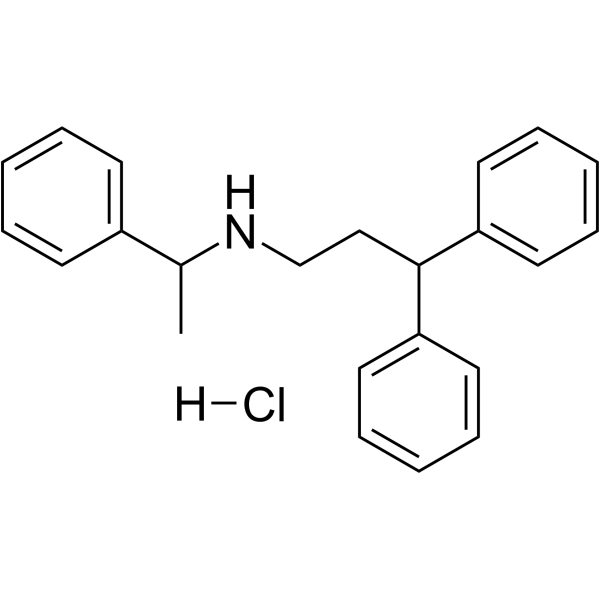
    Fendiline hydrochloride
    3 Publications Verification

    Calcium Channel Ras STING Autophagy Infection Cardiovascular Disease Cancer
    Fendiline hydrochloride, a diphenylalkylamine type of antianginal agent, is an L-type calcium channel blocker (IC50 of 17 µM). Fendiline hydrochloride is also a selective K-Ras inhibitor, and has no effect on H-Ras and N-Ras. Fendiline hydrochloride inhibits K-Ras plasma membrane localization (IC50 of 9.64 μM), inhibits K-Ras signal output and blocks the proliferation of pancreatic, colon, lung, and endometrial cancer cell lines expressing oncogenic mutant K-Ras. Fendiline hydrochloride is a STING agonist and is able to inhibit the growth of multiple refractory cold tumors (MC38, CT26 and B16F10) .
    Fendiline hydrochloride
  • HY-162275

    Histone Demethylase Histone Methyltransferase STAT Cancer
    JMJD1C-IN-1 is an orally active and selective inhibitor of JMJD1C (IC50 = 0.59 μM, Kd = 1.96 μM). JMJD1C-IN-1 inhibits the binding of JMJD1C to H3K9me2 peptide substrate in the HTRF assay (IC50 = 1.47 μM). JMJD1C-IN-1 disrupts intratumoral regulatory T (Treg) cell fitness by dual mechanisms: promoting H3K9me2 accumulation to downregulate PD1 expression and reducing STAT3 demethylation to enhance STAT3 activation. JMJD1C-IN-1 demonstrates dose-dependent antitumor efficacy in multiple mouse tumor models (MCA205 fibrosarcoma, B16-F10 melanoma, LLC lung cancer, Hepa1-6 hepatocellular carcinoma, CT26 colorectal cancer). JMJD1C-IN-1 can be used for the study of tumor immunotherapy by selectively targeting intratumoral Treg cells .
    JMJD1C-IN-1
  • HY-176806

    Doxorubicin-LNAA-Boc

    Drug Derivative Cancer
    Legubicin (Doxorubicin-LNAA-Boc) is a novel conjugate of Doxorubicin (HY-15142A) and a Legumain-cleavable peptide linker. Legubicin is activated by Legumain to release leucine-doxorubicin while sparing normal tissues. Legubicin inhibits tumor cell growth and reduces DNA binding in non-legumain expressing cells. Legubicin completely arrests tumor growth in mice bearing CT26 tumors. Legubicin can be used for the study of colon carcinoma (CRC) .
    Legubicin
  • HY-132192
    PD-1/PD-L1-IN-9
    2 Publications Verification

    PD-1/PD-L1 Cancer
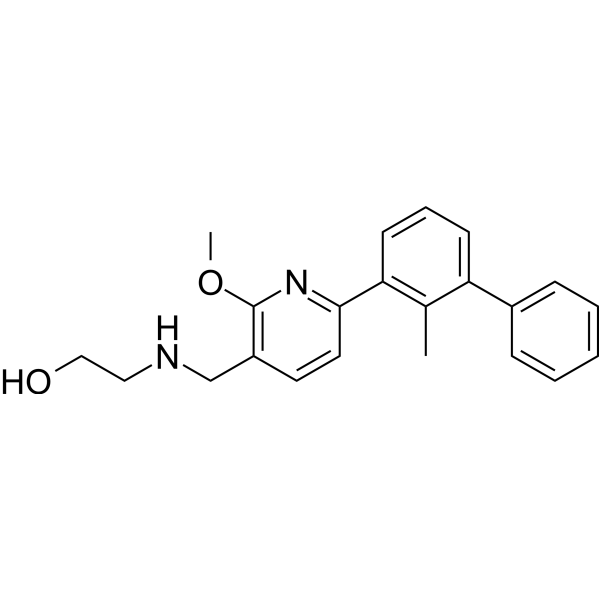
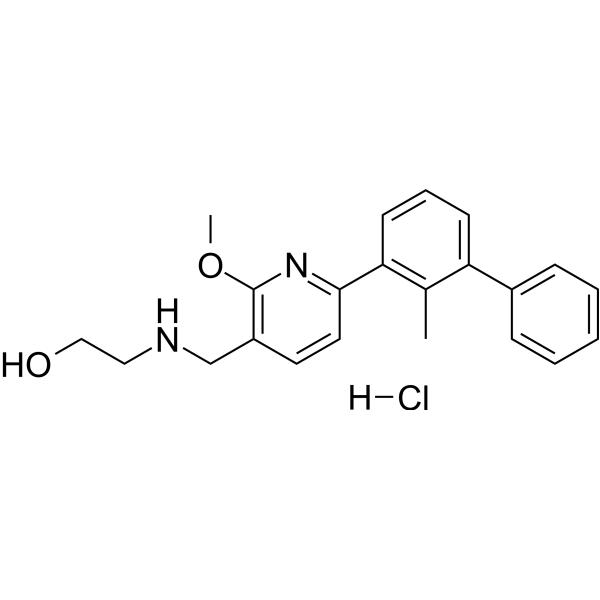
    PD-1/PD-L1-IN-9 is a potent and orally active inhibitor of PD-1/PD-L1 interaction, with an IC50 of 3.8 nM. PD-1/PD-L1-IN-9 can enhance the killing activity of tumor cells by immune cells. PD-1/PD-L1-IN-9 also exhibits significant in vivo antitumor activity in a CT26 mouse model .
    PD-1/PD-L1-IN-9
  • HY-P1684
    Peptide P60
    1 Publications Verification

    FOXP3 inhibitor P60

    NF-κB Nuclear Factor of activated T Cells (NFAT) Infection Inflammation/Immunology Cancer
    Peptide P60 is a FOXP3 inhibitor. Peptide P60 reduces the nuclear translocation of FOXP3 and impairs FOXP3-mediated inhibition of NF-κB and NFAT activity. Peptide P60 inhibits the immunosuppressive activity of regulatory T cells and restores the proliferation and activation of effector T cells. Peptide P60 induces lymphoproliferative autoimmune syndrome in neonatal ICR mice and reduces the number of CD4 +CD25 +Foxp3 + T cells in the spleen. Peptide P60 enhances the efficacy of AH1 (HY-P4193) peptide vaccine and recombinant adenovirus-based HCV NS3 vaccine in BALB/c mice, including protective effects against CT26 tumor implantation. Peptide P60 can be used in studies related to tumor immunity, viral infection and lymphoproliferative autoimmune syndrome .
    Peptide P60
  • HY-P990795

    Osteopontin Inflammation/Immunology Cancer
    Anti-Mouse osteopontin/SPP1 Antibody (100D3) is an anti-mouse osteopontin/SPP1 IgG2c monoclonal antibody. Anti-Mouse osteopontin/SPP1 Antibody (100D3) can reverse the inhibition of osteopontin (OPN) on T cells and enhance cytotoxic T lymphocyte (CTL) killing ability. Anti-Mouse osteopontin/SPP1 Antibody (100D3) can improve dentin density. Anti-Mouse osteopontin/SPP1 Antibody (100D3) can be used for researches on cancer and dental related conditions such as colon cancer. The recommend isotype control of Anti-Mouse osteopontin/SPP1 Antibody (100D3): Mouse IgG2c kappa, Isotype Control (HY-P99981) .
    Anti-Mouse osteopontin/SPP1 Antibody (100D3)
  • HY-B0984A
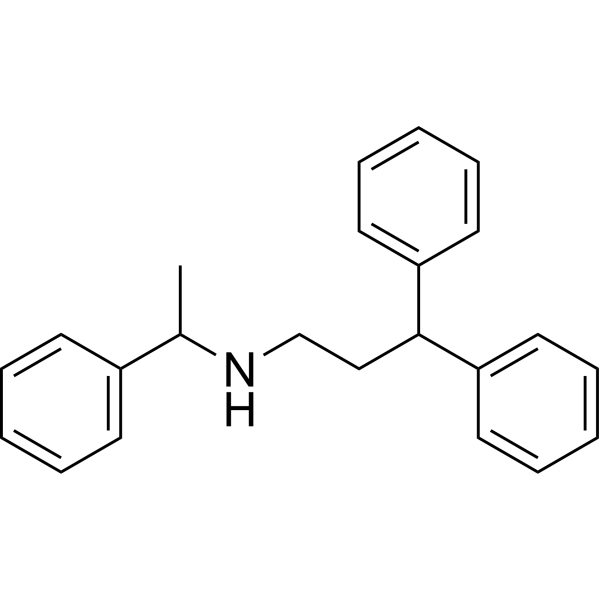
    Fendiline
    3 Publications Verification

    Calcium Channel Ras STING Autophagy Infection Cardiovascular Disease Cancer
    Fendiline, a diphenylalkylamine type of antianginal agent, is an L-type calcium channel blocker (IC50 of 17 µM). Fendiline is also a selective K-Ras inhibitor, and has no effect on H-Ras and N-Ras. Fendiline inhibits K-Ras plasma membrane localization (IC50 of 9.64 μM), inhibits K-Ras signal output and blocks the proliferation of pancreatic, colon, lung, and endometrial cancer cell lines expressing oncogenic mutant K-Ras. Fendiline is a STING agonist and is able to inhibit the growth of multiple refractory cold tumors (MC38, CT26 and B16F10) .
    Fendiline
  • HY-P99118

    HLX 10

    PD-1/PD-L1 Akt STAT Cancer
    Serplulimab (HLX 10) is a humanized anti-PD-1 monoclonal antibody. Serplulimab can inhibit tumor growth, regulate the tumor microenvironment, and has anti-tumor activity. Serplulimab can be used in the research of cancer such as lung cancer and colon cancer .
    Serplulimab
  • HY-P990273

    CD38 ERK CD1 Apoptosis Inflammation/Immunology Cancer
    Anti-Mouse CD38 Antibody (NIMR5) is an anti-mouse CD38 IgG2a monoclonal antibody. Anti-Mouse CD38 Antibody (NIMR5) can activate the ERK signaling pathway and promote cell apoptosis. Anti-Mouse CD38 Antibody (NIMR5) can restore T cell function. Anti-Mouse CD38 Antibody (NIMR5) upregulates the expression of CD1d protein and enhances spleen cell proliferation, dendritic cell (DC) and natural killer T cell (NKT) expansion. Anti-Mouse CD38 Antibody (NIMR5) can be used for researches on cancer and immunology such as melanoma and colon cancer .
    Anti-Mouse CD38 Antibody (NIMR5)
  • HY-159730

    Aminotransferases (Transaminases) Inflammation/Immunology Cancer
    ERG245 is a selective amino acid aminotransferase (BCAT1) inhibitor with a human IC50 of 0.5 nM. ERG245 enhances oxidative phosphorylation (OXPHOS) in CD8 + T cells by specifically inhibiting BCAT1 activity, thereby increasing the cytotoxicity of CD8 + T cells. ERG245 shows anti-inflammatory and anti-tumor activities. ERG245 can be used for the researches of cancer anf inflammation, such as colitis and colon cancer .
    ERG245
  • HY-172209

    p38 MAPK Apoptosis Reactive Oxygen Species (ROS) Caspase Bcl-2 Family Cancer
    PPIA-IN-1 is a PPIA inhibitor with a Kd value of 0.52 μM. PPIA-IN-1 inhibits the PPIA/MAPK signaling pathway to exert antiproliferative activity. PPIA-IN-1 induces G0/G1 cell cycle arrest in cancer cells. PPIA-IN-1 upregulates the expression of Bax and caspase-3, downregulates Bcl-2 expression, and induces apoptosis in cancer cells. PPIA-IN-1 induces increased ROS levels, DNA damage, endoplasmic reticulum stress, and mitochondrial dysfunction in cancer cells. PPIA-IN-1 exhibits antitumor activity in a mouse colon cancer xenograft model. PPIA-IN-1 can be used for the research of colorectal cancer .
    PPIA-IN-1
  • HY-144661

    Ras Apoptosis Cancer
    KRAS G12D inhibitor 14 is a potent KRAS G12D inhibitor with a KD of 33 nM for binding to KRAS G12D protein. KRAS G12D inhibitor 14 decreases the active form of KRAS G12D (KRAS G12D-GTP) but not KRAS G13D .
    KRAS G12D inhibitor 14
  • HY-P991336

    INBRX-106; ES-102

    Orexin Receptor (OX Receptor) Inflammation/Immunology Cancer
    Ordastobart (INBRX-106; ES-102) is a hexavalent OX40 agonist antibody. Ordastobart enhances OX40 receptor clustering, signaling, and downstream activation, thereby increasing the proliferation and activation of CD4 + and CD8 + T cells in vitro and in vivo. Ordastobart exhibits anti-tumor effects and improves survival in mouse models of cancer. Ordastobart is indicated for research in cancers such as fibrosarcoma and colorectal cancer .
    Ordastobart
  • HY-N3389
    Licoisoflavone A
    2 Publications Verification

    SARS-CoV Sirtuin CDK Apoptosis Infection Metabolic Disease Cancer
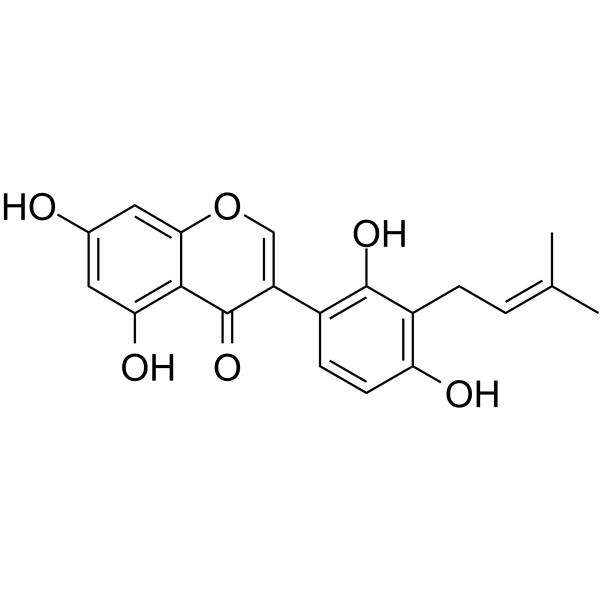
    Licoisoflavone A is an orally active isoflavone. Licoisoflavone A inhibits proliferation, induces apoptosis, and causes G1/S phase arrest in colorectal cancer (CRC) cells. Licoisoflavone A inhibits the CDK2-Cyclin E1 axis. Licoisoflavone A inhibits lipid peroxidation with an IC50 of 7.2 μM. Licoisoflavone A shows a dose-dependent inhibition effect on SARS-CoV-2 infection. Licoisoflavone A exhibits significant anti-tumor efficacy in mice bearing CT26 cell subcutaneous xenografts. Licoisoflavone A can be used for the study of colorectal cancer and SARS-CoV-2 infection .
    Licoisoflavone A
  • HY-175341

    Acyltransferase Ras Akt Cancer
    Rac1-IN-5 is a specific, reversible inhibitor of RAC1 (KD = 30 nM). Rac1-IN-5 competes with guanine nucleotides for specific binding to RAC proteins, effectively blocking RAC1 activity and RAC1-dependent cellular functions. Rac1-IN-5 exhibits anti-tumor metastasis effects in vivo and can improve survival. Rac1-IN-5 can be used to study invasive cancers such as triple-negative breast cancer and colon cancer .
    Rac1-IN-5
  • HY-143889

    CDK Cancer
    Senexin C is a selective and orally active CDK8/19 inhibitor. Senexin C shows a strong tumor-enrichment pharmacokinetic (PK) profile and tumor-pharmacodynamic (PD) marker responses. Senexin C inhibits the growth of MV4-11 leukemia cells with good tolerability .
    Senexin C
  • HY-155971

    Autophagy Inflammation/Immunology Cancer
    VISTA-IN-2 (Compound 1) is an inhibitor of V-domain Ig suppressor of T-cell activation (VISTA). VISTA-IN-2 induces VISTA degradation in cells through an autophagic mechanism. VISTA-IN-2 rescues VISTA-mediated immunosuppression, and enhances antitumor activity of immune cells. VISTA-IN-2 also activates the antitumor immunity and inhibits tumor growth in a CT26 mouse model .
    VISTA-IN-2
  • HY-122891
    SB02024
    1 Publications Verification

    PI3K CXCR STAT Cancer
    SB02024 is a potent and orally active VPS34 inhibitor. SB02024 inhibits Vps34 kinase activity. SB02024 induces CCL5 and CXCL10 via STAT1/IRF7. SB02024 shows anticancer activity .
    SB02024
  • HY-B0984R

    Calcium Channel Ras STING Autophagy Reference Standards Infection Cardiovascular Disease Cancer
    Fendiline (hydrochloride) (Standard) is the analytical standard of Fendiline (hydrochloride). This product is intended for research and analytical applications. Fendiline hydrochloride, a diphenylalkylamine type of antianginal agent, is an L-type calcium channel blocker (IC50 of 17 µM). Fendiline hydrochloride is also a selective K-Ras inhibitor, and has no effect on H-Ras and N-Ras. Fendiline hydrochloride inhibits K-Ras plasma membrane localization (IC50 of 9.64 μM), inhibits K-Ras signal output and blocks the proliferation of pancreatic, colon, lung, and endometrial cancer cell lines expressing oncogenic mutant K-Ras. Fendiline hydrochloride is a STING agonist and is able to inhibit the growth of multiple refractory cold tumors (MC38, CT26 and B16F10) .
    Fendiline hydrochloride (Standard)
  • HY-163719

    PARP Cancer
    PARP7-IN-22 (XLY-1) is a PARP7 inhibitor with an IC50 of 0.6 nM. PARP7-IN-22 (XLY-1) is orally active, enhances type I interferon signaling in vitro, restores type I interferon signaling, promotes T cell infiltration into tumor tissues, and significantly inhibits tumor growth. PARP7-IN-22 shows promise for research in the field of cancer immunotherapy .
    PARP7-IN-22
  • HY-155068

    Microtubule/Tubulin Reactive Oxygen Species (ROS) Apoptosis PERK Eukaryotic Initiation Factor (eIF) IRE1 Cancer
    FC-11 is a tubulin inhibitor. FC-116 inhibits the proliferation of colorectal cancer (CRC) cells, with IC50 values of 4.52 nM for HCT116 cells and 18.69 nM for CT26 cells. FC-11 can induce ER stress to generate excess ROS, leading to mitochondrial damage, thereby promoting apoptosis in colorectal cancer (CRC) cells by targeting microtubules. FC-116 exerts potent anti-tumor effects in vivo. FC-11 can be used for the study of colorectal cancer .
    FC-116
  • HY-132192A
    PD-1/PD-L1-IN-9 hydrochloride
    2 Publications Verification

    PD-1/PD-L1 Cancer
    PD-1/PD-L1-IN-9 hydrochloride is a potent and orally active inhibitor of PD-1/PD-L1 interaction, with an IC50 of 3.8 nM. PD-1/PD-L1-IN-9 hydrochloride can enhance the killing activity of tumor cells by immune cells. PD-1/PD-L1-IN-9 hydrochloride also exhibits significant in vivo antitumor activity in a CT26 mouse model .
    PD-1/PD-L1-IN-9 hydrochloride
  • HY-175478

    Phosphodiesterase (PDE) STING Inflammation/Immunology Cancer
    Enpp-1-IN-27 is a selective ENPP1 inhibitor with an IC50 of 14.68 nM, exhibiting approximately 410-fold selectivity against ENPP2 and 10-fold selectivity against ENPP3. Enpp-1-IN-27 stabilizes cGAMP levels and activates the STING pathway, promoting cytokine release and enhancing innate immune responses. Enpp-1-IN-27 induces ISRE activation and amplified cGAMP-mediated immune responses and shows the desired antitumor efficacy in the 4T1 and CT26 syngeneic mouse models. Enpp-1-IN-27 can used for the studies of breast cancer and colon cancer .
    Enpp-1-IN-27
  • HY-P990124

    TNF Receptor NF-κB Interleukin Related Inflammation/Immunology Cancer
    Anti-Mouse GITR Antibody (DTA-1) is a rat derived IgG2b monoclonal agonist antibody targeting mouse GITR. Anti-Mouse GITR Antibody (DTA-1) can activate T cells and B cells to enhance immune response. Anti-Mouse GITR Antibody (DTA-1) selectively enhances Th2 cell effector function through GITR signaling. Anti-Mouse GITR Antibody (DTA-1) may exacerbate allergic reactions. Anti-Mouse GITR Antibody (DTA-1) can be used for researches on cancer and allergic conditions such as colon cancer and allergic asthma. The recommed isotype control of Anti-Mouse GITR Antibody (DTA-1) is Rat IgG2b kappa, Isotype Control (HY-P990682) .
    Anti-Mouse GITR Antibody (DTA-1)
  • HY-177531

    Liposome mRNA Neurological Disease Inflammation/Immunology Cancer
    S-Ac7-DOG is a cationic lipid with biodegradability, low immunogenicity and high nucleic acid transfection capacity, which is commonly used to construct lipid nanoparticles for nucleic acid molecule delivery. S-Ac7-DOG can bind to mRNA, microRNA and self-amplifying RNA through electrostatic interaction. Lipid nanoparticles formed by S-Ac7-DOG enter cells via an energy-dependent endocytic pathway, release nucleic acid cargos, induce antigen-specific CD8 + T cell responses, promote the generation of precursor memory T cells, and regulate neuroinflammatory pathways. S-Ac7-DOG can be used in the research of retinal diseases, neuroinflammation and cancer .
    S-Ac7-DOg
  • HY-177742

    Molecular Glues Phosphoglycerate Dehydrogenase (PHGDH) Cancer
    LXH-3-71 is a PHGDH degrader. LXH-3-71 acts as a molecular glue to enhance the interaction of the PHGDH-DDB1-CRL E3 ligase complex, triggering ubiquitination and proteasomal degradation of PHGDH. LXH-3-71 regulates the stemness of colorectal cancer cells and inhibits tumor proliferation and colony formation. LXH-3-71 can be used in the research of colorectal cancer .
    LXH-3-71
  • HY-169859

    Prostaglandin Receptor Interleukin Related Inflammation/Immunology Cancer
    EP4 receptor antagonist 7 (Compound 14) is an antagonist of the prostaglandin E2 (PGE2) receptor subtype EP4 with an IC50 value of 1.1 nM. EP4 receptor antagonist 7 inhibits PGE2-induced β-arrestin recruitment in HEK293 cells with an IC50 value of 0.9 nM. EP4 receptor antagonist 7 decreases PGE2-induced expression of mRNA encoding IL-4, macrophage mannose receptor 1 (Mrc1), chitinase-like protein 3 (Chil3), chemokine (C-X-C) motif ligand 1 (Cxcl1), triggering receptor expressed on myeloid cells 2 (Trem2), and arginase-1 (Arg1), in RAW 264.7 macrophages. EP4 receptor antagonist 7 combined with an anti-PD-1 antibody inhibits tumor growth and increases infiltration of CD 8+ T cells into tumors in a CT26 murine colon cancer model .
    EP4 receptor antagonist 7
  • HY-179211

    HSP MHC Cancer
    CliMB-325 is an HSP90 inhibitor that can induce MHC-I (EC50 = 498 nM) expression on the surface of CT26 murine colorectal cancer cells. CliMB-325 enhances T cell activation and exhibits lower toxicity. CliMB-325 can be used for the study of colorectal cancer .
    CliMB-325
  • HY-178954

    Indoleamine 2,3-Dioxygenase (IDO) Cancer
    IDO1-IN-32 (Compound 45) is a potent and orally effective IDO1 inhibitor with an IC50 of 10 pM. IDO1-IN-32 exhibits significant anti-proliferative activity against Hela cells. IDO1-IN-32 can significantly inhibit tumor growth in CT26 and LCC transplanted mouse models by activating anti-tumor immunity. IDO1-IN-32 can be used for research on colon cancer and breast cancer .
    IDO1-IN-32
  • HY-178062

    DGK Interleukin Related Cancer
    DGKα-IN-10 is an orally active and potent DGKα inhibitor with an IC50 of 0.27 nM. DGKα-IN-10 can induce IL-2 release and T cells proliferation. DGKα-IN-10 can be used for the research of cancer, such as colon cancer .
    DGKα-IN-10
  • HY-178378

    Histone Methyltransferase GLP Receptor Reactive Oxygen Species (ROS) Autophagy Apoptosis Cancer
    G9a-IN-4 is a G9a inhibitor with high selectivity (IC50 = 32 nM). G9a-IN-4 shows high selectivity against the other tested lysine/arginine methyltransferases. G9a-IN-4 exhibits high enzymatic activity against G9a and more potent antiproliferative effects against all tested cancer cells. G9a-IN-4 significantly suppresses the H3K9me2 level. G9a-IN-4 triggers autophagy by inducing the production of ROS, thus leading to cell apoptosis and cell cycle arrest at G0/G1 in CT26 colon cells. G9a-IN-4 can be used for the study of colon cancer .
    G9a-IN-4
  • HY-178032

    PARP Apoptosis Reactive Oxygen Species (ROS) DNA/RNA Synthesis STING Cancer
    PARP1-IN-44, an Olaparib (HY-10162) derivative, is an orally active PARP1 inhibitor (IC50 = 0.6 nM), and also inhibits PARP2 (IC50 = 1.0 nM) and PARP7 (IC50 = 7.5 nM). PARP1-IN-44 has selective antiproliferative activity against BRCA-deficient cancer cells with minimal toxicity to normal cells. PARP1-IN-44 induces G2/M phase arrest, promotes apoptosis, elevates ROS levels, disrupts mitochondrial membrane potential. PARP1-IN-44 suppresses PARylation while increasing γH2AX accumulation. PARP1-IN-44 activates the cGAS-STING pathway, upregulating IFN-β and CXCL10 expression. PARP1-IN-44 enhancing CD8+ T cell infiltration in a CT26 tumor mouse model, demonstrating robust in vivo antitumor efficacy .
    PARP1-IN-44
  • HY-169239

    MAGL Cancer
    MAGL-IN-20 (compound ±34) is a reversible monoacylglycerol lipase (MAGL) inhibitor. MAGL-IN-20 exhibits appreciable antiproliferative activities against several cancer cells, including H460, HT29, CT-26, Huh7 and HCCLM-3. .
    MAGL-IN-20
  • HY-162766

    Apoptosis Cancer
    Antitumor agent-184 (compound 12aa) induces cell apoptosis, with the IC50s of 2.35 μM, 7.32 μM and 10.31 μM in B16-F10 cells, 4T1 cells and CT26 cells, respectively .
    Antitumor agent-184
  • HY-N7484

    Fungal Cancer
    (−)-Voacangarine is an indole alkaloid, which exhibits cytotoxic effects against cancer cells HepG2, A375, MDA-MB-231, SH-SY5Y, and CT26 with IC50 of 5~20 mg/mL. (−)-Voacangarine inhibits the cultivation of Saccharomyces cerevisiae wildtype and repair-deficient mutants .
    (−)-Voacangarine
  • HY-172892

    PI3K Reactive Oxygen Species (ROS) Cancer
    PI3K-IN-59 (Compound 3d) is a PI3K inhibitor (IC50: 17.44 μM). PI3K-IN-59 has significant antiproliferative activity and exhibits potent inhibitory effects on breast cancer 4T1 cells (IC50: 3.70 μM) and colon cancer CT26 cells (IC50: 1.98 μM) as well as human breast cancer cells (IC50: 19.72 μM). PI3K-IN-59 exerts a dual anti-tumor mechanism by inhibiting PI3Kα enzymatic activity and triggering the Fenton reaction to generate hydroxyl radicals (•OH). PI3K-IN-59 shows promising anti-4T1 tumor effects and is suitable for synergistic targeting studies in breast and colon cancers .
    PI3K-IN-59
  • HY-175195

    Adenosine Receptor Interleukin Related IFNAR Cytochrome P450 Inflammation/Immunology Cancer
    Adenosine receptor antagonist 6 is an orally active and selective A2A adenosine receptor (A2AAR) antagonist, with a Ki of 19.18 nM. Adenosine receptor antagonist 6 inhibits 5’-N-ethylcarboxamide adenosine (NECA) (HY-103173)-mediated cAMP production (IC50 = 0.089 μM) and immunosuppression, while promoting IL-2 and IFN-γ secretion. Adenosine receptor antagonist 6 abolishes the immunosuppressive effects of adenosine on T-cell activation and cytokine release. Adenosine receptor antagonist 6 inhibits tumor growth in a CT26/MC38 xenograft model. Adenosine receptor antagonist 6 can be used for the study of colon cancer .
    Adenosine receptor antagonist 6
  • HY-P990259

    Transmembrane Glycoprotein Inflammation/Immunology Cancer
    Anti-Mouse CD96 Antibody (3.3) is a rat-derived anti-mouse CD96 IgG1 λ type antibody inhibitor. Anti-Mouse CD96 Antibody (3.3) blocks binding of CD155 to CD96. Anti-Mouse CD96 Antibody (3.3) can enhance the antitumor efficacy of multiple immune-checkpoint inhibitors. Anti-Mouse CD96 Antibody (3.3) shows potent anti-tumor and anti-metastatic activity in various tumor models. Anti-Mouse CD96 Antibody (3.3) can be used for the researches of cancer and inflammation, such as mammary carcinoma .
    Anti-Mouse CD96 Antibody (3.3)
  • HY-170877

    SHP2 PI3K Akt Autophagy Cancer
    SHP2-IN-35 (Compound 3f) is the inhibitor for SHP2. SHP2-IN-35 exhibits antiproliferative activity in cancer cells RKO, SW480 and CT26 with IC50 of 5.72 μM, 3.71 μM and 1.42 μM, respectively. SHP2-IN-35 inhibits the PI3K-Akt signaling pathway, regulates the cell cycle associated gene expressions, and induces mitochondrial-related autophagy. SHP2-IN-35 inhibits the expression of certain cytokines and chemokines in the tumor microenvironment (TME), thereby regulating the tumor progression .
    SHP2-IN-35
  • HY-175290

    Arf Family GTPase Cancer
    Arf1-GEFs-IN-1 is a potent and orally active ADP-ribosylation factor 1- guanine nucleotide exchange factors (Arf1-GEFs) inhibitor with an IC50 value of 40.85 μM against CT26 cells. Arf1-GEFs-IN-1 primarily mediates tumor regression by triggering anti-tumor immune responses, rather than through direct cytotoxicity. Arf1-GEFs-IN-1 effectively promotes CCL5 expression, demonstrates excellent in vivo efficacy. Arf1-GEFs-IN-1 can be used for the study of colon cancer .
    Arf1-GEFs-IN-1
  • HY-169480

    Liposome Infection Cancer
    Lipid C2 is an ionizable cationic lipid that has been used in the formation of lipid nanoparticles (LNP) for mRNA delivery in vivo. LNPs containing Lipid C2 and encapsulating an mRNA reporter selectively accumulate in the liver and spleen but not the heart, lungs, or kidneys in mice. LNP containing Lipid C2 and encapsulating mRNA encoding the Epstein-Barr virus (EBV) protein latent membrane protein 2 (LMP-2), in combination with an anti-programmed cell death protein 1 (PD-1) antibody, decrease tumor volume and reverse T cell exhaustion, as well as increase the percentage of CD3 +CD8 + central and CD3 +CD8 + effector memory T cells and decrease the percentage of CD3 + T cells expressing Pd-1, in the spleen in a CT26 murine EBV-infected colon cancer model .
    Lipid C2
  • HY-159905

    MAP4K Inflammation/Immunology
    HPK1-IN-54 is a potent HPK1 (Hematopoietic Progenitor Kinase 1) inhibitor that enhances T cell activation and proliferation by inhibiting HPK1 activity, thereby exhibiting antitumor effects. Its IC50 value against HPK1 is 2.67 nM, with excellent selectivity over the MAP4K family (>100-fold) and other selected kinases (>300-fold). HPK1-IN-54 displayed moderate in vivo clearance and reasonable oral exposure in mice and rats. Additionally, HPK1-IN-54 demonstrated strong antitumor efficacy in a CT26 murine colon cancer model and synergistic effects when combined with anti-PD-1 (HY-P9902A). HPK1-IN-54 shows promise for research in the field of immunotherapy .
    HPK1-IN-54
  • HY-185098

    PD-1/PD-L1 Transmembrane Glycoprotein Cancer
    PD1-PDL1-IN-4 (compound 19) is a potent and orally active PD1-PDL1 inhibitor that modulates TIGIT and PD-1 signalling pathways. PD1-PDL1-IN-4 can rescue CD8 + T cell and mouse splenocyte proliferation. PD1-PDL1-IN-4 inhibits tumor growth in a CT26 syngeneic colon adenocarcinoma mouse model. PD1-PDL1-IN-4 can be used for research on colon cancer .
    PD1-PDL1-IN-4

Inquiry Online

Your information is safe with us. * Required Fields.

Salutation


Country or Region *

Applicant Name *


Organization Name *

Department *


Email Address *


Product Name *

Cat. No.


Requested quantity *

Phone Number *


Remarks

Inquiry Online

Inquiry Information

Product Name:
Cat. No.:
Quantity:
MCE Japan Authorized Agent:

