



1. Search Result
Search Result
Results for "

Ca2 /calmodulin

" in MedChemExpress (MCE) Product Catalog:

58

Inhibitors & Agonists

23

Peptides

9

Natural
Products

2

Antibodies

Cat. No. Product Name Target Research Areas Chemical Structure
  • HY-19805
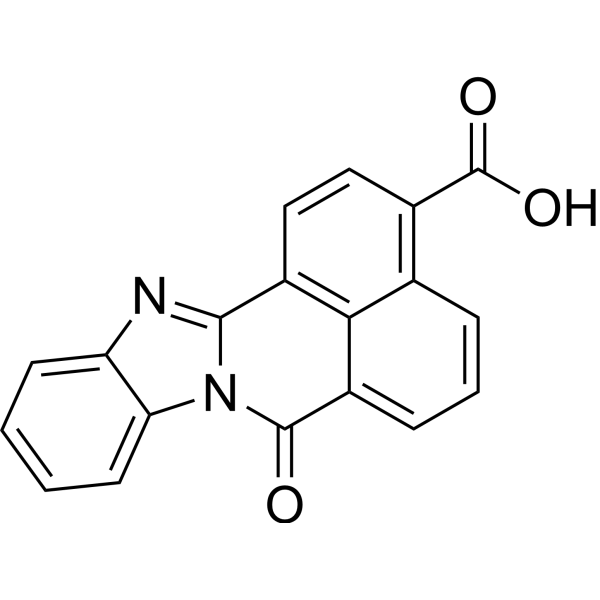
    STO-609
    Maximum Cited Publications
    31 Publications Verification

    CaMK AMPK Autophagy Metabolic Disease
    STO-609 is a selective and cell-permeable inhibitor of the Ca 2+/calmodulin-dependent protein kinase kinase (CaM-KK), with Ki values of 80 and 15 ng/mL for recombinant CaM-KKα and CaM-KKβ, respectively. STO-609 inhibits AMP-activated protein kinase kinase (AMPKK) activity in HeLa cell lysates with an IC50 ~0.02 g/ml.
    STO-609
  • HY-N6732
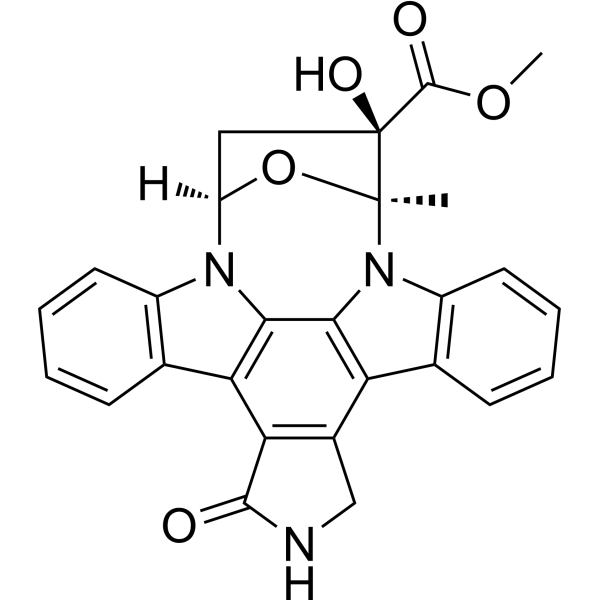
    K-252a
    25+ Cited Publications

    SF2370; Antibiotic K 252a; Antibiotic SF 2370

    Autophagy PKA PKC Trk Receptor CaMK Infection Inflammation/Immunology
    K-252a, a staurosporine analog, inhibits protein kinase, with IC50 values of 470 nM, 140 nM, 270 nM, and 1.7 nM for PKC, PKA, Ca 2+/calmodulin-dependent kinase type II, and phosphorylase kinase, respectively . K-252a is a potent inhibitor (IC50 of 3 nM) of the tyrosine protein kinase (TRK) activity of the NGF receptor gp140trk, the product of the trk protooncogene .
    K-252a
  • HY-B1077
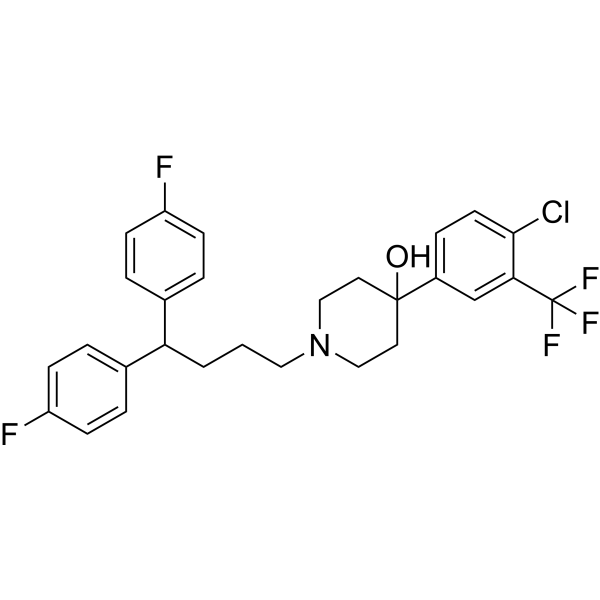
    Penfluridol
    5+ Cited Publications

    R-16341

    Calcium Channel Dopamine Receptor Autophagy Apoptosis Neurological Disease Inflammation/Immunology Cancer
    Penfluridol (R-16341) is a potent, long-acting, first-generation, oral diphenylbutylpiperidine antipsychotic agent by targeting D2-like dopamine receptor. Penfluridol effectively inhibits TNFα-induced NF-κB activation and alleviates the severity of arthritis and colitis in vivo. Penfluridol is a Ca2+-calmodulin inhibitor. Penfluridol induces apoptosis and autophagy. Penfluridol is used for chronic schizophrenia, acute psychosis, Tourette syndrome and autoimmune diseases. Penfluridol inhibites the growth of E. faecalis planktonic cells with the MIC of 7.81 μg/ml .
    Penfluridol
  • HY-103319
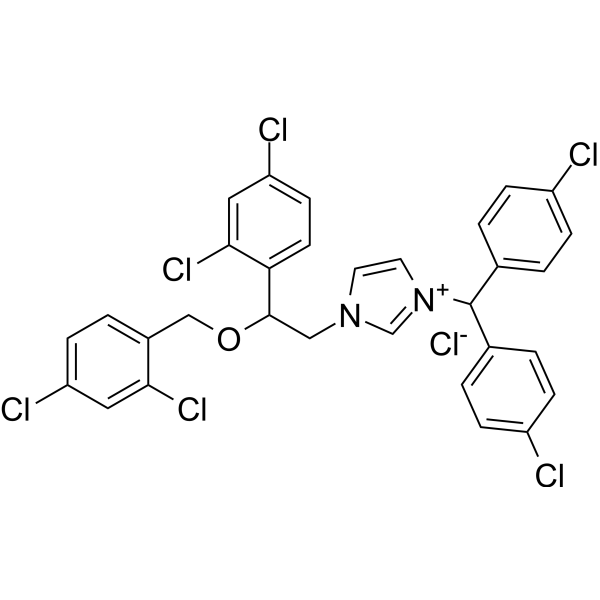
    Calmidazolium chloride
    4 Publications Verification

    R 24571

    Autophagy Calmodulin Neurological Disease Cancer
    Calmidazolium chloride (R 24571) is a calmodulin antagonist, antagonizing CaM-dependent phosphodiesterase and calmodulin-induced activation of erythrocyte Ca2+-transporting ATPase with IC50s of 0.15 and 0.35 μM, respectively . Also in anti-cancer research . Calmidazolium binds to calmodulin with a Kd of 3 nM.
    Calmidazolium chloride
  • HY-100912
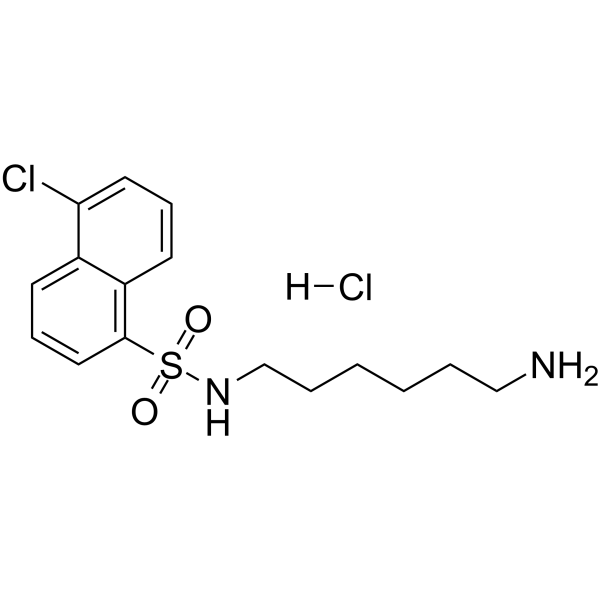
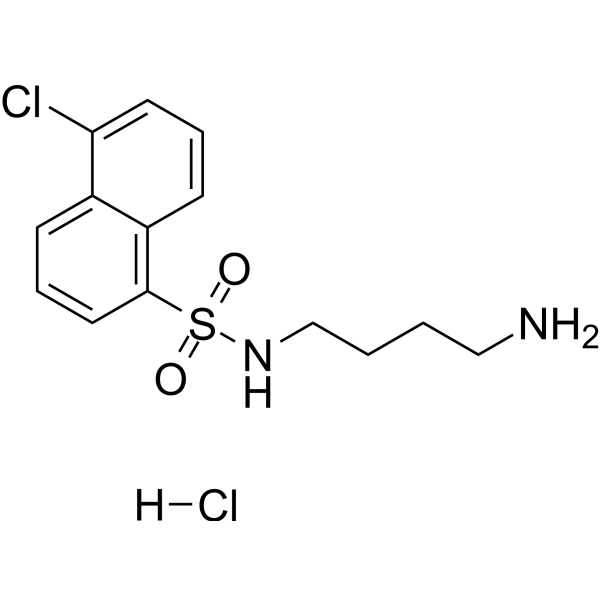
    W-7 hydrochloride
    5+ Cited Publications

    Phosphodiesterase (PDE) Myosin Apoptosis Calmodulin Potassium Channel Cancer
    W-7 hydrochloride is a selective calmodulin antagonist. W-7 hydrochloride inhibits the Ca 2+-calmodulin-dependent phosphodiesterase and myosin light chain kinase with IC50 values of 28 μM and 51 μM, respectively. W-7 hydrochloride induces apoptosis and has antitumor and vascular relaxing activity. W-7 hydrochloride is a blocker of Kv4.3 and can be used for research of arrhythmias .
    W-7 hydrochloride
  • HY-Z0478
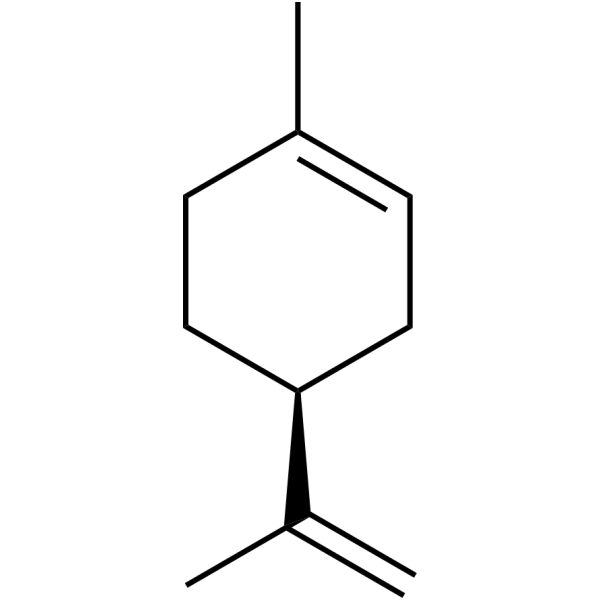
    (-)-Limonene
    1 Publications Verification

    (S)-(-)-Limonene

    Bacterial Antibiotic CaMK Infection Cardiovascular Disease Metabolic Disease
    (-)-Limonene ((S)-(-)-Limonene) is orally active and can cause mild bronchoconstriction. (-)-Limonene alleviates cytosolic and mitochondrial oxidative stress by inhibiting the increase of calcium ions (Ca 2+) and Ca 2+/calmodulin-dependent protein kinase II (CaMKII). It also exerts anti-stress effects by inhibiting the activity of the hypothalamic-pituitary-adrenal (HPA) axis. Additionally, (-)-Limonene can be used as an antibacterial agent in aquaculture .
    (-)-Limonene
  • HY-108599
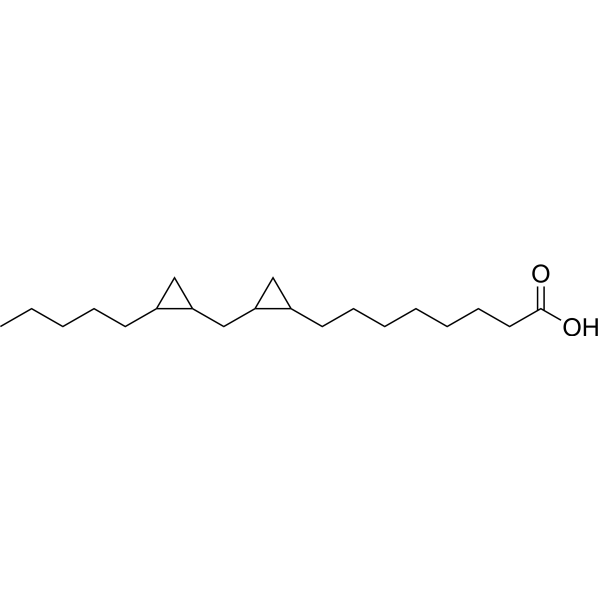
    DCP-LA
    5+ Cited Publications

    FR236924

    PKC CaMK Phosphatase Apoptosis Neurological Disease
    DCP-LA (FR236924), a linoleic acid derivative, selectively and directly activates PKCε. DCP-LA activates Ca( 2+)/calmodulin-dependent protein kinase II (CaMKII) and inhibits protein phosphatase-1 (PP-1) to stimulate AMPA receptor exocytosis. DCP-LA inhibits activation of caspase-3/-9 and protects neurons at least in part from oxidative stress-induced apoptosis .
    DCP-LA
  • HY-P1821
    Myelin Basic Protein
    2 Publications Verification

    MHP4-14

    PKC Neurological Disease
    Myelin Basic Protein (MHP4-14), a synthetic peptide comprising residues 4-14 of myelin basic protein, is a very selective PKC substrate (Km=7 μM). Myelin Basic Protein is not phosphorylated by cyclic AMP-dependent protein kinase, casein kinases I and II, Ca 2+/calmodulin-dependent protein kinase II, or phosphorylase kinase, and can be routinely used for the assay of protein kinase C with low background in the crude tissue extracts .
    Myelin Basic Protein
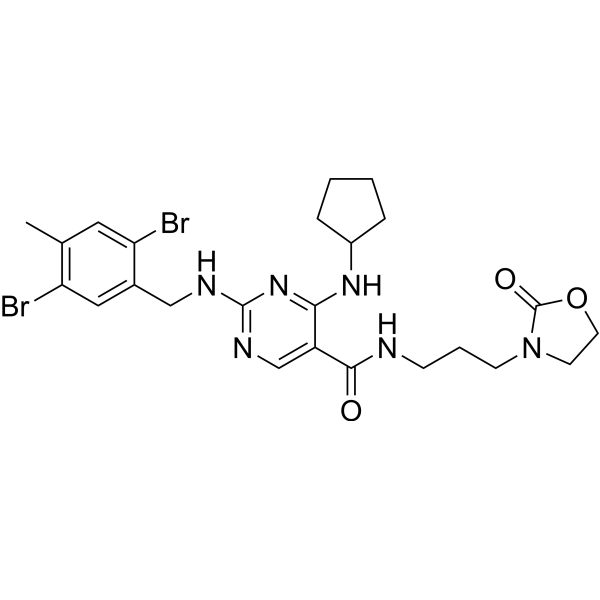
  • HY-115719

    Ser/Thr Kinase Neurological Disease
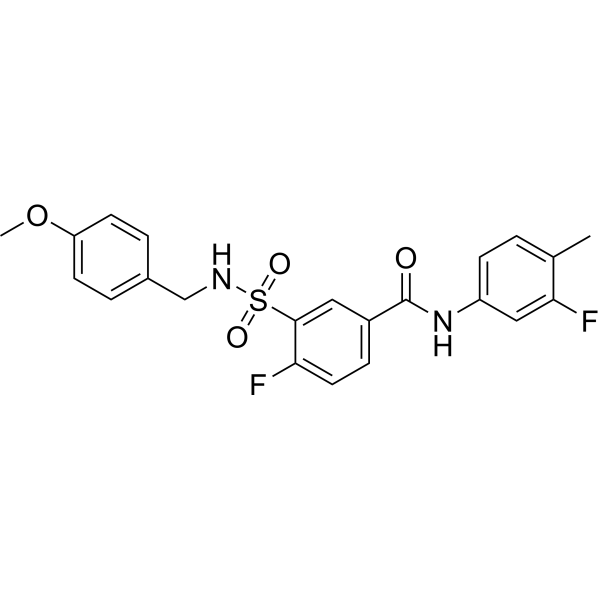
    NR162 is a selective CASK (Ca 2+/calmodulin-dependent Ser/Thr kinase) inhibitor with an IC50 of 80 nM and a Kd of 22 nM. NR162 shows about 50-fold selectivity for CASK than TYRO3. NR162 targets the unique GFG motif of CASK and has excellent shape complementarity to the CASK ATP binding pocket. NR162 can be used for the research of neurological diseases .
    NR162
  • HY-105118A

    CGS-9343B; KW 5617

    Calmodulin Neurological Disease Metabolic Disease Inflammation/Immunology
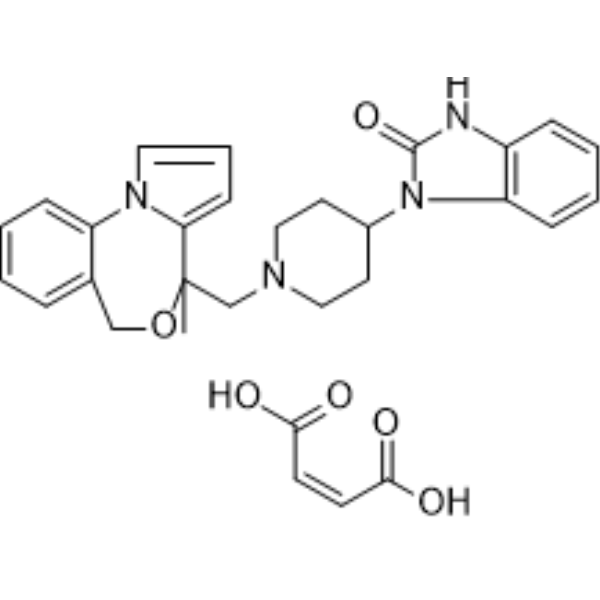
    Zaldaride maleate (CGS-9343B) is a potent, orally active and selective inhibitor of calmodulin. Zaldaride maleate inhibits CaM (calmodulin)-stimulated cAMP phosphodiesterase activity, with an IC50 of 3.3 nM . Zaldaride maleate prevents estrogen-induced transcription activation by ER, reversibly blocks voltage-activated Na +, Ca 2+ and K + currents in PC12 cells and inhibits nAChR .
    Zaldaride maleate
  • HY-110140

    CaMK Cardiovascular Disease Neurological Disease
    (E)-KN-93 phosphate is a Ca 2+/calmodulin-dependent protein kinase II (CaMKII) inhibitor with IC50 values of 9 μM and 3 μM against CaMKIIδMonomer and CaMKIIδDodecamer, respectively. (E)-KN-93 phosphate can be used in research on epilepsy, depression, and arrhythmias. .
    (E)-KN-93 phosphate
  • HY-P1077
    CALP1
    3 Publications Verification

    mGluR Phosphodiesterase (PDE) Apoptosis Calmodulin Inflammation/Immunology
    CALP1 is a calmodulin (CaM) agonist (Kd of 88 µM) with binding to the CaM EF-hand/Ca 2+-binding site. CALP1 blocks calcium influx and apoptosis (IC50 of 44.78 µM) through inhibition of calcium channel opening. CALP1 blocks glutamate receptor channels and blocks a store-operated nonselective cation channel. CALP1 activates CaM-dependent phosphodiesterase activity .
    CALP1
  • HY-W181102

    Calcineurin Cardiovascular Disease Neurological Disease Inflammation/Immunology
    NFAT Inhibitor-2 is a potent inhibitor of calcineurin NFAT signalling. Calcineurin is a serine/threonine protein phosphatase regulated by Ca2+ and calmodulin. NFAT Inhibitor-2 has the potential for the research of inflammatory disease, an autoimmune disorder, a cardiovascular disease, a neurodegenerative disease, a disease occurring with uncontrolled cell proliferation and/or differentiation, an angiogenesis-related disease, an allergy, anaphylaxis and alopecia (extracted from patent WO2016207212A1, compound 17) .
    NFAT Inhibitor-2
  • HY-P1075
    CALP3
    2 Publications Verification

    Calcium Channel Neurological Disease Cancer
    CALP3, a Ca 2+-like peptide, is a potent Ca 2+ channel blocker that activates EF hand motifs of Ca 2+-binding proteins. CALP3 can functionally mimic increased [Ca 2+]i by modulating the activity of Calmodulin (CaM), Ca 2+ channels and pumps. CALP3 has the potential in controlling apoptosis in diseases such as AIDS or neuronal loss due to ischemia .
    CALP3
  • HY-100779

    SMP 114

    CaMK Autophagy Metabolic Disease
    Rimacalib (SMP 114) is a Ca 2+/calmodulin-dependent protein kinase II (CaMKII) inhibitor, with IC50s of ~1 μM for CaMKIIα to ~30 μM for CaMKIIγ .
    Rimacalib
  • HY-P1247

    Phosphatase Neurological Disease
    Calcineurin autoinhibitory peptide is a selective inhibitor of Ca 2+/calmodulin-dependent protein phosphatase (calcineurin), with an IC50 of ~10 μM. Calcineurin autoinhibitory peptide could protect neurons from excitatory neuronal death .
    Calcineurin autoinhibitory peptide
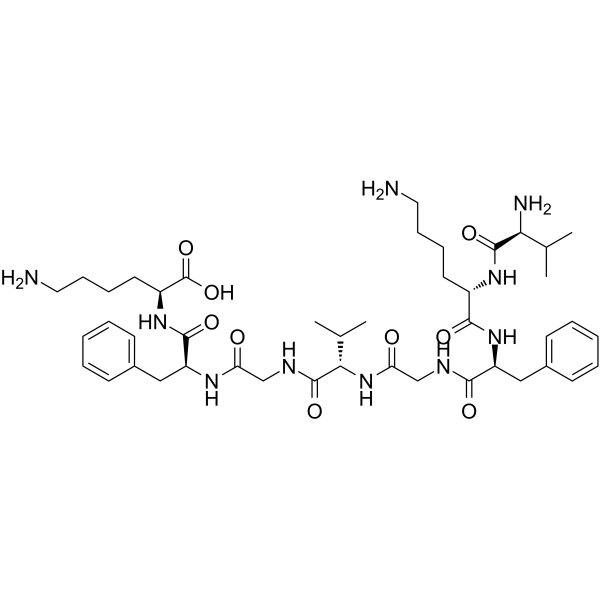
  • HY-P1805

    Calmodulin Neurological Disease
    Calmodulin Binding Peptide 1 is a high-affinity (pM) CaM-binding peptide derived from smooth muscle myosin light chain kinase (MLCK peptide). The interface of the complex formed by Calmodulin Binding Peptide 1 and Ca 2+-CaM can be specifically bound by small-molecule inhibitors, serving as a key target for selective regulation of smooth muscle contraction and development of anti-CaM drugs .
    Calmodulin Binding Peptide 1
  • HY-P1077A
    CALP1 TFA
    3 Publications Verification

    mGluR Phosphodiesterase (PDE) Apoptosis Calmodulin Inflammation/Immunology
    CALP1 TFA is a calmodulin (CaM) agonist (Kd of 88 µM) with binding to the CaM EF-hand/Ca 2+-binding site. CALP1 TFA blocks calcium influx and apoptosis (IC50 of 44.78 µM) through inhibition of calcium channel opening. CALP1 TFA blocks glutamate receptor channels and blocks a store-operated nonselective cation channel. CALP1 TFA activates CaM-dependent phosphodiesterase activity .
    CALP1 TFA
  • HY-B1726

    HoloCaine

    Phosphodiesterase (PDE) Metabolic Disease
    Phenacaine (Holocaine) is a local agent that can suppress or relieve pain. Phenacaine inhibits the specific calmodulin-dependent stimulation of erythrocyte Ca 2+-ATPase and cyclic nucleotide phosphodiesterases from brain and heart .
    Phenacaine
  • HY-N1989

    Na+/K+ ATPase CaMK Apoptosis Cholinesterase (ChE) NO Synthase NF-κB Neurological Disease Cancer
    Bacoside A is an orally active, blood-brain barrier-permeable triterpenoid saponin that modulates the activities of ATPases, AChE, CaMK2A and iNOS. Derived from Bacopa monniera. Bacoside A exerts significant antioxidant, anti-inflammatory and anti-apoptotic effects by maintaining ion balance, scavenging reactive oxygen species, stabilizing cell membranes, and regulating the expression of NF-κB and apoptosis-related proteins. Bacoside A counteracts morphine-induced reductions in Na +/K +-ATPase, Ca 2+-ATPase and Mg 2+-ATPase activities, increases mitochondrial membrane potential, and decreases intracellular reactive oxygen species levels. Bacoside A specifically binds to calcium/calmodulin-dependent protein kinase IIA to trigger endoplasmic reticulum calcium release. Bacoside A exhibits non-apoptotic cytotoxicity against glioblastoma cells while protecting normal nerve cells from stress-induced damage. Bacoside A is applicable to the research of Parkinson's disease and glioblastoma multiforme .
    Bacoside A
  • HY-W170020

    CaMK Metabolic Disease
    PTCA is a potent Ca2+/calmodulin-dependent protein kinase II α (CaMKIIα) ligand with a pKi value of 7.2 .
    PTCA
  • HY-P3811A

    CaMK Neurological Disease
    Autocamtide-3 acetate, a 13-amino-acid peptide containing Thr287, is a selective CaMKII (Ca 2+/calmodulin-dependent kinase II) (CaMK) substrate .
    Autocamtide-3 acetate
  • HY-P0271A
    Syntide 2 TFA
    2 Publications Verification

    CaMK Neurological Disease
    Syntide 2 (TFA), a Ca 2+- and calmodulin (CaM)-dependent protein kinase II (CaMKII) substrate peptide, selectively inhibits the gibberellin (GA) response, leaving constitutive and abscisic acid-regulated events unaffected .
    Syntide 2 TFA
  • HY-N10772

    Calcium Channel Calmodulin Adenylate Cyclase Neurological Disease Inflammation/Immunology
    Albanin A, a flavonoid, suppresses glutamate release by decreasing Ca 2+/calmodulin/adenylate Cyclase 1 (AC1) activation in synaptosomes and exerts neuroprotective effect in vivo. Albanin A has anti-inflflammatory activity .
    Albanin A
  • HY-130368
    W-7
    5+ Cited Publications

    Calmodulin Potassium Channel Phosphodiesterase (PDE) Myosin Apoptosis Cardiovascular Disease
    W-7 is a selective calmodulin antagonist. W-7 inhibits the Ca 2+-calmodulin-dependent phosphodiesterase and myosin light chain kinase with IC50 values of 28 μM and 51 μM, respectively. W-7 induces apoptosis and has antitumor and vascular relaxing activity. W-7 is a blocker of Kv4.3 and can be used for research of arrhythmias .
    W-7
  • HY-P1076A

    Calmodulin Inflammation/Immunology
    CALP2 TFA is a calmodulin (CaM) antagonist (Kd of 7.9 µM) with high affinity for binding to the CaM EF-hand/Ca 2+-binding site. CALP2 TFA inhibits CaM-dependent phosphodiesterase activity and increases intracellular Ca 2+ concentrations. CALP2 TFA potently inhibits of adhesion and degranulation. CALP2 TFA is also a strong activator of alveolar macrophages .
    CALP2 TFA
  • HY-146268

    CaMK Neurological Disease
    CaMKIIα-IN-1 (Compound 4d) is an orally active Ca 2+/calmodulin-dependent protein kinase II α (CaMKIIα) inhibitor with a KD of 219 nM for CaMKIIα WT hub. CaMKIIα-IN-1 has good metabolic stability .
    CaMKIIα-IN-1
  • HY-W013857

    CaMK EGFR Src Cancer
    Lavendustin C is a potent Ca 2+ calmodulin-dependent kinase II (CaMK II) inhibitor with an IC50 of 0.2 µM. Lavendustin C inhibits EGFR-associated tyrosine kinase (IC50=0.012 µM) and pp60 c-src(+) kinase (IC50=0.5 µM) .
    Lavendustin C
  • HY-P1821A
    Myelin basic protein (4-14) TFA
    2 Publications Verification

    MHP4-14 TFA

    PKC Neurological Disease
    Myelin Basic Protein (MHP4-14) TFA, a synthetic peptide comprising residues 4-14 of myelin basic protein, is a very selective PKC substrate (Km=7 μM). Myelin Basic Protein TFA is not phosphorylated by cyclic AMP-dependent protein kinase, casein kinases I and II, Ca 2+/calmodulin-dependent protein kinase II, or phosphorylase kinase, and can be routinely used for the assay of protein kinase C with low background in the crude tissue extracts .
    Myelin basic protein (4-14) TFA
  • HY-P1479

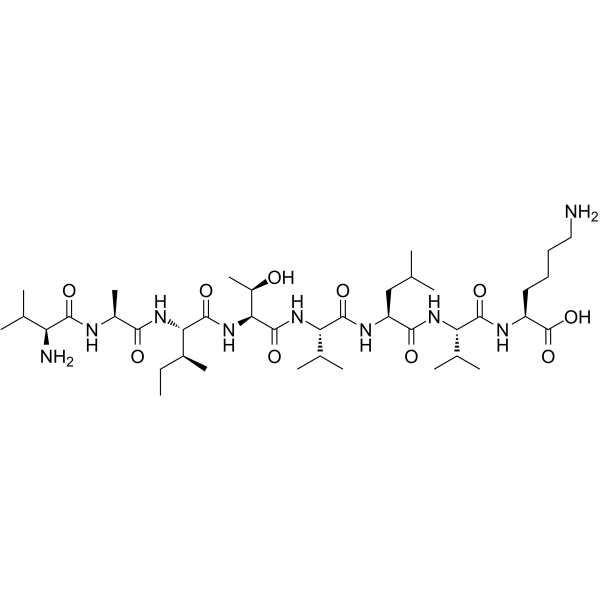
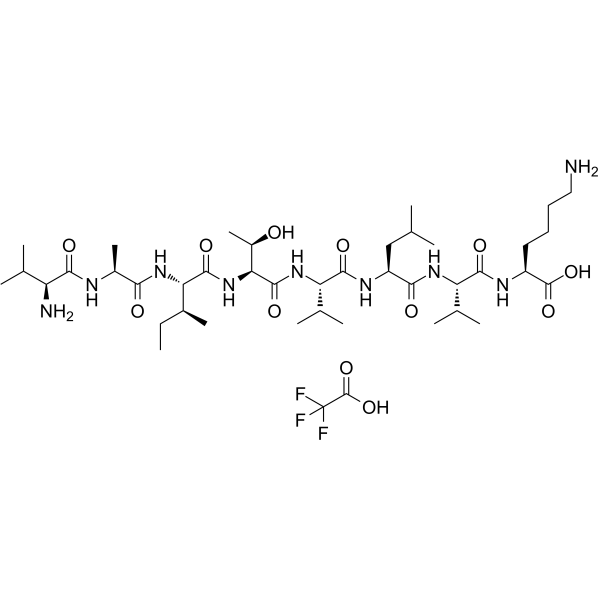
    Autophagy CaMK Neurological Disease
    Calmodulin-Dependent Protein Kinase II (290-309) is a potent CaMK antagonist with an IC50 of 52 nM for inhibition of Ca2+/calmodulin-dependent protein kinase II .
    Calmodulin-Dependent Protein Kinase II (290-309)
  • HY-19805A

    CaMK AMPK Autophagy Metabolic Disease
    STO-609 acetate is a selective and cell-permeable inhibitor of the Ca 2+/calmodulin-dependent protein kinase kinase (CaM-KK), with Ki values of 80 and 15 ng/mL for recombinant CaM-KKα and CaM-KKβ, respectively. STO-609 acetate inhibits AMP-activated protein kinase kinase (AMPKK) activity in HeLa cell lysates with an IC50 ~0.02 g/ml.
    STO-609 acetate
  • HY-P1479A

    Autophagy CaMK Neurological Disease
    Calmodulin-Dependent Protein Kinase II (290-309) acetate is a potent CaMK antagonist with an IC50 of 52 nM for inhibition of Ca2+/calmodulin-dependent protein kinase II .
    Calmodulin-Dependent Protein Kinase II(290-309) acetate
  • HY-115745

    Calmodulin Cardiovascular Disease
    Calmodulin antagonist-1 (A-5) is a calmodulin (CaM) antagonist. Calmodulin antagonist-1 inhibits calmodulin-activated Ca 2+-phosphodiesterase (PDE) (IC50=66 μM). Calmodulin antagonist-1 also inhibits trypsin-treated Ca 2+-PDE (IC50=560 μM) in a competitive fashion with respect to cyclic GMP .
    Calmodulin antagonist-1
  • HY-19025

    Calmodulin Inflammation/Immunology
    CV-159 is a unique dihydropyridine Ca 2+ antagonist with an anti-calmodulin (CaM) action, and has antiinflammatory activities.
    CV-159
  • HY-P0271

    CaMK Autophagy Neurological Disease
    Syntide 2, a Ca 2+- and calmodulin (CaM)-dependent protein kinase II (CaMKII) substrate peptide, selectively inhibits the gibberellin (GA) response, leaving constitutive and abscisic acid-regulated events unaffected .
    Syntide 2
  • HY-P10316

    Calmodulin-Dependent Protein Kinase I (299-320) Binding Domain

    CaMK Others
    CaMKI (299-320) refers to a peptide consisting of residues 299-320 of Calcium/calmodulin-dependent protein kinase I (CaMKI). CaMKI (299-320), as a protein kinase, has a high affinity interaction with Ca 2+-CAM (Kd≤1 nM≤1 nM), which can phosphorylate specific substrate proteins, thereby regulating their activity. CaMKI (299-320) contains the CAM-binding domain and the self-inhibition domain, and CaMKI (299-320) can be used to study cell physiological processes, including cell proliferation, differentiation, and apoptosis .
    CaMKI(299-320)
  • HY-B1077R

    R-16341 (Standard)

    Reference Standards Calcium Channel Dopamine Receptor Autophagy Apoptosis Neurological Disease Inflammation/Immunology Cancer
    Penfluridol (Standard) is the analytical standard of Penfluridol. This product is intended for research and analytical applications. Penfluridol (R-16341) is a potent, long-acting, first-generation, oral diphenylbutylpiperidine antipsychotic agent by targeting D2-like dopamine receptor. Penfluridol effectively inhibits TNFα-induced NF-κB activation and alleviates the severity of arthritis and colitis in vivo. Penfluridol is a Ca2+-calmodulin inhibitor. Penfluridol induces apoptosis and autophagy. Penfluridol is used for chronic schizophrenia, acute psychosis, Tourette syndrome and autoimmune diseases. Penfluridol inhibites the growth of E. faecalis planktonic cells with the MIC of 7.81 μg/ml .
    Penfluridol (Standard)
  • HY-156104

    PROTACs CaMK Neurological Disease
    CaMKIIα-PHOTAC is a photochemically targeted chimera (PHOTAC) targeting Ca2+/calmodulin-dependent protein kinase II α (CaMKIIα). Molecules such as PHOTAC can catalyze the ubiquitination and degradation of target proteins through the endogenous proteasome under specific wavelengths of light. CaMKIIα-PHOTAC reduces synaptic function under light conditions, and it attenuates the intensity of evoked field excitatory postsynaptic potentials in the mouse hippocampus in response to physiological stimuli. CaMKIIα-PHOTAC plays a critical role in maintaining long-term potentiation and memory capacity in subcellular dendritic domains .
    CaMKIIα-PHOTAC
  • HY-P3944

    CaMK Neurological Disease
    Calmodulin Dependent Protein Kinase Substrate is a Ca 2+- and calmodulin (CaM)-dependent protein kinase (CaMK) substrate peptide. Calmodulin Dependent Protein Kinase Substrate is a synthetic peptide substrate for protein kinases .
    Calmodulin Dependent Protein Kinase Substrate
  • HY-P3943

    CaMK Neurological Disease
    Calmodulin Dependent Protein Kinase Substrate Analog is a Ca 2+- and calmodulin (CaM)-dependent protein kinase (CaMK) substrate peptide. Calmodulin Dependent Protein Kinase Substrate Analog is a synthetic peptide substrate for protein kinases .
    Calmodulin Dependent Protein Kinase Substrate Analog
  • HY-P2471

    Calmodulin Neurological Disease
    Neurogranin (48-76), mouse is a peptide corresponding to residues 48-76 of Neurogranin. Neurogranin, a calmodulin-binding protein, is exclusively expressed in the post-synapse, and mediates NMDAR driven synaptic plasticity by regulating the calcium-calmodulin (Ca 2+-CaM) pathway .
    Neurogranin (48-76), mouse
  • HY-124176

    Phosphodiesterase (PDE) Calmodulin Cardiovascular Disease
    L-6355 is an Amiodarone (HY-14187) related compound, which inhibits Ca 2+/calmodulin activated cyclic nucleotide phosphodiesterase with an IC50 value of 0.65 μM. L-6355 is promising for research of antiarrhythmic and antianginal agent .
    L-6355
  • HY-P3811

    CaMK Neurological Disease
    Autocamtide-3, a 13-amino-acid peptide containing Thr287, is a selective CaMKII (Ca 2+/calmodulin-dependent kinase II) (CaMK) substrate .
    Autocamtide-3
  • HY-E70813

    CaMK Neurological Disease
    CaMKK2 is a serine/threonine protein kinase and the central component of a Ca 2+-calmodulin activated signalling pathway. CaMKK2 is highly enriched in brain neurons and regulates energy metabolism and neuronal processes. CAMKK2 Recombinant Human Active Protein Kinase is obtained by expressing CAMKK2 proteins .
    CAMKK2 Recombinant Human Active Protein Kinase
  • HY-P1075A

    Calcium Channel Neurological Disease Cancer
    CALP3 TFA, a Ca 2+-like peptide, is a potent Ca 2+ channel blocker that activates EF hand motifs of Ca 2+-binding proteins. CALP3 TFA can functionally mimic increased [Ca 2+]i by modulating the activity of Calmodulin (CaM), Ca 2+ channels and pumps. CALP3 TFA has the potential in controlling apoptosis in diseases such as AIDS or neuronal loss due to ischemia .
    CALP3 TFA
  • HY-142087

    Calmodulin Endogenous Metabolite Neurological Disease
    Beauverolide Ja, a cyclotetradepsipeptide, is a potent calmodulin (CaM) inhibitor with a Kd of 0.078 μM and a Ki of 0.39 μM for Ca 2+-CaM. Beauverolide Ja is a secondary metabolite of Isaria fumosorosea .
    Beauverolide Ja
  • HY-105118

    CGS-9343B free base; KW 5617 free base

    Calmodulin Neurological Disease Metabolic Disease Inflammation/Immunology
    Zaldaride (CGS-9343B free base) is a potent, orally active and selective inhibitor of calmodulin. Zaldaride inhibits CaM (calmodulin)-stimulated cAMP phosphodiesterase activity, with an IC50 of 3.3 nM . Zaldaride prevents estrogen-induced transcription activation by ER, reversibly blocks voltage-activated Na +, Ca 2+ and K + currents in PC12 cells and inhibits nAChR .
    Zaldaride
  • HY-103319R

    R 24571 (Standard)

    Reference Standards Autophagy Calmodulin Neurological Disease Cancer
    Calmidazolium chloride (Standard) is the analytical standard of Calmidazolium chloride (HY-103319). This product is intended for research and analytical applications. Calmidazolium chloride (R 24571) is a calmodulin antagonist, antagonizing CaM-dependent phosphodiesterase and calmodulin-induced activation of erythrocyte Ca2+-transporting ATPase with IC50s of 0.15 and 0.35 μM, respectively . Also in anti-cancer research . Calmidazolium binds to calmodulin with a Kd of 3 nM.
    Calmidazolium chloride (Standard)
  • HY-P1247A

    Phosphatase Neurological Disease
    Calcineurin autoinhibitory peptide TFA is a selective inhibitor of Ca 2+/calmodulin-dependent protein phosphatase (calcineurin), with an IC50 of ~10 μM. Calcineurin autoinhibitory peptide TFA could protect neurons from excitatory neuronal death .
    Calcineurin autoinhibitory peptide TFA
  • HY-P1076

    Calmodulin Inflammation/Immunology
    CALP2 is a calmodulin (CaM) antagonist ( (Kd of 7.9 µM)) with high affinity for binding to the CaM EF-hand/Ca 2+-binding site. CALP2 inhibits CaM-dependent phosphodiesterase activity and increases intracellular Ca 2+ concentrations. CALP2 potently inhibits of adhesion and degranulation. CALP2 is also a strong activator of alveolar macrophages .
    CALP2

Inquiry Online

Your information is safe with us. * Required Fields.

Salutation


Country or Region *

Applicant Name *


Organization Name *

Department *


Email Address *


Product Name *

Cat. No.


Requested quantity *

Phone Number *


Remarks

Inquiry Online

Inquiry Information

Product Name:
Cat. No.:
Quantity:
MCE Japan Authorized Agent:

