
1. Search Result
Search Result
Results for "

CaLL

" in MedChemExpress (MCE) Product Catalog:

89

Inhibitors & Agonists

25

Screening Libraries

1

Fluorescent Dyes

10

Biochemical Assay Reagents

4

Peptides

9

Natural
Products

6

Recombinant Proteins

14

Isotope-Labeled Compounds

3

Click Chemistry

6

Oligonucleotides

Cat. No. Product Name Target Research Areas Chemical Structure
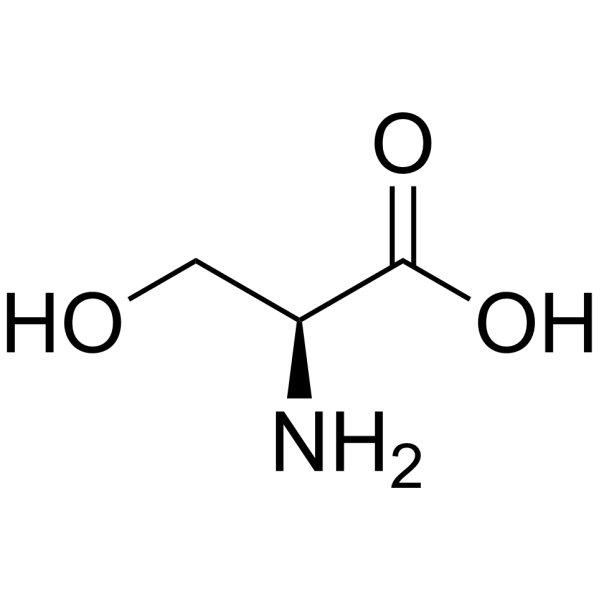
  • HY-N0650
    L-Serine
    Maximum Cited Publications
    13 Publications Verification

    Serine

    Endogenous Metabolite Bacterial Cancer
    L-Serine ((-)-Serine; (S)-Serine), one of the so-called non-essential amino acids, plays a central role in cellular proliferation.
    L-Serine
  • HY-13215
    Avasimibe
    Maximum Cited Publications
    17 Publications Verification

    CI-1011; PD-148515

    Acyltransferase Cancer
    Avasimibe (CI-1011; PD-148515) is an orally active acyl coenzyme A-cholesterol acyltransferase (ACAT; also called SOAT)) inhibitor with IC50s of 24 and 9.2 µM for ACAT1 and ACAT2, respectively . Avasimibe can be used for the research of prostate cancer .
    Avasimibe
  • HY-P3160
    Fibronectin
    5+ Cited Publications

    Integrin Cardiovascular Disease Inflammation/Immunology
    Fibronectin, a glycoprotein present in blood as well as in cells, is a biomarker of tissue injury. Fibronectin binds to membrane-spanning receptor proteins called integrins. Fibronectin also binds to other extracellular matrix proteins such as collagen, fibrin, and heparan sulfate proteoglycans .
    This product is a human Fibronectin obtained by recombinant expression in a rice expression system.
    Fibronectin
  • HY-P2671

    Cholecystokinin Receptor Cancer
    [Leu15]-Gastrin I (human) is a Gastrin I, human (HY-P1097) peptide hormone derivative, which is trophic for normal gastrointestinal epithelium. Gastrin stimulates growth of gastric adenocarcinoma (gastric cancer) through G-protein-coupled receptor called the cholecystokinin (CCK) or cholecystokinin-B receptors (CCK-BR) that are overexpressed in this malignancy. [Leu15]-Gastrin I (human) is promising for research of gastric cancer .
    [Leu15]-Gastrin I (human)
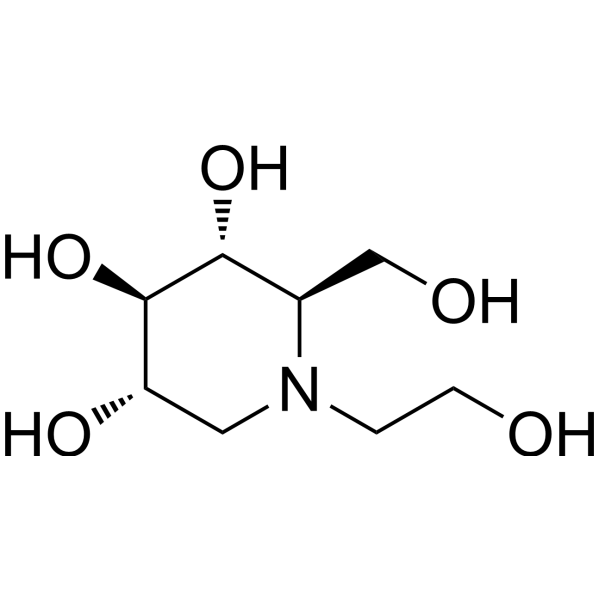
  • HY-B0481
    Miglitol
    2 Publications Verification

    BAY1099; BAY-m1099

    Glycosidase AMPK Reactive Oxygen Species (ROS) Metabolic Disease
    Miglitol (BAY-m1099) is an orally active antidiabetic compound that inhibits the breakdown of glycoconjugates into glucose. Miglitol inhibits glycoside hydrolase enzymes called α-glucosidases. Miglitol inhibits oxidative stress-induced apoptosis and mitochondrial ROS over-production in endothelial cells by enhancement of AMP-activated protein kinase. Dietary supplementation with Miglitol from pre-onset stage in OLETF rats delays the onset and development of diabetes and preserves the insulin secretory function of pancreatic islets .
    Miglitol
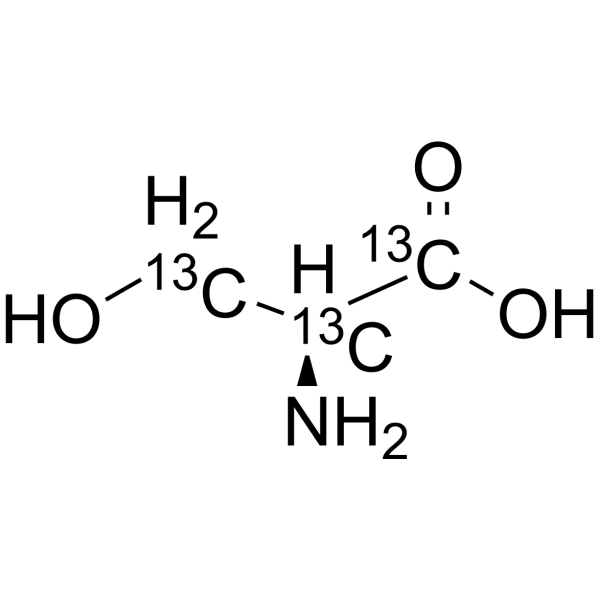
  • HY-N0650S
    L-Serine-13C3
    1 Publications Verification

    (-)-Serine-13C3; (S)-Serine-13C3

    Endogenous Metabolite Cancer
    L-Serine- 13C3 is the 13C-labeled L-Serine. L-Serine ((-)-Serine; (S)-Serine), one of the so-called non-essential amino acids, plays a central role in cellular proliferation.
    L-Serine-13C3
  • HY-40294

    Monoamine Oxidase GSK-3 LRRK2 Cardiovascular Disease Neurological Disease Cancer
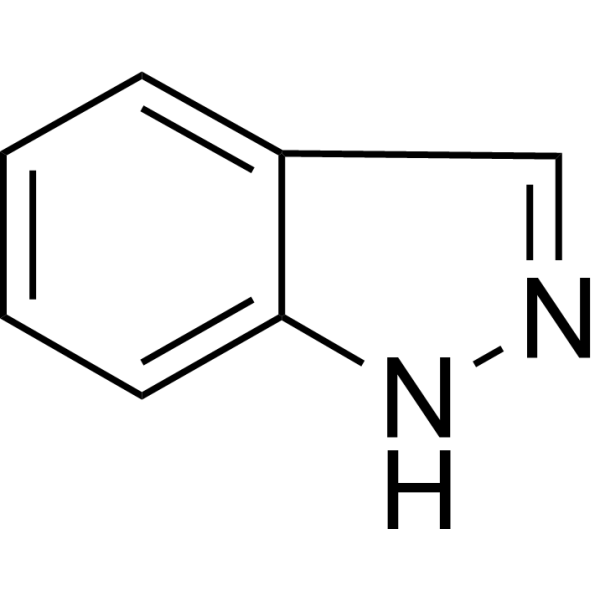
    Indazole, also called isoindazole, a heterocyclic aromatic organic compound. Its derivatives display a broad variety of biological activities including anti-inflammatory, antibacterial, anti-HIV, antiarrhythmic, antifungal and antitumour properties. Indazole and its derivatives can be used for research of cancer, neurological disorders, cardiovascular diseases, gastrointestinal diseases .
    Indazole
  • HY-116044
    BCATc Inhibitor 2
    5+ Cited Publications

    Aminotransferases (Transaminases) Neurological Disease
    BCATc Inhibitor 2 is a selective branched-chain aminotransferase (BCAT) inhibitor for research of neurodegenerative diseases. The IC50s of 0.2 μM, 0.8 μM and 3.0 μM for rat cytosolic isoenzyme rBCATc, human cytosolic isoenzyme hBCATc and rat mitochondrial isoenzyme rBCATm, respectively. BCATc, also called BCAT1, is in the cytoplasm .
    BCATc Inhibitor 2
  • HY-N0650S11

    (-)-Serine-d7; (S)-Serine-d7

    Isotope-Labeled Compounds Endogenous Metabolite Cancer
    L-Serine-d7 is the deuterium labeled L-Serine. L-Serine ((-)-Serine; (S)-Serine), one of the so-called non-essential amino acids, plays a central role in cellular proliferation.
    L-Serine-d7
  • HY-15847
    HS38
    3 Publications Verification

    DAPK Cardiovascular Disease
    HS38 is a potent, selective, and ATP-competitive inhibitor of death-associated protein kinase 1 (DAPK1) and zipper-interacting protein kinase (ZIPK, also called DAPK3), with Kds of 300 nM and 280 nM, respectively. HS38 is also a PIM3 inhibitor with an IC50 of 200 nM. HS38 can be used for the research of smooth muscle related disorders .
    HS38
  • HY-112565
    MBX-4132
    2 Publications Verification

    Bacterial Infection
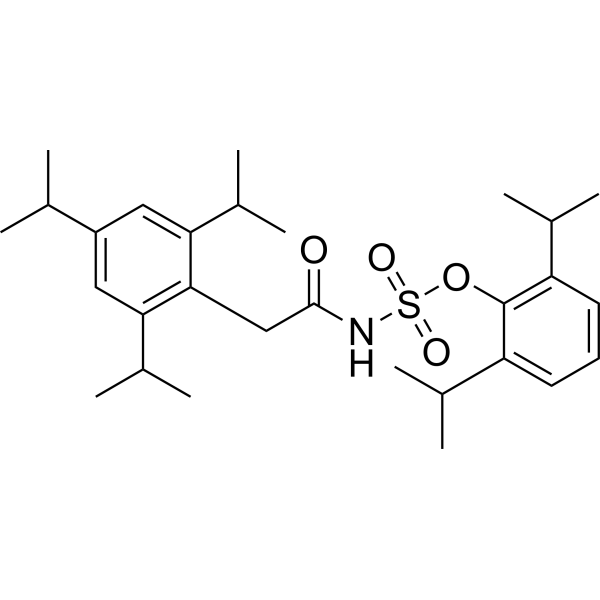
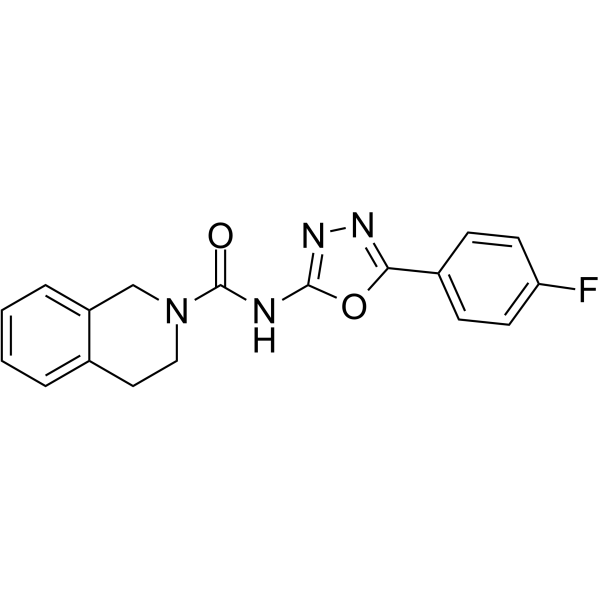
    MBX-4132, a member of a chemical class called oxadiazoles that inhibit trans translation by binding to the bacterial ribosome.
    MBX-4132
  • HY-147330B

    PROTACs JAK Neurological Disease Metabolic Disease Inflammation/Immunology Cancer
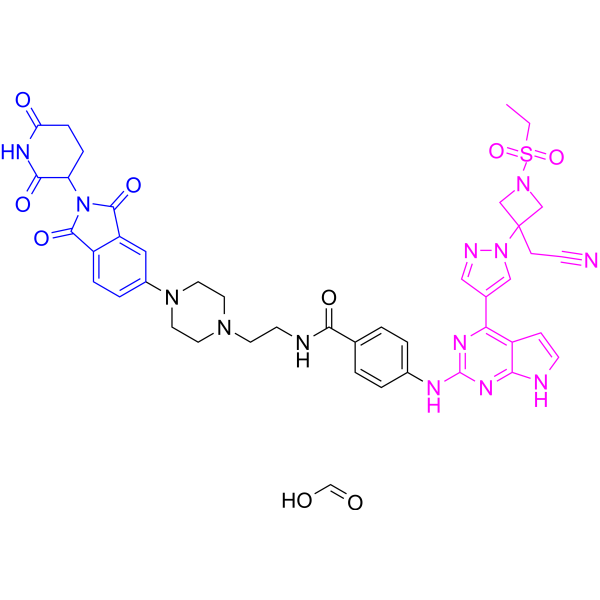
    SJ1008030 (compound 8) formic is a JAK2 PROTAC which selectively degrades JAK2. SJ1008030 formic inhibits MHH–CALL-4 cell growth with an IC50 of 5.4 nM. SJ1008030 formic can be used for the research of leukemia .
    SJ1008030 formic
  • HY-124151

    2'-AMP; Adenosine 2'-phosphate; AMP 2'-phosphate

    Adenosine Receptor Endogenous Metabolite Neurological Disease
    Adenosine-2'-monophosphate (2'-AMP) is converted by extracellular 2’,3'-CAMP. Adenosine-2'-monophosphate is further metabolized to extracellular adenosine (a mechanism called the extracellular 2’,3’-cAMP-adenosine pathway). Adenosine-2'-monophosphate inhibits LPS-induced TNF-α and CXCL10 production via A2A receptor activation .
    Adenosine-2'-monophosphate
  • HY-N5056
    DL-Goitrin
    2 Publications Verification

    Influenza Virus Others
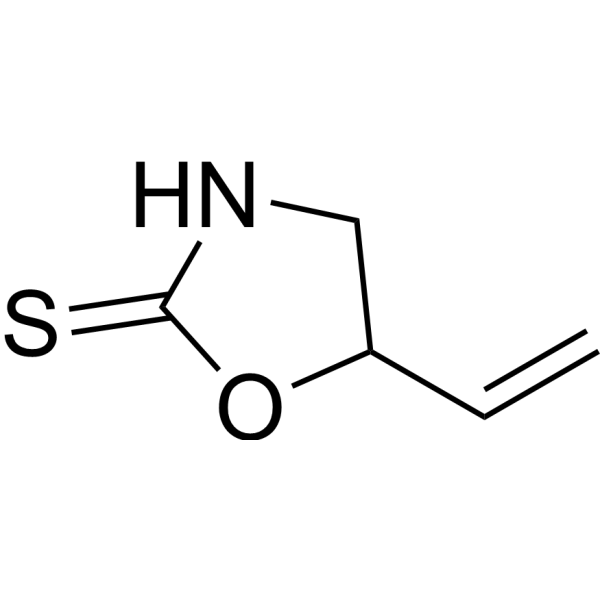
    DL-Goitrin, also called (R, S)- report by the spring, consists of the epigoitrin (reported by the R- Spring) and the spring (-S- reported by spring), and the two mutually isomers, and the mixture is the ingredient of cruciferous vegetables .
    DL-Goitrin
  • HY-N0650S8
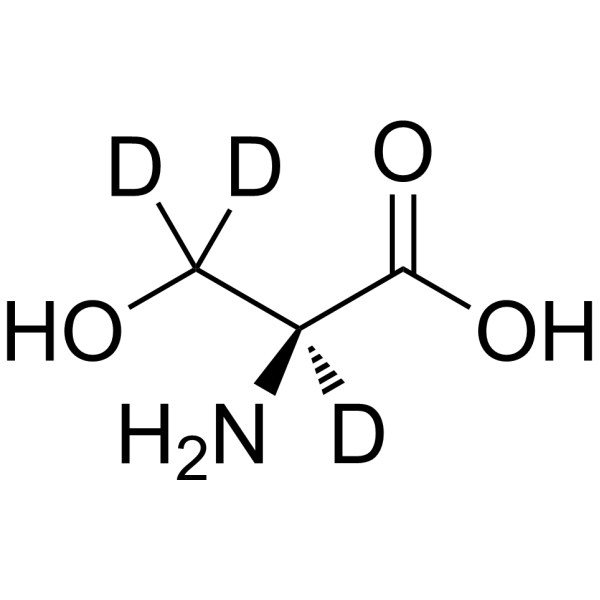
    L-Serine-d3
    2 Publications Verification

    (-)-Serine-d3; (S)-Serine-d3

    Endogenous Metabolite Cancer
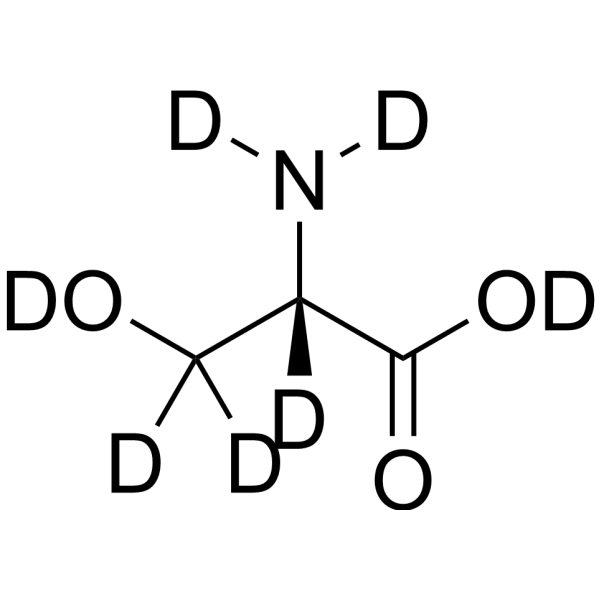
    L-Serine-d3 is the deuterium labeled L-Serine. L-Serine ((-)-Serine; (S)-Serine), one of the so-called non-essential amino acids, plays a central role in cellular proliferation.
    L-Serine-d3
  • HY-N0650R
    L-Serine (Standard)
    1 Publications Verification

    Serine (Standard)

    Reference Standards Endogenous Metabolite Bacterial Cancer
    L-Serine (Standard) is the analytical standard of L-Serine. This product is intended for research and analytical applications. L-Serine ((-)-Serine; (S)-Serine), one of the so-called non-essential amino acids, plays a central role in cellular proliferation.
    L-Serine (Standard)
  • HY-W011238

    (Z)-1-Bromooctadec-9-ene

    Biochemical Assay Reagents Others
    Oleyl bromide ((Z)-1-Bromooctadec-9-ene) is a hydrophobic compound that can carry out ring-opening reaction through a process called "encapsulation". Oleyl bromine can also be used as the starting material in the synthesis of oleylphosphonates.
    Oleyl bromide
  • HY-N0650S3

    (-)-Serine-13C3,15N,d3; (S)-Serine-13C3,15N,d3

    Isotope-Labeled Compounds Endogenous Metabolite Cancer
    L-Serine- 13C3, 15N,d3 is the deuterium, 13C-, and 15-labeled L-Serine. L-Serine ((-)-Serine; (S)-Serine), one of the so-called non-essential amino acids, plays a central role in cellular proliferation.
    L-Serine-13C3,15N,d3
  • HY-137249

    Biochemical Assay Reagents Others
    Resorufin-β-D-galactopyranoside is a commonly used substrate in various biochemical assays to measure the activity of β-galactosidase, an important enzyme involved in lactose metabolism and regulation of gene expression. Resorufin-β-D-galactopyranoside has unique chemical properties and can be hydrolyzed by β-galactosidase to form a red fluorescent product called resorufin. This makes it a useful tool for detecting and quantifying β-galactosidase activity in biological samples such as bacteria or mammalian cells.
    Resorufin-β-D-galactopyranoside
  • HY-N0650S10

    (-)-Serine-15N; (S)-Serine-15N

    Endogenous Metabolite Cancer
    L-Serine- 15N is the 15N-labeled L-Serine. L-Serine ((-)-Serine; (S)-Serine), one of the so-called non-essential amino acids, plays a central role in cellular proliferation.
    L-Serine-15N
  • HY-N0650S1

    (-)-Serine-13C; (S)-Serine-13C

    Endogenous Metabolite Cancer
    L-Serine- 13C is the 13C-labeled L-Serine. L-Serine ((-)-Serine; (S)-Serine), one of the so-called non-essential amino acids, plays a central role in cellular proliferation.
    L-Serine-13C
  • HY-N0650S5

    (-)-Serine-13C3,15N; (S)-Serine-13C3,15N

    Endogenous Metabolite Cancer
    L-Serine- 13C3, 15N is the 13C- and 15N-labeled L-Serine. L-Serine ((-)-Serine; (S)-Serine), one of the so-called non-essential amino acids, plays a central role in cellular proliferation.
    L-Serine-13C3,15N
  • HY-177839

    Liposome Inflammation/Immunology
    Liposomal Coenzyme Q10 is a specialized delivery system that encapsulates coenzyme Q10 within tiny liposomes. These liposomes act as protective shells, enhancing the absorption and bioavailability of coenzyme Q10. Coenzyme Q10 (CoQ10), also called ubiquin
    Liposomal Coenzyme Q10
  • HY-147330A

    PROTACs JAK Cancer
    SJ1008030 (compound 8) TFA is a JAK2 PROTAC which selectively degrades JAK2. SJ1008030 TFA inhibits MHH–CALL-4 cell growth with an IC50 of 5.4 nM. SJ1008030 TFA can be used for the research of leukemia .
    SJ1008030 TFA
  • HY-139606

    p97 Cancer
    VCP/p97 inhibitor-1 is a potent inhibitor of VCP/p97 (also called Cdc48, CDC-. 48, or Ter94) with an IC50 of 54.7 nM. VCP/p97 inhibitor-1 causes the dysregulation of protein homeostasis and disturbs the degradation of misfolded polypeptides by the ubiquitin-proteasome system (UPS) .
    VCP/p97 inhibitor-1
  • HY-101425

    Environmental Pollutants Others
    TCMTB is one of the so-called emerging contaminants (EC). TCMTB is also an antifouling agent .
    TCMTB
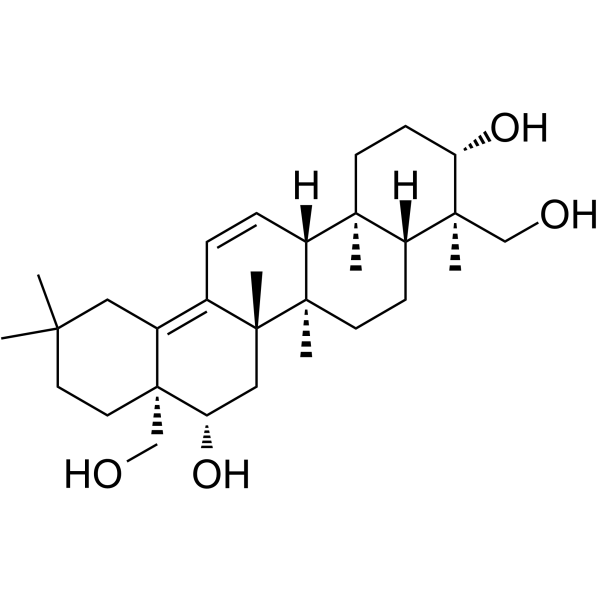
  • HY-N6584
    Saikogenin A
    1 Publications Verification

    Dipeptidyl Peptidase Metabolic Disease Inflammation/Immunology
    Saikogenin A, extracted from a Chinese herbal plant called Tsai-Fu, is a dipeptidyl peptidase-IV (DPP-IV) inhibitor.
    Saikogenin A
  • HY-N0650S7

    (-)-Serine-d2; (S)-Serine-d2

    Isotope-Labeled Compounds Endogenous Metabolite Cancer
    L-Serine-d2 is the deuterium labeled L-Serine. L-Serine ((-)-Serine; (S)-Serine), one of the so-called non-essential amino acids, plays a central role in cellular proliferation.
    L-Serine-d2
  • HY-N0650S2

    (-)-Serine-1-13C; (S)-Serine-1-13C

    Endogenous Metabolite Cancer
    L-Serine-1- 13C is the 13C-labeled L-Serine. L-Serine ((-)-Serine; (S)-Serine), one of the so-called non-essential amino acids, plays a central role in cellular proliferation.
    L-Serine-1-13C
  • HY-147330

    PROTACs JAK Cancer
    SJ1008030 (compound 8) is a JAK2 PROTAC which selectively degrades JAK2. SJ1008030 inhibits MHH–CALL-4 cell growth with an IC50 of 5.4 nM. SJ1008030 can be used for the research of leukemia .
    SJ1008030
  • HY-119445

    2-O-beta-D-Glucopyranosyl-D-glucopyranose

    Biochemical Assay Reagents Others
    Sophorose is a disaccharide component of microbial glycolipids produced by yeast called sophorolipids. Due to their hydrophobic nature, sophorolipids are commonly used as biosurfactants. Sophorolipids also exhibit antibacterial, antifungal, spermicidal, virucidal, and anticancer activities. Sophorose has been identified as a potent inducer of cellulase gene expression in Trichoderma reesei fermentation studies.
    Sophorose
  • HY-137872

    Biochemical Assay Reagents Others
    L-Leucyl-4-nitroanilide hydrochloride is a commonly used substrate in various biochemical assays to measure the activity of enzymes that cleave peptide bonds, such as proteases. L-Leucine p-nitroanilide hydrochloride has unique chemical properties that allow it to be cleaved by these enzymes to form a yellow product called p-nitroaniline. This makes it a useful tool for detecting and quantifying protease activity in biological samples such as blood or tissue extracts.
    L-Leucyl-4-nitroanilide hydrochloride
  • HY-137815

    Biochemical Assay Reagents Metabolic Disease
    4-Nitrophenyl α-L-rhamnopyranoside is a commonly used substrate in various biochemical assays to measure the activity of enzymes that hydrolyze rhamnose, such as α-L-rhamnosidase. 4-Nitrophenyl α-L-rhamnopyranoside has unique chemical properties that allow it to be hydrolyzed by these enzymes to form a yellow product called p-nitrophenol. This makes it a useful tool for detecting and quantifying rhamnohydrolase activity in biological samples or microbial cultures.
    4-Nitrophenyl α-L-rhamnopyranoside
  • HY-W419589

    COX NO Synthase Interleukin Related Reactive Oxygen Species (ROS) Inflammation/Immunology Cancer
    Xanthomicrol is extracted from the resin of the plant called Chinese bellflower (a member of the Scrophulariaceae family) and is a monoamine oxidase (MAOs) inhibitor. Xanthomicrol has anti-tumor and anti-inflammatory properties, with IC50 values of 0.88 and 1.69 μg/mL in HL60 and K562 cells. Xanthomicrol's the main metabolite of 5DT in mouse colon, and it can reduce levels of iNOS protein and mRNA, as well as COX-2 protein levels. Additionally, Xanthomicrol decreases the production of the pro-inflammatory cytokine IL-1β and induces the expression of the antioxidant enzyme HO-1 .
    Xanthomicrol
  • HY-121900

    PPAR Metabolic Disease Endocrinology
    LT175, a dual PPARα/γ ligand, is an orally active partial agonist against PPARγ(hPPARα:EC50=0.22 μm; mPPARα:EC50=0.26 μm; hPPARγ:EC50=0.48 μm). LT175 interacts with PPARγ and affects the recruitment of the coregulators cyclic-AMP response element-binding protein-binding protein and nuclear corepressor 1 (NCoR1). LT175 interacts with PPARγ in a hydrophobic region called “diphenyl pocket”. LT175 has potent insulin-sensitizing effects and reduced adipogenic properties .
    LT175
  • HY-111848A

    SNIPERs PROTACs Androgen Receptor Cancer
    PROTAC AR Degrader-4 comprises a IAP ligand binding group, a linker and an Androgen Receptor (AR) binding group. PROTAC AR Degrader-4 is an AR degrader. Degradation inducers based on cIAP1 are called specific and non-genetic IAP-dependent protein erasers (SNIPERs) .
    PROTAC AR Degrader-4 TFA
  • HY-111848

    SNIPERs PROTACs Androgen Receptor Cancer
    PROTAC AR Degrader-4 comprises a IAP ligand binding group, a linker and an Androgen Receptor (AR) binding group. PROTAC AR Degrader-4 is an AR degrader. Degradation inducers based on cIAP1 are called specific and non-genetic IAP-dependent protein erasers (SNIPERs) .
    PROTAC AR Degrader-4
  • HY-P5548

    Bacterial Infection Cancer
    CaLL is an antimicrobial peptide. CaLL has antibacterial activity against B. anthracis, B. anthracis (vegetative), and B. cepacia (MIC: 7.8, 31.3, 31.3 μg/mL) .
    CaLL
  • HY-W127393

    Biochemical Assay Reagents Others
    Quorum sensing is a regulatory system used by bacteria to control gene expression in response to increased cell density. This regulatory process manifests itself in a variety of phenotypes, including biofilm formation and virulence factor production. Coordinated gene expression is achieved through the production, release and detection of small diffusible signaling molecules called autoinducers. N-acylated homoserine lactones (AHLs) comprise a class of such autoinducers, each of which generally consists of a fatty acid coupled to a homoserine lactone (HSL). Modulation of bacterial quorum-sensing signaling systems to suppress pathogenesis represents a new approach to antimicrobial research for infectious diseases. AHLs differ in acyl length (C4-C18), C3 substitution (hydrogen, hydroxyl, or oxo group), and the presence or absence of one or more carbon-carbon double bonds in the fatty acid chain. These differences confer signaling specificity through the affinity of the LuxR family of transcriptional regulators. C9-HSL is a rare odd-numbered acyl carbon chain produced by wild-type Erwinia carotovora strain SCC 3193 grown in nutrient-rich Luria-Bertani broth (LB) medium.
    N-Nonanoyl-L-homoserine lactone
  • HY-E70186

    EC:3.1.6.12; ARSB

    Biochemical Assay Reagents Others
    Arylsulfatase B (EC:3.1.6.12, ARSB) removes a chemical group known as a sulfate from two GAGs called dermatan sulfate and chondroitin sulfate .
    Arylsulfatase B
  • HY-101485

    Autophagy enhancer-99 hydrobromide

    Phosphatase Neurological Disease
    AUTEN-99 (hydrobromide) is a novel inhibitor of the myotubularin phosphatase Jumpy (also called MTMR14). AUTEN-99 (hydrobromide) crosses the blood-brain barrier and exerts potent neuroprotective effects .
    AUTEN-99 hydrobromide
  • HY-P1536

    Protease Activated Receptor (PAR) Cardiovascular Disease
    Thrombin Receptor Activator for Peptide 5 (TRAP-5) is also called Coagulation Factor II Receptor (1-5) or Proteinase Activated Receptor 1 (1-5), used in the research of coronary heart disease (CHD).
    Thrombin Receptor Activator for Peptide 5 (TRAP-5)
  • HY-N0650S6

    (-)-Serine-13C,15N; (S)-Serine-13C,15N

    Isotope-Labeled Compounds Endogenous Metabolite Cancer
    L-Serine1- 13C, 15N is the 13C- and 15N-labeled L-Serine. L-Serine ((-)-Serine; (S)-Serine), one of the so-called non-essential amino acids, plays a central role in cellular proliferation.
    L-Serine1-13C,15N
  • HY-E70868

    TNK1 Cancer
    Thirty-eight-negative kinase-1 (TNK1) is a member of the ACK family of NRTKs, which includes only two human kinases, TNK1 and TNK2 (also called ACK1). TNK1 Recombinant Human Active Protein Kinase is a recombinant TNK1 protein that can be used to study TNK1-related functions .
    TNK1 Recombinant Human Active Protein Kinase
  • HY-40294R

    Monoamine Oxidase GSK-3 LRRK2 Cardiovascular Disease Neurological Disease Cancer
    Indazole (Standard) is the analytical standard of Indazole. This product is intended for research and analytical applications. Indazole, also called isoindazole, a heterocyclic aromatic organic compound. Its derivatives display a broad variety of biological activities including anti-inflammatory, antibacterial, anti-HIV, antiarrhythmic, antifungal and antitumour properties. Indazole and its derivatives can be used for research of cancer, neurological disorders, cardiovascular diseases, gastrointestinal diseases .
    Indazole (Standard)
  • HY-147660

    LPL Receptor Inflammation/Immunology
    IMMH001, also called SYL930, is an orally active, potent and selective S1P1 (sphingosine-1-phosphate receptor 1) agonist. IMMH001 decreased levels of both chemokines and proinflammatory cytokines, including IL-1β, IL-5, IL-18, IP10, CCL3, and CCL5. IMMH001 can be used for rheumatoid arthritis (RA) research .
    IMMH001
  • HY-RS24270

    Small Interfering RNA (siRNA) Others

    Chl1 Rat Pre-designed siRNA Set A contains three designed siRNAs for Chl1 gene (Rat), as well as a negative control, a positive control, and a FAM-labeled negative control.

    Chl1 Rat Pre-designed siRNA Set A
    Chl1 Rat Pre-designed siRNA Set A
  • HY-RS02635

    Small Interfering RNA (siRNA) Others

    CHL1 Human Pre-designed siRNA Set A contains three designed siRNAs for CHL1 gene (Human), as well as a negative control, a positive control, and a FAM-labeled negative control.

    CHL1 Human Pre-designed siRNA Set A
    CHL1 Human Pre-designed siRNA Set A
  • HY-N10021

    Others Others
    Benzo[e]pyrene occurs in fossil fuels and is a highly toxic member of a family of compounds called polyaromatic hydrocarbons (PAHs) .
    Benzo[e]pyrene
  • HY-Y1139S

    Heptanedioic acid-d4; 1,5-Pentanedicarboxylic acid-d4; 1,7-Heptanedioic acid-d4

    Endogenous Metabolite Metabolic Disease
    Pimelic acid-d4 is the deuterium labeled Pimelic acid . Pimelic acid is the organic compound and its derivatives are involved in the biosynthesis of the amino acid called lysine.
    Pimelic acid-d4

Inquiry Online

Your information is safe with us. * Required Fields.

Salutation


Country or Region *

Applicant Name *


Organization Name *

Department *


Email Address *


Product Name *

Cat. No.


Requested quantity *

Phone Number *


Remarks

Inquiry Online

Inquiry Information

Product Name:
Cat. No.:
Quantity:
MCE Japan Authorized Agent: