

1. Search Result
Search Result
Results for "

Calcium mobilization

" in MedChemExpress (MCE) Product Catalog:

98

Inhibitors & Agonists

1

Fluorescent Dye

1

Biochemical Assay Reagents

14

Peptides

1

Inhibitory Antibodies

9

Natural
Products

1

Oligonucleotides

1

GMP Molecules

Cat. No. Product Name Target Research Areas Chemical Structure
  • HY-111557
    YM-254890
    Maximum Cited Publications
    17 Publications Verification

    P2Y Receptor Cardiovascular Disease
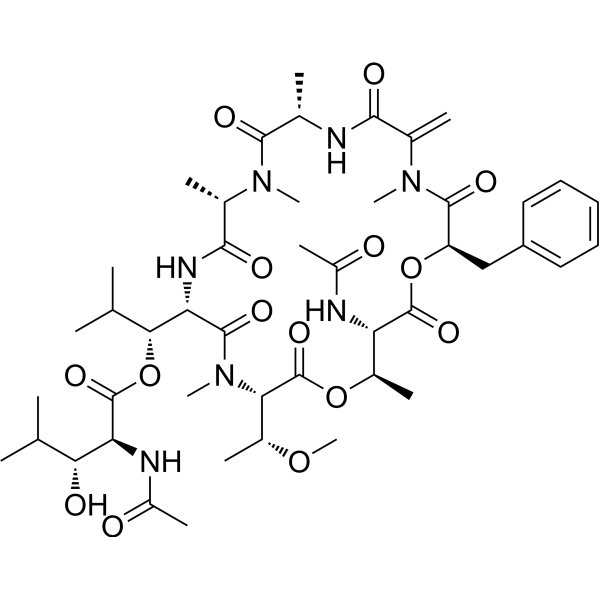
    YM-254890 is a selective Gαq/11 protein inhibitor isolated from Chromobacterium sp. YM-254890 shows no inhibition of other G protein subtypes. YM-254890 inhibits platelet aggregation induced by ADP by blocking the P2Y1 signal transduction pathway, with an IC50 value below 0.6 μM .
    YM-254890
  • HY-P3419
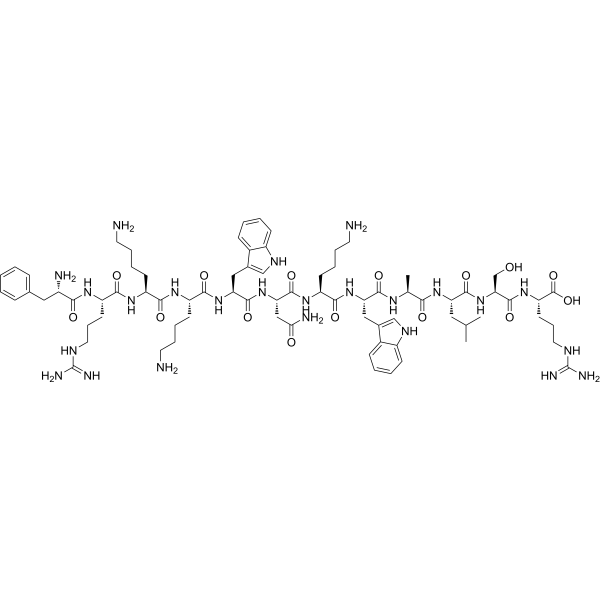
    PAMP-12 (unmodified)
    2 Publications Verification

    Mas-related G-protein-coupled Receptor (MRGPR) PERK Calcium Channel Cardiovascular Disease Inflammation/Immunology
    PAMP-12 (unmodified) is an endogenous peptide and is a MrgX2 agonist. PAMP-12 (unmodified) can reduce cAMP accumulation, increase Ca 2+ levels, enhance beta-arrestin recruitment, decrease IP-1, and increases phosphoERK. PAMP-12 (unmodified) can elicit hypotension through inhibiting catecholamine secretion from sympathetic nerve endings and adrenal chromaffin cells. PAMP-12 (unmodified) can be used for the research of hypotension and ulcerative colitis .
    PAMP-12 (unmodified)
  • HY-B0499A
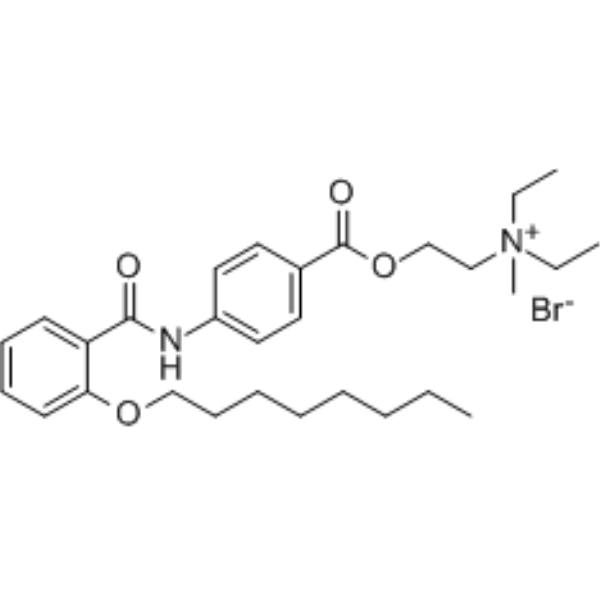
    Otilonium bromide
    3 Publications Verification

    Octylonium bromide; SP63

    mAChR Neurological Disease
    Otilonium bromide (OB) is an orally active mAChR inhibitor and smooth muscle relaxant which can interfere with the mobilization of calcium in intestinal smooth muscle, OB can be used for research of irritable bowel syndrome .
    Otilonium bromide
  • HY-103450

    Estrogen Receptor/ERR Endocrinology Cancer
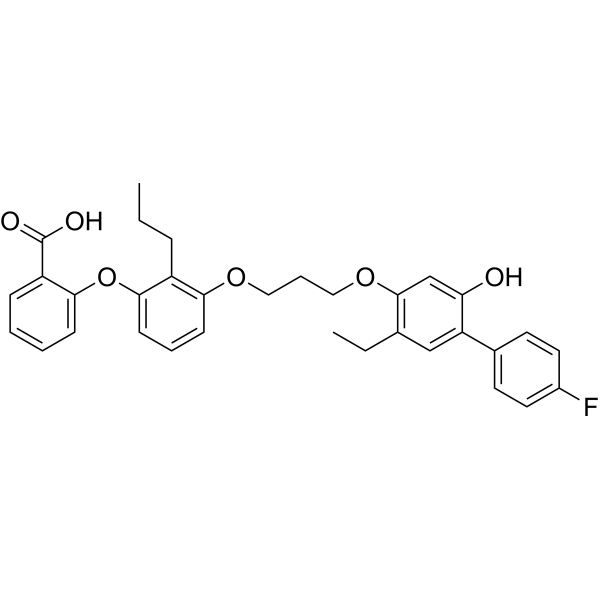
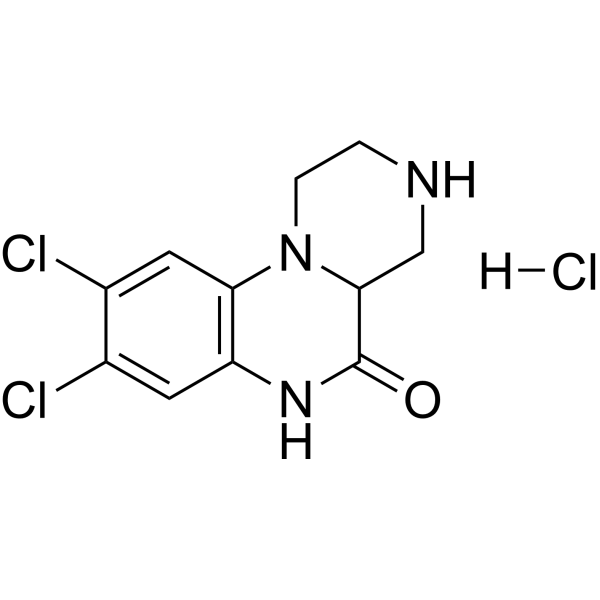
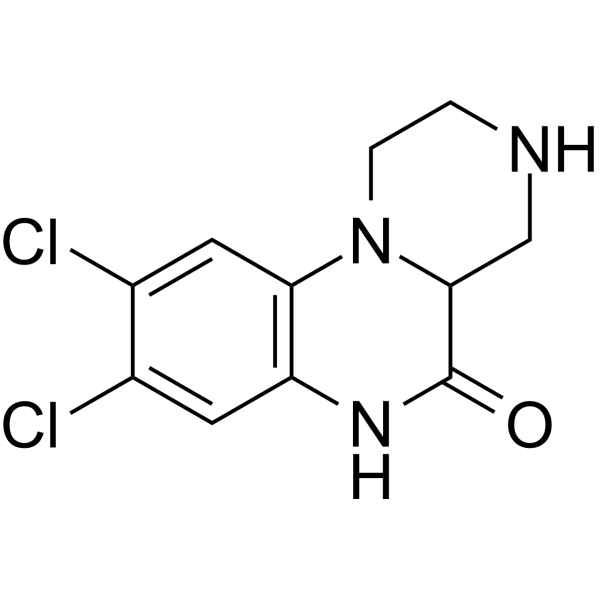
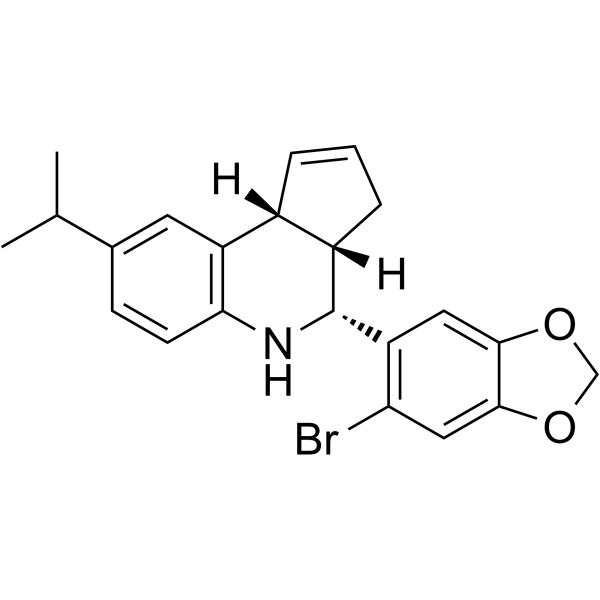
    G-36 is a cell-permeable nonsteroidal antagonist of the G protein-coupled estrogen receptor (GPER/GPR30), which selectively inhibits estrogen-mediated PI3K activation through GPER, rather than Erα. G-36 also inhibits estrogen-mediated calcium mobilization (IC50=112 nM). G-36 is promising for research in the field of cancer .
    G36
  • HY-P1852
    TIP 39, Tuberoinfundibular Neuropeptide
    1 Publications Verification

    Adenylate Cyclase PTHR Neurological Disease
    TIP 39, Tuberoinfundibular Neuropeptide is an endogenous PTH2 receptor agonist and antihypertensive agent. TIP 39, Tuberoinfundibular Neuropeptide selectively activates the PTH2 receptor with no activity on the PTH1 receptor, stimulates cAMP production, activates adenylate cyclase, and elevates intracellular calcium levels via mobilization from intracellular stores. TIP 39, Tuberoinfundibular Neuropeptide is highly conserved in humans, mice, and rats. TIP 39, Tuberoinfundibular Neuropeptide is applicable to research related to nociception and inflammation-induced pain .
    TIP 39, Tuberoinfundibular Neuropeptide
  • HY-P0172
    ATI-2341
    4 Publications Verification

    CXCR Inflammation/Immunology Endocrinology Cancer
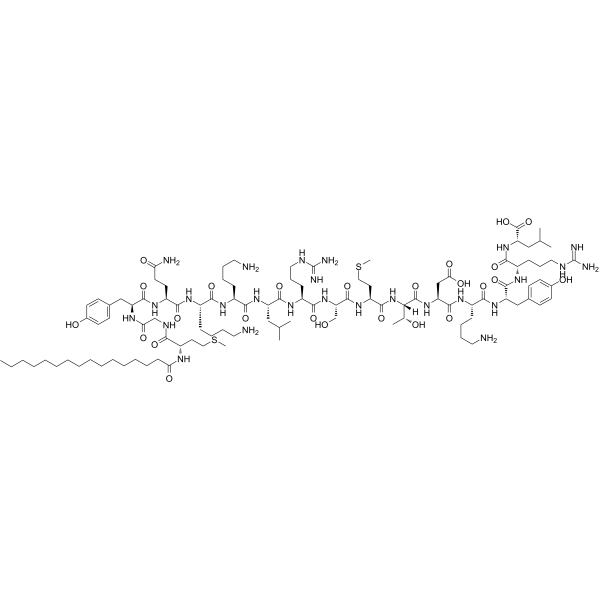
    ATI-2341 is a potent and functionally selective allosteric agonist of C-X-C chemokine receptor type 4 (CXCR4), which functions as a biased ligand, favoring Gαi activation over Gα13. ATI-2341 activates the inhibitory heterotrimeric G protein (Gi) to promote inhibition of cAMP production and induce calcium mobilization. ATI-2341 is a potent and efficacious mobilizer of bone marrow polymorphonuclear neutrophils (PMNs) and hematopoietic stem and progenitor cells (HSPCs) .
    ATI-2341
  • HY-50688
    SB-265610
    5+ Cited Publications

    CXCR Inflammation/Immunology
    SB-265610 is a selective, competitive, nonpeptide and allosteric CXCR2 antagonist. SB-265610 blocks rat cytokine-induced neutrophil chemoattractant-1 (CINC-1)-induced calcium mobilization and neutrophil chemotaxis with IC50s of 3.7 nM and 70 nM, respectively .
    SB-265610
  • HY-P991734

    TREM receptor Syk Calcium Channel Neurological Disease Inflammation/Immunology
    VHB937 is a potent and selective TREM2 agonist, a human monoclonal antibody, with sub-nanomolar affinity. VHB937 enhances TREM2 surface expression and downstream signaling, such as Syk phosphorylation and calcium mobilization. VHB937 exhibits robust neuroprotective effects in vivo, significantly reducing pathology and pro-inflammatory markers across a broad range of animal models of neuroinflammation and neurodegeneration. VHB937 can be used for neurodegenerative diseases research .
    VHB937
  • HY-N7395
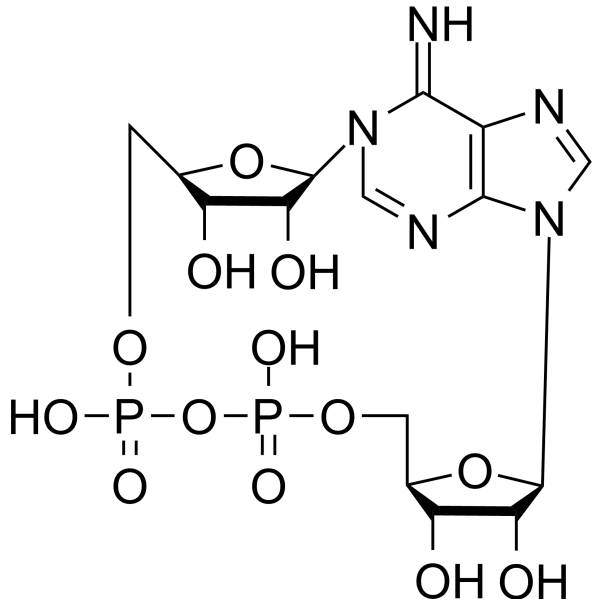
    Cyclic ADP-​ribose
    1 Publications Verification

    cADPR

    Calcium Channel TRP Channel Endogenous Metabolite Infection Cardiovascular Disease Neurological Disease Inflammation/Immunology Endocrinology
    Cyclic ADP-ribose (cADPR) is a potent second messenger for calcium mobilization that is synthesized from NAD + by an ADP-ribosyl cyclase. Cyclic ADP-ribose increases cytosolic calcium mainly by Ryanodine receptor-mediated release from endoplasmic reticulum and also by extracellular influx through the opening of TRPM2 channels .
    Cyclic ADP-​ribose
  • HY-13628
    Etalocib
    2 Publications Verification

    LY293111; VML 295

    Leukotriene Receptor Apoptosis Inflammation/Immunology Cancer
    Etalocib (LY293111), an orally active leukotriene B4 receptor antagonist, inhibits the binding of [ 3H]LTB4, with a Ki of 25 nM. Etalocib (LY293111) prevents LTB4-induced calcium mobilization with an lC50 of 20 nM. Etalocib (LY293111) induces apoptosis .
    Etalocib
  • HY-124571

    GPR84 Inflammation/Immunology
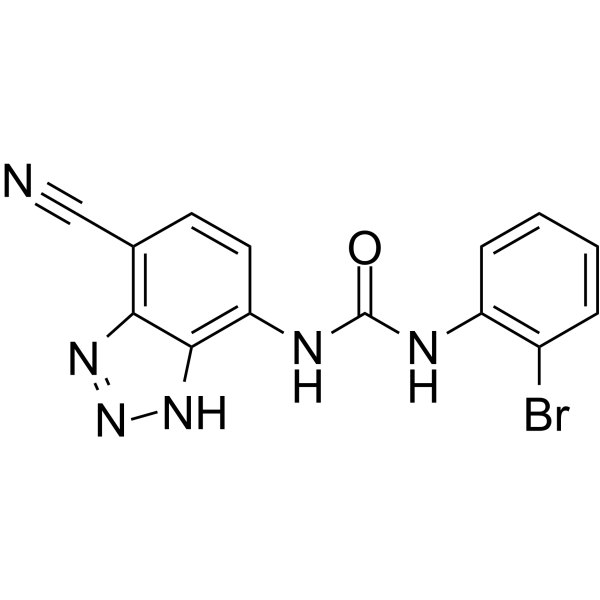
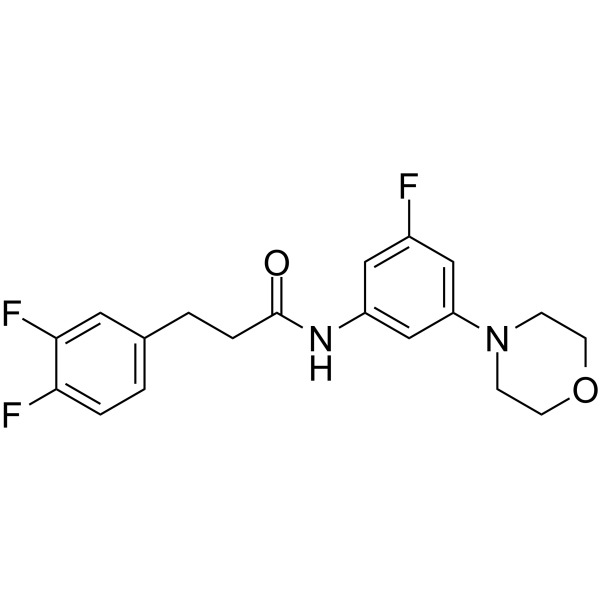
    ZQ-16 is a potent and selective GPR84 agonist with an EC50 value of 0.213 μM. ZQ-16 has no activity on the other free fatty acid receptors (FFARs), including GPR40, GPR41, GPR119 and GPR120 .
    ZQ-16
  • HY-128121

    Dopamine Receptor Neurological Disease
    MLS1547 is a highly efficacious G protein-biased dopamine D2 receptor (D2R) agonist (Ki=1.2 μM). MLS1547 stimulates D2R G protein-mediated signaling (EC50=0.37 μM in a calcium mobilization assay). MLS1547 acts as an antagonist for dopamine (DA)-stimulated β-arrestin recruitment to the D2R (IC50=9.9 μM) .
    MLS1547
  • HY-P0172A
    ATI-2341 TFA
    4 Publications Verification

    CXCR Inflammation/Immunology Endocrinology Cancer
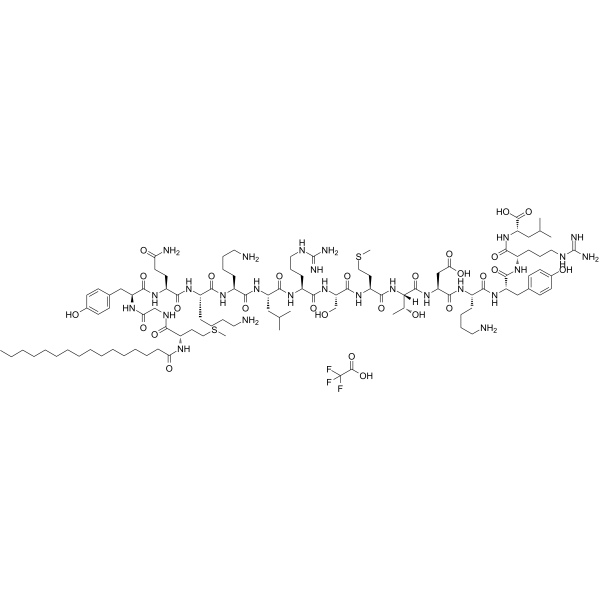
    ATI-2341 is a potent and functionally selective allosteric agonist of C-X-C chemokine receptor type 4 (CXCR4), which functions as a biased ligand, favoring Gαi activation over Gα13. ATI-2341 activates the inhibitory heterotrimeric G protein (Gi) to promote inhibition of cAMP production and induce calcium mobilization. ATI-2341 is a potent and efficacious mobilizer of bone marrow polymorphonuclear neutrophils (PMNs) and hematopoietic stem and progenitor cells (HSPCs) .
    ATI-2341 TFA
  • HY-N7690

    Calcium Channel Cardiovascular Disease Metabolic Disease
    3,5,7,3’,4’-Pentamethoxyflavone is a Ca 2+ channel inhibitor. 3,5,7,3’,4’-Pentamethoxyflavone can protect DNA from oxidative damage. 3,5,7,3’,4’-Pentamethoxyflavone can induce relaxation of the human corpus cavernosum through calcium mobilization-related mechanisms. 3,5,7,3’,4’-Pentamethoxyflavone can promote the expression of eNOS and cystathionine gamma lyase CSE proteins in middle-aged male rats and regulate vascular function. 3,5,7,3’,4’-Pentamethoxyflavone can be used in research related to diabetes and cardiovascular diseases .
    3,5,7,3′,4′-Pentamethoxyflavone
  • HY-132184

    5,6-EET; (±)5,6-EpETrE

    Adrenergic Receptor Calcium Channel Endocrinology
    5,6-Epoxyeicosatrienoic acid (5,6-EET; (±)5,6-EpETrE) is a fully racemic version of the enantiomeric forms biosynthesized from arachidonic acid by cytochrome P450 enzymes. In solution, 5,6-Epoxyeicosatrienoic acid degrades into 5,6-DiHET and 5,6-δ-lactone, which can be converted to 5,6-DiHET and quantified by GC-MS. In neuroendocrine cells, such as the anterior pituitary and pancreatic islets, 5,6-Epoxyeicosatrienoic acid has been implicated in the mobilization of calcium and hormone secretion. 5,6-Epoxyeicosatrienoic acid is an inhibitor of T-type voltage-gated calcium channels (Cav3) that inhibits isoforms Cav3.1, Cav3.2 (IC50=0.54 μM), and Cav3. and decreases nifedipine-resistant phenylephrine-induced vasoconstriction in isolated mouse mesenteric arteries via Cav3.2 blockade when used at a concentration of 3 μM. In addition, it is a substrate of COX-1 and COX-2.
    5,6-Epoxyeicosatrienoic acid
  • HY-110190

    ML396

    mGluR Neurological Disease
    VU0422288 (ML396) is a positive allosteric modulator of group III mGluRs. VU0422288 inhibits mGluRs with EC50s of 125 nM, 146 nM, and 108 nM for mGluR4, mGluR7, and mGluR8, respectively in calcium mobilization assays. VU0422288 reverses deficits in contextual fear memory, social recognition, and apneas in Rett syndrome (RTT) model mice .
    VU0422288
  • HY-103138
    (Rac)-WAY-161503 hydrochloride
    1 Publications Verification

    5-HT Receptor Neurological Disease Metabolic Disease
    (Rac)-WAY-161503 hydrochloride is a potent, selective, high affinity 5-HT2C receptor agonist with a Ki of 4 nM and an EC50 of 12 nM. (Rac)-WAY-161503 hydrochloride displays higher affinity for 5-HT2C than 5-HT2A and 5-HT2B receptors. (Rac)-WAY-161503 hydrochloride has anti-obesity and antidepressant effects .
    (Rac)-WAY-161503 hydrochloride
  • HY-114011

    Free Fatty Acid Receptor Metabolic Disease Inflammation/Immunology
    AMG7703 is a selective and allosteric agonists of FFA2 (GPR43), the receptor for short-chain fatty acids (SCFAs), acetate, and propionate. AMG7703 can be used to research for in inflammatory and metabolic .
    AMG7703
  • HY-N0805A
    Alisol B
    1 Publications Verification

    Epoxide Hydrolase CaMK Autophagy Apoptosis Metabolic Disease Inflammation/Immunology Cancer
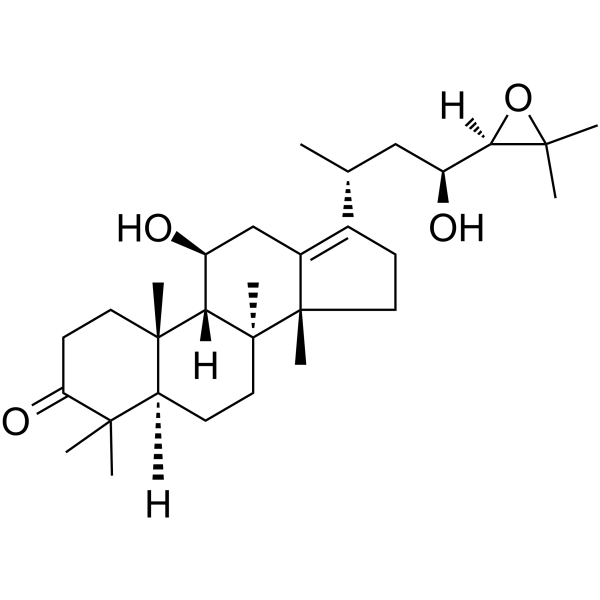
    Alisol B is a triterpene with diverse biological activities. Alisol B binds human soluble epoxide hydrolase (sEH) with a Ki of 5.97 μM and reduces sEH activity. Alisol B inhibits RANKL-induced JNK phosphorylation, NFATc1 and c-Fos expression, osteoclast formation, mature osteoclast pit-forming and actin ring activity, and SERCA pump activity. Alisol B induces calcium mobilization, CaMKK-AMPK-mTOR pathway activation, autophagic flux, autophagosome formation, G1 phase cell cycle arrest, endoplasmic reticulum stress, unfolded protein responses, and cancer cell apoptosis. Alisol B can be used for the research of hypercalcemia, osteoporosis, rheumatoid arthritis, periodontitis, acute kidney injury, and breast cancer .
    Alisol B
  • HY-142117

    Calcium Channel Chloride Channel Others
    Adenophostin A is an IP3 receptor (inositol 1,4,5-trisphosphate receptors) modulator and Ca 2+ releaser, with an IC50 of 1.3 nM, an EC50 of 1.4 nM, and a Ki of 0.18 nM in rats, and an IC50 of 0.95 nM in humans. Adenophostin A activates IP3 receptors, stimulates Ca 2+ release from intracellular stores and microsomes, inhibits the binding of [ 3H]IP3 to plasma membrane receptors, and activates chloride channels. Adenophostin A resists phosphorylation and dephosphorylation by IP3 metabolic enzymes to maintain its activity, and increases cytoplasmic [Ca 2+] levels via calcium mobilization from the endoplasmic reticulum of vascular smooth muscle cells. Adenophostin A is applicable to research related to hemorrhagic shock .
    Adenophostin A
  • HY-145697

    GPR84 Inflammation/Immunology
    GPR84 antagonist 2 (compound 33) is a potent, selective, and orally active GPR84 antagonist (IC50=8.95 nM). GPR84 antagonist 2 shows improved potency in the calcium mobilization assay and the ability to inhibit the chemotaxis of neutrophils and macrophages upon GPR84 activation. GPR84 antagonist 2 has the potential for the research of ulcerative colitis .
    GPR84 antagonist 2
  • HY-116326

    Leukotriene Receptor Inflammation/Immunology
    BayCysLT2, an isophthalic acid derivative, is a selective and potent cysteinyl leukotriene 2 (CysLT2) receptor antagonist with an IC50 value of 53 nM. BayCysLT2 inhibits calcium mobilization induced by leukotriene D4 in HEK293 cells expressing human CysLT2 receptors. BayCysLT2 reverses LTC4-induced increases in coronary artery perfusion pressure and decreases in contractility in isolated perfused guinea pig hearts .
    BayCysLT2
  • HY-123763

    CCR Inflammation/Immunology
    MLN3126 is an orally active and potent CCR9 antagonist. MLN3126 inhibits CCL25-induced calcium mobilization and chemotaxis of mouse primary thymocytes, wiht an IC50 value of 6.3 nM for calcium influx .
    MLN3126
  • HY-147222
    SAE-14
    1 Publications Verification

    GPR183 antagonist-1

    EBI2/GPR183 Neurological Disease Inflammation/Immunology
    SAE-14 (compound SAE-14) is a potent, specific GPR183 antagonist with an IC50 value of 28.5 nM, can antagonize 7α, 25-OHC–induced calcium mobilization with IC50 value below 50 nM in HL-60 cells. GPR183 antagonist-1 can reverse allodynia in mice .
    SAE-14
  • HY-145086
    R-PSOP
    1 Publications Verification

    Neuromedin U Receptor (NMUR) Metabolic Disease
    R-PSOP is highly potent and selective nonpeptidic NMUR2 antagonist. R-PSOP binds to NMUR2 with the Kis of 52 and 32 nM for the human and rat NMUR2, respectively. R-PSOP shows moderate CNS penetration. R-PSOP can be used for the research of the eating disorders, obesity, pain, and stress-related disorders .
    R-PSOP
  • HY-172458
    Z-3578
    1 Publications Verification

    Mas-related G-protein-coupled Receptor (MRGPR) TNF Receptor Inflammation/Immunology
    Z-3578 is an orally active small-molecule antagonist of MrgX2 with potent antipseudoallergic activity, exhibiting a KD value of 729 nM. Z-3578 effectively inhibits mast cell degranulation induced by substance P (SP) and C48/80, suppresses the release of β-hexosaminidase, significantly reduces the release of histamine and TNF-α, and decreases intracellular calcium flux. In a mouse pseudoallergy model, Z-3578 significantly alleviates paw swelling and dye extravasation, and reduces serum histamine levels. Z-3578 can be used for the study of pseudoallergic reactions .
    Z-3578
  • HY-19434

    Trans-(±)-ACP

    mGluR Metabolic Disease
    trans-ACPD, a metabotropic receptor agonist, produces calcium mobilization and an inward current in cultured cerebellar Purkinje neurons.
    trans-ACPD
  • HY-N7395A
    Cyclic ADP-​ribose ammonium
    1 Publications Verification

    cADPR ammonium

    Calcium Channel TRP Channel Endogenous Metabolite Infection Cardiovascular Disease Neurological Disease Inflammation/Immunology Endocrinology
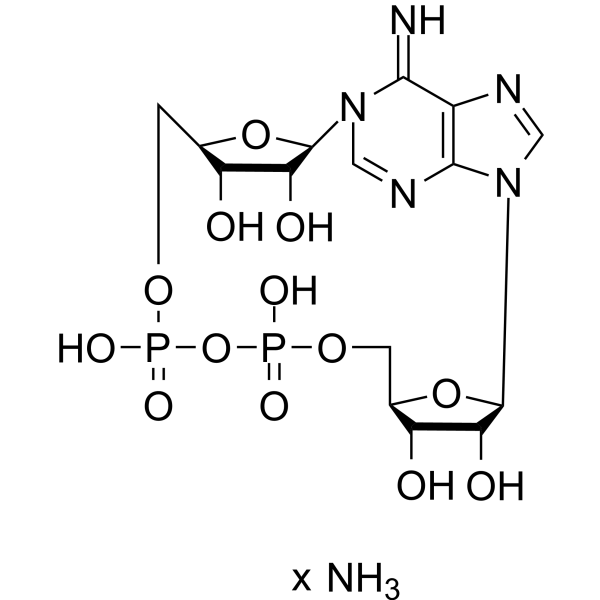
    Cyclic ADP-ribose ammonium (cADPR ammonium) is a potent second messenger for calcium mobilization that is synthesized from NAD + by an ADP-ribosyl cyclase. Cyclic ADP-ribose ammonium increases cytosolic calcium mainly by Ryanodine receptor-mediated release from endoplasmic reticulum and also by extracellular influx through the opening of TRPM2 channels .
    Cyclic ADP-​ribose ammonium
  • HY-P2355

    BOC2; Boc-Phe-dLeu-Phe-dLeu-Phe

    Formyl Peptide Receptor (FPR) Inflammation/Immunology
    BOC-FlFlF (Boc-Phe-dLeu-Phe-dLeu-Phe) is a selective FPR1 antagonist. Boc-FlFlF has an apparent dissociation constant (KD) of 230 nM as determined by the intracellular calcium mobilization assay. Boc-FlFlF can be used for the study of inflammation .
    BOC-FlFlF
  • HY-134299

    8-(4-Chlorophenylthio)-cAMP-AM

    Ras PKA Cardiovascular Disease Metabolic Disease Cancer
    8-CPT-cAMP-AM (8-(4-Chlorophenylthio)-cAMP-AM) is an Epac/PKA activator. 8-CPT-cAMP-AM potentiates glucose-dependent first- and second-phase insulin secretion, induces β-cell depolarization, modulates intracellular calcium via influx and ryanodine-sensitive store mobilization, and facilitates calcium-induced calcium release resistant to PKA inhibition. 8-CPT-cAMP-AM can be used for the research of cardiac hypertrophy, diabetic cardiomyopathy, and melanoma .
    8-CPT-cAMP-AM
  • HY-P3789

    GnRH Receptor Metabolic Disease
    Prolactin-Releasing Peptide (12-31), rat is a fragment of the prolactin releasing peptide (PrRP). Prolactin-Releasing Peptide (12-31), rat shows high affinity for GPR10 receptors. Prolactin-Releasing Peptide (12-31), stimulates calcium mobilization in CHOK1 cells transfected with the PrRP receptor .
    Prolactin-Releasing Peptide (12-31), rat
  • HY-103138A
    (Rac)-WAY-161503
    1 Publications Verification

    5-HT Receptor Neurological Disease Metabolic Disease
    (Rac)-WAY-161503 is a potent, selective, highly affinity 5-HT2C receptor agonist with a Ki of 4 nM and an EC50 of 12 nM. (Rac)-WAY-161503 displays higher affinity for 5-HT2C than 5-HT2A and 5-HT2B receptors. (Rac)-WAY-161503 has anti-obesity and antidepressant effects .
    (Rac)-WAY-161503
  • HY-117380

    Neurokinin Receptor Neurological Disease
    SB 235375 is a potent and selective antagonist of the human neurokinin-3 (hNK-3) receptor designed by optimizing the structure of 2-phenyl-4-quinolinecarboxylic acid amide. SB 235375 displays high affinity for the hNK-3 receptor, with significantly higher binding affinities than hNK-2 and hNK-1 receptors. In vitro studies demonstrated its ability to block NK-3 receptor-mediated contraction and calcium mobilization, while in vivo, SB 223412 demonstrated oral and intravenous activity against NK-3 receptor-driven responses in animal models .
    SB 235375
  • HY-137325A

    Calcium Channel Metabolic Disease
    2-Chloro-ATP sodium (2-Chloro ATP) is an adenine nucleotide and an analog of ATP. It is an antagonist of the purinergic P2Y1 receptor and inhibits intracellular calcium mobilization induced by ADP (HY-W010918) in Jurkat cells expressing the human receptor (Ki=2.3 μM). 2-Chloro-ATP sodium is an agonist of the purinergic P2X receptor and induces inward currents in HEK293 cells expressing human bladder smooth muscle or rat PC12 forms of the receptor (EC50=0.5 and 2.5 μM). 2-Chloro-ATP sodium induces relaxation of precontracted guinea pig cecal strips in a concentration-dependent manner. 2-Chloro-ATP sodium has been used to study the substrate specificity of cyclic nucleotide-dependent protein kinases such as protein kinase A (PKA) and PKG.
    2-Chloro-ATP sodium
  • HY-130704

    Calcium Channel Metabolic Disease
    Isotachysterol 3 is an analog of 1,25-dihydrox Vitamin D3. Isotachysterol 3 stimulates intestinal calcium transport and bone calcium mobilization in anephric rats .
    Isotachysterol 3
  • HY-167862A

    LPL Receptor Neurological Disease
    UCM-05194 (ammonium) is a lysophosphatidic acid receptor 1 (LPA1) agonist. UCM-05194 (ammonium) induces calcium mobilization in LPA1-expressing RH7777 cells (EC50 = 0.24 µM). UCM-05194 (ammonium) induces neurite retraction and migration in LPA1-overexpressing B103 rat neuroblastoma cells. UCM-05194 (ammonium) attenuates acetic acid-induced writhing and hind paw mechanical hypersensitivity in mice .
    UCM-05194 ammonium
  • HY-177094

    INF056

    Complement System Inflammation/Immunology
    Izicopan (INF056) is a complement factor C5a receptor antagonist. Izicopan inhibits C5a-induced calcium mobilization with an IC50 of 10-100 nM .
    Izicopan
  • HY-153132

    mGluR Metabolic Disease
    mGluR3 modulator-1 (compound 3) is a mGluR3 modulator, with an EC50 of 1-10 μM in HEK293T-mGluR-Gqi5 Calcium Mobilization Assay .
    mGluR3 modulator-1
  • HY-103572

    mGluR Neurological Disease
    MNI137 is a potent and selective negative allosteric modulator for group II mGluRs. MNI137 has IC50s values of 8.3 and 12.6 nM for human and rat mGlu2 inhibition of glutamate-induced calcium mobilization .
    MNI137
  • HY-144347

    CXCR Infection Cancer
    HF51116 is a potent antagonist of CXCR4. HF51116 strongly antagonizes SDF-1α-induced cell migration, calcium mobilization, and CXCR4 internalization. HF51116 inhibits HIV-1 infection via CXCR4. HF51116 has the potential for the research of HIV-1 infection, hematopoietic stem cell mobilization, and cancer metastasis .
    HF51116
  • HY-146413

    CXCR HIV Infection Cancer
    HF50731 (compound 21) is a potent CXCR4 antagonist. HF50731 shows strong CXCR4 binding affinity, with IC50 of 19.8 nM. HF50731 effectively inhibits calcium mobilization, cell migration, and HIV-1 infection via CXCR4 coreceptor, with IC50 values of 119.2 nM, 621.4 nM and 1.5 μM .
    HF50731
  • HY-118806A

    mAChR Neurological Disease
    AC-42 hydrochloride is the hydrochloride salt form of AC-42 (HY-118806). AC-42 hydrochloride is an allosteric agonist for muscarinic M1 receptor with EC50s of 805 nM and 220 nM for human wild-type and Y381A mutated M1 receptors, respectively. AC-42 hydrochloride stimulates the inositol phosphate (IP)-accumulation and calcium mobilization in CHO cells .
    AC-42 hydrochloride
  • HY-105358

    Leukotriene Receptor Calcium Channel Inflammation/Immunology
    CP-288886 is a cysLT1 receptor antagonist with a Ki value of 0.004 μM. CP-288886 exhibits comparable activity to Zafirlukast (HY-17492) and Pranlukast (HY-B0290). CP-288886 inhibits calcium mobilization with an IC50 of 0.0005 μM in human U937 cells. CP-288886 has high oral bioavailability. CP-288886 possesses anti-asthmatic activity in a guinea pig asthma model and can be used for the research of diseases such as asthma .
    CP-288886
  • HY-107614G

    1-Oleoyl-sn-glycero-3-phosphate sodium; 1-Oleoyl-LPA sodium

    LPL Receptor ROCK TGF-beta/Smad TGF-β Receptor Neurological Disease Cancer
    1-Oleoyl lysophosphatidic acid sodium (GMP) is the GMP-grade form of 1-Oleoyl lysophosphatidic acid sodium (HY-107614). GMP-grade small molecules serve as auxiliary reagents in cell therapy. 1-Oleoyl lysophosphatidic acid sodium is a bioactive lipid signaling molecule. 1-Oleoyl lysophosphatidic acid sodium inhibits lysoPLD-catalyzed hydrolysis of lysophosphatidylcholine and FS-3. 1-Oleoyl lysophosphatidic acid sodium activates LPA1 and LPA2, thereby triggering calcium mobilization, NFATc1 translocation, Rho/ROCK activation, Smad2/3 phosphorylation and c-Fos expression. 1-Oleoyl lysophosphatidic acid sodium induces anxiety-like, depression-like and hypoactivity phenotypes, regulates osteoclast cytoskeleton and viability, reduces osteoclast bone resorptive activity, and drives mesenchymal stem cell differentiation into myofibroblast-like cells. 1-Oleoyl lysophosphatidic acid sodium stimulates the secretion of transforming growth factor-β1 and stromal cell-derived factor-1. 1-Oleoyl lysophosphatidic acid sodium is applicable to research related to anxiety, depression and ovarian cancer .
    1-Oleoyl lysophosphatidic acid sodium
  • HY-P5756

    Opioid Receptor Neurological Disease
    CSD-CH2(1,8)-NH2 is a selective and competitive KOR antagonist (Ki: 6.8 nM). CSD-CH2(1,8)-NH2 inhibits calcium mobilization in DRG neurons. CH2(1,8)-NH2 antagonizes the antinociceptive effect of U50,488. CSD-CH2(1,8)-NH2 can be used for research of neuropsychiatric disorders .
    CSD-CH2(1,8)-NH2
  • HY-B0499AR

    Octylonium bromide (Standard); SP63 (Standard)

    Reference Standards mAChR Neurological Disease
    Otilonium (bromide) (Standard) is the analytical standard of Otilonium (bromide). This product is intended for research and analytical applications. Otilonium bromide (OB) is an orally active mAChR inhibitor and smooth muscle relaxant which can interfere with the mobilization of calcium in intestinal smooth muscle, OB can be used for research of irritable bowel syndrome .
    Otilonium bromide (Standard)
  • HY-125313

    Orphan GPCR Cardiovascular Disease Inflammation/Immunology
    PSB-1737 is a human-selective GPR17 agonist with an EC50 for human GPR17 of 270 nM, and its activity on murine GPR17 is relatively weak (EC50 > 10 μM). PSB-1737 shows no significant inhibition at the glycine binding site of NMDA receptors, and has no significant agonistic or antagonistic activity on P2Y receptor subtypes. PSB-1737 can be used in demyelinating diseases (such as multiple sclerosis) or inflammatory-related anemia .
    PSB-1737
  • HY-120985

    Calcium Channel Neurological Disease
    Xestospongins and araguspongins are marine natural products first isolated from Pacific basin sponges, and noted to have vasodilatory properties.1 Inositol phosphates (IP) are important signal transduction messengers acting via IP3 receptors to promote the mobilization of Ca2+ from intracellular stores.2 Araguspongin B antagonizes the calcium-releasing action of inositol 1,4,5-trisphosphate at the receptor level in cerebral microsomes, with an IC50 of 0.6 μM. It is nearly as potent as xestospongin C as an antagonist of the IP3 receptor.
    Araguspongin B
  • HY-N7690R

    Reference Standards Calcium Channel Cardiovascular Disease Metabolic Disease
    3,5,7,3’,4’-Pentamethoxyflavone is a Ca2+ channel inhibitor. 3,5,7,3’,4’-Pentamethoxyflavone can protect DNA from oxidative damage. 3,5,7,3’,4’-Pentamethoxyflavone can induce relaxation of the human corpus cavernosum through calcium mobilization-related mechanisms. 3,5,7,3’,4’-Pentamethoxyflavone can promote the expression of eNOS and cystathionine gamma lyase CSE proteins in middle-aged male rats and regulate vascular function. 3,5,7,3’,4’-Pentamethoxyflavone can be used in research related to diabetes and cardiovascular diseases .
    3,5,7,3′,4′-Pentamethoxyflavone (Standard)
  • HY-101607A

    Calcium Channel Cardiovascular Disease
    KT-362 free acid is an intracellular calcium antagonist with antiarrhythmic and vasodilatory effects. KT-362 free acid shows an antagonistic effect against norepinephrine (NE) induced vasoconstriction response, achieved by reducing inositol phospholipid hydrolysis, thereby reducing intracellular calcium mobilization. KT-362 free acid can be used to study the contraction and relaxation mechanisms of vascular smooth muscle, especially in exploring the role of intracellular calcium mobilization and inositol phospholipid hydrolysis in vascular contraction .
    KT-362 free acid

Inquiry Online

Your information is safe with us. * Required Fields.

Salutation


Country or Region *

Applicant Name *


Organization Name *

Department *


Email Address *


Product Name *

Cat. No.


Requested quantity *

Phone Number *


Remarks

Inquiry Online

Inquiry Information

Product Name:
Cat. No.:
Quantity:
MCE Japan Authorized Agent:

