1. Search Result
Search Result
Results for "

Cu2

" in MedChemExpress (MCE) Product Catalog:

75

Inhibitors & Agonists

16

Fluorescent Dye

6

Biochemical Assay Reagents

6

Peptides

2

MCE Kits

10

Natural
Products

2

Isotope-Labeled Compounds

3

Antibodies

1

Click Chemistry

1

Oligonucleotides

Cat. No. Product Name Target Research Areas Chemical Structure
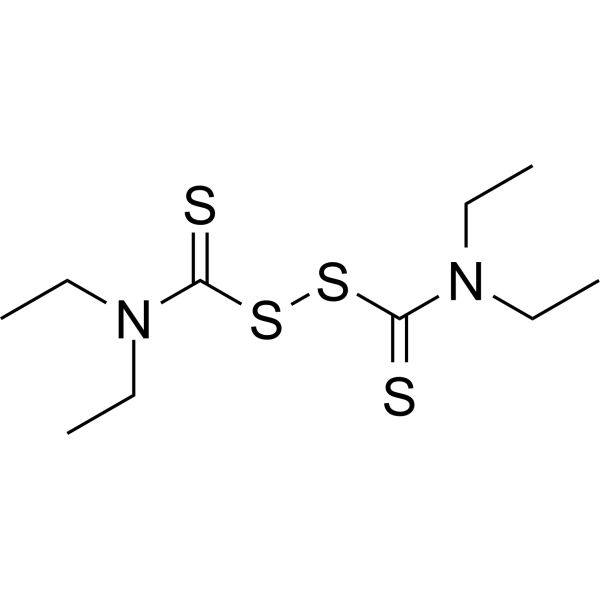
  • HY-B0240
    Disulfiram
    Maximum Cited Publications
    141 Publications Verification

    Tetraethylthiuram disulfide; TETD

    Aldehyde Dehydrogenase (ALDH) Interleukin Related Pyroptosis Apoptosis Cuproptosis Metabolic Disease Cancer
    Disulfiram (Tetraethylthiuram disulfide) is a specific inhibitor of aldehyde-dehydrogenase (ALDH1), used for the treatment of chronic alcoholism by producing an acute sensitivity to alcohol. Disulfiram inhibits gasdermin D (GSDMD) pore formation in liposomes and inflammasome-mediated pyroptosis and IL-1β secretion in human and mouse cells. Disulfiram, a copper ion carrier, with Cu 2+ increases intracellular ROS levels and induces cuproptosis [2] .
    Disulfiram
  • HY-156376
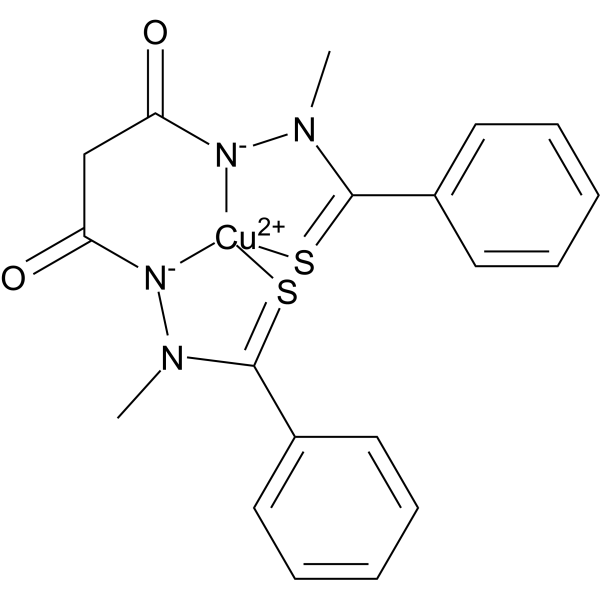
    Cu(II)-Elesclomol
    5 Publications Verification

    Cuproptosis Apoptosis Topoisomerase Reactive Oxygen Species (ROS) Inflammation/Immunology Cancer
    Cu(II)-Elesclomol is a complex formed by Elesclomol (HY-12040) and Cu 2+ (copper ions). Cu(II)-Elesclomol is also a weak inhibitor of DNA topoisomerase I. Cu(II)-Elesclomol exerts anticancer effects by inducing oxidative stress and DNA damage through copper chelation. Cu(II)-Elesclomol can inhibit tumor cell proliferation and induce cell cycle arrest and apoptosis. Cu(II)-Elesclomol can be used in the study of cancer [2].
    Cu(II)-Elesclomol
  • HY-14603
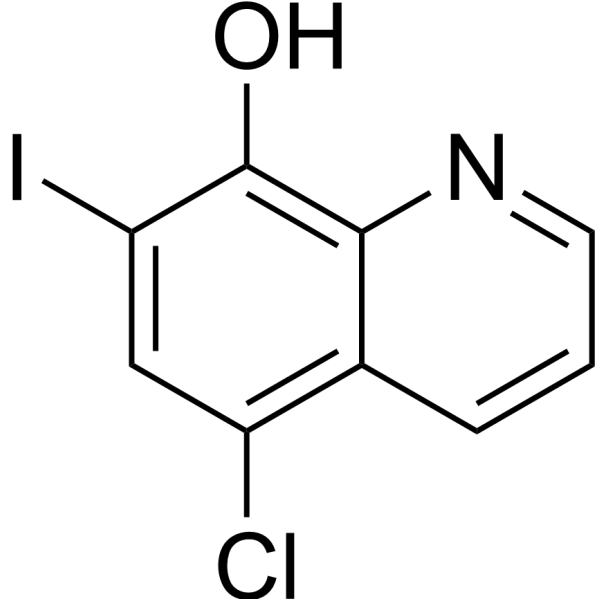
    Clioquinol
    5+ Cited Publications

    Iodochlorohydroxyquinoline

    Environmental Pollutants Antibiotic Autophagy Parasite Fungal Mitophagy Infection Neurological Disease Inflammation/Immunology Cancer
    Clioquinol (Iodochlorhydroxyquin) is a topical antifungal agent with anticancer activity. Clioquinol acts as an oral antimicrobial agent for the research of diarrhea and skin infections. Antibiotic . Clioquinol is a chelator that binds to Zn 2+ and Cu 2+ with a greater affinity than it binds to Ca 2+ and Mg 2+. Clioquinol freely crosses the blood-brain barrier. Clioquinol can be used for the study of Alzheimer's disease [2].
    Clioquinol
  • HY-16074
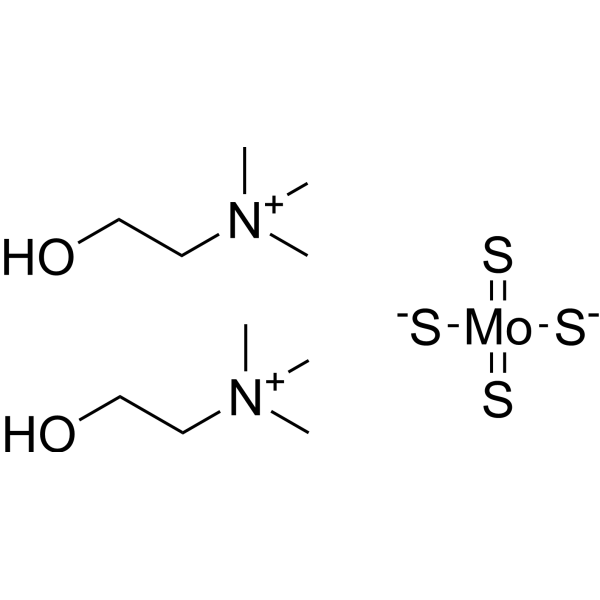
    ATN-224
    4 Publications Verification

    Bischolinetetrathiomolybdate

    SOD Cancer
    ATN-224 is an orally active Cu 2+/Zn 2+-superoxide dismutase 1 (SOD1) inhibitor. ATN-224 inhibits SOD1 activity in endothelial cells, an effect that is dose dependent with an IC50 of 17.5 nM.
    ATN-224
  • HY-B1306
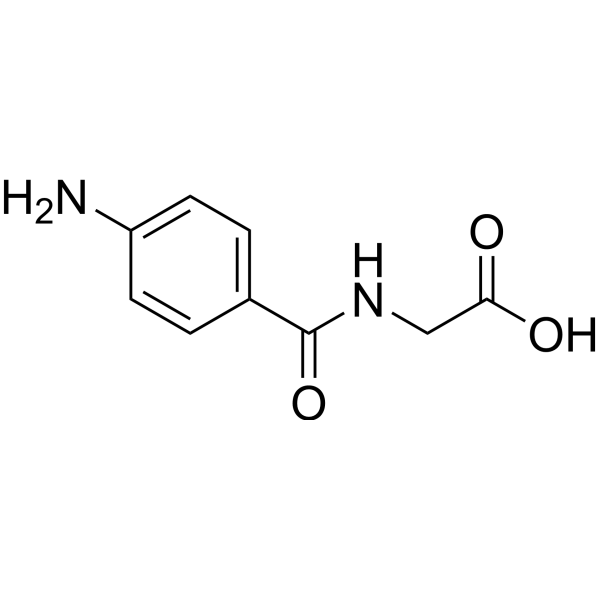
    4-Aminohippuric acid
    4 Publications Verification

    p-Aminohippuric acid

    Others Neurological Disease Metabolic Disease
    4-Aminohippuric acid (p-Aminohippuric acid) is a coordination ligand for metal ions (such as Cu 2+, Fe 3+, Hg 2+) and a functionalization reagent for nanomaterials. 4-Aminohippuric acid can coordinate with metal ions or modify the surface of materials such as carbon nanotubes and gold nanoparticles through amino and carboxyl groups. 4-Aminohippuric acid can form stable complexes with metal ions or participate in the synthesis of nanomaterials as a reducing agent/stabilizer, enriching metal ions or giving nanoparticles peroxidase-mimicking activity. 4-Aminohippuric acid can be used to construct highly sensitive electrochemical sensors or colorimetric sensors to detect and quantitatively analyze heavy metal ions such as copper, iron, and mercury in environmental water samples and biological samples. 4-Aminohippuric acid may also be a biomarker for attention-deficit/hyperactivity disorder (ADHD) [2] .
    4-Aminohippuric acid
  • HY-N7135

    Tyrosinase Fungal Metabolic Disease Inflammation/Immunology Cancer
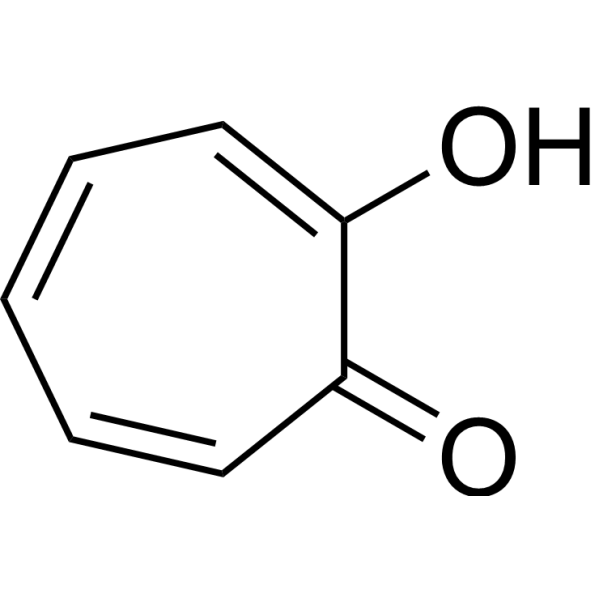
    Tropolone is a seven-membered non-benzenoid aromatic compound, which is the precursor of many Azulene derivatives. Tropolone is a potent mushroom tyrosinase inhibitor with an IC50 value of 0.4 μM. Its inhibitory effect can be achieved by dialysis or excess CU2+ Reversa. Tropolone exhibits broad anti-viral and anti-fungal activity and is synergistic upon co-treatment with nucleos(t)ide analog drugs. Tropolone is a promising candidate for research in osteosarcoma [2] .
    Tropolone
  • HY-P1146
    Semax
    1 Publications Verification

    Amyloid-β Cardiovascular Disease Neurological Disease Inflammation/Immunology
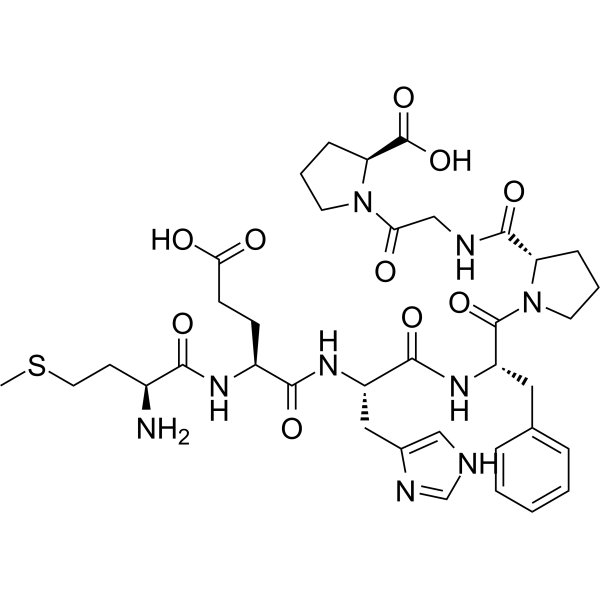
    Semax is a BBB-penetrable adrenocorticotropic hormone-like peptide and can form stable complexes with Cu 2+. Semax is a synthetic peptide analog of Adrenocorticotropic hormone (ACTH) (4-10). Semax has immunomodulatory, nootropic and neuroprotective activities. Semax can be used in the research of central nervous system diseases such as Alzheimer's disease and cerebral ischemia [2] .
    Semax
  • HY-123645
    Rhodamine B hydrazide
    1 Publications Verification

    Fluorescent Dye Others
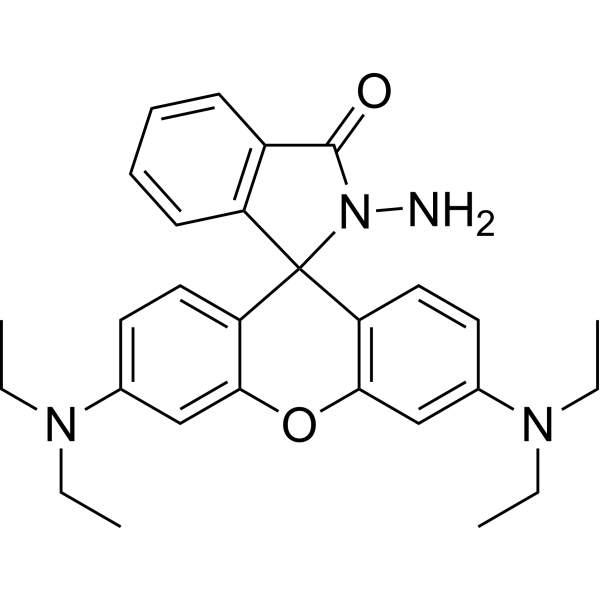
    Rhodamine B hydrazide is a fluorescent derivative based on rhodamine B, containing the spirocyclic structure of Rhodamine B (HY-Y0016), which can be used to detect copper ions (Cu 2+), mercury ions, peroxynitrite, hydroxyl radicals and nitric oxide (NO) [2] .
    Excitation/emission wavelength:
    Conventional detection: 510/578 nm.
    Sulfite detection: 554 nm absorption, 574 nm emission (due to the formation of Rhodamine B fluorescent product).
    Rhodamine B hydrazide
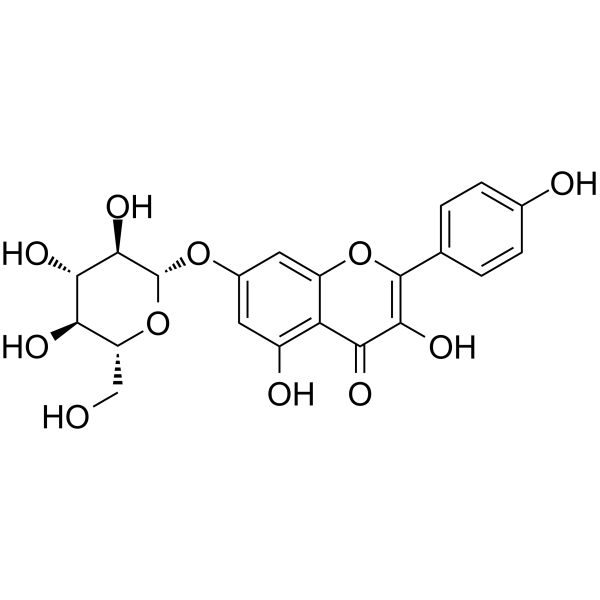
  • HY-N0627

    LDLR Others
    Kaempferol-7-O-β-D-glucopyranoside is a flavonoid glycoside. Kaempferol-7-O-β-D-glucopyranoside exists in the root bark of Cudrania tricuspidata. Kaempferol-7-O-β-D-glucopyranoside inhibits Cu 2+-induced lipid peroxidation of low-density lipoprotein. Kaempferol-7-O-β-D-glucopyranoside possesses antioxidant activity and scavenges DPPH free radicals [2].
    Kaempferol-7-O-β-D-glucopyranoside
  • HY-B0240R

    Tetraethylthiuram disulfide (Standard); TETD (Standard)

    Reference Standards Aldehyde Dehydrogenase (ALDH) Interleukin Related Pyroptosis Apoptosis Cuproptosis Metabolic Disease Cancer
    Disulfiram (Standard) is the analytical standard of Disulfiram. This product is intended for research and analytical applications. Disulfiram (Tetraethylthiuram disulfide) is a specific inhibitor of aldehyde-dehydrogenase (ALDH1), used for the treatment of chronic alcoholism by producing an acute sensitivity to alcohol. Disulfiram inhibits gasdermin D (GSDMD) pore formation in liposomes and inflammasome-mediated pyroptosis and IL-1β secretion in human and mouse cells. Disulfiram + Cu 2+ increases intracellular ROS levels triggering apoptosis of ovarian cancer stem cells [1-6].
    Disulfiram (Standard)
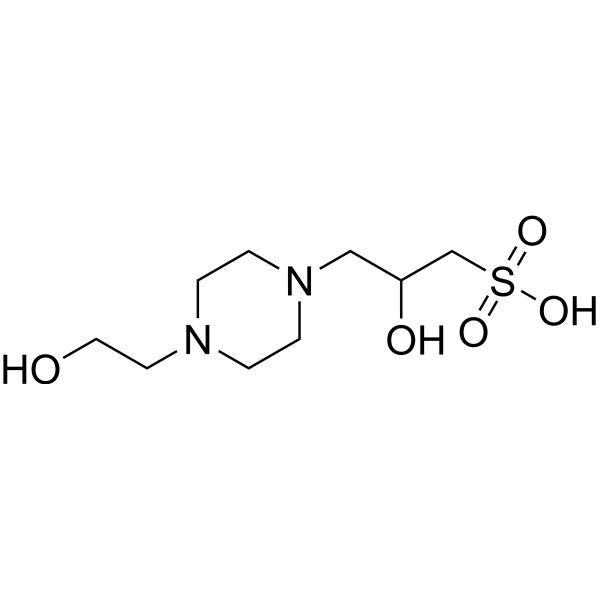
  • HY-D0874

    Biochemical Assay Reagents Others
    HEPPSO is a zwitterionic Good's buffer suitable for physiological pH conditions. HEPPSO forms high-order oligomers in aqueous solutions and can form a 1:1 complex with Cu 2+ via its hydroxyalkyl and tertiary amine groups. However, HEPPSO contains a structurally similar trace impurity lacking an alkanesulfonic acid side chain. The complex formed by this impurity and Cu 2+ has a very low Ka; therefore, HEPPSO may interfere with studies on copper speciation analysis in natural water bodies [2].
    HEPPSO
  • HY-Y0102

    2-Mercaptobenzoic acid

    Biochemical Assay Reagents Drug Intermediate Infection
    Thiosalicylic acid (2-Mercaptobenzoic acid) is an organosulfur compound bearing both sulfhydryl and carboxyl functional groups. Thiosalicylic acid acts as a desulfurizing agent. Thiosalicylic acid also serves as a ligand to synthesize azosulfonamide derivatives with antibacterial and antifungal activities, as well as their Fe 3+, Cu 2+ and Hg 2+ chelates [2].
    Thiosalicylic acid
  • HY-W009722

    Ditiocarb sodium trihydrate

    HIV Biochemical Assay Reagents Infection
    Sodium diethylcarbamodithioate (Ditiocarb sodium) trihydrate is a copper reagent. The reaction with Cu 2+ solution resulted in the formation of a complex, which increased the copper displacement precipitation rate. Sodium diethylcarbamodithioate trihydrate can reduce HIV infection and can be used in adjuvant immune research of high-risk breast cancer [2] .
    Sodium diethylcarbamodithioate trihydrate
  • HY-P1146A
    Semax acetate
    1 Publications Verification

    Amyloid-β Cardiovascular Disease Neurological Disease Inflammation/Immunology
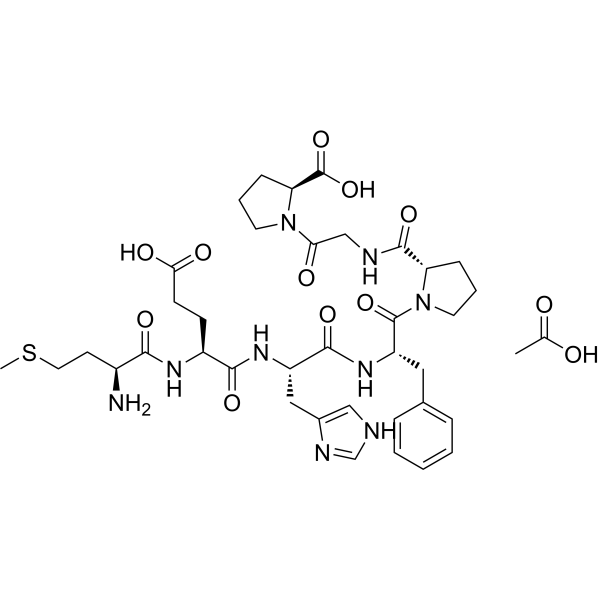
    Semax acetate is a BBB-penetrable adrenocorticotropic hormone-like peptide and can form stable complexes with Cu 2+. Semax acetate is a synthetic peptide analog of Adrenocorticotropic hormone (ACTH) (4-10). Semax acetate has immunomodulatory, nootropic and neuroprotective activities. Semax acetate can be used in the research of central nervous system diseases such as Alzheimer's disease and cerebral ischemia [2] .
    Semax acetate
  • HY-141617

    Liposome Metabolic Disease
    1-Palmitoyl-2-hydroxy-sn-glycero-3-PE is a naturally occurring lysophospholipid. 1-Palmitoyl-2-hydroxy-sn-glycero-3-PE also acts as an immune response regulator and toxicity alleviator produced by Microcystis aeruginosa under Cu 2+ stress [2].
    1-Palmitoyl-2-hydroxy-sn-glycero-3-PE
  • HY-W015695

    Drug Intermediate Others
    4-Methyl-5-thiazoleethanol is a natural sulfur-containing flavor compound with the aroma of beef and nuts. In addition, the composite material prepared by modifying graphene oxide with 4-Methyl-5-thiazoleethanol through a one-step esterification reaction can selectively adsorb copper ions (Cu 2+) in aqueous solutions [2].
    4-Methyl-5-thiazoleethanol
  • HY-W012572

    Mitochondrial Metabolism Bacterial Infection Metabolic Disease
    D-Histidine is an anti-biofilm agent that targets bacterial quorum sensing systems (such as RhlI/RhlR pathway) and has antibacterial activity. D-Histidine works by non-covalently binding to bacterial regulatory factors or copper ion complexes, selectively inhibiting bacterial biofilm formation and motility. D-Histidine downregulates quorum sensing-related gene expression, reduces the synthesis of virulence factors (such as alginate and proteases), and interferes with bacterial membrane stability, inhibiting biofilm formation, promoting the disintegration of mature biofilms, and enhancing antibiotic sensitivity. D-Histidine is also an efficient catalyst for the salt-induced peptide formation (SIPF) reaction, which promotes the condensation of amino acids to form dipeptides (such as dialanine and dilysine) by forming a complex with copper ions (Cu 2+) [2] .
    D-Histidine
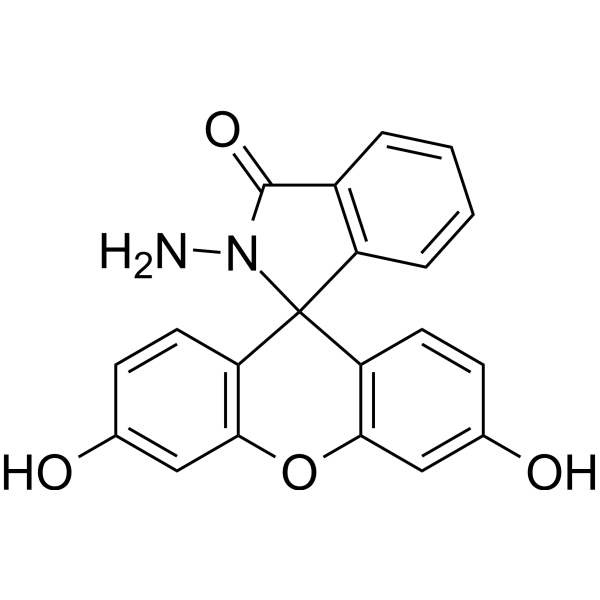
  • HY-D1601
    N-Aminofluorescein
    1 Publications Verification

    Fluorescent Dye Others
    N-Aminofluorescein is a fluorescein hydrazide with spiro form, a highly selective and sensitive fluorescence probe for Cu 2+. N-Aminofluorescein has no selective fluorescence response to other common metal ions, can be used for direct detection of Cu 2+ in biological systems with λex/em=495/516 nm [2]. N-Aminofluorescein can be used to measure the concentration of copper ions in cells .
    N-Aminofluorescein
  • HY-D1550

    Fluorescent Dye Others
    10-(4-(Bis(2-acetoxyethyl)amino)phenyl)-BODIPY 505/515 is a fluorescent dye for Cu 2+ ion .
    10-(4-(Bis(2-acetoxyethyl)amino)phenyl)-BODIPY 505/515
  • HY-P11057

    Fluorescent Dye Others
    FGGH is a water-soluble peptide-based probe. FGGH performs the sequential detection of Cu 2+ and S 2- by fluorescence and colorimetry with high sensitivity (LOD: 1.42 and 22.2 nM for Cu 2+ and S 2-, respectively) (Ex=488 nm, Em=525 nm), and images both two ions in living cells and zebrafish models with low cytotoxicity. FGGH can be used for in vivo imaging and environmental pollution monitoring research .
    FGGH
  • HY-W010989

    Biochemical Assay Reagents Bacterial Infection Neurological Disease Inflammation/Immunology Cancer
    Gly-His-Lys acetate is a natural, circulating regulatory and antimicrobial tripeptide derived from extracellular matrix proteins. Gly-His-Lys acetate binds Cu 2+ to support copper enzyme activation, antioxidant processes, cellular bioenergetics, and the synthesis of elastin, collagen and catecholamines. Gly-His-Lys acetate regulates cell growth, differentiation and tissue repair, and exerts regenerative, anxiolytic, anti-inflammatory, analgesic and immunosuppressive activities. Gly-His-Lys acetate induces liver degenerative changes. Gly-His-Lys acetate can be used for the research of infections, anxiety, pain-related behaviors and immune-associated liver diseases [2] .
    Gly-His-Lys acetate
  • HY-Y0850U5

    Polyvinyl alcohol (Mw 27000, 98-99% hydrolyzed, ~600 polymerization); Poly(Ethenol) (Mw 27000, 98-99% hydrolyzed, ~600 polymerization)

    Biochemical Assay Reagents Fungal Infection
    PVA (Polyvinyl alcohol) (Mw 27000, 98-99% hydrolyzed, ~600 polymerization) is a nonionic ethanol homopolymer with hydrophilicity, water solubility and biodegradability. PVA (Mw 27000, 98-99% hydrolyzed, ~600 polymerization) exhibits biocompatibility, non-toxicity and non-carcinogenicity, as well as antibacterial activity against Gram-positive bacteria, Gram-negative bacteria and fungal strains. PVA (Mw 27000, 98-99% hydrolyzed, ~600 polymerization) can serve as a solubilizer, stabilizer, mucoadhesive agent and sustained-release agent, and has a synergistic solubilizing effect on voriconazole/sulfobutyl ether β-cyclodextrin complexes. By stabilizing such complexes, PVA (Mw 27000, 98-99% hydrolyzed, ~600 polymerization) forms freeze-thaw hydrogels with high mucoadhesion, sustained drug release and ex vivo corneal permeability. When compounded with hyaluronic acid hydrogels, PVA (Mw 27000, 98-99% hydrolyzed, ~600 polymerization) supports chondrocyte growth in vitro, and also forms complexes with Cu 2+, Co 2+, Ni 2+ and Zn 2+ ions. PVA (Mw 27000, 98-99% hydrolyzed, ~600 polymerization) can be used in studies related to fungal keratitis, bacterial infections and fungal infections [2] .
    PVA (Mw 27000, 98-99% hydrolyzed, ~600 polymerization)
  • HY-156780
    NSC 689534
    1 Publications Verification

    Cuproptosis Cancer
    NSC 689534 can form copper chelate with Cu 2+. NSC 689534/Cu 2+ complex is a potent oxidative stress inducer, and has antitumor activity .
    NSC 689534
  • HY-N7697E

    Others Others
    Chitotriose trihydrochloride is an orally active chitooligosaccharide with antioxidant activities. Chitotriose trihydrochloride inhibits hydroxylation of benzoate to salicylate by H2O2 in the presence of Cu 2+ (IC50 value of 80 μM) .
    Chitotriose trihydrochloride
  • HY-B1306R

    p-Aminohippuric acid (Standard)

    Reference Standards Biochemical Assay Reagents Neurological Disease Metabolic Disease
    4-Aminohippuric acid (p-Aminohippuric acid) (Standard) is the analytical standard of 4-Aminohippuric acid (HY-B1306). This product is intended for research and analytical applications. 4-Aminohippuric acid (p-Aminohippuric acid) is a coordination ligand for metal ions (such as Cu 2+, Fe 3+, Hg 2+) and a functionalization reagent for nanomaterials. 4-Aminohippuric acid can coordinate with metal ions or modify the surface of materials such as carbon nanotubes and gold nanoparticles through amino and carboxyl groups. 4-Aminohippuric acid can form stable complexes with metal ions or participate in the synthesis of nanomaterials as a reducing agent/stabilizer, enriching metal ions or giving nanoparticles peroxidase-mimicking activity. 4-Aminohippuric acid can be used to construct highly sensitive electrochemical sensors or colorimetric sensors to detect and quantitatively analyze heavy metal ions such as copper, iron, and mercury in environmental water samples and biological samples. 4-Aminohippuric acid may also be a biomarker for attention-deficit/hyperactivity disorder (ADHD) [2] .
    4-Aminohippuric acid (Standard)
  • HY-144324

    Cholinesterase (ChE) Neurological Disease
    AChE-IN-6 (Compound 12a) is an optimal multifunctional ligand with significant inhibition of AChE (EeAChE, IC50 = 0.20 μM; HuAChE, IC50 = 37.02 nM) and anti-Aβ activity (IC50 = 1.92 μM for self-induced Aβ1-42 aggregation; IC50 = 1.80 μM for disaggregation of Aβ1-42 fibrils; IC50 = 2.18 μM for Cu2+-induced Aβ1-42 aggregation; IC50 = 1.17 μM for disaggregation of Cu2+-induced Aβ1-42 fibrils). AChE-IN-6 has the potential for the research of Alzheimer's disease .
    AChE-IN-6
  • HY-B1637R

    Sodium diethyldithiocarbamate (Standard)

    HIV Biochemical Assay Reagents Reference Standards Infection
    Ditiocarb sodium (Standard) is the analytical standard of Ditiocarb sodium. This product is intended for research and analytical applications. Ditiocarb sodium (Sodium diethyldithiocarbamate) is a copper reagent. The reaction with Cu2+ solution resulted in the formation of a complex, which increased the copper displacement precipitation rate. Ditiocarb sodium can reduce HIV infection and can be used in adjuvant immune research of high-risk breast cancer [2] .
    Ditiocarb sodium (Standard)
  • HY-147104

    Fluorescent Dye Others
    Fmoc-Lys(5-FITC)-OH is a marker for polypeptides or proteins. FITC is a fluorescence probe for the labeling of amines. FITC is a pH- and Cu 2+-sensitive fluorescence dye [2] .
    Fmoc-Lys(5-FITC)-OH
  • HY-N7135R

    Tyrosinase Reference Standards Fungal Metabolic Disease Inflammation/Immunology Cancer
    Tropolone is a seven-membered non-benzenoid aromatic compound, which is the precursor of many Azulene derivatives. Tropolone is a potent mushroom tyrosinase inhibitor with an IC50 value of 0.4 μM. Its inhibitory effect can be achieved by dialysis or excess CU2+ Reversa. Tropolone exhibits broad anti-viral and anti-fungal activity and is synergistic upon co-treatment with nucleos(t)ide analog drugs. Tropolone is a promising candidate for research in osteosarcoma [2] .
    Tropolone (Standard)
  • HY-W009722A

    Ditiocarb sodium trihydrate, ACS, 99.0%

    HIV Biochemical Assay Reagents Infection
    Sodium diethylcarbamodithioate trihydrate, ACS, 99.0% (Ditiocarb sodium trihydrate, ACS, 99.0%) is a copper reagent. The reaction with Cu 2+ solution resulted in the formation of a complex, which increased the copper displacement precipitation rate. Sodium diethylcarbamodithioate trihydrate, ACS, 99.0% can reduce HIV infection and can be used in adjuvant immune research of high-risk breast cancer [2] .
    Sodium diethylcarbamodithioate trihydrate, ACS, 99.0%
  • HY-W012572A

    Mitochondrial Metabolism Bacterial Infection Metabolic Disease
    D-Histidine hydrochloride hydrate is an anti-biofilm agent that targets bacterial quorum sensing systems (such as RhlI/RhlR pathway) and has antibacterial activity. D-Histidine hydrochloride hydrate works by non-covalently binding to bacterial regulatory factors or copper ion complexes, selectively inhibiting bacterial biofilm formation and motility. D-Histidine hydrochloride hydrate downregulates quorum sensing-related gene expression, reduces the synthesis of virulence factors (such as alginate and proteases), and interferes with bacterial membrane stability, inhibiting biofilm formation, promoting the disintegration of mature biofilms, and enhancing antibiotic sensitivity. D-Histidine hydrochloride hydrate is also an efficient catalyst for the salt-induced peptide formation (SIPF) reaction, which promotes the condensation of amino acids to form dipeptides (such as dialanine and dilysine) by forming a complex with copper ions (Cu 2+) [2] .
    D-Histidine hydrochloride hydrate
  • HY-B1306S

    p-Aminohippuric acid-d4

    Biochemical Assay Reagents Neurological Disease Metabolic Disease
    4-Aminohippuric acid-d4 (p-Aminohippuric acid-d4) is the deuterium labeled 4-Aminohippuric acid (HY-B1306). 4-Aminohippuric acid (p-Aminohippuric acid) is a coordination ligand for metal ions (such as Cu 2+, Fe 3+, Hg 2+) and a functionalization reagent for nanomaterials. 4-Aminohippuric acid can coordinate with metal ions or modify the surface of materials such as carbon nanotubes and gold nanoparticles through amino and carboxyl groups. 4-Aminohippuric acid can form stable complexes with metal ions or participate in the synthesis of nanomaterials as a reducing agent/stabilizer, enriching metal ions or giving nanoparticles peroxidase-mimicking activity. 4-Aminohippuric acid can be used to construct highly sensitive electrochemical sensors or colorimetric sensors to detect and quantitatively analyze heavy metal ions such as copper, iron, and mercury in environmental water samples and biological samples. 4-Aminohippuric acid may also be a biomarker for attention-deficit/hyperactivity disorder (ADHD) [2] .
    4-Aminohippuric acid-d4
  • HY-W747575

    Endogenous Metabolite Metabolic Disease
    (±)13-HODE cholesteryl ester is originally extracted from atherosclerotic lesions1 and shown to be produced by Cu2+-catalyzed oxidation of LDL. Later studies determined that 15-LO from rabbit reticulocytes and human monocytes were able to metabolize cholesteryl linoleate, a major component of LDL, to 13-HODE cholesteryl ester.
    (+/-)13-HODE cholesteryl ester
  • HY-123016A

    Endogenous Metabolite Metabolic Disease
    (±)9-HODE cholesteryl ester is originally extracted from atherosclerotic lesions1 and shown to be produced by Cu2+-catalyzed oxidation of LDL.2 Later studies determined that 15-LO from rabbit reticulocytes and human monocytes were able to metabolize cholesteryl linoleate, a major component of LDL, to 9-HODE cholesteryl ester.
    (±)9-HODE cholesteryl ester
  • HY-W1049763

    MOFs Others
    [Cu2(bdc)2(bpy)]n is a metal-organic framework (MOF).
    [Cu2(bdc)2(bpy)]n
  • HY-W1049762

    MOFs Others
    [Cu2(bdc)2(bpe)]n is a metal-organic framework (MOF).
    [Cu2(bdc)2(bpe)]n
  • HY-111297

    Biochemical Assay Reagents Cancer
    BMVC4 is a G-quadruplex (G4) stabilizer of the human telomeric sequence d[AG3(T2AG3)3]. Screening by circular dichroism (CD) spectroscopy revealed that BMVC4 is more suitable as the core molecule of G4 stabilizers than BMVC. The results showed that BMVC4-12C and BMVC4-8C3O are better candidates for G4 stabilizers and are worthy of further study. A simple and rapid screening method based on Cu2+-induced G4 unfolding can be used to find better G4 stabilizers for potential anticancer applications. CD results showed that the trivalent cations of 9-substituted BMVC derivatives are more suitable as G4 stabilizers than the divalent cations of BMVC. In addition, by monitoring the disappearance of the 291 nm CD band of human telomeres after Cu2+ addition, it was found that the core molecule of G4 stabilizer BMVC4 has better stability.
    BMVC4
  • HY-N15706

    LDLR Cardiovascular Disease Metabolic Disease
    Luteolin-7-O-β-D-glucuronide methyl ester is a flavonoid with antioxidative activity. Luteolin-7-O-β-D-glucuronide methyl ester exhibits potent antioxidative activity with an IC50 of 3.05 μg/mL in the NBT superoxide scavenging assay. Luteolin-7-O-β-D-glucuronide methyl ester inhibits LDL oxidation induced by Cu 2+ with the IC50 value is 71.13 μg/mL [2].
    Luteolin-7-O-β-D-glucuronide methyl ester
  • HY-144392

    Cholinesterase (ChE) Neurological Disease
    AChE/BuChE-IN-1 (Compound 1), a chrysin derivative, is a selective butyrylcholinesterase (BuChE) inhibitor with an IC50 of 0.48 μM. AChE/BuChE-IN-1 inhibits acetylcholinesterase (AChE) with an IC50 of 7.16 μM. AChE/BuChE-IN-1 shows strong scavenging ·OH activities with a IC50 of 0.1674 μM. AChE/BuChE-IN-1 inhibits reactive oxygen species (ROS), Aβ1-42 aggregation (self-, Cu2+-induced, AChE-induced). AChE/BuChE-IN-1 has high BBB permeability and bioavailability and low cell toxicity. AChE/BuChE-IN-1 has the potential for Alzheimer' disease (AD) research .
    AChE/BuChE-IN-1
  • HY-158117

    Apoptosis Autophagy Cancer
    [Cu2Cl2(4'-(4-Methoxy-1-naphthyl)-terpy)2](PF6)2 (Compound 3) is a copper complex, which inhibits cell viability of HCT116, HCT116DoxR, A2780 and fibroblasts, with IC50s of 0.13, 0.15, 0.66 and 6.24 μM, respectively. [Cu2Cl2(4'-(4-Methoxy-1-naphthyl)-terpy)2](PF6)2 induces apoptosis and autophagy, and arrests cell cycle at G0/G1 phase in HCT116DoxR. [Cu2Cl2(4'-(4-Methoxy-1-naphthyl)-terpy)2](PF6)2 exhibits antimetastatic efficacy .
    [Cu2Cl2(4'-(4-Methoxy-1-naphthyl)-terpy)2](PF6)2
  • HY-W414321

    D-Isoglucosamine hydrochloride

    Endogenous Metabolite Others
    Fructosamine (D-Isoglucosamine) hydrochloride is a metabolic intermediate and component of cell membranes and cartilage. Fructosamine hydrochloride induces site-specific breaks in DNA chains, especially in the presence of Cu 2+ .
    Fructosamine hydrochloride
  • HY-D1549

    Fluorescent Dye Others
    o-Pah is a BODIPY derivative with an -NH2 and -OH substituted meso-Ph group. o-Pah exhibits metal-induced J-aggregation in the presence of Cu 2+ and a specific fluorescence enhancement for Hg 2+ (Ex/Em=483/(495-600) nM) .
    o-Pah
  • HY-159943

    Cholinesterase (ChE) Neurological Disease
    ROS151 is an AChE inhibitor, with IC50s of 14 nM (hAChE), 1.68 μM (eqBChE), 8.17 μM (hFAAH) respectively. ROS151 is also a chelator of Fe 3+ and Cu 2+. ROS151 can be used for research of Alzheimer's disease .
    ROS151
  • HY-152506

    Amyloid-β Neurological Disease
    Antioxidant agent-8 is an orally active inhibitor of 1-42 deposition. Antioxidant agent-8 inhibits fibril aggregation (IC50=11.15 µM) and promotes fibril disaggregation (IC50=6.87 µM). Antioxidant agent-8 also inhibits Cu 2+-induced1-42 fibril aggregation (IC50=3.69 µM) and promotes Cu 2+-induced1-42 fibril disaggregation (IC50=3.35 µM). Antioxidant agent-8 has antioxidant activity, anti-inflammatory activity, biosafety, blood-brain barrier permeability and neuroprotective effect .
    Antioxidant agent-8
  • HY-162812

    Apoptosis Cholinesterase (ChE) Tau Protein Ferroptosis Histamine Receptor Neurological Disease
    H3R antagonist 4 (compound 11L) was a dual inhibitor of cholinesterase and histamine receptor (H3R), with corresponding IC50 of 7.04 μM (eeAChE), 9.73 μM (hAChE)(reversible) and 1.09 nM (H3R) , respectively. H3R antagonist 4 inhibited the aggregation of Aβ1-42 induced by itself and Cu 2+ (95.48% and 88.63%) , and degraded the Aβ1-42 fibrils induced by itself and Cu 2+ (80.16% and 89.30%) . H3R antagonist 4 chelate biometals such as Cu 2+, Zn 2+, Al 3+, and Fe 2+. H3R antagonist 4 significantly reduced tau protein hyperphosphorylation induced by Aβ1-42 and inhibited RSL-3-induced apoptosis and ferroptosis in PC12 cells. H3R antagonist 4 had the best blood-brain barrier permeability and intestinal absorption in hCMEC/D3 and hPepT1-MDCK cells.H3R antagonist 4 ameliorates learning and memory impairment in a mouse model of Alzheimer's disease induced by scopolamine (HY-N0296) .
    H3R antagonist 4
  • HY-143413

    Amyloid-β Neurological Disease Inflammation/Immunology
    BuChE-IN-2 is an excellent butyrylcholinesterase (BuChE) inhibitor (IC50s of 1.28 μM and 0.67 μM for BuChE and NO). BuChE-IN-2 can inhibit the aggregation of Aβ, ROS formation and chelate Cu 2+, exhibiting proper blood-brain barrier (BBB) penetration. BuChE-IN-2 has potential to research Alzheimer’s disease .
    BuChE-IN-2
  • HY-170650

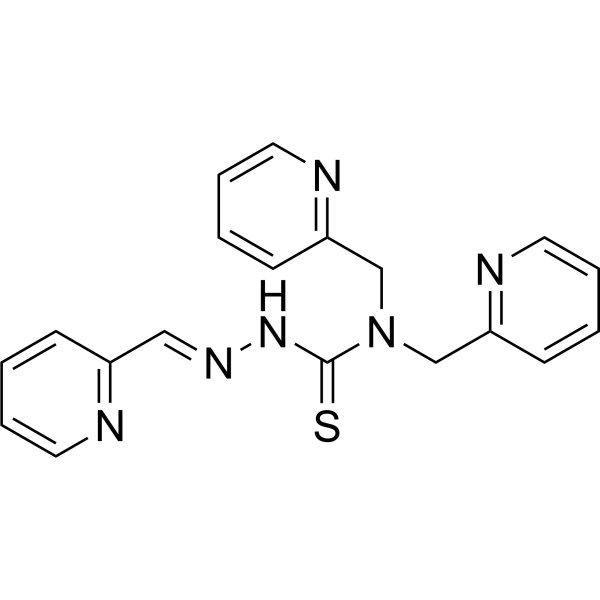
    Phospholipase Cholinesterase (ChE) Bacterial Infection Inflammation/Immunology
    SMase-IN-1 (Compound 4) is a bacterial sphingomyelinase enzyme (SMase) inhibitor (IC50 value for B. cereus SMase is 6.43 µM). SMase-IN-1 also inhibits eqBuChE (59.50% inhibition rate at 50 µM concentration). SMase-IN-1 forms a complex with Cu 2+ in biometal interactions. SMase-IN-1 reduces B. cereus-induced hemolysis on sheep erythrocytes .
    SMase-IN-1
  • HY-168501

    Reactive Oxygen Species (ROS) Inflammation/Immunology
    Neuroprotective Agent 6 (Compound Y12) is a neuroprotective agent with antioxidant activity and capabilities in DPPH, ABTS radical scavenging. Neuroprotective Agent 6 demonstrates superior neuroprotective effects in both cellular models induced by oxygen-glucose deprivation/reoxygenation (OGD/R) and animal models induced by transient middle cerebral artery occlusion (tMCAO). Additionally, Neuroprotective Agent 6 exhibits significant metal chelating activity towards Cu 2+ .
    Neuroprotective agent 6
  • HY-W749394

    Isotope-Labeled Compounds Drug Intermediate Others
    4-Methyl-5-thiazoleethanol- 13C3 is the 13C-labeled 4-Methyl-5-thiazoleethanol (HY-W015695). 4-Methyl-5-thiazoleethanol is a natural sulfur-containing flavor compound with the aroma of beef and nuts. In addition, the composite material prepared by modifying graphene oxide with 4-Methyl-5-thiazoleethanol through a one-step esterification reaction can selectively adsorb copper ions (Cu2+) in aqueous solutions [2].
    4-Methyl-5-thiazoleethanol-13C3
  • HY-158030

    HDAC Neurological Disease
    HDAC6-IN-37 (compound W5) is an inhibitor of HDAC6 and has neuroprotective effects. HDAC6-IN-37 can restore the morphology of hippocampal neurons, reduce the expression of Aβ, Tau, and p-Tau proteins in the hippocampus of AD rats, and inhibit the formation of senile plaques and neurofibrillary tangles. Thus, HDAC6-IN-37 improves the Aβ/Cu 2+-induced AD model in rats, regulates oxidative stress status, and balances neurotransmitter disorders in brain tissue .
    HDAC6-IN-37

Inquiry Online

Your information is safe with us. * Required Fields.

Salutation


Country or Region *

Applicant Name *


Organization Name *

Department *


Email Address *


Product Name *

Cat. No.


Requested quantity *

Phone Number *


Remarks

Inquiry Online

Inquiry Information

Product Name:
Cat. No.:
Quantity:
MCE Japan Authorized Agent: