Search Result
Results for "
DNA strands
" in MedChemExpress (MCE) Product Catalog:
12
Biochemical Assay Reagents
11
Isotope-Labeled Compounds
| Cat. No. |
Product Name |
Target |
Research Areas |
Chemical Structure |
-
- HY-15559
-
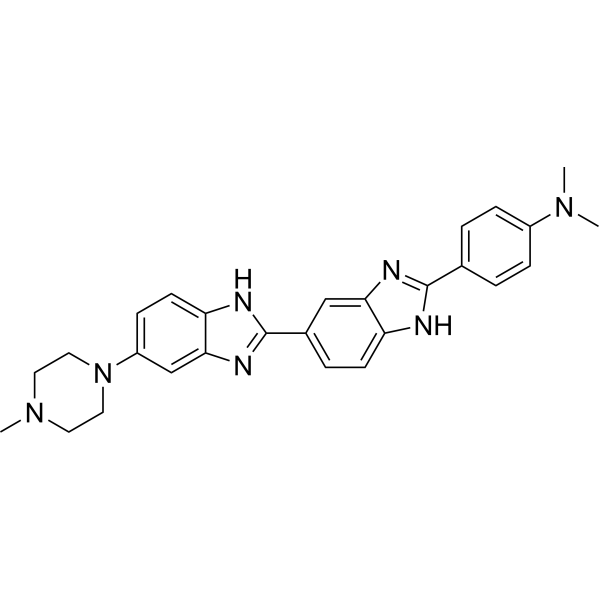
Hoechst 33342
Maximum Cited Publications
142 Publications Verification
bisBenzimide H 33342; HOE 33342
|
Autophagy
|
Others
|
|
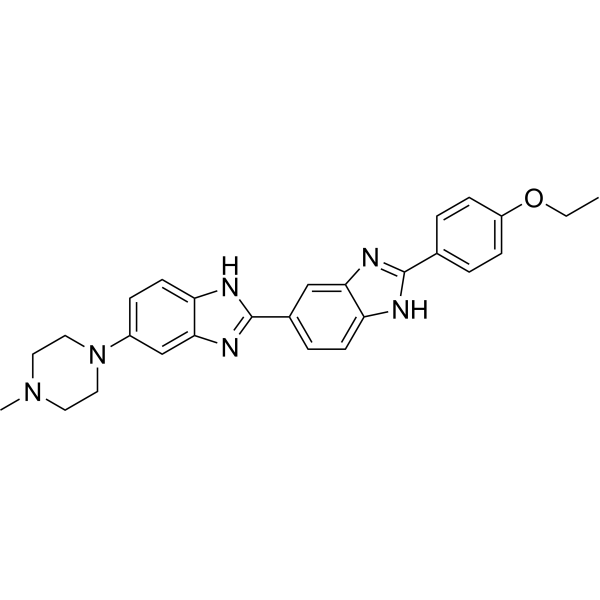
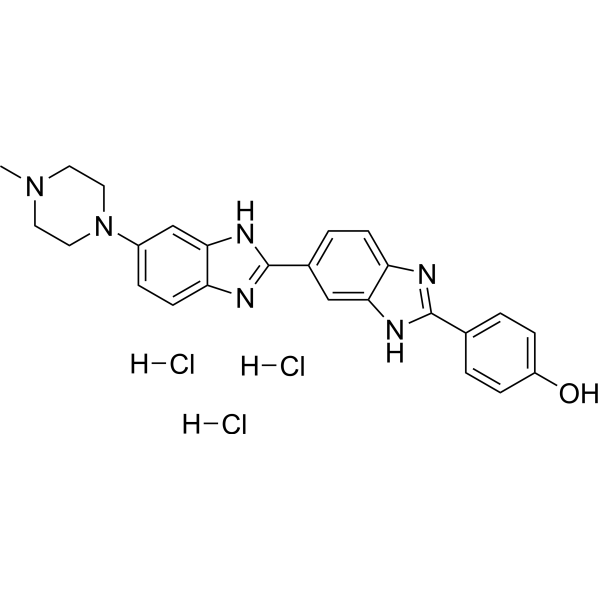
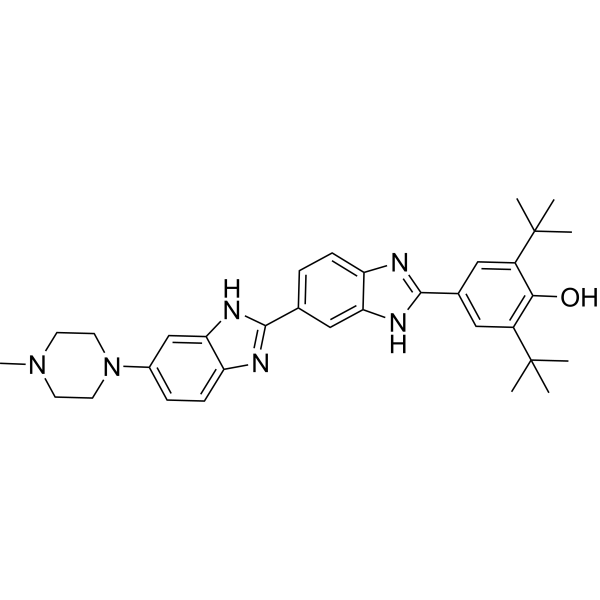
Hoechst 33342 is a marker dye in Hoechst series. Hoechst is A live nuclear marker dye. Hoechst binds to the grooves in the DNA double strand, which tends to be A/ T-rich DNA strand. Although it binds to all nucleic acids, the A/ T-rich double strand DNA significantly enhances fluorescence intensity Therefore,Hoechst dye can be used for living cell labeling. The fluorescence intensity of Hoechst dye increases with the increase of pH of solution .
|
-
-
- HY-16562
-
-
-
- HY-156376
-
|
|
Cuproptosis
Apoptosis
Topoisomerase
Reactive Oxygen Species (ROS)
|
Inflammation/Immunology
Cancer
|
|
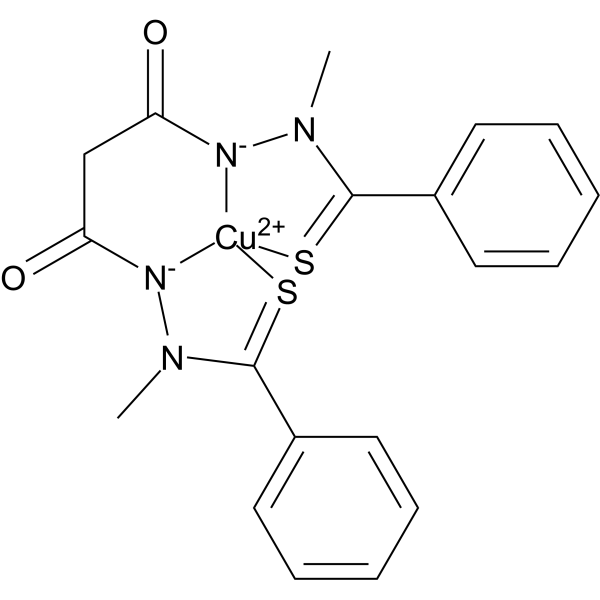
Cu(II)-Elesclomol is a complex formed by Elesclomol (HY-12040) and Cu 2+ (copper ions). Cu(II)-Elesclomol is also a weak inhibitor of DNA topoisomerase I. Cu(II)-Elesclomol exerts anticancer effects by inducing oxidative stress and DNA damage through copper chelation. Cu(II)-Elesclomol can inhibit tumor cell proliferation and induce cell cycle arrest and apoptosis. Cu(II)-Elesclomol can be used in the study of cancer .
|
-
-
- HY-19609
-
-
-
- HY-15559A
-
|
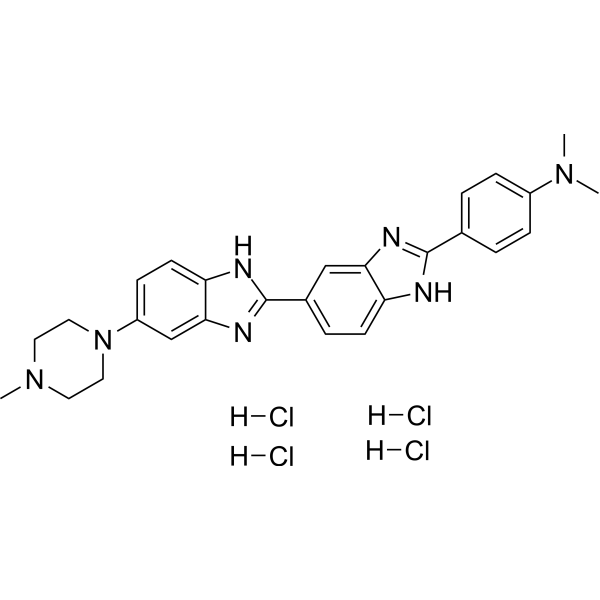
bisBenzimide H 33342 trihydrochloride; HOE 33342 trihydrochloride
|
Autophagy
|
Others
|
|
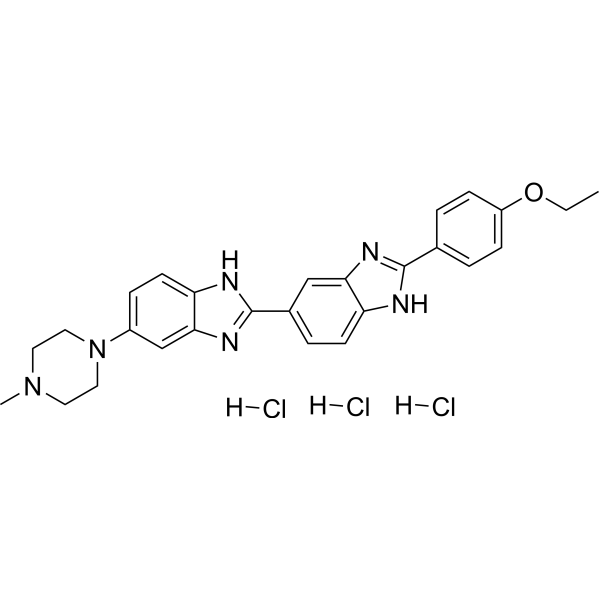
Hoechst 33342 trihydrochloride is a marker dye in Hoechst series. Hoechst is A live nuclear marker dye. Hoechst binds to the grooves in the DNA double strand, which tends to be A/ T-rich DNA strand. Although it binds to all nucleic acids, the A/ T-rich double strand DNA significantly enhances fluorescence intensity Therefore,Hoechst dye can be used for living cell labeling. The fluorescence intensity of Hoechst dye increases with the increase of pH of solution .
|
-
-
- HY-15558A
-
|
bisBenzimide H 33258 trihydrochloride; H 33258 trihydrochloride
|
Fluorescent Dye
|
Cancer
|
|
Hoechst 33258 trihydrochloride is a marker dye in Hoechst series. Hoechst is A live nuclear marker dye. Hoechst binds to the grooves in the DNA double strand, which tends to be A/ T-rich DNA strand. Although it binds to all nucleic acids, the A/ T-rich double strand DNA significantly enhances fluorescence intensity Therefore,Hoechst dye can be used for living cell labeling. The fluorescence intensity of Hoechst dye increases with the increase of pH of solution .
|
-
-
- HY-126490
-
|
|
Bacterial
Antibiotic
DNA/RNA Synthesis
|
Infection
Cancer
|
|
Phleomycin is a copper-dependent DNA damaging agent and antibiotic with antitumor activity. Phleomycin binds to DNA and produces ROS in the presence of reducing agents (such as dithiothreitol and glutathione), inducing single-strand and double-strand breaks in DNA. Phleomycin can induce cell apoptosis or mutation and is widely used in cancer inhibition, microbial genetic transformation (as a screening marker to improve fungal transformation efficiency) and DNA repair mechanism research .
|
-
-
- HY-P2773
-
|
|
DNA/RNA Synthesis
|
Others
|
|
Nuclease S1, Aspergillus oryzae is a specific endonuclease that degrades single stranded DNA (ssDNA) and RNA. Nuclease S1 can also remove protruding single-strand ends from double-stranded DNA .
|
-
-
- HY-W406070
-
|
LNA-G
|
Nucleoside Antimetabolite/Analog
DNA/RNA Synthesis
|
Others
|
|
2′-O,4′-C-Methyleneguanosine (LNA-G) is a reverse guanine analog, where LNA (locked nucleic acid) is a nucleic acid analog. LNA modification can be widely used in various fields, such as effective binding affinity with complementary sequences and stronger nuclease resistance than natural nucleotides, providing great potential for application in disease diagnosis and research. 2'-O,4'-C-Methyleneguanosine is a substrate for KOD DNA polymerase, which incorporates LNA-G nucleotides into growing DNA strands, including consecutive incorporations , to generate full-length extension products .
|
-
-
- HY-158712
-
|
|
|
Others
|
|
3'-ONH2-dATP (sodium) solution (100 mM) is a 3'-O-blocked reversible terminator deoxynucleotide triphosphate.3'-ONH2-dATP (sodium) solution (100 mM) stops DNA polymerization after single-nucleotide addition to an initiator strand, and its 3'-ONH2 blocking group can be removed to restore a free 3'-OH for subsequent extension.3'-ONH2-dATP (sodium) solution (100 mM) incorporates into an oligonucleotide chain by engineered terminal deoxynucleotidyl transferase from Zonotrichia albicollis to enable template-free, stepwise de novo enzymatic DNA synthesis .
|
-
-
- HY-W018326
-
|
|
DNA/RNA Synthesis
|
Cancer
|
|
Temozolomide acid is a carboxylic acid derivative of Temozolomide (HY-17364) with anticancer activity. Temozolomide is a DNA alkylating agent, methylating the guanine and adenine bases of DNA, causing breaks in DNA double strand, cell cycle arrest, and eventually cell death. Temozolomide acid is promising for research of glioblastoma and brain cancer .
|
-
-
- HY-13744
-
|
RFS 2000; 9-Nitrocamptothecin
|
Topoisomerase
|
Cancer
|
|
Rubitecan (RFS 2000), a Camptothecin derivative, is an orally active topoisomerase I inhibitor with broad antitumor activity, and induces protein-linked DNA single-strand breaks, thereby blocking DNA and RNA synthesis in dividing cells .
|
-
-
- HY-DY1005
-
|
|
Autophagy
|
Others
|
Hoechst 33342 trihydrochloride (solution) is a marker dye in Hoechst series. Hoechst is A live nuclear marker dye. Hoechst binds to the grooves in the DNA double strand, which tends to be A/ T-rich DNA strand. Although it binds to all nucleic acids, the A/ T-rich double strand DNA significantly enhances fluorescence intensity Therefore,Hoechst dye can be used for living cell labeling. The fluorescence intensity of Hoechst dye increases with the increase of pH of solution . Solvent and Concentration: Sterile water: 10 mg/mL
|
-
-
- HY-W013715A
-
|
dTTP trisodium solution (100 mM)
|
DNA/RNA Synthesis
Nucleoside Antimetabolite/Analog
Endogenous Metabolite
|
Others
|
Deoxythymidine-5'-triphosphate (dTTP) (trisodium) solution (100 mM) is one of the raw materials used by DNA polymerase to synthesize long DNA strands during DNA replication. Deoxythymidine-5'-triphosphate (trisodium) solution (100 mM) is used in polymerase chain reaction (PCR) for DNA amplification. This product is supplied as an aqueous solution.
|
-
-
- HY-D1725
-
|
|
Fluorescent Dye
DNA Stain
|
Others
|
|
Cy3-dCTP is a directly fluorescently labeled deoxyribonucleotide, in which Cy3 is a cyanine fluorescent dye. Cy3-dCTP is used for direct enzymatic labeling of DNA and cDNA: with the aid of DNA polymerases, this modified nucleotide is incorporated into the extending DNA strand during processes such as reverse transcription, PCR, nick translation or random primer labeling .
|
-
-
- HY-D1668
-
|
|
DNA Stain
Reverse Transcriptase
|
Infection
Neurological Disease
Cancer
|
|
Biotin-11-dCTP is a biotinylated deoxynucleoside triphosphate and an important DNA labeling reagent. In random primer DNA labeling reactions, Biotin-11-dCTP incorporates into newly synthesized DNA strands to generate labeled DNA probes suitable for hybridization applications. In addition, Biotin-11-dCTP can serve as a substrate for terminal deoxynucleotidyl transferase to end-label oligonucleotides for telomere sequence detection, or to label the cut ends of linearized DNA molecules, thereby supporting streptavidin-based electron microscopy analysis. For example, Biotin-11-dCTP can label the cut ends of linearized DNA molecules under the action of dGTP and avian myeloblastosis virus reverse transcriptase .
|
-
-
- HY-15560
-
|
HOE 34580
|
Amyloid-β
|
Neurological Disease
|
|
Hoechst 34580 is a marker dye in Hoechst series. Hoechst is A live nuclear marker dye. Hoechst binds to the grooves in the DNA double strand, which tends to be A/ T-rich DNA strand. Although it binds to all nucleic acids, the A/ T-rich double strand DNA significantly enhances fluorescence intensity Therefore,Hoechst dye can be used for living cell labeling. The fluorescence intensity of Hoechst dye increases with the increase of pH of solution .
|
-
-
- HY-15560B
-
|
HOE 34580 tetrahydrochloride
|
Amyloid-β
|
Neurological Disease
|
|
Hoechst 34580 tetrahydrochloride is a marker dye in Hoechst series. Hoechst is A live nuclear marker dye. Hoechst binds to the grooves in the DNA double strand, which tends to be A/ T-rich DNA strand. Although it binds to all nucleic acids, the A/ T-rich double strand DNA significantly enhances fluorescence intensity Therefore,Hoechst dye can be used for living cell labeling. The fluorescence intensity of Hoechst dye increases with the increase of pH of solution .
|
-
-
- HY-111183
-
|
Zinostatin; Vinostatin
|
DNA/RNA Synthesis
Bacterial
Apoptosis
Antibiotic
|
Infection
Cancer
|
|
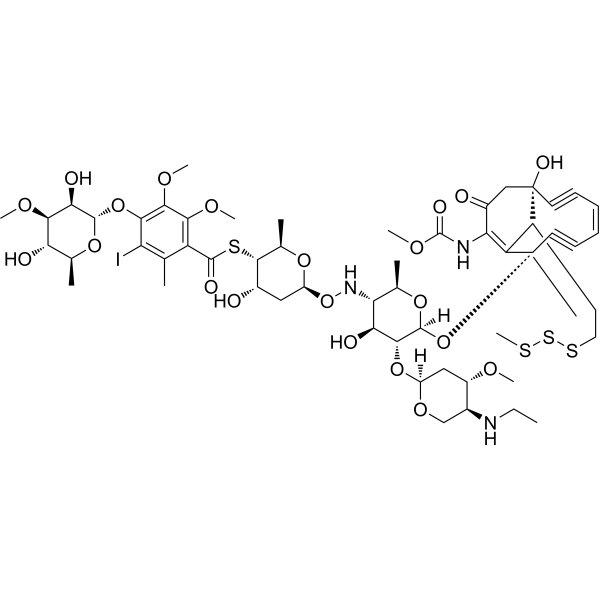
Neocarzinostatin (solution), a potent DNA-damaging, anti-tumor antibiotic, recognizes double-stranded DNA bulge and induces DNA double strand breaks (DSBs). Neocarzinostatin induces apoptosis. Neocarzinostatin has potential for EpCAM-positive cancers treatment .
|
-
-
- HY-E70094
-
|
|
DNA/RNA Synthesis
|
Others
|
|
T4 UvsX Recombinase helps initiate DNA replication on a double-stranded DNA template by catalyzing synapsis between the template and a homologous DNA single strand that serves as primer. T4 UvsX Recombinase greatly amplifies the snap-back (hairpin-primed) DNA synthesis that is catalyzed by the T4 DNA polymerase holoenzyme on linear, single-stranded DNA templates .
|
-
-
- HY-13703A
-
|
ACNU
|
DNA Alkylator/Crosslinker
DNA/RNA Synthesis
Apoptosis
p38 MAPK
JNK
AP-1
|
Cancer
|
|
Nimustine hydrochloride (ACNU) is the hydrochloride salt form of Nimustine (HY-13703). Nimustine hydrochloride is an alkylating agent, which induces DNA double-strand breaks (DSBs) and inter-strand crosslinks (ICLs), thereby activating the DNA damage response (DDR) signaling pathway. Nimustine hydrochloride activates p38 MAPK/JNK signaling pathway, and exhibits antitumor activity .
|
-
-
- HY-148078
-
PFM03
3 Publications Verification
|
Endonuclease
|
Others
|
|
PFM03 is a MRE11 Endonuclease inhibitor. PFM03 regulates DNA double-strand break repair (DSBR) by nonhomologous end-joining (NHEJ) .
|
-
-
- HY-160424
-
|
Diethylamine NONOate sodium; Diethylamine nitric oxide sodium
|
Reactive Oxygen Species (ROS)
Xanthine Oxidase
|
Others
|
|
DEANO sodium is notric oxide donor. DEANO sodium potentiates the abilitv of hypoxanthine/xanthine oxidase to induce lipid peroxidation as well as DNA single- and double-strand breaks .
|
-
-
- HY-100549
-
|
|
DNA/RNA Synthesis
Apoptosis
|
Cancer
|
|
(S)-Crizotinib is a potent and selective MTH1 (mutT homologue) inhibitor with an IC50 of 330 nM. (S)-Crizotinib disrupts nucleotide pool homeostasis via MTH1 inhibition, induces an increase in DNA single strand breaks, activates DNA repair in human colon carcinoma cells, and effectively suppresses tumour growth in animal models .
|
-
-
- HY-136170
-
MC-SN38
2 Publications Verification
|
Drug-Linker Conjugates for ADC
|
Cancer
|
|
MC-SN38 is a agent-linker conjugate composed of a potent microtubule-disrupting agent SN38 and a non-cleavable MC linker to make antibody agent conjugate (ADC). SN-38, an active metabolite of the Topoisomerase I inhibitor Irinotecan, inhibits DNA synthesis and causes frequent DNA single-strand breaks .
|
-
-
- HY-15627
-
|
|
Fluorescent Dye
|
Others
|
|
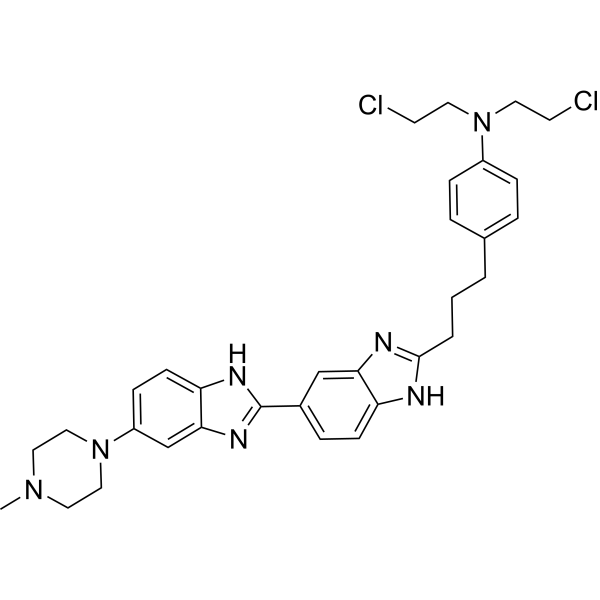
Hoechst 33342 analog is a marker dye in Hoechst series. Hoechst is A live nuclear marker dye. Hoechst binds to the grooves in the DNA double strand, which tends to be A/ T-rich DNA strand. Although it binds to all nucleic acids, the A/ T-rich double strand DNA significantly enhances fluorescence intensity Therefore,Hoechst dye can be used for living cell labeling. The fluorescence intensity of Hoechst dye increases with the increase of pH of solution .
|
-
-
- HY-15623
-
|
|
DNA Stain
|
Others
|
|
Hoechst 33258 analog is a marker dye in Hoechst series. Hoechst is A live nuclear marker dye. Hoechst binds to the grooves in the DNA double strand, which tends to be A/ T-rich DNA strand. Although it binds to all nucleic acids, the A/ T-rich double strand DNA significantly enhances fluorescence intensity Therefore,Hoechst dye can be used for living cell labeling. The fluorescence intensity of Hoechst dye increases with the increase of pH of solution .
|
-
-
- HY-15619
-
|
Nuclear yellow
|
Fluorescent Dye
|
Others
|
|
Hoechst S 769121 is a marker dye in Hoechst series. Hoechst is A live nuclear marker dye. Hoechst binds to the grooves in the DNA double strand, which tends to be A/ T-rich DNA strand. Although it binds to all nucleic acids, the A/ T-rich double strand DNA significantly enhances fluorescence intensity Therefore,Hoechst dye can be used for living cell labeling. The fluorescence intensity of Hoechst dye increases with the increase of pH of solution .
|
-
-
- HY-15620
-
|
|
DNA/RNA Synthesis
|
Others
|
|
Methylproamine is a DNA-binding radioprotector, acts by repair of transient radiation-induced oxidative species on DNA. Methylproamine also protects against ionizing radiation by preventing DNA double-strand breaks .
|
-
-
- HY-W009216
-
|
5'-dCMP; Deoxy-CMP; 2'-Deoxycytidine-5'-monophosphoric acid
|
DNA/RNA Synthesis
|
Infection
|
|
2'-Deoxycytidine-5'-monophosphate (5'-dCMP) is a compound that binds to the adenovirus terminal protein with a molecular weight of 80000 daltons. 2'-Deoxycytidine-5'-monophosphate forms a covalent complex with this protein and is associated with adenovirus DNA replication .
|
-
-
- HY-113064
-
|
|
Endogenous Metabolite
|
Cancer
|
|
Selenocystine is a broad-spectrum anti-cancer agent. Selenocystine induces DNA damage in HepG2 cells, particularly in the form of DNA double strand breaks (DSBs). Selenocystine exhibits great promise as a therapeutic or adjuvant agent targeting DNA repair for cancer treatment .
|
-
-
- HY-145657
-
|
BQQ
|
Biochemical Assay Reagents
|
Others
|
|
Benzoquinoquinoxaline (BQQ) is a heterocyclic compound with an aminoalkyl side chain. Benzoquinoquinoxaline preferentially binds to DNA triplex structures, intercalates between the bases, thus, stabilising the triplex conformation. Conjugation of Benzoquinoquinoxaline to 1,10-phenanthroline specifically binds and cleaves double strand DNA at the site of formation of a triplex structure .
|
-
-
- HY-15631
-
|
|
Fluorescent Dye
|
Others
|
|
Hoechst 33258 analog 6 is a marker dye in Hoechst series. Hoechst is A live nuclear marker dye. Hoechst binds to the grooves in the DNA double strand, which tends to be A/ T-rich DNA strand. Although it binds to all nucleic acids, the A/ T-rich double strand DNA significantly enhances fluorescence intensity Therefore,Hoechst dye can be used for living cell labeling. The fluorescence intensity of Hoechst dye increases with the increase of pH of solution (Ex/Em = 356/451 nm) .
|
-
-
- HY-13618
-
|
J 107088; PF 804950
|
Topoisomerase
|
Cancer
|
|
Edotecarin is a potent inhibitor of topoisomerase I that can induces single-strand DNA cleavage, with IC50 of 50 nM.
|
-
-
- HY-E70095
-
|
|
Others
|
Others
|
|
T4 UvsY Protein is an accessory protein for in vitro catalysis of strand exchange. T4 UvsY Protein enhances strand exchange by UvsX protein by interacting specifically with UvsX protein. UvsY protein enhances the rate of single-stranded-DNA-dependent ATP hydrolysis by UvsX protein .
|
-
-
- HY-136648B
-
|
dATP trisodium,100 mM Solution,PCR Grade
|
Biochemical Assay Reagents
|
Others
|
2'-Deoxyadenosine-5'-triphosphate trisodium,100 mM Solution,PCR Grade (dATP trisodium,100 mM Solution,PCR Grade) is one of the raw materials used by DNA polymerase to synthesize long DNA strands during DNA replication. 2'-Deoxyadenosine-5'-triphosphate trisodium,100 mM Solution,PCR Grade is used in reverse transcription polymerase chain reaction (RT-PCR) for DNA amplification. This product is supplied in the form of an aqueous solution .
|
-
-
- HY-135218A
-
|
|
DNA/RNA Synthesis
|
Cancer
|
|
AV-153 free base, a 1,4-dihydropyridine (1,4-DHP) derivative, is an antimutagenic. AV-153 free base intercalates to DNA in a single strand break and reduces DNA damage, stimulates DNA repair in human cells in vitro. AV-153 free base interacts with thymine and cytosine and has an influence on poly(ADP)ribosylation. AV-153 free base has anti-cancer activity .
|
-
-
- HY-15630A
-
|
|
Fluorescent Dye
|
Others
|
|
Hoechst 33342 analog 2 trihydrochloride is a marker dye in Hoechst series. Hoechst is A live nuclear marker dye. Hoechst binds to the grooves in the DNA double strand, which tends to be A/ T-rich DNA strand. Although it binds to all nucleic acids, the A/ T-rich double strand DNA significantly enhances fluorescence intensity Therefore,Hoechst dye can be used for living cell labeling. The fluorescence intensity of Hoechst dye increases with the increase of pH of solution .
|
-
-
- HY-16562S1
-
|
|
Isotope-Labeled Compounds
Topoisomerase
Autophagy
|
Cancer
|
|
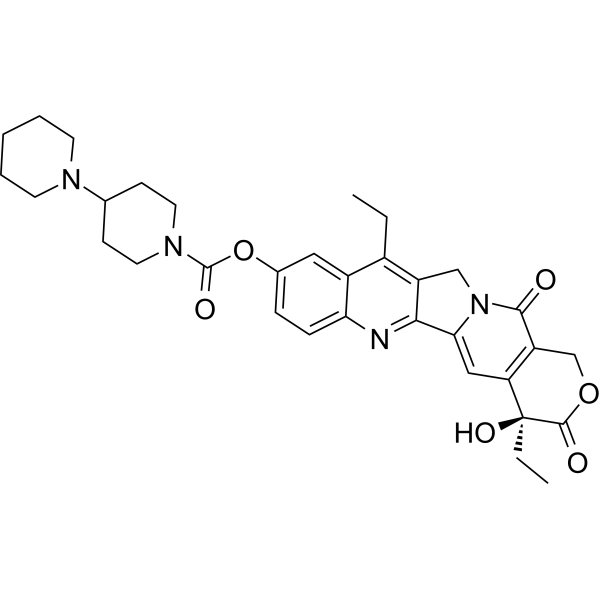
Irinotecan-d10 (hydrochloride) is the deuterium labeled Irinotecan. Irinotecan ((+)-Irinotecan) is a topoisomerase I inhibitor, preventing religation of the DNA strand by binding to topoisomerase I-DNA complex .
|
-
-
- HY-W008661A
-
|
dGTP trisodium,100 mM Solution,PCR Grade; 2'-Deoxyguanosine-5'-triphosphate trisodium,100 mM Solution,PCR Grade
|
DNA/RNA Synthesis
|
Others
|
|
Deoxyguanosine triphosphate (dGTP) trisodium,100 mM Solution,PCR Grade is one of the raw materials used by DNA polymerases to synthesize long DNA strands during DNA replication. Deoxyguanosine triphosphate trisodium,100 mM Solution,PCR Grade is used in polymerase chain reaction (PCR) for DNA amplification. This product is supplied in the form of an aqueous solution .
|
-
-
- HY-W013715B
-
|
dTTP trisodium,100 mM Solution,PCR Grade
|
DNA/RNA Synthesis
Nucleoside Antimetabolite/Analog
Endogenous Metabolite
|
Others
|
Deoxythymidine-5'-triphosphate (dTTP) trisodium, 100 mM Solution, PCR Grade is one of the raw materials used by DNA polymerase to synthesize long DNA strands during DNA replication. Deoxythymidine-5'-triphosphate trisodium, 100 mM Solution, PCR Grade is used in polymerase chain reaction (PCR) for DNA amplification. This product is supplied as an aqueous solution.
|
-
-
- HY-E70580
-
|
|
Endonuclease
|
Others
|
|
T5 Exonuclease is a DNA exonuclease that has 5′-3′ exonuclease activity on both single- and double-stranded DNA. T5 Exonuclease also has single-strand endonuclease and 5′-flap endonuclease activity .
|
-
-
- HY-164279
-
|
|
DNA/RNA Synthesis
|
Cancer
|
|
YTR107 is a radiation sensitizer. YTR107 binds to nucleophosmin1 (NPM1) and inhibits pentamer formation. YTR107 inhibits recruitment of nucleophosmin to sites of DNA damage, suppresses repair of DNA double strand breaks, and enhances radiosensitization .
|
-
-
- HY-W100491
-
|
|
Drug Derivative
|
Cancer
|
|
Trimethylbenzoquinone (Compound 5) is a methylated benzoquinone. Trimethylbenzoquinone exhibits moderate cytotoxicity against K562 cells, with its IC50 being 0.75 μM. Trimethylbenzoquinone is completely unable to cause inter-strand DNA cross-linking and cannot alkylate DNA guanines. Trimethylbenzoquinone can be used to study the relationship between the nitrogen heterocyclic group and DNA cross-linking .
|
-
-
- HY-D2353
-
|
|
DNA/RNA Synthesis
|
Cancer
|
|
Biotin-PEG3-benzophenone is biotin-labeled Benzophenone (HY-Y0546). Benzophenone is an endogenous metabolite and a photosensitizer that has been implicated in photosensitive damage to DNA. Benzophenone causes nucleobase oxidation, formation of cyclobutane-pyrimidine dimers, single-strand breaks, DNA-protein cross-links or abasic sites, different pathologies that may occur in nucleosides, oligonucleotides or DNA .
|
-
-
- HY-E70016
-
|
TdT
|
DNA/RNA Synthesis
|
Others
Cancer
|
|
Terminal deoxyribonucleotidyltransferase (TdT) catalyses the condensation of deoxyribonucleotide triphosphates onto the 3' hydroxyl ends of DNA strands and adds N-regions to gene segment junctions during V(D)J recombination. Terminal deoxyribonucleotidyltransferase is expressed in immature, pre-B, pre-T lymphoid cells, and acute lymphoblastic leukemia/lymphoma cells .
|
-
-
- HY-15562
-
|
|
Fluorescent Dye
|
Others
|
|
HOE 32021 is a marker dye in Hoechst series. Hoechst is A live nuclear marker dye. Hoechst binds to the grooves in the DNA double strand, which tends to be A/ T-rich DNA strand. Although it binds to all nucleic acids, the A/ T-rich double strand DNA significantly enhances fluorescence intensity Therefore,Hoechst dye can be used for living cell labeling. The fluorescence intensity of Hoechst dye increases with the increase of pH of solution .
|
-
-
- HY-15561B
-
|
meta-Hoechst trihydrochloride
|
Fluorescent Dye
|
Others
|
|
HOE-S 785026 trihydrochloride is a marker dye in Hoechst series. Hoechst is A live nuclear marker dye. Hoechst binds to the grooves in the DNA double strand, which tends to be A/ T-rich DNA strand. Although it binds to all nucleic acids, the A/ T-rich double strand DNA significantly enhances fluorescence intensity Therefore,Hoechst dye can be used for living cell labeling. The fluorescence intensity of Hoechst dye increases with the increase of pH of solution .
|
-
-
- HY-D1023
-
|
5-Bromo-2'-deoxyuridine 5'-triphosphate sodium salt
|
DNA/RNA Synthesis
|
Others
|
|
5-BrdUTP sodium salt is a TdT substrate which can be used to label the DNA double-strand breaks.
|
-
-
- HY-P2892
-
|
|
Endogenous Metabolite
|
Metabolic Disease
|
|
Fumarase catalyses the conversion of l-malic acid to fumaric acid. Fumarase participates in the tricarboxylic acid cycle in mitochondria. Fumarase participates in the cellular response to DNA double strand breaks .
|
-
- HY-15629
-
|
|
DNA Stain
|
Others
|
|
HOE 32020 is a marker dye in Hoechst series. Hoechst is A live nuclear marker dye. Hoechst binds to the grooves in the DNA double strand, which tends to be A/ T-rich DNA strand. Although it binds to all nucleic acids, the A/ T-rich double strand DNA significantly enhances fluorescence intensity Therefore,Hoechst dye can be used for living cell labeling. The fluorescence intensity of Hoechst dye increases with the increase of pH of solution .
|
-
- HY-15628
-
|
|
DNA Stain
|
Others
|
|
Hoechst 33258 analog 5 is a marker dye in Hoechst series. Hoechst is A live nuclear marker dye. Hoechst binds to the grooves in the DNA double strand, which tends to be A/ T-rich DNA strand. Although it binds to all nucleic acids, the A/ T-rich double strand DNA significantly enhances fluorescence intensity Therefore,Hoechst dye can be used for living cell labeling. The fluorescence intensity of Hoechst dye increases with the increase of pH of solution .
|
-
- HY-15630
-
|
|
Fluorescent Dye
|
Cancer
|
|
Hoechst 33342 analog 2 is a marker dye in Hoechst series. Hoechst is A live nuclear marker dye. Hoechst binds to the grooves in the DNA double strand, which tends to be A/ T-rich DNA strand. Although it binds to all nucleic acids, the A/ T-rich double strand DNA significantly enhances fluorescence intensity Therefore,Hoechst dye can be used for living cell labeling. The fluorescence intensity of Hoechst dye increases with the increase of pH of solution .
|
-
- HY-138645
-
|
|
DNA/RNA Synthesis
|
Cancer
|
|
5-Iminodaunorubicin is a quinone-modified anthracycline that retains antitumor activity . 5-Iminodaunorubicin produces protein-concealed DNA strand breaks in cancer cells .
|
-
- HY-100707
-
|
|
DNA-PK
Apoptosis
|
Inflammation/Immunology
Cancer
|
|
IC 86621 is a potent DNA-dependent protein kinase (DNA-PK) inhibitor, with an IC50 of 120 nM. IC 86621 also acts as a selective and reversible ATP-competitive inhibitor.IC 86621 inhibits DNA-PK mediated cellular DNA double-strand break (DSB) repair (EC50=68 µM). IC 86621 increases DSB-induced antitumor activity without cytotoxic effects. IC 86621 can protects rheumatoid arthritis (RA) T cells from apoptosis .
|
-
- HY-N7147
-
|
|
Others
|
Cancer
|
|
Irisquinone, a natural product, is an anticancer agent. Irisquinone is also a radiation sensitizer for cancer. Irisquinone reduces GSH level and inhibits the repair of DNA singular strand breaks .
|
-
- HY-W076740
-
|
8-Bromo-9H-purin-6-amine
|
DNA/RNA Synthesis
Biochemical Assay Reagents
|
Others
|
|
8-Bromoadenine (8-Bromo-9H-purin-6-amine) is a DNA radiosensitizer that inhibits DNA single-strand break repair in cells. 8-Bromoadenine is a brominated derivative of adenine, and radioactive adenine can be prepared by replacing bromine with deuterium .
|
-
- HY-133646
-
|
|
DNA/RNA Synthesis
|
Others
|
|
Bromochloroacetonitrile is a by-product of the chlorine disinfection of water containing natural organic material. Bromochloroacetonitrile possesses direct acting mutagenic activity and is capable of inducing DNA strand breakage .
|
-
- HY-P2937
-
|
|
DNA/RNA Synthesis
|
Cancer
|
|
DNA polymerase is a polymerase agent targeting DNA templates. DNA polymerase catalyzes the polymerization of deoxyribonucleotides (dNTPs) to extend DNA strands with high fidelity and processivity. DNA polymerase is promising for research of cancers .
|
-
- HY-15626
-
|
|
Fluorescent Dye
|
Others
|
|
ortho-iodoHoechst 33258 is a marker dye in Hoechst series. Hoechst is A live nuclear marker dye. Hoechst binds to the grooves in the DNA double strand, which tends to be A/ T-rich DNA strand. Although it binds to all nucleic acids, the A/ T-rich double strand DNA significantly enhances fluorescence intensity Therefore,Hoechst dye can be used for living cell labeling. The fluorescence intensity of Hoechst dye increases with the increase of pH of solution .
|
-
- HY-15622
-
|
|
DNA Stain
|
Cancer
|
|
meta-iodoHoechst 33258 is a marker dye in Hoechst series. Hoechst is A live nuclear marker dye. Hoechst binds to the grooves in the DNA double strand, which tends to be A/ T-rich DNA strand. Although it binds to all nucleic acids, the A/ T-rich double strand DNA significantly enhances fluorescence intensity Therefore,Hoechst dye can be used for living cell labeling. The fluorescence intensity of Hoechst dye increases with the increase of pH of solution .
|
-
- HY-15632
-
|
|
Fluorescent Dye
|
Others
|
|
para-iodoHoechst 33258 is a marker dye in Hoechst series. Hoechst is A live nuclear marker dye. Hoechst binds to the grooves in the DNA double strand, which tends to be A/ T-rich DNA strand. Although it binds to all nucleic acids, the A/ T-rich double strand DNA significantly enhances fluorescence intensity Therefore,Hoechst dye can be used for living cell labeling. The fluorescence intensity of Hoechst dye increases with the increase of pH of solution .
|
-
- HY-15561
-
|
meta-Hoechst
|
Fluorescent Dye
|
Cancer
|
|
HOE-S 785026 is a marker dye in Hoechst series. Hoechst is A live nuclear marker dye. Hoechst binds to the grooves in the DNA double strand, which tends to be A/ T-rich DNA strand. Although it binds to all nucleic acids, the A/ T-rich double strand DNA significantly enhances fluorescence intensity Therefore,Hoechst dye can be used for living cell labeling. The fluorescence intensity of Hoechst dye increases with the increase of pH of solution .
|
-
- HY-E70381
-
|
|
Endonuclease
|
Cancer
|
|
dsDNase is a highly specific double-strand DNA (dsDNA) endonuclease that quickly and efficiently removes contaminating DNA from PCR master mixes .
|
-
- HY-15625
-
|
|
DNA Stain
|
Others
|
|
Hoechst 33258 analog 3 is a marker dye in Hoechst series. Hoechst is A live nuclear marker dye. Hoechst binds to the grooves in the DNA double strand, which tends to be A/ T-rich DNA strand. Although it binds to all nucleic acids, the A/ T-rich double strand DNA significantly enhances fluorescence intensity Therefore,Hoechst dye can be used for living cell labeling. The fluorescence intensity of Hoechst dye increases with the increase of pH of solution .
|
-
- HY-15624
-
|
|
DNA Stain
|
Cancer
|
|
Hoechst 33258 analog 2 is a marker dye in Hoechst series. Hoechst is A live nuclear marker dye. Hoechst binds to the grooves in the DNA double strand, which tends to be A/ T-rich DNA strand. Although it binds to all nucleic acids, the A/ T-rich double strand DNA significantly enhances fluorescence intensity Therefore,Hoechst dye can be used for living cell labeling. The fluorescence intensity of Hoechst dye increases with the increase of pH of solution .
|
-
- HY-13703
-
-
- HY-15627A
-
|
|
Fluorescent Dye
DNA Stain
|
Others
|
|
Hoechst 33342 analog trihydrochloride is a marker dye in Hoechst series. Hoechst is A live nuclear marker dye. Hoechst binds to the grooves in the DNA double strand, which tends to be A/ T-rich DNA strand. Although it binds to all nucleic acids, the A/ T-rich double strand DNA significantly enhances fluorescence intensity Therefore,Hoechst dye can be used for living cell labeling. The fluorescence intensity of Hoechst dye increases with the increase of pH of solution . Storage: Keep away from light.
|
-
- HY-W749297
-
|
Phleomycin D2
|
DNA Stain
|
Cancer
|
|
Bleomycin B2 (Phleomycin D2) is an anti-cancer agent that targets DNA. Bleomycin B2 causes DNA strand breaks, thereby inhibiting the growth and proliferation of cancer cells. Bleomycin B2 is promising for research of cancers .
|
-
- HY-W142194
-
|
|
DNA/RNA Synthesis
|
Cancer
|
|
Benzyl (5-hydroxypentyl)carbamate is a linker capable of repairing damaged DNA by binding to the 5'-hydroxyl group on the sugar backbone. Benzyl (5-hydroxypentyl)carbamate can also bind to DNA ligands and can inhibit cell proliferation in resistant cell lines. However, Benzyl (5-hydroxypentyl)carbamate is toxic to cells and can also cause DNA damage and strand breakage.
|
-
- HY-E70576
-
|
|
Telomerase
|
Others
|
|
TelN Protelomerase is a prokaryotic telomerase of bacteriophage N15. TelN Protelomerase is an enzyme with cleaving-joining activity, which is required for the formation of linear prophage DNA with closed ends in lysogenic bacteria. TelN Protelomerase cleaves both DNA strands and joins the resulting ends to form covalently closed hairpin structures .
|
-
- HY-N1620
-
-
- HY-123232
-
|
|
PARP
|
Cancer
|
|
KU-0058684 is a potent PARP inhibitor, with an IC50 of 3.2 nM for PARP-1. KU-0058684 significantly reduces DNA double strand break (DSB) repair .
|
-
- HY-117249
-
|
AK-2123
|
Apoptosis
Caspase
|
Cancer
|
|
Sanazole (AK-2123) is a hypoxic cell radiosensitizer. Sanazole enhances radiation-induced DNA strand breaks. In mouse fibroblast tumors, Sanazole increases nuclear condensation and fragmentation, as well as elevates caspase-3 activity, thereby enhancing radiation-induced apoptosis .
|
-
- HY-126972
-
|
|
RAD51
|
Cancer
|
|
RI(dl)-2 blocks RAD51’s D-loop activity in biochemical systems with an IC50 value of 11.1 µM and inhibits homologous recombination (HR) activity with an IC50 value of 3.0 µM. RI(dl)-2 inhibits HR-mediated repair of DNA double strand breaks and sensitizes different cancer cell lines .
|
-
- HY-135218
-
|
|
DNA/RNA Synthesis
|
Cancer
|
|
AV-153, a 1,4-dihydropyridine (1,4-DHP) derivative, is an antimutagenic. AV-153 intercalates to DNA in a single strand break and reduces DNA damage, stimulates DNA repair in human cells in vitro. AV-153 interacts with thymine and cytosine and has an influence on poly(ADP)ribosylation. AV-153 has anti-cancer activity .
|
-
- HY-W159870
-
|
|
DNA/RNA Synthesis
|
Others
|
|
N-Nitrosodibenzylamine is a potent and orally activity DNA damage inducer. N-Nitrosodibenzylamine induces DNA single-strand breaks (SSBs) .
|
-
- HY-15563
-
|
|
Fluorescent Dye
|
Others
|
|
HOE 33187 is a marker dye in Hoechst series. Hoechst is A live nuclear marker dye. Hoechst binds to the grooves in the DNA double strand, which tends to be A/ T-rich DNA strand. Although it binds to all nucleic acids, the A/ T-rich double strand DNA significantly enhances fluorescence intensity Therefore,Hoechst dye can be used for living cell labeling. The fluorescence intensity of Hoechst dye increases with the increase of pH of solution .
|
-
- HY-16562S
-
|
(+)-Irinotecan-d10; CPT-11-d10; VAL-413-d10free base
|
Topoisomerase
Autophagy
|
Cancer
|
|
Irinotecan-d10 is a deuterium labeled Irinotecan ((+)-Irinotecan). Irinotecan ((+)-Irinotecan) is a topoisomerase I inhibitor, preventing religation of the DNA strand by binding to topoisomerase I-DNA complex .
|
-
- HY-173458
-
|
|
Topoisomerase
|
Infection
|
|
NBTIs-IN-7 (compound 276) is a novel bacterial topoisomerase (NBTIs) inhibitor. NBTIs-IN-7 induces both single- and double-strand DNA strand breaks in the presence of gyrase .
|
-
- HY-16562R
-
|
(+)-Irinotecan (Standard); CPT-11 (Standard); VAL-413free base (Standard)
|
Reference Standards
Topoisomerase
Autophagy
|
Cancer
|
|
Irinotecan (Standard) is the analytical standard of Irinotecan. This product is intended for research and analytical applications. Irinotecan ((+)-Irinotecan) is a topoisomerase I inhibitor, preventing religation of the DNA strand by binding to topoisomerase I-DNA complex .
|
-
- HY-E70380
-
|
|
Biochemical Assay Reagents
|
Others
|
|
Endopeptidase, arctic marine microbial (ArcticZymes Proteinase), a proteinase, is used for the digestion of chromatin, thus releasing naked DNA. As it is thermolable, it can be inactivated at temperatures compatible with RNA integrity and DNA as double strands .
|
-
- HY-155122
-
|
|
PARP
|
Cancer
|
|
PARP-1-IN-13 (Compound 19c) is a PARP-1 inhibitor (IC50: 26 nM). PARP-1-IN-13 inhibits DNA single-strand breakage repair and aggravates DNA double-strand breakage. PARP-1-IN-13 promotes the apoptosis of cancer cells through the mitochondrial apoptosis pathway .
|
-
- HY-132267S
-
|
|
Isotope-Labeled Compounds
DNA/RNA Synthesis
|
Others
|
|
N-Nitrosodibenzylamine-d4 is deuterium labeled N-Nitrosodibenzylamine. N-Nitrosodibenzylamine is a potent and orally activity DNA damage inducer. N-Nitrosodibenzylamine induces DNA single-strand breaks (SSBs) .
|
-
- HY-W159870R
-
|
|
Reference Standards
DNA/RNA Synthesis
|
Others
|
|
N-Nitrosodibenzylamine (Standard) is the analytical standard of N-Nitrosodibenzylamine. This product is intended for research and analytical applications. N-Nitrosodibenzylamine is a potent and orally activity DNA damage inducer. N-Nitrosodibenzylamine induces DNA single-strand breaks (SSBs) .
|
-
- HY-W703958
-
|
|
Isotope-Labeled Compounds
DNA/RNA Synthesis
|
Others
|
|
N-Nitrosodibenzylamine-d10 is the deuterium labeled N-Nitrosodibenzylamine (HY-W159870). N-Nitrosodibenzylamine is a potent and orally activity DNA damage inducer. N-Nitrosodibenzylamine induces DNA single-strand breaks (SSBs) .
|
-
- HY-114923
-
|
|
DNA-PK
PI3K
|
Cancer
|
|
SU-11752 is an inhibitor for DNA-dependent protein kinase (DNA-PK) with an IC50 of 0.13 μM. SU-11752 inhibits PI3K p110γ kinase with IC50 of 1.1 μM. SU-11752 binds competitively for ATP-site in DNA-PK, results in inhibition of intracellular DNA double-strand break repair and increases the sensitivity of cells to radiotherapy .
|
-
- HY-150722
-
|
|
HDAC
|
Cancer
|
|
HDAC6-IN-12 (compound GZ) is a potent HDAC6 inhibitor. HDAC6-IN-12 has anticancer activity through merges into DNA strands causing DNA damage. HDAC6-IN-12 can be used for cancer research .
|
-
- HY-138645A
-
|
|
DNA/RNA Synthesis
|
Cancer
|
|
5-Iminodaunorubicin hydrochloride is a quinone-modified anthracycline that retains antitumor activity . 5-Iminodaunorubicin hydrochloride produces protein-concealed DNA strand breaks in cancer cells .
|
-
- HY-177821
-
|
|
c-Kit
|
Cancer
|
|
CD117/c-Kit aptamer sodium is a single-strand DNA aptamer specific for the biomarker CD117, which is highly expressed on acute myeloid leukemia (AML) cells.
|
-
- HY-174227
-
|
|
Topoisomerase
Bacterial
|
Infection
|
|
Topoisomerase inhibitor 6 (Compound REDX05931) is a dual irreversible inhibitor of DNA gyrase and topoisomerase IV (MIC=0.06 μg/mL against fluoroquinolone-resistant S. aureus). Topoisomerase inhibitor 6 blocks DNA strand break-reunion, inducing lethal DNA damage. Topoisomerase inhibitor 6 is promising for research of Gram-positive bacterial infections (e.g., S. aureus, S. pneumoniae) .
|
-
- HY-W720550
-
|
5,6-Epoxy-RP
|
DNA/RNA Synthesis
Drug Metabolite
|
Cancer
|
|
5,6-Epoxyretinyl palmitate (5,6-Epoxy-RP) is one of the main photodegradation products of Retinyl palmitate (HY-B1384) produced under UVA light irradiation. 5,6-Epoxyretinyl palmitate exhibits phototoxicity to cells and causes significant DNA single-strand breaks, DNA damage, and chromosomal mutations under light conditions .
|
-
- HY-117007
-
|
|
Apoptosis
|
Others
|
|
Glycidyl methacrylate exhibits concentration-dependent cytotoxicity and genotoxicity against human peripheral blood lymphocytes and CCRF-CEM leukemia cells. Glycidyl methacrylate can induce DNA strand breaks, base oxidative damage, and apoptosis through oxidative stress mechanisms, but the induced DNA damage can be effectively cleared by the cellular repair system within 2 hours (>90%). Glycidyl methacrylate can be used in dental composite restorative materials .
|
-
- HY-185272
-
|
|
DNA/RNA Synthesis
|
Others
|
|
3'-O-(2-Nitrobenzyl)-dCTP is a reversible terminator. 3'-O-(2-Nitrobenzyl)-dCTP can be recognized and incorporated by polymerases, thereby temporarily terminating primer extension during DNA synthesis. After incorporation into the extending DNA strand, 3'-O-(2-Nitrobenzyl)-dCTP temporarily halts the DNA polymerase extension reaction, and its 3'-O-(2-nitrobenzyl) blocking group can be removed by laser irradiation to regenerate a free 3'-OH for subsequent primer extension cycles. 3'-O-(2-Nitrobenzyl)-dCTP is applicable for resolving homopolymeric regions in DNA templates .
|
-
- HY-185274
-
|
|
DNA/RNA Synthesis
|
Others
|
|
3'-O-(2-Nitrobenzyl)-dTTP acts as a reversible terminator for DNA chain elongation. 3'-O-(2-Nitrobenzyl)-dTTP interacts with 9°N polymerase (exo-) A485L/Y409V, gets recognized and incorporated into the elongating DNA chain, thereby temporarily terminating the polymerase reaction. 3'-O-(2-Nitrobenzyl)-dTTP carries a 3'-O-(2-nitrobenzyl) blocking group, which can be removed by laser irradiation to regenerate the free 3'-OH − group and restore polymerase activity. 3'-O-(2-Nitrobenzyl)-dTTP is applicable in DNA sequencing studies .
|
-
- HY-P2778A
-
|
|
DNA/RNA Synthesis
|
Others
|
|
Thermally stable RNase H degrades the RNA strand of a DNA-RNA hybrid without affecting the DNA or unhybridized RNA strands, significantly improving sensitivity and selectivity. Thermally stable RNase H has optimal activity at 65°C and remains active at 95°C.
|
-
- HY-137694A
-
|
|
DNA/RNA Synthesis
DNA Alkylator/Crosslinker
HIV
|
Infection
|
|
ddTTP tetrasodium is a DNA polymerase γ inhibitor, with Ki values of 0.05 μM and 0.4 μM against bovine testicular DNA polymerase γ. ddTTP tetrasodium can be incorporated into DNA to cause termination of the extended DNA strand. ddTTP tetrasodium can be used in the research of HIV infection .
|
-
- HY-122226
-
|
|
DNA-PK
|
Cancer
|
|
IC-87361 is a DNA-dependent protein kinase (DNA-PKcs) inhibitor and radiosensitizer. IC-87361 inhibits the catalytic activity of DNA-PKcs and blocks non-homologous end joining (NHEJ) DNA double-strand break repair. IC-87361 can be used for the research of lung cancer and melanoma .
|
-
- HY-181848
-
|
|
DNA-PK
Apoptosis
|
Cancer
|
|
DNA-PK-IN-16 is an orally active DNA-dependent protein kinase (DNA-PK) inhibitor with an IC50 of 10.2 nM. DNA-PK-IN-16 induces the upregulation of γH2A.X, a biomarker of DNA double-strand breaks. DNA-PK-IN-16 exhibits antiproliferative activity in various cancer cell lines. DNA-PK-IN-16 enhances the infiltration of CD8 + T cells in tumor tissues through synergistic action with anti-PD-L1 monoclonal antibody. DNA-PK-IN-16 is applicable for cancer research .
|
-
- HY-185488
-
|
|
DNA Alkylator/Crosslinker
ADC Payload
|
Cancer
|
|
seco-CBI dimer is a DNA alkylating agent and a prodrug of Duocarmycin, which can serve as a payload for synthesizing antibody-drug conjugates (ADCs). seco-CBI dimer binds to the minor groove of A-T-rich regions in DNA, alkylates the N3 position of adenine residues, and induces DNA strand breaks. seco-CBI dimer can be used in the research of non-Hodgkin's lymphoma .
|
-
- HY-185495
-
|
|
ADC Linker
|
Cancer
|
|
seco-CBI-PBD-disulfide linker is a conjugate of an ADC drug toxin molecule and a linker, consisting of two potent DNA-damaging moieties seco-CBI, PBD (HY-101127), and a disulfide linker .
|
-
- HY-101570
-
|
Peposertib; M3814
|
DNA-PK
BCRP
|
Cancer
|
|
Nedisertib (Peposertib) is an orally active selective DNA-dependent protein kinase (DNA-PK) inhibitor with an IC50 value of less than 3 nM. Nedisertib also acts as a modulator of ABCG2, capable of reversing ABCG2-mediated multidrug resistance (MDR), thus providing new strategies for combination therapy. By inhibiting DNA double-strand break repair, Nedisertib can enhance the efficacy of chemotherapy and radiotherapy. Nedisertib exhibits antitumor activity .
|
-
- HY-19211
-
|
|
Topoisomerase
DNA/RNA Synthesis
|
Cancer
|
|
KW-2170 hydrochloride is an alkylating agent and topoisomerase II inhibitor. KW-2170 hydrochloride stabilizes the topoisomerase II-DNA complex, causing DNA double-strand breaks, thereby preventing DNA replication and transcription, and ultimately leading to the death of tumor cells. KW-2170 hydrochloride exhibits potent and broad-spectrum anti-tumor activity in various mouse and human tumor models. KW-2170 hydrochloride can be used in the research of solid tumors .
|
-
- HY-163942
-
|
|
DNA/RNA Synthesis
|
Cancer
|
|
GSK_WRN4 is an orally active WRN helicase inhibitor (pIC50=7.6). GSK_WRN4 induces DNA damage markers (p21, p-γH2AX, p-KAP1). GSK_WRN4 selectively inhibits microsatellite-unstable tumor growth in vitro and in vivo by inducing DNA double-strand breaks, particularly at expanded TA repeats and regions of DNA damage .
|
-
- HY-110111
-
T2AA
2 Publications Verification
|
DNA/RNA Synthesis
|
Cancer
|
|
T2AA is a monoubiquitinated proliferating cell nuclear antigen (PCNA) inhibitor that prevents DNA repair, increases double-strand break (DSB) formation and promotes necroptosis and cell cycle arrest in G1 phase .
|
-
- HY-106872
-
|
9-Cl-TIBO
|
Reverse Transcriptase
HIV
DNA/RNA Synthesis
|
Infection
|
|
R82913 (9-Cl-TIBO) is a potent and high selective inhibitor of HIV-1 reverse transcriptase with antiviral activity on both an RNA template (negative strand synthesis) and a DNA template (positive strand synthesis). R82913 inhibits the replication of different strains of HIV-I in CEM cells with a median IC50 value of of 0.15 μM .
|
-
- HY-170907
-
|
|
HDAC
DNA/RNA Synthesis
RAD51
|
Cancer
|
|
HDAC-IN-85 (Compound 1) is a BBB-permeable HDAC inhibitor. HDAC-IN-85 has an inhibitory effect on brain tumor cell lines. HDAC-IN-85 can induce acetylation, leading to DNA double-strand breaks, and induce the ubiquitination of RAD51, disrupting the DNA repair process. HDAC-IN-85 can be used in the research of glioblastoma .
|
-
- HY-W142092
-
|
|
Bacterial
Endogenous Metabolite
|
Others
|
|
N-Acetyl-DL-serine is a hydrophobic amino acid that is synthesized in the body and can be found as a free form or as a salt with malonate, phosphate, or acetate. N-Acetyl-DL-serine has antimicrobial activity against Bacillus cereus and Staphylococcus aureus. N-Acetyl-DL-serine has also been used for the immobilization of DNA fragments on solid surfaces and can be used for protein synthesis and optical detection of DNA strands .
|
-
- HY-161970
-
|
|
Topoisomerase
Apoptosis
|
Cancer
|
|
XSJ05 is a camptothecin (CPT) derivative that can inhibit topoisomerase I (Topo I) to exert anti-cancer activity. XSJ05 can trigger DNA double-strand breaks, leading to DNA damage. XSJ05 can inhibit the growth of colorectal cancer (CRC), arrest the cell cycle in G2/M phase, and induce apoptosis .
|
-
- HY-N10470
-
|
Pingyangmycin
|
Antibiotic
DNA/RNA Synthesis
Apoptosis
Dynamin
PINK1/Parkin
Mitophagy
|
Infection
Cancer
|
|
Bleomycin A5 (Pingyangmycin) is a glycopeptide antibiotic with multiple biological activities, which can be isolated from Streptomyces. Bleomycin A5 exerts cytotoxic effects by binding to Fe 2+ to form a complex, inducing single-strand and double-strand DNA breaks, and inhibiting DNA replication. Bleomycin A5 inhibits Drp1-mediated mitochondrial fission and suppresses PINK1/Parkin pathway-mediated mitophagy, ultimately triggering mitochondria-mediated cellular apoptosis. Bleomycin A5 can be used in cancer research .
|
-
- HY-125918
-
|
Pingyangmycin hydrochloride
|
Antibiotic
DNA/RNA Synthesis
Apoptosis
Dynamin
PINK1/Parkin
Mitophagy
|
Infection
Cancer
|
|
Bleomycin A5 (Pingyangmycin) hydrochloride is a glycopeptide antibiotic with multiple biological activities, which can be isolated from Streptomyces. Bleomycin A5 hydrochloride exerts cytotoxic effects by binding to Fe 2+ to form a complex, inducing single-strand and double-strand DNA breaks, and inhibiting DNA replication. Bleomycin A5 hydrochloride inhibits Drp1-mediated mitochondrial fission and suppresses PINK1/Parkin pathway-mediated mitophagy, ultimately triggering mitochondria-mediated cellular apoptosis. Bleomycin A5 hydrochloride can be used in cancer research .
|
-
- HY-121862
-
|
|
DNA/RNA Synthesis
|
Cancer
|
|
CM03 is a potent DNA G-quadruplexes (G4s) ligand. CM03 can stabilise G4s, downregulating more G4-containing genes as well as increasing incidence of double-strand break events (DSBs) due to torsional strain on DNA and chromatin structure. CM03 has selective potency for pancreatic cancer cells .
|
-
- HY-181786
-
|
|
ATM/ATR
|
Cancer
|
|
ATM-IN-13 (A36) is an orally active, selective ATM kinase inhibitor with a human IC50 of 0.3 nM. ATM-IN-13 blocks the ATM-mediated DNA double-strand break repair signaling pathway, reduces the phosphorylation levels of ATM and p53, and inhibits ATM-dependent DNA damage response. ATM-IN-13 can be used in the research of colorectal cancer .
|
-
- HY-174151
-
|
|
Topoisomerase
Apoptosis
|
Cancer
|
|
XSJ110 is a potent irreversible topoisomerase I (Topo I) inhibitor with an IC50 value of 0.133 μM. XSJ110 blocks DNA topoisomerization, induces DNA double-strand breaks, and triggers cell cycle arrest at G0/G1 phase, inducing tumor cell apoptosis. XSJ110 is promising for research of ampullary carcinoma (AC) .
|
-
- HY-N5070
-
|
Depressin
|
Biochemical Assay Reagents
|
Others
|
|
Depressine is an iridoid glycoside that can be isolated from the methanol extract of the aerial parts of Gentiana depressa. Depressine can be used to reduce oxidative DNA base damage and strand breaks that are prone to occur during the preparation of silver nanoparticles (AgNPs) .
|
-
- HY-120750
-
|
|
Endogenous Metabolite
|
Cancer
|
|
A 62176 hydrochloride is a compound that targets DNA topoisomerase II and has the activity of inhibiting purine synthesis in cancer cells. A 62176 hydrochloride interferes with c-MYC mRNA expression by interacting with G-quadruplex. The main mechanism of action of A 62176 hydrochloride is by displacing nucleosomes from the quadruplex of non-template strand rDNA, resulting in rapid redistribution of nucleosomes. The application potential of A 62176 hydrochloride is that it causes DNA damage and relies on BRCA1/2-mediated homologous recombination and DNA-PK-mediated non-homologous end-joining pathways to repair the damage .
|
-
- HY-177901
-
|
|
DNA/RNA Synthesis
|
Others
|
|
3'-O-(2-Nitrobenzyl)-dATP is a reversible and photolabile DNA synthesis terminator. 3'-O-(2-Nitrobenzyl)-dATP incorporates into growing DNA strands to terminate synthesis in a base-specific manner. 3'-O-(2-Nitrobenzyl)-dATP undergoes efficient photolytic removal of its 3'-protecting group upon UV exposure to enable reinitiation of DNA synthesis. 3'-O-(2-Nitrobenzyl)-dATP supports development of the Base Addition Sequencing Scheme (BASS) via a complete stop-start DNA synthesis cycle .
|
-
- HY-19939S
-
VX-984
4 Publications Verification
M9831
|
DNA-PK
|
Cancer
|
|
VX-984 is an orally active, potent, selective and BBB-penetrated DNA-PK inhibitor. VX-984 efficiently inhibits NHEJ (non-homologous end joining) and increases DSBs (DNA double-strand breaks). VX-984 can be used for glioblastomas (GBM) and non-small cell lung cancer (NSCLC) research. VX-984 is a de novo deuterium .
|
-
- HY-13630
-
|
BMY-40481
|
Topoisomerase
Bacterial
Autophagy
Apoptosis
|
Infection
Neurological Disease
Cancer
|
|
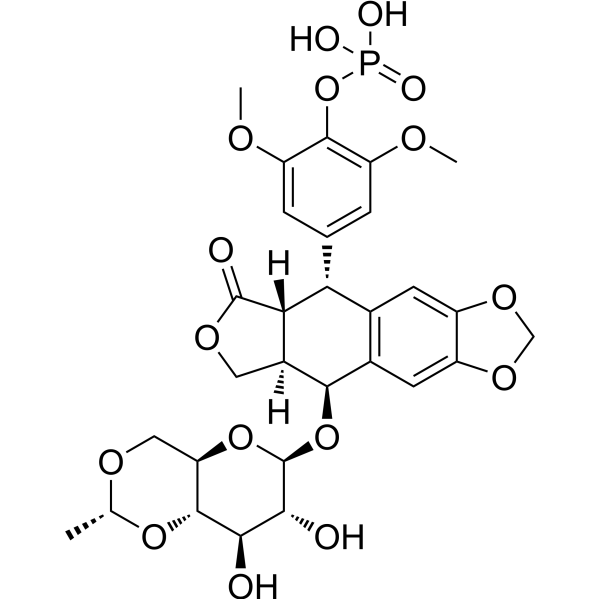
Etoposide phosphate (BMY-40481) is a potent anti-cancer chemotherapy agent and a selective topoisomerase II inhibitor to prevent re-ligation of DNA strands. Etoposide phosphate is the phosphate ester proagent of etoposide and is considered as active equivalent to Etoposide. Etoposide phosphate induces cell cycle arrest, apoptosis, and autophagy.
|
-
- HY-18626
-
|
|
Topoisomerase
|
Cancer
|
|
NK 314 is an inhibitor for topoisomerase IIα, which generates the break of DNA double-strand. NK 314 arrests the cell cycle at G2 phase in human acute myeloid leukemia cells, inhibits the proliferation of CEM with IC90 of 55 nM .
|
-
- HY-177823
-
|
|
TNF Receptor
|
Cancer
|
|
C2NP sodium is a single-strand DNA aptamer that targets CD30. The multivalent C2NP is able to induce oligomerization of CD30 receptors and, in effect, activate downstream signaling, which led to apoptosis of anaplastic large cell lymphoma (ALCL) cells.
|
-
- HY-179520
-
|
|
Topoisomerase
DNA/RNA Synthesis
MDM-2/p53
Bcl-2 Family
|
Cancer
|
|
XSJ151 is a topoisomerase I inhibitor, stabilizing the DNA-Topo I covalent complex and inducing DNA double-strand breaks. XSJ151-induces DNA damage activates the p53-p21 signaling pathway, specifically regulating the expression of cyclins, leading to G2/M phase cell cycle arrest and disrupting the dynamic homeostasis of Bcl-2 family proteins, thereby triggering apoptosis in gastric cancer cells. XSJ151 can be used for the study of gastric cancer .
|
-
- HY-101570R
-
|
Peposertib (Standard); M3814 (Standard)
|
DNA-PK
Reference Standards
BCRP
|
Cancer
|
|
Nedisertib (Standard) is the analytical standard of Nedisertib (HY-101570). This product is intended for research and analytical applications. Nedisertib (Peposertib) is an orally active selective DNA-dependent protein kinase (DNA-PK) inhibitor with an IC50 value of less than 3 nM. Nedisertib also acts as a modulator of ABCG2, capable of reversing ABCG2-mediated multidrug resistance (MDR), thus providing new strategies for combination therapy. By inhibiting DNA double-strand break repair, Nedisertib can enhance the efficacy of chemotherapy and radiotherapy. Nedisertib exhibits antitumor activity .
|
-
- HY-19137
-
|
KW 2189 free base
|
Antibiotic
|
Infection
Cancer
|
|
Pibrozelesin (KW 2189 free base) is the derivative of antibiotic Duocarmycin B2. Pibrozelesin exhibits antitumor activity, inhibits proliferation of cell H69 with an IC50 of 1.9 μM. Pibrozelesin induces the DNA strand breaks upon activation via carboxyl esterase .
|
-
- HY-162568
-
|
|
DNA Stain
|
Cancer
|
|
7-tert-Butylfascaplysin (7-TB) is a derivative of Fascaplysin (HY-112328), that can be isolated from Fascaplysinopsis sp.. 7-tert-Butylfascaplysin induces replication stress, leads to toxic DNA double-strand breaks and apoptosis-like cell death, and thus exhibits cytotoxicity in cancer cells in nanomolar levels. 7-tert-Butylfascaplysin exhibits DNA intercalating activity with EC50 of 3.2 μM .
|
-
- HY-181557
-
|
|
DNA Alkylator/Crosslinker
DNA/RNA Synthesis
Apoptosis
|
Cancer
|
|
SY-589 is an orally active DNA polymerase Polθ helicase domain inhibitor (IC50=2.29 nM) and DNA damage inducer. SY-589 inhibits the ATPase activity of the Polθ helicase domain and blocks the Polθ-mediated microhomology-mediated end joining (MMEJ) DNA repair pathway (IC50=0.85 nM). SY-589 also induces the accumulation of DNA double-strand breaks by increasing γ-H2AX levels. SY-589 exerts antiproliferative effects on BRCA2-deficient cells and is used in the research of HR-deficient tumors .
|
-
- HY-126940
-
|
|
Reactive Oxygen Species (ROS)
P-glycoprotein
Apoptosis
|
Cancer
|
|
Furanodiene is a natural terpenoid isolated from Rhizoma Curcumae. Furanodiene plays anti-cancer effects through anti-angiogenesis and inducing ROS production, DNA strand breaks and apoptosis. Furanodiene suppresseed efflux transporter Pgp (P-glycoprotein) function and reduced Pgp protein level .
|
-
- HY-149348
-
|
|
Topoisomerase
PARP
Apoptosis
|
Cancer
|
|
DiPT-4 is a dual TOP1/PARP1 inhibitor that induces massive DNA double-strand breaks (DSBs), cell cycle arrest, and apoptosis in cancer cells. DiPT-4 has the potential to overcome cancer drug resistance .
|
-
- HY-121360
-
|
|
DNA/RNA Synthesis
Reactive Oxygen Species (ROS)
|
Cancer
|
|
Cylindrospermopsin, a cyanotoxin, is a polycyclic uracil derivative containing guanidine and sulfate groups, which can inhibit protein synthesis and covalently modify DNA or RNA. Cylindrospermopsin induces hepatocellular hypertrophy, renal cellular hypertrophy, intracellular reactive oxygen species (ROS), DNA strand breaks, mitochondrial hyperpolarisation, ultrastructural damage, and altered gene expression in liver, kidney, and intestinal cells. Cylindrospermopsin can be used in research including hepatocellular carcinoma and water quality testing .
|
-
- HY-100549R
-
|
|
DNA/RNA Synthesis
Reference Standards
Apoptosis
|
Cancer
|
|
(S)-Crizotinib (Standard) is the analytical standard of (S)-Crizotinib (HY-100549). This product is intended for research and analytical applications. (S)-Crizotinib is a potent and selective MTH1 (mutT homologue) inhibitor with an IC50 of 330 nM. (S)-Crizotinib disrupts nucleotide pool homeostasis via MTH1 inhibition, induces an increase in DNA single strand breaks, activates DNA repair in human colon carcinoma cells, and effectively suppresses tumour growth in animal models .
|
-
- HY-163918
-
|
|
P-glycoprotein
|
Cancer
|
|
N,N-Dimethyl-idarubicin, an Idarubicin (HY-17381) derivative, is a potent histone evictor which does not induce DNA double-strand breaks. N,N-Dimethyl-idarubicin, an anthracycline, is an effective cytotoxic agent for ABCB1-overexpressing, Doxorubicin-resistant cells .
|
-
- HY-13630A
-
|
BMY-40481 disodium
|
Topoisomerase
Autophagy
Apoptosis
|
Neurological Disease
Cancer
|
|
Etoposide phosphate disodium (BMY-40481 disodium) is a potent anti-cancer chemotherapy agent and a selective topoisomerase II inhibitor to prevent re-ligation of DNA strands. Etoposide phosphate disodium is the phosphate ester proagent of etoposide and is considered as active equivalent to Etoposide. Etoposide phosphate disodium induces cell cycle arrest, apoptosis, and autophagy.
|
-
- HY-101570G
-
|
Peposertib; M3814
|
DNA-PK
BCRP
|
Cancer
|
|
Nedisertib (GMP) (Peposertib (GMP)) is Nedisertib (HY-101570) produced by using GMP guidelines. GMP small molecules works appropriately as an auxiliary reagent for cell therapy manufacture. Nedisertib is an orally active selective DNA-dependent protein kinase (DNA-PK) inhibitor with an IC50 value of less than 3 nM. Nedisertib also acts as a modulator of ABCG2, capable of reversing ABCG2-mediated multidrug resistance (MDR), thus providing new strategies for combination therapy. By inhibiting DNA double-strand break repair, Nedisertib can enhance the efficacy of chemotherapy and radiotherapy. Nedisertib exhibits antitumor activity .
|
-
- HY-W018158
-
|
5,6-Dihydroxyindole-2-carboxylic acid
|
Endogenous Metabolite
GPR35
Arrestin
DNA/RNA Synthesis
Drug Intermediate
SOD
|
Cancer
|
|
DHICA (5,6-Dihydroxyindole-2-carboxylic acid) is an eumelanin building block, GPR35 agonist and melanin synthesis intermediate. DHICA activates GPR35, triggering dynamic mass redistribution and β-arrestin translocation. DHICA interacts with DNA and interferes with Fpg activity . DHICA promotes the generation of single-strand breaks in plasmid DNA. DHICA increases the activity and expression levels of SOD and Catalase. DHICA is applicable to research related to skin cancer and colon cancer .
|
-
- HY-119475
-
|
|
Bacterial
Insecticide
DNA/RNA Synthesis
|
Infection
|
|
Satranidazole is an orally active insecticide and antimicrobial agent with high electron affinity. Satranidazole forms reduced nitro intermediates, which interact with DNA, causing helix instability, strand breakage and release of thymidine derivatives. Satranidazole exhibits antitrichomonal activity against Trichomonas vaginalis and Trichomonas foetus, and antiamoebic activity in rodent models of hepatic amoebiasis and caecal amoebiasis. Satranidazole inhibits the replication of bacteriophage φX174 DNA. Satranidazole can be used in research related to caecal amoebiasis, trichomoniasis and anaerobic bacterial infections .
|
-
- HY-172771
-
|
|
PI3K
DNA-PK
P-glycoprotein
|
Cancer
|
|
Multi-target kinase inhibitor 4 (Compound 2) is a PI3K/DNA-PK inhibitor and potent chemosensitizer that can increase the amount of DNA double strand breaks induced by Doxorubicin (HY-15142A). Multi-target kinase inhibitor 4, is an efficient inhibitor of multidrug resistance (MDR) that exhibits inhibitory activity toward P-glycoprotein-mediated drug efflux. Multi-target kinase inhibitor 4 can be loaded into PEG-coated LNPs .
|
-
- HY-172970
-
|
|
CDK
DNA/RNA Synthesis
Apoptosis
|
Cancer
|
|
HQY1428 is an orally active CDK12 inhibitor. HQY1428 inhibits DNA replication, causes G2/M arrest in SKOV3 cells, induces DNA double-strand breaks and apoptosis. HQY1428 has anti-tumor activity in the SKOV3 xenograft mouse model. HQY1428 combined with the HER2 inhibitor Lapatinib (HY-50898) in the NCI-N87 xenograft mouse model produces a synergistic therapeutic effect .
|
-
- HY-118894
-
|
|
DNA/RNA Synthesis
|
|
|
AB-182 is an aziridine derivative and antitumor agent.AB-182 shows synergistic antitumor effects in conjunction with x-irradiation. Intermediate hydrolysis products of AB-182 may block the repair of x-irradiation-induced breaks in the DNA strands by phosphorylating their free 3'-OH end groups.
|
-
- HY-103710
-
|
|
RAD51
Apoptosis
|
Cancer
|
|
IBR2 is a potent and specific RAD51 inhibitor and inhibits RAD51-mediated DNA double-strand break repair. IBR2 disrupts RAD51 multimerization, accelerates proteasome-mediated RAD51 protein degradation, inhibits cancer cell growth and induces apoptosis .
|
-
- HY-13767
-
|
SR259075; SR4233; Win59075; SML 0552; SR 259075; Tirazone
|
DNA/RNA Synthesis
|
Cancer
|
|
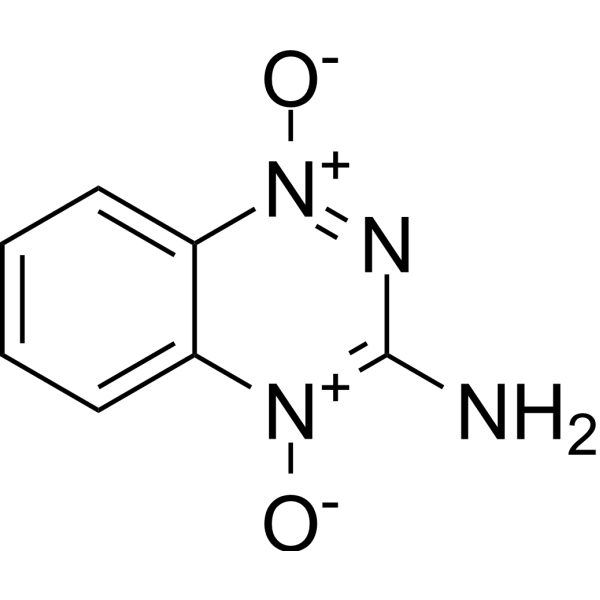
Tirapazamine (SR259075) is an anticancer agent that shows selective cytotoxicity for hypoxic cells in solid tumors, thereby inducing single-and double-strand breaks in DNA, base damage, and cell death. Tirapazamine is an anticancer and bioreductive agent.Tirapazamine (SR259075) can enhance the cytotoxic effects of ionizing radiation in hypoxic cells .
|
-
- HY-W001187S
-
|
|
DNA/RNA Synthesis
Mitochondrial Metabolism
Reactive Oxygen Species (ROS)
|
Cancer
|
|
Tempo-d18 is the deuterium labeled Tempo . Tempo is a classic nitroxide radical and is a selective scavenger of ROS that dismutases superoxide in the catalytic cycle. Tempo induces DNA-strand breakage. Tempo can be used as an organocatalyst for the oxidation of primary alcohols to aldehydes. Tempo has mutagenic and antioxidant effects .
|
-
- HY-119475S
-
|
|
Isotope-Labeled Compounds
Insecticide
DNA/RNA Synthesis
Bacterial
|
Others
|
|
Satranidazole-d3 is the deuterium labeled Satranidazole. Satranidazole is an orally active insecticide and antimicrobial agent with high electron affinity. Satranidazole forms reduced nitro intermediates, which interact with DNA, causing helix instability, strand breakage and release of thymidine derivatives. Satranidazole exhibits antitrichomonal activity against Trichomonas vaginalis and Trichomonas foetus, and antiamoebic activity in rodent models of hepatic amoebiasis and caecal amoebiasis. Satranidazole inhibits the replication of bacteriophage φX174 DNA. Satranidazole can be used in research related to caecal amoebiasis, trichomoniasis and anaerobic bacterial infections.
|
-
- HY-W048513
-
|
|
DNA/RNA Synthesis
|
Cancer
|
|
7-Deaza-2'-deoxyadenosine is an isosteric dATP analog of 2'-deoxyadenosine. 7-Deaza-2'-deoxyadenosine is recognized by various DNA polymerases and incorporated into DNA strands as a substrate. 7-Deaza-2'-deoxyadenosine undergoes a bioorthogonal inverse electron demand Diels-Alder reaction with tetrazine-modified molecules, enabling site-specific labeling of DNA, surface antibody immobilization and intracellular fluorescent labeling. 7-Deaza-2'-deoxyadenosine reduces the DNA curvature of d(A6)·d(T6) fragments and the stability of DNA/RNA double helices, and leads to decreased antisense activity against SV40 T Antigen. 7-Deaza-2'-deoxyadenosine finds application in the research field of SV40 T Antigen-related cancers .
|
-
- HY-D0093
-
|
EthD-1
|
DNA Stain
|
Others
|
|
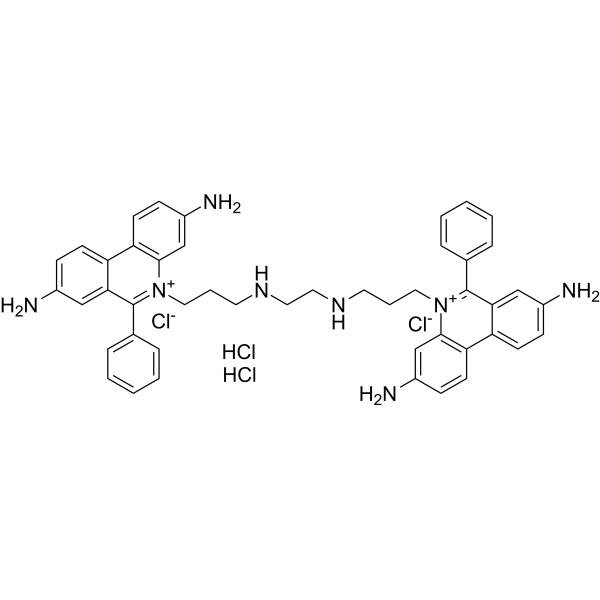
Ethidium homodimer (EthD-1) is a high-affinity fluorescent nucleic acid dye commonly used to stain mammals, bacteria, yeast, and fungi. Ethidium homodimer binds to DNA or RNA, enhancing fluorescence more than 30 times. The Ethidium homodimer has a strong positive charge, so it cannot cross cell membranes and stain living cells; But the Ethidium homodimer can cross the disordered region of the dead cell membrane to reach the nucleus and embed the DNA double strand to produce red fluorescence. Therefore, Ethidium homodimer is a relatively sensitive nucleic acid stain that can accurately detect nucleic acids in solution or in decomposing cells. Ethidium homodimer binds DNA, Ex/Em=528/617 nm .
|
-
- HY-13630R
-
|
BMY-40481 (Standard)
|
Reference Standards
Topoisomerase
Bacterial
Autophagy
Apoptosis
|
Infection
Neurological Disease
Cancer
|
|
Etoposide phosphate (Standard) is the analytical standard of Etoposide phosphate. This product is intended for research and analytical applications. Etoposide phosphate (BMY-40481) is a potent anti-cancer chemotherapy agent and a selective topoisomerase II inhibitor to prevent re-ligation of DNA strands. Etoposide phosphate is the phosphate ester proagent of etoposide and is considered as active equivalent to Etoposide. Etoposide phosphate induces cell cycle arrest, apoptosis, and autophagy.
|
-
- HY-137457
-
|
IDX-1197
|
PARP
|
Cancer
|
|
Venadaparib (IDX-1197) is a potent, selective and orally active PARP inhibitor with IC50s of 1.4 nM and 1.0 nM for PARP1 and PARP2, respectively. Venadaparib does not sensitive to PARP-5. Venadaparib prevents the repair of DNA single-strand breaks (SSB) and can be used for solid tumors research .
|
-
- HY-W012817
-
|
|
Environmental Pollutants
COX
|
Inflammation/Immunology
|
|
Methylhydroquinone is an orally active COX inhibitor with IC50s of 480.7 μM and 52.2 μM for ovine COX-1 and human recombinant COX-2, respectively. Methylhydroquinone has potential DNA damaging effects: 1) inhibiting COX-1 to reduce prostaglandin synthesis and exert anti-inflammatory activity; 2) inducing DNA single-strand breaks. Methylhydroquinone exerts its effects by competitively binding to the active sites of COX-1 (such as Tyr385, Met522) and non-covalent interactions .
|
-
- HY-183488
-
|
RRRRRRRRRCCLGIPEQEY
|
Apoptosis
PARP
|
Cancer
|
|
R9-caPep (RRRRRRRRRCCLGIPEQEY) is a cell-penetrating peptide derived from proliferating cell nuclear antigen (PCNA). R9-caPep selectively blocks the interactions between PCNA and FEN1, as well as between PCNA and LIGI, while preserving the binding of POLD3 to PCNA. R9-caPep interferes with DNA synthesis and homologous recombination-mediated double-strand DNA break repair, inducing S-phase arrest, DNA damage accumulation, and apoptosis. R9-caPep inhibits the growth of tumor volume and weight of neuroblastoma in nude mice . R9-caPep can be used in research related to neuroblastoma and triple-negative breast cancer .
|
-
- HY-103688
-
|
|
ADC Payload
|
Cancer
|
|
AcBut-N-Ac-γ-Calicheamicin is an ADC cytotoxic payload that induces cell cycle arrest and apoptosis by causing DNA double-strand breaks. AcBut-N-Ac-γ-Calicheamicin is primarily used in the synthesis of antibody-drug conjugates (ADC) and holds promise for research in the field of cancer, including acute lymphoblastic leukemia (ALL) and other hematological malignancies .
|
-
- HY-W570888
-
|
LNA-C(Bz)
|
Nucleoside Antimetabolite/Analog
|
Cancer
|
|
2'-O,4'-C-Methylenecytidine (LNA-C(Bz)) is a bicyclic nucleoside analogue with fixed N-type conformation. 2'-O,4'-C-Methylenecytidine can be used to synthesize oligonucleotides. 2'-O,4'-C-Methylenecytidine forms duplexes with complementary DNA and RNA strands .
|
-
- HY-Q04764
-
|
|
Thyroid Hormone Receptor
Apoptosis
|
Cancer
|
|
TI17 is an inhibitor of the thyroid hormone receptor-interacting protein Trip13 and has anticancer activity. TI17 effectively inhibits multiple myeloma (MM) cell proliferation and induces cell cycle arrest and apoptosis. Trip13 is an AAA-ATPase that mediates double-strand break (DSB) repair; TI17 inhibits Trip13 function and increases DNA damage .
|
-
- HY-117818
-
|
Antibiotic DC 116
|
Antibiotic
|
Cancer
|
|
Sapurimycin is an antitumor antibiotic isolated from Streptomyces DO-116 and belongs to the capramycin family. Sapurimycin exhibits potent activity against Gram-positive bacteria and exhibits significant antitumor effects against leukemia P388 and sarcoma 180 in mouse models. In vitro studies have shown that Sapurimycin can induce single-strand breaks in supercoiled plasmid DNA .
|
-
- HY-W749297A
-
|
Phleomycin D2 sulfate
|
DNA/RNA Synthesis
Bacterial
|
Infection
Cancer
|
|
Bleomycin B2 (Phleomycin D2) sulfate is a selective antitumor and antibacterial agent that induces DNA strand breaks and inhibits DNA ligase activity. The optimal pH for the activity of Bleomycin B2 sulfate is 9.1, and its efficacy is enhanced by thiol compounds or hydrogen peroxide. Bleomycin B2 sulfate undergoes enzymatic inactivation via bleomycin-inactivating enzymes, exhibits selective retention in squamous cell carcinoma, and is inactivated most rapidly in liver and kidney homogenates. Bleomycin B2 sulfate can be applied in research related to squamous cell carcinoma and other relevant studies .
|
-
- HY-W018158R
-
|
5,6-Dihydroxyindole-2-carboxylic acid (Standard)
|
Reference Standards
Endogenous Metabolite
GPR35
Arrestin
DNA/RNA Synthesis
Drug Intermediate
SOD
|
Cancer
|
|
DHICA (Standard) is an analytical standard of DHICA (HY-W018158). This product is for research and analytical applications. DHICA (5,6-Dihydroxyindole-2-carboxylic acid) is an eumelanin building block, GPR35 agonist and melanin synthesis intermediate. DHICA activates GPR35, triggering dynamic mass redistribution and β-arrestin translocation. DHICA interacts with DNA and interferes with Fpg activity . DHICA promotes the generation of single-strand breaks in plasmid DNA. DHICA increases the activity and expression levels of SOD and Catalase. DHICA is applicable to research related to skin cancer and colon cancer .
|
-
- HY-P9992
-
|
BAY-2315497; PSMA-TTC
|
PSMA
Apoptosis
|
Cancer
|
|
Peligifatamab is a PSMA-targeted α-radioimmunoconjugate with an EC50 of 1.2 nM against human targets. Peligifatamab induces DNA damage, DNA double-strand breaks, cell cycle arrest and apoptosis (Apoptosis) in PSMA-positive prostate cancer cells. Peligifatamab reduces cell viability in a manner dependent on cellular PSMA expression levels. Peligifatamab inhibits tumor growth and tumor-induced abnormal bone growth in prostate cancer bone metastasis models. Peligifatamab exhibits antitumor efficacy in subcutaneous prostate cancer models and xenograft models. Peligifatamab can be used for the research of metastatic castration-resistant prostate cancer .
|
-
- HY-179614
-
|
|
PARP
DNA/RNA Synthesis
Apoptosis
CDK
Bcl-2 Family
|
Cancer
|
|
PARP1-IN-50 is a selective and orally active PARP-1 inhibitor with an IC50 of 64.98 nM. PARP1-IN-50 can inhibit PAR formation and induce DNA double strand breaks, thereby causing DNA damage. PARP1-IN-50 can induce G2/M phase arrest and cancer cells apoptosis. PARP1-IN-50 demonstrates significant antiproliferative activity against various cancer cells. PARP1-IN-50 can be used for the research of cancer, such as breast cancer .
|
-
- HY-103710A
-
|
|
RAD51
|
Cancer
|
|
(R)-IBR2 is the isomer of IBR2 (HY-103710). IBR2 is a potent and specific RAD51 inhibitor and inhibits RAD51-mediated DNA double-strand break repair. IBR2 disrupts RAD51 multimerization, accelerates proteasome-mediated RAD51 protein degradation, inhibits cancer cell growth and induces apoptosis .
|
-
- HY-182266
-
|
|
Mitochondrial Metabolism
Apoptosis
Reactive Oxygen Species (ROS)
DNA/RNA Synthesis
|
Cancer
|
|
FBP is a mitochondria-targeted, selective anticancer agent. FBP induces oxidative stress and mitochondrial dysfunction, leading to Apoptosis. FBP generates ROS and causes double-strand DNA breaks in cancer cells. FBP exhibits cytotoxic efficacy against cancer cells, with cervical cancer cells being the most sensitive. FBP can be used for the research of cervical cancer, lung cancer, melanoma and breast cancer .
|
-
- HY-W720329
-
|
|
Herbicide
DNA/RNA Synthesis
|
Others
|
|
Indaziflam is an alkyltriazine herbicide. Indaziflam targets the cellulose synthase complex and inhibits cellulose biosynthesis in plant cell walls. Indaziflam induces radial swelling of plants, ectopic lignification, inhibition of root and hypocotyl elongation, abnormal root and cell morphology, and also induces DNA strand breaks and micronucleus formation in HepG2 cells. Indaziflam can be used for research on monocot weed control .
|
-
- HY-W848341
-
|
NSC 338947; CIEtSoSo
|
DNA Alkylator/Crosslinker
|
Cancer
|
|
Clomesone (NSC 338947) is a compound with antitumor activity. Clomesone induces the formation of cross-links between DNA strands in cell lines. Clomesone is inactive against most human colorectal cancer solid tumor cell lines in vitro, has no significant activity against mouse tumors in vivo, and is accompanied by bone marrow suppression. Its pharmacokinetic behavior indicates that it cannot reach effective concentrations at the tumor site.
|
-
- HY-W012817R
-
|
|
COX
Reference Standards
|
Others
|
|
Methylhydroquinone (Standard) is the analytical standard of Methylhydroquinone. This product is intended for research and analytical applications. Methylhydroquinone is an orally active COX inhibitor with IC50s of 480.7 μM and 52.2 μM for ovine COX-1 and human recombinant COX-2, respectively. Methylhydroquinone has potential DNA damaging effects: 1) inhibiting COX-1 to reduce prostaglandin synthesis and exert anti-inflammatory activity; 2) inducing DNA single-strand breaks. Methylhydroquinone exerts its effects by competitively binding to the active sites of COX-1 (such as Tyr385, Met522) and non-covalent interactions[1][2].
|
-
- HY-150765
-
|
|
PARP
Apoptosis
|
Cancer
|
|
PARP1-IN-12 is a potent PARP1 inhibitor with an IC50 of 2.99 nM. PARP1-IN-12 exhibits antiproliferative activity, can induce cell apoptosis and cause cycle arrest at G2/M phase. PARP1-IN-12 also can induce DNA double strand breaks (DSBs) in BRCA-deficient cells .
|
-
- HY-178503
-
|
|
Apoptosis
|
Cancer
|
|
dA-NHbenzylSCF 3 is a radiosensitizer. dA-NHbenzylSCF 3 has low toxicity to cancer cells and normal cells, but can significantly enhance cancer cell death in the presence of ionizing radiation (IR). dA-NHbenzylSCF 3 promotes cell apoptosis by capturing electrons and inducing DNA double strand breaks (DSBs). dA-NHbenzylSCF 3 is often used in the research of cancer, such as prostate cancer and breast cancer .
|
-
- HY-W570886
-
|
|
DNA/RNA Synthesis
|
Cancer
|
|
2'-O-MOE-U is a nucleic acid modification group (Phosphoramidite) with 3'-exonuclease inhibitory activity. 2'-O-MOE-U also exhibits gene silencing activity and double-stranded oligonucleotide stability. By forming steric interactions with 3'-exonuclease residues, 2'-O-MOE-U anchors the 3'-end of the siRNA guide strand in the hAgo2 PAZ domain, thereby regulating double-stranded thermal stability and enhancing base-pairing specificity. 2'-O-MOE-U does not induce IFNα production, can be incorporated at multiple sites of siRNA to enhance RNAi activity, and produces a synergistic effect with 2'-F modification. 2'-O-MOE-U has been widely used in studies related to breast cancer and other diseases .
|
-
- HY-129247
-
|
|
MDM-2/p53
Aryl Hydrocarbon Receptor
Cytochrome P450
|
Cancer
|
|
Versicolorin A is a biosynthetic precursor of Aflatoxin B1 (HY-N6615). Versicolorin A induces phosphorylation of p53. Versicolorin A activates the aryl hydrocarbon receptor AhR and significantly induces the expression of CYP1A1. Versicolorin A exerts genotoxic and cytotoxic effects. Versicolorin A enhances the genotoxicity of aflatoxin B1 in cells by promoting CYP450-mediated bioactivation of aflatoxin B1. Versicolorin A can be used in research related to colorectal cancer and hepatocellular carcinoma .
|
-
- HY-174143
-
|
|
Apoptosis
|
Cancer
|
|
EXO1-IN-1 is a human exonuclease 1 (EXO1) inhibitor (IC50 = 15.7 μM). EXO1-IN-1 inhibits DNA end resection, promotes the accumulation of DNA double-strand breaks, and triggers S-phase polyamylation. EXO1-IN-1 induces apoptosis (Apoptosis) in BRCA1-deficient breast cancer cells. EXO1-IN-1 suppresses the growth of BRCA1-deficient breast cancer xenografts. EXO1-IN-1 can be used in research related to BRCA1-deficient breast cancer .
|
-
- HY-180809
-
|
|
PARP
|
Cancer
|
|
YCH3292, a derivative of YCH189 (HY-155993) is a potent, selective and orally active PARP1/2 inhibitor with IC50 both <0.001 nM. YCH3292 can increase the stability of PARP-DNA complexes. YCH3292 exhibits robust antiproliferative activity. YCH3292 can induce double-strand breaks in DNA, increase the protein levels of γH2AX, P-RPA32, and P-Chk1 and induce tumor cells S or G2/M phase arrest and apoptosis. YCH3292 can inhibit tumor growth in MC38 xenograft model .
|
-
- HY-176481
-
|
|
Autophagy
Apoptosis
|
Cancer
|
|
ML-20, Malabaricone C (HY-N8518) analogue, is a autophagy inhibitor and radiosensitizer. ML-20 inhibits cell growth, induces cell apoptosis . ML-20 induces DNA double-strand breaks, loss of mitochondrial membrane potential (MMP), and lysosomal membrane permeabilization (LMP). ML-20 induces endoplasmic reticulum stress and concurrent inhibition of autophagy flux due to LMP .
|
-
- HY-B0464
-
|
|
PGE synthase
NO Synthase
Reactive Oxygen Species (ROS)
DNA Methyltransferase
COX
|
Cardiovascular Disease
Inflammation/Immunology
Cancer
|
|
Hydralazine hydrochloride is an orally active, blood-brain barrier-permeable DNA methyltransferase inhibitor with vasodilatory, arterial smooth muscle relaxant and hypotensive activities. Hydralazine hydrochloride reactivates silenced tumor suppressor genes via mediating DNA demethylation, while exerting neuroprotective and anti-inflammatory properties. Hydralazine hydrochloride inhibits NOS-2 (iNOS) and COX-2, and reduces the production of NO and PGEE2; meanwhile, Hydralazine hydrochloride scavenges reactive oxygen species and inhibits macrophage activation. Hydralazine hydrochloride alleviates motor dysfunction, neuropathic inflammatory pain, and formalin-induced somatic and emotional pain responses. In addition, Hydralazine hydrochloride directly induces DNA strand breaks and sister chromatid exchange, exhibiting certain mutagenic characteristics. Hydralazine hydrochloride has been widely used in studies on hypertension, various cancers (such as cervical cancer, leukemia), spinal cord injury and the mechanisms of inflammatory pain .
|
-
- HY-B0464A
-
|
|
DNA Methyltransferase
Reactive Oxygen Species (ROS)
COX
NO Synthase
PGE synthase
|
Cardiovascular Disease
Neurological Disease
Inflammation/Immunology
Cancer
|
|
Hydralazine is an orally active, blood-brain barrier-permeable DNA methyltransferase inhibitor with vasodilatory, arterial smooth muscle relaxant and hypotensive activities. Hydralazine reactivates silenced tumor suppressor genes via mediating DNA demethylation, while exerting neuroprotective and anti-inflammatory properties. Hydralazine inhibits NOS-2 (iNOS) and COX-2, and reduces the production of NO and PGEE2; meanwhile, Hydralazine scavenges reactive oxygen species and inhibits macrophage activation. Hydralazine alleviates motor dysfunction, neuropathic inflammatory pain, and formalin-induced somatic and emotional pain responses. In addition, Hydralazine directly induces DNA strand breaks and sister chromatid exchange, exhibiting certain mutagenic characteristics. Hydralazine has been widely used in studies on hypertension, various cancers (such as cervical cancer, leukemia), spinal cord injury and the mechanisms of inflammatory pain .
|
-
- HY-153338
-
|
|
DNA/RNA Synthesis
Apoptosis
|
Cancer
|
|
C791-0064 is a RAD52 inhibitor. C791-0064 specifically binds to RAD52 and disrupts its single-strand annealing activity. C791-0064 specifically inhibits the proliferation of cancer cells with BRCA2 deficiency, inducing DNA damage and apoptosis (apoptosis). C791-0064 can be used for the study of BRCA mutation-related cancers (such as breast cancer and ovarian cancer) .
|
-
- HY-103710R
-
|
|
Reference Standards
RAD51
Apoptosis
|
Cancer
|
|
IBR2 (Standard) is the analytical standard of IBR2 (HY-103710). This product is intended for research and analytical applications. IBR2 is a potent and specific RAD51 inhibitor and inhibits RAD51-mediated DNA double-strand break repair. IBR2 disrupts RAD51 multimerization, accelerates proteasome-mediated RAD51 protein degradation, inhibits cancer cell growth and induces apoptosis .
|
-
- HY-155464
-
|
|
VEGFR
Aurora Kinase
|
Cancer
|
|
VEGFR-2/AURKA-IN-1 (compound 5e) is a thiazolidin-4-one derivative with antiglioma activity (IC50: 6.43 μM, LN229). VEGFR-2/AURKA-IN-1 has affinity for AURKA and VEGFR-2 and is a potential ligand. VEGFR-2/AURKA-IN-1 causes DNA strand breaks and exhibits cytotoxic and anticancer potential .
|
-
- HY-175466
-
|
|
PARP
DNA/RNA Synthesis
Apoptosis
|
Cancer
|
|
BER-IN-1 is a base excision repair (BER) inhibtor, targeting DNA abasic sites. BER-IN-1 cleaves abasic sites via β- and β,δ-elimination mechanisms, disrupts the base excision repair (BER) pathway and leads to DNA double-strand breaks (DSBs). BER-IN-1 can enhance the effectiveness of the PARP inhibitor Olaparib (HY-10162) in homologous recombination (HR)-proficient cancer cells (MDA-MB-231, HeLa, and SKOV3). BER-IN-1 induces an S-phase arrest and apoptosis companied with Olaparib (HY-10162). BER-IN-1 can be used for the research of cancer, such as breast, cervical and ovarian cancer .
|
-
- HY-150280
-
|
|
Apoptosis
Ferroptosis
DNA/RNA Synthesis
IRE1
CDK
Caspase
Drug Derivative
|
Cancer
|
|
Ironomycin is a derivative of Salinomycin (HY-15597). Ironomycin exhibits selective inhibitory activity against mantle cell lymphoma (MCL) cells. Ironomycin blocks the cell cycle and induces apoptosis and ferroptosis. Ironomycin induces double-strand DNA breaks and activates the unfolded protein response (UPR), particularly the IRE1α signaling pathway accumulation. The combination of Ironomycin with Ibrutinib (HY-10997) shows a synergistic effect. Ironomycin can be used for the study of MCL.
|
-
- HY-134013
-
|
|
DNA/RNA Synthesis
Endothelin Receptor
|
Cardiovascular Disease
Cancer
|
|
Piperitenone oxide is an orally active monoterpene ketone. Piperitenone oxide can be isolated from the essential oils of plants belonging to Mentha x villosa and Ziziphora clinopodioides. Piperitenone oxide induces differentiation. Piperitenone oxide induces chromosome breakage damage, aneuploidy damage and DNA single-strand breaks. Piperitenone oxide reduces ET-1 levels. Piperitenone oxide exerts antihypertensive effects. Piperitenone oxide can be used in studies related to colon cancer .
|
-
- HY-14521B
-
|
DDATHF hydrate
|
Antifolate
Apoptosis
Caspase
Bcl-2 Family
|
Cancer
|
|
Lometrexol (DDATHF) hydrate, an antipurine antifolate, can inhibit the activity of glycinamide ribonucleotide formyltransferase (GARFT) but do not induce detectable levels of DNA strand breaks. Lometrexol hydrate can further inhibit de novo purine synthesis, causing abnormal cell proliferation and apoptosis, even cell cycle arrest. Lometrexol hydrate has anticancer activity. Lometrexol hydrate also is a potent human Serine hydroxymethyltransferase1/2 (hSHMT1/2) inhibitor .
|
-
- HY-14521
-
|
DDATHF
|
Antifolate
Apoptosis
Caspase
Bcl-2 Family
|
Cancer
|
|
Lometrexol (DDATHF), an antipurine antifolate, can inhibit the activity of glycinamide ribonucleotide formyltransferase (GARFT) but do not induce detectable levels of DNA strand breaks. Lometrexol can further inhibit de novo purine synthesis, causing abnormal cell proliferation and apoptosis, even cell cycle arrest. Lometrexol has anticancer activity. Lometrexol also is a potent human Serine hydroxymethyltransferase1/2 (hSHMT1/2) inhibitor .
|
-
- HY-10180A
-
|
|
Aurora Kinase
|
Cancer
|
|
MLN8054 sodium is an Aurora A inhibitor with radiosensitivity-enhancing activity. MLN8054 sodium can activate the DNA double-strand break reaction of prostate cancer cells in in vitro experiments. The application of MLN8054 sodium is closely related to accumulation in the G2/M phase of the cell cycle and polyploid formation. In vivo experiments show that MLN8054 sodium can significantly delay the growth of prostate cancer tumors and promote tumor cell apoptosis when used in combination with radiotherapy .
|
-
- HY-183319
-
|
|
Apoptosis
Mitochondrial Metabolism
|
Cancer
|
|
Anticancer agent 320 is a potent broad-spectrum anticancer agent, with low toxicity toward noncancerous cells. Anticancer agent 320 induces cell cycle arrest, DNA double-strand breaks, and early apoptosis. Anticancer agent 320 disrupts mitochondrial function in cancer cells. Anticancer agent 320 inhibits proliferation of lung, colon, and breast cancer cells. Anticancer agent 320 can be used for the research of lung carcinoma, colon carcinoma, breast carcinoma .
|
-
- HY-B0464R
-
|
|
Reference Standards
PGE synthase
NO Synthase
Reactive Oxygen Species (ROS)
DNA Methyltransferase
COX
|
Cardiovascular Disease
Inflammation/Immunology
Cancer
|
|
Hydralazine (hydrochloride) (Standard) is the analytical standard of Hydralazine (hydrochloride). This product is intended for research and analytical applications. Hydralazine hydrochloride is an orally active, blood-brain barrier-permeable DNA methyltransferase inhibitor with vasodilatory, arterial smooth muscle relaxant and hypotensive activities. Hydralazine hydrochloride reactivates silenced tumor suppressor genes via mediating DNA demethylation, while exerting neuroprotective and anti-inflammatory properties. Hydralazine hydrochloride inhibits NOS-2 (iNOS) and COX-2, and reduces the production of NO and PGEE2; meanwhile, Hydralazine hydrochloride scavenges reactive oxygen species and inhibits macrophage activation. Hydralazine hydrochloride alleviates motor dysfunction, neuropathic inflammatory pain, and formalin-induced somatic and emotional pain responses. In addition, Hydralazine hydrochloride directly induces DNA strand breaks and sister chromatid exchange, exhibiting certain mutagenic characteristics. Hydralazine hydrochloride has been widely used in studies on hypertension, various cancers (such as cervical cancer, leukemia), spinal cord injury and the mechanisms of inflammatory pain .
|
-
- HY-B0464S1
-
|
|
Isotope-Labeled Compounds
PGE synthase
NO Synthase
Reactive Oxygen Species (ROS)
DNA Methyltransferase
COX
|
Cancer
|
|
Hydralazine-d5 (hydrochloride) is deuterium-labeled Hydralazine (hydrochloride) (HY-B0464). Hydralazine hydrochloride is an orally active, blood-brain barrier-permeable DNA methyltransferase inhibitor with vasodilatory, arterial smooth muscle relaxant and hypotensive activities. Hydralazine hydrochloride reactivates silenced tumor suppressor genes via mediating DNA demethylation, while exerting neuroprotective and anti-inflammatory properties. Hydralazine hydrochloride inhibits NOS-2 (iNOS) and COX-2, and reduces the production of NO and PGEE2; meanwhile, Hydralazine hydrochloride scavenges reactive oxygen species and inhibits macrophage activation. Hydralazine hydrochloride alleviates motor dysfunction, neuropathic inflammatory pain, and formalin-induced somatic and emotional pain responses. In addition, Hydralazine hydrochloride directly induces DNA strand breaks and sister chromatid exchange, exhibiting certain mutagenic characteristics. Hydralazine hydrochloride has been widely used in studies on hypertension, various cancers (such as cervical cancer, leukemia), spinal cord injury and the mechanisms of inflammatory pain .
|
-
- HY-B0464S
-
|
|
Isotope-Labeled Compounds
PGE synthase
NO Synthase
Reactive Oxygen Species (ROS)
DNA Methyltransferase
COX
|
Cardiovascular Disease
|
|
Hydralazine-d4 hydrochloride is the deuterium labeled Hydralazine hydrochloride. Hydralazine hydrochloride is an orally active, blood-brain barrier-permeable DNA methyltransferase inhibitor with vasodilatory, arterial smooth muscle relaxant and hypotensive activities. Hydralazine hydrochloride reactivates silenced tumor suppressor genes via mediating DNA demethylation, while exerting neuroprotective and anti-inflammatory properties. Hydralazine hydrochloride inhibits NOS-2 (iNOS) and COX-2, and reduces the production of NO and PGEE2; meanwhile, Hydralazine hydrochloride scavenges reactive oxygen species and inhibits macrophage activation. Hydralazine hydrochloride alleviates motor dysfunction, neuropathic inflammatory pain, and formalin-induced somatic and emotional pain responses. In addition, Hydralazine hydrochloride directly induces DNA strand breaks and sister chromatid exchange, exhibiting certain mutagenic characteristics. Hydralazine hydrochloride has been widely used in studies on hypertension, various cancers (such as cervical cancer, leukemia), spinal cord injury and the mechanisms of inflammatory pain .
|
-
- HY-W743654
-
|
|
Apoptosis
|
Cancer
|
|
Capsorubin is a carotenoid found in peppers with multiple biological activities. Capsorubin (167 μM) inhibits lipid peroxidation induced by 2,2'-azobis(2,4-dimethylvaleronitrile) (AMVN) in vitro. Capsorubin (1 μM) reduces UVB-induced DNA strand breaks and apoptosis in human dermal fibroblasts. Capsorubin also inhibits Epstein-Barr virus early antigen (EBV-EA) activation induced by phorbol 12-myristate 13-acetate in Raji cells, a marker of tumorigenesis.
|
-
- HY-14521A
-
|
DDATHF disodium
|
Antifolate
Apoptosis
Caspase
Bcl-2 Family
|
Cancer
|
|
Lometrexol (DDATHF) disodium, an antipurine antifolate, can inhibit the activity of glycinamide ribonucleotide formyltransferase (GARFT) but do not induce detectable levels of DNA strand breaks. Lometrexol disodium can further inhibit de novo purine synthesis, causing abnormal cell proliferation and apoptosis, even cell cycle arrest. Lometrexol disodium has anticancer activity. Lometrexol disodium also is a potent human Serine hydroxymethyltransferase1/2 (hSHMT1/2) inhibitor .
|
-
- HY-106122
-
|
VP 19
|
Topoisomerase
DNA/RNA Synthesis
|
Cancer
|
|
NK-611 (VP 19) is an epipodophyllotoxin derivative. NK-611 induces DNA double-strand breaks by inhibiting topoisomerase II (IC50 = 56 μM). NK-611 does not inhibit microtubule polymerization, thus avoiding the side effects of the parent compound, Podofilox (HY-15552). NK-611 exhibits broad-spectrum antitumor activity and demonstrates potent efficacy in in vivo models of leukemia. NK-611 can be used in cancer research .
|
-
- HY-N6677
-
|
Apocarotenal
|
Cytochrome P450
DNA/RNA Synthesis
|
Metabolic Disease
Cancer
|
|
β-Apo-8'-carotenal (Apocarotenal), an orally active provitamin A carotenoid. β-Apo-8'-carotenal can induce the expression of CYP1A through the Ah receptor-dependent pathway. β-Apo-8'-carotenal can induce cancer cells DNA strand breaks and lipid peroxidation. β-Apo-8'-carotenal can be used for the researches of cancer and metabolic disease .
|
-
- HY-115531
-
|
|
DNA/RNA Synthesis
|
Cancer
|
|
UNC-2170 is a functionally active, fragment-like ligand for 53BP1 (IC50=29 µM; Kd=22 µM). UNC-2170 shows at least 17-fold selectivity for 53BP1 as compared to nine other methyl-lysine (Kme) reader proteins. 53BP1 is a Kme binding protein that plays a central role in DNA Damage Repair (DDR) pathways and is recruited to sites of double-strand breaks (DSB) .
|
-
- HY-112817
-
|
8-Oxo-Deoxyguanosine triphosphate
|
Apoptosis
|
Cardiovascular Disease
Neurological Disease
Cancer
|
|
8-Oxo-dGTP (8-Oxo-Deoxyguanosine triphosphate) is an oxidized guanine nucleotide formed by ROS-mediated oxidative modification of dGTP, and it also serves as a key substrate for 8-oxo-dGTP pyrophosphohydrolases (such as hMTH1 and E. coli MutT). 8-Oxo-dGTP acts as a DNA mutagen, inserts into nascent DNA and pairs with adenine and cytosine, inducing A:T to C:G transversion mutations. Furthermore, 8-Oxo-dGTP causes oxidative DNA base modification, strand breakage and S-phase arrest, and ultimately triggers AIF-mediated apoptosis and promotes spontaneous carcinogenesis in mth1-deficient mice. Accumulation of 8-Oxo-dGTP in cells induces genomic instability, but it exhibits a tumor-suppressive effect that reduces tumor incidence in mouse models instead. 8-Oxo-dGTP is widely used in studies related to spontaneous carcinogenesis, Parkinson's disease, Alzheimer's disease, heart failure and tumor mechanisms .
|
-
- HY-174374
-
|
|
Topoisomerase
|
Cardiovascular Disease
|
|
Topobexin is a TOP2B-selective inhibitor with IC50 values of 0.19 μM and 4.8 μM for TOP2B and TOP2A (DNA decatenation assay). Topobexin binds to non-homologous residues in the obex pocket and targets the ATPase domain of TOP2B. Topobexin prevents anthracycline-induced DNA double-strand break formation, apoptotic signaling mediated by caspase 3/7, 8 and 9, cardiomyocyte morphological changes, mitochondrial depolarization/loss, left ventricular systolic dysfunction, extracellular matrix remodeling, fibrotic alterations, and increases in plasma cardiac troponin T and BNP. Topobexin does not impair the antiproliferative effects of anthracyclines in cancer cells, exhibits no intrinsic cytotoxicity in cardiomyocytes, and is well tolerated in rabbits. Topobexin can be used in studies related to anthracycline-induced cardiotoxicity .
|
-
- HY-146095
-
|
|
MDM-2/p53
DNA/RNA Synthesis
Apoptosis
|
Cancer
|
|
p53 Activator 2 (compound 10ah) intercalats into DNA and results in significant DNA double-strand break.p53 Activator 2 increases the expression of p53, p-p53, CDK4, p21 to cause cell cycle arrest at G2/M phase.p53 Activator 2 induce apoptosis and significantly down-regulates the anti-apoptosis proteins Bcl-2, Bcl-xL and the levels of cyclin B1.p53 Activator 2 has anti-proliferation activity against MGC-803 cells, with an IC50 of 1.73 µM. p53 Activator 2 displays potent anticancer efficiency against MGC-803 xenograft tumors models .
|
-
- HY-W115721
-
|
Sodium rhodizonate dibasic
|
Reactive Oxygen Species (ROS)
DNA/RNA Synthesis
|
Others
|
|
Rhodizonic acid disodium (Sodium rhodizonate dibasic) is a transition metal-dependent pro-oxidant and lead detection agent that induces reactive oxygen species generation, DNA damage, and inhibits Aconitase activity. Rhodizonic acid disodium generates superoxide anion radicals in an iron (II)-dependent manner, leading to aconitase inactivation. Rhodizonic acid disodium also triggers hydroxyl radical-mediated DNA strand breaks and 8-OHdG formation via copper ion reduction. Rhodizonic acid disodium reacts with lead to form a scarlet precipitate, with the color intensity proportional to lead content, enabling qualitative or quantitative analysis of lead. Rhodizonic acid disodium can also be used for real-time visualization of the dynamic process of lead sequestration in the plant rhizosphere and evaluation of the effects of environmental factors such as soil type on the stability of lead-sequestering structures .
|
-
- HY-N4327
-
|
|
NF-κB
Apoptosis
Akt
Bcl-2 Family
|
Infection
Inflammation/Immunology
|
|
Eurycomalactone is an active quassinoid could be isolated from Eurycoma longifolia Jack. Eurycomalactone is a potent NF-κB inhibitor with an IC50 value of 0.5 μM. Eurycomalactone inhibits protein synthesis and depletes cyclin D1. Eurycomalactone enhances radiosensitivity through arrest cell cycle at G2/M phase and delayed DNA double-strand break repair. Eurycomalactone inhibits the activation of AKT/NF-κB signaling, induces apoptosis and enhances chemosensitivity to Cisplatin (HY-17394) .
|
-
- HY-115552
-
|
|
PARP
|
Cancer
|
|
Simmiparib is a highly potent and orally active PARP1 and PARP2 inhibitor with IC50 values of 1.75 nM and 0.22 nM, respectively. Simmiparib has more potent PARP1/2 inhibition than its parent Olaparib (HY-10162). Simmiparib induces DNA double-strand breaks (DSB) accumulation and G2/M arrest in homologous recombination repair (HR)-deficient cells, thereby inducing apoptosis. Simmiparib exhibits remarkable anticancer activities in cells and nude mice bearing xenografts .
|
-
- HY-155246
-
|
|
Apoptosis
PARP
|
Cancer
|
|
PARP1-IN-15 (Compound 6) is a PARP1 inhibitor. PARP1-IN-15 inhibits tankyrase (TNKS) and facilitates DNA double-strand breaks damage. PARP1-IN-15 induces tumor cell apoptosis. PARP1-IN-15 has anti-cancer activity in triple-negative breast cancer (TNBC) cells and TNBC patient-derived organoids. PARP1-IN-15 can be used for research of TNBC with or without BRCA1 mutations .
|
-
- HY-P11334
-
|
|
Aminopeptidase
Phosphatase
Angiotensin-converting Enzyme (ACE)
DNA/RNA Synthesis
|
Cancer
|
|
Cyanostatin B, a cyanobacterial lipopeptide, is a leucine aminopeptidase M (LAP) inhibitor (IC50 = 12 ng/mL). Cyanostatin B is a weak inhibitor of protein phosphatase (PP2A) and also exhibits weak inhibitory activity against angiotensin-converting enzyme (ACE), with an IC50 value of 130 μg/mL. Cyanostatin B demonstrates both cytotoxic and genotoxic effects on human hepatocytes, although non-toxic to Artemia salina. Cyanostatin B inhibits the proliferation of HepG2 cells, induces DNA single-strand breaks, and causes genomic instability. .
|
-
- HY-123883
-
|
|
HIV
HIV Integrase
|
Infection
|
|
MK-0536 is a highly potent HIV-1 integrase inhibitor that effectively suppresses the replication of wild-type viruses. MK-0536 retains significant antiviral activity against multiple key drug-resistant mutants such as Y143R and N155H, and shows no toxicity to uninfected cells. MK-0536 selectively blocks the strand transfer reaction of integrase by chelating magnesium ions at the active site and interacting with viral DNA and enzyme residues. MK-0536 is applicable to the study of HIV infection mechanisms .
|
-
- HY-13554
-
|
|
Antibiotic
|
Cancer
|
|
Annamycin is an anthracycline antibiotic with antitumor activity. Annamycin interacts with topoisomerase II, induces double-strand DNA breaks, triggers cell death, and exerts cytotoxic effects. In mice, Annamycin inhibits the growth of advanced subcutaneous melanoma and subcutaneous squamous cell carcinoma, and prolongs the survival of mice with subcutaneous reticulosarcoma and in lung cancer lung metastasis models. Annamycin can be used in research related to melanoma, reticulum cell sarcoma, lung cancer, non-small cell lung cancer, small cell lung cancer .
|
-
- HY-135078
-
|
NSC 270912
|
DNA/RNA Synthesis
|
Others
|
|
2,5-Deoxyfructosazine is a pyrazine derivative that can be found in cured tobacco and is used as a flavoring agent in the food and tobacco industry. Pyrazines, including 2,5-deoxyfructosazine, can be produced either by pyrolytic decomposition of natural compounds or by the reaction of sugars with alcoholic ammonia. 2,5-Deoxyfructosazine is also formed by the breakdown of D-glucosamine at neutral pH. Like glucosamine, 2,5-deoxyfructosazine has DNA strand breakage activity and strongly inhibits IL-2 production by Jurkat cells stimulated with phytohemagglutinin (IC50=~1.25 mM).
|
-
- HY-183631
-
|
|
β-catenin
Wnt
mTOR
c-Myc
Apoptosis
|
Cancer
|
|
PM54 is an antitumor agent with activity across multiple cancer types. PM54 acts as a transcription and WNT/β-catenin signaling pathway inhibitor. PM54 suppresses oncogenic transcriptional programs, and key malignant pathways, while inducing DNA double-strand breaks, S-phase cell cycle arrest and apoptosis. PM54 enhances innate immune recognition, remodels the tumor microenvironment. PM54 exhibits antitumor activity as monotherapy or in combination in xenograft models. PM54 is applicable to research on various cancers and advanced solid tumors .
|
-
- HY-W014684
-
|
|
Environmental Pollutants
Keap1-Nrf2
Mitochondrial Metabolism
Reactive Oxygen Species (ROS)
|
Endocrinology
|
|
Lilial is a widely used synthetic fragrance and ester in consumer products. Lilial possesses estrogenic activity in vitro. Lilial can induce a toxic effect on mitochondria that causes a decrease in the viability of HaCaT cells. Lilial can increase NRF2 protein level in vitro. Lilial is able to target respiratory chain complexes, inhibit complexes I and II of the electron transport chain, increase the generation of reactive oxygen species, and decrease the level of intracellular ATP. Lilial can induce systemic toxicity in vivo. Lilial induces significant DNA strand breaks .
|
-
- HY-Y0543
-
|
|
Biochemical Assay Reagents
COX
|
Inflammation/Immunology
Cancer
|
|
5-Methylfurfural is a chemical that can be utilized as food additive, intermediate in the production of agrochemicals, and precursor of certain anti-cancer natural products. 5-Methylfurfural is formed during the photoexposition of ranitidine hydrochloride. 5-Methylfurfural is an organic compound. 5-Methylfurfural has a strong tendency to be further hydrogenated to 2,5-dimethylfuran (DMF). 5-Methylfurfural can predominantly evoke skin inflammation and barrier disintegration. 5-Methylfurfural degrades native DNA through the formation of single-strand breaks .
|
-
- HY-W743654R
-
|
|
Apoptosis
Reference Standards
|
Cancer
|
|
Capsorubin (Standard) is the analytical standard of Capsorubin. This product is intended for research and analytical applications. Capsorubin is a carotenoid found in peppers with multiple biological activities. Capsorubin (167 μM) inhibits lipid peroxidation induced by 2,2'-azobis(2,4-dimethylvaleronitrile) (AMVN) in vitro. Capsorubin (1 μM) reduces UVB-induced DNA strand breaks and apoptosis in human dermal fibroblasts. Capsorubin also inhibits Epstein-Barr virus early antigen (EBV-EA) activation induced by phorbol 12-myristate 13-acetate in Raji cells, a marker of tumorigenesis.
|
-
- HY-118897
-
|
|
DNA/RNA Synthesis
|
Cancer
|
|
UNC-2170 maleate is the maleate salt form of UNC-2170 (HY-115531). UNC-2170 maleate is a selective inhibitor for the methyl-lysine binding protein 53BP1, with IC50 of 29 µM and Kd of 22 µM. UNC-2170 maleate shows at least 17-fold selectivity for 53BP1 as compared to nine other methyl-lysine (Kme) reader proteins. 53BP1 is a Kme binding protein that plays a central role in DNA Damage Repair (DDR) pathways and is recruited to sites of double-strand breaks (DSB) .
|
-
- HY-112817A
-
|
8-Oxo-Deoxyguanosine triphosphate trisodium
|
Apoptosis
|
Others
|
|
8-Oxo-dGTP (8-Oxo-Deoxyguanosine triphosphate) trisodium solution (100mM) is an oxidized guanine nucleotide formed by ROS-mediated oxidative modification of dGTP, and it also serves as a key substrate for 8-oxo-dGTP pyrophosphohydrolases (such as hMTH1 and E. coli MutT). 8-Oxo-dGTP trisodium solution (100mM) acts as a DNA mutagen, inserts into nascent DNA and pairs with adenine and cytosine, inducing A:T to C:G transversion mutations. Furthermore, 8-Oxo-dGTP trisodium solution (100mM) causes oxidative DNA base modification, strand breakage and S-phase arrest, and ultimately triggers AIF-mediated apoptosis and promotes spontaneous carcinogenesis in mth1-deficient mice. Accumulation of 8-Oxo-dGTP trisodium solution (100mM) in cells induces genomic instability, but it exhibits a tumor-suppressive effect that reduces tumor incidence in mouse models instead. 8-Oxo-dGTP trisodium solution (100mM) is widely used in studies related to spontaneous carcinogenesis, Parkinson's disease, Alzheimer's disease, heart failure and tumor mechanisms .
|
-
- HY-173703
-
|
|
Topoisomerase
Drug Intermediate
|
Cancer
|
|
β-Glu-PAB(CH2NH2)-Exatecan (Compound 9a) is a topoisomerase I inhibitor. β-Glu-PAB(CH2NH2)-Exatecan binds to the topoisomerase I-DNA complex to prevent DNA strand reconnection, thereby inducing DNA breakage and cell apoptosis. β-Glu-PAB(CH2NH2)-Exatecan can be specifically cleaved by β-glucuronidase highly expressed in the tumor microenvironment to release Exatecan for cytotoxic effect. β-Glu-PAB(CH2NH2)-Exatecan is also an intermediate of Mal((3S,3aR,6S,6aR) -hexahydrofuro [3, 2-B]furan-3,6-diamine-PEG12)-β -Glu-Pab-Exatecan. β-Glu-PAB(CH2NH2)-Exatecan is promising for research of cancers .
|
-
- HY-176165
-
|
|
CDK
Histone Methyltransferase
|
Cancer
|
|
CDK9/EZH2-IN-1 (Compound D16) is a CDK9/EZH2 dual-target inhibitor (IC50: 83.9/108.6 nM). CDK9/EZH2-IN-1 induces apoptosis and DNA double-strand breaks (DSBs). CDK9/EZH2-IN-1 inhibits the proliferation activity of MKN45, MDA-MB-453 and SW620 cancer cells (IC50 values are 136.3, 171.3 and 315.7 nM, respectively) .
|
-
- HY-19959
-
|
|
ATM/ATR
Apoptosis
|
Cancer
|
|
Mirin is a potent Mre11-Rad50-Nbs1 (MRN) complex inhibitor. Mirin prevents MRN-dependent activation of ATM (IC50=12 μM) without affecting ATM protein kinase activity, and it inhibits Mre11-associated exonuclease activity. Mirin abolishes the G2/M checkpoint and homology-dependent repair in mammalian cells. Mirin prevents ATM activation in response to DNA double-strand breaks (DSBs) and blocks homology-directed repair (HDR) in mammalian cells .
|
-
- HY-118722
-
|
|
DNA/RNA Synthesis
Cytochrome P450
|
Cancer
|
|
RB-90740 is a type of biological reducing agent. RB-90740 is activated through metabolic reduction and generates cytotoxic products, thereby selectively killing tumor cells (usually in a hypoxic environment). RB-90740 has selective toxicity towards hypoxic cells, which is mainly achieved by causing DNA strand breaks and activating reducing enzymes (such as Cytochrome P450). RB-90740 does not initially exhibit cytotoxicity similar to its in vitro properties in hypoxic cells in mouse models. RB-90740 can be used to study the tumor physiological environment
|
-
- HY-161934
-
|
|
PARP
Reactive Oxygen Species (ROS)
Apoptosis
|
Cancer
|
|
PARP1-IN-27 (Compound 9B) is the inhibitor for PARP1 and PARP2, with IC50 of 2.53 nM and 6.45 nM in cell SUM149PT. PARP1-IN-27 inhibits the proliferation of BRCA-mutated cancer cells SUM149PT, HCC1937 and Capan-1, with IC50 of 0.62, 1.91 and 4.26 μM respectively. PARP1-IN-27 aggravates DNA double-strand breaks, increases ROS generation, arrests cell cycle at G2/M phase, and induces apoptosis in SUM149PT .
|
-
- HY-126781
-
|
BM-211290
|
HIV
DNA/RNA Synthesis
|
Infection
|
|
Fozivudine tidoxil (BM-211290) is an orally active thioether lipid-zidovudine (ZDV) conjugate with anti-HIV activity. Fozivudine tidoxil, a member of the NRTI family of agent, is incorporated into the newly synthesized strand of DNA during intracellular viral replication and irreversibly binds viral RT which disrupts viral reverse-transcription . Fozivudine tidoxil is a click chemistry reagent, it contains an Azide group and can undergo copper-catalyzed azide-alkyne cycloaddition reaction (CuAAc) with molecules containing Alkyne groups. It can also undergo strain-promoted alkyne-azide cycloaddition (SPAAC) reactions with molecules containing DBCO or BCN groups.
|
-
- HY-100705
-
|
6-Nitroveratraldehyde
|
Drug Intermediate
|
Neurological Disease
|
|
DMNB (6-Nitroveratraldehyde) is a photolabile proton donor that releases acidic substances when excited at a wavelength of 405 nM. DMNB can be used for the synthesis of no-carrier-added 6-[18F]fluoro-L-DOPA (6-FDOPA). DMNB is also applicable to the preparation of o-nitroaryl-bis (5-methylfur-2-yl) methanes and the synthesis of alpha-asarone (HY-N0700). DMNB is an enzyme involved in the non-homologous end joining (NHEJ) pathway responsible for DNA double-strand break (DSB) repair. DMNB can be used in PET studies of the dopaminergic system .
|
-
- HY-W014684R
-
|
|
Reference Standards
Keap1-Nrf2
Reactive Oxygen Species (ROS)
Mitochondrial Metabolism
|
Endocrinology
|
|
Lilial (Standard) is the analytical standard of Lilial. This product is intended for research and analytical applications. Lilial is a widely used synthetic fragrance and ester in consumer products. Lilial possesses estrogenic activity in vitro. Lilial can induce a toxic effect on mitochondria that causes a decrease in the viability of HaCaT cells. Lilial can increase NRF2 protein level in vitro. Lilial is able to target respiratory chain complexes, inhibit complexes I and II of the electron transport chain, increase the generation of reactive oxygen species, and decrease the level of intracellular ATP. Lilial can induce systemic toxicity in vivo. Lilial induces significant DNA strand breaks .
|
-
- HY-N6576
-
|
|
p38 MAPK
ERK
JNK
IAP
PARP
Apoptosis
Caspase
|
Cancer
|
|
Hellebrigenin is an inhibitor that selectively targets the MAPK signaling pathway (ERK, p38, JNK) and XIAP, and can inhibit Akt expression and phosphorylation. Hellebrigenin can activate endogenous apoptosis pathways (such as mitochondrial membrane potential disruption, Caspase family activation, PARP cleavage), downregulate anti-apoptotic proteins (Bcl-2, Bcl-xL) and upregulate pro-apoptotic proteins (Bax, Bak). Hellebrigenin can also induce DNA double-strand breaks to activate the ATM pathway. Hellebrigenin can inhibit tumor cell proliferation and clone formation, and is mainly used in the study of oral squamous cell carcinoma, liver cancer and other cancers .
|
-
- HY-Y0543R
-
|
|
Biochemical Assay Reagents
Reference Standards
COX
|
Inflammation/Immunology
Cancer
|
|
5-Methylfurfural (Standard) is the analytical standard of 5-Methylfurfural. This product is intended for research and analytical applications. 5-Methylfurfural is a chemical that can be utilized as food additive, intermediate in the production of agrochemicals, and precursor of certain anti-cancer natural products. 5-Methylfurfural is formed during the photoexposition of ranitidine hydrochloride. 5-Methylfurfural is an organic compound. 5-Methylfurfural has a strong tendency to be further hydrogenated to 2,5-dimethylfuran (DMF). 5-Methylfurfural can predominantly evoke skin inflammation and barrier disintegration. 5-Methylfurfural degrades native DNA through the formation of single-strand breaks .
|
-
- HY-181254
-
|
|
PARP
NAMPT
DNA/RNA Synthesis
Apoptosis
|
Cancer
|
|
PARP1/NAMPT-IN-1 is a potent and dual PARP1 and NAMPT inhibitor with IC50 values of 1.2 nM and 6.7 nM, respectively. PARP1/NAMPT-IN-1 can disrupt the homologous recombination repair (HRR) pathway, leading to the accumulation of DNA double-strand breaks (DSBs), inducing cell cycle arrest and apoptosis, and also has antimigratory effects. PARP1/NAMPT-IN-1 exhibits excellent antitumor effects in a breast cancer xenograft model. PARP1/NAMPT-IN-1 can be used for the study of triple-negative breast cancer (TNBC) .
|
-
- HY-W018781
-
|
|
Ser/Thr Protease
|
Cancer
|
Benzamidine hydrochloride is a competitive protease inhibitor that blocks the hydrolytic cleavage of glucagon by plasmin, trypsin and thrombin. Benzamidine hydrochloride effectively inhibits the degradation of glucagon by relevant proteases during the collection, storage and analysis of human plasma and blood samples. During in vivo metabolism, Benzamidine hydrochloride undergoes N-hydroxylation and produces multiple metabolites, exhibiting characteristics of delayed excretion or biphasic elimination. Benzamidine hydrochloride only induces slight single-strand DNA breaks at high concentrations and shows no significant genotoxic potential overall. Benzamidine hydrochloride may interfere with the detection of some glucagon antisera, but does not affect key antigen-antibody affinity at specific concentrations. Benzamidine hydrochloride can be used as a stabilizer in glucagon radioimmunoassays to ensure the accuracy and recovery rate of detection results .
|
-
- HY-W010451
-
|
Hydroxyhydroquinone
|
PERK
Eukaryotic Initiation Factor (eIF)
Potassium Channel
Apoptosis
|
Cardiovascular Disease
Cancer
|
|
1,2,4-Trihydroxybenzene (Hydroxyhydroquinone) is an ER stress inducer that targets proteins such as PKR-like ER kinase PERK to induce cytotoxicity. 1,2,4-Trihydroxybenzene selectively activates eIF2α phosphorylation, activates the PERK-eIF2α signaling pathway and induces stress granule formation. 1,2,4-Trihydroxybenzene subsequently exacerbates oxidative stress and causes DNA double-strand breaks, destroying organelles such as mitochondria and ER, and inducing cell death. 1,2,4-Trihydroxybenzene also has the potential to exhibit anti-tumor effect, increase blood pressure, and relieve spasm .
|
-
- HY-125913
-
|
|
Ser/Thr Protease
|
Inflammation/Immunology
|
Benzamidine is a competitive protease inhibitor that blocks the hydrolytic cleavage of glucagon by plasmin, trypsin and thrombin. Benzamidine effectively inhibits the degradation of glucagon by relevant proteases during the collection, storage and analysis of human plasma and blood samples. During in vivo metabolism, Benzamidine undergoes N-hydroxylation and produces multiple metabolites, exhibiting characteristics of delayed excretion or biphasic elimination. Benzamidine only induces slight single-strand DNA breaks at high concentrations and shows no significant genotoxic potential overall. Benzamidine may interfere with the detection of some glucagon antisera, but does not affect key antigen-antibody affinity at specific concentrations. Benzamidine can be used as a stabilizer in glucagon radioimmunoassays to ensure the accuracy and recovery rate of detection results .
|
-
- HY-W777675
-
|
NSC 270912-13C4
|
Isotope-Labeled Compounds
DNA/RNA Synthesis
|
Others
|
|
2,5-Deoxyfructosazine- 13C4 (NSC 270912- 13C4) is the 13C-labeled 2,5-Deoxyfructosazine (HY-135078). 2,5-Deoxyfructosazine is a pyrazine derivative that can be found in cured tobacco and is used as a flavoring agent in the food and tobacco industry. Pyrazines, including 2,5-deoxyfructosazine, can be produced either by pyrolytic decomposition of natural compounds or by the reaction of sugars with alcoholic ammonia. 2,5-Deoxyfructosazine is also formed by the breakdown of D-glucosamine at neutral pH. Like glucosamine, 2,5-deoxyfructosazine has DNA strand breakage activity and strongly inhibits IL-2 production by Jurkat cells stimulated with phytohemagglutinin (IC50=~1.25 mM).
|
-
- HY-181542
-
|
|
Aldose Reductase
|
Cancer
|
|
SG-55 is a selective, noncompetitive and orally active AKR1C3 inhibitor with an IC50 of 5 nM and a Ki of 10 nM. SG-55 shows >2000-fold selectivity for AKR1C3 over AKR1C1, AKR1C2, and AKR1C4 (> 10 μM). SG-55 increases the ratio of reduced/oxidized nicotinamide adenine dinucleotide phosphate (NADPH/NADP +), decreases the ratio of reduced/oxidized glutathione (GSH/GSSG), and induces DNA double-strand breaks. SG-55 can overcome Osimertinib (HY-15772) resistance mediated by EGFR C797S triple mutation in non-small cell lung cancer (NSCLC) .
|
-
- HY-W087937
-
|
Benzenecarboximidamide hydrochloride hydrate
|
Ser/Thr Protease
|
Cancer
|
Benzamidine (Benzenecarboximidamide) hydrochloride hydrate is a competitive protease inhibitor that blocks the hydrolytic cleavage of glucagon by plasmin, trypsin and thrombin. Benzamidine hydrochloride hydrate effectively inhibits the degradation of glucagon by relevant proteases during the collection, storage and analysis of human plasma and blood samples. During in vivo metabolism, Benzamidine hydrochloride hydrate undergoes N-hydroxylation and produces multiple metabolites, exhibiting characteristics of delayed excretion or biphasic elimination. Benzamidine hydrochloride hydrate only induces slight single-strand DNA breaks at high concentrations and shows no significant genotoxic potential overall. Benzamidine hydrochloride hydrate may interfere with the detection of some glucagon antisera, but does not affect key antigen-antibody affinity at specific concentrations. Benzamidine hydrochloride hydrate can be used as a stabilizer in glucagon radioimmunoassays to ensure the accuracy and recovery rate of detection results .
|
-
- HY-N17440
-
|
|
Apoptosis
Caspase
Bcl-2 Family
DNA/RNA Synthesis
Bacterial
Fungal
|
Infection
Inflammation/Immunology
Cancer
|
|
2-Methoxyjuglone, a naphthoquinone, is an apoptosis inducer. 2-Methoxyjuglone activates caspase-9 and caspase-3 via the mitochondrial cytochrome c-dependent intrinsic apoptosis cascade. 2-Methoxyjuglone increases pro-apoptotic Bax levels, decreases anti-apoptotic Bcl-2 levels, and promotes mitochondrial cytochrome c release. 2-Methoxyjuglone induces apoptosis morphological features, early apoptosis, S-phase and G2/M-phase cell cycle arrest, and DNA double-strand breaks. 2-Methoxyjuglone exerts activity against Gram-positive bacteria, pathogenic fungi, and phytopathogenic fungi. 2-Methoxyjuglone can be used for the research of hepatocellular carcinoma, osteosarcoma, colon adenocarcinoma, breast cancer, fungal infection, bacterial infection .
|
-
- HY-W018781R
-
|
|
Reference Standards
Ser/Thr Protease
|
Cancer
|
|
Benzamidine hydrochloride (Standard) is the analytical standard of Benzamidine (hydrochloride). This product is intended for research and analytical applications. Benzamidine hydrochloride is a competitive protease inhibitor that blocks the hydrolytic cleavage of glucagon by plasmin, trypsin and thrombin. Benzamidine hydrochloride effectively inhibits the degradation of glucagon by relevant proteases during the collection, storage and analysis of human plasma and blood samples. During in vivo metabolism, Benzamidine hydrochloride undergoes N-hydroxylation and produces multiple metabolites, exhibiting characteristics of delayed excretion or biphasic elimination. Benzamidine hydrochloride only induces slight single-strand DNA breaks at high concentrations and shows no significant genotoxic potential overall. Benzamidine hydrochloride may interfere with the detection of some glucagon antisera, but does not affect key antigen-antibody affinity at specific concentrations. Benzamidine hydrochloride can be used as a stabilizer in glucagon radioimmunoassays to ensure the accuracy and recovery rate of detection results .
|
-
- HY-W013403
-
|
|
IFNAR
|
Infection
|
|
2'-Deoxy-2'-fluorouridine is a derivative of the pyrimidine nucleoside uridine. 2'-Deoxy-2'-fluorouridine is a nucleoside analog that inhibits the replication of wild-type viruses by binding to the viral RNA. Hepatitis C polyU/UC RNA strands containing 2'-Deoxy-2'-fluorouridine, bind to RIG-I but do not activate RIG-I signaling in a reporter assay using Huh7 cells. 2'-Deoxy-2'-fluorouridine also has been used as a starting material in the synthesis of respiratory syncytial virus (RSV) polymerase inhibitors. 2'-Deoxy-2'-fluorouridine can incorporate into DNA and RNA in rat and woodchuck model upon administration. 2'-Deoxy-2'-fluorouridine can be studied in anti-viral research .
|
-
- HY-W010451R
-
|
Hydroxyhydroquinone (Standard)
|
Reference Standards
PERK
Potassium Channel
Apoptosis
Eukaryotic Initiation Factor (eIF)
|
Cardiovascular Disease
Cancer
|
|
1,2,4-Trihydroxybenzene (Hydroxyhydroquinone) (Standard) is the analytical standard of 1,2,4-Trihydroxybenzene (HY-W010451). This product is intended for research and analytical applications. 1,2,4-Trihydroxybenzene (Hydroxyhydroquinone) is an ER stress inducer that targets proteins such as PKR-like ER kinase PERK to induce cytotoxicity. 1,2,4-Trihydroxybenzene selectively activates eIF2α phosphorylation, activates the PERK-eIF2α signaling pathway and induces stress granule formation. 1,2,4-Trihydroxybenzene subsequently exacerbates oxidative stress and causes DNA double-strand breaks, destroying organelles such as mitochondria and ER, and inducing cell death. 1,2,4-Trihydroxybenzene also has the potential to exhibit anti-tumor effect, increase blood pressure, and relieve spasm .
|
-
- HY-P2302
-
|
|
Antibiotic
Bacterial
Fungal
|
Infection
Inflammation/Immunology
Cancer
|
|
Defensin HNP-3 human is an α-defensin stored in the azurophilic granules of human neutrophils. Defensin HNP-3 human exerts broad-spectrum bactericidal, antifungal and antiviral activities mainly by forming bacterial membrane pores, and acts as a chemoattractant for monocytes and T cells. Defensin HNP-3 human maintains epithelial integrity to support periodontal tissue homeostasis, and exerts concentration-dependent effects on epithelial cell proliferation, adhesion and bacterial adhesion. Defensin HNP-3 human targets solid tumors and leukemia by inducing single-strand DNA breaks and membrane permeabilization in tumor cells via electrostatic binding and pore formation. Defensin HNP-3 human is abundant in human tongue squamous cell carcinoma and neutrophils infiltrating oral squamous cell carcinoma. Defensin HNP-3 human can be applied to research related to periodontitis and human tongue squamous cell carcinoma .
|
-
- HY-Y1269D
-
|
Salmiac, for molecular biology
|
TGF-beta/Smad
Apoptosis
Chloride Channel
|
Neurological Disease
Cancer
|
|
Ammonium chloride (Salmiac), for molecular biology is an inhibitor of Slc26a4 and SMAD2. Ammonium chloride, for molecular biology reduces the protein expression level of Slc26a4 in lung tissue, and attenuates ozone-induced increases in proinflammatory cytokines, inflammatory cells, pulmonary resistance, goblet cell hyperplasia, peribronchial inflammation and thiocyanate levels in mouse tissues and bronchoalveolar lavage fluid. Ammonium chloride, for molecular biology decreases the level of phosphorylated SMAD2, inhibits autophagy by reducing autophagy-related proteins, and enhances Cisplatin (HY-17394)-induced cancer cell apoptosis and DNA double-strand breaks. Ammonium chloride, for molecular biology also inhibits the TCA cycle, reduces ATP production, increases glucose utilization, regulates the levels of lactic acid, glutamic acid and ATP, and induces morphological degeneration of neuroblastoma cells. Ammonium chloride, for molecular biology can be used in studies related to ozone-induced airway injury, hepatocellular carcinoma, human cervical cancer, hepatic encephalopathy, Reye syndrome, epilepsy and neurodegenerative diseases .
|
-
- HY-W013403S
-
|
|
IFNAR
|
Infection
|
|
2'-Deoxy-2'-fluorouridine-d2 is the deuterium labeled 2'-Deoxy-2'-fluorouridine . 2'-Deoxy-2'-fluorouridine is a derivative of the pyrimidine nucleoside uridine. 2'-Deoxy-2'-fluorouridine is a nucleoside analog that inhibits the replication of wild-type viruses by binding to the viral RNA. Hepatitis C polyU/UC RNA strands containing 2'-Deoxy-2'-fluorouridine, bind to RIG-I but do not activate RIG-I signaling in a reporter assay using Huh7 cells. 2'-Deoxy-2'-fluorouridine also has been used as a starting material in the synthesis of respiratory syncytial virus (RSV) polymerase inhibitors. 2'-Deoxy-2'-fluorouridine can incorporate into DNA and RNA in rat and woodchuck model upon administration. 2'-Deoxy-2'-fluorouridine can be studied in anti-viral research .
|
-
- HY-164729
-
|
|
Antibody-Drug Conjugates (ADCs)
Topoisomerase
Apoptosis
|
Cancer
|
|
FZ-AD005 is a DLL3-targeting antibody-drug conjugate (ADC) with high selectivity, composed of the anti-DLL3 antibody FZ-A038 (HY-P990896), a dipeptide linker (Val-Ala), and DXd (HY-13631D). The Kd value of FZ-AD005 for human DLL3 ranges from 13.29 to 58.3 pmol/L. After binding to DLL3 on the cell surface, FZ-AD005 mediates endocytosis, and the payload DXd is released via cleavage by lysosomal cathepsins. DXd inhibits topoisomerase TopI to induce double-strand DNA breaks, cell cycle arrest and apoptosis, and FZ-AD005 exhibits bystander killing activity against adjacent DLL3-negative cells. FZ-AD005 shows stable circulation in vivo, has good tolerance and acceptable pharmacokinetic profiles in rats and cynomolgus monkeys, and effectively inhibits the growth of DLL3-expressing tumor cells. FZ-AD005 serves as a promising candidate molecule for research on small cell lung cancer and human neuroendocrine prostate cancer .
|
-
| Cat. No. |
Product Name |
Type |
-
- HY-15559
-
Hoechst 33342
Maximum Cited Publications
142 Publications Verification
bisBenzimide H 33342; HOE 33342
|
Fluorescent Dye
|
|
Hoechst 33342 is a marker dye in Hoechst series. Hoechst is A live nuclear marker dye. Hoechst binds to the grooves in the DNA double strand, which tends to be A/ T-rich DNA strand. Although it binds to all nucleic acids, the A/ T-rich double strand DNA significantly enhances fluorescence intensity Therefore,Hoechst dye can be used for living cell labeling. The fluorescence intensity of Hoechst dye increases with the increase of pH of solution .
|
-
- HY-15559A
-
|
bisBenzimide H 33342 trihydrochloride; HOE 33342 trihydrochloride
|
Fluorescent Dye
|
|
Hoechst 33342 trihydrochloride is a marker dye in Hoechst series. Hoechst is A live nuclear marker dye. Hoechst binds to the grooves in the DNA double strand, which tends to be A/ T-rich DNA strand. Although it binds to all nucleic acids, the A/ T-rich double strand DNA significantly enhances fluorescence intensity Therefore,Hoechst dye can be used for living cell labeling. The fluorescence intensity of Hoechst dye increases with the increase of pH of solution .
|
-
- HY-15558A
-
|
bisBenzimide H 33258 trihydrochloride; H 33258 trihydrochloride
|
Fluorescent Dye
|
|
Hoechst 33258 trihydrochloride is a marker dye in Hoechst series. Hoechst is A live nuclear marker dye. Hoechst binds to the grooves in the DNA double strand, which tends to be A/ T-rich DNA strand. Although it binds to all nucleic acids, the A/ T-rich double strand DNA significantly enhances fluorescence intensity Therefore,Hoechst dye can be used for living cell labeling. The fluorescence intensity of Hoechst dye increases with the increase of pH of solution .
|
-
- HY-D0093
-
|
EthD-1
|
Fluorescent Dye
|
|
Ethidium homodimer (EthD-1) is a high-affinity fluorescent nucleic acid dye commonly used to stain mammals, bacteria, yeast, and fungi. Ethidium homodimer binds to DNA or RNA, enhancing fluorescence more than 30 times. The Ethidium homodimer has a strong positive charge, so it cannot cross cell membranes and stain living cells; But the Ethidium homodimer can cross the disordered region of the dead cell membrane to reach the nucleus and embed the DNA double strand to produce red fluorescence. Therefore, Ethidium homodimer is a relatively sensitive nucleic acid stain that can accurately detect nucleic acids in solution or in decomposing cells. Ethidium homodimer binds DNA, Ex/Em=528/617 nm .
|
-
- HY-164729
-
|
|
Fluorescent Dye
|
|
FZ-AD005 is a DLL3-targeting antibody-drug conjugate (ADC) with high selectivity, composed of the anti-DLL3 antibody FZ-A038 (HY-P990896), a dipeptide linker (Val-Ala), and DXd (HY-13631D). The Kd value of FZ-AD005 for human DLL3 ranges from 13.29 to 58.3 pmol/L. After binding to DLL3 on the cell surface, FZ-AD005 mediates endocytosis, and the payload DXd is released via cleavage by lysosomal cathepsins. DXd inhibits topoisomerase TopI to induce double-strand DNA breaks, cell cycle arrest and apoptosis, and FZ-AD005 exhibits bystander killing activity against adjacent DLL3-negative cells. FZ-AD005 shows stable circulation in vivo, has good tolerance and acceptable pharmacokinetic profiles in rats and cynomolgus monkeys, and effectively inhibits the growth of DLL3-expressing tumor cells. FZ-AD005 serves as a promising candidate molecule for research on small cell lung cancer and human neuroendocrine prostate cancer .
|
-
- HY-DY1005
-
|
|
Fluorescent Dye
|
Hoechst 33342 trihydrochloride (solution) is a marker dye in Hoechst series. Hoechst is A live nuclear marker dye. Hoechst binds to the grooves in the DNA double strand, which tends to be A/ T-rich DNA strand. Although it binds to all nucleic acids, the A/ T-rich double strand DNA significantly enhances fluorescence intensity Therefore,Hoechst dye can be used for living cell labeling. The fluorescence intensity of Hoechst dye increases with the increase of pH of solution . Solvent and Concentration: Sterile water: 10 mg/mL
|
-
- HY-D1725
-
|
|
Fluorescent Dye
|
|
Cy3-dCTP is a directly fluorescently labeled deoxyribonucleotide, in which Cy3 is a cyanine fluorescent dye. Cy3-dCTP is used for direct enzymatic labeling of DNA and cDNA: with the aid of DNA polymerases, this modified nucleotide is incorporated into the extending DNA strand during processes such as reverse transcription, PCR, nick translation or random primer labeling .
|
-
- HY-D1668
-
|
|
Fluorescent Dye
|
|
Biotin-11-dCTP is a biotinylated deoxynucleoside triphosphate and an important DNA labeling reagent. In random primer DNA labeling reactions, Biotin-11-dCTP incorporates into newly synthesized DNA strands to generate labeled DNA probes suitable for hybridization applications. In addition, Biotin-11-dCTP can serve as a substrate for terminal deoxynucleotidyl transferase to end-label oligonucleotides for telomere sequence detection, or to label the cut ends of linearized DNA molecules, thereby supporting streptavidin-based electron microscopy analysis. For example, Biotin-11-dCTP can label the cut ends of linearized DNA molecules under the action of dGTP and avian myeloblastosis virus reverse transcriptase .
|
-
- HY-15560
-
|
HOE 34580
|
Fluorescent Dye
|
|
Hoechst 34580 is a marker dye in Hoechst series. Hoechst is A live nuclear marker dye. Hoechst binds to the grooves in the DNA double strand, which tends to be A/ T-rich DNA strand. Although it binds to all nucleic acids, the A/ T-rich double strand DNA significantly enhances fluorescence intensity Therefore,Hoechst dye can be used for living cell labeling. The fluorescence intensity of Hoechst dye increases with the increase of pH of solution .
|
-
- HY-15560B
-
|
HOE 34580 tetrahydrochloride
|
Fluorescent Dye
|
|
Hoechst 34580 tetrahydrochloride is a marker dye in Hoechst series. Hoechst is A live nuclear marker dye. Hoechst binds to the grooves in the DNA double strand, which tends to be A/ T-rich DNA strand. Although it binds to all nucleic acids, the A/ T-rich double strand DNA significantly enhances fluorescence intensity Therefore,Hoechst dye can be used for living cell labeling. The fluorescence intensity of Hoechst dye increases with the increase of pH of solution .
|
-
- HY-15627
-
|
|
Fluorescent Dye
|
|
Hoechst 33342 analog is a marker dye in Hoechst series. Hoechst is A live nuclear marker dye. Hoechst binds to the grooves in the DNA double strand, which tends to be A/ T-rich DNA strand. Although it binds to all nucleic acids, the A/ T-rich double strand DNA significantly enhances fluorescence intensity Therefore,Hoechst dye can be used for living cell labeling. The fluorescence intensity of Hoechst dye increases with the increase of pH of solution .
|
-
- HY-15623
-
|
|
Fluorescent Dye
|
|
Hoechst 33258 analog is a marker dye in Hoechst series. Hoechst is A live nuclear marker dye. Hoechst binds to the grooves in the DNA double strand, which tends to be A/ T-rich DNA strand. Although it binds to all nucleic acids, the A/ T-rich double strand DNA significantly enhances fluorescence intensity Therefore,Hoechst dye can be used for living cell labeling. The fluorescence intensity of Hoechst dye increases with the increase of pH of solution .
|
-
- HY-15619
-
|
Nuclear yellow
|
Fluorescent Dye
|
|
Hoechst S 769121 is a marker dye in Hoechst series. Hoechst is A live nuclear marker dye. Hoechst binds to the grooves in the DNA double strand, which tends to be A/ T-rich DNA strand. Although it binds to all nucleic acids, the A/ T-rich double strand DNA significantly enhances fluorescence intensity Therefore,Hoechst dye can be used for living cell labeling. The fluorescence intensity of Hoechst dye increases with the increase of pH of solution .
|
-
- HY-15631
-
|
|
Fluorescent Dye
|
|
Hoechst 33258 analog 6 is a marker dye in Hoechst series. Hoechst is A live nuclear marker dye. Hoechst binds to the grooves in the DNA double strand, which tends to be A/ T-rich DNA strand. Although it binds to all nucleic acids, the A/ T-rich double strand DNA significantly enhances fluorescence intensity Therefore,Hoechst dye can be used for living cell labeling. The fluorescence intensity of Hoechst dye increases with the increase of pH of solution (Ex/Em = 356/451 nm) .
|
-
- HY-15630A
-
|
|
Fluorescent Dye
|
|
Hoechst 33342 analog 2 trihydrochloride is a marker dye in Hoechst series. Hoechst is A live nuclear marker dye. Hoechst binds to the grooves in the DNA double strand, which tends to be A/ T-rich DNA strand. Although it binds to all nucleic acids, the A/ T-rich double strand DNA significantly enhances fluorescence intensity Therefore,Hoechst dye can be used for living cell labeling. The fluorescence intensity of Hoechst dye increases with the increase of pH of solution .
|
-
- HY-D2353
-
|
|
Fluorescent Dye
|
|
Biotin-PEG3-benzophenone is biotin-labeled Benzophenone (HY-Y0546). Benzophenone is an endogenous metabolite and a photosensitizer that has been implicated in photosensitive damage to DNA. Benzophenone causes nucleobase oxidation, formation of cyclobutane-pyrimidine dimers, single-strand breaks, DNA-protein cross-links or abasic sites, different pathologies that may occur in nucleosides, oligonucleotides or DNA .
|
-
- HY-15562
-
|
|
Fluorescent Dye
|
|
HOE 32021 is a marker dye in Hoechst series. Hoechst is A live nuclear marker dye. Hoechst binds to the grooves in the DNA double strand, which tends to be A/ T-rich DNA strand. Although it binds to all nucleic acids, the A/ T-rich double strand DNA significantly enhances fluorescence intensity Therefore,Hoechst dye can be used for living cell labeling. The fluorescence intensity of Hoechst dye increases with the increase of pH of solution .
|
-
- HY-15561B
-
|
meta-Hoechst trihydrochloride
|
Fluorescent Dye
|
|
HOE-S 785026 trihydrochloride is a marker dye in Hoechst series. Hoechst is A live nuclear marker dye. Hoechst binds to the grooves in the DNA double strand, which tends to be A/ T-rich DNA strand. Although it binds to all nucleic acids, the A/ T-rich double strand DNA significantly enhances fluorescence intensity Therefore,Hoechst dye can be used for living cell labeling. The fluorescence intensity of Hoechst dye increases with the increase of pH of solution .
|
-
- HY-15629
-
|
|
Fluorescent Dye
|
|
HOE 32020 is a marker dye in Hoechst series. Hoechst is A live nuclear marker dye. Hoechst binds to the grooves in the DNA double strand, which tends to be A/ T-rich DNA strand. Although it binds to all nucleic acids, the A/ T-rich double strand DNA significantly enhances fluorescence intensity Therefore,Hoechst dye can be used for living cell labeling. The fluorescence intensity of Hoechst dye increases with the increase of pH of solution .
|
-
- HY-15628
-
|
|
Fluorescent Dye
|
|
Hoechst 33258 analog 5 is a marker dye in Hoechst series. Hoechst is A live nuclear marker dye. Hoechst binds to the grooves in the DNA double strand, which tends to be A/ T-rich DNA strand. Although it binds to all nucleic acids, the A/ T-rich double strand DNA significantly enhances fluorescence intensity Therefore,Hoechst dye can be used for living cell labeling. The fluorescence intensity of Hoechst dye increases with the increase of pH of solution .
|
-
- HY-15630
-
|
|
Fluorescent Dye
|
|
Hoechst 33342 analog 2 is a marker dye in Hoechst series. Hoechst is A live nuclear marker dye. Hoechst binds to the grooves in the DNA double strand, which tends to be A/ T-rich DNA strand. Although it binds to all nucleic acids, the A/ T-rich double strand DNA significantly enhances fluorescence intensity Therefore,Hoechst dye can be used for living cell labeling. The fluorescence intensity of Hoechst dye increases with the increase of pH of solution .
|
-
- HY-15626
-
|
|
Fluorescent Dye
|
|
ortho-iodoHoechst 33258 is a marker dye in Hoechst series. Hoechst is A live nuclear marker dye. Hoechst binds to the grooves in the DNA double strand, which tends to be A/ T-rich DNA strand. Although it binds to all nucleic acids, the A/ T-rich double strand DNA significantly enhances fluorescence intensity Therefore,Hoechst dye can be used for living cell labeling. The fluorescence intensity of Hoechst dye increases with the increase of pH of solution .
|
-
- HY-15622
-
|
|
Fluorescent Dye
|
|
meta-iodoHoechst 33258 is a marker dye in Hoechst series. Hoechst is A live nuclear marker dye. Hoechst binds to the grooves in the DNA double strand, which tends to be A/ T-rich DNA strand. Although it binds to all nucleic acids, the A/ T-rich double strand DNA significantly enhances fluorescence intensity Therefore,Hoechst dye can be used for living cell labeling. The fluorescence intensity of Hoechst dye increases with the increase of pH of solution .
|
-
- HY-15632
-
|
|
Fluorescent Dye
|
|
para-iodoHoechst 33258 is a marker dye in Hoechst series. Hoechst is A live nuclear marker dye. Hoechst binds to the grooves in the DNA double strand, which tends to be A/ T-rich DNA strand. Although it binds to all nucleic acids, the A/ T-rich double strand DNA significantly enhances fluorescence intensity Therefore,Hoechst dye can be used for living cell labeling. The fluorescence intensity of Hoechst dye increases with the increase of pH of solution .
|
-
- HY-15561
-
|
meta-Hoechst
|
Fluorescent Dye
|
|
HOE-S 785026 is a marker dye in Hoechst series. Hoechst is A live nuclear marker dye. Hoechst binds to the grooves in the DNA double strand, which tends to be A/ T-rich DNA strand. Although it binds to all nucleic acids, the A/ T-rich double strand DNA significantly enhances fluorescence intensity Therefore,Hoechst dye can be used for living cell labeling. The fluorescence intensity of Hoechst dye increases with the increase of pH of solution .
|
-
- HY-15625
-
|
|
Fluorescent Dye
|
|
Hoechst 33258 analog 3 is a marker dye in Hoechst series. Hoechst is A live nuclear marker dye. Hoechst binds to the grooves in the DNA double strand, which tends to be A/ T-rich DNA strand. Although it binds to all nucleic acids, the A/ T-rich double strand DNA significantly enhances fluorescence intensity Therefore,Hoechst dye can be used for living cell labeling. The fluorescence intensity of Hoechst dye increases with the increase of pH of solution .
|
-
- HY-15624
-
|
|
Fluorescent Dye
|
|
Hoechst 33258 analog 2 is a marker dye in Hoechst series. Hoechst is A live nuclear marker dye. Hoechst binds to the grooves in the DNA double strand, which tends to be A/ T-rich DNA strand. Although it binds to all nucleic acids, the A/ T-rich double strand DNA significantly enhances fluorescence intensity Therefore,Hoechst dye can be used for living cell labeling. The fluorescence intensity of Hoechst dye increases with the increase of pH of solution .
|
-
- HY-15563
-
|
|
Fluorescent Dye
|
|
HOE 33187 is a marker dye in Hoechst series. Hoechst is A live nuclear marker dye. Hoechst binds to the grooves in the DNA double strand, which tends to be A/ T-rich DNA strand. Although it binds to all nucleic acids, the A/ T-rich double strand DNA significantly enhances fluorescence intensity Therefore,Hoechst dye can be used for living cell labeling. The fluorescence intensity of Hoechst dye increases with the increase of pH of solution .
|
| Cat. No. |
Product Name |
Type |
-
- HY-158712
-
|
|
Biochemical Assay Reagents
|
|
3'-ONH2-dATP (sodium) solution (100 mM) is a 3'-O-blocked reversible terminator deoxynucleotide triphosphate.3'-ONH2-dATP (sodium) solution (100 mM) stops DNA polymerization after single-nucleotide addition to an initiator strand, and its 3'-ONH2 blocking group can be removed to restore a free 3'-OH for subsequent extension.3'-ONH2-dATP (sodium) solution (100 mM) incorporates into an oligonucleotide chain by engineered terminal deoxynucleotidyl transferase from Zonotrichia albicollis to enable template-free, stepwise de novo enzymatic DNA synthesis .
|
-
- HY-W013715A
-
|
dTTP trisodium solution (100 mM)
|
Biochemical Assay Reagents
|
Deoxythymidine-5'-triphosphate (dTTP) (trisodium) solution (100 mM) is one of the raw materials used by DNA polymerase to synthesize long DNA strands during DNA replication. Deoxythymidine-5'-triphosphate (trisodium) solution (100 mM) is used in polymerase chain reaction (PCR) for DNA amplification. This product is supplied as an aqueous solution.
|
-
- HY-W115721
-
|
Sodium rhodizonate dibasic
|
Biochemical Assay Reagents
|
|
Rhodizonic acid disodium (Sodium rhodizonate dibasic) is a transition metal-dependent pro-oxidant and lead detection agent that induces reactive oxygen species generation, DNA damage, and inhibits Aconitase activity. Rhodizonic acid disodium generates superoxide anion radicals in an iron (II)-dependent manner, leading to aconitase inactivation. Rhodizonic acid disodium also triggers hydroxyl radical-mediated DNA strand breaks and 8-OHdG formation via copper ion reduction. Rhodizonic acid disodium reacts with lead to form a scarlet precipitate, with the color intensity proportional to lead content, enabling qualitative or quantitative analysis of lead. Rhodizonic acid disodium can also be used for real-time visualization of the dynamic process of lead sequestration in the plant rhizosphere and evaluation of the effects of environmental factors such as soil type on the stability of lead-sequestering structures .
|
-
- HY-15620
-
|
|
Biochemical Assay Reagents
|
|
Methylproamine is a DNA-binding radioprotector, acts by repair of transient radiation-induced oxidative species on DNA. Methylproamine also protects against ionizing radiation by preventing DNA double-strand breaks .
|
-
- HY-136648B
-
|
dATP trisodium,100 mM Solution,PCR Grade
|
Biochemical Assay Reagents
|
2'-Deoxyadenosine-5'-triphosphate trisodium,100 mM Solution,PCR Grade (dATP trisodium,100 mM Solution,PCR Grade) is one of the raw materials used by DNA polymerase to synthesize long DNA strands during DNA replication. 2'-Deoxyadenosine-5'-triphosphate trisodium,100 mM Solution,PCR Grade is used in reverse transcription polymerase chain reaction (RT-PCR) for DNA amplification. This product is supplied in the form of an aqueous solution .
|
-
- HY-W008661A
-
|
dGTP trisodium,100 mM Solution,PCR Grade; 2'-Deoxyguanosine-5'-triphosphate trisodium,100 mM Solution,PCR Grade
|
Biochemical Assay Reagents
|
|
Deoxyguanosine triphosphate (dGTP) trisodium,100 mM Solution,PCR Grade is one of the raw materials used by DNA polymerases to synthesize long DNA strands during DNA replication. Deoxyguanosine triphosphate trisodium,100 mM Solution,PCR Grade is used in polymerase chain reaction (PCR) for DNA amplification. This product is supplied in the form of an aqueous solution .
|
-
- HY-W013715B
-
|
dTTP trisodium,100 mM Solution,PCR Grade
|
Biochemical Assay Reagents
|
Deoxythymidine-5'-triphosphate (dTTP) trisodium, 100 mM Solution, PCR Grade is one of the raw materials used by DNA polymerase to synthesize long DNA strands during DNA replication. Deoxythymidine-5'-triphosphate trisodium, 100 mM Solution, PCR Grade is used in polymerase chain reaction (PCR) for DNA amplification. This product is supplied as an aqueous solution.
|
-
- HY-W048513
-
|
|
Biochemical Assay Reagents
|
|
7-Deaza-2'-deoxyadenosine is an isosteric dATP analog of 2'-deoxyadenosine. 7-Deaza-2'-deoxyadenosine is recognized by various DNA polymerases and incorporated into DNA strands as a substrate. 7-Deaza-2'-deoxyadenosine undergoes a bioorthogonal inverse electron demand Diels-Alder reaction with tetrazine-modified molecules, enabling site-specific labeling of DNA, surface antibody immobilization and intracellular fluorescent labeling. 7-Deaza-2'-deoxyadenosine reduces the DNA curvature of d(A6)·d(T6) fragments and the stability of DNA/RNA double helices, and leads to decreased antisense activity against SV40 T Antigen. 7-Deaza-2'-deoxyadenosine finds application in the research field of SV40 T Antigen-related cancers .
|
-
- HY-W087937
-
|
Benzenecarboximidamide hydrochloride hydrate
|
Biochemical Assay Reagents
|
Benzamidine (Benzenecarboximidamide) hydrochloride hydrate is a competitive protease inhibitor that blocks the hydrolytic cleavage of glucagon by plasmin, trypsin and thrombin. Benzamidine hydrochloride hydrate effectively inhibits the degradation of glucagon by relevant proteases during the collection, storage and analysis of human plasma and blood samples. During in vivo metabolism, Benzamidine hydrochloride hydrate undergoes N-hydroxylation and produces multiple metabolites, exhibiting characteristics of delayed excretion or biphasic elimination. Benzamidine hydrochloride hydrate only induces slight single-strand DNA breaks at high concentrations and shows no significant genotoxic potential overall. Benzamidine hydrochloride hydrate may interfere with the detection of some glucagon antisera, but does not affect key antigen-antibody affinity at specific concentrations. Benzamidine hydrochloride hydrate can be used as a stabilizer in glucagon radioimmunoassays to ensure the accuracy and recovery rate of detection results .
|
-
- HY-Y1269D
-
|
Salmiac, for molecular biology
|
Biochemical Assay Reagents
|
|
Ammonium chloride (Salmiac), for molecular biology is an inhibitor of Slc26a4 and SMAD2. Ammonium chloride, for molecular biology reduces the protein expression level of Slc26a4 in lung tissue, and attenuates ozone-induced increases in proinflammatory cytokines, inflammatory cells, pulmonary resistance, goblet cell hyperplasia, peribronchial inflammation and thiocyanate levels in mouse tissues and bronchoalveolar lavage fluid. Ammonium chloride, for molecular biology decreases the level of phosphorylated SMAD2, inhibits autophagy by reducing autophagy-related proteins, and enhances Cisplatin (HY-17394)-induced cancer cell apoptosis and DNA double-strand breaks. Ammonium chloride, for molecular biology also inhibits the TCA cycle, reduces ATP production, increases glucose utilization, regulates the levels of lactic acid, glutamic acid and ATP, and induces morphological degeneration of neuroblastoma cells. Ammonium chloride, for molecular biology can be used in studies related to ozone-induced airway injury, hepatocellular carcinoma, human cervical cancer, hepatic encephalopathy, Reye syndrome, epilepsy and neurodegenerative diseases .
|
-
- HY-D1023
-
|
5-Bromo-2'-deoxyuridine 5'-triphosphate sodium salt
|
Biochemical Assay Reagents
|
|
5-BrdUTP sodium salt is a TdT substrate which can be used to label the DNA double-strand breaks.
|
-
- HY-W076740
-
|
8-Bromo-9H-purin-6-amine
|
Biochemical Assay Reagents
|
|
8-Bromoadenine (8-Bromo-9H-purin-6-amine) is a DNA radiosensitizer that inhibits DNA single-strand break repair in cells. 8-Bromoadenine is a brominated derivative of adenine, and radioactive adenine can be prepared by replacing bromine with deuterium .
|
| Cat. No. |
Product Name |
Target |
Research Area |
-
- HY-113064
-
|
|
Endogenous Metabolite
|
Cancer
|
|
Selenocystine is a broad-spectrum anti-cancer agent. Selenocystine induces DNA damage in HepG2 cells, particularly in the form of DNA double strand breaks (DSBs). Selenocystine exhibits great promise as a therapeutic or adjuvant agent targeting DNA repair for cancer treatment .
|
-
- HY-W142092
-
|
|
Bacterial
Endogenous Metabolite
|
Others
|
|
N-Acetyl-DL-serine is a hydrophobic amino acid that is synthesized in the body and can be found as a free form or as a salt with malonate, phosphate, or acetate. N-Acetyl-DL-serine has antimicrobial activity against Bacillus cereus and Staphylococcus aureus. N-Acetyl-DL-serine has also been used for the immobilization of DNA fragments on solid surfaces and can be used for protein synthesis and optical detection of DNA strands .
|
-
- HY-P2302
-
|
|
Antibiotic
Bacterial
Fungal
|
Infection
Inflammation/Immunology
Cancer
|
|
Defensin HNP-3 human is an α-defensin stored in the azurophilic granules of human neutrophils. Defensin HNP-3 human exerts broad-spectrum bactericidal, antifungal and antiviral activities mainly by forming bacterial membrane pores, and acts as a chemoattractant for monocytes and T cells. Defensin HNP-3 human maintains epithelial integrity to support periodontal tissue homeostasis, and exerts concentration-dependent effects on epithelial cell proliferation, adhesion and bacterial adhesion. Defensin HNP-3 human targets solid tumors and leukemia by inducing single-strand DNA breaks and membrane permeabilization in tumor cells via electrostatic binding and pore formation. Defensin HNP-3 human is abundant in human tongue squamous cell carcinoma and neutrophils infiltrating oral squamous cell carcinoma. Defensin HNP-3 human can be applied to research related to periodontitis and human tongue squamous cell carcinoma .
|
-
- HY-P5429
-
|
|
Peptides
|
Others
|
|
DNA-PK Substrate is a biological active peptide. (A substrate for DNA-dependent protein kinase (DNA-PK), phosphorylation. DNA-PK is essential for the repair of DNA double-strand breaks. This peptide corresponding to 11–24 amino acids of human p53 with threonine 18 and serine 20 changed to alanine is used as a substrate for the assay of DNA-PK activityPyroglutamyl (pGlu) peptides may spontaneously form when either Glutamine (Q) or Glutamic acid (E) is located at the sequence N-terminus. The conversion of Q or E to pGlu is a natural occurrence and in general it is believed that the hydrophobic γ-lactam ring of pGlu may play a role in peptide stability against gastrointestinal proteases. Pyroglutamyl peptides are therefore considered a normal subset of such peptides and are included as part of the peptide purity during HPLC analysis.)
|
-
- HY-P11334
-
|
|
Aminopeptidase
Phosphatase
Angiotensin-converting Enzyme (ACE)
DNA/RNA Synthesis
|
Cancer
|
|
Cyanostatin B, a cyanobacterial lipopeptide, is a leucine aminopeptidase M (LAP) inhibitor (IC50 = 12 ng/mL). Cyanostatin B is a weak inhibitor of protein phosphatase (PP2A) and also exhibits weak inhibitory activity against angiotensin-converting enzyme (ACE), with an IC50 value of 130 μg/mL. Cyanostatin B demonstrates both cytotoxic and genotoxic effects on human hepatocytes, although non-toxic to Artemia salina. Cyanostatin B inhibits the proliferation of HepG2 cells, induces DNA single-strand breaks, and causes genomic instability. .
|
-
- HY-183488
-
|
RRRRRRRRRCCLGIPEQEY
|
Apoptosis
PARP
|
Cancer
|
|
R9-caPep (RRRRRRRRRCCLGIPEQEY) is a cell-penetrating peptide derived from proliferating cell nuclear antigen (PCNA). R9-caPep selectively blocks the interactions between PCNA and FEN1, as well as between PCNA and LIGI, while preserving the binding of POLD3 to PCNA. R9-caPep interferes with DNA synthesis and homologous recombination-mediated double-strand DNA break repair, inducing S-phase arrest, DNA damage accumulation, and apoptosis. R9-caPep inhibits the growth of tumor volume and weight of neuroblastoma in nude mice . R9-caPep can be used in research related to neuroblastoma and triple-negative breast cancer .
|
-
- HY-KE7049
-
|
|
|
Sge I restriction enzyme recognizes and cleaves DNA targets containing 5-methylcytosine on one or both DNA strands, and cuts best at 37℃.
|
-
- HY-KE7058
-
1 Publications Verification
|
|
RNase H is an endoribonuclease expressed and purified from Escherichia coli and can specifically hydrolyze RNA in DNA-RNA hybrid strands.
|
| Cat. No. |
Product Name |
Target |
Research Area |
Image |
-
- HY-P9992
-
|
BAY-2315497; PSMA-TTC
|
PSMA
Apoptosis
|
Cancer
|
|
Peligifatamab is a PSMA-targeted α-radioimmunoconjugate with an EC50 of 1.2 nM against human targets. Peligifatamab induces DNA damage, DNA double-strand breaks, cell cycle arrest and apoptosis (Apoptosis) in PSMA-positive prostate cancer cells. Peligifatamab reduces cell viability in a manner dependent on cellular PSMA expression levels. Peligifatamab inhibits tumor growth and tumor-induced abnormal bone growth in prostate cancer bone metastasis models. Peligifatamab exhibits antitumor efficacy in subcutaneous prostate cancer models and xenograft models. Peligifatamab can be used for the research of metastatic castration-resistant prostate cancer .
|
-
(5)
| Cat. No. |
Product Name |
Category |
Target |
Chemical Structure |
-
- HY-121360
-
|
|
Microorganisms
Source Classification
|
DNA/RNA Synthesis
Reactive Oxygen Species (ROS)
|
|
Cylindrospermopsin, a cyanotoxin, is a polycyclic uracil derivative containing guanidine and sulfate groups, which can inhibit protein synthesis and covalently modify DNA or RNA. Cylindrospermopsin induces hepatocellular hypertrophy, renal cellular hypertrophy, intracellular reactive oxygen species (ROS), DNA strand breaks, mitochondrial hyperpolarisation, ultrastructural damage, and altered gene expression in liver, kidney, and intestinal cells. Cylindrospermopsin can be used in research including hepatocellular carcinoma and water quality testing .
|
-
-
- HY-126490
-
-
-
- HY-N10470
-
-
-
- HY-13744
-
-
-
- HY-N6677
-
-
-
- HY-W013715A
-
-
-
- HY-W012817
-
-
-
- HY-N4327
-
-
-
- HY-W010451
-
|
Hydroxyhydroquinone
|
Cardiovascular Disease
Microorganisms
Classification of Application Fields
Phenols
Polyphenols
Disease Research Fields
Source Classification
|
PERK
Eukaryotic Initiation Factor (eIF)
Potassium Channel
Apoptosis
|
|
1,2,4-Trihydroxybenzene (Hydroxyhydroquinone) is an ER stress inducer that targets proteins such as PKR-like ER kinase PERK to induce cytotoxicity. 1,2,4-Trihydroxybenzene selectively activates eIF2α phosphorylation, activates the PERK-eIF2α signaling pathway and induces stress granule formation. 1,2,4-Trihydroxybenzene subsequently exacerbates oxidative stress and causes DNA double-strand breaks, destroying organelles such as mitochondria and ER, and inducing cell death. 1,2,4-Trihydroxybenzene also has the potential to exhibit anti-tumor effect, increase blood pressure, and relieve spasm .
|
-
-
- HY-113064
-
-
-
- HY-126940
-
-
-
- HY-125918
-
|
Pingyangmycin hydrochloride
|
Structural Classification
Microorganisms
Antibiotics
Source Classification
|
Antibiotic
DNA/RNA Synthesis
Apoptosis
Dynamin
PINK1/Parkin
Mitophagy
|
|
Bleomycin A5 (Pingyangmycin) hydrochloride is a glycopeptide antibiotic with multiple biological activities, which can be isolated from Streptomyces. Bleomycin A5 hydrochloride exerts cytotoxic effects by binding to Fe 2+ to form a complex, inducing single-strand and double-strand DNA breaks, and inhibiting DNA replication. Bleomycin A5 hydrochloride inhibits Drp1-mediated mitochondrial fission and suppresses PINK1/Parkin pathway-mediated mitophagy, ultimately triggering mitochondria-mediated cellular apoptosis. Bleomycin A5 hydrochloride can be used in cancer research .
|
-
-
- HY-N5070
-
-
-
- HY-112817
-
|
8-Oxo-Deoxyguanosine triphosphate
|
Microorganisms
Source Classification
|
Apoptosis
|
|
8-Oxo-dGTP (8-Oxo-Deoxyguanosine triphosphate) is an oxidized guanine nucleotide formed by ROS-mediated oxidative modification of dGTP, and it also serves as a key substrate for 8-oxo-dGTP pyrophosphohydrolases (such as hMTH1 and E. coli MutT). 8-Oxo-dGTP acts as a DNA mutagen, inserts into nascent DNA and pairs with adenine and cytosine, inducing A:T to C:G transversion mutations. Furthermore, 8-Oxo-dGTP causes oxidative DNA base modification, strand breakage and S-phase arrest, and ultimately triggers AIF-mediated apoptosis and promotes spontaneous carcinogenesis in mth1-deficient mice. Accumulation of 8-Oxo-dGTP in cells induces genomic instability, but it exhibits a tumor-suppressive effect that reduces tumor incidence in mouse models instead. 8-Oxo-dGTP is widely used in studies related to spontaneous carcinogenesis, Parkinson's disease, Alzheimer's disease, heart failure and tumor mechanisms .
|
-
-
- HY-Y0543
-
-
-
- HY-N6576
-
|
|
Animals
Classification of Application Fields
Disease Research Fields
Steroids
Source Classification
Cancer
|
p38 MAPK
ERK
JNK
IAP
PARP
Apoptosis
Caspase
|
|
Hellebrigenin is an inhibitor that selectively targets the MAPK signaling pathway (ERK, p38, JNK) and XIAP, and can inhibit Akt expression and phosphorylation. Hellebrigenin can activate endogenous apoptosis pathways (such as mitochondrial membrane potential disruption, Caspase family activation, PARP cleavage), downregulate anti-apoptotic proteins (Bcl-2, Bcl-xL) and upregulate pro-apoptotic proteins (Bax, Bak). Hellebrigenin can also induce DNA double-strand breaks to activate the ATM pathway. Hellebrigenin can inhibit tumor cell proliferation and clone formation, and is mainly used in the study of oral squamous cell carcinoma, liver cancer and other cancers .
|
-
-
- HY-N7147
-
-
-
- HY-129247
-
-
-
- HY-W749297
-
|
Phleomycin D2
|
Natural Products
Microorganisms
Source Classification
|
DNA Stain
|
|
Bleomycin B2 (Phleomycin D2) is an anti-cancer agent that targets DNA. Bleomycin B2 causes DNA strand breaks, thereby inhibiting the growth and proliferation of cancer cells. Bleomycin B2 is promising for research of cancers .
|
-
-
- HY-N1620
-
-
-
- HY-117818
-
|
Antibiotic DC 116
|
Microorganisms
Antibiotics
Disease Research
Anticancer
Source Classification
|
Antibiotic
|
|
Sapurimycin is an antitumor antibiotic isolated from Streptomyces DO-116 and belongs to the capramycin family. Sapurimycin exhibits potent activity against Gram-positive bacteria and exhibits significant antitumor effects against leukemia P388 and sarcoma 180 in mouse models. In vitro studies have shown that Sapurimycin can induce single-strand breaks in supercoiled plasmid DNA .
|
-
-
- HY-W012817R
-
|
|
Natural Products
Microorganisms
Source Classification
|
COX
Reference Standards
|
|
Methylhydroquinone (Standard) is the analytical standard of Methylhydroquinone. This product is intended for research and analytical applications. Methylhydroquinone is an orally active COX inhibitor with IC50s of 480.7 μM and 52.2 μM for ovine COX-1 and human recombinant COX-2, respectively. Methylhydroquinone has potential DNA damaging effects: 1) inhibiting COX-1 to reduce prostaglandin synthesis and exert anti-inflammatory activity; 2) inducing DNA single-strand breaks. Methylhydroquinone exerts its effects by competitively binding to the active sites of COX-1 (such as Tyr385, Met522) and non-covalent interactions[1][2].
|
-
-
- HY-Y0543R
-
-
-
- HY-W010451R
-
|
Hydroxyhydroquinone (Standard)
|
Structural Classification
Microorganisms
Phenols
Polyphenols
Source Classification
|
Reference Standards
PERK
Potassium Channel
Apoptosis
Eukaryotic Initiation Factor (eIF)
|
|
1,2,4-Trihydroxybenzene (Hydroxyhydroquinone) (Standard) is the analytical standard of 1,2,4-Trihydroxybenzene (HY-W010451). This product is intended for research and analytical applications. 1,2,4-Trihydroxybenzene (Hydroxyhydroquinone) is an ER stress inducer that targets proteins such as PKR-like ER kinase PERK to induce cytotoxicity. 1,2,4-Trihydroxybenzene selectively activates eIF2α phosphorylation, activates the PERK-eIF2α signaling pathway and induces stress granule formation. 1,2,4-Trihydroxybenzene subsequently exacerbates oxidative stress and causes DNA double-strand breaks, destroying organelles such as mitochondria and ER, and inducing cell death. 1,2,4-Trihydroxybenzene also has the potential to exhibit anti-tumor effect, increase blood pressure, and relieve spasm .
|
-
-
- HY-N17440
-
|
|
Quinones
Structural Classification
Juglandaceae
Phenols
Plants
Naphthalene Quinones
Juglans mandshurica
Source Classification
|
Apoptosis
Caspase
Bcl-2 Family
DNA/RNA Synthesis
Bacterial
Fungal
|
|
2-Methoxyjuglone, a naphthoquinone, is an apoptosis inducer. 2-Methoxyjuglone activates caspase-9 and caspase-3 via the mitochondrial cytochrome c-dependent intrinsic apoptosis cascade. 2-Methoxyjuglone increases pro-apoptotic Bax levels, decreases anti-apoptotic Bcl-2 levels, and promotes mitochondrial cytochrome c release. 2-Methoxyjuglone induces apoptosis morphological features, early apoptosis, S-phase and G2/M-phase cell cycle arrest, and DNA double-strand breaks. 2-Methoxyjuglone exerts activity against Gram-positive bacteria, pathogenic fungi, and phytopathogenic fungi. 2-Methoxyjuglone can be used for the research of hepatocellular carcinoma, osteosarcoma, colon adenocarcinoma, breast cancer, fungal infection, bacterial infection .
|
-
| Cat. No. |
Product Name |
Chemical Structure |
-
- HY-19939S
-
4 Publications Verification
|
|
VX-984 is an orally active, potent, selective and BBB-penetrated DNA-PK inhibitor. VX-984 efficiently inhibits NHEJ (non-homologous end joining) and increases DSBs (DNA double-strand breaks). VX-984 can be used for glioblastomas (GBM) and non-small cell lung cancer (NSCLC) research. VX-984 is a de novo deuterium .
|
-
-
- HY-16562S1
-
|
|
|
Irinotecan-d10 (hydrochloride) is the deuterium labeled Irinotecan. Irinotecan ((+)-Irinotecan) is a topoisomerase I inhibitor, preventing religation of the DNA strand by binding to topoisomerase I-DNA complex .
|
-
-
- HY-W001187S
-
|
|
|
Tempo-d18 is the deuterium labeled Tempo . Tempo is a classic nitroxide radical and is a selective scavenger of ROS that dismutases superoxide in the catalytic cycle. Tempo induces DNA-strand breakage. Tempo can be used as an organocatalyst for the oxidation of primary alcohols to aldehydes. Tempo has mutagenic and antioxidant effects .
|
-
-
- HY-B0464S1
-
|
|
|
Hydralazine-d5 (hydrochloride) is deuterium-labeled Hydralazine (hydrochloride) (HY-B0464). Hydralazine hydrochloride is an orally active, blood-brain barrier-permeable DNA methyltransferase inhibitor with vasodilatory, arterial smooth muscle relaxant and hypotensive activities. Hydralazine hydrochloride reactivates silenced tumor suppressor genes via mediating DNA demethylation, while exerting neuroprotective and anti-inflammatory properties. Hydralazine hydrochloride inhibits NOS-2 (iNOS) and COX-2, and reduces the production of NO and PGEE2; meanwhile, Hydralazine hydrochloride scavenges reactive oxygen species and inhibits macrophage activation. Hydralazine hydrochloride alleviates motor dysfunction, neuropathic inflammatory pain, and formalin-induced somatic and emotional pain responses. In addition, Hydralazine hydrochloride directly induces DNA strand breaks and sister chromatid exchange, exhibiting certain mutagenic characteristics. Hydralazine hydrochloride has been widely used in studies on hypertension, various cancers (such as cervical cancer, leukemia), spinal cord injury and the mechanisms of inflammatory pain .
|
-
-
- HY-B0464S
-
|
|
|
Hydralazine-d4 hydrochloride is the deuterium labeled Hydralazine hydrochloride. Hydralazine hydrochloride is an orally active, blood-brain barrier-permeable DNA methyltransferase inhibitor with vasodilatory, arterial smooth muscle relaxant and hypotensive activities. Hydralazine hydrochloride reactivates silenced tumor suppressor genes via mediating DNA demethylation, while exerting neuroprotective and anti-inflammatory properties. Hydralazine hydrochloride inhibits NOS-2 (iNOS) and COX-2, and reduces the production of NO and PGEE2; meanwhile, Hydralazine hydrochloride scavenges reactive oxygen species and inhibits macrophage activation. Hydralazine hydrochloride alleviates motor dysfunction, neuropathic inflammatory pain, and formalin-induced somatic and emotional pain responses. In addition, Hydralazine hydrochloride directly induces DNA strand breaks and sister chromatid exchange, exhibiting certain mutagenic characteristics. Hydralazine hydrochloride has been widely used in studies on hypertension, various cancers (such as cervical cancer, leukemia), spinal cord injury and the mechanisms of inflammatory pain .
|
-
-
- HY-16562S
-
|
|
|
Irinotecan-d10 is a deuterium labeled Irinotecan ((+)-Irinotecan). Irinotecan ((+)-Irinotecan) is a topoisomerase I inhibitor, preventing religation of the DNA strand by binding to topoisomerase I-DNA complex .
|
-
-
- HY-132267S
-
|
|
|
N-Nitrosodibenzylamine-d4 is deuterium labeled N-Nitrosodibenzylamine. N-Nitrosodibenzylamine is a potent and orally activity DNA damage inducer. N-Nitrosodibenzylamine induces DNA single-strand breaks (SSBs) .
|
-
-
- HY-W703958
-
|
|
|
N-Nitrosodibenzylamine-d10 is the deuterium labeled N-Nitrosodibenzylamine (HY-W159870). N-Nitrosodibenzylamine is a potent and orally activity DNA damage inducer. N-Nitrosodibenzylamine induces DNA single-strand breaks (SSBs) .
|
-
-
- HY-W777675
-
|
|
|
2,5-Deoxyfructosazine- 13C4 (NSC 270912- 13C4) is the 13C-labeled 2,5-Deoxyfructosazine (HY-135078). 2,5-Deoxyfructosazine is a pyrazine derivative that can be found in cured tobacco and is used as a flavoring agent in the food and tobacco industry. Pyrazines, including 2,5-deoxyfructosazine, can be produced either by pyrolytic decomposition of natural compounds or by the reaction of sugars with alcoholic ammonia. 2,5-Deoxyfructosazine is also formed by the breakdown of D-glucosamine at neutral pH. Like glucosamine, 2,5-deoxyfructosazine has DNA strand breakage activity and strongly inhibits IL-2 production by Jurkat cells stimulated with phytohemagglutinin (IC50=~1.25 mM).
|
-
-
- HY-W013403S
-
|
|
|
2'-Deoxy-2'-fluorouridine-d2 is the deuterium labeled 2'-Deoxy-2'-fluorouridine . 2'-Deoxy-2'-fluorouridine is a derivative of the pyrimidine nucleoside uridine. 2'-Deoxy-2'-fluorouridine is a nucleoside analog that inhibits the replication of wild-type viruses by binding to the viral RNA. Hepatitis C polyU/UC RNA strands containing 2'-Deoxy-2'-fluorouridine, bind to RIG-I but do not activate RIG-I signaling in a reporter assay using Huh7 cells. 2'-Deoxy-2'-fluorouridine also has been used as a starting material in the synthesis of respiratory syncytial virus (RSV) polymerase inhibitors. 2'-Deoxy-2'-fluorouridine can incorporate into DNA and RNA in rat and woodchuck model upon administration. 2'-Deoxy-2'-fluorouridine can be studied in anti-viral research .
|
-
-
- HY-119475S
-
|
|
|
Satranidazole-d3 is the deuterium labeled Satranidazole. Satranidazole is an orally active insecticide and antimicrobial agent with high electron affinity. Satranidazole forms reduced nitro intermediates, which interact with DNA, causing helix instability, strand breakage and release of thymidine derivatives. Satranidazole exhibits antitrichomonal activity against Trichomonas vaginalis and Trichomonas foetus, and antiamoebic activity in rodent models of hepatic amoebiasis and caecal amoebiasis. Satranidazole inhibits the replication of bacteriophage φX174 DNA. Satranidazole can be used in research related to caecal amoebiasis, trichomoniasis and anaerobic bacterial infections.
|
-
| Cat. No. |
Product Name |
|
Classification |
-
- HY-D1725
-
|
|
|
Labeling and Fluorescence Imaging
|
|
Cy3-dCTP is a directly fluorescently labeled deoxyribonucleotide, in which Cy3 is a cyanine fluorescent dye. Cy3-dCTP is used for direct enzymatic labeling of DNA and cDNA: with the aid of DNA polymerases, this modified nucleotide is incorporated into the extending DNA strand during processes such as reverse transcription, PCR, nick translation or random primer labeling .
|
-
- HY-D1668
-
|
|
|
Labeling and Fluorescence Imaging
|
|
Biotin-11-dCTP is a biotinylated deoxynucleoside triphosphate and an important DNA labeling reagent. In random primer DNA labeling reactions, Biotin-11-dCTP incorporates into newly synthesized DNA strands to generate labeled DNA probes suitable for hybridization applications. In addition, Biotin-11-dCTP can serve as a substrate for terminal deoxynucleotidyl transferase to end-label oligonucleotides for telomere sequence detection, or to label the cut ends of linearized DNA molecules, thereby supporting streptavidin-based electron microscopy analysis. For example, Biotin-11-dCTP can label the cut ends of linearized DNA molecules under the action of dGTP and avian myeloblastosis virus reverse transcriptase .
|
-
- HY-126781
-
|
BM-211290
|
|
Azide
|
|
Fozivudine tidoxil (BM-211290) is an orally active thioether lipid-zidovudine (ZDV) conjugate with anti-HIV activity. Fozivudine tidoxil, a member of the NRTI family of agent, is incorporated into the newly synthesized strand of DNA during intracellular viral replication and irreversibly binds viral RT which disrupts viral reverse-transcription . Fozivudine tidoxil is a click chemistry reagent, it contains an Azide group and can undergo copper-catalyzed azide-alkyne cycloaddition reaction (CuAAc) with molecules containing Alkyne groups. It can also undergo strain-promoted alkyne-azide cycloaddition (SPAAC) reactions with molecules containing DBCO or BCN groups.
|
| Cat. No. |
Product Name |
|
Classification |
-
- HY-W406070
-
|
LNA-G
|
|
Nucleoside Analogs
Guanosine
|
|
2′-O,4′-C-Methyleneguanosine (LNA-G) is a reverse guanine analog, where LNA (locked nucleic acid) is a nucleic acid analog. LNA modification can be widely used in various fields, such as effective binding affinity with complementary sequences and stronger nuclease resistance than natural nucleotides, providing great potential for application in disease diagnosis and research. 2'-O,4'-C-Methyleneguanosine is a substrate for KOD DNA polymerase, which incorporates LNA-G nucleotides into growing DNA strands, including consecutive incorporations , to generate full-length extension products .
|
-
- HY-W013715A
-
|
dTTP trisodium solution (100 mM)
|
|
Nucleotide Analogs
|
Deoxythymidine-5'-triphosphate (dTTP) (trisodium) solution (100 mM) is one of the raw materials used by DNA polymerase to synthesize long DNA strands during DNA replication. Deoxythymidine-5'-triphosphate (trisodium) solution (100 mM) is used in polymerase chain reaction (PCR) for DNA amplification. This product is supplied as an aqueous solution.
|
-
- HY-W009216
-
|
5'-dCMP; Deoxy-CMP; 2'-Deoxycytidine-5'-monophosphoric acid
|
|
Nucleoside Analogs
Cytidine
|
|
2'-Deoxycytidine-5'-monophosphate (5'-dCMP) is a compound that binds to the adenovirus terminal protein with a molecular weight of 80000 daltons. 2'-Deoxycytidine-5'-monophosphate forms a covalent complex with this protein and is associated with adenovirus DNA replication .
|
-
- HY-W570888
-
|
LNA-C(Bz)
|
|
Nucleoside Analogs
Cytidine
|
|
2'-O,4'-C-Methylenecytidine (LNA-C(Bz)) is a bicyclic nucleoside analogue with fixed N-type conformation. 2'-O,4'-C-Methylenecytidine can be used to synthesize oligonucleotides. 2'-O,4'-C-Methylenecytidine forms duplexes with complementary DNA and RNA strands .
|
-
- HY-W048513
-
|
|
|
Nucleoside Analogs
Adenosine
|
|
7-Deaza-2'-deoxyadenosine is an isosteric dATP analog of 2'-deoxyadenosine. 7-Deaza-2'-deoxyadenosine is recognized by various DNA polymerases and incorporated into DNA strands as a substrate. 7-Deaza-2'-deoxyadenosine undergoes a bioorthogonal inverse electron demand Diels-Alder reaction with tetrazine-modified molecules, enabling site-specific labeling of DNA, surface antibody immobilization and intracellular fluorescent labeling. 7-Deaza-2'-deoxyadenosine reduces the DNA curvature of d(A6)·d(T6) fragments and the stability of DNA/RNA double helices, and leads to decreased antisense activity against SV40 T Antigen. 7-Deaza-2'-deoxyadenosine finds application in the research field of SV40 T Antigen-related cancers .
|
-
- HY-W570886
-
|
|
|
Phosphoramidites
Uracil
|
|
2'-O-MOE-U is a nucleic acid modification group (Phosphoramidite) with 3'-exonuclease inhibitory activity. 2'-O-MOE-U also exhibits gene silencing activity and double-stranded oligonucleotide stability. By forming steric interactions with 3'-exonuclease residues, 2'-O-MOE-U anchors the 3'-end of the siRNA guide strand in the hAgo2 PAZ domain, thereby regulating double-stranded thermal stability and enhancing base-pairing specificity. 2'-O-MOE-U does not induce IFNα production, can be incorporated at multiple sites of siRNA to enhance RNAi activity, and produces a synergistic effect with 2'-F modification. 2'-O-MOE-U has been widely used in studies related to breast cancer and other diseases .
|
-
- HY-177822
-
|
|
|
Aptamers
|
|
CD4 aptamer sodium is a single-strand DNA aptamer that targets CD4. It significantly blocks the interaction between viral gp120 and CD4-expressing cells
|
-
- HY-177821
-
|
|
|
Aptamers
|
|
CD117/c-Kit aptamer sodium is a single-strand DNA aptamer specific for the biomarker CD117, which is highly expressed on acute myeloid leukemia (AML) cells.
|
-
- HY-177823
-
|
|
|
Aptamers
|
|
C2NP sodium is a single-strand DNA aptamer that targets CD30. The multivalent C2NP is able to induce oligomerization of CD30 receptors and, in effect, activate downstream signaling, which led to apoptosis of anaplastic large cell lymphoma (ALCL) cells.
|
-
- HY-185272
-
|
|
|
Nucleotide Analogs
Cytidine Nucleotide
|
|
3'-O-(2-Nitrobenzyl)-dCTP is a reversible terminator. 3'-O-(2-Nitrobenzyl)-dCTP can be recognized and incorporated by polymerases, thereby temporarily terminating primer extension during DNA synthesis. After incorporation into the extending DNA strand, 3'-O-(2-Nitrobenzyl)-dCTP temporarily halts the DNA polymerase extension reaction, and its 3'-O-(2-nitrobenzyl) blocking group can be removed by laser irradiation to regenerate a free 3'-OH for subsequent primer extension cycles. 3'-O-(2-Nitrobenzyl)-dCTP is applicable for resolving homopolymeric regions in DNA templates .
|
-
- HY-185274
-
|
|
|
Nucleotide Analogs
Thymine Nucleotide
|
|
3'-O-(2-Nitrobenzyl)-dTTP acts as a reversible terminator for DNA chain elongation. 3'-O-(2-Nitrobenzyl)-dTTP interacts with 9°N polymerase (exo-) A485L/Y409V, gets recognized and incorporated into the elongating DNA chain, thereby temporarily terminating the polymerase reaction. 3'-O-(2-Nitrobenzyl)-dTTP carries a 3'-O-(2-nitrobenzyl) blocking group, which can be removed by laser irradiation to regenerate the free 3'-OH − group and restore polymerase activity. 3'-O-(2-Nitrobenzyl)-dTTP is applicable in DNA sequencing studies .
|
-
- HY-177901
-
|
|
|
Nucleotide Analogs
Adenine Nucleotide
|
|
3'-O-(2-Nitrobenzyl)-dATP is a reversible and photolabile DNA synthesis terminator. 3'-O-(2-Nitrobenzyl)-dATP incorporates into growing DNA strands to terminate synthesis in a base-specific manner. 3'-O-(2-Nitrobenzyl)-dATP undergoes efficient photolytic removal of its 3'-protecting group upon UV exposure to enable reinitiation of DNA synthesis. 3'-O-(2-Nitrobenzyl)-dATP supports development of the Base Addition Sequencing Scheme (BASS) via a complete stop-start DNA synthesis cycle .
|
-
- HY-112817A
-
|
8-Oxo-Deoxyguanosine triphosphate trisodium
|
|
Nucleotide Analogs
Guanine Nucleotide
|
|
8-Oxo-dGTP (8-Oxo-Deoxyguanosine triphosphate) trisodium solution (100mM) is an oxidized guanine nucleotide formed by ROS-mediated oxidative modification of dGTP, and it also serves as a key substrate for 8-oxo-dGTP pyrophosphohydrolases (such as hMTH1 and E. coli MutT). 8-Oxo-dGTP trisodium solution (100mM) acts as a DNA mutagen, inserts into nascent DNA and pairs with adenine and cytosine, inducing A:T to C:G transversion mutations. Furthermore, 8-Oxo-dGTP trisodium solution (100mM) causes oxidative DNA base modification, strand breakage and S-phase arrest, and ultimately triggers AIF-mediated apoptosis and promotes spontaneous carcinogenesis in mth1-deficient mice. Accumulation of 8-Oxo-dGTP trisodium solution (100mM) in cells induces genomic instability, but it exhibits a tumor-suppressive effect that reduces tumor incidence in mouse models instead. 8-Oxo-dGTP trisodium solution (100mM) is widely used in studies related to spontaneous carcinogenesis, Parkinson's disease, Alzheimer's disease, heart failure and tumor mechanisms .
|
| Cat. No. |
Product Name |
Target |
Research Areas |
Chemical Structure |
-
- HY-101570G
-
|
Peposertib; M3814
|
DNA-PK
BCRP
|
Cancer
|
|
Nedisertib (GMP) (Peposertib (GMP)) is Nedisertib (HY-101570) produced by using GMP guidelines. GMP small molecules works appropriately as an auxiliary reagent for cell therapy manufacture. Nedisertib is an orally active selective DNA-dependent protein kinase (DNA-PK) inhibitor with an IC50 value of less than 3 nM. Nedisertib also acts as a modulator of ABCG2, capable of reversing ABCG2-mediated multidrug resistance (MDR), thus providing new strategies for combination therapy. By inhibiting DNA double-strand break repair, Nedisertib can enhance the efficacy of chemotherapy and radiotherapy. Nedisertib exhibits antitumor activity .
|
-
Your information is safe with us. * Required Fields.
Inquiry Information
- Product Name:
- Cat. No.:
- Quantity:
- MCE Japan Authorized Agent:

