


52 Results for "

Free Fatty Acids

" in MedChemExpress (MCE) Product Catalog:
Products (52)

52 Results for "Free Fatty Acids" in MCE Product Catalog:

6
6 Publications Verification
Cat. No.: HY-P1125
CAS No.: 300851-67-6
Research Areas:  

Others

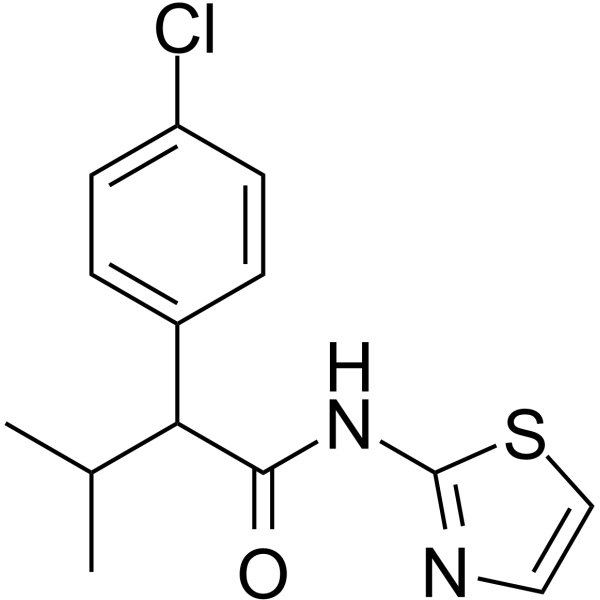
4-CMTB is a selective free fatty acid receptor 2 (FFA2/GPR43) agonist and a positive allosteric modulator (pEC50=6.38) .
loading...
    loading...
4
4 Cited Publications
Cat. No.: HY-N7075
CAS No.: 9005-80-5
Inulin is an orally active prebiotic targeting the intestinal microbiota, selectively promoting the proliferation and activity of beneficial bacteria such as bifidobacteria and lactic acid bacteria, and playing a role in regulating the intestinal microecology. The functions of Inulin include: Fermentation by probiotics in the colon to produce short-chain fatty acids (such as butyrate and propionate), lowering the intestinal pH and inhibiting the overgrowth of harmful bacteria; Enhancing the intestinal barrier function and reducing endotoxin translocation; Directly scavenging free radicals (such as superoxide free radicals, hydroxyl free radicals) and activating antioxidant enzymes (SOD, CAT) to reduce oxidative stress. Inulin can also be used in the study of intestinal diseases (constipation, IBD), metabolic syndrome (diabetes, obesity) and liver damage by regulating glucose and lipid metabolism (such as reducing triglycerides, improving insulin sensitivity) and immune response (enhancing NK cell activity, inhibiting inflammatory factors)[1][2][3][4].
loading...
    loading...
4
4 Cited Publications
Cat. No.: HY-W016868
CAS No.: 53984-36-4
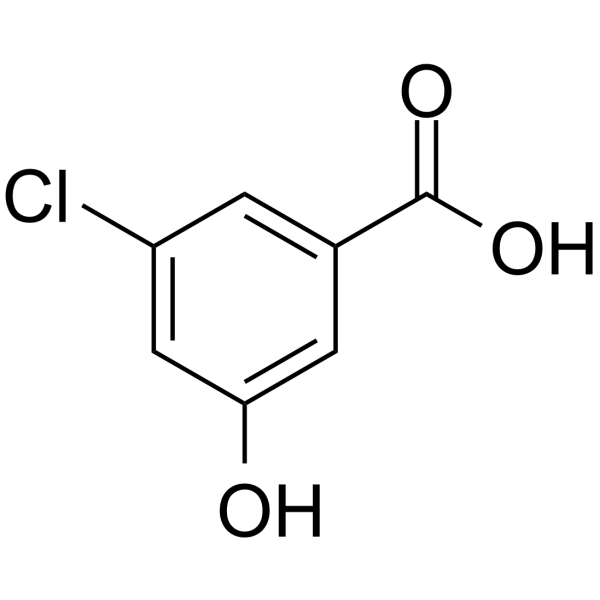
3-Chloro-5-hydroxybenzoic acid is a potent, orally active and selective lactate receptor GPR81 agonist, with an EC50 of 16 μM for human GPR81. 3-Chloro-5-hydroxybenzoic acid exhibits favorable in vivo effects on lipolysis in a mouse model of obesity .
loading...
    loading...
2
2 Cited Publications
Cat. No.: HY-B0283
CAS No.: 51037-30-0
Synonyms: K-9321
Target:  

Carbonic Anhydrase

Research Areas:  

Metabolic Disease

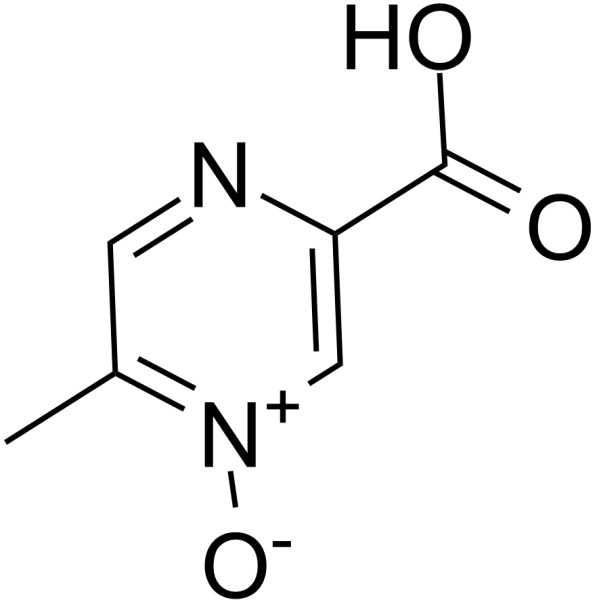
Acipimox (K-9321), a nicotinic acid analogue, is an antilipolytic compound. Acipimox stimulates leptin releas, inhibits lipolysis and suppresses systemic levels of free fatty acids (FFAs) and improves insulin sensitivity .
loading...
    loading...
2
2 Cited Publications
Cat. No.: HY-N1478
CAS No.: 24512-62-7
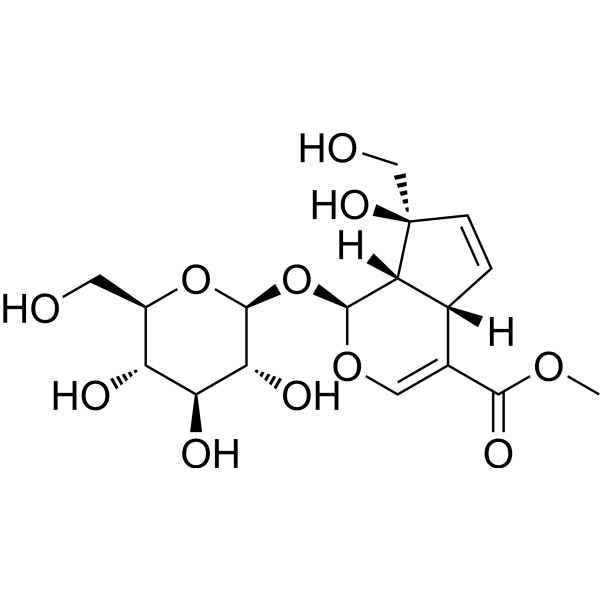
Gardenoside is an orally active natural compound found in Gardenia fruits. Gardenoside reliefs chronic constriction injury (CCI)-induced neuropathic pain by regulating the P2X3 and P2X7 receptors. Gardenoside has an inhibitory effect on free fatty acids (FFA)-induced cellular steatosis. Gardenoside reduces reactive oxygen species (ROS). Gardenoside can be used for anti-inflammatory, antinociceptive and hepatoprotective study .
loading...
    loading...
Cat. No.: HY-W145665
CAS No.: 9005-82-7
Amylose is not a typical small-molecule ligand with a specific traditional receptor-binding target. It is a polysaccharide. In food science and biological systems, amylose can interact with proteins and free fatty acids through non-covalent forces like hydrophobic interactions and electrostatic interactions. For example, it can form a ternary complex with them, which is related to the structure and digestion of starch. It is widely studied in the fields of food science, carbohydrate metabolism, and is also relevant in research on controlling glycemic responses, as it affects starch digestion rate .
loading...
    loading...
Cat. No.: HY-W009081
CAS No.: 2433-96-7
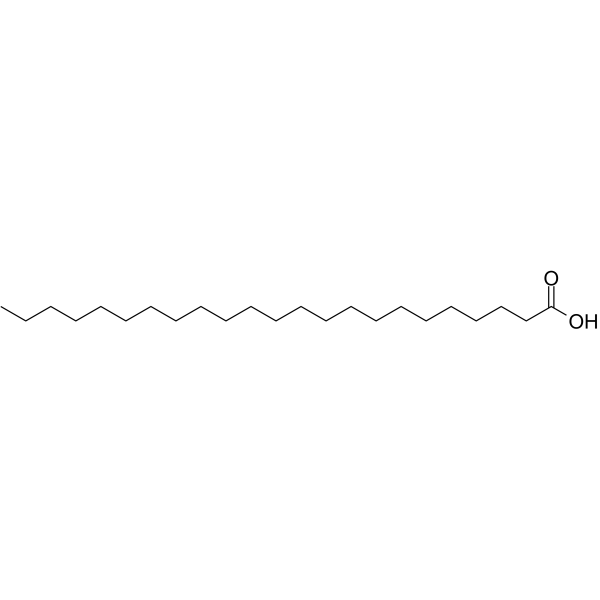
Tricosanoic acid is an endogenous agonist of long-chain saturated fatty acids and free fatty acid receptor FFAR1, which can activate hair growth. Tricosanoic acid (C23:0) has the activity of improving cognitive function by regulating neuronal membrane fluidity, inhibiting neuroinflammatory response, participating in myelination and neuronal energy metabolism. Tricosanoic acid expression levels are low in the prefrontal cortex of Alzheimer's disease (AD) models; while better cognitive performance corresponds to higher serum concentration levels. Tricosanoic acid can be used as a biomarker for diseases related to cognitive decline .
loading...
    loading...
Cat. No.: HY-N6723
CAS No.: 116355-84-1
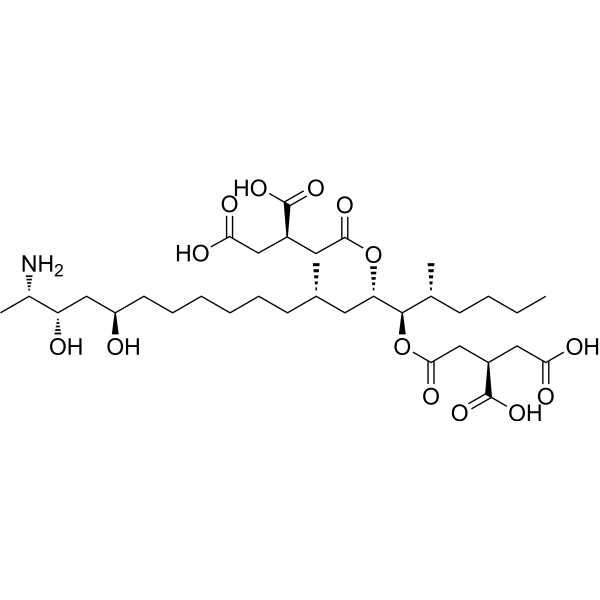
Fumonisin B2 is a selective ceramide synthase inhibitor and carcinogenic mycotoxin with toxicity comparable to that of Fumonisin B1 (HY-N6719). Fumonisin B2 inhibits de novo sphingolipid biosynthesis by blocking the amide bond formation between fatty acids and dihydrosphingosine, which leads to a massive intracellular accumulation of free dihydrosphingosine, altered sphingosine levels, subsequent inhibition of cell proliferation, and induction of cell death. Fumonisin B2 is used to investigate the pathogenesis of diseases associated with Fusarium verticillioides contamination, including equine leukoencephalomalacia, porcine pulmonary edema syndrome, human esophageal cancer, and rat hepatocellular carcinoma .
loading...
    loading...
Cat. No.: HY-P2879A
CAS No.: 9026-00-0
Research Areas:  

Metabolic Disease

Cholesterol esterase, Porcine pancreas is an enzyme that hydrolyzes cholesteryl esters into cholesterol and free fatty acids in the intestine. Cholesterol esterase, also known as bile salt-stimulated lipase or carboxyl ester lipase, functions to promote cholesterol absorption .
loading...
    loading...
Cat. No.: HY-17445
CAS No.: 331741-94-7
Synonyms: BMS-298585
Target:  

PPAR

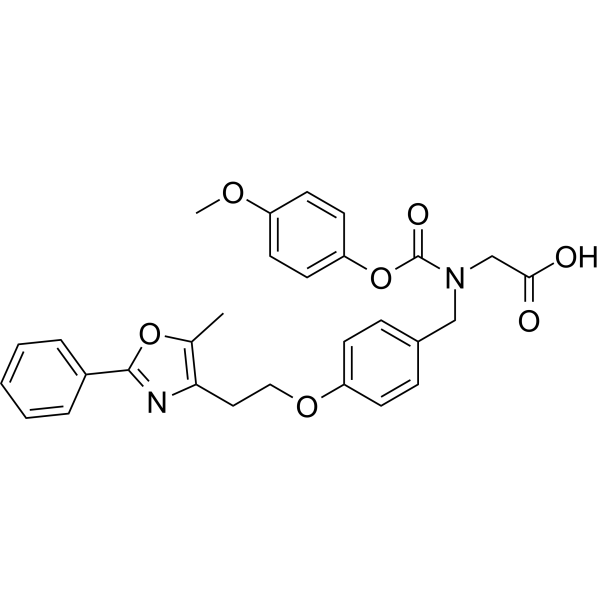
Muraglitazar (BMS-298585) is an orally active non-thiazolidinedione oxybenzylglycine dual-target PPARα/PPARγ agonist, with an IC50 of 0.25 μM and an EC50 of 0.32 μM against human PPARα, and an IC50 of 0.19 μM and an EC50 of 0.11 μM against human PPARγ. Muraglitazar regulates lipid homeostasis, enhances peripheral insulin sensitivity, and improves β-cell function. Muraglitazar reduces levels of blood glucose, insulin, triglycerides and free fatty acids, normalizes adiponectin and corticosterone levels, promotes cholesterol efflux, reduces hepatic lipid content, regulates body weight, prevents hyperglycemia, and improves glucose tolerance. Muraglitazar can be used in research related to type 2 diabetes and dyslipidemia .
loading...
    loading...
Cat. No.: HY-P3029A
CAS No.: 9001-84-7
Synonyms: PLA2, Crotalus adamanteus Venom
Target:  

Phospholipase

Research Areas:  

Others

Phospholipase A2 (PLA2), Crotalus adamanteus Venom is a membrane phospholipid-targeting enzyme. Phospholipase A2, Crotalus adamanteus catalyzes cleavage of the sn-2-acyl bond of membrane phospholipids, producing lysophospholipids and free fatty acids. Phospholipase A2, Crotalus adamanteus Venom can be used for biochemical research .
loading...
    loading...
Cat. No.: HY-125139
CAS No.: 123940-93-2
Purity:  ≥98.0%
Synonyms: ω-3 Arachidonic acid ethyl ester, in ethanol, 98%; (all-Z)-8,11,14,17-Eicosatetraenoic acid ethyl ester, in ethanol, 98%
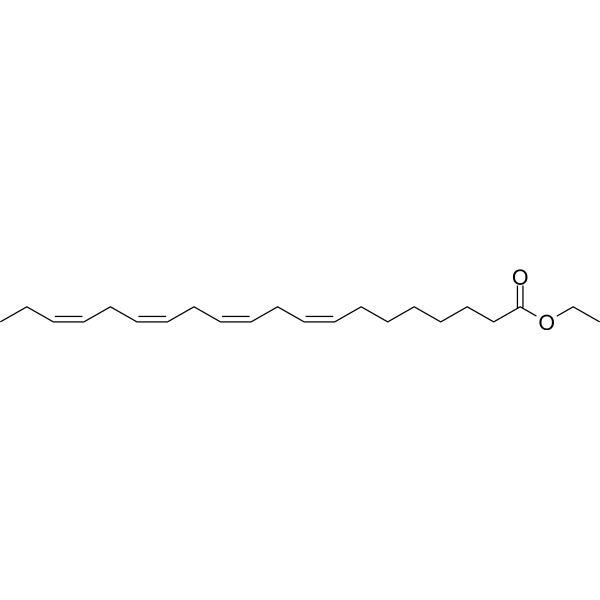
omega-3 Arachidonic acid ethyl ester, in ethanol, 98% is a rare polyunsaturated fatty acid found in very small amounts in dietary sources. Omega-3 fatty acids are known to be essential for the growth and development of infants, and they protect against heart disease, blood clots, high blood pressure, and inflammatory and autoimmune diseases. In human platelet membranes, omega-3 arachidonic acid inhibits arachidonyl-CoA synthetase with a Ki of 14 μM. It also inhibits arachidonoyl-CoA synthetase in calf brain extract with an IC50 of approximately 5 μM. Omega-3 ethyl arachidonate is the more lipophilic form of the free acid.
loading...
    loading...
Cat. No.: HY-19842
CAS No.: 618380-90-8
Synonyms: CVT 3619
GS-9667 (CVT 3619), a novel N 6-5'-substituted adenosine analog, is a selective, partial agonist of the A1 adenosine receptor (A1AdoR). GS-9667 binds to adipocyte membranes with high (KH=14 nM) and low (KL=5.4 μM) affinities. GS-9667 reduces cyclic AMP content and release of nonesterified fatty acids from epididymal adipocytes with IC50 values of 6 nM and 44 nM, respectively. GS-9667 inhibits lipolysis and has the potential for Type 2 diabetes (T2DM) and dyslipidemia via lowering of free fatty acids (FFA) .
loading...
    loading...
Cat. No.: HY-126042
CAS No.: 6493-06-7
Purity:  98.57%
Synonyms: (±)-Lisophylline
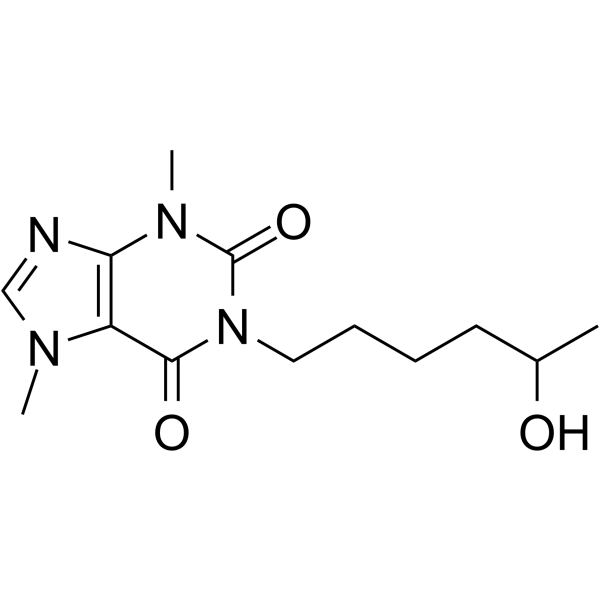
(±)-Lisofylline ((±)-Lisophylline) is the racemate of Lisofylline. Lisofylline inhibits the generation of phosphatidic acid and free fatty acids. Lisofylline also blocks the release of pro-inflammatory cytokines in oxidative tissue injury, in response to cancer chemotherapy and in experimental sepsis. Lisofylline can be used for Type 1 diabetes research .
loading...
    loading...
Cat. No.: HY-N10898
CAS No.: 124649-78-1
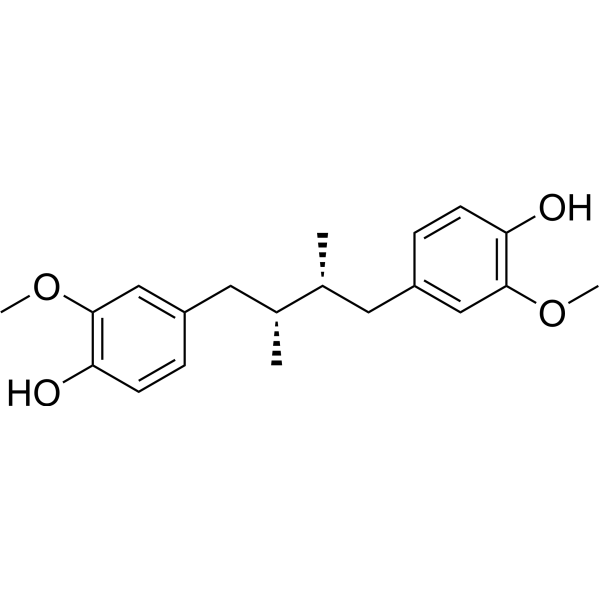
(-)-Dihydroguaiaretic acid is a Lipoxygenase inhibitor that has antioxidant activity. (-)-Dihydroguaiaretic acid inhibits the oxidation of unsaturated fatty acids and removes free radicals. (-)-Dihydroguaiaretic acid also has anticancer activity with an IC50 value of 7.49 μM (A549 cells) .
loading...
    loading...
Cat. No.: HY-P10053
CAS No.: 236394-37-9
Target:  

Phospholipase

Research Areas:  

Metabolic Disease

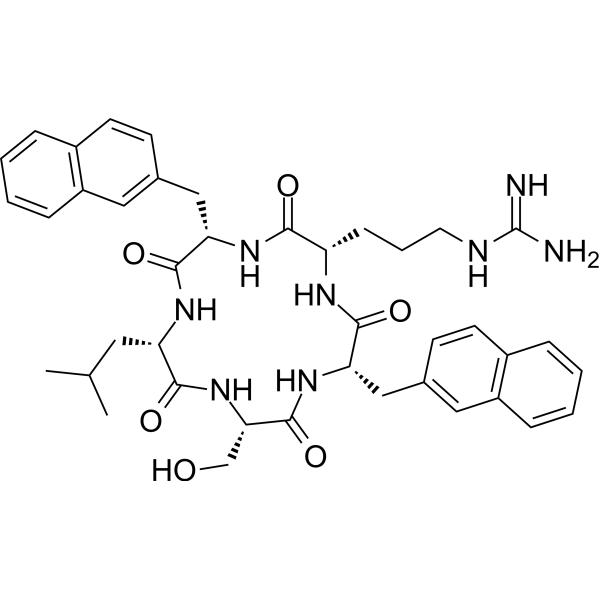
sPLA2-IIA Inhibitor is a cyclic pentapeptide analog of FLSYK (cyclic 2-Nal-Leu-Ser-2-Nal-Arg (c2)), that binds to hGIIA (human IIA phospholipase A2) and inhibits its hydrolytic ability. sPLA2 is a member of the esterase superfamily that catalyzes the hydrolysis of the ester bond at the sn-2 position of glycerophospholipids, releasing free fatty acids such as arachidonic acid and lysophospholipids .
loading...
    loading...
Cat. No.: HY-W127380
CAS No.: 146797-82-2
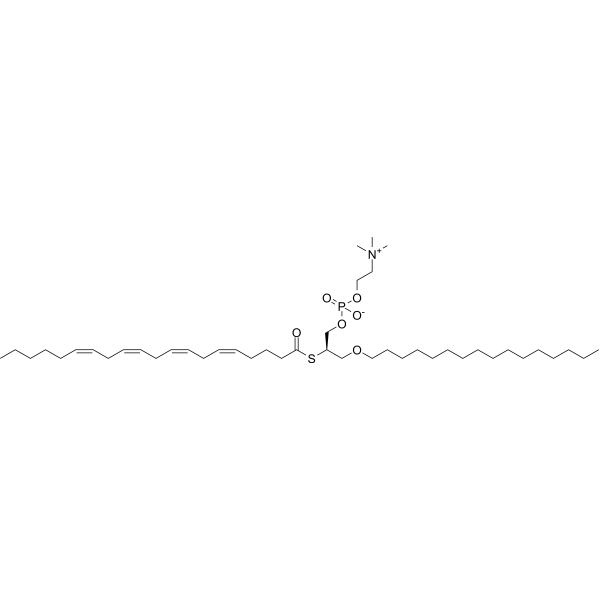
Arachidonoyl Thio-PC is a substrate of many phospholipase A2 (PLA2), including sPLA2, cPLA2 and iPLA2. Cleavage of sn-2 fatty acids by PLA2 results in the production of free thiols, which react with chromogenic reagents such as DTNB (Ellman's reagent) and DTP, allowing quantification of PLA2 activity. Isozyme-specific cPLA2 activity can be measured by depleting or inhibiting sPLA2 and iPLA2 activity in the assay.
loading...
    loading...
Cat. No.: HY-120987
CAS No.: 119798-44-6
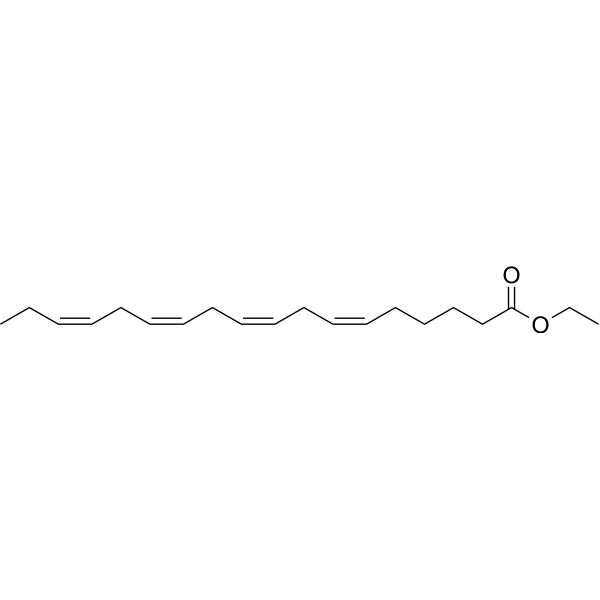
6,9,12,15-octadecatetraenoic acid (Glycerol α-monoelaidate) is a rare omega-3 series polyunsaturated fatty acid. In normal people, it accounts for less than 0.25% of serum phospholipid fatty acids. It is found in certain natural oils, such as echium and blackcurrant, and to the extent that these oils are incorporated into nutraceuticals, stearidonic acid can be an important polyunsaturated species in the human diet. Ethyl stearidonic acid, an ester of the free acid, is less water soluble but more suitable for formulating stearidonic acid-containing diets and dietary supplements.
loading...
    loading...
Cat. No.: HY-P2879B
CAS No.: 9026-00-0
Cholesterol esterase, Candida cylindracea is an enzyme located in the intestines that hydrolyzes cholesterol esters into cholesterol and free fatty acids. Also known as bile salt-stimulated lipase or carboxylester lipase, this enzyme facilitates cholesterol metabolism and absorption in the body. It can also be used as a biochemical reagent, and is employed in conjunction with cholesterol oxidase (HY-P2848) to measure cholesterol levels .
loading...
    loading...
Cat. No.: HY-107965
CAS No.: 8001-23-8
Synonyms: Safflower seed oil (from Carthamus tinctorius seed)
Safflower oil (from Carthamus tinctorius seed) is rich in unsaturated fatty acids such as linoleic acid and oleic acid, as well as tocopherols and phenolic compounds, and exhibits antioxidant, anti-aging and blood lipid-regulating effects. Safflower oil (from Carthamus tinctorius seed) inhibits the activities of collagenase and elastase, and exerts antioxidant activity by scavenging free radicals. Linoleic acid in safflower oil (from Carthamus tinctorius seed) reduces blood cholesterol levels. Safflower oil (from Carthamus tinctorius seed) can be applied to research in fields such as skin aging, atherosclerosis, edible oil processing and industrial raw material development .
loading...
    loading...

