1. Search Result
Search Result
Results for "

G-proteins

" in MedChemExpress (MCE) Product Catalog:

452

Inhibitors & Agonists

8

Screening Libraries

2

Biochemical Assay Reagents

96

Peptides

4

Inhibitory Antibodies

39

Natural
Products

41

Isotope-Labeled Compounds

2

Click Chemistry

21

Oligonucleotides

Cat. No. Product Name Target Research Areas Chemical Structure
  • HY-13771
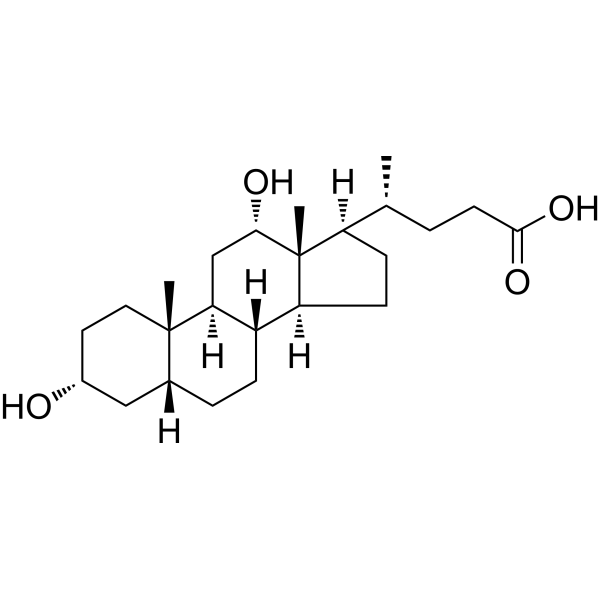
    Ursodeoxycholic acid
    25+ Cited Publications

    Ursodeoxycholate; Ursodiol; UDCA

    G protein-coupled Bile Acid Receptor 1 FXR Angiotensin-converting Enzyme (ACE) Endogenous Metabolite Infection Metabolic Disease Cancer
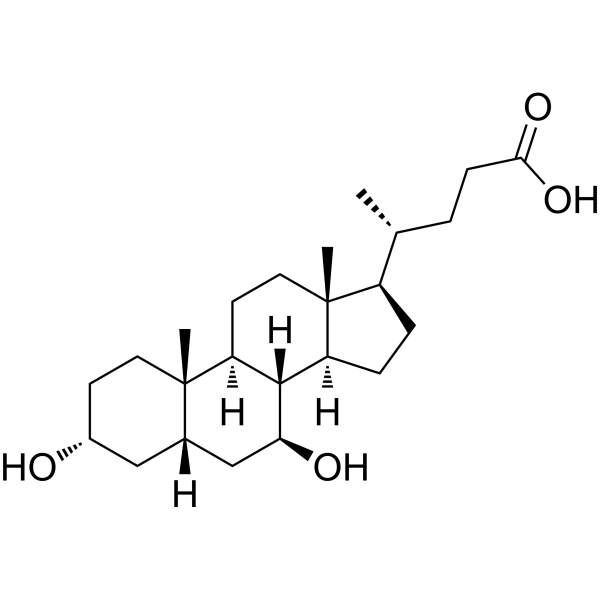
    Ursodeoxycholic acid (Ursodeoxycholate) is a secondary bile acid issued from the transformation of (cheno)deoxycholic acid by intestinal bacteria, acting as a key regulator of the intestinal barrier integrity and essential for lipid metabolism. Ursodeoxycholic acid acts as signaling molecule, exerting its effects by interacting with bile acid activated receptors, including G-protein coupled bile acid receptor 5 (TGR5, GPCR19) and the farnesoid X receptor (FXR). Ursodeoxycholic acid can be used for the research of a variety of hepatic and gastrointestinal diseases. Ursodeoxycholic acid also reduces ACE2 expression and is beneficial for reducing SARS-CoV-2 infection. Orally active .
    Ursodeoxycholic acid
  • HY-N0593
    Deoxycholic acid
    25+ Cited Publications

    Cholanoic acid; Desoxycholic acid

    G protein-coupled Bile Acid Receptor 1 Endogenous Metabolite Metabolic Disease
    Deoxycholic acid (cholanoic acid), a bile acid, is a by-product of intestinal metabolism, that activates the G protein-coupled bile acid receptorTGR5 .
    Deoxycholic acid
  • HY-115768
    Compound 48/80
    5 Publications Verification

    Poly-p-methoxyphenethylmethylamine

    Phospholipase Neurological Disease Cancer
    Compound 48/80 (Poly-p-methoxyphenethylmethylamine) is widely used in animal and tissue models as a "selective" mast cell activator. Compound 48/80 acts at the mast cell membrane to stimulate trimeric G-proteins and induces degranulation via phospholipase C and D pathways .
    Compound 48/80
  • HY-N0593A
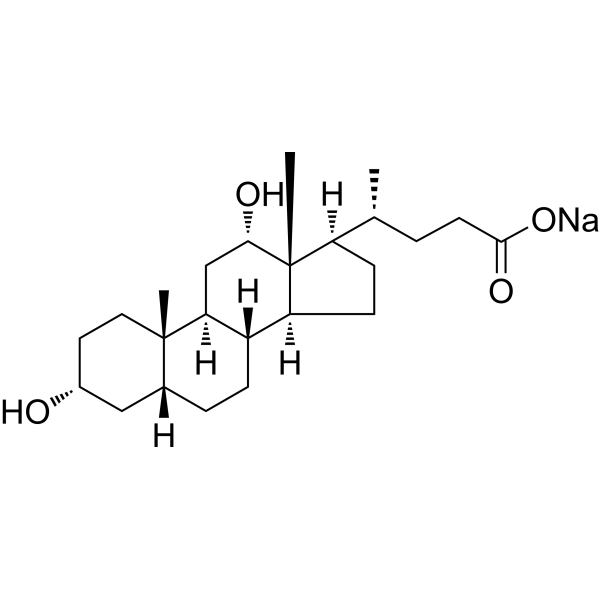
    Deoxycholic acid sodium salt
    Maximum Cited Publications
    27 Publications Verification

    Sodium deoxycholate

    G protein-coupled Bile Acid Receptor 1 Endogenous Metabolite Metabolic Disease
    Deoxycholic acid sodium salt (sodium deoxycholate), a bile acid, is a by-product of intestinal metabolism, that activates the G protein-coupled bile acid receptorTGR5 .
    Deoxycholic acid sodium salt
  • HY-113066A
    Guanosine 5'-diphosphate disodium salt
    2 Publications Verification

    GDP disodium salt

    Hepcidin Potassium Channel Endogenous Metabolite Neurological Disease Inflammation/Immunology Cancer
    Guanosine 5'-diphosphate (GDP) disodium salt, a purine nucleoside diphosphate, is interconverted to guanosine by the action of exonucleotidase and phosphorylation of nucleoside to guanine. Guanosine 5'-diphosphate disodium salt activates adenosine 5'-triphosphate-sensitive K + channel and is used to study the kinetics and characteristics of GTPases such as those associated with G-protein coupled receptors (GPCR). Guanosine 5'-diphosphate disodium salt is a potential iron mobilizer, which prevents the Hepcidin (HY-P70400)-ferroportin interaction and modulates the interleukin-6 (IL-6)/stat-3 pathway. Elevated levels of guanosine 5’-diphosphate are associated with the pathogenesis of neurological diseases. Guanosine 5'-diphosphate disodium salt is promising for the research of inflammation, such as anemia of inflammation (AI) .
    Guanosine 5'-diphosphate disodium salt
  • HY-103449
    G15
    35+ Cited Publications

    Estrogen Receptor/ERR Cancer
    G15 is a high affinity and selective G-protein-coupled estrogen receptor (GPER/GPR30) antagonist with a Ki of 20 nM .
    G15
  • HY-137677B

    Guanosine 5'-[γ-thio]triphosphate tetralithium

    GLUT Metabolic Disease
    GTPγS (Guanosine 5'-[γ-thio]triphosphate) tetralithium is a G-protein activator that protects proteins from proteolytic degradation, stimulates GLUT4 translocation in a tyrosine kinase-dependent manner, stimulate phospholipases and induce actin polymerization. GTPγS tetralithium to couple with G- protein α, to study its effect on kinase activity. GTPγS tetralithium acts as a component of lysis buffer .
    GTPγS tetralithium
  • HY-P1944
    Apelin-13
    5+ Cited Publications

    Apelin Receptor (APJ) Cardiovascular Disease Metabolic Disease
    Apelin-13 is an endogenous ligand for the G-protein coupled receptor angiotensin II protein J (APJ), activating this G protein-coupled receptor with an EC 50 value of 0.37 nM. Apelin-13 is widely distributed in the central and peripheral nervous systems. Apelin-13 has vasodilatory and antihypertensive effects. Apelin-13 also can be used for researching type 2 diabetes and metabolic syndrome .
    Apelin-13
  • HY-P0216
    A 779
    15+ Cited Publications

    Angiotensin Receptor Cardiovascular Disease Endocrinology
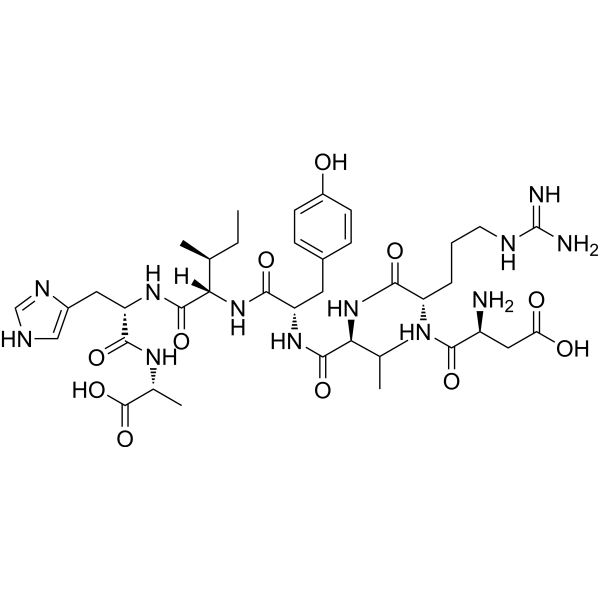
    A 779 is a specific antagonist of G-protein coupled receptor (Mas receptor), which is an Ang1-7 receptor distinct from the classical AngII.
    A 779
  • HY-P1944A
    Apelin-13 TFA
    5+ Cited Publications

    Apelin Receptor (APJ) Cardiovascular Disease Metabolic Disease
    Apelin-13 TFA is an endogenous ligand for the G-protein coupled receptor angiotensin II protein J (APJ), activating this G protein-coupled receptor with an EC 50 value of 0.37 nM. Apelin-13 TFA has vasodilatory and antihypertensive effects. Apelin-13 TFA also can be used for researching type 2 diabetes and metabolic syndrome .
    Apelin-13 TFA
  • HY-W013706

    ITP trisodium salt; Inosine triphosphate trisodium salt

    Endogenous Metabolite Metabolic Disease
    Inosine-5'-triphosphate trisodium salt is a nucleotide analogue that acts on multiple G proteins and is widely used in G protein-related research. It can bind to the α -subunit of G proteins and participate in G protein-mediated signal transduction as a substitute for GTP. Its mechanism of action is to interact with the nucleotide-binding site of the G protein α -subunit, affecting the activity and function of G proteins. In the research field, it is mainly used to explore the role of the G protein signaling pathway in cellular physiological and pathological processes. For example, in HL-60 leukemia cells, its impact on G protein-mediated signal transduction can be studied .
    Inosine-5'-triphosphate trisodium salt
  • HY-P0195
    Bombesin
    1 Publications Verification

    Bombesin Receptor Neurological Disease Metabolic Disease
    Bombesin, a tetradecapeptide, plays an important role in the release of gastrin and the activation of G-protein receptors .
    Bombesin
  • HY-13771A
    Ursodeoxycholic acid sodium
    25+ Cited Publications

    Ursodeoxycholate sodium; Ursodiol sodium; UCDA sodium

    G protein-coupled Bile Acid Receptor 1 FXR Endogenous Metabolite Metabolic Disease Inflammation/Immunology Cancer
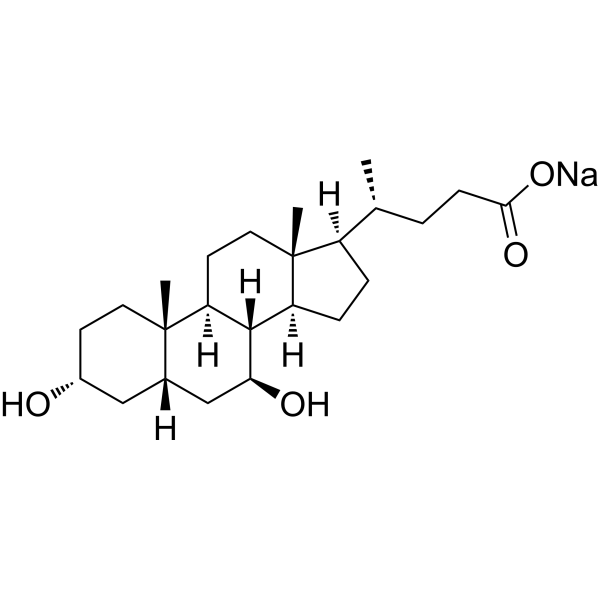
    Ursodeoxycholic acid (Ursodeoxycholate) sodium is a secondary bile acid issued from the transformation of (cheno)deoxycholic acid by intestinal bacteria, acting as a key regulator of the intestinal barrier integrity and essential for lipid metabolism. Ursodeoxycholic acid sodium acts as signaling molecule, exerting its effects by interacting with bile acid activated receptors, including G-protein coupled bile acid receptor 5 (TGR5, GPCR19) and the farnesoid X receptor (FXR). Ursodeoxycholic acid sodium can be used for the research of a variety of hepatic and gastrointestinal diseases. Orally active .
    Ursodeoxycholic acid sodium
  • HY-162617

    Cannabinoid Receptor Inflammation/Immunology Cancer
    PSB-KK1415 is a selective agonist for human orphan G protein-coupled receptor GPR18, with EC50 of 19.1 nM .
    PSB-KK1415
  • HY-15291
    MBX-2982
    10+ Cited Publications

    GPR119 Metabolic Disease
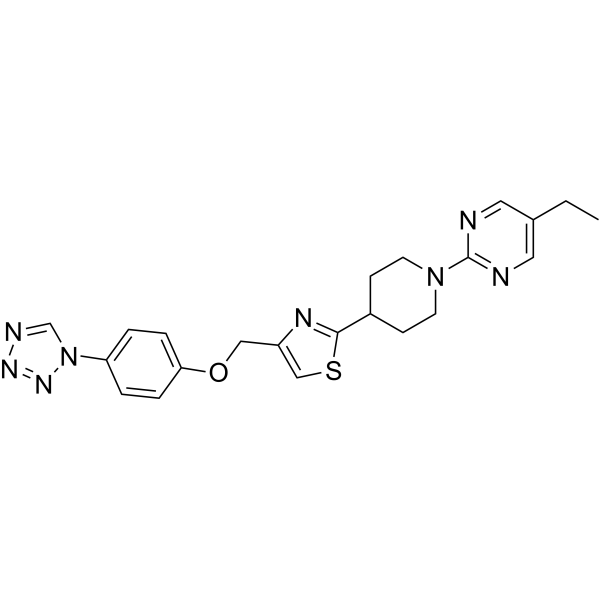
    MBX-2982 is a selective, orally-available G protein-coupled receptor 119 (GPR119) agonist.
    MBX-2982
  • HY-19863
    F-15599
    2 Publications Verification

    NLX-101

    5-HT Receptor Neurological Disease
    F-15599 is a highly selective G-protein biased 5-HT1A receptor agonist, with Ki of 3.4 nM.
    F-15599
  • HY-P5985
    mSIRK
    2 Publications Verification

    ERK Others
    mSIRK (G-Protein βγ Binding Peptide) is an cell-permeable activator of ERK1/2, with EC50 of 2.5-5 μM. mSIRK disrupts the interaction between α and βγ subunits and promotes α subunit dissociation without stimulating nucleotide exchange .
    mSIRK
  • HY-13509
    CCG-50014
    2 Publications Verification

    RGS Protein Inflammation/Immunology
    CCG-50014 is the most potent against the regulator of G-protein signaling protein type 4 (RGS4) (IC50 =30 nM) and is >20-fold selective for RGS4 over other RGS proteins. CCG-50014 binds covalently to the RGS, forming an adduct on two cysteine residues located in an allosteric regulatory site . CCG50014, reduces nociceptive responses and enhances opioid-mediated analgesic effects in the mouse formalin test .
    CCG-50014
  • HY-P2141
    TRV-120027
    3 Publications Verification

    TRV027

    Angiotensin Receptor Arrestin Cardiovascular Disease
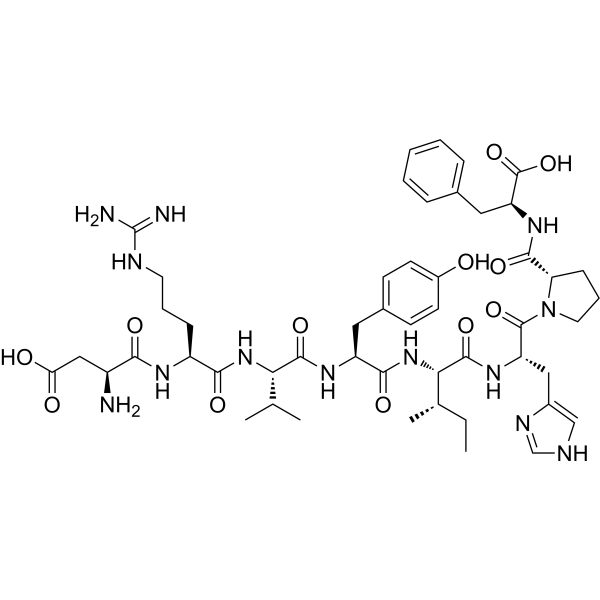
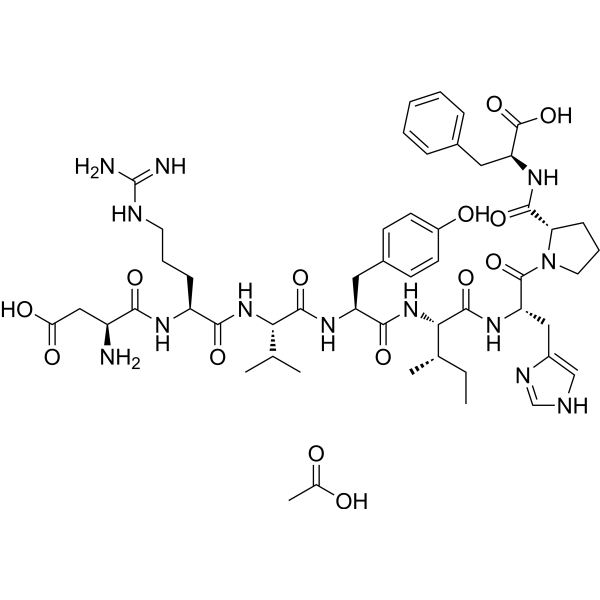
    TRV120027, a β-arrestin-1-biased agonist of the angiotensin II receptor type 1 (AT1R), engages β-arrestins while blocking G-protein signaling . TRV120027 induces acute catecholamine secretion through cation channel subfamily C3 (TRPC3) coupling, promotes the formation of a macromolecular complex composed of AT1R-β-arrestin-1-TRPC3-PLCγ at the plasma membrane. TRV120027 inhibits angiotensin II-mediated vasoconstriction and increases cardiomyocyte contractility. TRV120027 has the potential for the acute decompensated heart failure (ADHF) treatment .
    TRV-120027
  • HY-113478S

    Ursodeoxycholate-d4; Ursodiol-d4; UDCA-d4

    Isotope-Labeled Compounds Infection Metabolic Disease
    Ursodeoxycholic acid-2,2,4,4-d4 is the deuterium labeled Ursodeoxycholic acid (HY-13771). Ursodeoxycholic acid is a secondary bile acid issued from the transformation of (cheno)deoxycholic acid by intestinal bacteria, acting as a key regulator of the intestinal barrier integrity and essential for lipid metabolism. Ursodeoxycholic acid acts as signaling molecule, exerting its effects by interacting with bile acid activated receptors, including G-protein coupled bile acid receptor 5 (TGR5, GPCR19) and the farnesoid X receptor (FXR). Ursodeoxycholic acid can be used for the research of a variety of hepatic and gastrointestinal diseases. Ursodeoxycholic acid also reduces ACE2 expression and is beneficial for reducing SARS-CoV-2 infection .
    Ursodeoxycholic acid-d4
  • HY-P1732

    Biochemical Assay Reagents Cancer
    Transportan is an amphipathic cell-penetrating peptide containing 12 functional amino acids from the amino terminus of the neuropeptide galanin and mastoparan in the carboxyl terminus, connected via a lysine. Transportan interacts with galanin receptors and G-proteins, modulates GTPase activity, enters cells via direct translocation and endocytic pathways, accumulates in cytoplasmic, nuclear, and membranous structures, and delivers cargo including peptides, PNAs, proteins, siRNA, and liposomes [12].
    Transportan
  • HY-10499
    PH-064
    2 Publications Verification

    BIM-46187

    Serotonin Transporter Akt Neurological Disease Inflammation/Immunology Cancer
    PH-064 (BIM-46187) is an orally active inhibitor of the heterotrimeric G-protein complex. PH-064 inhibits SERT activity and attenuates shear stress-induced Akt phosphorylation. PH-064 has potent anti-hyperalgesia activity. PH-064 inhibits G protein-coupled receptor-dependent tumorigenesis. PH-064 can be used in the study of pain (e.g., inflammatory pain, neuropathic pain), GPCR-dependent tumors, and inflammatory lung injury .
    PH-064
  • HY-15565
    APD668
    2 Publications Verification

    GPR119 Cytochrome P450 Potassium Channel Metabolic Disease
    APD668 is a potent, selective and orally active agonist of G-protein coupled receptor GPR119, with EC50s of 2.7 nM and 33 nM for hGPR119 and rGPR119, respectively. APD668 shows no significant inhibition of any of the five major CYP isoforms with the exception of CYP2C9 (Ki=0.1 μM). APD668 can be used for the research of steatohepatitis and diabetes .
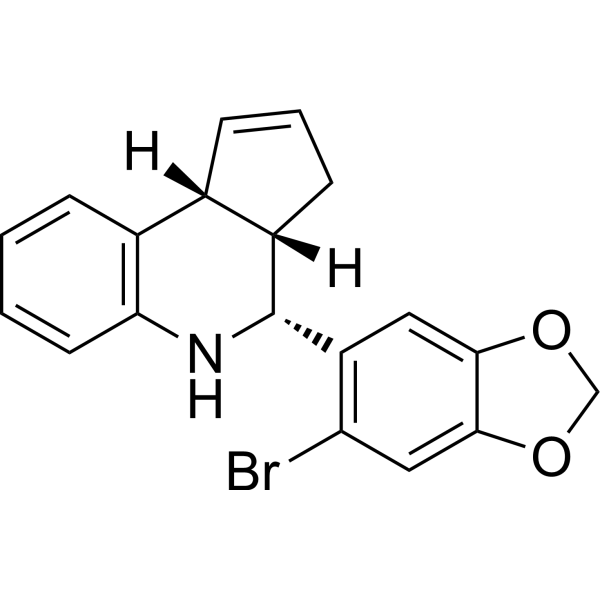
    APD668
  • HY-119222
    GSK256073
    2 Publications Verification

    GPR109A Metabolic Disease
    GSK256073 is a potent, selective and orally active GPR109A agonist and a long-lasting and non-flushing HCA2 full agonist with a pEC50 of 7.5 (human HCA2). GSK256073 acutely improves glucose homeostasis via inhibition of lipolysis and has the potential for the study of type 2 diabetes mellitus (T2DM)and dyslipidemia . GPR109A: G-protein coupled receptor 109A; HCA2: hydroxy-carboxylic acid receptor 2
    GSK256073
  • HY-114146

    Orphan GPCR Neurological Disease Metabolic Disease
    CID 1375606 is a surrogate agonist of orphan G protein-coupled receptor GPR27.
    CID 1375606
  • HY-114165
    DJ-V-159
    1 Publications Verification

    Androgen Receptor Metabolic Disease
    DJ-V-159 is an agonist for G protein-coupled receptor family C group 6 member A (GPRC6A).
    DJ-V-159
  • HY-145997

    Mas-related G-protein-coupled Receptor (MRGPR) Inflammation/Immunology
    MRGPRX4 modulator-1 (compound 31-2) is a potent mas-related g-protein receptor X4 (MRGPR X4) modulator, with antagonist activity of IC50 < 100 nM for MRGPR4. MRGPRX4 modulator-1 can be used for researching MRGPR X4 dependent diseases such as itch, pain, and autoimmune disorders .
    MRGPRX4 modulator-1
  • HY-13771R

    Ursodeoxycholate (Standard); Ursodiol (Standard); UDCA (Standard)

    Reference Standards G protein-coupled Bile Acid Receptor 1 FXR Angiotensin-converting Enzyme (ACE) Endogenous Metabolite Infection Metabolic Disease Cancer
    Ursodeoxycholic acid (Standard) is the analytical standard of Ursodeoxycholic acid. This product is intended for research and analytical applications. Ursodeoxycholic acid (Ursodeoxycholate) is a secondary bile acid issued from the transformation of (cheno)deoxycholic acid by intestinal bacteria, acting as a key regulator of the intestinal barrier integrity and essential for lipid metabolism. Ursodeoxycholic acid acts as signaling molecule, exerting its effects by interacting with bile acid activated receptors, including G-protein coupled bile acid receptor 5 (TGR5, GPCR19) and the farnesoid X receptor (FXR). Ursodeoxycholic acid can be used for the research of a variety of hepatic and gastrointestinal diseases. Ursodeoxycholic acid also reduces ACE2 expression and is beneficial for reducing SARS-CoV-2 infection. Orally active .
    Ursodeoxycholic acid (Standard)
  • HY-161106

    GPR84 Inflammation/Immunology Cancer
    OX04528 (compound 68) is a potent, G-protein biased, and orally active GPR84 agonist. OX04528 no cytotoxicity. OX04528 inhibits cAMP production with an EC50 value of 0.00598 nM .
    OX04528
  • HY-160540

    Mas-related G-protein-coupled Receptor (MRGPR) Inflammation/Immunology
    MRGPRX2 modulator-1 (example 17) is a mas-related g-protein receptor x2 (MRGPRX2) modulator. MRGPRX2 modulator-1 can be used for the research of inflammation, pain and autoimmune disorders .
    MRGPRX2 modulator-1
  • HY-P2705

    Endogenous Metabolite Others
    Mastoparan X is a GTP-binding regulatory protein (G protein)-activating peptide, and a tetradecapeptide from wasp venom. Mastoparan X acts function by the direct activation of G protein that couple to phospholipase C to cause secretion from various kinds of cells .
    Mastoparan X
  • HY-101777

    GPR139 Neurological Disease
    TC-O 9311 is a potent orphan G protein-coupled receptor 139 (GPR139) agonist with an EC50 of 39 nM .
    TC-O 9311
  • HY-P10716

    GLP Receptor Metabolic Disease
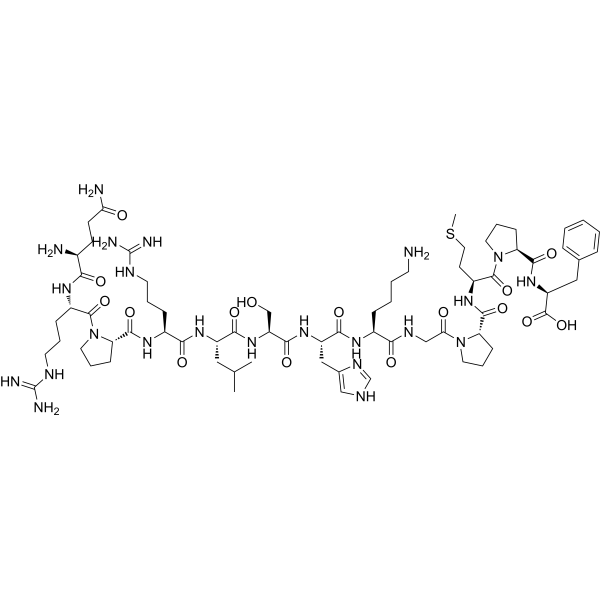
    Exendin-P5 is a selective agonist that targets the GLP-1R. Exendin-P5 promotes rapid activation of G proteins by transient interactions with the transmembrane domain of GLP-1R, enhancing its potency in G protein-mediated signaling and accelerating cAMP production. This mechanism suggests the potential application of Exendin-P5 in the study of metabolic diseases .
    Exendin-P5
  • HY-70075
    CCG-63808
    2 Publications Verification

    RGS Protein Cancer
    CCG-63808 is a reversible inhibitor of regulator of G-protein signaling (RGS) proteins.
    CCG-63808
  • HY-B0412S

    Isotope-Labeled Compounds Estrogen Receptor/ERR Endogenous Metabolite Cancer
    Estriol-d2 is the deuterium labeled Estriol. Estriol is an antagonist of the G-protein coupled estrogen receptor in estrogen receptor-negative breast cancer cells.
    Estriol-d2
  • HY-B0412S2

    Isotope-Labeled Compounds Estrogen Receptor/ERR Endogenous Metabolite Cancer
    Estriol-d3 is the deuterium labeled Estriol. Estriol is an antagonist of the G-protein coupled estrogen receptor in estrogen receptor-negative breast cancer cells.
    Estriol-d3
  • HY-P5372A

    Protease Activated Receptor (PAR) Cancer
    Ala-parafluoroPhe-Arg-Cha-Cit-Tyr-NH2 TFA, a bioactive peptide, is a selective Protease activating receptor 1 (PAR-1) agonist over PAR-2. PAR-1 belongs to a subfamily of G-protein coupled receptors and is known to mediate the cellular effects of thrombin. In addition to its varied cellular effects of thrombin, PAR-1 has also been shown to coordinate with PAR-4 and regulate thrombin-induced hepatocellular carcinoma harboring thrombin formation within the tumor environment classified as 'coagulation type' .
    Ala-parafluoroPhe-Arg-Cha-Cit-Tyr-NH2 TFA
  • HY-P2141A
    TRV-120027 TFA
    3 Publications Verification

    Angiotensin Receptor Arrestin Cardiovascular Disease
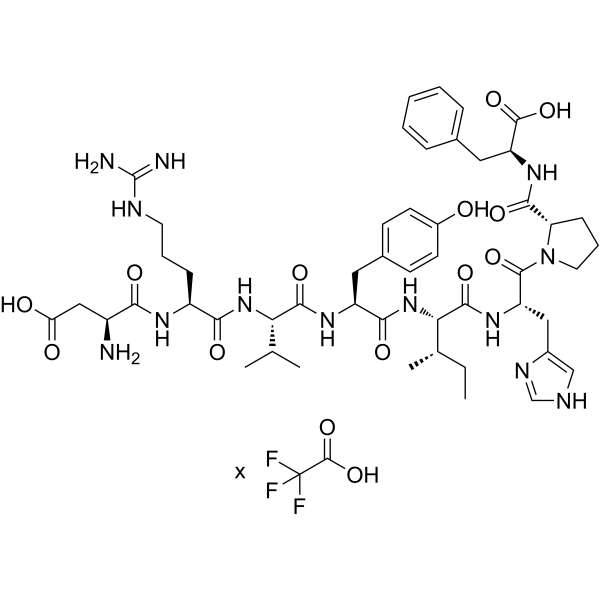
    TRV120027 TFA, a β-arrestin-1-biased agonist of the angiotensin II receptor type 1 (AT1R), engages ?-arrestins while blocking G-protein signaling . TRV120027?TFA induces?acute?catecholamine?secretion?through cation channel subfamily C3 (TRPC3) coupling, promotes the formation of a macromolecular complex composed of AT1R–β-arrestin-1–TRPC3–PLCγ at the plasma membrane. TRV120027 TFA inhibits angiotensin II–mediated vasoconstriction and increases cardiomyocyte contractility. TRV120027 TFA has the potential for the?acute decompensated heart failure (ADHF) treatment .
    TRV-120027 TFA
  • HY-123520

    G Protein-coupled Receptor Kinase (GRK) PKA Cancer
    GSK299115A is a G Protein-coupled Receptor Kinase (GRK) and PKA inhibitor .
    GSK299115A
  • HY-W036034A

    G Protein-coupled Receptor Kinase (GRK) Cardiovascular Disease
    GRK-IN-1 is a potential G protein-coupled receptor kinase (GRK) inhibitor.
    GRK-IN-1
  • HY-113066AR

    GDP disodium salt (Standard)

    Hepcidin Endogenous Metabolite Potassium Channel Reference Standards Neurological Disease Inflammation/Immunology Cancer
    Guanosine 5'-diphosphate (disodium salt) (Standard) is the analytical standard of Guanosine 5'-diphosphate (disodium salt). This product is intended for research and analytical applications. Guanosine 5'-diphosphate (GDP) disodium salt, a purine nucleoside diphosphate, is interconverted to guanosine by the action of exonucleotidase and phosphorylation of nucleoside to guanine. Guanosine 5'-diphosphate disodium salt activates adenosine 5'-triphosphate-sensitive K+ channel and is used to study the kinetics and characteristics of GTPases such as those associated with G-protein coupled receptors (GPCR). Guanosine 5'-diphosphate disodium salt is a potential iron mobilizer, which prevents the Hepcidin (HY-P70400)-ferroportin interaction and modulates the interleukin-6 (IL-6)/stat-3 pathway. Elevated levels of guanosine 5’-diphosphate are associated with the pathogenesis of neurological diseases. Guanosine 5'-diphosphate disodium salt is promising for the research of inflammation, such as anemia of inflammation (AI) .
    Guanosine 5'-diphosphate disodium salt (Standard)
  • HY-P2196

    Apelin Receptor (APJ) Cardiovascular Disease
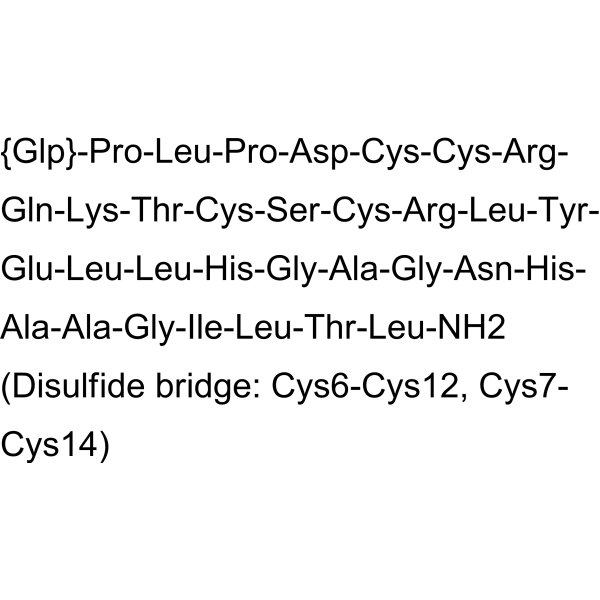
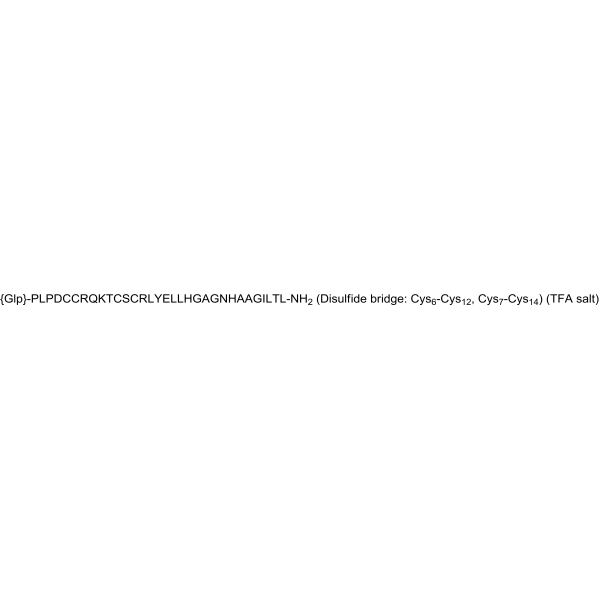
    ELA-32 (human) is a potent critical cardiac developmental peptide that acts through the G-protein–coupled apelin receptor .
    ELA-32(human)
  • HY-133021

    N-Acetyl-S-farnesyl-L-cysteine

    DNA Methyltransferase Inflammation/Immunology
    Arazine (N-Acetyl-S-farnesyl-L-cysteine) is a cell-permeable modulator of G protein and G-protein coupled receptor signaling. Arazine can be a a substrate for isoprenylcysteine methyltransferase by competing with prenylated G protein or its receptors site .
    Arazine
  • HY-174728

    mRNA Inflammation/Immunology
    Human CXCR1 mRNA encodes the human C-X-C motif chemokine receptor 1 (CXCR1) protein, a member of the G-protein-coupled receptor family. CXCR1 is a receptor for interleukin 8 (IL8). It binds to IL8 with high affinity, and transduces the signal through a G-protein activated second messenger system.
    Human CXCR1 mRNA
  • HY-P0049A

    Arg8-vasopressin diacetate; AVP diacetate; ADH

    Apoptosis Vasopressin Receptor Neurological Disease Cancer
    Argipressin (diacetate) (AVP (diacetate), also known as antidiuretic hormone (ADH)) is a 9 amino acid neuropeptide secreted by the posterior pituitary. Argipressin (diacetate) (AVP (diacetate)) can regulate the biological effects of fluid balance, osmolality and cardiovascular through three separate G-protein coupled receptors (GPCRs), namely Avpr1a (V1a), Avpr1b (V1b) and Avpr2 (V2). Argipressin (diacetate) (AVP (diacetate)) also have potentially important effects on centrally regulated metabolic processes .
    Argipressin diacetate
  • HY-170973

    Opioid Receptor
    KOR agonist 4 (compound 39) is an agonist of Kappa Opioid Receptor. KOR agonist 4 is an activator of G-protein signaling. KOR agonist 4 binds with GTPγS with an EC50 of 14 nM and with an Emax of 83 %. KOR agonist 4 demonstrates moderate to high intrinsic clearance in human hepatocytes. KOR agonist 4 exhibits 60- and 810-fold selectivities versus the related mu (MOR) and delta (DOR) opioid receptors. KOR agonist 4 is potential for central nervous system (CNS) disorders research .
    KOR agonist 4
  • HY-172438

    Mas-related G-protein-coupled Receptor (MRGPR) Inflammation/Immunology
    Setomagpran is the antagonist for mas-related G protein-coupled receptor (MRGPR), and exhibits anti-inflammatory activity .
    Setomagpran
  • HY-W008629

    Biochemical Assay Reagents Others
    (E,E)-Farnesyl bromine is a synthetic substrate that is used to study the enzyme guanine nucleotide-binding protein (G protein) in vitro.
    (E, E)-Farnesyl bromide
  • HY-P1376

    mAChR Adrenergic Receptor Endocrinology
    G-Protein antagonist peptide is the substance P-related peptide that inhibits binding of G proteins to their receptors. G-Protein antagonist peptide competitively and reversibly inhibits M2 muscarinic receptor activation of Gi or Go and inhibits Gs activation by β-adrenoceptors.
    G-Protein antagonist peptide
  • HY-B0412S3

    Oestriol-13C3

    Isotope-Labeled Compounds Estrogen Receptor/ERR Endogenous Metabolite Cancer
    Estriol- 13C3 is the 13C-labeled Estriol. Estriol is an antagonist of the G-protein coupled estrogen receptor in estrogen receptor-negative breast cancer cells.
    Estriol-13C3

Inquiry Online

Your information is safe with us. * Required Fields.

Salutation


Country or Region *

Applicant Name *


Organization Name *

Department *


Email Address *


Product Name *

Cat. No.


Requested quantity *

Phone Number *


Remarks

Inquiry Online

Inquiry Information

Product Name:
Cat. No.:
Quantity:
MCE Japan Authorized Agent:

