From 11:00 pm to 12:00 pm EST ( 8:00 pm to 9:00 pm PST ) on January 6th, the website will be under maintenance. We are sorry for the inconvenience. Please arrange your schedule properly.
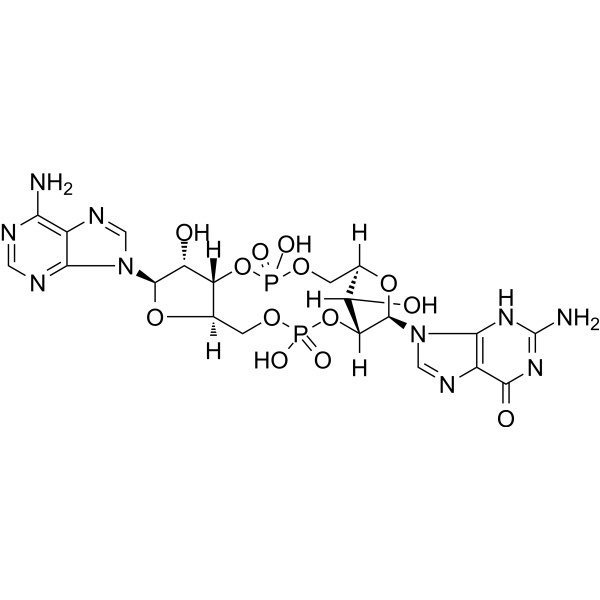
2',3'-cGAMP (2'-3'-cyclic GMP-AMP) is a endogenous cGAMP in mammalian cells. 2',3'-cGAMP binds to STING with a high affinity and is a potent inducer of interferon-β (IFNβ). 2',3'-cGAMP is produced in mammalian cells in response to DNA in the cytoplasm .
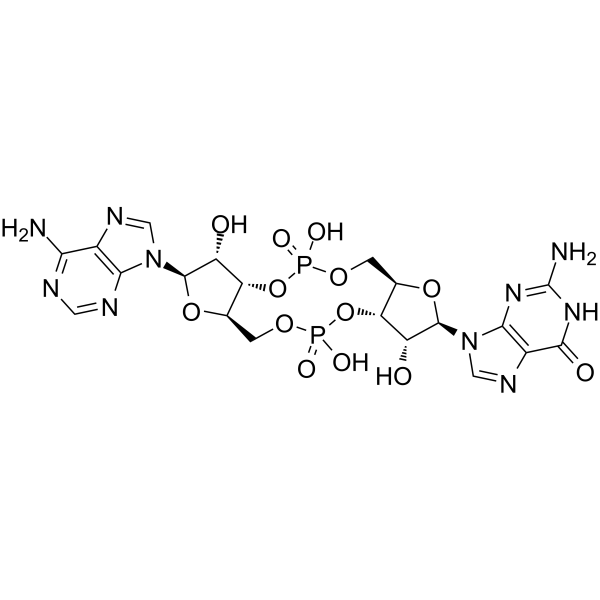
cGAMP (Cyclic GMP-AMP) functions as an endogenous second messenger in metazoans and triggers interferon production in response to cytosolic DNA. cGAMP activates stimulator of interferon genes (STING), which activates a signaling cascade leading to the production of type I interferons and other immune mediators .
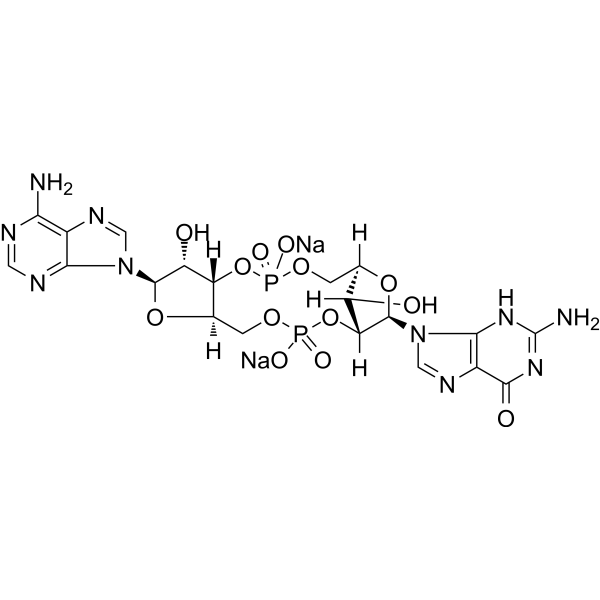
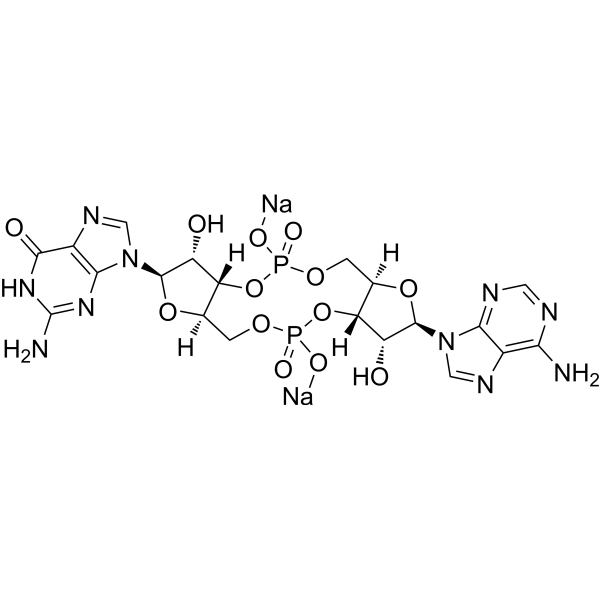
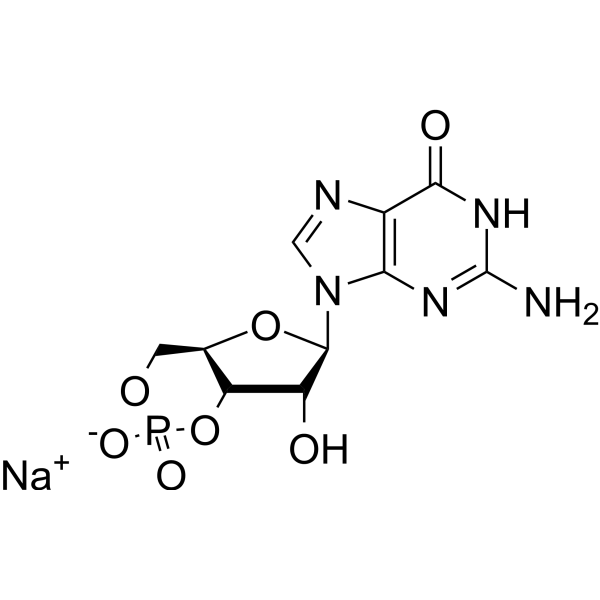
2',3'-cGAMP sodium (2'-3'-cyclic GMP-AMP sodium) is a endogenous cGAMP in mammalian cells. 2',3'-cGAMP sodium binds to STING with a high affinity and is a potent inducer of interferon-β (IFNβ). 2',3'-cGAMP sodium is produced in mammalian cells in response to DNA in the cytoplasm .
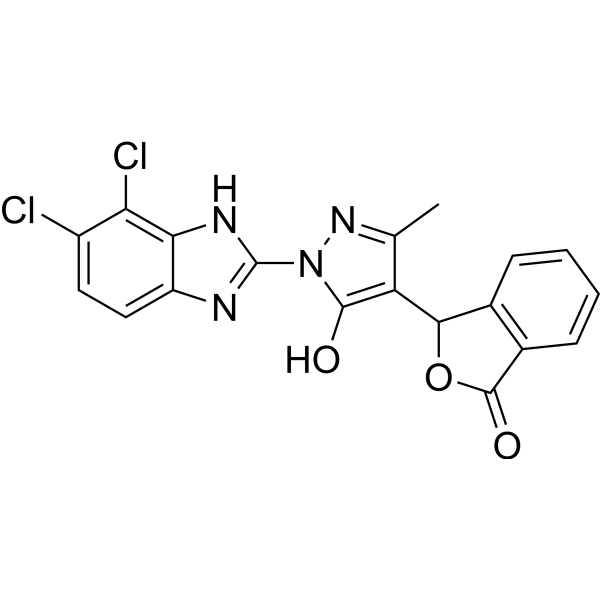
RU.521 (RU320521) is a potent and selective cyclic GMP-AMP synthase (cGAS) inhibitor and inhibits cGAS-mediated interferon upregulation. RU.521 suppresses dsDNA-activated reporter activity with an IC50 of 0.7 μM. RU.521 reduces constitutive expression of interferon in macrophages from a mouse model of Aicardi-Goutières syndrome (AGS) .
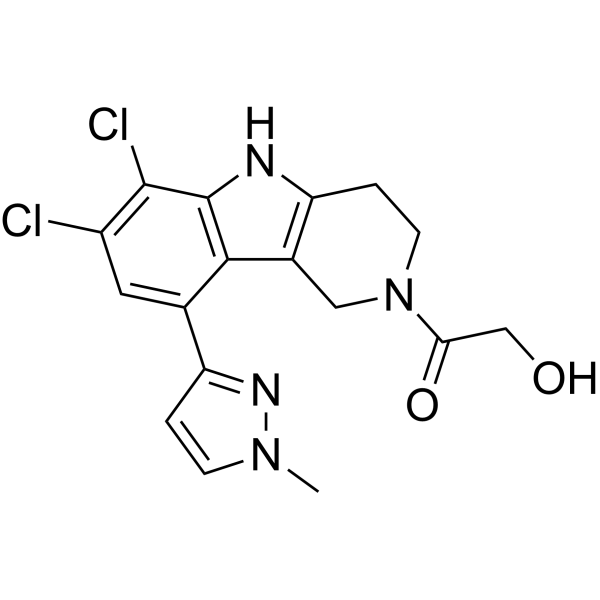
G140 is a potent and selective inhibitor of cyclic GMP-AMP synthase (cGAS), with IC50s of 14.0 nM and 442 nM for h-cGAS and m-cGAS, respectively. G140 has anti-inflammatory activity .
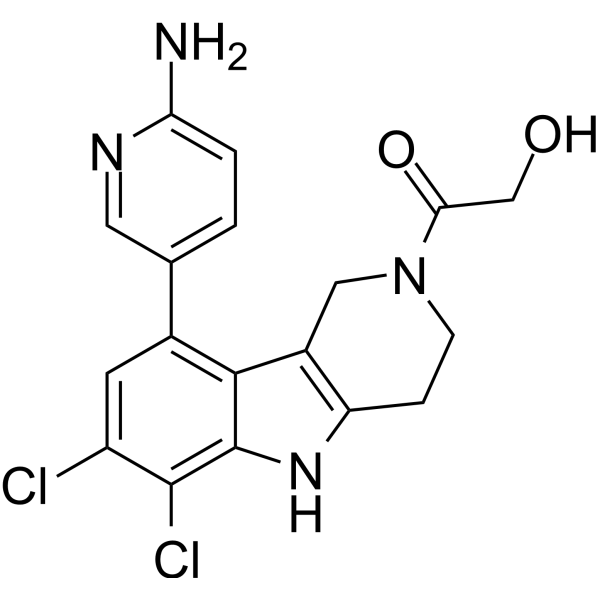
G150 is a highly selective human cyclic GMP-AMP synthase (h-cGAS) inhibitor with an IC50 of 10.2 nM. G150 represses dsDNA-triggered interferon expression, and G150 can be used for the research of inflammatory .
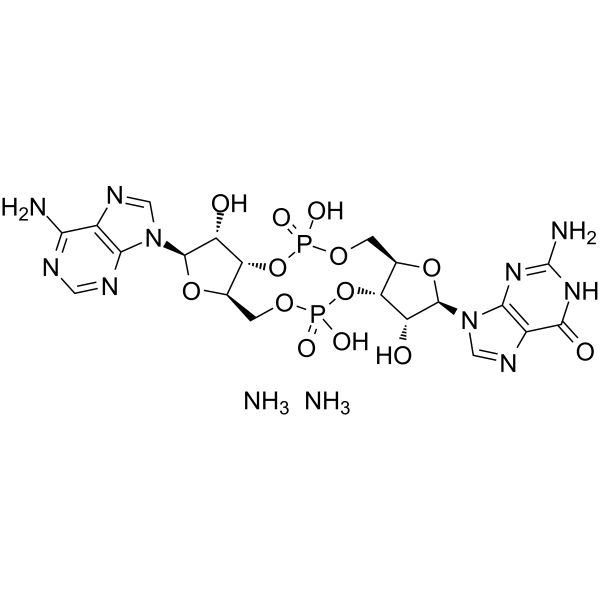
cGAMP (Cyclic GMP-AMP) disodium functions as an endogenous second messenger in metazoans and triggers interferon production in response to cytosolic DNA. cGAMP diammonium activates stimulator of interferon genes (STING), which activates a signaling cascade leading to the production of type I interferons and other immune mediators .
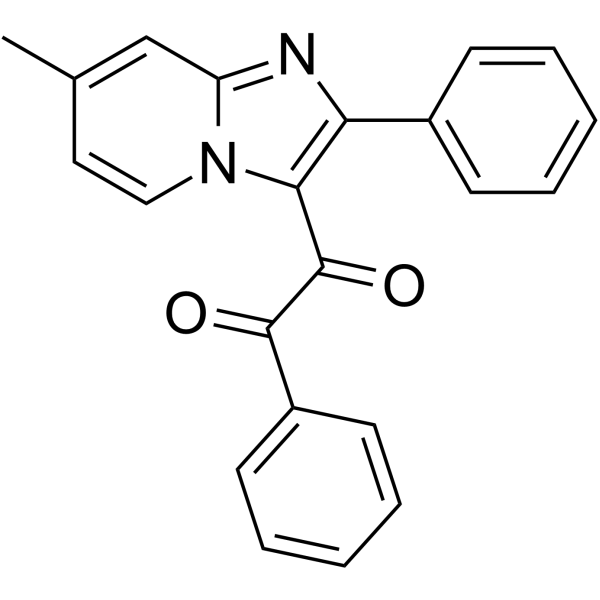
LYPLAL1-IN-1 (compound 11) is a selective, covalent, and irreversible inhibitor of the lysophospholipase-like enzyme LYPLAL1 (IC50 = 6 nM). LYPLAL1-IN-1 shows selectivity against other serine hydrolases such as carboxylesterase CES1 (IC50 > 50 μM for CES1). LYPLAL1-IN-1 inhibits the depalmitoylation function of LYPLAL1, blocking its depalmitoylation modification of cyclic GMP-AMP synthase (cGAS), thereby promoting cGAS dimerization and activation, and initiating the cGAS-STING pathway-mediated innate immune response. LYPLAL1-IN-1 can enhance DNA-induced type I interferon production, upregulate PD-L1 expression in tumor cells, and promote the accumulation of tumor-infiltrating CD8 + T cells, with the core function of strengthening the anti-tumor immune response. LYPLAL1-IN-1 is primarily used in tumor immunology research, especially in combination with PD-1/PD-L1 inhibitors .
IRAK4-IN-4 (Compound 15) is an interleukin-1 receptor-associated kinase 4 (IRAK4) inhibitor, with an IC50 of 2.8 nM. IRAK4-IN-4 also inhibits cyclic GMP-AMP synthase (cGAS) with an IC50 of 2.1 nM. IRAK4-IN-4 can be used for research of autoimmune diseases .
Cyclic GMP (cGMP), an important second messenger, is a major intracellular mediator of extracellular signals such as nitric oxide (NO) and natriuretic peptides (NPs). Effects of Cyclic GMP occur through three main groups of cellular targets: cGMP-dependent protein kinases (PKGs), cGMP-gated cation channels, and PDEs. Cyclic GMP can inhibit both platelet adhesion and aggregation. cGAMP (Cyclic-GMP-AMP) (HY-12512), a conjugate of Cyclic GMP and AMP, can induce IRF3 phosphorylation and nuclear translocation, enhancing antiviral immune responses .
XL-3156 is a cGAS inhibitor. XL-3156 occupies both allosteric and orthosteric sites simultaneously, and inhibits the interaction and phase separation between cGAS and DNA by stabilizing the closed conformation of the activation loop. XL-3156 can be used in the research of diseases such as autoimmune diseases and inflammation .
cGAS-IN-1 (Compound C20) is a cyclic GMP-AMP synthase (cGAS) inhibitor with IC50s of 2.28 μM (human cGAS, h-cGAS FL) and 1.44 μM (mouse cGAS, m-cGAS CD). cGAS-IN-1 can be used for the studies of autoimmune diseases and chronic inflammation .
TDI-6570 (TDI-006570) is a blood-brain barrier-permeable, orally active cGAS inhibitor with an IC50 of 1.64 μM. TDI-6570 exhibits high gastrointestinal absorption and a long brain half-life in mice, and shows no toxicity to primary neurons. By inhibiting the cGAS-STING-IFN signaling pathway, TDI-6570 reduces STING levels and the activation of TBK1, blocks double-stranded DNA-induced cGAS activation and downstream interferon-stimulated gene expression, thereby reducing tau protein spread and improving synaptic loss. TDI-6570 reverses memory deficits, increases the amplitude of long-term potentiation, enhances the MEF2C transcriptional network, restores PSD-95 and vGAT punctate structures, and significantly improves cognitive resilience. TDI-6570 can be applied to the research of Alzheimer's disease, Parkinson's disease, systemic lupus erythematosus, as well as various central nervous system and autoimmune diseases .
cGAMP (Cyclic GMP-AMP) diammonium functions as an endogenous second messenger in metazoans and triggers interferon production in response to cytosolic DNA. cGAMP diammonium activates stimulator of interferon genes (STING), which activates a signaling cascade leading to the production of type I interferons and other immune mediators .
Cyclic GMP (cGMP) sodium, an important second messenger, is a major intracellular mediator of extracellular signals such as nitric oxide (NO) and natriuretic peptides (NPs). Effects of Cyclic GMP sodium occur through three main groups of cellular targets: cGMP-dependent protein kinases (PKGs), cGMP-gated cation channels, and PDEs. Cyclic GMP can inhibit both platelet adhesion and aggregation. cGAMP (Cyclic-GMP-AMP) (HY-12512), a conjugate of Cyclic GMP and AMP, can induce IRF3 phosphorylation and nuclear translocation, enhancing antiviral immune responses .
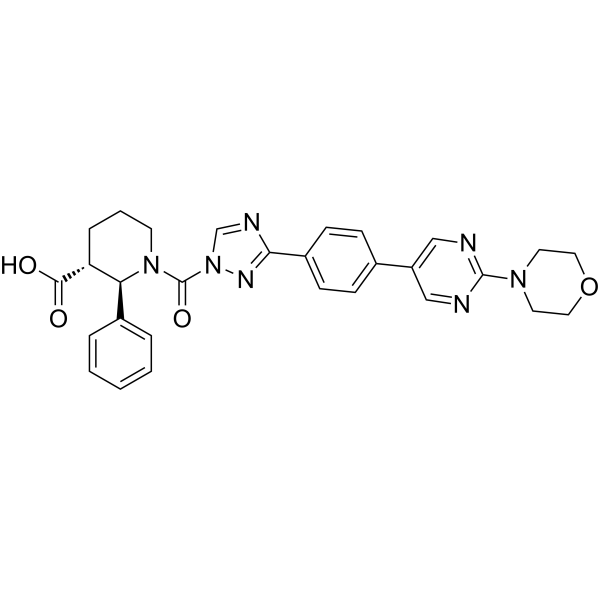
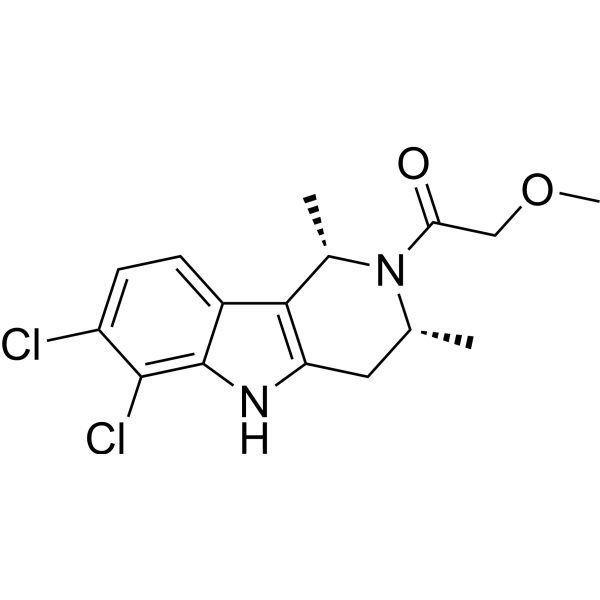
cGAS-IN-4 (Compound 36) is an orally active inhibitor for cyclic GMP-AMP synthase (cGAS) with IC50 of 32 nM and 5.8 nM for h-cGAS and m-cGAS. cGAS-IN-4 inhibits the cGAMP in THP-1 cell with an IC50 of 60 nM, which improves the cellular potency. cGAS-IN-4 exhibits anti-inflammatory efficacy in Concanavalin A (HY-P2149)-induced acute liver injury in mouse models .
orally active, THP-1, C57Bl/6 mouse, orally active
XL-3158 is a selective and cross-species Cyclic GMP-AMP synthase (cGAS) inhibitor (IC50: 11.1 μM for human cGAS, 2.19 μM for mouse cGAS). XL-3158 simultaneously occupy allosteric and orthosteric sites, stabilizing the activation loop in a closed, inactive conformation and thereby attenuating the cGAS-DNA interactions. XL-3158 inhibits cGAS by targeting phase separation. XL-3158 efficiently penetrates cells by inhibiting aggregate formation, effectively reducing the local concentration of cGAS within cells. XL-3158 can be used for the study of cGAS-dependent inflammatory diseases.
cGAS-IN-3 (compound 30d-S) is an orally active cyclic GMP-AMP synthase (Cyclic GMP-AMP Synthase/cGAS) inhibitor with good plasma exposure and low clearance. cGAS-IN-3 has anti-inflammatory activity and can significantly reduce lung inflammation in rats .
Cladophorol A is a cyclic GMP-AMP synthase (cGAS) inhibitor. Cladophorol A binds to the conserved adenosine nucleobase binding site within the cGAS active site to inhibit its catalytic activity. Cladophorol A effectively inhibits the overactivation of the cGAS-STING pathway with an IC50 of 370 nM. Cladophorol A inhibits asexual blood-stage Plasmodium falciparum with an EC50 of 0.7 μg/mL. Cladophorol A can be used for the researches of inflammatory disease and malaria .
Cyclic GMP (cGMP) TBAOH, an important second messenger, is a major intracellular mediator of extracellular signals such as nitric oxide (NO) and natriuretic peptides (NPs). Effects of Cyclic GMP TBAOH occur through three main groups of cellular targets: cGMP-dependent protein kinases (PKGs), cGMP-gated cation channels, and PDEs. Cyclic GMP can inhibit both platelet adhesion and aggregation. cGAMP (Cyclic-GMP-AMP) (HY-12512), a conjugate of Cyclic GMP and AMP, can induce IRF3 phosphorylation and nuclear translocation, enhancing antiviral immune responses .
Cyclic GMP (Standard) is the analytical standard of Cyclic GMP (HY-113469). This product is intended for research and analytical applications. Cyclic GMP (cGMP), an important second messenger, is a major intracellular mediator of extracellular signals such as nitric oxide (NO) and natriuretic peptides (NPs). Effects of Cyclic GMP occur through three main groups of cellular targets: cGMP-dependent protein kinases (PKGs), cGMP-gated cation channels, and PDEs. Cyclic GMP can inhibit both platelet adhesion and aggregation. cGAMP (Cyclic-GMP-AMP) (HY-12512), a conjugate of Cyclic GMP and AMP, can induce IRF3 phosphorylation and nuclear translocation, enhancing antiviral immune responses .
(R)-cGAS-IN-4 (Compound 77A*) is the R-enantiomer of cGAS-IN-4 (HY-170362). cGAS-IN-4 is an orally active inhibitor for cyclic GMP-AMP synthase (cGAS) .
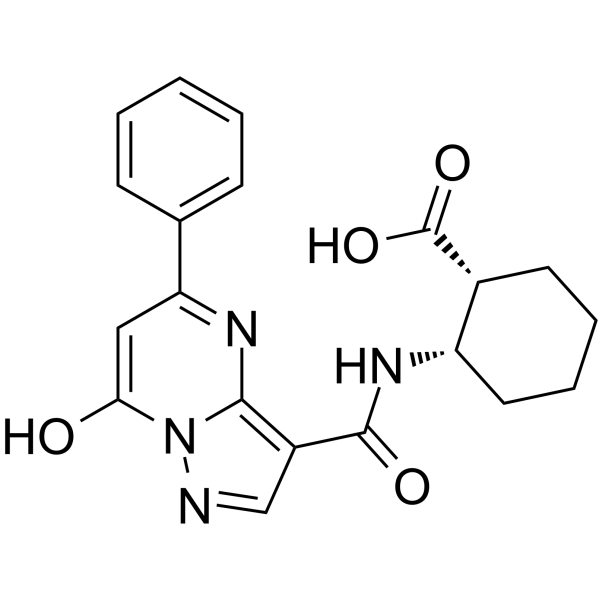
CU-76 is an inhibitor for human cyclic GMP-AMP synthase (hcGAS) with an IC50 of 0.24 μM. CU-76 selectively inhibits the DNA pathway in human cells, and can be used in autoimmune research .
HA-1004 hydrochloride is a selective inhibitor of PKA, which can inhibit lipolysis and induce vascular relaxation. HA-1004 hydrochloride is also a dual inhibitor of cyclic GMP-dependent protein kinase and cyclic AMP-dependent protein (Cyclic GMP-AMP Synthase), and is involved in smooth muscle, second messenger, cyclic AMP and cyclic GMP regulation mechanisms. HA-1004 hydrochloride an antagonist for calcium, that can be used as a vasodilator to inhibit the contraction of rabbit aortic strips, or to antagonize ERK and tyrosine hydroxylase (TH) phosphorylation in morphine abstinence rat models .
Cyclic GMP sodium- 13C5 is the 13C-labeled Cyclic GMP sodium (HY-113469A). Cyclic GMP (cGMP) sodium, an important second messenger, is a major intracellular mediator of extracellular signals such as nitric oxide (NO) and natriuretic peptides (NPs). Effects of Cyclic GMP sodium occur through three main groups of cellular targets: cGMP-dependent protein kinases (PKGs), cGMP-gated cation channels, and PDEs. Cyclic GMP can inhibit both platelet adhesion and aggregation. cGAMP (Cyclic-GMP-AMP) (HY-12512), a conjugate of Cyclic GMP and AMP, can induce IRF3 phosphorylation and nuclear translocation, enhancing antiviral immune responses .
Cyclic GMP- 13C, 15N2 is 13C and 15N labeled Cyclic GMP (HY-113469). Cyclic GMP (cGMP), an important second messenger, is a major intracellular mediator of extracellular signals such as nitric oxide (NO) and natriuretic peptides (NPs). Effects of Cyclic GMP occur through three main groups of cellular targets: cGMP-dependent protein kinases (PKGs), cGMP-gated cation channels, and PDEs. Cyclic GMP can inhibit both platelet adhesion and aggregation. cGAMP (Cyclic-GMP-AMP) (HY-12512), a conjugate of Cyclic GMP and AMP, can induce IRF3 phosphorylation and nuclear translocation, enhancing antiviral immune responses .
Cyclic GMP sodium (Standard) is the analytical standard of Cyclic GMP sodium (HY-113469A). This product is intended for research and analytical applications. Cyclic GMP (cGMP) sodium, an important second messenger, is a major intracellular mediator of extracellular signals such as nitric oxide (NO) and natriuretic peptides (NPs). Effects of Cyclic GMP sodium occur through three main groups of cellular targets: cGMP-dependent protein kinases (PKGs), cGMP-gated cation channels, and PDEs. Cyclic GMP can inhibit both platelet adhesion and aggregation. cGAMP (Cyclic-GMP-AMP) (HY-12512), a conjugate of Cyclic GMP and AMP, can induce IRF3 phosphorylation and nuclear translocation, enhancing antiviral immune responses .
cGAS-IN-7 is a cyclic GMP-AMP synthase (cGAS) inhibitor with an IC50 of 0.66 μM for human cGAS. cGAS-IN-7 modestly decreases cGAMP levels in THP1 cells. cGAS-IN-7 can be used for the research of Alzheimer's disease .
cGAS-IN-8 is an indazole cyclic GMP-AMP synthase (cGAS) inhibitor with an IC50 of 6 nM for human cGAS. cGAS-IN-8 inhibits cGAMP production in THP-1 cells with an IC50 of 0.12 µM. cGAS-IN-8 does not inhibits hERG activity. cGAS-IN-8 can be used for the research of autoimmune diseases .
cGAS-IN-9 is a cyclic guanosine monophosphate-adenosine monophosphate synthase (cGAS) inhibitor, with IC50 values of 27.5 nM and 5.15 μM against human and murine cGAS, respectively. cGAS-IN-9 shows weak inhibitory activity against human soluble adenylate cyclase, with an IC50 of 26.4 μM. cGAS-IN-9 inhibits dsDNA-induced expression of IFNB1 and CXCL10, as well as activation of the NF-κB pathway, in human immune cells. cGAS-IN-9 can be used in research related to cGAS-dependent inflammatory diseases .
2',3'-cGAMP (2'-3'-cyclic GMP-AMP) is a endogenous cGAMP in mammalian cells. 2',3'-cGAMP binds to STING with a high affinity and is a potent inducer of interferon-β (IFNβ). 2',3'-cGAMP is produced in mammalian cells in response to DNA in the cytoplasm .
2',3'-cGAMP sodium (2'-3'-cyclic GMP-AMP sodium) is a endogenous cGAMP in mammalian cells. 2',3'-cGAMP sodium binds to STING with a high affinity and is a potent inducer of interferon-β (IFNβ). 2',3'-cGAMP sodium is produced in mammalian cells in response to DNA in the cytoplasm .
cGAMP (Cyclic GMP-AMP) disodium functions as an endogenous second messenger in metazoans and triggers interferon production in response to cytosolic DNA. cGAMP diammonium activates stimulator of interferon genes (STING), which activates a signaling cascade leading to the production of type I interferons and other immune mediators .
Cyclic GMP (cGMP), an important second messenger, is a major intracellular mediator of extracellular signals such as nitric oxide (NO) and natriuretic peptides (NPs). Effects of Cyclic GMP occur through three main groups of cellular targets: cGMP-dependent protein kinases (PKGs), cGMP-gated cation channels, and PDEs. Cyclic GMP can inhibit both platelet adhesion and aggregation. cGAMP (Cyclic-GMP-AMP) (HY-12512), a conjugate of Cyclic GMP and AMP, can induce IRF3 phosphorylation and nuclear translocation, enhancing antiviral immune responses .
cGAMP (Cyclic GMP-AMP) diammonium functions as an endogenous second messenger in metazoans and triggers interferon production in response to cytosolic DNA. cGAMP diammonium activates stimulator of interferon genes (STING), which activates a signaling cascade leading to the production of type I interferons and other immune mediators .
Cyclic GMP (cGMP) sodium, an important second messenger, is a major intracellular mediator of extracellular signals such as nitric oxide (NO) and natriuretic peptides (NPs). Effects of Cyclic GMP sodium occur through three main groups of cellular targets: cGMP-dependent protein kinases (PKGs), cGMP-gated cation channels, and PDEs. Cyclic GMP can inhibit both platelet adhesion and aggregation. cGAMP (Cyclic-GMP-AMP) (HY-12512), a conjugate of Cyclic GMP and AMP, can induce IRF3 phosphorylation and nuclear translocation, enhancing antiviral immune responses .
Cladophorol A is a cyclic GMP-AMP synthase (cGAS) inhibitor. Cladophorol A binds to the conserved adenosine nucleobase binding site within the cGAS active site to inhibit its catalytic activity. Cladophorol A effectively inhibits the overactivation of the cGAS-STING pathway with an IC50 of 370 nM. Cladophorol A inhibits asexual blood-stage Plasmodium falciparum with an EC50 of 0.7 μg/mL. Cladophorol A can be used for the researches of inflammatory disease and malaria .
Cyclic GMP (Standard) is the analytical standard of Cyclic GMP (HY-113469). This product is intended for research and analytical applications. Cyclic GMP (cGMP), an important second messenger, is a major intracellular mediator of extracellular signals such as nitric oxide (NO) and natriuretic peptides (NPs). Effects of Cyclic GMP occur through three main groups of cellular targets: cGMP-dependent protein kinases (PKGs), cGMP-gated cation channels, and PDEs. Cyclic GMP can inhibit both platelet adhesion and aggregation. cGAMP (Cyclic-GMP-AMP) (HY-12512), a conjugate of Cyclic GMP and AMP, can induce IRF3 phosphorylation and nuclear translocation, enhancing antiviral immune responses .
Cyclic GMP sodium (Standard) is the analytical standard of Cyclic GMP sodium (HY-113469A). This product is intended for research and analytical applications. Cyclic GMP (cGMP) sodium, an important second messenger, is a major intracellular mediator of extracellular signals such as nitric oxide (NO) and natriuretic peptides (NPs). Effects of Cyclic GMP sodium occur through three main groups of cellular targets: cGMP-dependent protein kinases (PKGs), cGMP-gated cation channels, and PDEs. Cyclic GMP can inhibit both platelet adhesion and aggregation. cGAMP (Cyclic-GMP-AMP) (HY-12512), a conjugate of Cyclic GMP and AMP, can induce IRF3 phosphorylation and nuclear translocation, enhancing antiviral immune responses .
cGAS is a cytosolic DNA sensor. cGAS binds double-stranded DNA (dsDNA) and catalyzes the generation of cyclic guanosine-adenylate (cGAMP), which in turn activates the STING protein. cGAS induces the production of type I interferon (IFN-I) and pro-inflammatory cytokines. cGAS Protein, Human (His) is a recombinant cGAS protein expressed in E. coli with a C-6*His tag.
The cGAS protein is a nucleotidyl transferase that crucially mediates innate immunity by catalyzing the formation of 2',3'-cGAMP from ATP and GTP upon binding to double-stranded DNA (dsDNA). As a DNA sensor, cGAS detects exogenous and endogenous DNA, triggering STING1 activation and type I interferon production. cGAS Protein, Human (His-SUMO) is the recombinant human-derived cGAS protein, expressed by E. coli , with N-6*His, N-SUMO labeled tag.
Cyclic GMP sodium- 13C5 is the 13C-labeled Cyclic GMP sodium (HY-113469A). Cyclic GMP (cGMP) sodium, an important second messenger, is a major intracellular mediator of extracellular signals such as nitric oxide (NO) and natriuretic peptides (NPs). Effects of Cyclic GMP sodium occur through three main groups of cellular targets: cGMP-dependent protein kinases (PKGs), cGMP-gated cation channels, and PDEs. Cyclic GMP can inhibit both platelet adhesion and aggregation. cGAMP (Cyclic-GMP-AMP) (HY-12512), a conjugate of Cyclic GMP and AMP, can induce IRF3 phosphorylation and nuclear translocation, enhancing antiviral immune responses .
Cyclic GMP- 13C, 15N2 is 13C and 15N labeled Cyclic GMP (HY-113469). Cyclic GMP (cGMP), an important second messenger, is a major intracellular mediator of extracellular signals such as nitric oxide (NO) and natriuretic peptides (NPs). Effects of Cyclic GMP occur through three main groups of cellular targets: cGMP-dependent protein kinases (PKGs), cGMP-gated cation channels, and PDEs. Cyclic GMP can inhibit both platelet adhesion and aggregation. cGAMP (Cyclic-GMP-AMP) (HY-12512), a conjugate of Cyclic GMP and AMP, can induce IRF3 phosphorylation and nuclear translocation, enhancing antiviral immune responses .
Inquiry Online
Your information is safe with us. * Required Fields.
Western blot analysis of extracts from THP-1(lane 2(20μg), Jurkat (lane 3(20μg) and NIH3T3(lane 4(20μg) using FOXO1A (HY-P80132) Rabbit mAb. Proteins were transferred
to a PVDF membrane and blocked with 5% non-fat milk in TBST for 2 hour at room temperature. The primary antibody (1/1000) and Loading control antibody (Beta Actin, HY-P80438, 1/10000) was
used in 5% non-fat milk in TBST at 4°C overnight. Goat Anti-Mouse/Rabbit IgG-HRP Secondary Antibody (1/10000) was used for 1 hour at room temperature.
Western blot analysis of extracts from THP-1(lane 2(20μg), Jurkat (lane 3(20μg) and NIH3T3(lane 4(20μg) using FOXO1A (HY-P80132) Rabbit mAb. Proteins were transferred
to a PVDF membrane and blocked with 5% non-fat milk in TBST for 2 hour at room temperature. The primary antibody (1/1000) and Loading control antibody (Beta Actin, HY-P80438, 1/10000) was
used in 5% non-fat milk in TBST at 4°C overnight. Goat Anti-Mouse/Rabbit IgG-HRP Secondary Antibody (1/10000) was used for 1 hour at room temperature.
Western blot analysis of extracts from THP-1(lane 2(20μg), Jurkat (lane 3(20μg) and NIH3T3(lane 4(20μg) using FOXO1A (HY-P80132) Rabbit mAb. Proteins were transferred
to a PVDF membrane and blocked with 5% non-fat milk in TBST for 2 hour at room temperature. The primary antibody (1/1000) and Loading control antibody (Beta Actin, HY-P80438, 1/10000) was
used in 5% non-fat milk in TBST at 4°C overnight. Goat Anti-Mouse/Rabbit IgG-HRP Secondary Antibody (1/10000) was used for 1 hour at room temperature.
Western blot analysis of extracts from THP-1(lane 2(20μg), Jurkat (lane 3(20μg) and NIH3T3(lane 4(20μg) using FOXO1A (HY-P80132) Rabbit mAb. Proteins were transferred
to a PVDF membrane and blocked with 5% non-fat milk in TBST for 2 hour at room temperature. The primary antibody (1/1000) and Loading control antibody (Beta Actin, HY-P80438, 1/10000) was
MedchemExpress Validation 03
Western blot analysis of extracts from THP-1(lane 2(20μg), Jurkat (lane 3(20μg) and NIH3T3(lane 4(20μg) using FOXO1A (HY-P80132) Rabbit mAb. Proteins were transferred
MedchemExpress Validation 04
Western blot analysis of extracts from THP-1(lane 2(20μg), Jurkat (lane 3(20μg) and NIH3T3(lane 4(20μg) using FOXO1A (HY-P80132) Rabbit mAb. Proteins were transferred
to a PVDF membrane and blocked with 5% non-fat milk in TBST for 2 hour at room temperature. The primary antibody (1/1000) and Loading control antibody (Beta Actin, HY-P80438, 1/10000) was
used in 5% non-fat milk in TBST at 4°C overnight. Goat Anti-Mouse/Rabbit IgG-HRP Secondary Antibody (1/10000) was used for 1 hour at room temperature.
MedchemExpress Validation
Western blot analysis of extracts from THP-1(lane 2(20μg), Jurkat (lane 3(20μg) and NIH3T3(lane 4(20μg) using FOXO1A (HY-P80132) Rabbit mAb. Proteins were transferred
to a PVDF membrane and blocked with 5% non-fat milk in TBST for 2 hour at room temperature. The primary antibody (1/1000) and Loading control antibody (Beta Actin, HY-P80438, 1/10000) was
used in 5% non-fat milk in TBST at 4°C overnight. Goat Anti-Mouse/Rabbit IgG-HRP Secondary Antibody (1/10000) was used for 1 hour at room temperature.
Western blot analysis of extracts from THP-1(lane 2(20μg), Jurkat (lane 3(20μg) and NIH3T3(lane 4(20μg) using FOXO1A (HY-P80132) Rabbit mAb. Proteins were transferred
to a PVDF membrane and blocked with 5% non-fat milk in TBST for 2 hour at room temperature. The primary antibody (1/1000) and Loading control antibody (Beta Actin, HY-P80438, 1/10000) was
used in 5% non-fat milk in TBST at 4°C overnight. Goat Anti-Mouse/Rabbit IgG-HRP Secondary Antibody (1/10000) was used for 1 hour at room temperature.
MedchemExpress Validation
Western blot analysis of extracts from THP-1(lane 2(20μg), Jurkat (lane 3(20μg) and NIH3T3(lane 4(20μg) using FOXO1A (HY-P80132) Rabbit mAb. Proteins were transferred
to a PVDF membrane and blocked with 5% non-fat milk in TBST for 2 hour at room temperature. The primary antibody (1/1000) and Loading control antibody (Beta Actin, HY-P80438, 1/10000) was
used in 5% non-fat milk in TBST at 4°C overnight. Goat Anti-Mouse/Rabbit IgG-HRP Secondary Antibody (1/10000) was used for 1 hour at room temperature.
MedchemExpress Validation
Western blot analysis of extracts from THP-1(lane 2(20μg), Jurkat (lane 3(20μg) and NIH3T3(lane 4(20μg) using FOXO1A (HY-P80132) Rabbit mAb. Proteins were transferred
to a PVDF membrane and blocked with 5% non-fat milk in TBST for 2 hour at room temperature. The primary antibody (1/1000) and Loading control antibody (Beta Actin, HY-P80438, 1/10000) was
used in 5% non-fat milk in TBST at 4°C overnight. Goat Anti-Mouse/Rabbit IgG-HRP Secondary Antibody (1/10000) was used for 1 hour at room temperature.
MedchemExpress Validation
Western blot analysis of extracts from THP-1(lane 2(20μg), Jurkat (lane 3(20μg) and NIH3T3(lane 4(20μg) using FOXO1A (HY-P80132) Rabbit mAb. Proteins were transferred
to a PVDF membrane and blocked with 5% non-fat milk in TBST for 2 hour at room temperature. The primary antibody (1/1000) and Loading control antibody (Beta Actin, HY-P80438, 1/10000) was
used in 5% non-fat milk in TBST at 4°C overnight. Goat Anti-Mouse/Rabbit IgG-HRP Secondary Antibody (1/10000) was used for 1 hour at room temperature.
MedchemExpress Validation
Western blot analysis of extracts from THP-1(lane 2(20μg), Jurkat (lane 3(20μg) and NIH3T3(lane 4(20μg) using FOXO1A (HY-P80132) Rabbit mAb. Proteins were transferred
to a PVDF membrane and blocked with 5% non-fat milk in TBST for 2 hour at room temperature. The primary antibody (1/1000) and Loading control antibody (Beta Actin, HY-P80438, 1/10000) was
used in 5% non-fat milk in TBST at 4°C overnight. Goat Anti-Mouse/Rabbit IgG-HRP Secondary Antibody (1/10000) was used for 1 hour at room temperature.
MedchemExpress Validation
Western blot analysis of extracts from THP-1(lane 2(20μg), Jurkat (lane 3(20μg) and NIH3T3(lane 4(20μg) using FOXO1A (HY-P80132) Rabbit mAb. Proteins were transferred
to a PVDF membrane and blocked with 5% non-fat milk in TBST for 2 hour at room temperature. The primary antibody (1/1000) and Loading control antibody (Beta Actin, HY-P80438, 1/10000) was
used in 5% non-fat milk in TBST at 4°C overnight. Goat Anti-Mouse/Rabbit IgG-HRP Secondary Antibody (1/10000) was used for 1 hour at room temperature.
MedchemExpress Validation
Western blot analysis of extracts from THP-1(lane 2(20μg), Jurkat (lane 3(20μg) and NIH3T3(lane 4(20μg) using FOXO1A (HY-P80132) Rabbit mAb. Proteins were transferred
to a PVDF membrane and blocked with 5% non-fat milk in TBST for 2 hour at room temperature. The primary antibody (1/1000) and Loading control antibody (Beta Actin, HY-P80438, 1/10000) was
used in 5% non-fat milk in TBST at 4°C overnight. Goat Anti-Mouse/Rabbit IgG-HRP Secondary Antibody (1/10000) was used for 1 hour at room temperature.
MedChemExpress values your privacy and your trust is important to us. We use cookies to enhance your website experience. Some cookies are necessary to run the website.
Privacy and Cookie Policy

