1. Search Result
Search Result
Results for "

HCT 116

" in MedChemExpress (MCE) Product Catalog:

476

Inhibitors & Agonists

1

Biochemical Assay Reagents

4

Peptides

2

Inhibitory Antibodies

62

Natural
Products

5

Isotope-Labeled Compounds

5

Click Chemistry

1

Oligonucleotides

Cat. No. Product Name Target Research Areas Chemical Structure
  • HY-13323
    CX-5461
    Maximum Cited Publications
    66 Publications Verification

    DNA/RNA Synthesis Cancer
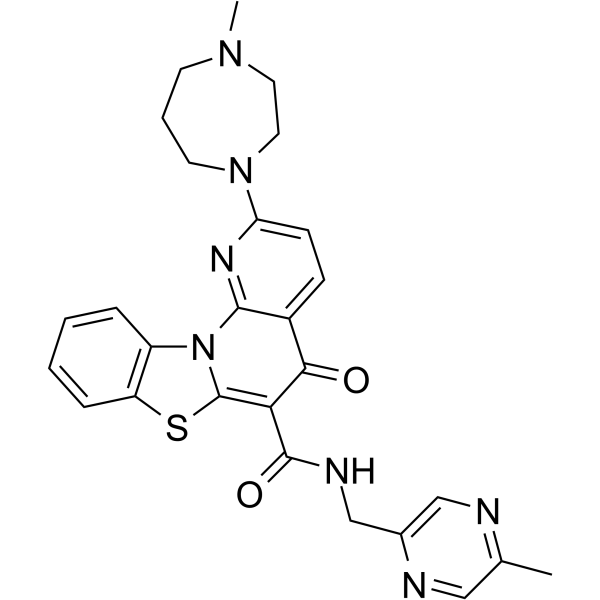
    CX-5461 is a potent and oral rRNA synthesis inhibitor. It inhibits RNA polymerase I-driven transcription of rRNA with IC50s of 142, 113, and 54 nM in HCT-116, A375, and MIA PaCa-2 cells, respectively .
    CX-5461
  • HY-144315

    Snail/HDAC-IN-1

    HDAC Cancer
    CYD19 is a potent Snail/HDAC dual target inhibitor. CYD19 displays potent inhibitory activity against HDAC1 with an IC50 of 0.405 μM and potent inhibition against Snail with a Kd of 0.18 μM. CYD19 increases histone H4 acetylation in HCT-116 cells and decreases the expression of Snail protein to induce cell apoptosis .
    CYD19
  • HY-13323A
    CX-5461 dihydrochloride
    Maximum Cited Publications
    66 Publications Verification

    DNA/RNA Synthesis Cancer
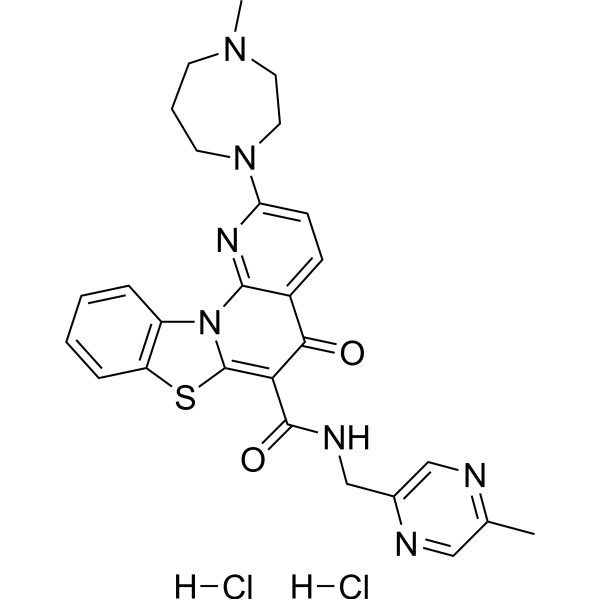
    CX-5461 dihydrochloride is a potent and orally bioavailable inhibitor of Pol I-mediated rRNA synthesis, with IC50s of 142 nM in HCT-116, 113 nM in A375, and 54 nM in MIA PaCa-2 cells, and shows little or no effect on Pol II (IC50 ≥25 μM).
    CX-5461 dihydrochloride
  • HY-12757
    YHO-13177
    2 Publications Verification

    BCRP Cancer
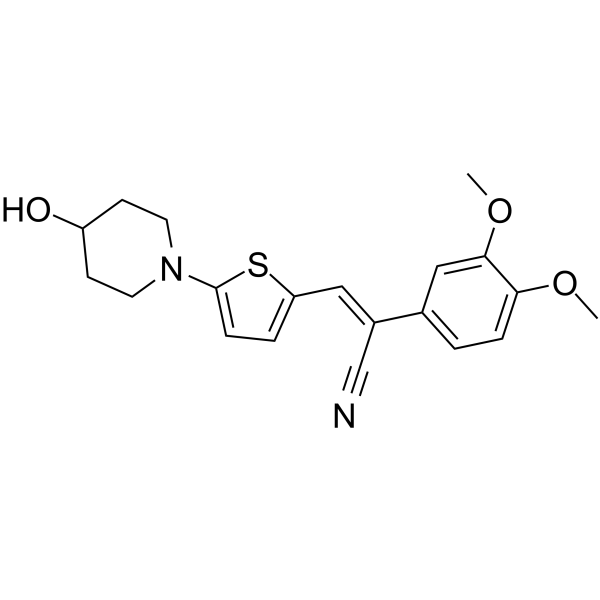
    YHO-13177, a acrylonitrile derivative, is an orally active, potent and specific inhibitor of breast cancer resistance protein (BCRP) and ABCG2 with an IC50 value of 10 nM. YHO-13177 potentiates the cytotoxicity of SN-38 in HCT116 and A549 cells that express BCRP. YHO-13177 combined with Irinotecan (HY-16562) significantly suppresses the tumor growth in an HCT116/BCRP xenograft model .
    YHO-13177
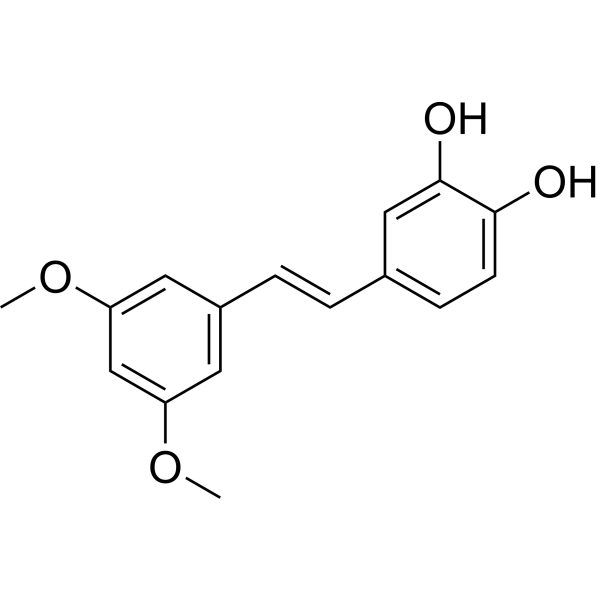
  • HY-N6002
    3'-Hydroxypterostilbene
    1 Publications Verification

    Apoptosis Autophagy Cancer
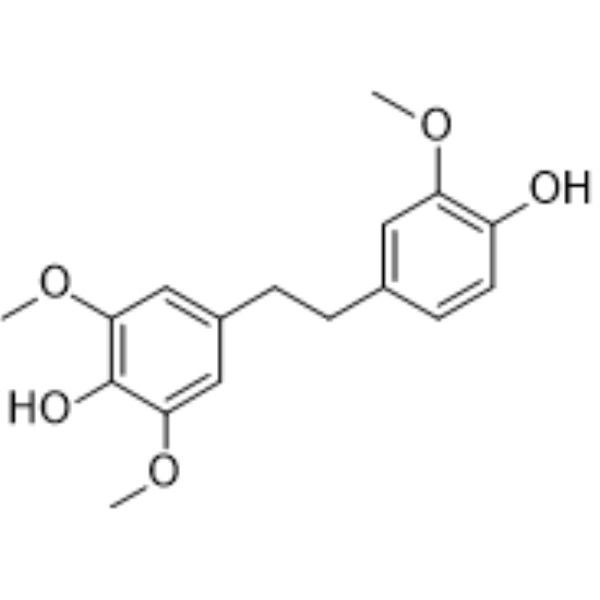
    3'-Hydroxypterostilbene is a Pterostilbene (HY-N0828) analogue. 3'-Hydroxypterostilbene inhibits the growth of COLO 205, HCT-116 and HT-29 cells with IC50s of 9.0, 40.2 and 70.9 μM, respectively. 3'-Hydroxypterostilbene significantly down-regulates PI3K/Akt and MAPKs signaling pathways and effectively inhibits the growth of human colon cancer cells by inducing apoptosis and autophagy. 3'-Hydroxypterostilbene can be used for the research of cancer .
    3'-Hydroxypterostilbene
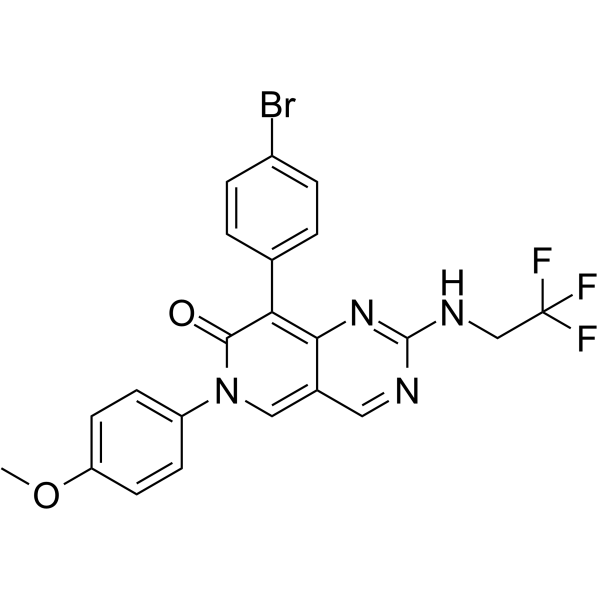
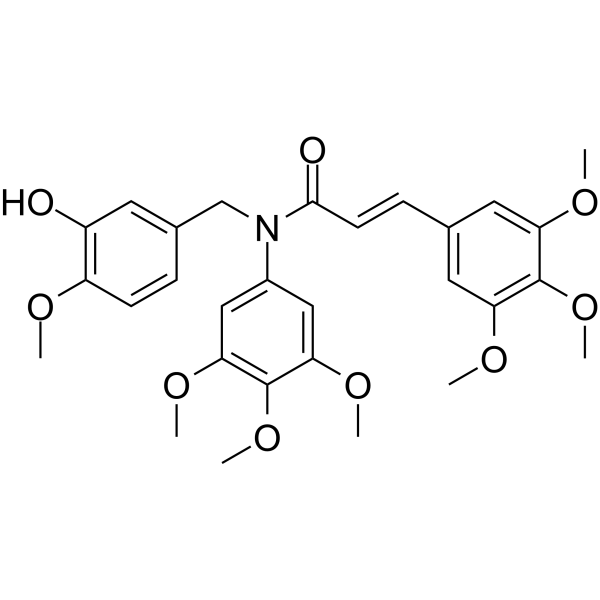
  • HY-144899

    Notch Cancer
    ASR-490 reduces the viability of HCT116 and SW620 cells by downregulating Notch1 signaling. ASR-490 overcomes Notch1 overexpression and inhibits the growth of HCT/Notch1 transfectants. ASR-490 inhibits the tumor growth in control (pCMV/HCT116) and Notch1/HCT116 in xenotransplanted mice .
    ASR-490
  • HY-B1550

    DL-Benzoin; Desyl alcohol; (±)-2-Hydroxy-2-phenylacetophenone

    PI3K Neurological Disease Metabolic Disease Inflammation/Immunology Cancer
    Benzoin (DL-Benzoin) is a PI3Kα inhibitor with anticancer effects. Benzoin inihits the growth of colon cancer cell line (HCT-116) .
    Benzoin
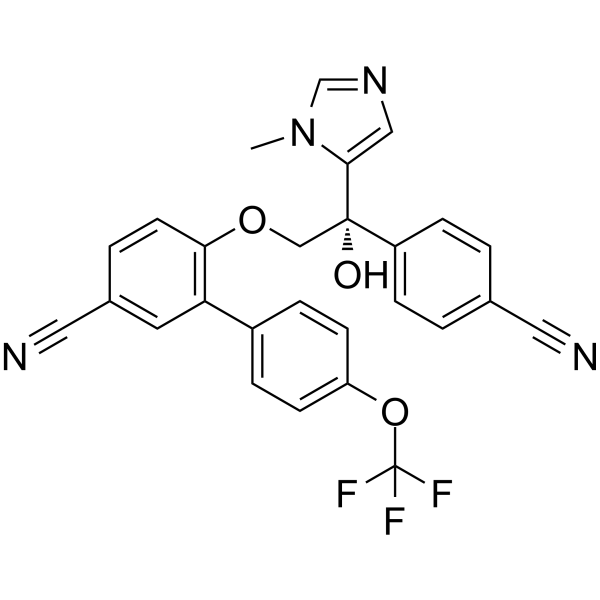
  • HY-145777

    Methionine Adenosyltransferase (MAT) Neurological Disease Cancer
    AGI-43192 is a potent and orally active inhibitor of methionine adenosyltransferase 2A (MAT2A) that limitedly penetrates the blood-brain barrier. AGI-43192 exhibits inhibitory activitity against MAT2A and S-adenosyl methionine (SAM) in HCT-116 MTAP-null cells with IC50s of 32 and 14 nM. AGI-43192 can significantly inhibit the proliferation of HCT-116 cells and tumor growth. AGI-43192 can be used to study the role of SAM regulation in the central nervous system (CNS) and colon cancer .
    AGI-43192
  • HY-145778

    Methionine Adenosyltransferase (MAT) Neurological Disease Cancer
    AGI-41998 is a potent and orally active inhibitor of methionine adenosyltransferase 2A (MAT2A) that effectively penetrates the blood-brain barrier. AGI-41998 exhibits inhibitory activities against MAT2A and S-adenosyl methionine (SAM) in HCT-116 MTAP-null cells with IC50s of 22 nM and 34 nM. AGI-41998 can significantly inhibit the proliferation of HCT-116 cells and tumor growth. AGI-41998 can be used to study the role of SAM regulation in the central nervous system (CNS) and colon cancer .
    AGI-41998
  • HY-112462

    CDK Cancer
    Cdk1/2 Inhibitor III (compound 3n) is a highly potent and selective Cdk1/cyclin B and Cdk2/cyclin A inhibitor of with IC50s of 0.6 nM and 0.5 nM, respectively. Cdk1/2 Inhibitor III shows selectivity over VEGF-R2 (IC50 of 32 nM), GSK-3β (IC50 of 140 nM), and a other kinases. Cdk1/2 Inhibitor III inhibits in cell proliferation with IC50s of 20 nM, 35 nM and 92 nM for HCT-116, HeLa, and A375 cells, respectively .
    Cdk1/2 Inhibitor III
  • HY-155360
    MY-1076
    1 Publications Verification

    YAP Apoptosis Cancer
    MY-1076 is an inhibitor of YAP. MY-1076 induces YAP degradation and cell apoptosis. MY-1076 inhibits MGC-803, SGC-7901, HCT-116 and KYSE450 cells proliferation with IC50 s of 0.019, 0.017, 0.020 and 0.044 μM, respectively .
    MY-1076
  • HY-156500

    ICMT Cancer
    ICMT-IN-1 (compound 75) is an inhibitor of ICMT (IC50=0.0013 μM). ICMT-IN-1 dose-dependently induces ICMT accumulation in the cytoplasm of HCT-116 cells and inhibits the proliferation of multiple cancer cell lines expressing K-Ras and N-Ras .
    ICMT-IN-1
  • HY-P1935

    Biochemical Assay Reagents Cancer
    Cyclo(Ala-Pro) is an anticancer agent that is toxic to cancer cells such as A549, HCT-116 and HepG2 .
    Cyclo(Ala-​Pro)
  • HY-121199

    Apoptosis Cancer
    Germanicol is a selective antineoplastic agent against human colon cancer cell lines HCT-116 and HT29 . Germanicol induces apoptosis via chromatin condensation and DNA damage .
    Germanicol
  • HY-N8491

    Others Cancer
    Dihydrocarveol is an anticancer agent. Dihydrocarveol shows inhibitory activity against human colon adenocarcinoma cells (HCT-116, HT-29, COLO320DM) with an IC50 value of 28.31 μM in HCT-116 cells. Dihydrocarveol is promising for research of colon cancer .
    Dihydrocarveol
  • HY-N10203

    Endogenous Metabolite Cancer
    Rostratin A is a cytotoxic disulfide found in the marine-derived fungus Exserohilum rostratum. Rostratin A shows in vitro cytotoxicity against human colon carcinoma (HCT-116) with an IC50 of 8.5 μg/mL .
    Rostratin A
  • HY-147125

    HSP Akt CDK Raf Apoptosis Cancer
    DDO-6600 is a covalent Hsp90 inhibitor. DDO-6600 disrupts the interaction between Hsp90 and its co-chaperone protein Cdc37, thereby inducing the degradation of kinase client proteins (such as AKT, CDK4, c-Raf). DDO-6600 has inhibitory activity against various cancer cells. DDO-6600 inhibits the migration and invasion of HCT-116 cells, and induces cell cycle arrest and apoptosis. DDO-6600 significantly inhibits tumor growth in the HCT-116 xenograft tumor model. DDO-6600 can be used for research on colorectal cancer .
    DDO-6600
  • HY-168725

    PROTACs Kinesin Apoptosis Cancer
    PROTAC KSP degrader 1 (Compound 21) is a PROTAC Degrader for kinesin spindle protein (KSP), that degrades KSP in HCT-116 with DC50 of 114.8 nM. PROTAC KSP degrader 1 inhibits the proliferation of HCT-116 with IC50 of 10 nM, arrests the cell cycle of HCT-116 at G2/M phase, and induces apoptosis in HCT-116. PROTAC KSP degrader 1 exhibits antitumor efficacy in mouse model . (Blue: Ligand for E3 Ligase Cereblon (HY-103596); Blank: Linker (HY-168726); Pink: Target Protein Ligand (HY-168727))
    PROTAC KSP degrader 1
  • HY-147920

    Pim Cancer
    PIM1-IN-6 (compound 5h) is a potent PIM-1 inhibitor, with an IC50 of 0.60 μM. PIM1-IN-6 shows the high cytotoxicity activity against HCT-116 and MCF-7 cells, with IC50 values of 1.51 and 15.2 μM, respectively .
    PIM1-IN-6
  • HY-162010

    Methionine Adenosyltransferase (MAT) Cancer
    MAT2A-IN-13 is a potent and orally active methionine adenosyltransferase 2A (MAT2A) inhibitor with a favorable pharmacokinetic profile. MAT2A-IN-13 shows in vivo potency in an HCT-116 MTAP-deleted xenograft model. MAT2A-IN-13 can be used for MTAP-Deleted tumors research .
    MAT2A-IN-13
  • HY-147839

    Topoisomerase Apoptosis Cancer
    Topoisomerase II inhibitor 10 (compound 32a) is a potent topoisomerase II inhibitor with an IC50 value of 7.45 μM. Topoisomerase II inhibitor 10 causes cell cycle arrest at G2-M phase and induces apoptosis of HepG-2 cells. Topoisomerase II inhibitor 10 has excellent anti-proliferative activities against HepG-2, MCF-7, and HCT-116 cells .
    Topoisomerase II inhibitor 10
  • HY-126596

    Apoptosis Cancer
    Angelylalkannin is a naphthoquinone compound isolated from the root of Alkanna tinctoria. Angelylalkannin showed significant inhibitory effects in the antiproliferative effect test on human colon cancer cells HCT-116 and SW-480. The median inhibitory concentration (IC50) of Angelylalkannin was 4.76 mM for HCT-116 cells and 7.03 mM for SW-480 cells. Like alkannin, Angelylalkannin can arrest the cell cycle in the G1 phase and induce apoptosis at a concentration of 1-10 mM.
    Angelylalkannin
  • HY-174983

    Histone Methyltransferase Cancer
    PRMT5-MTA-IN-6 (Compound 31) is a selective MTA-cooperative PRMT5 inhibitor. PRMT5-MTA-IN-6 exhibits potent inhibitory activity against PRMT5・MTA (IC50: 6.6 nM). PRMT5-MTA-IN-6 selectively inhibits the growth of MTAP-deleted HCT-116 cells (IC50: 319 nM). PRMT5-MTA-IN-6 can be used in the research of MTAP-deleted tumors .
    PRMT5-MTA-IN-6
  • HY-121333

    Antibiotic Wnt β-catenin Bacterial Infection Neurological Disease Cancer
    Dinactin, an antibiotic ionophore produced by Streptomyces species, as an effective small molecule targeting Wnt/β-catenin signaling pathway in cancer cells. Dinactin shows marked inhibition of HCT-116 cell growth with an IC50 of 1.1 μM. Dinactin shows anti-proliferative activity against the cancer cells in apoptosis-independent manner. Dinactin is also an effective agent for the research of neuropathic pain .
    Dinactin
  • HY-119784

    Fungal Cancer
    Eupenifeldin is pentacyclic bistropolone isolated from cultures of Eupenicillium brefeldianum ATCC 74184. Eupenifeldin is cytotoxic against the HCT-116 cell line. Eupenifeldin has the potential for the research of leukemia .
    Eupenifeldin
  • HY-125580

    Topoisomerase Cancer
    Makaluvamine A is a member of Makaluvamines. Makaluvamines can be isolated from Fijian sponges of the genus Zyzzya, and possess inhibitory activity toward topoisomerase II along with cytotoxic activity against HCT-116 human colon cancer cells .
    Makaluvamine A
  • HY-175558

    MMP Apoptosis Reactive Oxygen Species (ROS) Cancer
    MMP-9-IN-12 is a matrix metalloproteinase-9 (MMP-9) inhibitor with an IC50 of 6.57 μM. MMP-9-IN-12 shows an IC50 value of 1.54 μM for HCT-116 cells. MMP-9-IN-12 induces cell apoptosis, ROS production and mitochondrial depolarization. MMP-9-IN-12 inhibits cells migration and disrupts cell cycle progression. MMP-9-IN-12 can be used for the research of colorectal cancer (CRC) .
    MMP-9-IN-12
  • HY-176907

    E1/E2/E3 Enzyme Cancer
    ML-93 is an orally active SAE inhibitor, with an IC50 value of 0.4 μM. ML-93 inhibits the SUMOylation pathway in HCT116 cells. ML-93 shows robust antitumor activity in the HCT116 colorectal carcinoma xenograft model. ML-93 can be used for the study of colorectal cancer .
    ML-93
  • HY-179464

    PI3K mTOR Cancer
    CC-M-1 is a potent and selective PI3K/mTOR inhibitor. CC-M-1 inhibits PI3Kα/β/γ/δ and mTOR with IC50 values of 0.68, 1.02, 1.03, 8.03, and 15 nM, respectively. CC-M-1 inhibits the proliferation of colorectal cancer cell lines, including HCT-116 (IC50 = 0.38 μM) and HT-29 (IC50 = 1.70 μM). CC-M-1 can be used for colorectal cancer (CRC) research .
    CC-M-1
  • HY-178474

    DNA/RNA Synthesis Apoptosis Cancer
    WRN inhibitor 20 (Compound 14c) is a WRN degradation agent. WRN inhibitor 20 exhibits strong degradation activity in various cells, such as HCT-116 (DC50 = 1.7 µM), SW-48 (DC50 = 3.0 µM), and SW-480 (DC50 = 5.9 µM) cells. WRN inhibitor 20 exhibits potent anti proliferative, pro apoptotic, migration inhibiting, and DNA damage inducing effects in MSI-H cells. WRN inhibitor 20 can be used for research on cancer .
    WRN-IN-20
  • HY-175205

    TGF-beta/Smad Cancer
    TGF-β2-IN-1 is a selective TGF-β2 inhibitor. TGF-β2-IN-1 exhibits potent antiproliferative effects on HCT-116, Caco-2 and HT-29 with IC50 values of 6.84, 10.21, and 9.47 μM, respectively. TGF-β2-IN-1 inhibits TGF-β2 signaling in a dose-dependent manner by suppressing both receptor and cytokine expression.TGF-β2-IN-1 can be used for the study of colorectal cancer .
    TGF-β2-IN-1
  • HY-180895

    Polo-like Kinase (PLK) Cancer
    Y207–5465 is a potent and highly selective PLK2 inhibitor with an IC50 value of 584.3 nM. Y207–5465 shows only limited anti-cancer activity in HT-29 and HCT-116 cells. Y207–5465 can be used in cancer research .
    Y207–5465
  • HY-175531

    EGFR Apoptosis Reactive Oxygen Species (ROS) CDK Bcl-2 Family Cancer
    EGFR-IN-169 is an epidermal growth factor (EGFR) (IC50 = 5.19 μM) inhibitor form panaxadiol. EGFR-IN-169 interferes with the migration and growth of colorectal cancer cells by inhibiting EGFR-mediated RalA/EMT pathway. EGFR-IN-169 shows an IC50 value of 4.46 μM and SI of 16.92 for HCT-116 cells. EGFR-IN-169 inhibits CDKs activity, induces G0/G1 cycle arrest and inhibits migration and invasion. EGFR-IN-169 reduces mitochondrial membrane potential and induces apoptosis and ROS production. EGFR-IN-169 can be used for the research of cancer, such as colorectal cancer .
    EGFR-IN-169
  • HY-163896

    β-catenin Cancer
    β-Catenin modulator-7 (Compound 5) is a modulator for β-catenin. β-Catenin modulator-7 inhibits the expression of β-catenin in HCT-116 cytoplasm and nucleus, suppresses the phosphorylation of GSK 3β. β-Catenin modulator-7 promotes NO release in HCT-116, and inhibits the proliferation of cancer cell HCT-116 with IC50 of 0.6-0.9 μM. β-Catenin modulator-7 can be used in reasearch about colon cancer .
    β-Catenin modulator-7
  • HY-N11982

    Bacterial Infection Cancer
    Emeguisin A is a depsidone with an antibacterial activity. Emeguisin A inhibits the human colon carcinoma (HCT-116) cell viability with rate of 87.06% .
    Emeguisin A
  • HY-149327

    Others Cancer
    HCT-116-IN-1, a γ-lactam-fused pyridone derivative, has anticancer activity and displayed high cytotoxicity against HCT116 cells with an IC50 of 5.59 μM .
    Anticancer agent 131
  • HY-170958

    Src Apoptosis Cancer
    Scr-IN-1 (Compound 4e) is a Tyrosine kinase inhibitor. Scr-IN-1 inhibits HCT-116 cells and MIA-PaCa-2 cells with IC50s of 0.16 μM and 1.16 μM, respectively. Scr-IN-1 displays selectivity profile on HCT-116 cells and MIA-PaCa-2 cells with SI > 625 and SI > 86, respectively. Scr-IN-1 induces Apoptosis in HCT-116 colon cancer cell and does not cause any change in the rate of necrotic cells. Scr-IN-1 is a novel SRC kinase inhibitor candidate for HCT-116 cells. Scr-IN-1 is potential for cancer research .
    Scr-IN-1
  • HY-159119

    Dihydroorotate Dehydrogenase Ferroptosis Cancer
    hDHODH-IN-15 (Compound H19) is an inhibitor for human dihydroguanylate dehydrogenase (hDHODH) with an IC50 of 0.21 µM. hDHODH-IN-15 exhibits cytotoxicity in cancer cells NCI-H226, HCT-116, and MDA-MB-231, with IC50 of 0.95-2.81 µM. hDHODH-IN-15 induces ferroptosis in HCT-116, and exhibits antitumor efficacy .
    hDHODH-IN-15
  • HY-176404

    HSP Cancer
    DDO-6691 is a heat shock protein 90 (HSP90) inhibitor. DDO-6691 has antiproliferative effects on a variety of tumor cells, with HCT-116 colon cancer cells being the most sensitive (IC50: 1.08 μM). DDO-6691 exhibits potent tumor growth inhibition in the HCT-116 xenograft mouse model .
    DDO-6691
  • HY-N10204

    Endogenous Metabolite Cancer
    Rostratin B, a cytotoxic disulfide, shows in vitro cytotoxicity against human colon carcinoma (HCT-116) with IC50 of 1.9 μg/mL .
    Rostratin B
  • HY-N10205

    Endogenous Metabolite Cancer
    Rostratin C, a cytotoxic disulfide, shows in vitro cytotoxicity against human colon carcinoma (HCT-116) with IC50 value of 0.76μg /mL .
    Rostratin C
  • HY-153272

    Biochemical Assay Reagents Cancer
    Antitumor agent-93 (compound 7D) is an anticancer agent that can effectively inhibit the growth of several tumor cell lines, such as MDA-MB-231 and HCT-116 cell lines .
    Antitumor agent-93
  • HY-170906S

    Methionine Adenosyltransferase (MAT) Cancer
    MAT2A-IN-23 (compound 39) is a MAT2A inhibitor, with an IC50 of 4 nM. MAT2A-IN-23 inhibits SAM in the HCT-116 (MTAP −/−) and in the HCT-116 WT cell line with IC50s of 3 and 2 nM, respectively. MAT2A-IN-23 inhibits SDMA in the HCT-116 (MTAP −/−) and in the HCT-116 WT cell line with IC50s of 2 and >3000 nM, respectively. MAT2A-IN-23 inhibits HCT-116 (MTAP −/−) cell proliferation with with an IC50 of 47 nM .
    MAT2A-IN-23
  • HY-172791

    HDAC Cancer
    HDAC6-IN-56 (compound 18d) is an inhibitor of HDAC6 with an IC50 of 1.3 nM. HDAC6-IN-56 suppresses S phase and induces apoptosis in HCT-116 colon cancer cells .
    HDAC6-IN-56
  • HY-156097

    EGFR Cancer
    Anticancer agent 158 (compound 7c) is a potent anticancer agent. The IC50s for inhibiting HepG-2, MDA-MB-231, and HCT-116 cell lines are 7.93 μM, 9.28 μM, 13.28 μM, and 181.89 μM, respectively .
    Anticancer agent 158
  • HY-157402

    Topoisomerase EGFR Cancer
    Topoisomerase II/EGFR-IN-1 is topoisomerase II/EGFR dual inhibitor. Topoisomerase II/EGFR-IN-1 has superior cytotoxic activity to MCF-7, A549 and HCT-116 cell lines, displays strong apoptotic activity and can be used for the research of cancer .
    Topoisomerase II/EGFR-IN-1
  • HY-161045

    EGFR Apoptosis Cancer
    T-1-DOCA ia a EGFR inhibitor, with the IC50 of 56.94 and 269.01?nM for EGFR WT and EGFR T790M, respectively. T-1-DOCA can induces cell apoptosis of HCT-116 cells .
    T-1-DOCA
  • HY-156334

    FAK Cancer
    FAK-IN-12 (Compound 12S) is a FAK inhibitor (IC50 = 47 nM). FAK-IN-12 inhibits MGC-803, HCT-116 and KYSE30 cell proliferation (IC50: 0.24, 0.45, 0.44 μM). FAK-IN-12 induces apoptosis and cellular senescence .
    FAK-IN-12
  • HY-147921

    Pim Cancer
    PIM1-IN-7 (compound 6c) is a potent PIM-1 inhibitor, with an IC50 of 0.67 μM. PIM1-IN-7 shows the high cytotoxicity activity against HCT-116 and MCF-7 cells, with IC50 values of 42.9 and 7.68 μM, respectively .
    PIM1-IN-7
  • HY-P10028

    Fluorescent Dye Cancer
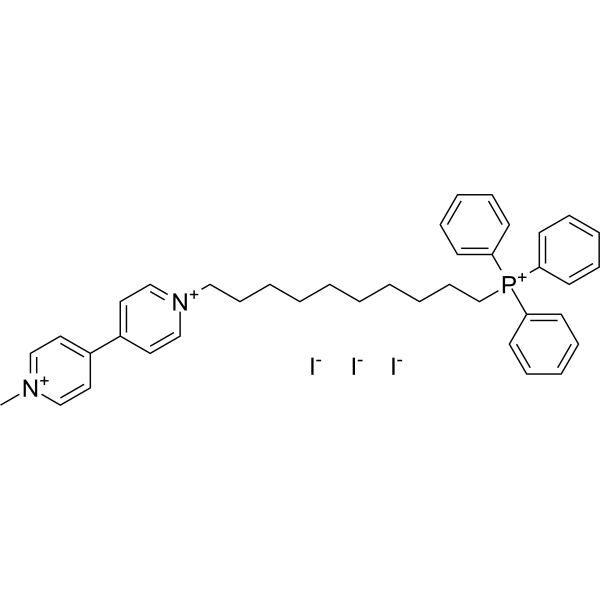
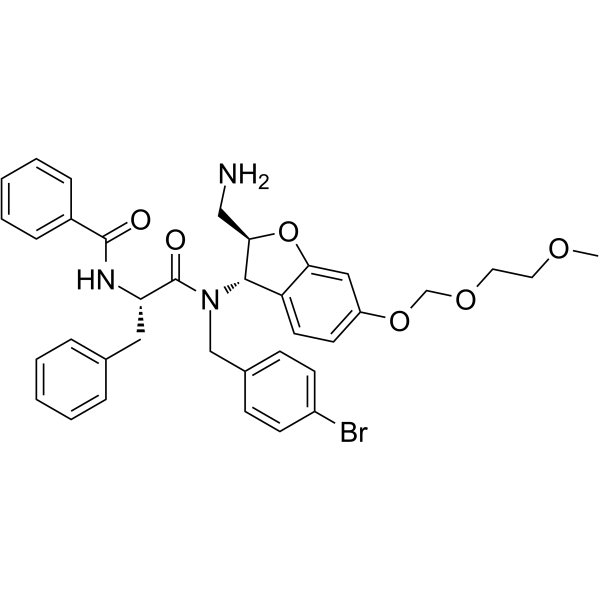
    HCT116 is a peptidomimetic inhibitor of N-terminal methyltransferase 1/2 (NTMT1/2) with an IC50 of 54 nM. HCT116 can inhibit the N-terminal methylation level of NTMT1/2 substrates in HCT116 cells, and is used for the study of NTMT1/2 probes.
    DC432

Inquiry Online

Your information is safe with us. * Required Fields.

Salutation


Country or Region *

Applicant Name *


Organization Name *

Department *


Email Address *


Product Name *

Cat. No.


Requested quantity *

Phone Number *


Remarks

Inquiry Online

Inquiry Information

Product Name:
Cat. No.:
Quantity:
MCE Japan Authorized Agent:

