1. Search Result
Search Result
Results for "

HT22

" in MedChemExpress (MCE) Product Catalog:

53

Inhibitors & Agonists

4

Peptides

13

Natural
Products

Targets Recommended:
Cat. No. Product Name Target Research Areas Chemical Structure
  • HY-P1740
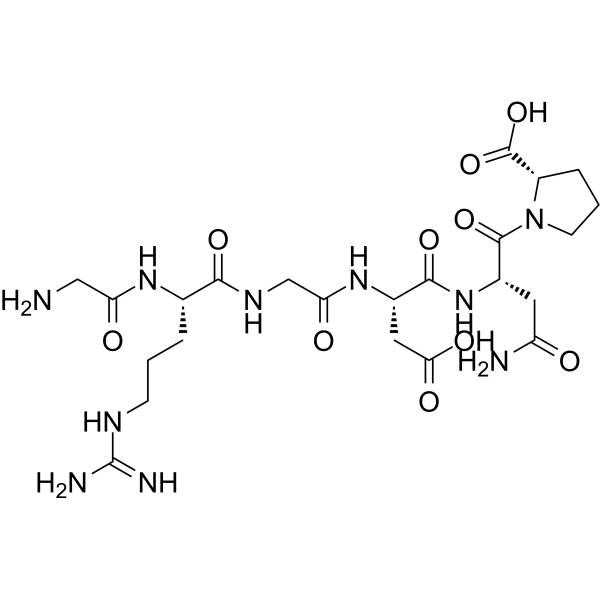
    RGD peptide (GRGDNP)
    5+ Cited Publications

    Integrin Apoptosis Caspase Inflammation/Immunology
    RGD peptide (GRGDNP) is an inhibitor of integrin-ligand interactions. RGD peptide (GRGDNP) competitively inhibits α5β1 binding with extracellular matrice (ECM). RGD peptide (GRGDNP) promotes apoptosis through activation of conformation changes that enhance pro-caspase-3 activation and autoprocessing. RGD peptide (GRGDNP) plays an important role in cell adhesion, migration, growth, and differentiation .
    RGD peptide (GRGDNP)
  • HY-N6778
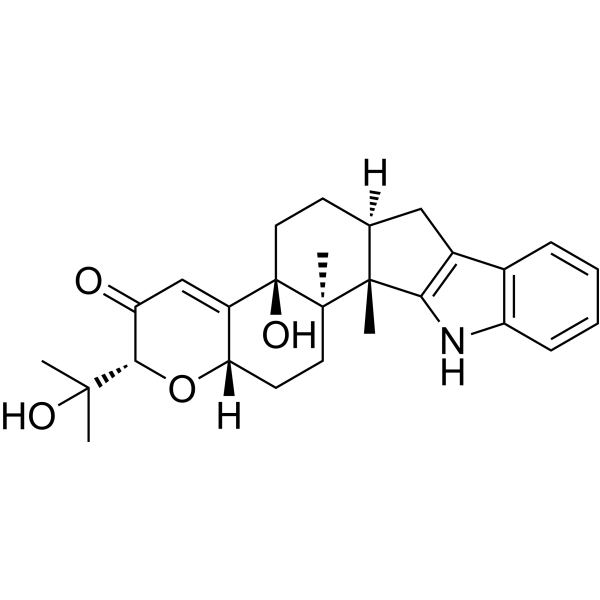
    Paxilline
    Maximum Cited Publications
    10 Publications Verification

    Potassium Channel Calcium Channel Reactive Oxygen Species (ROS) Neurological Disease
    Paxilline is an indole alkaloid mycotoxin derived from Penicillium paxilli, which effectively inhibits the BK channel through a channel-blocking mechanism. Paxilline also inhibits sarco/endoplasmic reticulum Ca 2+-stimulated ATPase (SERCA), with IC50 values ranging from 5 μM to 50 μM for different SERCA isoforms. Paxilline exhibits significant anticonvulsant and neuroprotective effects, as well as certain antioxidant activity .
    Paxilline
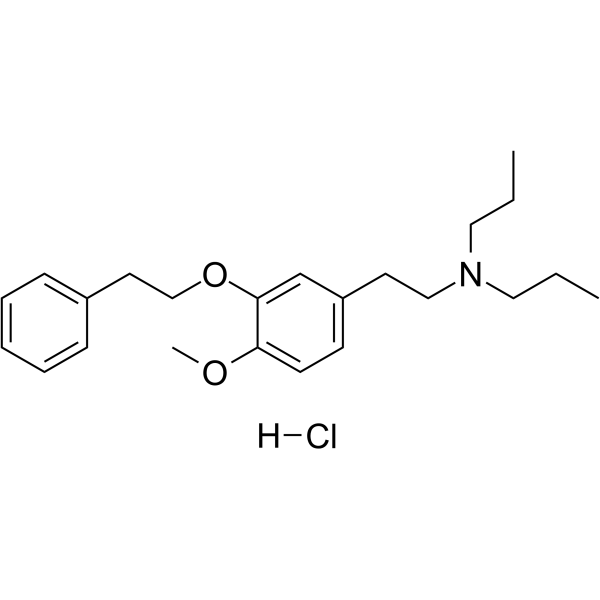
  • HY-101484A
    NE-100 hydrochloride
    1 Publications Verification

    Sigma Receptor ATF6 Neurological Disease
    NE-100 hydrochloride is an orally active and selective sigma-1 receptor antagonist with an IC50 of 4.16 nM. NE-100 hydrochloride can improve cognitive impairment and has neuroprotective and antipsychotic activities. NE-100 hydrochloride can be used for research on nervous system diseases .
    NE-100 hydrochloride
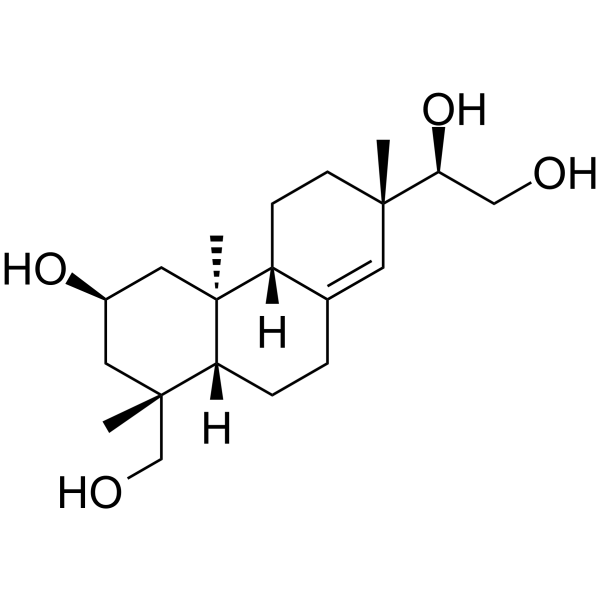
  • HY-N0559
    Kirenol
    1 Publications Verification

    Casein Kinase Apoptosis AMPK Akt NF-κB TGF-beta/Smad Cardiovascular Disease Neurological Disease Metabolic Disease Inflammation/Immunology Cancer
    Kirenol is a diterpenoid compound, an orally active apoptosis inducer and signaling pathway regulator, with a Kd value of 5.47 μM against the target CK2. Kirenol promotes the cleavage of Bid into tBid, regulates the protein levels/phosphorylation of Bax, Bcl-2, p53 and p21, and induces caspase-independent apoptosis, S-phase cell cycle arrest, ROS accumulation and cytotoxicity in cancer cells. Kirenol activates the CK2/AKT and AMPK-mTOR-ULK1 pathways, inhibits the signaling of NF-κB, TGF-β/Smads and NLRP3 inflammasome, and regulates the GSK3β, BMP and Wnt/β-catenin pathways. Kirenol induces autophagy, mitophagy and osteoblast differentiation, promotes mitochondrial fusion, and exerts antioxidant, anti-inflammatory, antifibrotic, renoprotective, cardioprotective, neuroprotective and analgesic effects. Kirenol is applicable to research related to chronic myeloid leukemia, ischemic stroke, diabetic nephropathy, heart failure, acute lung injury and osteoporosis .
    Kirenol
  • HY-113283

    Amyloid-β Natriuretic Peptide Receptor (NPR) α-synuclein Transthyretin (TTR) Claudin Neurological Disease Metabolic Disease Cancer
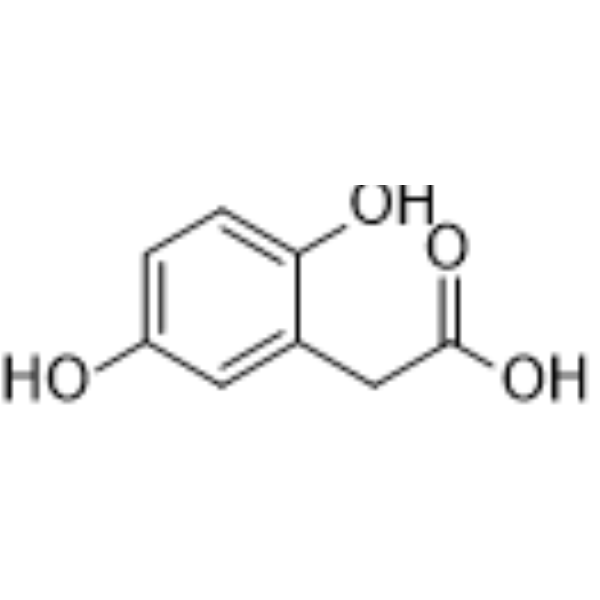
    Homogentisic acid is an orally active, blood-brain barrier-permeable amyloidogenic compound that functions as both an amyloid component and a pigment precursor. Accumulation of homogentisic acid downregulates tight junction proteins (such as claudin-5, occludin, ZO-1) and impairs blood-brain barrier integrity. Homogentisic acid and its oxidation product benzoquinone acetic acid not only induce the aggregation and fibrosis of multiple proteins (such as 1-42, α-synuclein, SAA, Transthyretin (TTR), atrial natriuretic peptide), but also trigger oxidative stress, damage to the Wnt/β-catenin pathway, and neurotoxicity, leading to ochronosis pigment deposition and synaptic dysfunction. At specific concentrations, homogentisic acid exerts no cytotoxicity or genotoxicity on human peripheral blood lymphocytes, and even counteracts the genotoxicity induced by Irinotecan (HY-16562). Homogentisic acid serves as an important tool molecule for investigating the mechanisms of diseases including ochronosis, secondary amyloidosis, Alzheimer's disease, and colorectal cancer .
    Homogentisic acid
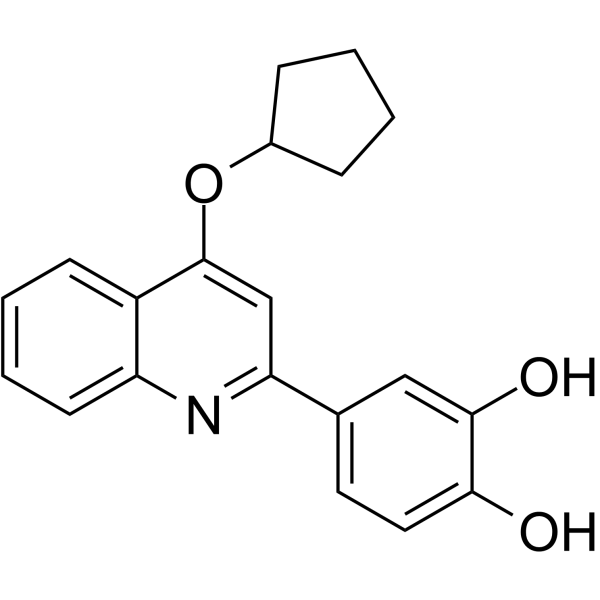
  • HY-135981
    CMS-121
    2 Publications Verification

    Acetyl-CoA Carboxylase Neurological Disease Inflammation/Immunology
    CMS-121 is a quinolone derivative and an orally active acetyl-CoA carboxylase 1 (ACC1) inhibitor. CMS-121 protects HT22 cells against ischemia and oxidative damage with EC50 values of 7 nM and 200 nM, respectively. CMS-121 has strong neuroprotective, anti-inflammatory, antioxidative and renoprotective activities .
    CMS-121
  • HY-N4247

    Bombesin Receptor Bacterial Apoptosis Reactive Oxygen Species (ROS) PI3K Akt GSK-3 MMP mTOR NF-κB LXR Infection Cardiovascular Disease Neurological Disease Inflammation/Immunology Cancer
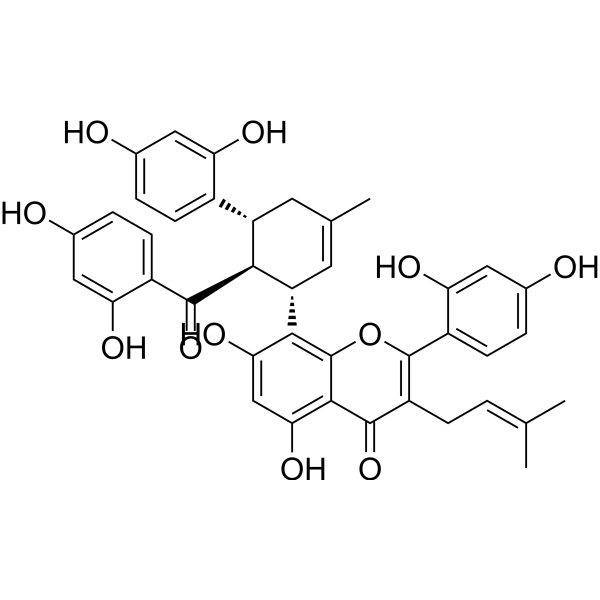
    Kuwanon G is a flavonoid compound and an antagonist of the bombesin receptor. Kuwanon G has multiple activities such as bactericidal, anti-tumor, anti-inflammatory, antioxidant, anti-atherosclerotic, and neuroprotective effects. Kuwanon G exhibits strong antibacterial activity against oral pathogens, especially cariogenic bacteria and periodontal pathogens. Kuwanon G can induce apoptosis and inhibit proliferation, migration, and invasion of tumor cells. Kuwanon G can be used in the research of diseases such as gastric cancer and atherosclerosis .
    Kuwanon G
  • HY-126411

    Lipase ATP Synthase Others
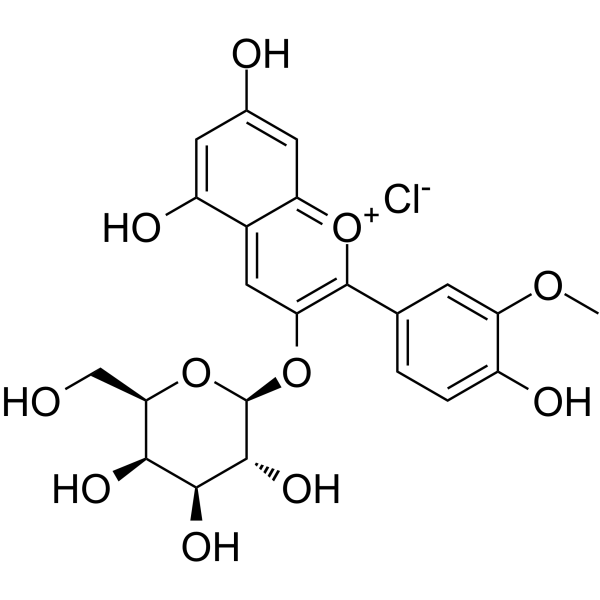
    Peonidin-3-O-galactoside chloride is an anthocyanin with antioxidant properties and blood-brain barrier permeability. Peonidin-3-O-galactoside chloride inhibits pancreatic lipase, with an IC50 value of 23.2 μg/mL against porcine pancreatic lipase. Peonidin-3-O-galactoside chloride mediates neuroprotection, regulates glucose metabolism, protects cells from high glucose-induced damage, promotes glucose uptake and increases ATP production. Peonidin-3-O-galactoside (chloride) can be used in the research of obesity and neurodegenerative diseases .
    Peonidin-3-O-galactoside chloride
  • HY-N6043

    Apoptosis Reactive Oxygen Species (ROS) Bacterial SARS-CoV Estrogen Receptor/ERR Infection Neurological Disease Inflammation/Immunology
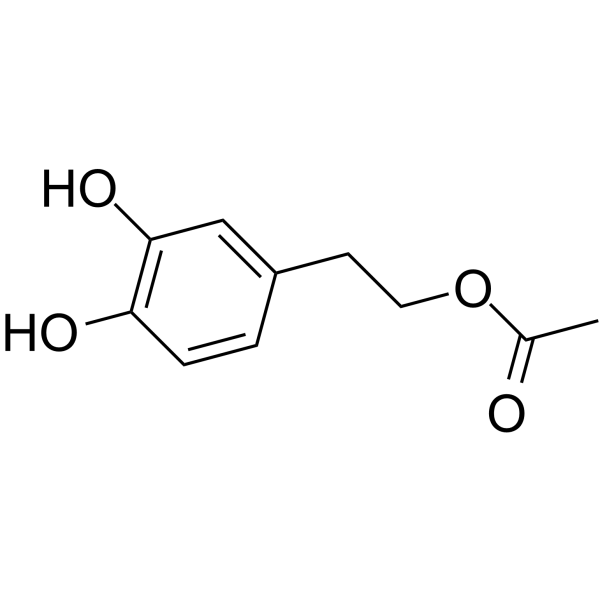
    Hydroxytyrosol acetate is an orally active, blood-brain barrier-permeable multi-active compound with multiple effects including antibacterial, antioxidant, anti-platelet aggregation, and neuroprotective activities. Hydroxytyrosol acetate not only inhibits the growth of Vibrio by increasing bacterial membrane permeability, but also interacts with DNA and mediates supercoiled DNA relaxation. Meanwhile, Hydroxytyrosol acetate effectively reduces thrombosis and inhibits lipid oxidation by inhibiting COX activity and promoting vascular nitric oxide production. In terms of neuroprotection, Hydroxytyrosol acetate significantly alleviates neuronal apoptosis and inflammatory responses by up-regulating the expression level of ERβ, thereby improving cognitive function in Alzheimer's disease models. Hydroxytyrosol acetate has been widely used in scientific research related to Vibrio infection, arterial thrombosis, Alzheimer's disease and other related fields .
    Hydroxytyrosol acetate
  • HY-120553
    B-355252
    1 Publications Verification

    Apoptosis Neurological Disease
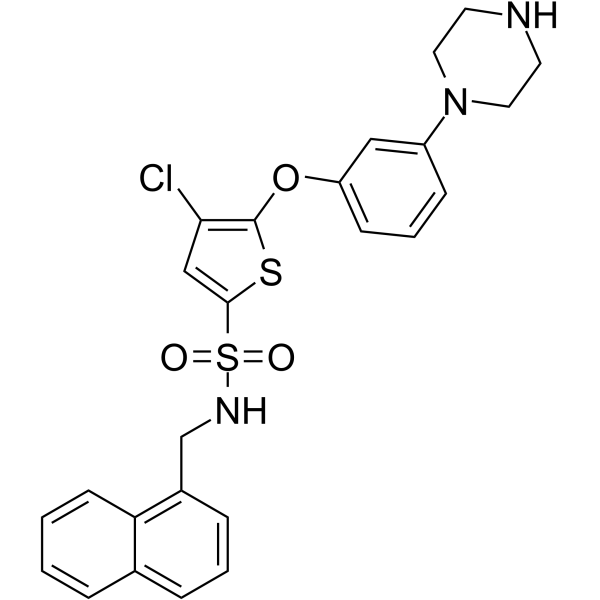
    B355252, a phenoxy thiophene sulfonamide small molecule, is a potent NGF receptor agonist. B355252 potentiates NGF-induced neurite outgrowth. B355252 protects ischemic neurons from neuronal loss by attenuating DNA damage, reducing ROS production and the LDH level, and preventing neuronal apoptosis. B355252 has anti-apoptotic effects in glutamate-induced excitotoxicity, as well as in a murine hippocampal cell line (HT22) model of Parkinson disease (PD) .
    B-355252
  • HY-P1740A
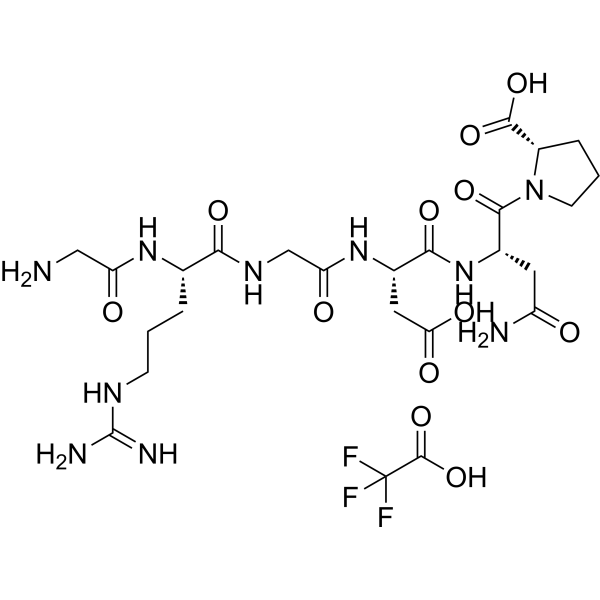
    RGD peptide (GRGDNP) TFA
    5+ Cited Publications

    Integrin Apoptosis Inflammation/Immunology Cancer
    RGD peptide (GRGDNP) TFA is an inhibitor of integrin-ligand interactions. RGD peptide (GRGDNP) TFA competitively inhibits α5β1 binding with extracellular matrice (ECM). RGD peptide (GRGDNP) TFA promotes apoptosis through activation of conformation changes that enhance pro-caspase-3 activation and autoprocessing. RGD peptide (GRGDNP) TFA plays an important role in cell adhesion, migration, growth, and differentiation .
    RGD peptide (GRGDNP) TFA
  • HY-153383
    PDCD4-IN-1
    2 Publications Verification

    Programmed Cell Death 4 (PDCD4) Cancer
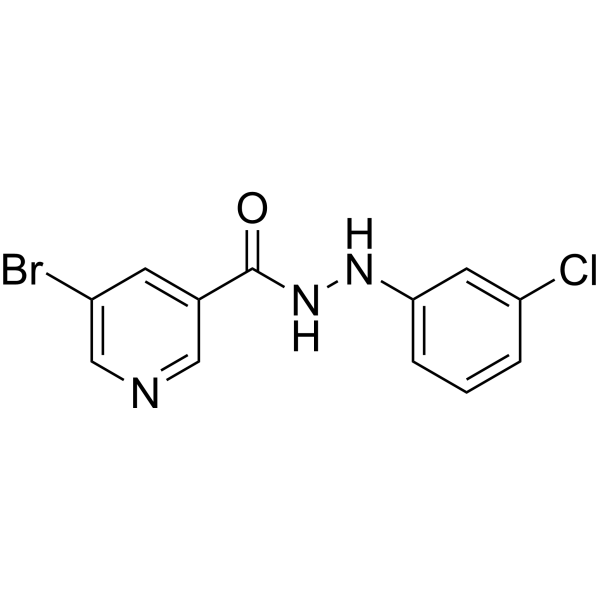
    PDCD4-IN-1(compound 20031600) is a PDCD4 inhibitor with a Kd value of 350 nM, which can promote the expression of BDNF in hippocampal neuron cell HT-22 .
    PDCD4-IN-1
  • HY-136674

    Amyloid-β Neurological Disease
    Aftin-5 is an inducer for Amyloid-β 42 (Aβ42). Aftin-5 upregulates Aβ42 and downregulates Aβ38 levels in a β-secretase- and γ-secretase-dependent manner by altering the ultrastructure of mitochondria. Aftin-5 exhibits slightly cytotoxicity in cell SH-SY5Y, HT22, N2a and N2a-AβPP695, with IC50s of 180, 194, 178 and 150 μM, respectively .
    Aftin-5
  • HY-135776

    o-BMVC

    G-quadruplex Cancer
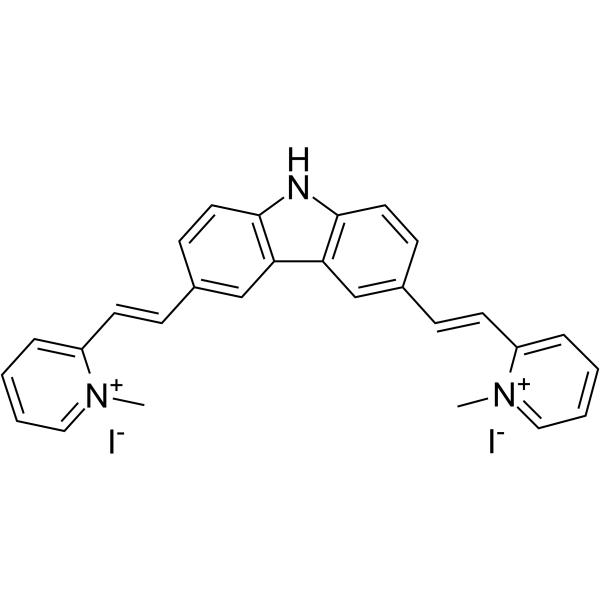
    BMVC2 (o-BMVC) is a bisubstitute carbazole derivative of BMVC. BMVC2 is a G-quadruplex (G4) stabilizer .
    BMVC2
  • HY-146195

    Toll-like Receptor (TLR) p38 MAPK JNK ERK Cholinesterase (ChE) Neurological Disease Inflammation/Immunology
    MAPK-IN-1 (Compound 2) is a MAPK signaling pathway inhibitor. MAPK-IN-1 exhibits AChE inhibitory activity with an IC50 of 23.84 μM. MAPK-IN-1 shows anti-neuroinflammatory and neuroprotective activity and can be used for Alzheimer's disease research .
    MAPK-IN-1
  • HY-163280

    NAMPT Neurological Disease
    JGB-1-155 is a positive allosteric modulators (N-PAMs), which enhances the activity of nicotinamide phosphoribosyltransferase NAMPT with EC50 of 3.29 μM. JGB-1-155 counteracts the oxidative stress, through upregulating the NAD + in THP-1 human monocytes. JGB-1-155 attenuates TNFα-induced ROS in HT-22 cells .
    JGB-1-155
  • HY-100218B

    Glutathione Peroxidase Ferroptosis Cancer
    (1R,3S)-RSL3 is the less active (1R,3S)-enantiomer of RSL3 ((1S,3R)-RSL3). (1R,3S)-RSL3 and RSL3 induce cell death in HT22 wild-type cells with EC50 values of 5.2 µM and 0.004 µM, rspectively .
    (1R,3S)-RSL3
  • HY-P10998

    TET Protein Neurological Disease
    Tet1 peptide is a peptide that specifically binds to neurons. Tet1 peptide binds to GT1B ganglioside and trisialoganglioside clostridial toxin receptor on the surface of neuronal cells, and can be used in peptide conjugation and drug delivery research .
    Tet1 peptide
  • HY-W009300
    4-Hydroxyestrone
    1 Publications Verification

    4-OHE1

    Endogenous Metabolite Estrogen Receptor/ERR Sirtuin MDM-2/p53 PDI Ferroptosis Reactive Oxygen Species (ROS) Neurological Disease Metabolic Disease Cancer
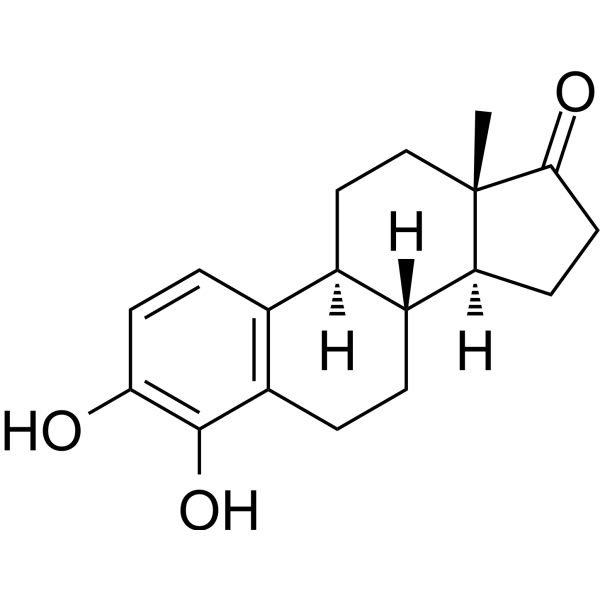
    4-Hydroxyestrone (4-OHE1) is a brain-penetrant estrogen metabolite. 4-Hydroxyestrone shows neuroprotective effects involving increased cytoplasmic localization of p53 resulting from SIRT1-mediated p53 deacetylation. 4-Hydroxyestrone relies on PDI to mediate its protective effect against chemically induced ferroptosis in estrogen receptor-negative cancer cells. 4-Hydroxyestrone inhibits lipid peroxidation and lipid-ROS accumulation. 4-Hydroxyestrone blocks preovulatory luteinizing hormone surges in Rattus norvegicus. 4-Hydroxyestrone can be used for the researches of neurodegeneration, breast cancer and endocrine disease .
    4-Hydroxyestrone
  • HY-149764

    Amyloid-β Neurological Disease
    Aβ42 agonist-2 (compound 7b) is a small molecule compound that can promote Aβ42 aggregation. Aβ42 agonist-2 can interact with Aβ42 oligomers and pentamers to promote nontoxic aggregate self-assembly and rapid fibril formation. Aβ42 agonist-2 prevents Aβ42-induced cytotoxicity in HT22 hippocampal neuronal cells .
    Aβ42 agonist-2
  • HY-N9966

    Others Others
    Sanggenol O? is an active product that can be extracted from Morus alba. Sanggenol O? has hepatoprotective and neuroprotective activities with EC50s more than 80 μM in HepG2 and HT22 cells .
    Sanggenol O
  • HY-161327

    HBV Infection
    HBV-IN-44 (Compound (S)-2a) is a HBV inhibitor with a IC50 value of 23 nM for HbsAg. HBV-IN-44 is less toxic to the neurite growth of HT22 cells and DRG neurons in vitro .
    HBV-IN-44
  • HY-N8464

    Bacterial Cancer
    Juncuenin D induces caspase-3-mediated cytotoxicity in HT22 cells. Juncuenin D also has anti-bacterial activity against MRSA strains. Juncuenin D can be isolated from J. effusus .
    Juncuenin D
  • HY-175675

    P2Y Receptor Keap1-Nrf2 Cardiovascular Disease Neurological Disease
    P2Y1 antagonist 4 is a selective P2Y1 receptor antagonist with excellent blood-brain barrier (BBB) penetration. P2Y1 antagonist 4 inhibits P2Y1 receptor-mediated cytosolic Ca 2+ increase (IC50 = 1.95 μM) and platelet aggregation (IC50 = 3.24 μM) induced by ADP in rabbit washed platelets. P2Y1 antagonist 4 significantly upregulates the level of nuclear Nrf2 protein in H2O2-treated HT22 cells. P2Y1 antagonist 4 reduces myocardial infarct size in a mouse acute myocardial infarction (MI) model. P2Y1 antagonist 4 can be used for the study of ischemic stroke and myocardial infarction .
    P2Y1 antagonist 4
  • HY-N8412

    Others Neurological Disease
    4-O-Methylbutein is a phenolic glucoside that can be isolated from Elsholtzia ciliata.4-O-Methylbutein exhibits neuroprotective effects against glutamate-induced HT22 cell death with an EC50 of 35.2 μM .
    4-O-Methylbutein
  • HY-170367

    Bacterial Infection
    Antimicrobial agent-35 (Compound c9) exhibits antibacterial agent, that inhibits S. aureus, E. coli, E. faecalis, and S. maltophilia with MIC of 0.5-2 μg/mL. Antimicrobial agent-35 exhibits cytotoxicity against HT-22 with IC50 of 130.4 μg/mL .
    Antimicrobial agent-35
  • HY-139382

    Cytochrome P450 Neurological Disease
    2-(Isopentylamino)naphthalene-1,4-dione (compound 3d), a Vitamin K (HY-B2172) analogue, shows protection in Pentylenetetrazole (PTZ)-induced seizure model. 2-(Isopentylamino)naphthalene-1,4-dione significantly increases ATP levels in zebrafish as well as HT-22 cells. 2-(Isopentylamino)naphthalene-1,4-dione shows excellent permeability into the brain .
    2-(Isopentylamino)naphthalene-1,4-dione
  • HY-149763

    Amyloid-β Neurological Disease
    Aβ42 agonist-1 is a compound that can promote Aβ42 aggregation. Aβ42 agonist-1 can interact with Aβ42 oligomers and pentamers to promote nontoxic aggregate self-assembly and rapid fibril formation. Aβ42 agonist-1 prevents Aβ42-induced cytotoxicity in HT22 hippocampal neuronal cells .
    Aβ42 agonist-1
  • HY-W670700

    MMP Others
    2,5-Dihydroxy-4-methoxyacetophenone (compounds 3) can be isolated from the 80% methanol extract of roots of Cynanchum paniculatum Kitagawa. 2,5-Dihydroxy-4-methoxyacetophenone inhibits glutamate-induced cytotoxicity in hippocampal HT22 cell line . 2,5-Dihydroxy-4-methoxyacetophenone significantly inhibites MMP-13 expression in SW1353 cells, and have the potential for alleviating cartilage degradation .
    2,5-Dihydroxy-4-methoxyacetophenone
  • HY-174339

    Phosphodiesterase (PDE) Heme Oxygenase (HO) NF-κB Neurological Disease Inflammation/Immunology
    Neuroprotective agent 12 is an orally active and BBB-penetrable neuroprotective agent. Neuroprotective agent 12 has potent neuroprotective effects with robust anti-oxidation and anti-inflammation. Neuroprotective agent 12 significantly inhibits glutamate- and acrolein-induced cell death, reduces PDE4B expression but increases the HO-1, p-CREB and BDNF levels. Neuroprotective agent 12 exhibits potent neuroprotection in traumatic brain injury (TBI) mice model, promising for TBI and other central nervous system diseases .
    Neuroprotective agent 12
  • HY-178352

    Monoamine Oxidase Reactive Oxygen Species (ROS) Neurological Disease Inflammation/Immunology
    MAO-B-IN-49 is a selective and reversible MAO-B inhibitor (IC50 of 1 nM for human MAO-B). MAO-B-IN-49 shows much higher selectivity for MAO-B than for MAO-A (IC50 = 633.9 μM). MAO-B-IN-49 can reduce ROS production induced by Lipopolysaccharides (HY-D1056) (LPS) in HT22 cells. MAO-B-IN-49 demonstrates substantial neuroprotective properties and significantly improves motor dysfunction in MPTP (HY-W114750)-induced mouse models of Parkinson’s disease (PD). MAO-B-IN-49 can be used for the study of PD .
    MAO-B-IN-49
  • HY-170562

    Reactive Oxygen Species (ROS) Apoptosis Neurological Disease
    STEP-IN-1 (Compound 14b) is a potent and selective STEP inhibitor with an IC50 of 5.27 μM. STEP-IN-1 has a neuroprotective effect, which can protect nerve cells from glutamate-induced toxicity, reduce cellular ROS accumulation, and inhibit apoptosis. STEP-IN-1 can be used in the study of neurodegenerative diseases .
    STEP-IN-1
  • HY-114892

    8-iso Prostaglandin A2

    Prostaglandin Receptor Endocrinology
    15-A2t-Isoprostane (8-iso Prostaglandin A2) is an isoprostaglandin produced by the non-enzymatic oxidation of arachidonic acid .
    15-A2t-Isoprostane
  • HY-180327

    Drug Derivative Apoptosis Keap1-Nrf2 Raf MEK ERK Neurological Disease Inflammation/Immunology
    NEPP11 is a cyclopentenone prostaglandin analogue. NEPP11 can inhibit glutamate-induced HT22 cell death in mouse hippocampus and prevent manganese-induced apoptosis in PC12 cells. NEPP11 can activate Nrf2 and maintain MEK1/2 and ERK1/2 activity by inhibiting c-Raf downregulation. NEPP11 exerts a neuroprotective effect in a mouse model of focal cerebral ischemia caused by permanent middle cerebral artery occlusion .
    NEPP11
  • HY-180806

    RIP kinase Apoptosis Cardiovascular Disease Neurological Disease
    RIPK1-IN-39 (compound 2) is a potent and selective RIPK1 inhibitor (IC50 = 69.40 nM) exhibiting >100-fold selectivity over RIPK3 (IC50 = 6946 nM). RIPK1-IN-39 protects HT-22 and HT-29 cells from necroptosis by inhibiting the phosphorylation and activation of the RIPK1-RIPK3-MLKL pathway. RIPK1-IN-39 demonstrates neuroprotective effects in a rat model of middle cerebral artery occlusion (MCAO). RIPK1-IN-39 can be used for acute ischemic stroke (AIS) research .
    RIPK1-IN-39
  • HY-174260

    NO Synthase COX Caspase MDM-2/p53 Neurological Disease
    Neuroprotective agent 11 (Compound 1a) is an orally active polyphenol compound with significant protective effects against cerebral ischemia. The main activities of Neuroprotective agent 11 include inhibiting neuronal inflammation and apoptosis, reducing cerebral infarction volume, and improving behavioral symptoms of cerebral ischemic mice. Neuroprotective agent 11 exerts its regulatory mechanism by downregulating the expression of inflammatory factors (iNOSCOX-2) and apoptotic proteins (cleaved-Caspase3, p53). Neuroprotective agent 11 can be used in the study of cerebral ischemia-related diseases (such as ischemic stroke) .
    Neuroprotective agent 11
  • HY-174126

    P2Y Receptor Cardiovascular Disease
    P2Y1 antagonist 2 (Compound 19) is a P2Y1 receptor antagonist (IC50: 0.49 μM). P2Y1 antagonist 2 has significant antiplatelet aggregation activity and exerts its effects by inhibiting P2Y1 receptor. P2Y1 antagonist 2 can upregulate nuclear Nrf2 protein levels, exhibit neuroprotective effects, and resist oxidative stress damage. P2Y1 antagonist 2 can effectively reduce cerebral infarction area and improve neurobehavioral function, and can be used in the study of ischemic stroke .
    P2Y1 antagonist 2
  • HY-179027

    Lactate Dehydrogenase Apoptosis Reactive Oxygen Species (ROS) SOD Neurological Disease
    LDH-IN-5 is a Lactate Dehydrogenase (LDH) inhibitor with neuroprotective activity. LDH-IN-5 can inhibit cell apoptosis, reduce ROS, MDA production and increases superoxide dismutase (SOD) activity. LDH-IN-5 can be used for the research of neurological disease, such as ischemic stroke .
    LDH-IN-5
  • HY-402805

    DYRK CDK Tau Protein Cancer
    DYRK2-IN-2 (Compound C17) is a selective inhibitor of DYRK2, with its IC50 value being 40.3 nM. The inhibitory activity of DYRK2-IN-2 on DYRK1A (IC50 = 1842 nM), DYRK1B (IC50 = 1335 nM), DYRK4 (IC50 = 1931 nM), DYRK3 (IC50 = 112 nM), and CLKs (IC50 = 540-6496 NM) is relatively low. DYRK2-IN-2 inhibits the phosphorylation of Tau protein at Thr212 and shows moderate cytotoxicity in HT22 cells. DYRK2-IN-2 can be used in cancer research .
    DYRK2-IN-2
  • HY-180197

    PKC iGluR Reactive Oxygen Species (ROS) Cardiovascular Disease Neurological Disease
    PICK1 PDZ-IN-1 (Compound 6b) is a selective and brain-penetrant protein interacting with C kinase 1 (PICK1) PDZ domain inhibitor with a Ki of 27.73 μM. PICK1 PDZ-IN-1 can competitively inhibit the interaction between PICK1 and the GluA2 subunit of AMPA receptors. PICK1 PDZ-IN-1 can increase the survival rate of HT22 cells and primary cortical neuron cells induced by glutamate and inhibit ROS production. PICK1 PDZ-IN-1 exhibits neuroprotective effect and reduces the area of cerebral infarction. PICK1 PDZ-IN-1 can be used for the research of ischemic stroke .
    PICK1 PDZ-IN-1
  • HY-181124

    Idebenone-2S-FrFK-NH2

    Drug Derivative Reactive Oxygen Species (ROS) Mitochondrial Metabolism Cardiovascular Disease Neurological Disease Inflammation/Immunology
    Idebenone-SS-20 (Idebenone-2S-FrFK-NH2) is a Idebenone (HY-N0303) derivative conjugated to the mitochondria-targeting peptide SS-20. Idebenone-SS-20 shows neuroprotective and anti-inflammatory effects. Idebenone-SS-20 can preserve mitochondrial membrane potential, enhance ATP production, reduce ROS accumulation, maintain mitochondrial morphology and elevate NAD+/NADH ratio. Idebenone-SS-20 confers robust neuroprotection in a murine model of transient middle cerebral artery occlusion. Idebenone-SS-20 can be used for the research of cerebral .
    Idebenone-SS-20
  • HY-170976

    Cholinesterase (ChE) Neurological Disease
    BuChE-IN-16 (Compound 6a) is an orally active, BBB-permeable, and selective BuChE inhibitor with an IC50 of 0.33 μM. BuChE-IN-16 has anti-inflammatory and neuroprotective effects. BuChE-IN-16 can improve the cognitive function of zebrafish with Alzheimer's disease (AD) and alleviate memory impairment in mice induced by Scopolamine (HY-N0296). BuChE-IN-16 can be used for the research of AD .
    BuChE-IN-16
  • HY-N9770

    Drug Derivative Others
    Juncuenin B is a natural phenolic compound.
    Juncuenin B
  • HY-181589

    Phosphodiesterase (PDE) Neurological Disease
    PDE11A4-IN-2 is a selective PDE11A4 inhibitor with an IC50 of 33 nM. PDE11A4-IN-2 functionally inhibits PDE11A4-mediated catalytic activities of cAMP and cGMP in cellular models. PDE11A4-IN-2 is applicable to the research of age-related cognitive decline .
    PDE11A4-IN-2
  • HY-175824

    iGluR NO Synthase Apoptosis Reactive Oxygen Species (ROS) Neurological Disease
    PSD-95/nNOS PPI-IN-1 is a inhibitor targeting the PSD-95/nNOS interaction with potential blood-brain barrier penetration. PSD-95/nNOS PPI-IN-1 binds to the PSD-95 PDZ2 domain with high affinity (Ki = 19.45 μM). PSD-95/nNOS PPI-IN-1 inhibits glutamate-induced excitotoxicity by reducing intracellular ROS levels and inhibiting apoptosis. PSD-95/nNOS PPI-IN-1 significantly reduces cerebral infarct volume in rat tMCAO models. PSD-95/nNOS PPI-IN-1 can be used for the study of acute ischemic stroke .
    PSD-95/nNOS PPI-IN-1
  • HY-181596

    RIP kinase Mixed Lineage Kinase Apoptosis Inflammation/Immunology
    WJH-C19 is an orally active RIPK1 inhibitor with an IC50 of 5.7 nM. WJH-C19 inhibits the RIPK1/RIPK3/MLKL signaling axis, blocks RIPK1 phosphorylation, suppresses the phosphorylation of downstream RIPK3 and MLKL, disrupts necrosome formation, and exhibits protective effects against necroptosis (Apoptosis) in multiple cell lines. WJH-C19 ameliorates symptoms of inflammatory bowel disease in a mouse colitis model by regulating the necroptosis pathway. WJH-C19 alleviates inflammation and bone destruction in a mouse model of rheumatoid arthritis. WJH-C19 is applicable to research related to inflammatory bowel disease and rheumatoid arthritis .
    WJH-C19
  • HY-183654

    HIF/HIF Prolyl-Hydroxylase Cardiovascular Disease Neurological Disease
    Vadadustat prodrug-1 is a near-infrared activated photocaged, blood-brain barrier-permeable neuroprotective prodrug of Vadadustat. Vadadustat prodrug-1 masks the acidic pharmacophore of Vadadustat, and releases active Vadadustat upon irradiation at 650 nm to inhibit PHD2. Vadadustat prodrug-1 reduces cell damage, infarct volume and cerebral edema, and promotes neurological function recovery. Vadadustat prodrug-1 can be used for the research of ischemic stroke .
    Vadadustat prodrug-1
  • HY-183357

    GABA Receptor 5-HT Receptor Reactive Oxygen Species (ROS) TNF Receptor Interleukin Related COX NF-κB IKK NO Synthase Neurological Disease Inflammation/Immunology
    GABAAR/5-HT2AR modulator-1 is an orally active and brain-penetrant GABAAR agonist and 5-HT2AR antagonist with Kd values of 0.89 and 0.78 μM. GABAAR/5-HT2AR modulator-1 blocks 5-HT-stimulated IP1 accumulation, inducing a chloride current, reduces LPS (HY-D1056)-induced increases of ROS, NO, TNF-α, IL-6, IL-1β, iNOS, and COX-2 levels. Antidepressant agent 11 dihydrochloride inhibits NF-κB pathway activation by reducing IκBα and p65 phosphorylation and blocking p65 nuclear translocation. GABAAR/5-HT2AR modulator-1 alleviates depression-like behaviors in LPS-challenged and chronic restraint stress-challenged mice, and protects hippocampal neurons against inflammation-mediated damage .
    GABAAR/5-HT2AR modulator-1
  • HY-183289

    Ferroptosis Reactive Oxygen Species (ROS) Drug Derivative Neurological Disease
    Ferroptosis-IN-25, Trolox (HY-101445) derivative, is a selective ferroptosis inhibitor. Ferroptosis-IN-25 selectively inhibits ferroptosis by scavenging ROS and suppressing lipid peroxidation independently of glutathion. Ferroptosis-IN-25 reduces corneal neovascularization and edema in murine corneal alkali burn models via topical administration.Ferroptosis-IN-25 can be used for the research of ocular surface diseases .
    Ferroptosis-IN-25
  • HY-18314B

    Orphan Nuclear Receptor Ferroptosis Cardiovascular Disease
    (Z)-GW 441756 is a hepatocyte nuclear factor 4α (HNF4α) activator, with an EC50 of 9.2 μM and a Ka of 4.6 μM in human systems. (Z)-GW 441756 directly interacts with the ligand-binding domain of HNF4α via persistent hydrogen bonds and hydrophobic interactions within the binding pocket. (Z)-GW 441756 reduces the accumulation of triglycerides and total cholesterol. (Z)-GW 441756 inhibits ferroptosis through a non-antioxidant mechanism. (Z)-GW 441756 decreases plasma triglyceride and total cholesterol levels in animal models of hyperlipidemia. (Z)-GW 441756 can be used in studies related to hyperlipidemia .
    (Z)-GW 441756

Inquiry Online

Your information is safe with us. * Required Fields.

Salutation


Country or Region *

Applicant Name *


Organization Name *

Department *


Email Address *


Product Name *

Cat. No.


Requested quantity *

Phone Number *


Remarks

Inquiry Online

Inquiry Information

Product Name:
Cat. No.:
Quantity:
MCE Japan Authorized Agent:

