

1. Search Result
Search Result
Results for "

IE

" in MedChemExpress (MCE) Product Catalog:

70

Inhibitors & Agonists

3

Screening Libraries

3

Fluorescent Dye

6

Biochemical Assay Reagents

12

Peptides

2

Inhibitory Antibodies

6

Natural
Products

2

Recombinant Proteins

1

Isotope-Labeled Compounds

1

Click Chemistry

1

Oligonucleotides

Cat. No. Product Name Target Research Areas Chemical Structure
  • HY-B2227B

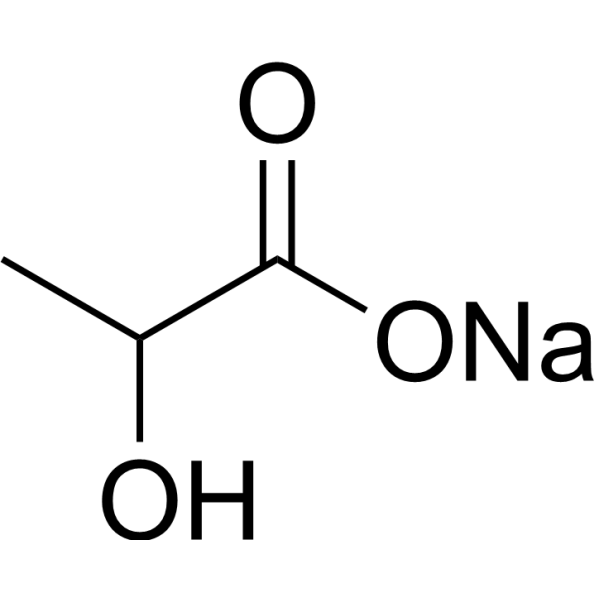
    DL-Lactic acid sodium; E-270 sodium

    Environmental Pollutants Endogenous Metabolite Bacterial Hydroxycarboxylic Acid Receptor (HCAR) Infection Metabolic Disease Inflammation/Immunology Cancer
    Lactic acid (DL-Lactic acid) sodium (60% w/w in water) is a hydroxycarboxylic acid receptor 1 (HCAR1) activator and an epigenetic modulator inducing lysine residues lactylation. Lactic acid sodium (60% w/w in water) is a glycolysis end-product, bridging the gap between glycolysis and oxidative phosphorylation. Lactic acid sodium (60% w/w in water) is an oncometabolite and has immune protective role of lactate in anti-tumor immunity . Lactic acid sodium (60% w/w in water) also has antimicrobial activity, which can be used as a food preservative .
    This product has a content (w/w) of 60%, and 1 mL of the system contains 798 mg of Lactic acid sodium, i.e., a concentration of 798 mg/mL (i.e., 7.12 M).
    Lactic acid sodium (60% w/w in water)
  • HY-101297
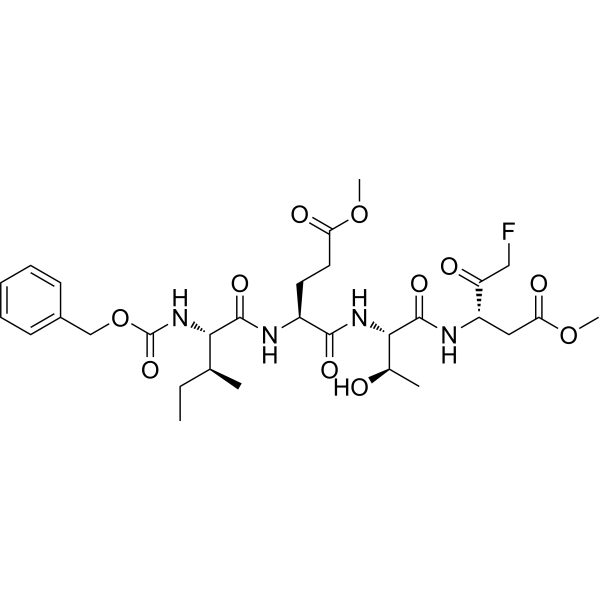
    Z-IETD-FMK
    65+ Cited Publications

    Z-IE(OMe)TD(OMe)-FMK

    Caspase Cancer
    Z-IETD-FMK (Z-IE(OMe)TD(OMe)-FMK) is a selective and cell permeable caspase-8 inhibitor . Z-IETD-FMK is also a granzyme B inhibitor .
    Z-IETD-FMK
  • HY-W020033
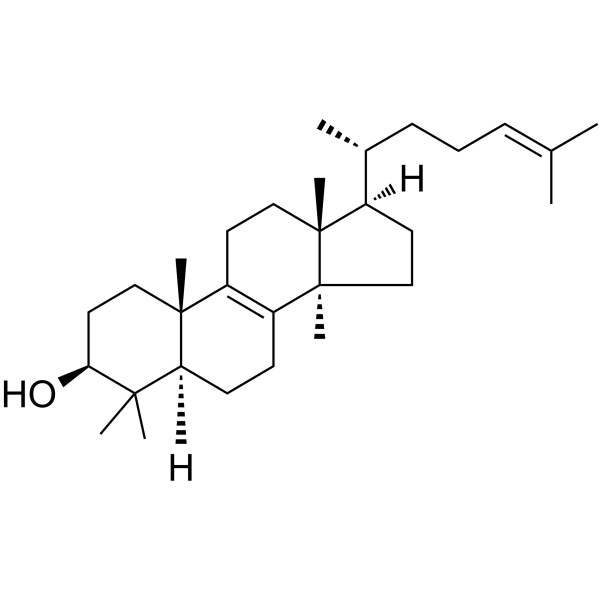
    Lanosterol
    3 Publications Verification

    Endogenous Metabolite Neurological Disease
    Lanosterol is an intermediate of cholesterol synthesis and use of lanosterol induces ubiquitination and degradation of a rate-controlling enzyme of cholesterol synthesis, i.e., HMG CoA reductase. Lanosterol suppresses the aggregation and cytotoxicity of misfolded proteins linked with neurodegenerative diseases .
    Lanosterol
  • HY-12725
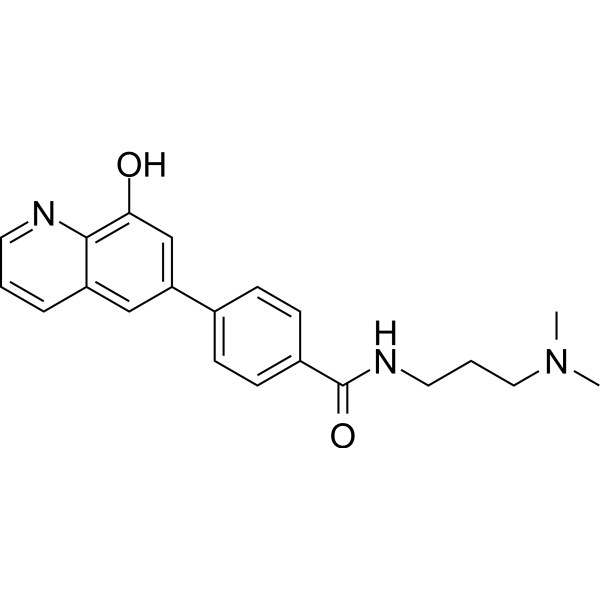
    ML324
    5+ Cited Publications

    Histone Demethylase HSV CMV Cancer
    ML324 is a potent JMJD2 demethylase inhibitor with antiviral activity. ML324 also exhibits inhibition for the histone demethylase KDM4B, with an IC50 of 4.9 μM. ML324 has potent anti-viral activity against both herpes simplex virus (HSV) and human cytomegalovirus (hCMV) infection via inhibition viral IE gene expression .
    ML324
  • HY-158082C
    TRITC-dextran, MW 70000
    2 Publications Verification

    Tetramethyl rhodamine isothiocyanate glucan, MW 70000

    Fluorescent Dye Others
    TRITC-dextran MW 70000 (Tetramethyl rhodamine isothiocyanate glucan, MW 70000) is a fluorescent dye with a molecular weight of 70 kD. The excitation wavelength of TRITC-dextran MW 70000 is 555 nm, and its emission wavelength is 570 nm. TRITC-dextran MW 70000 is used for drug delivery because TRITC maintains stability over a wide pH range (i.e., pH 2-11) and exhibits photobleaching resistance .
    TRITC-dextran, MW 70000
  • HY-171006
    IRF1-IN-1
    1 Publications Verification

    Caspase PARP Pyroptosis Interleukin Related IFNAR Infection Inflammation/Immunology
    IRF1-IN-1 (Compound I-2) is an IRF1 inhibitor. IRF1-IN-1 decreases the recruitment of IRF1 to the promoter of CASP1. IRF1-IN-1 inhibits cell death signaling pathway (i.e., cleavage of Caspase 1, GSDMD, IL-1 and PARP1). IRF1-IN-1 has a protective effect on ionizing radiation-induced inflammatory skin injury .
    IRF1-IN-1
  • HY-158082
    TRITC-dextran, MW 4000
    2 Publications Verification

    Tetramethyl rhodamine isothiocyanate glucan, MW 4000

    Fluorescent Dye Others
    TRITC-dextran MW 4000 (Tetramethyl rhodamine isothiocyanate glucan, MW 4000) is a fluorescent dye, with the molecular weight of 4 kD. TRITC-dextran MW 4000 exhibits an excitation wavelength of 555 nm. TRITC-dextran MW 4000 is vessel penetrate, which could label blood plasma to visualize the vasculature. TRITC-dextran MW 4000 is utilized in drug delivery for the stability of TRITC over a wide pH range (i.e. pH 2–11) and resistance to photo-bleaching .
    TRITC-dextran, MW 4000
  • HY-19333
    OG-L002
    2 Publications Verification

    Histone Demethylase Monoamine Oxidase HSV Infection
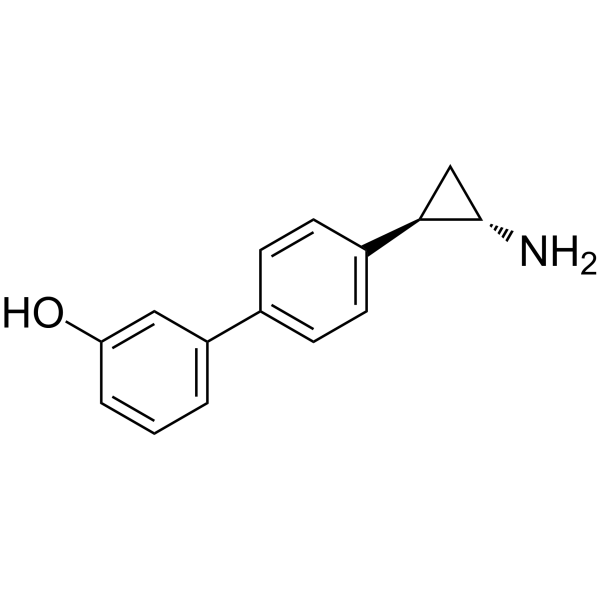
    OG-L002 is a potent and highly selective LSD1 inhibitor with an IC50 of 0.02 μM. OG-L002 is a potent monoamine oxidases (MAO) inhibitor with IC50s of 1.38 μM and 0.72 μM for MAO-A and MAO-B, respectively. OG-L002 potently inhibits the expression of HSV IE genes .
    OG-L002
  • HY-121309
    Doxorubicinone
    2 Publications Verification

    Adriamycin aglycone; Adriamycinone

    NF-κB TNF Receptor Interleukin Related Drug Derivative Inflammation/Immunology Cancer
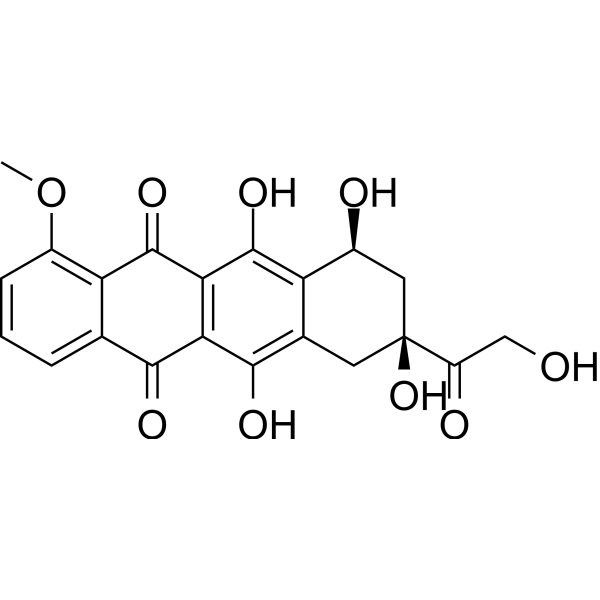
    Doxorubicinone (Adriamycin aglycone) is the aglycone of the antibiotic Doxorubicin (HY-15142A), i.e., its sugar-free parent nucleus structure. Doxorubicinone does not induce DNA damage or bind to RelA, but still downregulates the expression of pro-inflammatory cytokines (such as TNF, IL-12, etc.) regulated by the NF-κB pathway. Doxorubicinone can be used in sepsis-related research .
    Doxorubicinone
  • HY-12892
    SKI-178
    1 Publications Verification

    SphK Apoptosis Cancer
    SKI-178 is a potent sphingosine kinase-1 (SphK1) and SphK2 inhibitor. SKI-178 is cytotoxic at IC50 concentrations ranging from 1.8 to 0.1 μM in both agent sensitive and multi-agent resistant cancer cell lines (i.e., MTR3, NCI-ADR and HL60/VCR cells). SKI-178 induces apoptosis in a CDK1-dependent manner in human acute myeloid leukemia cell lines .
    SKI-178
  • HY-171007
    IRF1-IN-2
    1 Publications Verification

    Caspase PARP Pyroptosis Interleukin Related Glutathione Peroxidase IFNAR Infection Inflammation/Immunology
    IRF1-IN-2 (Compound I-19) is an IRF1 inhibitor. IRF1-IN-2 decreases the recruitment of IRF1 to the promoter of CASP1. IRF1-IN-2 inhibits cell death signaling pathway (i.e., cleavage of Caspase 1, GSDMD, IL-1 and PARP1; inhibits the Pho of TKB1, upregulates GPX4 and downregulates FACL4). IRF1-IN-2 has a protective effect on ionizing radiation-induced inflammatory skin injury .
    IRF1-IN-2
  • HY-P5523A

    NOD-like Receptor (NLR) NF-κB Interleukin Related Metabolic Disease
    iE-DAP dihydrochloride is a Nod1 agonist. iE-DAP dihydrochloride activates NOD1, which in turn activates the NF-κB signaling pathway and MLCK signaling pathway, inducing cellular inflammatory responses and tight junction disruption. iE-DAP dihydrochloride downregulates the expression of ZO-1 and Occludin genes. iE-DAP dihydrochloride increases the secretion of IL-6, GRO-α, MCP-1, IL-8 and MIP-1β in term human trophoblast cell cultures. iE-DAP dihydrochloride triggers preterm birth in pregnant mice, reduces fetal body weight, and induces fetal inflammation. iE-DAP dihydrochloride can be used in studies related to mastitis and preterm birth .
    iE-DAP dihydrochloride
  • HY-158082A

    Tetramethyl rhodamine isothiocyanate glucan, MW 20000

    Fluorescent Dye Others
    TRITC-dextran, MW 20000 (Tetramethyl rhodamine isothiocyanate glucan, MW 20000) is a fluorescent dye, with the molecular weight of 20 kD. TRITC-dextran MW 20000 exhibits an excitation wavelength of 555 nm. TRITC-dextran MW 20000 is vessel penetrate, which could label blood plasma to visualize the vasculature. TRITC-dextran MW 20000 is utilized in drug delivery for the stability of TRITC over a wide pH range (i.e. pH 2–11) and resistance to photo-bleaching .
    TRITC-dextran, MW 20000
  • HY-D1090

    DNA Stain Fluorescent Dye Others
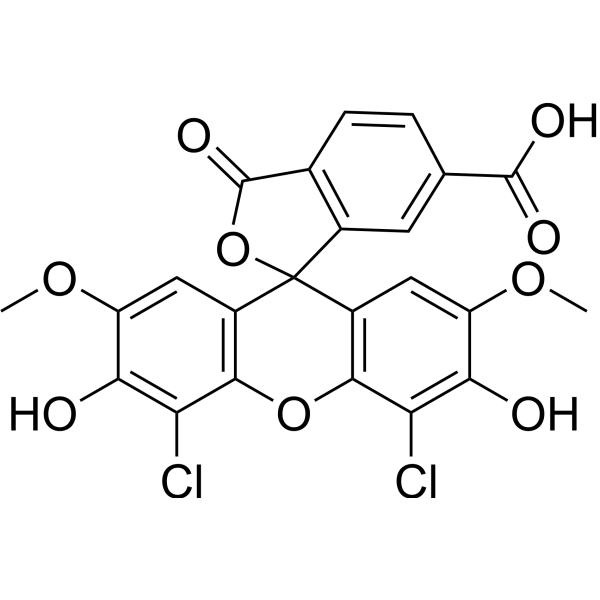
    JOE is a xanthene fluorophore (i.e., 4′,5′-dichloro-2′,7′-dimethoxy-5 (6)-carboxyfluorescein; 2',7'-dimethoxy-4',5'-dichloro-6-carboxyfluorescein) with an absorption wavelength of approximately 525 nm and an emission wavelength of approximately 550 nm. The fluorescence quantum yield of JOE correlates with the rigidity of the linker arm and the distance to dG nucleoside. JOE is commonly used as a fluorescent label for oligonucleotides and molecular beacon probes, and also serves as the acceptor fluorophore in fluorescence energy transfer primers for DNA sequencing .
    ​JOE
  • HY-P99720A

    RAP-536

    TGF-beta/Smad Metabolic Disease
    Luspatercept (mIgG2a) (RAP-536) is a fusion protein, consisting of a modified extracellular domain of human ActRIIB linked to the murine IgG2a Fc domain. Luspatercept (mIgG2a) inhibits Smad2/3 signaling, promotes differentiation of late-stage erythroid precursors and mitigates ineffective erythropoiesis (IE) in murine β-thalassemia. Luspatercept (mIgG2a) reduces anemia, α-globin aggregates, hemolysis, and disease complications of IE such as iron overload, splenomegaly, and bone defects .
    Luspatercept (mIgG2a)
  • HY-160497

    PROTAC-Linker Conjugates for PAC Cancer
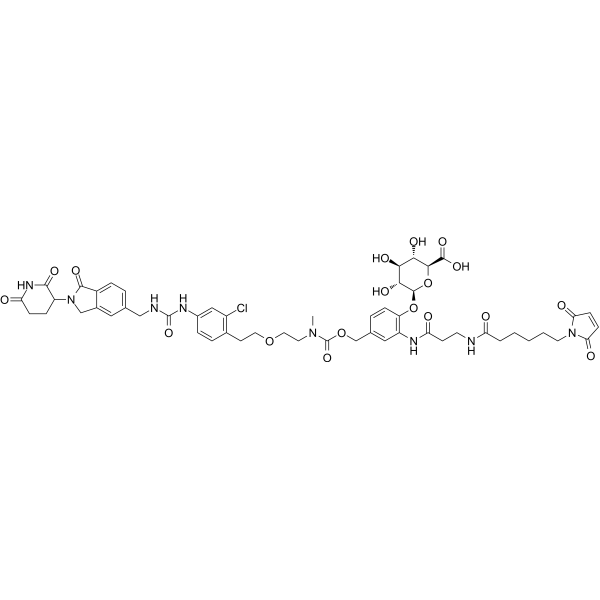
    MC-(β-Ala)-PABC-(β-D-GlcUA)-amide-PEG1-CH2-CC-885 (Compound Ie) is a neodegrader conjugate, can be used in the synthesis of antibody neoDegrader conjugate (AnDC) .
    MC-(β-Ala)-PABC-(β-D-GlcUA)-amide-PEG1-CH2-CC-885
  • HY-158082D

    Tetramethyl rhodamine isothiocyanate glucan, MW 150000

    Fluorescent Dye Others
    TRITC-dextran, MW 150000 (Tetramethyl rhodamine isothiocyanate glucan, MW 150000) is a fluorescent dye, with the molecular weight of 150 kD. TRITC-dextran, MW 150000 exhibits an excitation wavelength of 555 nm. TRITC-dextran, MW 150000 is follicular and vessel penetrate, which is dependent on the molecular weight. TRITC-dextran, MW 150000 is utilized in drug delivery for the stability of TRITC over a wide pH range (i.e. pH 2–11) and resistance to photo-bleaching .
    TRITC-dextran, MW 150000
  • HY-122742

    iGluR Neurological Disease
    HBT1 is an effective AMPA receptor AMPA-R potentiator. HBT1 specifically binds to the ligand-binding domain (LBD) of AMPAR and enhances receptor activity only when AMPA is present., HBT1 has almost no agonistic effect (i.e., reaching the optimal concentration, and then the efficacy decreases as the concentration continues to increase) compared with traditional AMPA-R potentiator, avoiding the bell-shaped reaction of brain-derived neurotrophic factor (BDNF) production in primary neurons. HBT1 can be applicable to a wider range of neurological and psychiatric diseases (such as depression, Alzheimer's disease, etc.) .
    HBT1
  • HY-108938

    Cytochrome P450 Fungal Parasite Infection
    SDZ285428 is a CYP51 inhibitor. SDZ285428 inhibits Trypanosoma cruzi (TC) CYP51 with I/E2 <1 (5 min) and I/E2=9 (1 h). SDZ285428 inhibits Trypanosoma brucei (TB) CYP51 with I/E2 <1 (5 min) and I/E2=35 (1 h) .
    SDZ285428
  • HY-P2918

    GPI; Phosphoglucose Isomerase

    Endogenous Metabolite Metabolic Disease Cancer
    Phosphoglucose Isomerase, Rabbit muscle (GPI), i.e., phosphoglucose isomerase/phosphoglucoisomerase (PGI) or phosphohexose isomerase (PHI), is often used in biochemical studies. Glucose 6-phosphate isomeras is a highly conserved glycolytic and dimeric enzyme. Glucose 6-phosphate isomeras catalyzes the reversible isomerization of glucose-6-phosphate to fructose-6-phosphate .
    Phosphoglucose Isomerase, Rabbit muscle
  • HY-158082E

    Tetramethyl rhodamine isothiocyanate glucan, MW 500000

    Fluorescent Dye Others
    TRITC-dextran, MW 500000 (Tetramethyl rhodamine isothiocyanate glucan, MW 500000) is a fluorescent dye, with the molecular weight of 500 kD. TRITC-dextran, MW 500000 exhibits an excitation wavelength of 555 nm. TRITC-dextran, MW 500000 is follicular and vessel penetrate, which is dependent on the molecular weight. TRITC-dextran, MW 500000 is utilized in drug delivery for the stability of TRITC over a wide pH range (i.e. pH 2–11) and resistance to photo-bleaching .
    TRITC-dextran, MW 500000
  • HY-158082H

    Tetramethyl rhodamine isothiocyanate glucan, MW 2000000

    Fluorescent Dye Others
    TRITC-dextran, MW 2000000 (Tetramethyl rhodamine isothiocyanate glucan, MW 2000000) is a fluorescent dye, with the molecular weight of 2000 kD. TRITC-dextran, MW 2000000 exhibits an excitation wavelength of 555 nm. TRITC-dextran, MW 2000000 is follicular and vessel penetrate, which is dependent on the molecular weight. TRITC-dextran, MW 2000000 is utilized in drug delivery for the stability of TRITC over a wide pH range (i.e. pH 2–11) and resistance to photo-bleaching .
    TRITC-dextran, MW 2000000
  • HY-P5523

    NOD-like Receptor (NLR) NF-κB Interleukin Related Metabolic Disease
    iE-DAP is a Nod1 agonist. iE-DAP activates NOD1, which in turn activates the NF-κB signaling pathway and MLCK signaling pathway, inducing cellular inflammatory responses and tight junction disruption. iE-DAP downregulates the expression of ZO-1 and Occludin genes. iE-DAP increases the secretion of IL-6, GRO-α, MCP-1, IL-8 and MIP-1β in term human trophoblast cell cultures. iE-DAP triggers preterm birth in pregnant mice, reduces fetal body weight, and induces fetal inflammation. iE-DAP is applicable to research related to mastitis and preterm birth .
    iE-DAP
  • HY-P5524A

    Lauroyl-γ-D-glutamyl-meso-diaminopimelic acid hydrochloride; γ-D-glutamyl-meso-diaminopimelic acid hydrochloride

    NOD-like Receptor (NLR) Others
    C12-iE-DAP hydrochloride is the hydrochloride salt form of C12-iE-DAP (HY-P5524). C12-iE-DAP hydrochloride is a biologically active peptide that has agonistic effects on NOD1 .
    C12-iE-DAP hydrochloride
  • HY-159536

    KN-002; VR-588

    JAK Inflammation/Immunology
    Frevecitinib (KN-002) is a potent pan-JAK inhibitor (i.e. JAK1, JAK2, JAK3, TYK2). Frevecitinib can be used for the study of asthma and other respiratory conditions such as chronic obstructive pulmonary disease (COPD).
    Frevecitinib
  • HY-W020033R

    Reference Standards Endogenous Metabolite Neurological Disease
    Lanosterol (Standard) is the analytical standard of Lanosterol. This product is intended for research and analytical applications. Lanosterol is an intermediate of cholesterol synthesis and use of lanosterol induces ubiquitination and degradation of a rate-controlling enzyme of cholesterol synthesis, i.e., HMG CoA reductase. Lanosterol suppresses the aggregation and cytotoxicity of misfolded proteins linked with neurodegenerative diseases[1][2].
    Lanosterol (Standard)
  • HY-E70059

    Glucosylceramide Synthase (GCS) Cancer
    alpha-1,2-Fucosyltransferase (α1,2FucT), i.e., alpha 1, 2-fucosyltransferase, is often used in biochemical studies. alpha-1,2-Fucosyltransferase is a rate-limiting enzyme, can catalyze the synthesis of Lewis y (a cell membrane-associated carbohydrate antigen) .
    alpha-1,2-Fucosyltransferase (α1,2FucT)
  • HY-150286

    Prion Protein Neurological Disease
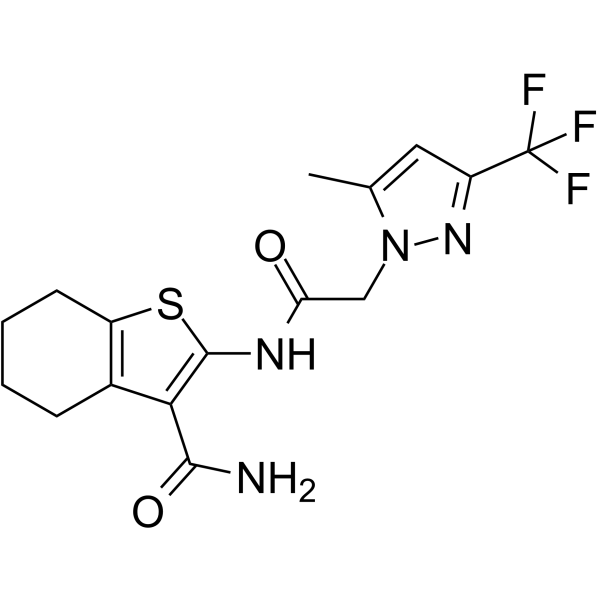
    SM875 is a cellular prion protein (PrP) degrader (IC50: 7.87 μM). SM875 targets PrP folding intermediates and promotes its degradation through the autophagy-lysosomal pathway. SM875 only acts on nascent, immature PrP molecules and has no effect on mature PrP before synthesis. SM875 can inhibit prion replication and has potential in the study of neurodegenerative diseases (i.e., prion diseases) .
    SM875
  • HY-P5524

    Lauroyl-γ-D-glutamyl-meso-diaminopimelic acid; γ-D-glutamyl-meso-diaminopimelic acid

    NOD-like Receptor (NLR) Others
    C12-iE-DAP (Lauroyl-γ-D-glutamyl-meso-diaminopimelic acid) is a biological active peptide. (a lauroyl (C12) group to the glutamic residue of iE-DAP , NOD1 agonist)
    C12-iE-DAP
  • HY-W020033S

    Isotope-Labeled Compounds Endogenous Metabolite Neurological Disease
    Lanosterol-d6 is deuterium labeled Lanosterol. Lanosterol is an intermediate of cholesterol synthesis and use of lanosterol induces ubiquitination and degradation of a rate-controlling enzyme of cholesterol synthesis, i.e., HMG CoA reductase. Lanosterol s
    Lanosterol-d6
  • HY-143898

    Pim Cancer
    PIM1-IN-4 (Compound 8) is a potent inhibitor of PIM1. PIM1-IN-4 reveals strong inhibition of five other enzymes, i.e., SGK-1, PKA, CaMK-1, GSK3β, and MSK1. PIM1-IN-4 has the potential for the research of cancer diseases .
    PIM1-IN-4
  • HY-151730

    ADC Linker Others
    (Me)Tz-butanoic acid is a click chemistry reagent containing an azide. (Me)Tz-butanoic acid is tetrazine linker for conjugation via Diels-Alder-reaction, i.e. copper-free Click reaction with dienophiles . (Me)Tz-butanoic acid is a click chemistry reagent, it contains a Tetrazine group that can undergo an inverse electron demand Diels-Alder reaction (iEDDA) with molecules containing TCO groups.
    (Me)Tz-butanoic acid
  • HY-153085

    CD19 Inflammation/Immunology Cancer
    CD19 CAR circRNA will express CD19 car protein, and can be used in chimeric antigen receptor T cell immunotherapy (CAR-CD19). The CD19 car is a chimeric antigen receptor. Among them, CD19 is a CD molecule expressed by B cells (i.e. leukocyte differentiation antigen), an important membrane antigen involved in B cell proliferation, differentiation, activation and antibody production, and can also promote BCR signal transduction.
    CD19 CAR circRNA
  • HY-P10444

    Radionuclide-Drug Conjugates (RDCs) CXCR Cancer
    DOTA Conjugated JM#21 derivative 7 (compound Ligand-7) is a derivative of CXCR4 targeting peptide conjugated with DOTA and can be used to produce radioligands. Radiolabeled DOTA Conjugated JM#21 derivative 7, i.e., 177Lu-DOTA, has excellent CXCR4 tumor targeting. In vitro biodistribution results of 177Lu-DOTA showed very low uptake in all non-targeted organs except kidney . DOTA Conjugated JM#21 derivative 7 can be used for the synthesis/research of Radionuclide-Drug Conjugates (RDCs).
    DOTA Conjugated JM#21 derivative 7
  • HY-130519

    CDK Cancer
    Cdc7-IN-7 (compound I-E) is a potent Cdc7 kinase inhibitor extracted from patent WO2019165473A1, compound I-E. Cdc7 is a serine-threonine protein kinase enzyme which is essential for the initiation of DNA replication in the cell cycle .
    Cdc7-IN-7
  • HY-116055

    3-O-β-D-Galactopyranosyl-sn-glycerol

    Biochemical Assay Reagents Others
    (2R)-Glycerol-O-β-D-galactopyranoside (3-O-β-D-Galactopyranosyl-sn-glycerol) is a good substrate for all three components of the lac operon, i.e. β-galactosidase, the lactose transporter and thiogalactoside transacetylase .
    (2R)-Glycerol-O-β-D-galactopyranoside
  • HY-121432

    Drug Metabolite Others
    Kitol is peptide used for after-sun repair cosmetics. The dominant degradation reaction for vitamin A derivatives is heat-induced formation of kitols, i.e., dimers or higher oligomers. Vitamin A esters are used as a model system to evaluate microcalorimetry as a tool for monitoring the stability of heat-sensitive substances .
    Kitol
  • HY-19184

    Platelet-activating Factor Receptor (PAFR) Cardiovascular Disease
    MKC-963 is an orally active and potent inhibitor targeting platelet aggregation-related pathways. MKC-963 exerts antithrombotic activity by inhibiting platelet aggregation, and can also induce autoinduction, i.e., upregulating the mRNA expression and activity of CYP3A4 enzyme to accelerate its own metabolism in vivo. MKC-963 is promising for research of platelet aggregation-related diseases (e.g., thrombosis) .
    MKC-963
  • HY-121309R

    Adriamycin aglycone (Standard); Adriamycinone (Standard)

    Reference Standards NF-κB TNF Receptor Interleukin Related Drug Derivative Inflammation/Immunology Cancer
    Doxorubicinone (Adriamycin aglycone) (Standard) is the analytical standard of Doxorubicinone. This product is intended for research and analytical applications. Doxorubicinone is the aglycone of the antibiotic Doxorubicin (HY-15142A), i.e., its sugar-free parent nucleus structure. Doxorubicinone does not induce DNA damage or bind to RelA, but still downregulates the expression of pro-inflammatory cytokines (such as TNF, IL-12, etc.) regulated by the NF-κB pathway. Doxorubicinone can be used in sepsis-related research.
    Doxorubicinone (Standard)
  • HY-175285

    5-HT Receptor Neurological Disease
    5-HT2AR-IN-1 (Compound Ie) is an orally active 5-hydroxytryptamine 2A receptor (5-HT2AR) inhibitor with antidepressant efficacy. 5-HT2AR-IN-1 reduces 5-HT2AR expression and SERT protein levels. 5-HT2AR-IN-1 is promising for research of central nervous system (CNS), such as depression and addiction-related disorders .
    5-HT2AR-IN-1
  • HY-P10509

    CMV Infection
    IE1 peptide refers to an antigenic peptide encoded by the immediate early (IE) gene of mouse cytomegalovirus (mCMV). IE1 peptide is one of the key antigenic peptides expressed during mCMV infection, plays a role in transcriptional activation in the life cycle of mCMV, and is one of the earliest genes expressed in the viral replication cycle. IE1 peptide is an important target for CD8+ T cell response and can be used to study the host immune response to mCMV infection .
    IE1 peptide
  • HY-N7705

    Others Others
    Isoescin Ie is a derivative of Aescine in Aesculi Semen extract .
    Isoescin Ie
  • HY-N7706

    Others Others
    Escin Ie is a derivative of Aescine in Aesculi Semen extract .
    Escin Ie
  • HY-19333A

    Histone Demethylase Monoamine Oxidase HSV Infection
    OG-L002 hydrochloride is a potent and highly selective LSD1 inhibitor with an IC50 of 0.02 μM. OG-L002 hydrochloride is a potent monoamine oxidases (MAO) inhibitor with IC50s of 1.38 μM and 0.72 μM for MAO-A and MAO-B, respectively. OG-L002 hydrochloride potently inhibits the expression of HSV IE genes .
    OG-L002 hydrochloride
  • HY-146541

    FGFR Cancer
    FGFR4-IN-10 (compound 5a) is a potent and selective FGFR4 inhibitor with an IC50 value of 70.7 nM. FGFR4-IN-10 shows no inhibition against other FGFR family members, i.e. FGFR1, FGFR2 and FGFR3 .
    FGFR4-IN-10
  • HY-P1089

    PCC 88-104

    Cytochrome P450 Inflammation/Immunology
    Cytochrome c-pigeon (88-104) (PCC 88-104) has full stimulatory activity for pigeon cytochrome c-primed T cells from B10.A mice. The I-E k-restricted T cell response to Cytochrome c pigeon (pcyt c) is specific for the COOH-terminal sequence 88-104 .
    Cytochrome c-pigeon (88-104)
  • HY-118316

    NOD-like Receptor (NLR) Inflammation/Immunology
    GSK223 is a quinazolinone NOD1 pathway inhibitor with potential anti-inflammatory activity. GSK223 can selectively inhibit IL-8 release under iE-DAP stimulation without affecting IL-8 secretion caused by TNF receptor, TLR2 or NOD2 agonists. GSK223 does not directly inhibit RIP2 kinase activity.
    GSK223
  • HY-130439

    SOD Metabolic Disease
    EUK 8 and EUK 134 are synthetic catalytic scavengers of reactive oxygen species with superoxide dismutase (SOD) and catalase mimetic activity.1 EUK 124 is a structural analog of EUK 8 and EUK 134 with significantly reduced activity. EUK 124 and EUK 8 inhibit superoxide-mediated reduction of an electron acceptor (i.e., SOD mimetic activity), with IC50 values of 5 μM and 0.7 μM, respectively.
    EUK-124
  • HY-174788

    mRNA Others
    HHV-1 UL48 mRNA encodes the UL48 protein of human herpesvirus 1 (HHV-1). UL48 is a tanscriptional activator of immediate-early (IE) gene products (alpha genes). It acts as a key activator of lytic infection by initiating the lytic program through the assembly of the transcriptional regulatory VP16-induced complex composed of VP16 and two cellular factors, HCFC1 and POU2F 1.
    HHV-1 UL48 mRNA
  • HY-P990844

    Complement System Infection Inflammation/Immunology Cancer
    Anti-GC1q R/C1QBP Antibody (60.11) is a kind of mouse IgG1 κ chimeric antibody inhibitor, targeting to human GC1q R/C1QBP. Anti-GC1q R/C1QBP Antibody (60.11) can neutralize GC1q R. Anti-GC1q R/C1QBP Antibody (60.11) can be used for the researches of cancer, infection and inflammation, such as MDA231 tumor and S. aureus induced infective endocarditis (IE) .
    Anti-GC1q R/C1QBP Antibody (60.11)

Inquiry Online

Your information is safe with us. * Required Fields.

Salutation


Country or Region *

Applicant Name *


Organization Name *

Department *


Email Address *


Product Name *

Cat. No.


Requested quantity *

Phone Number *


Remarks

Inquiry Online

Inquiry Information

Product Name:
Cat. No.:
Quantity:
MCE Japan Authorized Agent:

