Search Result
Results for "
IL-1β secretion
" in MedChemExpress (MCE) Product Catalog:
1
Biochemical Assay Reagents
8
Isotope-Labeled Compounds
| Cat. No. |
Product Name |
Target |
Research Areas |
Chemical Structure |
-
- HY-B2176
-
|
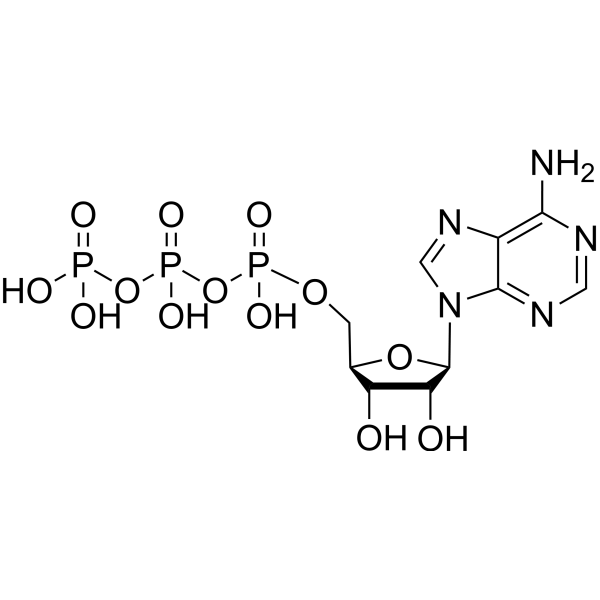
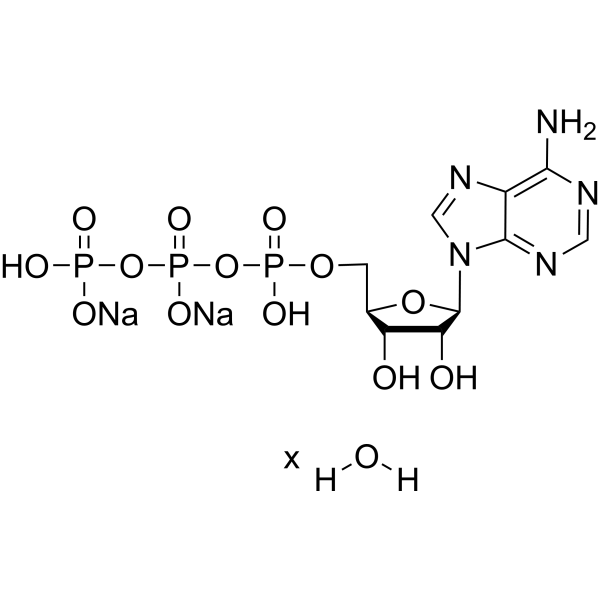
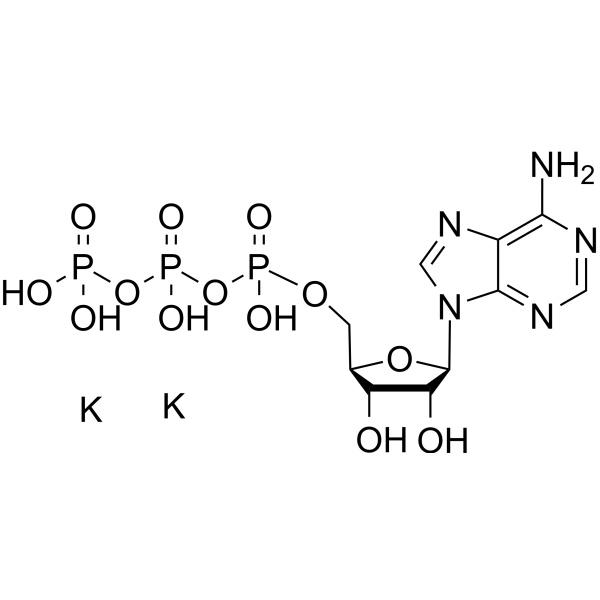
Adenosine 5'-triphosphate
|
Endogenous Metabolite
NOD-like Receptor (NLR)
Interleukin Related
Bacterial
|
Infection
Metabolic Disease
Inflammation/Immunology
|
|
ATP (Adenosine 5'-triphosphate) is a central component of energy storage and metabolism in vivo. ATP provides the metabolic energy to drive metabolic pumps and serves as a coenzyme in cells. ATP is an important endogenous signaling molecule in immunity and inflammation. ATP can activate the NLRP3 inflammasome and induce IL-1β and chemokines secretion. ATP has anti-bacterial infection effects and can protect mice against bacterial infection in mice .
|
-
-
- HY-B0240
-
|
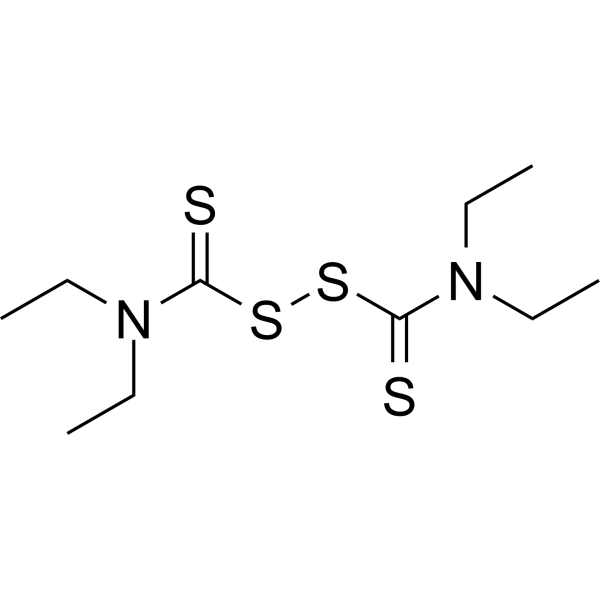
Tetraethylthiuram disulfide; TETD
|
Aldehyde Dehydrogenase (ALDH)
Interleukin Related
Pyroptosis
Apoptosis
Cuproptosis
|
Metabolic Disease
Cancer
|
|
Disulfiram (Tetraethylthiuram disulfide) is a specific inhibitor of aldehyde-dehydrogenase (ALDH1), used for the treatment of chronic alcoholism by producing an acute sensitivity to alcohol. Disulfiram inhibits gasdermin D (GSDMD) pore formation in liposomes and inflammasome-mediated pyroptosis and IL-1β secretion in human and mouse cells. Disulfiram, a copper ion carrier, with Cu 2+ increases intracellular ROS levels and induces cuproptosis .
|
-
-
- HY-13453
-
BAY 11-7082
Maximum Cited Publications
450 Publications Verification
BAY 11-7821
|
IKK
Deubiquitinase
Autophagy
Apoptosis
NF-κB
|
Inflammation/Immunology
Cancer
|
|
BAY 11-7082 is an IκBα phosphorylation and NF-κB inhibitor. BAY 11-7082 selectively and irreversibly inhibits the TNF-α-induced phosphorylation of IκB-α, and decreases NF-κB and expression of adhesion molecules. BAY 11-7082 inhibits ubiquitin-specific protease USP7 and USP21 (IC50=0.19, 0.96 μM, respectively). BAY 11-7082 inhibits gasdermin D (GSDMD) pore formation in liposomes and inflammasome-mediated pyroptosis and IL-1β secretion in human and mouse cells .
|
-
-
- HY-B1081A
-
|
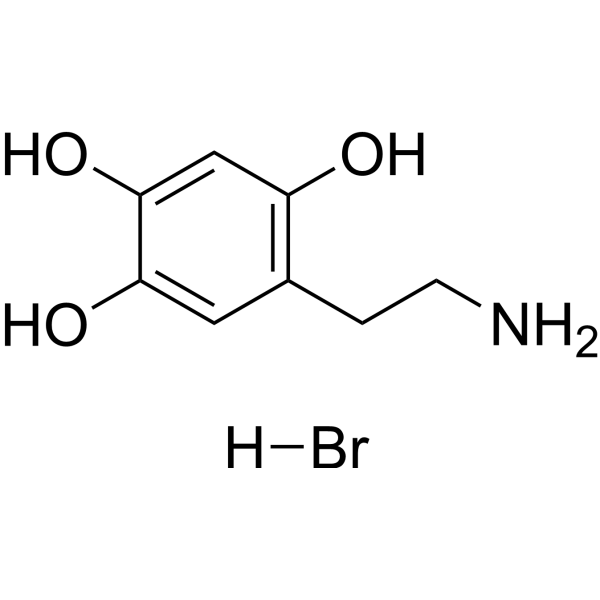
6-Hydroxydopamine hydrobromide; 6-OHDA hydrobromide
|
Dopamine Receptor
Autophagy
Mitophagy
COX
PGE synthase
Interleukin Related
p38 MAPK
Apoptosis
Caspase
|
Neurological Disease
Cancer
|
|
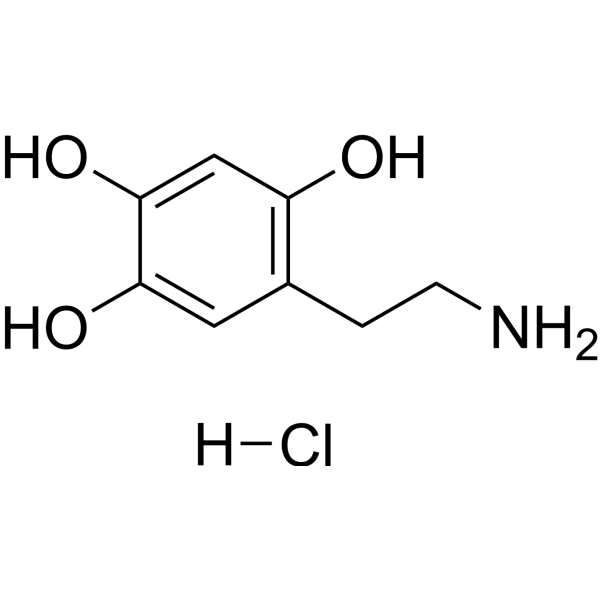
Oxidopamine (6-OHDA) hydrobromide is an antagonist of the neurotransmitter dopamine. Oxidopamine hydrobromide is a widely used neurotoxin and selectively destroys dopaminergic neurons. Oxidopamine hydrobromide promotes COX-2 activation, leading to PGE2 synthesis and pro-inflammatory cytokine IL-1β secretion. Oxidopamine hydrobromide can be used for the research of Parkinson’s disease (PD), attention-deficit hyperactivity disorder (ADHD), and Lesch-Nyhan syndrome .
|
-
-
- HY-B1081
-
|
6-Hydroxydopamine Hydrochloride
|
Dopamine Receptor
Autophagy
Mitophagy
COX
PGE synthase
Interleukin Related
p38 MAPK
Apoptosis
Caspase
|
Neurological Disease
Cancer
|
|
Oxidopamine (6-OHDA) hydrochloride is an antagonist of the neurotransmitter dopamine. Oxidopamine hydrochloride is a widely used neurotoxin and selectively destroys dopaminergic neurons. Oxidopamine hydrochloride promotes COX-2 activation, leading to PGE2 synthesis and pro-inflammatory cytokine IL-1β secretion. Oxidopamine hydrochloride can be used for the research of Parkinson’s disease (PD), attention-deficit hyperactivity disorder (ADHD), and Lesch-Nyhan syndrome .
|
-
-
- HY-113308
-
|
|
Calcium Channel
Ferroptosis
PI3K
Akt
HBV
Reactive Oxygen Species (ROS)
|
Cardiovascular Disease
Infection
Inflammation/Immunology
|
|
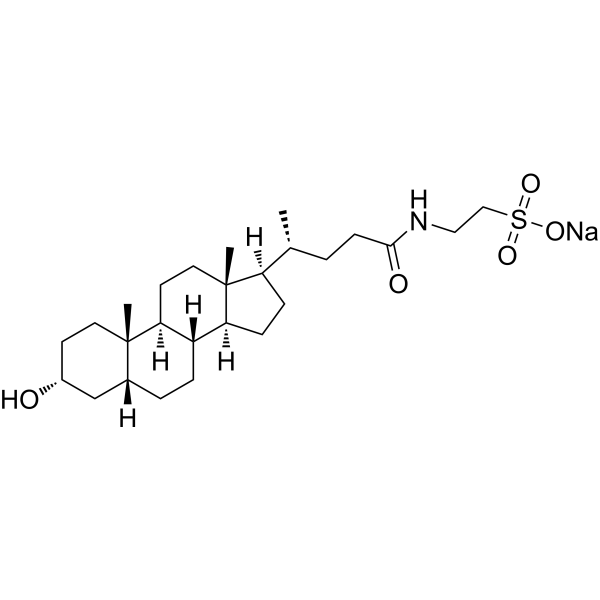
Taurolithocholic acid is an orally active bile acid and antiviral agent. Taurolithocholic acid upregulates FADS2 by activating the TGR5-PI3K/AKT-SREBP2 signaling axis, inhibits SFTSV-induced ferroptosis (Ferroptosis), viral replication and viral entry of HBV/HDV, while reducing the release of IL-1β, lipid ROS and LDH. While exerting antiviral protective effects, Taurolithocholic acid also stimulates the recycling of hepatocellular membrane transporters, impairs canalicular bile acid secretion function, and induces hepatocyte cholestasis, apoptosis and acute hepatocellular injury. Taurolithocholic acid serves as an experimental model compound for hepatocellular cholestasis. At concentrations ≤200 μM, Taurolithocholic acid shows no cytotoxicity and does not activate the interferon pathway. Taurolithocholic acid not only protects mice from lethal SFTSV infection but also is suitable for studies related to severe fever with thrombocytopenia syndrome and cholestasis .
|
-
-
- HY-B2176R
-
|
Adenosine 5'-triphosphate (Standard)
|
Reference Standards
Endogenous Metabolite
|
Metabolic Disease
Inflammation/Immunology
|
ATP (Standard) is the analytical standard of ATP. This product is intended for research and analytical applications. ATP (Adenosine 5'-triphosphate) is a central component of energy storage and metabolism in vivo. ATP provides the metabolic energy to drive metabolic pumps and serves as a coenzyme in cells. ATP is an important endogenous signaling molecule in immunity and inflammation .
In Vitro: ATP (5 mM; 1 hour) co-treatment with LPS (1 μg/mL) has a synergistic effect on the activation of the NLRP3 inflammasome in HGFs .
ATP (2 mM; 0.5-24 hours) induces secretion of IL-1β, KC and MIP-2 from BMDMs in a caspase-1 activation-dependent manner .
ATP promotes neutrophil chemotaxis in vitro .
In Vivo: ATP (50 mg/kg; i.p.) protects mice against bacterial infection in vivo .
ATP induces the secretion of IL-1β, KC and MIP-2 and neutrophils recruitment in vivo .
|
-
-
- HY-113308A
-
|
|
Calcium Channel
Ferroptosis
PI3K
Reactive Oxygen Species (ROS)
Akt
HBV
|
Metabolic Disease
|
|
Taurolithocholic acid sodium salt is an orally active bile acid and antiviral agent. Taurolithocholic acid sodium salt upregulates FADS2 by activating the TGR5-PI3K/AKT-SREBP2 signaling axis, inhibits SFTSV-induced ferroptosis, viral replication and viral entry of HBV/HDV, while reducing the release of IL-1β, lipid ROS and LDH. While exerting antiviral protective effects, Taurolithocholic acid sodium salt also stimulates the recycling of hepatocellular membrane transporters, impairs canalicular bile acid secretion function, and induces hepatocyte cholestasis, apoptosis and acute hepatocellular injury. Taurolithocholic acid sodium salt serves as an experimental model compound for hepatocellular cholestasis. At concentrations ≤200 μM, Taurolithocholic acid sodium salt shows no cytotoxicity and does not activate the interferon pathway. Taurolithocholic acid sodium salt not only protects mice from lethal SFTSV infection but also is suitable for studies related to severe fever with thrombocytopenia syndrome and cholestasis .
|
-
-
- HY-172162
-
|
|
Molecular Glues
NEKs
Interleukin Related
|
Inflammation/Immunology
Cancer
|
|
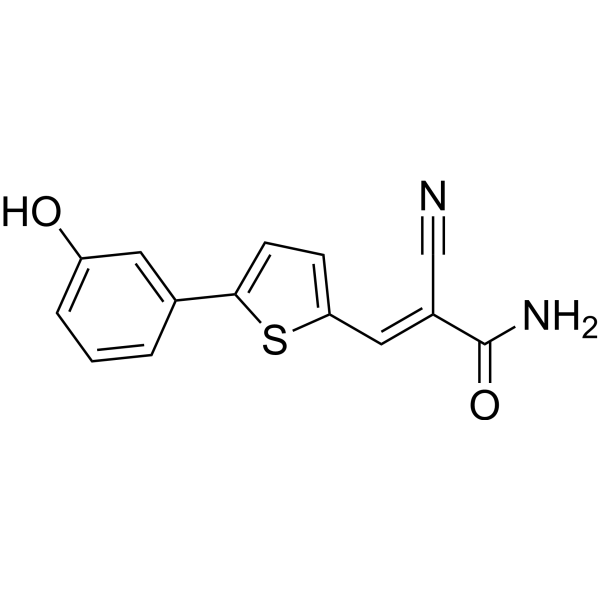
LC-04-045 is a selective NIMA-related kinase 7 (NEK7) molecular glue degrader. LC-04-045 induces NEK7 degradation via the CRBN-based ubiquitin-proteasome system, dependent on the glycine 57-containing degron motif. LC-04-045 inhibits secretion of downstream cytokines IL-1β and IL-18. LC-04-045 can be used for the research of lymphoblastic leukemia .
|
-
-
- HY-154919
-
|
|
YTHDF
FOXO
MMP
Pyroptosis
Interleukin Related
|
Endocrinology
Cancer
|
|
DC-Y13-27 is a DC-Y13 derivative and YTHDF2 inhibitor (KD: 37.9 μM). DC-Y13-27 inhibits YTHDF2, restores FOXO3 and TIMP1 protein levels, and reduces MMP1/3/7/9 expression. DC-Y13-27 induces Pyroptosis and increases IL-1β secretion. DC-Y13-27 reduces intervertebral disc degeneration and enhances the response to radiotherapy in colon cancer and melanoma. DC-Y13-27 has antitumor activity against breast cancer .
|
-
-
- HY-112137
-
|
|
Caspase
Interleukin Related
MyD88
|
Inflammation/Immunology
|
|
Trehalose-6,6'-dibehenate is an orally active glycolipid. Trehalose-6,6'-dibehenate activates Mincle and inflammasome, inducing IL-1β secretion in a caspase activity-dependent manner. Trehalose-6,6'-dibehenate exerts a Myd88-dependent adjuvant activity. Trehalose-6,6'-dibehenate induces Th-1/Th-17 immune responses .
|
-
-
- HY-W013579
-
|
D-Carvone
|
Environmental Pollutants
Apoptosis
Caspase
Interleukin Related
Reactive Oxygen Species (ROS)
NOD-like Receptor (NLR)
SOD
|
Neurological Disease
Metabolic Disease
Inflammation/Immunology
Cancer
|
|
(S)-(+)-Carvone is an orally active natural product. (S)-(+)-Carvone increases the activity of antioxidant enzymes (SOD, CAT) and ROS, reduces the levels of oxidative stress markers (MDA, AChE), reduces the secretion of proinflammatory cytokines (IL-1β, IL-4, IL-6, IL-10), and downregulates NLRP3. (S)-(+)-Carvone increases the activities of caspase-8, -9 and -3. (S)-(+)-Carvone induces apoptotic death. (S)-(+)-Carvone has antimanic-like effect, liver protection and anticancer activity against skin cancer. (S)-(+)-Carvone improves memory and arthritis .
|
-
-
- HY-B0240R
-
|
Tetraethylthiuram disulfide (Standard); TETD (Standard)
|
Reference Standards
Aldehyde Dehydrogenase (ALDH)
Interleukin Related
Pyroptosis
Apoptosis
Cuproptosis
|
Metabolic Disease
Cancer
|
|
Disulfiram (Standard) is the analytical standard of Disulfiram. This product is intended for research and analytical applications. Disulfiram (Tetraethylthiuram disulfide) is a specific inhibitor of aldehyde-dehydrogenase (ALDH1), used for the treatment of chronic alcoholism by producing an acute sensitivity to alcohol. Disulfiram inhibits gasdermin D (GSDMD) pore formation in liposomes and inflammasome-mediated pyroptosis and IL-1β secretion in human and mouse cells. Disulfiram + Cu 2+ increases intracellular ROS levels triggering apoptosis of ovarian cancer stem cells [1-6].
|
-
-
- HY-10406
-
|
SCIO-469
|
p38 MAPK
TNF Receptor
Interleukin Related
VEGFR
Apoptosis
|
Neurological Disease
Metabolic Disease
Inflammation/Immunology
Cancer
|
|
Talmapimod (SCIO-469) is an orally active and selective inhibitor of p38α MAPK with an IC50 of 9 nM. Talmapimod inhibits the secretion of inflammatory factors (such as TNFα, IL-1β, IL-6, and VEGF) by suppressing the p38α MAPK pathway, and it also inhibits angiogenesis and osteoclast activation. Talmapimod inhibits the growth of multiple myeloma cells and induces apoptosis. Talmapimod can be used to study various hematological malignancies (such as multiple myeloma, myelodysplastic syndrome) .
|
-
-
- HY-B2176I
-
|
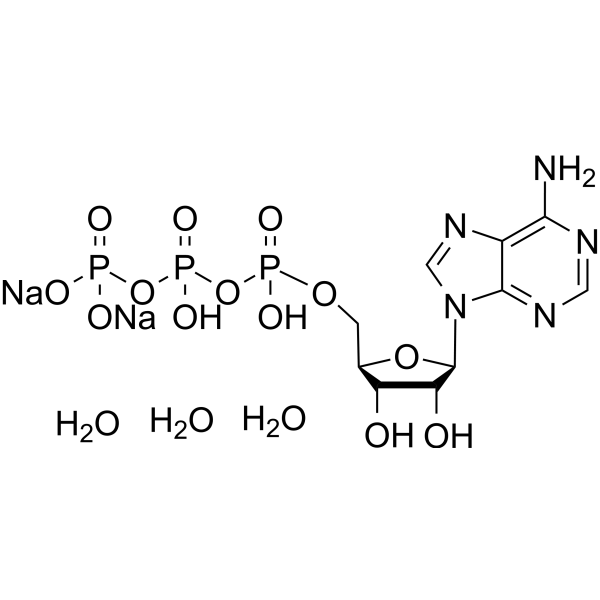
Adenosine 5'-triphosphate disodium salt, 100 mM Solution, PCR Grade
|
Endogenous Metabolite
NOD-like Receptor (NLR)
Interleukin Related
Bacterial
|
Infection
Metabolic Disease
Inflammation/Immunology
|
|
ATP (Adenosine 5'-triphosphate) disodium salt, 100 mM Solution, PCR Grade is a central component of energy storage and metabolism in vivo. ATP disodium salt, 100 mM Solution, PCR Grade provides the metabolic energy to drive metabolic pumps and serves as a coenzyme in cells. ATP disodium salt, 100 mM Solution, PCR Grade is an important endogenous signaling molecule in immunity and inflammation. ATP disodium salt, 100 mM Solution, PCR Grade can activate the NLRP3 inflammasome and induce IL-1β and chemokines secretion. ATP disodium salt, 100 mM Solution, PCR Grade has anti-bacterial infection effects and can protect mice against bacterial infection in mice .
|
-
-
- HY-W923189
-
|
|
Interleukin Related
COX
TNF Receptor
NOD-like Receptor (NLR)
NO Synthase
PERK
p38 MAPK
Reactive Oxygen Species (ROS)
Caspase
Autophagy
Herbicide
|
Inflammation/Immunology
Cancer
|
|
Neral is a plant-derived anti-inflammatory, antioxidant and anticancer agent. Neral inhibits the phosphorylation of ERK1/2, p38 MAPK and IκB in macrophages induced by LPS (HY-D1056), suppresses the secretion of TNF-α and IL-6, as well as the expression of pro-IL-1β, iNOS and COX-2 in cells, and reduces the production of ROS in cells. Neral inhibits the activation of the NLRP3 inflammasome, and decreases the activation of caspase-1 and the secretion of IL-1β in mouse macrophages. Neral induces autophagy, and exhibits antiproliferative activity both in in vitro breast cancer cell models and mouse xenograft models. Neral regulates brassinosteroid, jasmonic acid and ethylene signaling pathways, and induces the expression of AP2/ERF-ERF and bHLH family genes in rice roots. Neral acts as a herbicide safener, alleviates the damage induced by Fenoxaprop-P-ethyl (HY-B2013), and promotes the elongation of rice roots. Neral can be used in research related to breast cancer, inflammatory and immune system diseases, and herbicide safeners .
|
-
-
- HY-101448
-
TMI-1
1 Publications Verification
WAY-171318
|
MMP
Apoptosis
Interleukin Related
TNF Receptor
Caspase
|
Infection
Neurological Disease
Inflammation/Immunology
Cancer
|
|
TMI-1 (WAY-171318) inhibits TNF converting enzyme (TACE) (IC50 of 8.4 nM), ADAM-TS-4, ADAM-17 and various MMPs with oral activity. TMI-1 significantly suppresses the secretion of TNF-α , alleviating collagen-induced arthritis in mice. TMI-1 inhibits cancer cell proliferation, induces apoptosis through a caspase-dependent pathway. TMI-1 also reverses TRPV1 upregulation and lowers the levels of inflammatory factors (TNF-α、IL-1β、IL-6) in nerve cells, protecting against paclitaxel-induced neurotoxicity. TMI-1 leads to changes in pro-atherogenic lipoprotein profiles, but does not affect the progression of early lesions .
|
-
-
- HY-N7102
-
|
|
Antibiotic
Bacterial
NF-κB
p38 MAPK
TNF Receptor
Interleukin Related
|
Infection
|
|
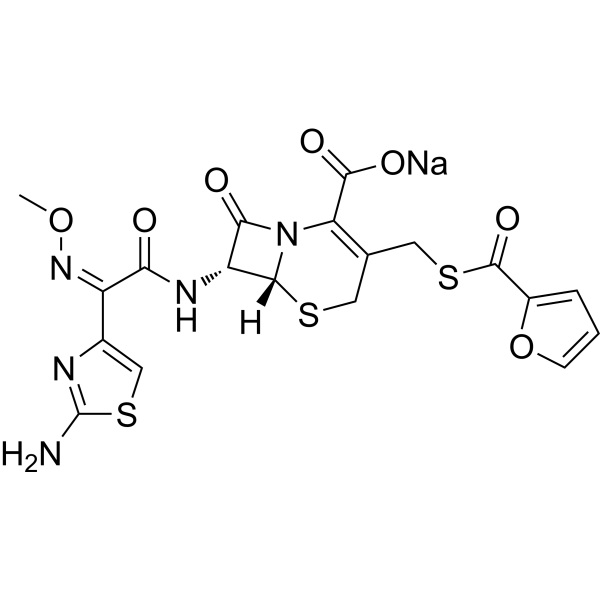
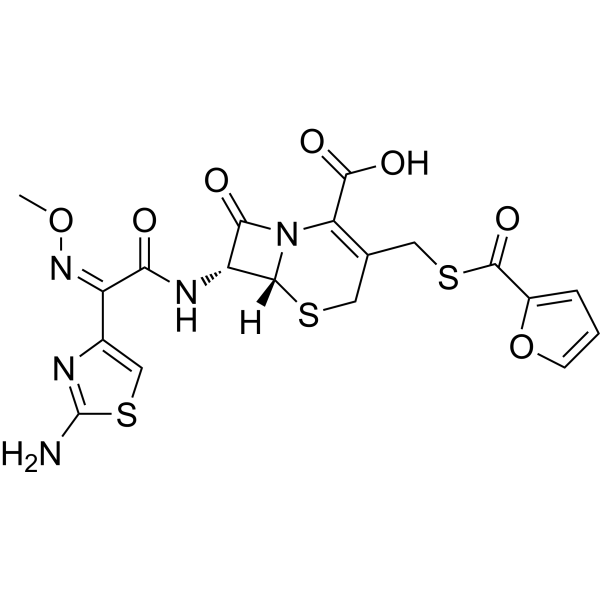
Ceftiofur is a cell wall synthesis inhibitor that targets bacterial penicillin-binding proteins (PBPs) and has anti-inflammatory effects in endotoxemia. Ceftiofur exerts bactericidal effects by inhibiting the synthesis of bacterial cell wall peptidoglycan, leading to bacterial cell lysis. Ceftiofur also inhibits the activation of NF-κB and MAPKs, thereby reducing the secretion of pro-inflammatory cytokines such as TNF-α, IL-1β, and IL-6 .
|
-
-
- HY-B0898
-
|
sodium ceftiofur
|
Antibiotic
Bacterial
NF-κB
p38 MAPK
TNF Receptor
Interleukin Related
|
Infection
|
|
Ceftiofur sodium is a cell wall synthesis inhibitor that targets bacterial penicillin-binding proteins (PBPs) and has anti-inflammatory effects in endotoxemia. Ceftiofur sodium exerts bactericidal effects by inhibiting the synthesis of bacterial cell wall peptidoglycan, leading to bacterial cell lysis. Ceftiofur sodium also inhibits the activation of NF-κB and MAPKs, thereby reducing the secretion of pro-inflammatory cytokines such as TNF-α, IL-1β, and IL-6 .
|
-
-
- HY-152670
-
JC2-11
1 Publications Verification
|
NOD-like Receptor (NLR)
AIM2
|
Inflammation/Immunology
|
|
JC2-11 is an inhibitor of inflammatory corpuscles. JC2-11 inhibits domain-containing protein NLRC 4, absent in melanoma 2 (AIM 2) and non-canonical (NC) inflammatory corpuscles. JC2-11 reduces the secretion of caspase-1 (p20), the cleavage of gasdermin D (GSDMD), and the releases of IL-1β and lactate dehydrogenases (LDH) in inflammatory bodies. JC2-11 inhibits the activation of inflammatory bodies by destroying the production of reactive oxygen species and the activity of caspase-1 .
|
-
-
- HY-162333
-
-
-
- HY-N0218
-
|
Mesaconine 14-benzoate
|
NF-κB
Interleukin Related
|
Inflammation/Immunology
|
|
Benzoylmesaconine is a monoester-type alkaloid and is the most abundant component of Wutou decoction, which is widely used in China for rheumatoid arthritis. Benzoylmesaconine exhibits potent anti-inflammatory properties by inhibiting NF-κB. Benzoylmesaconine can suppress NLRP3 inflammasome activation by inhibiting IL-1β secretion and GSDMD-N protein expression. Benzoylmesaconine reduces intracellular K + efflux and disrupts NLRP3 inflammasome assembly .
|
-
-
- HY-P10939A
-
|
|
Caspase
Pyroptosis
|
Inflammation/Immunology
Cancer
|
|
Ac-DMLD-CMK TFA is a caspase 3 inhibitor and a GSDME inhibitor. Ac-DMLD-CMK TFA binds directly to the catalytic domain of caspase-3, blocks caspase-3-mediated cleavage of GSDME, inhibits the activation of caspase 3 and Gsdme in the caspase 3-Gsdme signaling pathway, and reduces the levels of pyroptosis and apoptosis as well as the expression of LDH, IL-6, IL-1β and IL-18. Ac-DMLD-CMK TFA alleviates renal function deterioration, renal tubular epithelial cell injury, inflammatory cytokine secretion, pulmonary structural damage, and chemotherapy-induced nephrotoxicity .
|
-
-
- HY-101860
-
-
-
- HY-153261
-
|
|
NOD-like Receptor (NLR)
|
Inflammation/Immunology
|
|
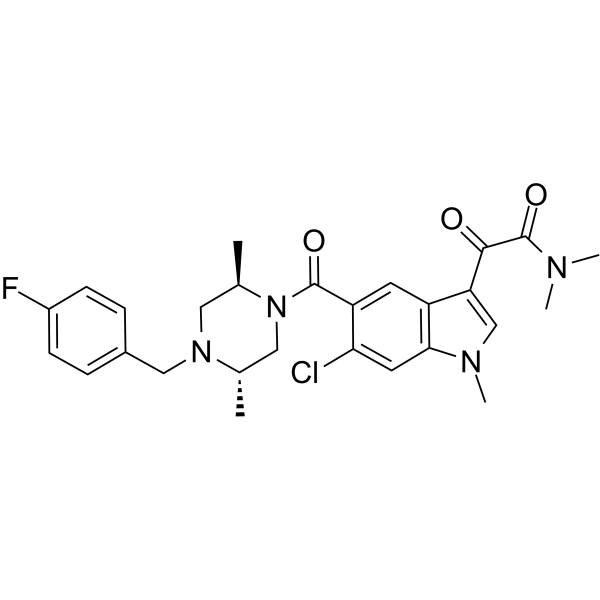
NLRP3-IN-17 is a potent, selective and orally active NLRP3 inflammasome inhibitor with an IC50 value of 7 nM. NLRP3-IN-17 significantly inhibits NLRP3 dependent IL-1β secretion in mice and can be used for chronic inflammatory diseases research .
|
-
-
- HY-W1000105
-
|
(E)-3,7-Dimethylocta-2,6-dienal
|
TNF Receptor
Interleukin Related
ERK
JNK
IKK
COX
NO Synthase
Reactive Oxygen Species (ROS)
|
Inflammation/Immunology
|
|
Geranial is an aromatic compound. It can be isolated from the fruits of Litsea cubeba Lour and the rhizomes of ginger (Zingiber officinale). Geranial inhibits LPS-induced phosphorylation of ERK1/2, JNK1/3 and IκB in macrophages. It suppresses the secretion of IL-1β, TNF-α and IL-6, as well as the expression of pro-IL-1β, iNOS and COX-2. Geranial increases ROS. It can be used in the research of inflammatory diseases .
|
-
-
- HY-P990781
-
-
-
- HY-P10939
-
|
|
Caspase
Pyroptosis
|
Inflammation/Immunology
Cancer
|
|
Ac-DmLD-CMK is a caspase 3 inhibitor and a GSDME inhibitor. Ac-DmLD-CMK binds directly to the catalytic domain of caspase-3, blocks caspase-3-mediated cleavage of GSDME, inhibits the activation of caspase 3 and Gsdme in the caspase 3-Gsdme signaling pathway, and reduces the levels of pyroptosis and apoptosis as well as the expression of LDH, IL-6, IL-1β and IL-18. Ac-DmLD-CMK alleviates renal function deterioration, renal tubular epithelial cell injury, inflammatory cytokine secretion, pulmonary structural damage, and chemotherapy-induced nephrotoxicity .
|
-
-
- HY-154830
-
|
1-Nonadecanoyl-2-hydroxy-sn-glycero-3-phosphocholine; 19:0 Lyso PC
|
Liposome
Interleukin Related
|
Others
|
|
Lysophosphatidylcholine C19:0 (1-Nonadecanoyl-2-hydroxy-sn-glycero-3-phosphocholine) is an acyl chain lipid. Lysophosphatidylcholine C19:0 increases IL-1beta secretion .
|
-
-
- HY-130480
-
|
|
AIM2
|
Inflammation/Immunology
|
|
Fructose-arginine, an amino-sugar, is an AIM2 inflammasome activation inhibitor. Fructose-arginine attenuates the secretion of IL-1β, IL-18, and caspase-1, and Asc pyroptosome formation and Gsdmd cleavage resulting from AIM2 inflammasome activation .
|
-
-
- HY-N6927
-
|
Coleonol B
|
TNF Receptor
Interleukin Related
|
Inflammation/Immunology
|
|
Isoforskolin is the principle active component of C. forskohlii native to China. Isoforskolin reduces the secretion of lipopolysaccharide (LPS)-induced cytokines, namely TNF-α, IL-1β, IL-6 and IL-8, in human mononuclear leukocytes. Isoforskolin acts as an anti-inflammatory agent for the treatment of Lyme arthritis .
|
-
-
- HY-155463
-
|
|
NOD-like Receptor (NLR)
Interleukin Related
|
Inflammation/Immunology
|
|
NLRP3-IN-25 (compound 32) is an orally available NLRP3 inhibitor with anti-inflammatory activity. NLRP3-IN-25 attenuates renal injury in doxorubicin-induced glomerulonephritis in mice. NLRP3-IN-25 inhibits IL-1β secretion in THP-1 cells with an IC50 of 21 nM .
|
-
-
- HY-134000
-
|
NSC624610
|
p38 MAPK
NF-κB
ERK
JNK
VEGFR
MMP
|
Cancer
|
|
Emodic acid (NSC624610) is an anthraquinone compound isolated from A. microcarpus, which can inhibit the proliferation of cancer cells by inhibiting the activity of NF-κB. Emodic acid can also inhibit the phosphorylation of p38, ERK and JNK, the secretion of tumor-promoting cytokines IL-1β and IL-6, and the expression of VEGF and MMP, thereby inhibiting the invasion and migration potential of cancer cells .
|
-
-
- HY-B0026
-
|
|
Antibiotic
Bacterial
NF-κB
p38 MAPK
TNF Receptor
Interleukin Related
|
Infection
|
|
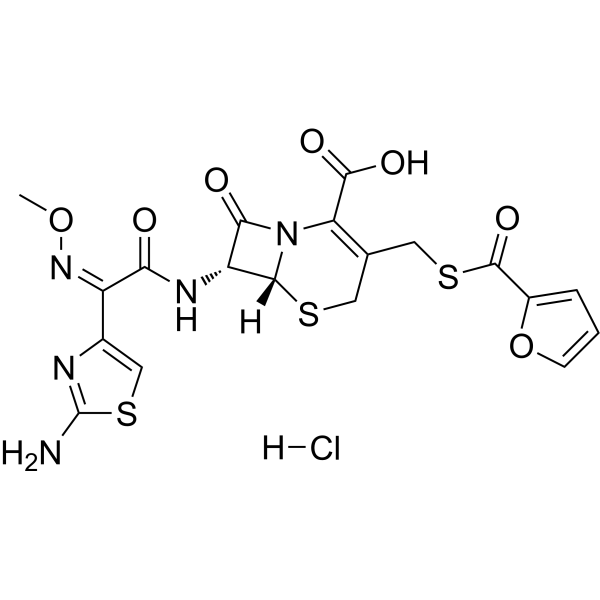
Ceftiofur hydrochloride is a cell wall synthesis inhibitor that targets bacterial penicillin-binding proteins (PBPs) and has anti-inflammatory effects in endotoxemia. Ceftiofur hydrochloride exerts bactericidal effects by inhibiting the synthesis of bacterial cell wall peptidoglycan, leading to bacterial cell lysis. Ceftiofur hydrochloride also inhibits the activation of NF-κB and MAPKs, thereby reducing the secretion of pro-inflammatory cytokines such as TNF-α, IL-1β, and IL-6 .
|
-
-
- HY-N14780
-
|
(+)-Pochonin D
|
HSP
Interleukin Related
Enterovirus
|
Infection
Inflammation/Immunology
Cancer
|
|
Pochonin D ((+)-Pochonin D) is an inhibitor of heat shock protein 90 (Hsp90) with antiviral and anti-inflammatory activities. Pochonin D inhibits Hsp90, affects the homeostasis, folding and assembly processes of viral proteins, and reduces the replication capacity of viruses. Pochonin D reduces the infiltration of inflammatory cells, decreases the secretion of inflammatory cytokines such as TNF-α and IL-1β, and alleviates inflammatory responses. Pochonin D is a promising candidate for research on human rhinovirus (HRV) infection and cancer .
|
-
-
- HY-B0898R
-
|
sodium ceftiofur (Standard)
|
Reference Standards
Antibiotic
Bacterial
NF-κB
p38 MAPK
TNF Receptor
Interleukin Related
|
Infection
|
|
Ceftiofur sodium (Standard) is the analytical standard of Ceftiofur sodium (HY-B0898). This product is intended for research and analytical applications. Ceftiofur sodium is a cell wall synthesis inhibitor that targets bacterial penicillin-binding proteins (PBPs) and has anti-inflammatory effects in endotoxemia. Ceftiofur sodium exerts bactericidal effects by inhibiting the synthesis of bacterial cell wall peptidoglycan, leading to bacterial cell lysis. Ceftiofur sodium also inhibits the activation of NF-κB and MAPKs, thereby reducing the secretion of pro-inflammatory cytokines such as TNF-α, IL-1β, and IL-6 .
|
-
-
- HY-N1326
-
|
Santamarin; Balchanin
|
JNK
p38 MAPK
MMP
NF-κB
COX
TNF Receptor
Interleukin Related
Reactive Oxygen Species (ROS)
Apoptosis
Mitochondrial Metabolism
DNA/RNA Synthesis
Keap1-Nrf2
Bcl-2 Family
Caspase
PARP
TGF-beta/Smad
|
Metabolic Disease
Inflammation/Immunology
Cancer
|
|
Santamarine (Santamarin; Balchanin) is a sesquiterpene lactone found in Artemisia scoparia. Santamarine shows anti-inflammatory, antioxidant, anticancer and anti-photoaging activities. Santamarine suppresses UVA-induced phosphorylation of JNK and p38 MAPK, nuclear translocation of phosphorylated c-Fos and c-Jun, and AP-1-mediated MMP-1 transcription and secretion. Santamarine suppresses NF-κB signaling, iNOS, COX-2, TNF-α, and IL-1β production. Santamarine inhibits thioredoxin reductase activity, induces ROS production, mitochondrial apoptosis, G2/M cell cycle arrest, and DNA damage, and reduces cancer cell growth. Santamarine can be used for the photoaging, inflammatory diseases and cancer .
|
-
-
- HY-113308S1
-
|
|
Isotope-Labeled Compounds
Calcium Channel
Ferroptosis
PI3K
Reactive Oxygen Species (ROS)
Akt
HBV
|
Others
|
|
Taurolithocholic acid-d4 is deuterium labeled Taurolithocholic acid. Taurolithocholic acid is an orally active bile acid and antiviral agent. Taurolithocholic acid upregulates FADS2 by activating the TGR5-PI3K/AKT-SREBP2 signaling axis, inhibits SFTSV-induced ferroptosis, viral replication and viral entry of HBV/HDV, while reducing the release of IL-1β, lipid ROS and LDH. While exerting antiviral protective effects, Taurolithocholic acid also stimulates the recycling of hepatocellular membrane transporters, impairs canalicular bile acid secretion function, and induces hepatocyte cholestasis, apoptosis and acute hepatocellular injury. Taurolithocholic acid serves as an experimental model compound for hepatocellular cholestasis. At concentrations ≤200 μM, Taurolithocholic acid shows no cytotoxicity and does not activate the interferon pathway. Taurolithocholic acid not only protects mice from lethal SFTSV infection but also is suitable for studies related to severe fever with thrombocytopenia syndrome and cholestasis .
|
-
-
- HY-173234
-
|
|
Pyroptosis
Interleukin Related
|
Cardiovascular Disease
|
|
GI-Y2 is an orally active, selective Gasdermin D (GSDMD) inhibitor (Kd = 36.0 μM) with anti-pyroptosis activity. GI-Y2 targets GSDMD, impairs membrane anchoring of GSDMD-NT, and blocks GSDMD‑dependent lipid binding and pore formation. GI-Y2 suppresses GSDMD‑dependent pyroptosis and inflammation, mitigates atherosclerosis and cardiac injury, boosts cell survival, and reduces IL‑1β/IL‑18 secretion. GI-Y2 can be used for the research of atherosclerosis and septic myocardial injury .
|
-
-
- HY-179336
-
|
|
Toll-like Receptor (TLR)
Interleukin Related
IFNAR
TNF Receptor
|
Cancer
|
|
TLR7/8 agonist 14 is a TLR7 and TLR8 agonist with EC50 values of 0.53 μM and 4.3 μM, respectively. TLR7/8 agonist 14 increases the secretion of the proinflammatory cytokines TNF-α, IL-1β, IL-8 and IFN-γ. TLR7/8 agonist 14 increases cytokine secretion and expression of CD86. LR7/8 agonist 14 can be used for research colorectal carcinoma .
|
-
-
- HY-113308AR
-
|
|
Reference Standards
Calcium Channel
Ferroptosis
PI3K
Reactive Oxygen Species (ROS)
Akt
HBV
|
Metabolic Disease
|
|
Taurolithocholic acid (sodium salt) (Standard) is the analytical standard of Taurolithocholic acid (sodium salt). This product is intended for research and analytical applications. Taurolithocholic acid sodium salt is an orally active bile acid and antiviral agent. Taurolithocholic acid sodium salt upregulates FADS2 by activating the TGR5-PI3K/AKT-SREBP2 signaling axis, inhibits SFTSV-induced ferroptosis, viral replication and viral entry of HBV/HDV, while reducing the release of IL-1β, lipid ROS and LDH. While exerting antiviral protective effects, Taurolithocholic acid sodium salt also stimulates the recycling of hepatocellular membrane transporters, impairs canalicular bile acid secretion function, and induces hepatocyte cholestasis, apoptosis and acute hepatocellular injury. Taurolithocholic acid sodium salt serves as an experimental model compound for hepatocellular cholestasis. At concentrations ≤200 μM, Taurolithocholic acid sodium salt shows no cytotoxicity and does not activate the interferon pathway. Taurolithocholic acid sodium salt not only protects mice from lethal SFTSV infection but also is suitable for studies related to severe fever with thrombocytopenia syndrome and cholestasis .
|
-
-
- HY-179047
-
|
|
Toll-like Receptor (TLR)
MyD88
IKK
p38 MAPK
ERK
TNF Receptor
Interleukin Related
|
Inflammation/Immunology
Cancer
|
|
SMU-L11-R is a selective TLR7 agonist with an EC50 of 0.012 μM for human TLR7. SMU-L11-R specifically activates TLR7, recruits MyD88, and triggers MAPK/NF-κB pathways, leading to TNF-α/IL-1β/IL-6 secretion in both mouse and human peripheral blood mononuclear cells. SMU-L11-R promotes M1-like macrophage polarization. SMU-L11-R exhibits excellent synergistic anti-tumor effects with PD-L1 inhibitors by upregulating CD8 +T cells. SMU-L11-R shows potential in colorectal cancer studies .
|
-
-
- HY-14644B
-
|
STA 5326 hydrochloride; LAM-002A free base hydrochloride; AIT-101 hydrochloride
|
NOD-like Receptor (NLR)
|
Infection
Inflammation/Immunology
|
|
Apilimod (STA 5326) hydrochloride is a PIKFYVE kinase inhibitor that promotes NLRP3 inflammatory vesicle activation and IL-1β secretion. Apilimod hydrochloride has been shown to inhibit host cell proteases, which may prevent viral invasion but also block antiviral immune responses, potentially exacerbating immunosuppression in COVID-19.
|
-
-
- HY-B0898S
-
|
|
Isotope-Labeled Compounds
Antibiotic
Bacterial
NF-κB
p38 MAPK
TNF Receptor
Interleukin Related
|
Infection
|
|
Ceftiofur-d3 sodium is deuterium labeled Ceftiofur sodium (HY-B0898). Ceftiofur sodium is a cell wall synthesis inhibitor that targets bacterial penicillin-binding proteins (PBPs) and has anti-inflammatory effects in endotoxemia. Ceftiofur sodium exerts bactericidal effects by inhibiting the synthesis of bacterial cell wall peptidoglycan, leading to bacterial cell lysis. Ceftiofur sodium also inhibits the activation of NF-κB and MAPKs, thereby reducing the secretion of pro-inflammatory cytokines such as TNF-α, IL-1β, and IL-6 .
|
-
-
- HY-178967
-
|
|
DAPK
Apoptosis
Interleukin Related
Endogenous Metabolite
|
Metabolic Disease
|
|
DRAK1/2-IN-2 (Compound Y17) is a DRAK1/2 inhibitor with IC50 values for DRAK2 and DRAK1 of 353.2 nM and 507.4 nM respectively. DRAK1/2-IN-2 can enhance mitochondrial membrane potential and glucose-stimulated insulin secretion (GSIS). DRAK1/2-IN-2 resists lipotoxicity-induced cell apoptosis. DRAK1/2-IN-2 significantly inhibits the secretion of pro-inflammatory cytokine IL-1β, thereby exerting an anti-inflammatory effect. DRAK1/2-IN-2 can significantly lower the blood glucose levels of mice. DRAK1/2-IN-2 can be used in diabetes research.
|
-
-
- HY-113308AS1
-
|
|
Isotope-Labeled Compounds
Calcium Channel
Ferroptosis
PI3K
Reactive Oxygen Species (ROS)
Akt
HBV
|
Metabolic Disease
|
|
Taurolithocholic Acid-d5 (sodium) is the deuterium labeled Taurolithocholic acid sodium salt. Taurolithocholic Acid sodium salt is an orally active bile acid and antiviral agent. Taurolithocholic Acid sodium salt upregulates FADS2 by activating the TGR5-PI3K/AKT-SREBP2 signaling axis, inhibits SFTSV-induced ferroptosis, viral replication and viral entry of HBV/HDV, while reducing the release of IL-1β, lipid ROS and LDH. While exerting antiviral protective effects, Taurolithocholic Acid sodium salt also stimulates the recycling of hepatocellular membrane transporters, impairs canalicular bile acid secretion function, and induces hepatocyte cholestasis, apoptosis and acute hepatocellular injury. Taurolithocholic Acid sodium salt serves as an experimental model compound for hepatocellular cholestasis. At concentrations ≤200 μM, Taurolithocholic Acid sodium salt shows no cytotoxicity and does not activate the interferon pathway. Taurolithocholic Acid sodium salt not only protects mice from lethal SFTSV infection but also is suitable for studies related to severe fever with thrombocytopenia syndrome and cholestasis .
|
-
-
- HY-164765
-
|
|
NOD-like Receptor (NLR)
|
Inflammation/Immunology
|
|
NLRP3-IN-56 (compound 062) is a NLRP3 inhibitor. NLRP3-IN-56 potently inhibits the level of IL-1β secretion by THP-1 cells with an IC50 of 9.7 nM. NLRP3-IN-56 can be used for the study of NLRP3-mediated symptoms and/or diseases .
|
-
-
- HY-15499
-
-
-
- HY-173046
-
-
-
- HY-156340
-
|
|
Interleukin Related
|
Inflammation/Immunology
|
|
Anti-inflammatory agent 58 is an anti-inflammatory agent. Anti-inflammatory agent 58 inhibits IL-1β with an IC50 of 1.08 μM. Anti-inflammatory agent 58 decreases pro-inflammatory gene expression, protein secretion, and NF-κB phosphorylation .
|
-
- HY-156342
-
|
|
Interleukin Related
|
Inflammation/Immunology
|
|
Anti-inflammatory agent 59 is an anti-inflammatory agent. Anti-inflammatory agent 58 inhibits IL-1β with an IC50 of 2.28 μM. Anti-inflammatory agent 58 decreases pro-inflammatory gene expression, protein secretion, and NF-κB phosphorylation .
|
-
- HY-176452
-
|
|
|
Cancer
|
|
NLRP3 agonist 3 (Compound Payload 5) is an antibody-drug conjugate (ADC). NLRP3 agonist 3 is a NLRP3 agonist that induces IL-1β secretion in primary human monocytes. NLRP3 agonist 3 can be used in cancer research .
|
-
- HY-156121
-
|
|
NOD-like Receptor (NLR)
|
Inflammation/Immunology
Cancer
|
|
NLRP3-IN-20 (compound 11) is an orally available inhibitor of the NLRP3 inflammasome with an IC50 of 25 nM for IL-1β secretion. NLRP3-IN-20 has excellent pharmacokinetic properties and demonstrated significant efficacy in models of non-alcoholic steatohepatitis, fatal septic shock, and colitis .
|
-
- HY-N6927R
-
|
Coleonol B (Standard)
|
Reference Standards
TNF Receptor
Interleukin Related
|
Inflammation/Immunology
|
|
Isoforskolin (Standard) is the analytical standard of Isoforskolin. This product is intended for research and analytical applications. Isoforskolin is the principle active component of C. forskohlii native to China. Isoforskolin reduces the secretion of lipopolysaccharide (LPS)-induced cytokines, namely TNF-α, IL-1β, IL-6 and IL-8, in human mononuclear leukocytes. Isoforskolin acts as an anti-inflammatory agent for the treatment of Lyme arthritis .
|
-
- HY-173416
-
|
|
NF-κB
p38 MAPK
ERK
JNK
|
Inflammation/Immunology
|
|
Anti-inflammatory agent 100 (Compound (+)-4S-23) is an anti-inflammatory agent. Anti-inflammatory agent 100 inhibits MAPK and NF-κB signaling, and also inhibits NF-κB pathway by suppressing the phosphorylation of IκB-α and blocking nuclear translocation of phosphorylated p65. Anti-inflammatory agent 100 inhibits NO production (IC50: 0.5 μM) and TNF-α, IL-6, IL-1β secretion .
|
-
- HY-173180
-
|
|
Lipoxygenase
Interleukin Related
TNF Receptor
IFNAR
|
Inflammation/Immunology
|
|
5-LOX-IN-8 is a 5-LOX inhibitor with anti-inflammatory activity. 5-LOX-IN-8 suppresses IL-6, IL-1β, TNF-α and IFN-γ in macrophages and reduces IL-8 secretion in SW480 cells. 5-LOX-IN-8 reduces disease activity in a DSS colitis model. 5-LOX-IN-8 can be used for research of inflammatory bowel disease (IBD) .
|
-
- HY-170233
-
|
|
NOD-like Receptor (NLR)
Interleukin Related
NF-κB
|
Inflammation/Immunology
|
|
NLRP3-IN-75 is an orally active NLRP3 inhibitor. NLRP3-IN-75 suppresses IL-1β secretion (IC50 = 23 nM). NLRP3-IN-75 selectively inhibits NLRP3 activation by disrupting inflammasome assembly without affecting NLRC4 or AIM2 inflammasomes. NLRP3-IN-75 exhibits superior efficacy in acute peritonitis, diabetic kidney disease and IBD models .
|
-
- HY-10406A
-
|
SCIO-469 hydrochloride
|
p38 MAPK
TNF Receptor
Interleukin Related
VEGFR
Apoptosis
|
Cancer
|
|
Talmapimod (SCIO-469) hydrochloride is an orally active and selective inhibitor of p38α MAPK with an IC50 of 9 nM. Talmapimod hydrochloride inhibits the secretion of inflammatory factors (such as TNFα, IL-1β, IL-6, and VEGF) by suppressing the p38α MAPK pathway, and it also inhibits angiogenesis and osteoclast activation. Talmapimod hydrochloride inhibits the growth of multiple myeloma cells and induces apoptosis. Talmapimod hydrochloride can be used to study various hematological malignancies (such as multiple myeloma, myelodysplastic syndrome) .
|
-
- HY-168935
-
|
|
NO Synthase
TNF Receptor
Interleukin Related
|
Inflammation/Immunology
|
|
Anti-inflammatory agent 95 (Compound 2e) is an anti-inflammatory agent that exhibits the most potent anti-inflammatory activity in LPS (HY-D1056)-induced RAW 264.7 mouse macrophages.
It significantly inhibits the production of NO, with an IC50 of 8.8 μM, and reduces the secretion of TNF-α and IL-1β, with inhibition rates reaching 60% and over 90%, respectively, at a concentration of 100 μM.
Anti-inflammatory agent 95 holds promise for research in the field of inflammatory diseases .
|
-
- HY-162116
-
|
|
Toll-like Receptor (TLR)
|
Inflammation/Immunology
Cancer
|
|
TLR7 agonist 18 (Compound 21a) is a selective Toll-like receptor 7 (TLR7) agonist with an EC50 of 7.8 μM. TLR7 agonist 18 is not cytotoxic to hTLR7 cotransfected HEK293 cell lines and can induce the secretion of several cytokines, including IL-1β, IL-12p70, IL-8, and TNF-α. TLR7 agonist 18 can be used in vaccine, asthma, allergy and anti-cancer research .
|
-
- HY-B0026R
-
|
|
Reference Standards
Antibiotic
Bacterial
NF-κB
p38 MAPK
TNF Receptor
Interleukin Related
|
Infection
|
|
Ceftiofur hydrochloride (Standard) is the analytical standard of Ceftiofur hydrochloride (HY-B0026). This product is intended for research and analytical applications. Ceftiofur hydrochloride is a cell wall synthesis inhibitor that targets bacterial penicillin-binding proteins (PBPs) and has anti-inflammatory effects in endotoxemia. Ceftiofur hydrochloride exerts bactericidal effects by inhibiting the synthesis of bacterial cell wall peptidoglycan, leading to bacterial cell lysis. Ceftiofur hydrochloride also inhibits the activation of NF-κB and MAPKs, thereby reducing the secretion of pro-inflammatory cytokines such as TNF-α, IL-1β, and IL-6 .
|
-
- HY-N7102R
-
|
|
Reference Standards
Antibiotic
Bacterial
NF-κB
p38 MAPK
TNF Receptor
Interleukin Related
|
Infection
|
|
Ceftiofur (Standard) is the analytical standard of Ceftiofur (HY-N7102). This product is intended for research and analytical applications. Ceftiofur is a cell wall synthesis inhibitor that targets bacterial penicillin-binding proteins (PBPs) and has anti-inflammatory effects in endotoxemia. Ceftiofur exerts bactericidal effects by inhibiting the synthesis of bacterial cell wall peptidoglycan, leading to bacterial cell lysis. Ceftiofur also inhibits the activation of NF-κB and MAPKs, thereby reducing the secretion of pro-inflammatory cytokines such as TNF-α, IL-1β, and IL-6 .
|
-
- HY-171589
-
|
|
NOD-like Receptor (NLR)
Interleukin Related
|
Inflammation/Immunology
Cancer
|
|
NLRP3-IN-77 (Compound 7n) is a potent NLRP3 inflammasome inhibitor. NLRP3-IN-77 inhibits the viability of THP-1 cells with an IC50 value of 5.36 nM. NLRP3-IN-77 can effectively reduce the secretion of interleukin-1β (IL-1β) and interleukin-18 (IL-18). NLRP3-IN-77 is promising for research of diseases related to the abnormal activation of the NLRP3 inflammasome, such as cancer and inflammatory diseases .
|
-
- HY-N15589
-
|
|
Interleukin Related
Prostaglandin Receptor
TNF Receptor
|
Inflammation/Immunology
|
|
8-(6,7-Dihydroxy-3,7-dimethyl-2E-octenyloxy)psoralen is a compound found in Citrus grandis. 8-(6,7-Dihydroxy-3,7-dimethyl-2E-octenyloxy)psoralen has significant anti-inflammatory activity, which mainly works by inhibiting the secretion of inflammatory factors IL-1β, PGE2 and TNF-α. 8-(6,7-Dihydroxy-3,7-dimethyl-2E-octenyloxy)psoralen can be used in the study of inflammation .
|
-
- HY-146841S
-
|
1-Nonadecanoyl-2-hydroxy-sn-glycero-3-phosphocholine-d5; 19:0 Lyso PC-d5
|
Isotope-Labeled Compounds
|
Others
|
|
Lecithin-cholesterol acyltransferase C19:0-d5 (19:0 lecithin-cholesterol acyltransferase-d5) is the deuterated form of lecithin-cholesterol acyltransferase C19:0 (HY-154830). Lecithin-cholesterol acyltransferase C19:0 is a lysophosphatidylcholine with a fully saturated C19 acyl chain. When lecithin-cholesterol acyltransferase C19:0 is combined with LPS (HY-D1056), it can induce the secretion of IL-1β by human monocyte-derived dendritic cells. Lecithin-cholesterol acyltransferase C19:0 can reduce the survival rate of dendritic cells derived from monocytes.
|
-
- HY-175782
-
|
|
Toll-like Receptor (TLR)
NF-κB
p38 MAPK
|
Inflammation/Immunology
|
|
SMU-R39 is a TLR7 and TLR8 antagonist with IC50 values of 3.22 μM and 0.24 μM, respectively. SMU-R39 binds to recombinant mTLR7 protein (KD = 2.36 μM) and to recombinant hTLR8 protein (KD = 105 nM). SMU-R39 suppresses downstream NF-κB and MAPK signaling, and reduces secretion/transcription of pro-inflammatory cytokines (TNF-α, IL-1β, IL-6) in PBMCs and THP-1 cells. SMU-R39 demonstrates anti-inflammatory efficacy in Imiquimod (IMQ) (HY-B0180)-induced psoriasis mouse model. SMU-R39 can be used for the study of autoimmune diseases such as psoriasis .
|
-
- HY-W013579R
-
|
D-Carvone (Standard)
|
Reference Standards
Others
|
Neurological Disease
Metabolic Disease
Inflammation/Immunology
Cancer
|
|
(S)-(+)-Carvone (Standard) is the analytical standard of (S)-(+)-Carvone. This product is intended for research and analytical applications. (S)-(+)-Carvone is an orally active natural product. (S)-(+)-Carvone increases the activity of antioxidant enzymes (SOD, CAT) and ROS, reduces the levels of oxidative stress markers (MDA, AChE), reduces the secretion of proinflammatory cytokines (IL-1β, IL-4, IL-6, IL-10), and downregulates NLRP3. (S)-(+)-Carvone increases the activities of caspase-8, -9 and -3. (S)-(+)-Carvone induces apoptotic death. (S)-(+)-Carvone has antimanic-like effect, liver protection and anticancer activity against skin cancer. (S)-(+)-Carvone improves memory and arthritis .
|
-
- HY-113308AS
-
|
|
Isotope-Labeled Compounds
Calcium Channel
Ferroptosis
PI3K
Reactive Oxygen Species (ROS)
Akt
HBV
|
Metabolic Disease
|
|
Taurolithocholic acid-d4 (sodium) is the deuterium labeled Taurolithocholic acid (sodium salt). Taurolithocholic acid sodium is an orally active bile acid and antiviral agent. Taurolithocholic acid sodium upregulates FADS2 by activating the TGR5-PI3K/AKT-SREBP2 signaling axis, inhibits SFTSV-induced ferroptosis, viral replication and viral entry of HBV/HDV, while reducing the release of IL-1β, lipid ROS and LDH. While exerting antiviral protective effects, Taurolithocholic acid sodium also stimulates the recycling of hepatocellular membrane transporters, impairs canalicular bile acid secretion function, and induces hepatocyte cholestasis, apoptosis and acute hepatocellular injury. Taurolithocholic acid sodium serves as an experimental model compound for hepatocellular cholestasis. At concentrations ≤200 μM, Taurolithocholic acid sodium shows no cytotoxicity and does not activate the interferon pathway. Taurolithocholic acid sodium not only protects mice from lethal SFTSV infection but also is suitable for studies related to severe fever with thrombocytopenia syndrome and cholestasis .
|
-
- HY-113308AS2
-
|
|
Isotope-Labeled Compounds
Calcium Channel
Ferroptosis
PI3K
Reactive Oxygen Species (ROS)
Akt
HBV
|
Metabolic Disease
|
|
Taurolithocholic acid-d4-1 (sodium) is the deuterium labeled Taurolithocholic acid. Taurolithocholic acid sodium is an orally active bile acid and antiviral agent. Taurolithocholic acid sodium upregulates FADS2 by activating the TGR5-PI3K/AKT-SREBP2 signaling axis, inhibits SFTSV-induced ferroptosis, viral replication and viral entry of HBV/HDV, while reducing the release of IL-1β, lipid ROS and LDH. While exerting antiviral protective effects, Taurolithocholic acid sodium also stimulates the recycling of hepatocellular membrane transporters, impairs canalicular bile acid secretion function, and induces hepatocyte cholestasis, apoptosis and acute hepatocellular injury. Taurolithocholic acid sodium serves as an experimental model compound for hepatocellular cholestasis. At concentrations ≤200 μM, Taurolithocholic acid sodium shows no cytotoxicity and does not activate the interferon pathway. Taurolithocholic acid sodium not only protects mice from lethal SFTSV infection but also is suitable for studies related to severe fever with thrombocytopenia syndrome and cholestasis .
|
-
- HY-113308S
-
|
|
Isotope-Labeled Compounds
Calcium Channel
Ferroptosis
PI3K
Reactive Oxygen Species (ROS)
Akt
HBV
|
Others
|
|
Taurolithocholic acid-d5 is deuterium labeled Taurolithocholic acid. Taurolithocholic acid is an orally active bile acid and antiviral agent. Taurolithocholic acid upregulates FADS2 by activating the TGR5-PI3K/AKT-SREBP2 signaling axis, inhibits SFTSV-induced ferroptosis, viral replication and viral entry of HBV/HDV, while reducing the release of IL-1β, lipid ROS and LDH. While exerting antiviral protective effects, Taurolithocholic acid also stimulates the recycling of hepatocellular membrane transporters, impairs canalicular bile acid secretion function, and induces hepatocyte cholestasis, apoptosis and acute hepatocellular injury. Taurolithocholic acid serves as an experimental model compound for hepatocellular cholestasis. At concentrations ≤200 μM, Taurolithocholic acid shows no cytotoxicity and does not activate the interferon pathway. Taurolithocholic acid not only protects mice from lethal SFTSV infection but also is suitable for studies related to severe fever with thrombocytopenia syndrome and cholestasis .
|
-
- HY-N18952
-
|
|
Interleukin Related
|
Inflammation/Immunology
|
|
Heparin disaccharide II-S trisodium (Compound HSH-9) is a heparin-derived disaccharide. Heparin disaccharide II-S trisodium inhibits the spontaneous secretion of proinflammatory mediators IL-8 and IL-1β in intestinal epithelial cells at the post-transcriptional stage .
|
-
- HY-183337
-
|
|
NOD-like Receptor (NLR)
Interleukin Related
|
Inflammation/Immunology
|
|
ZM734 is an orally active and selective NLRP3 inflammasome inhibitor. ZM734 inhibits the secretion of IL-1β. ZM734 alleviates pulmonary inflammation in a mouse model of acute lung injury. ZM734 can be used for the research of inflammatory diseases such as acute lung injury .
|
-
- HY-101860R
-
|
|
Reference Standards
Interleukin Related
|
Neurological Disease
|
|
GIBH-130 (Standard) is the analytical standard of GIBH-130 (HY-101860). This product is intended for research and analytical applications. GIBH-130 is an effective inhibitor of neuroinflammation. GIBH-130 significantly suppresses the IL-1β secretion by activated microglia (IC50=3.4 nM).
|
-
- HY-179635
-
|
|
Glutathione S-transferase
Interleukin Related
|
Inflammation/Immunology
|
|
GSTO1-IN-6 is an allosteric and covalent GSTO1 inhibitor with an IC50 of 457 nM. GSTO1-IN-6 markedly reduces Lipopolysaccharides (LPS) (HY-D1056)-induced IL-1β (IC50 of 1.9 μM) and IL-18 (IC50 of 10. μM) secretion in human monocyte-derived macrophages. GSTO1-IN-6 covalently modifies GSTO1-Cys32, inducing conformational changes and protein destabilization. GSTO1-IN-6 can be used for the research of inflammatory diseases .
|
-
- HY-N9566
-
|
|
Interleukin Related
TNF Receptor
IFNAR
|
Inflammation/Immunology
|
|
Isopongaflavone is an isoflavone that can be isolated from the seedpods of Tephrosia vogelii with anti-inflammatory effects. Isopongaflavone suppresses the secretion of IL-1β, IFN-γ, granulocyte macrophage-colony stimulating factor (GM-CSF) and TNF-α in LPS (HY-D1056)-stimulated peripheral blood mononuclear cells (PBMCs) .
|
-
- HY-N18954
-
|
|
Interleukin Related
|
Inflammation/Immunology
|
|
Heparin disaccharide III-S trisodium (Compound SHH-7) is a heparin-derived disaccharide. Heparin disaccharide III-S trisodium acts as an inhibitor of spontaneous IL-8 and IL-1β secretion by intestinal epithelial cells. Heparin disaccharide III-S trisodium functions at the post-translational stage and does not reduce mRNA or intracellular mediator levels .
|
-
- HY-N12104
-
|
BMS-182123
|
TNF Receptor
|
Infection
|
|
Trichodimerol (BMS-182123) is a TNF-α promoter inhibitor that inhibits the activity of lipopolysaccharide-induced cytokine secretion. Trichodimerol inhibits lipopolysaccharide-induced TNF-α promoter activity, reduces steady-state TNF-α mRNA expression, and does not alter the stability of TNF-α mRNA. Trichodimerol inhibits lipopolysaccharide-induced TNF-α secretion in murine and human immune cells. Trichodimerol reduces lipopolysaccharide-induced IL-1β secretion by 25%-50% in vitro. Trichodimerol does not alter total protein synthesis or constitutive lysozyme secretion at effective concentrations. Trichodimerol can be used for the research of septic shock .
|
-
- HY-N18953
-
|
|
Interleukin Related
|
Inflammation/Immunology
|
|
Heparin disaccharide I-H trisodium (Compound SHS-5) is a heparin-derived disaccharide. Heparin disaccharide I-H trisodium blocks the spontaneous secretion of IL-8 and IL-1β in intestinal epithelial cells at the post-translational stage without reducing mRNA expression levels or intracellular contents. Heparin disaccharide I-H trisodium exhibits dose-dependent anti-inflammatory activity in intestinal epithelial cell models .
|
-
- HY-183367
-
|
|
TNF Receptor
Interleukin Related
|
Inflammation/Immunology
|
|
Anti-inflammatory agent 115 is a potent anti-inflammatory agent. Anti-inflammatory agent 115 reduces secretion of myeloperoxidase (MPO), TNF-α, IL-1β, and IL-6. Anti-inflammatory agent 115 decreases ear tissue thickness and neutrophil infiltration in 12-O-tetradecanoylphorbol-13-acetate (TPA) (HY-18739)-induced topical edema in mice. Anti-inflammatory agent 115 can be used for the research of inflammatory diseases .
|
-
- HY-182794
-
|
|
NOD-like Receptor (NLR)
Interleukin Related
NF-κB
|
Neurological Disease
|
|
NLRP3-IN-89 is a NOD-like receptor protein 3 (NLRP3) inflammasome inhibitor. NLRP3-IN-89 inhibits the NLRP3 inflammasome pathway, reduces IL-1β secretion, and exhibits minimal interference with the NF-κB pathway. NLRP3-IN-89 can be used for the research of Parkinson's disease, frontotemporal dementia, multiple system atrophy, Alzheimer's disease, multiple sclerosis, amyotrophic lateral sclerosis, or brain injury .
|
-
- HY-10406B
-
|
rel-SCIO-469 hydrochloride
|
p38 MAPK
TNF Receptor
Interleukin Related
VEGFR
Apoptosis
|
Cancer
|
|
rel-Talmapimod (rel-SCIO-469) hydrochloride is an orally active and selective inhibitor of p38α MAPK with an IC50 of 9 nM. rel-Talmapimod hydrochloride inhibits the secretion of inflammatory factors (such as TNFα, IL-1β, IL-6, and VEGF) by suppressing the p38α MAPK pathway, and it also inhibits angiogenesis and osteoclast activation. rel-Talmapimod hydrochloride inhibits the growth of multiple myeloma cells and induces apoptosis. rel-Talmapimod hydrochloride can be used to study various hematological malignancies (such as multiple myeloma, myelodysplastic syndrome) .
|
-
- HY-179682
-
|
|
HDAC
NOD-like Receptor (NLR)
Interleukin Related
Caspase
|
Inflammation/Immunology
|
|
HDAC3 degrader-1 (Compound Z8) is a selective HDAC3 degrader with a DC50 of 2.42 μM. HDAC3 degrader-1 has almost no effect on HDAC1, HDAC2, and HDAC6. HDAC3 degrader-1 inhibits the activation of the NLRP3 inflammasome and reduces the secretion of IL-1β and caspase-1. HDAC3 degrader-1 shows significant efficacy in septic shock and colitis models. HDAC3 degrader-1 can be used in anti-inflammatory research .
|
-
- HY-N10175
-
|
|
NO Synthase
NF-κB
ERK
Interleukin Related
TNF Receptor
Reactive Oxygen Species (ROS)
|
Inflammation/Immunology
|
|
keleyacetal C, a meroterpenoid compound with anti-inflammatory effects via inhibiting NF-κB, ERK1/2 and IRF3 signaling pathways. Berkeleyacetal C significantly inhibits the expression of iNOS and the following NO production by macrophages. Berkeleyacetal C inhibits expression and secretion of key pro-inflammatory factors and chemokines (TNF-α, IL-6, IL-1β, MIP-1α, and MCP-1). Berkeleyacetal C also inhibits activation of neutrophils and reactive oxygen species (ROS) production. Berkeleyacetal C can be used for the study of inflammatory disorders .
|
-
- HY-10406R
-
|
SCIO-469 (Standard)
|
Reference Standards
p38 MAPK
TNF Receptor
Interleukin Related
VEGFR
Apoptosis
|
Neurological Disease
Metabolic Disease
Inflammation/Immunology
Cancer
|
|
Talmapimod (Standard) is the analytical standard of Talmapimod (HY-10406). This product is intended for research and analytical applications. Talmapimod (SCIO-469) is an orally active and selective inhibitor of p38α MAPK with an IC50 of 9 nM. Talmapimod inhibits the secretion of inflammatory factors (such as TNFα, IL-1β, IL-6, and VEGF) by suppressing the p38α MAPK pathway, and it also inhibits angiogenesis and osteoclast activation. Talmapimod inhibits the growth of multiple myeloma cells and induces apoptosis. Talmapimod can be used to study various hematological malignancies (such as multiple myeloma, myelodysplastic syndrome) .
|
-
- HY-179701
-
|
|
NF-κB
TNF Receptor
Interleukin Related
CXCR
|
Inflammation/Immunology
|
|
NIK-IN-3 is a potent and orally active NF-κB-inducing kinase (NIK) inhibitor with an IC50 of 5.2 nM. NIK-IN-3 suppresses non-canonical NF-κB pathway activation and inhibits the secretion of pro-inflammatory cytokines, such as TNF-α, IL-6, IL-1β and chemokine CXCL12. NIK-IN-3 shows significant anti-inflammatory effects in LPS (HY-D1056)-induced sepsis mice model and DSS (HY-116282)-induced colitis model. NIK-IN-3 can be used for the research of inflammation, such as colitis .
|
-
- HY-B2176S8
-
|
Adenosine 5'-triphosphate-13C10,15N5,d14 dILithium
|
Isotope-Labeled Compounds
Endogenous Metabolite
NOD-like Receptor (NLR)
Interleukin Related
Bacterial
|
Others
|
|
ATP- 13C10, 15N5,d14 (Adenosine 5'-triphosphate- 13C10, 15N5,d14) dilithium is the 13C-, 15N- and deuterium labeled ATP dilithium. ATP (Adenosine 5'-triphosphate) is a central component of energy storage and metabolism in vivo. ATP provides the metabolic energy to drive metabolic pumps and serves as a coenzyme in cells. ATP is an important endogenous signaling molecule in immunity and inflammation. ATP can activate the NLRP3 inflammasome and induce IL-1β and chemokines secretion. ATP has anti-bacterial infection effects and can protect mice against bacterial infection in mice.
|
-
- HY-180830
-
|
|
NOD-like Receptor (NLR)
Lactate Dehydrogenase
Interleukin Related
Pyroptosis
|
Inflammation/Immunology
|
|
NLRP3-IN-86 (Compound 8a), a derivative of Songorine (HY-N2080), is a potent and selective NLRP3 inflammasome inhibitor. NLRP3-IN-86 can reduce LPS (HY-D1056)- and Nigericin (HY-127019)-stimulated lactate dehydrogenase (LDH) release (IC50 = 2.69 μM in THP-1 cells and 1.75 μ M in J774A.1 cells). NLRP3-IN-86 can inhibit gasdermin D (GSDMD) cleavage and IL-1β secretion. NLRP3-IN-86 can inhibit cell pyroptosis. NLRP3-IN-86 can be used for research of inflammation .
|
-
- HY-181488
-
|
|
NOD-like Receptor (NLR)
Caspase
Interleukin Related
|
Metabolic Disease
Inflammation/Immunology
|
|
NLRP3-IN-87 is a selective and orally active NLRP3 inhibitor with a Kd of 0.23 μM. NLRP3-IN-87 binds directly to the NLRP3 NACHT domain, disrupts NLRP3-NEK7 and NLRP3-ASC interactions, inhibits ASC oligomerization, and blocks inflammasome assembly. NLRP3-IN-87 suppresses caspase-1 activation and IL-1β secretion. NLRP3-IN-87 exhibits anti-inflammatory and analgesic activity, reducing joint swelling, inflammation, and pain in an MSU (HY-B2130A)-induced acute gout mouse model. NLRP3-IN-87 can be used for the research of gout .
|
-
- HY-P11617
-
|
|
NF-κB
ERK
JNK
p38 MAPK
Interleukin Related
|
Inflammation/Immunology
|
|
CLP-d2 is a multi-target anti-inflammatory agent, osteoclastogenesis inhibitor and immunomodulator with superior pharmacokinetic properties to Daptomycin (HY-B0108) and good safety profiles. CLP-d2 inhibits the NF-κB and MAPK signaling pathways by reducing the expression levels of c-Fos and NFATc1, and decreasing the phosphorylation levels of IκBα, p65, ERK and JNK, thereby reducing the secretion of pro-inflammatory cytokines such as IL-6, TNF-α and IL-1β to exert anti-inflammatory activity. CLP-d2 inhibits intra-articular osteoclastogenesis in mice, alleviates bone erosion and joint swelling, reduces synovial hyperplasia and inflammatory cell infiltration, and decreases serum rheumatoid factor (RF) levels. CLP-d2 is applicable to related research on rheumatoid arthritis .
|
-
- HY-W017087
-
|
|
NOD-like Receptor (NLR)
Caspase
Interleukin Related
|
Infection
Metabolic Disease
|
|
1,2,4-Trimethoxybenzene is an orally active NLRP3 selective inhibitor. 1,2,4-Trimethoxybenzene can markedly suppress Nigericin (HY-127019) or ATP (HY-B2176)-induced NLRP3 inflammasome activation, thus decreasing caspase-1 activation and IL-1β secretion. 1,2,4-Trimethoxybenzene specifically inhibits the activation of NLRP3 inflammasome without affecting absent in melanoma 2 (AIM2) inflammasome activation. 1,2,4-Trimethoxybenzene inhibits oligomerization of the apoptosis-associated speck-like protein containing a CARD (ASC) and protein-protein interaction between NLRP3 and ASC, thus blocking NLRP3 inflammasome assembly. 1,2,4-Trimethoxybenzene can be used for the study of experimental autoimmune encephalomyelitis (EAE), multiple sclerosis, and type 2 diabetes .
|
-
- HY-180580
-
-
- HY-101448R
-
|
WAY-171318 (Standard)
|
MMP
Reference Standards
Apoptosis
Interleukin Related
TNF Receptor
Caspase
|
Infection
Neurological Disease
Inflammation/Immunology
Cancer
|
|
TMI-1 (Standard) is the analytical standard of TMI-1 (HY-101448). This product is intended for research and analytical applications. TMI-1 (WAY-171318) inhibits TNF converting enzyme (TACE) (IC50 of 8.4 nM), ADAM-TS-4, ADAM-17 and various MMPs with oral activity. TMI-1 significantly suppresses the secretion of TNF-α , alleviating collagen-induced arthritis in mice. TMI-1 inhibits cancer cell proliferation, induces apoptosis through a caspase-dependent pathway. TMI-1 also reverses TRPV1 upregulation and lowers the levels of inflammatory factors (TNF-α、IL-1β、IL-6) in nerve cells, protecting against paclitaxel-induced neurotoxicity. TMI-1 leads to changes in pro-atherogenic lipoprotein profiles, but does not affect the progression of early lesions .
|
-
| Cat. No. |
Product Name |
Type |
-
- HY-B2176I
-
|
Adenosine 5'-triphosphate disodium salt, 100 mM Solution, PCR Grade
|
Biochemical Assay Reagents
|
|
ATP (Adenosine 5'-triphosphate) disodium salt, 100 mM Solution, PCR Grade is a central component of energy storage and metabolism in vivo. ATP disodium salt, 100 mM Solution, PCR Grade provides the metabolic energy to drive metabolic pumps and serves as a coenzyme in cells. ATP disodium salt, 100 mM Solution, PCR Grade is an important endogenous signaling molecule in immunity and inflammation. ATP disodium salt, 100 mM Solution, PCR Grade can activate the NLRP3 inflammasome and induce IL-1β and chemokines secretion. ATP disodium salt, 100 mM Solution, PCR Grade has anti-bacterial infection effects and can protect mice against bacterial infection in mice .
|
| Cat. No. |
Product Name |
Target |
Research Area |
-
- HY-P10939A
-
|
|
Caspase
Pyroptosis
|
Inflammation/Immunology
Cancer
|
|
Ac-DMLD-CMK TFA is a caspase 3 inhibitor and a GSDME inhibitor. Ac-DMLD-CMK TFA binds directly to the catalytic domain of caspase-3, blocks caspase-3-mediated cleavage of GSDME, inhibits the activation of caspase 3 and Gsdme in the caspase 3-Gsdme signaling pathway, and reduces the levels of pyroptosis and apoptosis as well as the expression of LDH, IL-6, IL-1β and IL-18. Ac-DMLD-CMK TFA alleviates renal function deterioration, renal tubular epithelial cell injury, inflammatory cytokine secretion, pulmonary structural damage, and chemotherapy-induced nephrotoxicity .
|
-
- HY-P10939
-
|
|
Caspase
Pyroptosis
|
Inflammation/Immunology
Cancer
|
|
Ac-DmLD-CMK is a caspase 3 inhibitor and a GSDME inhibitor. Ac-DmLD-CMK binds directly to the catalytic domain of caspase-3, blocks caspase-3-mediated cleavage of GSDME, inhibits the activation of caspase 3 and Gsdme in the caspase 3-Gsdme signaling pathway, and reduces the levels of pyroptosis and apoptosis as well as the expression of LDH, IL-6, IL-1β and IL-18. Ac-DmLD-CMK alleviates renal function deterioration, renal tubular epithelial cell injury, inflammatory cytokine secretion, pulmonary structural damage, and chemotherapy-induced nephrotoxicity .
|
-
- HY-P11617
-
|
|
NF-κB
ERK
JNK
p38 MAPK
Interleukin Related
|
Inflammation/Immunology
|
|
CLP-d2 is a multi-target anti-inflammatory agent, osteoclastogenesis inhibitor and immunomodulator with superior pharmacokinetic properties to Daptomycin (HY-B0108) and good safety profiles. CLP-d2 inhibits the NF-κB and MAPK signaling pathways by reducing the expression levels of c-Fos and NFATc1, and decreasing the phosphorylation levels of IκBα, p65, ERK and JNK, thereby reducing the secretion of pro-inflammatory cytokines such as IL-6, TNF-α and IL-1β to exert anti-inflammatory activity. CLP-d2 inhibits intra-articular osteoclastogenesis in mice, alleviates bone erosion and joint swelling, reduces synovial hyperplasia and inflammatory cell infiltration, and decreases serum rheumatoid factor (RF) levels. CLP-d2 is applicable to related research on rheumatoid arthritis .
|
| Cat. No. |
Product Name |
Target |
Research Area |
Image |
| Cat. No. |
Product Name |
Category |
Target |
Chemical Structure |
-
- HY-B2176
-
-
-
- HY-B2176R
-
|
Adenosine 5'-triphosphate (Standard)
|
Structural Classification
Alkaloids
Human Gut Microbiota Metabolites
Microorganisms
other families
Animals
Other Alkaloids
Plants
Endogenous metabolite
Source Classification
|
Reference Standards
Endogenous Metabolite
|
ATP (Standard) is the analytical standard of ATP. This product is intended for research and analytical applications. ATP (Adenosine 5'-triphosphate) is a central component of energy storage and metabolism in vivo. ATP provides the metabolic energy to drive metabolic pumps and serves as a coenzyme in cells. ATP is an important endogenous signaling molecule in immunity and inflammation .
In Vitro: ATP (5 mM; 1 hour) co-treatment with LPS (1 μg/mL) has a synergistic effect on the activation of the NLRP3 inflammasome in HGFs .
ATP (2 mM; 0.5-24 hours) induces secretion of IL-1β, KC and MIP-2 from BMDMs in a caspase-1 activation-dependent manner .
ATP promotes neutrophil chemotaxis in vitro .
In Vivo: ATP (50 mg/kg; i.p.) protects mice against bacterial infection in vivo .
ATP induces the secretion of IL-1β, KC and MIP-2 and neutrophils recruitment in vivo .
|
-
-
- HY-113308A
-
|
|
Structural Classification
Animals
Classification of Application Fields
Metabolic Disease
Disease Research Fields
Steroids
Source Classification
|
Calcium Channel
Ferroptosis
PI3K
Reactive Oxygen Species (ROS)
Akt
HBV
|
|
Taurolithocholic acid sodium salt is an orally active bile acid and antiviral agent. Taurolithocholic acid sodium salt upregulates FADS2 by activating the TGR5-PI3K/AKT-SREBP2 signaling axis, inhibits SFTSV-induced ferroptosis, viral replication and viral entry of HBV/HDV, while reducing the release of IL-1β, lipid ROS and LDH. While exerting antiviral protective effects, Taurolithocholic acid sodium salt also stimulates the recycling of hepatocellular membrane transporters, impairs canalicular bile acid secretion function, and induces hepatocyte cholestasis, apoptosis and acute hepatocellular injury. Taurolithocholic acid sodium salt serves as an experimental model compound for hepatocellular cholestasis. At concentrations ≤200 μM, Taurolithocholic acid sodium salt shows no cytotoxicity and does not activate the interferon pathway. Taurolithocholic acid sodium salt not only protects mice from lethal SFTSV infection but also is suitable for studies related to severe fever with thrombocytopenia syndrome and cholestasis .
|
-
-
- HY-W013579
-
|
D-Carvone
|
Structural Classification
Classification of Application Fields
Ketones, Aldehydes, Acids
Gymnaster koraiensis
Other Diseases
Umbelliferae
Plants
Disease Research Fields
Source Classification
|
Environmental Pollutants
Apoptosis
Caspase
Interleukin Related
Reactive Oxygen Species (ROS)
NOD-like Receptor (NLR)
SOD
|
|
(S)-(+)-Carvone is an orally active natural product. (S)-(+)-Carvone increases the activity of antioxidant enzymes (SOD, CAT) and ROS, reduces the levels of oxidative stress markers (MDA, AChE), reduces the secretion of proinflammatory cytokines (IL-1β, IL-4, IL-6, IL-10), and downregulates NLRP3. (S)-(+)-Carvone increases the activities of caspase-8, -9 and -3. (S)-(+)-Carvone induces apoptotic death. (S)-(+)-Carvone has antimanic-like effect, liver protection and anticancer activity against skin cancer. (S)-(+)-Carvone improves memory and arthritis .
|
-
-
- HY-N0218
-
-
-
- HY-N6927
-
-
-
- HY-134000
-
-
-
- HY-N14780
-
|
(+)-Pochonin D
|
Structural Classification
Natural Products
Microorganisms
Source Classification
|
HSP
Interleukin Related
Enterovirus
|
|
Pochonin D ((+)-Pochonin D) is an inhibitor of heat shock protein 90 (Hsp90) with antiviral and anti-inflammatory activities. Pochonin D inhibits Hsp90, affects the homeostasis, folding and assembly processes of viral proteins, and reduces the replication capacity of viruses. Pochonin D reduces the infiltration of inflammatory cells, decreases the secretion of inflammatory cytokines such as TNF-α and IL-1β, and alleviates inflammatory responses. Pochonin D is a promising candidate for research on human rhinovirus (HRV) infection and cancer .
|
-
-
- HY-N1326
-
|
Santamarin; Balchanin
|
Classification of Application Fields
Terpenoids
Sesquiterpenes
Magnoliaceae
Plants
Inflammation/Immunology
Disease Research Fields
Magnolia grandiflora L.
Source Classification
|
JNK
p38 MAPK
MMP
NF-κB
COX
TNF Receptor
Interleukin Related
Reactive Oxygen Species (ROS)
Apoptosis
Mitochondrial Metabolism
DNA/RNA Synthesis
Keap1-Nrf2
Bcl-2 Family
Caspase
PARP
TGF-beta/Smad
|
|
Santamarine (Santamarin; Balchanin) is a sesquiterpene lactone found in Artemisia scoparia. Santamarine shows anti-inflammatory, antioxidant, anticancer and anti-photoaging activities. Santamarine suppresses UVA-induced phosphorylation of JNK and p38 MAPK, nuclear translocation of phosphorylated c-Fos and c-Jun, and AP-1-mediated MMP-1 transcription and secretion. Santamarine suppresses NF-κB signaling, iNOS, COX-2, TNF-α, and IL-1β production. Santamarine inhibits thioredoxin reductase activity, induces ROS production, mitochondrial apoptosis, G2/M cell cycle arrest, and DNA damage, and reduces cancer cell growth. Santamarine can be used for the photoaging, inflammatory diseases and cancer .
|
-
-
- HY-113308AR
-
|
|
Structural Classification
Animals
Steroids
Source Classification
|
Reference Standards
Calcium Channel
Ferroptosis
PI3K
Reactive Oxygen Species (ROS)
Akt
HBV
|
|
Taurolithocholic acid (sodium salt) (Standard) is the analytical standard of Taurolithocholic acid (sodium salt). This product is intended for research and analytical applications. Taurolithocholic acid sodium salt is an orally active bile acid and antiviral agent. Taurolithocholic acid sodium salt upregulates FADS2 by activating the TGR5-PI3K/AKT-SREBP2 signaling axis, inhibits SFTSV-induced ferroptosis, viral replication and viral entry of HBV/HDV, while reducing the release of IL-1β, lipid ROS and LDH. While exerting antiviral protective effects, Taurolithocholic acid sodium salt also stimulates the recycling of hepatocellular membrane transporters, impairs canalicular bile acid secretion function, and induces hepatocyte cholestasis, apoptosis and acute hepatocellular injury. Taurolithocholic acid sodium salt serves as an experimental model compound for hepatocellular cholestasis. At concentrations ≤200 μM, Taurolithocholic acid sodium salt shows no cytotoxicity and does not activate the interferon pathway. Taurolithocholic acid sodium salt not only protects mice from lethal SFTSV infection but also is suitable for studies related to severe fever with thrombocytopenia syndrome and cholestasis .
|
-
-
- HY-N6927R
-
-
-
- HY-N15589
-
-
-
- HY-W013579R
-
|
D-Carvone (Standard)
|
Ketones, Aldehydes, Acids
Gymnaster koraiensis
Umbelliferae
Plants
Source Classification
|
Reference Standards
Others
|
|
(S)-(+)-Carvone (Standard) is the analytical standard of (S)-(+)-Carvone. This product is intended for research and analytical applications. (S)-(+)-Carvone is an orally active natural product. (S)-(+)-Carvone increases the activity of antioxidant enzymes (SOD, CAT) and ROS, reduces the levels of oxidative stress markers (MDA, AChE), reduces the secretion of proinflammatory cytokines (IL-1β, IL-4, IL-6, IL-10), and downregulates NLRP3. (S)-(+)-Carvone increases the activities of caspase-8, -9 and -3. (S)-(+)-Carvone induces apoptotic death. (S)-(+)-Carvone has antimanic-like effect, liver protection and anticancer activity against skin cancer. (S)-(+)-Carvone improves memory and arthritis .
|
-
-
- HY-N18952
-
-
-
- HY-N9566
-
-
-
- HY-N18954
-
-
-
- HY-N12104
-
|
BMS-182123
|
Structural Classification
Natural Products
Endogenous metabolite
Source Classification
|
TNF Receptor
|
|
Trichodimerol (BMS-182123) is a TNF-α promoter inhibitor that inhibits the activity of lipopolysaccharide-induced cytokine secretion. Trichodimerol inhibits lipopolysaccharide-induced TNF-α promoter activity, reduces steady-state TNF-α mRNA expression, and does not alter the stability of TNF-α mRNA. Trichodimerol inhibits lipopolysaccharide-induced TNF-α secretion in murine and human immune cells. Trichodimerol reduces lipopolysaccharide-induced IL-1β secretion by 25%-50% in vitro. Trichodimerol does not alter total protein synthesis or constitutive lysozyme secretion at effective concentrations. Trichodimerol can be used for the research of septic shock .
|
-
-
- HY-N18953
-
|
|
Structural Classification
Natural Products
Endogenous metabolite
Source Classification
|
Interleukin Related
|
|
Heparin disaccharide I-H trisodium (Compound SHS-5) is a heparin-derived disaccharide. Heparin disaccharide I-H trisodium blocks the spontaneous secretion of IL-8 and IL-1β in intestinal epithelial cells at the post-translational stage without reducing mRNA expression levels or intracellular contents. Heparin disaccharide I-H trisodium exhibits dose-dependent anti-inflammatory activity in intestinal epithelial cell models .
|
-
-
- HY-N10175
-
-
| Cat. No. |
Product Name |
Chemical Structure |
-
- HY-113308S1
-
|
|
|
Taurolithocholic acid-d4 is deuterium labeled Taurolithocholic acid. Taurolithocholic acid is an orally active bile acid and antiviral agent. Taurolithocholic acid upregulates FADS2 by activating the TGR5-PI3K/AKT-SREBP2 signaling axis, inhibits SFTSV-induced ferroptosis, viral replication and viral entry of HBV/HDV, while reducing the release of IL-1β, lipid ROS and LDH. While exerting antiviral protective effects, Taurolithocholic acid also stimulates the recycling of hepatocellular membrane transporters, impairs canalicular bile acid secretion function, and induces hepatocyte cholestasis, apoptosis and acute hepatocellular injury. Taurolithocholic acid serves as an experimental model compound for hepatocellular cholestasis. At concentrations ≤200 μM, Taurolithocholic acid shows no cytotoxicity and does not activate the interferon pathway. Taurolithocholic acid not only protects mice from lethal SFTSV infection but also is suitable for studies related to severe fever with thrombocytopenia syndrome and cholestasis .
|
-
-
- HY-B0898S
-
|
|
|
Ceftiofur-d3 sodium is deuterium labeled Ceftiofur sodium (HY-B0898). Ceftiofur sodium is a cell wall synthesis inhibitor that targets bacterial penicillin-binding proteins (PBPs) and has anti-inflammatory effects in endotoxemia. Ceftiofur sodium exerts bactericidal effects by inhibiting the synthesis of bacterial cell wall peptidoglycan, leading to bacterial cell lysis. Ceftiofur sodium also inhibits the activation of NF-κB and MAPKs, thereby reducing the secretion of pro-inflammatory cytokines such as TNF-α, IL-1β, and IL-6 .
|
-
-
- HY-113308AS1
-
|
|
|
Taurolithocholic Acid-d5 (sodium) is the deuterium labeled Taurolithocholic acid sodium salt. Taurolithocholic Acid sodium salt is an orally active bile acid and antiviral agent. Taurolithocholic Acid sodium salt upregulates FADS2 by activating the TGR5-PI3K/AKT-SREBP2 signaling axis, inhibits SFTSV-induced ferroptosis, viral replication and viral entry of HBV/HDV, while reducing the release of IL-1β, lipid ROS and LDH. While exerting antiviral protective effects, Taurolithocholic Acid sodium salt also stimulates the recycling of hepatocellular membrane transporters, impairs canalicular bile acid secretion function, and induces hepatocyte cholestasis, apoptosis and acute hepatocellular injury. Taurolithocholic Acid sodium salt serves as an experimental model compound for hepatocellular cholestasis. At concentrations ≤200 μM, Taurolithocholic Acid sodium salt shows no cytotoxicity and does not activate the interferon pathway. Taurolithocholic Acid sodium salt not only protects mice from lethal SFTSV infection but also is suitable for studies related to severe fever with thrombocytopenia syndrome and cholestasis .
|
-
-
- HY-146841S
-
|
|
|
Lecithin-cholesterol acyltransferase C19:0-d5 (19:0 lecithin-cholesterol acyltransferase-d5) is the deuterated form of lecithin-cholesterol acyltransferase C19:0 (HY-154830). Lecithin-cholesterol acyltransferase C19:0 is a lysophosphatidylcholine with a fully saturated C19 acyl chain. When lecithin-cholesterol acyltransferase C19:0 is combined with LPS (HY-D1056), it can induce the secretion of IL-1β by human monocyte-derived dendritic cells. Lecithin-cholesterol acyltransferase C19:0 can reduce the survival rate of dendritic cells derived from monocytes.
|
-
-
- HY-113308AS
-
|
|
|
Taurolithocholic acid-d4 (sodium) is the deuterium labeled Taurolithocholic acid (sodium salt). Taurolithocholic acid sodium is an orally active bile acid and antiviral agent. Taurolithocholic acid sodium upregulates FADS2 by activating the TGR5-PI3K/AKT-SREBP2 signaling axis, inhibits SFTSV-induced ferroptosis, viral replication and viral entry of HBV/HDV, while reducing the release of IL-1β, lipid ROS and LDH. While exerting antiviral protective effects, Taurolithocholic acid sodium also stimulates the recycling of hepatocellular membrane transporters, impairs canalicular bile acid secretion function, and induces hepatocyte cholestasis, apoptosis and acute hepatocellular injury. Taurolithocholic acid sodium serves as an experimental model compound for hepatocellular cholestasis. At concentrations ≤200 μM, Taurolithocholic acid sodium shows no cytotoxicity and does not activate the interferon pathway. Taurolithocholic acid sodium not only protects mice from lethal SFTSV infection but also is suitable for studies related to severe fever with thrombocytopenia syndrome and cholestasis .
|
-
-
- HY-113308AS2
-
|
|
|
Taurolithocholic acid-d4-1 (sodium) is the deuterium labeled Taurolithocholic acid. Taurolithocholic acid sodium is an orally active bile acid and antiviral agent. Taurolithocholic acid sodium upregulates FADS2 by activating the TGR5-PI3K/AKT-SREBP2 signaling axis, inhibits SFTSV-induced ferroptosis, viral replication and viral entry of HBV/HDV, while reducing the release of IL-1β, lipid ROS and LDH. While exerting antiviral protective effects, Taurolithocholic acid sodium also stimulates the recycling of hepatocellular membrane transporters, impairs canalicular bile acid secretion function, and induces hepatocyte cholestasis, apoptosis and acute hepatocellular injury. Taurolithocholic acid sodium serves as an experimental model compound for hepatocellular cholestasis. At concentrations ≤200 μM, Taurolithocholic acid sodium shows no cytotoxicity and does not activate the interferon pathway. Taurolithocholic acid sodium not only protects mice from lethal SFTSV infection but also is suitable for studies related to severe fever with thrombocytopenia syndrome and cholestasis .
|
-
-
- HY-113308S
-
|
|
|
Taurolithocholic acid-d5 is deuterium labeled Taurolithocholic acid. Taurolithocholic acid is an orally active bile acid and antiviral agent. Taurolithocholic acid upregulates FADS2 by activating the TGR5-PI3K/AKT-SREBP2 signaling axis, inhibits SFTSV-induced ferroptosis, viral replication and viral entry of HBV/HDV, while reducing the release of IL-1β, lipid ROS and LDH. While exerting antiviral protective effects, Taurolithocholic acid also stimulates the recycling of hepatocellular membrane transporters, impairs canalicular bile acid secretion function, and induces hepatocyte cholestasis, apoptosis and acute hepatocellular injury. Taurolithocholic acid serves as an experimental model compound for hepatocellular cholestasis. At concentrations ≤200 μM, Taurolithocholic acid shows no cytotoxicity and does not activate the interferon pathway. Taurolithocholic acid not only protects mice from lethal SFTSV infection but also is suitable for studies related to severe fever with thrombocytopenia syndrome and cholestasis .
|
-
-
- HY-B2176S8
-
|
|
|
ATP- 13C10, 15N5,d14 (Adenosine 5'-triphosphate- 13C10, 15N5,d14) dilithium is the 13C-, 15N- and deuterium labeled ATP dilithium. ATP (Adenosine 5'-triphosphate) is a central component of energy storage and metabolism in vivo. ATP provides the metabolic energy to drive metabolic pumps and serves as a coenzyme in cells. ATP is an important endogenous signaling molecule in immunity and inflammation. ATP can activate the NLRP3 inflammasome and induce IL-1β and chemokines secretion. ATP has anti-bacterial infection effects and can protect mice against bacterial infection in mice.
|
-
| Cat. No. |
Product Name |
|
Classification |
-
- HY-B2176
-
|
Adenosine 5'-triphosphate
|
|
Nucleotide Analogs
|
|
ATP (Adenosine 5'-triphosphate) is a central component of energy storage and metabolism in vivo. ATP provides the metabolic energy to drive metabolic pumps and serves as a coenzyme in cells. ATP is an important endogenous signaling molecule in immunity and inflammation. ATP can activate the NLRP3 inflammasome and induce IL-1β and chemokines secretion. ATP has anti-bacterial infection effects and can protect mice against bacterial infection in mice .
|
Your information is safe with us. * Required Fields.
Inquiry Information
- Product Name:
- Cat. No.:
- Quantity:
- MCE Japan Authorized Agent:

