1. Search Result
Search Result
Isoforms Recommended: IL-10
Results for "

IL-10

" in MedChemExpress (MCE) Product Catalog:

173

Inhibitors & Agonists

4

Biochemical Assay Reagents

9

Peptides

1

MCE Kits

14

Inhibitory Antibodies

39

Natural
Products

38

Recombinant Proteins

6

Isotope-Labeled Compounds

16

Antibodies

22

Oligonucleotides

Cat. No. Product Name Target Research Areas Chemical Structure
  • HY-B1829A
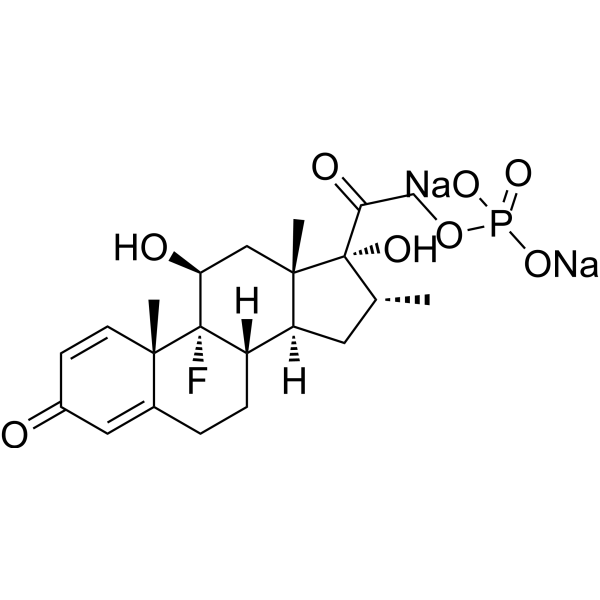
    Dexamethasone phosphate disodium
    10+ Cited Publications

    Dexamethasone 21-phosphate disodium

    Glucocorticoid Receptor TGF-β Receptor Interleukin Related Neurological Disease Inflammation/Immunology
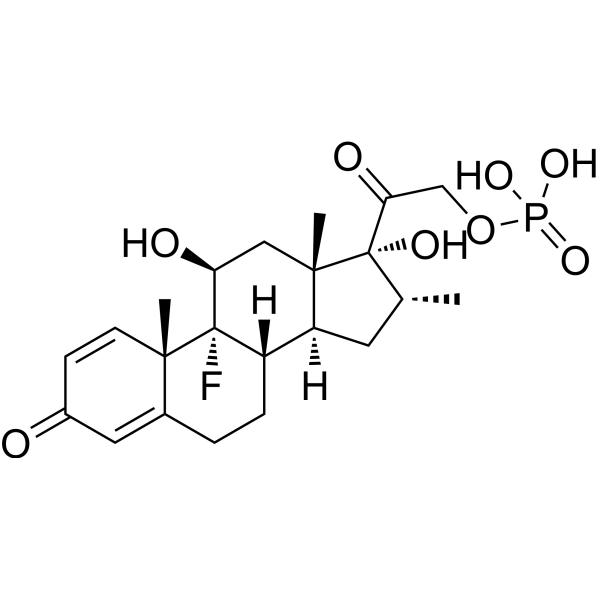
    Dexamethasone phosphate (Dexamethasone 21-phosphate) disodium is a prodrug form of the glucocorticoid Dexamethasone (HY-14648). Dexamethasone phosphate disodium is produced by introducing a phosphate ester group at the 21-position of the Dexamethasone molecule, forming a salt with sodium ions, thereby significantly improving water solubility. Dexamethasone phosphate disodium inhibits LPS (HY-D1056)-induced degradation of IRAK-1 and IRAK-4, and blocks LPS-induced activation of TRAF6, p-TAK1 and p-JNK. Dexamethasone phosphate disodium inhibits the secretion of RANTES, TGF-β1 and NO, promotes the production of MIP-1α and IL-10, and blocks microglial migration. Dexamethasone phosphate disodium is almost completely converted to Dexamethasone in rat blood, and supports transdermal delivery via iontophoresis. Dexamethasone phosphate disodium can be used in research related to steroid-dependent ulcerative colitis, chemotherapy-induced vomiting, allergic asthma and acute colitis (inflammatory bowel disease) .
    Dexamethasone phosphate disodium
  • HY-N0405
    Orientin
    5+ Cited Publications

    TNF Receptor Interleukin Related Neurological Disease Cancer
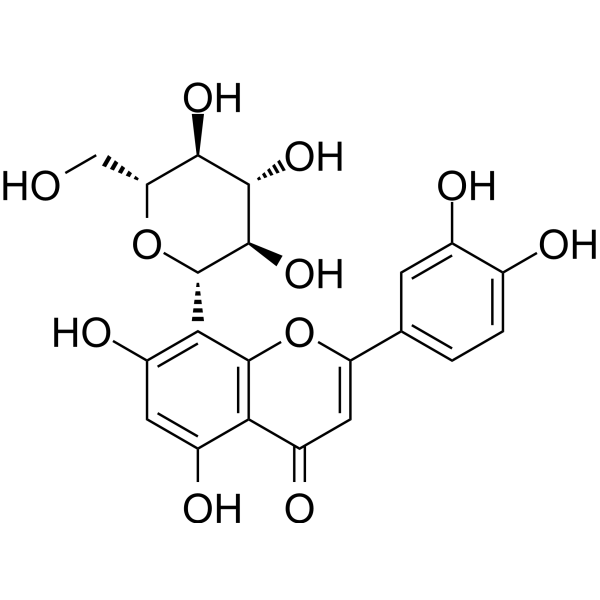
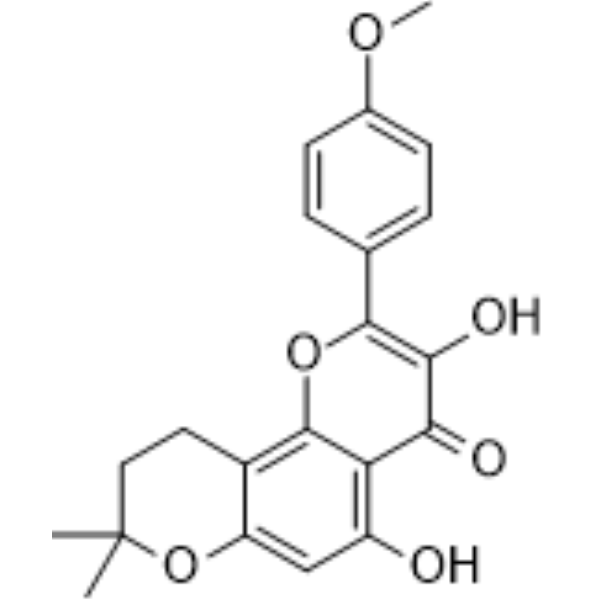
    Orientin is a neuroprotective agentinhibits which has anti-inflammation, anti-oxidative, anti-tumor, and cardio protection properties. Orientin inhibits the levels of IL-6, IL-1β and TNF-α. Orientin increases IL-10 level. Orientin exhibits neuroprotective effect by inhibits TLR4 and NF-kappa B signaling pathway. Orientin can used in study neuropathic pain .
    Orientin
  • HY-A0103

    Environmental Pollutants Biochemical Assay Reagents Inflammation/Immunology
    Xanthan gum interacts with gelatin (HY-Y1365) via hydrogen bonds, thereby increasing the viscosity and stability of the hydrogel while promoting cell growth and creating a microenvironment conducive to cell differentiation [1][2]. Xanthan gum induces pro-inflammatory responses by increasing the levels of TNF-α, IL-6, and IL-10. Xanthan gum can be used for inflammation and immunology research .
    Xanthan gum
  • HY-110133
    JTE-607
    5 Publications Verification

    Interleukin Related Inflammation/Immunology
    JTE-607, a highly selective inflammatory cytokine synthesis inhibitor, protects from endotoxin shock in mice. JTE-607 inhibits inflammatory cytokine production, including TNF-α, IL-1β, IL-6, IL-8 and IL-10, from LPS-stimulated human PBMCs, with IC50s of 11, 5.9, 8.8, 7.3 and 9.1 nM, respectively . Cleavage and Polyadenylation Specificity Factor 3 (CPSF3) is the target of JTE-607 .
    JTE-607
  • HY-159657

    Salt-inducible Kinase (SIK) Interleukin Related Inflammation/Immunology
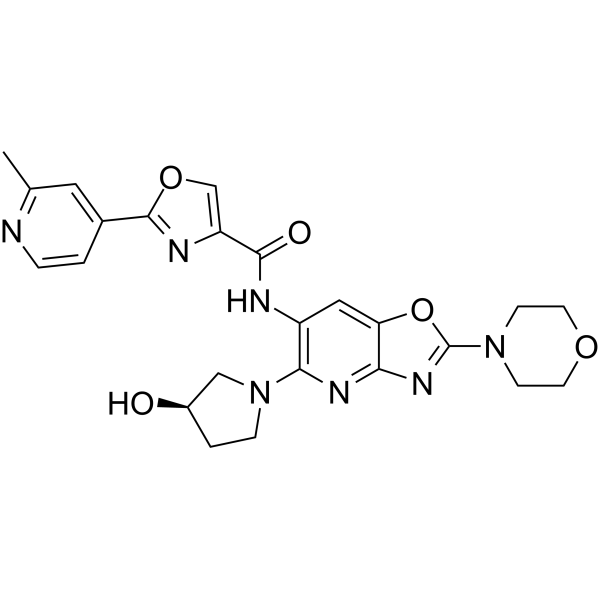
    PF-07899895 (Compound 34) is a SIK inhibitor, with IC50 values of 1.2 nM, 0.9 nM, and 1.8 nM against SIK1, SIK2, and SIK3, respectively. PF-07899895 modulates the anti-inflammatory cytokine IL-10 in immune cells. PF-07899895 is applicable to research related to inflammatory diseases .
    PF-07899895
  • HY-113494
    Sitostanol
    1 Publications Verification

    Stigmastanol; 24α-Ethyl cholestanol

    Interleukin Related Others Metabolic Disease Inflammation/Immunology Cancer
    Stigmastanol is a 6-amino derivative. Stigmastanol can be isolated from Hypericum riparium. Stigmastanol increases the secretion of IL-2 and IL-10. Stigmastanol reduces the maximum mitochondrial respiration of cells. Stigmastanol has beneficial effects on the weakened immune function of asthma .
    Sitostanol
  • HY-130321
    Lauroyl-L-carnitine chloride
    1 Publications Verification

    Endogenous Metabolite Interleukin Related Inflammation/Immunology
    Lauroyl-L-carnitine chloride is an orally active metabolite. Lauroyl-L-carnitine chloride significantly reverses the decrease in its target gene IL-10. Lauroyl-L-carnitine chloride alleviates Crohn' s-like colitis .
    Lauroyl-L-carnitine chloride
  • HY-101019
    Ossirene
    2 Publications Verification

    AS101

    Interleukin Related Caspase Inflammation/Immunology Cancer
    Ossirene (AS101), an immunomodulatory tellurium compound, is a potent IL-1β inhibitor . Ossirene abolishes phosphorylation of STAT3 by inhibiting IL-10. Ossirene potently inhibits Caspase-1 and is used for the autoimmune diseases and certain malignancies .
    Ossirene
  • HY-15507
    VGX-1027
    1 Publications Verification

    GIT 27

    Interleukin Related TNF Receptor Metabolic Disease Inflammation/Immunology
    VGX-1027 is an orally active isoxazole compound that exhibits various immunomodulatory properties. VGX-1027 targets macrophages, reducing the production of the proinflammatory mediators TNF-α, IL-1β, IL-10. VGX-1027 has antidiabetogenic effects by limiting cytokine-mediated immunoinflammatory events .
    VGX-1027
  • HY-N6607
    Tryptanthrin
    5+ Cited Publications

    Leukotriene Receptor NO Synthase NF-κB COX TNF Receptor Interleukin Related Inflammation/Immunology Cancer
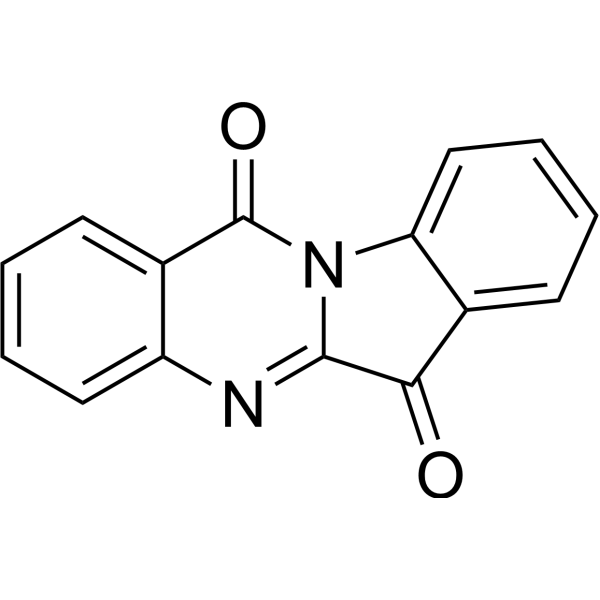
    Tryptanthrin is an indole quinazoline that could be an alkaloid from indigo-bearing plants. Tryptanthrin is a potent and orally active cellular Leukotriene (LT) biosynthesis inhibitor. Tryptanthrin has anticancer activity. Tryptanthrin suppresses the expression levels of NOS1, COX-2, and NF-κB and regulates the expression levels of IL-2, IL-10, and TNF-α .
    Tryptanthrin
  • HY-122586
    BRD6989
    2 Publications Verification

    CDK Interleukin Related Inflammation/Immunology
    BRD6989, an analog of the natural product cortistatin A (dCA), inhibits CDK8 and upregulates IL-10. BRD6989 selectively binds a complex of CDK8 with an IC50 of ~200 nM. BRD6989 inhibits the kinase activity of recombinant CDK8 or CDK19 complexes .
    BRD6989
  • HY-B1051
    Flumethasone
    1 Publications Verification

    Flumetasone

    Glucocorticoid Receptor TNF Receptor Interleukin Related Keap1-Nrf2 Inflammation/Immunology Endocrinology Cancer
    Flumethasone (Flumetasone) is an orally active, high selective and potent glucocorticoid receptor (GR) agonist. Flumethasone activates GR to inhibit nuclear factor kappa B (NF-κB)-mediated pro-inflammatory cytokine production (TNF-α, IL-1β) and promotes anti-inflammatory gene expression (IL-10), while also regulating metabolic enzyme activity (tyrosine aminotransferase induction). Flumethasone is promising for research of inflammatory diseases, cancer, and endocrine regulation .
    Flumethasone
  • HY-23119

    Thiocyanate sodium

    Environmental Pollutants Reactive Oxygen Species (ROS) Interleukin Related Inflammation/Immunology
    Sodium thiocyanate reduces plasma levels of the pro-inflammatory cytokine IL-6, and increases the anti-inflammatory cytokine IL-10 levels. Sodium thiocyanate also significantly reduces of ROS formation .
    Sodium thiocyanate, GR, 99%
  • HY-P990228

    Interleukin Related Parasite Fungal Infection Metabolic Disease
    Anti-Mouse IL-10R/CD210 Antibody (1B1.3A) is a rat-derived IgG1 κ type antibody inhibitor, targeting to mouse IL-10R/CD210. Anti-Mouse IL-10R/CD210 Antibody (1B1.3A) blocks IL-10R signaling. Anti-Mouse IL-10R/CD210 Antibody (1B1.3A) can be used for the researches of cancer, infection and metabolic disease, such as diabetes and malaria .
    Anti-Mouse IL-10R/CD210 Antibody (1B1.3A)
  • HY-14837

    Enisamium iodide

    Influenza Virus SARS-CoV Infection
    Amizon is an orally effective antiviral and anti-inflammatory agent. Amizon inhibits influenza virus replication and restricts viral RNA synthesis. Amizon reduces the mRNA expression of COX-1, COX-2, NF-κB, TGF1β, IL-1 and IL-6, and stimulates the secretion and mRNA expression of IL-10. Amizon inhibits the oxidative activity of macrophages and possesses antioxidant and free radical-scavenging activities. Amizon is applicable to research related to influenza and acute respiratory viral infections .
    Amizon
  • HY-P990001
    Anti-Mouse IL-10 Antibody (JES5-2A5)
    1 Publications Verification

    Interleukin Related Neurological Disease Metabolic Disease Inflammation/Immunology Cancer
    Anti-Mouse IL-10 Antibody (JES5-2A5) is an anti-mouse IL-10 IgG1 monoclonal antibody. Anti-Mouse IL-10 Antibody (JES5-2A5) restores the anti-tumor activity of IL-6 by blocking the IL-10/SOCS3 axis. Anti-Mouse IL-10 Antibody (JES5-2A5) can reverse microcirculation and cognitive deficits. Anti-Mouse IL-10 Antibody (JES5-2A5) can be used for researches on cancer and metabolic disease such as osteosarcoma and type 1 diabetes mellitus (T1DM) .
    Anti-Mouse IL-10 Antibody (JES5-2A5)
  • HY-135317
    Emavusertib
    5+ Cited Publications

    CA-4948

    IRAK Apoptosis FLT3 NF-κB MyD88 Inflammation/Immunology Cancer
    Emavusertib is an orally active inhibitor for IRAK4 (IC50=57 nM) and FLT3. Emavusertib inhibits NF-κB and MyD88 signaling pathways, reduces the generation of pro-inflammatory cytokines like IL-6 and IL-10, thereby exhibiting anti-inflammatory and anti-proliferative activities against cancer cells, leading to cell apoptosis. Emavusertib exhibits antitumor activity in mouse model
    Emavusertib
  • HY-107390A
    AX-024 hydrochloride
    3 Publications Verification

    TNF Receptor Interleukin Related IFNAR Inflammation/Immunology Cancer
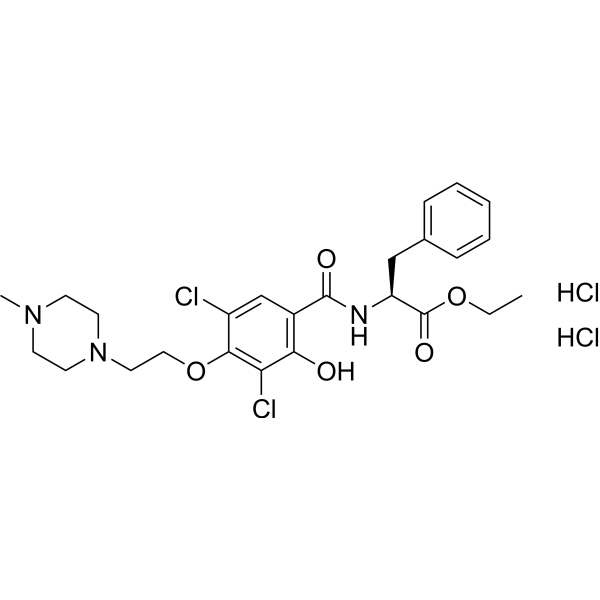
    AX-024 hydrochloride is an orally available, first-in-class inhibitor of the TCR-Nck interaction that selectively inhibits TCR-triggered T cell activation with an IC50 ~1 nM. AX-024 hydrochloride modulates cell signaling by targeting SH3 domains. AX-024 hydrochloride has low-acute toxicity and high potency and selectivity, and strongly inhibit the production of IL-6, TNF-α, IFN-γ, IL-10 and IL-17A.
    AX-024 hydrochloride
  • HY-107390
    AX-024
    3 Publications Verification

    TNF Receptor Interleukin Related IFNAR Inflammation/Immunology Cancer
    AX-024 is an orally available, first-in-class inhibitor of the TCR-Nck interaction that selectively inhibits TCR-triggered T cell activation with an IC50 ~1 nM. AX-024 modulates cell signaling by targeting SH3 domains. AX-024 has low-acute toxicity and high potency and selectivity, and strongly inhibit the production of IL-6, TNF-α, IFN-γ, IL-10 and IL-17A.
    AX-024
  • HY-110353
    CU-T12-9
    10+ Cited Publications

    Toll-like Receptor (TLR) Inflammation/Immunology Cancer
    CU-T12-9 is a specific TLR1/2 agonist with EC50 of 52.9 nM in HEK-Blue hTLR2 SEAP assay. CU-T12-9 activates both the innate and the adaptive immune systems. CU-T12-9 selectively activates the TLR1/2 heterodimer, not TLR2/6. CU-T12-9 signals through NF-κB and invokes an elevation of the downstream effectors TNF-α, IL-10, and iNOS .
    CU-T12-9
  • HY-124344

    Interleukin Related Neurological Disease
    Avenanthramide C is an orally active avenanthramide that can be isolated from oat seeds. Avenanthramide C decreases the protein expression of cleaved caspase-3 and increases the expression of p-GSK3β(Ser9) and IL-10 levels. Avenanthramide C has the potential for the research of Alzheimer’s disease .
    Avenanthramide C
  • HY-147506

    NOD-like Receptor (NLR) Inflammation/Immunology
    NOD2 antagonist 1 (compound 32) is a potent and selective NOD2 antagonist with an IC50 of 5.23 μM. NOD2 antagonist 1 inhibits Muramyl dipeptide (MDP)-induced IL-8 secretion in THP-1 cells and inhibits MDP-induced IL-6, IL-10, TNF-α release in PBMCs .
    NOD2 antagonist 1
  • HY-175479

    Salt-inducible Kinase (SIK) TNF Receptor Interleukin Related Inflammation/Immunology
    GLPG4970 is a potent, selective and orally active salt-inducible kinase 2/3 (SIK2/SIK3) dual inhibitor with IC50 values of 0.3 nM and 0.7 nM. GLPG4970 has weak inhibition of hERG channel with an IC50 of 29 μM. GLPG4970 can decrease TNFα release and increase IL-10 release GLPG4970 can be used for the researches of inflammation and immunology, such as colitis .
    GLPG4970
  • HY-173679

    PROTACs PARP Interleukin Related STAT Integrin HSV VSV Infection Cancer
    RBN012811 is a highly selective PROTAC-based PARP14 degrader. RBN012811 forms a ternary complex with cereblon by binding to the NAD + site of PARP14, and mediates the specific degradation of PARP14 via the ubiquitin-proteasome pathway (IC50=10 nM). RBN012811 effectively depletes endogenous PARP14 in various cell lines and primary human macrophages, thereby downregulating IL-10 production and IFN-β mRNA levels, increasing phosphorylated STAT1 levels to enhance inflammatory signaling, and inhibiting interferon-induced ADPr condensate formation. RBN012811 also modulates viral replication, exhibiting increased HSV1 replication while reducing VSV replication. RBN012811 has important application value in research related to cancer and viral infections .
    RBN012811
  • HY-174646

    mRNA Inflammation/Immunology
    Human IL10 mRNA is the messenger ribonucleic acid that encodes human IL-10. The expression of IL-10 mRNA is highly inducible and cell type-specific.
    Human IL10 mRNA
  • HY-N14039

    Toll-like Receptor (TLR) Interleukin Related Neurological Disease Inflammation/Immunology
    Pinus pinaster bark extract is extracted from the bark of pine bark with antioxidant, anti-inflammatory and neuroprotective effects. Pinus pinaster bark extract increases toll-like receptor (TLR) activity, inducing production of IL-10 .
    Pinus pinaster bark extract
  • HY-P1194

    Neurokinin Receptor Inflammation/Immunology
    Spantide I, a substance P analog, is a selective NK1 receptor antagonist, with Ki values of 230 nM and 8150 nM for NK1 and NK2 receptor, respectively. Spantide I provides an approach to reduce type 1 and enhance the type 2 cytokine IL-10 in the infected cornea, leading to a significant reduction in corneal perforation .
    Spantide I
  • HY-N8249

    nAChR Interleukin Related Inflammation/Immunology
    Cynandione A is an acetophenone that can be isolated from Cynanchum Wilfordii Radix. Cynandione A protects hepatocytes and cortical neurons from toxicity and improves neurological deficits in a rat model of cerebral ischemia. On the other hand, cynandione A has significant anti-inflammatory effects and inhibits inflammation by activating macrophage α7 nAChR and IL-10 expression .
    Cynandione A
  • HY-109540

    AF-0150

    Heme Oxygenase (HO) Interleukin Related Inflammation/Immunology
    Perfluorohexane (AF-0150) is a perfluorocarbon. Perfluorohexane is also an enhancer of high-intensity focused ultrasound (HIFU) therapy. Perfluorohexane increases HO-1 and IL-10. Perfluorohexane exerts an antioxidant effect. Perfluorohexane alleviates lung injury induced by LPS (HY-D1056A1). Perfluorohexane improves the efficiency and precision of HIFU and reduces damage to surrounding normal tissues. Perfluorohexane can be used in the study of acute lung injury .
    Perfluorohexane
  • HY-NP134

    Toll-like Receptor (TLR) MyD88 NF-κB Interleukin Related IFNAR Inflammation/Immunology Cancer
    Flagellin from S. typhimurium is a potent TLR5 agonist. Flagellin from S. typhimurium activates immune cells and inhibits the activity of melanoma cells. Flagellin from S. typhimurium activates the NF-κB pathway dependent on the TLR5/MyD88/TRAF6 signaling axis in cells. Flagellin from S. typhimurium induces a proinflammatory response in the primary chicken hepatocyte-nonparenchymal cell co-culture system by promoting IL-8 production, inhibiting IL-10 production, and increasing the IFN-γ/IL-10 ratio. Flagellin from S. typhimurium can be used for research on melanoma and inflammatory diseases .
    Flagellin from S. typhimurium
  • HY-P990561

    Interleukin Related Inflammation/Immunology
    BT-063 is a humanized antibody expressed in CHO cells, targeting IL-10. BT-063 contains huIgG1 heavy chain and huκ light chain, with a predicted molecular weight (MW) of 145.74 kDa. The isotype control for BT-063 can refer to Human IgG1 kappa, Isotype Control (HY-P99001).
    BT-063
  • HY-155520

    Parasite Infection
    Antileishmanial agent-19 (Compound F27) is an antileishmanial agent, with a IC50 of 3.39 μM for L. donovani promastigotes. Antileishmanial agent-19 inhibits Leishmania prolyl-tRNA synthetase. Antileishmanial agent-19 inhibits host PI3K/Akt/CREB axis-mediated IL-10 secretion. Antileishmanial agent-19 induces autophagy-mediated apoptosis in L. donovani promastigotes. Antileishmanial agent-19 reduces parasite burden in L.d-infected animals .
    Antileishmanial agent-19
  • HY-101757

    NCX-1015

    Interleukin Related Inflammation/Immunology
    NO-prednisolone is a nitric oxide (NO)-releasing derivative of Prednisolone. NO-prednisolone potently stimulates IL-10 production in vivo.
    NO-prednisolone
  • HY-130321S

    Isotope-Labeled Compounds Interleukin Related Endogenous Metabolite Inflammation/Immunology
    Lauroyl-L-carnitine-d3 (chloride) is the deuterium labeled Lauroyl-L-carnitine chloride (HY-130321). Lauroyl-L-carnitine chloride is an orally active metabolite. Lauroyl-L-carnitine chloride significantly reverses the decrease in its target gene IL-10. Lauroyl-L-carnitine chloride alleviates Crohn' s-like colitis .
    Lauroyl-L-carnitine-d3 chloride
  • HY-B1829
    Dexamethasone phosphate
    10+ Cited Publications

    Dexamethasone 21-phosphate

    Glucocorticoid Receptor TGF-β Receptor Interleukin Related Neurological Disease Inflammation/Immunology
    Dexamethasone phosphate (Dexamethasone 21-phosphate) is a prodrug form of the glucocorticoid Dexamethasone (HY-14648). Dexamethasone phosphate is prepared by introducing a phosphate ester group to the hydroxyl group at position 21 of the Dexamethasone molecule. Dexamethasone phosphate inhibits LPS (HY-D1056)-induced degradation of IRAK-1 and IRAK-4, and blocks LPS-induced activation of TRAF6, p-TAK1 and p-JNK. Dexamethasone phosphate inhibits the secretion of RANTES, TGF-β1 and NO, promotes the production of MIP-1α and IL-10, and blocks microglial migration. Dexamethasone phosphate is almost completely converted to Dexamethasone in rat blood, and supports transdermal delivery via iontophoresis. Dexamethasone phosphate can be used in research related to steroid-dependent ulcerative colitis, chemotherapy-induced vomiting, allergic asthma and acute colitis (inflammatory bowel disease) .
    Dexamethasone phosphate
  • HY-161440

    AMPK Inflammation/Immunology
    SIK-IN-1 (Compound 53) is an inhibitor for salt-inducible kinase (SIK), which inhibits SIK1, SIK2 and SIK3 with IC50s of 0.1, 0.4 and 1.5 nM, respectively. SIK-IN-1 inhibits the release of TNFa with IC50 of 0.5 nM, stimulates the LPS (HY-D1056) -induced IL-10 release with EC50 of 4 nM in human macrophages .
    SIK-IN-1
  • HY-N6607R

    Reference Standards Leukotriene Receptor NO Synthase NF-κB COX TNF Receptor Interleukin Related Inflammation/Immunology Cancer
    Tryptanthrin (Standard) is the analytical standard of Tryptanthrin. This product is intended for research and analytical applications. Tryptanthrin is an indole quinazoline that could be an alkaloid from indigo-bearing plants. Tryptanthrin is a potent and orally active cellular Leukotriene (LT) biosynthesis inhibitor. Tryptanthrin has anticancer activity. Tryptanthrin suppresses the expression levels of NOS1, COX-2, and NF-κB and regulates the expression levels of IL-2, IL-10, and TNF-α .
    Tryptanthrin (Standard)
  • HY-110067

    PTEN Apoptosis Autophagy Ferroptosis Reactive Oxygen Species (ROS) Interleukin Related Akt Keap1-Nrf2 Cardiovascular Disease Inflammation/Immunology Cancer
    VO-OHPic is a reversible, noncompetitive PTEN inhibitor with an human IC50 value of 46 nM. VO-OHPic inhibits PTEN signaling, activates Akt-GSK3β and Nrf-2/HO-1 pathways, induces apoptosis resistance and elevates IL-10 levels. VO-OHPic inhibits autophagy, ferroptosis and oxidative stress. VO-OHPic can be used for the research of acute myocardial infarction, intervertebral disc degeneration, cardiomyopathy and cancer .
    VO-OHPic
  • HY-P3483

    PACAP Receptor Caspase Apoptosis PKA Interleukin Related TNF Receptor Cardiovascular Disease Neurological Disease
    Maxadilan is a specific irreversible PAC1 receptor agonist and a potent vasodilator peptide present in the salivary glands of sand flies. Maxadilan exhibits anti-apoptotic activity in hADSCs. Maxadilan inhibits pro-inflammatory cytokines (TNF-α) and enhances anti-inflammatory mediators (IL-10). Maxadilan can activate leukocytes and inhibit vascular permeability through PAC1 receptors. Maxadilan promotes neural differentiation of human adipose-derived stem cells. Maxadilan can be used to study endotoxin shock, atherosclerosis, and neurodegenerative diseases [1] [2] [3] [4] [5].
    Maxadilan
  • HY-177608

    Interleukin Related Inflammation/Immunology
    Rat IL-10 mRNA encodes interleukin-10 (IL-10). IL-10 is expressed in tissues/cells such as hepatic stellate cells and is involved in physiological processes including liver fibrosis.
    Rat IL10 mRNA
  • HY-147527

    CDK Inflammation/Immunology
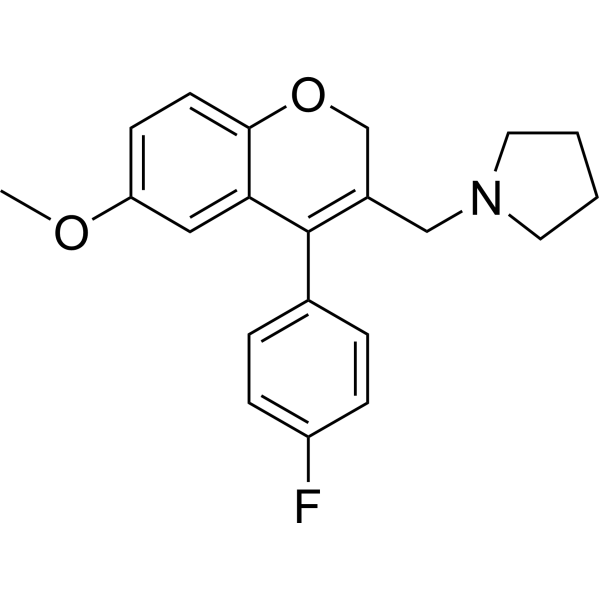
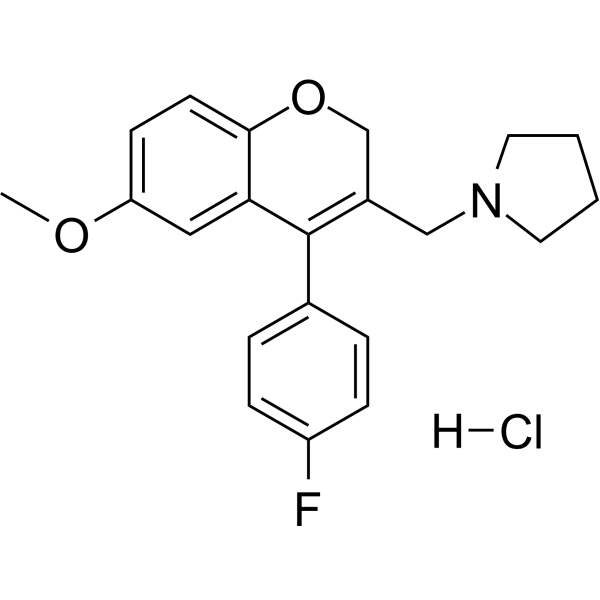
    CDK8-IN-5 is a potent CDK8 inhibitor with an IC50 of 72 nM. CDK8-IN-5 shows anti-inflammatory activities with 43% IL-10 enhancement rate. CDK8-IN-5 has the potential for the research of inflammatory bowel disease .
    CDK8-IN-5
  • HY-N7697C

    Toll-like Receptor (TLR) Interleukin Related Reactive Oxygen Species (ROS) Cardiovascular Disease Metabolic Disease Inflammation/Immunology
    Chitohexaose hexahydrochloride is a small molecular polysaccharide. Chitohexaose hexahydrochloride inhibits the binding of AgW to TLR4. Chitohexaose hexahydrochloride upregulates IL-10, inhibits LPS-induced upregulation of ROS, induces alternative activation of macrophages/monocytes, and suppresses LPS-induced production of TNF-α, IL-1β and IL-6. Chitohexaose hexahydrochloride reverses the mortality of mice challenged with APAP or LPS. Chitohexaose hexahydrochloride can be used in research related to Acetaminophen (HY-66005)-induced hepatotoxicity and endotoxemia .
    Chitohexaose hexahydrochloride
  • HY-130321S1

    Isotope-Labeled Compounds Endogenous Metabolite Interleukin Related Inflammation/Immunology
    Lauroyl-L-carnitine-d9 chloride is the deuterium labeled Lauroyl-L-carnitine chloride (HY-130321). Lauroyl-L-carnitine chloride is an orally active metabolite. Lauroyl-L-carnitine chloride significantly reverses the decrease in its target gene IL-10. Lauroyl-L-carnitine chloride alleviates Crohn' s-like colitis .
    Lauroyl-L-carnitine-d9 chloride
  • HY-107909

    1,3-Dimethylxanthine sodium glycinate; Theo-24 sodium glycinate

    Adenosine Receptor HDAC Apoptosis Interleukin Related TNF Receptor Cancer
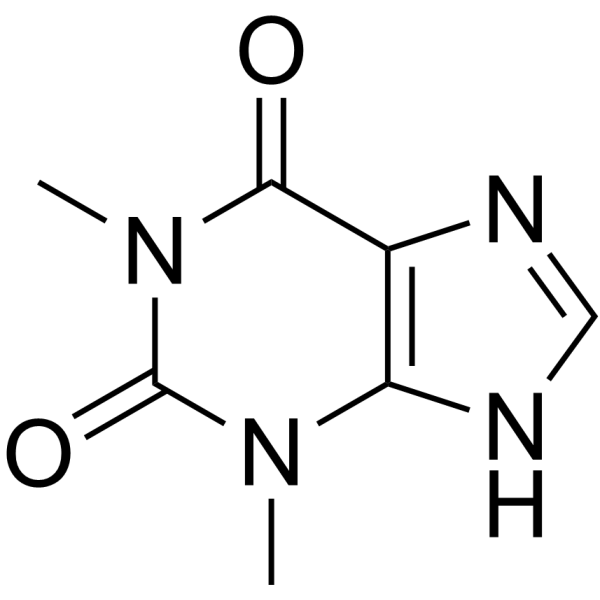
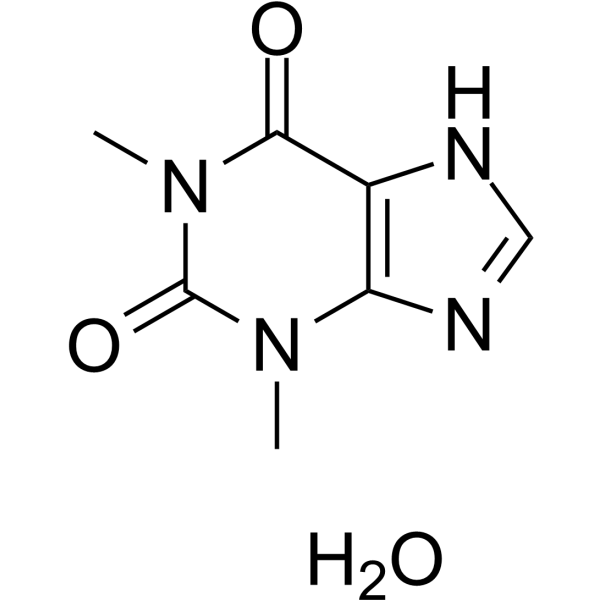
    Theophylline (1,3-Dimethylxanthine) sodium glycinate is a potent phosphodiesterase (PDE) inhibitor, adenosine receptor antagonist, and histone deacetylase (HDAC) activator. Theophylline sodium glycinate inhibits PDE3 activity to relax airway smooth muscle. Theophylline sodium glycinate has anti-inflammatory activity by increase IL-10 and inhibit NF-κB into the nucleus. Theophylline sodium glycinate induces apoptosis. Theophylline sodium glycinate can be used for asthma and chronic obstructive pulmonary disease (COPD) research .
    Theophylline sodium glycinate
  • HY-149365

    Salt-inducible Kinase (SIK) Inflammation/Immunology
    SIKs-IN-1 (compound 8h), a pyrimidine-5-carboxamide derivative, is a Salt-inducible kinases (SIKs) inhibitor. SIKs regulates the transformation of M1/M2 macrophages, involving in inflammation process. SIKs-IN-1 inhibits SIK activity, up-regulates anti-inflammatory cytokine IL-10, but down-regulates pro-inflammatory cytokine IL-12. SIKs-IN-1 shows excellent anti-inflammatory effects in a DSS-induced colitis model .
    SIKs-IN-1
  • HY-RS06671

    Small Interfering RNA (siRNA) Interleukin Related Others

    Il10 Mouse Pre-designed siRNA Set A contains three designed siRNAs for Il10 gene (Mouse), as well as a negative control, a positive control, and a FAM-labeled negative control.

    Il10 Mouse Pre-designed siRNA Set A
    Il10 Mouse Pre-designed siRNA Set A
  • HY-RS06670

    Small Interfering RNA (siRNA) Interleukin Related Others

    IL10 Human Pre-designed siRNA Set A contains three designed siRNAs for IL10 gene (Human), as well as a negative control, a positive control, and a FAM-labeled negative control.

    IL10 Human Pre-designed siRNA Set A
    IL10 Human Pre-designed siRNA Set A
  • HY-P991659

    Interleukin Related Infection Inflammation/Immunology
    SCH708980 is a humanized monoclonal antibody inhibitor targeting IL-10. SCH708980 has anti-immunosuppressive activity. SCH708980 can be used for visceral leishmaniasis, sepsis-associated kidney injury (SAKI) and osteoporosis research .
    SCH708980
  • HY-RS06672

    Small Interfering RNA (siRNA) Interleukin Related Others

    Il10 Rat Pre-designed siRNA Set A contains three designed siRNAs for Il10 gene (Rat), as well as a negative control, a positive control, and a FAM-labeled negative control.

    Il10 Rat Pre-designed siRNA Set A
    Il10 Rat Pre-designed siRNA Set A
  • HY-178240

    Interleukin Related Endogenous Metabolite TNF Receptor Inflammation/Immunology
    rel-(1S,2R)-Dihydro bupropion is a metabolite of bupropion. rel-(1S,2R)-Dihydro bupropion can promote endogenous IL-10 production and inhibit Th1 cytokines (IL-12 and TNF-α). rel-(1S,2R)-Dihydro bupropion can induce immune response transition from Th1 to Th2. rel-(1S,2R)-Dihydro bupropion can be used for research on inflammatory conditions .
    rel-(1S,2R)-Dihydro bupropion

Inquiry Online

Your information is safe with us. * Required Fields.

Salutation


Country or Region *

Applicant Name *


Organization Name *

Department *


Email Address *


Product Name *

Cat. No.


Requested quantity *

Phone Number *


Remarks

Inquiry Online

Inquiry Information

Product Name:
Cat. No.:
Quantity:
MCE Japan Authorized Agent:

