632 Results for "

IV

" in MedChemExpress (MCE) Product Catalog:
Products (632)

632 Results for "IV" in MCE Product Catalog:

171
171 Publications Verification
Cat. No.: HY-10221
CAS No.: 149647-78-9
Purity:  99.58%
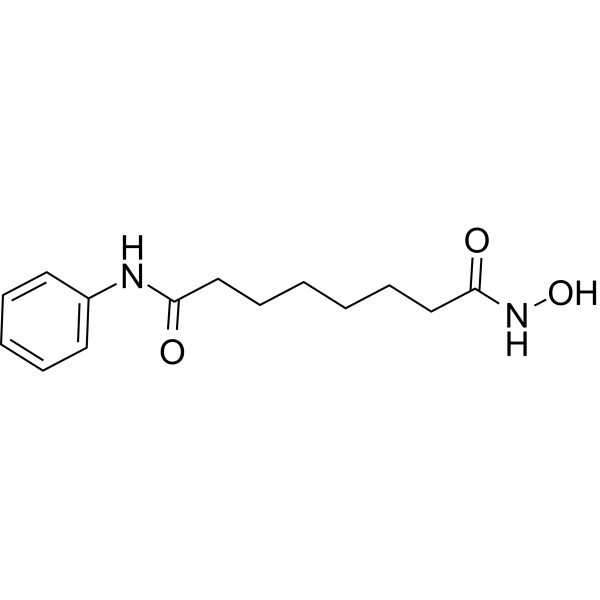
Synonyms: SAHA; Suberoylanilide hydroxamic acid
Research Areas:  

Infection Cancer

Vorinostat (SAHA) is a potent and orally active pan-inhibitor of HDAC1, HDAC2 and HDAC3 (Class I), HDAC6 and HDAC7 (Class II) and HDAC11 (Class IV), with ID50 values of 10 nM and 20 nM for HDAC1 and HDAC3, respectively. Vorinostat induces cell apoptosis . Vorinostat is also an effective inhibitor of human papillomaviruse (HPV)-18 DNA amplification .
loading...
    loading...
58
58 Cited Publications
Cat. No.: HY-B0356
CAS No.: 85721-33-1
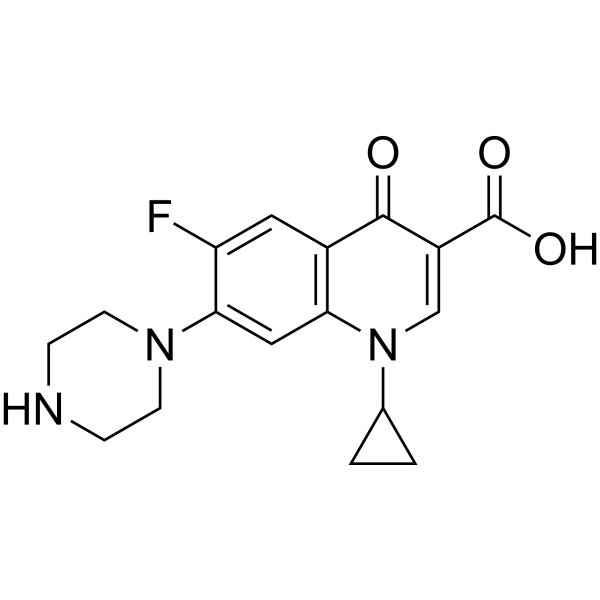
Synonyms: Bay-09867
Ciprofloxacin (Bay-09867) is a potent, orally active topoisomerase IV inhibitor. Ciprofloxacin induces mitochondrial DNA and nuclear DNA damage and lead to mitochondrial dysfunction, ROS production. Ciprofloxacin has anti-proliferative activity and induces apoptosis. Ciprofloxacin is a fluoroquinolone antibiotic, exhibiting potent antibacterial activity .
loading...
    loading...
57
57 Cited Publications
Cat. No.: HY-B0356B
CAS No.: 86393-32-0
Synonyms: Bay-09867 hydrochloride monohydrate
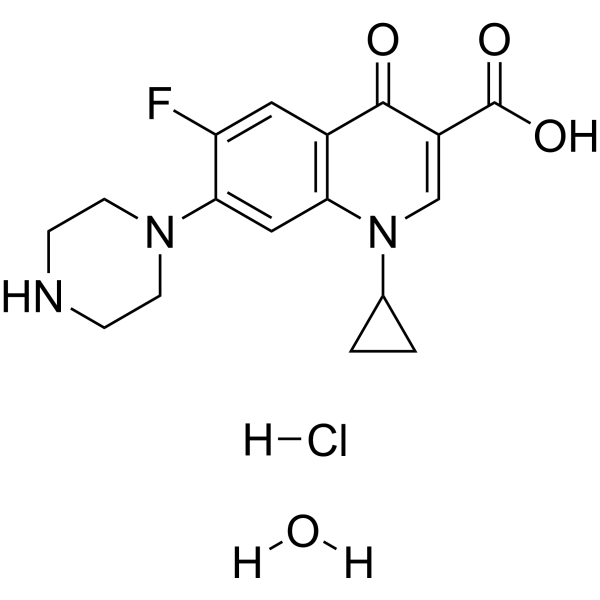
Ciprofloxacin (Bay-09867) hydrochloride monohydrate is an orally active, blood-brain barrier permeable fluoroquinolone antibacterial agent. Ciprofloxacin hydrochloride monohydrate exerts bactericidal effects primarily by inhibiting topoisomerase II and IV. Ciprofloxacin hydrochloride monohydrate inhibits the proliferation of human dental pulp stem cells and chondrocytes from young rats, and also activates the Akt signaling pathway and upregulates markers such as β-catenin and Nanog to maintain the morphological characteristics of stem cells. Ciprofloxacin hydrochloride monohydrate induces significant neurotoxicity and tissue damage, including reducing serotonin and glutathione levels in the brain, inducing oxidative stress and depression-like behaviors, and causing articular cartilage damage. Ciprofloxacin hydrochloride monohydrate can be applied to research related to infections of necrotic young permanent teeth and neurotoxicity .
loading...
    loading...
57
57 Cited Publications
Cat. No.: HY-B0356A
CAS No.: 93107-08-5
Synonyms: Bay-09867 monohydrochloride
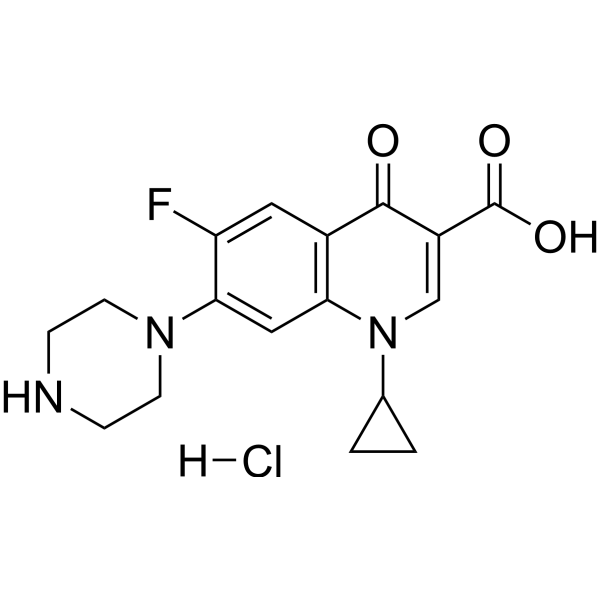
Ciprofloxacin (Bay-09867) monohydrochloride is an orally active, blood-brain barrier permeable fluoroquinolone antibacterial agent. Ciprofloxacin monohydrochloride exerts bactericidal effects primarily by inhibiting topoisomerase II and IV. Ciprofloxacin monohydrochloride inhibits the proliferation of human dental pulp stem cells and chondrocytes from young rats, and also activates the Akt signaling pathway and upregulates markers such as β-catenin and Nanog to maintain the morphological characteristics of stem cells. Ciprofloxacin monohydrochloride induces significant neurotoxicity and tissue damage, including reducing serotonin and glutathione levels in the brain, inducing oxidative stress and depression-like behaviors, and causing articular cartilage damage. Ciprofloxacin monohydrochloride can be applied to research related to infections of necrotic young permanent teeth and neurotoxicity .
loading...
    loading...
53
53 Cited Publications
Cat. No.: HY-N6716
CAS No.: 11078-21-0
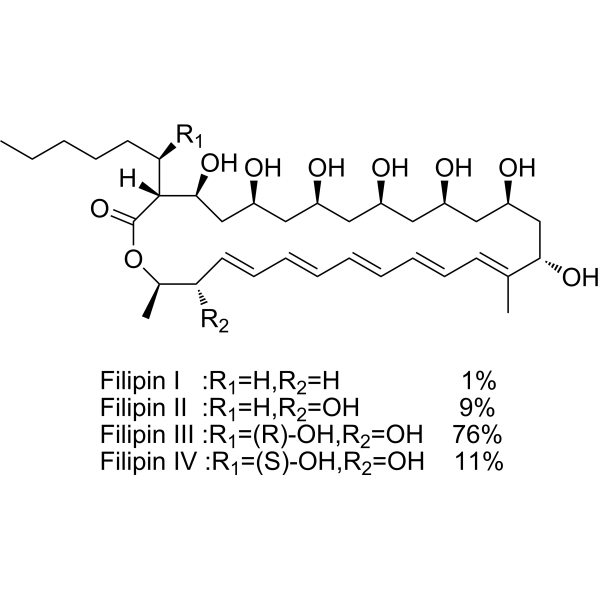
Filipin complex is a potent polyene macrolide antifungal antibiotic. Filipin complex inserts into membranes and sequester cholesterol into complexes and inhibits PRRSV entry. The Filipin complex consists of about 75.8% Filipin III (HY-N6718), 10.8% Filipin IV, 9.1% Filipin II, and 1.2% Filipin I (Ex/Em = 380/430 nm) .
loading...
    loading...
42
42 Cited Publications
Cat. No.: HY-N0431
CAS No.: 84687-43-4
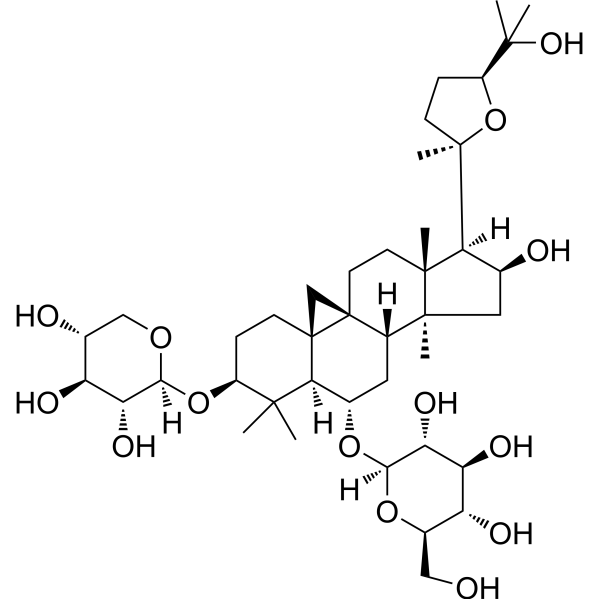
Astragaloside IV, an active component isolated from Astragalus membranaceus, suppresses the activation of ERK1/2 and JNK, and downregulates matrix metalloproteases (MMP)-2, (MMP)-9 in MDA-MB-231 breast cancer cells.
loading...
    loading...
42
42 Cited Publications
Cat. No.: HY-13233A
CAS No.: 150080-09-4
Purity:  98.35%
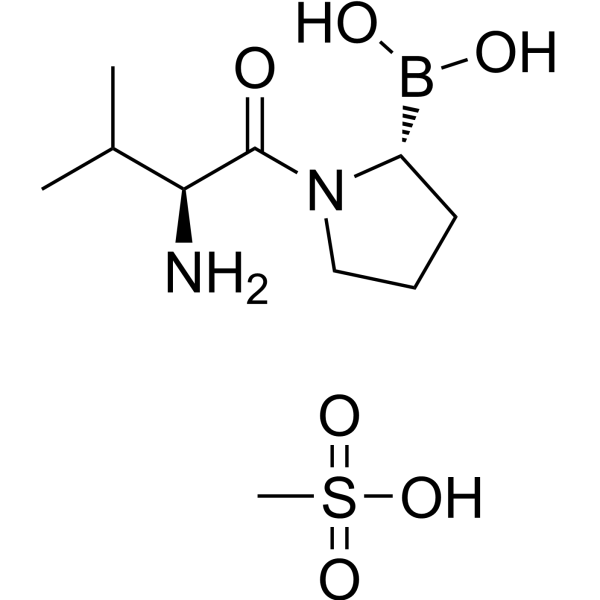
Synonyms: Val-boroPro mesylate; PT100 mesylate
Target:  

Dipeptidyl Peptidase

Research Areas:  

Inflammation/Immunology Cancer

Talabostat mesylate (Val-boroPro mesylate; PT100 mesylate) is an orally active and nonselective dipeptidyl peptidase IV (DPP-IV) inhibitor (IC50 < 4 nM; Ki = 0.18 nM) and the inhibitor of fibroblast activation protein (FAP) (IC50 = 560 nM), inhibits DPP8/9 (IC50 = 4/11 nM; Ki = 1.5/0.76 nM), quiescent cell proline dipeptidase (QPP) (IC50 = 310 nM), DPP2, and some other DASH family enzymes. Antineoplastic and hematopoiesis- stimulating activities .
loading...
    loading...
38
38 Cited Publications
Cat. No.: HY-B0330A
CAS No.: 138199-71-0
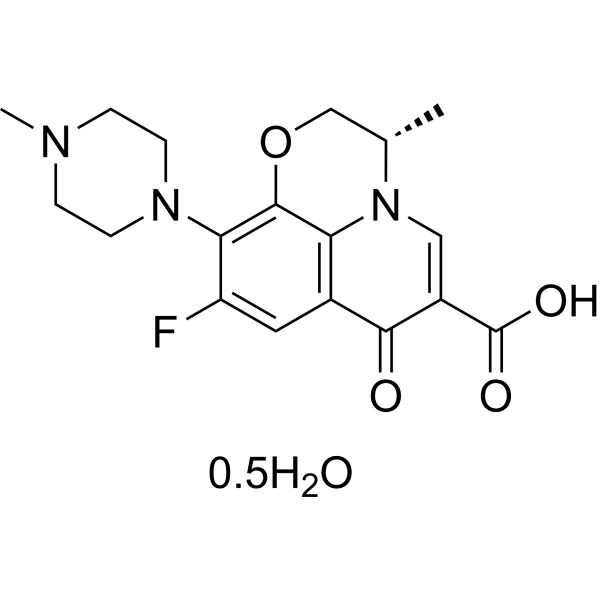
Synonyms: Levofloxacin hemihydrate
Levofloxacin hydrate (Levofloxacin hemihydrate) is an orally active antibiotic and is active against both Gram-positive and Gram-negative bacteria. Levofloxacin hydrate inhibits the DNA gyrase and topoisomerase IV. Levofloxacin hydrate can be used for chronic periodontitis, airway inflammation and BK Viremia research. Levofloxacin hydrate shows anti-orthopoxvirus activity .
loading...
    loading...
38
38 Cited Publications
Cat. No.: HY-B0330
CAS No.: 100986-85-4
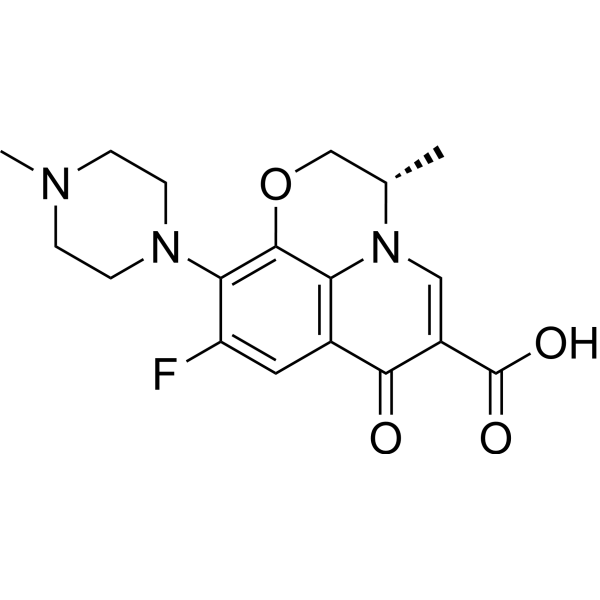
Synonyms: (-)-Ofloxacin
Levofloxacin ((-)-Ofloxacin) is an orally active antibiotic and is active against both Gram-positive and Gram-negative bacteria. Levofloxacin inhibits the DNA gyrase and topoisomerase IV. Levofloxacin can be used for chronic periodontitis, airway inflammation and BK Viremia research. Levofloxacin shows anti-orthopoxvirus activity .
loading...
    loading...
38
38 Cited Publications
Cat. No.: HY-B0330B
CAS No.: 177325-13-2
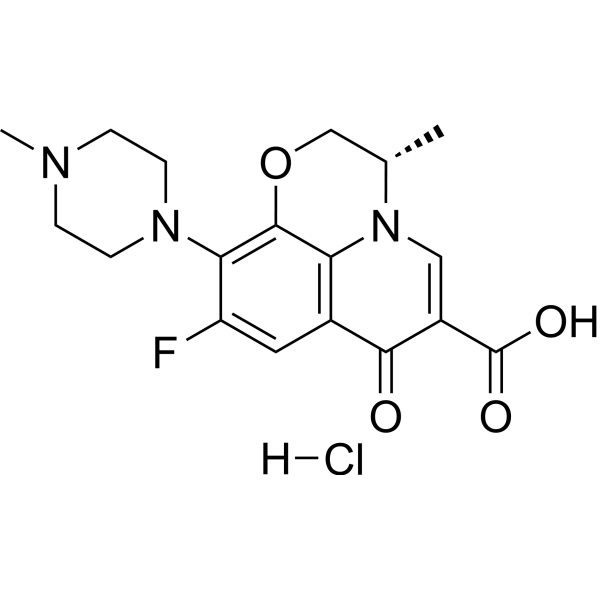
Synonyms: (-)-Ofloxacin hydrochloride
Levofloxacin hydrochloride is an orally active antibiotic. Levofloxacin inhibits DNA gyrase and topoisomerase IV activity, inducing Apoptosis. Levofloxacin hydrochloride has antibacterial activity against both Gram-positive and Gram-negative bacteria. Levofloxacin hydrochloride exhibits anticancer activity against lung cancer. Levofloxacin hydrochloride has anti-acnegenic, anxiogenic, and analgesic effects. Levofloxacin hydrochloride shortens sleep duration in mice. Levofloxacin hydrochloride can be used in the research of infectious diseases (such as tuberculosis, chronic periodontitis, bacterial infections associated with stable COPD, and BK viremia) and lung cancer .
loading...
    loading...
36
36 Cited Publications
Cat. No.: HY-10496
CAS No.: 913822-46-5
Purity:  99.24%
Target:  

NF-κB Influenza Virus

Research Areas:  

Infection Cancer

SC75741 is a broad and efficient NF-κB inhibitor with an IC50 of 200 nM for p65 . SC75741 blocks influenza viruses (IV) replication. SC75741 impairs DNA binding of the NF-κB subunit p65, resulting in reduced expression of cytokines, chemokines, and pro-apoptotic factors. SC75741 subsequently inhibits caspase activation and blocks caspase-mediated nuclear export of viral ribonucleoproteins .
loading...
    loading...
33
33 Cited Publications
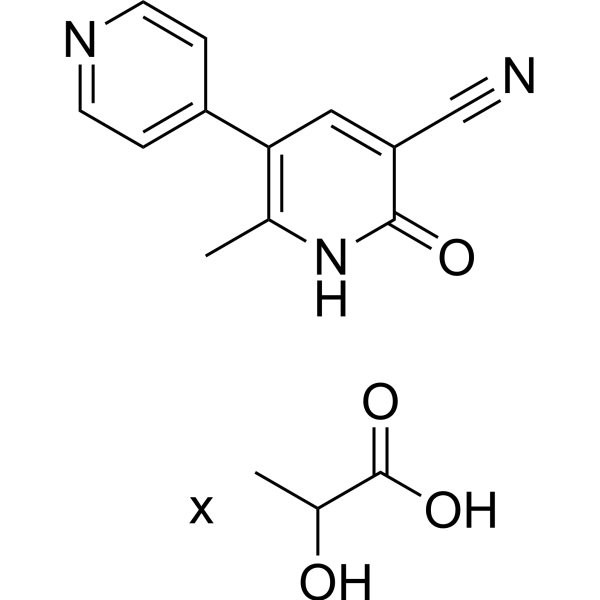
Cat. No.: HY-14252A
CAS No.: 100286-97-3
Synonyms: Win 47203 lactate
Research Areas:  

Cardiovascular Disease

Milrinone lactate is a potent inotropic dilating agent. Milrinone lactate shows simultaneous positive inotropic and vasodilating activities. Milrinone lactate promotes reduction of SVR and PVR in patients with DCM and NYHA class III and IV of heart failure. Milrinone lactate has the potential for the research of cardiovascular function after cardiac surgery and in septic shock .
loading...
    loading...
25
25 Cited Publications
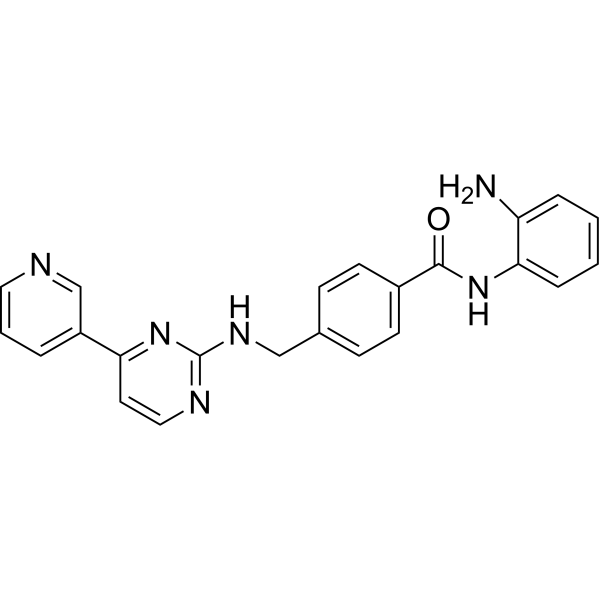
Cat. No.: HY-12164
CAS No.: 726169-73-9
Purity:  99.13%
Synonyms: MGCD0103
Target:  

HDAC Autophagy Apoptosis

Research Areas:  

Cancer

Mocetinostat (MGCD0103) is a potent, orally active and isotype-selective HDAC (Class I/IV) inhibitor with IC50s of 0.15, 0.29, 1.66 and 0.59 μM for HDAC1, HDAC2, HDAC3 and HDAC11, respectively. Mocetinostat shows no inhibition on HDAC4, HDAC5, HDAC6, HDAC7, or HDAC8.
loading...
    loading...
21
21 Cited Publications
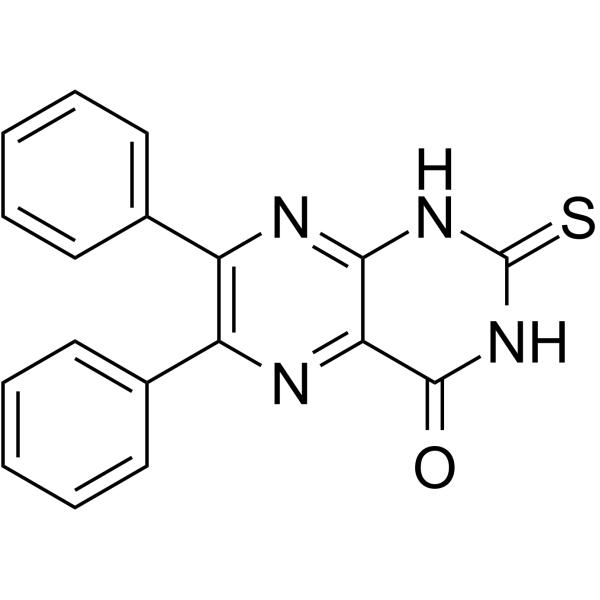
Cat. No.: HY-107845
CAS No.: 14892-97-8
Purity:  99.88%
Research Areas:  

Cancer

SCR7 pyrazine is a DNA ligase IV inhibitor that blocks nonhomologous end-joining (NHEJ) in a ligase IV-dependent manner. SCR7 pyrazine increases the efficiency of Cas9-mediated homology-directed repair (HDR). SCR7 pyrazine induces cell apoptosis and has anticancer activity .
loading...
    loading...
20
20 Cited Publications
Cat. No.: HY-E70005D
CAS No.: 9001-12-1
Synonyms: Collagenase, Type IV
Target:  

MMP

Research Areas:  

Others

Collagenase, Type IV (EC 3.4.24.3) is a microbially derived matrix metalloproteinases (MMPs) and zinc peptidase. Collagenase, Type IV degrades type IV collagen and type VII collagen, the main components of the basement membrane, and can also decompose basement matrix and elastin.

loading...
    loading...
13
13 Cited Publications
Cat. No.: HY-13734
CAS No.: 141400-58-0
Purity:  99.87%
Synonyms: IV-2
Target:  

Apoptosis

Research Areas:  

Cancer

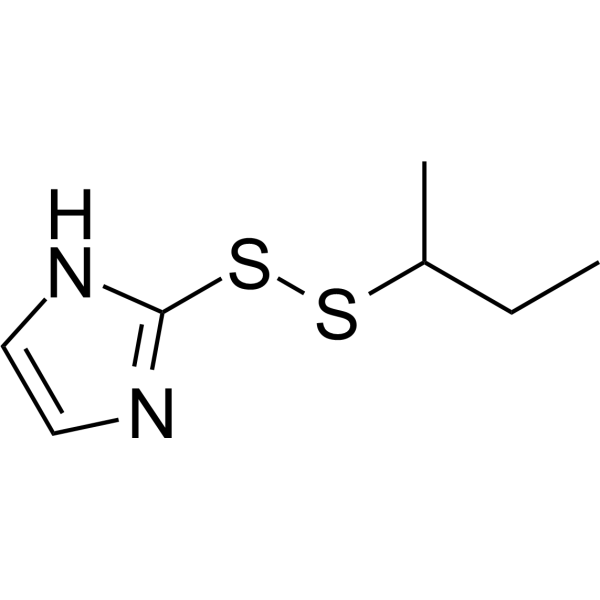
PX-12(IV-2) is an irreversible inhibitor of Thioredoxin-1 (Trx-1); inhibits the growth of MCF-7 and HT-29 cells with IC50 values of 1.9 and 2.9 μM, respectively.
loading...
    loading...
12
12 Cited Publications
Cat. No.: HY-16742B
CAS No.: 1624306-20-2
Research Areas:  

Infection

Gepotidacin mesylate hydrate is an orally active triazaacenaphthylene antibiotic and bacterial type II topoisomerase inhibitor. Gepotidacin mesylate hydrate inhibits bacterial DNA replication by blocking topoisomerase enzymes. Gepotidacin mesylate hydrate selectively inhibits topoisomerase IV and the B subunit of DNA gyrase .
loading...
    loading...
11
11 Cited Publications
Cat. No.: HY-P1902
CAS No.: 115722-23-1
Cardiotoxin Analog (CTX) IV (6-12) is a membrane active peptide that specifically targets negatively charged phospholipid membranes (such as phosphatidylserine and phosphatidylinositol). Cardiotoxin Analog (CTX) IV (6-12) was discovered in the venom of the Taiwan cobra. Cardiotoxin Analog (CTX) IV (6-12) is a chemically synthesized snake venom cardiotoxin that binds to cell membranes and embeds into lipid bilayers through hydrophobic interactions and electrostatic attraction, thereby destroying the stability of membrane structure. Cardiotoxin Analog (CTX) IV (6-12) can induce membrane lipid disorder and cell lysis, exhibiting hemolysis and cytotoxicity .
loading...
    loading...
11
11 Cited Publications
Cat. No.: HY-P1902A
CAS No.: 2918768-05-3
Cardiotoxin Analog (CTX) IV (6-12) TFA is a membrane active peptide that specifically targets negatively charged phospholipid membranes (such as phosphatidylserine and phosphatidylinositol). Cardiotoxin Analog (CTX) IV (6-12) TFA was discovered in the venom of the Taiwan cobra. Cardiotoxin Analog (CTX) IV (6-12) TFA is a chemically synthesized snake venom cardiotoxin that binds to cell membranes and embeds into lipid bilayers through hydrophobic interactions and electrostatic attraction, thereby destroying the stability of membrane structure. Cardiotoxin Analog (CTX) IV (6-12) TFA can induce membrane lipid disorder and cell lysis, exhibiting hemolysis and cytotoxicity .
loading...
    loading...
9
9 Cited Publications
Cat. No.: HY-N1485
CAS No.: 78574-94-4
Synonyms: Astramembrangenin; Cyclosieversigenin
Cycloastragenol (Astramembrangenin), the active form of astragaloside IV, has anti-oxidant, anti-inflammatory, anti-aging, anti-apoptotic, and cardiovascular protective effects. Cycloastragenol is a potent telomerase activator and can lengthen telomeres. Cycloastragenol alleviates age-related bone loss and improves bone microstructure and biomechanical properties .
loading...
    loading...

