

Search Result
Results for "
Injection
" in MedChemExpress (MCE) Product Catalog:
15
Biochemical Assay Reagents
1
Isotope-Labeled Compounds
| Cat. No. |
Product Name |
Target |
Research Areas |
Chemical Structure |
-
- HY-107910
-
|
Hyaluronate 4-glycanohydrolase, Bovine testes; Hyaluronoglucosaminidase, Bovine testes
|
NF-κB
|
Inflammation/Immunology
Cancer
|
|
Hyaluronidase, Bovine testes (Hyaluronate 4-glycanohydrolase; Hyaluronoglucosaminidase) is an endoglycosidase that depolymerizes Hyaluronic acid (HA) (HY-B0633A) by cleavage of glycosidic bonds. Hyaluronidase degrades HA and activates membrane receptors that trigger pathways converging in NF-κB activation. Hyaluronidase is employed in the research of granulomatous foreign body reactions, soft-tissue necrosis caused by vascular compromise and uncomplicated nodules, overcorrection, inflamed nodules or tissue ischemia associated with HA filler injection .
|
-
-
- HY-P1222
-
LL-37, human
Maximum Cited Publications
6 Publications Verification
|
Bacterial
|
Infection
|
|
LL-37, human is a 37-residue, amphipathic, cathelicidin-derived antimicrobial peptide, which exhibits a broad spectrum of antimicrobial activity. LL-37, human could help protect the cornea from infection and modulates wound healing .
|
-
-
- HY-P0093
-
|
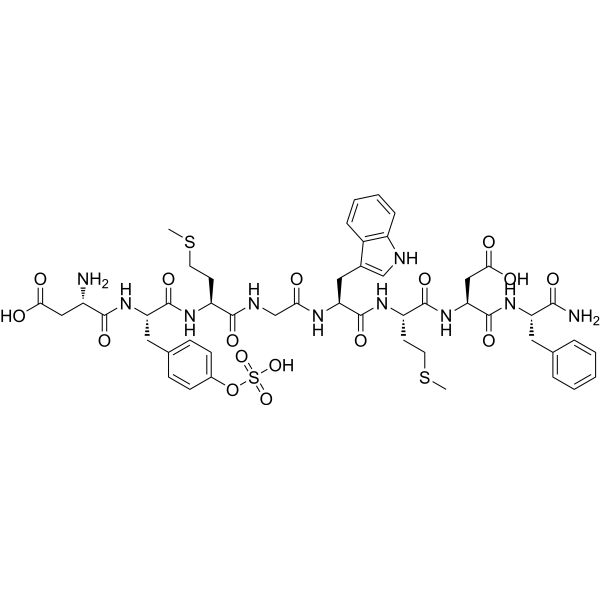
Cholecystokinin octapeptide; CCK-8; SQ19844
|
Cholecystokinin Receptor
Apoptosis
PI3K
Akt
|
Infection
Cancer
|
|
Sincalide (Cholecystokinin octapeptide, CCK-8) is a rapid-acting amino acid polypeptide hormone analogue of cholecystokinin (CCK) for intravenous use in postevacuation cholecystography. Sincalide is a major bioactive segment of CCK that retains most of the biological activities of CCK. Sincalide can promote gallbladder contraction by injection and helps diagnose gallbladder and pancreas disorders. Sincalide can increase bile secretion, cause the gallbladder to contract and relax the sphincter of Oddi, resulting in bile drainage into the duodenum. Sincalide is a major bioactive segment of CCK that retains most of the biological activities of CCK .
|
-
-
- HY-W145499
-
|
|
PPAR
NF-κB
Toll-like Receptor (TLR)
|
Inflammation/Immunology
Cancer
|
|
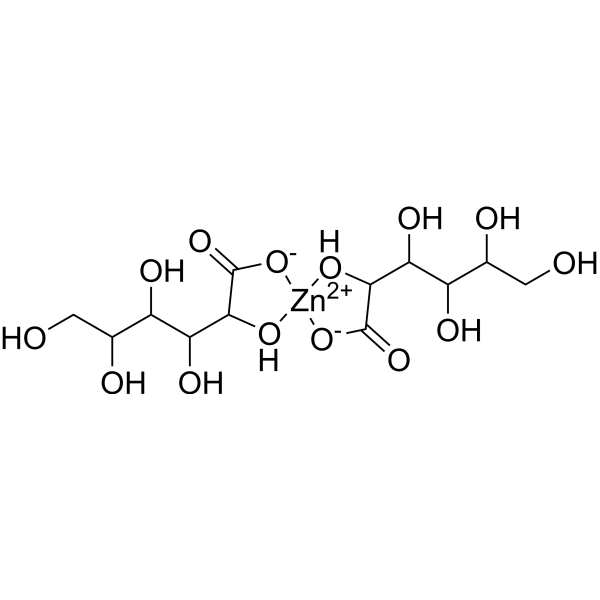
Zinc Gluconate is a zinc supplement in the form of a gluconate salt, which plays a role in various physiological processes such as immune function, wound healing, and olfaction. Zinc Gluconate has a LD50 of 39.6 mg/kg in mice (Tail vein injection). Zinc Gluconate can be used in the research of inflammation, zinc deficiency, colds, cancer, and nutritional supplements .
|
-
-
- HY-N2466
-
|
MT-I; [Nle4,D-Phe7]-α-MSH
|
Melanocortin Receptor
|
Neurological Disease
Cancer
|
|
Melanotan I is a potent non-selective melanocortin receptor (MCR) agonist. Melanotan I is a synthetic analogue of α-melanocyte stimulating hormone (α-MSH) that stimulates melanogenesis. Melanotan I can induce skin tanning by mimicking the actions of a-MSH on the melanocortin type 1 receptors (MC1R) of melanocytes. Melanotan I can be used for the research of sun-induced skin cancer, melanoma, inflammation and male erectile dysfunction .
|
-
-
- HY-P1222A
-
|
|
Bacterial
|
Infection
|
|
LL-37, human TFA is a 37-residue, amphipathic, cathelicidin-derived antimicrobial peptide, which exhibits a broad spectrum of antimicrobial activity. LL-37, human TFA could help protect the cornea from infection and modulates wound healing .
|
-
-
- HY-162514
-
|
|
Epigenetic Reader Domain
|
Inflammation/Immunology
|
|
BBC0403 is a selective BRD2 inhibitor with Kds of 7.64 μM and 41.37 μM for BRD2 (BD2) and BRD2 (BD1), respectively. BBC0403 exhibitS higher binding specificity for BRD2 compared to BRD3 and BRD4. BBC0403 has the potential for osteoarthritis (OA) research .
|
-
-
- HY-B0020
-
|
SDZ-ICS-930
|
5-HT Receptor
nAChR
|
Neurological Disease
Inflammation/Immunology
Cancer
|
|
Tropisetron Hydrochloride (SDZ-ICS-930) is an effective neuroprotective agent that acts as a 5-HT3 receptor antagonist, a calmodulin inhibitor, and an α7-nAChRreceptor agonist, with an IC50 of 70.1 nM for the 5-HT3 receptor. Tropisetron Hydrochloride has anti-inflammatory properties and immune-regulating functions, effectively alleviating symptoms associated with chemotherapy and post-surgery. Tropisetron Hydrochloride reduces Ab (HY-P4867)-induced hippocampal neuroinflammation .
|
-
-
- HY-14608R
-
|
|
Reference Standards
Endogenous Metabolite
iGluR
Ferroptosis
Apoptosis
|
Neurological Disease
|
L-Glutamic acid (Standard) is the analytical standard of L-Glutamic acid. This product is intended for research and analytical applications. L-Glutamic acid is an excitatory amino acid neurotransmitter that acts as an agonist for all subtypes of glutamate receptors (metabolic rhodophylline, NMDA, and AMPA). L-Glutamic acid has an agonist effect on the release of DA from dopaminergic nerve endings. L-Glutamic acid can be used in the study of neurological diseases .
IC50 & Target:DA .
In Vitro: L-Glutamic acid (120, 500, 750, 1000 mg/dL) can reduce the harmful effect of lithium on the embryonic development of Xenopus Xenopus .
L-Glutamic acid (2, 5, 10, 20 mM, 24-48 h) can induce neuroexcitotoxicity in neuroblastoma .
In Vivo: L-Glutamic acid (3 g/kg, subcutaneous injection) can promote excitotoxic degeneration of retinal ganglion cells in mice .
L-Glutamic acid (750 mg/kg, intraperitoneal injection) can reduce and inhibit oxidative stress induced by chlorpyrifos (CPF) in rats .
|
-
-
- HY-137500
-
-
-
- HY-P1222B
-
|
|
Bacterial
|
Infection
Inflammation/Immunology
|
|
LL-37, human acetate is a 37-residue, amphipathic, cathelicidin-derived antimicrobial peptide, which exhibits a broad spectrum of antimicrobial activity. LL-37, human acetate could help protect the cornea from infection and modulates wound healing .
|
-
-
- HY-P0093A
-
|
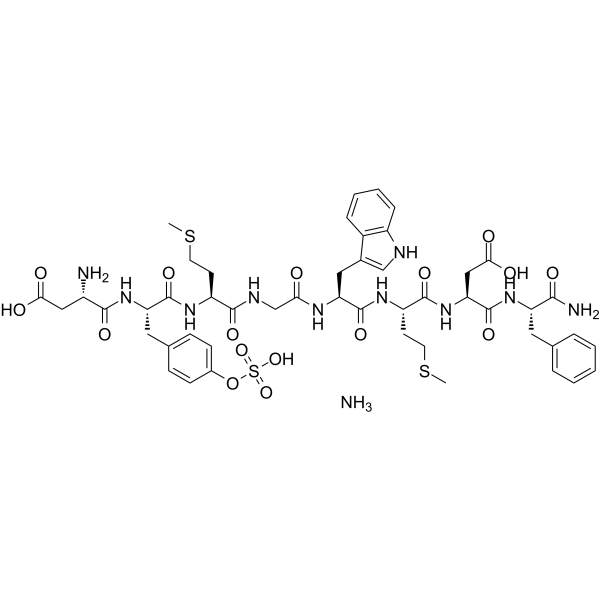
Cholecystokinin octapeptide ammonium; CCK-8 ammonium; SQ19844 ammonium
|
Cholecystokinin Receptor
Apoptosis
PI3K
Akt
|
Infection
Cancer
|
|
Sincalide ammonium (Cholecystokinin octapeptide ammonium, CCK-8 ammonium) is a rapid-acting amino acid polypeptide hormone analogue of cholecystokinin (CCK) for intravenous use in postevacuation cholecystography. Sincalide ammonium is a major bioactive segment of CCK that retains most of the biological activities of CCK. CCK‐8 can promote gallbladder contraction by injection and helps diagnose gallbladder and pancreas disorders. Sincalide ammonium can increase bile secretion, cause the gallbladder to contract and relax the sphincter of Oddi, resulting in bile drainage into the duodenum. Sincalide ammonium is a major bioactive segment of CCK that retains most of the biological activities of CCK .
|
-
-
- HY-U00153
-
-
-
- HY-N2542
-
-
-
- HY-155909A
-
|
mPEG1000-SC; mPEG1000-Succinimidyl ester
|
Biochemical Assay Reagents
|
Others
|
|
m-PEG1000-NHS ester can be used to modify active molecules and improve their antigenicity, immunogenicity, and help prepare injection preparations. The modification of serine protease lumbrokinase (LK) by m-PEG-NHS ester does not affect its strong fibrinolytic and thrombolytic activities, and has good application prospects.
|
-
-
- HY-D1895A
-
|
|
Biochemical Assay Reagents
|
Others
|
|
3,5-DiBr-PAESA sodium is a water-soluble pyridylazo-based highly sensitive chromogenic reagent. With the assistance of EDTA for masking copper and bromide ions for dissociating silver chelates, 3,5-DiBr-PAESA sodium enables accurate determination of sub-milligram level silver ions in strongly acidic high-copper systems via flow injection spectrophotometry .
|
-
-
- HY-W067716
-
|
(S)-Spinacine
|
GABA Receptor
|
Neurological Disease
|
|
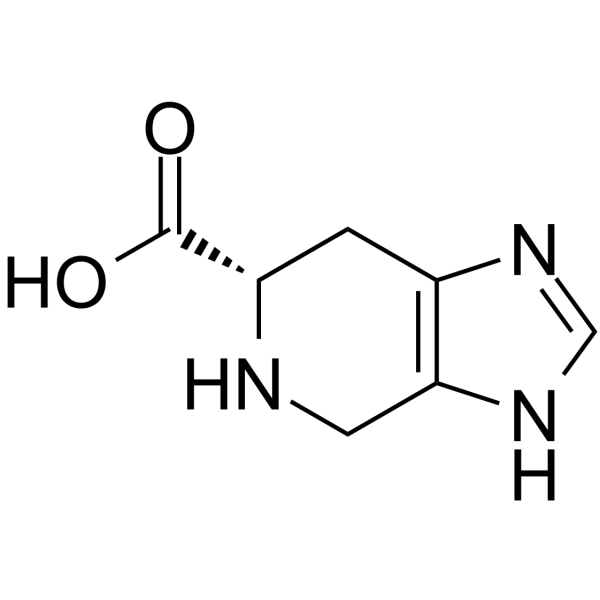
Spinacine ((S)-Spinacine) is a GABA uptake inhibitor. Spinacine enhances synaptic GABA effects via inhibition of gamma-aminobutyric acid uptake in cerebral cortex slices. Spinacine inhibits reflex responses of ventral roots in isolated spinal cord. Spinacine inhibits motor activity and reduces approaches to water dispensers in conflict situations. Spinacine raises pain sensitivity threshold via subarachnoidal injection .
|
-
-
- HY-100897A
-
|
|
Thrombin
|
Cardiovascular Disease
|
|
Sulodexide solution is a mixture of glycosaminoglycans that can be administered by injection. It is composed of low molecular weight heparin (80%) and dermatan sulfate (20%). Sulodexide exhibits antithrombotic activity through interaction with antithrombin III (AT III) and heparin cofactor II (HC II), and inhibition of thrombin formation. Sulodexide exhibits profibrinolytic activity through release of tissue plasminogen activator (tPA). Sulodexide exhibits endothelial protective and anti-inflammatory effect, ameliorates chronic venous disease.
|
-
-
- HY-126395
-
|
|
Fluorescent Dye
|
Others
|
|
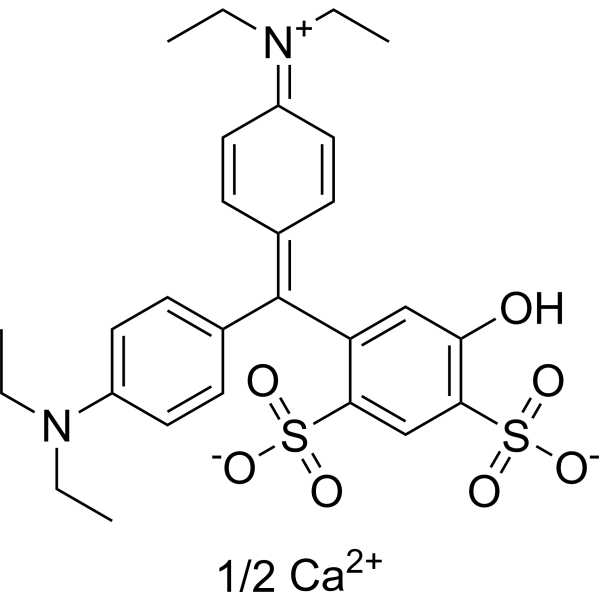
Patent Blue V calcium salt is a triarylmethane dye used for tissue staining and lymphatic tracing, mainly applied by topical injection or eye drops. Patent Blue V calcium salt has affinity for specific tissues (such as corneal endothelium, lymphatic system), and stains the target structure by adsorption or binding, assisting in precise operation during surgery. Patent Blue V calcium salt is mainly used in ophthalmic surgery (such as graft staining for Descemet's membrane endothelial keratoplasty) and lymphatic drainage localization for sentinel lymph node biopsy of tumors .
|
-
-
- HY-P1284
-
ZIP
2 Publications Verification
|
PKC
|
Neurological Disease
Cancer
|
|
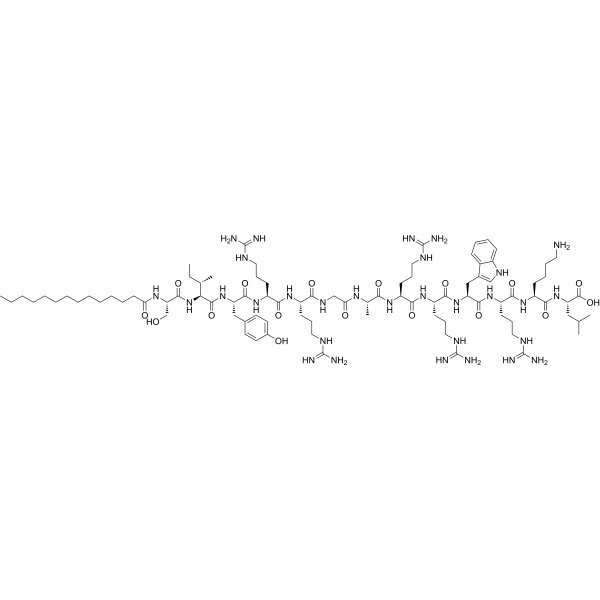
ZIP is a selective peptide inhibitor of PKMζ. ZIP injections can block the impairment in morphine conditioned place preference induced .
|
-
-
- HY-12537
-
-
-
- HY-Z6449
-
|
|
Adrenergic Receptor
|
Neurological Disease
|
|
Phenylephrine hydrochlorid is an α1-adrenergic receptor agonist. As a sympathomimetic agent, Phenylephrine hydrochlorid exerts similar effects to epinephrine and ephedrine. Phenylephrine hydrochlorid induces vasoconstriction and increases perfusion pressure .
|
-
-
- HY-D1895
-
|
|
Biochemical Assay Reagents
|
Others
|
|
3,5-DiBr-PAESA is a water-soluble pyridylazo-based highly sensitive chromogenic reagent. With the assistance of EDTA for masking copper and bromide ions for dissociating silver chelates, 3,5-DiBr-PAESA enables accurate determination of sub-milligram level silver ions in strongly acidic high-copper systems via flow injection spectrophotometry .
|
-
-
- HY-P99830
-
|
KH902
|
VEGFR
TNF Receptor
Interleukin Related
|
Cardiovascular Disease
Inflammation/Immunology
Cancer
|
|
Conbercept (KH902) is a recombinant fusion protein composed of VEGFR-1 (second domain) and VEGFR-2 (third and fourth domains) regions fused to human IgG1 Fc. Conbercept is a VEGF inhibitor (IC50 = 8.8 pM) and is a soluble receptor decoy that blocks all isoforms of VEGF-A (Kd = 0.5 pM), VEGF-B (Kd = 8 pM), VEGF-C, and PlGF (Kd = 5 pM). Conbercept has anti-inflammatory effects, can lower the levels of VEGF, TNF-α and IL-6, and reduce the infiltration of inflammatory cells. Conbercept decreases tumor growth in several oncology studies. Conbercept can be used for various eye diseases such as polypoidal choroidal vasculopathy (PCV), diabetic macular edema (DME) and pathologic myopia choroidal neovascularization (pmCNV) .
|
-
-
- HY-139439
-
|
|
Ser/Thr Protease
|
Cancer
|
|
SBI-581 is an orally active and potent selective serine-threonine kinase TAO3 inhibitor, with an IC50 of 42 nM. SBI-581 promotes TKS5α accumulation at RAB11-positive vesicles. SBI-581 inhibits invadopodia formation. SBI-581 shows reasonable pharmacokinetics in mice using IP injection. SBI-581 shows antitumor activity . SBI-581 is a click chemistry reagent, it contains an Alkyne group and can undergo copper-catalyzed azide-alkyne cycloaddition (CuAAc) with molecules containing Azide groups.
|
-
-
- HY-103101
-
|
|
5-HT Receptor
|
Others
|
|
LP44 (hydrochloride) is a selective 5-HT7 agonist with Ki of 0.22 nM. LP44 (hydrochloride) induces hypothermic effect in a dose-dependent manner by intracerebroventricular injection. LP44 (hydrochloride) not causes considerable hypothermic response by intraperitoneal administration .
|
-
-
- HY-N10225
-
|
|
Prostaglandin Receptor
|
Cardiovascular Disease
Endocrinology
|
|
Thielavin A is an inhibitor of prostaglandin biosynthesis produced by Thielavia terricola. Thielavin A specifically inhibits the conversion of arachidonic acid into prostaglandin H2. Thielavin A has no anti-inflammatory activity on intravenous injection or on oral administration .
|
-
-
- HY-Y1212A
-
|
Purified Diatomaceous earth, for Injection; Purified Diatomaceous silica, for Injection
|
Biochemical Assay Reagents
|
Metabolic Disease
|
|
Purified Siliceous Earth, for injection (Purified Diatomaceous earth, for injection; Purified Diatomaceous silica, for injection) is a filter aid.
|
-
-
- HY-P4641
-
|
Trp-Phe
|
Angiotensin-converting Enzyme (ACE)
|
Cardiovascular Disease
|
|
H-Trp-Phe-OH is a dipeptide consisting of tryptophan and phenylalanine (Trp-Phe). H-Trp-Phe-OH is also an antihypertensive peptide with inhibitory activity on angiotensin-converting enzyme (ACE), dose-dependently increases NO levels, and decreases endothelin-1 (ET-1) levels. H-Trp-Phe-OH (2 mg/kg; subcutaneous injection; 6 injections over 3 days) causes an increase in ovarian weight in female mice .
|
-
-
- HY-155909C
-
|
mPEG350-SC; mPEG350-Succinimidyl ester
|
Biochemical Assay Reagents
|
Others
|
|
m-PEG350-NHS ester can be used to modify active molecules and improve their antigenicity, immunogenicity, and help prepare injection preparations. The modification of serine protease lumbrokinase (LK) by m-PEG-NHS ester does not affect its strong fibrinolytic and thrombolytic activities, and has good application prospects.
|
-
-
- HY-177617
-
|
IMO-8400
|
Toll-like Receptor (TLR)
|
Inflammation/Immunology
|
|
Bazlitoran (IMO-8400) is an oligonucleotide-based TLR7/8/9 antagonist. Bazlitoran blocks the activation of Toll-like receptors 7, 8, and 9. Bazlitoran inhibits cytokine responses mediated by Toll-like receptors 7, 8, and 9. Bazlitoran is associated with injection site reactions. Bazlitoran improves moderate-to-severe plaque psoriasis .
|
-
-
- HY-W021450A
-
|
|
Biochemical Assay Reagents
|
Neurological Disease
|
|
DL-Fluorocitric acid barium is a glial cell metabolic inhibitor. DL-Fluorocitric acid barium inhibits mechanical hyperalgesia induced by subcutaneous injection of complete Freund's adjuvant in rats. DL-Fluorocitric acid barium inhibits nociceptive behaviors induced by Histamine (HY-B1204) in mice and blocks the phosphorylation of the NMDA receptor NR1 subunit in the lumbar spinal cord of mice. DL-Fluorocitric acid (barium) can be used in the research of mechanical hyperalgesia and nociceptive pain .
|
-
-
- HY-125290
-
|
|
CDK
DYRK
|
Cancer
|
|
MU1210 (compound 12f), a chemical probe, is an inhibitor of CDC-like kinases Clk1, Clk2, and Clk4 (with IC50 values of 8, 20, and 12 nM respectively), with IC50 for HIPK1 and DYRK2 are 187 and 1309 nM. MU1210 also has favorable pharmacokinetic characteristics (in mice, 10 mg/kg, intraperitoneal injection: Cmax=1.24 μM, T1/2=58 minutes; no acute toxicity observed) .
|
-
-
- HY-B1796
-
|
|
Fungal
|
Infection
|
|
Thymol iodide is an iodine derivative of thymol, serving as a mild preservative and fungicide. Thymol iodide is commonly used as an iodine source in the intensive culture of rotifers. Thymol iodide effectively enables Brachionus "Cayman" rotifers to reach iodine levels similar to those of copepods, and maintains a high iodine content during storage. After 28 days of intrapleural injection of Thymol iodide, it does not enhance the efficacy of inducing pleurodesis in rabbits, nor does it improve the efficacy of talc slurry pleurodesis .
|
-
-
- HY-162653
-
|
|
|
Others
|
|
SGC-CDKL2/AAK1/BMP2K-1 (Compound 9) is a potent and selective CDKL2 (Cyclin-dependent kinase-like 2) inhibitor with an IC50 value of 460 nM. CDKL2 is involved in various biological processes such as tumorigenesis, development, and viral infections. SGC-CDKL2/AAK1/BMP2K-1 serves as a powerful tool for studying the biological functions of CDKL2 and holds promise for research in fields related to cancer, infections, and other diseases .
|
-
-
- HY-167709
-
|
20.25-Diazacholesterol
|
Xanthine Oxidase
|
Neurological Disease
|
|
Azacosterol (20.25-Diazacholesterol), also known as Diazasterol, acts as a DHCR24 inhibitor and initiates a cascade of reactions in cortical neurons after being administered orally or via intraperitoneal injection.
|
-
-
- HY-177617A
-
|
IMO-8400 sodium
|
Toll-like Receptor (TLR)
|
Inflammation/Immunology
|
|
Bazlitoran sodium (IMO-8400 sodium) is an oligonucleotide-based TLR7/8/9 antagonist. Bazlitoran sodium blocks the activation of Toll-like receptors 7, 8, and 9. Bazlitoran sodium inhibits cytokine responses mediated by Toll-like receptors 7, 8, and 9. Bazlitoran sodium is associated with injection site reactions. Bazlitoran sodium improves moderate-to-severe plaque psoriasis .
|
-
-
- HY-109513
-
Ioxilan
1 Publications Verification
|
Biochemical Assay Reagents
|
Others
|
|
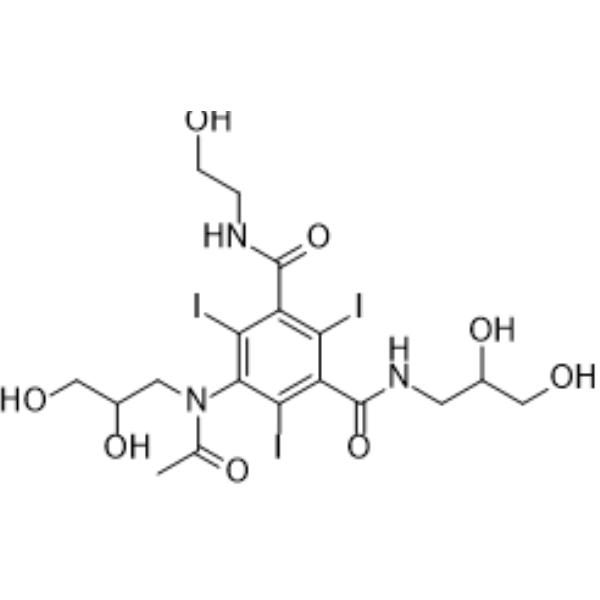
Ioxilan is a low-osmolar, nonionic and tri-iodinated diagnostic contrast agent. Ioxilan is also an X-ray contrast agent for excretory urography and contrast enhanced computed tomographic (CECT) imaging of the head and body. Intravascular injection results in opacification of vessels in the path of flow of the contrast medium, permitting radiographic visualization of the internal structures of the human body until significant hemodilution occurs .
|
-
-
- HY-W338446
-
|
|
Tau Protein
|
Neurological Disease
|
|
BF-170 is a selective tau fibril binding agent with an EC50 of 221 nM. It exhibits good blood-brain barrier permeability, and after intravenous injection in mice, the concentration in brain tissue reaches 9.1% ID/g within 2 minutes (with a brain clearance rate of 0.25% ID/g after 30 minutes). BF-170 can be used as a probe for tau protein pathology imaging in Alzheimer's disease (AD). It plays an important role in early-stage AD research and holds potential for imaging studies of tau-related neurodegenerative diseases .
|
-
-
- HY-143700
-
|
|
Biochemical Assay Reagents
|
Others
|
|
18:0 DAP is a cationic or ionizable lipid with no unsaturated bonds in its hydrocarbon chain. The mRNA encapsulation efficiency of 18:0 DAP is 0%. 18:0 DAP cannot form functional lipid nanoparticles suitable for mRNA delivery .
|
-
-
- HY-107932
-
|
|
Glucocorticoid Receptor
|
Inflammation/Immunology
|
|
Triamcinolone diacetate is a synthetic derivative of glucocorticoid. Triamcinolone diacetate has anti-inflammatory activity. Triamcinolone diacetate can be used in research on dermatomyositis, Bell's palsy and rheumatoid arthritis .
|
-
-
- HY-155909
-
|
mPEG3400-SC; mPEG3400-Succinimidyl ester
|
Biochemical Assay Reagents
|
Others
|
|
m-PEG3400-NHS ester can be used to modify active molecules and improve their antigenicity, immunogenicity, and help prepare injection preparations. The modification of serine protease lumbrokinase (LK) by m-PEG-NHS ester does not affect its strong fibrinolytic and thrombolytic activities, and has good application prospects.
|
-
-
- HY-16387
-
|
|
VEGFR
|
Others
|
|
PF-00337210 is a potent and selective inhibitor of VEGFRs, designed for treating age-related macular degeneration via intravitreal injection. The formulation strategy focused on developing an ophthalmic solution that would precipitate upon injection into the vitreous, ensuring sustained drug delivery. Challenges included maintaining low dosing volumes, selecting safe excipients for intravitreal use, and addressing the drug's unique physicochemical properties. The final formulation, an isotonic solution in a citrate-buffered vehicle with NaCl, demonstrated stability, potency, and recovery through intravitreal dosing syringes. It formed a depot upon injection into vitreous humor, representing a novel nonpolymeric in situ-forming depot formulation for intravitreal drug delivery .
|
-
-
- HY-N5137
-
|
OJV-II
|
Others
|
Others
|
|
L-Borneol 7-O-[β-D-apiofuranosyl-(1→6)]-β-D-glucopyranoside is one of the components of the Shengmai injection .
|
-
-
- HY-N14880
-
|
|
Antibiotic
Bacterial
|
Infection
Cardiovascular Disease
|
|
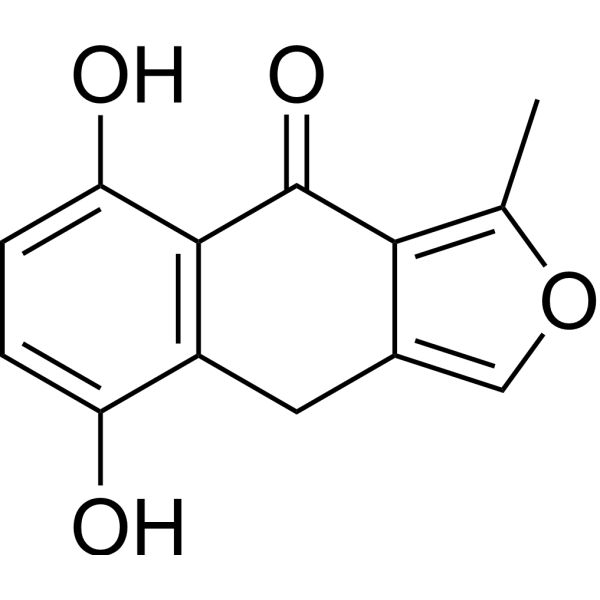
Oudenone is an oxygen-containing heterocyclic antibiotic. Oudenone has weak antibacterial and fungal activity. Oudenone has antihypertensive effect on spontaneous hypertension in rats by intraperitoneal injection or oral administration .
|
-
-
- HY-W751579
-
|
|
Bacterial
Antibiotic
|
Infection
|
|
Cefovecin is a third-generation cephalosporin antibiotic. Cefovecin's most notable characteristic is its extremely long-lasting effect; a single subcutaneous injection can maintain an effective therapeutic concentration in tissues for up to 14 days. Cefovecin is used in research on bacterial infections in dogs and cats .
|
-
-
- HY-125721
-
|
|
Fungal
Bacterial
Antibiotic
|
Infection
|
|
Tetranactin is an orally active antibiotic that has insecticidal properties and can inhibit the growth of Gram-positive bacteria and plant pathogenic fungal in vitro. Tetranactin LD50 for intraperitoneal injection in mice is greater than 300 mg/kg, and the LD50 is greater than 15,000 mg/kg .
|
-
-
- HY-177921
-
|
|
Liposome
|
Others
|
|
PL53 is a kind of cycloalkylamine lipid nanoparticles. PL53 exhibits outstanding transfection efficiency both in vitro and in vivo, especially showing strong protein expression ability and potential tissue targeting after intramuscular injection. PL53 can be used for the study of nucleic acid delivery .
|
-
-
- HY-155909B
-
|
mPEG550-SC; mPEG550-Succinimidyl ester
|
Biochemical Assay Reagents
|
Others
|
|
m-PEG550-NHS ester can be used to modify active molecules and improve their antigenicity, immunogenicity, and help prepare injection preparations. The modification of serine protease lumbrokinase (LK) by m-PEG-NHS ester does not affect its strong fibrinolytic and thrombolytic activities, and has good application prospects.
|
-
-
- HY-113920
-
|
EU4093
|
Calcium Channel
|
Others
|
|
Azumolene sodium (EU4093) is an analog of Dantrolene (HY-12542) that inhibits malignant hyperthermia (MH) syndrome and intracellular Ca 2+ homeostasis failure caused by Halothane (HY-B1010)/Succinylcholine. Azumolene sodium (0.5-2.0 mg/kg) reduces [Ca 2+]i (from 207 nM to 38 nM) in MH-susceptible skeletal muscle following intramuscular injection .
|
-
- HY-12144
-
|
|
Neurokinin Receptor
p38 MAPK
|
Neurological Disease
|
|
CP-99994 is a Tachykinin neurokinin 1 (NK-1) receptor antagonist with a Ki of 0.25 nM. CP-99994 prevents colorectal sensitization in the context of visceral hypersensitivity. CP-99994 reduces colorectal hypersensitivity induced by acetic acid injections in a model of bladder-colon cross-sensitization. CP-99994 hydrochloride attenuates the neuroglial interactions and MAPK-p38 phosphorylation associated with visceral hypersensitivity .
|
-
- HY-W067716R
-
|
(S)-Spinacine (Standard)
|
Reference Standards
GABA Receptor
|
Neurological Disease
|
|
Spinacine (Standard) is the analytical standard of Spinacine (HY-W067716). This product is intended for research and analytical applications. Spinacine ((S)-Spinacine) is a GABA uptake inhibitor. Spinacine enhances synaptic GABA effects via inhibition of gamma-aminobutyric acid uptake in cerebral cortex slices. Spinacine inhibits reflex responses of ventral roots in isolated spinal cord. Spinacine inhibits motor activity and reduces approaches to water dispensers in conflict situations. Spinacine raises pain sensitivity threshold via subarachnoidal injection .
|
-
- HY-173116
-
|
|
Carbonic Anhydrase
|
Cancer
|
|
DOTA-XYIMSR-01 is a molecular probe targeting CAIX that can be labeled with 177Lu for the inhibition and localization of malignant gliomas. The uptake of [177Lu] Lu-XYIMSR-01 in U87MG tumors is 6.19 % of the injected dose per gram (% ID/g), and the tumor-to-muscle uptake ratio is 20.14. In the orthotopic glioma model, combined injection with Temozolomide (HY-17364) can significantly improve the survival rate of mice and inhibit tumor growth. DOTA-XYIMSR-01 shows promise for research in the field of anti-cancer therapy .
|
-
- HY-P1426
-
|
|
Potassium Channel
|
Neurological Disease
|
|
AmmTX3 is a peptide toxin identified from the venom of the scorpion Androctonus mauretanicus. AmmTX3 is a highly specific blocker of Kv4 channels, which selectively and almost completely blocks transient A-type K + currents with a Ki of 131 nM. AmmTX3 induces epileptiform behaviors and causes death in mice receiving intracerebroventricular injection. AmmTX3 increases the excitability of dentate gyrus granule cells, reduces GABAergic inhibition, enhances and stabilizes the EPSP-spike component of long-term potentiation, and impairs reference memory. AmmTX3 can be used in research related to pain, epilepsy, and autism spectrum disorder .
|
-
- HY-32247
-
-
- HY-B1657
-
|
|
Drug Intermediate
|
Neurological Disease
|
|
Fosphenytoin is a phosphate ester proagent developed as an alternative to intravenous phenytoin for acute intervention of seizures. Fosphenytoin has advantages including more convenient and rapid intravenous administration, availability for intramuscular injection, and low potential for adverse local reactions at injection sites .
|
-
- HY-W782096
-
-
- HY-126835
-
|
|
Amino Acid Derivatives
|
Cancer
|
|
A 924 is an amino acid derivative-based, orally active antitumor agent. A 924 is effective in inhibiting ascites tumors in rat models by intraperitoneal injection or oral administration. The LD50 of A 924 in mice is >1.5 g/kg and >4.5 g/kg by intraperitoneal injection or oral administration, respectively. A 924 does not cause teratogenicity or adverse reactions in normal or pregnant mice .
|
-
- HY-15390
-
|
CIBA-1906
|
Bacterial
|
Infection
|
|
Thiambutosine is an inhibitor of Mycobacterium leprae with low oral activity. In animal experiments, Thiambutosine can inhibit leprosy infection by intramuscular injection .
|
-
- HY-P1284A
-
|
|
PKC
|
Neurological Disease
Cancer
|
|
ZIP TFA is a selective peptide inhibitor of PKMζ. ZIP TFA injections can block the impairment in morphine conditioned place preference induced .
|
-
- HY-118261
-
|
|
Elastase
|
Inflammation/Immunology
|
|
L 659286 is an inhibitor of human polymorphonuclear leukocyte elastase (PMN elastase) (Ki=0.4 μM). Intratracheal injection of L 659286 can induce lung injury in hamsters.
|
-
- HY-U00153R
-
|
|
Drug Derivative
Reference Standards
|
Neurological Disease
|
|
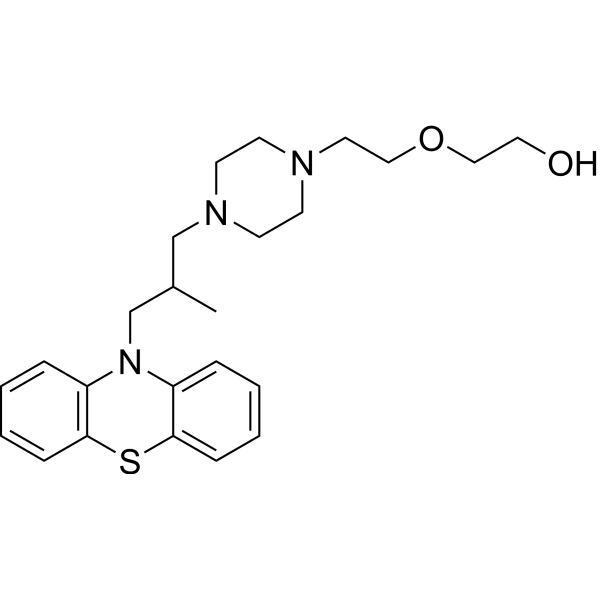
Dixyrazine (Standard) is the analytical standard of Dixyrazine. This product is intended for research and analytical applications. Dixyrazine, a phenothiazine derivative, can prevent brain oedema induced by intracarotid injection of protamine sulphate.
|
-
- HY-139802
-
|
|
Somatostatin Receptor
|
Others
|
|
L-779976 is a compound with bradykinin agonist activity. Injection into the amygdala and septum of the rat brain can produce anxiolytic effects. Its bradykinin agonist activity has been verified by relevant experiments.
|
-
- HY-105236
-
|
(Rac)-CI-977 free base
|
Opioid Receptor
|
Neurological Disease
|
|
(Rac)-Enadoline ((Rac)-CI-977 free base) is a selective K-opioid receptor agonist that stereoselectively antagonizes clonic seizures induced by slow intravenous injection of N-methyl-DL-aspartate in mice .
|
-
- HY-106258
-
|
OHM 11638; BAX-ACC 1638; MOT 288
|
Motilin Receptor
|
Metabolic Disease
|
|
OHM 11638 (Atilmotin), an analogue of the (1-14) fragment of porcine motilin, is a motilin receptor agonist with a pKd of 8.94 for the motilin receptor. OHM 11638 affects esophageal, lower esophageal sphincter (LES), and gastric motility. OHM 11638 increases LES and gastric pressures, OHM 11638 can be used as prokinetic agents .
|
-
- HY-105919
-
|
|
Factor Xa
|
Cardiovascular Disease
|
|
Naroparcil is an orally active antithrombotic agent. Naroparcil exhibits antithrombotic effects in rabbit Wessler stasis model with EC50s of 21.9 mg/kg and 36.0 mg/kg after respectively intravenous injection and oral administration .
|
-
- HY-W714505
-
|
|
Opioid Receptor
|
Neurological Disease
|
|
AH 7563 structurally belongs to the opioid compounds and exhibits analgesic activity. In the phenylquinone test and hot plate test, the ED50 of AH 7563 for analgesia in mice were 15.3 mg/kg (orally) and 15.5 mg/kg (subcutaneous injection), respectively .
|
-
- HY-P10029
-
|
|
Serotonin Transporter
|
Neurological Disease
|
|
Sakura-6 is a SERT-nnos interaction promoter that significantly increases the SERT-nnos complex, but reduces the level of SERT on the cell surface. Acute injection of Sakura-6 into the dorsal raphe nucleus (DRN) causes depression-like behavior in mice .
|
-
- HY-105498
-
|
|
Sodium Channel
|
Neurological Disease
|
|
ADD-196022 is an orally active antiepileptic and anticonvulsant agent. ADD-196022 shows ED50 values of 26.2 mg/kg and 5.79 mg/kg for intraperitoneal injection in mice and orally administration in rats. ADD-196022 can be used for the research of neurological disease .
|
-
- HY-B0020R
-
|
SDZ-ICS-930 (Standard)
|
5-HT Receptor
Reference Standards
nAChR
|
Neurological Disease
Cancer
|
|
Tropisetron (Hydrochloride) (Standard) is the analytical standard of Tropisetron (Hydrochloride). Tropisetron Hydrochloride (SDZ-ICS-930) is an effective neuroprotective agent that acts as a 5-HT3 receptor antagonist, a calmodulin inhibitor, and an α7-nAChRreceptor agonist, with an IC50 of 70.1 nM for the 5-HT3 receptor. Tropisetron Hydrochloride has anti-inflammatory properties and immune-regulating functions, effectively alleviating symptoms associated with chemotherapy and post-surgery. Tropisetron Hydrochloride reduces Ab (HY-P4867)-induced hippocampal neuroinflammation .
|
-
- HY-157956
-
|
|
mAChR
|
Neurological Disease
|
|
LASSBio-873 is an orally active muscarinic cholinergic receptor (mAChR) agonist that crosses the blood-brain barrier. LASSBio-873 has potent analgesic effects on acute and inflammatory pain. The analgesic effect of LASSBio-873 can be inhibited by intrathecal injection of the M2 receptor antagonist methoctramine .
|
-
- HY-119097
-
|
|
mGluR
|
Neurological Disease
|
|
LY456066 is a selective non-competitive metabotropic glutamate receptors (mGluR1) antagonist with an IC50 value of 52.0 nM. LY456066 is effective in rodent models of anxiolysis and nociception. LY456066 reduces hyperalgesia and the amount of licking and flinching following formalin injection, which is promising for research of analgesics for chronic pain .
|
-
- HY-172536
-
|
mPEG30000-SC; mPEG30000-Succinimidyl ester
|
Biochemical Assay Reagents
|
Others
|
|
m-PEG30000-NHS ester (mPEG30000-SC) can be used to modify active molecules and improve their antigenicity, immunogenicity, and help prepare injection preparations. The modification of serine protease lumbrokinase (LK) by m-PEG-NHS ester does not affect its strong fibrinolytic and thrombolytic activities, and has good application prospects .
|
-
- HY-130522
-
|
6β-PGI1
|
Prostaglandin Receptor
|
Others
|
|
6β-Prostaglandin I1 (6β-PGI1) is an analog of prostaglandin I2 (PGI2) that is resistant to hydrolysis in aqueous solutions. 6β-Prostaglandin I1 can reduce gastric acid secretion with an ID50 (dose causing 50% inhibition) of approximately 3.0 μg/kg/min (intravenous injection) .
|
-
- HY-N2542R
-
|
|
Reference Standards
Interleukin Related
NO Synthase
|
Metabolic Disease
Inflammation/Immunology
Cancer
|
|
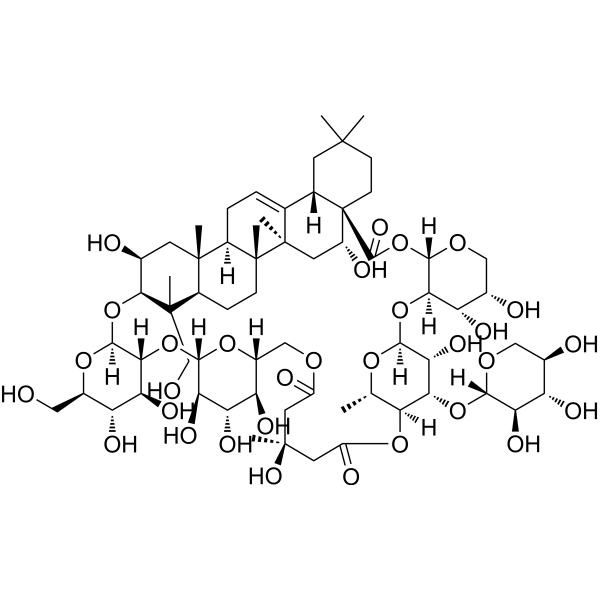
Tubeimoside III (Standard) is the analytical standard of Tubeimoside III (HY-N2542). This product is intended for research and analytical applications. Tubeimoside III is a triterpenoid saponin. Tubeimoside III has anti-inflammatory and antitumor effects. Tubeimoside III has an LD50 of 15 mg/kg by intraperitoneal injection in ICR mice. Tubeimoside III can be used for the research of tumors and inflammatory diseases .
|
-
- HY-118350
-
|
|
Biochemical Assay Reagents
|
Neurological Disease
|
|
FR 75513 is a 1,1'-biphenyl-2,6-dicarboxylic acid diester series compound that can inhibit the contraction of the detrusor muscle of guinea pig bladder (IC50=3.3 μg/mL). After intravenous injection of FR 75513 into anesthetized rats, it also showed strong inhibitory activity on the detrusor contraction (ID50=0.04 mg/kg).
|
-
- HY-136831
-
|
QMPB
|
Leukotriene Receptor
|
Inflammation/Immunology
|
|
SR2640 is a highly efficient and selective LTD4/LTE4 antagonist that can specifically inhibit the smooth muscle contractions induced by LTD4 in the guinea pig ileum and trachea in a concentration-dependent manner, without affecting the contractions caused by histamine. SR2640 can concentration-dependently prevent the binding of 0.4 nM [3H] LTD4 to membrane receptors in guinea pig lung tissue, with an IC50 of 23 nM. SR2640 can shift the dose-response curve for bronchoconstriction induced by intravenous LTD4 in guinea pigs to the right, and the extent of this shift is positively correlated with the dose of SR2640 administered. SR2640 can be used in asthma research .
|
-
- HY-158693
-
|
|
Sigma Receptor
|
Neurological Disease
|
|
WLB-87848 is a selective, orally active, and blood-brain barrier (BBB) permeable σ1 receptor agonist with the Ki of 9 nM. WLB-87848 rescues recognition memory impairment .
|
-
- HY-12145
-
|
|
Endogenous Metabolite
Neurokinin Receptor
p38 MAPK
|
Neurological Disease
|
|
CP-99994 hydrochloride is a Tachykinin neurokinin 1 (NK-1) receptor antagonist with a Ki of 0.25 nM. CP-99994 hydrochloride prevents colorectal sensitization in the context of visceral hypersensitivity. CP-99994 hydrochloride reduces colorectal hypersensitivity induced by acetic acid injections in a model of bladder-colon cross-sensitization. CP-99994 hydrochloride attenuates the neuroglial interactions and MAPK-p38 phosphorylation associated with visceral hypersensitivity .
|
-
- HY-119035
-
|
|
Platelet-activating Factor Receptor (PAFR)
|
Inflammation/Immunology
|
|
R-75317 is a specific platelet-activating factor (PAF) antagonist. R-75317 can prevent the decline in creatinine clearance (Ccr) in a rat model of glomerulonephritis induced by the injection of antibodies extracted from rabbits against rat glomerular basement membrane (GBM) antigens, delay the onset of proteinuria, and improve glomerular hypertrophy, mesangial matrix proliferation, and interstitial fibrosis. R-75317 may be useful in the study of glomerulonephritis .
|
-
- HY-12976
-
|
|
G Protein-coupled Receptor Kinase (GRK)
|
Metabolic Disease
|
|
DS-1558 is an orally active small molecule G protein-coupled receptor 40 agonist. DS-1558 not only increases the glucose-stimulated insulin secretion by glucagon like peptide-1 (GLP-1) but also potentiated the maximum insulinogenic effects of GLP-1 after an intravenous glucose injection in normal Sprague Dawley rats. DS-1558 is promising for research of type 2 diabetes .
|
-
- HY-117637
-
|
|
Oxytocin Receptor
|
Neurological Disease
|
|
ALS-I-41 is a novel, potent and selective oxytocin receptor antagonist with the potential to modulate biological activities related to social behavior and mental disorders. ALS-I-41 is being evaluated for behavioral pharmacology experiments in non-human primates and can be administered via intranasal or intramuscular injection. The central nervous system penetration and metabolic rate of ALS-I-41 were studied by mass spectrometry analysis in cerebrospinal fluid and plasma of macaque monkeys .
|
-
- HY-109513R
-
|
|
Biochemical Assay Reagents
Reference Standards
|
Others
|
|
Ioxilan (Standard) is the analytical standard of Ioxilan. This product is intended for research and analytical applications. Ioxilan is a low-osmolar, nonionic and tri-iodinated diagnostic contrast agent. Ioxilan is also an X-ray contrast agent for excretory urography and contrast enhanced computed tomographic (CECT) imaging of the head and body. Intravascular injection results in opacification of vessels in the path of flow of the contrast medium, permitting radiographic visualization of the internal structures of the human body until significant hemodilution occurs .
|
-
- HY-118768
-
|
|
Adrenergic Receptor
|
Neurological Disease
|
|
FMS586 free base is a selective neuropeptide Y Y5 receptor antagonist with oral activity. FMS586 can completely block the significant increase in adrenocorticotropic hormone (ACTH) and cortisol caused by the Y(5) selective agonist hPP. FMS586 also reversed the significant upregulation of adrenocorticotropic hormone (CRF) and antidiuretic hormone (AVP) mRNA expression induced by central injection of hPP. FMS586 provides the first evidence that selective stimulation of Y(5) receptors triggers activation of the HPA axis .
|
-
- HY-168782
-
|
|
TNF Receptor
Interleukin Related
|
Inflammation/Immunology
|
|
Resolvin D2 n-3 DPA is a specialized proresolving mediator (SPM). Resolvin D2 n-3 DPA (1 nM) can reduce the chemotaxis and adhesion of human neutrophils induced by TNF-α. Resolvin D2 n-3 DPA (100 ng/mouse; intravenous injection) can reduce neutrophil infiltration in the peritoneum and the levels of IL-6 and the chemokine (C-C motif) ligand 2 (CCL2) in a mouse model of inflammation induced by zinc oxide .
|
-
- HY-112142A
-
|
DVR-23
|
HBV
|
Inflammation/Immunology
|
|
(Rac)-AB-423 (DVR-23) is an anti-HBV candidate compound with promising anti-HBV activity. (Rac)-AB-423 showed no induction of CYP1A2, CYP3A4, or CYP2B6 enzyme activity at high concentrations. (Rac)-AB-423 exhibited desirable pharmacokinetic properties, enabling good systemic exposure and high oral bioavailability. (Rac)-AB-423 achieved more than 2 log viral load reduction in the hydrodynamic injection (HDI) HBV mouse model .
|
-
- HY-103101R
-
|
|
Reference Standards
5-HT Receptor
|
Others
|
|
LP44 hydrochloride (Standard) is the analytical standard of LP44 hydrochloride (HY-103101). This product is intended for research and analytical applications. LP44 hydrochloride is a selective 5-HT7 agonist with Ki of 0.22 nM. LP44 hydrochloride induces hypothermic effect in a dose-dependent manner by intracerebroventricular injection. LP44 hydrochloride not causes considerable hypothermic response by intraperitoneal administration .
|
-
- HY-182568
-
|
|
Biochemical Assay Reagents
|
Neurological Disease
|
|
Iocarmic acid is a myelographic contrast agent. Iocarmic acid is used for lumbar nerve root angiography and ventriculography. Iocarmic acid induces arachnoiditis via lumbar subarachnoid injection. Iocarmic acid can be used for the research of arachnoiditis .
|
-
- HY-119560
-
|
LD 3598
|
Others
|
Others
|
|
Spirgetine (LD 3598) is a compound with hypotensive activity that can be used to affect arterial pressure by intramuscular injection.
|
-
- HY-W700598
-
|
|
Dopamine Receptor
|
Neurological Disease
|
|
Pipotiazine palmitate is a dopamine receptor antagonist. Pipotiazine palmitate is a long-acting phenothiazine antipsychotic agent that can be administered by intramuscular injection. Pipotiazine palmitate can be used in the research of mental illnesses such as schizophrenia .
|
-
- HY-176027
-
|
|
Liposome
|
Others
|
|
CP-LC-1422 is a homocysteine-derived ionizable amino lipid with high RNA delivery capability and can mediate high-level protein expression in vivo. CP-LC-1422 exhibits significant spleen targeting via intravenous injection in a lipid nanoparticle (LNP) formulation with no significant toxicity observed .
|
-
- HY-N18028
-
|
|
Others
|
Inflammation/Immunology
Cancer
|
|
20(22Z)-Ginsenoside Rh4 is a rare ginsenoside with antitumor, anti-inflammation, and anti-diabetic activities.20(22Z)-Ginsenoside Rh4 can be found in Panax ginseng .
|
-
- HY-E71088
-
|
|
Biochemical Assay Reagents
|
Others
|
|
(R)-2-Hydroxyisocaproyl-CoA dehydratase (EC 4.2.1.157) , isolated from the bacterium Peptoclostridium difficile, is involved in the reductive branch of L-leucine fermentation. It catalyses an α/β-dehydration, which depends on the reductive formation of ketyl radicals on the substrate generated by injection of a single electron from the ATP-dependent activator protein HadI.
|
-
- HY-N17985
-
|
|
Others
|
Metabolic Disease
Inflammation/Immunology
|
|
Kalopanaxsaponin H is an hederagenin glycoside (saponin) with no hypoglycemic activity upon intraperitoneal injection. Kalopanaxsaponin H can be metabolized by human intestinal bacteria into Kalopanaxsaponin I, Kalopanaxsaponin A, hederagenin 3-O-α-L-arabinopyranoside and hederagenin, among which Kalopanaxsaponin I and hederagenin are the main metabolites. Kalopanaxsaponin H is isolated from the stem bark of Kalopanax pictus and is used in diabetes-related research .
|
-
- HY-W923355
-
|
EPA-TG; Glycerol trieicosapentaenoate; TG(20:5/20:5/20:5)
|
Others
|
Others
|
|
1,2,3-Trieicosapentaenoyl glycerol (EPA-TG) is a glycerol ester that can be obtained by the reaction of polyunsaturated fatty acids or lower alkyl esters with glycerol catalyzed by alkoxide ions . After two intravenous injections of the EPA-TG emulsion into rabbits, the EPA content in plasma and platelet phospholipids increased markedly . In another study, by administering the EPA-TG emulsion, the production of leukotriene B4 by polymorphonuclear leukocytes in rabbits was reduced by 40% .
|
-
- HY-D3171
-
|
|
Fluorescent Dye
Cholinesterase (ChE)
|
Neurological Disease
|
|
AD-BChE/HClO is a dual-target two-photon fluorescent probe. AD-BChE/HClO can release 4-methylumbelliferone via butyrylcholinesterase-mediated hydrolysis of the ester bond at position 7, as well as hypochlorous acid-mediated thiocarbonyl oxidation. AD-BChE/HClO enables two-photon imaging in nerve cells and mouse brain tissues via tail vein injection. AD-BChE/HClO can be used for the research of Alzheimer's disease .
|
-
- HY-118647
-
|
Etisul
|
Bacterial
|
Infection
|
|
Ditophal is an orally active thiol ester anti-tuberculosis and anti-leprosy agent. Ditophal combats Mycobacterium tuberculosis infections in subcutaneous and intracerebral sites in guinea pigs, including isoniazid (HY-B0329)-resistant strains. Ditophal alters the staining characteristics of Mycobacterium leprae and reduces the bacterial index of leprosy. Ditophal causes ulcers at the injection site when administered subcutaneously to guinea pigs at high doses. Ditophal can be used in the research of tuberculosis and leprosy .
|
-
- HY-P991869
-
|
AQmabAM; rAb-53
|
Aquaporin
|
Neurological Disease
|
|
Aquaporumab (AQmabAM) is an engineered human monoclonal IgG antibody. Aquaporumab is a selective inhibitor of aquaporin 4 (AQP4), binding tightly to AQP4 and competitively displacing AQP4-IgG from serum [1][2]. Aquaporumab significantly reduces neuromyelitis optica lesions in spinal cord slice cultures and in mice receiving intracerebral injection of AQP4-IgG and complement [1][2]. Aquaporumab can be used for research on neuromyelitis optica spectrum disorders [1][2]."}
|
-
- HY-P11614
-
|
|
Liposome
|
Cancer
|
|
LCA-H10 is a lithocholic acid-histidine decapeptide conjugate, a biocompatible lipid nanoparticle (LNP) additive that reduces ionizable lipid proportions, functions as an endosomal escape inducer, and enhances siRNA encapsulation. LCA-H10 increases hepatic accumulation of LNPs in mice after intravenous injection when incorporated into LiLNP-LH and reduces proinflammatory cytokines (IL-6, TNF, IL-1β) in mouse serum. LCA-H10 can be used for the research of prostate cancer .
|
-
- HY-N16985
-
|
|
Others
|
Inflammation/Immunology
|
|
Taraxasteryl palmitate is a taraxasterol-type triterpene ester compound with antiemetic activity. Intralymphatic injection of 30 mg/kg and 100 mg/kg Taraxasteryl palmitate significantly inhibited vomiting in a copper sulfate-induced frog vomiting model, with vomiting latency extension rates of 116.9% and 120.0%, respectively. Taraxasteryl palmitate exerts its anti-reflex vomiting activity by prolonging the vomiting latency. Taraxasteryl palmitate can be used in the study of vomiting-related diseases (especially reflex vomiting). Taraxasteryl palmitate can be naturally extracted from the flowers of Inula linariaefolia .
|
-
- HY-158976
-
|
Lactated ringer's solution (LRS)
|
Biochemical Assay Reagents
Collagen
HSP
|
Inflammation/Immunology
|
|
Sodium lactate ringer's solution (Lactated ringer's solution (LRS)) is an isotonic crystal intravenous injection and arthroscopic irrigation solution containing racemic sodium lactate and electrolytes such as sodium, potassium, calcium and chloride (130 mEq sodium/L, 274 mOsm/L), which can be used as a cell integrity protectant. Sodium lactate ringer's solution maintains the integrity of human meniscus cells, ensures that they retain normal cell morphology, membrane regularity, size and density, and does not alter the mRNA expression levels of α1 (I) procollagen, α1 (II) procollagen, aggrecan or HSP70. Sodium lactate ringer's solution can be applied to studies related to extracellular fluid deficiency and meniscus tears .
|
-
- HY-P1426A
-
|
|
Potassium Channel
|
Neurological Disease
|
|
AmmTX3 TFA is a peptide toxin identified from the venom of the scorpion Androctonus mauretanicus. AmmTX3 TFA is a highly specific blocker of Kv4 channels, which selectively and almost completely blocks transient A-type K + currents with a Ki of 131 nM. AmmTX3 TFA induces epileptiform behaviors and causes death in mice receiving intracerebroventricular injection. AmmTX3 TFA increases the excitability of dentate gyrus granule cells, reduces GABAergic inhibition, enhances and stabilizes the EPSP-spike component of long-term potentiation, and impairs reference memory. AmmTX3 TFA can be used in research related to pain, epilepsy, and autism spectrum disorder .
|
-
- HY-P11287
-
|
|
Interleukin Related
Radionuclide-Drug Conjugates (RDCs)
|
Cancer
|
|
DOTA-Pep-1L is a polypeptide formed by the conjugation of DOTA and Pep-1L. DOTA-Pep-1L specifically binds to IL13RA2 and can be used for the synthesis of targeted polypeptides. DOTA-Pep-1L yields the isotopically labeled product [ 225Ac]DOTA-Pep-1L, which exerts α-radiation killing effects on orthotopic glioma cells and extends the median survival time of mice bearing orthotopic glioma models after stereotactic injection. DOTA-Pep-1L can be used for PET imaging, tumor targeting and glioma research .
|
-
- HY-P11287A
-
|
|
Interleukin Related
Radionuclide-Drug Conjugates (RDCs)
|
Cancer
|
|
DOTA-Pep-1L TFA is a polypeptide formed by the conjugation of DOTA and Pep-1L. DOTA-Pep-1L TFA specifically binds to IL13RA2 and can be used for the synthesis of targeted polypeptides. DOTA-Pep-1L TFA yields the isotopically labeled product [ 225Ac]DOTA-Pep-1L, which exerts α-radiation killing effects on orthotopic glioma cells and extends the median survival time of mice bearing orthotopic glioma models after stereotactic injection. DOTA-Pep-1L TFA can be used for PET imaging, tumor targeting and glioma research .
|
-
- HY-182098B
-
|
|
Liposome
|
Cancer
|
|
DSPE-PEG3400-GALA is a PEG compound which composed of DSPE and a lung endothelium-targeting peptide GALA (HY-P5423). GALA is a pH-responsive amphipathic peptide consisting of 30 amino acids, which acts as a lung endothelium-targeting ligand. GALA undergoes a conformational transition from random coil to α-helix in an acidic environment at pH 5.0, thereby inducing endosomal membrane destabilization and fusion. GALA-modified liposomes traverse lung endothelial cells via clathrin-dependent endocytosis and transcytosis, and specifically accumulate in the lungs after intravenous injection. DSPE-PEG3400-GALA can be used for drug delivery .
|
-
- HY-100685
-
MS-444
2 Publications Verification
BE-34776
|
HuR
Apoptosis
COX
|
Neurological Disease
Cancer
|
|
MS-444 (BE-34776) is a HuR (ELAVL1) inhibitor that blocks the cytoplasmic translocation of HuR and inhibits its dimerization. MS-444 reduces cytoplasmic HuR levels by preventing the binding of HuR to ARE-mRNA, without altering the total expression of HuR. MS-444 induces apoptosis, inhibits cell growth, angiogenesis and invasion, and also regulates immune function and microbiota. MS-444 effectively alters the number, size and invasiveness of tumors in various cancer models. MS-444 is tolerable to intraperitoneal injection in vivo and can be applied to research related to colorectal cancer, familial adenomatous polyposis, colitis-associated cancer and glioblastoma .
|
-
- HY-182098C
-
|
|
Liposome
|
Cancer
|
|
DSPE-PEG5000-GALA is a PEG compound which composed of DSPE and a lung endothelium-targeting peptide GALA (HY-P5423). GALA is a pH-responsive amphipathic peptide consisting of 30 amino acids, which acts as a lung endothelium-targeting ligand. GALA undergoes a conformational transition from random coil to α-helix in an acidic environment at pH 5.0, thereby inducing endosomal membrane destabilization and fusion. GALA-modified liposomes traverse lung endothelial cells via clathrin-dependent endocytosis and transcytosis, and specifically accumulate in the lungs after intravenous injection. DSPE-PEG5000-GALA can be used for drug delivery .
|
-
- HY-182098
-
|
|
Liposome
|
Cancer
|
|
DSPE-PEG1000-GALA is a PEG compound which composed of DSPE and a lung endothelium-targeting peptide GALA (HY-P5423). GALA is a pH-responsive amphipathic peptide consisting of 30 amino acids, which acts as a lung endothelium-targeting ligand. GALA undergoes a conformational transition from random coil to α-helix in an acidic environment at pH 5.0, thereby inducing endosomal membrane destabilization and fusion. GALA-modified liposomes traverse lung endothelial cells via clathrin-dependent endocytosis and transcytosis, and specifically accumulate in the lungs after intravenous injection. DSPE-PEG1000-GALA can be used for drug delivery .
|
-
- HY-182098A
-
|
|
Liposome
|
Cancer
|
|
DSPE-PEG2000-GALA is a PEG compound which composed of DSPE and a lung endothelium-targeting peptide GALA (HY-P5423). GALA is a pH-responsive amphipathic peptide consisting of 30 amino acids, which acts as a lung endothelium-targeting ligand. GALA undergoes a conformational transition from random coil to α-helix in an acidic environment at pH 5.0, thereby inducing endosomal membrane destabilization and fusion. GALA-modified liposomes traverse lung endothelial cells via clathrin-dependent endocytosis and transcytosis, and specifically accumulate in the lungs after intravenous injection. DSPE-PEG2000-GALA can be used for drug delivery .
|
-
- HY-19873
-
|
|
Photosensitizer
|
Cancer
|
|
SL-052 is a hypocrellin-based photosensitizer that has recently shown promising results in clinical and preclinical testing for cancer photodynamic therapy (PDT). SL-052 is encapsulated in biodegradable polylactic-co-glycolic acid (PLGA) polymer nanoparticles optimized using single emulsion solvent evaporation technology. The SL-052-PLGA nanoparticles were more effective in PDT treatment of subcutaneous SCCVII squamous cell carcinoma compared to polyvinylpyrrolidone (PVP)-based and standard liposomal SL-052 formulations. A longer time interval between drug injection and tumor illumination can improve tumor cure rates, and SL-052-PLGA nanoparticles showed the best therapeutic effect among all SL-052 formulations.
|
-
- HY-173182
-
|
|
Microtubule/Tubulin
P-glycoprotein
|
Cancer
|
|
Antitumor agent-200 (Compound 2g) is a microtubule synthesis inhibitor. By binding to the colchicine site of tubulin, it causes G2/M cell cycle arrest and generates reactive oxygen species (ROS). Antitumor agent-200 exhibits significant inhibitory activity against MCF7/ADR and KBV200 cell lines with overexpression of P-glycoprotein (P-gp), with drug resistance indices (DRI) of 0.83 and 0.58 respectively. In the MCF-7 xenograft model, Antitumor agent-200 (25 mg/kg, intraperitoneal injection) can achieve a tumor growth inhibition rate of 57.2%. Antitumor agent-200 can be used in the research of the anti-cancer field .
|
-
- HY-118030
-
|
|
Calcium Channel
|
Neurological Disease
|
|
RQ-00311651 is a T-type calcium channel blocker that specifically targets the Cav3.2 isoform with a role in neuropathic and visceral pain. RQ-00311651 significantly inhibits T currents in HEK293 cells expressing human Cav3.1 or Cav3.2. RQ-00311651 also inhibited high potassium-induced calcium signaling. RQ-00311651 also inhibits antiallergic properties in rats and mice with neuropathic pain induced by spinal nerve injury or Paclitaxel (HY-B0015). Oral and intraperitoneal injection (10-20 mg/kg) inhibits Cerulein (HY-A0190)-induced acute pancreatitis and cyclophosphamide-induced cystitis in mice .
|
-
- HY-P991015
-
|
JNJ-78278343; KLCB-245
|
CD3
|
Cancer
|
|
Pasritamig (JNJ-78278343; KLCB-245) is a bispecific T-cell engager (BiTE) that targets the complex of human kallikrein KLK2 and CD3 receptor. Pasritamig redirects the cytotoxicity of T cells to KLK2-expressing tumor cells and induces T cell-mediated lysis of KLK2-expressing prostate cancer cells. Administered via subcutaneous injection, subcutaneous infusion or intravenous infusion, Pasritamig exhibits antitumor activity against metastatic castration-resistant prostate cancer. Pasritamig has a safety profile with an extremely low incidence of cytokine release syndrome and can be safely administered in an outpatient setting. Pasritamig is applicable to the research of metastatic castration-resistant prostate cancer .
|
-
- HY-W440913
-
|
|
Liposome
Fluorescent Dye
|
Cancer
|
|
DSPE-PEG-Cy5, MW 5000 is a fluorescently labeled PEGylated phospholipid with a molecular weight of 5000 Da. After intravenous injection, DSPE-PEG-Cy5, MW 5000 shows only extremely low fluorescence accumulation at tumor sites in orthotopic tumor-bearing mice, and can be used as a negative control for evaluating tumor accumulation of nanoparticles. DSPE-PEG-Cy5, MW 5000 can serve as a fluorescent marker to prepare Cy5-labeled NPs-DPPA and NPs-DPPA (C3F8) for pharmacokinetic and biodistribution studies in mice. DSPE-PEG-Cy5, MW 5000 is widely applicable to research in fields related to triple-negative breast cancer, hepatocellular carcinoma and so on .
|
-
- HY-177440
-
|
|
Prostaglandin Receptor
COX
PGE synthase
|
Metabolic Disease
|
|
T26A is a highly selective prostaglandin transporter (PGT) inhibitor.T26A does not interact with the PGT homolog OATPc, blocks PGT-mediated PGE2 influx, and blocks PGE2 metabolism.T26A retains PGE2 in the extracellular compartment and reduces intracellular PGE2 metabolites.T26A elevates circulating endogenous PGE2 levels, reduces circulating endogenous PGE2 metabolite levels, and slows metabolism of exogenously injected PGE2 in Rattus norvegicus via intravenous injection.T26A does not affect PGE2 synthesis.T26A can be used for the research of PGT function in adult animals .
|
-
- HY-P0037
-
|
Org 30850ANT
|
GnRH Receptor
|
Endocrinology
|
|
Org-30850 is a potent LHRH antagonist designed for treating hormone-dependent disorders. In animal studies, a single subcutaneous dose effectively inhibited ovulation in rats and significantly reduced testosterone levels in male rats for up to 48 hours post-administration. Daily doses of Org-30850 in female rats suppressed estrous cycles, decreased uterine and ovarian weights, and lowered estradiol and FSH serum levels. In male rats, prolonged treatment resulted in reversible reductions in gonadal function and testosterone levels, with almost complete recovery observed after cessation of treatment. Unlike comparable LHRH antagonists, Org-30850 exhibited minimal injection site irritation and no edematous reactions, suggesting a more favorable therapeutic profile .
|
-
- HY-P2612
-
|
|
TNF Receptor
RANKL/RANK
Apoptosis
|
Inflammation/Immunology
|
|
WP9QY is an inhibitor targeting TNFα and RANKL, which blocks the TNFα-TNFR1 interaction and inhibits TNFα-mediated apoptosis, cytotoxicity and bone destruction. WP9QY inhibits osteoclastogenesis and promotes osteoblast differentiation, induces chondrocyte proliferation and glycosaminoglycan production, and synergizes with TGF-β3 to promote chondrogenesis. WP9QY effectively repairs full-thickness articular cartilage defects in rabbits via intra-articular injection, and inhibits methylmercury-induced reduction of NeuN-positive cells in mouse brain slices. WP9QY can be applied to the research of diseases related to methylmercury-induced neuronal death, cartilage injury, osteoarthritis and bone loss .
|
-
- HY-N4031
-
|
|
Anaplastic lymphoma kinase (ALK)
METTL3
|
Inflammation/Immunology
|
|
Humantenine is a highly toxic indole alkaloid from Gelsemium elegans (Gardn. & Champ.) Benth. that binds to RNA m6A modification regulatory proteins (ALKBH5, METTL). Humantenine stably binds via hydrogen bonding and hydrophobic interactions and disrupts the m6A methylation level of target genes, thereby impairing the expression of intestinal epithelial cell tight junction and cytoskeleton-related genes, causing intestinal barrier dysfunction and significant intestinal cytotoxicity. The intraperitoneal injection LD50 values of Humantenine are <1 mg/kg in mice, 1.2 mg/kg in male rats and 1.5 mg/kg in female rats, respectively. Species differences exist in the metabolism of Humantenine in human, porcine, goat and rat liver microsomes, and demethylation, dehydrogenation and oxidation occur in liver microsomes .
|
-
- HY-P5423
-
|
|
Exosomes
Liposome
|
Cancer
|
|
GALA is a pH-responsive amphipathic peptide consisting of 30 amino acids, which acts as a lung endothelium-targeting ligand. GALA undergoes a conformational transition from random coil to α-helix in an acidic environment at pH 5.0, thereby inducing endosomal membrane destabilization and fusion. GALA-modified liposomes traverse lung endothelial cells via clathrin-dependent endocytosis and transcytosis, and specifically accumulate in the lungs after intravenous injection. GALA significantly promotes the cytosolic release of cargos carried by exosomes, plasmids and liposomes, effectively enhances gene transfection efficiency, and drives gene knockdown of functional macromolecules (such as siRNA) in alveolar epithelial cells (with no significant cytotoxicity at effective concentrations). GALA serves as a critical tool for studies on lung cancer metastasis (e.g., melanoma lung metastasis) and lung-targeted drug delivery systems .
|
-
- HY-W020012
-
|
22-NBD Cholesterol
|
Fluorescent Dye
|
Metabolic Disease
|
|
Fluoresterol (22-NBD Cholesterol) is a cholesterol-specific fluorescent probe with cholesterol-mimicking binding properties. Fluoresterol is ineffective orally and does not cross the blood-brain barrier. Fluoresterol specifically binds to cholesterol transport-related proteins (such as ABCA1 and ABCG1) and is primarily used in cholesterol metabolism research, particularly for the visualization and quantitative analysis of cholesterol absorption, efflux, intracellular transport efficiency, and reverse cholesterol transport (RCT) processes. The commonly used concentration of Fluoresterol in in vitro experiments is 0.1-10 μM, and the commonly used dose in in vivo experiments is 5-20 mg/kg (gavage or intraperitoneal injection), with excitation/emission wavelengths of 472/540 nm. Fluoresterol can be applied to the study of cholesterol metabolism mechanisms related to hyperlipidemia, atherosclerosis, and non-alcoholic fatty liver disease (NAFLD) .
|
-
- HY-W276164
-
|
Sodium stearyl sulfate
|
Biochemical Assay Reagents
|
Others
|
|
Sodium octadecyl sulfate (Sodium stearyl sulfate) is a long-chain alkyl sodium sulfate that functions as an emulsifier, crosslinking agent, and regulator. Sodium octadecyl sulfate has high safety, with a LD50 greater than 3.00 Gm./Kg for both intraperitoneal injection in mice and oral administration in rats. Sodium octadecyl sulfate enhances continuous contraction of the gastrocnemius muscle in frogs and boosts intestinal smooth muscle activity in albino rats. However, Sodium octadecyl sulfate exerts no significant effect on isolated tortoise myocardium and does not alter the conduction function of frog sciatic nerves. Sodium octadecyl sulfate can also be used to coat the surface of starch aggregates, promote crosslinking and increase aggregate size through hydrophobic and electrostatic interactions, and further form a coexistent B-V type crystalline structure with acid-hydrolyzed gelatinized starch, thereby effectively modifying the structure and surface properties of high-starch systems .
|
-
- HY-132587A
-
|
ALN-AT3SC sodium; SAR439774 sodium
|
Factor Xa
Small Interfering RNA (siRNA)
Thrombin
|
Cardiovascular Disease
|
|
Fitusiran (ALN-AT3SC) sodium is a siRNA strategy. Fitusiran delivers siRNA targeting the SERPINC1 gene in hepatocytes to inhibit antithrombin synthesis. Fitusiran sodium enhances thrombin activity and increases Thrombin generation, thereby restoring hemostatic function. Fitusiran sodium can be used in hemophilia-related research .
|
-
- HY-132587
-
|
ALN-AT3SC; SAR439774
|
Factor Xa
Small Interfering RNA (siRNA)
Thrombin
|
Cardiovascular Disease
|
|
Fitusiran (ALN-AT3SC) is a siRNA strategy. Fitusiran delivers siRNA targeting the SERPINC1 gene in hepatocytes to inhibit antithrombin synthesis. Fitusiran enhances thrombin activity and increases Thrombin generation, thereby restoring hemostatic function. Fitusiran can be used in hemophilia-related research .
|
-
- HY-15616
-
|
|
Melanocortin Receptor
|
Cancer
|
|
BMS-470539 is a synthetic MC-1R agonist with potent anti-inflammatory properties. BMS-470539 selectively activates human and murine MC-1R with EC50 values ??of 16.8 nM and 11.6 nM, respectively. In vitro studies have shown that BMS-470539 is able to dose-dependently inhibit TNF-alpha-induced NF-kB activation in human melanoma cells expressing MC-1R. In vivo, subcutaneous injection of BMS-470539 into BALB/c mice effectively inhibited LPS-induced TNF-alpha production with an ED50 of approximately 10 μmol/kg and a pharmacodynamic half-life of approximately 8 hours. It also significantly reduced leukocyte infiltration in a lung inflammation model and attenuated paw swelling in a delayed-type hypersensitivity model, highlighting its efficacy as an anti-inflammatory agent through MC-1R modulation .
|
-
- HY-W129441
-
|
N-Ac-4-S-CAP
|
DNA/RNA Synthesis
Tyrosinase
Thymidylate Synthase
|
Others
|
|
N-Acetyl-4-S-mercaptoaminophenol (N-Ac-4-S-CAP) is a compound that is selectively cytotoxic to melanocytes of black mouse hair follicles. It can cause 98% depigmentation of black mouse hair follicles. N-Ac-4-S-CAP can produce visible changes in hair follicle melanocytes 4 hours after intraperitoneal injection, including aggregation of melanin granules and nuclear condensation. Electron microscopy observations showed that it caused progressive destruction of melanocytes, including swelling of membranous organelles, nuclear condensation, and cytoplasmic vacuolation, ultimately leading to complete cell necrosis. N-Ac-4-S-CAP has a specific cytotoxic effect on melanocytes that actively produce eumelanin, but may not affect precursor or dormant melanocytes. These properties suggest that N-Ac-4-S-CAP may have potential application value in the treatment of melanoma or skin whitening.
|
-
- HY-175991S
-
|
Sodium stearyl sulfate sulfate-d37
|
Isotope-Labeled Compounds
Biochemical Assay Reagents
|
Others
|
|
Sodium octadecyl sulfate-d37 (Sodium stearyl sulfate-d37) is the deuterium labeled Sodium octadecyl sulfate (HY-W276164). Sodium octadecyl sulfate (Sodium stearyl sulfate) is a long-chain alkyl sodium sulfate that functions as an emulsifier, crosslinking agent, and regulator. Sodium octadecyl sulfate has high safety, with a LD50 greater than 3.00 Gm./Kg for both intraperitoneal injection in mice and oral administration in rats. Sodium octadecyl sulfate enhances continuous contraction of the gastrocnemius muscle in frogs and boosts intestinal smooth muscle activity in albino rats. However, Sodium octadecyl sulfate exerts no significant effect on isolated tortoise myocardium and does not alter the conduction function of frog sciatic nerves. Sodium octadecyl sulfate can also be used to coat the surface of starch aggregates, promote crosslinking and increase aggregate size through hydrophobic and electrostatic interactions, and further form a coexistent B-V type crystalline structure with acid-hydrolyzed gelatinized starch, thereby effectively modifying the structure and surface properties of high-starch systems .
|
-
- HY-148348
-
|
|
HBV
|
Infection
|
|
AB-836 is an orally active HBV capsid inhibitor. AB-836 inhibits viral replication by interacting with HBV core protein. AB-836 can be used in research related to chronic hepatitis B .
|
-
- HY-Y0850U3
-
|
Polyvinyl alcohol (Mw 125000, 98-99% hydrolyzed, ~2800 polymerization); Poly(Ethenol) (Mw 125000, 98-99% hydrolyzed, ~2800 polymerization)
|
Biochemical Assay Reagents
|
Others
|
|
PVA (Polyvinyl alcohol) (Mw 125000, 98-99% hydrolyzed, ~2800 polymerization) is a water-soluble, biodegradable, biocompatible and non-immunogenic polymer. PVA (Mw 125000, 98-99% hydrolyzed, ~2800 polymerization) causes no irritation to rabbit eyes, no skin sensitization in guinea pigs, promotes the proliferation of human skin keratinocytes, and reduces the loss of corneal endothelial cells. The LD50 of PVA (Mw 125000, 98-99% hydrolyzed, ~2800 polymerization) in rats and dogs is greater than 10 g/kg. PVA (Mw 125000, 98-99% hydrolyzed, ~2800 polymerization) is hardly absorbed by the digestive system, causes no adverse effects upon long-term oral administration, and shows no mutagenicity or carcinogenicity. However, repeated intravenous or portal vein injection of PVA (Mw 125000, 98-99% hydrolyzed, ~2800 polymerization) may induce pathological changes such as glomerular lesions, anemia, hypertension or liver fibrosis in rats or dogs. Crosslinked nanofibers prepared by modifying PVA (Mw 125000, 98-99% hydrolyzed, ~2800 polymerization) can be used in studies related to wound dressings and other applications .
|
-
-
-
HY-L096
-
|
|
185 compounds
|
|
An inactive ingredient is any component of a drug product other than the active ingredient. Inactive ingredients are added during the manufacturing process of pharmaceutical products such as tablets, capsules, suppositories, and injections. In new drug development, once an inactive ingredient has appeared in an approved drug product for a particular route of administration, the inactive ingredient is not considered new and may require a less extensive review the next time it is included in a new drug product.
MCE offers a unique collection of 185 inactive ingredients, which only contain inactive ingredients of the final dosage forms of the drug. MCE Inactive Ingredient library is a powerful tool for aiding in the development of the drug and saving unnecessary time.
|
| Cat. No. |
Product Name |
Type |
-
- HY-D1895A
-
|
|
Fluorescent Dye
|
|
3,5-DiBr-PAESA sodium is a water-soluble pyridylazo-based highly sensitive chromogenic reagent. With the assistance of EDTA for masking copper and bromide ions for dissociating silver chelates, 3,5-DiBr-PAESA sodium enables accurate determination of sub-milligram level silver ions in strongly acidic high-copper systems via flow injection spectrophotometry .
|
-
- HY-D1895
-
|
|
Fluorescent Dye
|
|
3,5-DiBr-PAESA is a water-soluble pyridylazo-based highly sensitive chromogenic reagent. With the assistance of EDTA for masking copper and bromide ions for dissociating silver chelates, 3,5-DiBr-PAESA enables accurate determination of sub-milligram level silver ions in strongly acidic high-copper systems via flow injection spectrophotometry .
|
-
- HY-D3171
-
|
|
Fluorescent Dye
|
|
AD-BChE/HClO is a dual-target two-photon fluorescent probe. AD-BChE/HClO can release 4-methylumbelliferone via butyrylcholinesterase-mediated hydrolysis of the ester bond at position 7, as well as hypochlorous acid-mediated thiocarbonyl oxidation. AD-BChE/HClO enables two-photon imaging in nerve cells and mouse brain tissues via tail vein injection. AD-BChE/HClO can be used for the research of Alzheimer's disease .
|
| Cat. No. |
Product Name |
Type |
-
- HY-137500
-
|
|
Biochemical Assay Reagents
|
|
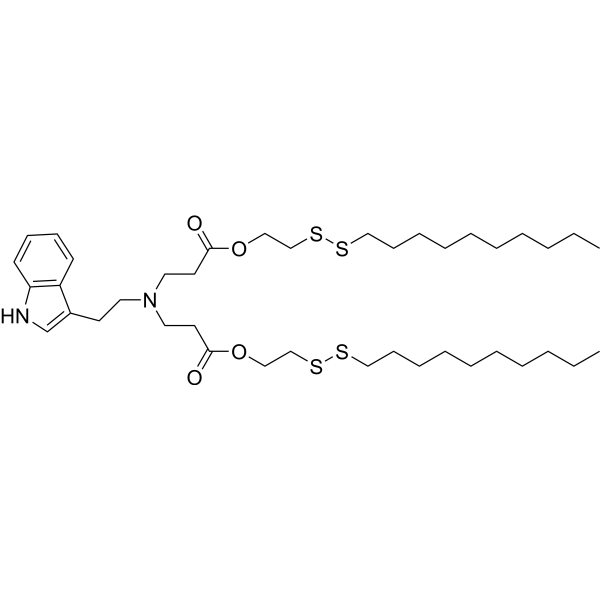
NT1-014B is a tryptamine-derived lipidoid. NT1-014B incorporates NT-lipidoid into BBB-impermeable lipid nanoparticles (LNPs), enabling the LNPs to cross the BBB. NT1-014B enhances brain delivery via intravenous injection. NT1-014B can be used in ischemic stroke research .
|
-
- HY-Y0850U3
-
|
Polyvinyl alcohol (Mw 125000, 98-99% hydrolyzed, ~2800 polymerization); Poly(Ethenol) (Mw 125000, 98-99% hydrolyzed, ~2800 polymerization)
|
Biochemical Assay Reagents
|
|
PVA (Polyvinyl alcohol) (Mw 125000, 98-99% hydrolyzed, ~2800 polymerization) is a water-soluble, biodegradable, biocompatible and non-immunogenic polymer. PVA (Mw 125000, 98-99% hydrolyzed, ~2800 polymerization) causes no irritation to rabbit eyes, no skin sensitization in guinea pigs, promotes the proliferation of human skin keratinocytes, and reduces the loss of corneal endothelial cells. The LD50 of PVA (Mw 125000, 98-99% hydrolyzed, ~2800 polymerization) in rats and dogs is greater than 10 g/kg. PVA (Mw 125000, 98-99% hydrolyzed, ~2800 polymerization) is hardly absorbed by the digestive system, causes no adverse effects upon long-term oral administration, and shows no mutagenicity or carcinogenicity. However, repeated intravenous or portal vein injection of PVA (Mw 125000, 98-99% hydrolyzed, ~2800 polymerization) may induce pathological changes such as glomerular lesions, anemia, hypertension or liver fibrosis in rats or dogs. Crosslinked nanofibers prepared by modifying PVA (Mw 125000, 98-99% hydrolyzed, ~2800 polymerization) can be used in studies related to wound dressings and other applications .
|
-
- HY-155909A
-
|
mPEG1000-SC; mPEG1000-Succinimidyl ester
|
Biochemical Assay Reagents
|
|
m-PEG1000-NHS ester can be used to modify active molecules and improve their antigenicity, immunogenicity, and help prepare injection preparations. The modification of serine protease lumbrokinase (LK) by m-PEG-NHS ester does not affect its strong fibrinolytic and thrombolytic activities, and has good application prospects.
|
-
- HY-158976
-
|
Lactated ringer's solution (LRS)
|
Biochemical Assay Reagents
|
|
Sodium lactate ringer's solution (Lactated ringer's solution (LRS)) is an isotonic crystal intravenous injection and arthroscopic irrigation solution containing racemic sodium lactate and electrolytes such as sodium, potassium, calcium and chloride (130 mEq sodium/L, 274 mOsm/L), which can be used as a cell integrity protectant. Sodium lactate ringer's solution maintains the integrity of human meniscus cells, ensures that they retain normal cell morphology, membrane regularity, size and density, and does not alter the mRNA expression levels of α1 (I) procollagen, α1 (II) procollagen, aggrecan or HSP70. Sodium lactate ringer's solution can be applied to studies related to extracellular fluid deficiency and meniscus tears .
|
-
- HY-Y1212A
-
|
Purified Diatomaceous earth, for Injection; Purified Diatomaceous silica, for Injection
|
Biochemical Assay Reagents
|
|
Purified Siliceous Earth, for injection (Purified Diatomaceous earth, for injection; Purified Diatomaceous silica, for injection) is a filter aid.
|
-
- HY-155909C
-
|
mPEG350-SC; mPEG350-Succinimidyl ester
|
Biochemical Assay Reagents
|
|
m-PEG350-NHS ester can be used to modify active molecules and improve their antigenicity, immunogenicity, and help prepare injection preparations. The modification of serine protease lumbrokinase (LK) by m-PEG-NHS ester does not affect its strong fibrinolytic and thrombolytic activities, and has good application prospects.
|
-
- HY-W276164
-
|
Sodium stearyl sulfate
|
Biochemical Assay Reagents
|
|
Sodium octadecyl sulfate (Sodium stearyl sulfate) is a long-chain alkyl sodium sulfate that functions as an emulsifier, crosslinking agent, and regulator. Sodium octadecyl sulfate has high safety, with a LD50 greater than 3.00 Gm./Kg for both intraperitoneal injection in mice and oral administration in rats. Sodium octadecyl sulfate enhances continuous contraction of the gastrocnemius muscle in frogs and boosts intestinal smooth muscle activity in albino rats. However, Sodium octadecyl sulfate exerts no significant effect on isolated tortoise myocardium and does not alter the conduction function of frog sciatic nerves. Sodium octadecyl sulfate can also be used to coat the surface of starch aggregates, promote crosslinking and increase aggregate size through hydrophobic and electrostatic interactions, and further form a coexistent B-V type crystalline structure with acid-hydrolyzed gelatinized starch, thereby effectively modifying the structure and surface properties of high-starch systems .
|
-
- HY-143700
-
|
|
Biochemical Assay Reagents
|
|
18:0 DAP is a cationic or ionizable lipid with no unsaturated bonds in its hydrocarbon chain. The mRNA encapsulation efficiency of 18:0 DAP is 0%. 18:0 DAP cannot form functional lipid nanoparticles suitable for mRNA delivery .
|
-
- HY-W440913
-
|
|
Biochemical Assay Reagents
|
|
DSPE-PEG-Cy5, MW 5000 is a fluorescently labeled PEGylated phospholipid with a molecular weight of 5000 Da. After intravenous injection, DSPE-PEG-Cy5, MW 5000 shows only extremely low fluorescence accumulation at tumor sites in orthotopic tumor-bearing mice, and can be used as a negative control for evaluating tumor accumulation of nanoparticles. DSPE-PEG-Cy5, MW 5000 can serve as a fluorescent marker to prepare Cy5-labeled NPs-DPPA and NPs-DPPA (C3F8) for pharmacokinetic and biodistribution studies in mice. DSPE-PEG-Cy5, MW 5000 is widely applicable to research in fields related to triple-negative breast cancer, hepatocellular carcinoma and so on .
|
-
- HY-155909
-
|
mPEG3400-SC; mPEG3400-Succinimidyl ester
|
Biochemical Assay Reagents
|
|
m-PEG3400-NHS ester can be used to modify active molecules and improve their antigenicity, immunogenicity, and help prepare injection preparations. The modification of serine protease lumbrokinase (LK) by m-PEG-NHS ester does not affect its strong fibrinolytic and thrombolytic activities, and has good application prospects.
|
-
- HY-155909B
-
|
mPEG550-SC; mPEG550-Succinimidyl ester
|
Biochemical Assay Reagents
|
|
m-PEG550-NHS ester can be used to modify active molecules and improve their antigenicity, immunogenicity, and help prepare injection preparations. The modification of serine protease lumbrokinase (LK) by m-PEG-NHS ester does not affect its strong fibrinolytic and thrombolytic activities, and has good application prospects.
|
-
- HY-182098B
-
|
|
Biochemical Assay Reagents
|
|
DSPE-PEG3400-GALA is a PEG compound which composed of DSPE and a lung endothelium-targeting peptide GALA (HY-P5423). GALA is a pH-responsive amphipathic peptide consisting of 30 amino acids, which acts as a lung endothelium-targeting ligand. GALA undergoes a conformational transition from random coil to α-helix in an acidic environment at pH 5.0, thereby inducing endosomal membrane destabilization and fusion. GALA-modified liposomes traverse lung endothelial cells via clathrin-dependent endocytosis and transcytosis, and specifically accumulate in the lungs after intravenous injection. DSPE-PEG3400-GALA can be used for drug delivery .
|
-
- HY-182098C
-
|
|
Biochemical Assay Reagents
|
|
DSPE-PEG5000-GALA is a PEG compound which composed of DSPE and a lung endothelium-targeting peptide GALA (HY-P5423). GALA is a pH-responsive amphipathic peptide consisting of 30 amino acids, which acts as a lung endothelium-targeting ligand. GALA undergoes a conformational transition from random coil to α-helix in an acidic environment at pH 5.0, thereby inducing endosomal membrane destabilization and fusion. GALA-modified liposomes traverse lung endothelial cells via clathrin-dependent endocytosis and transcytosis, and specifically accumulate in the lungs after intravenous injection. DSPE-PEG5000-GALA can be used for drug delivery .
|
-
- HY-182098
-
|
|
Biochemical Assay Reagents
|
|
DSPE-PEG1000-GALA is a PEG compound which composed of DSPE and a lung endothelium-targeting peptide GALA (HY-P5423). GALA is a pH-responsive amphipathic peptide consisting of 30 amino acids, which acts as a lung endothelium-targeting ligand. GALA undergoes a conformational transition from random coil to α-helix in an acidic environment at pH 5.0, thereby inducing endosomal membrane destabilization and fusion. GALA-modified liposomes traverse lung endothelial cells via clathrin-dependent endocytosis and transcytosis, and specifically accumulate in the lungs after intravenous injection. DSPE-PEG1000-GALA can be used for drug delivery .
|
-
- HY-182098A
-
|
|
Biochemical Assay Reagents
|
|
DSPE-PEG2000-GALA is a PEG compound which composed of DSPE and a lung endothelium-targeting peptide GALA (HY-P5423). GALA is a pH-responsive amphipathic peptide consisting of 30 amino acids, which acts as a lung endothelium-targeting ligand. GALA undergoes a conformational transition from random coil to α-helix in an acidic environment at pH 5.0, thereby inducing endosomal membrane destabilization and fusion. GALA-modified liposomes traverse lung endothelial cells via clathrin-dependent endocytosis and transcytosis, and specifically accumulate in the lungs after intravenous injection. DSPE-PEG2000-GALA can be used for drug delivery .
|
| Cat. No. |
Product Name |
Target |
Research Area |
-
- HY-P1222
-
LL-37, human
Maximum Cited Publications
6 Publications Verification
|
Bacterial
|
Infection
|
|
LL-37, human is a 37-residue, amphipathic, cathelicidin-derived antimicrobial peptide, which exhibits a broad spectrum of antimicrobial activity. LL-37, human could help protect the cornea from infection and modulates wound healing .
|
-
- HY-P0093
-
|
Cholecystokinin octapeptide; CCK-8; SQ19844
|
Cholecystokinin Receptor
Apoptosis
PI3K
Akt
|
Infection
Cancer
|
|
Sincalide (Cholecystokinin octapeptide, CCK-8) is a rapid-acting amino acid polypeptide hormone analogue of cholecystokinin (CCK) for intravenous use in postevacuation cholecystography. Sincalide is a major bioactive segment of CCK that retains most of the biological activities of CCK. Sincalide can promote gallbladder contraction by injection and helps diagnose gallbladder and pancreas disorders. Sincalide can increase bile secretion, cause the gallbladder to contract and relax the sphincter of Oddi, resulting in bile drainage into the duodenum. Sincalide is a major bioactive segment of CCK that retains most of the biological activities of CCK .
|
-
- HY-N2466
-
|
MT-I; [Nle4,D-Phe7]-α-MSH
|
Melanocortin Receptor
|
Neurological Disease
Cancer
|
|
Melanotan I is a potent non-selective melanocortin receptor (MCR) agonist. Melanotan I is a synthetic analogue of α-melanocyte stimulating hormone (α-MSH) that stimulates melanogenesis. Melanotan I can induce skin tanning by mimicking the actions of a-MSH on the melanocortin type 1 receptors (MC1R) of melanocytes. Melanotan I can be used for the research of sun-induced skin cancer, melanoma, inflammation and male erectile dysfunction .
|
-
- HY-P1222A
-
|
|
Bacterial
|
Infection
|
|
LL-37, human TFA is a 37-residue, amphipathic, cathelicidin-derived antimicrobial peptide, which exhibits a broad spectrum of antimicrobial activity. LL-37, human TFA could help protect the cornea from infection and modulates wound healing .
|
-
- HY-P5423
-
|
|
Exosomes
Liposome
|
Cancer
|
|
GALA is a pH-responsive amphipathic peptide consisting of 30 amino acids, which acts as a lung endothelium-targeting ligand. GALA undergoes a conformational transition from random coil to α-helix in an acidic environment at pH 5.0, thereby inducing endosomal membrane destabilization and fusion. GALA-modified liposomes traverse lung endothelial cells via clathrin-dependent endocytosis and transcytosis, and specifically accumulate in the lungs after intravenous injection. GALA significantly promotes the cytosolic release of cargos carried by exosomes, plasmids and liposomes, effectively enhances gene transfection efficiency, and drives gene knockdown of functional macromolecules (such as siRNA) in alveolar epithelial cells (with no significant cytotoxicity at effective concentrations). GALA serves as a critical tool for studies on lung cancer metastasis (e.g., melanoma lung metastasis) and lung-targeted drug delivery systems .
|
-
- HY-P1222B
-
|
|
Bacterial
|
Infection
Inflammation/Immunology
|
|
LL-37, human acetate is a 37-residue, amphipathic, cathelicidin-derived antimicrobial peptide, which exhibits a broad spectrum of antimicrobial activity. LL-37, human acetate could help protect the cornea from infection and modulates wound healing .
|
-
- HY-P0093A
-
|
Cholecystokinin octapeptide ammonium; CCK-8 ammonium; SQ19844 ammonium
|
Cholecystokinin Receptor
Apoptosis
PI3K
Akt
|
Infection
Cancer
|
|
Sincalide ammonium (Cholecystokinin octapeptide ammonium, CCK-8 ammonium) is a rapid-acting amino acid polypeptide hormone analogue of cholecystokinin (CCK) for intravenous use in postevacuation cholecystography. Sincalide ammonium is a major bioactive segment of CCK that retains most of the biological activities of CCK. CCK‐8 can promote gallbladder contraction by injection and helps diagnose gallbladder and pancreas disorders. Sincalide ammonium can increase bile secretion, cause the gallbladder to contract and relax the sphincter of Oddi, resulting in bile drainage into the duodenum. Sincalide ammonium is a major bioactive segment of CCK that retains most of the biological activities of CCK .
|
-
- HY-P11287A
-
|
|
Interleukin Related
Radionuclide-Drug Conjugates (RDCs)
|
Cancer
|
|
DOTA-Pep-1L TFA is a polypeptide formed by the conjugation of DOTA and Pep-1L. DOTA-Pep-1L TFA specifically binds to IL13RA2 and can be used for the synthesis of targeted polypeptides. DOTA-Pep-1L TFA yields the isotopically labeled product [ 225Ac]DOTA-Pep-1L, which exerts α-radiation killing effects on orthotopic glioma cells and extends the median survival time of mice bearing orthotopic glioma models after stereotactic injection. DOTA-Pep-1L TFA can be used for PET imaging, tumor targeting and glioma research .
|
-
- HY-P1284
-
ZIP
2 Publications Verification
|
PKC
|
Neurological Disease
Cancer
|
|
ZIP is a selective peptide inhibitor of PKMζ. ZIP injections can block the impairment in morphine conditioned place preference induced .
|
-
- HY-12537
-
-
- HY-P2612
-
|
|
TNF Receptor
RANKL/RANK
Apoptosis
|
Inflammation/Immunology
|
|
WP9QY is an inhibitor targeting TNFα and RANKL, which blocks the TNFα-TNFR1 interaction and inhibits TNFα-mediated apoptosis, cytotoxicity and bone destruction. WP9QY inhibits osteoclastogenesis and promotes osteoblast differentiation, induces chondrocyte proliferation and glycosaminoglycan production, and synergizes with TGF-β3 to promote chondrogenesis. WP9QY effectively repairs full-thickness articular cartilage defects in rabbits via intra-articular injection, and inhibits methylmercury-induced reduction of NeuN-positive cells in mouse brain slices. WP9QY can be applied to the research of diseases related to methylmercury-induced neuronal death, cartilage injury, osteoarthritis and bone loss .
|
-
- HY-P4641
-
|
Trp-Phe
|
Angiotensin-converting Enzyme (ACE)
|
Cardiovascular Disease
|
|
H-Trp-Phe-OH is a dipeptide consisting of tryptophan and phenylalanine (Trp-Phe). H-Trp-Phe-OH is also an antihypertensive peptide with inhibitory activity on angiotensin-converting enzyme (ACE), dose-dependently increases NO levels, and decreases endothelin-1 (ET-1) levels. H-Trp-Phe-OH (2 mg/kg; subcutaneous injection; 6 injections over 3 days) causes an increase in ovarian weight in female mice .
|
-
- HY-P11287
-
|
|
Interleukin Related
Radionuclide-Drug Conjugates (RDCs)
|
Cancer
|
|
DOTA-Pep-1L is a polypeptide formed by the conjugation of DOTA and Pep-1L. DOTA-Pep-1L specifically binds to IL13RA2 and can be used for the synthesis of targeted polypeptides. DOTA-Pep-1L yields the isotopically labeled product [ 225Ac]DOTA-Pep-1L, which exerts α-radiation killing effects on orthotopic glioma cells and extends the median survival time of mice bearing orthotopic glioma models after stereotactic injection. DOTA-Pep-1L can be used for PET imaging, tumor targeting and glioma research .
|
-
- HY-P1426
-
|
|
Potassium Channel
|
Neurological Disease
|
|
AmmTX3 is a peptide toxin identified from the venom of the scorpion Androctonus mauretanicus. AmmTX3 is a highly specific blocker of Kv4 channels, which selectively and almost completely blocks transient A-type K + currents with a Ki of 131 nM. AmmTX3 induces epileptiform behaviors and causes death in mice receiving intracerebroventricular injection. AmmTX3 increases the excitability of dentate gyrus granule cells, reduces GABAergic inhibition, enhances and stabilizes the EPSP-spike component of long-term potentiation, and impairs reference memory. AmmTX3 can be used in research related to pain, epilepsy, and autism spectrum disorder .
|
-
- HY-P1284A
-
|
|
PKC
|
Neurological Disease
Cancer
|
|
ZIP TFA is a selective peptide inhibitor of PKMζ. ZIP TFA injections can block the impairment in morphine conditioned place preference induced .
|
-
- HY-106258
-
|
OHM 11638; BAX-ACC 1638; MOT 288
|
Motilin Receptor
|
Metabolic Disease
|
|
OHM 11638 (Atilmotin), an analogue of the (1-14) fragment of porcine motilin, is a motilin receptor agonist with a pKd of 8.94 for the motilin receptor. OHM 11638 affects esophageal, lower esophageal sphincter (LES), and gastric motility. OHM 11638 increases LES and gastric pressures, OHM 11638 can be used as prokinetic agents .
|
-
- HY-P10029
-
|
|
Serotonin Transporter
|
Neurological Disease
|
|
Sakura-6 is a SERT-nnos interaction promoter that significantly increases the SERT-nnos complex, but reduces the level of SERT on the cell surface. Acute injection of Sakura-6 into the dorsal raphe nucleus (DRN) causes depression-like behavior in mice .
|
-
- HY-P1426A
-
|
|
Potassium Channel
|
Neurological Disease
|
|
AmmTX3 TFA is a peptide toxin identified from the venom of the scorpion Androctonus mauretanicus. AmmTX3 TFA is a highly specific blocker of Kv4 channels, which selectively and almost completely blocks transient A-type K + currents with a Ki of 131 nM. AmmTX3 TFA induces epileptiform behaviors and causes death in mice receiving intracerebroventricular injection. AmmTX3 TFA increases the excitability of dentate gyrus granule cells, reduces GABAergic inhibition, enhances and stabilizes the EPSP-spike component of long-term potentiation, and impairs reference memory. AmmTX3 TFA can be used in research related to pain, epilepsy, and autism spectrum disorder .
|
-
- HY-P0037
-
|
Org 30850ANT
|
GnRH Receptor
|
Endocrinology
|
|
Org-30850 is a potent LHRH antagonist designed for treating hormone-dependent disorders. In animal studies, a single subcutaneous dose effectively inhibited ovulation in rats and significantly reduced testosterone levels in male rats for up to 48 hours post-administration. Daily doses of Org-30850 in female rats suppressed estrous cycles, decreased uterine and ovarian weights, and lowered estradiol and FSH serum levels. In male rats, prolonged treatment resulted in reversible reductions in gonadal function and testosterone levels, with almost complete recovery observed after cessation of treatment. Unlike comparable LHRH antagonists, Org-30850 exhibited minimal injection site irritation and no edematous reactions, suggesting a more favorable therapeutic profile .
|
-
- HY-P11614
-
|
|
Liposome
|
Cancer
|
|
LCA-H10 is a lithocholic acid-histidine decapeptide conjugate, a biocompatible lipid nanoparticle (LNP) additive that reduces ionizable lipid proportions, functions as an endosomal escape inducer, and enhances siRNA encapsulation. LCA-H10 increases hepatic accumulation of LNPs in mice after intravenous injection when incorporated into LiLNP-LH and reduces proinflammatory cytokines (IL-6, TNF, IL-1β) in mouse serum. LCA-H10 can be used for the research of prostate cancer .
|
-
- HY-K2025
-
|
|
|
MCE In vivo OptiLNP RNA Transfection Reagent (Lung-targeted) is a ready-to-use transfection reagent based on LNP technology. It is designed for the efficient transfection of mRNA and short-chain RNA via intravenous injection in experimental animals.
|
-
- HY-K2024
-
|
|
|
MCE In vivo OptiLNP RNA Transfection Reagent (Liver-targeted) is a ready-to-use transfection reagent based on LNP technology. It is designed for the efficient transfection of mRNA and short-chain RNA via intravenous injection in experimental animals.
|
-
- HY-K3012
-
1 Publications Verification
|
|
This product is serum-free and supports cell growth and survival. It has been associated with the growth and expression of neuroblastoma, and with post-mitotic
neuronal survival and expression in primary cultures of both the peripheral nervous system (PNS) and central nervous system (CNS). This product is formulated with water-for-injection. The 5 mL is defined as the base specification. All larger sizes correspond to incremental volumes of this base.
|
-
- HY-K3013
-
|
|
|
This product is the serum-free B-27 Supplement, the most widely cited neuronal culture supplement. It is an optimized formulation designed to support both low- and high-density growth, as well as short- and long-term viability of embryonic neurons. This product is formulated with water-for-injection. The 10 mL is defined as the base specification. All larger sizes correspond to incremental volumes of this base.
|
-
- HY-K3014
-
|
|
|
This product is serum-free and vitamin A-free.It is a customized variant of the standard Bi-27 formulation with vitamin A removed as a supplement for neuronal cell culture to support the low- or high-density growth and short- or long-term viability of embryonic. This product is formulated with water-for-injection. The 10 mL is defined as the base specification. All larger sizes correspond to incremental volumes of this base.
|
| Cat. No. |
Product Name |
Target |
Research Area |
Image |
-
- HY-P991015
-
|
JNJ-78278343; KLCB-245
|
CD3
|
Cancer
|
|
Pasritamig (JNJ-78278343; KLCB-245) is a bispecific T-cell engager (BiTE) that targets the complex of human kallikrein KLK2 and CD3 receptor. Pasritamig redirects the cytotoxicity of T cells to KLK2-expressing tumor cells and induces T cell-mediated lysis of KLK2-expressing prostate cancer cells. Administered via subcutaneous injection, subcutaneous infusion or intravenous infusion, Pasritamig exhibits antitumor activity against metastatic castration-resistant prostate cancer. Pasritamig has a safety profile with an extremely low incidence of cytokine release syndrome and can be safely administered in an outpatient setting. Pasritamig is applicable to the research of metastatic castration-resistant prostate cancer .
|
-
(5)
-
- HY-P99830
-
|
KH902
|
VEGFR
TNF Receptor
Interleukin Related
|
Cardiovascular Disease
Inflammation/Immunology
Cancer
|
|
Conbercept (KH902) is a recombinant fusion protein composed of VEGFR-1 (second domain) and VEGFR-2 (third and fourth domains) regions fused to human IgG1 Fc. Conbercept is a VEGF inhibitor (IC50 = 8.8 pM) and is a soluble receptor decoy that blocks all isoforms of VEGF-A (Kd = 0.5 pM), VEGF-B (Kd = 8 pM), VEGF-C, and PlGF (Kd = 5 pM). Conbercept has anti-inflammatory effects, can lower the levels of VEGF, TNF-α and IL-6, and reduce the infiltration of inflammatory cells. Conbercept decreases tumor growth in several oncology studies. Conbercept can be used for various eye diseases such as polypoidal choroidal vasculopathy (PCV), diabetic macular edema (DME) and pathologic myopia choroidal neovascularization (pmCNV) .
|
-
(5)
-
- HY-P990120
-
|
|
Inhibitory Antibodies
|
Inflammation/Immunology
|
|
Anti-Rat Kappa Immunoglobulin Light Chain Antibody (MAR 18.5) is an anti-rat Kappa Immunoglobulin Light Chain IgG2a monoclonal antibody. Anti-Rat Kappa Immunoglobulin Light Chain Antibody (MAR 18.5) can enhance B cell depletion. Anti-Rat Kappa Immunoglobulin Light Chain Antibody (MAR 18.5) can enhance T cell exhaustion after the injection of CD4 mAb (HY-P990792) and CD8 mAb (HY-P99129). Anti-Rat Kappa Immunoglobulin Light Chain Antibody (MAR 18.5) can be used for research on immunology .
|
-
(5)
-
- HY-P991869
-
|
AQmabAM; rAb-53
|
Aquaporin
|
Neurological Disease
|
|
Aquaporumab (AQmabAM) is an engineered human monoclonal IgG antibody. Aquaporumab is a selective inhibitor of aquaporin 4 (AQP4), binding tightly to AQP4 and competitively displacing AQP4-IgG from serum [1][2]. Aquaporumab significantly reduces neuromyelitis optica lesions in spinal cord slice cultures and in mice receiving intracerebral injection of AQP4-IgG and complement [1][2]. Aquaporumab can be used for research on neuromyelitis optica spectrum disorders [1][2]."}
|
-
(5)
| Cat. No. |
Product Name |
Category |
Target |
Chemical Structure |
-
- HY-14608R
-
|
|
Structural Classification
Microorganisms
Disease markers
Endocrine diseases
Amino acids
Nervous System Disorder
Endogenous metabolite
Cardiovascular System Disorder
Cancer
Source Classification
|
Reference Standards
Endogenous Metabolite
iGluR
Ferroptosis
Apoptosis
|
L-Glutamic acid (Standard) is the analytical standard of L-Glutamic acid. This product is intended for research and analytical applications. L-Glutamic acid is an excitatory amino acid neurotransmitter that acts as an agonist for all subtypes of glutamate receptors (metabolic rhodophylline, NMDA, and AMPA). L-Glutamic acid has an agonist effect on the release of DA from dopaminergic nerve endings. L-Glutamic acid can be used in the study of neurological diseases .
IC50 & Target:DA .
In Vitro: L-Glutamic acid (120, 500, 750, 1000 mg/dL) can reduce the harmful effect of lithium on the embryonic development of Xenopus Xenopus .
L-Glutamic acid (2, 5, 10, 20 mM, 24-48 h) can induce neuroexcitotoxicity in neuroblastoma .
In Vivo: L-Glutamic acid (3 g/kg, subcutaneous injection) can promote excitotoxic degeneration of retinal ganglion cells in mice .
L-Glutamic acid (750 mg/kg, intraperitoneal injection) can reduce and inhibit oxidative stress induced by chlorpyrifos (CPF) in rats .
|
-
-
- HY-N2542
-
-
-
- HY-W067716
-
-
-
- HY-N4031
-
-
-
- HY-N10225
-
-
-
- HY-N5137
-
-
-
- HY-N14880
-
-
-
- HY-125721
-
-
-
- HY-W067716R
-
|
(S)-Spinacine (Standard)
|
Structural Classification
Ketones, Aldehydes, Acids
Endogenous metabolite
Source Classification
|
Reference Standards
GABA Receptor
|
|
Spinacine (Standard) is the analytical standard of Spinacine (HY-W067716). This product is intended for research and analytical applications. Spinacine ((S)-Spinacine) is a GABA uptake inhibitor. Spinacine enhances synaptic GABA effects via inhibition of gamma-aminobutyric acid uptake in cerebral cortex slices. Spinacine inhibits reflex responses of ventral roots in isolated spinal cord. Spinacine inhibits motor activity and reduces approaches to water dispensers in conflict situations. Spinacine raises pain sensitivity threshold via subarachnoidal injection .
|
-
-
- HY-W782096
-
-
-
- HY-N2542R
-
-
-
- HY-N18028
-
-
-
- HY-N17985
-
-
-
- HY-N16985
-
|
|
Structural Classification
Terpenoids
Asteraceae
Plants
Pentacyclic Triterpenoids
Inula linariifolia Turcz.
Source Classification
|
Others
|
|
Taraxasteryl palmitate is a taraxasterol-type triterpene ester compound with antiemetic activity. Intralymphatic injection of 30 mg/kg and 100 mg/kg Taraxasteryl palmitate significantly inhibited vomiting in a copper sulfate-induced frog vomiting model, with vomiting latency extension rates of 116.9% and 120.0%, respectively. Taraxasteryl palmitate exerts its anti-reflex vomiting activity by prolonging the vomiting latency. Taraxasteryl palmitate can be used in the study of vomiting-related diseases (especially reflex vomiting). Taraxasteryl palmitate can be naturally extracted from the flowers of Inula linariaefolia .
|
-
| Cat. No. |
Product Name |
Chemical Structure |
-
- HY-175991S
-
|
|
|
Sodium octadecyl sulfate-d37 (Sodium stearyl sulfate-d37) is the deuterium labeled Sodium octadecyl sulfate (HY-W276164). Sodium octadecyl sulfate (Sodium stearyl sulfate) is a long-chain alkyl sodium sulfate that functions as an emulsifier, crosslinking agent, and regulator. Sodium octadecyl sulfate has high safety, with a LD50 greater than 3.00 Gm./Kg for both intraperitoneal injection in mice and oral administration in rats. Sodium octadecyl sulfate enhances continuous contraction of the gastrocnemius muscle in frogs and boosts intestinal smooth muscle activity in albino rats. However, Sodium octadecyl sulfate exerts no significant effect on isolated tortoise myocardium and does not alter the conduction function of frog sciatic nerves. Sodium octadecyl sulfate can also be used to coat the surface of starch aggregates, promote crosslinking and increase aggregate size through hydrophobic and electrostatic interactions, and further form a coexistent B-V type crystalline structure with acid-hydrolyzed gelatinized starch, thereby effectively modifying the structure and surface properties of high-starch systems .
|
-
| Cat. No. |
Product Name |
|
Classification |
-
- HY-132587
-
|
ALN-AT3SC; SAR439774
|
|
siRNAs
siRNA drugs
|
|
Fitusiran (ALN-AT3SC) is a siRNA strategy. Fitusiran delivers siRNA targeting the SERPINC1 gene in hepatocytes to inhibit antithrombin synthesis. Fitusiran enhances thrombin activity and increases Thrombin generation, thereby restoring hemostatic function. Fitusiran can be used in hemophilia-related research .
|
-
- HY-137500
-
|
|
|
Cationic Lipids
|
|
NT1-014B is a tryptamine-derived lipidoid. NT1-014B incorporates NT-lipidoid into BBB-impermeable lipid nanoparticles (LNPs), enabling the LNPs to cross the BBB. NT1-014B enhances brain delivery via intravenous injection. NT1-014B can be used in ischemic stroke research .
|
-
- HY-155909A
-
|
mPEG1000-SC; mPEG1000-Succinimidyl ester
|
|
Polymers
|
|
m-PEG1000-NHS ester can be used to modify active molecules and improve their antigenicity, immunogenicity, and help prepare injection preparations. The modification of serine protease lumbrokinase (LK) by m-PEG-NHS ester does not affect its strong fibrinolytic and thrombolytic activities, and has good application prospects.
|
-
- HY-132587A
-
|
ALN-AT3SC sodium; SAR439774 sodium
|
|
siRNAs
siRNA drugs
|
|
Fitusiran (ALN-AT3SC) sodium is a siRNA strategy. Fitusiran delivers siRNA targeting the SERPINC1 gene in hepatocytes to inhibit antithrombin synthesis. Fitusiran sodium enhances thrombin activity and increases Thrombin generation, thereby restoring hemostatic function. Fitusiran sodium can be used in hemophilia-related research .
|
-
- HY-155909C
-
|
mPEG350-SC; mPEG350-Succinimidyl ester
|
|
Polymers
|
|
m-PEG350-NHS ester can be used to modify active molecules and improve their antigenicity, immunogenicity, and help prepare injection preparations. The modification of serine protease lumbrokinase (LK) by m-PEG-NHS ester does not affect its strong fibrinolytic and thrombolytic activities, and has good application prospects.
|
-
- HY-177617
-
|
IMO-8400
|
|
CpG ODNs
|
|
Bazlitoran (IMO-8400) is an oligonucleotide-based TLR7/8/9 antagonist. Bazlitoran blocks the activation of Toll-like receptors 7, 8, and 9. Bazlitoran inhibits cytokine responses mediated by Toll-like receptors 7, 8, and 9. Bazlitoran is associated with injection site reactions. Bazlitoran improves moderate-to-severe plaque psoriasis .
|
-
- HY-177617A
-
|
IMO-8400 sodium
|
|
CpG ODNs
|
|
Bazlitoran sodium (IMO-8400 sodium) is an oligonucleotide-based TLR7/8/9 antagonist. Bazlitoran sodium blocks the activation of Toll-like receptors 7, 8, and 9. Bazlitoran sodium inhibits cytokine responses mediated by Toll-like receptors 7, 8, and 9. Bazlitoran sodium is associated with injection site reactions. Bazlitoran sodium improves moderate-to-severe plaque psoriasis .
|
-
- HY-143700
-
|
|
|
Cationic Lipids
|
|
18:0 DAP is a cationic or ionizable lipid with no unsaturated bonds in its hydrocarbon chain. The mRNA encapsulation efficiency of 18:0 DAP is 0%. 18:0 DAP cannot form functional lipid nanoparticles suitable for mRNA delivery .
|
-
- HY-W440913
-
|
|
|
Pegylated Lipids
Fluorescent Lipids
|
|
DSPE-PEG-Cy5, MW 5000 is a fluorescently labeled PEGylated phospholipid with a molecular weight of 5000 Da. After intravenous injection, DSPE-PEG-Cy5, MW 5000 shows only extremely low fluorescence accumulation at tumor sites in orthotopic tumor-bearing mice, and can be used as a negative control for evaluating tumor accumulation of nanoparticles. DSPE-PEG-Cy5, MW 5000 can serve as a fluorescent marker to prepare Cy5-labeled NPs-DPPA and NPs-DPPA (C3F8) for pharmacokinetic and biodistribution studies in mice. DSPE-PEG-Cy5, MW 5000 is widely applicable to research in fields related to triple-negative breast cancer, hepatocellular carcinoma and so on .
|
-
- HY-155909
-
|
mPEG3400-SC; mPEG3400-Succinimidyl ester
|
|
Polymers
|
|
m-PEG3400-NHS ester can be used to modify active molecules and improve their antigenicity, immunogenicity, and help prepare injection preparations. The modification of serine protease lumbrokinase (LK) by m-PEG-NHS ester does not affect its strong fibrinolytic and thrombolytic activities, and has good application prospects.
|
-
- HY-177921
-
|
|
|
Phospholipids
|
|
PL53 is a kind of cycloalkylamine lipid nanoparticles. PL53 exhibits outstanding transfection efficiency both in vitro and in vivo, especially showing strong protein expression ability and potential tissue targeting after intramuscular injection. PL53 can be used for the study of nucleic acid delivery .
|
-
- HY-155909B
-
|
mPEG550-SC; mPEG550-Succinimidyl ester
|
|
Polymers
|
|
m-PEG550-NHS ester can be used to modify active molecules and improve their antigenicity, immunogenicity, and help prepare injection preparations. The modification of serine protease lumbrokinase (LK) by m-PEG-NHS ester does not affect its strong fibrinolytic and thrombolytic activities, and has good application prospects.
|
-
- HY-176027
-
|
|
|
Cationic Lipids
|
|
CP-LC-1422 is a homocysteine-derived ionizable amino lipid with high RNA delivery capability and can mediate high-level protein expression in vivo. CP-LC-1422 exhibits significant spleen targeting via intravenous injection in a lipid nanoparticle (LNP) formulation with no significant toxicity observed .
|
Your information is safe with us. * Required Fields.
Inquiry Information
- Product Name:
- Cat. No.:
- Quantity:
- MCE Japan Authorized Agent:

