Search Result
Results for "
Interferon Stimulated Genes
" in MedChemExpress (MCE) Product Catalog:
1
Biochemical Assay Reagents
| Cat. No. |
Product Name |
Target |
Research Areas |
Chemical Structure |
-
- HY-10964
-
|
DMXAA; ASA-404
|
STING
IFNAR
Influenza Virus
|
Infection
Cancer
|
|
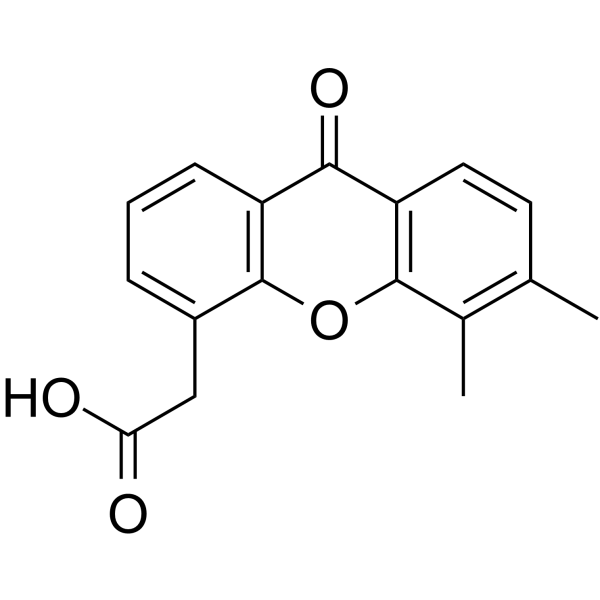
Vadimezan (DMXAA), the tumor vascular disrupting agent (tumor-VDA), is a murine agonist of the stimulator of interferon genes (STING) and also a potent inducer of type I IFNs and other cytokines. Vadimezan is unable to activate human STING. Vadimezan has anti-influenza virus H1N1-PR8 activities.
|
-
-
- HY-12512
-
|
Cyclic GMP-AMP; 3',3'-cGAMP
|
STING
|
Inflammation/Immunology
|
|
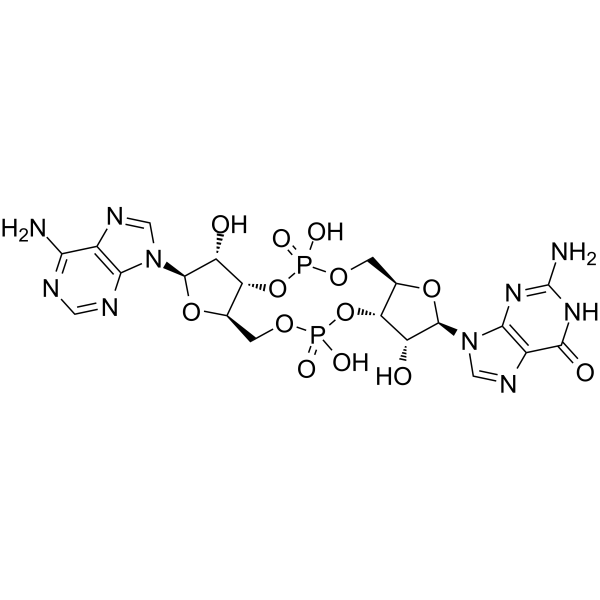
cGAMP (Cyclic GMP-AMP) functions as an endogenous second messenger in metazoans and triggers interferon production in response to cytosolic DNA. cGAMP activates stimulator of interferon genes (STING), which activates a signaling cascade leading to the production of type I interferons and other immune mediators .
|
-
-
- HY-112921A
-
|
|
STING
|
Inflammation/Immunology
|
|
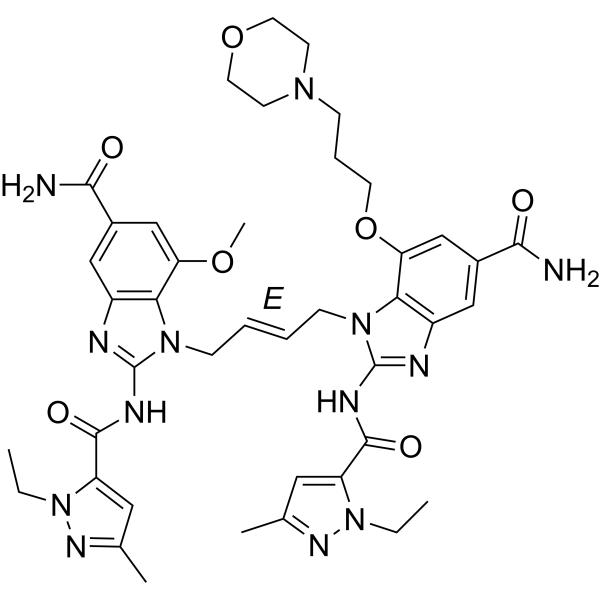
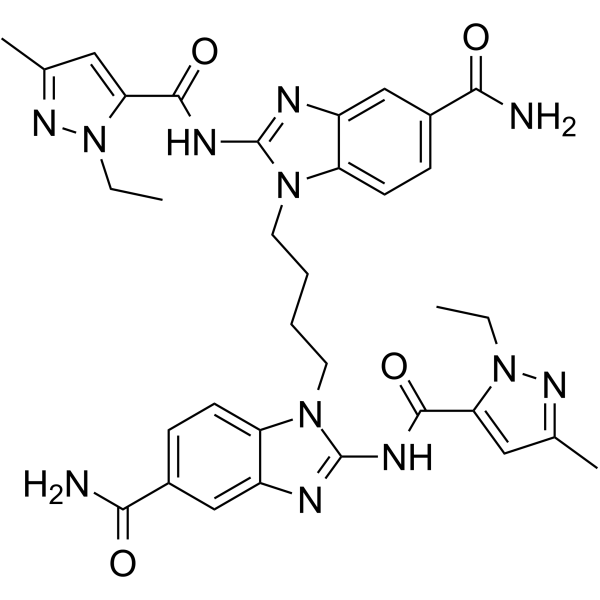
diABZI STING agonist-1 is a tautomerism of diABZI STING agonist-1 tautomerism (HY-112921). diABZI STING agonist-1 is a selective stimulator of interferon genes (STING) receptor agonist, with EC50s of 130, 186 nM for human and mouse, respectively .
|
-
-
- HY-112921B
-
|
|
STING
|
Inflammation/Immunology
Cancer
|
|
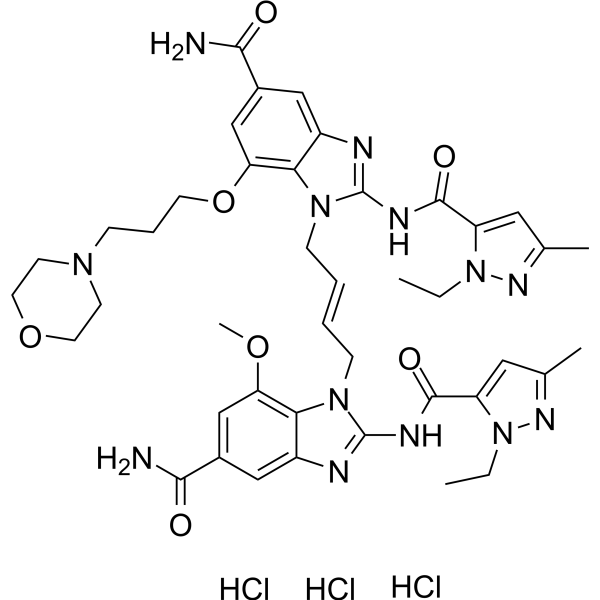
diABZI STING agonist-1 (trihydrochloride) is a selective stimulator of interferon genes (STING) receptor agonist, with EC50s of 130, 186 nM for human and mouse, respectively.
|
-
-
- HY-12885A
-
|
ADU-S100 disodium salt; MIW815 disodium salt; ML RR-S2 CDA disodium salt
|
STING
|
Inflammation/Immunology
Cancer
|
|
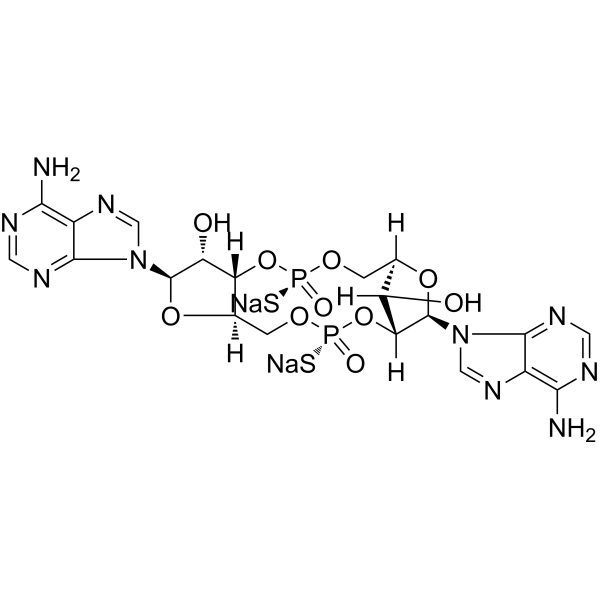
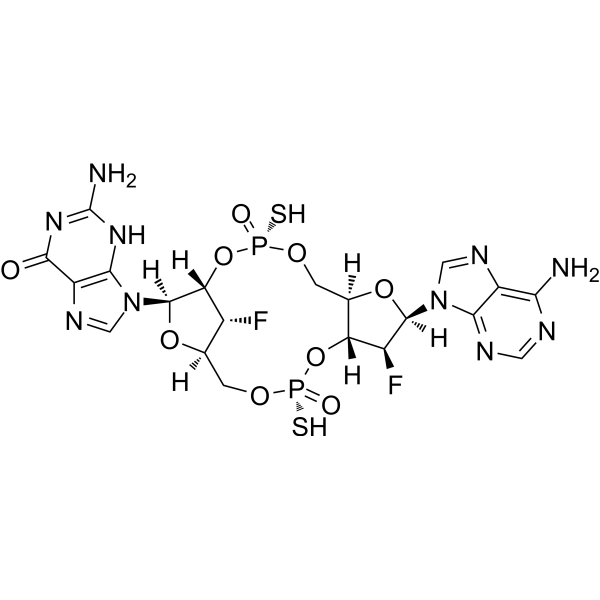
2’3’-c-di-AM(PS)2 (Rp,Rp) disodium salt (ADU-S100 disodium salt) is an activator of stimulator of interferon genes (STING).
|
-
-
- HY-12885
-
|
ADU-S100; MIW815; ML RR-S2 CDA
|
STING
|
Inflammation/Immunology
Cancer
|
|
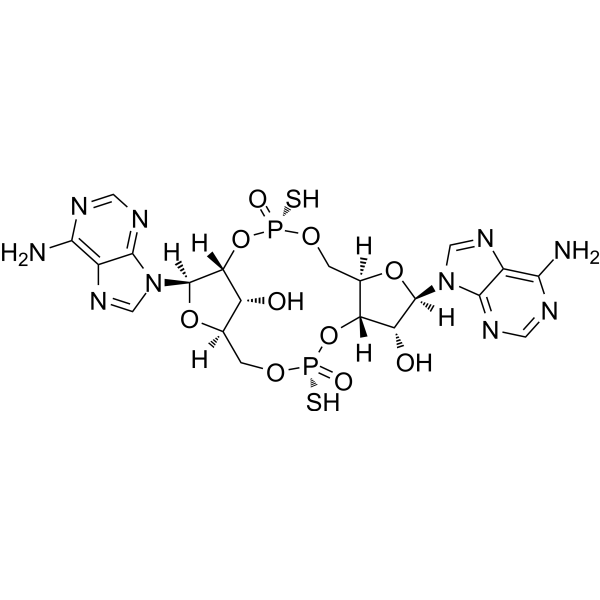
2’3’-c-di-AM(PS)2 (Rp,Rp) (ADU-S100), an activator of stimulator of interferon genes (STING), leads to potent and systemic tumor regression and immunity .
|
-
-
- HY-12885B
-
|
ADU-S100 ammonium salt; MIW815 ammonium salt; ML RR-S2 CDA ammonium salt
|
STING
|
Inflammation/Immunology
Cancer
|
|
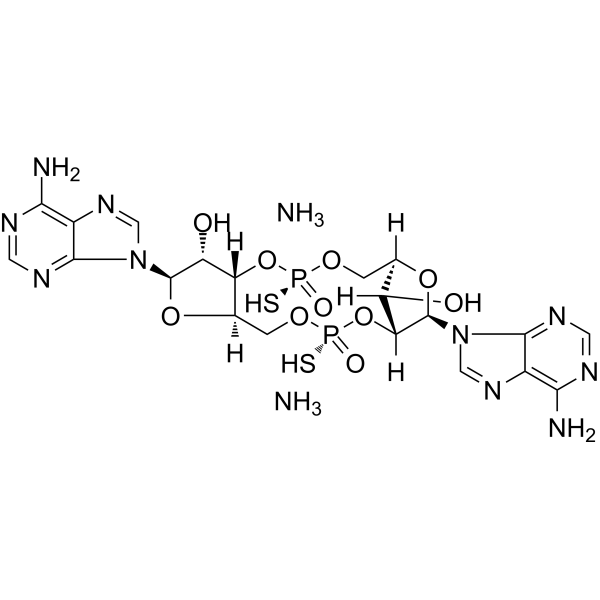
2’3’-c-di-AM(PS)2 (Rp,Rp) ammonium salt (ADU-S100 ammonium salt), an activator of stimulator of interferon genes (STING), leads to potent and systemic tumor regression and immunity .
|
-
-
- HY-W063968
-
|
CDM-3008; RO4948191
|
IFNAR
JAK
STAT
HCV
HBV
|
Infection
|
|
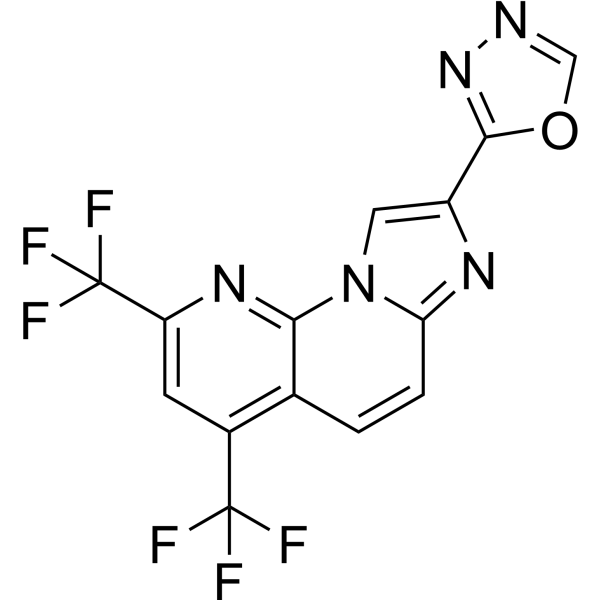
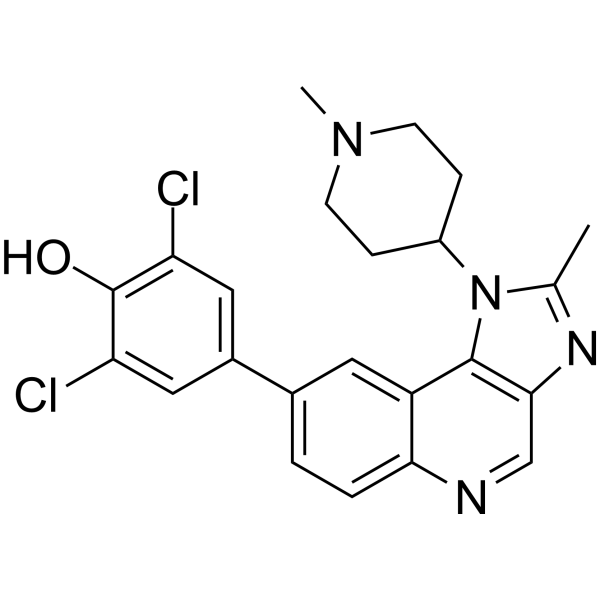
RO8191 (CDM-3008), an imidazonaphthyridine compound, is an orally active and potent interferon (IFN) receptor agonist. RO8191 directly binds to IFNα/β receptor 2 (IFNAR2) and activates IFN-stimulated genes (ISGs) expression and JAK/STAT phosphorylation. RO8191 shows antiviral activity against both HCV and EMCV with an IC50 of 200 nM for HCV replicon . RO8191 is a cccDNA modulator (CDM) through interferon-like activity and has anti-HBV activity .
|
-
-
- HY-123943
-
|
|
STING
|
Cancer
|
|
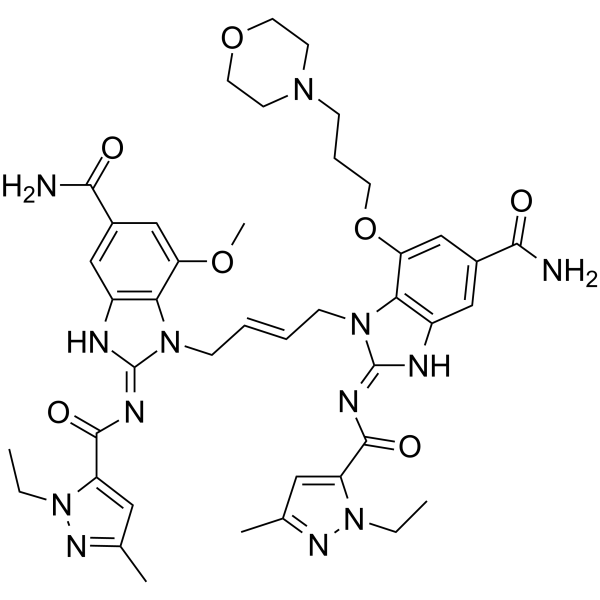
STING agonist-4 is an stimulator of Interferon Genes (STING) receptor agonist with an apparent inhibitory constant (IC50) of 20 nM. STING agonist-4 is a two symmetry-related amidobenzimidazole (ABZI)-based compound to create linked ABZIs (diABZIs) with enhanced binding to STING and cellular function .
|
-
-
- HY-112921
-
|
|
STING
|
Inflammation/Immunology
|
|
diABZI STING agonist-1 tautomerism is a tautomerism of diABZI STING agonist-1 (HY-112921A). diABZI STING agonist-1 tautomerism is a selective stimulator of interferon genes (STING) receptor agonist, with EC50s of 130, 186 nM for human and mouse, respectively .
|
-
-
- HY-110385
-
|
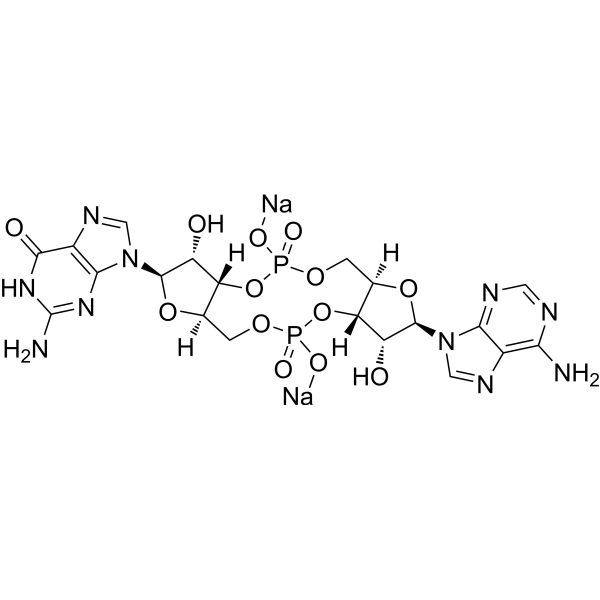
Cyclic GMP-AMP disodium; 3',3'-cGAMP disodium
|
STING
Endogenous Metabolite
|
Inflammation/Immunology
|
|
cGAMP (Cyclic GMP-AMP) disodium functions as an endogenous second messenger in metazoans and triggers interferon production in response to cytosolic DNA. cGAMP diammonium activates stimulator of interferon genes (STING), which activates a signaling cascade leading to the production of type I interferons and other immune mediators .
|
-
-
- HY-172723
-
|
|
Liposome
Transferrin Receptor
|
Neurological Disease
Cancer
|
|
DSPE-PEG2000-T7 is a PEGylated compound composed of DSPE and peptideT7. T7 (HAIYPRH) specifically binds to TfR. DSPE-PEG2000-T7 can be used to prepare T7-modified liposomes, where liposomes modified with both T7 and DA7R peptides can effectively co-deliver Doxorubicin (HY-15142A) and Vincristine (HY-N0488A) to gliomas. DSPE-PEG2000-T7 can also be used to prepare nanomodulators that mediate the co-delivery of tyrosine hydroxylase mRNA and interferon gene stimulator antagonists for synergistic intervention in Parkinson's disease .
|
-
-
- HY-138683
-
|
|
STING
|
Inflammation/Immunology
|
|
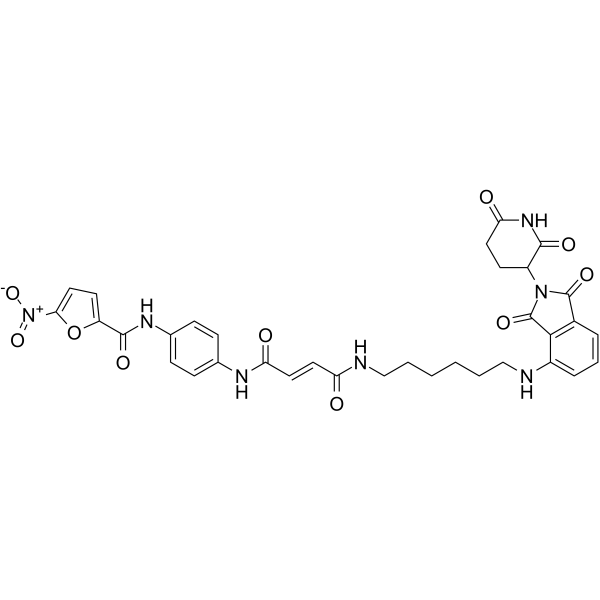
STING-IN-3 is an inhibitor of stimulator of interferon genes (STING). STING-IN-3 efficiently inhibits both hsSTING and mmSTING through covalently target the predicted transmembrane cysteine residue 91 and thereby block the activation-induced palmitoylation of STING .
|
-
-
- HY-173189
-
|
2′,5′-ApApA; 2′,5′-trioligoadenylate; 5'-O-Triphosphoryladenylyl-(2'→5')-adenylyl-(2'→5')-adenosine
|
DNA/RNA Synthesis
RSV
|
Infection
Cancer
|
|
2-5A is a RNase L activator, signal mediator and innate immune second messenger. 2-5A induces the expression of interferons and interferon-stimulated genes in recipient cells in a RNase L-dependent manner. 2-5A inhibits tumor growth in mouse models via paracrine RNase L activation derived from cancer cells. 2-5A can be used in studies related to viral infection and cancer .
|
-
-
- HY-150608
-
|
|
PROTACs
STING
|
Inflammation/Immunology
Cancer
|
|
PROTAC STING Degrader-1 is a PROTAC degrader targeting the STING pathway with a DC50 of 3.2 μM. PROTAC STING Degrader-1 exerts high anti-inflammatory efficacy. PROTAC STING Degrader-1 can be used to study diseases such as acute kidney injury and inflammatory bowel diseases (IBDs). (Pink: STING ligand (HY-138682); Blue: CRBN ligand (HY-10984); Black: linker (HY-W015883)) .
|
-
-
- HY-162563
-
|
|
STING
|
Inflammation/Immunology
Cancer
|
|
AK59 is a STING degrader that works by leveraging HERC4, a hect domain E3 ligase. AK59 can be used in the study of autoimmune diseases and cancer .
|
-
-
- HY-139586
-
|
MK-1454
|
STING
|
Cancer
|
|
Ulevostinag (MK-1454) is a potent cyclic dinucleotide agonist stimulator of interferon genes (STING). Ulevostinag (MK-1454) acts in the intra-tumoral route by targeting the stimulator of interferon genes (STING) protein. Ulevostinag (MK-1454) can be used for immuno-tumor cancer disease research .
|
-
-
- HY-112951
-
ChX710
4 Publications Verification
|
STING
|
Cancer
|
|
ChX710 could prime the type I interferon response to cytosolic DNA, which induces the ISRE promoter sequence, specific cellular Interferon-Stimulated Genes (ISGs), and the phosphorylation of Interferon Regulatory Factor (IRF) 3.
|
-
-
- HY-P99666
-
|
|
IFNAR
|
Infection
Cancer
|
|
Interferon alfa-2b is a type I interferon that activates novel genes and exerts potent antiviral and antiproliferative activity on target cells. Signaling by Interferon alfa-2b requires receptor-dependent activation of Stat1 and Stat2 to form a heterodimeric STAT that binds to the DNA-binding protein IRF-9 (p48) and forms ISGF-3 (IFN-stimulated gene factor 3). The driver genes are then further activated by ISGF-3 to achieve antiviral function .
|
-
-
- HY-176566
-
|
|
STING
|
Inflammation/Immunology
|
|
H-151 Alkyne (Compound H-151-AL) is a selective STING (Stimulator of interferon genes) inhibitor. H-151 Alkyne is promising for research of autoimmune diseases such as systemic lupus erythematosus, scleroderma, and autoinflammatory diseases .
|
-
-
- HY-131994
-
|
|
STING
|
Infection
Cancer
|
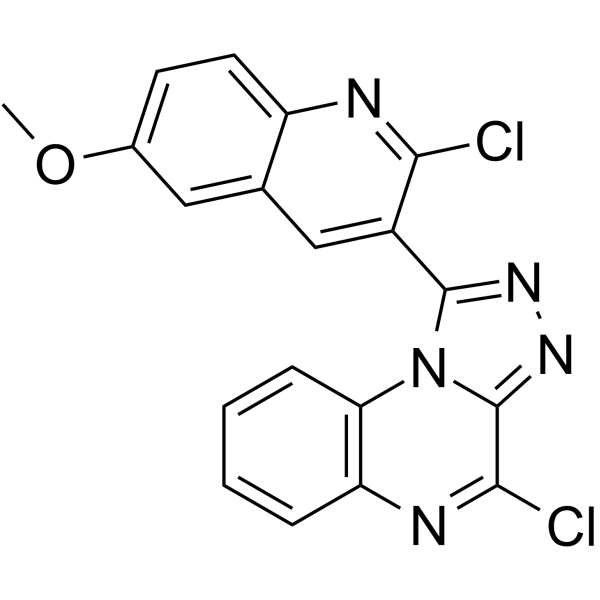
STING agonist-16 (1a) is a specific stimulator of interferon genes (STING) agonist. STING agonist-16 (1a) can be used as a potential antiviral and antitumor tool .
|
-
-
- HY-119098
-
|
|
EBV
HPV
|
Infection
|
|
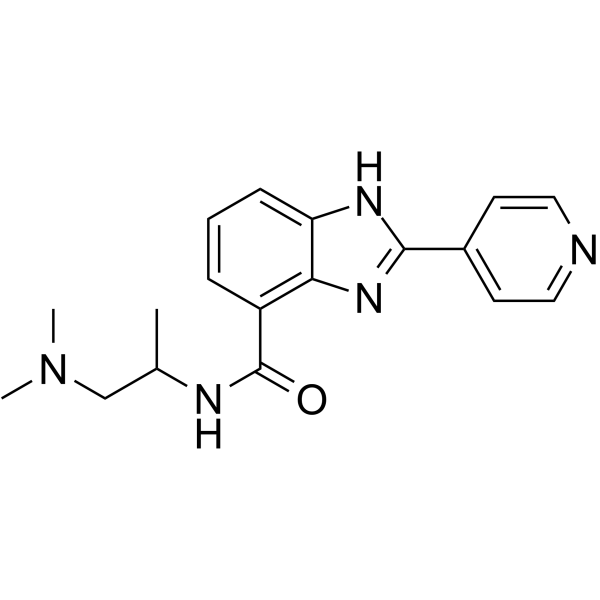
GSK983 is a broad-spectrum antiviral agent. GSK983 inhibits the replication of adenovirus-5 (Ad-5) and polyoma virus SV40. GSK983 inhibits the growth of cell lines immortalized by
EBV, HTLV1, HPV. GSK983 induces the expression of interferon-stimulated genes .
|
-
-
- HY-164288
-
|
TDI-006570
|
Cyclic GMP-AMP Synthase
STING
|
Neurological Disease
Inflammation/Immunology
|
|
TDI-6570 (TDI-006570) is a blood-brain barrier-permeable, orally active cGAS inhibitor with an IC50 of 1.64 μM. TDI-6570 exhibits high gastrointestinal absorption and a long brain half-life in mice, and shows no toxicity to primary neurons. By inhibiting the cGAS-STING-IFN signaling pathway, TDI-6570 reduces STING levels and the activation of TBK1, blocks double-stranded DNA-induced cGAS activation and downstream interferon-stimulated gene expression, thereby reducing tau protein spread and improving synaptic loss. TDI-6570 reverses memory deficits, increases the amplitude of long-term potentiation, enhances the MEF2C transcriptional network, restores PSD-95 and vGAT punctate structures, and significantly improves cognitive resilience. TDI-6570 can be applied to the research of Alzheimer's disease, Parkinson's disease, systemic lupus erythematosus, as well as various central nervous system and autoimmune diseases .
|
-
-
- HY-12885C
-
|
ADU-S100 enantiomer ammonium salt; MIW815 enantiomer ammonium salt; ML RR-S2 CDA enantiomer ammonium salt
|
IFNAR
|
Inflammation/Immunology
|
|
2’3’-c-di-AM(PS)2 (Rp,Rp) enantiomer ammonium salt (ADU-S100 enantiomer ammonium salt) is the less active enantiomer of 2’3’-c-di-AM(PS)2 (Rp,Rp). 2’3’-c-di-AM(PS)2 (Rp,Rp) is an activator of stimulator of interferon genes (STING) .
|
-
-
- HY-151262
-
|
|
JAK
STING
NF-κB
STAT
|
Inflammation/Immunology
|
|
JAK-IN-23 is an orally active double inhibitor of JAK/STAT and NF-κB. JAK-IN-23 can inhibit JAK1/2/3 with IC50 values of 8.9 nM, 15 nM and 46.2 nM, respectively. JAK-IN-23 has potent inhibitory activities against interferon-stimulated genes (ISG) and NF-κB pathways with IC50 values of 3.3 nM and 150.7 nM, respectively. JAK-IN-23 has great anti-inflammatory that decreases the release of various proinflammatory factors. JAK-IN-23 can be used for the research of inflammatory bowel disease (IBD) .
|
-
-
- HY-156442
-
|
|
Lactate Dehydrogenase
|
Infection
|
|
MEDS433 is a potent inhibitor of human dihydroorotate dehydrogenase (hDHODH) with an IC50 of 1.2 nM. MEDS433 exerts a potent antiviral activity against RSV-A and RSV-B in the one-digit nanomolar range. MEDS433 induces the expression of antiviral proteins encoded by interferon stimulated genes (ISGs) able to reduce RSV replication .
|
-
-
- HY-148346
-
|
|
Drug-Linker Conjugates for ADC
STING
|
Cancer
|
|
STING agonist-20-Ala-amide-PEG2-C2-NH2 is an active scaffold comprising a stimulator of interferon genes (STING). STING agonist-20-Ala-amide-PEG2-C2-NH2 can be used to synthesize immune-stimulating antibody conjugate (ISAC). STING agonist-20-Ala-amide-PEG2-C2-NH2 can be used for the research of cancer .
|
-
-
- HY-162465
-
|
|
STING
IFNAR
|
Cancer
|
|
BDW568 is a selective STING A230 agonist with an EC50 of 5.7 μM. BDW568 triggers the interferon signaling pathway and induces the expression of interferon-stimulated genes including MX1 and OAS1. BDW568 is applicable for cancer-related research .
|
-
-
- HY-141662
-
|
|
STING
Drug-Linker Conjugates for ADC
|
Inflammation/Immunology
Cancer
|
|
2’,3’-cGAMP-C2-PPA is a cyclic dinucleotide interferon gene-stimulating protein (STING) agonist. 2’,3’-cGAMP-C2-PPA is a drug conjugated conjugate used to target antibody-drug conjugated conjugate (ADC) for the treatment of cancer. 2’,3’-cGAMP-C2-PPA can be used in the study of immune and tumor-related diseases .
|
-
-
- HY-N16021
-
|
|
Toll-like Receptor (TLR)
Cdc42-binding kinase
Galectin
|
Inflammation/Immunology
|
|
4A-MPLA ammonium is an orally active TLR4 agonist. 4A-MPLA ammonium induces TLR4 endocytosis dependent on Cdc42 and galectin-3, triggering TRIF-mediated signaling and sustained IFN-β production. 4A-MPLA ammonium promotes lipid droplet formation, upregulates interferon-stimulated genes and type I IFN signaling genes, downregulates lysosome/phagosome function genes, and modulates tolerogenic dendritic cell function. 4A-MPLA ammonium can be used for the research of colitis .
|
-
-
- HY-110385A
-
|
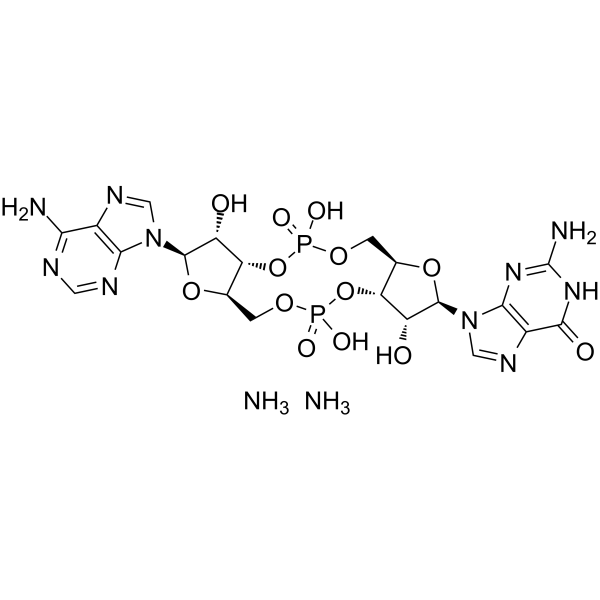
Cyclic GMP-AMP diammonium; 3',3'-cGAMP diammonium
|
STING
Endogenous Metabolite
|
Inflammation/Immunology
|
|
cGAMP (Cyclic GMP-AMP) diammonium functions as an endogenous second messenger in metazoans and triggers interferon production in response to cytosolic DNA. cGAMP diammonium activates stimulator of interferon genes (STING), which activates a signaling cascade leading to the production of type I interferons and other immune mediators .
|
-
-
- HY-152861
-
|
TAK-676 free base
|
STING
|
Cancer
|
|
Dazostinag (TAK-676 free base) is an agonist of stimulator of interferon genes (STING) protein with antineoplastic activity. Dazostinag can serve as a playload to synthesis antibody-drug conjugates (ADCs) .
|
-
-
- HY-148420
-
|
|
STING
|
Inflammation/Immunology
|
|
CDN-A is a cyclic di-nucleotide, it can be used to synthesis antibody-drug conjugate (ADC). Cyclic di-nucleotides are potent stimulators of innate and adaptive immune responses. In humans, cyclic di-nucleotide, which are either produced endogenously in response to foreign DNA or by invading bacterial pathogens, trigger the innate immune system by activating the expression of interferon genes .
|
-
-
- HY-151264
-
|
|
STING
|
Cancer
|
|
BSP16 is a potent, orally active stimulator of interferon genes (STING) agonist. BSP16 can selectively stimulate the STING pathway. BSP16 can be used for the research of cancer .
|
-
-
- HY-10964R
-
|
DMXAA (Standard); ASA-404 (Standard)
|
STING
IFNAR
Influenza Virus
Reference Standards
|
Infection
Cancer
|
|
Vadimezan (Standard) (DMXAA (Standard)) is the analytical standard of Vadimezan (HY-10964). This product is intended for research and analytical applications. Vadimezan (DMXAA; ASA-404), the tumor vascular disrupting agent (tumor-VDA), is a murine agonist of the stimulator of interferon genes (STING) and also a potent inducer of type I IFNs and other cytokines. Vadimezan is unable to activate human STING. Vadimezan has anti-influenza virus H1N1-PR8 activities.
|
-
-
- HY-158036
-
|
|
PROTACs
STING
|
Others
Inflammation/Immunology
|
|
PROTAC STING degrader-2 is a protein Degrader that targets Stimulator of interferon genes (STING) (DC50=0.53 μM). PROTAC STING Degrader-2 is combined with STING protein and E3 ubiquitin ligase in a covalent manner to induce the degradation of STING protein. PROTAC STING Degrader-2 can be used to investigate the role of STING in autoinflammation and autoimmune diseases (PINK: STING binder (HY-145009); Blue: VHL ligand (HY-164043); Black: linker) .
|
-
-
- HY-148346A
-
|
|
Drug-Linker Conjugates for ADC
STING
|
Cancer
|
|
STING agonist-20-Ala-amide-PEG2-C2-NH2 (Compound 30b) TFA is an active scaffold comprising a stimulator of interferon genes (STING). STING agonist-20-Ala-amide-PEG2-C2-NH2 TFA can be used to synthesize immune-stimulating antibody conjugate (ISAC). STING agonist-20-Ala-amide-PEG2-C2-NH2 TFA can be used for the research of cancer .
|
-
-
- HY-130116
-
|
|
STING
|
Cancer
|
|
IACS-8779 is a highly potent stimulator of interferon genes (STING) agonist with robust systemic antitumor efficacy .
|
-
-
- HY-143321
-
|
|
STING
|
Cancer
|
|
STING agonist-13 is a stimulator of interferon genes (STING) agonist, for cancer immunity via STING-mediated immune activation. STING agonist-13 can stimulate STING downstream signaling and promoting type I interferon immune responses. STING agonist-13 significantly decreases tumor volume and shows immunological memory-derived cancer inhibition .
|
-
-
- HY-158615
-
|
Stimulator of Interferon Genes 18
|
Others
|
Others
|
|
STING18 (Stimulator of interferon genes 18) is a compound that inhibits STING protein by utilizing a small molecule active site dimer, with good oral exposure, slow binding kinetics, and functional inhibitory activity on STING-mediated cytokine release.
|
-
-
- HY-155100
-
|
|
STING
|
Inflammation/Immunology
Cancer
|
|
BI 7446 is a cyclic dinucleotide (CDN)-based potent and selective stimulator of interferon genes (STING) agonist. BI 7446 can activate all five STING variants in cells and induce tumor-specific immune-mediated tumor rejection. BI 7446 can be used for immuno-oncology research .
|
-
-
- HY-163749
-
|
|
STING
|
Inflammation/Immunology
|
|
STING-IN-8 (Compound 15b) emerges as a potent stimulator of interferon gene (STING) inhibitor with an IC50 value of 0.121 μM in human and an IC50 value of 0.033 μM in mouse. STING-IN-8 inhibits MSA-2 (HY-136927) or 2’, 3’ -cGAMP (HY-100564)-stimulated STING signaling and suppresses immune-inflammatory cytokine levels in both human and murine cells. STING-IN-8 is promising for research in the field of STING-associated inflammatory and autoimmune diseases .
|
-
-
- HY-175462
-
|
|
STING
|
Cancer
|
|
INI3069 is a selective human stimulator of interferon gene (STING) agonist. INI3069 is promising for research of cancers .
|
-
-
- HY-139586C
-
|
MK-1454 (isomer 3)
|
STING
|
Cancer
|
|
Ulevostinag (isomer 3) (example 246) is a potent cyclic dinucleotide agonist stimulator of interferon genes (STING). Ulevostinag (isomer 3) plays an important role in anti-tumor research .
|
-
-
- HY-153987
-
|
|
STING
|
Cancer
|
|
STING agonist-33 (example 1) is an agonist of STING (stimulator of interferon genes) based on 4-ethyl-2-methylthiazole-5-carboxylic acid [1] .
|
-
-
- HY-178966
-
|
|
STING
|
Infection
Inflammation/Immunology
|
|
STING agonist-48 is a potent STING agonist that exhibits STING-dependent activity in vitro (EC50 = 4.02 μM). STING agonist-48 prefers to bind with the transmembrane domain (TMD) over the cytosolic cyclic dinucleotide (CDN) domain. STING agonist-48 shows adjuvant efficacy, enhancing IgG and Th1/Th2 cytokine responses in humanized STING mice. STING agonist-48 can be used for the study of inflammation-related diseases .
|
-
-
- HY-176126
-
|
|
STING
|
Inflammation/Immunology
|
|
STING agonist-42 (compound 8a) is a potent STING agonist. STING agonist-42 activates STING in THP1 and RAW 264.7 cells with EC50s of 0.06 and 14.15 μM, respectively .
|
-
-
- HY-151513
-
|
|
Others
|
Cancer
|
|
Iso5-2DC18 is a lipid that can be used for the synthesis of amine containing lipids. These amine containing lipids can be used for mRNA delivery, activate the stimulator of interferon genes (STING) pathway, and exhibit anti-tumor immunity .
|
-
-
- HY-155109
-
|
|
STING
|
Inflammation/Immunology
Cancer
|
|
Antitumor agent-114 is a potent stimulator of interferon genes (STING) agonist. Antitumor agent-114 activates immunity and reduces tumor volume in a mouse model of breast cancer. Antitumor agent-114 can be used for immunity and cancer diseases research .
|
-
-
- HY-130116A
-
|
|
STING
|
Cancer
|
|
IACS-8779 disodium is a highly potent stimulator of interferon genes (STING) agonist with robust systemic antitumor efficacy. IACS-8779 disodium shows robust activation of the STING pathway in vitro and a superior systemic anti-tumor response in the B16 murine model of melanoma .
|
-
- HY-P991956
-
|
|
Transmembrane Glycoprotein
Toll-like Receptor (TLR)
|
Inflammation/Immunology
|
|
ABB071 is a humanized anti-CD180 monoclonal antibody. ABB071 can down-regulate the highly expressed TLR7 and IRF5 genes in systemic lupus erythematosus and induce the expression of PNPT1 and DNASE1L3 genes. ABB071 can inhibit the expression of genes related to the type I interferon pathway as well as interferon-stimulated genes (ISGs). ABB071 has anti-inflammatory activity and can reduce the levels of inflammatory cytokines. ABB071 can be used for research on systemic lupus erythematosus and psoriasis .
|
-
- HY-125613
-
|
|
HIV
Influenza Virus
|
Infection
|
|
ML416 is a broad-spectrum antiviral agent. ML416 inhibits host de novo pyrimidine biosynthesis, and induces a variety of interferon-stimulated genes (ISGs). ML416 can be used for the research of viral infections including alphaviruses, influenza virus, and HIV-1 .
|
-
- HY-185123
-
|
|
Toll-like Receptor (TLR)
|
Infection
|
|
Pig TRIM56 mRNA encodes the pig TRIM56 protein, an interferon-stimulated gene (ISG) that acts as an important innate immune factor. Overexpression of TRIM56 restricts viral replication by enhancing TLR3-TRAF3-mediated IFN-β production .
|
-
- HY-182926
-
|
|
DNA/RNA Synthesis
Topoisomerase
|
Cancer
|
|
Topoisomerase I/II-IN-9 is a topoisomerase I/II inhibitor (IC50<10 μM) and a DNA damage inducer. Topoisomerase I/II-IN-9 blocks the interaction between the enzyme and DNA by binding to the DNA-binding pocket of the enzyme. Topoisomerase I/II-IN-9 activates the cGAS-STING pathway and promotes the accumulation of cytoplasmic double-stranded DNA. This further drives the production of type I interferons, CCL5, CXCL10 and interferon-stimulated genes, and induces anti-tumor immune responses in vivo. Topoisomerase I/II-IN-9 can be applied to the research of related diseases such as triple-negative breast cancer, colorectal cancer and gastric cancer .
|
-
| Cat. No. |
Product Name |
Type |
-
- HY-172723
-
|
|
Biochemical Assay Reagents
|
|
DSPE-PEG2000-T7 is a PEGylated compound composed of DSPE and peptideT7. T7 (HAIYPRH) specifically binds to TfR. DSPE-PEG2000-T7 can be used to prepare T7-modified liposomes, where liposomes modified with both T7 and DA7R peptides can effectively co-deliver Doxorubicin (HY-15142A) and Vincristine (HY-N0488A) to gliomas. DSPE-PEG2000-T7 can also be used to prepare nanomodulators that mediate the co-delivery of tyrosine hydroxylase mRNA and interferon gene stimulator antagonists for synergistic intervention in Parkinson's disease .
|
| Cat. No. |
Product Name |
Target |
Research Area |
Image |
-
- HY-P99666
-
|
|
IFNAR
|
Infection
Cancer
|
|
Interferon alfa-2b is a type I interferon that activates novel genes and exerts potent antiviral and antiproliferative activity on target cells. Signaling by Interferon alfa-2b requires receptor-dependent activation of Stat1 and Stat2 to form a heterodimeric STAT that binds to the DNA-binding protein IRF-9 (p48) and forms ISGF-3 (IFN-stimulated gene factor 3). The driver genes are then further activated by ISGF-3 to achieve antiviral function .
|
-
(5)
-
- HY-P991956
-
|
|
Transmembrane Glycoprotein
Toll-like Receptor (TLR)
|
Inflammation/Immunology
|
|
ABB071 is a humanized anti-CD180 monoclonal antibody. ABB071 can down-regulate the highly expressed TLR7 and IRF5 genes in systemic lupus erythematosus and induce the expression of PNPT1 and DNASE1L3 genes. ABB071 can inhibit the expression of genes related to the type I interferon pathway as well as interferon-stimulated genes (ISGs). ABB071 has anti-inflammatory activity and can reduce the levels of inflammatory cytokines. ABB071 can be used for research on systemic lupus erythematosus and psoriasis .
|
-
(5)
| Cat. No. |
Product Name |
Category |
Target |
Chemical Structure |
-
- HY-110385
-
-
-
- HY-N16021
-
|
|
Structural Classification
Lipid
|
Toll-like Receptor (TLR)
Cdc42-binding kinase
Galectin
|
|
4A-MPLA ammonium is an orally active TLR4 agonist. 4A-MPLA ammonium induces TLR4 endocytosis dependent on Cdc42 and galectin-3, triggering TRIF-mediated signaling and sustained IFN-β production. 4A-MPLA ammonium promotes lipid droplet formation, upregulates interferon-stimulated genes and type I IFN signaling genes, downregulates lysosome/phagosome function genes, and modulates tolerogenic dendritic cell function. 4A-MPLA ammonium can be used for the research of colitis .
|
-
-
- HY-110385A
-
-
| Cat. No. |
Product Name |
|
Classification |
-
- HY-176566
-
|
|
|
Alkynes
|
|
H-151 Alkyne (Compound H-151-AL) is a selective STING (Stimulator of interferon genes) inhibitor. H-151 Alkyne is promising for research of autoimmune diseases such as systemic lupus erythematosus, scleroderma, and autoinflammatory diseases .
|
-
- HY-176126
-
|
|
|
Alkynes
|
|
STING agonist-42 (compound 8a) is a potent STING agonist. STING agonist-42 activates STING in THP1 and RAW 264.7 cells with EC50s of 0.06 and 14.15 μM, respectively .
|
| Cat. No. |
Product Name |
|
Classification |
-
- HY-172723
-
|
|
|
Pegylated Lipids
|
|
DSPE-PEG2000-T7 is a PEGylated compound composed of DSPE and peptideT7. T7 (HAIYPRH) specifically binds to TfR. DSPE-PEG2000-T7 can be used to prepare T7-modified liposomes, where liposomes modified with both T7 and DA7R peptides can effectively co-deliver Doxorubicin (HY-15142A) and Vincristine (HY-N0488A) to gliomas. DSPE-PEG2000-T7 can also be used to prepare nanomodulators that mediate the co-delivery of tyrosine hydroxylase mRNA and interferon gene stimulator antagonists for synergistic intervention in Parkinson's disease .
|
-
- HY-185123
-
|
|
|
mRNA
|
|
Pig TRIM56 mRNA encodes the pig TRIM56 protein, an interferon-stimulated gene (ISG) that acts as an important innate immune factor. Overexpression of TRIM56 restricts viral replication by enhancing TLR3-TRAF3-mediated IFN-β production .
|
Your information is safe with us. * Required Fields.
Inquiry Information
- Product Name:
- Cat. No.:
- Quantity:
- MCE Japan Authorized Agent:

