
1. Search Result
Search Result
Results for "

Intestines

" in MedChemExpress (MCE) Product Catalog:

131

Inhibitors & Agonists

2

Screening Libraries

4

Fluorescent Dye

4

Biochemical Assay Reagents

21

Peptides

25

Natural
Products

9

Isotope-Labeled Compounds

2

Oligonucleotides

Cat. No. Product Name Target Research Areas Chemical Structure
  • HY-N0169
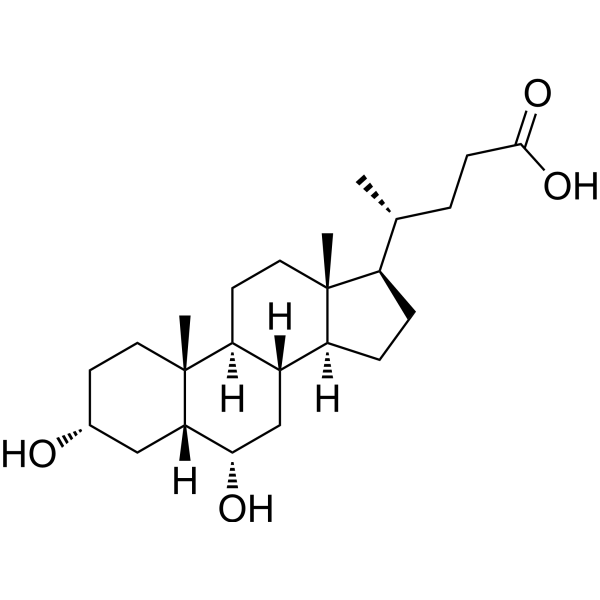
    Hyodeoxycholic acid
    5+ Cited Publications

    HDCA

    G protein-coupled Bile Acid Receptor 1 Endogenous Metabolite Metabolic Disease
    Hyodeoxycholic acid is a secondary bile acid formed in the small intestine by the gut flora, and acts as a TGR5 (GPCR19) agonist, with an EC50 of 31.6 µM in CHO cells.
    Hyodeoxycholic acid
  • HY-114392
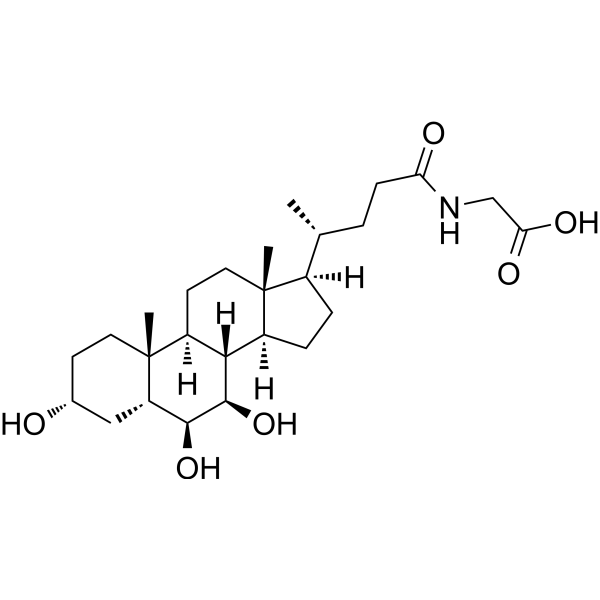
    Gly-β-MCA
    20+ Cited Publications

    FXR Autophagy Metabolic Disease
    Gly-β-MCA, a bile acid, is a potent, sable, intestine-selective and oral bioactive farnesoid X receptor (FXR) inhibitor that may be a candidate for the treatment of metabolic disorders .
    Gly-β-MCA
  • HY-B1188

    mAChR Neurological Disease
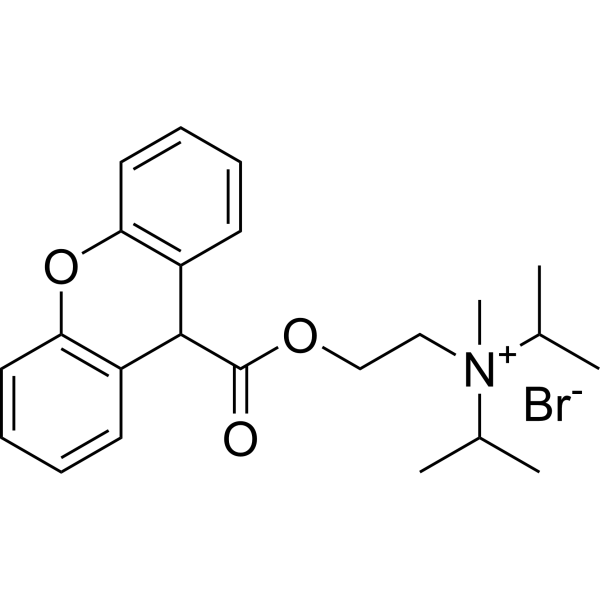
    Propantheline bromide is an orally active mAChR antagonist. Propantheline bromide can be used in the research of smooth muscle dysfunction, excessive sweating, cramps or spasms of the stomach, intestines or bladder, and involuntary urination. Propantheline bromide can hardly cross the blood-brain barrier .
    Propantheline bromide
  • HY-P2818
    Alkaline phosphatase, Bovine intestine
    1 Publications Verification

    Apase

    Endogenous Metabolite Phosphatase Glutathione Peroxidase Bacterial Infection Inflammation/Immunology
    Alkaline phosphatase, Bovine intestine (Apase) is an orally active membrane-bound glycoprotein that catalyzes the hydrolysis of phosphate monoesters at alkaline pH. Alkaline phosphatase, Bovine intestine reduces myeloperoxidase activity and bacterial translocation. Alkaline phosphatase, Bovine intestine improves survival rate of mice infected with E. coli. Alkaline phosphatase, Bovine intestine improves TNBS-induced colon inflammation .
    Alkaline phosphatase, Bovine intestine
  • HY-B0411
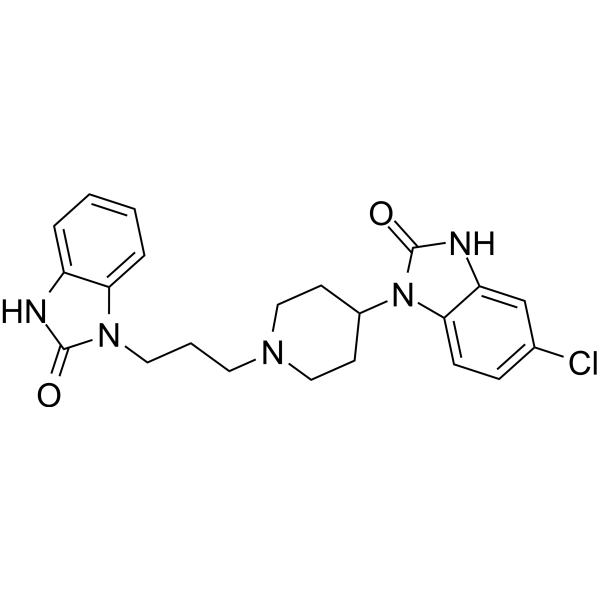
    Domperidone
    5+ Cited Publications

    R33812

    Dopamine Receptor Neurological Disease
    Domperidone (R33812) is an orally active and selective dopamine-2 receptor antagonist. Domperidone acts as an antiemetic and a prokinetic agent through its effects on the chemoreceptor trigger zone and motor function of the stomach and small intestine .
    Domperidone
  • HY-P2802
    α-Glucosidase, Yeast
    1 Publications Verification

    α-D-Glucosidase, Yeast

    Glycosidase Metabolic Disease
    α-Glucosidase, Yeast (α-D-Glucosidase, Yeast), a carbohydrate hydrolyzing enzyme, catalyzes the liberation of α-glucose from the non-reducing end of the substrate. α-Glucosidase can facilitate the absorption of glucose by the small intestine. Inhibition of α-Glucosidase is an effective management of non-insulin-dependent diabetes mellitus (NIDDM) .
    α-Glucosidase, Yeast
  • HY-N7387

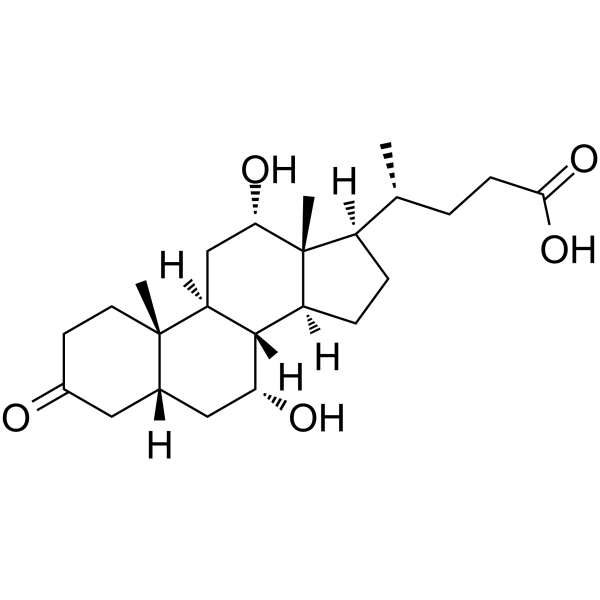
    3-Dehydrocholic acid

    Endogenous Metabolite Metabolic Disease
    3-Oxocholic acid is an oxo-bile acid metabolite and also a major degradation product from cholic by C. perfringens in the intestine. 3-Oxocholic acid is steroid acid found predominantly in bile of mammals .
    3-​Oxocholic acid
  • HY-N9457
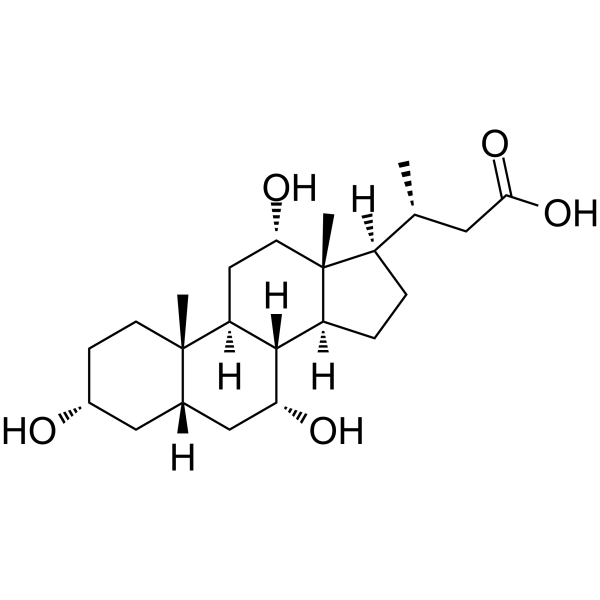
    Norcholic acid
    1 Publications Verification

    Others Metabolic Disease Endocrinology
    Norcholic acid is a normal minorbile C23 bile acid having four side chain and exsits in human urine and meconium. Norcholic acid can become prominent under certain pathological conditions. Norcholic acid is efficiently absorbed from intestine and quickly excreted into the bile but not into urine .
    Norcholic acid
  • HY-118103

    5β-Cholestan-3β-ol

    Endogenous Metabolite Neurological Disease
    Coprostanol (5β-Cholestan-3β-ol) is a fecal sterol formed by microbial reduction of cholesterol in the intestines of man and higher animals. Coprostanol can be used as an indicator sterol of fecal pollution. Coprostanol has been recognized as a good indicator of pollution of water resources by sewage discharges. Coprostanol can serve as a potential biological indicator for cerebral chondrodystrophy (CTX) .
    Coprostanol
  • HY-B1278
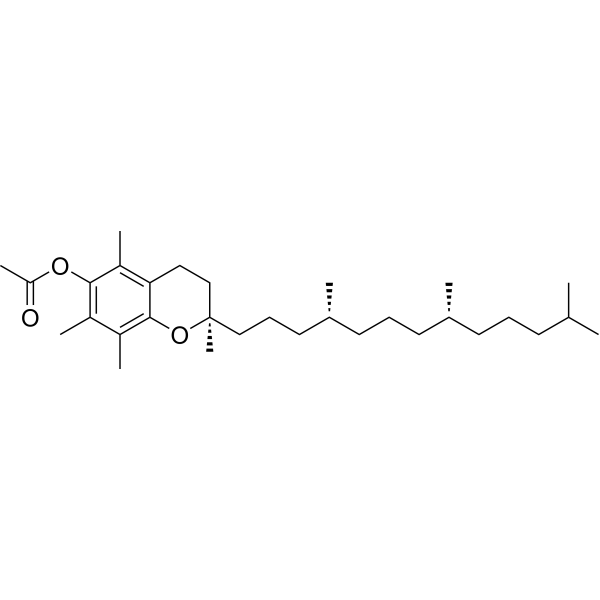
    D-α-Tocopherol acetate
    1 Publications Verification

    D-Vitamin E acetate

    Environmental Pollutants Endogenous Metabolite NF-κB Interleukin Related Metabolic Disease Inflammation/Immunology Cancer
    D-α-Tocopherol acetate (D-Vitamin E acetate) can be hydrolyzed to d-alpha-tocopherol (VE) and absorbed in the small intestine .
    D-α-Tocopherol acetate
  • HY-113529
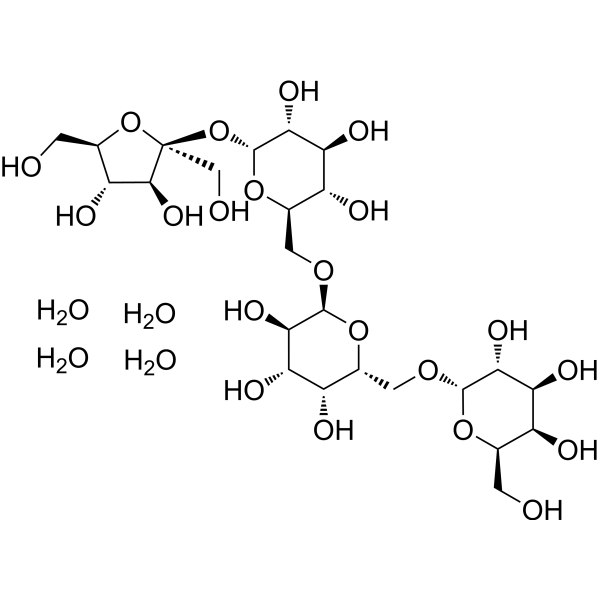
    Stachyose tetrahydrate
    1 Publications Verification

    Apoptosis Endogenous Metabolite Cancer
    Stachyose tetrahydrate, a functional oligosaccharide, acts as a prebiotic. Stachyose tetrahydrate can prevent indirectly colon cancer cell growth by promoting the proliferation of probiotics or producing beneficial materials in the intestine .
    Stachyose tetrahydrate
  • HY-16216

    XP-13512

    Calcium Channel Neurological Disease
    Gabapentin enacarbil (XP-13512) is a prodrug of Gabapentin (HY-A0057) designed to be absorbed throughout the intestine by high-capacity nutrient transporters. Gabapentin is a potent, orally active P/Q type Ca 2+ channel blocker. Gabapentin enacarbil can be used for the study of Restless Legs Syndrome (RLS) and postherpetic neuralgia (PHN) .
    Gabapentin enacarbil
  • HY-B0310
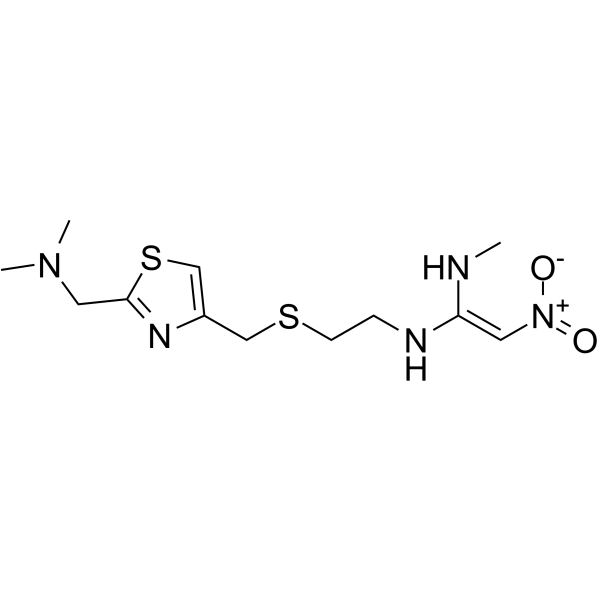
    Nizatidine
    2 Publications Verification

    Histamine Receptor Cardiovascular Disease Inflammation/Immunology Endocrinology Cancer
    Nizatidine is a potent and orally active histamine H2 receptor antagonist, can be used for the research of stomach and intestines ulcers. Nizatidine works by decreasing the secretion of gastric acid the stomach makes and prevent ulcers from coming back after they have healed in animal models .
    Nizatidine
  • HY-B1132

    Ro 2-3773

    mAChR Neurological Disease
    Clidinium bromide is a quaternary amine antimuscarinic agent. Clidinium bromide may help symptoms of cramping and abdominal/stomach pain by decreasing stomach acid, and slowing the intestines in vivo .
    Clidinium bromide
  • HY-P2879A

    Biochemical Assay Reagents Metabolic Disease
    Cholesterol esterase, Porcine pancreas is an enzyme that hydrolyzes cholesteryl esters into cholesterol and free fatty acids in the intestine. Cholesterol esterase, also known as bile salt-stimulated lipase or carboxyl ester lipase, functions to promote cholesterol absorption .
    Cholesterol esterase, Porcine pancreas
  • HY-P3704

    Endogenous Metabolite Metabolic Disease
    Enterostatin (rat), an orally active activation peptide of procolipase, selectively reduces fat intake. Enterostatin (rat) reduces serum cholesterol levels by way of a CCK1 receptor-dependent mechanism .
    Enterostatin (rat)
  • HY-B1731

    Bacterial Neurological Disease
    Phenyl salicylate (PS) has antibacterial activity when hydrolyzed in small intestine and is often used as nervous system inhibitor and intestinal preservative .
    Phenyl salicylate
  • HY-P2990

    TMPRSS15

    Ser/Thr Protease Metabolic Disease
    Enteropeptidase (TMPRSS15), a type II transmembrane serine protease and a physiological activator of trypsinogen. Enteropeptidase is associated with the brush border membrane (BBM) of the enterocytes in the upper small intestine. Trypsinogen is the primary substrate for Enteropeptidase. Enteropeptidase is involved in digestion in humans and animals .
    Enteropeptidase
  • HY-111956B
    D-Ala-Lys-AMCA hydrochloride
    1 Publications Verification

    Fluorescent Dye Cancer
    D-Ala-Lys-AMCA hydrochloride is a known proton-coupled oligopeptide transporter 1 (PEPT1) substrate that emits blue fluorescence. D-Ala-Lys-AMCA hydrochloride may be transported into liver cancer cells and Caco-2 cells based on fluorescence analysis. D-Ala-Lys-AMCA hydrochloride can be used for characterizing PEPT1-specific substrates or inhibitors (Ex/Em = 390/480 nm) .
    D-Ala-Lys-AMCA hydrochloride
  • HY-154912

    Chloride Channel Inflammation/Immunology
    PAT1inh-B01 is a selective SLC26A6 inhibitor. PAT1inh-B01 inhibits PAT1 (a Cl -/HCO3 - exchanger)-mediated anion exchange (IC50: 350 nM). PAT1inh-B01 blocks fluid absorption in small intestine. PAT1inh-B01 can be used for research of small intestinal hyposecretory disorders .
    PAT1inh-B01
  • HY-P2818B
    Alkaline phosphatase, Chicken Intestine
    1 Publications Verification

    Apase, Chicken Intestine

    Endogenous Metabolite Phosphatase Glutathione Peroxidase Bacterial Infection Inflammation/Immunology
    Alkaline Phosphatase (Apase), Chicken Intestine is an alkaline phosphatase from Chicken Intestine, and is one of the most active alkaline phosphatases. Alkaline phosphatase, Chicken Intestine is an orally active membrane-bound glycoprotein that catalyzes the hydrolysis of phosphate monoesters at alkaline pH. Alkaline phosphatase, Chicken Intestine reduces myeloperoxidase activity and bacterial translocation. Alkaline phosphatase, Chicken Intestine improves survival rate of mice infected with E. coli. Alkaline phosphatase, Chicken Intestine improves TNBS-induced colon inflammation .
    Alkaline phosphatase, Chicken Intestine
  • HY-B0411A
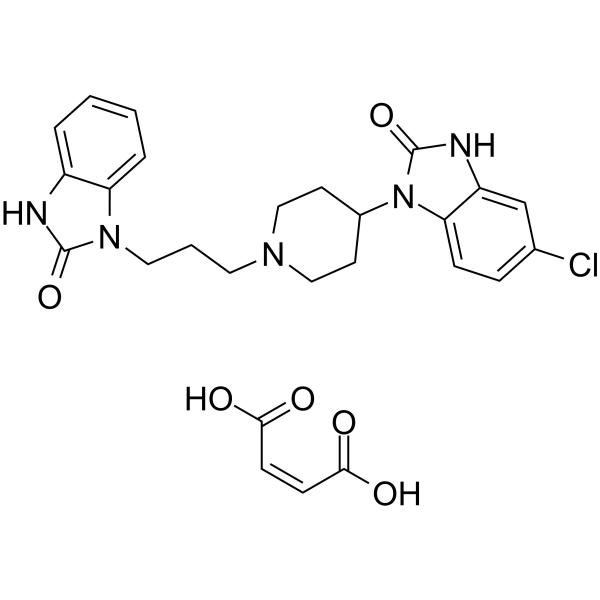
    Domperidone monomaleate
    5+ Cited Publications

    R33812 monomaleate

    Dopamine Receptor Neurological Disease
    Domperidone (R33812) monomaleate is an orally active and selective dopamine-2 receptor antagonist. Domperidone monomaleate acts as an antiemetic and a prokinetic agent through its effects on the chemoreceptor trigger zone and motor function of the stomach and small intestine .
    Domperidone monomaleate
  • HY-N0169R

    HDCA (Standard)

    Reference Standards Endogenous Metabolite G protein-coupled Bile Acid Receptor 1 Metabolic Disease
    Hyodeoxycholic acid (Standard) is the analytical standard of Hyodeoxycholic acid. This product is intended for research and analytical applications. Hyodeoxycholic acid is a secondary bile acid formed in the small intestine by the gut flora, and acts as a TGR5 (GPCR19) agonist, with an EC50 of 31.6 µM in CHO cells.
    Hyodeoxycholic acid (Standard)
  • HY-P3498

    ZP1846

    GCGR Others
    Elsiglutide (ZP1846) is a GLP-2 analogue, an orally active and selective GLP-2 receptor agonist, increases cell proliferation and reduces apoptosis in the intestine. Elsiglutide improves Lapatinib (HY-50898)-induced diarrhoea in rat model .
    Elsiglutide
  • HY-P2317

    Bacterial Endogenous Metabolite Infection
    Cecropin P1, porcine is an antibacterial peptide that can be isolated from the upper part of the small intestine of the pig. Cecropin P1, porcine shows antibacterial activity against Gram-negative bacteria. Cecropin P1, porcine shows antiviral activity and inhibits PRRSV infection .
    Cecropin P1, porcine
  • HY-162864

    Amino acid Transporter Metabolic Disease
    JX237 is an inhibitor of the epithelial neutral amino acid transporter B 0AT1 (SLC6A19) with an IC50 value of 31 nM. SLC6A19 is the main transporter for the absorption of neutral amino acids in the intestines and their reabsorption in the kidneys. By inhibiting B 0AT1, JX237 can be used for the study of disorders of amino acid metabolism .
    JX237
  • HY-136750

    Calpain Inhibitor IV

    Apoptosis Proteasome Parasite Cancer
    Z-LLY-FMK (Calpain Inhibitor IV) is a calpain inhibitor, involved in apoptosis of many cell systems. Z-LLY-FMK inhibits the intestine apoptosis after common bile duct ligation. Z-LLY-FMK reduces parasite burden in mice challenged with Taenia crassiceps cysts. Z-LLY-FMK can be used for the study of cysticercosis .
    Z-LLY-FMK
  • HY-154912A

    Chloride Channel Inflammation/Immunology
    PAT1inh-B01 hydrocholide is a selective SLC26A6 inhibitor. PAT1inh-B01 hydrocholide inhibits PAT1 (a Cl -/HCO3 - exchanger)-mediated anion exchange (IC50: 350 nM). PAT1inh-B01 hydrocholide blocks fluid absorption in small intestine. PAT1inh-B01 hydrocholide can be used for research of small intestinal hyposecretory disorders .
    PAT1inh-B01 hydrochloride
  • HY-B0967

    Bacterial Infection
    Phthalylsulfacetamide is a sulfa drug, after oral administration, slowly decompose in the intestine,and release sulfacetamide ,generating antibacterial effect.
    Phthalylsulfacetamide
  • HY-P1276A
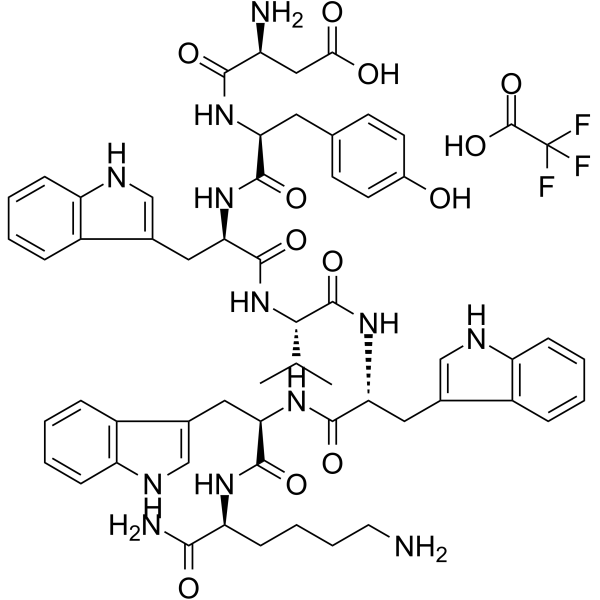
    Men 10376 TFA
    1 Publications Verification

    Neurokinin-2 receptor antagonist TFA

    Neurokinin Receptor Endocrinology
    Men 10376 TFA is a selective tachykinin NK-2 receptor antagonist, with a Ki of 4.4 μM for rat small intestine NK-2 receptor .
    Men 10376 TFA
  • HY-B1278S1

    Isotope-Labeled Compounds Endogenous Metabolite Metabolic Disease Cancer
    α-Tocopherol-d6 (acetate) is the deuterium labeled D-α-Tocopherol acetate. D-α-Tocopherol acetate (D-Vitamin E acetate) can be hydrolyzed to d-alpha-tocopherol (VE) and absorbed in the small intestine .
    α-Tocopherol-d6 acetate
  • HY-111956

    Fluorescent Dye Cancer
    D-Ala-Lys-AMCA is a known proton-coupled oligopeptide transporter 1 (PEPT1) substrate that emits blue fluorescence. D-Ala-Lys-AMCA may be transported into liver cancer cells and Caco-2 cells based on fluorescence analysis. D-Ala-Lys-AMCA can be used for characterizing PEPT1-specific substrates or inhibitors (Ex/Em = 390/480 nm) .
    D-Ala-Lys-AMCA
  • HY-W728085

    Bacterial Antibiotic Insecticide Reactive Oxygen Species (ROS) Infection
    CPPD-Q is an antimicrobial agent and insecticide. CPPD-Q has an EC50 of 6.98 mg/L against Vibrio fischeri. At doses of 1 or 10 µg/mL, CPPD-Q exerts its insecticidal effect by inducing the production of reactive oxygen species (ROS) in the intestines of Caenorhabditis elegans .
    CPPD-Q
  • HY-P3069

    Neurokinin Receptor Neurological Disease Endocrinology
    γ-Neuropeptide (rabbit) can be isolated from rabbit intestine. γ-Neuropeptide is an endogenous neurokinin peptide that acts as a neurokinin 2 (NK2) receptor agonist. γ-Neuropeptide mediates hypothalamic-pituitary-adrenal (HPA) axis, as well as reproductive hormone release .
    γ-Neuropeptide (rabbit)
  • HY-N15777

    Biochemical Assay Reagents Metabolic Disease
    Tauro-3α,6α,7α,12α-tetrahydroxy bile acid sodium is a type of bile acid, belonging to biomolecules synthesized by the liver using cholesterol as a raw material. Bile acids play a critical role in the digestion and absorption of lipids in the small intestine .
    Tauro-3α,6α,7α,12α-tetrahydroxy bile acid sodium
  • HY-B0680

    RU-0211 (hemiketal); SPI-0211 (hemiketal)

    Chloride Channel Others Cancer
    Lubiprostone (hemiketal) (RU-0211 (hemiketal)) is a selective chloride channel 2 (CLCN2) activator. Lubiprostone (hemiketal) is used to treat chronic idiopathic constipation and opioid-induced constipation by activating CLCN2 channels to increase chloride ion secretion in the intestine, thereby increasing intestinal fluid secretion and enhancing intestinal peristalsis. Lubiprostone (hemiketal) can be used in the study of chronic constipation and cancer .
    Lubiprostone (hemiketal)
  • HY-113586

    LB-80380

    HBV DNA/RNA Synthesis Drug Derivative Infection
    Besifovir Dipivoxil (LB-80380), an analog of guanosine monophosphate, is an acyclic nucleotide phosphonate with antiviral effect. Besifovir Dipivoxil is rapidly converted by the liver and intestine to the intermediate metabolite LB80331 via the esterification process, subsequently phosphorylated into the di- and triphosphate forms, which act as antiviral DNA synthesis inhibitors. Besifovir Dipivoxil is promising for research of chronic hepatitis B .
    Besifovir Dipivoxil
  • HY-128532A

    Endogenous Metabolite Others
    Formononetin 7-O-β-D-glucuronide sodium is a metabolite of Formononetin (HY-N0183) and can be absorbed and metabolized through the intestine .
    Formononetin 7-O-β-D-glucuronide sodium
  • HY-B1188S

    mAChR Neurological Disease
    Propantheline-d3 (bromide) is the deuterium labeled Propantheline bromide. Propantheline bromide is an antimuscarinic agent, used for the treatment of hyperhidrosis, cramps or spasms of the stomach, intestines or bladder, and enuresis.
    Propantheline-d3 bromide
  • HY-N10526

    Gala-3Galb-4Glc

    Others Others
    Isoglobotriaose (Gala-3Galb-4Glc) is a glycosphingolipid found in mammalian tissues. Isoglobotriaose is an analogue of Globotriaose, the ganglioside derivatives of them locate in difference position of small intestine, isoglobotriaosylceramide is restricted to the nonepithelial residue, while globotriaosylceramide is in both compartments .
    Isoglobotriaose
  • HY-N3931

    Others Cardiovascular Disease
    Gardneramine is an orally active alkaloid that acts like papaverine. Gardneramine has peripheral vascular diastolic effect, direct inhibition on myocardium and central inhibition. Gardneramine showed antihypertensive, vasodilatation and atrial inhibition effects in rabbit, dog and guinea pig models, respectively. Gardneramine also inhibits the movement of smooth muscle organs such as the stomach and intestines .
    Gardneramine
  • HY-P2879B

    Endogenous Metabolite Biochemical Assay Reagents Metabolic Disease
    Cholesterol esterase, Candida cylindracea is an enzyme located in the intestines that hydrolyzes cholesterol esters into cholesterol and free fatty acids. Also known as bile salt-stimulated lipase or carboxylester lipase, this enzyme facilitates cholesterol metabolism and absorption in the body. It can also be used as a biochemical reagent, and is employed in conjunction with cholesterol oxidase (HY-P2848) to measure cholesterol levels .
    Cholesterol esterase, Candida cylindracea
  • HY-NP111

    Mouse Type V collagen, immunization grade

    MMP Inflammation/Immunology
    Highly purified Type V collagen, from mouse intestine (Mouse Type II collagen, immunization grade) is an immune grade collagen derived from mouse intestine, which can stimulate the animal's immune system to produce specific antibodies against this collagen. Collagen is also a substrate for hydrolysis by MMPs .
    Highly purified Type V collagen, from mouse intestine
  • HY-P1276

    Neurokinin-2 receptor antagonist

    Neurokinin Receptor Endocrinology
    Men 10376 is a selective tachykinin NK-2 receptor antagonist, with a Ki of 4.4 μM for rat small intestine NK-2 receptor.
    Men 10376
  • HY-107943

    NSC 107434 sodium

    Biochemical Assay Reagents Others
    Tyropanoate (NSC 107434) sodium is an orally active contrast agent for the gallbladder. Tyropanoate sodium is absorbed through the intestines and secreted by the liver into the bile. Tyropanoate sodium then concentrates in the gallbladder to form an image that is not transparent to X-rays, enabling visualization of the gallbladder .
    Tyropanoate sodium
  • HY-N0169S

    HDCA-d5

    Isotope-Labeled Compounds Endogenous Metabolite G protein-coupled Bile Acid Receptor 1 Metabolic Disease
    Hyodeoxycholic acid-d5 is the deuterium labeled Hyodeoxycholic acid. Hyodeoxycholic acid is a secondary bile acid formed in the small intestine by the gut flora, and acts as a TGR5 (GPCR19) agonist, with an EC50 of 31.6 µM in CHO cells.
    Hyodeoxycholic acid-d5
  • HY-W094747A

    Drug Intermediate Inflammation/Immunology
    Benzalazine is a 5-azo derivative of 5-Aminosalicylic Acid (HY-15027) that can be used for the research of ulcerative colitis and Crohn's disease of the large intestine. The benzalazine metabolite 5-ASA and the 5-ASA metabolite acetyl-5-aminosalicylic acid are excreted mainly with the faeces .
    Benzalazine
  • HY-120791

    L-Lysyl-L-lysine

    Drug Intermediate Others
    Lysyllysine (L-Lysyl-L-lysine) is a dipeptide composed of two L-lysine amino acids linked together. Lysyllysine is often used as an enzyme cleavage linker for connecting bioactive peptides, or as a component of more complex antibacterial agents .
    Lysyllysine
  • HY-B0310S

    Isotope-Labeled Compounds Histamine Receptor Inflammation/Immunology Endocrinology Cancer
    Nizatidine-d3 is the deuterium labeled Nizatidine. Nizatidine is a potent and orally active histamine H2 receptor antagonist, can be used for the research of stomach?and?intestines ulcers. Nizatidine works by decreasing the secretion of gastric?acid the stomach makes and prevent ulcers from coming back after they have healed in animal models .
    Nizatidine-d3
  • HY-W436428

    Na+/K+ ATPase Bacterial Infection
    V-161 is the orally active inhibitor for Na +-V-ATPase with an IC50 of 144 nM. V-161 inhibits Enterococcus hirae and Vancomycin-resistant Enterococcus faecium (VRE) under alkaline condition with MIC of 4 µg/mL and 4 µg/mL. V-161 inhibits colonization of VRE in mouse small intestine .
    V-161

Inquiry Online

Your information is safe with us. * Required Fields.

Salutation


Country or Region *

Applicant Name *


Organization Name *

Department *


Email Address *


Product Name *

Cat. No.


Requested quantity *

Phone Number *


Remarks

Inquiry Online

Inquiry Information

Product Name:
Cat. No.:
Quantity:
MCE Japan Authorized Agent:

