54 Results for "

Ion Chelator

" in MedChemExpress (MCE) Product Catalog:
Products (54)

54 Results for "Ion Chelator" in MCE Product Catalog:

31
31 Publications Verification
Cat. No.: HY-D0836
CAS No.: 25102-12-9
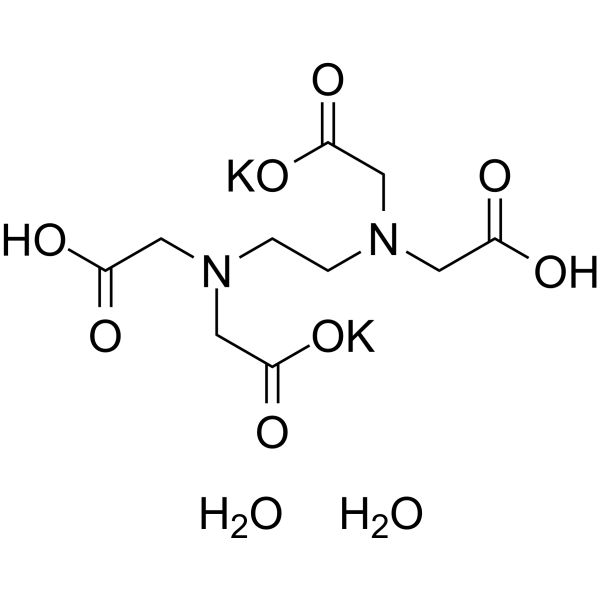
Synonyms: Ethylenediaminetetraacetic acid dipotassium dihydrate
EDTA dipotassium dihydrate is a metal ion chelator that forms stable and water-soluble chelates with a variety of metal ions. EDTA dipotassium is commonly used as a blood anticoagulant, which can effectively prevent blood coagulation and maintain the morphology and function of cells in blood samples. In the industrial field, EDTA dipotassium can be used to remove the adverse effects of metal ions and prevent oxidation and deterioration caused by metal ions .
loading...
    loading...
27
27 Cited Publications
Cat. No.: HY-D0861
CAS No.: 67-42-5
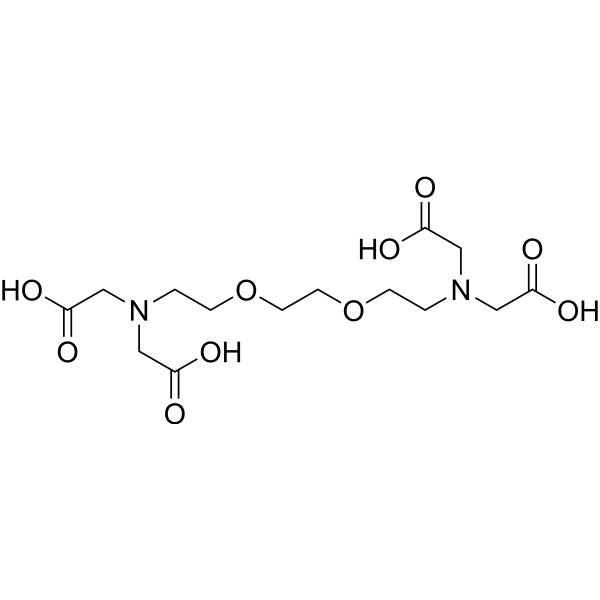
EGTA is a cell-impermeant specific calcium ion chelator. EGTA has an apparent calcium dissociation constant (Kd) of 60.5 nM at physiological pH (7.4) and has very high specificity for Ca 2+ over Mg 2+ (Mg 2+ Kd 1-10 mM). EGTA significantly inhibits the substrate adherence capacity of inflammatory macrophages .
loading...
    loading...
27
27 Cited Publications
Cat. No.: HY-D0861A
CAS No.: 13368-13-3
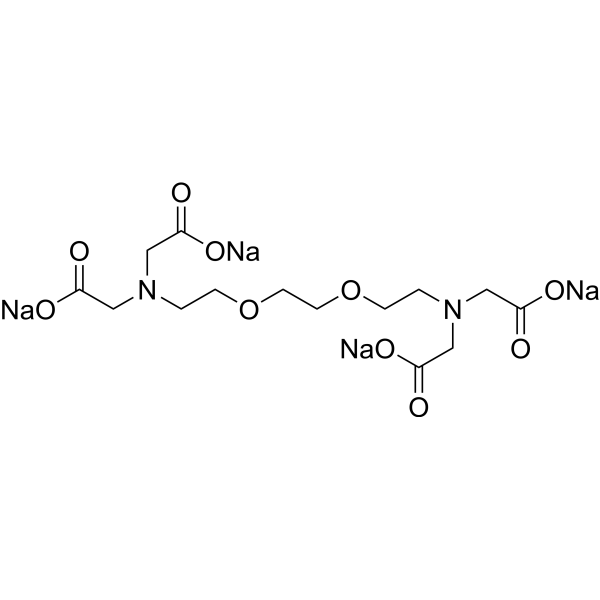
EGTA tetrasodium is a cell-impermeant specific calcium ion chelator. EGTA tetrasodium has an apparent calcium dissociation constant (Kd) of 60.5 nM at physiological pH (7.4) and has very high specificity for Ca 2+ over Mg 2+ (Mg 2+ Kd 1-10 mM). EGTA tetrasodium significantly inhibits the substrate adherence capacity of inflammatory macrophages .
loading...
    loading...
17
17 Cited Publications
Cat. No.: HY-126823
CAS No.: 234075-45-7
Purity:  95.33%
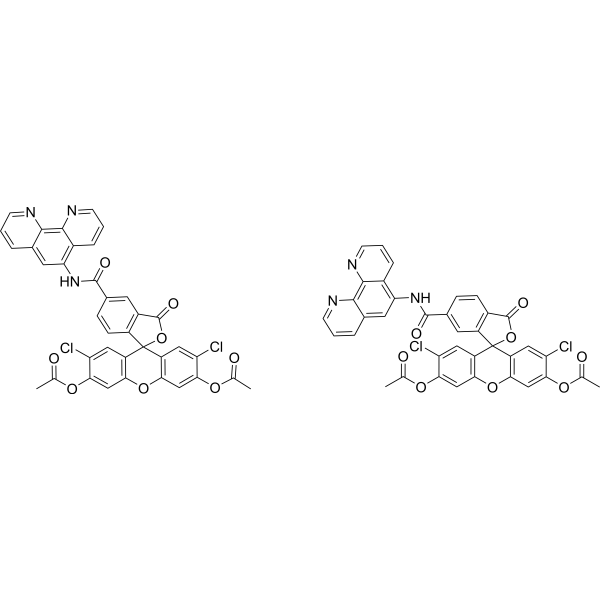
Synonyms: PGSK diacetate (5/6-mixture)
Target:  

Fluorescent Dye

Research Areas:  

Others

Phen green SK (PGSK) diacetate (PGSK diacetate (5/6-mixture)) is a metal ion-sensitive fluorescent probe that can penetrate cell membranes. Phen green SK (PGSK) diacetate can react with a variety of metal ions, including Fe 2+, Cd 2+, Co 2+, Ni 2+, Zn 2+, etc. Phen green SK (PGSK) diacetate chelates Fe 2+, resulting in fluorescence quenching, which can be restored when a membrane-permeable chelator is added, thereby reflecting the changes in the intracellular chelatable iron pool. The excitation/emission maxima of Phen green SK diacetate are 507/532 nm, respectively .
loading...
    loading...
13
13 Cited Publications
Cat. No.: HY-D0716
CAS No.: 121714-22-5
Synonyms: Fluo-3-pentaacetoxymethyl ester
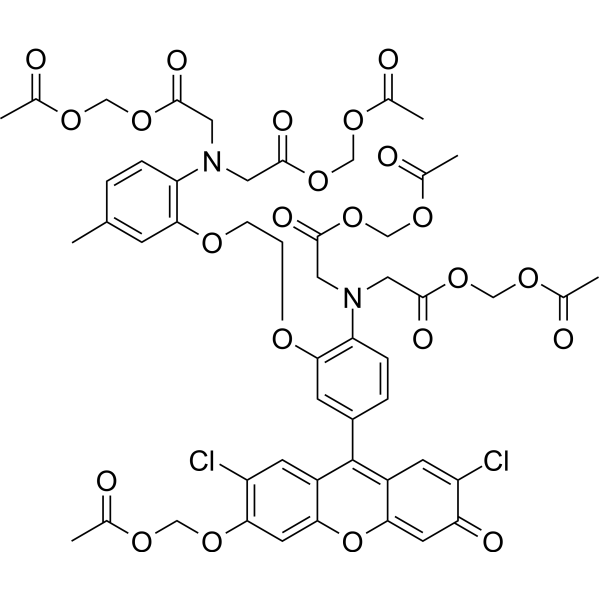
Fluo-3 AM is a fluorecent Ca 2+ chelator, with high affinity for calcium. Fluo-3 AM can specifically identify intracellular calcium ions, with high sensitivity, low cytotoxicity, increased AM acetylmethyl ester can enter the cell well, after being sheared by the intracellular esterase stay in the cell to bind to calcium ions, produce strong fluorescence .
loading...
    loading...
4
4 Cited Publications
Cat. No.: HY-N0928
CAS No.: 500-44-7
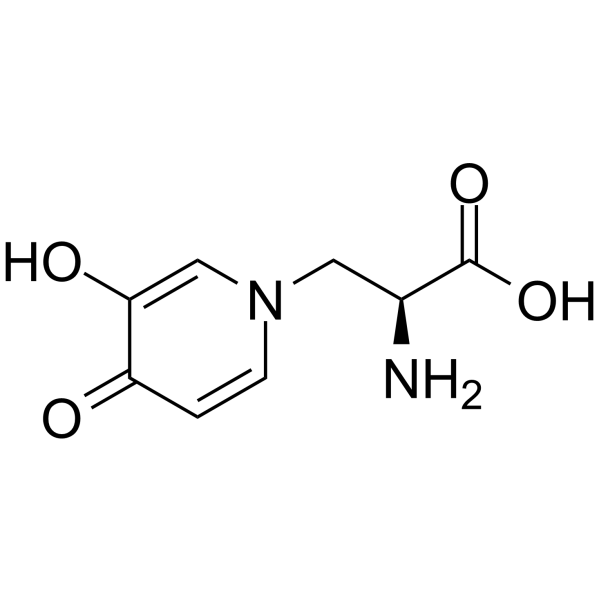
Mimosine, a tyrosine analog , can act as an antioxidant by its potent iron-binding activity . Mimosine is a known chelator of Fe(III) . Mimosine induces apoptosis through metal ion chelation, mitochondrial activation and ROS production in human leukemic cells . Anti-cancer, antiinflammation.
loading...
    loading...
4
4 Cited Publications
Cat. No.: HY-114758
CAS No.: 737-86-0
Purity:  99.96%
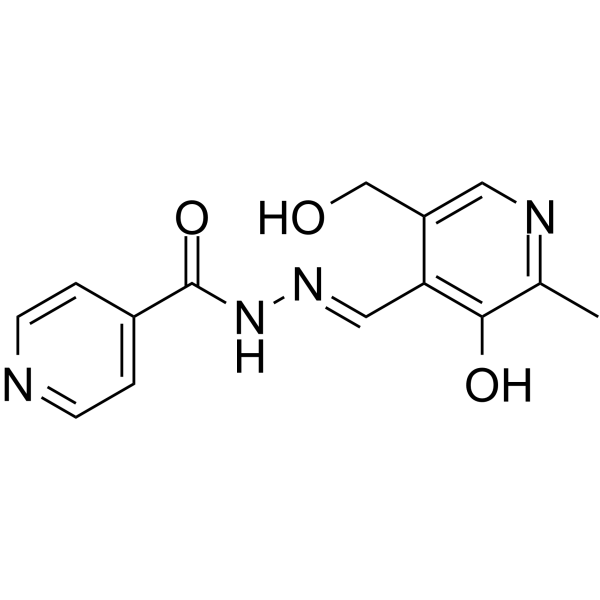
Pyridoxal isonicotinoyl hydrazone is an orally active and lipophilic iron-specific chelator that acts as a non-competitive inhibitor of ferrochelatase (FECH) by binding iron ions. Pyridoxal isonicotinoyl hydrazone disrupts heme biosynthesis, leading to reduced FECH stability and increased protoporphyrin IX (PPIX) accumulation. Pyridoxal isonicotinoyl hydrazone is promising for research of iron-overload diseases (e.g., β-thalassemia) .
loading...
    loading...
2
2 Cited Publications
Cat. No.: HY-W012788
CAS No.: 118-71-8
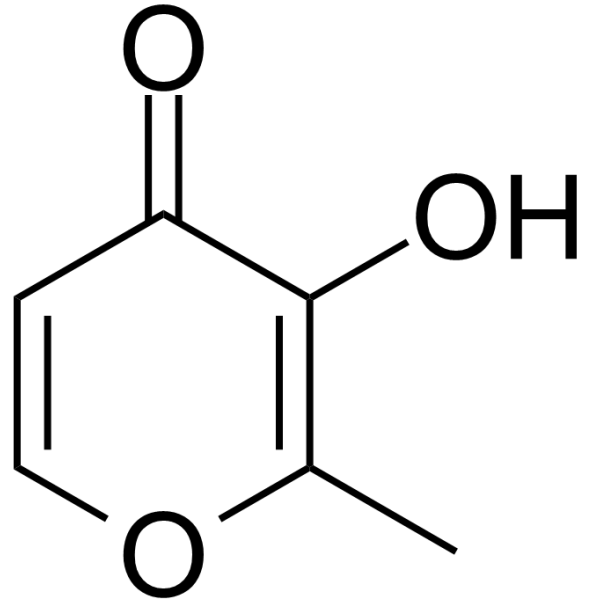
Maltol, a type of aromatic compound, is an antioxidant agent. Maltol enhances neural function by mitigating oxidative stress and cell apoptosis. Maltol is an inhibitor of oxidative damage in nerve cells and is effective in preventing diabetic peripheral neuropathy (DPN). Maltol is used extensively as a safe flavoring agent and food preservative. Maltol is a metal ion chelator that can be used in the field of catalysis, cosmetics, and medicine .
loading...
    loading...
2
2 Cited Publications
Cat. No.: HY-D1746
CAS No.: 162303-59-5
Synonyms: EDTA acetoxymethyl ester; Ethylenediaminetetraacetic acid acetoxymethyl ester
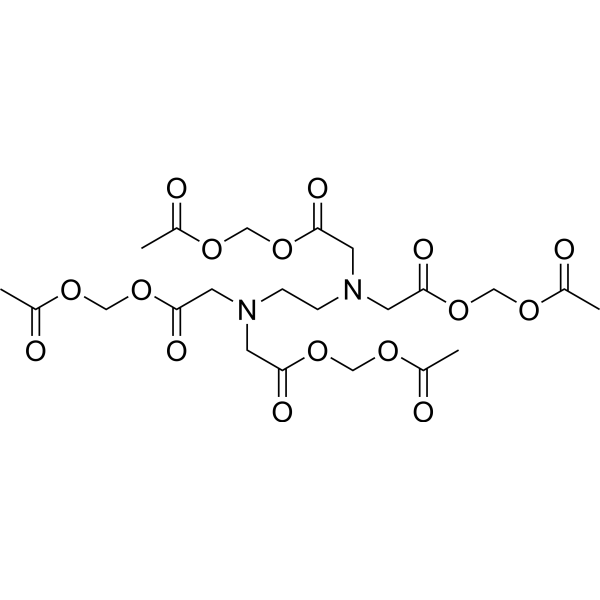
EDTA-AM (ethylenediaminetetraacetic acid, acetoxymethyl ester) is the membrane-permeant form of the metal chelator EDTA (HY-Y0682). Live cells passively load EDTA-AM by incubating with EDTA-AM. Once internalized, cytoplasmic esterase decomposes AM esters, releasing the active ligand EDTA, which isolates metal ions within the cell. EDTA-AM induces an arrest of mitotic progression and chromosome decondensation .
loading...
    loading...
1
1 Cited Publications
Cat. No.: HY-D0179
CAS No.: 295-37-4
Cyclam is a metal chelator that forms metal complexes with a variety of metal ions. Cyclam metal complexes exhibits anti-HIV (such as AMD3100), nitric oxide (NO) releasing and scavenging (such as Zn(II)-Cyclam and Ru(II)-Cyclam), and SOD mimetic (such as Mn(III)-Cyclam and Zn(II)-Cyclam) activities .
loading...
    loading...
Cat. No.: HY-100138
CAS No.: 173308-19-5
Purity:  ≥98.0%
Research Areas:  

Cancer

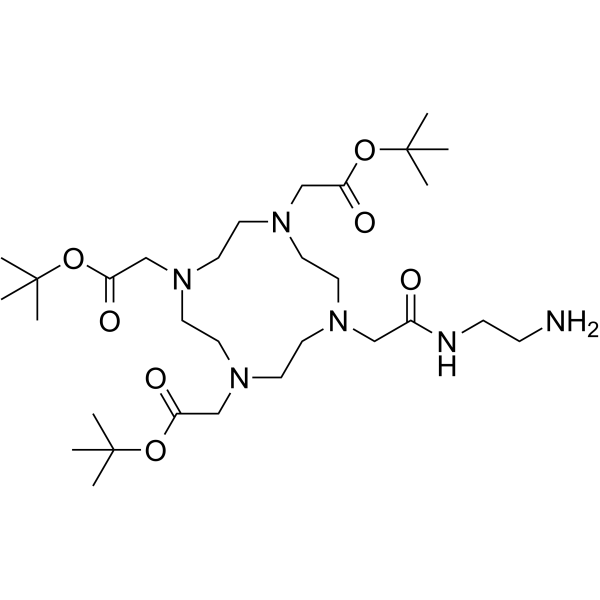
2-Aminoethyl-mono-amide-DOTA-tris(tBu ester) is a metal chelator precursor containing a DOTA macrocyclic structure. DOTA can form highly stable complexes with metal ions (such as 68Ga, 177Lu) through four nitrogen atoms and four carboxylic acid groups to mediate targeted delivery of radionuclides. The tert-butyl ester group (tBu ester) of 2-Aminoethyl-mono-amide-DOTA-tris(tBu ester) also protects the carboxylic acid group during synthesis, and forms a free carboxyl group after deprotection reaction for coupling with targeting molecules (such as antibodies, peptides). 2-Aminoethyl-mono-amide-DOTA-tris(tBu ester) may be combined with tumor pre-targeting systems through bioorthogonal reactions (such as reverse electron demand Diels-Alder reaction) to study radioactive imaging or therapy of tumor tissues, and is mainly used in tumor pre-targeting research in the field of nuclear medicine .
loading...
    loading...
Cat. No.: HY-Y0682S
CAS No.: 203806-08-0
Synonyms: EDTA-d12
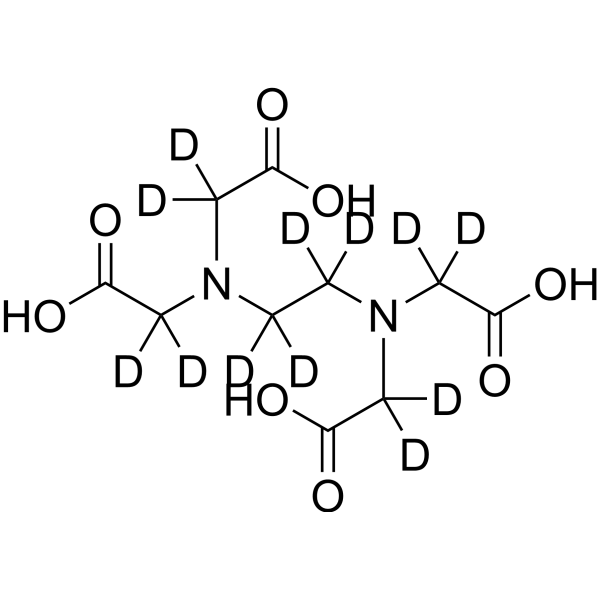
Ethylenediaminetetraacetic acid-d12 is the deuterium labeled Ethylenediaminetetraacetic acid . Ethylenediaminetetraacetic acid (EDTA) is a metal chelators (binds to metal divalent and trivalent cations including calcium), which shows activities of anticoagulant and anti-hypercalcemic. Ethylenediaminetetraacetic acid decreases the metal ion-catalyzed oxidative damage to proteins, and allows maintenance of reducing environment during protein purification. Ethylenediaminetetraacetic acid can also decrease the formation of disulfide bonds .
loading...
    loading...
Cat. No.: HY-164569
CAS No.: 1639843-65-4
Research Areas:  

Cancer

NH2 DOTA-GA is a DOTA-based metal chelator that can be used to prepare radionuclide drug conjugates (RDCs) whose carboxylic acid groups can complex metal ions, for example, NH2 DOTA-GA complexes Gd(III) ions.
loading...
    loading...
Cat. No.: HY-114243
CAS No.: 1382469-39-7
Purity:  98.28%
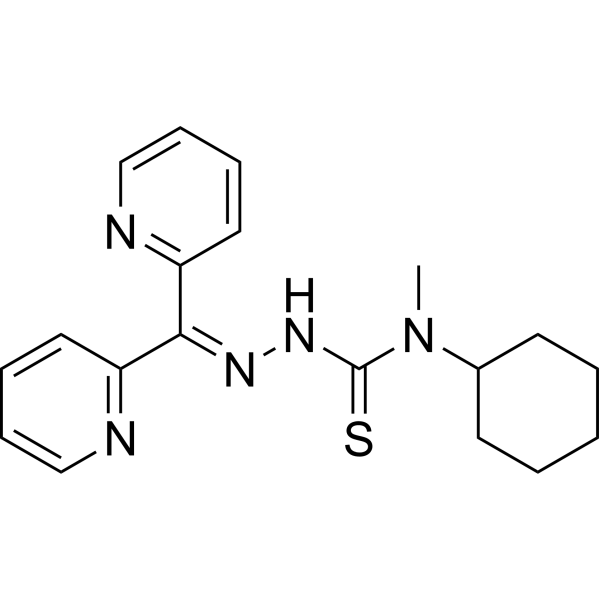
DpC is a selective, orally active iron chelator with anticancer activity. DpC acts on signaling pathway-related targets such as JNK, NF-κB, and its activity is competitively inhibited by another iron chelator Dp44mT (HY-18973). By chelating intracellular iron and copper ions in tumor cells to form redox-active complexes, DpC induces oxidative stress, activates the JNK, NF-κB pathways and downregulates IκBα, upregulates the expressions of neuroglobin and cytoglobin, activates caspase 3/9 to induce tumor cell apoptosis. It also overcomes P-glycoprotein-mediated multidrug resistance through a lysosome-targeting mechanism, and exhibits broad-spectrum synergistic effects when combined with various chemotherapeutic agents. DpC inhibits tumor metastasis and increases TNF-α levels in the tumor microenvironment to enhance endogenous immune responses. DpC is applicable to the research of various malignancies including neuroblastoma, pancreatic cancer, prostate cancer, lung cancer, and breast cancer .
loading...
    loading...
Cat. No.: HY-W047709
CAS No.: 140-07-8
Synonyms: THEED; THEEN
Research Areas:  

Infection Cancer

N,N,N',N'-Tetrakis(2-hydroxyethyl)ethylenediamine (THEED; THEEN) is a tetrapodal pentadentate chelating ligand that functions as a chelator to form stable complexes with metal ions. N,N,N',N'-Tetrakis(2-hydroxyethyl)ethylenediamine serves as a versatile building block for organic synthesis, a reagent for metal extraction, and an auxiliary for catalytic reactions. N,N,N',N'-Tetrakis(2-hydroxyethyl)ethylenediamine-derived metal complexes exhibit antibacterial, antifungal, and anticancer activities. N,N,N',N'-Tetrakis(2-hydroxyethyl)ethylenediamine and its metal complexes can be used for research related to breast cancer, leukemia, various bacterial and fungal infections .
loading...
    loading...
Cat. No.: HY-W011060
CAS No.: 23978-09-8
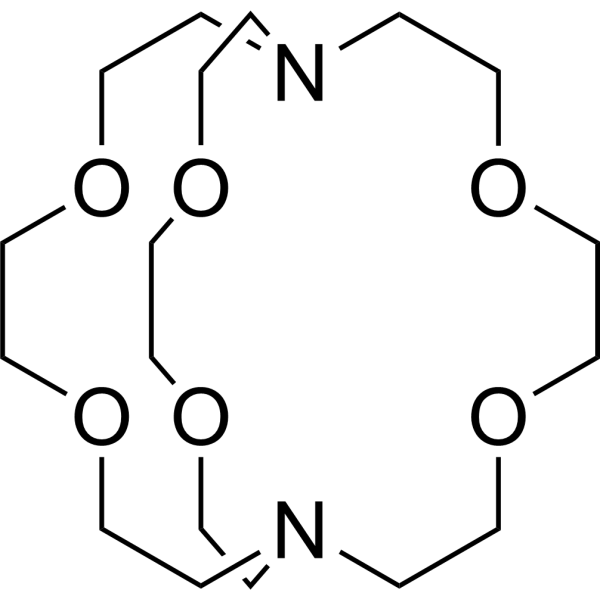
Synonyms: 4,7,13,16,21,24-Hexaoxa-1,10-diazabicyclo[8.8.8]hexacosane
Cryptand 2.2.2 (4,7,13,16,21,24-Hexaoxa-1,10-diazabicyclo[8.8.8]hexacosane) is a metal ion chelator. Cryptand 2.2.2 forms stable mononuclear, protonated and dinuclear complexes with copper (II) ions; forms protonated complexes with hydrogen ions; and also forms stable complexes with Zn 2+, Co 2+, Ni 2+, Cd 2+, Hg 2+ and Pb 2+ ions. Cryptand 2.2.2 can be used for the preparation of nanoparticles, transition metal compounds, etc.
loading...
    loading...
Cat. No.: HY-W012683
CAS No.: 142-73-4
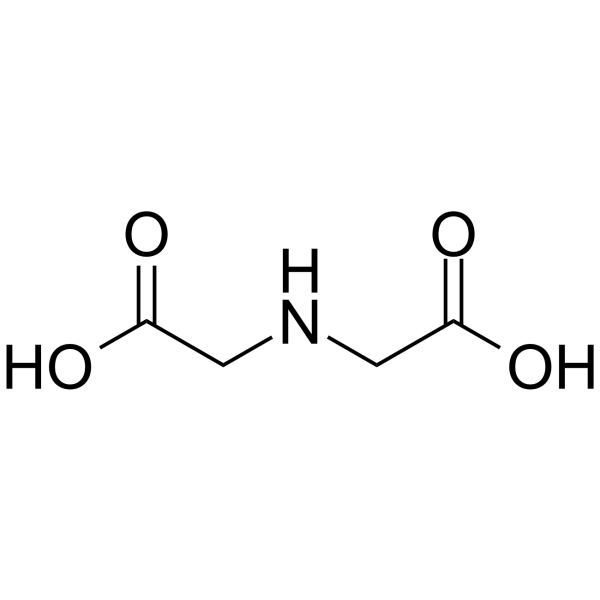
Iminodiacetic acid is a metal ion chelator targeting Cr 6+, Cd 2+, Ni 2+, and Pb 2+. Iminodiacetic acid selectively and irreversibly binds metal ions through the coordination of carboxyl and imino groups, reduces the toxicity of metal ions and promotes their adsorption and separation. Iminodiacetic acid has the functions of heavy metal ion removal and coordination complex stabilization. Iminodiacetic acid is often used in environmental pollution control (such as heavy metal adsorption in water) and coordination chemistry (such as metal ion detection and separation) research .
loading...
    loading...
Cat. No.: HY-W244398
CAS No.: 13239-97-9
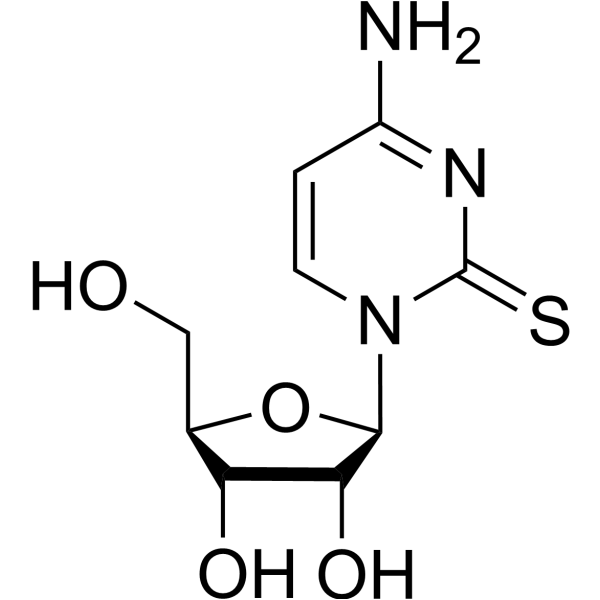
2-Thiocytidine is a natural thionucleoside in prokaryotic tRNA, which is biosynthesized under the catalysis of intracellular sulfur transferase systems and possesses multiple activities such as metal coordination and nucleic acid conformation regulation. 2-Thiocytidine forms stable Zn 2+ and Cd 2+ complexes via its (C2) S group, with partial involvement of N3; metal binding acidifies the deprotonation process of (C4) NH2. 2-Thiocytidine can be used in related research in various fields including nanotechnology and click chemistry for interstrand DNA crosslinking .
loading...
    loading...
Cat. No.: HY-103528
CAS No.: 3232-36-8
Purity:  99.64%
Synonyms: Salicylidene salicylhydrazide
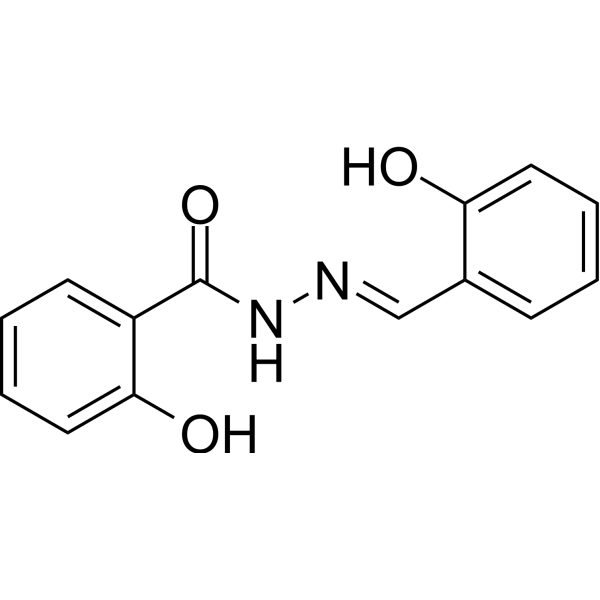
SCS (Salicylidene salicylhydrazide) is a potent, allosteric and selective inhibitor of β1-containing GABAA receptors with an IC50 of 32 nM against α2β1γ1θ by VIPR measurement. SCS is also a chelator of metal ions .
loading...
    loading...
Cat. No.: HY-W127790
CAS No.: 52746-49-3
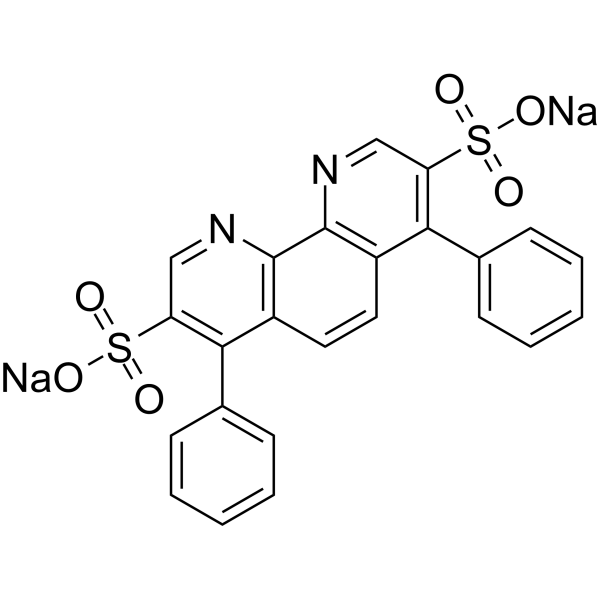
Bathophenanthrolinedisulfonic acid disodium is an iron ion chelator that serves as a colorimetric reagent for iron ion detection. Bathophenanthrolinedisulfonic acid disodium forms stable, strong complexes with Fe 2+ and Fe 3+, and each complex exhibits reversible redox behavior. Bathophenanthrolinedisulfonic acid disodium can act as a ligand to form water-soluble ruthenium catalysts, which promote the hydrogenation of the ketone group in levulinic acid to produce γ-valerolactone. When Bathophenanthrolinedisulfonic acid disodium and its iron complex are incorporated into a polymer-modified electrode, rapid color change from red to transparent occurs during potential cycling .
loading...
    loading...

