1. Search Result
Search Result
Results for "

Isoquinoline

" in MedChemExpress (MCE) Product Catalog:

86

Inhibitors & Agonists

2

Screening Libraries

1

Fluorescent Dyes

3

Biochemical Assay Reagents

1

Peptides

53

Natural
Products

2

Isotope-Labeled Compounds

1

Antibodies

Cat. No. Product Name Target Research Areas Chemical Structure
  • HY-13764
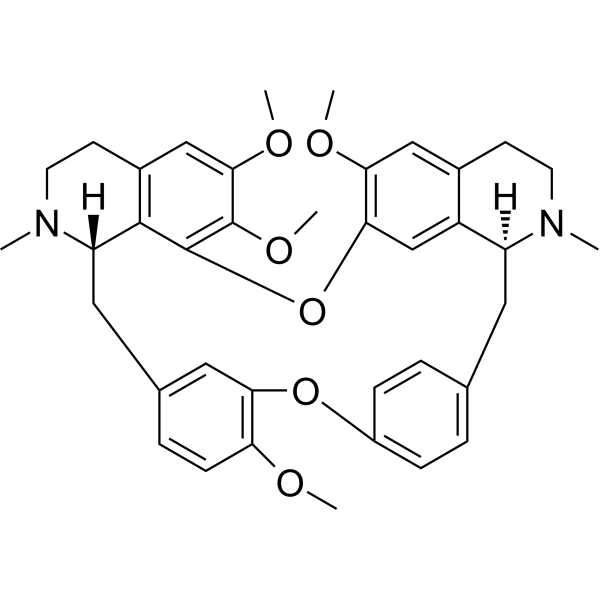
    Tetrandrine
    15+ Cited Publications

    NSC-77037; d-Tetrandrine

    Calcium Channel Potassium Channel Parasite Inflammation/Immunology Cancer
    Tetrandrine (NSC-77037; d-Tetrandrine) is a bis-benzyl-isoquinoline alkaloid, which inhibits voltage-gated Ca 2+ current (ICa) and Ca 2+-activated K + current.
    Tetrandrine
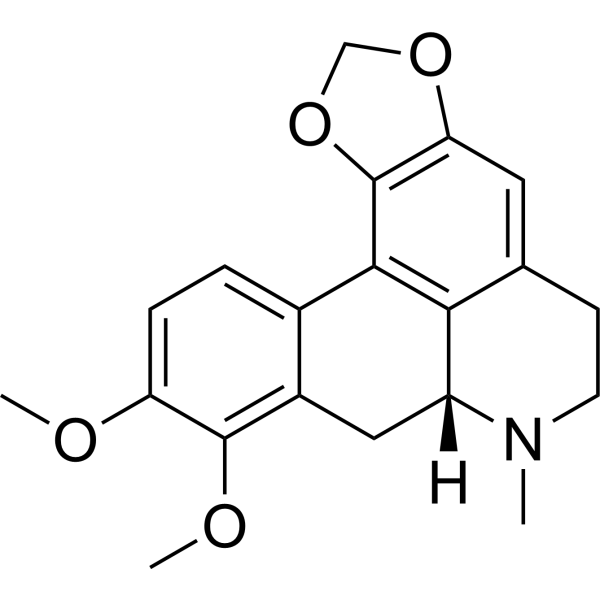
  • HY-N6973
    Boldine
    1 Publications Verification

    RANKL/RANK Apoptosis Inflammation/Immunology Cancer
    Boldine is an apomorphine isoquinoline alkaloid extracted from the root of the pheasant pepper (Litsea cubeba). Boldine is an oral effective antioxidant, anti-inflammatory, antitumor agent, and can inhibit osteoclast formation. Boldine induces apoptosis of human bladder cancer cells by regulating ERK, AKT and GSK-3β. Boldine ameliorates bone destruction by down-regulating the OPG/RANKL/RANK signaling pathway. It can be used in rheumatoid arthritis research .
    Boldine
  • HY-N1934

    Potassium Channel HSP Cardiovascular Disease Inflammation/Immunology Cancer
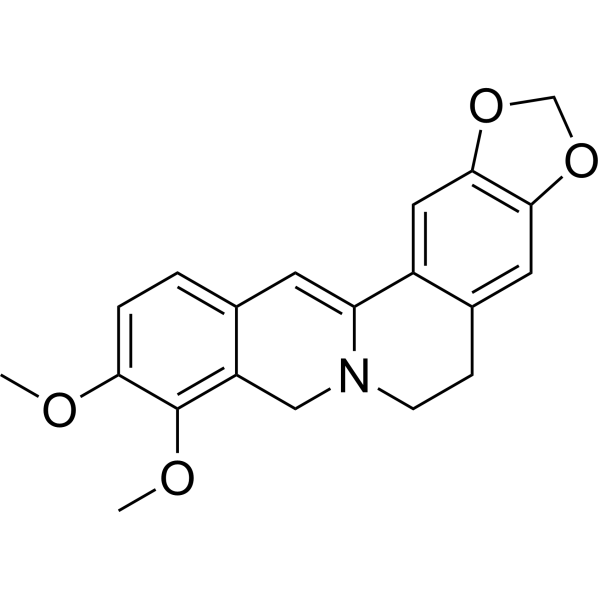
    Dihydroberberine is a naturally occurring isoquinoline alkaloid with anti-inflammatory, anti-atherosclerotic, hypolipidemic and anti-tumor activities. Dihydroberberine inhibits the human ether-related gene (hERG) channel and significantly reduces the expression of heat shock protein 90 (Hsp90) and its interaction with hERG. Dihydroberberine also blocks the TLR4/MyD88/NF-κB signaling pathway to reduce pro-inflammatory cytokines and immunoglobulins, and has inhibitory effects on DSS (HY-116282C)-induced experimental colitis. Dihydroberberine also increases the sensitivity of lung cancer to sunitinib (HY-10255A), with synergistic efficacy .
    Dihydroberberine
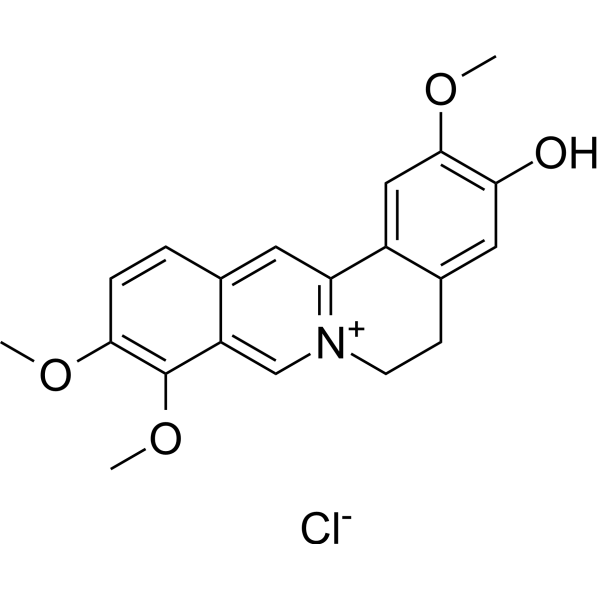
  • HY-N0740
    Jatrorrhizine chloride
    3 Publications Verification

    Cholinesterase (ChE) 5-HT Receptor Bacterial Neurological Disease Inflammation/Immunology
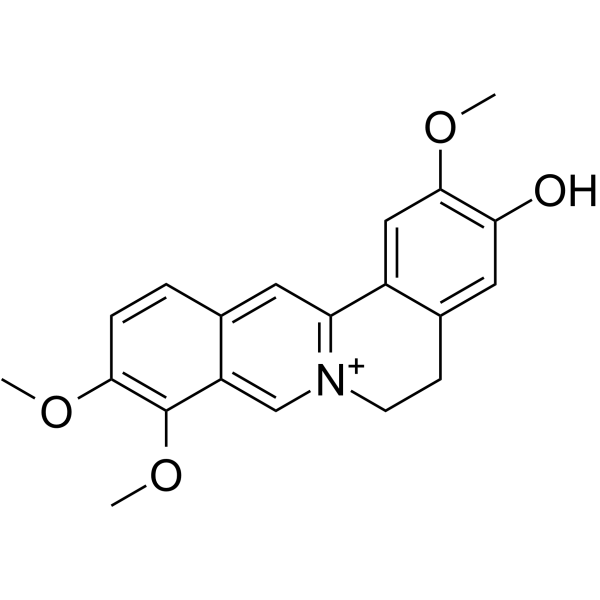
    Jatrorrhizine chloride is an alkaloid isolated from?Coptis chinensis with neuroprotective, antimicrobial, antiplasmodial and antioxidant activities . Jatrorrhizine chloride is a potent and orally active inhibitor of?AChE?(IC50=872 nM) over >115-fold selectivity for BuChE . Jatrorrhizine chloride reduces uptake of serotonin (5-HT) and norepinephrine (NE) via inhibition of uptake-2 transporters .
    Jatrorrhizine chloride
  • HY-N0923
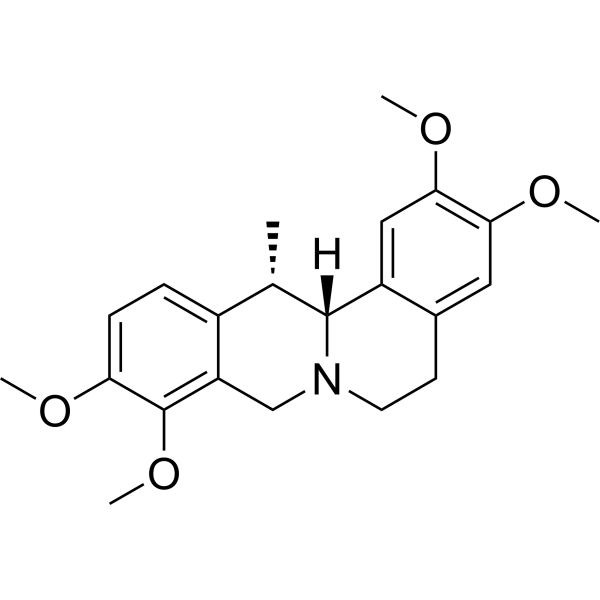
    Corydaline
    1 Publications Verification

    (+)-Corydaline; Corydalin

    Cholinesterase (ChE) Enterovirus Opioid Receptor Neurological Disease
    Corydaline ((+)-Corydaline), an isoquinoline alkaloid isolated from Corydalis yanhusuo, is an AChE inhibitor with an IC50 of 226 μM. Corydaline is a μ-opioid receptor (Ki of 1.23 μM) agonist and inhibits enterovirus 71 (EV71) replication (IC50 of 25.23 μM). Corydaline has anti-angiogenic, anti-allergic and gastric-emptying and antinociceptive activities .
    Corydaline
  • HY-15477
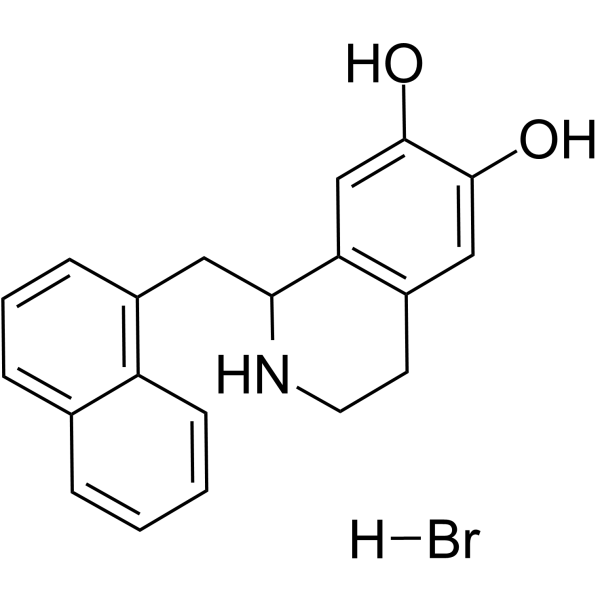
    YS-49
    10+ Cited Publications

    Akt PI3K Angiotensin Receptor Adrenergic Receptor Cardiovascular Disease Endocrinology
    YS-49 is a PI3K/Akt (a downstream target of RhoA) activator, to reduce RhoA/PTEN activation in the 3-methylcholanthrene-treated cells. YS-49 inhibits angiotensin II (Ang II)-stimulated proliferation of VSMCs via induction of heme oxygenase (HO)-1. YS-49 is also an isoquinoline compound alkaloid, has a strong positive inotropic action through activation of cardiac β-adrenoceptors .
    YS-49
  • HY-N0793

    Corydinine

    Cholinesterase (ChE) Infection Neurological Disease Inflammation/Immunology Cancer
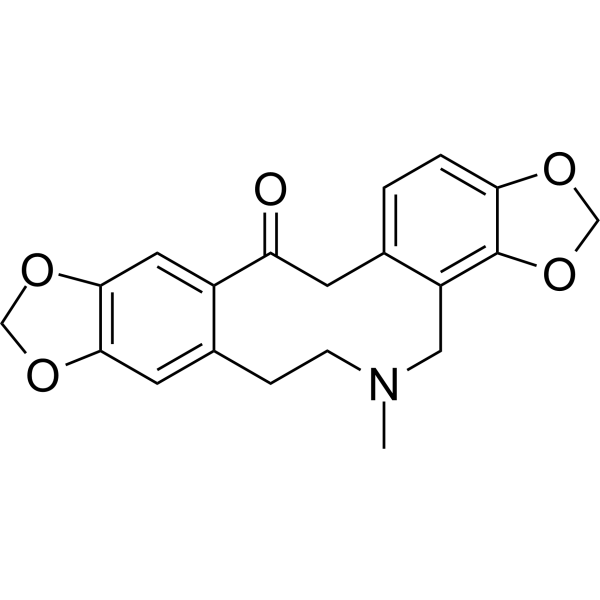
    Protopine (Corydinine), an isoquinoline alkaloid, is a specific reversible and competitive inhibitor of acetylcholinesterase. Protopine exhibits anti-inflammation, anti-microbial, anti-angiogenic and anti-tumour activity .
    Protopine
  • HY-N0485
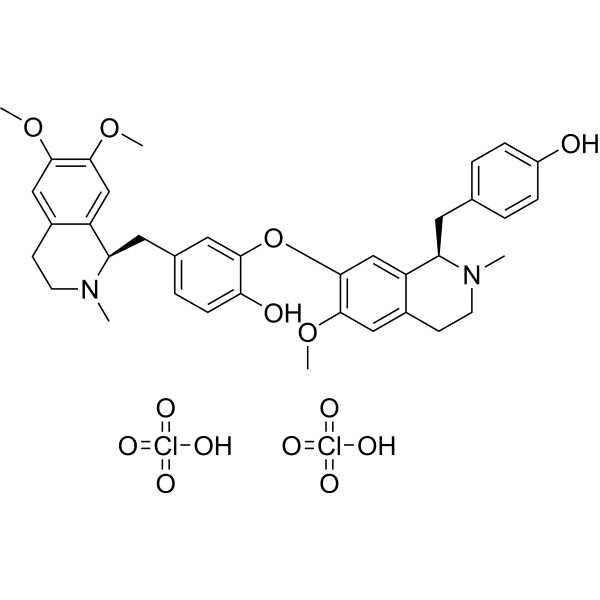
    Liensinine Diperchlorate
    Maximum Cited Publications
    20 Publications Verification

    Autophagy Mitophagy Cardiovascular Disease
    Liensinine Diperchlor​ate is a major isoquinoline alkaloid, extracted from the seed embryo of Nelumbo nucifera Gaertn. Liensinine Diperchlor​ate inhibits late-stage autophagy/mitophagy through blocking autophagosome-lysosome fusion. Liensinine Diperchlor​ate has a wide range of biological activities, including anti-arrhythmias, anti-hypertension, anti-pulmonary fibrosis, relaxation on vascular smooth muscle, etc .
    Liensinine Diperchlorate
  • HY-W012732
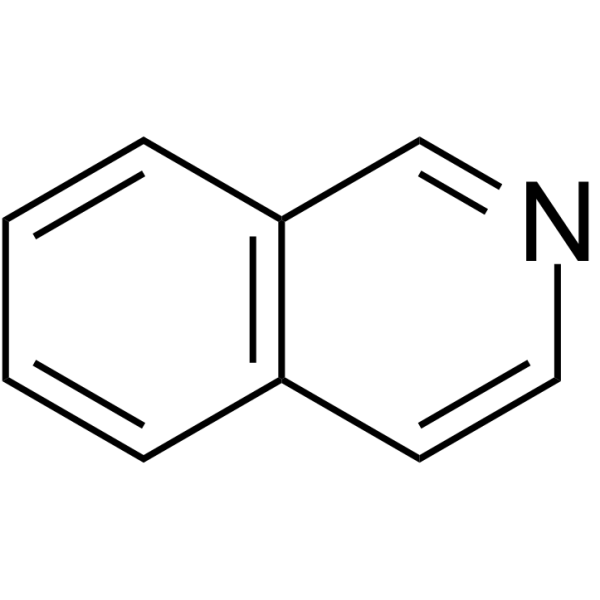
    Isoquinoline
    2 Publications Verification

    Environmental Pollutants Parasite Drug Isomer TNF Receptor HIV NF-κB Interleukin Related Neurological Disease Cancer
    Isoquinoline is an analog of pyridine. Isoquinoline-based alkaloids, such as p-tolyl bisisoquinoline, phthaloyl isoquinoline, and naphthyl isoquinoline, exhibit anticancer activity. Berberine, an isoquinoline alkaloid, exerts anti-inflammatory effects in diabetic mice by downregulating the gene expression ratios of pro-/anti-inflammatory and Th1/Th2 cytokines. Additionally, some isoquinoline-based compounds also possess antidepressant, antibacterial, antimalarial, and anti-HIV activities .
    Isoquinoline
  • HY-N0749

    Cholinesterase (ChE) 5-HT Receptor Bacterial Neurological Disease
    Jatrorrhizine is an alkaloid isolated from Coptis chinensis with neuroprotective, antimicrobial, antiplasmodial and antioxidant activities . Jatrorrhizine is a potent and orally active inhibitor of AChE (IC50=872 nM) over >115-fold selectivity for BuChE . Jatrorrhizine reduces uptake of serotonin (5-HT) and norepinephrine (NE) via inhibition of uptake-2 transporters .
    Jatrorrhizine
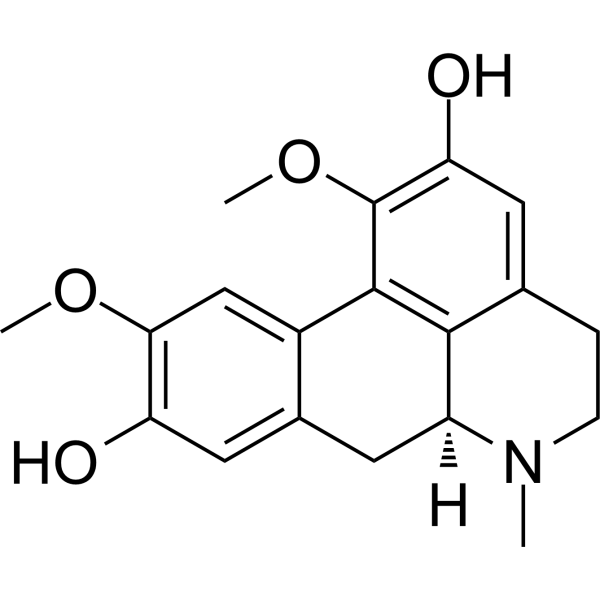
  • HY-N0586

    (+)-Laurelliptine

    Adenosine Receptor Inflammation/Immunology
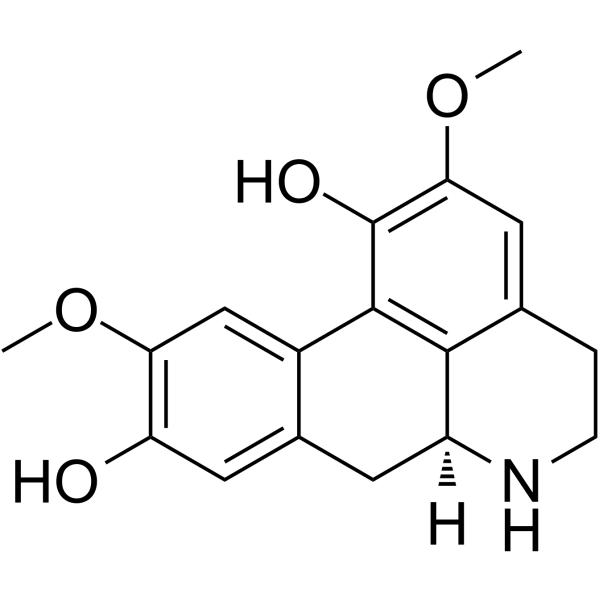
    Norisoboldine is an orally active natural aryl hydrocarbon receptor (AhR) agonist. Norisoboldine, as a major isoquinoline alkaloid present in Radix Linderae, can be used for the research of Rheumatoid arthritis and Ulcerative colitis .
    Norisoboldine
  • HY-N2369
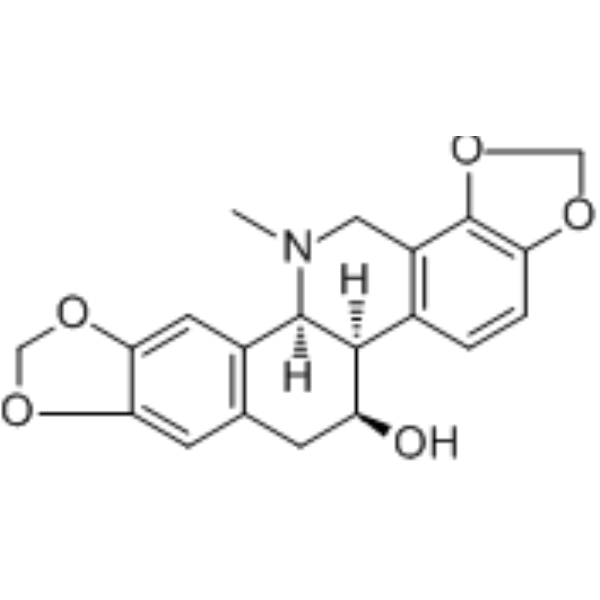
    Chelidonine
    2 Publications Verification

    Apoptosis Influenza Virus Infection Neurological Disease Inflammation/Immunology Cancer
    Chelidonine, an isoquinoline alkaloid, can be isolated from Chelidonium majus L.. Chelidonine causes G2/M arrest and induces caspase-dependent and caspase-independent apoptosis, and prevents cell cycle progression of stem cells in Dugesia japonica. Chelidonine has cytotoxic activity against melanoma cell lines. with anticancer and antiviral activity .
    Chelidonine
  • HY-W416291

    Poly(A)

    Biochemical Assay Reagents Cancer
    Polyadenylic acid potassium, also known as Poly(A), is enzymatically added to messenger RNA (mRNA) in eukaryotic cells to stabilize mRNAs. Poly(A) is used to evaluate binding on cationic liposomes doped with non-ionic nucleolipids. Poly(A) is used in small molecule mRNA targeted drug development to evaluate the binding of potential therapeutic agents such as the Isoquinoline group of alkaloids. Small molecules that could bind to this poly(A) tail could influence and possibly inhibit mRNA function and subsequent protein production in the cell leading to the development of new type of therapeutic agents.
    Polyadenylic acid potassium
  • HY-132828

    LT3001; DHDMIQK(KAP)

    P-selectin Cardiovascular Disease Metabolic Disease Inflammation/Immunology
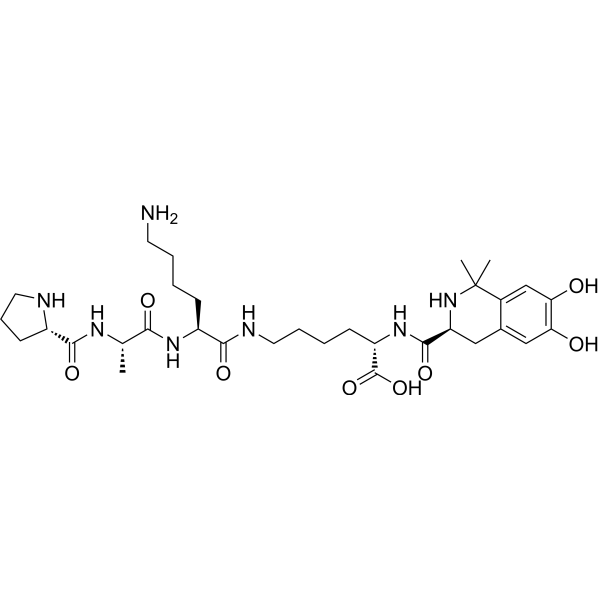
    Odatroltide (LT3001; DHDMIQK(KAP)) is a P-selectin inhibitor. Odatroltide is a peptide molecule comprising a tripeptide Pro-Ala-Lys (PAK) and an (S)-6,7-dihydroxy-1,1-dimethyl-1,2,3,4-tetrahydro-isoquinoline-3-carboxylic acid domain. Odatroltide can restore cerebral blood flow, scavenge free radicals, and inhibit leukocyte migration. Odatroltide possesses thrombolytic and anti-thrombotic activities .
    Odatroltide
  • HY-N2255
    Crebanine
    4 Publications Verification

    Akt Apoptosis NF-κB Reactive Oxygen Species (ROS) p38 MAPK ERK Interleukin Related TNF Receptor NO Synthase nAChR Bacterial Cancer
    Crebanine is an isoquinoline-like alkaloid that can be derived from Stephania. Crebanine is an antagonist of the α7-nAChR with an IC50 of 19.1 μM. Crebanine suppresses the proliferation, migration, and invasion of cancer cells, triggers reactive oxygen species (ROS) burst, and promotes apoptosis. Crebanine inhibits the AKT/FoxO3a, NF-κB and MAPK signaling pathways. Crebanine attenuates NOX2 hyperactivation, exhibits antioxidant properties by reducing reactive oxygen species and peroxidation in microglia cells. Crebanine inhibits voltage-dependent Na + current in guinea-pig ventricular myocytes. Crebanine has high inhibitory activity against gram-positive animal pathogenic bacteria. Crebanine ameliorates ischemia-reperfusion brain damage in middle cerebral artery occlusion and reperfusion (MCAO/R) rats. Crebanine significantly improves Scopolamine (HY-N0296)-induced cognitive deficits in ICR mice. Crebanine can be used for the study of hepatocellular carcinoma (HCC), cerebral ischemia and Alzheimer's disease .
    Crebanine
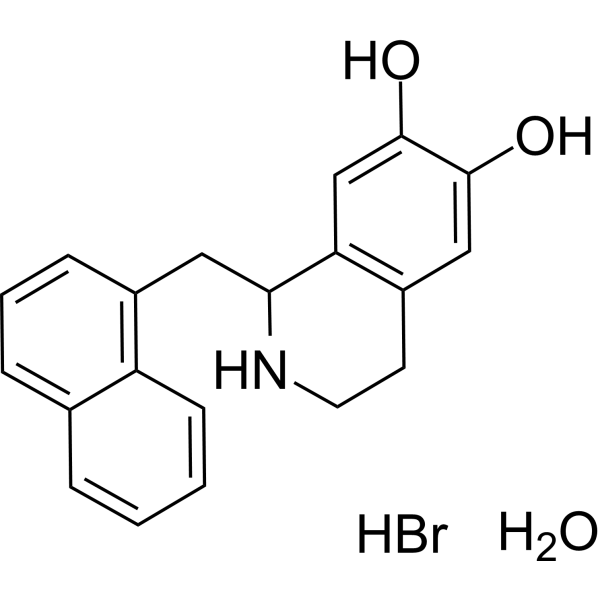
  • HY-W206168

    Norlaudanosoline hydrobromide

    Dopamine Receptor Neurological Disease
    Tetrahydropapaveroline (Norlaudanosoline) hydrobromide, an isoquinoline alkaloid, is a condensation product of dopamine and dopaldehyde. Tetrahydropapaveroline hydrobromide inhibits [ 3H]DA uptake with a Ki of 41 μM. Tetrahydropapaveroline hydrobromide can be used for the study of Parkinson's disease and/or alcohol addiction .
    Tetrahydropapaveroline hydrobromide
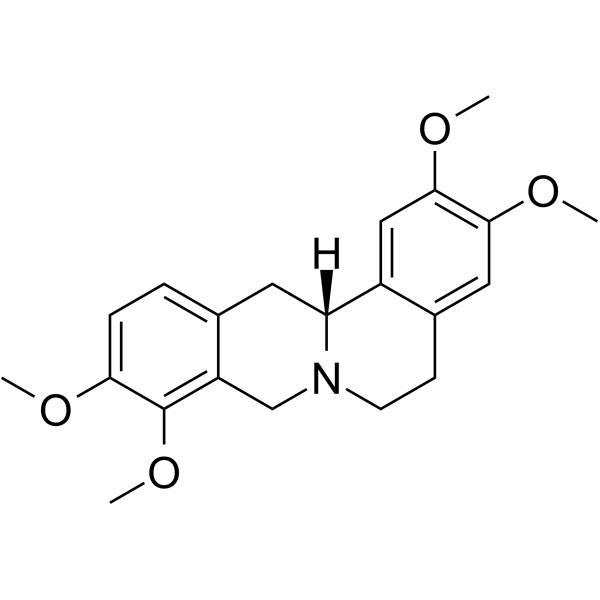
  • HY-N2003
    D-Tetrahydropalmatine
    1 Publications Verification

    Dopamine Receptor Metabolic Disease
    D-Tetrahydropalmatine is an isoquinoline alkaloid, mainly in the genus Corydalis . D-Tetrahydropalmatine is a dopamine (DA) receptor antagonist with preferential affinity toward the D1 receptors . D-Tetrahydropalmatine is a potent organic cation transporter 1 (OCT1) inhibitor .
    D-Tetrahydropalmatine
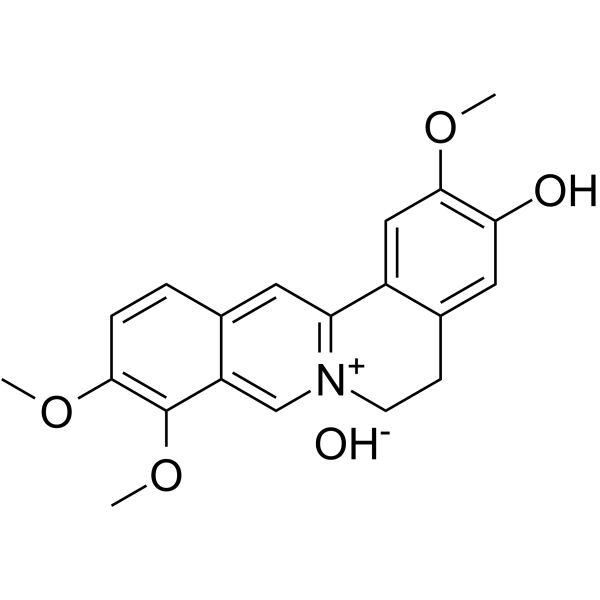
  • HY-N0749A
    Jatrorrhizine hydroxide
    3 Publications Verification

    Cholinesterase (ChE) 5-HT Receptor Bacterial Neurological Disease Inflammation/Immunology
    Jatrorrhizine hydroxide is an alkaloid isolated from Coptis chinensis with neuroprotective, antimicrobial, antiplasmodial and antioxidant activities . Jatrorrhizine hydroxide is a potent and orally active inhibitor of AChE (IC50=872 nM) over >115-fold selectivity for BuChE . Jatrorrhizine hydroxide reduces uptake of serotonin (5-HT) and norepinephrine (NE) via inhibition of uptake-2 transporters .
    Jatrorrhizine hydroxide
  • HY-N0586A

    (+)-Laurelliptine hydrochloride

    Adenosine Receptor Inflammation/Immunology
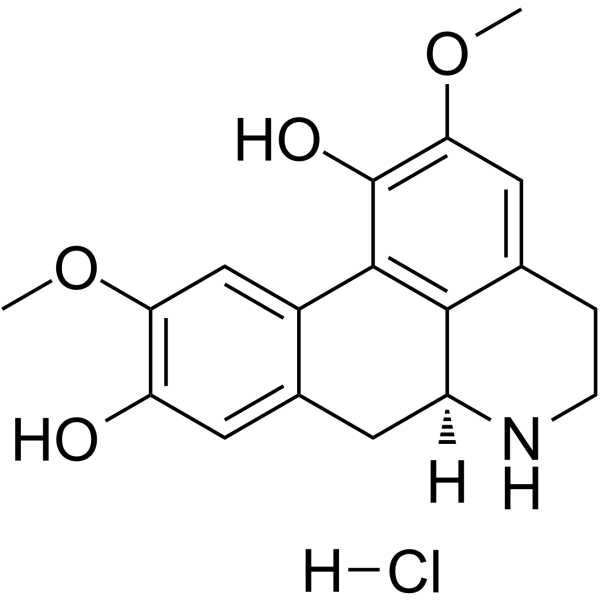
    Norisoboldine hydrochloride is an orally active natural aryl hydrocarbon receptor (AhR) agonist. Norisoboldine hydrochloride, as a major isoquinoline alkaloid present in Radix Linderae, can be used for the research of Rheumatoid arthritis and Ulcerative colitis .
    Norisoboldine hydrochloride
  • HY-69055

    Drug Intermediate Cardiovascular Disease
    7-Bromoisoquinoline is a brominated isoquinoline and synthetic precursor that constructs the isoquinoline functional group at the C17 position of target molecules. 7-Bromoisoquinoline serves as a key synthetic intermediate for the synthesis of cortistatin A-derived anti-angiogenic steroidal analogs (e.g., 7-tributylstannyl isoquinoline). 7-Bromoisoquinoline .
    7-Bromoisoquinoline
  • HY-N7512

    Dopamine Receptor 5-HT Receptor Parasite Infection Cancer
    Asimilobine is an aporphine isoquinoline alkaloid isolated from plant species of Magnolia obobata Thun. Asimilobine is a dopamine biosynthesis inhibitor and a serotonergic receptor antagonist. Asimilobine shows an antimalarial and anti-cancer activity .
    Asimilobine
  • HY-N8420

    Fungal Infection Cancer
    Thalifoline is an isoquinoline alkaloid. Thalifoline exerts cytotoxic effects on cancer cells. Thalifoline inhibits the growth of Fusarium oxysporum f. sp. lycopersici. Thalifoline can be used in research related to lung adenocarcinoma, colon cancer, oral epidermoid carcinoma, and fungal infections .
    Thalifoline
  • HY-W012732S

    Isotope-Labeled Compounds Cancer
    Isoquinoline-d7 is the deuterium labeled Isoquinoline . Isoquinoline is an analog of pyridine. Isoquinoline structural-based alkaloids, such as tropoloisoquinoline, phthalideisoquinoline, and naphthylisoquinoline has anti-cancer activities .
    Isoquinoline-d7
  • HY-15477A
    YS-49 monohydrate
    10+ Cited Publications

    Akt PI3K Angiotensin Receptor Adrenergic Receptor Cardiovascular Disease Endocrinology
    YS-49 (monohydrate) is a PI3K/Akt (a downstream target of RhoA) activator, to reduce RhoA/PTEN activation in the 3-methylcholanthrene-treated cells. YS-49 inhibits angiotensin II (Ang II)-stimulated proliferation of VSMCs via induction of heme oxygenase (HO)-1. YS-49 is also an isoquinoline compound alkaloid, has a strong positive inotropic action through activation of cardiac β-adrenoceptors .
    YS-49 monohydrate
  • HY-W029659

    Endogenous Metabolite Neurological Disease
    1-Benzyl-1,2,3,4-tetrahydro-isoquinoline is an endogenous metabolite present in Cerebrospinal_Fluid that can be used for the research of Parkinson's Disease .
    1-Benzyl-1,2,3,4-tetrahydro-isoquinoline
  • HY-N3035
    Tetrahydroepiberberine
    1 Publications Verification

    Fungal Influenza Virus Infection
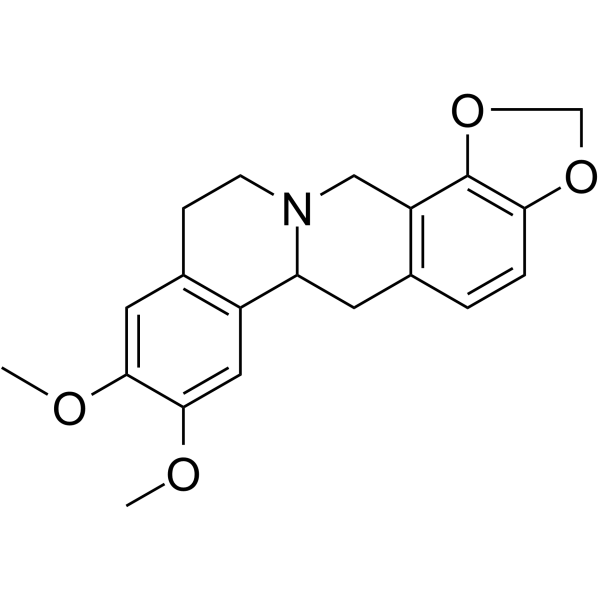
    Tetrahydroepiberberine is a isoquinoline alkaloid isolated from Corydalis impatiens (Pall). Tetrahydroepiberberine has antifungal and selective inhibition against the PI-3 virus activities .
    Tetrahydroepiberberine
  • HY-113806

    (±)-Oleracein E

    Bacterial Influenza Virus Apoptosis Infection Inflammation/Immunology
    (±)-Trolline ((±)-Oleracein E), an isoquinoline alkaloid, exhibits antibacterial activity against respiratory bacteria and antiviral activity against influenza virus A and B. (±)-Trolline significantly induces HSC apoptosis. (±)-Trolline can be used for the research of liver fibrosis .
    (±)-Trolline
  • HY-N16546

    Others Others
    Flavinantine is an isoquinoline-type alkaloid that can be found in Papaver nudicaule L.
    Flavinantine
  • HY-102010

    (+)-Pancratistatin

    Apoptosis Cancer
    Pancratistatin is an isoquinoline alkaloid that can be isolated from Hymenocallis littoralis. Pancratistatin induces apoptosis of human melanoma cells. Pancratistatin can be used for the research of neuroblastoma, leukemia and breast cancer .
    Pancratistatin
  • HY-144452

    Proteasome Cancer
    Immunoproteasome inhibitor 1 is a potent, reversible, time-independent immunoproteasome and proteasome inhibitor (Kis of 1.18, 0.27, 1.91 μM in β5c, β1i, β5i submits, respectively). Immunoproteasome inhibitor 1 can be used for the research of certain neoplastic diseases .
    Immunoproteasome inhibitor 1
  • HY-N6973R
    Boldine (Standard)
    1 Publications Verification

    Reference Standards RANKL/RANK Inflammation/Immunology
    Boldine (Standard) is the analytical standard of Boldine. This product is intended for research and analytical applications. Boldine is an aporphine isoquinoline alkaloid extracted from the root of Litsea cubeba and also possesses these properties, including antioxidant, anti-inflammatory and cytoprotective effects. Boldine suppresses osteoclastogenesis, improves bone destruction by down-regulating the OPG/RANKL/RANK signal pathway and may be a potential therapeutic agent for rheumatoid arthritis .
    Boldine (Standard)
  • HY-117616

    (+)-Laurotetanine

    NF-κB Cancer
    Laurotetanine ((+)-Laurotetanine) is an potent and orally active isoquinoline alkaloid and could be extracted from the roots of Litsea cubeba (Lour.) Pers. Laurotetanine exerts an anti-asthmatic effect by inhibition of IgE, histamine, and inflammatory reactions via down-regulating MUC5AC and NF-κB signaling pathways .
    Laurotetanine
  • HY-N8262

    Influenza Virus Infection
    Dehydrocorybulbine chloride is an isoquinoline alkaloid with neuraminidase (NA) inhibitory activity. Dehydrocorybulbine chloride can be isolated from the 95% ethanol extract of the rhizome of Viola odorata .
    Dehydrocorybulbine chloride
  • HY-N10824

    Others Others
    2,3,5,6-Tetramethoxyaporphine is an antitussive agent, a medicinally valuable benzyl isoquinoline alkaloid. 2,3,5,6-Tetramethoxyaporphine can be isolated from the yellow hornpoppy, Glaucium flavum Cr. (Fam. Papaveraceae) .
    2,3,5,6-Tetramethoxyaporphine
  • HY-W012732R

    TNF Receptor Drug Isomer Interleukin Related HIV NF-κB Parasite Reference Standards Cancer
    Isoquinoline (Standard) is the analytical standard of Isoquinoline. This product is intended for research and analytical applications. Isoquinoline is an analog of pyridine. Isoquinoline structural-based alkaloids, such as tropoloisoquinoline, phthalideisoquinoline, and naphthylisoquinoline has anti-cancer activities .
    Isoquinoline (Standard)
  • HY-W003692

    MOFs Others
    Isoquinoline-6-carboxylic acid is a metal-organic framework (MOF).
    Isoquinoline-6-carboxylic acid
  • HY-N1934R

    Reference Standards Potassium Channel HSP Cardiovascular Disease Inflammation/Immunology Cancer
    Dihydroberberine (Standard) is the analytical standard of Dihydroberberine. This product is intended for research and analytical applications. Dihydroberberine is a naturally occurring isoquinoline alkaloid with anti-inflammatory, anti-atherosclerotic, hypolipidemic and anti-tumor activities. Dihydroberberine inhibits the human ether-related gene (hERG) channel and significantly reduces the expression of heat shock protein 90 (Hsp90) and its interaction with hERG. Dihydroberberine also blocks the TLR4/MyD88/NF-κB signaling pathway to reduce pro-inflammatory cytokines and immunoglobulins, and has inhibitory effects on DSS (HY-116282C)-induced experimental colitis. Dihydroberberine also increases the sensitivity of lung cancer to sunitinib (HY-10255A), with synergistic efficacy .
    Dihydroberberine (Standard)
  • HY-23703A

    Drug Intermediate Others
    5-(Piperazin-1-yl)isoquinoline hydrochloride is a drug intermediate for synthesis of various active compounds.
    5-(Piperazin-1-yl)isoquinoline hydrochloride
  • HY-W042027

    8-Isoquinoline-methaneaminedihydrochloride

    Bacterial Biochemical Assay Reagents Infection Inflammation/Immunology Cancer
    Isothiazole-5-carboxylic acid (8-Isoquinoline-methaneaminedihydrochloride) is an organic compound with antibacterial, anticancer and anti-inflammatory properties. Isothiazole-5-carboxylic acid can be used to develop novel compounds to combat various diseases. Isothiazole-5-carboxylic acid exhibits a wide range of potential pharmacological activities and helps improve existing inhibitory schemes.
    Isothiazole-5-carboxylic acid
  • HY-N16494

    (-)-Govadine

    Others Others
    Govadine is a synthetical tetrahydroprotoberberine (isoquinoline alkaloid). Govadine can be used as a structural reference substance .
    Govadine
  • HY-119731

    p38 MAPK NF-κB Others
    Antidesmone is a isoquinoline alkaloid that can be isolated from Antidesma membranaceum . Antidesmone can prevent acute lung injury in vivo via inhibiting MAPK and NF-κb activities .
    Antidesmone
  • HY-N0586R

    (+)-Laurelliptine (Standard)

    Reference Standards Adenosine Receptor Inflammation/Immunology
    Norisoboldine (Standard) is the analytical standard of Norisoboldine. This product is intended for research and analytical applications. Norisoboldine is an orally active natural aryl hydrocarbon receptor (AhR) agonist. Norisoboldine, as a major isoquinoline alkaloid present in Radix Linderae, can be used for the research of Rheumatoid arthritis and Ulcerative colitis .
    Norisoboldine (Standard)
  • HY-N2369R

    Reference Standards Apoptosis Influenza Virus Infection Cancer
    Chelidonine (Standard) is the analytical standard of Chelidonine. This product is intended for research and analytical applications. Chelidonine, an isoquinoline alkaloid, can be isolated from Chelidonium majus L.. Chelidonine causes G2/M arrest and induces caspase-dependent and caspase-independent apoptosis, and prevents cell cycle progression of stem cells in Dugesia japonica. Chelidonine has cytotoxic activity against melanoma cell lines. with anticancer and antiviral activity .
    Chelidonine (Standard)
  • HY-W004698

    Drug Intermediate Others
    (2-Methoxypyrimidin-5-yl)boronic acid is a drug intermediate that can serve as a key reactant in the Suzuki-Miyaura coupling reaction, and is used for the synthesis of isoquinoline ketone derivatives with anti-tumor activity .
    (2-Methoxypyrimidin-5-yl)boronic acid
  • HY-N1219

    (-)-Stephanine; l-Stephanine

    Apoptosis Parasite Infection Inflammation/Immunology Cancer
    Stephanine ((-)-Stephanine) is an isoquinoline aporphine-type alkaloid. Stephanine induce apoptosis through the reverse of mitotic exit. Stephanine exhibits Antiplasmodial activity. Stephanine can be used for the research of stomach pain, abdominal pain, arthritis and cancer .
    Stephanine
  • HY-13764R

    NSC-77037 (Standard); d-Tetrandrine (Standard)

    Reference Standards Calcium Channel Potassium Channel Parasite Inflammation/Immunology Cancer
    Tetrandrine (Standard) is the analytical standard of Tetrandrine. This product is intended for research and analytical applications. Tetrandrine (NSC-77037; d-Tetrandrine) is a bis-benzyl-isoquinoline alkaloid, which inhibits voltage-gated Ca2+ current (ICa) and Ca2+-activated K+ current.
    Tetrandrine (Standard)
  • HY-170023

    Opioid Receptor Neurological Disease
    Samidorphan isoquinoline dioxolane (Compound 16) is a cyclazocine analogue with opioid receptor binding properties .
    Samidorphan isoquinoline dioxolane
  • HY-W320538

    Fungal Infection
    Benz[g]isoquinoline-5,10-dione, an active component isolated from the ethanolic extract of the aerial parts of Mitracarpus scaber, demonstrates notable in vitro inhibitory activity against AIDS-related pathogens, along with significant antibacterial and antifungal properties, as evidenced by the agar well-diffusion assay.
    Benz[g]isoquinoline-5,10-dione
  • HY-N11491

    Others Others
    8-Demethoxycephatonine is an isoquinoline alkaloid, that can be isolated from Sinomenium acutum (Menispermaceae) .
    8-Demethoxycephatonine
  • HY-162962

    Indoleamine 2,3-Dioxygenase (IDO) Cancer
    IDO1/TDO-IN-7 (Compound 43b), an isoquinoline derivative, is a potent dual IDO1/TDO inhibitor, with IC50s of 0.31 μM and 0.08 μM, respectively. IDO1/TDO-IN-7 displays acceptable pharmacokinetic profiles and potent antitumor efficacy with low toxicity in B16-F10 tumor model .
    IDO1/TDO-IN-7

Inquiry Online

Your information is safe with us. * Required Fields.

Salutation


Country or Region *

Applicant Name *


Organization Name *

Department *


Email Address *


Product Name *

Cat. No.


Requested quantity *

Phone Number *


Remarks

Inquiry Online

Inquiry Information

Product Name:
Cat. No.:
Quantity:
MCE Japan Authorized Agent:

