103 Results for "

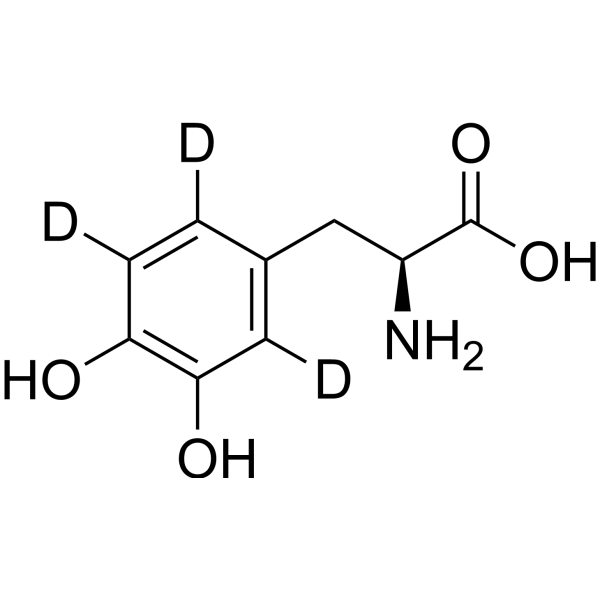
L-DOPA-2,5,6-d3

" in MedChemExpress (MCE) Product Catalog:
Products (103)

103 Results for "L-DOPA-2,5,6-d3" in MCE Product Catalog:

35
35 Publications Verification
Cat. No.: HY-N0304
CAS No.: 59-92-7
Synonyms: LevoDOPA; 3,4-Dihydroxyphenylalanine
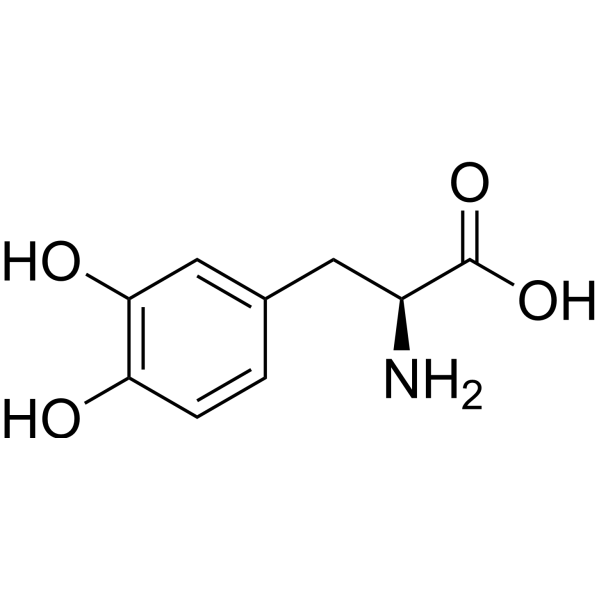
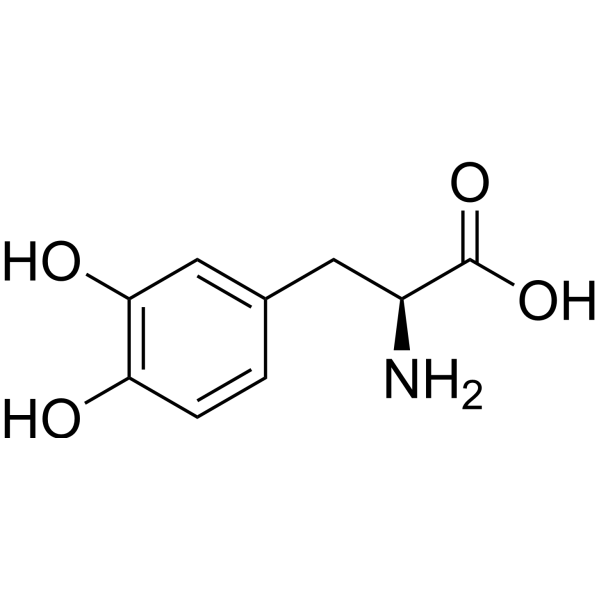
L-DOPA (Levodopa) is an orally active metabolic precursor of neurotransmitters dopamine. L-DOPA can cross the blood-brain barrier and is converted into dopamine in the brain. L-DOPA has anti-allodynic effects and the potential for Parkinson's disease .
35
35 Publications Verification
Cat. No.: HY-N0304A
CAS No.: 63302-01-2
Synonyms: LevoDOPA sodium; 3,4-Dihydroxyphenylalanine sodium
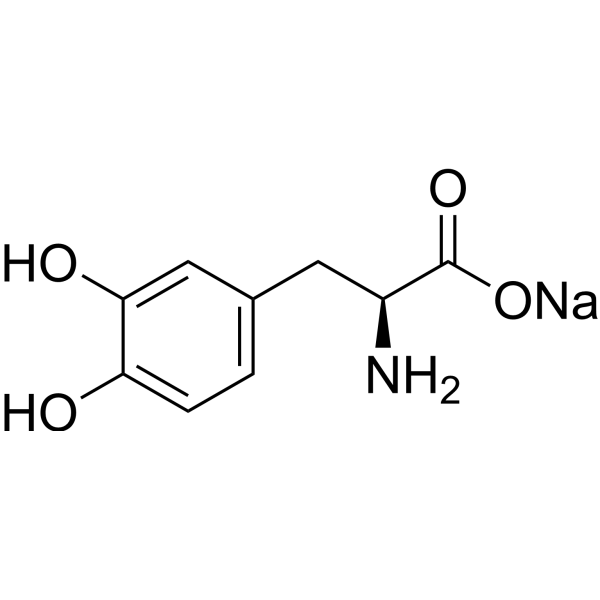
L-DOPA (Levodopa) sodium is an orally active metabolic precursor of neurotransmitters dopamine. L-DOPA sodium can cross the blood-brain barrier and is converted into dopamine in the brain. L-DOPA sodium has anti-allodynic effects, and can be used for Parkinson's disease research .
7
7 Cited Publications
Cat. No.: HY-B0404A
CAS No.: 14919-77-8
Synonyms: Ro 4-4602 hydrochloride
Target:  

Pyruvate Kinase

Research Areas:  

Neurological Disease Cancer

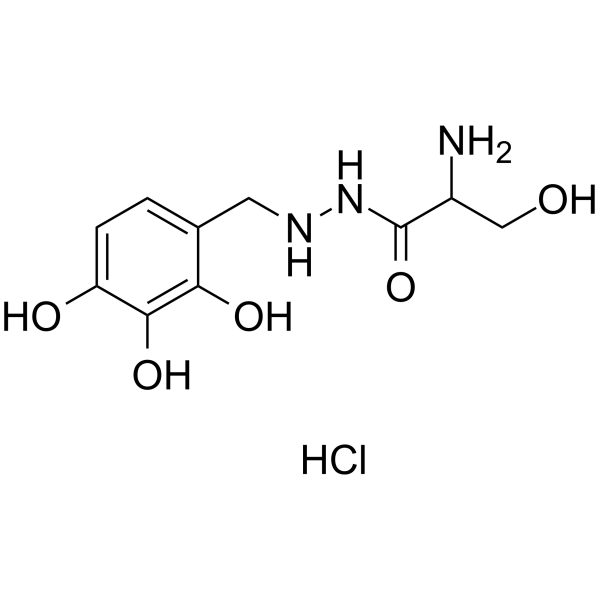
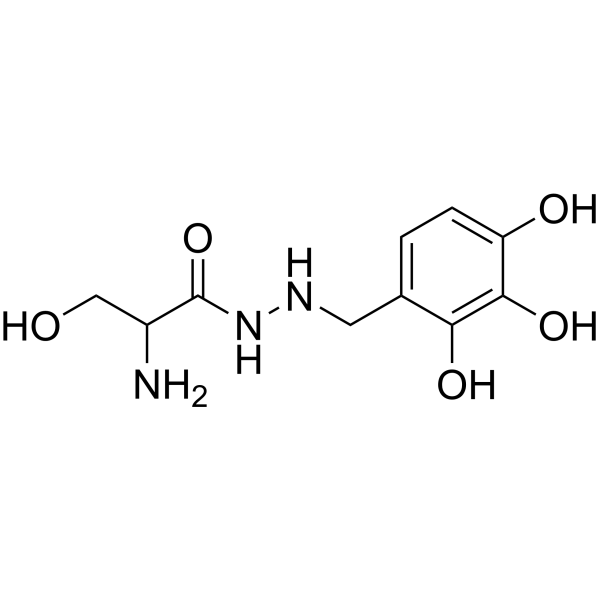
Benserazide hydrochloride (Serazide) is an aromatic L-amino acid decarboxylase (AADC) and L-DOPA decarboxylase inhibitor. Benserazide hydrochloride is also a PKM2 inhibitor. Benserazide hydrochloride directly binds to and blocks PKM2 enzyme activity, leading to inhibition of aerobic glycolysis concurrent up-regulation of OXPHOS. Benserazide hydrochloride can be used for the study of Parkinson's disease and melanoma .
7
7 Cited Publications
Cat. No.: HY-121275
CAS No.: 322-35-0
Synonyms: Ro 4-4602
Target:  

Pyruvate Kinase

Research Areas:  

Neurological Disease Cancer

Benserazide is an aromatic L-amino acid decarboxylase (AADC) and L-DOPA decarboxylase inhibitor. Benserazide is also a PKM2 inhibitor. Benserazide directly binds to and blocks PKM2 enzyme activity, leading to inhibition of aerobic glycolysis concurrent up-regulation of OXPHOS. Benserazide can be used for the study of Parkinson's disease and melanoma .
4
4 Cited Publications
Cat. No.: HY-15257
CAS No.: 543906-09-8
Purity:  99.88%
Synonyms: AFQ056
Target:  

mGluR

Research Areas:  

Neurological Disease

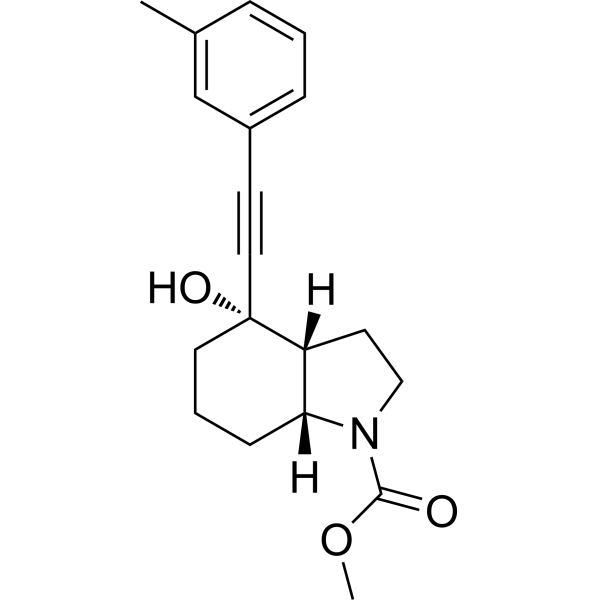
Mavoglurant (AFQ056) is a potent, selective, non-competitive and orally active mGluR5 antagonist, with an IC50 of 30 nM. Mavoglurant shows a >300 fold selectivity for the mGluR5 over all targets (238) tested. Mavoglurant can be used for the research of Fragile X syndrome (FXS), and L-dopa induced dyskinesias in Parkinson's disease . Mavoglurant is a click chemistry reagent, it contains an Alkyne group and can undergo copper-catalyzed azide-alkyne cycloaddition (CuAAc) with molecules containing Azide groups.
4
4 Cited Publications
Cat. No.: HY-N2278
CAS No.: 99217-63-7
Synonyms: Leachianone E
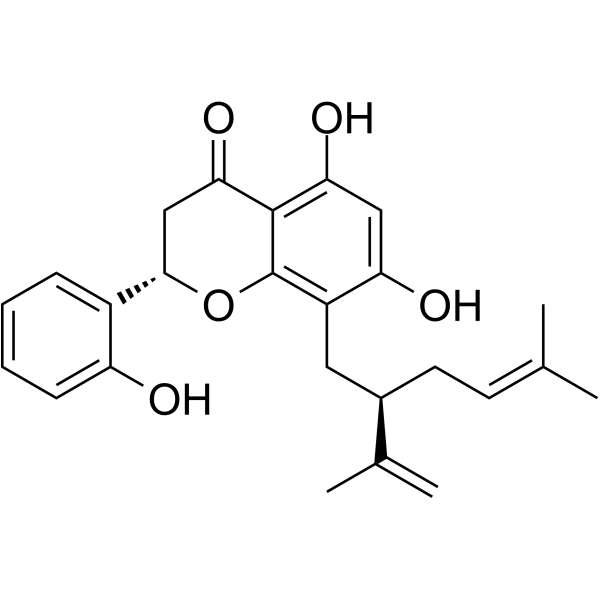
Kushenol A (Leachianone E) is isolated from the root of Sophora flavescent. Kushenol A is a non-competitive tyrosinase inhibitor to block the conversion of L-tyrosine to L-DOPA, shows IC50 and Kivalues of 1.1 μM and 0.4 μM, respectively . Kushenol A is a flavonoid antioxidant, has inhibitory effects on alpha-glucosidase (IC50: 45 μM; Ki: 6.8 μM) and β-amylase . Kushenol A is confirmed as potential inhibitors of enzymes targeted by cosmetics for skin whitening and aging .
3
3 Cited Publications
Cat. No.: HY-Y0351
CAS No.: 103-85-5
Synonyms: Phenylthiocarbamide
Research Areas:  

Others

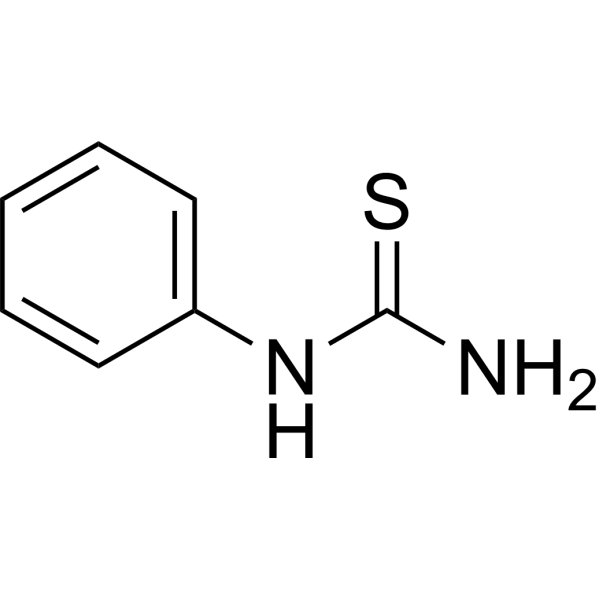
Phenylthiourea (Phenylthiocarbamide) is an inhibitor for phenoloxidase. Phenylthiourea inhibits enzymatic oxidation of DOPA by phenoloxidase (Ki = 0.21 μM). Phenylthiourea is an effective inhibitor for tyrosinase. Phenylthiourea can lead to graying of hair in black rats due to the interference with melanin formation .
3
3 Cited Publications
Cat. No.: HY-33549
CAS No.: 658-48-0
Target:  

Tyrosine Hydroxylase

Research Areas:  

Neurological Disease Cancer

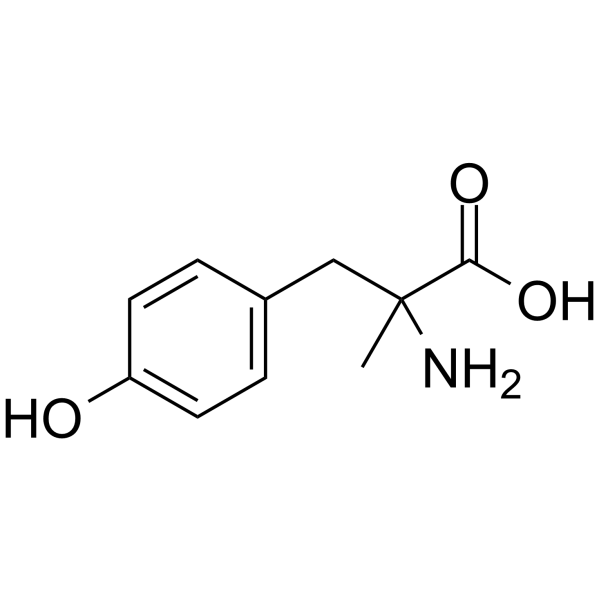
α-Methyl-p-tyrosine is a competitive inhibitor of tyrosine hydroxylase, which converts tyrosine into DOPA. α-Methyl-p-tyrosine is also an orally active inhibitor of catecholamine synthesis, inhibiting the hydroxylation of tyrosine into DOPA. α-Methyl-p-tyrosine can be used in research related to epilepsy, glaucoma, cancer, and other related diseases .
2
2 Cited Publications
Cat. No.: HY-P1335
CAS No.: 103429-32-9
Target:  

Opioid Receptor

Research Areas:  

Neurological Disease

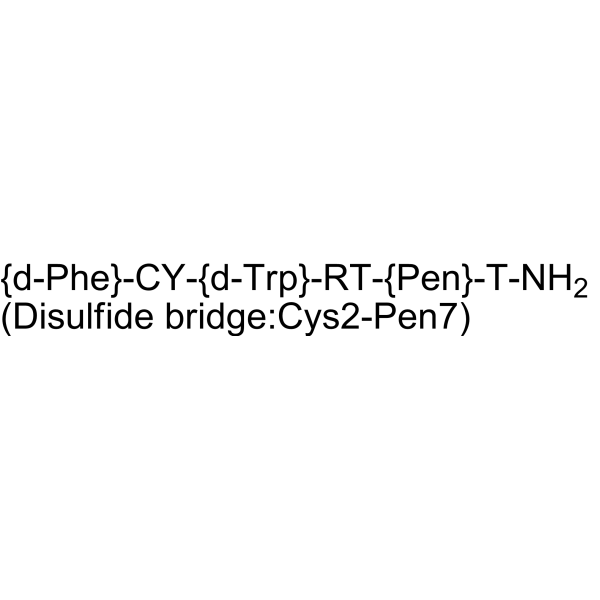
CTAP is a potent, highly selective, and BBB penetrant μ opioid receptor antagonist, with an IC50 of 3.5 nM. CTAP displays over 1200-fold selectivity over δ opioid (IC50=4500 nM) and somatostatin receptors. CTAP can be used for the study of L-DOPA-induced dyskinesia (LID) and opiate overdose or addiction .
2
2 Cited Publications
Cat. No.: HY-P1335A
Target:  

Opioid Receptor

Research Areas:  

Neurological Disease

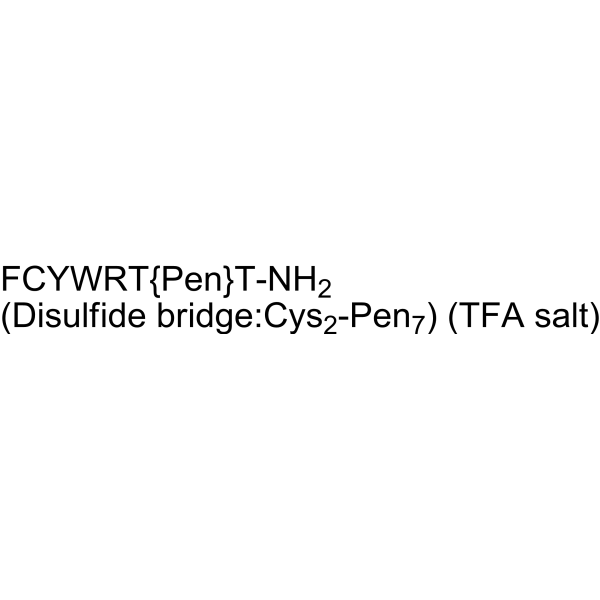
CTAP TFA is a potent, highly selective, and BBB penetrant μ opioid receptor antagonist, with an IC50 of 3.5 nM. CTAP TFA displays over 1200-fold selectivity over δ opioid (IC50=4500 nM) and somatostatin receptors. CTAP TFA can be used for the study of L-DOPA-induced dyskinesia (LID) and opiate overdose or addiction .
1
1 Cited Publications
Cat. No.: HY-101392
CAS No.: 486-84-0
Purity:  99.91%
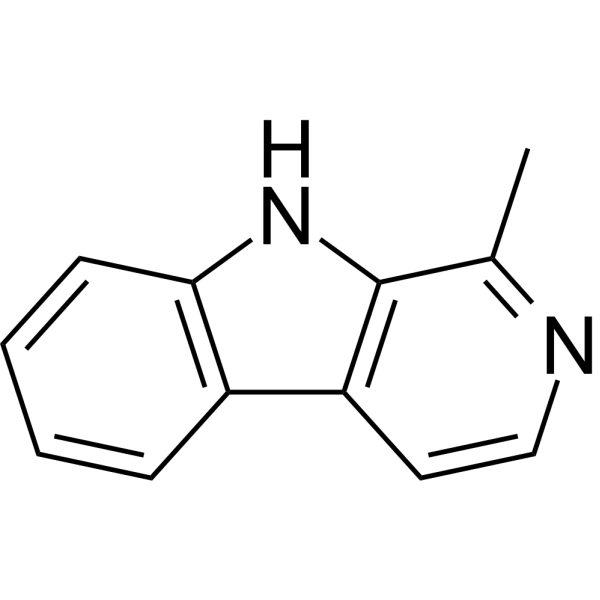
Harmane is a benzodiazepine receptor inhibitor (IC50=7 μM), with IC50 values for mACh, Opioid Receptor, MAO-A/B, and α2-adrenergic receptor of 24 μM, 2.8 μM, 0.5 μM, 5 μM, and 18 μM, respectively. Harmane inhibits the I1 imidazoline receptor (IC50 = 30 nM) to reduce blood pressure and has antidepressant, anti-anxiety, anticonvulsant, and analgesic effects. Harmane inhibits dopamine biosynthesis by decreasing tyrosine hydroxylase (TH) activity and enhancing L-DOPA-induced cytotoxicity in PC12 cells. Additionally, Harmane can increase the mutagenic effect induced by 2-acetylaminofluorene (AAF) .
1
1 Cited Publications
Cat. No.: HY-N0304R
CAS No.: 59-92-7
Synonyms: LevoDOPA (Standard); 3,4-Dihydroxyphenylalanine (Standard)
L-DOPA (Standard) is the analytical standard of L-DOPA. This product is intended for research and analytical applications. L-DOPA (Levodopa) is an orally active metabolic precursor of neurotransmitters dopamine. L-DOPA can cross the blood-brain barrier and is converted into dopamine in the brain. L-DOPA has anti-allodynic effects and the potential for Parkinson's disease .
1
1 Cited Publications
Cat. No.: HY-113468A
CAS No.: 300-48-1
Purity:  99.16%
Synonyms: 3-Methoxy-L-tyrosine; 3-O-Methyl-L-DOPA
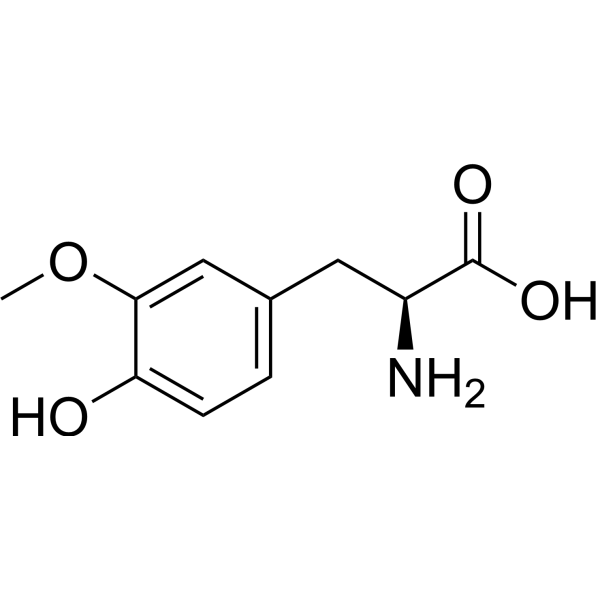
3-O-Methyldopa (3-Methoxy-L-tyrosine) is a metabolite of L-DOPA (HY-N0304) that can cross the blood-brain barrier (BBB). 3-O-Methyldopa inhibits the astrocyte-mediated protective effect of L-DOPA (HY-N0304) on dopaminergic neurons. In addition, 3-O-Methyldopa has certain antidepressant and neuroprotective activities. 3-O-Methyldopa can be used in the research of nervous system diseases such as depression and Parkinson's disease .
1
1 Cited Publications
Cat. No.: HY-100820
CAS No.: 351862-32-3
Purity:  98.74%
Synonyms: EMD 128130
Research Areas:  

Neurological Disease

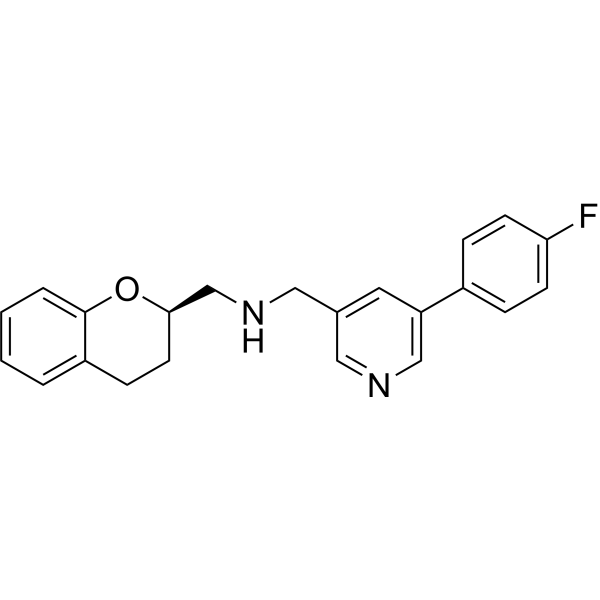
Sarizotan (EMD 128130) is an orally active serotonin 5-HT1A receptor and dopamine receptor agonist. Sarizotan (EMD 128130) exhibits IC50 values of 6.5 nM (rat 5-HT1A), 0.1 nM (human 5-HT1A), 15.1 nM (rat D2), 17 nM (human D2), 6.8 nM (human D3) and 2.4 nM (human D4.2), respectively .
1
1 Cited Publications
Cat. No.: HY-N0304S2
CAS No.: 586971-29-1
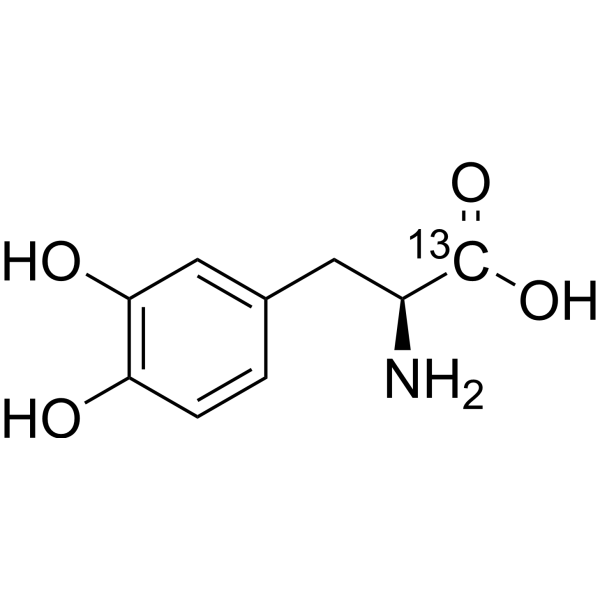
L-DOPA- 13C is the 13C labeled L-DOPA . L-DOPA (Levodopa) is an orally active metabolic precursor of neurotransmitters dopamine. L-DOPA can cross the blood-brain barrier and is converted into dopamine in the brain. L-DOPA has anti-allodynic effects and the potential for Parkinson's disease .
1
1 Cited Publications
Cat. No.: HY-101392A
CAS No.: 21655-84-5
Harmane hydrochloride is a benzodiazepine receptor inhibitor (IC50=7 μM), with IC50 values for mACh, Opioid Receptor, MAO-A/B, and α2-adrenergic receptor of 24 μM, 2.8 μM, 0.5 μM, 5 μM, and 18 μM, respectively. Harmane hydrochloride inhibits the I1 imidazoline receptor (IC50 = 30 nM) to reduce blood pressure and has antidepressant, anti-anxiety, anticonvulsant, and analgesic effects. Harmane hydrochloride inhibits dopamine biosynthesis by decreasing tyrosine hydroxylase (TH) activity and enhancing L-DOPA-induced cytotoxicity in PC12 cells. Additionally, Harmane hydrochloride can increase the mutagenic effect induced by 2-acetylaminofluorene (AAF) .
Cat. No.: HY-W096171
CAS No.: 5796-17-8
Synonyms: 3-Hydroxy-D-tyrosine
Target:  

Carboxypeptidase

Research Areas:  

Infection Neurological Disease

D-Dopa (3-Hydroxy-D-tyrosine) is a potent, orally active, non-competitive and allosteric inhibitor of glutamate carboxypeptidase II (GCPII) with an IC50 of 200 nM. D-Dopa elevates brain dopamine and produce turning behavior in rats. D-Dopa inhibit severe fever with thrombocytopenia syndrome (SFTS) virus infection. D-Dopa can be used for neurological disease and virus infection research .
Cat. No.: HY-162666
CAS No.: 3038770-25-8
Target:  

Potassium Channel

Research Areas:  

Neurological Disease

TMEM175 modulator 1 (compound 47) is a TMEM175 modulator.TMEM175 modulator 1 modulates activity of the lysosomal potassium ion channel TMEM175.TMEM175 modulator 1 can be used for the research of parkinson’s disease, dementia, alzheimer’s disease, l-dopa induced dyskinesia .
Cat. No.: HY-113404
CAS No.: 63-84-3
Purity:  98.58%
DL-Dopa is a dopamine precursor. It serves as a substrate for Mushroom Tyrosinase, which oxidizes it to dopaquinone, an intermediate in the DOPA-melanin polymerization process, and this reaction can be detected at 475 nm. DL-Dopa also forms synergistic hydrophobic and π-π stacking interactions with cationic surfactants. Its binding to cetylpyridinium chloride (HY-B1464) is stronger and exhibits better thermodynamic stability than its binding to benzalkonium chloride (HY-B2232). DL-Dopa can compensate for dopamine depletion in the brain and is applicable to research related to Parkinson's disease .
Cat. No.: HY-110286
CAS No.: 21373-30-8
Purity:  95.23%
Target:  

DNA/RNA Synthesis

Research Areas:  

Cancer

6-Hydroxy-DOPA is a selective and effective allosteric inhibitor of the RAD52 ssDNA binding domain. 6-Hydroxy-DOPA can be used for the research of cancer .

