52 Results for "

Metabolic disruption

" in MedChemExpress (MCE) Product Catalog:
Products (52)

52 Results for "Metabolic disruption" in MCE Product Catalog:

5
5 Cited Publications
Cat. No.: HY-N9933
CAS No.: 25696-60-0
Synonyms: TβMCA
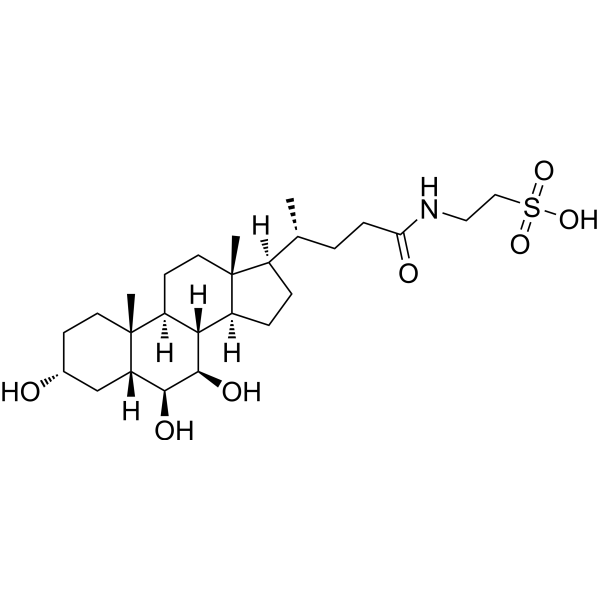
Tauro-β-muricholic acid (TβMCA) is an orally active trihydroxylated bile acid and a competitive, reversible FXR antagonist (IC50=40 μM). Tauro-β-muricholic acid inhibits bile acid-induced hepatocyte apoptosis by maintaining mitochondrial membrane potential, while simultaneously inhibiting intestinal FXR signaling, affecting bile acid synthesis, hepatic lipid metabolism, and insulin sensitivity. Accumulation of tauro-β-muricholic acid disrupts metabolic homeostasis, promoting cancer stem cell proliferation and tumor progression. The mechanisms of tauro-β-muricholic acid involve two aspects: first, inhibiting the translocation of the pro-apoptotic protein Bax to mitochondria and maintaining mitochondrial membrane potential (MMP); and second, blocking the FXR signaling pathway to regulate bile acid metabolism, reduce serum ceramide production, and downregulate the hepatic SREBP1C/CIDEA pathway. Tauro-β-muricholic acid possesses anti-hepatocyte apoptosis, bile acid homeostasis regulation, and liver fat accumulation reduction properties, and also functions as a biomarker, making it useful in the study of diseases such as bile acid metabolism disorders, non-alcoholic fatty liver disease, colorectal cancer, and liver fibrosis .
loading...
    loading...
2
2 Cited Publications
Cat. No.: HY-B1268
CAS No.: 577-11-7
Synonyms: Dioctyl sulfosuccinate sodium salt
Research Areas:  

Others

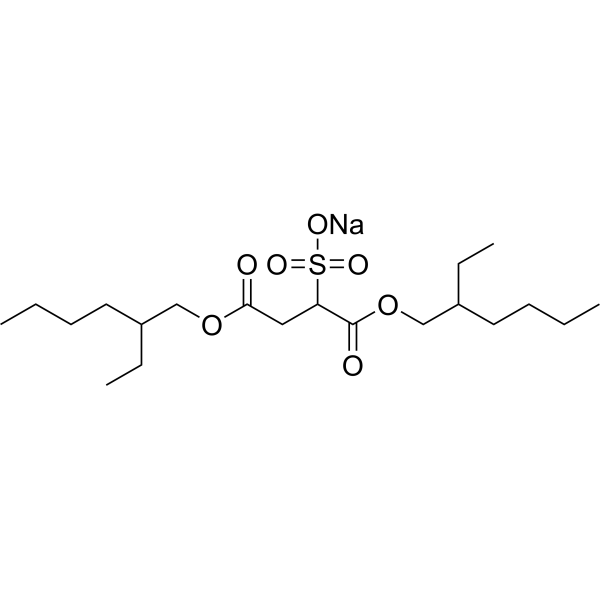
Docusate Sodium (Dioctyl sulfosuccinate sodium salt) is one of the main components in stool softeners. Docusate Sodium is a sulfated surfactant and may inactivate viral pathogens by disrupting viral envelopes and/or denaturing/disassociating proteins. Docusate Sodium is effective in vitro against wild type and drug-resistant strains of HSV type 1 and 2. Docusate Sodium is an obesogen. Docusate Sodium with developmental exposure leads to increased adult adiposity, inflammation, metabolic disorder and dyslipidemia in offspring fed a standard diet in mice .
loading...
    loading...
2
2 Cited Publications
Cat. No.: HY-Y0808
CAS No.: 106-65-0
Dimethyl succinate is an orally active cell permeable succinate analogue. Dimethyl succinate can disrupt the TCA cycle by elevating intracellular succinate levels, leading to reduced protein synthesis and impairs myogenic differentiation. Dimethyl succinate can induce apoptosis. Dimethyl succinate can decrease maximal cellular respiration and reserve capacity. Dimethyl succinate can rescue synapse loss in AD. Dimethyl succinate can be used for the researches of metabolic and neurological disease [1][2].
loading...
    loading...
1
1 Cited Publications
Cat. No.: HY-N4104
CAS No.: 666-99-9
Synonyms: Agaricinic Acid
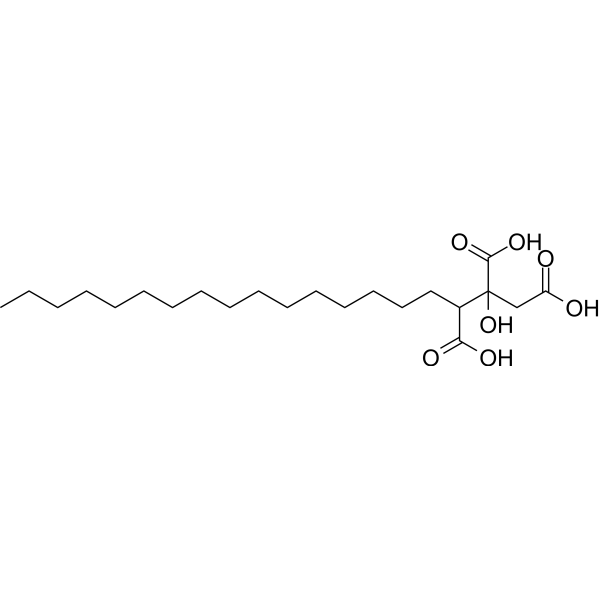
Agaric acid (Agaricinic Acid) is an orally active inhibitor of adenine nucleotide translocase found in specific fungi. Agaric acid can inhibit the biofilm formation of various bacteria such as Salmonella. Agaric acid can also induce mitochondrial permeability transition, prompting mitochondria to release Ca 2+, disrupting the transmembrane potential, and causing mitochondrial swelling. In addition, Agaric acid can also inhibit citrate transport in liver mitochondria and participate in the inhibition of fatty acid synthesis, affecting multiple metabolic processes .
loading...
    loading...
1
1 Cited Publications
Cat. No.: HY-N6924
CAS No.: 80930-74-1
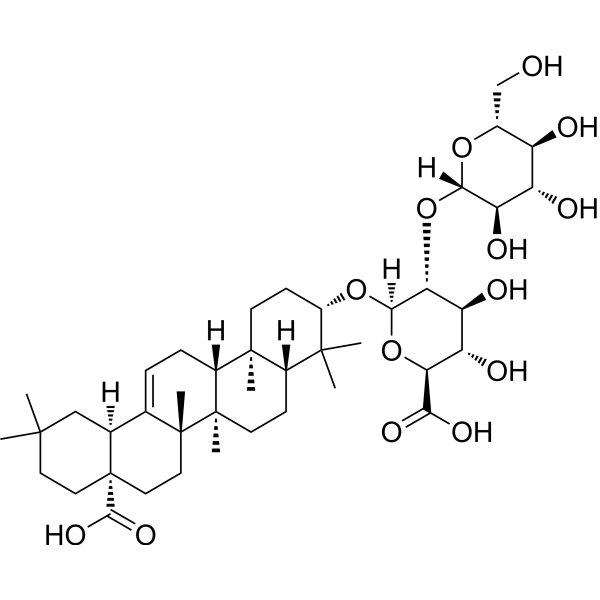
Zingibroside R1 is an orally active triterpene saponin with multiple biological activities including antioxidant, anti-inflammatory, antiviral, and metabolic regulatory properties. Zingibroside R1 reduces the expression of PIN family members, inhibits the expression of PLT1/PLT2, WOX5, SHR, and SCR, disrupts auxin transport and distribution, triggers plant ROS responses, and inhibits root growth. Zingibroside R1 extends the lifespan of Caenorhabditis elegans, enhances its heat stress resistance, and improves its motor ability. Hydrogel derivatives of Zingibroside R1 inhibit the proliferation of Candida albicans by binding to its β-1,3-glucan and exhibit antifungal activity. Zingibroside R1 inhibits GLUT1-mediated uptake and alleviates liver injury. Zingibroside R1 can be used in research related to neurodegenerative diseases, vulvovaginal candidiasis, acute liver injury, Ehrlich ascites tumor and HIV-1 infection .
loading...
    loading...
1
1 Cited Publications
Cat. No.: HY-145733
CAS No.: 2247061-09-0
Purity:  99.62%
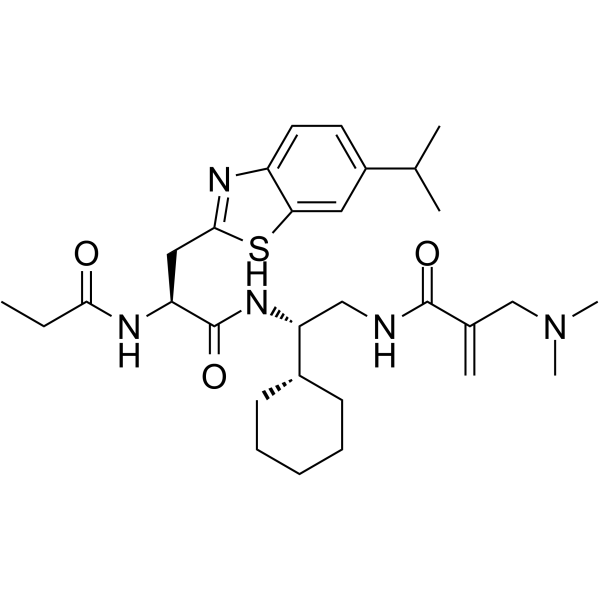
DI-1859 is a DCN1 and cullin 3 inhibitor with a Ki of <1 nM against human DCN1. DI-1859 forms a covalent bond with Cys115 of DCN1, cleaves its dimethylamino group, disrupts the DCN1-UBC12 interaction, and selectively inhibits the neddylation modification of cullin 3 relative to other cullins. DI-1859 inactivates CRL3, promotes the accumulation of NRF2 and SLC7A11, upregulates the expression of HO-1 and NQO1, reduces reactive oxygen species (ROS) levels, enhances insulin signaling, promotes insulin secretion, activates RhoA, regulates the phosphorylation of AKT, without completely blocking the neddylation modification of cullin 3 or restoring the expression of IRS-1. DI-1859 can be used in the research of Acetaminophen (HY-66005)-induced hepatotoxicity, hyperglycemia, metabolic dysfunction-associated steatotic liver disease, insulin resistance, breast cancer and lung cancer .
loading...
    loading...
Cat. No.: HY-154918
CAS No.: 85046-18-0
Purity:  99.59%
Target:  

Drug Metabolite

Research Areas:  

Metabolic Disease

LysoPE (18:2/0:0) is a lysophosphatidylethanolamine implicated in phospholipid metabolism. LysoPE (18:2/0:0) shows significantly altered serum levels in mice exposed to a combination of DEHP (HY-B1945) and Aroclor 1254, which is associated with disturbed phospholipid metabolism. LysoPE (18:2/0:0) can be used for the research of endocrine-disrupting compound-induced metabolic disorders and lipid metabolism disturbance. LysoPE (18:2/0:0) is identified as a potential biomarker for the combined toxicity of DEHP and Aroclor 1254 .
loading...
    loading...
Cat. No.: HY-123037
CAS No.: 43121-43-3
Purity:  98.12%
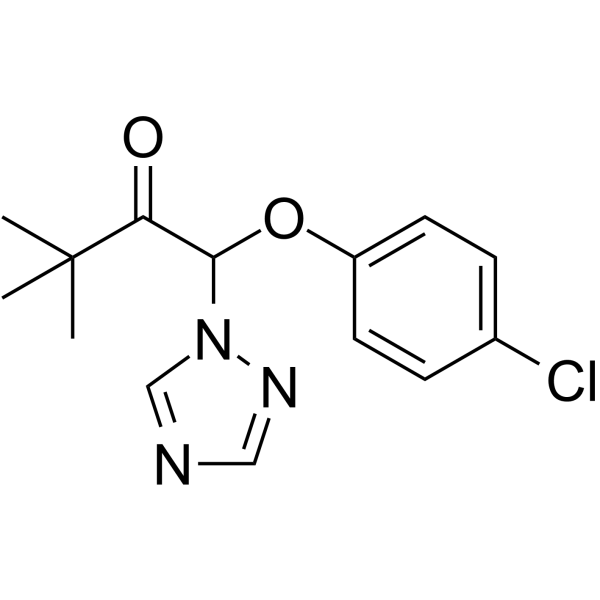
Triadimefon is an orally active fungicide. Triadimefon significantly reduces the phosphorylation of AKT1 and ERK1/2. Triadimefon significantly increases pAMPK levels, but does not affect total AMPK levels. Triadimefon inhibits the growth of Saccharomyces cerevisiae, disrupts hormone homeostasis (affecting the synthesis of testosterone, etc.), inhibits fetal adrenal development in rats, induces metabolic shifts in hepatocytes, and impairs spatial learning and memory .
loading...
    loading...
Cat. No.: HY-W008151
CAS No.: 838-85-7
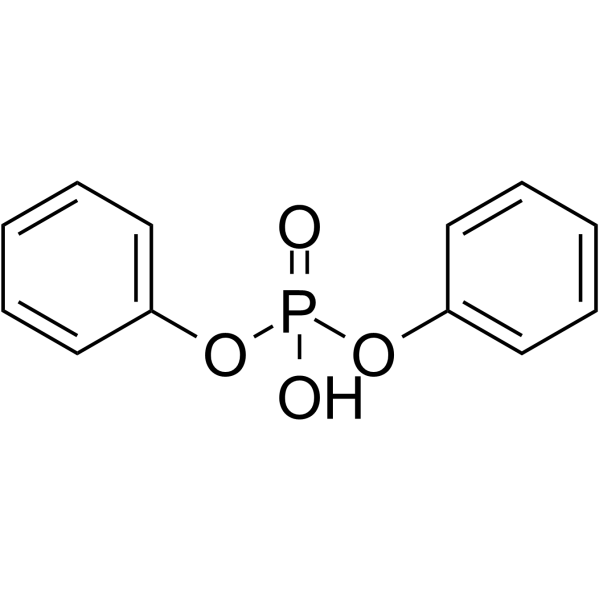
Diphenyl Phosphate inhibits growth and energy metabolism in zebrafish and mice in a sex-specific manner. Diphenyl Phosphate can inhibit the activity of SDH (respiratory complex II), reduce the expression of CPT1 and disrupts the integrity of the mitochondrial membrane. Diphenyl Phosphate may be used in research on metabolic diseases .
loading...
    loading...
Cat. No.: HY-34740
CAS No.: 601-75-2
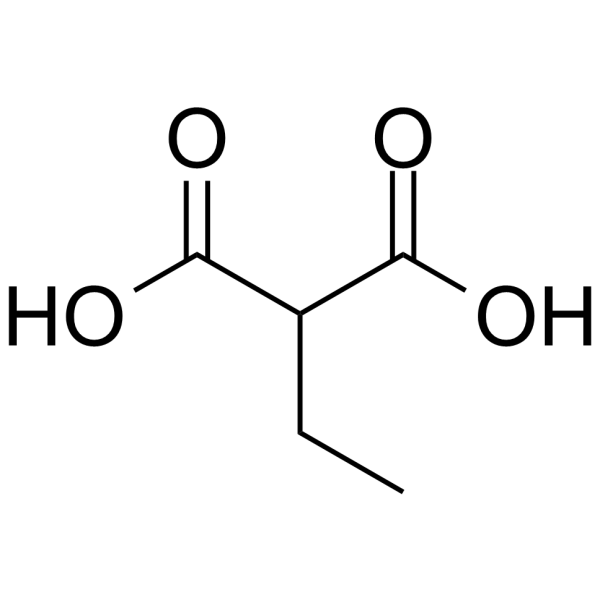
Ethylmalonic acid is a short-chain organic dicarboxylic acid. Ethylmalonic acid synergistically induces mitochondrial permeability transition (MP) with Ca 2+, inhibits Mi-CK, and disrupts mitochondrial energy metabolism. Ethylmalonic acid can be used in the research of SCADD, EE and other genetic metabolic diseases characterized by EMA accumulation .
loading...
    loading...
Cat. No.: HY-W009154
CAS No.: 6825-20-3
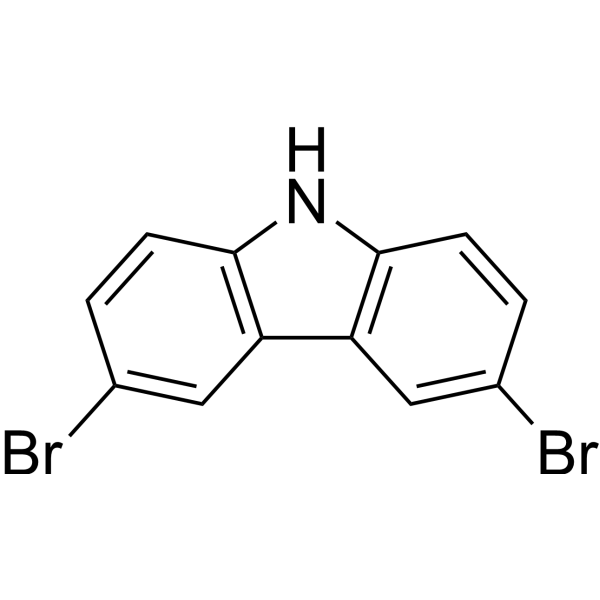
3,6-Dibromocarbazole is a glucocorticoid receptor (GR) inhibitor and Environmental pollutant. 3,6-Dibromocarbazole induces abnormal development of zebrafish embryos and disrupts the neurohormonal function of the hypothalamic-pituitary-adrenal axis in zebrafish larvae. 3,6-Dibromocarbazole increases the α-diversity of soil bacteria, alters community structure, enhances interspecific competition, regulates metabolic functions, and changes the abundance of genes related to nitrogen fixation, nitrification and carbon cycling. 3,6-Dibromocarbazole exerts endocrine-disrupting potential by interfering with the gluconeogenesis pathway .
loading...
    loading...
Cat. No.: HY-W036120
CAS No.: 131-55-5
Synonyms: 2,2′,4,4′-Tetrahydroxybenzophenone
Benzophenone-2 (2,2',4,4'-Tetrahydroxybenzophenone) is an organic ultraviolet absorber that is widely used in personal care products and industrial products such as plastics and coatings. Benzophenone-2 is an endocrine disruptor that can interfere with estrogen receptors (ERα receptor) and pregnane X receptor (PXR receptor) activity, leading to reproductive toxicity, immune disorders, and metabolic abnormalities. Benzophenone-2 can inhibit the activity of α-glucosidase (IC50 = 49.72 μM), and can be used for research on diabetes .
loading...
    loading...
Cat. No.: HY-N0899
CAS No.: 11088-09-8
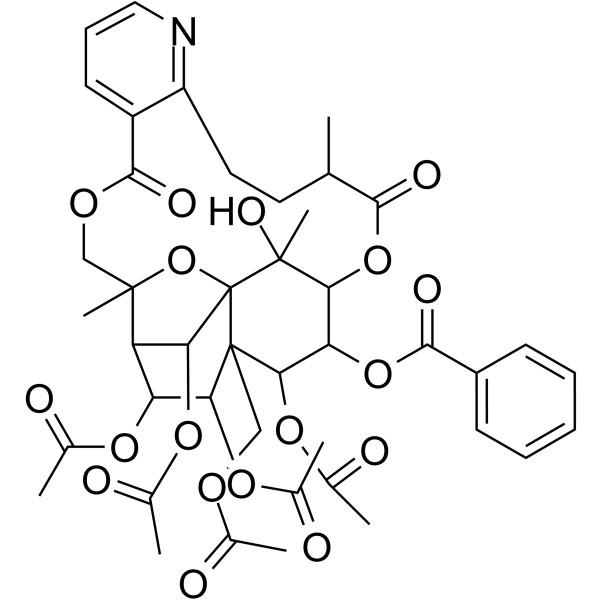
Wilforine is an orally active JAK-STAT pathway inhibitor with immunomodulatory effects and the ability to inhibit osteoclast fusion. Wilforine disrupts lipid raft integrity, reprograms cholesterol and glycosphingolipid metabolic pathways, regulates NF-κB and the complement system, and modulates the expression of various interleukins. Wilforine also inhibits the Wnt11/β-catenin signaling pathway and suppresses the proliferation of fibroblast-like synoviocytes. Wilforine can serve as a quality and pharmacokinetic marker for Tripterygium glycoside tablets, and can be applied to research on related diseases such as rheumatoid arthritis, inflammatory osteolysis, and SAPHO syndrome .
loading...
    loading...
Cat. No.: HY-135700
CAS No.: 19115-49-2
Purity:  ≥98.0%
Mevalonolactone is an intermediate metabolite in the eukaryotic mevalonate pathway, serving as the stable δ-lactone form of mevalonate with oral activity. Mevalonolactone exhibits binding affinity for ZNF384 (Ka = 12.6 μM) and inhibitory activity against aconitase (aconitase). Mevalonolactone promotes the nuclear localization of ZNF384 and enhances its binding to the GGPPS promoter. Mevalonolactone induces insulin resistance, disrupts glucose and lipid metabolism, enhances the isoprenylation of K-Ras, and inhibits the activation of the insulin signaling pathway. Mevalonolactone inhibits polypeptide synthesis of HMG-CoA reductase in isolated rat hepatocytes, promotes its degradation, and reduces its enzymatic activity. Mevalonolactone impairs mitochondrial function in rat brains. Mevalonolactone promotes the development of metabolically unhealthy obesity. Mevalonolactone can be used in research related to metabolically abnormal obesity, mevalonic aciduria, HMGCR-related limb-girdle myopathy, and statin-induced myopathy .
loading...
    loading...
Cat. No.: HY-Y1004
CAS No.: 112-30-1
Synonyms: Decyl alcohol
1-Decanol (Decyl alcohol) is a nematicidal agent derived from Houttuynia cordata, with an LC50 of 31.5 μg/mL against potato cyst nematodes (PCN). 1-decanol directly damages nematode surface structures, induces cellular apoptosis, and disrupts the oxidative stress regulation system, while also downregulating defense-related metabolic pathways in potato, thereby promoting the reallocation of metabolic resources from defense to growth. 1-Decanol can be used for the research of potato cyst nematode infestation .
loading...
    loading...
Cat. No.: HY-34740S
CAS No.: 70907-93-6
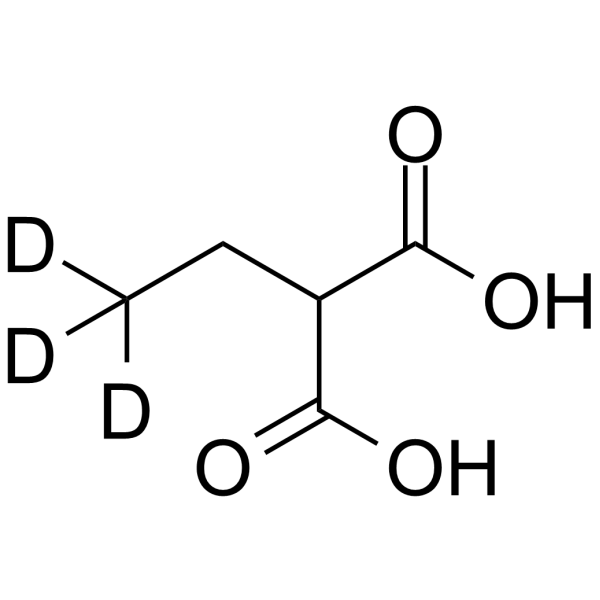
Ethylmalonic acid-d3 is the deuterium labeled Ethylmalonic acid (HY-34740). Ethylmalonic acid is a short-chain organic dicarboxylic acid. Ethylmalonic acid synergistically induces mitochondrial permeability transition (MP) with Ca 2+, inhibits Mi-CK, and disrupts mitochondrial energy metabolism. Ethylmalonic acid can be used in the research of SCADD, EE and other genetic metabolic diseases characterized by EMA accumulation .
loading...
    loading...
Cat. No.: HY-116568
CAS No.: 178928-70-6
Purity:  99.52%
Synonyms: JAU-6476
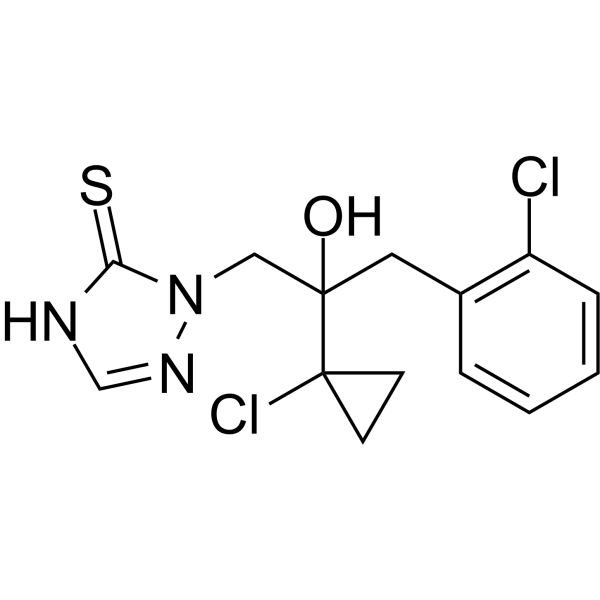
Prothioconazole is an orally active broad-spectrum fungicide. Prothioconazole weakly inhibits CaCYP51 activity in Candida albicans, with an apparent IC50 of approximately 120 μM. Prothioconazole disrupts Microtubule stability by reducing the acetylation level of α-tubulin. Prothioconazole induces Mitochondrial dysfunction, oxidative stress, DNA damage, and Apoptosis. Prothioconazole accumulates 14-methylated sterols and depletes ergosterol in cells, culture media, plants, and animals. Prothioconazole interferes with pyruvate metabolism and glycolysis/gluconeogenesis processes in mouse liver, downregulates Fasn mRNA expression, and induces hepatotoxicity and renal metabolic disorders. Prothioconazole reduces the fertility of female mice. Prothioconazole inhibits body weight gain and increases liver/kidney indices in mice. Prothioconazole can be used in studies related to candidiasis .
loading...
    loading...
Cat. No.: HY-156065
CAS No.: 2700303-28-0
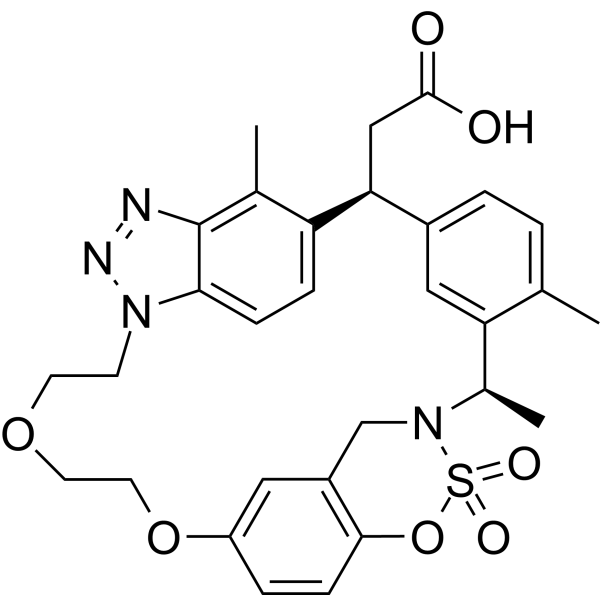
S217879 is an orally active and selective NRF2 activator. S217879 activates the NRF2 pathway by specifically disrupting the KEAP1 (Kd: 4.15 nM)-NRF2 interaction, and upregulates the antioxidant response. S217879 also ameliorates steatohepatitis and reduces the degree of liver fibrosis. S217879 can be used in the research of metabolic dysfunction-associated steatotic liver disease and nonalcoholic steatohepatitis .
loading...
    loading...
Cat. No.: HY-N10220
CAS No.: 125600-53-5
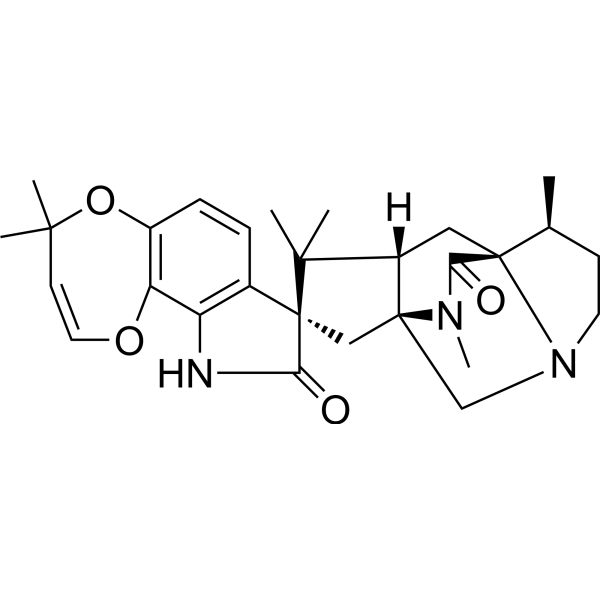
Paraherquamide E is a paraherquamide alkaloid and 14C-deshydroxy paraherquamide analog found in Aspergillus aculeatus GC-147‑5 and Penicillium charlesii, with insecticidal and reproductive toxicant activity, high selectivity, and negligible toxicity to nontarget ladybugs .Paraherquamide E disrupts fatty acid synthesis, inhibits vitellogenin production, alters metabolic homeostasis, induces ovarian abnormalities, and causes Asian citrus psyllid mortality, while remaining inactive against Asian citrus psyllid cholinergic systems .
loading...
    loading...
Cat. No.: HY-B1268R
CAS No.: 577-11-7
Synonyms: Dioctyl sulfosuccinate sodium salt (Standard)
Target:  

Reference Standards HSV

Research Areas:  

Others

Docusate (Sodium) (Standard) is the analytical standard of Docusate (Sodium). This product is intended for research and analytical applications. Docusate Sodium (Dioctyl sulfosuccinate sodium salt) is one of the main components in stool softeners. Docusate Sodium is a sulfated surfactant and may inactivate viral pathogens by disrupting viral envelopes and/or denaturing/disassociating proteins. Docusate Sodium is effective in vitro against wild type and drug-resistant strains of HSV type 1 and 2. Docusate Sodium is an obesogen. Docusate Sodium with developmental exposure leads to increased adult adiposity, inflammation, metabolic disorder and dyslipidemia in offspring fed a standard diet in mice .
loading...
    loading...

