1. Search Result
Search Result
Pathways Recommended: Metabolic Enzyme/Protease
Results for "

Metabolically stable

" in MedChemExpress (MCE) Product Catalog:

79

Inhibitors & Agonists

2

Peptides

7

Natural
Products

3

Isotope-Labeled Compounds

1

Oligonucleotides

Cat. No. Product Name Target Research Areas Chemical Structure
  • HY-B0389A
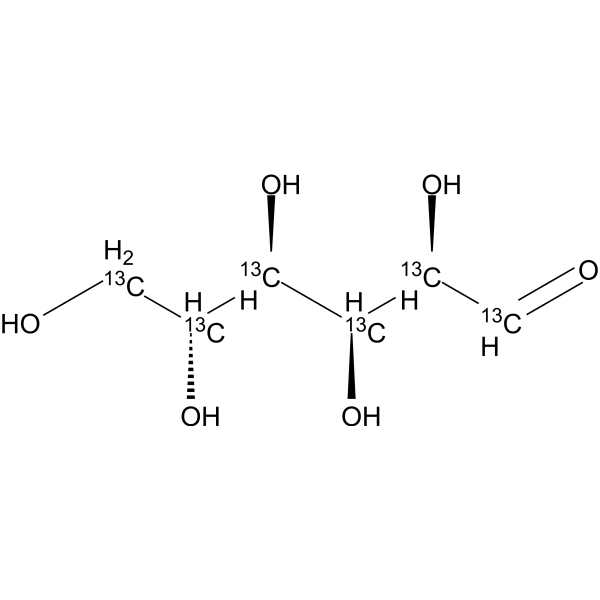
    D-Glucose-13C6
    15+ Cited Publications

    Glucose-13C6; D-(+)-Glucose-13C6; Dextrose-13C6

    Endogenous Metabolite Metabolic Disease
    D-Glucose- 13C6 is a stable isotope-labeled counterpart of D-glucose (HY-B0389). D-Glucose- 13C6 can be used as a metabolic tracer to trace glucose-related synthetic catabolism or as synthesis ingredient, minimal media reagent, and internal standard .
    D-Glucose-13C6
  • HY-114481
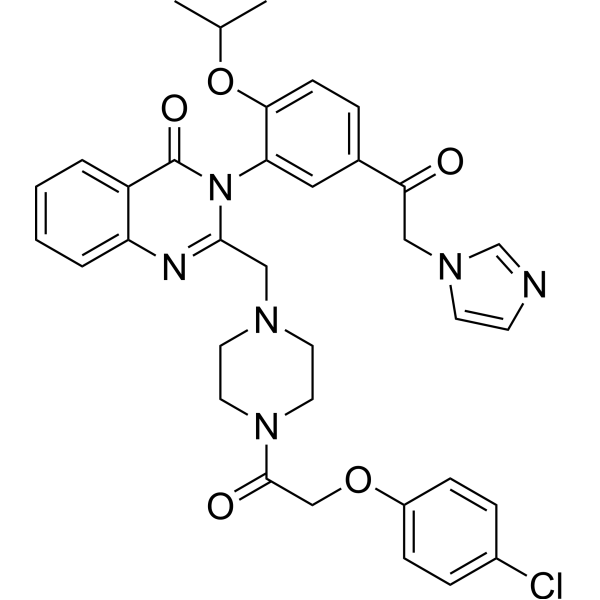
    Imidazole ketone erastin
    Maximum Cited Publications
    50 Publications Verification

    IKE

    Ferroptosis Cancer
    Imidazole ketone erastin is a potent, selective, and metabolically stable inhibitor of the cystine-glutamate antiporter, system xc - and an activator of ferroptosis. Imidazole ketone erastin has anti-tumor activity .
    Imidazole ketone erastin
  • HY-101032
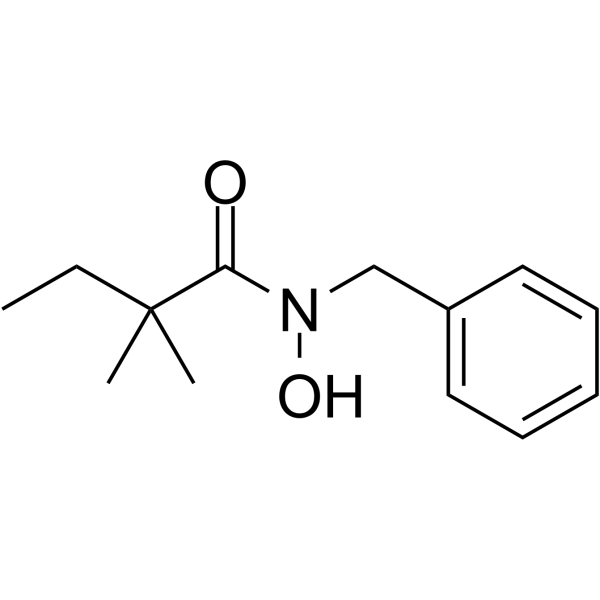
    RIPA-56
    5+ Cited Publications

    RIP kinase Inflammation/Immunology
    RIPA-56 is a highly potent, selective, and metabolically stable inhibitor of receptor-interacting protein 1 (RIP1) with an IC50 of 13 nM. RIPA-56 can be used for the treatment of systemic inflammatory response syndrome .
    RIPA-56
  • HY-103237

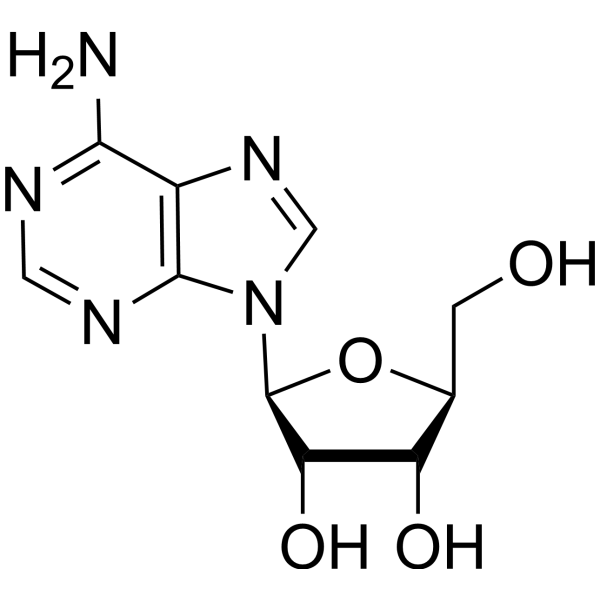
    Adenosine Deaminase Neurological Disease
    L-Adenosine is a metabolically stable enantiomeric analog and also is a potential probe. L-Adenosine has weakly inhibitory adenosine deaminase (ADA) activity with an Ki value of 385 μM. L-Adenosine can be used for the research of adenosine uptake and accumulation .
    L-Adenosine
  • HY-W749209

    Anhydrous sodium acetate-13C2

    Endogenous Metabolite
    Acetic acid-13C2 is a stable isotope labeled compound with biomarker and metabolic tracking activity. Acetic acid-13C2 is often used in biochemical research for the analysis of metabolic pathways. Acetic acid-13C2 is also used in medical imaging and compound development to improve the understanding of biological processes.
    Acetic acid-13C2 sodium
  • HY-128428

    15(S)-15-Methyl Prostaglandin F2α; 15-Methyl-PGF2α

    Prostaglandin Receptor Endocrinology
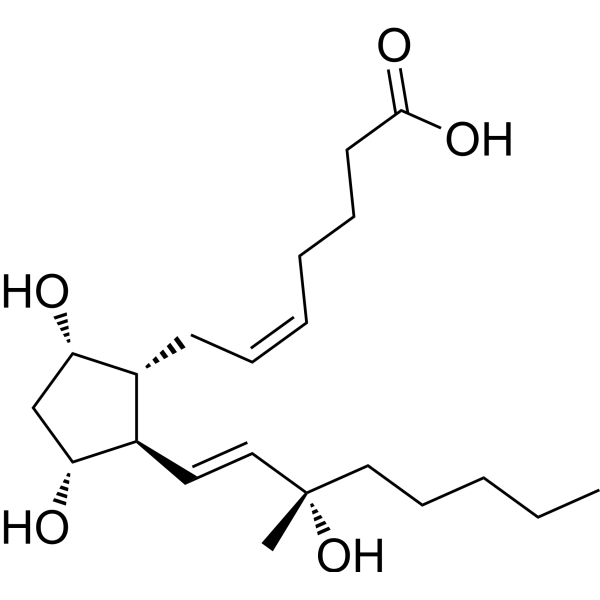
    Carboprost (15(S)-15-Methyl Prostaglandin F2α) is a metabolically stable synthetic analog of prostaglandin F2α. Carboprost stimulates uterine contractions and induces abortion. Carboprost is used for postpartum hemorrhage due to uterine atony and for the termination of pregnancy in the second trimester .
    Carboprost
  • HY-152219

    CDK Infection Cancer
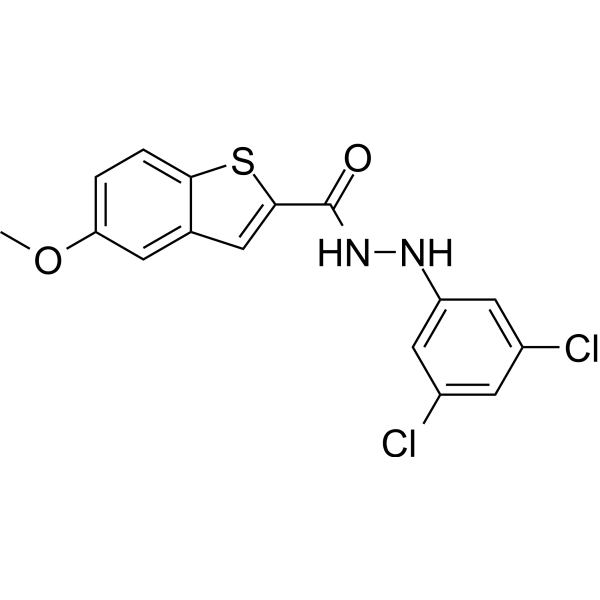
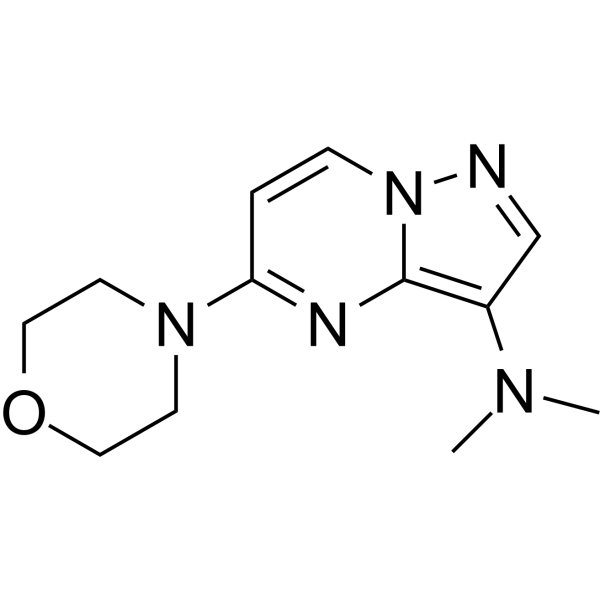
    CLK1-IN-2 is metabolically stable Clk1 inhibitor. CLK1-IN-2 has selectivity for Clk1 with an IC50 value of 1.7 nM. CLK1-IN-2 can be used for the research of tumour, Duchenne's muscular dystrophy and viral infections such as HIV-1 and influenza .
    CLK1-IN-2
  • HY-134462

    Orphan Nuclear Receptor Metabolic Disease Cancer
    RJW103 is an acid-stable SF-1 (NR5A1) and LRH-1 agonist with pEC50 values of 6.5 and 5.9, respectively. RJW103 activates SF-1- and LRH-1-mediated transcription of endogenous target genes. RJW103 can be used in research on cancer, endocrinology and metabolic diseases, such as adrenocortical tumors .
    RJW103
  • HY-P3960

    Thyroid Hormone Receptor Endogenous Metabolite Neurological Disease
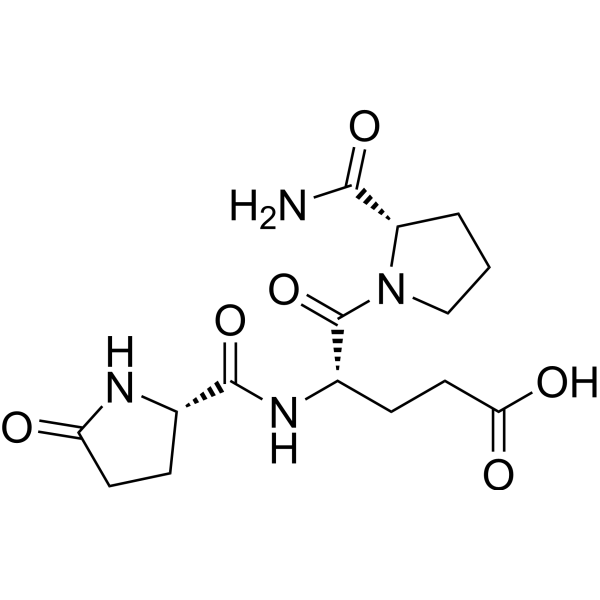
    (Glu2)-TRH, a metabolically stable analogue of Thyrotropin-releasing hormone (TRH; HY-P0002), is a negative modulator for the cholinergic effect of TRH in the mouse brain. (Glu2)-TRH significantly attenuates TRH-induced hippocampal extracellular acetylcholine release. (Glu2)-TRH is not metabolized by thyroliberinase. (Glu2)-TRH manifests neuroprotective, antidepressant, anticonvulsant in the CNS .
    (Glu2)-TRH
  • HY-135700

    Calcineurin Ras HMG-CoA Reductase (HMGCR) Metabolic Disease Inflammation/Immunology
    Mevalonolactone is an intermediate metabolite in the eukaryotic mevalonate pathway, serving as the stable δ-lactone form of mevalonate with oral activity. Mevalonolactone exhibits binding affinity for ZNF384 (Ka = 12.6 μM) and inhibitory activity against aconitase (aconitase). Mevalonolactone promotes the nuclear localization of ZNF384 and enhances its binding to the GGPPS promoter. Mevalonolactone induces insulin resistance, disrupts glucose and lipid metabolism, enhances the isoprenylation of K-Ras, and inhibits the activation of the insulin signaling pathway. Mevalonolactone inhibits polypeptide synthesis of HMG-CoA reductase in isolated rat hepatocytes, promotes its degradation, and reduces its enzymatic activity. Mevalonolactone impairs mitochondrial function in rat brains. Mevalonolactone promotes the development of metabolically unhealthy obesity. Mevalonolactone can be used in research related to metabolically abnormal obesity, mevalonic aciduria, HMGCR-related limb-girdle myopathy, and statin-induced myopathy .
    Mevalonolactone
  • HY-W750796

    Butanoic acid-13C4 sodium

    Isotope-Labeled Compounds Endogenous Metabolite
    Butyric acid-13C4 sodium (Butanoic acid-13C4 sodium) is a stable isotope labeled compound with the activity of promoting cell proliferation and regulating gene expression. Butyric acid-13C4 sodium can be used in metabolic research and compound development to help scientists gain a deeper understanding of the role of short-chain fatty acids in organisms. Butyric acid-13C4 sodium also plays an important role in nutrition and intestinal health research, especially in the regulation of probiotic function and intestinal microbiota.
    Butyric acid-13C4 sodium
  • HY-129242

    4-Oxo-Tempo

    SOD Others
    Tempone (4-Oxo-Tempo) is a stable water-soluble nitro radical. Tempone is widely used as a contrast agent for metabolic activity and hypoxic sensitivity in electron spin resonance spectroscopy, magnetic resonance imaging and dynamic nuclear polarization. Tempone reduces superoxide radicals by mimicking the activity of superoxide dismutase (SOD), thereby reducing the formation of hydroxyl radicals and peroxynitrites. Tempone can be used in the study of ischemia-reperfusion injury and acute renal failure .
    Tempone
  • HY-136059

    Keap1-Nrf2 Autophagy Cardiovascular Disease Cancer
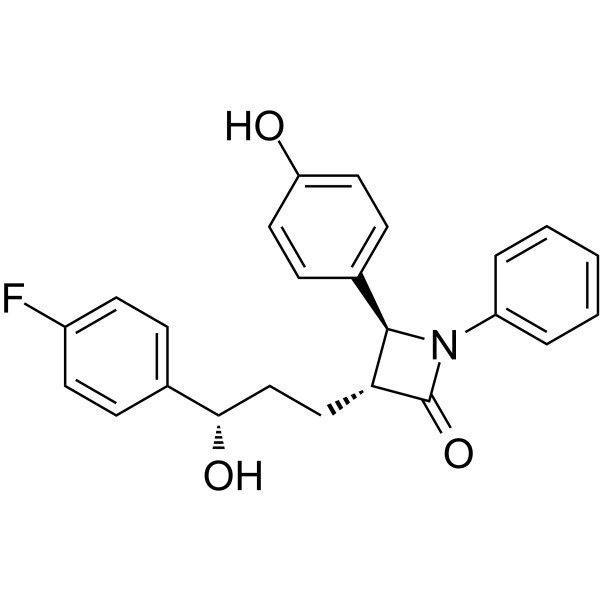
    Desfluoro-ezetimibe is a desfluoro impurity of Ezetimibe. Ezetimibe is a potent, metabolically stable cholesterol absorption inhibitor. Ezetimibe is a Niemann-Pick C1-like1 (NPC1L1) inhibitor, and is a potent Nrf2 activator .
    Desfluoro-ezetimibe
  • HY-14921

    Integrin Transmembrane Glycoprotein Cardiovascular Disease Inflammation/Immunology
    Elsibucol is a VCAM1 inhibitor for the study of organ transplant rejection. Elsibucol is a metabolically stable propanol derivative with antioxidant, anti-inflammatory and anti-proliferative properties. Elsibucol lowers blood cholesterol levels and reduces oxidative stress and inflammatory responses in injured arteries, thereby inhibiting atherosclerosis and protecting endothelial healing after arterial injury .
    Elsibucol
  • HY-155111

    Phospholipase Neurological Disease
    nSMase2-IN-1 is an orally active Neutral sphingomyelinase 2 (nSMase2) inhibitor with an IC50 value of 0.13 ± 0.06 μM. nSMase2-IN-1 is metabolically stable in liver microsomes and orally available with a favorable brain-to-plasma ratio. nSMase2-IN-1 can be used for nervous system disease research .
    nSMase2-IN-1
  • HY-16632

    γ-secretase Amyloid-β Metabolic Disease
    ELND 006 (Compound 30) is a metabolically stable γ-secretase inhibitor designed to selectively inhibit amyloid beta (Aβ) generation while sparing Notch signaling. It was developed through a synthetic strategy emphasizing diversity and chirality. ELND 006, along with its analog ELND007 (Compound 34), progressed into human clinical trials. In preclinical studies, both compounds demonstrated effective reduction of Aβ levels in vitro and in vivo. Comparisons with other γ-secretase inhibitors like Semagacestat, Begacestat, and Avagacestat underscored their potency and specificity in lowering Aβ levels in cerebrospinal fluid (CSF) of healthy human volunteers, suggesting potential therapeutic efficacy in Alzheimer's disease .
    ELND 006
  • HY-N0927

    Tetrahydrocolumbamine; (S)-Tetrahydrocolumbamine

    Dopamine Receptor Others Neurological Disease
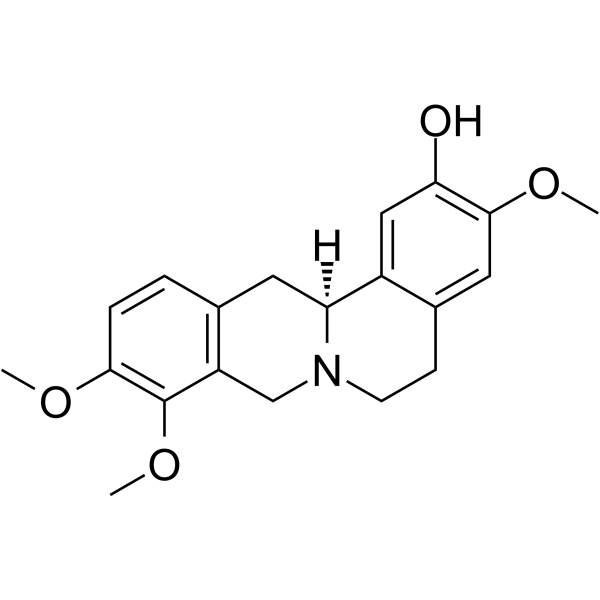
    (-)-Isocorypalmine (Tetrahydrocolumbamine; (S)-Tetrahydrocolumbamine) is a dopamine receptor ligand and modulator capable of crossing the blood-brain barrier. (-)-Isocorypalmine exhibits receptor selectivity, acting as a partial agonist of dopamine D1 and D5 receptors (coupled via Gs proteins), as well as an antagonist of D2, D3 and D4 receptors (by blocking Gi protein-mediated signaling). (-)-Isocorypalmine shows no significant binding to various non-dopamine receptors, ion channels and transporters. (-)-Isocorypalmine is metabolically stable in vivo, effectively inhibits spontaneous and cocaine-induced hyperlocomotion, sensitization and conditioned place preference in mice, and does not induce addictive place preference when administered alone. (-)-Isocorypalmine can be used in addiction research .
    (-)-Isocorypalmine
  • HY-121524

    Microtubule/Tubulin Cancer
    DJ101 is a potent and metabolically stable tubulin inhibitor. DJ101 targets the colchicine binding site and overcomes taxane resistance. DJ101 also inhibits melanoma tumor growth and lung metastasis. DJ101 can be used for prostate cancer research .
    DJ101
  • HY-117507

    5-HT Receptor Neurological Disease
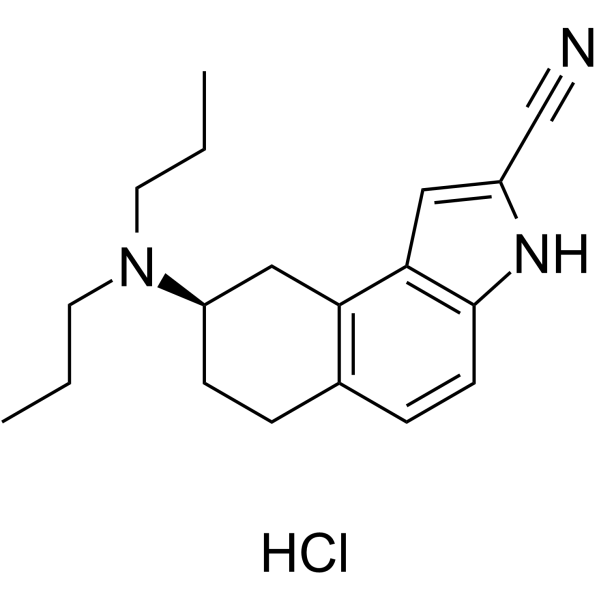
    U92016A hydrochloride is a potent, metabolically stable, orally acitive 5-HT1A receptor agonist with an exceptionally high degree of intrinsic activity . U92016A hydrochloride binds with high affinity to human 5-HT1A receptors expressed in Chinese hamster ovary cells (Ki=0.2 nM) .
    U92016A hydrochloride
  • HY-125782

    15(R)-15-Methyl PGD2

    Prostaglandin Receptor Metabolic Disease
    15(R)-15-Methyl prostaglandin D2 (15(R)-15-methyl PGD2) is a metabolically stable synthetic analog of PGD2. The physiological actions of PGD2 include regulation of sleep, lowering of body temperature, inhibition of platelet aggregation and relaxation of vascular smooth muscle. PGD2 mediates its effects by 2 distinct G-protein-coupled receptors, DP1and CRTH2/DP2. 15(R)-15-Methyl prostaglandin D2 is a potent, selective agonist for the CRTH2/DP2 receptor. The EC50 values for eosinophil CD11b expression, actin polymerization, and chemotaxis are 1.4, 3.8, and 1.7 nM, respectively, each of which is approximately 3-5 fold lower than those for PGD2. In contrast the EC50 for the DP1-mediated increase in platelet cAMP by 15(R)-15-methyl PGD2 is >10 μM.
    15(R)​-​15-​Methyl prostaglandin D2
  • HY-151879

    Microtubule/Tubulin Ferroptosis Cancer
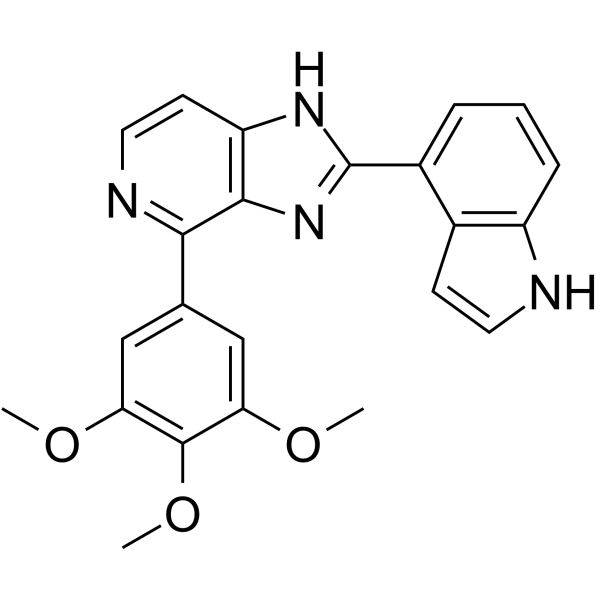
    Tubulin inhibitor 30 (Compound 15) is a tubulin assembly inhibitor with an IC50 of 0.52 μM. Tubulin inhibitor 30 can induce ferroptosis .
    Tubulin inhibitor 30
  • HY-128604

    ROR Cancer
    XY101 is a potent, selective, metabolically stable and orally available RORγ inverse agonist with an IC50 of 30 nM and a Kd of 380 nM .
    XY101
  • HY-102036

    Btk Inflammation/Immunology
    G-744 is a highly potent, selective and orally active Btk inhibitor with an IC50 of 2 nM. G-744 is metabolically stable, well tolerated and efficacious to treat arthritis .
    G-744
  • HY-144738

    Epoxide Hydrolase FAAH Inflammation/Immunology
    Dual FAAH/sEH-IN-1 (compound 3) is a high affinity dual sEH (soluble epoxide hydrolase) and FAAH (fatty acid amide hydrolase) inhibitor, with IC50 values of 9.6 and 7 nM, respectively. Dual FAAH/sEH-IN-1 shows antinociception against the inflammatory phase .
    Dual FAAH/sEH-IN-1
  • HY-134462A

    Orphan Nuclear Receptor Cancer
    RJW103 TFA is an acid-stable SF-1 (NR5A1) and LRH-1 agonist with pEC50 values of 6.5 and 5.9, respectively. RJW103 TFA activates SF-1- and LRH-1-mediated transcription of endogenous target genes. RJW103 TFA can be used in research on cancer, endocrinology and metabolic diseases, such as adrenocortical tumors .
    RJW103 TFA
  • HY-126291

    Sodium Channel Neurological Disease
    GNE-616 is a highly potent, metabolically stable, orally bioavailable, and subtype selective Nav1.7 inhibitor (Ki of 0.79 nM and Kd of 0.38 nM for hNav1.7) for the treatment of chronic pain. GNE-616 shows >1000 nM Kd and >2500-fold selectivity over hNav1.1, hNav1.3, hNav1.4, and hNav1.5. Selectivity over hNav1.2 and hNav1.6 is more modest at 31- and 73-fold, respectively .
    GNE-616
  • HY-110092

    P2Y Receptor Metabolic Disease
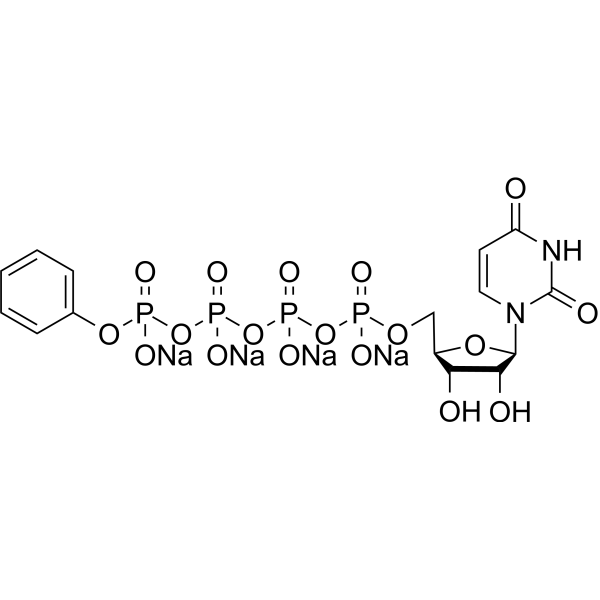
    PSB-1114 tetrasodium is a potent, enzymatically stable, and subtype-selective P2Y2 receptor agonist with an EC50 of 134 nM. PSB-1114 tetrasodium displays >50-fold selectivity versus the P2Y4 (EC50 of 9.3 μM) and P2Y6 (EC50 of 7.0 μM) receptors .
    PSB-1114 tetrasodium
  • HY-15402

    BMS 207940

    Endothelin Receptor Cardiovascular Disease
    Edonentan (BMS 207940) is an antagonist for endothelin receptor (ETA receptor), with a Ki of 10 pM. Edonentan is metabolic stable, exhibits good pharmakokinetic characters in rats. Edonentan regulates the endothelin system, blocks the big Endothelin-induced pressor response in rats model .
    Edonentan
  • HY-19616

    Scavenger Receptor Class B type I (SR-BI) Metabolic Disease
    ML278 is an efficient, low toxicity, and plasma stable SR-BI (IC50 = 6 nM) lipid uptake inhibitor. ML278 enhances HDL binding while inhibiting SR-BI mediated lipid uptake. ML278 can be used for research on metabolic conditions .
    ML278
  • HY-143326

    Bacterial Infection
    Antibacterial agent 83 (compound 17h) displays potent antibacterial activity against various vancomycin-resistant Enterococcus faecalis (VRE) and methicillin-resistant Staphylococcus aureus (MRSA). Antibacterial agent 83 can significantly reduce the biofilm formation of MRSA and exhibited promising selectivity. Antibacterial agent 83 is metabolically stable in human liver microsomes .
    Antibacterial agent 83
  • HY-P10889

    Phosphatase Inflammation/Immunology
    CNI103 is a highly potent and metabolically stable cell-permeable peptide inhibitor of calcineurin. CNI103 selectively blocks the interaction between calcineurin and NFATc3 (KD=16 nM), thereby preventing NFATc3 activation in vitro and in vivo. CNI103 can be used to study acute respiratory distress syndrome (ARDS) and other inflammatory diseases .
    CNI103
  • HY-162525

    HIV Protease Infection
    GS-9770 is an orally active inhibitor for HIV protease with Ki of 0.16 nM. GS-9770 exhibits antiviral activity aginst HIV-1 strains and HIV-2 strains with EC50 of 1.9-26 nM, and 26 nM. GS-9770 is metabolic stable in human liver microsomes. GS-9770 exhibits good pharmacokinetic characters in Sprague Dawley rats .
    GS-9770
  • HY-143406

    Fungal Infection
    Antifungal agent 25 is a potent broad-spectrum antifungal agent. Antifungal agent 25 shows antifungal effect against Candida albicans and fluconazole-resistant strain of Candida albicans. Antifungal agent 25 stable metabolic property in vivo .
    Antifungal agent 25
  • HY-U00271

    Melatonin Receptor Neurological Disease
    Pareptide monohydrochloride is a melanotropin-inhibiting factor (MIF) metabolically stable analogue.
    Pareptide monohydrochloride
  • HY-135880A

    Endogenous Metabolite Neurological Disease
    OMDM-4 is a selective and metabolically stable inhibitor of anandamide cellular uptake (ACU), with a Ki 17.7 μM .
    OMDM-4
  • HY-135880

    Endogenous Metabolite Neurological Disease
    OMDM-3 is a selective and metabolically stable inhibitor of anandamide cellular uptake (ACU), with a Ki of 16.6 μM .
    OMDM-3
  • HY-121557

    Endogenous Metabolite Neurological Disease
    OMDM-1 is a potent, selective and metabolically stable inhibitor of anandamide cellular uptake (ACU), with a Ki of 2.4 μM .
    OMDM-1
  • HY-137620

    Biochemical Assay Reagents Others
    Sp-dADPαS is a regulator of ADP-binding proteins. Sp-dADPαS is metabolically more stable than ATP .
    Sp-dATPαS
  • HY-137627

    Biochemical Assay Reagents Others
    Sp-ADPαS is a regulator of ADP-binding proteins. Sp-ADPαS is metabolically more stable than ADP .
    Sp-ADPαS
  • HY-137618

    Biochemical Assay Reagents Others
    Sp-dGDPαS is a regulator of GDP-binding proteins. Sp-dGDPαS is metabolically more stable than GTP .
    Sp-dGTPαS
  • HY-137615

    Biochemical Assay Reagents Others
    Sp-GDPαS is a regulator of GDP-binding proteins. Sp-GDPαS is metabolically more stable than GTP .
    Sp-GDPαS
  • HY-137619

    Biochemical Assay Reagents Others
    Sp-dCTPαS is a regulator of CTP-binding proteins. Sp-dCTPαS is metabolically more stable than CTP .
    Sp-dCTPαS
  • HY-103342

    Endogenous Metabolite Neurological Disease
    OMDM-2 is a potent, selective and metabolically stable inhibitor of anandamide cellular uptake (ACU), with a Ki of 3.0 μM .
    OMDM-2
  • HY-117178

    Thyroid Hormone Receptor Metabolic Disease
    TA 0910 acid-type is a metabolite of TA 0910. TA-0910 is a metabolically stable analogue of thyrotropin releasing hormone (TRH) .
    TA 0910 acid-type
  • HY-137614

    Drug Derivative Others
    Sp-GTPαS is a phosphonothioate analog of GTP (HY-113225). Sp-GTPαS is more metabolically stable than GTP .
    Sp-GTPαS
  • HY-124175

    Prostaglandin Receptor Drug Derivative Endocrinology
    16-Phenoxy prostaglandin F2α ethyl amide is a metabolically stable PGF2α analogue containing a acetamide structure .
    16-Phenoxy prostaglandin F2α ethyl amide
  • HY-139132

    Apoptosis Cancer
    Met-F-AEA is a metabolically stable anandamine analogue. Met-F-AEA inhibits cell growth by activating apoptosis. Met-F-AEA has antitumor activity .
    Met-F-AEA
  • HY-108651

    UTPγS trisodium

    P2Y Receptor Metabolic Disease
    Uridine-5'-O-(3-thiotriphosphate) trisodium, a stable analogue of UTP, is a potent agonist of the P2Y2 and P2Y4 receptors with increased metabolic stability .
    Uridine-5'-O-3-thiotriphosphate trisodium
  • HY-173302

    Epoxide Hydrolase Neurological Disease
    sEH inhibitor-20 is an orally active and metabolically stable sEH inhibitor (IC50: 0.2 nM). sEH inhibitor-20 has significant analgesic and anti-inflammatory activities and is expected to become a potential candidate compound for the study of neuropathic pain .
    sEH inhibitor-20
  • HY-168562

    Sigma Receptor Neurological Disease Cancer
    σ1 Receptor ligand 1 (compound 5I) is a σ1 receptor ligand with a Ki of 3.9 nM. σ1 Receptor ligand 1 has a high plasma protein binding (89%) and promising metabolic stability in the presence of mouse liver microsomes and NADPH. σ1 Receptor ligand 1 can be utilized in neurological and cancer research .
    σ1 Receptor ligand 1

Inquiry Online

Your information is safe with us. * Required Fields.

Salutation


Country or Region *

Applicant Name *


Organization Name *

Department *


Email Address *


Product Name *

Cat. No.


Requested quantity *

Phone Number *


Remarks

Inquiry Online

Inquiry Information

Product Name:
Cat. No.:
Quantity:
MCE Japan Authorized Agent:

