Search Result
Results for "
Mosquito
" in MedChemExpress (MCE) Product Catalog:
1
Biochemical Assay Reagents
7
Isotope-Labeled Compounds
| Cat. No. |
Product Name |
Target |
Research Areas |
Chemical Structure |
-
- HY-Y0261A
-
|
|
Environmental Pollutants
Biochemical Assay Reagents
|
Others
|
|
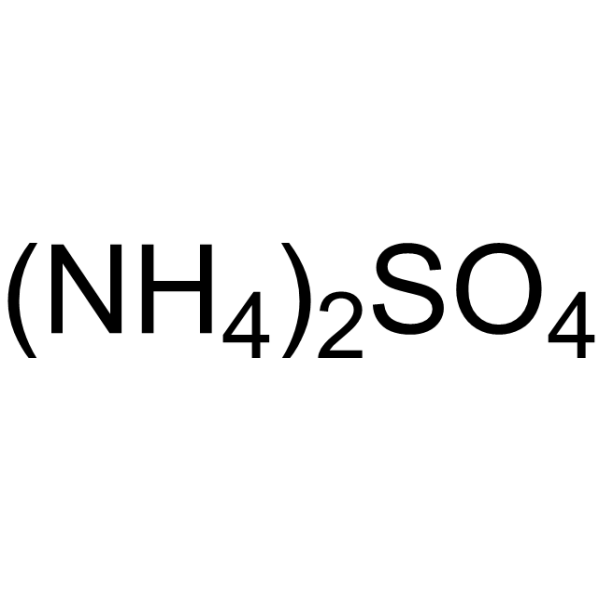
Ammonium sulphate,≥99.0%,AR is an inorganic sulfate salt used for molecular biology . Ammonium sulphate,≥99.0%,AR can be used to precipitate proteins, separate antibodies, and enhance antigen-antibody reactions. Ammonium sulphate,≥99.0%,AR can serve as a nitrogen source in plant fertilizers and has developmentally toxicity to freshwater snails, but increases the number of Anopheles africanus and Culex mosquito larvae in rice paddies. Ammonium sulphate,≥99.0%,AR also inhibits the conversion of glucose to ascorbic acid in plants .
|
-
-
- HY-B0978
-
|
DEET; N,N-Diethyl-m-toluamide
|
Environmental Pollutants
Parasite
|
Infection
Neurological Disease
|
|
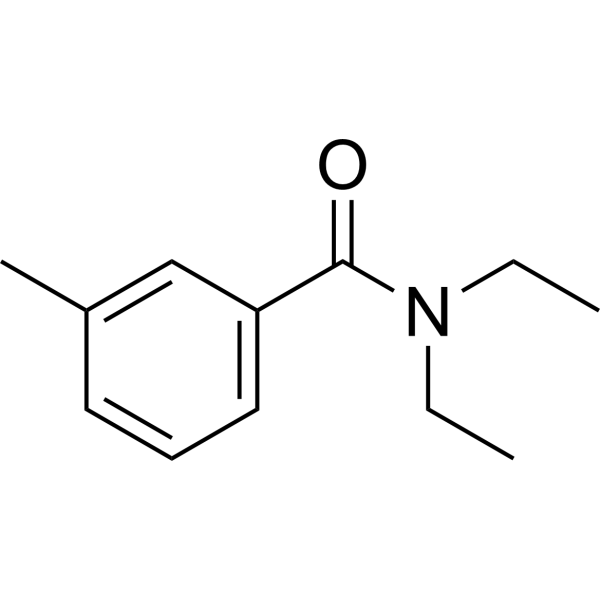
Diethyltoluamide (DEET) is the most common active ingredient in insect repellents. It is intended to provide protection against mosquitoes, ticks, fleas, chiggers, leeches, and many other biting insects. Diethyltoluamide is toxic to hepatocytes and can lead to many physiological, pharmacological, and behavioral abnormalities, particularly motor deficits and learning and memory dysfunction .
|
-
-
- HY-B0824
-
|
|
Environmental Pollutants
Sodium Channel
|
Neurological Disease
|
|
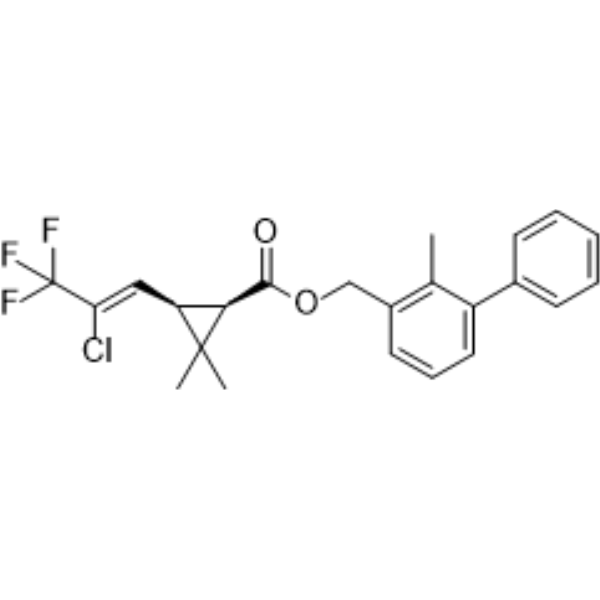
Bifenthrin is a synthetic pyrethroid insecticide. Bifenthrin prolongs the opening time of Nav1.8 sodium channels, leading to membrane depolarization and conductance block in the insect nervous system, thereby disrupting neural function. Bifenthrin was effective in inhibiting A. gambiae (LD50=0.15 ng/mg) and C. quinquefasciatus (LD50=0.16 ng/mg). Bifenthrin has good lethality against susceptible and resistant mosquitoes and is very effective in inhibiting blood sucking and can be developed as a mosquito-removal netting material .
|
-
-
- HY-116144
-
|
Lcaridin
|
Environmental Pollutants
Parasite
|
Infection
|
|
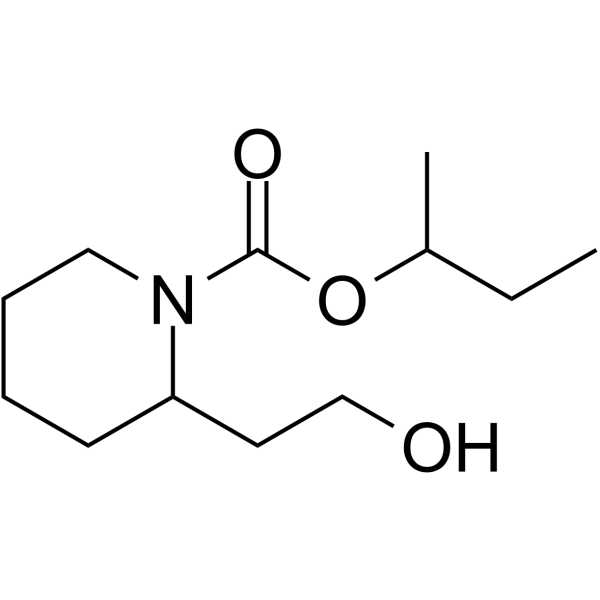
Picaridin (Lcaridin) is a broad spectrum arthropod repellent. Picaridin interacts with mosquito and tick olfactory receptor proteins. Picaridin repels Aedes aegypti. Picaridin exhibits considerable antibacterial, anticandidal and antifungal properties .
|
-
-
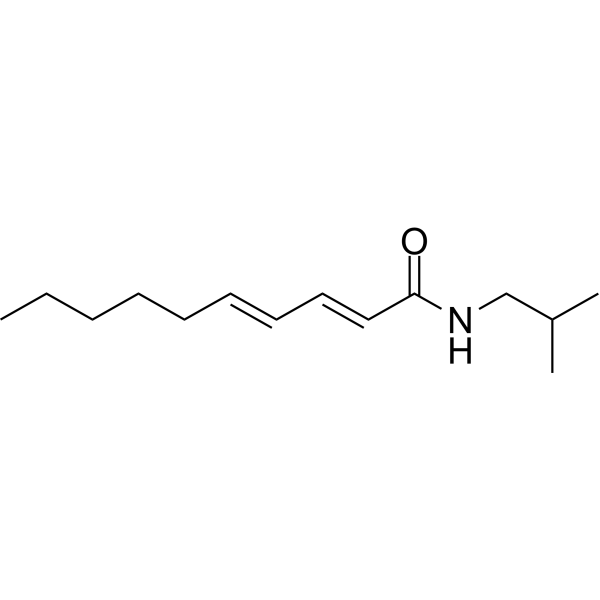
- HY-N1739
-
-
-
- HY-N3097
-
-
-
- HY-134891
-
|
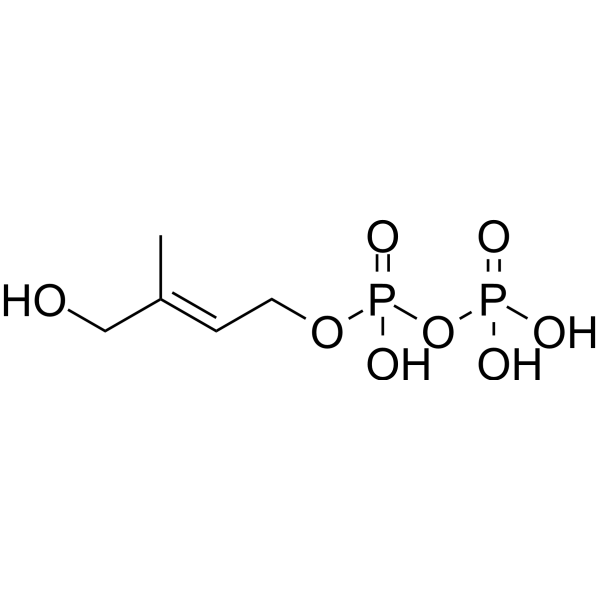
(E)-4-Hydroxy-3-methyl-but-2-enyl diphosphate lithium
|
Nuclear Factor of activated T Cells (NFAT)
|
Infection
Inflammation/Immunology
|
|
HMBPP lithium is an intermediate in isoprenoid biosynthesis that can be produced by bacteria and protozoa that use the non-mevalonate pathway for isoprenoid biosynthesis. HMBPP lithium is a ligand of the internal domain of BTN3A1 and is an activator for human Vγ9/Vδ2 T cells. HMBPP lithium exhibits phagostimulant property in mosquitos .
|
-
-
- HY-W099479
-
|
Ethyl butylacetylaminopropionate; IR-3535
|
Environmental Pollutants
Apoptosis
Reactive Oxygen Species (ROS)
Parasite
SOD
|
Infection
Inflammation/Immunology
|
|
Insect repellent M 3535 (Ethyl butylacetylaminopropionate) is a broad-spectrum, mild insect repellent based on the structure of β-alanine. Insect repellent M 3535 exerts repellent effects by interfering with the olfaction of mosquitoes, but it poses risks of developmental and cardiac toxicity to aquatic organisms such as zebrafish embryos in aquatic environments, and can activate oxidative stress responses .
|
-
-
- HY-107586
-
|
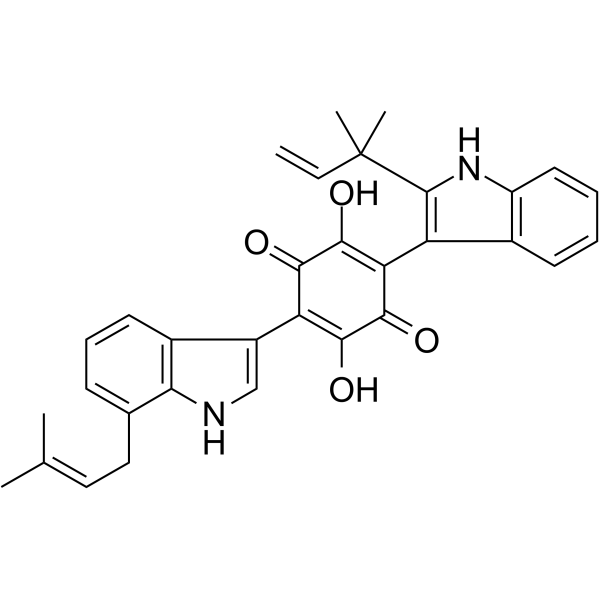
DAQ B1; L-783281; Dimethylasterriquinone
|
Insulin Receptor
Akt
NO Synthase
NADPH Oxidase
JAK
STAT
FOXO
DNA/RNA Synthesis
ERK
Flavivirus
|
Cardiovascular Disease
Infection
Metabolic Disease
Inflammation/Immunology
|
|
Demethylasterriquinone B1 (DAQ B1; L-783281) is an orally active insulin receptor (insulin receptor) agonist and AKT activator. By activating AKT, Demethylasterriquinone B1 upregulates the expression and activity of eNOS to increase NO production, while downregulating the expression of the NADPH oxidase subunit p22phox to reduce oxidative stress and improve vascular endothelial dysfunction in hypertensive rats. Demethylasterriquinone B1 combind with an AKT inhibitor targets the insulin signaling pathway to activate two antiviral pathways, RNA interference and JAK/STAT, in mosquitoes, thereby reducing Zika virus infection .
|
-
-
- HY-N10013
-
|
|
Environmental Pollutants
Insecticide
|
Others
|
|
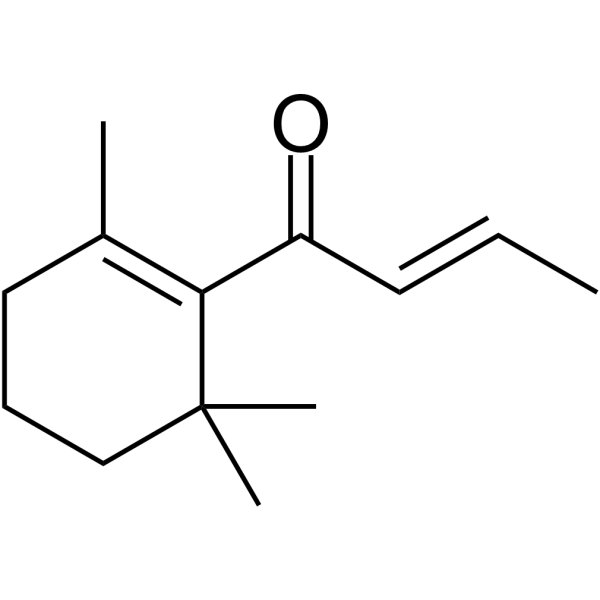
β-Damascone is an aroma active rice volatile and is widely used in perfume compositions. β-Damascone has also received certain attention as a potential cancer chemopreventive and a mosquito and muscoid insecticide .
|
-
-
- HY-B1072A
-
|
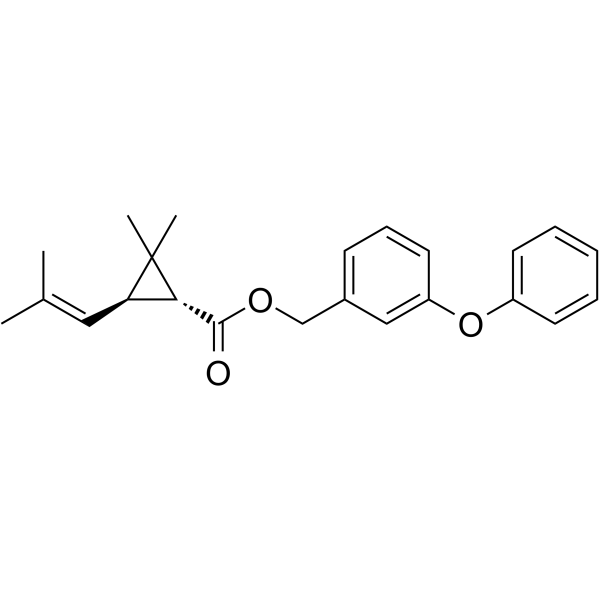
(-)-trans-Phenothrin
|
Parasite
|
Infection
|
|
D-Phenothrin ((-)-trans-Phenothrin), an orally active Type II synthetic pyrethroid, is widely used to kill insects, mosquitoes, and human lice. D-Phenothrin is also used in veterinary medicine to control insect pests on animals and protect agricultural crops .
|
-
-
- HY-W587415
-
|
|
Others
|
Others
|
|
Nepetalactol is an iridoid. It has been found in Actinidia polygama (the silver vine) as a major cat attractant, and a mosquito repellent.
|
-
-
- HY-B1885
-
|
|
Environmental Pollutants
Apoptosis
Insecticide
Cholinesterase (ChE)
AMPK
PI3K
Parasite
Akt
SOD
|
Infection
|
|
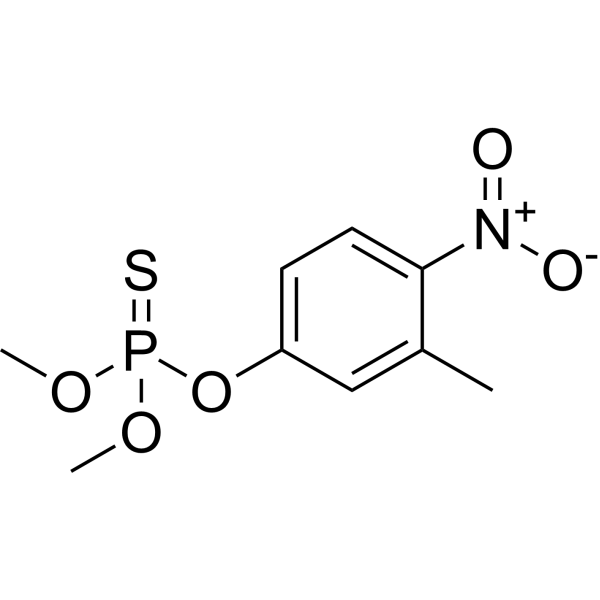
Fenitrothion is a broad-spectrum and orally active insecticide/acaricide. Fenitrothion inhibits cholinesterase, AMPKα and IRS1/PI3K/AKT. Fenitrothion causes Apoptosis, reduces SOD activity. Fenitrothion shows insecticidal effect against Rhyzopertha dominica and Tribolium castaneum adults. Fenitrothion is widely used in cotton crops, vegetable crops, fruit crops and field crops, especially rice. Fenitrothion can be used for brain and spleen toxicology studies .
|
-
-
- HY-N1096
-
|
|
Environmental Pollutants
Bacterial
Parasite
|
Infection
|
|
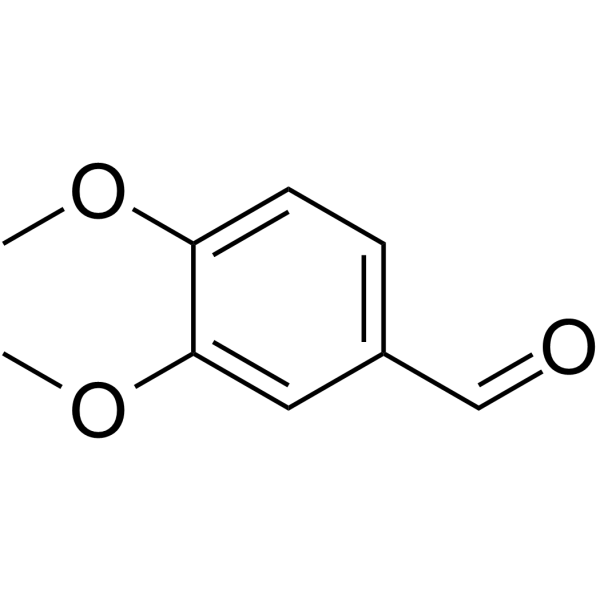
Veratraldehyde is an orally active aromatic compound and antibacterial agent. Veratraldehyde can be isolated from essential oils of plants such as peppermint and ginger. Veratraldehyde targets the PilY1 protein. Veratraldehyde has antibacterial activity against Pseudomonas aeruginosa. Veratraldehyde has a repellent effect against mosquitoes and ticks. Veratraldehyde can be used as a flavoring agent .
|
-
-
- HY-118607
-
|
|
Potassium Channel
Parasite
|
Infection
|
|
VU041 is a first submicromolar-affinity inhibitor of Anopheles (An.) gambiae and Aedes (Ae.) aegypti inward rectifier potassium 1 (Kir1) channels with IC50 values of 2.5 μM and 1.7 μM, respectively. VU041 inhibits appreciably is mammalian Kir2.1 (IC50 of 12.7 μM), and has less inhibitory effect on mammalian Kir1.1, Kir4.1, Kir6.2/SUR1, and Kir7.1. VU041 also induces impaired Malpighian tubule function .
|
-
-
- HY-B1120
-
|
Temefos
|
Insecticide
Cholinesterase (ChE)
Dengue Virus
Flavivirus
|
Infection
|
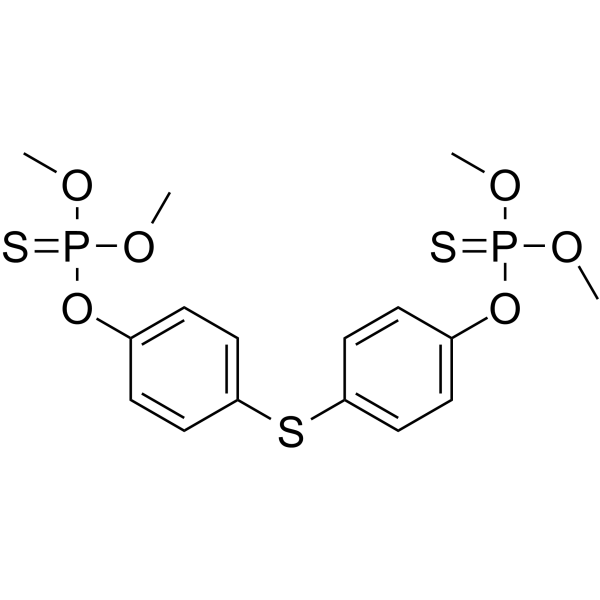
Temephos (Temefos) is an orally active, blood-brain barrier-permeable organophosphate insecticide and AChE inhibitor. By irreversibly inhibiting AChE to induce cholinergic overactivation, Temephos effectively blocks larval development of Aedes aegypti (yellow fever mosquito) and Aedes albopictus (Asian tiger mosquito), and is commonly used in studies related to Dengue Virus, Zika Virus and other relevant pathogens. Temephos exhibits genotoxicity and neurodevelopmental toxicity, and may also cause liver injury, reproductive system abnormalities and cholinergic poisoning symptoms in mammals. Temephos tends to accumulate in adipose tissues and aquatic organisms, and is excreted via feces after metabolism through oxidation and hydrolysis. Note that CYP-mediated metabolic detoxification may reduce the actual larvicidal efficacy of Temephos against some mosquito species. Temephos can be used in research related to dengue fever, Zika virus disease, chikungunya and dracunculiasis .
|
-
-
- HY-126323
-
|
|
Parasite
|
Infection
|
|
TCMDC-135051 is a highly selective and potent protein kinase PfCLK3 inhibitor with low off-target toxicity. TCMDC-135051 prevents trophozoite-to-schizont transition, disrupts transcription and reduces transmission to the mosquito vector. TCMDC-135051 has antiparasiticidal activity (EC50=320 nM) .
|
-
-
- HY-124097
-
|
|
Insulin Receptor
|
Metabolic Disease
|
|
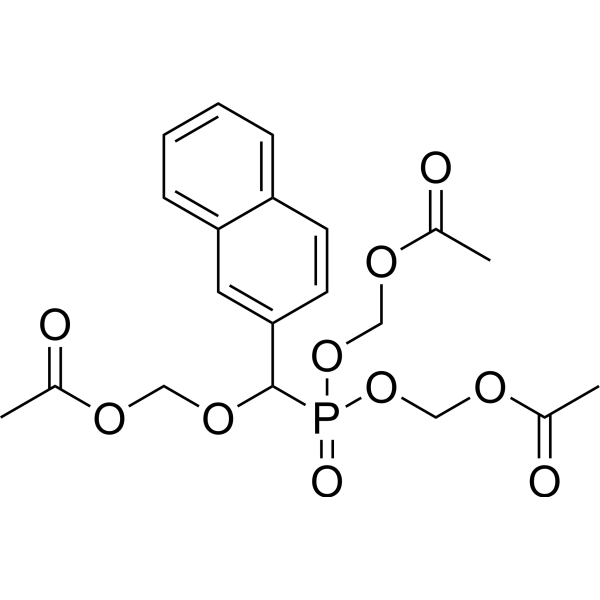
HNMPA-(AM)3 is a cell-permeable and selective insulin receptor tyrosine kinase inhibitor analog of HNMPA. HNMPA-(AM)3 greatly inhibits the ability of prothoracicotropic hormone (PTTH) to activate ERK phosphorylation and stimulate ecdysteroidogenesis. HNMPA-(AM)3 is also effective in inhibiting ecdysteroid production (IC50=14.2 μM) and insulin receptor activity (IC50 is 14.2 μM and 200 μM in mosquitoes and mammals, respectively) .
|
-
-
- HY-123805
-
|
|
RIG-I-like receptor (RLR)
HCV
IFNAR
|
Infection
|
|
KIN1400 is a potent IRF3 activator. KIN1400 triggers IRF3-dependent innate immune antiviral genes (RIG-I, MDA5, IFIT1, and Mx1) and IFN-β expression. KIN1400 inhibits WNV and DV, two mosquito-borne members of the Flaviviridae and the genus Flavivirus. KIN1400 also inhibits HCV replication. KIN1400 induces innate antiviral immunity through a MAVS-IRF3 axis .
|
-
-
- HY-B2015
-
|
|
Environmental Pollutants
Insecticide
Parasite
Cholinesterase (ChE)
|
Infection
|
|
Carbosulfan is an orally active AChE inhibitor that hydrolyzes to Carbofuran in organisms to exert insecticidal effects. Carbosulfan exhibits broad-spectrum insecticidal activity, and it also induces severe oxidative stress by enhancing lipid peroxidation and impairing the antioxidant defense system. Carbosulfan causes reproductive toxicity in male rats and developmental disorders in their offspring. Carbosulfan shows persistence in paddy field environments and potential hazards to non-target organisms, and it is commonly used in studies related to reproductive toxicity and environmental risk assessment .
|
-
-
- HY-114633
-
VU625
2 Publications Verification
|
Potassium Channel
|
Others
|
|
VU625 is an inhibitor for potassium channel, that selectively inhibits mosquito Aedes aegypti inward rectifier potassium channel 1 (AeKir), with IC50 of 96.8 nM in HEK293 cell. VU625 can be used in development of insecticide .
|
-
-
- HY-N16433
-
|
|
Parasite
Insecticide
|
Infection
|
|
Nodulisporic acid A (Compound 1a) is an insecticidal agent. Nodulisporic acid A can isolated from fermentations of Nodulisporium sp. Nodulisporic acid A has a potent insecticidal activity against the larvae of the blowfly and mosquito with LC50s of 0.5 and 0.3 ppm against A. aegypti and L. seracata, respectively. Nodulisporic acid A can be used for the development of insecticide .
|
-
-
- HY-116144R
-
|
Lcaridin (Standard)
|
Reference Standards
Parasite
|
Infection
|
|
Picaridin (Standard) is the analytical standard of Picaridin. This product is intended for research and analytical applications. Picaridin (Lcaridin) is a broad spectrum arthropod repellent. The repellent and deterrent activities of Picaridin involve olfactory sensing in mosquitoes, and ticks, via their interactions with odorant receptor proteins .
|
-
-
- HY-B1559
-
|
|
Environmental Pollutants
Apoptosis
|
Infection
Cancer
|
|
Allethrin, a pyrethroid insecticide is a major mosquito repellent agent. Allethrin induces oxidative stress, apoptosis and calcium release in rat testicular carcinoma cells (LC540). Allethrin induces BCL-2, caspase-3 activation and release of intracellular calcium .
|
-
-
- HY-B0978R
-
|
DEET (Standard); N,N-Diethyl-m-toluamide (Standard)
|
Reference Standards
Parasite
|
Infection
Neurological Disease
|
|
Diethyltoluamide (Standard) is the analytical standard of Diethyltoluamide. This product is intended for research and analytical applications. Diethyltoluamide (DEET) is the most common active ingredient in insect repellents. It is intended to provide protection against mosquitoes, ticks, fleas, chiggers, leeches, and many other biting insects. Diethyltoluamide is toxic to hepatocytes and can lead to many physiological, pharmacological, and behavioral abnormal ities, particularly motor deficits and learning and memory dysfunction .
|
-
-
- HY-W272217S
-
|
n-Octacosane-d58; NSC 5549-d58
|
Bacterial
Endogenous Metabolite
|
Cancer
|
|
Octacosane-d58 is the deuterium labeled Octacosane . Octacosane is an endogenous metabolite with antibacterial activity. Octacosane shows high cytotoxicity against murine melanoma B16F10-Nex2 cells besides inducing protection against a grafted subcutaneous melanoma. Octacosane has the larvicidal activity against mosquito Culex quinquefasciatus with the LC50 concentration of 7.2 mg/l .
|
-
-
- HY-P10862
-
|
|
Exosomes
Virus Protease
|
Infection
Cancer
|
AH-D peptide is a brain-penetrant antiviral agent disrupting highly curved lipid membranes. AH-D peptide exhibits broad-spectrum antiviral activity against ZIKV, Dengue virus, Chikungunya virus, yellow fever virus and Japanese encephalitis virus, with IC50 values of 11.9, 12.5, 35.7, 206 and 136 nM, respectively. AH-D peptide reduces the viral load in the brain, suppresses inflammation, protects neurons, and does not damage the blood brain barrier. AH-D peptide restores antitumor immunity by decreasing circulating PD-L1 + exosomes, reducing intratumoral immunosuppressive cells (regulatory T cells, myeloid-derived suppressor cells), and enhancing T cell function. AH-D peptide inhibits membrane-enveloped viruses and cancer cell metastasis in vivo. AH-D peptide exhibits no immunogenicity and has negligible effects on normal tissues. AH-D peptide can be used for research in Zika virus and other mosquito-borne viruses, cancer immunotherapy and metastasis .
|
-
-
- HY-W013715B
-
|
dTTP trisodium,100 mM Solution,PCR Grade
|
DNA/RNA Synthesis
Nucleoside Antimetabolite/Analog
Endogenous Metabolite
|
Others
|
Deoxythymidine-5'-triphosphate (dTTP) trisodium, 100 mM Solution, PCR Grade is one of the raw materials used by DNA polymerase to synthesize long DNA strands during DNA replication. Deoxythymidine-5'-triphosphate trisodium, 100 mM Solution, PCR Grade is used in polymerase chain reaction (PCR) for DNA amplification. This product is supplied as an aqueous solution.
|
-
-
- HY-N10743
-
|
|
Parasite
|
Infection
|
|
Pipercide is an amide of piper nigrum fruits. Pipercide has larvicidal activity to mosquito. Pipercide acts on the nervous system and induces repetitive discharge on the central nerve cord. Pipercide can be used as an insecticide .
|
-
-
- HY-W272217
-
|
n-Octacosane; NSC 5549
|
Endogenous Metabolite
Bacterial
|
Inflammation/Immunology
Cancer
|
|
Octacosane is an endogenous metabolite with antibacterial activity. Octacosane shows high cytotoxicity against murine melanoma B16F10-Nex2 cells besides inducing protection against a grafted subcutaneous melanoma. Octacosane has the larvicidal activity against mosquito Culex quinquefasciatus with the LC50 concentration of 7.2 mg/l .
|
-
-
- HY-126323B
-
|
|
Parasite
|
Infection
|
|
TCMDC-135051 hydrochloride is a highly selective and potent protein kinase PfCLK3 inhibitor with low off-target toxicity. TCMDC-135051 hydrochloride prevents trophozoite-to-schizont transition, disrupts transcription and reduces transmission to the mosquito vector. TCMDC-135051 hydrochloride has antiparasiticidal activity (EC50=320 nM) .
|
-
-
- HY-B0601R
-
-
-
- HY-W099479R
-
|
Ethyl butylacetylaminopropionate (Standard); IR-3535 (Standard)
|
Reference Standards
Reactive Oxygen Species (ROS)
Apoptosis
|
Infection
Inflammation/Immunology
|
|
Insect repellent M 3535 (Ethyl butylacetylaminopropionate) Standard is the analytical standard of Insect repellent M 3535 (HY-W099479). This product is intended for research and analytical applications. Insect repellent M 3535 (Ethyl butylacetylaminopropionate) is a broad-spectrum, mild insect repellent based on the structure of β-alanine. Insect repellent M 3535 exerts repellent effects by interfering with the olfaction of mosquitoes, but it poses risks of developmental and cardiac toxicity to aquatic organisms such as zebrafish embryos in aquatic environments, and can activate oxidative stress responses.
|
-
-
- HY-W709825
-
|
|
Others
|
Infection
|
|
(-)-Cyperene is a sesquiterpene hydrocarbon. (-)-Cyperene can be obtained from the n-hexane fraction of the smoke condensate of Goniothalamus andersonii. (-)-Cyperene can be used in the study of mosquitoes .
|
-
-
- HY-W142258
-
|
|
Parasite
|
Infection
|
|
6-Undecanone is a ligand of Odorant-binding protein 22 (OBP22) with a weak bind capacity. -Undecanone can be used as a negative control for Aedes aegypti mosquito infection research .
|
-
-
- HY-W075176
-
|
|
Insecticide
|
Infection
|
|
Transfluthrin is an insecticide with extremely low acute toxicity to vertebrates. It acts as a mosquito repellent, exerts mosquito control effects via electric heating fumigators, and is widely used in studies related to malaria, bancroftian filariasis and mosquito-borne infectious diseases. Transfluthrin may also induce adverse reactions such as pulmonary sensory irritation, sensitization, genotoxicity and respiratory depression, and can increase the concentrations and activities of CYP2E1 and CYP3A2 in rat brains. Transfluthrin can be removed from wastewater through biodegradation and activated sludge adsorption, and can be degraded by microorganisms such as *Azovibrio* and *Tauera* .
|
-
-
- HY-117419
-
|
|
Parasite
|
Infection
|
|
(-)-Lavandulyl acetate is a nature product that can be found in Lavandula angustifolia. (-)-Lavandulyl acetate shows toxicity for mosquito vectors. (-)-Lavandulyl acetate can be used as mosquito larvicide .
|
-
-
- HY-N8585
-
|
|
Parasite
|
Infection
|
|
Neoprocurcumenol is a larvicidal compound that exerts significant toxicity on mosquito larvae with LC50 and LC 90 values of 13.69 and 23.92 ppm, respectively .
|
-
-
- HY-N8914
-
|
|
Others
|
Others
|
|
Isoshinanolone is a natural product that can be extracted from Plumbago capensis. Isoshinanolone has mosquito larvicidal activity against fourth instar larvae of A. aegypti, with an IC50 value of 1.26 μg/mL .
|
-
-
- HY-B0978S1
-
|
DEET-d7; N,N-Diethyl-m-toluamide-d7
|
Parasite
|
Infection
|
|
Diethyltoluamide-d7 is the deuterium labeled Diethyltoluamide . Diethyltoluamide is the most common active ingredient in insect repellents. It is intended to provide protection against mosquitoes, ticks, fleas, chiggers, leeches, and many other biting insects .
|
-
-
- HY-W100043
-
|
|
Insecticide
|
Infection
|
|
p-Menthane-3,8-diol is an insect repellent. p-Menthane-3,8-diol can be used to repel Aedes aegypti .
|
-
-
- HY-114373
-
|
|
Parasite
|
Infection
|
|
Calarene is an insecticide that can be obtained from the stem of Kadsura heteroclite. Calarene is toxic to Meloidogyne incognita, Sitophilus zeamais, and mosquitoes. Calarene can be used in the research of plant pests and mosquito control .
|
-
-
- HY-W075176R
-
|
|
Insecticide
Reference Standards
|
Others
|
|
Transfluthrin (Standard) is the analytical standard of Transfluthrin. This product is intended for research and analytical applications. Transfluthrin is a fast-acting pyrethroid insecticide and mosquito repellent. Transfluthrin is against flying insects, such as mosquito and flies, and in agriculture material pests .
|
-
-
- HY-B0978S
-
|
DEET-d10; N,N-Diethyl-m-toluamide-d10
|
Parasite
|
Infection
|
|
Diethyltoluamide-d10 is the deuterium labeled Diethyltoluamide . Diethyltoluamide is the most common active ingredient in insect repellents. It is intended to provide protection against mosquitoes, ticks, fleas, chiggers, leeches, and many other biting insects .
|
-
-
- HY-136611
-
|
|
Drug Metabolite
|
Infection
|
|
ω-Hydroxy-DEET is a major metabolite of insect repellent N-N-diethyl-meta-toluamide (DEET). ω-Hydroxy-DEET has anti-proliferative effects. DEET is a spatial repellent and an irritant that commonly used to prevent contact with mosquitoes .
|
-
-
- HY-174342
-
|
|
Cytochrome P450
Parasite
|
Infection
|
|
ELQ-453 is an inhibitor targeting the Qo site of the Plasmodium falciparum cytochrome bc1 complex (CytB) with an IC50 value of 0.57 nM. ELQ-453 blocks the mitochondrial function of the parasite, and suppresses Plasmodium infection in mosquitoes. ELQ-453 is promising for research of malaria .
|
-
-
- HY-175607
-
|
|
Cholinesterase (ChE)
nAChR
|
Infection
Neurological Disease
|
|
AChE/nAChR-IN-1 (Compound 1a) is dual-functional inhibitor of AChE and nAChR. AChE/nAChR-IN-1 has potent toxicity and larvicidal effectiveness against Culex pipiens larvae with a LC50 of 4 ng/mL. AChE/nAChR-IN-1 can be used as larvicides for mosquito-borne diseases research .
|
-
-
- HY-N1739R
-
|
2-Methylanthraquinone (Standard)
|
Reference Standards
SARS-CoV
Virus Protease
|
Infection
|
|
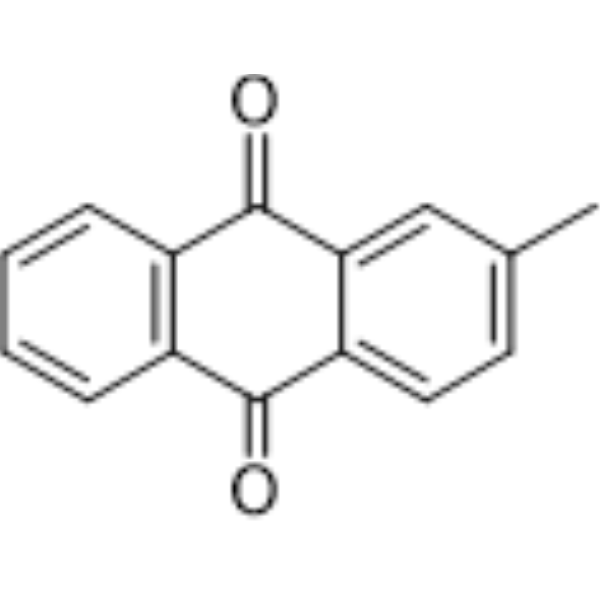
Tectoquinone (Standard) is the analytical standard of Tectoquinone. This product is intended for research and analytical applications. Tectoquinone (2-Methylanthraquinone) is an inhibitor for SARS CoV-2 major protease (SARS CoV-2 Mpro). Tectoquinone exhibits anti-termite and antiviral activities .
|
-
-
- HY-N1096S1
-
|
|
Isotope-Labeled Compounds
Bacterial
Parasite
|
Infection
|
|
Veratraldehyde-d3 is the deuterium labeled Veratraldehyde (HY-N1096). Veratraldehyde is an orally active aromatic compound and antibacterial agent. Veratraldehyde can be isolated from essential oils of plants such as peppermint and ginger. Veratraldehyde targets the PilY1 protein. Veratraldehyde has antibacterial activity against Pseudomonas aeruginosa. Veratraldehyde has a repellent effect against mosquitoes and ticks. Veratraldehyde can be used as a flavoring agent .
|
-
-
- HY-B1575
-
-
- HY-N3878
-
|
|
Others
|
Others
|
|
Eucamalol is a new mosquito repellent from Eucalyptus camaldulensis, and exhibits significant repellent activity against Aedes albopictus .
|
-
- HY-N10194
-
|
|
Parasite
Endogenous Metabolite
|
Infection
|
|
P-orlandin, a fungal metabolite, prevents FREP1 from binding to gametocytes or ookinetes. P-orlandin effectively inhibits P. falciparum infection in mosquitoes .
|
-
- HY-N2976
-
|
Betulafolianediol 3-acetate; Cabraleadiol 3-acetate
|
Others
|
Infection
|
|
Cabraleadiol monoacetate is a compound isolated from the lichen Pyxine consocians Vainio. Cabraleadiol monoacetate shows mosquito larvicidal activity against the second instar larvae of Aedes aegypti .
|
-
- HY-N10197
-
|
|
Parasite
Endogenous Metabolite
|
Infection
|
|
Pulixin prevents FREP1 from binding to P. falciparum-infected cell lysate. Pulixin blocks the transmission of the parasite to mosquitoes with an EC50 of 11 µM. Pulixin also inhibits the proliferation of asexual-stage P. falciparum with an EC50 of 47 nM .
|
-
- HY-B0824R
-
|
|
Reference Standards
Sodium Channel
|
Neurological Disease
|
|
Bifenthrin (Standard) is the analytical standard of Bifenthrin. This product is intended for research and analytical applications. Bifenthrin is a synthetic pyrethroid insecticide. Bifenthrin prolongs the opening time of Nav1.8 sodium channels, leading to membrane depolarization and conductance block in the insect nervous system, thereby disrupting neural function. Bifenthrin was effective in inhibiting A. gambiae (LD50=0.15 ng/mg) and C. quinquefasciatus (LD50=0.16 ng/mg). Bifenthrin has good lethality against susceptible and resistant mosquitoes and is very effective in inhibiting blood sucking and can be developed as a mosquito-removal netting material .
|
-
- HY-N10013R
-
|
|
Insecticide
Reference Standards
|
Others
|
|
β-Damascone (Standard) is the analytical standard of β-Damascone. This product is intended for research and analytical applications. β-Damascone is an aroma active rice volatile and is widely used in perfume compositions. β-Damascone has also received certain attention as a potential cancer chemopreventive and a mosquito and muscoid insecticide .
|
-
- HY-W272217R
-
|
n-Octacosane (Standard); NSC 5549 (Standard)
|
Reference Standards
Endogenous Metabolite
Bacterial
|
Inflammation/Immunology
Cancer
|
|
Octacosane (Standard) is the analytical standard of Octacosane. This product is intended for research and analytical applications. Octacosane is an endogenous metabolite with antibacterial activity. Octacosane shows high cytotoxicity against murine melanoma B16F10-Nex2 cells besides inducing protection against a grafted subcutaneous melanoma. Octacosane has the larvicidal activity against mosquito Culex quinquefasciatus with the LC50 concentration of 7.2 mg/l .
|
-
- HY-B1559R
-
|
|
Reference Standards
Apoptosis
|
Cancer
|
|
Allethrin (Standard) is the analytical standard of Allethrin. This product is intended for research and analytical applications. Allethrin, a pyrethroid insecticide is a major mosquito repellent agent. Allethrin induces oxidative stress, apoptosis and calcium release in rat testicular carcinoma cells (LC540). Allethrin induces BCL-2, caspase-3 activation and release of intracellular calcium .
|
-
- HY-159148
-
|
|
Cholinesterase (ChE)
|
Others
|
|
AChE-IN-70 (compound 4) is a AChE inhibitor. AChE-IN-70 shows larvicidal activity against mosquito larvae (Culex pipiens L.). and can be used for study of mosquito control .
|
-
- HY-W513778
-
|
|
Insecticide
|
Infection
|
|
(+)-trans-Chrysanthemic acid is a component of pyrethroids that inhibits Orlando strain mosquitoes .
|
-
- HY-114720
-
|
|
Insecticide
|
Others
|
|
Laureatin is an active product that can be isolated from the marine algae Laurencia nipponica. Laureatin exhibits potent insecticidal activity against mosquitos .
|
-
- HY-100540C
-
|
GCA-1
|
Drug Isomer
|
Infection
|
|
Golgicide A-1 (GCA-1) is a less active cis-diastereomer of Golgicide A (GCA). Golgicide A-1 weakly inhibits mosquito reproduction .
|
-
- HY-167627
-
|
|
Bacterial
Insecticide
|
Infection
|
|
Colupulone is a β-acid resin component found in hops (Humulus lupulus) and exhibits antibacterial and anti-larval activity against Culex mosquitoes. Colupulone can be used in studies related to infectious diseases .
|
-
- HY-B1120S
-
|
Temefos-d12
|
Cholinesterase (ChE)
Dengue Virus
Flavivirus
Parasite
|
Infection
|
|
Temephos-d12 is the deuterium labeled Temephos. Temephos (Temefos) is an orally active, blood-brain barrier-permeable organophosphate insecticide and AChE inhibitor. By irreversibly inhibiting AChE to induce cholinergic overactivation, Temephos effectively blocks larval development of Aedes aegypti (yellow fever mosquito) and Aedes albopictus (Asian tiger mosquito), and is commonly used in studies related to Dengue Virus, Zika Virus and other relevant pathogens. Temephos exhibits genotoxicity and neurodevelopmental toxicity, and may also cause liver injury, reproductive system abnormalities and cholinergic poisoning symptoms in mammals. Temephos tends to accumulate in adipose tissues and aquatic organisms, and is excreted via feces after metabolism through oxidation and hydrolysis. Note that CYP-mediated metabolic detoxification may reduce the actual larvicidal efficacy of Temephos against some mosquito species. Temephos can be used in research related to dengue fever, Zika virus disease, chikungunya and dracunculiasis .
|
-
- HY-B1120R
-
|
Temefos (Standard)
|
Reference Standards
Insecticide
Cholinesterase (ChE)
Dengue Virus
Flavivirus
|
Infection
|
|
Temephos (Standard) is the analytical standard of Temephos. This product is intended for research and analytical applications. Temephos (Temefos) is an orally active, blood-brain barrier-permeable organophosphate insecticide and AChE inhibitor. By irreversibly inhibiting AChE to induce cholinergic overactivation, Temephos effectively blocks larval development of Aedes aegypti (yellow fever mosquito) and Aedes albopictus (Asian tiger mosquito), and is commonly used in studies related to Dengue Virus, Zika Virus and other relevant pathogens. Temephos exhibits genotoxicity and neurodevelopmental toxicity, and may also cause liver injury, reproductive system abnormalities and cholinergic poisoning symptoms in mammals. Temephos tends to accumulate in adipose tissues and aquatic organisms, and is excreted via feces after metabolism through oxidation and hydrolysis. Note that CYP-mediated metabolic detoxification may reduce the actual larvicidal efficacy of Temephos against some mosquito species. Temephos can be used in research related to dengue fever, Zika virus disease, chikungunya and dracunculiasis .
|
-
- HY-121571
-
|
|
Insecticide
|
Infection
Cancer
|
|
Prallethrin, a spatial mosquito repellent, is a non-fluorinated pyrethroid targeting lung surfactant proteins (SPs). prallethrin has vapor toxicity and can bind with the lung SPs by hydrogen and hydrophobic interactions, impairing functions of SPs. Prallethrin can be used for respiratory illness, pathogenic infections and malignancy research .
|
-
- HY-B1885R
-
|
|
Reference Standards
Insecticide
Parasite
Cholinesterase (ChE)
AMPK
PI3K
Akt
Apoptosis
SOD
|
Infection
|
|
Fenitrothion (Standard) is the analytical standard of Fenitrothion (HY-B1885). This product is intended for research and analytical applications. Fenitrothion is a broad-spectrum and orally active insecticide/acaricide. Fenitrothion inhibits cholinesterase, AMPKα and IRS1/PI3K/AKT. Fenitrothion causes Apoptosis, reduces SOD activity. Fenitrothion shows insecticidal effect against Rhyzopertha dominica and Tribolium castaneum adults. Fenitrothion is widely used in cotton crops, vegetable crops, fruit crops and field crops, especially rice. Fenitrothion can be used for brain and spleen toxicology studies .
|
-
- HY-N2621
-
|
|
Cytochrome P450
|
Inflammation/Immunology
|
|
Evodol is a natural product isolated from the dried and nearly ripe fruits of Euodia rutaecarpa. Evodol shows inhibitory activity against NO production . Evodol possesses larvicidal activity against the Asian tiger mosquitoes with a LC50 value of 32.43 μg/ml . Evodol has the inhibitory effect on CYP3A .
|
-
- HY-173567
-
|
|
Parasite
|
Infection
|
|
WJM664 is a potent Plasmodium falciparum PfATP4 inhibitor. WJM664 shows strong activity against malaria parasites. WJM664 blocks gamete development and transmission to mosquitoes by inhibiting PfATP4-mediated Na +-dependent ATPase activity, and acts on multiple stages of the malaria parasite life cycle .
|
-
- HY-126323A
-
|
|
Parasite
|
Infection
|
|
TCMDC-135051 TFA is a highly selective and potent protein kinase PfCLK3 inhibitor with low off-target toxicity. TCMDC-135051 TFA prevents trophozoite-to-schizont transition, disrupts transcription and reduces transmission to the mosquito vector. TCMDC-135051 TFA has antiparasiticidal activity (EC50=320 nM) .
|
-
- HY-163980
-
|
|
Cholinesterase (ChE)
nAChR
|
Others
|
|
AChE-IN-73 (compound 6) is an insecticide with higher toxicity than HY-B0815. The LC50 for C. pipiens is 78.0 mg/L. AChE-IN-73 has high affinity for acetylcholinesterase (AChE) and nicotinic acetylcholine receptors (nAChR), with binding energies of -8.11 kcal/mol and -6.27 kcal/mol, respectively. AChE-IN-73 is a potentially potent mosquito inhibitor .
|
-
- HY-136611S
-
|
|
Isotope-Labeled Compounds
Drug Metabolite
|
Infection
|
|
ω-Hydroxy-DEET-d10 is the deuterium labeled ω-Hydroxy-DEET (HY-136611). ω-Hydroxy-DEET is a major metabolite of insect repellent N-N-diethyl-meta-toluamide (DEET). ω-Hydroxy-DEET has anti-proliferative effects. DEET is a spatial repellent and an irritant that commonly used to prevent contact with mosquitoes .
|
-
- HY-159603
-
|
|
Parasite
Na+/K+ ATPase
|
Infection
|
|
S-WJM992 (compound 10ahb) is an antiparasitic agent that inhibits ATPase activity under high [Na+] conditions. S-WJM992 also has significant inhibitory effects on parasites that have developed PfATP4 inhibitor-resistance. S-WJM992 is a potential transmission blocker that effectively inhibits gamete development and prevents parasite transmission to mosquitoes via blood feeding .
|
-
- HY-118077
-
|
|
Others
|
Others
|
|
RE 11775 (m-tert-butylphenyl-N-methyl-N-(phenylthio) carbonate) is a new carbonate ester with unusually high toxicity to mosquito larvae. Laboratory and field evaluations have shown that it has potential for use in controlling sensitive and organophosphate-resistant larval and adult stages of Aedes nigromaculis (Ludlow). Preliminary studies also suggest that RE 11775 may also be useful for controlling sensitive and organophosphate-resistant Culex spccies. This new carbonate ester is relatively safe, with no adverse effects found in current testing.
|
-
- HY-173413
-
|
|
Insecticide
Cholinesterase (ChE)
nAChR
Sodium Channel
GABA Receptor
|
Others
|
|
Insecticidal agent 21 (Compound 6) is an insecticide that is effective against Culex pipiens larvae (LC50: 0.4 μg/mL). Insecticidal agent 21 achieves multi-target neurotoxicity by inhibiting acetylcholinesterase (AChE) and simultaneously targeting other neural receptors (nicotinic acetylcholine receptors (nAChR), voltage-gated sodium channels (VGSC), and γ-aminobutyric acid receptors (GABAAR)). Insecticidal agent 21 has a strong insecticidal effect and can be used in the development of new insecticides to address the problem of mosquito resistance to traditional insecticides .
|
-
- HY-W738270
-
|
3,4-Dimethoxy[7-13C]-benzaldehyde
|
Isotope-Labeled Compounds
Bacterial
Parasite
|
Infection
|
|
Veratraldehyde- 13C (3,4-Dimethoxy[7- 13C]-benzaldehyde) is the 13C-labeled Veratraldehyde (HY-N1096). Veratraldehyde is an orally active aromatic compound and antibacterial agent. Veratraldehyde can be isolated from essential oils of plants such as peppermint and ginger. Veratraldehyde targets the PilY1 protein. Veratraldehyde has antibacterial activity against Pseudomonas aeruginosa. Veratraldehyde has a repellent effect against mosquitoes and ticks. Veratraldehyde can be used as a flavoring agent .
|
-
- HY-106991
-
|
S-303
|
CHIKV
Dengue Virus
Flavivirus
|
Infection
|
|
Amustaline (S-303) is a compound used for inactivating pathogens in blood components and belongs to the category of nucleic acid-targeted chemical decontaminants. Amustaline has the ability to inactivate viruses and is effective against mosquito-borne viruses such as Chikungunya virus (CHIKV), Dengue virus (DENV), and Zika virus (ZIKV). When combined with glutathione (Glutathione, GSH), which acts as a neutralizer to counteract adverse reactions, Amustaline ensures the stability of red blood cell membranes. Amustaline is mainly used for inactivating pathogens in red blood cell concentrates (RBCC) to reduce the risk of transfusion-transmitted infections (TTI) .
|
-
- HY-N3097R
-
-
- HY-124545
-
|
Benzoyldiethylamine
|
Insecticide
|
Infection
|
|
N,N-Diethylbenzamide (Benzoyldiethylamine) is a mosquito repellent with highly effective mosquito-repellent properties .
|
-
- HY-N13754
-
|
|
Parasite
|
Infection
|
|
Leptostachyol acetate is a lignan compound that can be isolated from the roots of Phryma leptostachya var. asiatica. Leptostachyol acetate exhibits larvicidal activity against mosquito larvae, with LC50 values of 0.41, 2.1, and 2.3 ppm against third instar larvae of Culex pipiens pallens, Aedes aegypti, and Ocheratatos togoi, respectively. Leptostachyol acetate can be used for research on mosquito larval control .
|
-
- HY-N14120
-
|
Opopanax oil
|
Insecticide
|
Others
|
|
Opoponax oil is an effective insecticide against mosquito larvae .
|
-
- HY-180460
-
|
|
Insecticide
|
Others
|
|
SCPI-1 is a potent and competitive mosquito sterol carrier protein-2 (SCP-2) inhibitor (AeSCP-2 IC50 = 0.347 µM; AeSCP-x IC50 = 0.527 µM). SCPI-1 exhibits physiological effects on cholesterol metabolism in cultured insect cells (IC50 of 5.53 µM in Aag-2 cells). SCPI-1 shows insecticidal activity against Aedes aegypti with a LD50 of 4.8 µM .
|
-
- HY-180500
-
|
|
Insecticide
|
Others
|
|
SCPI-3 is a potent and competitive mosquito sterol carrier protein-2 (SCP-2) inhibitor (AeSCP-2 IC50 = 0.159 µM; AeSCP-x IC50 = 0.285 µM). SCPI-3 exhibits physiological effects on cholesterol metabolism in cultured insect cells (IC50 of 3.09 µM in Aag-2 cells). SCPI-3 shows insecticidal activity against Aedes aegypti with a LD50 of 12.3 µM .
|
-
- HY-N11234A
-
|
|
Insecticide
|
Infection
|
|
(Z)-γ-Bisabolene is a monocyclic bisabolane-type sesquiterpene hydrocarbon found in the essential oil of Galinsoga parviflora, acting as a mosquito larvicide and oviposition deterrent. (Z)-γ-Bisabolene induces acute toxicity in larvae of six mosquito species. (Z)-γ-Bisabolene deters oviposition in gravid females of six mosquito species. (Z)-γ-Bisabolene can be used for the research of malaria, dengue, japanese encephalitis, zika virus .
|
-
- HY-119511
-
|
|
Parasite
|
Cardiovascular Disease
Infection
|
|
Isopentaquine is an orally active antimalarial agent. Isopentaquine induces mild morphological changes in the exoerythrocytic stage of Plasmodium fallax, with a ED50 of 6.7 mg/L. Isopentaquine causes degenerative changes in the development of Plasmodium oocysts in infected mosquitoes. Isopentaquine reduces the infectivity of Plasmodium falciparum gametocytes. Isopentaquine impairs sympathetic cardiovascular reflexes. Isopentaquine decreases the recurrence rate and total disease duration of Plasmodium vivax infection. Isopentaquine can be used in malaria-related research .
|
-
- HY-N19687
-
|
|
Drug Derivative
|
Infection
|
|
Thevefolic acid B is a plant secondary metabolite specific to the nectar of Cascabela thevetia. Thevefolic acid B can be used to identify mosquito host plants and control vector-borne diseases .
|
-
- HY-182685
-
|
|
Acetyl-CoA synthetase
Parasite
|
Infection
|
|
MMV693183 is an orally active inhibitor of Plasmodium falciparum acetyl-CoA synthetase (AcAS), with an IC50 of 300 nM against Plasmodium falciparum. MMV693183 exhibits potent inhibitory activity against clinical isolates of malaria parasites, including Artemisinin (HY-B0094)-resistant strains. MMV693183 is metabolized in vivo into the active antimetabolite CoA-MMV693183, which exerts effects of killing asexual blood-stage parasites and blocking transmission to Anopheles mosquitoes by binding to and inhibiting the function of acetyl-CoA synthetase, thereby reducing the levels of acetyl-CoA and 4'-phosphopantetheine. In humanized mouse models, MMV693183 shows favorable in vivo efficacy, drug-like properties, and no significant cytotoxicity or off-target activity against human cells. MMV693183 is widely used in malaria-related research as a parasiticide and metabolic disruptor .
|
-
- HY-169173
-
|
|
Cholinesterase (ChE)
|
Infection
|
|
AL284 is a potent anopheles gambiae acetylcholinesterase 1 (AgAChE1) inhibitor. AL284 interactions with Tyr489Ag in the α-helix next to loop 2, and Trp441Ag at the top of the gorge. AL284 has the potential for the research of disease-transmitting mosquitoes .
|
-
- HY-100540CR
-
|
GCA-1 (Standard)
|
Drug Isomer
Reference Standards
|
Infection
|
|
Golgicide A-1 (Standard) is the analytical standard of Golgicide A-1 (HY-100540C). This product is intended for research and analytical applications. Golgicide A-1 (GCA-1) is a less active cis-diastereomer of Golgicide A (GCA). Golgicide A-1 weakly inhibits mosquito reproduction .
|
-
- HY-W421914
-
|
|
Insecticide
|
Infection
|
|
Chlorthion is an organic phosphorothionate insecticide. Chlorthion inhibits liver microsomal hydroxylation of testosterone .
|
-
| Cat. No. |
Product Name |
Type |
-
- HY-W013715B
-
|
dTTP trisodium,100 mM Solution,PCR Grade
|
Biochemical Assay Reagents
|
Deoxythymidine-5'-triphosphate (dTTP) trisodium, 100 mM Solution, PCR Grade is one of the raw materials used by DNA polymerase to synthesize long DNA strands during DNA replication. Deoxythymidine-5'-triphosphate trisodium, 100 mM Solution, PCR Grade is used in polymerase chain reaction (PCR) for DNA amplification. This product is supplied as an aqueous solution.
|
| Cat. No. |
Product Name |
Target |
Research Area |
-
- HY-P10862
-
|
|
Exosomes
Virus Protease
|
Infection
Cancer
|
AH-D peptide is a brain-penetrant antiviral agent disrupting highly curved lipid membranes. AH-D peptide exhibits broad-spectrum antiviral activity against ZIKV, Dengue virus, Chikungunya virus, yellow fever virus and Japanese encephalitis virus, with IC50 values of 11.9, 12.5, 35.7, 206 and 136 nM, respectively. AH-D peptide reduces the viral load in the brain, suppresses inflammation, protects neurons, and does not damage the blood brain barrier. AH-D peptide restores antitumor immunity by decreasing circulating PD-L1 + exosomes, reducing intratumoral immunosuppressive cells (regulatory T cells, myeloid-derived suppressor cells), and enhancing T cell function. AH-D peptide inhibits membrane-enveloped viruses and cancer cell metastasis in vivo. AH-D peptide exhibits no immunogenicity and has negligible effects on normal tissues. AH-D peptide can be used for research in Zika virus and other mosquito-borne viruses, cancer immunotherapy and metastasis .
|
| Cat. No. |
Product Name |
Category |
Target |
Chemical Structure |
| Cat. No. |
Product Name |
Chemical Structure |
-
- HY-W272217S
-
|
|
|
Octacosane-d58 is the deuterium labeled Octacosane . Octacosane is an endogenous metabolite with antibacterial activity. Octacosane shows high cytotoxicity against murine melanoma B16F10-Nex2 cells besides inducing protection against a grafted subcutaneous melanoma. Octacosane has the larvicidal activity against mosquito Culex quinquefasciatus with the LC50 concentration of 7.2 mg/l .
|
-
-
- HY-B0978S1
-
|
|
|
Diethyltoluamide-d7 is the deuterium labeled Diethyltoluamide . Diethyltoluamide is the most common active ingredient in insect repellents. It is intended to provide protection against mosquitoes, ticks, fleas, chiggers, leeches, and many other biting insects .
|
-
-
- HY-B0978S
-
|
|
|
Diethyltoluamide-d10 is the deuterium labeled Diethyltoluamide . Diethyltoluamide is the most common active ingredient in insect repellents. It is intended to provide protection against mosquitoes, ticks, fleas, chiggers, leeches, and many other biting insects .
|
-
-
- HY-N1096S1
-
|
|
|
Veratraldehyde-d3 is the deuterium labeled Veratraldehyde (HY-N1096). Veratraldehyde is an orally active aromatic compound and antibacterial agent. Veratraldehyde can be isolated from essential oils of plants such as peppermint and ginger. Veratraldehyde targets the PilY1 protein. Veratraldehyde has antibacterial activity against Pseudomonas aeruginosa. Veratraldehyde has a repellent effect against mosquitoes and ticks. Veratraldehyde can be used as a flavoring agent .
|
-
-
- HY-B1120S
-
|
|
|
Temephos-d12 is the deuterium labeled Temephos. Temephos (Temefos) is an orally active, blood-brain barrier-permeable organophosphate insecticide and AChE inhibitor. By irreversibly inhibiting AChE to induce cholinergic overactivation, Temephos effectively blocks larval development of Aedes aegypti (yellow fever mosquito) and Aedes albopictus (Asian tiger mosquito), and is commonly used in studies related to Dengue Virus, Zika Virus and other relevant pathogens. Temephos exhibits genotoxicity and neurodevelopmental toxicity, and may also cause liver injury, reproductive system abnormalities and cholinergic poisoning symptoms in mammals. Temephos tends to accumulate in adipose tissues and aquatic organisms, and is excreted via feces after metabolism through oxidation and hydrolysis. Note that CYP-mediated metabolic detoxification may reduce the actual larvicidal efficacy of Temephos against some mosquito species. Temephos can be used in research related to dengue fever, Zika virus disease, chikungunya and dracunculiasis .
|
-
-
- HY-136611S
-
|
|
|
ω-Hydroxy-DEET-d10 is the deuterium labeled ω-Hydroxy-DEET (HY-136611). ω-Hydroxy-DEET is a major metabolite of insect repellent N-N-diethyl-meta-toluamide (DEET). ω-Hydroxy-DEET has anti-proliferative effects. DEET is a spatial repellent and an irritant that commonly used to prevent contact with mosquitoes .
|
-
-
- HY-W738270
-
|
|
|
Veratraldehyde- 13C (3,4-Dimethoxy[7- 13C]-benzaldehyde) is the 13C-labeled Veratraldehyde (HY-N1096). Veratraldehyde is an orally active aromatic compound and antibacterial agent. Veratraldehyde can be isolated from essential oils of plants such as peppermint and ginger. Veratraldehyde targets the PilY1 protein. Veratraldehyde has antibacterial activity against Pseudomonas aeruginosa. Veratraldehyde has a repellent effect against mosquitoes and ticks. Veratraldehyde can be used as a flavoring agent .
|
-
Your information is safe with us. * Required Fields.
Inquiry Information
- Product Name:
- Cat. No.:
- Quantity:
- MCE Japan Authorized Agent:

