
1. Search Result
Search Result
Results for "

NOX

" in MedChemExpress (MCE) Product Catalog:

86

Inhibitors & Agonists

2

Fluorescent Dye

6

Peptides

7

Natural
Products

4

Recombinant Proteins

1

Isotope-Labeled Compounds

5

Antibodies

1

Click Chemistry

17

Oligonucleotides

Targets Recommended:
Cat. No. Product Name Target Research Areas Chemical Structure
  • HY-10071
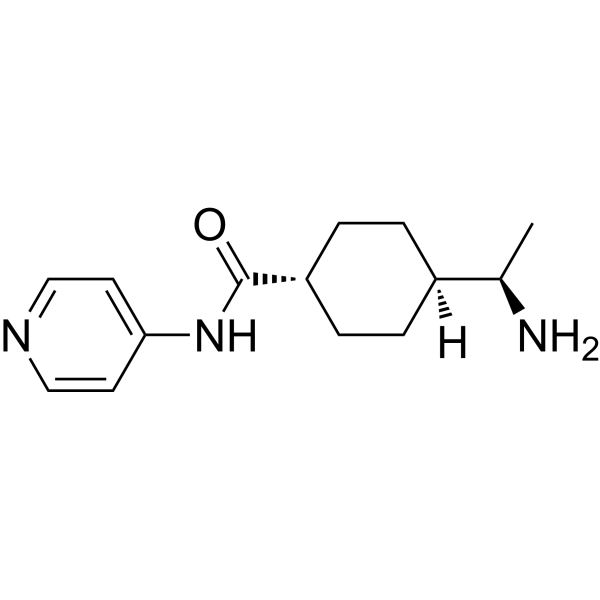
    Y-27632
    Maximum Cited Publications
    534 Publications Verification

    mTOR Ras ROCK NADPH Oxidase NF-κB Reactive Oxygen Species (ROS) Akt Apoptosis Autophagy PAK Cancer
    Y-27632 is a ROCK inhibitor with Ki values of 220 nM and 300 nM for ROCK1 and ROCK2, respectively. Y-27632 exerts anti-inflammatory and immunomodulatory effects in systemic lupus erythematosus models by inhibiting the ROCK/NF-κB pathway. Y-27632 enhances autophagy by inhibiting the AKT/mTOR pathway, thereby inducing apoptosis apoptosis in oral squamous cell carcinoma. Y-27632 induces the formation of tunneling nanotubes in ARPE-19 cells and significantly enhances mitochondrial transfer through these channels. Y-27632 promotes neurite outgrowth in PC12 cells by activating the Rac1/NOX1/ROS/AKT/PAK1 signaling cascade .
    Y-27632
  • HY-12298
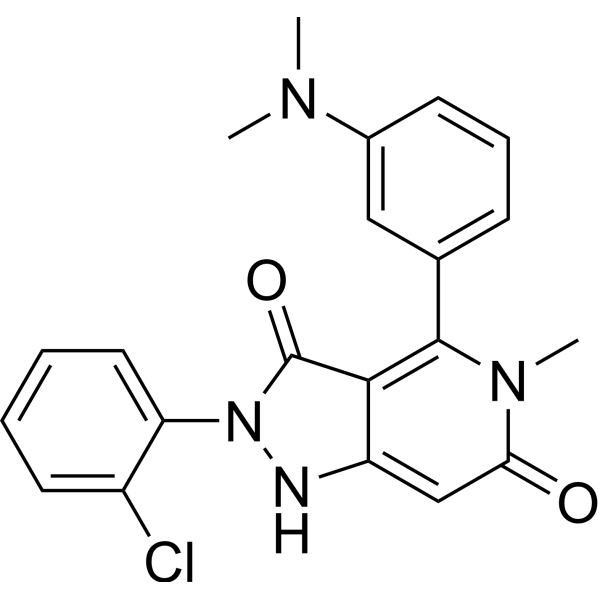
    Setanaxib
    25+ Cited Publications

    GKT137831; GKT831

    NADPH Oxidase Ferroptosis Cardiovascular Disease
    Setanaxib (GKT137831) is a selective NADPH oxidase (NOX1/4) inhibitor with Kis of 140 and 110 nM, respectively.
    Setanaxib
  • HY-100965
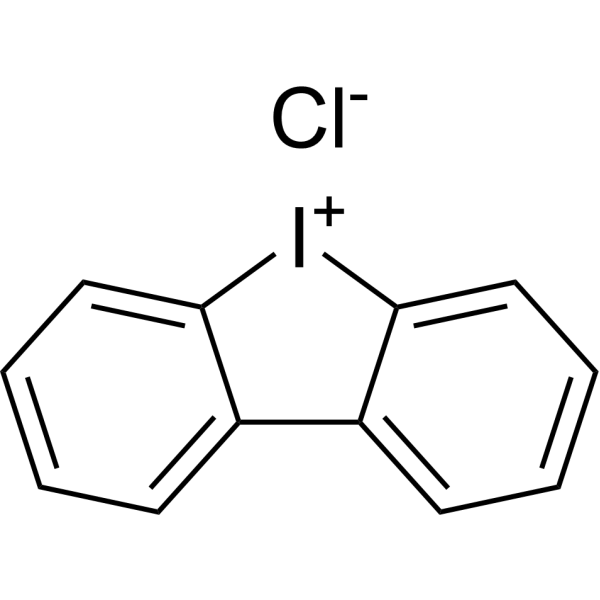
    Diphenyleneiodonium chloride
    55+ Cited Publications

    DPI

    TRP Channel NADPH Oxidase Reactive Oxygen Species (ROS) Neurological Disease Inflammation/Immunology
    Diphenyleneiodonium chloride is a NADPH oxidase (NOX) inhibitor and also functions as a TRPA1 activator with an EC50 of 1 to 3 μM. Diphenyleneiodonium chloride selectively inhibits intracellular reactive oxygen species.
    Diphenyleneiodonium chloride
  • HY-113324
    NADPH
    Maximum Cited Publications
    18 Publications Verification

    Endogenous Metabolite Cancer
    NADPH is a coenzyme of glutathione reductase (GR), thioredoxin reductase (TrxR) and NADPH oxidase (NOX), and participates in redox reactions as a hydrogen donor. NADPH has the characteristic of selectively participating in the regulation of cellular redox homeostasis. NADPH exerts antioxidant activity and resists reactive oxygen species (ROS) damage by providing reducing equivalents for the regeneration of glutathione (GSH) and thioredoxin (Trx); at the same time, it acts as a substrate of NOX to generate superoxide anions, mediating oxidative stress and immune response. NADPH participates in maintaining the intracellular reducing environment, biosynthesis and regulating gene expression (such as the Nrf2 pathway), and is mainly used in the study of oxidative stress-related diseases (such as cardiovascular diseases, neurodegenerative diseases, cancer) and immune regulation mechanisms .
    NADPH
  • HY-108537
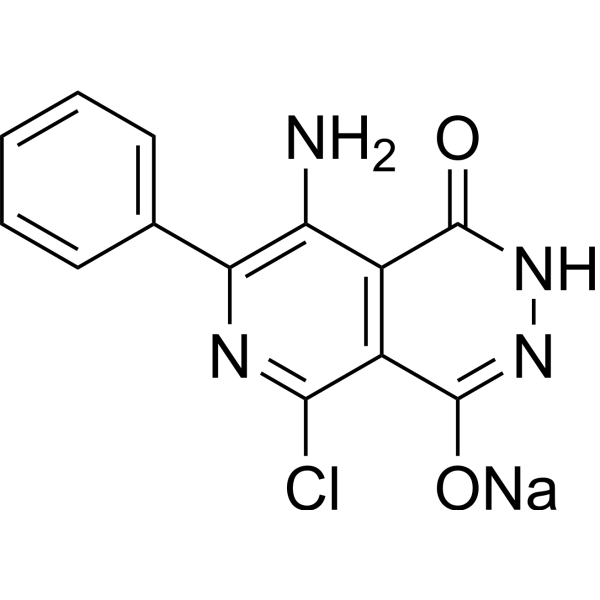
    L 012 sodium salt
    2 Publications Verification

    Reactive Oxygen Species (ROS) Inflammation/Immunology
    L 012 sodium salt is a luminal-based chemiluminescent probe. L 012 sodium salt can detect NADPH oxidase (Nox)-derived superoxide and nitrogen species (reactive oxygen species (ROS) and reactive nitrogen species (RNS)) .
    L 012 sodium salt
  • HY-18950
    GSK2795039
    70+ Cited Publications

    NADPH Oxidase Reactive Oxygen Species (ROS) Apoptosis Cancer
    GSK2795039 is a NADPH oxidase 2 (NOX2) inhibitor with a mean pIC50 of 6 in different cell-free assays. GSK2795039 inhibits reactive oxygen species (ROS) production and NADPH consumption . GSK2795039 reduces apoptosis .
    GSK2795039
  • HY-B0807A

    Dopamine Receptor NADPH Oxidase Dengue Virus Flavivirus Neurological Disease Inflammation/Immunology Cancer
    Prochlorperazine dimaleate is an orally active phenothiazine-type dopamine D2 receptor (D2R) antagonist. Prochlorperazine exhibits anti-cancer activity in vitro against various cancer cell lines. Prochlorperazine dimaleate exhibits IC50 values of 6.4 μM, 4.5 μM and 2.3 μM for NOX1, NOX2 and NOX5, respectively. Prochlorperazine dimaleate has antedesmosidic activity against dengue virus (DENV). Prochlorperazine dimaleate can be used for research on nausea, vomiting, migraine, and schizophrenia .
    Prochlorperazine dimaleate
  • HY-12805
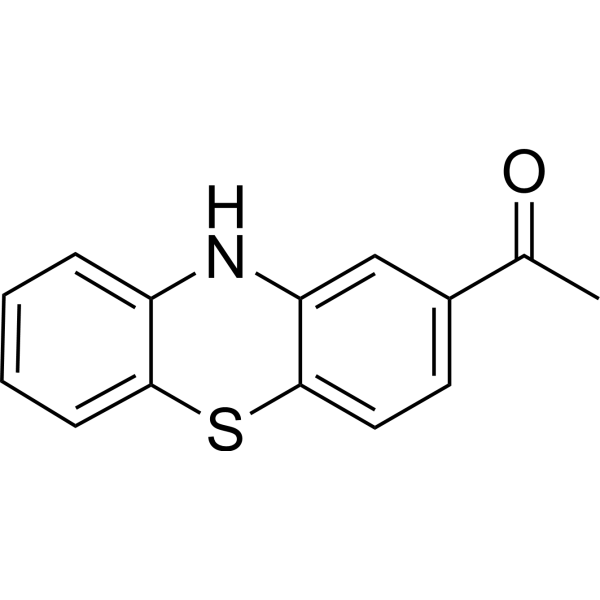
    ML171
    15+ Cited Publications

    2-Acetylphenothiazine; 2-APT

    NADPH Oxidase Cardiovascular Disease
    ML171 (2-Acetylphenothiazine;2-APT) is a potent and selective NADPH oxidase 1 (Nox1) inhibitor that blocks Nox1-dependent ROS generation, with an IC50 of 0.25 μM in HEK293-Nox1 confirmatory assay.
    ML171
  • HY-100111
    GLX351322
    45+ Cited Publications

    NADPH Oxidase Metabolic Disease
    GLX351322 is an inhibitor of NADPH oxidase 4 (Nox4), and inhibits hydrogen peroxide production from NOX4-overexpressing cells with an IC50 of 5 μM.
    GLX351322
  • HY-12804
    VAS2870
    15+ Cited Publications

    NADPH Oxidase Cardiovascular Disease
    VAS2870 is a NADPH oxidase (NOX) inhibitor.
    VAS2870
  • HY-N3610
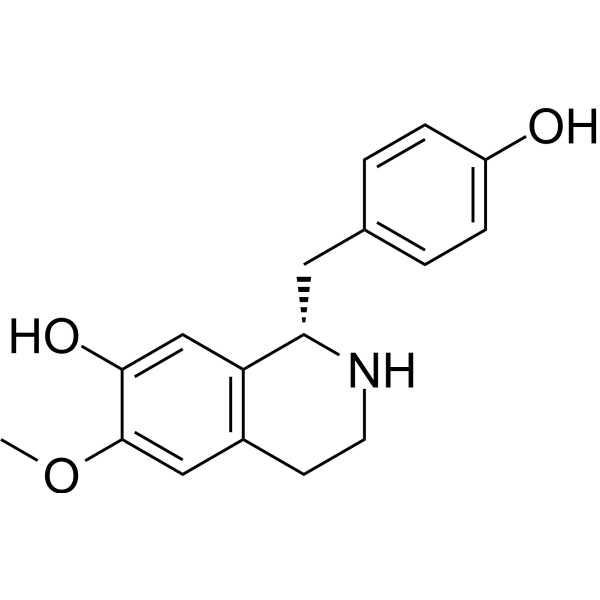
    Coclaurine
    1 Publications Verification

    nAChR Cancer
    Coclaurine is a class of tetrahydroisoquinoline alkaloids that can be isolated from Sarcopetalum harveyanum with anticancer activity. Coclaurine is a nicotinic acetylcholine receptor (nAChRs) antagonist. Coclaurine is a key molecule in S. tetrandra responsible for EFHD2 inhibition. Coclaurine can downregulate EFHD2-related NOX4-ABCC1 signaling and enhanced Cisplatin (HY-17394) sensitivity. Coclaurine suppresses the stemness and metastatic properties of NSCLC cells. Coclaurine disrupts the interaction between the transcription factor FOXG1 and the EFHD2 promoter, leading to a reduction in EFHD2 transcription .
    Coclaurine
  • HY-160041A

    NOX-A12 sodium

    CXCR Cancer
    Olaptesed pegol (NOX-A12) sodium is a L-oligoribonucleotide aptamer targeting CXCL12 based on a pegylated structure. Olaptesed pegol sodium neutralizes CXCL12, and CXCL12 inhibition mobilizes chronic lymphocytic leukemia cells into the circulation and prevents their homing into the protective microenvironment. Olaptesed pegol sodium can enhances the infiltration of human primary T cells and NK cells and inhibit tumor growth companied with anti-PD-1 antibody. Olaptesed pegol sodium can be used for researches of colon cancer and lymphocytic leukemia .
    Olaptesed pegol sodium
  • HY-160041

    NOX-A12

    CXCR Cancer
    Olaptesed pegol (NOX-A12) is a L-oligoribonucleotide aptamer targeting CXCL12 based on a pegylated structure. Olaptesed pegol neutralizes CXCL12, and CXCL12 inhibition mobilizes chronic lymphocytic leukemia cells into the circulation and prevents their homing into the protective microenvironment. Olaptesed pegol can enhances the infiltration of human primary T cells and NK cells and inhibit tumor growth companied with anti-PD-1 antibody. Olaptesed pegol can be used for researches of colon cancer and lymphocytic leukemia .
    Olaptesed pegol
  • HY-120801
    APX-115
    2 Publications Verification

    Ewha-18278

    NADPH Oxidase Metabolic Disease Inflammation/Immunology
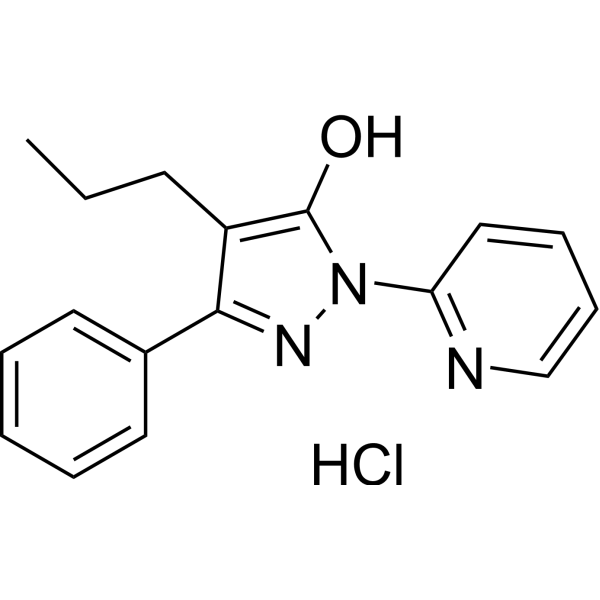
    APX-115 (Ewha-18278) is a potent, orally active pan NADPH oxidase (Nox) inhibitor with Ki values of 1.08 μM, 0.57 μM, and 0.63 μM for Nox1, Nox2 and Nox4, respectively. APX-115 effectively prevents kidney injury .
    APX-115
  • HY-120801A
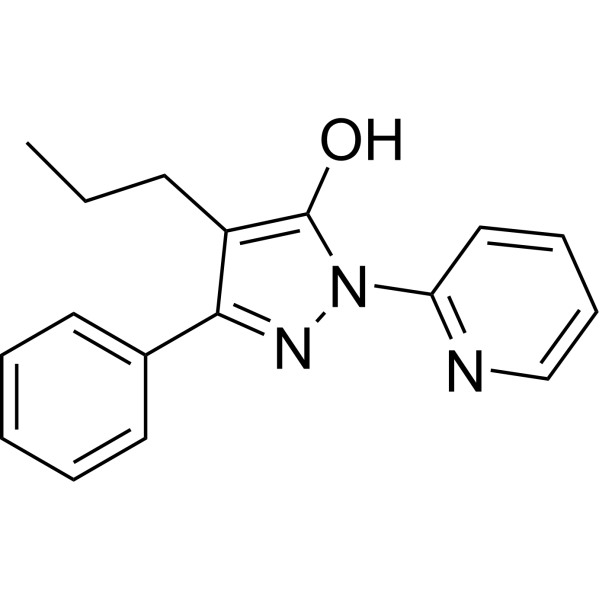
    APX-115 free base
    2 Publications Verification

    Ewha-18278 free base; Isuzinaxib free base

    NADPH Oxidase Inflammation/Immunology Endocrinology
    APX-115 free base (Ewha-18278 free base) is a potent, orally active pan NADPH oxidase (Nox) inhibitor with Ki values of 1.08 μM, 0.57 μM, and 0.63 μM for Nox1, Nox2 and Nox4, respectively. APX-115 free base effectively prevents kidney injury .
    APX-115 free base
  • HY-101499
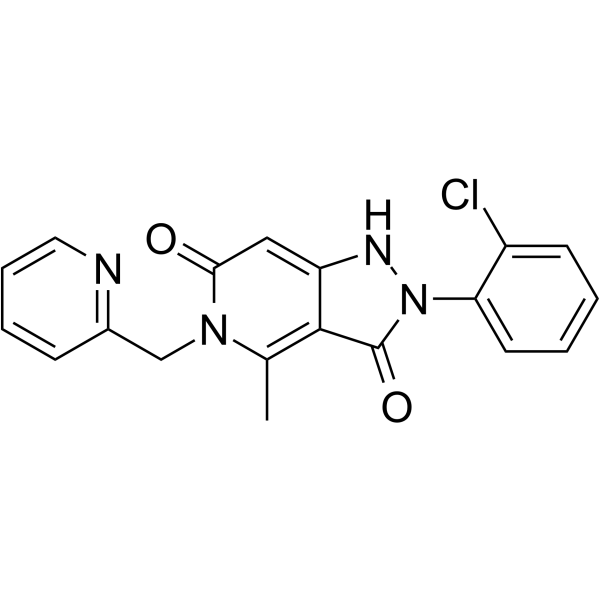
    GKT136901
    4 Publications Verification

    NADPH Oxidase Neurological Disease Metabolic Disease Inflammation/Immunology
    GKT136901 is a potent, selective and orally active inhibitor of NADPH oxidase (NOX1/4), with Kis of 160 and 165 nM, respectively. GKT136901 is also a selective and direct scavenger of peroxynitrite. GKT136901 can be used for the research of diabetic nephropathy, stroke, and neurodegeneration. GKT136901 also has anti-inflammatory activity .
    GKT136901
  • HY-118315
    L-012
    2 Publications Verification

    Fluorescent Dye Inflammation/Immunology
    L-012 is a luminal-based chemiluminescent probe. L-012 sodium salt can detect NADPH oxidase (Nox)-derived superoxide and nitrogen species (reactive oxygen species (ROS) and reactive nitrogen species (RNS)) .
    L-012
  • HY-148100
    Emapticap pegol
    1 Publications Verification

    NOX-E36

    CCR Inflammation/Immunology Cancer
    Emapticap pegol (NOX-E36) is a inhibitor of pro-inflammatory chemokine C-C motif-ligand 2 (CCL2). Emapticap pegol is a 40-nucleotide oligonucleotide aptamer, displays different Spiegelmers (L-RNA aptamer) isform in human (NOX-E36) and mouse (mNOX-E36). mNOX-E36 is a murine-specific analogue of NOX-E36, an anti-MCP-1 L-RNA aptamer that was previously shown to attenuate liver fibrosis in mice .
    Emapticap pegol
  • HY-173591

    Formyl Peptide Receptor (FPR) Apoptosis Cardiovascular Disease Neurological Disease Inflammation/Immunology
    T0080 is a central nervous system-penetrant FPR1 inhibitor. By functionally blocking the FPR1 signaling pathway, T0080 effectively reduces neutrophil infiltration into ischemic brain tissue and maintains the integrity of the blood-brain barrier. T0080 alleviates tPA-associated hemorrhagic transformation, inhibits demyelination responses and the expression of NOX2. T0080 also possesses anti-apoptotic (apoptosis) and anti-inflammatory properties, thereby protecting myelin and reducing neurological deficits. T0080 is widely used in studies related to ischemic stroke complicated by hemorrhagic transformation after tPA thrombolysis, as well as multiple sclerosis .
    T0080
  • HY-P5381
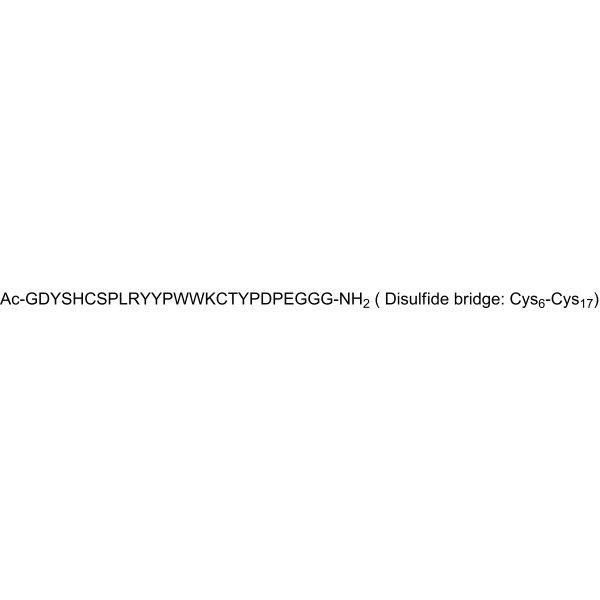
    gp91 ds-tat
    1 Publications Verification

    NADPH Oxidase Ferroptosis Reactive Oxygen Species (ROS) Glutathione Peroxidase TRP Channel Cardiovascular Disease Neurological Disease Inflammation/Immunology
    gp91 ds-tat, a biological active peptide, is a NADPH oxidase 2 (Nox2) inhibitor. gp91 ds-tat blocks NADPH oxidase-dependent superoxide production. gp91 ds-tat ameliorates high glucose-induced increase in total ROS, LPOs and iron levels. gp91 ds-tat inhibits homocysteine (Hcy)-induced activation of NLRP3 inflammasomes and restores Hcy-inhibited lysosomal TRPML1 channel activity. gp91 ds-tat improves cerebrovascular and cognitive function in APP/PS1 mice. gp91 ds-tat can be used for the study of Alzheimer’s disease (AD), glomerular inflammation and cardiovascular disease .
    gp91 ds-tat
  • HY-N2255
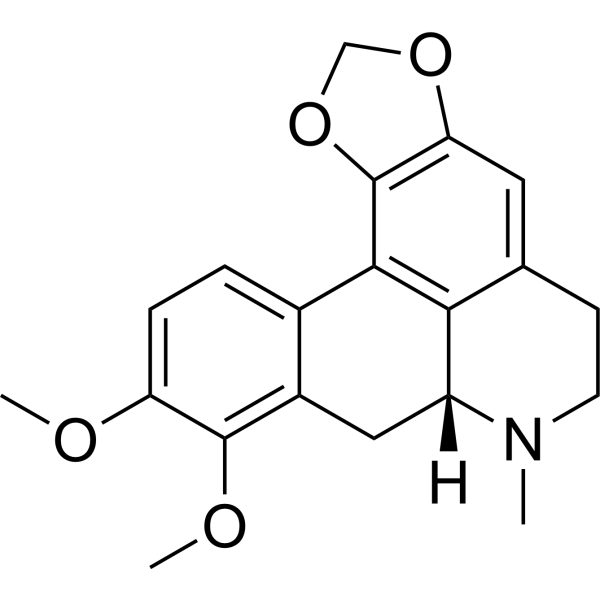
    Crebanine
    4 Publications Verification

    Akt Apoptosis NF-κB Reactive Oxygen Species (ROS) p38 MAPK ERK Interleukin Related TNF Receptor NO Synthase nAChR Bacterial Cancer
    Crebanine is an isoquinoline-like alkaloid that can be derived from Stephania. Crebanine is an antagonist of the α7-nAChR with an IC50 of 19.1 μM. Crebanine suppresses the proliferation, migration, and invasion of cancer cells, triggers reactive oxygen species (ROS) burst, and promotes apoptosis. Crebanine inhibits the AKT/FoxO3a, NF-κB and MAPK signaling pathways. Crebanine attenuates NOX2 hyperactivation, exhibits antioxidant properties by reducing reactive oxygen species and peroxidation in microglia cells. Crebanine inhibits voltage-dependent Na + current in guinea-pig ventricular myocytes. Crebanine has high inhibitory activity against gram-positive animal pathogenic bacteria. Crebanine ameliorates ischemia-reperfusion brain damage in middle cerebral artery occlusion and reperfusion (MCAO/R) rats. Crebanine significantly improves Scopolamine (HY-N0296)-induced cognitive deficits in ICR mice. Crebanine can be used for the study of hepatocellular carcinoma (HCC), cerebral ischemia and Alzheimer's disease .
    Crebanine
  • HY-152026

    NADPH Oxidase Neurological Disease
    NADPH oxidase-IN-1 is an orally active NADPH oxidase (Nox) inhibitor, related with neuronal inflammation. NADPH oxidase-IN-1 can cross the blood-brain barrier (BBB), inhibits Nox2 and Nox4 with IC50s of 1.9 μM and 2.47 μM, respectively. NADPH oxidase-IN-1 suppresses pro-inflammatory cytokines production and LPS-mediated microglial migration, also has in vivo efficacy .
    NADPH oxidase-IN-1
  • HY-126195

    ML-090

    NADPH Oxidase Neurological Disease
    Fluoflavine (ML-090) is a selective NOX1 inhibitor and reactive oxygen species inhibitor. Fluoflavine reduces reactive oxygen species production, NOX1-mediated downstream signaling events, and oxygen-glucose deprivation-induced retinal ganglion cell death. Fluoflavine inhibits NADPH oxidase activity and pathological retinal neovascularization induced by oxygen-induced retinopathy in the retinas of ischemic mice. Fluoflavine can be used in studies related to retinal ischemia-reperfusion injury and proliferative retinopathy .
    Fluoflavine
  • HY-P2222
    DX600
    3 Publications Verification

    Angiotensin-converting Enzyme (ACE) Cardiovascular Disease
    DX600 is a selective ACE2 specific inhibitor (KD: 1.3 nM), and does not cross-react with ACE. DX600 exacerbates diabetes-induced cardiovascular dysfunction and the increase in cardiac and renal NOX activity .
    DX600
  • HY-N3239

    Tyrosinase NADPH Oxidase HBV SARS-CoV Reactive Oxygen Species (ROS) JAK STAT Apoptosis Caspase PARP Infection Neurological Disease Inflammation/Immunology Cancer
    Mulberrofuran G is a NOX inhibitor (IC50: 6.9 μM) and tyrosinase inhibitor. Mulberrofuran G exhibits anti-inflammatory, antioxidant, antiviral, antitumor, and neuroprotective effects. Mulberrofuran G can be used in the research of tumors, nervous system diseases, and other conditions .
    Mulberrofuran G
  • HY-Y0278

    Tetrachloro-p-benzoquinone; TCBQ

    Environmental Pollutants JNK Fungal Toll-like Receptor (TLR) Reactive Oxygen Species (ROS) Apoptosis MyD88 Ferroptosis Infection Neurological Disease Metabolic Disease Inflammation/Immunology
    Chloranil (Tetrachloro-p-benzoquinone), an orally active metabolite of pentachlorophenol and hexachlorobenzene, is a widely used fungicide. Chloranil can induce ROS production. Chloranil induces neutrophil extracellular traps through the ROS-JNK-NOX2 pathway. Chloranil induces ferroptosis and neuroinflammation. Chloranil induces apoptosis of mouse embryonic stem cells .
    Chloranil
  • HY-115062

    Phospholipase NADPH Oxidase p38 MAPK Akt NF-κB AP-1 Reactive Oxygen Species (ROS) Cardiovascular Disease Inflammation/Immunology Cancer
    MJ-33 lithium salt is a competitive phospholipase A2 (PLA2) inhibitor with an IC50 of 0.3 μM. MJ-33 lithium salt inhibits NOX2 activation and reduces ROS production by blocking the PLA2 activity of Prdx6. MJ-33 lithium salt effectively inhibits the activity of acidic PLA2 (pH 4.0) and reduces the degradation of alveolar surfactant phosphatidylcholine (PC), but exerts no effect on alkaline PLA2 (pH 8.5). MJ-33 lithium salt significantly alleviates lung oxidative injury induced by ischemia-reperfusion (I/R). MJ-33 lithium salt significantly inhibits the invasion, migration and adhesion abilities of prostate cancer cells by suppressing the MAPK, AKT, NF-κB and AP-1 signaling pathways. MJ-33 lithium salt can be used for the research of ROS-related diseases and prostate cancer .
    MJ33 lithium salt
  • HY-153977

    NADPH Oxidase Cardiovascular Disease
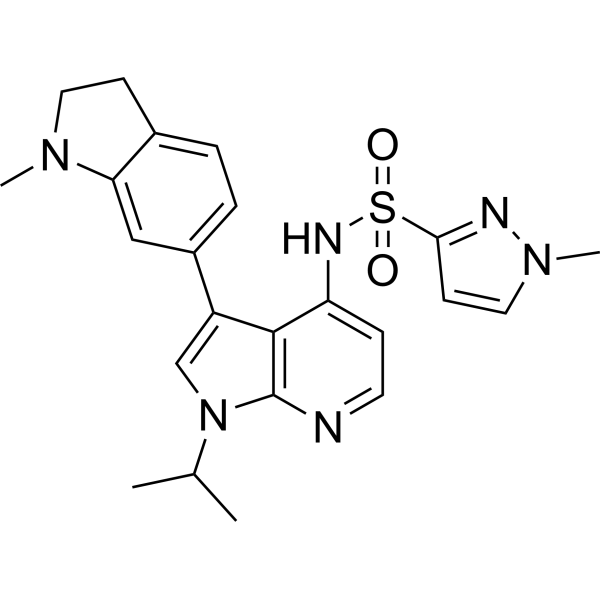
    GLX481304 is a specific inhibitor of Nox-2 and -4, with IC50s of 1.25 μM. GLX481304 suppresses ROS production in isolated mouse cardiomyocytes and improves cardiomyocyte contractility. GLX481304 can be used for research of ischemic injury to the heart .
    GLX481304
  • HY-P1435

    NADPH Oxidase Cardiovascular Disease Cancer
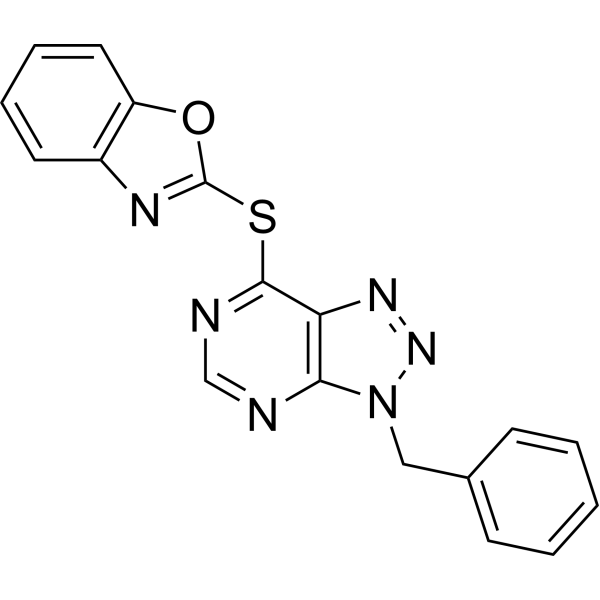
    NoxA1ds is a potent and highly selective NADPH oxidase 1 (NOX1) inhibitor (IC50=20 nM). NoxA1ds inhibits NOX1-derived O 2- production in HT-29 human colon cancer cells. NoxA1ds attenuates VEGF-induced human pulmonary artery endothelial cell migration under hypoxic conditions in vitro. NoxA1ds can be used in the study of hypertension, atherosclerosis and tumors .
    NoxA1ds
  • HY-119576
    Phox-I2
    1 Publications Verification

    NADPH Oxidase Reactive Oxygen Species (ROS) Inflammation/Immunology
    Phox-I2 is a selective inhibitor of p67 phox-Rac1 interaction, binds to p67 phox with high affinity with a Kd of ~150 nM. Phox-I2 is a NADPH oxidase 2 (NOX2) inhibitor and inhibits reactive oxygen species (ROS) production .
    Phox-I2
  • HY-148100A
    Emapticap pegol sodium
    1 Publications Verification

    NOX-E36 sodium

    CCR Cancer
    Emapticap pegol sodium is a inhibitor of pro-inflammatory chemokine C-C motif-ligand 2 (CCL2). Emapticap pegol sodium is a 40-nucleotide oligonucleotide aptamer, displays different Spiegelmers (L-RNA aptamer) isform in human (NOX-E36) and mouse (mNOX-E36) .
    Emapticap pegol sodium
  • HY-111447

    NADPH Oxidase Apoptosis Cardiovascular Disease Cancer
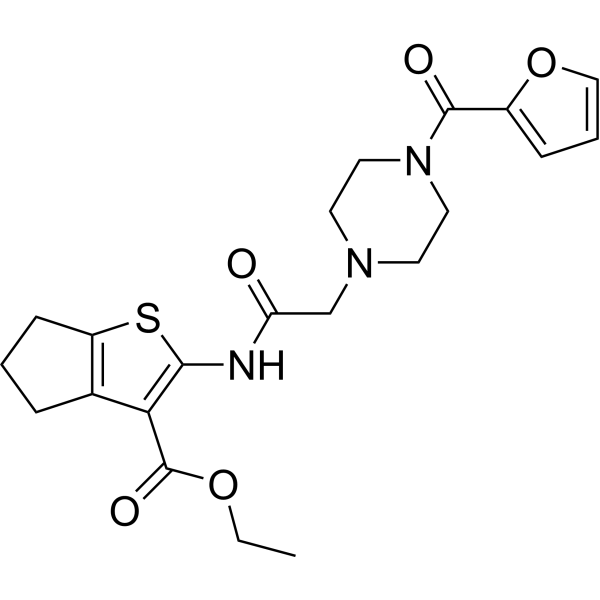
    VAS 3947, a specific NADPH oxidase (NOX) inhibitor, exerts a potent antiplatelet effect. VAS3947 induces apoptosis independently of anti-NOX activity, via UPR activation, mainly due to aggregation and misfolding of proteins .
    VAS 3947
  • HY-101499A
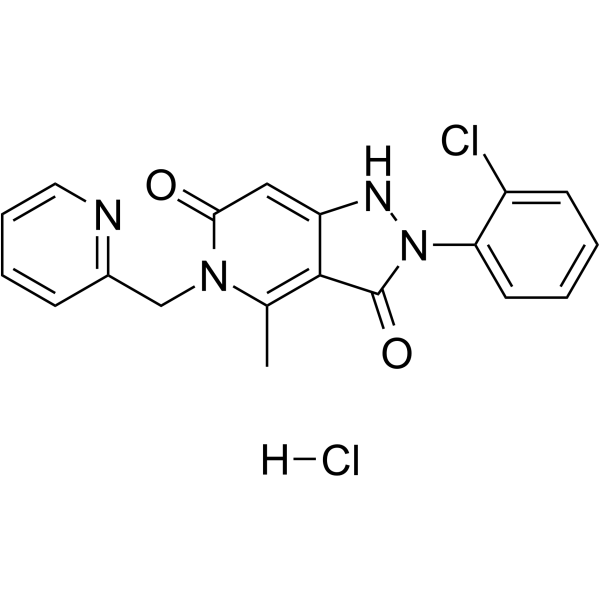
    GKT136901 hydrochloride
    4 Publications Verification

    NADPH Oxidase Neurological Disease Metabolic Disease
    GKT136901 hydrochloride is a potent, selective and orally active inhibitor of NADPH oxidase (NOX1/4), with Kis of 160 and 165 nM, respectively. GKT136901 hydrochloride is also a selective and direct scavenger of peroxynitrite. GKT136901 hydrochloride can be used for the research of diabetic nephropathy, stroke, and neurodegeneration. GKT136901 hydrochloride also has anti-inflammatory activity .
    GKT136901 hydrochloride
  • HY-W004643

    AK-II

    Fungal Herbicide Infection
    Akardite II (AK-II) is a stabilizer for nitrocellulose (NC) propellants as it scavenges NOx. Akardite II helps control a variety of plant pathogens and weeds, which can be used as fungicides and herbicides .
    Akardite II
  • HY-156425A

    NADPH Oxidase Inflammation/Immunology
    NOX2-IN-2 diTFA (compound 33) is a potent NOX2 inhibitor targeting the p47phox-p22phox protein-protein interaction with a Ki of 0.24 μM. NOX2-IN-2 diTFA inhibits ROS production derived from NOX2 in cells .
    NOX2-IN-2 diTFA
  • HY-165027

    NO Synthase COX Others
    DL-1′-Acetoxychavicol acetate is a compound with anti-inflammatory and anticancer preventive potential that inhibits the activities of NOX, iNOS, and COX-2 in inflammatory cells and exhibits preventive activity in multiple inflammation-related cancer models.
    DL-1′-Acetoxychavicol acetate
  • HY-10071A
    Y-27632 hydrochloride hydrate
    395+ Cited Publications

    ROCK NF-κB Apoptosis Autophagy Akt mTOR NADPH Oxidase Reactive Oxygen Species (ROS) PAK Ras Neurological Disease Inflammation/Immunology Cancer
    Y-27632 hydrochloride hydrate is a ROCK inhibitor with Ki values of 220 nM and 300 nM for ROCK1 and ROCK2, respectively. Y-27632 hydrochloride hydrate exerts anti-inflammatory and immunomodulatory effects in systemic lupus erythematosus models by inhibiting the ROCK/NF-κB pathway. Y-27632 hydrochloride hydrate enhances autophagy by inhibiting the AKT/mTOR pathway, thereby inducing apoptosis apoptosis in oral squamous cell carcinoma. Y-27632 hydrochloride hydrate induces the formation of tunneling nanotubes in ARPE-19 cells and significantly enhances mitochondrial transfer through these channels. Y-27632 hydrochloride hydrate promotes neurite outgrowth in PC12 cells by activating the Rac1/NOX1/ROS/AKT/PAK1 signaling cascade .
    Y-27632 hydrochloride hydrate
  • HY-174817

    NADPH Oxidase Reactive Oxygen Species (ROS) Cardiovascular Disease Neurological Disease Cancer
    NOX5-IN-1 (Compound 13) is a selective NADPH oxidase 5 (NOX5) inhibitor with an IC50s of 0.30  μM. NOX5-IN-1 significantly inhibits NOX5-dependent production of ROS in freestyle293 cells (EC50: 0.86  μM). NOX5-IN-1 can be used for NOXs related diseases research, such as cardiovascular, cancer and neuroinflammation .
    NOX5-IN-1
  • HY-12805R

    2-Acetylphenothiazine (Standard); 2-APT (Standard)

    NADPH Oxidase Reference Standards Cardiovascular Disease
    ML171 (Standard) is the analytical standard of ML171. This product is intended for research and analytical applications. ML171 (2-Acetylphenothiazine;2-APT) is a potent and selective NADPH oxidase 1 (Nox1) inhibitor that blocks Nox1-dependent ROS generation, with an IC50 of 0.25 μM in HEK293-Nox1 confirmatory assay.
    ML171 (Standard)
  • HY-B0203B

    (Rac)-R 065824

    Adrenergic Receptor NADPH Oxidase Cardiovascular Disease
    (Rac)-Nebivolol ((Rac)-R 065824) is a racemic isomer of Nebivolol. Nebivolol is a selective β1-adrenergic receptor antagonist with an IC50 value of 0.8 nM. Nebivolol can prevent up-regulation of Nox2/NADPH oxidase and lipoperoxidation in the early stages of ethanol-induced cardiac toxicity. Vasodilatory activity .
    (Rac)-Nebivolol
  • HY-N9097

    Reactive Oxygen Species (ROS) SOD Glutathione Peroxidase PKC NADPH Oxidase Metabolic Disease Inflammation/Immunology
    Niazirin is an orally active antioxidant. Niazirin can be isolated from Moringa oleifera Lam. Niazirin reduces the production levels of ROS and MDA, while increasing the levels of superoxide dismutase SOD and glutathione peroxidase GPx. Niazirin also abolishes high glucose-induced PKCζ activation and inhibits Nox4 protein expression. Niazirin exhibits excellent free radical scavenging activity. Niazirin significantly inhibits high glucose-induced proliferation of vascular smooth muscle cells. Niazirin can be used in the research of diabetic atherosclerosis .
    Niazirin
  • HY-174818

    NADPH Oxidase Reactive Oxygen Species (ROS) Cardiovascular Disease Neurological Disease Cancer
    NOX5-IN-2 (Compound 17) is a selective NADPH oxidase 5 (NOX5) inhibitor with an IC50s of 0.70  μM. NOX5-IN-2 significantly inhibits NOX5-dependent production of ROS in freestyle293 cells (EC50: 1.8  μM). NOX5-IN-2 can be used for NOXs related diseases research, such as cardiovascular, cancer and neuroinflammation .
    NOX5-IN-2
  • HY-156425

    NADPH Oxidase Inflammation/Immunology
    NOX2-IN-2 (compound 33) is a potent NOX2 inhibitor targeting the p47phox-p22phox protein-protein interaction with a Ki of 0.24 μM. NOX2-IN-2 inhibits ROS production derived from NOX2 in cells .
    NOX2-IN-2
  • HY-148936

    NADPH Oxidase Reactive Oxygen Species (ROS) Cardiovascular Disease Metabolic Disease Inflammation/Immunology
    GLX481372 is a NADPH Oxidase (NOX) inhibitor. GLX481372 potently inhibits NOX4/5 activities with IC50 values of 0.68 and 0.57 μM. GLX481372 also has weak inhibitory activity against NOX1, NOX2, and NOX3, with IC50 values of 7, 16 and 3.2 μM respectively. GLX481372 can inhibit ROS production. GLX481372 can be used for the researches of inflammation, cardiovascular and metabolic disease, such as diabetes .
    GLX481372
  • HY-12298R

    GKT137831 (Standard); GKT831 (Standard)

    NADPH Oxidase Ferroptosis Reference Standards Cardiovascular Disease
    Setanaxib (Standard) is the analytical standard of Setanaxib. This product is intended for research and analytical applications. Setanaxib (GKT137831) is a selective NADPH oxidase (NOX1/4) inhibitor with Kis of 140 and 110 nM, respectively.
    Setanaxib (Standard)
  • HY-177641A

    NOX-H94 sodium

    Hepcidin Others
    Lexaptepid Pegol sodium is a pegylated structured L-oligoribonucleotide. It binds and inhibits hepcidin.
    Lexaptepid Pegol sodium
  • HY-177641

    NOX-H94

    Hepcidin Others
    Lexaptepid Pegol is a pegylated structured L-oligoribonucleotide. It binds and inhibits hepcidin.
    Lexaptepid Pegol
  • HY-173096

    NADPH Oxidase Neurological Disease
    NCATS-SM7270 is a highly specific NOX2 inhibitor, with an IC50 of 4.09 μM. NCATS-SM7270 protects mice from mild traumatic brain injury .
    NCATS-SM7270
  • HY-P11319

    CCR Neurological Disease
    RAP-103 is an orally active CCR antagonist that provides potent synaptic protection by inhibiting and reversing cytoskeletal changes induced by PrPC/NOX signaling. RAP-103 is potentially useful in Alzheimer's disease (AD) research .
    RAP-103
  • HY-P2222A
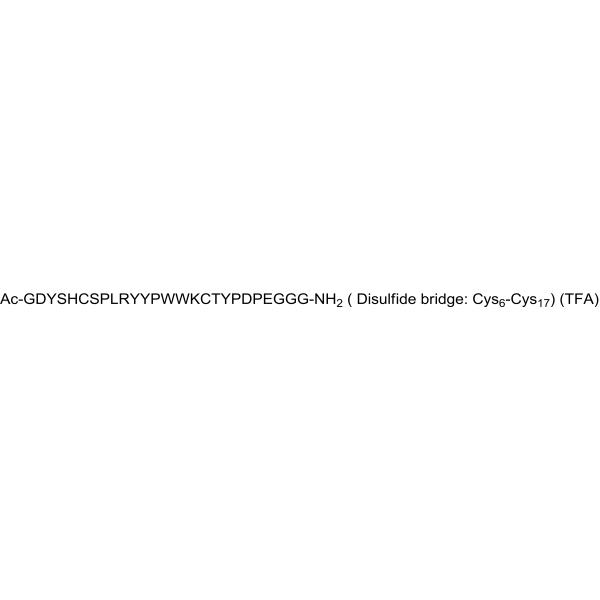
    DX600 TFA
    3 Publications Verification

    Angiotensin-converting Enzyme (ACE) Cardiovascular Disease Metabolic Disease
    DX600 TFA is a selective ACE2 specific inhibitor (KD: 1.3 nM), and does not cross-react with ACE. DX600 TFA exacerbates diabetes-induced cardiovascular dysfunction and the increase in cardiac and renal NOX activity .
    DX600 TFA

Inquiry Online

Your information is safe with us. * Required Fields.

Salutation


Country or Region *

Applicant Name *


Organization Name *

Department *


Email Address *


Product Name *

Cat. No.


Requested quantity *

Phone Number *


Remarks

Inquiry Online

Inquiry Information

Product Name:
Cat. No.:
Quantity:
MCE Japan Authorized Agent:

