

1. Search Result
Search Result
Results for "

NSCLC,

" in MedChemExpress (MCE) Product Catalog:

343

Inhibitors & Agonists

1

Screening Libraries

4

Fluorescent Dyes

4

Peptides

22

Inhibitory Antibodies

17

Natural
Products

11

Isotope-Labeled Compounds

2

Click Chemistry

Cat. No. Product Name Target Research Areas Chemical Structure
  • HY-12857
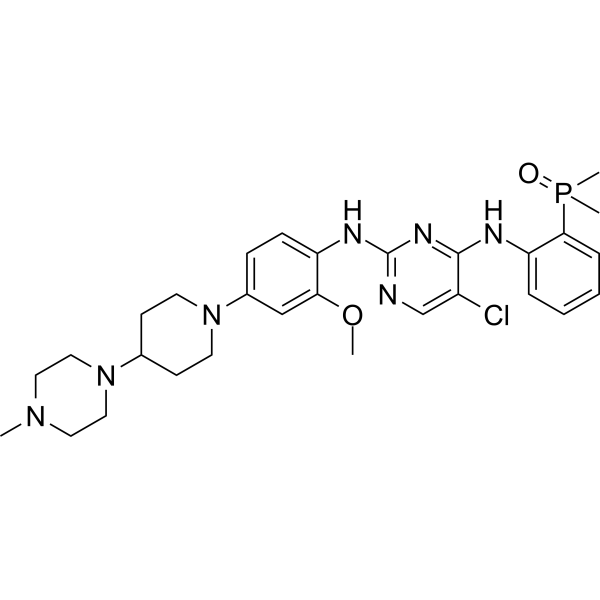
    Brigatinib
    25+ Cited Publications

    AP-26113

    Anaplastic lymphoma kinase (ALK) Cancer
    Brigatinib (AP-26113) is a highly potent, selective and orally active ALK inhibitor, with an IC50 of 0.6 nM. Brigatinib can be used for research of NSCLC .
    Brigatinib
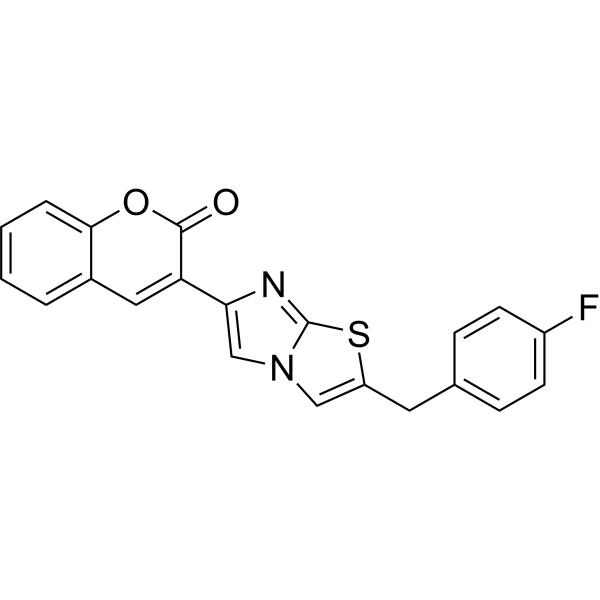
  • HY-110171
    iMDK
    5 Publications Verification

    PI3K Cancer
    iMDK is a potent PI3K inhibitor and inhibits the growth factor MDK (also known as midkine or MK). iMDK suppresses non-small cell lung cancer (NSCLC) cooperatively with A MEK inhibitor without harming normal cells and mice .
    iMDK
  • HY-P99269
    Sibrotuzumab
    1 Publications Verification

    BIBH 1; Anti-Human FAP Recombinant Antibody

    FAP Cancer
    Sibrotuzumab (BIBH 1) is a humanized IgG1 monoclonal antibody targets fibroblast activation protein (FAP). Sibrotuzumab can be used for the research of colorectal cancer and non-small cell lung cancer (NSCLC) .
    Sibrotuzumab
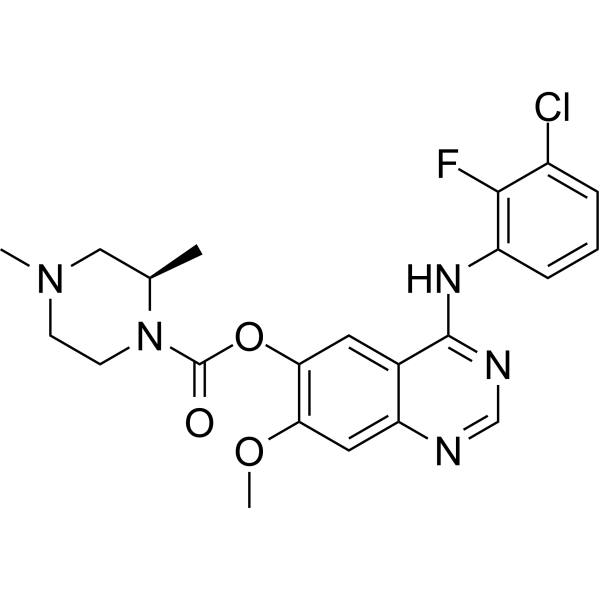
  • HY-135815
    Mobocertinib
    10+ Cited Publications

    TAK-788; AP32788

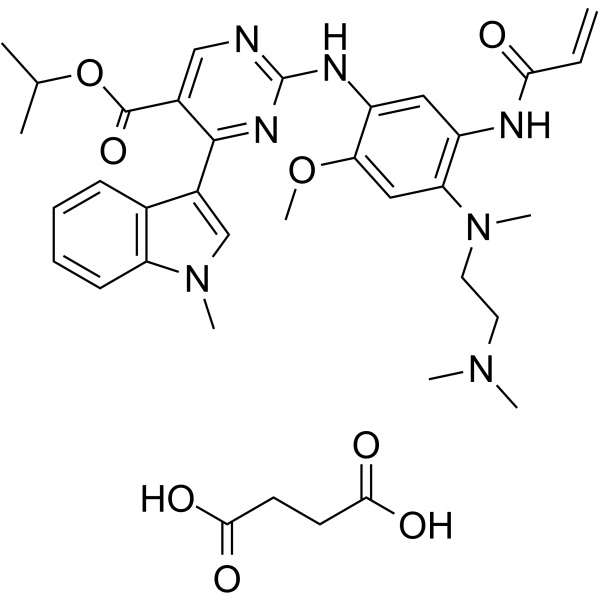
    EGFR Cancer
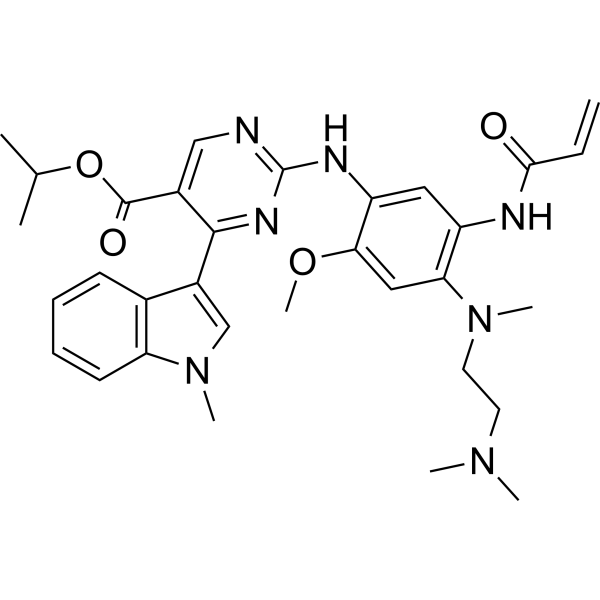
    Mobocertinib (TAK-788) is an orally active and irreversible EGFR/HER2 inhibitor. Mobocertinib potently inhibits oncogenic variants containing activating EGFRex20ins mutations with selectivity over wild-type EGFR. Mobocertinib can be used in NSCLC research .
    Mobocertinib
  • HY-19730
    Olmutinib
    10+ Cited Publications

    HM61713; BI 1482694

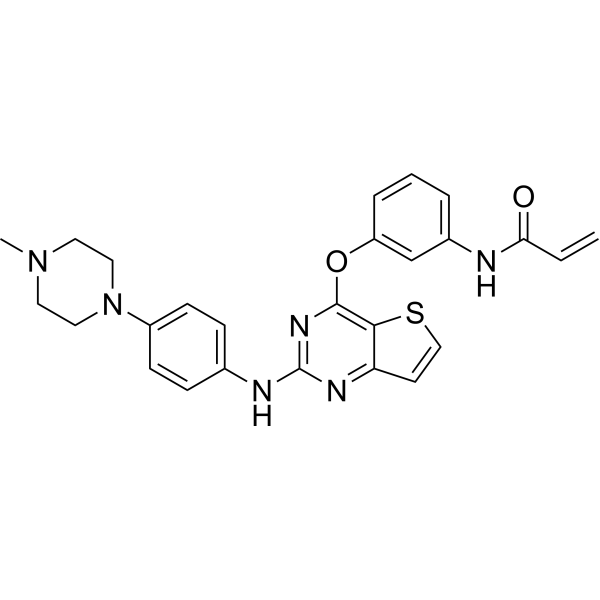
    EGFR Cancer
    Olmutinib (HM61713; BI-1482694) is an orally active and irreversible third EGFR tyrosine kinase inhibitor that binds to a cysteine residue near the kinase domain. Olmutinib is used for NSCLC .
    Olmutinib
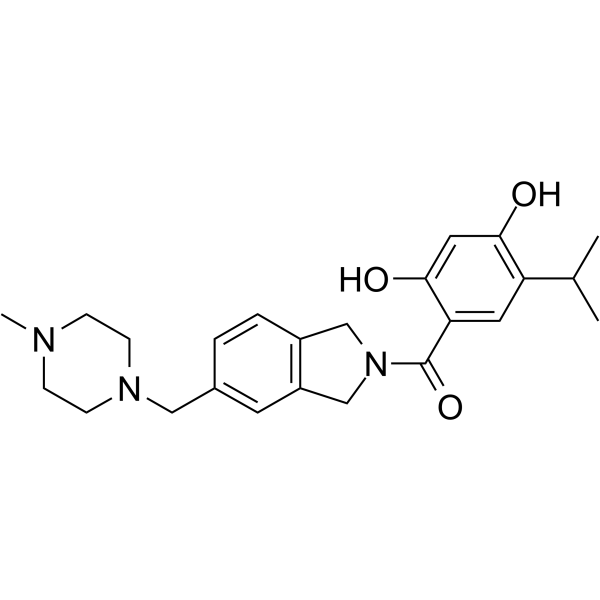
  • HY-114491

    ERK Raf Cancer
    Rineterkib (compound B) is an orally available ERK1 and ERK2 inhibitor in the treatment of a proliferative disease characterized by activating mutations in the MAPK pathway. The activity is particularly related to the treatment of KRAS-mutant NSCLC, BRAF-mutant NSCLC, KRAS-mutant pancreatic cancer, KRAS-mutant colorectal cancer (CRC) and KRAS-mutant ovarian cancer. Rineterkib hydrochloride can also inhibit RAF .
    Rineterkib
  • HY-114358
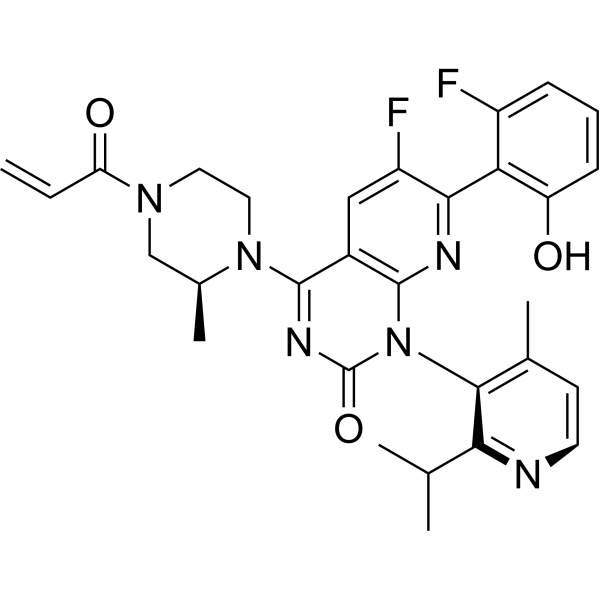
    Tamnorzatinib
    2 Publications Verification

    ONO-7475

    TAM Receptor Trk Receptor Cancer
    Tamnorzatinib (ONO-7475) is a potent, selective, and orally active Axl/Mer inhibitor with IC50 values of 0.7 nM and 1.0 nM, respectively. Tamnorzatinib sensitizes AXL-overexpressing EGFR-mutant NSCLC cells to the EGFR-TKIs, suppresses the emergence and maintenance of tolerant cells. Tamnorzatinib combines with Osimertinib (HY-15772) provides a bright promise for the study of EGFR-mutated non-small cell lung cancer (NSCLC).
    Tamnorzatinib
  • HY-172429

    ORIC-114

    EGFR Neurological Disease Cancer
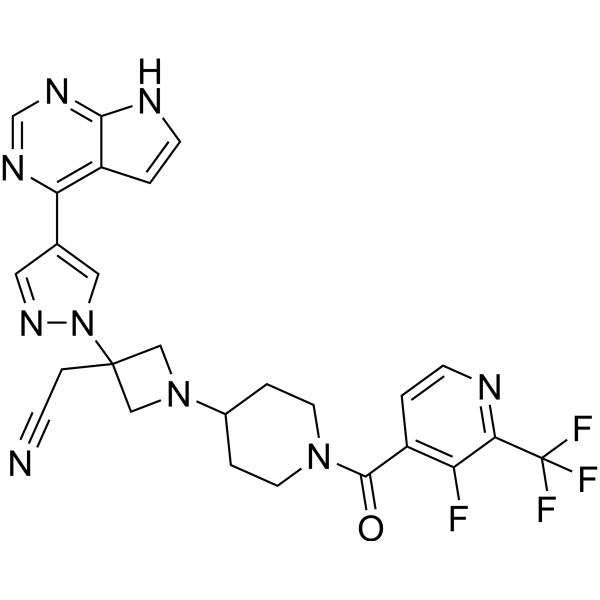
    Enozertinib (ORIC-114) is an orally active, CNS-penetrant, highly selective and irreversible dual EGFR/HER2 inhibitor that exhibits potent and targeted inhibition of exon 20 insertion mutations. Enozertinib exhibits high kinome selectivity for the EGFR family of receptors to reduce off-target kinase liabilities. Enozertinib induces tumor regression and demonstrates antitumor activity in central nervous system and non-small cell lung cancer (NSCLC) tumor models. Enozertinib can be used for the research of solid tumors and NSCLC .
    Enozertinib
  • HY-138751
    limertinib
    1 Publications Verification

    ASK120067

    EGFR Cancer
    limertinib (ASK120067) is a potent and orally active inhibitor of EGFR T790M (IC50:0.3 nM) with selectivity over EGFR WT (IC50:6.0 nM). limertinib is a third-generation EGFR-TKI for the research of non-small cell lung cancer (NSCLC) .
    limertinib
  • HY-W004206

    4-Methoxyphenylacetic acid

    Endogenous Metabolite Cancer
    2-(4-Methoxyphenyl)acetic acid is a plasma metabolite, with high sensitivity and specificity value as a biomarker for discriminating between NSCLC and healthy controls.
    2-(4-Methoxyphenyl)acetic acid
  • HY-P99202

    Transmembrane Glycoprotein Cancer
    Vibostolimab is an anti-TIGIT (T cell immunoglobulin and ITIM domain) monoclonal antibody. Vibostolimab shows antitumor activity, and can be used in non-small cell lung cancer (NSCLC) and melanoma research .
    Vibostolimab
  • HY-148900

    E1/E2/E3 Enzyme Cancer
    SCFSkp2-IN-2 (Compound AAA-237) is a Skp2 inhibitor with a KD of 28.77 μM. AAA-237 induces apoptosis of NSCLC cells and shows antitumor activities .
    SCFSkp2-IN-2
  • HY-19642A
    Glesatinib hydrochloride
    2 Publications Verification

    MGCD265 hydrochloride

    TAM Receptor c-Met/HGFR Cancer
    Glesatinib hydrochloride (MGCD265 hydrochloride) is an orally active, potent MET/SMO dual inhibitor. Glesatinib hydrochloride, a tyrosine kinase inhibitor, antagonizes P-glycoprotein (P-gp) mediated multidrug resistance (MDR) in non-small cell lung cancer (NSCLC) .
    Glesatinib hydrochloride
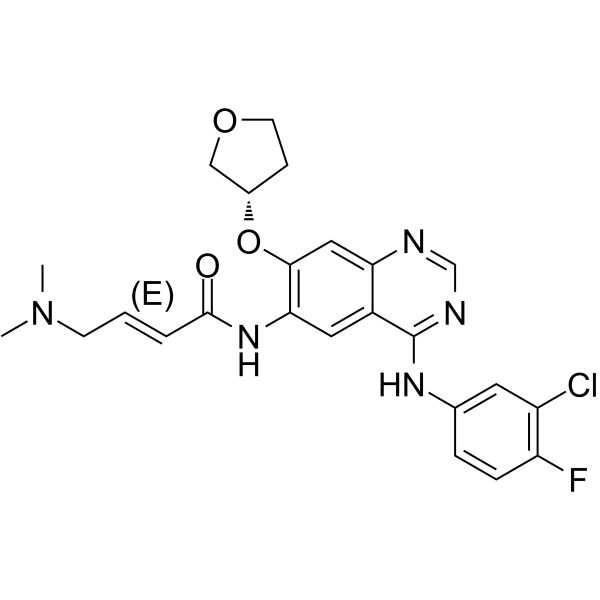
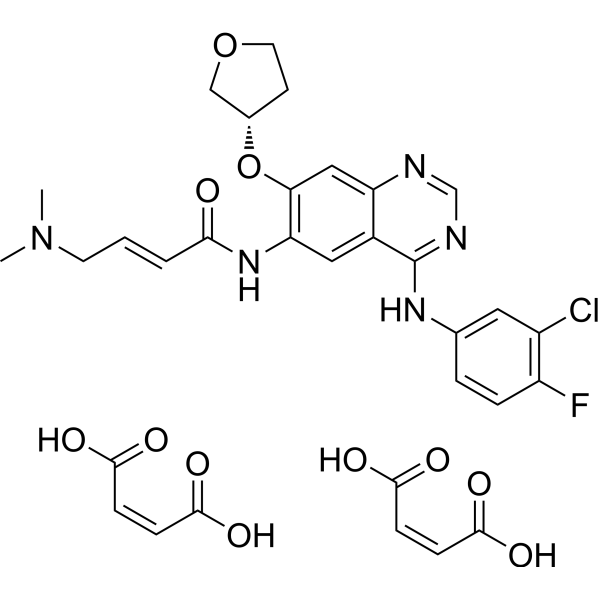
  • HY-118263
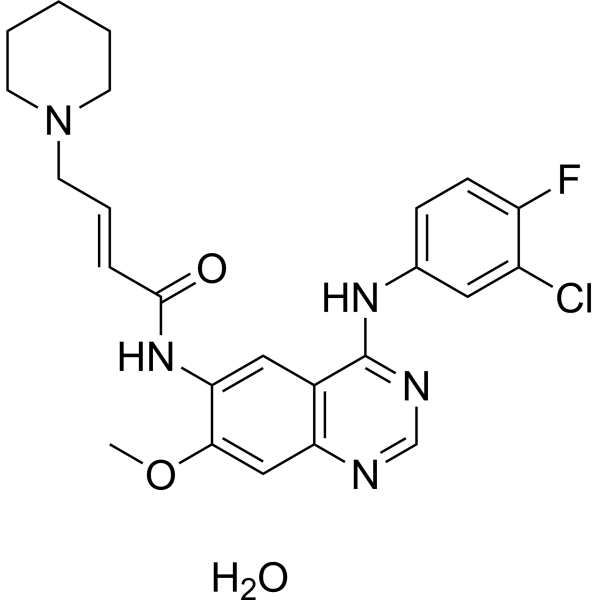
    Dacomitinib hydrate
    25+ Cited Publications

    PF-00299804 hydrate; PF-299804 hydrate

    EGFR Cancer
    Dacomitinib (PF-00299804) hydrate is an orally active, irreversible pan-ErbB inhibitor. Dacomitinib hydrate can be used in the research of cancers such as metastatic non-small cell lung cancer (NSCLC) .
    Dacomitinib hydrate
  • HY-172429A

    ORIC-114 hemihydrate

    EGFR Neurological Disease Cancer
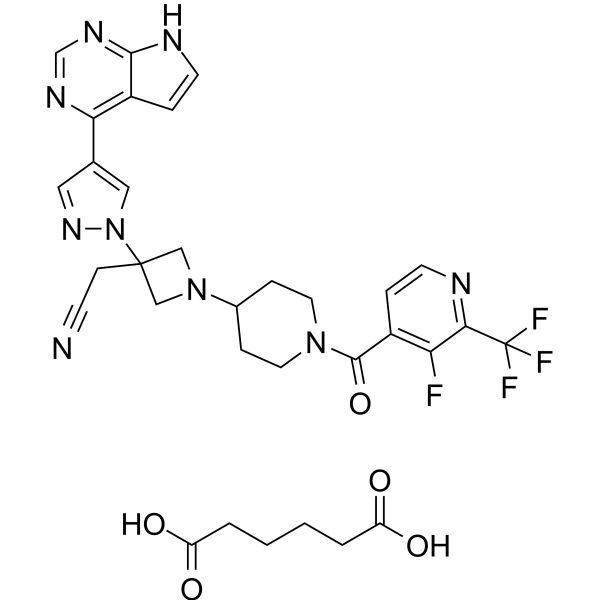
    Enozertinib (ORIC-114) hemihydrate is an orally active, CNS-penetrant, highly selective and irreversible dual EGFR/HER2 inhibitor that exhibits potent and targeted inhibition of exon 20 insertion mutations. Enozertinib hemihydrate exhibits high kinome selectivity for the EGFR family of receptors to reduce off-target kinase liabilities. Enozertinib hemihydrate induces tumor regression and demonstrates antitumor activity in central nervous system and non-small cell lung cancer (NSCLC) tumor models. Enozertinib hemihydrate can be used for the research of solid tumors and NSCLC .
    Enozertinib hemihydrate
  • HY-P99223

    MEDI-575

    PDGFR Cancer
    Tovetumab (MEDI-575) is an anti-PDGFRα monoclonal antibody that selectively blocks the PDGFRα signal transduction. Tovetumab can be used in the research of glioblastoma and non-small cell lung cancer (NSCLC) .
    Tovetumab
  • HY-P2989

    Endogenous Metabolite Metabolic Disease Cancer
    Pyruvate carboxylase is a key mitochondrial anaplerotic enzyme that catalyzes the conversion of pyruvate to oxaloacetate. Pyruvate carboxylase not only maintains tricarboxylic acid cycle activity and redox homeostasis, but also drives hepatic gluconeogenesis and fatty acid synthesis. The activity of Pyruvate carboxylase is upregulated in insulin-resistant states, exacerbating hepatic glucose production. Pyruvate carboxylase also shows significantly enhanced expression in early-stage non-small cell lung cancer (NSCLC). Pyruvate carboxylase promotes tumor proliferation by supporting nucleotide and lipid synthesis, and its functional deficiency cannot be compensated by glutaminolysis. Pyruvate carboxylase can be used in the research of prediabetes type 2 and NSCLC .
    Pyruvate carboxylase
  • HY-P99827

    TSR-022; GSK4069889

    Tim3 Cancer
    Cobolimab (TSR-022) is an anti-TIM-3 monoclonal antibody. Cobolimab mediates the internalization of TIM3 with an IC50 value of 0.4464 nM. Cobolimab has potential application in solid tumors and non-small cell lung cancer (NSCLC) .
    Cobolimab
  • HY-153604
    MC4171
    2 Publications Verification

    Histone Acetyltransferase Cancer
    MC4171 (compound 34) is a selective KAT8 inhibitor (IC50=8.1 µM). MC4171 has been shown to exhibit moderate micromolar antiproliferative activity in different cancer cell lines, including NSCLC and AML, with potential for studying cancer .
    MC4171
  • HY-135815A
    Mobocertinib succinate
    10+ Cited Publications

    TAK-788 succinate; AP32788 succinate

    EGFR Cancer
    Mobocertinib (TAK-788) succinate is an orally active and irreversible EGFR/HER2 inhibitor. Mobocertinib succinate potently inhibits oncogenic variants containing activating EGFRex20ins mutations with selectivity over wild-type EGFR. Mobocertinib succinate can be used in NSCLC research .
    Mobocertinib succinate
  • HY-159795

    PF-07799933; ARRY-440

    Raf PERK Cancer
    Claturafenib ( PF-07799933) is an orally active inhibitor of pan-mutant BRAF. Claturafenib inhibits pERK in cells (IC50 value of 1.6 nM in HT29 cells). Claturafenib has anticancer activity against BRAF G469A mutant NSCLC and BRAF K601E mutant melanoma .
    Claturafenib
  • HY-117366

    PKC Cancer
    PS432 is a PKC inhibitor with IC50s of 16.9 μM (PKCι) and 18.5 μM (PKCζ), respectively. PS432 effectively inhibits the proliferation of non-small cell lung cancer cells (NSCLCs) and tumor growth in mouse xenograft models .
    PS432
  • HY-N8321

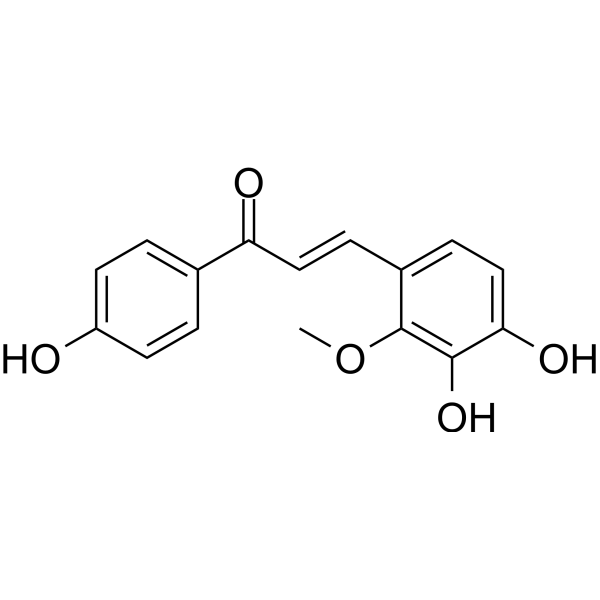
    Others Cancer
    5-O-Caffeoylshikimic acid can be used in the study for NSCLC .
    5-O-Caffeoylshikimic acid
  • HY-Z3832

    Apoptosis p38 MAPK Autophagy Cancer
    N-Methylparoxetine is a derivative of Paroxetine that induces Apoptosis NSCLC cells by activating mitogen-activated protein kinase ( MAPK). N-Methylparoxetine has antitumor activity .
    N-Methylparoxetine
  • HY-148803

    c-Met/HGFR Cancer
    Vabametkib is a potent tyrosine kinase inhibitor (TKI) with EGFR as its primary target. Vabametkib can be used in research on non-small cell lung cancer (NSCLC) .
    Vabametkib
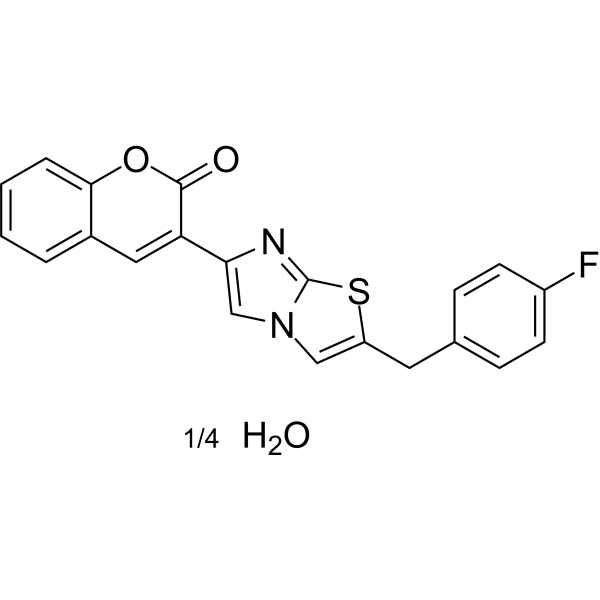
  • HY-110171A
    iMDK quarterhydrate
    5 Publications Verification

    PI3K Cancer
    iMDK quarterhydrate is a potent PI3K inhibitor and inhibits the growth factor MDK (also known as midkine or MK). iMDK quarterhydrate suppresses non-small cell lung cancer (NSCLC) cooperatively with A MEK inhibitor without harming normal cells and mice .
    iMDK quarterhydrate
  • HY-176205

    AB801

    TAM Receptor Cancer
    Ligritinib (AB801) is an orally active AXL receptor tyrosine kinase inhibitor. Ligritinib blocks the downstream signaling pathway by inhibiting the kinase activity of AXL. Ligritinib can be used in cancer research, especially in combination with chemotherapy for non-small cell lung cancer (NSCLC) .
    Ligritinib
  • HY-P990947

    AZD9592 Antibody

    ADC Antibody EGFR Cancer
    Tilatamig (AZD9592 Antibody) is a human antibody of the Ig (G1-κ_G1-λ2) subtype that targets EGFR/MET. Tilatamig conjugates with the Top1 inhibitor AZ14170133 (HY-145399) to form the antibody-drug conjugate (ADC) Tilatamig samrotecan (HY-171124) (AZD9592). Tilatamig accurately targets NSCLC models including EGFR-mutant, EGFR-wildtype, and EGFR tyrosine kinase inhibitor-treated ones, and its activity correlates with high expression of EGFR, c-MET and SLFN11. Tilatamig is available for in vivo anti-tumor studies in patient-derived xenograft models of non-small cell lung cancer (NSCLC) and head and neck squamous cell carcinoma (HNSCC) .
    Tilatamig
  • HY-19637

    Topoisomerase Cancer
    SW044248 is a non-canonical topoisomerase I inhibitor, and selectively toxic for certain non-small cell lung cancer (NSCLC) cell lines.
    SW044248
  • HY-12215S2

    PF-06463922-d3-1

    Isotope-Labeled Compounds Cancer
    Deulorlatinib (compound A), a deuterated derivative of Lorlatinib (HY-12215), is a potent inhibitor of tyrosine kinase demonstrating the potential for the research of ALK-positive advanced NSCLC .
    Deulorlatinib
  • HY-126320

    EGFR c-Met/HGFR Cancer
    EGFR-IN-8 is a dual EGFR and c-Met inhibitor, compound 48. EGFR-IN-8 can be a promising candidate for further development to target EGFR TKI-resistant NSCLC .
    EGFR-IN-8
  • HY-124084

    Stearoyl-CoA Desaturase (SCD) Cancer
    SW203668 is an irreversible stearoyl CoA desaturase (SCD) inhibitor with an IC50 of 54 nM. SW203668 covalently binds and inhibits SCD, depletes unsaturated fatty acids, and triggers cell death in sensitive cells. SW203668 requires demethylation by CYP4F11 to form its active SCD-inhibiting form; differential CYP4F11 expression drives selective cytotoxicity. SW203668 exerts cytotoxicity toward CYP4F11-expressing non-small cell lung cancer (NSCLC) cells and spares CYP4F11-lacking NSCLC cells. SW203668 inhibits tumor growth in immunodeficient mice bearing CYP4F11-expressing NSCLC xenografts and spares mouse skin sebocytes. SW203668 can be used for the research of non-small cell lung cancer .
    SW203668
  • HY-146325

    HSP Cancer
    HSP90-IN-11 (Compound 12c) is a potent inhibitor of HSP90. HSP90-IN-11 displays potent HSP90α inhibition comparable to AUY-922 (Luminespib). HSP90-IN-11 shows significant antiproliferative activity in CRC and NSCLC cells in a double digit nM range. HSP90-IN-11 leads to rapid degradation of client proteins EGFR and Akt in NSCLC cells. HSP90-IN-11 induces significant accumulation of a sub-G1 phase population .
    HSP90-IN-11
  • HY-126251

    CDK Apoptosis Cancer
    CDK9-IN-7 (compound 21e) is a selective, highly potent, and orally active CDK9/cyclin T inhibitor (IC50=11 nM), which exhibits more potent over other CDKs (CDK4/cyclinD=148 nM; CDK6/cyclinD=145 nM). CDK9-IN-7 shows antitumor activity without obvious toxicity. CDK9-IN-7 induces NSCLC cell apoptosis, arrests the cell cycle in the G2 phase, and suppresses the stemness properties of NSCLC .
    CDK9-IN-7
  • HY-19642

    MGCD265

    TAM Receptor c-Met/HGFR Cancer
    Glesatinib (MGCD265) is an orally active, potent MET/SMO dual inhibitor. Glesatinib, a tyrosine kinase inhibitor, antagonizes P-glycoprotein (P-gp) mediated multidrug resistance (MDR) in non-small cell lung cancer (NSCLC) .
    Glesatinib
  • HY-P99921

    HuMax-AXL-ADC

    Antibody-Drug Conjugates (ADCs) TAM Receptor Cancer
    Enapotamab vedotin is an AXL-targeted antibody-drug conjugate (ADC) with inhibitory potential against high AXL expressing non-small cell lung cancer (NSCLC). Enapotamab vedotin also exhibits resistant to EGFR inhibitor such as Osimertinib (HY-15772) .
    Enapotamab vedotin
  • HY-158006

    MetAP Cancer
    SDX-7539 is a selective inhibitor for Methionine aminopeptidase type 2 (MetAP2). SDX-7539 inhibits proliferarion of HUVECs with an IC50 of 120 μM. SDX-7539 exhibits antitumor activity in NSCLC xenograft athymic nude mice .
    SDX-7539
  • HY-W423595

    EGFR Cancer
    BEBT-109 is a potent pan-mutant-selective EGFR inhibitor. BEBT-109 has improved pharmacokinetic properties. BEBT-109 can be used for multiple mutant-EGFR-driven non-small cell lung cancer (NSCLC) research .
    BEBT-109
  • HY-147281

    Drug-Linker Conjugates for ADC Cancer
    BAY 1135626 is used to synthesize BAY 1129980, and use to anti-tumor research. BAY 1129980 is a Auristatin-based anti-C4.4A (LYPD3) antibody–agent conjugate (ADC), is used to non–small cell lung cancer (NSCLC) research .
    BAY 1135626
  • HY-138751A
    limertinib diTFA
    1 Publications Verification

    ASK120067 diTFA

    EGFR Cancer
    limertinib (ASK120067) diTFA is a potent and orally active inhibitor of EGFR T790M (IC50: 0.3 nM) with selectivity over EGFR WT (IC50: 6.0 nM). limertinib diTFA is a third-generation EGFR-TKI for the research of non-small cell lung cancer (NSCLC) .
    limertinib diTFA
  • HY-168926

    Reactive Oxygen Species (ROS) Apoptosis Cancer
    NQO2-IN-1 (Compound 20b) is the inhibitor for quinone oxidoreductase (NQO) that inhibits NQO2 with an IC50 of 95 nM. NQO2-IN-1 overcomes the resistance of NSCLC cells to tumor necrosis factor-related apoptosis-inducing ligand (TRAIL) by induction of ROS and apoptosis .
    NQO2-IN-1
  • HY-175837

    EGFR Apoptosis Cancer
    EGFR-IN-172 is a EGFR inhibitor. EGFR-IN-172 effectively inhibits the proliferation of non-small cell lung cancer (NSCLC) cells carrying the L858R, T790M and C797S drug-resistant mutations. EGFR-IN-172 inhibits EGFR phosphorylation, induces cell cycle arrest and apoptosis. EGFR-IN-172 can be used for the study of NSCLC .
    EGFR-IN-172
  • HY-179143

    EGFR Akt Apoptosis Cancer
    EGFR-IN-185 is a EGFR inhibitor. EGFR-IN-185 exhibits potent activity against non-small cell lung cancer (NSCLC) cells harboring EGFR mutations. EGFR-IN-185 inhibits colony formation and migration, induces G0/G1 arrest, and promots apoptosis, which are associated with the suppression of EGFR and AKT phosphorylation. EGFR-IN-185 can be used for the research of  NSCLC .
    EGFR-IN-185
  • HY-168875

    TrxR Reactive Oxygen Species (ROS) Cancer
    TrxR1 prodrug-1 (compound 5u) is a potent inhibitor of TrxR1. TrxR1 prodrug-1 exhibits significant antitumor efficiency in nude mice and NSCLC organoids .
    TrxR1 prodrug-1
  • HY-W001983

    Dihydropyrimidine Dehydrogenase (DPD) Cancer
    5-Iodouracil (Compound 4b) is an irreversible dihydropyrimidine dehydrogenase (DPD) inhibitor (IC50=0.22 μM). 5-Iodouracil is promising for research of DPD-overexpressing solid tumors like non-small cell lung cancer (NSCLC) .
    5-Iodouracil
  • HY-19730A

    HM61713 hydrochloride; BI 1482694 hydrochloride

    EGFR Cancer
    Olmutinib hydrochloride is an orally active and irreversible third EGFR tyrosine kinase inhibitor that binds to a cysteine residue near the kinase domain. Olmutinib hydrochloride is used for NSCLC .
    Olmutinib hydrochloride
  • HY-114315

    Quinone Reductase Cancer
    NQO1 substrate acts as an efficient NQO1 substrate and may be a new option for the treatment of NQO1-overexpresssing drug-resistant NSCLC .
    NQO1 substrate
  • HY-175864

    EGFR Apoptosis p38 MAPK ERK Akt STAT Inflammation/Immunology Cancer
    EGFR-IN-173 is an orally active, pan-mutant EGFR tyrosine kinase inhibitor that targets EGFR 19del, L858R/T790M and C797S triple-mutations, potently inhibiting EGFR 19del/T790M/C797S with an IC50 of 1.19 nM while showing over 100-fold selectivity for mutant over wild-type EGFR (IC50 = 19.362 μM against WT). EGFR-IN-173 significantly inhibits cell migration, induces apoptosis in non-small cell lung cancer (NSCLC) cells. EGFR-IN-173 inhibits EGFR phosphorylation and suppresses the downstream pathways (MAPK/ERK, AKT, STAT3). EGFR-IN-173 exhibits antitumor efficacy in NSCLC and Ba/F3 xenograft models. EGFR-IN-173 can be used for NSCLC research .
    EGFR-IN-173
  • HY-151905

    c-Met/HGFR Cancer
    D6808 is a highly selective and potent c‑Met inhibitor with an IC50 value of 2.9 nM. D6808 induces cell apoptosis and cell cycle arrest. D6808 can be used for the research of NSCLC and gastric cancers .
    D6808
  • HY-124084A

    Stearoyl-CoA Desaturase (SCD) Cancer
    SW203668 TFA is an irreversible stearoyl CoA desaturase (SCD) inhibitor with an IC50 of 54 nM. SW203668 TFA covalently binds and inhibits SCD, depletes unsaturated fatty acids, and triggers cell death in sensitive cells. SW203668 TFA requires demethylation by CYP4F11 to form its active SCD-inhibiting form; differential CYP4F11 expression drives selective cytotoxicity. SW203668 TFA exerts cytotoxicity toward CYP4F11-expressing non-small cell lung cancer (NSCLC) cells and spares CYP4F11-lacking NSCLC cells. SW203668 TFA inhibits tumor growth in immunodeficient mice bearing CYP4F11-expressing NSCLC xenografts and spares mouse skin sebocytes. SW203668 TFA can be used for the research of non-small cell lung cancer .
    SW203668 TFA

Inquiry Online

Your information is safe with us. * Required Fields.

Salutation


Country or Region *

Applicant Name *


Organization Name *

Department *


Email Address *


Product Name *

Cat. No.


Requested quantity *

Phone Number *


Remarks

Inquiry Online

Inquiry Information

Product Name:
Cat. No.:
Quantity:
MCE Japan Authorized Agent:

