

1. Search Result
Search Result
Results for "

Neutral pH

" in MedChemExpress (MCE) Product Catalog:

41

Inhibitors & Agonists

1

Screening Libraries

17

Fluorescent Dye

5

Biochemical Assay Reagents

4

Peptides

1

Natural
Products

2

Isotope-Labeled Compounds

1

Oligonucleotides

Cat. No. Product Name Target Research Areas Chemical Structure
  • HY-W090090
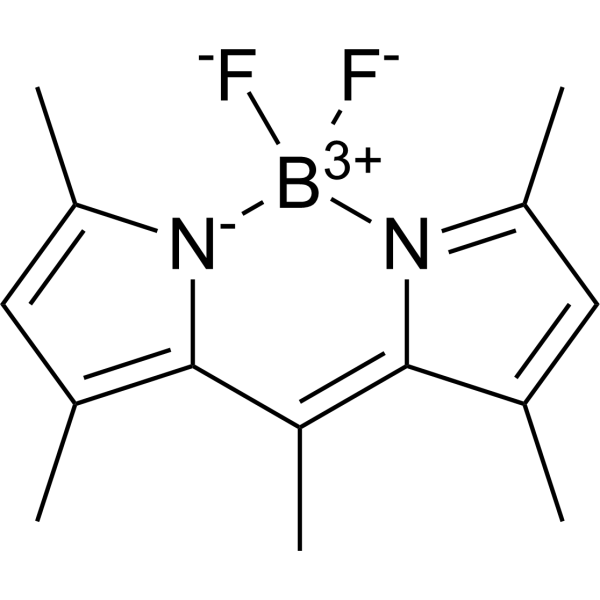
    BODIPY 493/503
    Maximum Cited Publications
    104 Publications Verification

    Pyrromethene 546

    Fluorescent Dye Others
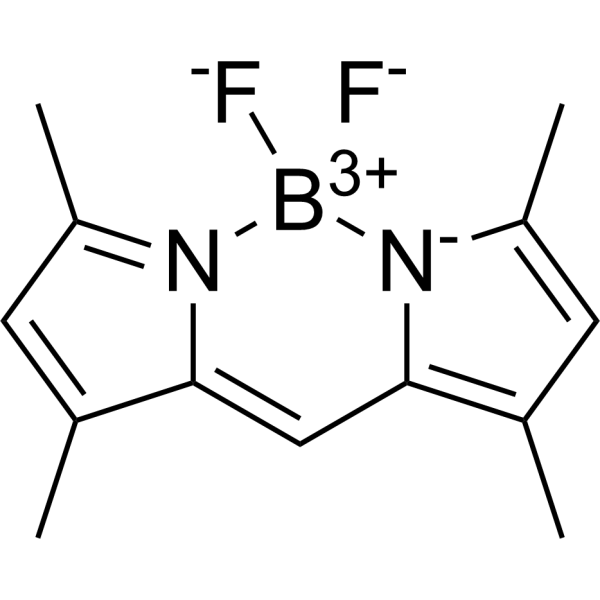
    BODIPY493/503 is a BODIPY dye. BODIPY dye is a small molecule dye with strong ultraviolet absorption ability, its fluorescence peak is relatively sharp, and the quantum yield is high. They are relatively insensitive to the polarity and pH of the environment and are relatively stable under different physiological conditions. Due to its structural asymmetry, BODIPY derives a variety of structural products. BODIPY lipid droplet dyes can well pass through the cell membrane into the cell, and localize the neutral lipids in the cell to specifically stain the lipid droplets, which can be used for labeling of live cells and fixed cells . Maximum excitation/emission wavelength: 493/503 nm .
    BODIPY 493/503
  • HY-P1748

    EC 3.4.24.27; TML

    Endogenous Metabolite Infection
    Thermolysin, Bacillus thermoproteolyticus rokko (EC 3.4.24.27) (TML) is a thermostable neutral metalloproteinase enzyme secreted by the Gram-positive bacteria Bacillus thermoproteolyticus. Thermolysin catalyzes the hydrolysis of peptide bonds containing hydrophobic residues .

    Optimal pH: 8.0. Considerably stable from pH 5 to 9.5.
    Optimal temperature : 70 °C
    Thermolysin, Bacillus thermoproteolyticus rokko
  • HY-128144
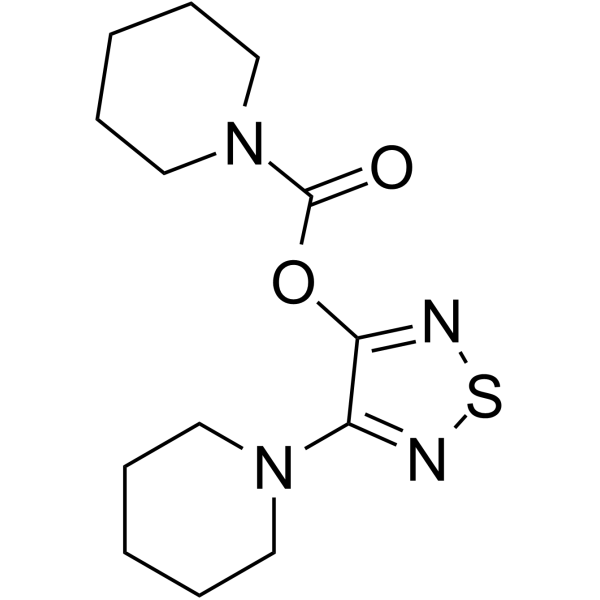
    Lalistat 2
    3 Publications Verification

    Lipase Metabolic Disease
    Lalistat 2 is an inhibitor of many lipases especially Lysosomal acid lipase (LAL, IC50 = 152 nM), which is a key enzyme that degrades neutral lipids at an acidic pH in lysosomes. Lalistat 2 is commonly used to investigate the cell-specific functions of LAL and LAL deficiency in vitro, as well as specifically measure LAL activity in human blood samples or cells .
    Lalistat 2
  • HY-D1237
    BODIPY 505/515
    2 Publications Verification

    Fluorescent Dye Metabolic Disease
    BODIPY505/515 is a BODIPY dye. BODIPY dye is a small molecule dye with strong ultraviolet absorption ability, its fluorescence peak is relatively sharp, and the quantum yield is high. They are relatively insensitive to the polarity and pH of the environment and are relatively stable under different physiological conditions. Due to its structural asymmetry, BODIPY derives a variety of structural products. BODIPY lipid droplet dyes can well pass through the cell membrane into the cell, and localize the neutral lipids in the cell to specifically stain the lipid droplets, which can be used for labeling of live cells and fixed cells . Maximum excitation/emission wavelength: 505/515 nm .
    BODIPY 505/515
  • HY-D1614
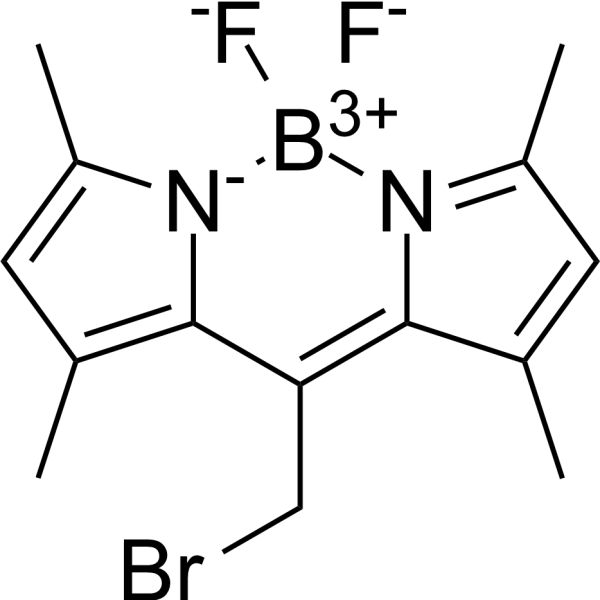
    BODIPY 493/503 methyl bromide
    15+ Cited Publications

    Fluorescent Dye Others
    BODIPY493/503 methyl bromide is a BODIPY dye. BODIPY dye is a small molecule dye with strong ultraviolet absorption ability, its fluorescence peak is relatively sharp, and the quantum yield is high. They are relatively insensitive to the polarity and pH of the environment and are relatively stable under different physiological conditions. Due to its structural asymmetry, BODIPY derives a variety of structural products. BODIPY lipid droplet dyes can well pass through the cell membrane into the cell, and localize the neutral lipids in the cell to specifically stain the lipid droplets, which can be used for labeling of live cells and fixed cells . Maximum excitation/emission wavelength: 493/503 nm .
    BODIPY 493/503 methyl bromide
  • HY-D0166

    Fluorescent Dye Others
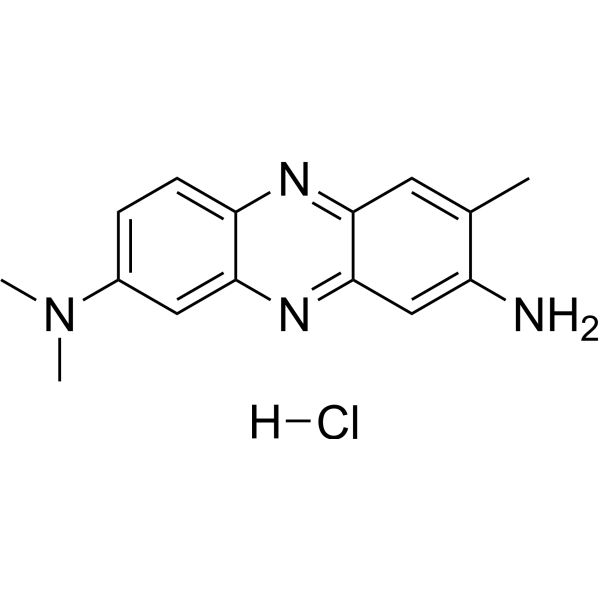
    Neutral Red, a nitrogenous pH-indicator with a pKi of 6.8, is an indicator for the internal acidification of thylakoids. Neutral Red stains lysosomes red .
    Neutral Red
  • HY-D1106

    Fluorescent Dye Cancer
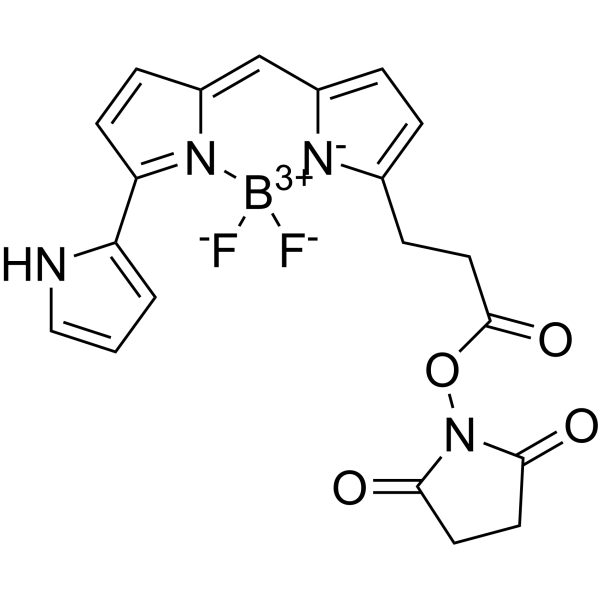
    BODIPY dye is a small molecule dye with strong ultraviolet absorption ability, its fluorescence peak is relatively sharp, and the quantum yield is high. They are relatively insensitive to the polarity and pH of the environment and are relatively stable under different physiological conditions . Due to its structural asymmetry, BODIPY derives a variety of structural products. BODIPY lipid droplet dyes can well pass through the cell membrane into the cell, and localize the neutral lipids in the cell to specifically stain the lipid droplets, which can be used for labeling of live cells and fixed cells .
    Py-BODIPY-NHS ester
  • HY-138226
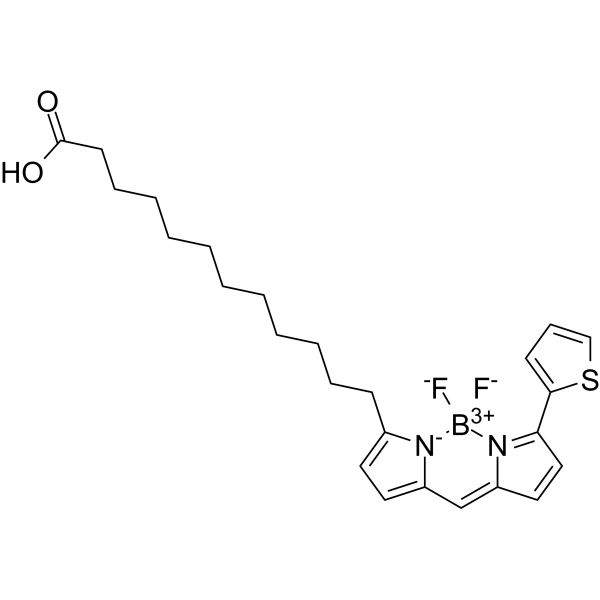
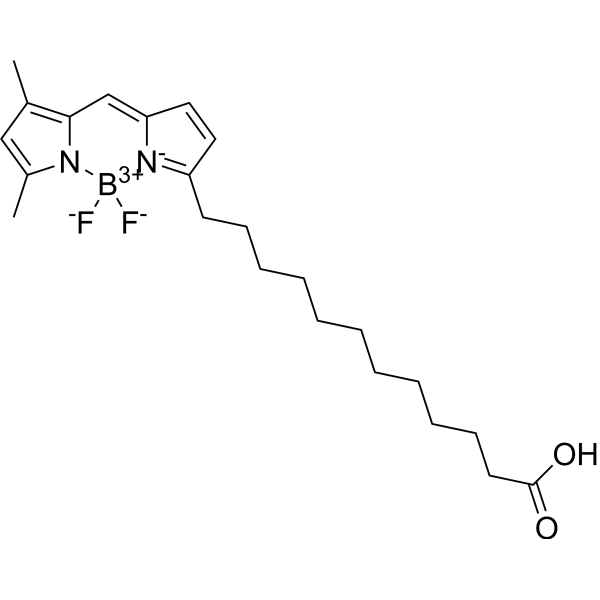
    BODIPY 558/568 C12
    4 Publications Verification

    Fluorescent Dye Others
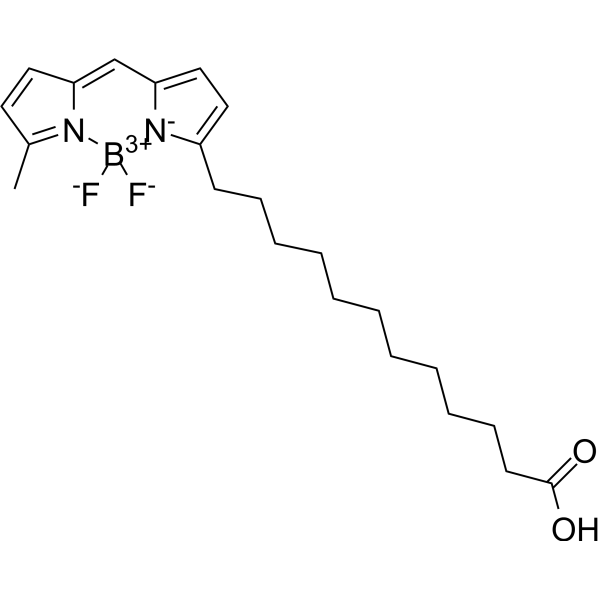
    BODIPY 558/568 C12 is a BODIPY dye. BODIPY dye is a small molecule dye with strong ultraviolet absorption ability, its fluorescence peak is relatively sharp, and the quantum yield is high. They are relatively insensitive to the polarity and pH of the environment and are relatively stable under different physiological conditions. Due to its structural asymmetry, BODIPY derives a variety of structural products. BODIPY lipid droplet dyes can well pass through the cell membrane into the cell, and localize the neutral lipids in the cell to specifically stain the lipid droplets, which can be used for labeling of live cells and fixed cells . Maximum excitation/emission wavelength: 558/568 nm .
    BODIPY 558/568 C12
  • HY-W251598C

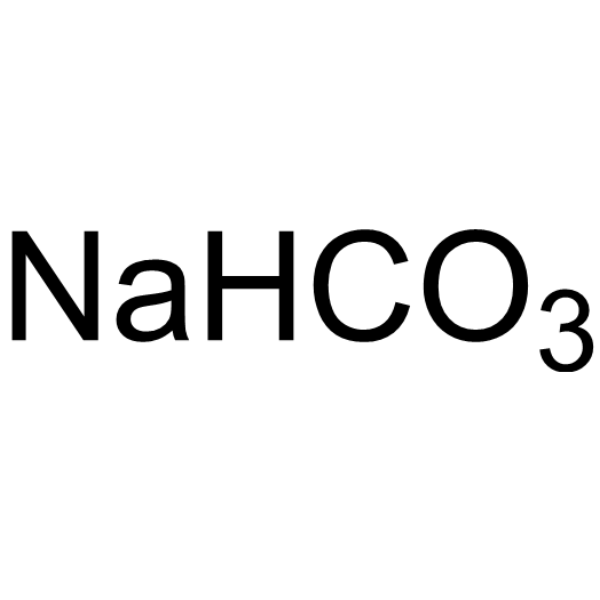
    Sodium hydrogen carbonate for cell culture; Soda bicarbonate for cell culture

    Environmental Pollutants Bacterial Inflammation/Immunology Cancer
    Sodium bicarbonate, for cell culture (Sodium hydrogen carbonate for cell culture; Soda bicarbonate for cell culture) is an inorganic salt that is neutral to slightly alkaline and easily decomposes when exposed to moisture in the air. Sodium bicarbonate, for cell culture can maintain the pH of the culture medium, thereby affecting the expression of inducible nitric oxide synthase (iNOS) and nitric oxide (NO) production in macrophages and reversing the acidosis of the tumor microenvironment. Sodium bicarbonate is widely used in the fields of food, medicine, cosmetics, etc. Its main uses include buffers, flavoring agents, disinfectants, pharmaceuticals, and proton gradient regulators. Sodium bicarbonate is also commonly used as an antacid to inhibit gastrointestinal diseases, neutralize gastric acid, and reduce gastric discomfort .
    Sodium bicarbonate, for cell culture
  • HY-D1224
    Chlorophenol red-β-D-galactopyranoside
    2 Publications Verification

    CPRG

    Biochemical Assay Reagents Others
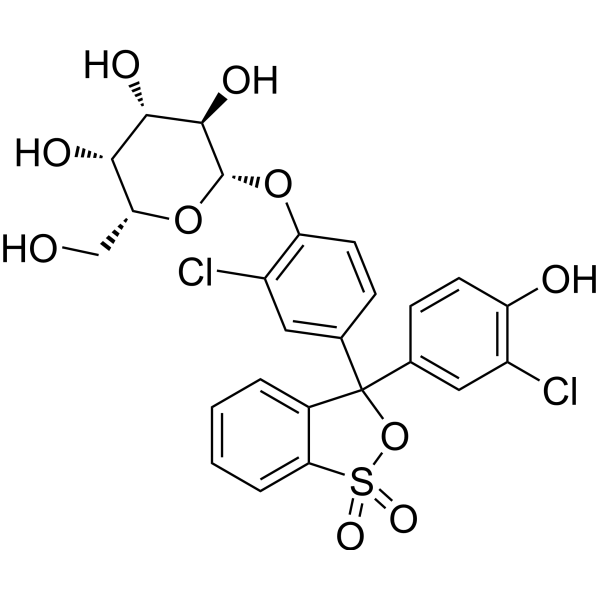
    Chlorophenol red-β-D-galactopyranoside (CPRG) is an efficient and sensitive chromogenic substrate for β-galactosidase (HY-P2869), widely used in colorimetric assays. Chlorophenol red-β-D-galactopyranoside itself appears pale yellow. When it is specifically hydrolyzed by β-galactosidase, it releases chlorophenol red. The released chlorophenol red turns purple-red under alkaline or neutral pH conditions. This color change from yellow to red can be quantitatively detected at wavelengths of 540-572 nm using visible spectrophotometry .
    Chlorophenol red-β-D-galactopyranoside
  • HY-W019883
    Dipotassium hydrogen phosphate
    1 Publications Verification

    Environmental Pollutants Biochemical Assay Reagents Lipase Fungal Infection Metabolic Disease
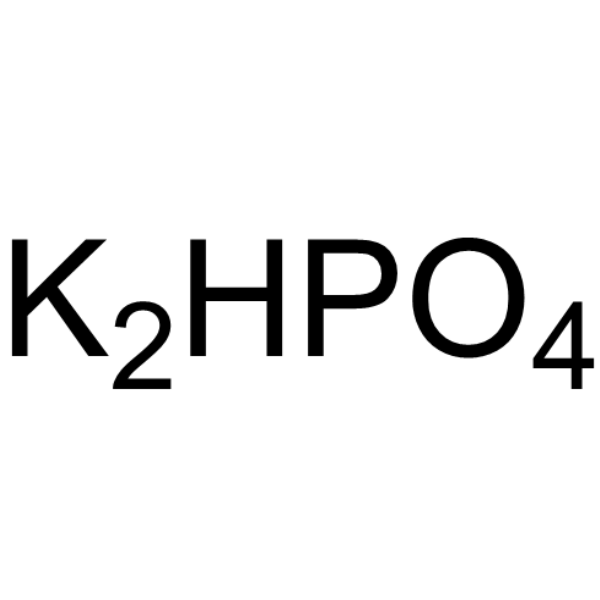
    Dipotassium hydrogen phosphate is a salt. Dipotassium hydrogen phosphate can enhance the lipase production of Rhizopous oligosporous in neutral pH phosphate buffer. Dipotassium hydrogen phosphate can be used as a pharmaceutical excipient, such as a pH adjuster, a buffer .
    Dipotassium hydrogen phosphate
  • HY-DY1004

    Fluorescent Dye Others
    BODIPY 493/503 (solution) is a BODIPY dye. BODIPY dye is a small molecule dye with strong ultraviolet absorption ability, its fluorescence peak is relatively sharp, and the quantum yield is high. They are relatively insensitive to the polarity and pH of the environment and are relatively stable under different physiological conditions. Due to its structural asymmetry, BODIPY derives a variety of structural products. BODIPY lipid droplet dyes can well pass through the cell membrane into the cell, and localize the neutral lipids in the cell to specifically stain the lipid droplets, which can be used for labeling of live cells and fixed cells . Maximum excitation/emission wavelength: 493/503 nm.
    Solvent and concentration: DMSO: 5 mM.
    BODIPY 493/503 (solution)
  • HY-D1570

    Fluorescent Dye Others
    BODIPYFL C12 is a BODIPY dye. BODIPY dye is a small molecule dye with strong ultraviolet absorption ability, its fluorescence peak is relatively sharp, and the quantum yield is high. They are relatively insensitive to the polarity and pH of the environment and are relatively stable under different physiological conditions. Due to its structural asymmetry, BODIPY derives a variety of structural products. BODIPY lipid droplet dyes can well pass through the cell membrane into the cell, and localize the neutral lipids in the cell to specifically stain the lipid droplets, which can be used for labeling of live cells and fixed cells . Maximum excitation/emission wavelength: 480/508 nm .
    BODIPY FL C12
  • HY-D1617
    BODIPY 500/510 C1, C12
    2 Publications Verification

    Fluorescent Dye Others
    BODIPY 500/510 C1, C12 is a BODIPY dye. BODIPY dye is a small molecule dye with strong ultraviolet absorption ability, its fluorescence peak is relatively sharp, and the quantum yield is high. They are relatively insensitive to the polarity and pH of the environment and are relatively stable under different physiological conditions. Due to its structural asymmetry, BODIPY derives a variety of structural products. BODIPY lipid droplet dyes can well pass through the cell membrane into the cell, and localize the neutral lipids in the cell to specifically stain the lipid droplets, which can be used for labeling of live cells and fixed cells . Maximum excitation/emission wavelength: 500/510 nm . Protect from light, stored at -20°C.
    BODIPY 500/510 C1, C12
  • HY-W923198

    Methacryloyloxy fluorescein

    Fluorescent Dye Others
    Fluorescein O-methacrylate (Methacryloyloxy fluorescein) is a pH-responsive fluorescent monomeric dye. Fluorescein O-methacrylate exhibits pH-responsive fluorescence properties: its fluorescence is activated under alkaline conditions and quenched under neutral or acidic conditions; reversible switching of fluorescence is achievable by adjusting the pH of the solution. Fluorescein O-methacrylate can be used as a monomer for the synthesis of amphiphilic fluorescein polymers. These polymers can self-assemble into stable polymer nanoparticles with enhanced aqueous-phase fluorescence, and also enable the conjugation of nanoparticles with amine-containing biomolecules to support sensitive optical detection of biomarkers (Ex/Em = 490/520 nm) .
    Fluorescein O-methacrylate
  • HY-W998680

    5-FITC-Maleimide

    Fluorescent Dye Others
    Fluorescein-maleimide (5-FITC-Maleimide) is a thiol-reactive fluorescent derivatization reagent and non-specific protein labeling reagent. Fluorescein-maleimide covalently binds to protein thiol groups for protein labeling. Fluorescein-maleimide covalently binds to protein amino and imidazole groups under neutral pH conditions. Fluorescein-maleimide is used for fluorescent labeling of proteins, nucleic acids or other molecules containing one or more thiol groups (Ex/Em = 494/519 nm) .
    Fluorescein-maleimide
  • HY-W251598S

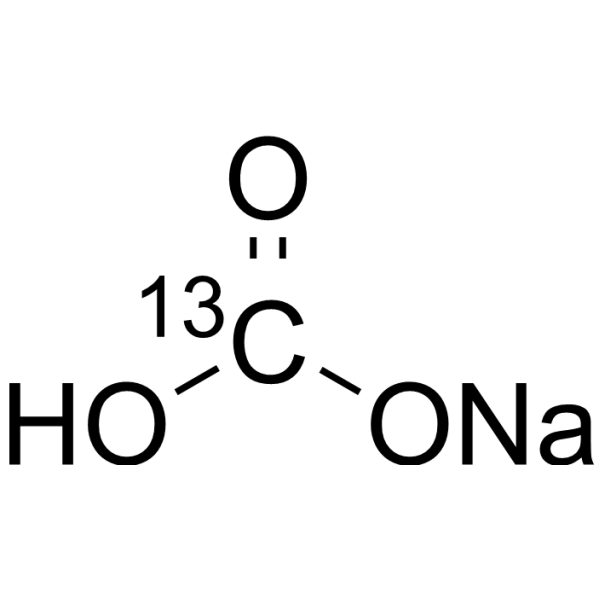
    Reference Standards Bacterial NO Synthase Inflammation/Immunology Cancer
    Bicarbonate- 13C sodium is the 13C-labeled Sodium bicarbonate (HY-Y0756). Sodium bicarbonate is an inorganic salt that is neutral to slightly alkaline and easily decomposes when exposed to moisture in the air. Sodium bicarbonate can maintain the pH of the culture medium, thereby affecting the expression of inducible nitric oxide synthase (iNOS) and nitric oxide (NO) production in macrophages and reversing the acidosis of the tumor microenvironment. Sodium bicarbonate is widely used in the fields of food, medicine, cosmetics, etc. Its main uses include buffers, flavoring agents, disinfectants, pharmaceuticals, and proton gradient regulators. Sodium bicarbonate is also commonly used as an antacid to inhibit gastrointestinal diseases, neutralize gastric acid, and reduce gastric discomfort .
    Bicarbonate-13C sodium
  • HY-142021

    Cathepsin Parasite Infection Inflammation/Immunology
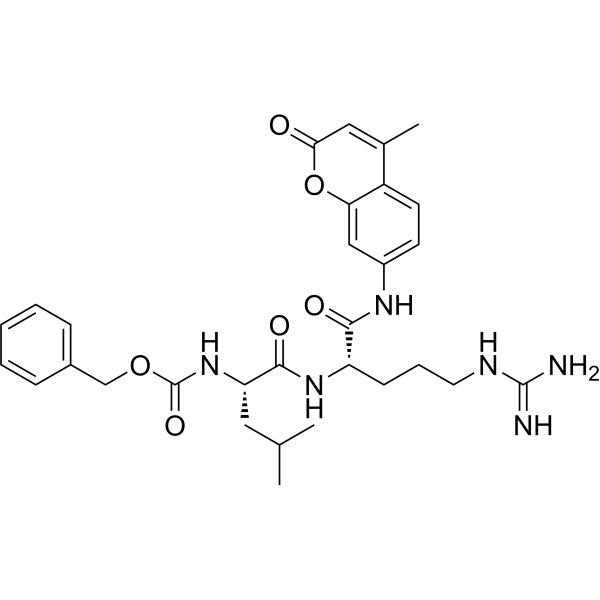
    Z-Leu-Arg-AMC is a fluorogenic peptide substrate for cysteine proteases (e.g., Cathepsin) (Ex=350 nm,Em=460 nm). Z-Leu-Arg-AMC is preferentially cleaved by Cathepsin K and S under weakly acidic conditions, while its hydrolysis relies on residual Cathepsin S activity at neutral pH. Z-Leu-Arg-AMC serves as a substrate for recombinant Sphenophorus levis Cathepsin L, falcipain-2, falcipain-3, berghepain-2, knowlepain-2, vivapain-2, as well as falcipain-2 chimeras and constructs. It enables quantitative detection of cysteine protease activity in human inflammatory bronchoalveolar lavage fluid via fluorescence generation. Z-Leu-Arg-AMC can be used in research related to pulmonary inflammatory diseases and malaria .
    Z-Leu-Arg-AMC
  • HY-106991A

    S-303 dihydrochloride

    HIV Bacterial CHIKV Infection
    Amustaline (S-303) dihydrochloride, a nucleic acid-targeted alkylator, is an efficient pathogen inactivation agent for blood components containing red blood cells. Amustaline dihydrochloride has three components: an acridine anchor (an intercalator that targets nucleic acids non-covalently), an effector (a bis-alkylator group that reacts with nucleophiles), and a linker (a small flexible carbon chain containing a labile ester bond that hydrolyzes at neutral pH to yield non-reactive breakdown products) .
    Amustaline dihydrochloride
  • HY-D1457

    Fluorescent Dye Others
    DND-189, a low-pH fluorescent probe, is sensitive to neutral and low pH range. DND-189 can be used to measure the pH of acidic organelles .
    DND-189
  • HY-DY1061

    Fluorescent Dye Others
    BODIPY 558/568 C12 (solution) is a BODIPY dye. BODIPY dye is a small molecule dye with strong ultraviolet absorption ability, its fluorescence peak is relatively sharp, and the quantum yield is high. They are relatively insensitive to the polarity and pH of the environment and are relatively stable under different physiological conditions. Due to its structural asymmetry, BODIPY derives a variety of structural products. BODIPY lipid droplet dyes can well pass through the cell membrane into the cell, and localize the neutral lipids in the cell to specifically stain the lipid droplets, which can be used for labeling of live cells and fixed cells . Maximum excitation/emission wavelength: 558/568 nm .
    Solvent and concentration: DMSO: 2 mM
    BODIPY 558/568 C12 (solution)
  • HY-D0812

    Fluorescent Dye Biochemical Assay Reagents Others
    Xylenol Blue is a sulfonephthalein dye. It exhibits observable color changes in response to variations in pH. Xylenol Blue undergoes two distinct color transitions across two specific pH ranges: an acidic range and an alkaline range. In a neutral solution, Xylenol Blue appears yellow (at pH 8); in a strongly acidic medium, its color shifts to red (at pH 2.8); and in an alkaline medium, the yellow hue transitions to blue (at pH 9.6) .
    Xylenol blue
  • HY-137303

    FAGLA

    Bacterial Others
    FA-Gly-Leu-NH2 (FAGLA) is a dipeptide substrate for proteases that can be hydrolyzed by thermophilic proteases and neutral proteases, showing pH-dependent variations in kcat/Km .
    FA-Gly-Leu-NH2
  • HY-P5174

    Sodium Channel Neurological Disease
    MitTx is a complex formed by MitTx-α and MitTx-β. MitTx is an ASIC1 channel activator with EC50 values of 9.4 and 23 nM for ASIC1a and ASIC1b isoforms, respectively. MitTx is highly selective for ASIC1 isoforms at neutral pH. Under acidic conditions, MitTx greatly enhances proton-evoked ASIC2a channel activation .
    MitTx
  • HY-W251598I

    Sodium hydrogen carbonate, meets analytical specification of pH. Eur., BP, USP, FCC, E500

    Bacterial NO Synthase Inflammation/Immunology Cancer
    Sodium bicarbonate, meets analytical specification of Ph. Eur., BP, USP, FCC, E500 is an inorganic salt that is neutral to slightly alkaline and easily decomposes when exposed to moisture in the air. Sodium bicarbonate can maintain the pH of the culture medium, thereby affecting the expression of inducible nitric oxide synthase (iNOS) and nitric oxide (NO) production in macrophages and reversing the acidosis of the tumor microenvironment. Sodium bicarbonate is widely used in the fields of food, medicine, cosmetics, etc. Its main uses include buffers, flavoring agents, disinfectants, pharmaceuticals, and proton gradient regulators. Sodium bicarbonate is also commonly used as an antacid to inhibit gastrointestinal diseases, neutralize gastric acid, and reduce gastric discomfort .
    Sodium bicarbonate, meets analytical specification of Ph. Eur., BP, USP, FCC, E500
  • HY-D0252

    Fluorescent Dye Others
    m-Cresol purple is a pH indicator dye with large cross section and halochromic property in neutral pH range .
    m-Cresol purple
  • HY-118643
    Cimlanod
    1 Publications Verification

    BMS-986231; CXL-1427

    Drug Intermediate Cardiovascular Disease
    Cimlanod (BMS-986231) is a second-generation Nitroxyl (HNO) donor for heart failure. Cimlanod (BMS-986231) delivers HNO via pH-dependent chemical breakdown when exposed to the neutral pH environment of the bloodstream. Cimlanod (BMS-986231) possesses positive lusitropic and inotropic as well as vasodilatory effects. Cimlanod is the prodrug of CXL-1020 (HY-147384) .
    Cimlanod
  • HY-P11309

    Biochemical Assay Reagents Neurological Disease
    QL6 peptide is a self-assembling peptide. QL6 peptide can self-assembles into β-sheets bridging the cavity at neutral pH and improves the inhibitory environment by reducing inflammation and tissue scaring. QL6 peptide can be used for synthesis nanofiber scaffolds for spinal cord injuries (SCI) research .
    QL6 peptide
  • HY-D1366

    Fluorescent Dye
    Sulfo-Cyanine5.5 carboxylic acidCI Pigment violet 32 is a water-soluble, far-red emitting fluorophore. Due to its four sulfo groups, this dye has a negative charge at neutral pH and is very hydrophilic. As a cyanine dye, sulfo-Cyanine5.5 shows a very low dependence of fluorescence on pH and a very high extinction coefficient.
    Sulfo-Cyanine5.5 carboxylic acid
  • HY-D1224A

    CPRG sodium

    Biochemical Assay Reagents Others
    Chlorophenol red-β-D-galactopyranoside (CPRG) sodium is an efficient and sensitive chromogenic substrate for β-galactosidase (HY-P2869), widely used in colorimetric assays. Chlorophenol red-β-D-galactopyranoside sodium itself appears pale yellow. When it is specifically hydrolyzed by β-galactosidase, it releases chlorophenol red. The released chlorophenol red turns purple-red under alkaline or neutral pH conditions. This color change from yellow to red can be quantitatively detected at wavelengths of 540-572 nm using visible spectrophotometry .
    Chlorophenol red β-D-galactopyranoside sodium
  • HY-135078

    NSC 270912

    DNA/RNA Synthesis Others
    2,5-Deoxyfructosazine is a pyrazine derivative that can be found in cured tobacco and is used as a flavoring agent in the food and tobacco industry. Pyrazines, including 2,5-deoxyfructosazine, can be produced either by pyrolytic decomposition of natural compounds or by the reaction of sugars with alcoholic ammonia. 2,5-Deoxyfructosazine is also formed by the breakdown of D-glucosamine at neutral pH. Like glucosamine, 2,5-deoxyfructosazine has DNA strand breakage activity and strongly inhibits IL-2 production by Jurkat cells stimulated with phytohemagglutinin (IC50=~1.25 mM).
    2,5-Deoxyfructosazine
  • HY-P5172

    Sodium Channel Neurological Disease
    MitTx-alpha is a subunit of MitTx. MitTx is a potent, persistent, and selective agonist for acid-sensing ion channels (ASICs). MitTx is highly selective for the ASIC1 subtype at neutral pH; under more acidic conditions (pH<6.5), MitTx massively potentiates (>100-fold) proton-evoked activation of ASIC2a channels .
    MitTx-alpha
  • HY-P11055

    Bacterial Infection
    IKFQFHFD is a pH-responsive and self-assembling peptide. IKFQFHFD is biocompatible at neutral pH and becomes an antimicrobial peptide-like molecular structure only at acidic pH. IKFQFHFD can be used for chronic wounds (venous ulcers, diabetic ulcers, and pressure ulcers) induced by biofilm infections research .
    IKFQFHFD
  • HY-155754

    ATP Synthase Others
    3’-Acetate-ATP, an ATP analogue, is ATP acetylation product with an maxima uv absorption at 259 nm in water at neutral pH. 3’-Acetate-ATP exerts a blocking effect on nucleic acid polymerization .
    3′-Acetate-ATP
  • HY-158190

    Rose Bengal Medium

    Bacterial Infection
    Rose-Bengal Chloramphenicol Agar is a selective medium for the enumeration of yeasts and moulds from a wide variety of foodstuffs. The medium has a neutral pH and chloramphenicol is used as a selective agent to suppress the growth of bacteria .
    Rose Bengal Chloramphenicol Agar
  • HY-167735

    Bisdequalinium diacetate

    Bacterial Infection
    Salvizol (Bisdequalinium diacetate) is a chemotherapeutic agent with a broad spectrum of bactericidal activity, effective in the apical third of root canals. Salvizol possesses the ability to dissolve organic dentin matrix, facilitating mineralization and tubule exposure. Salvizol maintains a neutral pH, ensuring biological compatibility while exhibiting significant cleansing potency.
    Salvizol
  • HY-E70330

    Endogenous Metabolite Others
    Neutral Proteinase, Bacillus sp. is a biocatalyst and a key enzyme in new biocatalyst technology. Enzyme engineering focuses on enhancing enzyme reaction kinetics, substrate selectivity, and activity under harsh conditions such as low or high pH. By introducing stimulus responsiveness to these enzyme modifications, dynamic control of activity is also possible .
    Neutral Proteinase, Bacillus sp.
  • HY-106991AR

    S-303 dihydrochloride (Standard)

    HIV Bacterial Reference Standards CHIKV Infection
    Amustaline (dihydrochloride) (Standard) is the analytical standard of Amustaline (dihydrochloride). This product is intended for research and analytical applications. Amustaline (S-303) dihydrochloride, a nucleic acid-targeted alkylator, is an efficient pathogen inactivation agent for blood components containing red blood cells. Amustaline dihydrochloride has three components: an acridine anchor (an intercalator that targets nucleic acids non-covalently), an effector (a bis-alkylator group that reacts with nucleophiles), and a linker (a small flexible carbon chain containing a labile ester bond that hydrolyzes at neutral pH to yield non-reactive breakdown products) .
    Amustaline dihydrochloride (Standard)
  • HY-W777675

    NSC 270912-13C4

    Isotope-Labeled Compounds DNA/RNA Synthesis Others
    2,5-Deoxyfructosazine- 13C4 (NSC 270912- 13C4) is the 13C-labeled 2,5-Deoxyfructosazine (HY-135078). 2,5-Deoxyfructosazine is a pyrazine derivative that can be found in cured tobacco and is used as a flavoring agent in the food and tobacco industry. Pyrazines, including 2,5-deoxyfructosazine, can be produced either by pyrolytic decomposition of natural compounds or by the reaction of sugars with alcoholic ammonia. 2,5-Deoxyfructosazine is also formed by the breakdown of D-glucosamine at neutral pH. Like glucosamine, 2,5-deoxyfructosazine has DNA strand breakage activity and strongly inhibits IL-2 production by Jurkat cells stimulated with phytohemagglutinin (IC50=~1.25 mM).
    2,5-Deoxyfructosazine-13C4
  • HY-134505

    Ras Phospholipase ERK Akt Cancer
    Avicin G is a sphingomyelinase inhibitor and plasma membrane disruptor. Avicin G inhibits the enzymatic activities of neutral sphingomyelinases (SMPD2/3) and acid sphingomyelinase (SMPD1), elevates intracellular sphingomyelin levels, and alters the distribution of sphingomyelin. Avicin G interferes with the lateral segregation of GTP- and GDP-bound H-Ras, inhibits the signal output of oncogenic K-Ras and H-Ras, reduces the phosphorylation of ERK and Akt, increases lysosomal pH, and inhibits the endocytic recycling of epidermal growth factor receptor. Avicin G can be used in research related to pancreatic ductal adenocarcinoma and non-small cell lung cancer .
    Avicin G
  • HY-DY1090

    Fluorescent Dye Others
    BODIPY 493/503 methyl bromide (solution) is a BODIPY dye. BODIPY dye is a small molecule dye with strong ultraviolet absorption ability, its fluorescence peak is relatively sharp, and the quantum yield is high. They are relatively insensitive to the polarity and pH of the environment and are relatively stable under different physiological conditions. Due to its structural asymmetry, BODIPY derives a variety of structural products. BODIPY lipid droplet dyes can well pass through the cell membrane into the cell, and localize the neutral lipids in the cell to specifically stain the lipid droplets, which can be used for labeling of live cells and fixed cells . Maximum excitation/emission wavelength: 493/503 nm .
    Solvent and concentration: DMSO: 5 mM
    BODIPY 493/503 methyl bromide (solution)

Inquiry Online

Your information is safe with us. * Required Fields.

Salutation


Country or Region *

Applicant Name *


Organization Name *

Department *


Email Address *


Product Name *

Cat. No.


Requested quantity *

Phone Number *


Remarks

Inquiry Online

Inquiry Information

Product Name:
Cat. No.:
Quantity:
MCE Japan Authorized Agent:

