1. Search Result
Search Result
Results for "

Nontoxic

" in MedChemExpress (MCE) Product Catalog:

164

Inhibitors & Agonists

1

Screening Libraries

17

Fluorescent Dye

29

Biochemical Assay Reagents

18

Peptides

1

Inhibitory Antibodies

24

Natural
Products

6

Isotope-Labeled Compounds

9

Oligonucleotides

Cat. No. Product Name Target Research Areas Chemical Structure
  • HY-111391
    Resazurin sodium
    5 Publications Verification

    Diazoresorcinol sodium

    Bacterial Fluorescent Dye Infection
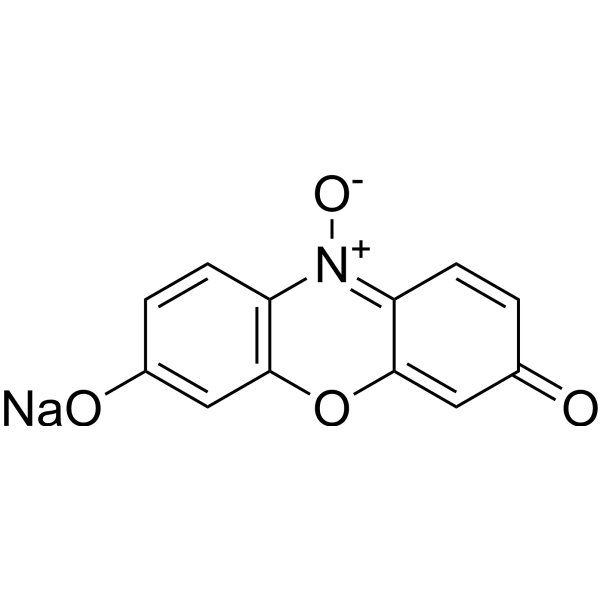
    Resazurin sodium (Diazoresorcinol sodium) is a non-toxic, stable, membrane-permeable blue non-fluorescent dye (faintly fluorescent). Resazurin sodium is used as a redox indicator, can be reduced to pink, highly fluorescent Resorufin (Ex=530-560 nm, Em=590 nm) in living cells. Resazurin sodium can be used for the detection of cell viability, toxicity, proliferation, migration and invasion in cells (human, plant and animal, bacterial and fungal) .
    Resazurin sodium
  • HY-Y1365

    Environmental Pollutants Biochemical Assay Reagents Metabolic Disease Cancer
    Gelatins is a non-toxic, non carcinogenic, biodegradable, and non irritating natural polymer derived from partial hydrolysis of collagen. Due to its strong liquid absorption and swelling ability, Gelatins has excellent hemostatic properties and can be used as a matrix material for the reduction, growth, and stability of metal nanoparticles. Gelatins can also be used for tumor cell culture and tumor therapy .
    Gelatins
  • HY-138171
    Lipid 5
    3 Publications Verification

    Liposome Others
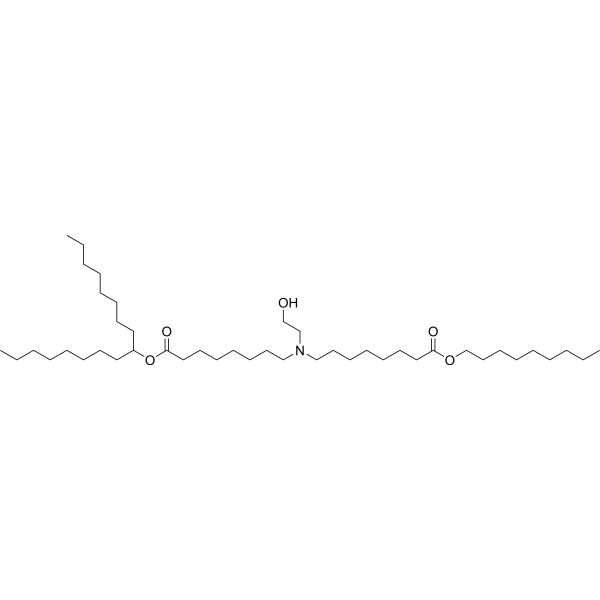
    Lipid 5 is an amino lipid that affords efficient mRNA delivery in rodent and primate models. Lipid 5 shows optimal pharmacokinetics and non-toxic side effects .
    Lipid 5
  • HY-108467
    GGsTop
    5+ Cited Publications

    Nahlsgen

    γ-Glutamyl Transferase (GGT) Cardiovascular Disease
    GGsTop (Nahlsgen) is a potent, non-toxic, highly selective and irreversible γ-GGT inhibitor, with a Ki of 170 μM for Human GGT. GGsTop shows a pKa of 9.71, also exhibits Kons of 150 and 51 M -1 s -1 against E.coli GGT and human GGT, respectively. GGsTop protects hepatic ischemia-reperfusion injury in rat model .
    GGsTop
  • HY-P0033
    Argireline
    2 Publications Verification

    Acetyl hexapeptide-3; Acetyl hexapeptide-8

    Calcium Channel Neurological Disease
    Argireline (Acetyl hexapeptide-3) is a non-toxic, skin-permeable, antiwrinkle peptide. Argireline significantly inhibits Ca 2+ dependent neurotransmitter release (acetylcholine) at the neuromuscular junction. Argireline has antiwrinkle and anti-aging activity .
    Argireline
  • HY-Y0850

    Environmental Pollutants Biochemical Assay Reagents Neurological Disease
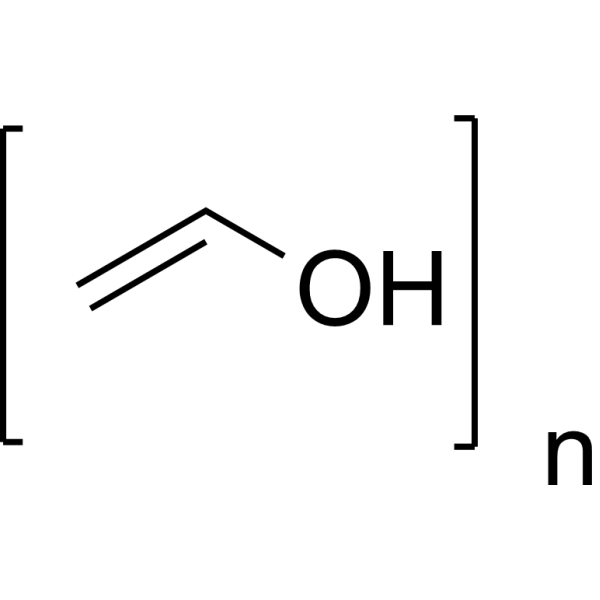
    Polyvinyl alcohol (Mw 146000-186000, 99+% hydrolyzed) is a non-biodegradable, hydrophilic, odorless biomedical polymer with cell adhesion/proliferation inhibition, peripheral nerve regeneration induction, dissolution enhancement, and non-toxic, biocompatible properties .
    Polyvinyl alcohol (Mw 146000-186000, 99+% hydrolyzed)
  • HY-B2144A
    Chitosan (MW 150000)
    2 Publications Verification

    Deacetylated chitin (MW 150000); Poly(D-glucosamine) (MW 150000)

    Environmental Pollutants Fungal Bacterial Infection Cancer
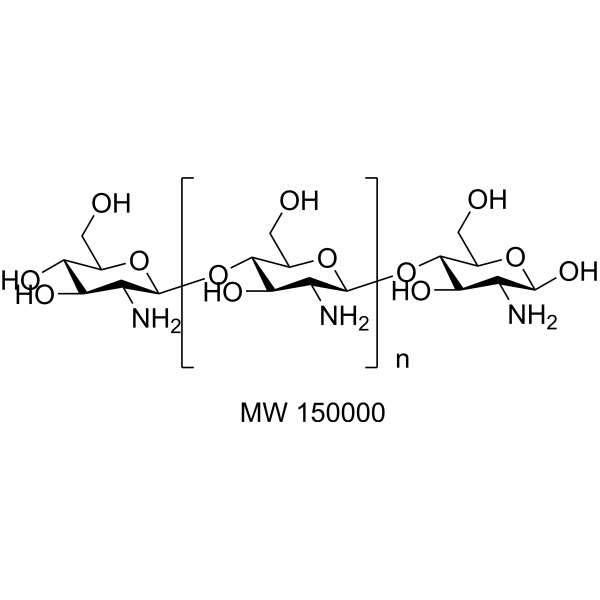
    Chitosan (MW 150000) (Deacetylated chitin (MW 150000)) is a polycationic linear polysaccharide derived from chitin with the molecular weight of 150000. Chitosan is an versatile biomaterial because of its non-toxicity, low allergenicity, biocompatibility and biodegradability. Chitosan also has antitumor, antibacterial, antifungal, and antioxidant activities .
    Chitosan (MW 150000)
  • HY-B2144B

    Deacetylated chitin (MW 30000); Poly(D-glucosamine) (MW 30000)

    Environmental Pollutants Bacterial Fungal Infection Cancer
    Chitosan (MW 30000) (Deacetylated chitin (MW 30000)) is a polycationic linear polysaccharide derived from chitin with the molecular weight of 30000. Chitosan is an versatile biomaterial because of its non-toxicity, low allergenicity, biocompatibility and biodegradability. Chitosan also has antitumor, antibacterial, antifungal, and antioxidant activities .
    Chitosan (MW 30000)
  • HY-Y0836
    Diethyl succinate
    3 Publications Verification

    Diethyl Butanedioate

    Environmental Pollutants Biochemical Assay Reagents Reactive Oxygen Species (ROS) Metabolic Disease Inflammation/Immunology
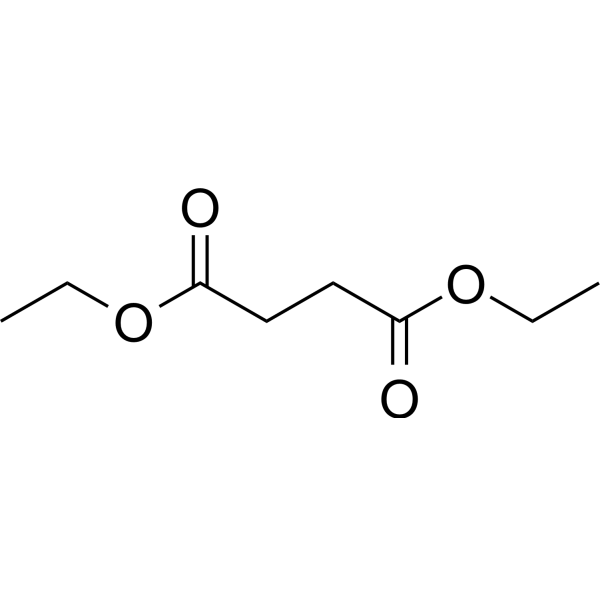
    Diethyl succinate (Diethyl Butanedioate) can be utilized at physiological pH, allowing it to penetrate biological membranes and integrate into the cells of tissue cultures, where it is metabolized via the tricarboxylic acid cycle. Diethyl succinate modulates the polarization and activation of microglial cells by reducing mitochondrial fission and the levels of reactive oxygen species (ROS), thereby exerting an inflammatory protective effect in primary microglial cells. Furthermore, Diethyl succinate is non-toxic and can be used in flavorings and seasonings .
    Diethyl succinate
  • HY-Y1310A

    Environmental Pollutants Biochemical Assay Reagents Others
    Sodium alginate is an anionic straight chain polysaccharide. Sodium alginate can be obtained from different species of algae. Sodium alginate has different properties, such as pH-sensitivity, nontoxicity, nonimmunogenicity. Sodium alginate has weak gelation, viscosity, and film-forming properties. Sodium alginate can be utilized to prepare gels and film materials for food preservation. Sodium alginate is a versatile functional biomaterial for viscosity enhancement, stabilizer, matrixing agent, encapsulation polymer, bioadhesive and film former .
    Sodium alginate (Viscosity 200±20mpa.s)
  • HY-135747
    Gut restricted-7
    5+ Cited Publications

    GR-7

    Bacterial Infection
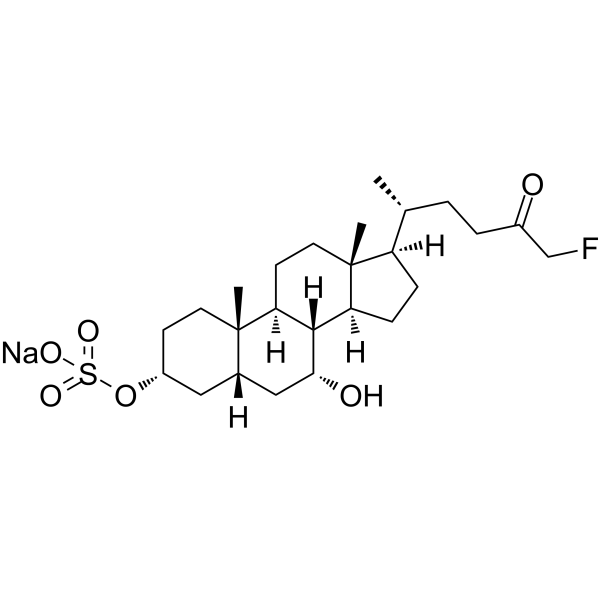
    Gut restricted-7 (GR-7) is a potent, covalent and orally active pan-bile salt hydrolase (BSH) inhibitor. Gut restricted-7 has a tissue-selective and is restricted to the gut. Gut restricted-7 decreases gut bacterial BSHs and decreases deconjugated bile acid levels in feces of mice .
    Gut restricted-7
  • HY-112758
    DLin-KC2-DMA
    Maximum Cited Publications
    9 Publications Verification

    Liposome Others
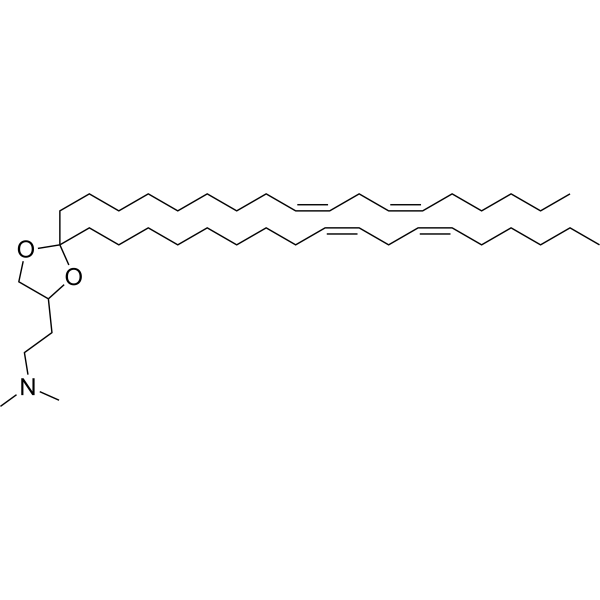
    DLin-KC2-DMA is an ionisable cationic lipid (pKa≈6) that is virtually non-toxic to antigen presenting cells (APCs). DLin-KC2-DMA produces significant siRNA-mediated gene silencing of GAPDH, when binds to lipid nanoparticles (LNP). DLin-KC2-DMA can be used in siRNA delivery studies .
    DLin-KC2-DMA
  • HY-14621
    Zingerone
    5+ Cited Publications

    Vanillylacetone; Gingerone

    Environmental Pollutants NF-κB Neurological Disease Metabolic Disease Inflammation/Immunology Cancer
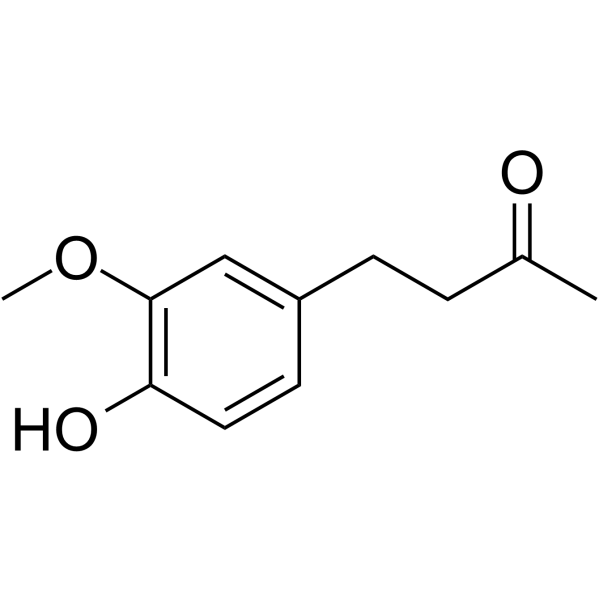
    Zingerone (Vanillylacetone) is a nontoxic methoxyphenol isolated from Zingiber officinale, with potent anti-inflammatory, antidiabetic, antilipolytic, antidiarrhoeic, antispasmodic and anti-tumor properties . Zingerone alleviates oxidative stress and inflammation, down-regulates NF-κB mediated signaling pathways . Zingerone acts as an anti-mitotic agent, and inhibits the growth of neuroblastoma cells . Zingerone can cross the blood-brain barrier (BBB) .
    Zingerone
  • HY-12276
    MALT1 inhibitor MI-2
    5+ Cited Publications

    MALT1 Cancer
    MALT1 inhibitor MI-2 is a MALT1 inhibitor (IC50=5.84 μM). MALT1 inhibitor MI-2 binds directly to MALT1, irreversibly suppresses protease function and is accompanied by NF-κB reporter activity suppression, c-REL nuclear localization inhibition, and NF-κB target gene downregulation. MALT1 inhibitor MI-2 shows nontoxic to animals .
    MALT1 inhibitor MI-2
  • HY-W010860
    Copper(II) Gluconate
    2 Publications Verification

    Environmental Pollutants Biochemical Assay Reagents Others
    Copper(II) Gluconate is a non-toxic copper supplement aid. Copper(II) Gluconate is the copper salt of D-gluconic acid. Copper(II) Gluconate as a precursor catalyst that can be used in the photo-induced polymerisation of acrylates .
    Copper(II) Gluconate
  • HY-D0261
    Tiron
    1 Publications Verification

    Biochemical Assay Reagents Apoptosis Metabolic Disease Inflammation/Immunology Cancer
    Tiron is a non-toxic chelator of a variety of metals. Tiron is cell permeable analog of vitamin E and function as hydroxyl radical and superoxide scavenger. Tiron is an orally active antioxidant. Tiron can be used to alleviate acute metal overload in animals .
    Tiron
  • HY-108298

    PP 5; Perfluorodecahydronaphthalene

    Biochemical Assay Reagents Others
    Perfluorodecalin liquids are largrly used in vitreoretinal surgery. Perfluorodecalin with tamponade lasting more than two days is detrimental to the retina in the case of rabbit. Perfluorodecalin can be used for the research of giant retinal tears . Perfluorodecalin is a non-toxic, non-flammable, thermally stable, non-bio-accumulating O2-carrier and used as artificial blood . Perfluorodecalin enhances bone regeneration and cell viability .
    Perfluorodecalin
  • HY-D1416
    HMBR
    1 Publications Verification

    Fluorescent Dye Others
    HMBR is an analogue with an additional methyl group on the aromatic ring and is non-fluorescent. HMBR conjugated with Y-FAST emits yellow fluorescence under blue light excitation (Ex= 419 nm; Em= 525–539 nm). HMBR is non-toxic to zebrafish embryos. HMBR has high cell permeability .
    HMBR
  • HY-16663
    ITX3
    2 Publications Verification

    ROCK Others
    ITX3 is a specific and nontoxic inhibitor of TrioN (N-terminal GEF domain of the multidomain Trio protein) with an IC50 value of 76 μM. ITX3 can be used for the research of agent .
    ITX3
  • HY-107553
    Chetomin
    1 Publications Verification

    HSP Apoptosis Cancer
    Chetomin, an active component of Chaetomium globosum, is a heat shock protein 90/hypoxia-inducible factor 1 alpha (Hsp90/HIF1α) pathway inhibitor. Chetomin is a potent, nontoxic non-small cell lung cancer cancer stem cells (NSCLC CSC)-targeting molecule .
    Chetomin
  • HY-128370

    Ca-DTPA trisodium salt hydrate

    CMV Infection
    Calcium trinatrium diethylenetriaminepentaacetic acid hydrate (Ca-DTPA trisodium salt hydrate) is a metal chelator and a useful antidote (such as acute cadmium intoxication). Diethylenetriaminepentaacetic acid calcium trisodium salt hydrate is a nontoxic inhibitor of CMV replication .
    Calcium trinatrium diethylenetriaminepentaacetic acid hydrate
  • HY-125870

    Agar substitute gelling agent, for cell culture

    Environmental Pollutants Biochemical Assay Reagents Inflammation/Immunology
    Gellan gum is a linear microbial exopolysaccharide that can be used as a cell scaffold for both soft tissue and load bearing applications. Gellan gum has many advantages such as biocompatibility, biodegradability, nontoxic in nature, and physical stability in the presence of cations .
    Gellan gum, for cell culture
  • HY-W115746

    Ethyl cellulose N-200

    Environmental Pollutants Biochemical Assay Reagents Infection Cancer
    Ethyl cellulose is a derivative of cellulose. Ethyl cellulose is a non-toxic, biodegradable polymer. Ethyl cellulose has unique properties such as oil gel formation, active ingredient delivery and film formation. Ethyl cellulose can be used as a pharmaceutical excipient, such as a coating agent, flavoring agent, tablet filler, etc. Ethyl cellulose can be used to prepare nanoparticles for active compound delivery .
    Ethyl cellulose
  • HY-N7393

    Palatinitol

    Environmental Pollutants Lactate Dehydrogenase Metabolic Disease
    Isomalt (Palatinitol), a well-tolerated, non-toxic polyol and a protein-stabilizing excipient, stabilizes lactate dehydrogenase (LDH) moderately during freeze-drying, and performs better during storage. Isomalt is traditionally used as a sweetening agent in the food industry and as a tabletting excipient for pharmaceutical purposes .
    Isomalt
  • HY-W019885A

    Sodium triphosphate pentabasic, 98%

    Environmental Pollutants Biochemical Assay Reagents Others
    Sodium tripolyphosphate (STPP), 98% is an inorganic, non-toxic polyphosphate crosslinker, inducer and enhancer. Sodium tripolyphosphate (STPP), 98% induces the formation of unique needle-like microcrystals in sodium alginate-chitosan composite films. Sodium tripolyphosphate (STPP), 98% enhances the DPPH free radical scavenging activity of sodium alginate-chitosan composite films .
    Sodium tripolyphosphate (STPP), 98%
  • HY-18979
    Lactimidomycin
    1 Publications Verification

    Flavivirus Dengue Virus Infection Cancer
    Lactimidomycin is a glutarimide-containing compound isolated from Streptomyces. Lactimidomycin is a potent inhibitor of eukaryotic translation elongation. Lactimidomycin has a potent antiproliferative effect on tumor cell lines and selectively inhibit protein translation. Lactimidomycin inhibits protein synthesis with an IC50 value of 37.82 nM. Lactimidomycin is also a potent and non-toxic inhibitor of dengue virus 2 and other RNA viruses. Anticancer and antiviral activities .
    Lactimidomycin
  • HY-118540

    Diazoresorcinol

    Fluorescent Dye Bacterial Infection
    Resazurin (Diazoresorcinol) is a water-soluble, non-toxic, stable, membrane-permeable blue non-fluorescent dye (faintly fluorescent). Resazurin is used as a redox indicator, can be reduced to pink, highly fluorescent Resorufin (Ex=530-560 nm, Em=590 nm) in living cells. Resazurin can be used for the detection of cell viability, toxicity, proliferation, migration and invasion in cells (human, plant and animal, bacterial and fungal) .
    Resazurin
  • HY-145296
    Triflumezopyrim
    2 Publications Verification

    Environmental Pollutants nAChR Infection
    Triflumezopyrim, a mesoionic insecticide, has high efficiency at a low dosage, and is mainly used to control hopper species. Triflumezopyrim mainly acts on the nicotinic acetylcholine receptor (nAChR) inhibition, which is very highly efficient, rapidly effective, and nearly nontoxic to nontarget arthropods .
    Triflumezopyrim
  • HY-W013435

    Fluorescent Dye Others
    1,2-Diaminoanthraquinone is a sensitivity, specificity and nontoxic nitric oxide (NO) fluorescent probe. 1,2-Diaminoanthraquinone can be used to detect NO productions in live cell and animals with a maximum of absorption at about 540 nm and a detection limit of 5 μM for NO .
    1,2-Diaminoanthraquinone
  • HY-132934
    Ac32Az19
    1 Publications Verification

    BCRP Cancer
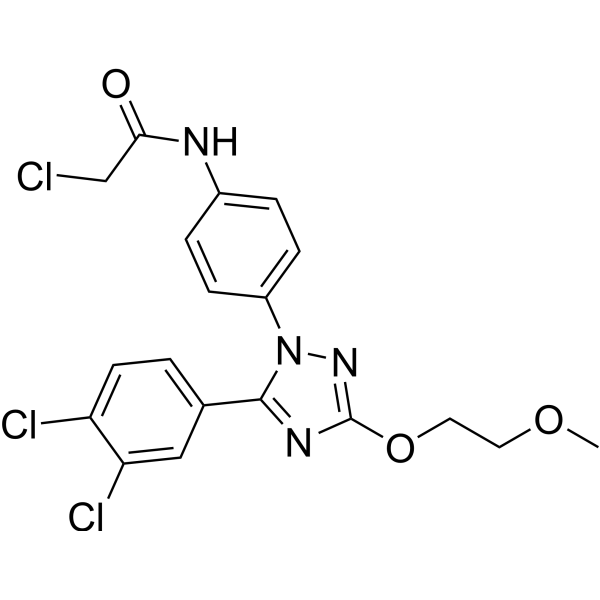
    Ac32Az19 is a potent, nontoxic, and highly selective BCRP inhibitor with an EC50 value of 13 nM in the BCRP-overexpressed HEK293/R2 cells.
    Ac32Az19
  • HY-N1446A
    Glycerol Monoleate
    Maximum Cited Publications
    60 Publications Verification

    Endogenous Metabolite Others
    Glycerol Monoleate is a non-toxic, biodegradable, biocompatible, lipophilic glycerol fatty acid ester. Glycerol Monoleate exhibits hemolytic properties. Glycerol Monoleate is combined with bile salts for use as an emulsifier and absorption enhancer. Glycerol Monoleate can be applied in drug delivery systems and in vitro siRNA delivery .
    Glycerol Monoleate
  • HY-D1623

    Fluorescent Dye Others
    Cyanine3 carboxylic acid chloride is a non-toxic red fluorescent dye with good solubility in organic solvents. Cyanine3 carboxylic acid chloride can be used as a non-reactive fluorophore for experimental control and calibration. Cyanine3 carboxylic acid chloride can also be synthesized with targeted agents as fluorescent probes for rapid detection of agent reactions .
    Cyanine3 carboxylic acid chloride
  • HY-P1629

    Bacterial Fungal Antibiotic Infection
    Temporin A is a short alpha-helical antimicrobial peptide isolated from the skin of the frog Rana temporaria. Temporin A is effective against a broad spectrum of Gram-positive bacteria. Temporin A interacts directly with the cell membrane of the microorganism and it is non-toxic to erythrocytes at concentrations that are antimicrobial. Temporin A also has antifungal activities (against yeast-like Candida albicans) .
    Temporin A
  • HY-105066
    Davunetide
    1 Publications Verification

    Microtubule/Tubulin Amyloid-β Neurological Disease
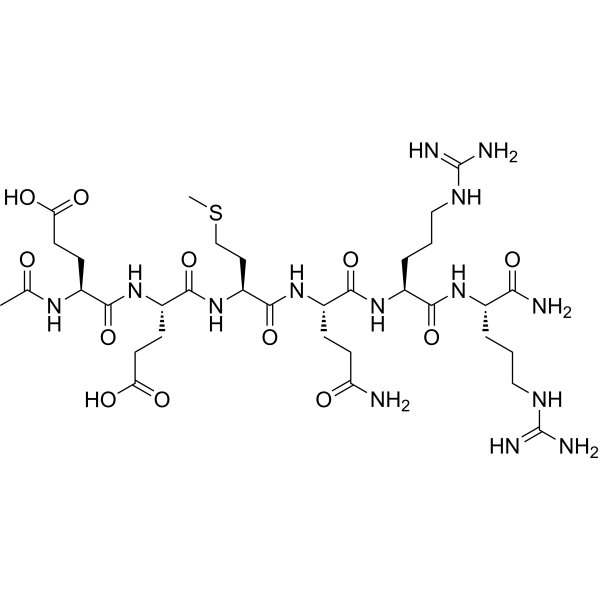
    Davunetide is an eight amino acid snippet derived from activity-dependent neuroprotective protein (ADNP), a neurotrophic factor that exists in the mammalian CNS. Davunetide possesses neuroprotective, neurotrophic and cognitive protective roperties. Davunetide, a microtubule-stabilizing peptide, interacts with and stabilises neuron-specific βIII-tubulin in vitro. Davunetide penetrates the blood-brain barrier and is non-toxic. Davunetide inhibits Aβ aggregation and Aβ-induced neurotoxicity .
    Davunetide
  • HY-G0004

    3-Hydroxyacetaminophen

    Drug Metabolite Inflammation/Immunology
    Acetaminophen metabolite 3-hydroxy-acetaminophen (3-Hydroxyacetaminophen) is a non-toxic metabolite and antioxidant of acetaminophen (HY-66005) with free radical scavenging activity. Acetaminophen metabolite 3-hydroxy-acetaminophen can reduce oxidative damage by exerting electron donation ability and antioxidant activity through phenolic hydroxyl groups. 3-hydroxy-acetaminophen can be used to study the toxicity mechanism and drug metabolism of acetaminophen .
    Acetaminophen metabolite 3-hydroxy-acetaminophen
  • HY-145080
    Dynole 2−24
    1 Publications Verification

    Dynamin Neurological Disease
    Dynole 2−24 is an indole-based dynamin GTPase inhibitor (IC50=0.56 μM for dynamin I). Dynole 2−24 is nontoxic and shows increased potency against dynamin I and II in vitro and in cells (IC₅₀(CME)=1.9 μM). Dynole 2−24 also shows 4.4-fold selectivity for dynamin I. Dynole 2−24 is active in-cell inhibitor of clathrin-mediated endocytosis . CME: Clathrin mediated endocytosis
    Dynole 2−24
  • HY-N3373

    Bacterial Infection
    Loganetin is a non-toxic natural product that may be applied in the antibacterial agent development for treating multidrug-resistant Gram negative infections.
    Loganetin
  • HY-112711

    Atg4 Autophagy Cancer
    LV-320 is a potent and uncompetitive ATG4B inhibitor with an IC50 of 24.5 μM and a Kd of 16 μM. LV-320 inhibits ATG4B enzymatic activity, blocks autophagic flux in cells, and is stable, non-toxic and active in vivo .
    LV-320
  • HY-Y0836S

    1,4-Diethyl butanedioate-1,2,3,4-13C4

    Isotope-Labeled Compounds Metabolic Disease
    Diethyl succinate- 13C4 is the 13C labeled Diethyl succinate . Diethyl succinate (Diethyl Butanedioate) is used at physiological pH and crosses biological membranes, incorporates into cells in tissue culture and is metabolized by the TCA cycle. Diethyl succinate is known to be non-toxic and used in fragrances and flavoring .
    Diethyl succinate-13C4
  • HY-125039
    N-Acetyl lysyltyrosylcysteine amide
    2 Publications Verification

    Glutathione Peroxidase Cardiovascular Disease Neurological Disease
    N-Acetyl lysyltyrosylcysteine amide is a potent, reversible, specific, and non-toxic tripeptide inhibitor of myeloperoxidase (MPO). N-Acetyl lysyltyrosylcysteine amide effectively inhibits MPO generation of toxic oxidants in vivo. N-Acetyl lysyltyrosylcysteine amide reduces neuronal damage and preserves brain tissue and neurological function in the stroked brain. N-Acetyl lysyltyrosylcysteine amide inhibits MPO-dependent hypochlorous acid (HOCl) generation, protein nitration, and LDL oxidation .
    N-Acetyl lysyltyrosylcysteine amide
  • HY-W014394

    TRP Channel Parasite Infection Cardiovascular Disease
    Vanillyl butyl ether is a major contributor to the characteristic flavor and fragrance of vanilla. Vanillyl butyl ether is one of the eco-friendly and nontoxic substances. Vanillyl butyl ether exhibits mutually inhibitory effects on mammalian TRPV1 and TRPM8 channels. Vanillyl butyl ether shows repellency activity against Tribolium castaneum, T. confusum and L. bostrychophila. Vanillyl butyl ether acts as a mild warming agent, providing a warming sensation and enhancing blood circulation .
    Vanillyl butyl ether
  • HY-125170

    STAT Cancer
    Galiellalactone is a is a small non-toxic and non-mutagenic fungal metabolite, a selective inhibitor of STAT3 signaling, with an IC50 of 250-500 nM. Galiellalactone can be used to research castration-resistant prostate cancer .
    Galiellalactone
  • HY-145830

    Adenylate Cyclase Neurological Disease
    AC1-IN-1 is a potent and selective Adenylyl cyclase type 1 (AC1) inhibitor with an IC50 of 0.54 μM. AC1-IN-1 displays modest antiallodynic effects in a mouse model of inflammatory pain .
    AC1-IN-1
  • HY-P5486

    Bacterial Others
    Tet-20 is a biological active peptide. (Tet-20, is a synthetic cathelicidin-derived peptide. It was tested as infection-resistant coating for medical devices. When tethered on an implant surface Tet-20 exhibited broad antimicrobial activities both in vivo and in vitro. It can stop biofilm formation and appears to be non-toxic to eukaryotic cells)
    Tet-20
  • HY-Y0850U

    Polyvinyl alcohol (Mw 31000, 87-89% hydrolyzed, ~630 polymerization); Poly(Ethenol) (Mw 31000, 87-89% hydrolyzed, ~630 polymerization)

    Biochemical Assay Reagents Others
    PVA (Mw 31000, 87-89% hydrolyzed, ~630 polymerization) (Polyvinyl alcohol (Mw 31000, 87-89% hydrolyzed, ~630 polymerization); Poly(Ethenol) (Mw 31000, 87-89% hydrolyzed, ~630 polymerization)) is a biocompatible, biodegradable, nontoxic and hydrophilic synthetic polymer. PVA (Mw 31000, 87-89% hydrolyzed, ~630 polymerization) can be used to produce bone tissue engineering scaffold [1]
    PVA (Mw 31000, 87-89% hydrolyzed, ~630 polymerization)
  • HY-100242
    Mivotilate
    3 Publications Verification

    YH439

    Aryl Hydrocarbon Receptor Others
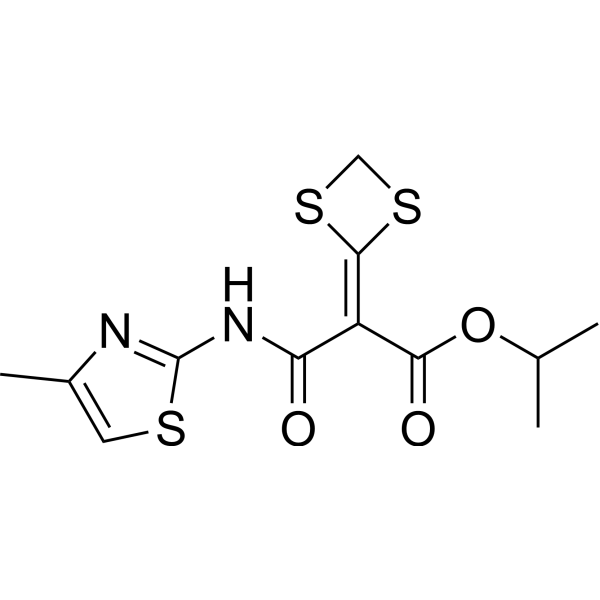
    Mivotilate is a nontoxic, potent activator of the aryl hydrocarbon receptor (AhR), and acts as a hepatoprotective agent.
    Mivotilate
  • HY-P10560

    Biochemical Assay Reagents Others
    M918 is a cell-penetrating peptide. M918 is internalized by cells through endocytosis and can effectively penetrate a variety of cells in a non-toxic manner. M918 can be used in gene therapy and drug delivery system research .
    M918
  • HY-P0033A

    Acetyl hexapeptide-3 acetate; Acetyl hexapeptide-8 acetate

    Calcium Channel Neurological Disease
    Argireline acetate (Acetyl hexapeptide-3 acetate) is a non-toxic, skin-permeable, antiwrinkle peptide. Argireline acetate significantly inhibits Ca 2+ dependent neurotransmitter release (acetylcholine) at the neuromuscular junction. Argireline acetate has antiwrinkle and anti-aging activity .
    Argireline acetate
  • HY-185057

    S-Lactylglutathione; (R)-S-Lactoylglutathione

    Drug Metabolite Glyoxalase (GLO) Inflammation/Immunology Cancer
    S-D-Lactoylglutathione is a crucial intermediate metabolite of the glyoxalase (Glo) system. S-D-Lactoylglutathione acts as a "bridge molecule" for the conversion of methylglyoxal (MGO) into non-toxic D-lactic acid by continuous catalysis from Glo1 to Glo2, preventing cell damage caused by the accumulation of MGO .
    S-D-Lactoylglutathione
  • HY-P10578

    Amyloid-β Neurological Disease
    SEN 304 is an Aβ aggregation inhibitor. SEN 304 can bind directly to Aβ(1-42), delay β-sheet formation and promote aggregation of toxic oligomers into a nontoxic form. SEN 304 can be used for research of Alzheimer’s disease .
    SEN 304

Inquiry Online

Your information is safe with us. * Required Fields.

Salutation


Country or Region *

Applicant Name *


Organization Name *

Department *


Email Address *


Product Name *

Cat. No.


Requested quantity *

Phone Number *


Remarks

Inquiry Online

Inquiry Information

Product Name:
Cat. No.:
Quantity:
MCE Japan Authorized Agent:

