

1. Search Result
Search Result
Pathways Recommended: Neuronal Signaling JAK/STAT Signaling
Results for "

Notch signaling

" in MedChemExpress (MCE) Product Catalog:

62

Inhibitors & Agonists

5

Screening Libraries

2

Fluorescent Dyes

4

Biochemical Assay Reagents

5

Inhibitory Antibodies

13

Natural
Products

7

Isotope-Labeled Compounds

2

GMP Molecules

Targets Recommended:
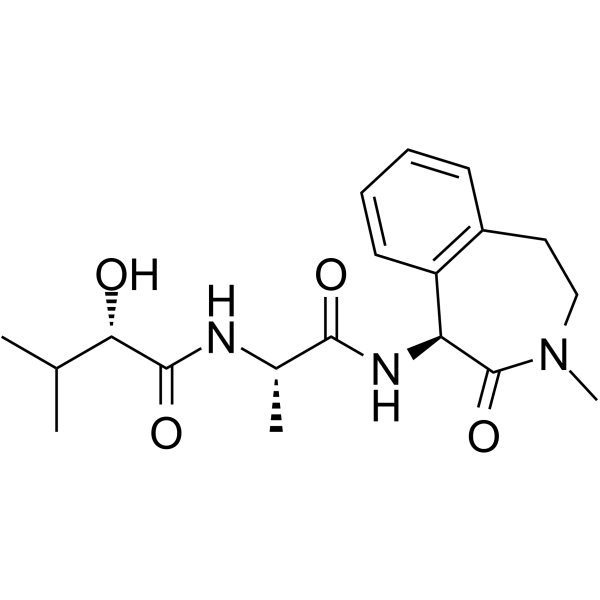
Cat. No. Product Name Target Research Areas Chemical Structure
  • HY-13027
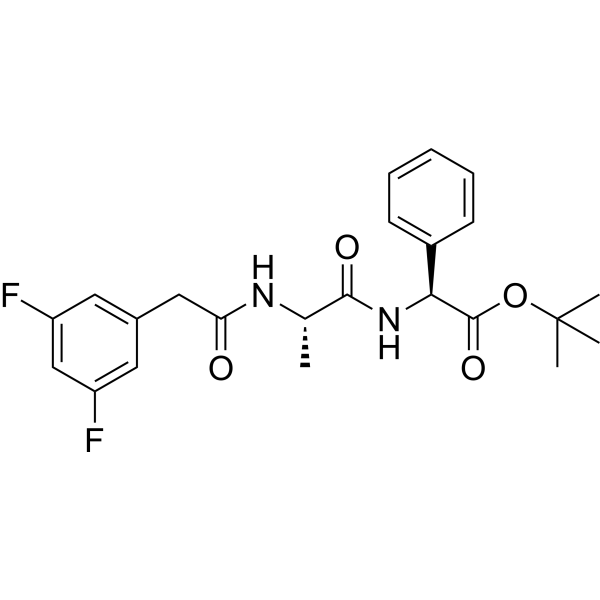
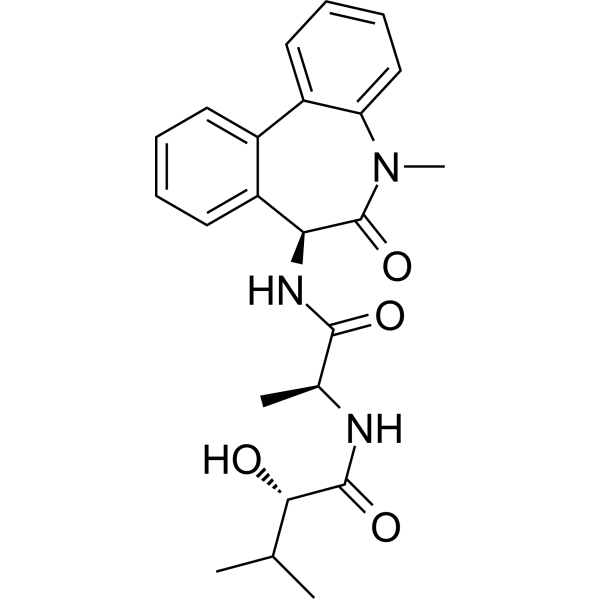
    DAPT
    Maximum Cited Publications
    158 Publications Verification

    GSI-IX

    Organoid γ-secretase Amyloid-β Autophagy Notch Apoptosis Neurological Disease Inflammation/Immunology Cancer
    DAPT (GSI-IX) is a potent and orally active γ-secretase inhibitor with IC50s of 115 nM and 200 nM for total amyloid-β (Aβ) and 42, respectively. DAPT inhibits the activation of Notch 1 signaling and induces cell differentiation. DAPT also induces autophagy and apoptosis. DAPT has neuroprotection activity and has the potential for autoimmune and lymphoproliferative diseases, degenerative disease and cancers treatment .
    DAPT
  • HY-10585
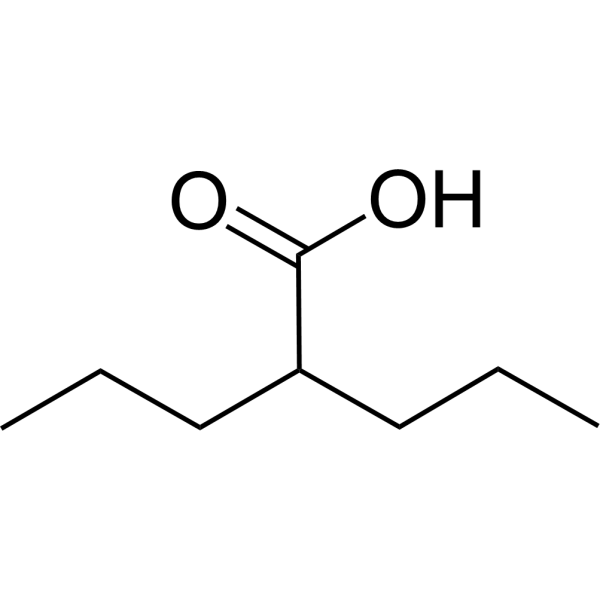
    Valproic acid
    Maximum Cited Publications
    65 Publications Verification

    VPA; 2-Propylpentanoic acid; Dipropylacetic acid

    Organoid HDAC Autophagy Mitophagy HIV Notch Apoptosis Endogenous Metabolite Infection Neurological Disease Metabolic Disease Inflammation/Immunology Cancer
    Valproic acid (VPA) is an orally active HDAC inhibitor, with IC50 in the range of 0.5 and 2 mM. Valproic acid inhibits HDAC1 (IC50, 400 μM), and induces proteasomal degradation of HDAC2. Valproic acid activates Notch1 signaling and inhibits proliferation in small cell lung cancer (SCLC) cells. Valproic acid is used in the epilepsy, bipolar disorder, metabolic disease, HIV infection and prevention of migraine headaches .
    Valproic acid
  • HY-15244
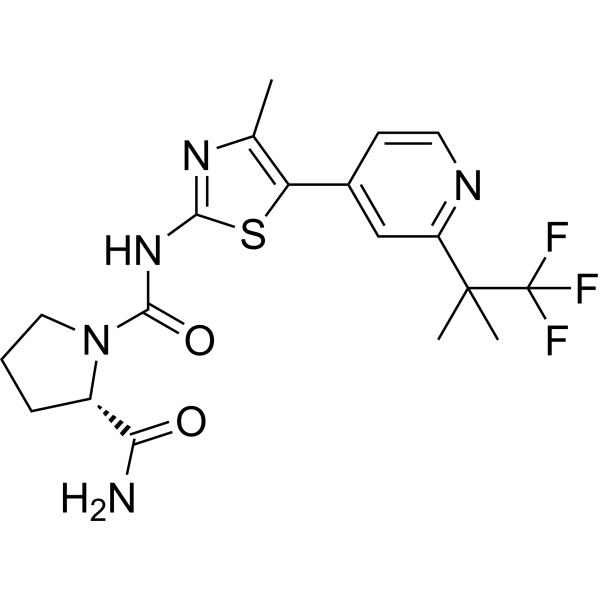
    Alpelisib
    120+ Cited Publications

    BYL-719

    PI3K Apoptosis Cancer
    Alpelisib (BYL-719) is an orally active PI3Kα-selective inhibitor that blocks the conversion of PIP2 to PIP3, thereby inhibiting pathways including PI3K/AKT/mTOR, MAPK/ERK, Notch and JAK-STAT. Alpelisib also induces apoptosis, G0/G1 phase arrest and senescence; it significantly inhibits the proliferation, self-renewal, stemness and epithelial-mesenchymal transition (EMT) of tumor cells, reduces cancer stem cell populations and decreases the expression of stem cell markers. Alpelisib not only enhances the sensitivity to Eribulin (HY-13442) and exerts a synergistic effect with Paclitaxel (HY-B0015), but may also induce drug resistance by upregulating the SGK3/GSK3β/β-catenin signaling pathway. Alpelisib can be applied to research related to breast cancer, gastric cancer and lipomas associated with PTEN hamartoma tumor syndrome .
    Alpelisib
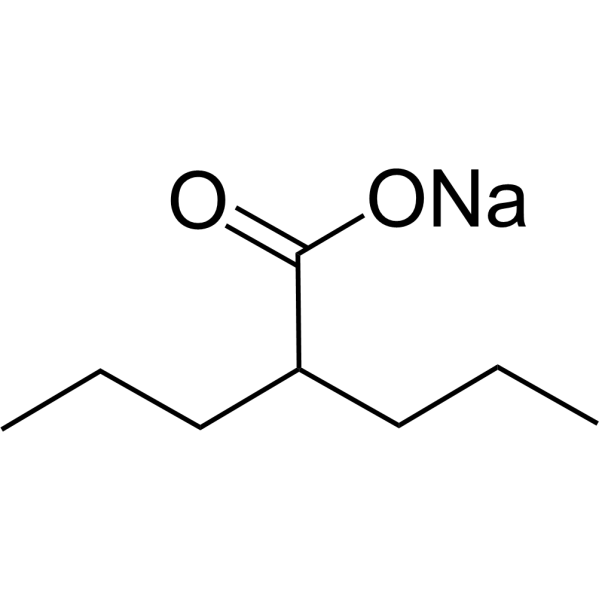
  • HY-10585A
    Valproic acid sodium
    Maximum Cited Publications
    65 Publications Verification

    Sodium Valproate; VPA sodium; 2-Propylpentanoic acid sodium

    Organoid HDAC Autophagy Mitophagy HIV Notch Apoptosis Endogenous Metabolite Infection Neurological Disease Metabolic Disease Cancer
    Valproic acid (Sodium Valproate) sodium is an orally active HDAC inhibitor, with IC50 in the range of 0.5 and 2 mM, also inhibits HDAC1 (IC50, 400 μM), and induces proteasomal degradation of HDAC2. Valproic acid sodium activates Notch1 signaling and inhibits proliferation in small cell lung cancer (SCLC) cells. Valproic acid sodium is used in the treatment of epilepsy, bipolar disorder, metabolic disease, HIV infection and prevention of migraine headaches .
    Valproic acid sodium
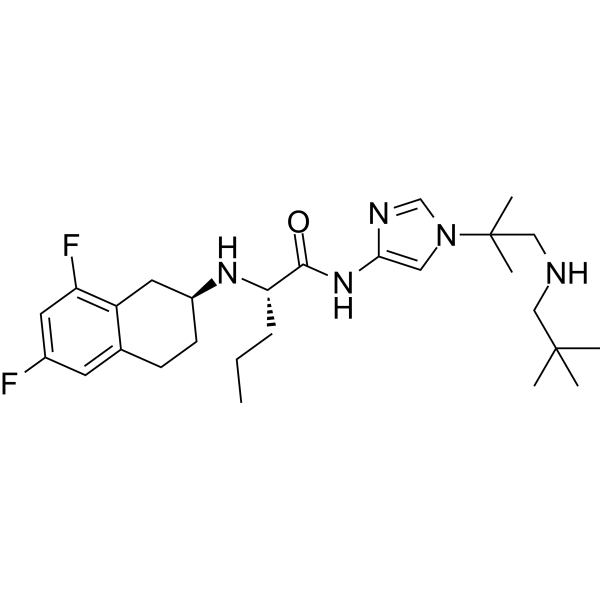
  • HY-15185
    Nirogacestat
    10+ Cited Publications

    PF-3084014

    γ-secretase Apoptosis Cancer
    Nirogacestat (PF-3084014) is a reversible, orally bioavailable, noncompetitive, and selective γ-secretase inhibitor with an IC50 of 6.2 nM. Inhibition of Notch signaling by Nirogacestat while minimizing gastrointestinal toxicity presents a promising approach for research of Notch receptor-dependent cancers .
    Nirogacestat
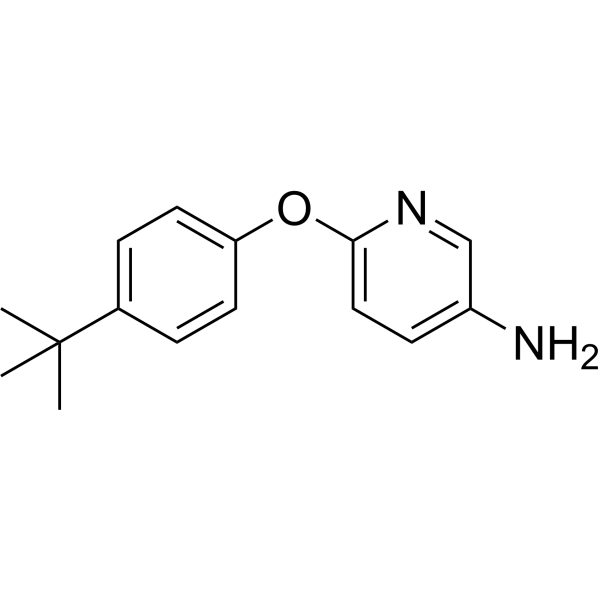
  • HY-135145
    Limantrafin
    5+ Cited Publications

    CB-103

    Notch Cancer
    Limantrafin (CB-103) is a first-in-class, orally active protein-protein interaction (PPI) inhibitor of the NOTCH transcriptional activation complex. Limantrafin has anti-tumor activity .
    Limantrafin
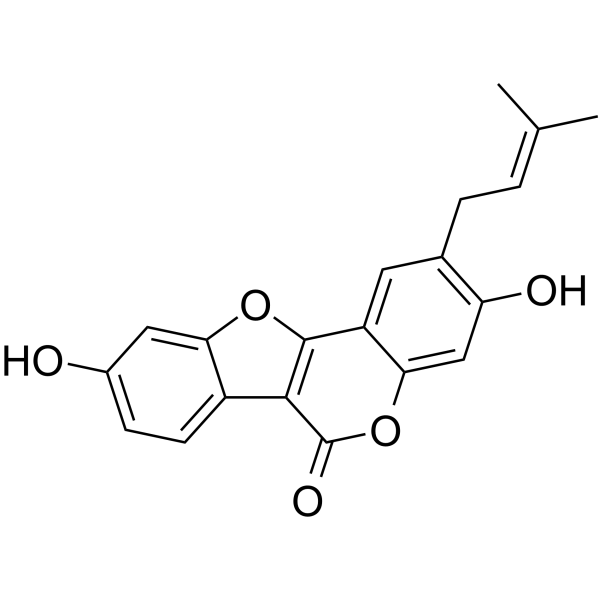
  • HY-N0232
    Psoralidin
    5 Publications Verification

    COX Lipoxygenase Notch Reactive Oxygen Species (ROS) Bacterial Cancer
    Psoralidin is a dual inhibitor of COX-2 and 5-LOX, regulates ionizing radiation (IR)-induced pulmonary inflammation.Anti-cancer, anti-bacterial, and anti-inflammatory properties . Psoralidin significantly downregulates NOTCH1 signaling. Psoralidin also greatly induces ROS generation .
    Psoralidin
  • HY-10009
    Semagacestat
    10+ Cited Publications

    LY450139

    γ-secretase Amyloid-β Notch Neurological Disease
    Semagacestat is a γ-secretase inhibitor, inhibits β-amyloid (Aβ42), Aβ38 and Aβ40 with IC50s of 10.9, 12 and 12.1 nM, respectively; also inhibits Notch signaling with IC50 of 14.1 nM. Semagacestat can be used for the research of alzheimer's disease .
    Semagacestat
  • HY-15860
    FLI-06
    5+ Cited Publications

    Notch Cancer
    FLI-06 is an inhibitor of Notch signaling with an EC50 of 2.3 μM.
    FLI-06
  • HY-N10790

    Wnt c-Myc Notch Cancer
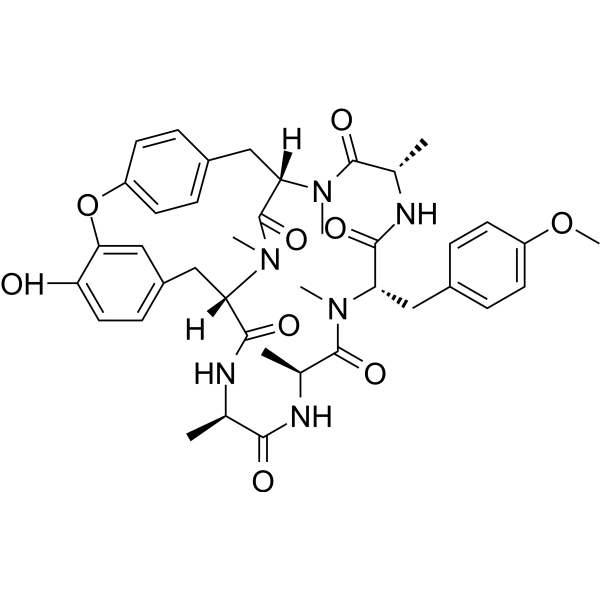
    RA-V is a cyclic hexapeptide. RA-V has activity against Wnt, Myc and Notch with IC50 values of 50, 75, and 93 ng/mL, respectively. RA-V can be used for the research of cancer-related signaling pathways .
    RA-V
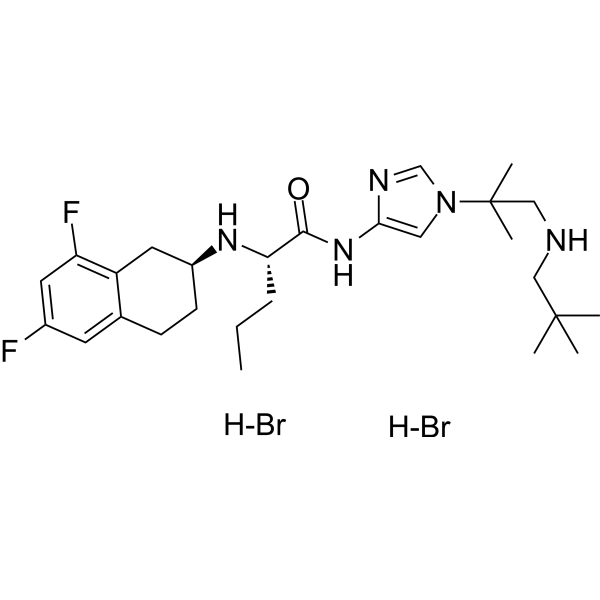
  • HY-15185B
    Nirogacestat dihydrobromide
    10+ Cited Publications

    PF-3084014 dihydrobromide; PF-03084014 dihydrobromide

    γ-secretase Apoptosis Cancer
    Nirogacestat dihydrobromide (PF-3084014 dihydrobromide) is a reversible, orally bioavailable, noncompetitive, and selective γ-secretase inhibitor with an IC50 of 6.2 nM. Inhibition of Notch signaling by Nirogacestat dihydrobromide while minimizing gastrointestinal toxicity presents a promising approach for research of Notch receptor-dependent cancers .
    Nirogacestat dihydrobromide
  • HY-15244A
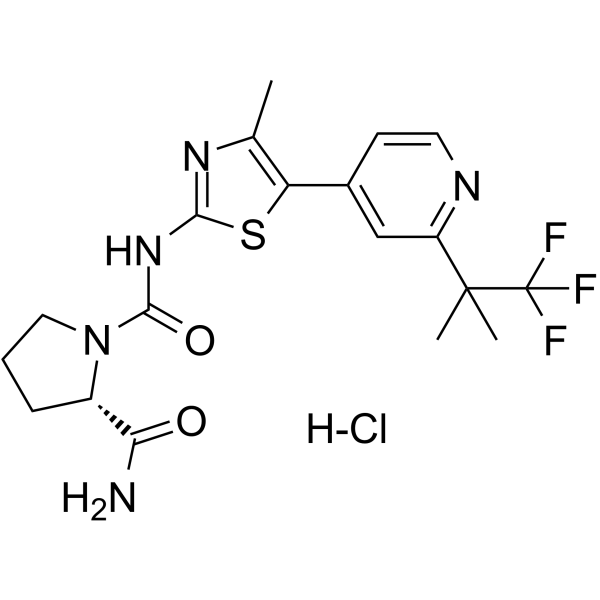
    Alpelisib hydrochloride
    120+ Cited Publications

    BYL-719 hydrochloride

    PI3K Apoptosis Cancer
    Alpelisib (BYL-719) hydrochloride is an orally active PI3Kα-selective inhibitor that blocks the conversion of PIP2 to PIP3, thereby inhibiting pathways including PI3K/AKT/mTOR, MAPK/ERK, Notch and JAK-STAT. Alpelisib hydrochloride also induces apoptosis, G0/G1 phase arrest and senescence; it significantly inhibits the proliferation, self-renewal, stemness and epithelial-mesenchymal transition (EMT) of tumor cells, reduces cancer stem cell populations and decreases the expression of stem cell markers. Alpelisib hydrochloride not only enhances the sensitivity to Eribulin (HY-13442) and exerts a synergistic effect with Paclitaxel (HY-B0015), but may also induce drug resistance by upregulating the SGK3/GSK3β/β-catenin signaling pathway. Alpelisib hydrochloride can be applied to research related to breast cancer, gastric cancer and lipomas associated with PTEN hamartoma tumor syndrome .
    Alpelisib hydrochloride
  • HY-P99258

    OMP 52M51; Anti-Human Notch1 Recombinant Antibody

    Notch Cancer
    Brontictuzumab (OMP 52M51) is a monoclonal antibody (MAb) that inhibits Notch1 signal. Brontictuzumab selectively binds the negative regulatory region of the Notch1. Brontictuzumab inhibits tumor cell proliferation. Brontictuzumab can be used in the research of leukemia and lymphoma .
    Brontictuzumab
  • HY-N2896

    Reactive Oxygen Species (ROS) Apoptosis Fungal Bacterial NF-κB SOD AMPK mTOR Notch Toll-like Receptor (TLR) Wnt MyD88 Sirtuin Infection Neurological Disease Inflammation/Immunology Cancer
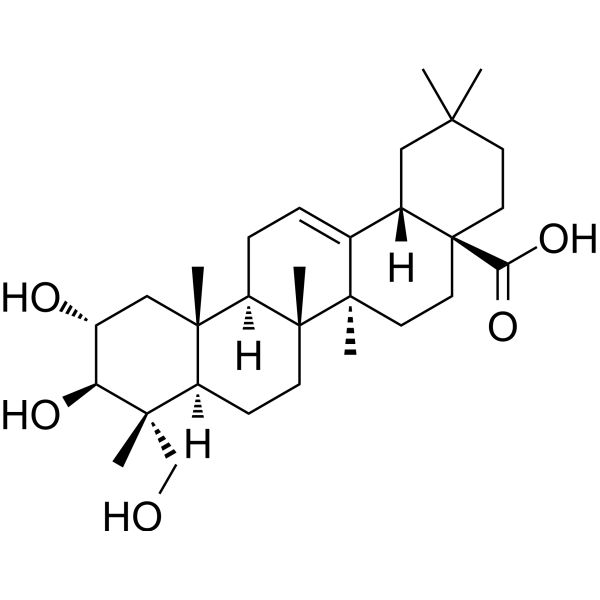
    Arjunolic acid is an orally active, multifunctional bioactive compound. Arjunolic acid exhibits free radical scavenging activity, as well as fungal and bacterial activities. Arjunolic acid induces apoptosis (Apoptosis) in various cancer cells. Arjunolic acid protects hepatocytes against induced oxidative stress and apoptosis by reducing reactive oxygen species and inhibiting NF-κB activation. Arjunolic acid regulates pancreatic dysfunction in type 2 diabetic rats by blocking the activation of the TLR-4/MyD88 and canonical Wnt pathways. Arjunolic acid inhibits neuroinflammation and ameliorates depressive behaviors via the SIRT1/AMPK/Notch1 signaling pathway in microglia. Arjunolic acid improves Crohn's disease-like colitis by restoring gut microbiota composition and inhibiting TLR4 signaling. Arjunolic acid suppresses osteosarcoma progression by inhibiting Wnt3a-mediated M2 polarization of macrophages. Arjunolic acid ameliorates diabetic retinopathy via the autophagy pathway regulated by AMPK/mTOR/HO-1. Arjunolic acid is applicable to research related to type 2 diabetes, organ toxicity, depression, Crohn's disease, osteosarcoma, diabetic retinopathy, and testicular dysfunction .
    Arjunolic acid
  • HY-N1510

    Glycosidase Notch Toll-like Receptor (TLR) NF-κB Mucin Reactive Oxygen Species (ROS) Bacterial TGF-beta/Smad Anaplastic lymphoma kinase (ALK) Infection Inflammation/Immunology Cancer
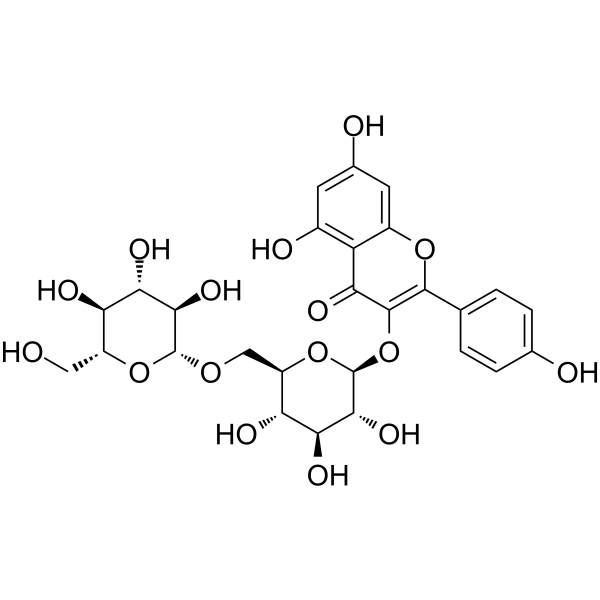
    Kaempferol 3-O-gentiobioside is an orally active flavonoid, with a Ka value of 57 µM against human NOTCH1 and an IC50 value of 50 μM against α-glucosidase. Kaempferol 3-O-gentiobioside inhibits the NOTCH signaling pathway. It downregulates the expression of TLR4 and NLRP3, and suppresses the activation and nuclear translocation of NF-κB. Kaempferol 3-O-gentiobioside inhibits the expression of MUC5AC, reduces nitrite and ROS levels, and attenuates excessive mucus secretion. It exhibits antibacterial activity, reducing the formation and growth of MRSA biofilms. Kaempferol 3-O-gentiobioside blocks the TGF-β/ALK5/Smad signaling pathway and inhibits epithelial-mesenchymal transition. It suppresses the proliferation, migration, invasion and metastatic growth of tumor cells. Kaempferol 3-O-gentiobioside alleviates airway inflammation and mucus hypersecretion in mice with allergic asthma . It reduces the volume of ovarian cancer xenografts in mice. Kaempferol 3-O-gentiobioside can be used in research related to allergic asthma, diabetes, MRSA infection, breast cancer, gastric cancer and ovarian cancer .
    Kaempferol 3-O-gentiobioside
  • HY-144899

    Notch Cancer
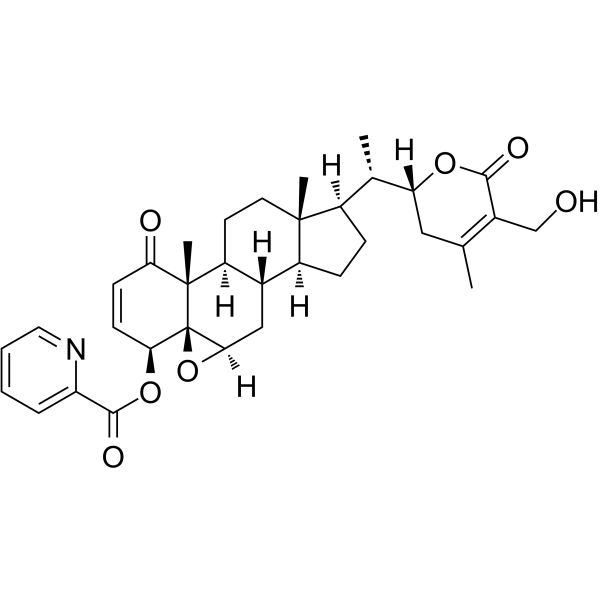
    ASR-490 reduces the viability of HCT116 and SW620 cells by downregulating Notch1 signaling. ASR-490 overcomes Notch1 overexpression and inhibits the growth of HCT/Notch1 transfectants. ASR-490 inhibits the tumor growth in control (pCMV/HCT116) and Notch1/HCT116 in xenotransplanted mice .
    ASR-490
  • HY-18614

    Notch γ-secretase Cancer
    LY900009 is a potent and orally active, First-in-class inhibitor of Notch signaling via selective inhibition of the γ-secretase protein (GSI). LY900009 inhibits Notch signalling in tumor cell lines and endothelial cells (IC50=0.005-20 nM). LY900009 can be used for advanced cancer research .
    LY900009
  • HY-P99320

    OMP 59R5; Anti-Human Notch2 Recombinant Antibody

    Notch Cancer
    Tarextumab (OMP-59R5) is a cross-reactive, fully human IgG2 antibody that selectively inhibits Notch2 and Notch3 signaling. Tarextumab demonstrates broad-spectrum antitumor efficacy in xenograft models of epithelial tumors. Tarextumab can be used for the study of pancreatic cancer .
    Tarextumab
  • HY-124284

    HMBA

    Apoptosis p38 MAPK Akt NF-κB Notch Bcl-2 Family MDM-2/p53 Epigenetic Reader Domain Neurological Disease Metabolic Disease Cancer
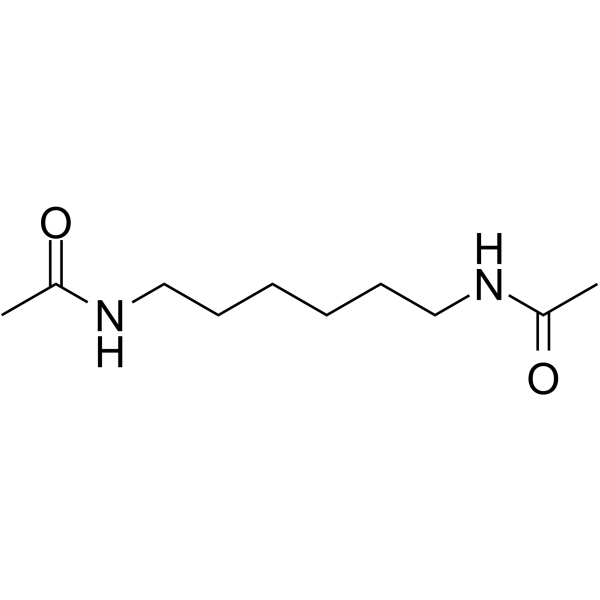
    Hexamethylene bisacetamide (HMBA) is a differentiation inducer and selective bromine domain inhibitor that can differentiate across the blood-brain barrier. Hexamethylene bisacetamide can induce tumor cell differentiation and inhibit cell proliferation, showing antitumor activity. Hexamethylene bisacetamide induces apoptosis by Notch1, Bcl-2 and p53 signaling pathways. In addition, Hexamethylene bisacetamide improves the obesity phenotype of mice .
    Hexamethylene bisacetamide
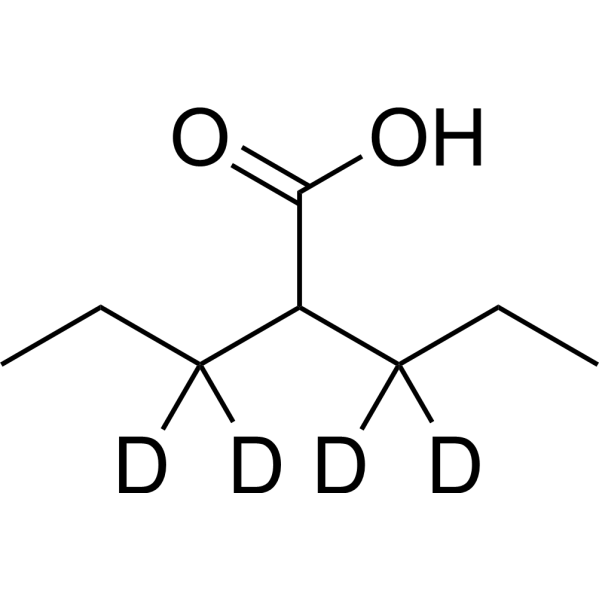
  • HY-10585S
    Valproic acid-d4
    1 Publications Verification

    VPA-d4; 2-Propylpentanoic acid-d4

    HDAC Autophagy Mitophagy HIV Notch Endogenous Metabolite Cancer
    Valproic acid-d4 is the deuterium labeled Valproic acid. Valproic acid (VPA; 2-Propylpentanoic Acid) is an HDAC inhibitor, with IC50 in the range of 0.5 and 2 mM, also inhibits HDAC1 (IC50, 400 μM), and induces proteasomal degradation of HDAC2. Valproic acid activates Notch1 signaling and inhibits proliferation in small cell lung cancer (SCLC) cells. Valproic acid sodium salt is used in the treatment of epilepsy, bipolar disorder and prevention of migraine headaches .
    Valproic acid-d4
  • HY-10585S1

    VPA-d6; 2-Propylpentanoic acid-d6

    HDAC Autophagy Mitophagy HIV Notch Endogenous Metabolite Cancer
    Valproic acid-d6 is the deuterium labeled Valproic acid. Valproic acid (VPA; 2-Propylpentanoic Acid) is an HDAC inhibitor, with IC50 in the range of 0.5 and 2 mM, also inhibits HDAC1 (IC50, 400 μM), and induces proteasomal degradation of HDAC2. Valproic acid activates Notch1 signaling and inhibits proliferation in small cell lung cancer (SCLC) cells. Valproic acid sodium salt is used in the treatment of epilepsy, bipolar disorder and prevention of migraine headaches .
    Valproic acid-d6
  • HY-10585R
    Valproic acid (Standard)
    45+ Cited Publications

    VPA (Standard); 2-Propylpentanoic acid (Standard); Dipropylacetic acid (Standard)

    Reference Standards Organoid HDAC Autophagy Mitophagy HIV Notch Apoptosis Endogenous Metabolite Infection Neurological Disease Metabolic Disease Cancer
    Valproic acid (Dipropylacetic Acid) (Standard) is an analytical standard for valproic acid. This product is intended for research and analytical applications. Valproic acid is an orally active HDAC inhibitor (IC50=0.5-2 mM), inhibits the activity of HDAC1 (IC50=400 μM), and induces the degradation of HDAC2. Valproic acid activates Notch1 signaling and inhibits the proliferation of small cell lung cancer (SCLC) cells. Valproic acid is used in the study of epilepsy, bipolar disorder, metabolic diseases, HIV infection, and migraine .
    Valproic acid (Standard)
  • HY-P99925

    REGN421

    Notch Metabolic Disease Cancer
    Enoticumab (REGN421, SAR153192) is an IgG1κ antibody targeting human Dll4. DLL4 is a ligand of the Notch signaling pathway and regulates fatty acid uptake through non-transcriptional regulation of macropinocytosis-dependent long-chain fatty acid uptake. Specific in vivo activity of Enoticumab in an ovarian xenograft model. EGN421 (2.5 mg/kg once weekly) resulted in 86% and 83% tumor growth inhibition in mouse subcutaneous TOV-112D or intraperitoneal A2780 human tumor xenograft models, respectively .
    Enoticumab
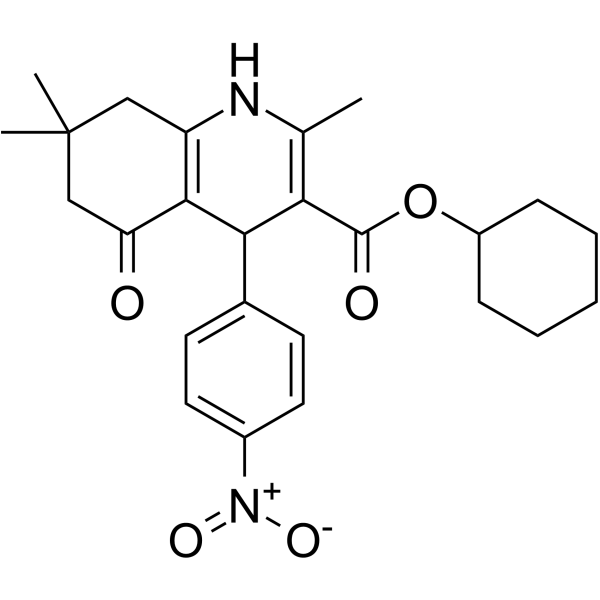
  • HY-164410

    Notch Cancer
    MO-I-1100 is an inhibitor of ASPH (Aspartyl-(Asparaginyl)-β-hydroxylase) enzymatic activity. MO-I-1100 suppresses HCC cell migration, invasion and anchorage independent growth. MO-I-1100 shows antitumor effects through inhibiting Notch signaling cascade in HCC .
    MO-I-1100
  • HY-10585S2

    VPA-d15; 2-Propylpentanoic acid-d15

    HDAC Autophagy Mitophagy HIV Notch Endogenous Metabolite Cancer
    Valproic acid-d15 is the deuterium labeled Valproic acid. Valproic acid (VPA; 2-Propylpentanoic Acid) is an HDAC inhibitor, with IC50 in the range of 0.5 and 2 mM, also inhibits HDAC1 (IC50, 400 μM), and induces proteasomal degradation of HDAC2. Valproic acid activates Notch1 signaling and inhibits proliferation in small cell lung cancer (SCLC) cells. Valproic acid sodium salt is used in the treatment of epilepsy, bipolar disorder and prevention of migraine headaches .
    Valproic acid-d15
  • HY-16632

    γ-secretase Amyloid-β Metabolic Disease
    ELND 006 (Compound 30) is a metabolically stable γ-secretase inhibitor designed to selectively inhibit amyloid beta (Aβ) generation while sparing Notch signaling. It was developed through a synthetic strategy emphasizing diversity and chirality. ELND 006, along with its analog ELND007 (Compound 34), progressed into human clinical trials. In preclinical studies, both compounds demonstrated effective reduction of Aβ levels in vitro and in vivo. Comparisons with other γ-secretase inhibitors like Semagacestat, Begacestat, and Avagacestat underscored their potency and specificity in lowering Aβ levels in cerebrospinal fluid (CSF) of healthy human volunteers, suggesting potential therapeutic efficacy in Alzheimer's disease .
    ELND 006
  • HY-104031

    Notch Neurological Disease
    tCFA15 is a trimethyl cyclohexenonic long chain fatty alcohol containing 15 carbon atoms on the side chain, promotes the differentiation of neurons, and may regulates Notch signaling.
    tCFA15
  • HY-158012

    γ-secretase Others
    LY3056480 is a gamma-secretase inhibitor (GSI) that inhibits Notch signaling. LY3056480 improves mild to moderate sensorineural hearing loss and is safe and tolerable. Intratympanic administration of LY3056480 induces hair cell regeneration and partial hearing recovery in mammals .
    LY3056480
  • HY-10585S4

    VPA-d4-1; 2-Propylpentanoic acid-d4-1

    Isotope-Labeled Compounds HDAC Autophagy Mitophagy HIV Notch Endogenous Metabolite Cancer
    Valproic acid-d4-1 is the deuterium labeled Valproic acid. Valproic acid (VPA; 2-Propylpentanoic Acid) is an HDAC inhibitor, with IC50 in the range of 0.5 and 2 mM, also inhibits HDAC1 (IC50, 400 μM), and induces proteasomal degradation of HDAC2. Valproic acid activates Notch1 signaling and inhibits proliferation in small cell lung cancer (SCLC) cells. Valproic acid sodium salt is used in the treatment of epilepsy, bipolar disorder and prevention of migraine headaches .
    Valproic acid-d4-1
  • HY-10585B

    Sodium Valproate (2:1); VPA sodium (2:1); 2-Propylpentanoic acid sodium (2:1)

    HDAC Autophagy Mitophagy HIV Notch Apoptosis Endogenous Metabolite Infection Neurological Disease Metabolic Disease Cancer
    Valproic acid (VPA) sodium (2:1) is an orally active HDAC inhibitor, with IC50 in the range of 0.5 and 2 mM, also inhibits HDAC1 (IC50, 400 μM), and induces proteasomal degradation of HDAC2. Valproic acid sodium (2:1) activates Notch1 signaling and inhibits proliferation in small cell lung cancer (SCLC) cells. Valproic acid sodium (2:1) is used in the treatment of epilepsy, bipolar disorder, metabolic disease, HIV infection and prevention of migraine headaches .
    Valproic acid sodium (2:1)
  • HY-10585AR

    Sodium Valproate (Standard); VPA sodium (Standard); 2-Propylpentanoic acid sodium (Standard)

    Organoid Reference Standards HDAC Autophagy Mitophagy HIV Notch Apoptosis Endogenous Metabolite Infection Neurological Disease Metabolic Disease Cancer
    Valproic acid (sodium) (Standard) is the analytical standard of Valproic acid (sodium). This product is intended for research and analytical applications. Valproic acid (Sodium Valproate) sodium is an orally active HDAC inhibitor, with IC50 in the range of 0.5 and 2 mM, also inhibits HDAC1 (IC50, 400 μM), and induces proteasomal degradation of HDAC2. Valproic acid sodium activates Notch1 signaling and inhibits proliferation in small cell lung cancer (SCLC) cells. Valproic acid sodium is used in the treatment of epilepsy, bipolar disorder, metabolic disease, HIV infection and prevention of migraine headaches .
    Valproic acid sodium (Standard)
  • HY-164451

    γ-secretase Notch Cancer
    GSI-18 is a γ-secretase inhibitor with anticancer activity. GSI-18 inhibits the attachment-free growth of pancreatic cancer cells by inhibiting Notch signaling .
    GSI-18
  • HY-E70292

    GALNT11

    Notch Endogenous Metabolite Cardiovascular Disease
    N-Acetylgalactosaminyltransferase 11 (GALNT11) is a glycosylation transferase capable of activating the Notch signal .
    N-Acetylgalactosaminyltransferase 11
  • HY-15185R

    PF-3084014 (Standard)

    γ-secretase Apoptosis Reference Standards Cancer
    Nirogacestat (Standard) is the analytical standard of Nirogacestat. This product is intended for research and analytical applications. Nirogacestat (PF-3084014) is a reversible, orally bioavailable, noncompetitive, and selective γ-secretase inhibitor with an IC50 of 6.2 nM. Inhibition of Notch signaling by Nirogacestat while minimizing gastrointestinal toxicity presents a promising approach for research of Notch receptor-dependent cancers .
    Nirogacestat (Standard)
  • HY-N13247

    Notch Wnt Metabolic Disease
    Ajuga Turkestanica Extract is a muscle grass extract. Ajuga Turkestanica Extract can increase Notch and Wnt signaling in triceps brachii, and has potential skeletal muscle protection. .
    Ajuga Turkestanica Extract
  • HY-10585AS1

    Sodium Valproate-d14; VPA-d14 sodium; 2-Propylpentanoic acid-d14 sodium

    Isotope-Labeled Compounds HDAC Autophagy Mitophagy HIV Notch Endogenous Metabolite Cancer
    Valproic acid-d14 (sodium) is deuterium labeled Valproic acid (sodium). Valproic acid sodium salt (Sodium Valproate) is an HDAC inhibitor, with IC50 in the range of 0.5 and 2 mM, also inhibits HDAC1 (IC50, 400 μM), and induces proteasomal degradation of HDAC2. Valproic acid sodium salt activates Notch1 signaling and inhibits proliferation in small cell lung cancer (SCLC) cells. Valproic acid sodium salt is used in the treatment of epilepsy, bipolar disorder and prevention of migraine headaches.
    Valproic acid-d14 sodium
  • HY-10585AS

    Sodium Valproate-d7; VPA-d7 sodium; 2-Propylpentanoic acid-d7 sodium

    Isotope-Labeled Compounds HDAC Autophagy Mitophagy HIV Notch Endogenous Metabolite Cancer
    Valproic acid-d7 (sodium) is the deuterium labeled Valproic acid (sodium salt). Valproic acid sodium salt (Sodium Valproate) is an HDAC inhibitor, with IC50 in the range of 0.5 and 2 mM, also inhibits HDAC1 (IC50, 400 μM), and induces proteasomal degradation of HDAC2. Valproic acid sodium salt activates Notch1 signaling and inhibits proliferation in small cell lung cancer (SCLC) cells. Valproic acid sodium salt is used in the treatment of epilepsy, bipolar disorder and prevention of migraine headaches .
    Valproic acid-d7 sodium
  • HY-116603

    5-HT Receptor Others
    SB-236057 is an inverse agonist of the 5-HT1B receptor that exhibits strong skeletal teratogenicity in rodents and rabbits. SB-236057 affects gene expression during embryonic development through interference with the Notch signaling pathway and interaction with r-esp1. SB-236057 induces somatic patterning and tail extension defects in rat embryos during early organogenesis .
    SB-236057
  • HY-10585S3

    Sodium Valproate-d4; VPA-d4 sodium; 2-Propylpentanoic acid-d4 sodium

    Isotope-Labeled Compounds HDAC Autophagy Mitophagy HIV Notch Endogenous Metabolite Cancer
    Valproic acid-d4 (sodium) is the deuterium labeled Valproic acid. Valproic acid (VPA; 2-Propylpentanoic Acid) is an HDAC inhibitor, with IC50 in the range of 0.5 and 2 mM, also inhibits HDAC1 (IC50, 400 μM), and induces proteasomal degradation of HDAC2. Valproic acid activates Notch1 signaling and inhibits proliferation in small cell lung cancer (SCLC) cells. Valproic acid sodium salt is used in the treatment of epilepsy, bipolar disorder and prevention of migraine headaches.
    Valproic acid-d4 sodium
  • HY-10585AG

    Sodium Valproate; VPA sodium; 2-Propylpentanoic acid sodium

    Organoid HDAC Autophagy Mitophagy HIV Notch Apoptosis Endogenous Metabolite Infection Neurological Disease Metabolic Disease Cancer
    Valproic acid (Sodium Valproate) sodium is an orally active HDAC inhibitor, with IC50 in the range of 0.5 and 2 mM, also inhibits HDAC1 (IC50, 400 μM), and induces proteasomal degradation of HDAC2. Valproic acid sodium activates Notch1 signaling and inhibits proliferation in small cell lung cancer (SCLC) cells. Valproic acid sodium is used in the treatment of epilepsy, bipolar disorder, metabolic disease, HIV infection and prevention of migraine headaches .
    Valproic acid sodium
  • HY-W794759

    Magnesium valproate; VPA magnesium; 2-Propylpentanoic acid magnesium

    Organoid HDAC Autophagy Mitophagy HIV Notch Apoptosis Endogenous Metabolite Infection Neurological Disease Cancer
    Valproic acid magnesium (Magnesium valproate) is an orally active HDAC inhibitor, with IC50 in the range of 0.5 and 2 mM. Valproic acid magnesium inhibits HDAC1 (IC50, 400 μM), and induces proteasomal degradation of HDAC2. Valproic acid magnesium activates Notch1 signaling and inhibits proliferation in small cell lung cancer (SCLC) cells. Valproic acid magnesium is used in the epilepsy, bipolar disorder, metabolic disease, HIV infection and prevention of migraine headaches .
    Valproic acid magnesium
  • HY-E70178

    EC:2.4.2.63; POGLUT1

    Glucosylceramide Synthase (GCS) Others
    Protein O-Glucosyltransferase 1 is a glucosyltransferase. Protein O-Glucosyltransferase 1 modifies Notch signaling by adding glucose to serine residues in Notch .
    Protein O-Glucosyltransferase 1
  • HY-N0976

    11b-Hydroxy-11b,1-dihydromedicarpin

    Interleukin Related Wnt Inflammation/Immunology
    1,11b-Dihydro-11b-hydroxymedicarpin (11b-Hydroxy-11b,1-dihydromedicarpin) is a pterocarpan from Ononis viscosa subsp. breviflora is a Medicarpin derivative . Medicarpin, a natural pterocarpan, heals cortical bone defect by activation of Notch and Wnt canonical signaling pathways . Medicarpin prevents arthritis in post-menopausal conditions by arresting the expansion of TH17 cells and pro-inflammatory cytokines. Medicarpin down-regulates pro-inflammatory cytokines like TNF-α, IL-6 and IL-17A, while up-regulates anti-inflammatory cytokine IL-10 in arthritis (CIA) model of mice .
    1,11b-Dihydro-11b-hydroxymedicarpin
  • HY-E70172

    EC:2.8.2.23; HS3ST4; 3-OST-4

    Notch Neurological Disease
    Heparan Sulfate 3-O-Sulfotransferase 4 is a sulfotransferase. Heparan Sulfate 3-O-Sulfotransferase 4 regulates Notch signaling .
    Heparan Sulfate 3-O-Sulfotransferase 4
  • HY-104044A

    BGB-290 maleate

    Apoptosis Neurological Disease
    Pamiparib maleate (BGB-290 maleate) is a highly potent and selective PARP inhibitor with neurotoxicity-inducing activity. Pamiparib maleate can effectively penetrate the blood-brain barrier and cause cerebral hemorrhage, brain atrophy, and movement disorders in zebrafish embryos exposed. Pamiparib maleate exposure downregulates the activities of acetylcholinesterase (AChE) and adenosine triphosphatase (ATPase) and leads to upregulation of oxidative stress, which triggers apoptosis and interferes with the expression of neurodevelopment-related genes. The use of pamiparib maleate is also accompanied by downregulation of the Notch signaling pathway, while activation of the Notch signaling pathway can partially rescue neurodevelopmental toxicity. Therefore, pamiparib maleate provides a reference for evaluating its potential neurotoxicity during embryonic development .
    Pamiparib maleate
  • HY-104031R

    Reference Standards Notch Neurological Disease
    tCFA15 (Standard) is the analytical standard of tCFA15. This product is intended for research and analytical applications. tCFA15 is a trimethyl cyclohexenonic long chain fatty alcohol containing 15 carbon atoms on the side chain, promotes the differentiation of neurons, and may regulates Notch signaling.
    tCFA15 (Standard)
  • HY-P990206

    Notch Interleukin Related Inflammation/Immunology
    Anti-Mouse Jagged 2 Antibody (HMJ2-1) is an anti-mouse Jagged 2 IgG monoclonal antibody. Anti-Mouse Jagged 2 Antibody (HMJ2-1) regulates Treg/Th17 balance through IL-9. Anti-Mouse Jagged 2 Antibody (HMJ2-1) increases Jagged2-Notch signaling through activation of RBP-Jk. Anti-Mouse Jagged 2 Antibody (HMJ2-1) can be used for researches on inflammation conditions and xenotransplantation such as experimental autoimmune encephalomyelitis (EAE) .
    Anti-Mouse Jagged 2 Antibody (HMJ2-1)
  • HY-N0232R

    Reference Standards COX Lipoxygenase Notch Reactive Oxygen Species (ROS) Bacterial Cancer
    Psoralidin (Standard) is the analytical standard of Psoralidin. This product is intended for research and analytical applications. Psoralidin is a dual inhibitor of COX-2 and 5-LOX, regulates ionizing radiation (IR)-induced pulmonary inflammation.Anti-cancer, anti-bacterial, and anti-inflammatory properties . Psoralidin significantly downregulates NOTCH1 signaling. Psoralidin also greatly induces ROS generation .
    Psoralidin (Standard)
  • HY-10009R

    LY450139 (Standard)

    Reference Standards γ-secretase Amyloid-β Notch Neurological Disease
    Semagacestat (Standard) is the analytical standard of Semagacestat. This product is intended for research and analytical applications. Semagacestat is a γ-secretase inhibitor, inhibits β-amyloid (Aβ42), Aβ38 and Aβ40 with IC50s of 10.9, 12 and 12.1 nM, respectively; also inhibits Notch signaling with IC50 of 14.1 nM. Semagacestat can be used for the research of alzheimer's?disease .
    Semagacestat (Standard)
  • HY-124284R

    HMBA (Standard)

    Apoptosis p38 MAPK Akt NF-κB Notch Bcl-2 Family MDM-2/p53 Epigenetic Reader Domain Reference Standards Neurological Disease Metabolic Disease Cancer
    Hexamethylene bisacetamide (Standard) is the analytical standard of Hexamethylene bisacetamide. This product is intended for research and analytical applications. Hexamethylene bisacetamide (HMBA) is a differentiation inducer and selective bromine domain inhibitor that can differentiate across the blood-brain barrier. Hexamethylene bisacetamide can induce tumor cell differentiation and inhibit cell proliferation, showing antitumor activity. Hexamethylene bisacetamide induces apoptosis by Notch1, Bcl-2 and p53 signaling pathways. In addition, Hexamethylene bisacetamide improves the obesity phenotype of mice .
    Hexamethylene bisacetamide (Standard)

Inquiry Online

Your information is safe with us. * Required Fields.

Salutation


Country or Region *

Applicant Name *


Organization Name *

Department *


Email Address *


Product Name *

Cat. No.


Requested quantity *

Phone Number *


Remarks

Inquiry Online

Inquiry Information

Product Name:
Cat. No.:
Quantity:
MCE Japan Authorized Agent:

