
Search Result
Results for "
Ovalbumins
" in MedChemExpress (MCE) Product Catalog:
48
Biochemical Assay Reagents
| Cat. No. |
Product Name |
Target |
Research Areas |
Chemical Structure |
-
- HY-W250978
-
|
|
Endogenous Metabolite
|
Cardiovascular Disease
Infection
Inflammation/Immunology
Cancer
|
Ovalbumins (OVA), the main protein found in egg whites, have various biological activities such as anticancer, antihypertensive, antibacterial, antioxidant and immunomodulatory activities. Ovalbumins are the most abundant proteins synthesized in progesterone- or estrogen-treated fallopian tubes and are commonly used as markers to study hormone regulation of gene expression in tissues .
We recommend using Ovalbumin, low endotoxin (HY-W250978A) to establish an asthma model.
|
-
-
- HY-P1489
-
|
|
MHC
|
Inflammation/Immunology
|
|
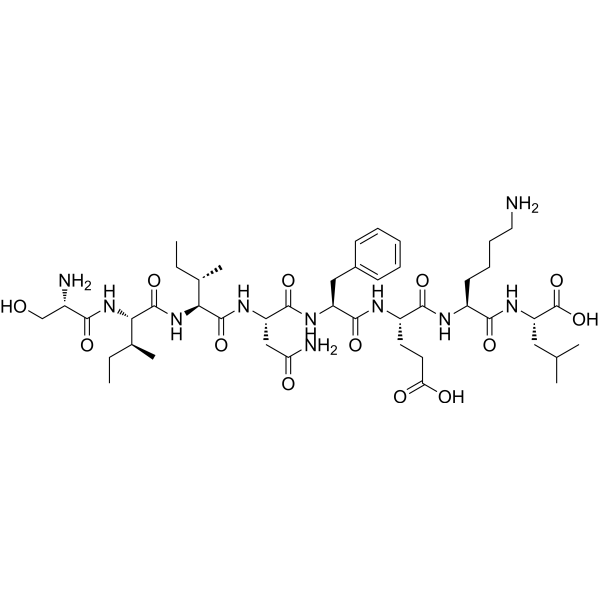
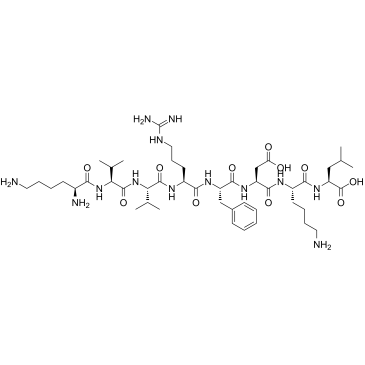
OVA Peptide(257-264) is a class I (Kb)-restricted peptide epitope of OVA, an octameric peptide can be from ovalbumin presented by the class I MHC molecule, H-2Kb.
|
-
-
- HY-P1489A
-
|
|
MHC
|
Inflammation/Immunology
|
|
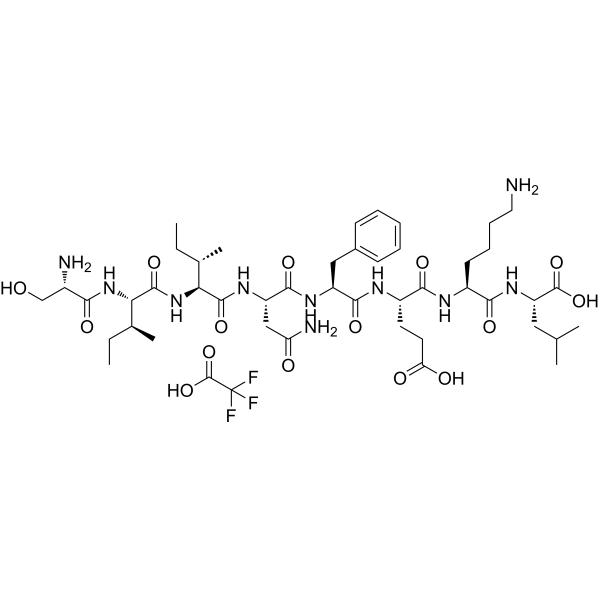
OVA Peptide(257-264) TFA is a class I (Kb)-restricted peptide epitope of OVA, an octameric peptide can be from ovalbumin presented by the class I MHC molecule, H-2Kb.
|
-
-
- HY-123942
-
|
|
Toll-like Receptor (TLR)
TNF Receptor
p38 MAPK
NF-κB
|
Inflammation/Immunology
Cancer
|
|
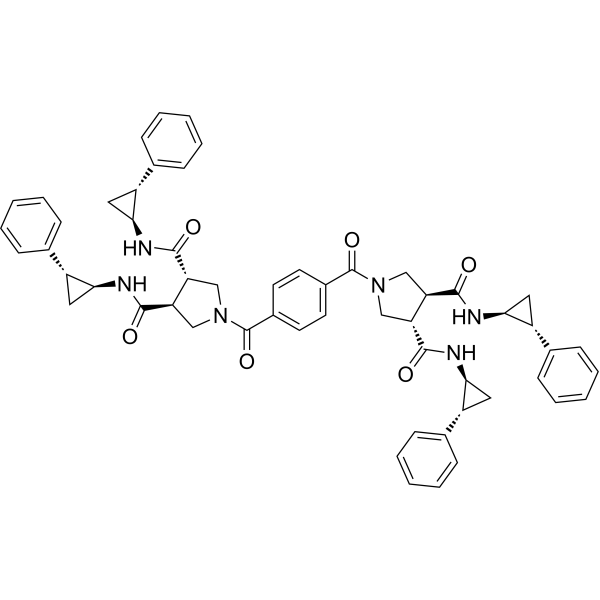
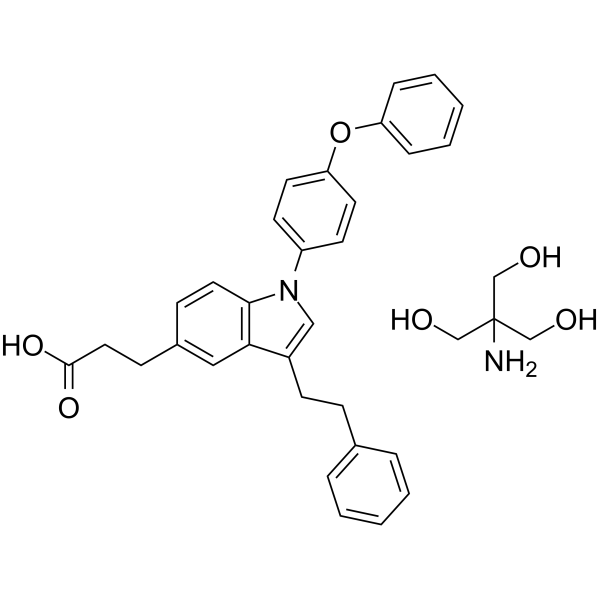
Diprovocim is a potent TLR1/TLR2 agonist. Diprovocim elicits full agonist activity in human THP-1 cells (EC50=110 pM). Diprovocim stimulates the release of TNF-α from mouse macrophages (EC50=1.3 nM). Diprovocim activates downstream MAPK and NF-κB signaling pathway. Diprovocim displays strong adjuvant activity in mice, particularly abetting cellular immune responses .
|
-
-
- HY-NP138
-
|
|
Biochemical Assay Reagents
|
Inflammation/Immunology
Cancer
|
|
NP-OVAL (Ovalbumin) is a complex formed by 4-Hydroxy-3-nitrophenylacetyl (NP, a hapten) with Ovalbumin (OVAL, a carrier protein). NP-OVAL (Ovalbumin) can induce specific immune responses and NP-specific antibodies production. NP-OVAL (Ovalbumin) can accelerate the construction of multiple myeloma models .
|
-
-
- HY-W250978A
-
|
|
Biochemical Assay Reagents
|
Inflammation/Immunology
|
|
Ovalbumin, low endotoxin (OVA, low endotoxin), the main protein found in egg whites, have various biological activities such as anticancer, antihypertensive, antibacterial, antioxidant and immunomodulatory activities. Ovalbumins are the most abundant proteins synthesized in progesterone- or estrogen-treated fallopian tubes and are commonly used as markers to study hormone regulation of gene expression in tissues . Ovalbumin, a low endotoxin, can be used to establish an asthma model .
|
-
-
- HY-N1441
-
Afzelin
Maximum Cited Publications
8 Publications Verification
Kaempferol-3-O-rhamnoside
|
Mitochondrial Metabolism
PTEN
Autophagy
Bacterial
|
Infection
Cardiovascular Disease
Neurological Disease
Inflammation/Immunology
|
|
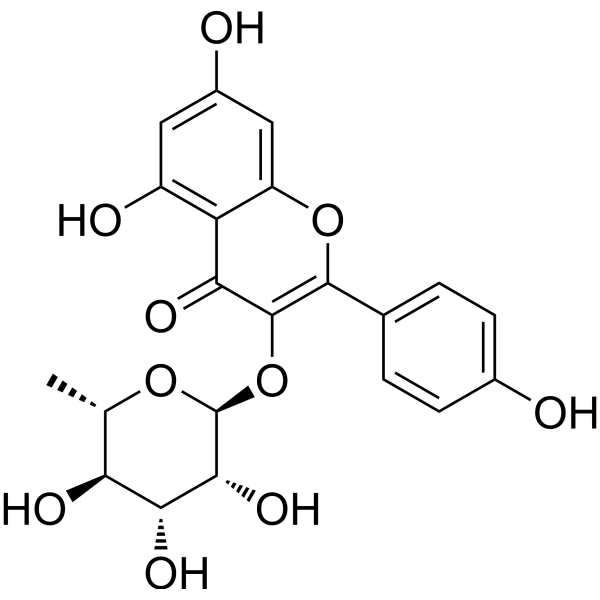
Afzelin (Kaempferol-3-O-rhamnoside)It is a flavonol glycoside that has anti-inflammatory, anti-oxidative stress response, anti-apoptotic, and anti-cardiac cytotoxic effects. AfzelinIt can reduce mitochondrial damage, enhance mitochondrial biosynthesis, and reduce mitochondria-related proteins. Parkinand PTENinduced putative kinase 1 (putative kinase 1)s level. AfzelinCan be improved D-galactosamine(GalN)/LPSSurvival rate of mice treated with doxorubicin prophylaxis (HY-15142A)Induced cardiotoxicity and scopolamine (HY-N0296)-induced neurological injury. AfzelinAlso inhibits asthma and allergies caused by ovalbumin .
|
-
-
- HY-NP052
-
|
OVA-Biotin
|
Biochemical Assay Reagents
|
Others
|
|
Ovalbumin-Biotin is a biotinylated biochemical reagent. Ovalbumin-Biotin is used to label or detect specific antigens, molecules or cellular structures .
|
-
-
- HY-117037
-
|
|
Apoptosis
ERK
|
Cardiovascular Disease
Cancer
|
|
FR900359 is a depsipeptide selective inhibitor of Gαq/11/14 in mammalia, can inhibits ERK pathway. FR900359 suppresses the proliferation of melanoma cells and decreases of blood pressure. FR900359 also protected against airway hyperreactivity in murine models of allergen sensitization in Ovalbumin, low endotoxin (HY-W250978A)-induced sensitization model of asthma. FR900359 can be used for cancer and cardiovascular disease research .
|
-
-
- HY-N1109
-
Uvaol
1 Publications Verification
|
Apoptosis
|
Inflammation/Immunology
Cancer
|
|
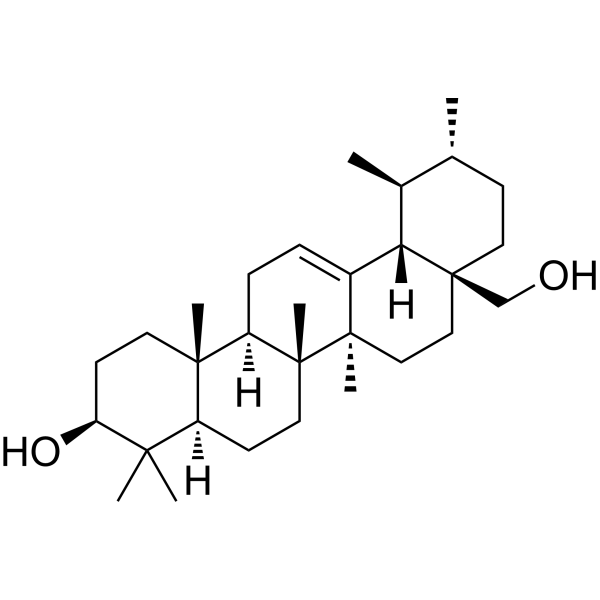
Uvaol, a triterpene present in olives and virgin olive oil, possesses anti-inflammatory properties and antioxidant effects. Uvaol is an orally active inducer of apoptosis in astroglioma cells. Uvaol also has anti-cancer activities. Uvaol attenuates pleuritis and eosinophilic inflammation in ovalbumin-induced allergy in mice .
|
-
-
- HY-P3715
-
|
|
MHC
|
Inflammation/Immunology
|
|
OVA peptide mainly exists in egg white, it is a class I (Kb)-restricted peptide epitope of ovalbumin presented by the class I MHC (major histocompatibility complex) molecule, H-2Kb (class I genes of the mouse MHC). OVA peptide has been widely studied in allergy research .
|
-
-
- HY-P4279
-
|
|
Angiotensin-converting Enzyme (ACE)
Cholinesterase (ChE)
|
Cardiovascular Disease
|
|
Ovalbumin (154-159) is a protein fragment consisting of residues 154-159 of chicken ovalbumin. Ovalbumin (154-159) is also a poorly conserved sequence (Thr-Asn-Gly-Ile-Ile-Arg) in the α-subunit of the Torpedo acetylcholine receptor, located within the α150-164 epitope region, and exhibits significant angiotensin-converting enzyme (ACE) inhibitory activity .
|
-
-
- HY-NP035
-
-
-
- HY-NP030
-
-
-
- HY-P11058
-
|
OVAp
|
MHC
|
Cancer
|
|
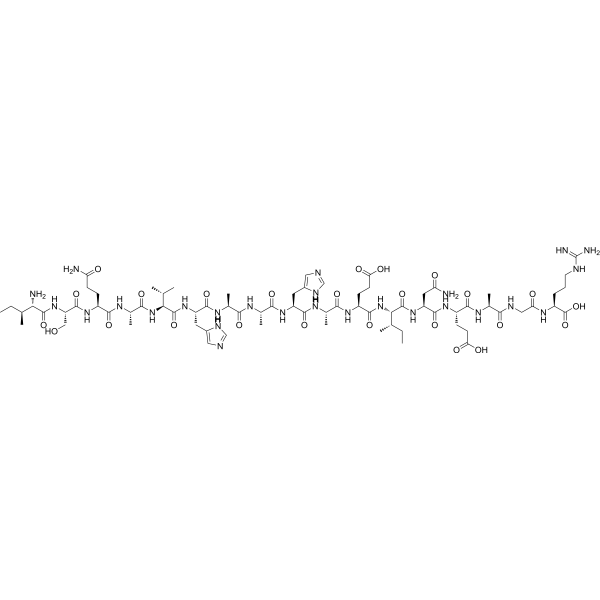
OVA(250-264) (OVAvac) (OVAp) is an antigen peptide that can be from ovalbumin (OVA) presented by the class I MHC molecule, H-2Kb. OVA(250-264) combined withαMSLN (anti-MSLN antibody) significantly induces antigen-specific CD8 + T cell generation and infiltration for enhancing antitumor efficacy in orthotopic pancreatic cancer mice model. OVA(250-264) can be used for neoantigen vaccine development in pancreatic cancer immunotherapy research .
|
-
-
- HY-119019
-
-
-
- HY-N3522
-
|
|
Others
|
Inflammation/Immunology
|
|
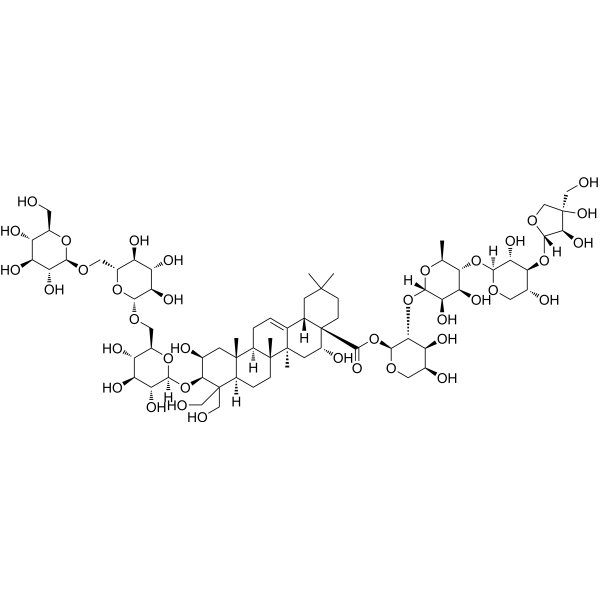
Platycoside E is a platycodigenin-type saponin isolated from the root of Platycodon grandiflorum with haemolytic activity and adjuvant potential. Platycoside E promotes the production of the sera OVA-specific IgG2a and IgG2b antibody in the ovalbumin (OVA)-immunized mice .
|
-
-
- HY-NP059
-
|
OVA-AF647
|
Biochemical Assay Reagents
|
Others
|
|
Ovalbumin-AF647 is an ovalbumin conjugated with the far-red fluorescent dye AF647 (Ex=650 nm; Em=665 nm). Ovalbumin-AF647 can be used as a fluorescent label to label or detect specific antigens, molecules or cellular structures .
|
-
-
- HY-NP053
-
|
OVA-APC
|
Biochemical Assay Reagents
|
Others
|
|
Ovalbumin-APC (OVA-APC) is a kind of biological materials or organic compounds that are widely used in life science research .
|
-
-
- HY-11067
-
WHI-P97
1 Publications Verification
|
JAK
|
Inflammation/Immunology
|
|
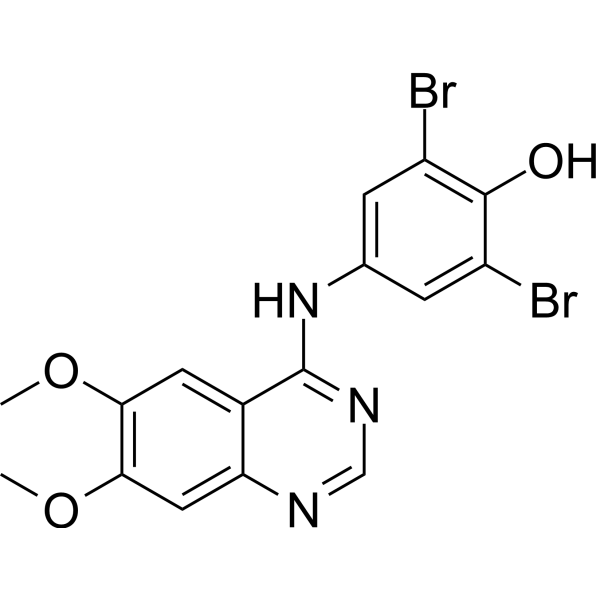
WHI-P97 is a potent and selective JAK-3 inhibitor. WHI-P97 is effective in preventing the development allergic asthma in vivo .
|
-
-
- HY-W011134
-
|
|
Biochemical Assay Reagents
|
Others
|
|
Palmitic acid N-hydroxysuccinimide is used to conjugate proteins to prepare targeted delivery vectors. Palmitic acid N-hydroxysuccinimide can be used as lipophilic electrophile. Palmitic acid N-hydroxysuccinimide can be used for the covalent connection between palmitic acid and ovalbumin. Palmitic acid N-hydroxysuccinimide can be used to synthesize cetacyl derivatives of amino acids, aminoacyl-trNA, coenzyme A, mercaptoacetic acid and other amino and thiogenic compounds .
|
-
-
- HY-P1771A
-
|
|
Biochemical Assay Reagents
|
Inflammation/Immunology
|
|
OVA G4 peptide TFA is a variant of the agonist ovalbumin (OVA) peptide SIINFEKL (257-264). SIINFEKL is routinely used to stimulate ovalbumin-specific T cells and to test new vaccine adjuvants can form a stable hydrogel .
|
-
-
- HY-P5410
-
|
|
MHC
|
Others
|
|
OVA-Q4 Peptide is a biological active peptide. (Q4 Peptide (SIIQFEKL) is a variant of the agonist ovalbumin (OVA) peptide (257-264), SIINFEKL. OVA Peptide is a class I (Kb)-restricted peptide epitope of ovalbumin presented by the class I MHC (major histocompatibility complex) molecule, H-2Kb (class I genes of the mouse MHC).)
|
-
-
- HY-P990216
-
|
|
Interleukin Related
|
Inflammation/Immunology
|
|
Anti-Mouse IL-25 Antibody (2C3) is a mouse-derived IgG1 κ type antibody inhibitor, targeting to mouse IL-25. Anti-Mouse IL-25 Antibody (2C3) can neutralize IL-25. Anti-Mouse IL-25 Antibody (2C3) can be used for inflammation researches, such as colitis and asthma .
|
-
-
- HY-121852
-
|
SCH-225336
|
Cannabinoid Receptor
|
Inflammation/Immunology
|
|
SCH 336 is a potent, selective, inverse and orally active CB2 agonist. SCH 336 inhibits BaF3/CB2 migration. SCH 336 significantly inhibits the migration of leukocytes in vivo. SCH 336 blocks ovalbumin-induced lung eosinophilia in mice .
|
-
-
- HY-P990260
-
|
|
Transmembrane Glycoprotein
|
Inflammation/Immunology
|
|
Anti-Mouse CD86/B7-2 Antibody (GL-1) is a rat-derived IgG2a κ type antibody inhibitor, targeting to mouse CD86/B7-2. Anti-Mouse CD86/B7-2 Antibody (GL-1) can be used for the researches of inflammation and immunology, such as allergic pulmonary inflammation .
|
-
-
- HY-100967
-
|
Homodimaprit dihydrochloride
|
Histone Methyltransferase
|
Infection
Cardiovascular Disease
Inflammation/Immunology
|
|
SKF 91488 (Homodimaprit) dihydrochloride is a potent and noncompetitive histamine N-methyltransferase inhibitor with a Ki value of 0.9 μM. SKF 91488 dihydrochloride can block histamine metabolism and increase histamine concentrations. SKF 91488 dihydrochloride can increase blood pressure and enhance bronchoconstriction. SKF 91488 can be used for the researches of infection, inflammation and cardiovascular disease, such as Mycoplasma pneumonia and hemorrhagic hypotension .
|
-
-
- HY-N15663
-
|
EGCG4′′Me
|
Drug Derivative
|
Inflammation/Immunology
|
|
(-)-Epigallocatechin-3-O-(4-O-methyl)gallate is an orally active catechin derivative found in Taiwanese oolong tea. (-)-Epigallocatechin-3-O-(4-O-methyl)gallate can inhibit histamine release and exhibits anti-inflammation and anti-allergic effect. (-)-Epigallocatechin-3-O-(4-O-methyl)gallate can be used for the researches of immunology and inflammation, such as type I allergic .
|
-
-
- HY-W014665
-
|
Phthaloyl glycine
|
Bacterial
Fungal
|
Infection
|
|
N-Phthaloylglycine (Phthaloyl glycine) is a Type II fragmentary hapten (FX-type) with antimicrobial activity. N-Phthaloylglycine acts against Candida albicans, Escherichia coli, and Staphylococcus epidermidis. N-Phthaloylglycine can be used for the research of fungal and bacterial infection .
|
-
-
- HY-NP055
-
-
-
- HY-P2495A
-
-
-
- HY-N1441R
-
|
Kaempferol-3-O-rhamnoside (Standard)
|
Mitochondrial Metabolism
PTEN
Autophagy
Bacterial
Reference Standards
|
Infection
Cardiovascular Disease
Neurological Disease
Inflammation/Immunology
|
|
Afzelin (Standard) is the analytical standard of Afzelin. This product is intended for research and analytical applications. Afzelin (Kaempferol-3-O-rhamnoside)It is a flavonol glycoside that has anti-inflammatory, anti-oxidative stress response, anti-apoptotic, and anti-cardiac cytotoxic effects. AfzelinIt can reduce mitochondrial damage, enhance mitochondrial biosynthesis, and reduce mitochondria-related proteins. Parkinand PTENinduced putative kinase 1 (putative kinase 1)s level. AfzelinCan be improved D-galactosamine(GalN)/LPSSurvival rate of mice treated with doxorubicin prophylaxis (HY-15142A)Induced cardiotoxicity and scopolamine (HY-N0296)-induced neurological injury. AfzelinAlso inhibits asthma and allergies caused by ovalbumin .
|
-
-
- HY-NP0218
-
-
-
- HY-174485
-
|
|
mRNA
|
Others
|
|
OVA mRNA encodes the ovalbumin (OVA) protein, a member of the serpin superfamily and the predominant glycoprotein found in egg whites. It is a commonly used antigen for immunization and biochemical studies and is an established model allergen for airway hyper-responsiveness.
|
-
-
- HY-161564
-
-
-
- HY-P1771
-
|
|
Biochemical Assay Reagents
|
Inflammation/Immunology
|
|
OVA G4 peptide is a variant of the agonist ovalbumin (OVA) peptide SIINFEKL (257-264). SIINFEKL is routinely used to stimulate ovalbumin-specific T cells and to test new vaccine adjuvants can form a stable hydrogel .
|
-
-
- HY-P2495
-
-
-
- HY-174484
-
|
|
mRNA
|
Others
|
|
OVA mRNA (5moU) encodes the ovalbumin (OVA) protein, a member of the serpin superfamily and the predominant glycoprotein found in egg whites. It is a commonly used antigen for immunization and biochemical studies and is an established model allergen for airway hyper-responsiveness.
|
-
-
- HY-P1489B
-
|
|
MHC
|
Inflammation/Immunology
|
|
OVA Peptide(257-264) acetate salt is a class I (Kb)-restricted peptide epitope of OVA, an octameric peptide can be from ovalbumin presented by the class I MHC molecule, H-2Kb .
|
-
-
- HY-15131
-
|
|
Interleukin Related
|
Inflammation/Immunology
|
|
PNRI-299 is a selective AP-1 transcription inhibitor with an IC50 of 20 uM. PNRI-299 is a selective APE/Ref-1 inhibitor. PNRI-299 has no effect on NF-κB transcription or thioredoxin (up to 200 uM). PNRI-299 significantly reduces airway eosinophil infiltration, mucus hypersecretion, edema, and IL-4 levels in a mouse asthma model .
|
-
-
- HY-158279
-
|
|
Antibiotic
Bacterial
|
Inflammation/Immunology
|
|
Gentamicin/OVA is an antigen-adjuvant conjugate conjugate of Gentamicin (HY-A0276A) and ovalbumin (OVA). By conjugating the antigen with a protein adjuvant, the production of antigen-specific antibodies in vaccine models can be enhanced. The conjugate does not affect protein folding or disrupt major epitopes, and can enhance cross-presentation and the production of antigen-specific T cells.
|
-
-
- HY-106979
-
|
SAR-943
|
Drug Derivative
Interleukin Related
|
Inflammation/Immunology
|
|
Olcorolimus (SAR-943) is a Rapamycin (HY-10219) derivative. Olcorolimus can reduce IL-4, IL-5, eosinophil, neutrophil, lymphocyte, cellular fibronectin; lung epithelial cell proliferation and mucus hypersecretory phenotype in Ovalbumin (HY-W250978)-sensitized BALB/c mice. Olcorolimus can be used for the researches of inflammation and immunology, such as asthma .
|
-
-
- HY-165528
-
|
XC8
|
CCR
|
Inflammation/Immunology
|
|
Histamine glutarimide (XC8) is an orally active anti-asthma agent. Histamine glutarimide blocks the maturation of chemokines (CCL2, CCL7, CCL8, CCL13) and inhibits the migration of eosinophils and the degranulation of mast cells. In asthma models induced by carrageenan and rat ovalbumin, Histamine glutarimide can reduce airway resistance and the count of eosinophils in bronchoalveolar lavage fluid. Histamine glutarimide can be used in asthma research .
|
-
-
- HY-NP057
-
|
OVA-AF555
|
Biochemical Assay Reagents
|
Others
|
|
Ovalbumin-AF555 is an AF555 conjugated ovalbumin (Ex=752 nM, Em=780 nm). Ovalbumin-AF555 can be used in the research of cell interaction .
|
-
-
- HY-163011
-
|
|
Biochemical Assay Reagents
|
Others
|
|
Dicamba-hex-5-ynoic acid is a hapten that can be coupled with Ovalbumin (OVA). Dicamba-hex-5-ynoic acid can be used in dicamba analysis .
|
-
-
- HY-P10659
-
|
|
EGFR
|
Cancer
|
|
Self-assembling peptide pY1 is a peptide that assemblies around cancer cells and targets EGFR. When co-cultured with Ovalbumin (OVA), pY1 can effectively block the endocytosis of OVA .
|
-
-
- HY-NP058
-
|
OVA-AF594
|
Biochemical Assay Reagents
|
Others
|
|
Ovalbumin-AF594 is a biochemical reagent conjugated to fluorescein AF594 (Ex=590 nm; Em=617 nm). Ovalbumin-AF594 can be used to label or detect specific antigens, molecules or cellular structures .
|
-
-
- HY-NP182
-
-
-
- HY-161004
-
-
-
- HY-NP056
-
|
OVA-AF488
|
Biochemical Assay Reagents
|
Others
|
|
Ovalbumin-AF488 (OVA-AF488) is a kind of biological materials or organic compounds that are widely used in life science research .
|
-
- HY-158272
-
|
|
Bacterial
|
Inflammation/Immunology
|
|
Penicillin/OVA is a conjugate of penicillin and Ovalbumins, that is utilized as an antigen in immunological research. Penicillin/OVA causes IgE-dependent anaphylactic response to penicillin in mice .
|
-
- HY-158296
-
|
|
Antibiotic
Biochemical Assay Reagents
|
Others
|
|
Tetracycline/OVA is an tetracycline-carrier protein conjugate of Tetracycline (HY-A0107) and ovalbumin (OVA). Tetracycline/OVA can be used to determine the titer of tetracycline polyclonal antibodies in serum samples .
|
-
- HY-P990226
-
|
|
Interleukin Related
|
Infection
Inflammation/Immunology
|
|
Anti-Mouse IL-12 p35 Antibody (C18.2) is a rat-derived IgG2a κ type antibody inhibitor, targeting to mouse IL-12 p35. Anti-Mouse IL-12 p35 Antibody (C18.2) can neutralize IL-12. Anti-Mouse IL-12 p35 Antibody (C18.2) can be used for the researches of infection, inflammation and immunology, such as airway inflammation and F. tularensis infection .
|
-
- HY-161587
-
|
|
Biochemical Assay Reagents
|
Inflammation/Immunology
|
|
Chloramphenicol/OVA is a conjugate of Chloramphenicol (HY-B0239) and Ovalbumin (OVA). By conjugating the antigen with a protein adjuvant, the production of antigen-specific antibodies in vaccine models can be enhanced. The conjugate does not affect protein folding or disrupt major epitopes and can enhance cross-presentation and the production of antigen-specific T cells.
|
-
- HY-161581
-
|
|
Biochemical Assay Reagents
|
Inflammation/Immunology
|
|
Metronidazole/OVA is a conjugate of Metronidazole (HY-B0318) and Ovalbumin (OVA). By conjugating the antigen with protein adjuvants, the production of antigen-specific antibodies in vaccine models can be enhanced. The conjugate does not affect protein folding or disrupt the primary epitopes, and it can enhance cross-presentation and the generation of antigen-specific T cells.
|
-
- HY-NP0246
-
|
|
Biochemical Assay Reagents
|
Inflammation/Immunology
|
|
Sulfamerazine-OVA is a conjugate of Sulfamerazine (HY-B0512) and Ovalbumin (OVA). By conjugating the antigen with protein adjuvants, the production of antigen-specific antibodies in vaccine models can be enhanced. The conjugate does not affect protein folding or disrupt the primary epitopes, and it can enhance cross-presentation and the generation of antigen-specific T cells .
|
-
- HY-NP0247A
-
|
|
Biochemical Assay Reagents
|
Inflammation/Immunology
|
|
Sulfadimidine-OVA is a conjugate of Sulfadimidine (HY-B0035) and Ovalbumin (OVA). By conjugating the antigen with protein adjuvants, the production of antigen-specific antibodies in vaccine models can be enhanced. The conjugate does not affect protein folding or disrupt the primary epitopes, and it can enhance cross-presentation and the generation of antigen-specific T cells .
|
-
- HY-161532
-
|
|
Biochemical Assay Reagents
|
Inflammation/Immunology
|
|
Eugenol/OVA is an antigen-adjuvant conjugate formed by the conjugation of Eugenol (HY-N0337) with Ovalbumin (OVA). By conjugating the antigen with a protein adjuvant, the production of antigen-specific antibodies in vaccine models can be enhanced. The conjugate does not affect protein folding or disrupt key epitopes, and it can enhance cross-presentation and the generation of antigen-specific T cells.
|
-
- HY-161540
-
|
|
Biochemical Assay Reagents
|
Inflammation/Immunology
|
|
Oxytetracycline/OVA is an antigen-adjuvant conjugate formed by the coupling of Oxytetracycline (HY-B0275) with ovalbumin (OVA). By conjugating the antigen with a protein adjuvant, it enhances the production of antigen-specific antibodies in vaccine models. The conjugate does not affect protein folding or destroy the major epitopes, and it can enhance cross-presentation and the generation of antigen-specific T cells.
|
-
- HY-161559
-
|
|
Biochemical Assay Reagents
|
Inflammation/Immunology
|
|
Sudan I/OVA is an antigen-adjuvant conjugate formed by coupling Sudan I (HY-D0024) with Ovalbumin (OVA). By conjugating the antigen with a protein adjuvant, the production of antigen-specific antibodies in vaccine models can be enhanced. The conjugate does not affect protein folding or disrupt the main epitopes, and it can enhance cross-presentation and the generation of antigen-specific T cells.
|
-
- HY-161528
-
|
|
Biochemical Assay Reagents
|
Inflammation/Immunology
|
|
T3/OVA is an antigen-adjuvant conjugate formed by conjugating T3 (thyroxine) with ovalbumin (OVA). By conjugating the antigen with protein adjuvants, the production of antigen-specific antibodies in vaccine models can be enhanced. The conjugate does not affect protein folding or disrupt major epitopes, and it can enhance cross-presentation and the generation of antigen-specific T cells.
|
-
- HY-158316
-
|
|
Fc Receptor (FcR)
|
Others
|
|
BTL-MK (Compound 19) an orally active antiallergic agent, that inhibits degranulation of mast cells with an IC50 of 6.7 μM, through binding to the inhibitory receptor FcγRIIB. BTL-MK improves the metaboilic stability in human liver microsomes. BTL-MK ameliorates the allergic response in Ovalbumin, low endotoxin (HY-W250978A)-induced food allergy mice model. BTL-MK exhibits a good pharmacokinetic character with metabolic stability .
|
-
- HY-164010
-
-
- HY-P5295
-
|
|
Fluorescent Dye
|
Others
|
|
Cy3-Ova (323-339) is an Cy3 labled OVA Peptide (323-339) (HY-P0286). Cy3 is a fluorescent dye belonging to the Cyanine family and is a fluorescent light product of Cy5. Cyanine is commonly used in fluorescence microscopy, cell imaging, and molecular biology experiments. OVA Peptide (323-339) represents the T and B cell epitopes of ovalbumin (OVA). OVA Peptide (323-339) has limited immunogenic efficacy in activating OVA-sensitized and attacked mouse spleen cells .
|
-
- HY-P11555
-
-
- HY-P11556
-
|
|
Biochemical Assay Reagents
|
Others
|
|
LR-13 is a signature peptide identified from the egg white allergen ovalbumin (OVA). LR-13 can be used as a marker peptide for the detection of OVA allergens using UHPLC-MS/MS .
|
-
- HY-D2428
-
|
|
Fluorescent Dye
|
Cardiovascular Disease
Infection
Inflammation/Immunology
Cancer
|
|
OVA-PEG-Cy3 is a Cy3 (HY-D0822)-labeled OVA-PEG conjugate. The Cy3 fluorophore is commonly used in applications such as immunolabeling, nucleic acid labeling, fluorescence microscopy, and flow cytometry. The maximum emission wavelength of Cy3 is approximately 562-570 nm. Ovalbumins (OVA), the main protein found in egg whites, have various biological activities such as anticancer, antihypertensive, antibacterial, antioxidant and immunomodulatory activities. Ovalbumins are the most abundant proteins synthesized in progesterone- or estrogen-treated fallopian tubes and are commonly used as markers to study hormone regulation of gene expression in tissues .
|
-
- HY-127016
-
|
|
Endogenous Metabolite
|
Cancer
|
|
Manninotrionate potassium is a hapten that can be conjugated to bovine serum albumin (BSA) or to ovalbumin. In vivo antisera generated from manninotrionate potassium-protein conjugates produce weak precipitation reactions with bovine lung galactan, guaran, gum arabic, and larch arabinogalactan.
|
-
- HY-105400
-
|
|
Drug Derivative
|
Inflammation/Immunology
|
|
NIP 502 is a pyridazinone derivative with orally active anti-inflammation and anti-immunology effects. NIP 502 can be used for the research of asthma .
|
-
- HY-N15770
-
|
|
Biochemical Assay Reagents
|
Inflammation/Immunology
|
|
VSA 2, a saponin-based vaccine adjuvant, is a derivative of Momordica saponin (MS) II. VSA 2 is an immunostimulant, shows consistent enhancement of immunoglobulin G2a (IgG2a) production when it was in formulation with either ovalbumin or recombinant hemagglutinin B (rHagB) antigen .
|
-
- HY-161561
-
|
|
Biochemical Assay Reagents
|
Inflammation/Immunology
|
|
PROMETON/OVA is an antigen-adjuvant conjugate formed by the coupling of PROMETON and ovalbumin (OVA). By conjugating the antigen with a protein adjuvant, the production of antigen-specific antibodies in vaccine models can be enhanced. The conjugate does not affect protein folding or disrupt major epitopes and enhances cross-presentation and the production of antigen-specific T cells.
|
-
- HY-161557A
-
|
|
Biochemical Assay Reagents
|
Inflammation/Immunology
|
|
Ractopamine-OVA is a conjugate of Ractopamine (HY-113781) and Ovalbumin (OVA). By conjugating the antigen with protein adjuvants, the production of antigen-specific antibodies in vaccine models can be enhanced. The conjugate does not affect protein folding or disrupt the primary epitopes, and it can enhance cross-presentation and the generation of antigen-specific T cells .
|
-
- HY-NP0249
-
|
|
Biochemical Assay Reagents
|
Inflammation/Immunology
|
|
Neomycin-OVA is a conjugate of Neomycin (HY-150520) and Ovalbumin (OVA). By conjugating the antigen with protein adjuvants, the production of antigen-specific antibodies in vaccine models can be enhanced. The conjugate does not affect protein folding or disrupt the primary epitopes, and it can enhance cross-presentation and the generation of antigen-specific T cells .
|
-
- HY-161554A
-
|
|
Biochemical Assay Reagents
|
Inflammation/Immunology
|
|
Clenbuterol-OVA is a conjugate of Clenbuterol (HY-101406) and Ovalbumin (OVA). By conjugating the antigen with protein adjuvants, the production of antigen-specific antibodies in vaccine models can be enhanced. The conjugate does not affect protein folding or disrupt the primary epitopes, and it can enhance cross-presentation and the generation of antigen-specific T cells .
|
-
- HY-NP0250A
-
|
|
Biochemical Assay Reagents
|
Inflammation/Immunology
|
|
Kanamycin-OVA is a conjugate of Kanamycin (HY-16566) and Ovalbumin (OVA). By conjugating the antigen with protein adjuvants, the production of antigen-specific antibodies in vaccine models can be enhanced. The conjugate does not affect protein folding or disrupt the primary epitopes, and it can enhance cross-presentation and the generation of antigen-specific T cells .
|
-
- HY-NP0254
-
|
|
Biochemical Assay Reagents
|
Inflammation/Immunology
|
|
Thyroxin-OVA is a conjugate of Thyroxin (HY-101406) and Ovalbumin (OVA). By conjugating the antigen with protein adjuvants, the production of antigen-specific antibodies in vaccine models can be enhanced. The conjugate does not affect protein folding or disrupt the primary epitopes, and it can enhance cross-presentation and the generation of antigen-specific T cells .
|
-
- HY-NP0253
-
|
|
Biochemical Assay Reagents
|
Inflammation/Immunology
|
|
Salbutamol-OVA is a conjugate of Salbutamol (HY-B1037) and Ovalbumin (OVA). By conjugating the antigen with protein adjuvants, the production of antigen-specific antibodies in vaccine models can be enhanced. The conjugate does not affect protein folding or disrupt the primary epitopes, and it can enhance cross-presentation and the generation of antigen-specific T cells .
|
-
- HY-161534A
-
|
|
Biochemical Assay Reagents
|
Inflammation/Immunology
|
|
Sulfadiazine-OVA is a conjugate of Sulfadiazinen (HY-B0273) and Ovalbumin (OVA). By conjugating the antigen with protein adjuvants, the production of antigen-specific antibodies in vaccine models can be enhanced. The conjugate does not affect protein folding or disrupt the primary epitopes, and it can enhance cross-presentation and the generation of antigen-specific T cells .
|
-
- HY-NP0255A
-
|
|
Biochemical Assay Reagents
|
Inflammation/Immunology
|
|
Amoxicillin-OVA is a conjugate of Amoxicillin (HY-B0467A) and Ovalbumin (OVA). By conjugating the antigen with protein adjuvants, the production of antigen-specific antibodies in vaccine models can be enhanced. The conjugate does not affect protein folding or disrupt the primary epitopes, and it can enhance cross-presentation and the generation of antigen-specific T cells .
|
-
- HY-NP0252A
-
|
|
Biochemical Assay Reagents
|
Inflammation/Immunology
|
|
Sulfamonomethoxine-OVA is a conjugate of Sulfamonomethoxine (HY-B0946) and Ovalbumin (OVA). By conjugating the antigen with protein adjuvants, the production of antigen-specific antibodies in vaccine models can be enhanced. The conjugate does not affect protein folding or disrupt the primary epitopes, and it can enhance cross-presentation and the generation of antigen-specific T cells .
|
-
- HY-NP0248A
-
|
|
Biochemical Assay Reagents
|
Inflammation/Immunology
|
|
Ciprofloxacin-OVA is a conjugate of Ciprofloxacin (HY-B0356) and Ovalbumin (OVA). By conjugating the antigen with protein adjuvants, the production of antigen-specific antibodies in vaccine models can be enhanced. The conjugate does not affect protein folding or disrupt the primary epitopes, and it can enhance cross-presentation and the generation of antigen-specific T cells .
|
-
- HY-NP0251A
-
|
|
Biochemical Assay Reagents
|
Inflammation/Immunology
|
|
Ofloxacin-OVA is a conjugate of Ofloxacin (HY-B0125) and Ovalbumin (OVA). By conjugating the antigen with protein adjuvants, the production of antigen-specific antibodies in vaccine models can be enhanced. The conjugate does not affect protein folding or disrupt the primary epitopes, and it can enhance cross-presentation and the generation of antigen-specific T cells .
|
-
- HY-183211A
-
|
|
Biochemical Assay Reagents
|
Inflammation/Immunology
|
|
Glycyrrhizic acid/OVA is an antigen-adjuvant conjugate conjugate of Glycyrrhizic acid (HY-N0184) and ovalbumin (OVA). By conjugating the antigen with a protein adjuvant, the production of antigen-specific antibodies in vaccine models can be enhanced. The conjugate does not affect protein folding or disrupt major epitopes, and can enhance cross-presentation and the production of antigen-specific T cells.
|
-
- HY-183209B
-
|
|
Biochemical Assay Reagents
|
Others
|
|
Puromycin-OVA is an antigen-adjuvant conjugate conjugate of Puromycin (HY-B1743) and ovalbumin (OVA). By conjugating the antigen with a protein adjuvant, the production of antigen-specific antibodies in vaccine models can be enhanced. The conjugate does not affect protein folding or disrupt major epitopes, and can enhance cross-presentation and the production of antigen-specific T cells.
|
-
- HY-NP209A
-
|
|
Biochemical Assay Reagents
|
Others
|
|
Succinic acid-OVA is an antigen-adjuvant conjugate conjugate of Succinic acid (HY-N0420) and ovalbumin (OVA). By conjugating the antigen with a protein adjuvant, the production of antigen-specific antibodies in vaccine models can be enhanced. The conjugate does not affect protein folding or disrupt major epitopes, and can enhance cross-presentation and the production of antigen-specific T cells.
|
-
- HY-B0015A
-
|
|
Biochemical Assay Reagents
|
Others
|
|
Paclitaxel-OVA is an antigen-adjuvant conjugate conjugate of Paclitaxel (HY-B0015) and ovalbumin (OVA). By conjugating the antigen with a protein adjuvant, the production of antigen-specific antibodies in vaccine models can be enhanced. The conjugate does not affect protein folding or disrupt major epitopes, and can enhance cross-presentation and the production of antigen-specific T cells.
|
-
- HY-NP217
-
|
|
Biochemical Assay Reagents
|
Inflammation/Immunology
|
|
Valine/OVA is an antigen-adjuvant conjugate conjugate of Valine (HY-N0717) and ovalbumin (OVA). By conjugating the antigen with a protein adjuvant, the production of antigen-specific antibodies in vaccine models can be enhanced. The conjugate does not affect protein folding or disrupt major epitopes, and can enhance cross-presentation and the production of antigen-specific T cells.
|
-
- HY-158268A
-
|
|
Biochemical Assay Reagents
|
Inflammation/Immunology
|
|
4-Hydroxynonenal/OVA is an antigen-adjuvant conjugate conjugate of 4-Hydroxynonenal (HY-113466) and ovalbumin (OVA). By conjugating the antigen with a protein adjuvant, the production of antigen-specific antibodies in vaccine models can be enhanced. The conjugate does not affect protein folding or disrupt major epitopes, and can enhance cross-presentation and the production of antigen-specific T cells.
|
-
- HY-N0045B
-
|
|
Biochemical Assay Reagents
|
Inflammation/Immunology
|
|
Ginsenoside Rg1/OVA is an antigen-adjuvant conjugate conjugate of Ginsenoside Rg1 (HY-N0045) and ovalbumin (OVA). By conjugating the antigen with a protein adjuvant, the production of antigen-specific antibodies in vaccine models can be enhanced. The conjugate does not affect protein folding or disrupt major epitopes, and can enhance cross-presentation and the production of antigen-specific T cells.
|
-
- HY-183211
-
|
|
Biochemical Assay Reagents
|
Others
|
|
Ginsenoside Rg1/OVA is an antigen-adjuvant conjugate conjugate of Ginsenoside Rg1 (HY-N0045) and ovalbumin (OVA). By conjugating the antigen with a protein adjuvant, the production of antigen-specific antibodies in vaccine models can be enhanced. The conjugate does not affect protein folding or disrupt major epitopes, and can enhance cross-presentation and the production of antigen-specific T cells.
|
-
- HY-180363
-
|
|
Lipoxygenase
Leukotriene Receptor
|
Inflammation/Immunology
|
|
E 6080 is an orally active and selective 5-lipoxygenase (5-LOX) inhibitor with an IC50 of 0.2 μM in rat basophilic leukemia cell. E 6080 shows potent inhibitory effects on the release of leukotrienes. E 6080 inhibits the bronchospasm induced by antigen (ovalbumin) inhalation in sensitized conscious guinea pigs. E 6080 can be used for the study of asthma .
|
-
- HY-158278A
-
|
|
Biochemical Assay Reagents
|
Inflammation/Immunology
|
|
Aflatoxin B1/OVA is an antigen-adjuvant conjugate conjugate of Aflatoxin B1 (HY-N6615) and ovalbumin (OVA). By conjugating the antigen with a protein adjuvant, the production of antigen-specific antibodies in vaccine models can be enhanced. The conjugate does not affect protein folding or disrupt major epitopes, and can enhance cross-presentation and the production of antigen-specific T cells.
|
-
- HY-169478
-
|
|
Liposome
|
Cancer
|
|
Lipid N2-3L is an ionizable cationic lipid (pKa = 8.99) that can be used to generate supramolecular lipid nanoparticles (SMLNPs) for mRNA delivery. Lipid nanoparticles formed by encapsulating a luciferase reporter gene with Lipid N2-3L were detected to accumulate in the lymph nodes of mice, indicating that they can effectively enter the mouse immune system. Lipid nanoparticles formed by encapsulating ovalbumin mRNA and the TLR7/8 agonist Resiquimod (HY-13740) with Lipid N2-3L were able to reduce tumor volume and increase survival in the MC-38-OVA mouse colon cancer model. Lipid N2-3L can be used in the research of drug delivery for cancer-related therapies .
|
-
| Cat. No. |
Product Name |
Type |
-
- HY-D2428
-
|
|
Fluorescent Dyes
|
|
OVA-PEG-Cy3 is a Cy3 (HY-D0822)-labeled OVA-PEG conjugate. The Cy3 fluorophore is commonly used in applications such as immunolabeling, nucleic acid labeling, fluorescence microscopy, and flow cytometry. The maximum emission wavelength of Cy3 is approximately 562-570 nm. Ovalbumins (OVA), the main protein found in egg whites, have various biological activities such as anticancer, antihypertensive, antibacterial, antioxidant and immunomodulatory activities. Ovalbumins are the most abundant proteins synthesized in progesterone- or estrogen-treated fallopian tubes and are commonly used as markers to study hormone regulation of gene expression in tissues .
|
| Cat. No. |
Product Name |
Type |
-
- HY-W250978
-
|
|
Biochemical Assay Reagents
|
Ovalbumins (OVA), the main protein found in egg whites, have various biological activities such as anticancer, antihypertensive, antibacterial, antioxidant and immunomodulatory activities. Ovalbumins are the most abundant proteins synthesized in progesterone- or estrogen-treated fallopian tubes and are commonly used as markers to study hormone regulation of gene expression in tissues .
We recommend using Ovalbumin, low endotoxin (HY-W250978A) to establish an asthma model.
|
-
- HY-NP138
-
|
|
Biochemical Assay Reagents
|
|
NP-OVAL (Ovalbumin) is a complex formed by 4-Hydroxy-3-nitrophenylacetyl (NP, a hapten) with Ovalbumin (OVAL, a carrier protein). NP-OVAL (Ovalbumin) can induce specific immune responses and NP-specific antibodies production. NP-OVAL (Ovalbumin) can accelerate the construction of multiple myeloma models .
|
-
- HY-W250978A
-
|
|
Biochemical Assay Reagents
|
|
Ovalbumin, low endotoxin (OVA, low endotoxin), the main protein found in egg whites, have various biological activities such as anticancer, antihypertensive, antibacterial, antioxidant and immunomodulatory activities. Ovalbumins are the most abundant proteins synthesized in progesterone- or estrogen-treated fallopian tubes and are commonly used as markers to study hormone regulation of gene expression in tissues . Ovalbumin, a low endotoxin, can be used to establish an asthma model .
|
-
- HY-NP052
-
|
OVA-Biotin
|
Biochemical Assay Reagents
|
|
Ovalbumin-Biotin is a biotinylated biochemical reagent. Ovalbumin-Biotin is used to label or detect specific antigens, molecules or cellular structures .
|
-
- HY-NP035
-
|
OVA-FITC
|
Biochemical Assay Reagents
|
|
Ovalbumin-FITC is an ovalbumin conjugated to FITC (Ex=495 nm; Em=525 nm). Ovalbumin-FITC can be internalized by cells via endocytosis .
|
-
- HY-NP030
-
-
- HY-NP059
-
|
OVA-AF647
|
Biochemical Assay Reagents
|
|
Ovalbumin-AF647 is an ovalbumin conjugated with the far-red fluorescent dye AF647 (Ex=650 nm; Em=665 nm). Ovalbumin-AF647 can be used as a fluorescent label to label or detect specific antigens, molecules or cellular structures .
|
-
- HY-NP053
-
|
OVA-APC
|
Biochemical Assay Reagents
|
|
Ovalbumin-APC (OVA-APC) is a kind of biological materials or organic compounds that are widely used in life science research .
|
-
- HY-NP055
-
-
- HY-NP0218
-
|
|
Biochemical Assay Reagents
|
|
Chicken Ovomucoid is a major component of chicken ovalbumin, exhibiting trypsin inhibition and thermal stability .
|
-
- HY-161564
-
|
|
Biochemical Assay Reagents
|
|
T4/OVA is a conjugate of T4 peptide (thyroxine T4) and ovalbumin. T4/OVA is a altered peptide, which can be used to stimulate OT-I CD8+ T cells .
|
-
- HY-158279
-
|
|
Biochemical Assay Reagents
|
|
Gentamicin/OVA is an antigen-adjuvant conjugate conjugate of Gentamicin (HY-A0276A) and ovalbumin (OVA). By conjugating the antigen with a protein adjuvant, the production of antigen-specific antibodies in vaccine models can be enhanced. The conjugate does not affect protein folding or disrupt major epitopes, and can enhance cross-presentation and the production of antigen-specific T cells.
|
-
- HY-NP057
-
|
OVA-AF555
|
Biochemical Assay Reagents
|
|
Ovalbumin-AF555 is an AF555 conjugated ovalbumin (Ex=752 nM, Em=780 nm). Ovalbumin-AF555 can be used in the research of cell interaction .
|
-
- HY-NP058
-
|
OVA-AF594
|
Biochemical Assay Reagents
|
|
Ovalbumin-AF594 is a biochemical reagent conjugated to fluorescein AF594 (Ex=590 nm; Em=617 nm). Ovalbumin-AF594 can be used to label or detect specific antigens, molecules or cellular structures .
|
-
- HY-NP182
-
|
|
Biochemical Assay Reagents
|
|
Folic acid/OVA is a conjugate of Folic acid (HY-16637) and ovalbumin that improves the stability and solubility of folic acid .
|
-
- HY-NP056
-
|
OVA-AF488
|
Biochemical Assay Reagents
|
|
Ovalbumin-AF488 (OVA-AF488) is a kind of biological materials or organic compounds that are widely used in life science research .
|
-
- HY-158272
-
|
|
Biochemical Assay Reagents
|
|
Penicillin/OVA is a conjugate of penicillin and Ovalbumins, that is utilized as an antigen in immunological research. Penicillin/OVA causes IgE-dependent anaphylactic response to penicillin in mice .
|
-
- HY-158296
-
|
|
Biochemical Assay Reagents
|
|
Tetracycline/OVA is an tetracycline-carrier protein conjugate of Tetracycline (HY-A0107) and ovalbumin (OVA). Tetracycline/OVA can be used to determine the titer of tetracycline polyclonal antibodies in serum samples .
|
-
- HY-161587
-
|
|
Biochemical Assay Reagents
|
|
Chloramphenicol/OVA is a conjugate of Chloramphenicol (HY-B0239) and Ovalbumin (OVA). By conjugating the antigen with a protein adjuvant, the production of antigen-specific antibodies in vaccine models can be enhanced. The conjugate does not affect protein folding or disrupt major epitopes and can enhance cross-presentation and the production of antigen-specific T cells.
|
-
- HY-161581
-
|
|
Biochemical Assay Reagents
|
|
Metronidazole/OVA is a conjugate of Metronidazole (HY-B0318) and Ovalbumin (OVA). By conjugating the antigen with protein adjuvants, the production of antigen-specific antibodies in vaccine models can be enhanced. The conjugate does not affect protein folding or disrupt the primary epitopes, and it can enhance cross-presentation and the generation of antigen-specific T cells.
|
-
- HY-NP0246
-
|
|
Biochemical Assay Reagents
|
|
Sulfamerazine-OVA is a conjugate of Sulfamerazine (HY-B0512) and Ovalbumin (OVA). By conjugating the antigen with protein adjuvants, the production of antigen-specific antibodies in vaccine models can be enhanced. The conjugate does not affect protein folding or disrupt the primary epitopes, and it can enhance cross-presentation and the generation of antigen-specific T cells .
|
-
- HY-NP0247A
-
|
|
Biochemical Assay Reagents
|
|
Sulfadimidine-OVA is a conjugate of Sulfadimidine (HY-B0035) and Ovalbumin (OVA). By conjugating the antigen with protein adjuvants, the production of antigen-specific antibodies in vaccine models can be enhanced. The conjugate does not affect protein folding or disrupt the primary epitopes, and it can enhance cross-presentation and the generation of antigen-specific T cells .
|
-
- HY-161532
-
|
|
Biochemical Assay Reagents
|
|
Eugenol/OVA is an antigen-adjuvant conjugate formed by the conjugation of Eugenol (HY-N0337) with Ovalbumin (OVA). By conjugating the antigen with a protein adjuvant, the production of antigen-specific antibodies in vaccine models can be enhanced. The conjugate does not affect protein folding or disrupt key epitopes, and it can enhance cross-presentation and the generation of antigen-specific T cells.
|
-
- HY-161540
-
|
|
Biochemical Assay Reagents
|
|
Oxytetracycline/OVA is an antigen-adjuvant conjugate formed by the coupling of Oxytetracycline (HY-B0275) with ovalbumin (OVA). By conjugating the antigen with a protein adjuvant, it enhances the production of antigen-specific antibodies in vaccine models. The conjugate does not affect protein folding or destroy the major epitopes, and it can enhance cross-presentation and the generation of antigen-specific T cells.
|
-
- HY-161559
-
|
|
Biochemical Assay Reagents
|
|
Sudan I/OVA is an antigen-adjuvant conjugate formed by coupling Sudan I (HY-D0024) with Ovalbumin (OVA). By conjugating the antigen with a protein adjuvant, the production of antigen-specific antibodies in vaccine models can be enhanced. The conjugate does not affect protein folding or disrupt the main epitopes, and it can enhance cross-presentation and the generation of antigen-specific T cells.
|
-
- HY-161528
-
|
|
Biochemical Assay Reagents
|
|
T3/OVA is an antigen-adjuvant conjugate formed by conjugating T3 (thyroxine) with ovalbumin (OVA). By conjugating the antigen with protein adjuvants, the production of antigen-specific antibodies in vaccine models can be enhanced. The conjugate does not affect protein folding or disrupt major epitopes, and it can enhance cross-presentation and the generation of antigen-specific T cells.
|
-
- HY-161561
-
|
|
Biochemical Assay Reagents
|
|
PROMETON/OVA is an antigen-adjuvant conjugate formed by the coupling of PROMETON and ovalbumin (OVA). By conjugating the antigen with a protein adjuvant, the production of antigen-specific antibodies in vaccine models can be enhanced. The conjugate does not affect protein folding or disrupt major epitopes and enhances cross-presentation and the production of antigen-specific T cells.
|
-
- HY-161557A
-
|
|
Biochemical Assay Reagents
|
|
Ractopamine-OVA is a conjugate of Ractopamine (HY-113781) and Ovalbumin (OVA). By conjugating the antigen with protein adjuvants, the production of antigen-specific antibodies in vaccine models can be enhanced. The conjugate does not affect protein folding or disrupt the primary epitopes, and it can enhance cross-presentation and the generation of antigen-specific T cells .
|
-
- HY-NP0249
-
|
|
Biochemical Assay Reagents
|
|
Neomycin-OVA is a conjugate of Neomycin (HY-150520) and Ovalbumin (OVA). By conjugating the antigen with protein adjuvants, the production of antigen-specific antibodies in vaccine models can be enhanced. The conjugate does not affect protein folding or disrupt the primary epitopes, and it can enhance cross-presentation and the generation of antigen-specific T cells .
|
-
- HY-161554A
-
|
|
Biochemical Assay Reagents
|
|
Clenbuterol-OVA is a conjugate of Clenbuterol (HY-101406) and Ovalbumin (OVA). By conjugating the antigen with protein adjuvants, the production of antigen-specific antibodies in vaccine models can be enhanced. The conjugate does not affect protein folding or disrupt the primary epitopes, and it can enhance cross-presentation and the generation of antigen-specific T cells .
|
-
- HY-NP0250A
-
|
|
Biochemical Assay Reagents
|
|
Kanamycin-OVA is a conjugate of Kanamycin (HY-16566) and Ovalbumin (OVA). By conjugating the antigen with protein adjuvants, the production of antigen-specific antibodies in vaccine models can be enhanced. The conjugate does not affect protein folding or disrupt the primary epitopes, and it can enhance cross-presentation and the generation of antigen-specific T cells .
|
-
- HY-NP0254
-
|
|
Biochemical Assay Reagents
|
|
Thyroxin-OVA is a conjugate of Thyroxin (HY-101406) and Ovalbumin (OVA). By conjugating the antigen with protein adjuvants, the production of antigen-specific antibodies in vaccine models can be enhanced. The conjugate does not affect protein folding or disrupt the primary epitopes, and it can enhance cross-presentation and the generation of antigen-specific T cells .
|
-
- HY-NP0253
-
|
|
Biochemical Assay Reagents
|
|
Salbutamol-OVA is a conjugate of Salbutamol (HY-B1037) and Ovalbumin (OVA). By conjugating the antigen with protein adjuvants, the production of antigen-specific antibodies in vaccine models can be enhanced. The conjugate does not affect protein folding or disrupt the primary epitopes, and it can enhance cross-presentation and the generation of antigen-specific T cells .
|
-
- HY-161534A
-
|
|
Biochemical Assay Reagents
|
|
Sulfadiazine-OVA is a conjugate of Sulfadiazinen (HY-B0273) and Ovalbumin (OVA). By conjugating the antigen with protein adjuvants, the production of antigen-specific antibodies in vaccine models can be enhanced. The conjugate does not affect protein folding or disrupt the primary epitopes, and it can enhance cross-presentation and the generation of antigen-specific T cells .
|
-
- HY-NP0255A
-
|
|
Biochemical Assay Reagents
|
|
Amoxicillin-OVA is a conjugate of Amoxicillin (HY-B0467A) and Ovalbumin (OVA). By conjugating the antigen with protein adjuvants, the production of antigen-specific antibodies in vaccine models can be enhanced. The conjugate does not affect protein folding or disrupt the primary epitopes, and it can enhance cross-presentation and the generation of antigen-specific T cells .
|
-
- HY-NP0252A
-
|
|
Biochemical Assay Reagents
|
|
Sulfamonomethoxine-OVA is a conjugate of Sulfamonomethoxine (HY-B0946) and Ovalbumin (OVA). By conjugating the antigen with protein adjuvants, the production of antigen-specific antibodies in vaccine models can be enhanced. The conjugate does not affect protein folding or disrupt the primary epitopes, and it can enhance cross-presentation and the generation of antigen-specific T cells .
|
-
- HY-NP0248A
-
|
|
Biochemical Assay Reagents
|
|
Ciprofloxacin-OVA is a conjugate of Ciprofloxacin (HY-B0356) and Ovalbumin (OVA). By conjugating the antigen with protein adjuvants, the production of antigen-specific antibodies in vaccine models can be enhanced. The conjugate does not affect protein folding or disrupt the primary epitopes, and it can enhance cross-presentation and the generation of antigen-specific T cells .
|
-
- HY-NP0251A
-
|
|
Biochemical Assay Reagents
|
|
Ofloxacin-OVA is a conjugate of Ofloxacin (HY-B0125) and Ovalbumin (OVA). By conjugating the antigen with protein adjuvants, the production of antigen-specific antibodies in vaccine models can be enhanced. The conjugate does not affect protein folding or disrupt the primary epitopes, and it can enhance cross-presentation and the generation of antigen-specific T cells .
|
-
- HY-183211A
-
|
|
Biochemical Assay Reagents
|
|
Glycyrrhizic acid/OVA is an antigen-adjuvant conjugate conjugate of Glycyrrhizic acid (HY-N0184) and ovalbumin (OVA). By conjugating the antigen with a protein adjuvant, the production of antigen-specific antibodies in vaccine models can be enhanced. The conjugate does not affect protein folding or disrupt major epitopes, and can enhance cross-presentation and the production of antigen-specific T cells.
|
-
- HY-183209B
-
|
|
Biochemical Assay Reagents
|
|
Puromycin-OVA is an antigen-adjuvant conjugate conjugate of Puromycin (HY-B1743) and ovalbumin (OVA). By conjugating the antigen with a protein adjuvant, the production of antigen-specific antibodies in vaccine models can be enhanced. The conjugate does not affect protein folding or disrupt major epitopes, and can enhance cross-presentation and the production of antigen-specific T cells.
|
-
- HY-NP209A
-
|
|
Biochemical Assay Reagents
|
|
Succinic acid-OVA is an antigen-adjuvant conjugate conjugate of Succinic acid (HY-N0420) and ovalbumin (OVA). By conjugating the antigen with a protein adjuvant, the production of antigen-specific antibodies in vaccine models can be enhanced. The conjugate does not affect protein folding or disrupt major epitopes, and can enhance cross-presentation and the production of antigen-specific T cells.
|
-
- HY-B0015A
-
|
|
Biochemical Assay Reagents
|
|
Paclitaxel-OVA is an antigen-adjuvant conjugate conjugate of Paclitaxel (HY-B0015) and ovalbumin (OVA). By conjugating the antigen with a protein adjuvant, the production of antigen-specific antibodies in vaccine models can be enhanced. The conjugate does not affect protein folding or disrupt major epitopes, and can enhance cross-presentation and the production of antigen-specific T cells.
|
-
- HY-NP217
-
|
|
Biochemical Assay Reagents
|
|
Valine/OVA is an antigen-adjuvant conjugate conjugate of Valine (HY-N0717) and ovalbumin (OVA). By conjugating the antigen with a protein adjuvant, the production of antigen-specific antibodies in vaccine models can be enhanced. The conjugate does not affect protein folding or disrupt major epitopes, and can enhance cross-presentation and the production of antigen-specific T cells.
|
-
- HY-158268A
-
|
|
Biochemical Assay Reagents
|
|
4-Hydroxynonenal/OVA is an antigen-adjuvant conjugate conjugate of 4-Hydroxynonenal (HY-113466) and ovalbumin (OVA). By conjugating the antigen with a protein adjuvant, the production of antigen-specific antibodies in vaccine models can be enhanced. The conjugate does not affect protein folding or disrupt major epitopes, and can enhance cross-presentation and the production of antigen-specific T cells.
|
-
- HY-N0045B
-
|
|
Biochemical Assay Reagents
|
|
Ginsenoside Rg1/OVA is an antigen-adjuvant conjugate conjugate of Ginsenoside Rg1 (HY-N0045) and ovalbumin (OVA). By conjugating the antigen with a protein adjuvant, the production of antigen-specific antibodies in vaccine models can be enhanced. The conjugate does not affect protein folding or disrupt major epitopes, and can enhance cross-presentation and the production of antigen-specific T cells.
|
-
- HY-183211
-
|
|
Biochemical Assay Reagents
|
|
Ginsenoside Rg1/OVA is an antigen-adjuvant conjugate conjugate of Ginsenoside Rg1 (HY-N0045) and ovalbumin (OVA). By conjugating the antigen with a protein adjuvant, the production of antigen-specific antibodies in vaccine models can be enhanced. The conjugate does not affect protein folding or disrupt major epitopes, and can enhance cross-presentation and the production of antigen-specific T cells.
|
-
- HY-158278A
-
|
|
Biochemical Assay Reagents
|
|
Aflatoxin B1/OVA is an antigen-adjuvant conjugate conjugate of Aflatoxin B1 (HY-N6615) and ovalbumin (OVA). By conjugating the antigen with a protein adjuvant, the production of antigen-specific antibodies in vaccine models can be enhanced. The conjugate does not affect protein folding or disrupt major epitopes, and can enhance cross-presentation and the production of antigen-specific T cells.
|
-
- HY-161527
-
|
|
Biochemical Assay Reagents
|
|
1-(2-Aminoethyl)-1H-pyrazol-4-ylphosphonic acid-OVA is a conjugate of 1-(2-Aminoethyl)-1H-pyrazol-4-ylphosphonic acid and ovalbumin (OVA). By conjugating the antigen with a protein adjuvant, the production of antigen-specific antibodies in vaccine models can be enhanced. The conjugate does not affect protein folding or disrupt major epitopes, and it can enhance cross-presentation and the production of antigen-specific T cells.
|
| Cat. No. |
Product Name |
Target |
Research Area |
-
- HY-P1489
-
|
|
MHC
|
Inflammation/Immunology
|
|
OVA Peptide(257-264) is a class I (Kb)-restricted peptide epitope of OVA, an octameric peptide can be from ovalbumin presented by the class I MHC molecule, H-2Kb.
|
-
- HY-P0286
-
|
|
Peptides
|
Inflammation/Immunology
|
|
OVA Peptide (323-339) represents a T and B cell epitope of Ovalbumin (Ova), which is important in the generation and development of immediate hypersensitivity responses in BALB/c mice.
|
-
- HY-P1489A
-
|
|
MHC
|
Inflammation/Immunology
|
|
OVA Peptide(257-264) TFA is a class I (Kb)-restricted peptide epitope of OVA, an octameric peptide can be from ovalbumin presented by the class I MHC molecule, H-2Kb.
|
-
- HY-P3715
-
|
|
MHC
|
Inflammation/Immunology
|
|
OVA peptide mainly exists in egg white, it is a class I (Kb)-restricted peptide epitope of ovalbumin presented by the class I MHC (major histocompatibility complex) molecule, H-2Kb (class I genes of the mouse MHC). OVA peptide has been widely studied in allergy research .
|
-
- HY-P4279
-
|
|
Angiotensin-converting Enzyme (ACE)
Cholinesterase (ChE)
|
Cardiovascular Disease
|
|
Ovalbumin (154-159) is a protein fragment consisting of residues 154-159 of chicken ovalbumin. Ovalbumin (154-159) is also a poorly conserved sequence (Thr-Asn-Gly-Ile-Ile-Arg) in the α-subunit of the Torpedo acetylcholine receptor, located within the α150-164 epitope region, and exhibits significant angiotensin-converting enzyme (ACE) inhibitory activity .
|
-
- HY-P11058
-
|
OVAp
|
MHC
|
Cancer
|
|
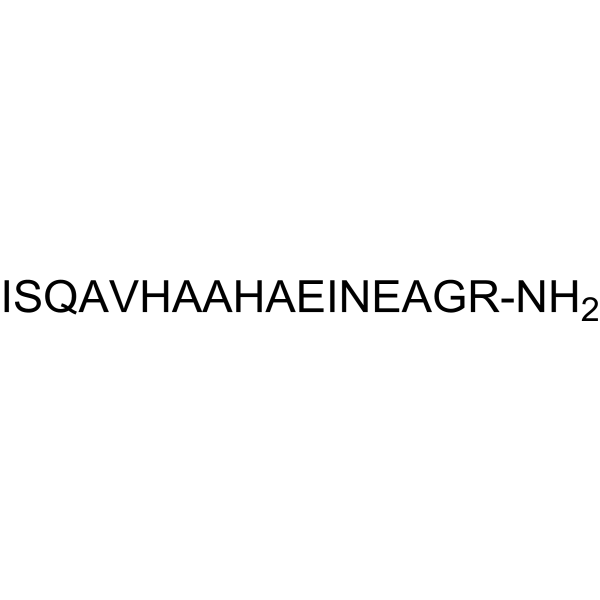
OVA(250-264) (OVAvac) (OVAp) is an antigen peptide that can be from ovalbumin (OVA) presented by the class I MHC molecule, H-2Kb. OVA(250-264) combined withαMSLN (anti-MSLN antibody) significantly induces antigen-specific CD8 + T cell generation and infiltration for enhancing antitumor efficacy in orthotopic pancreatic cancer mice model. OVA(250-264) can be used for neoantigen vaccine development in pancreatic cancer immunotherapy research .
|
-
- HY-P2494
-
-
- HY-P1771A
-
|
|
Biochemical Assay Reagents
|
Inflammation/Immunology
|
|
OVA G4 peptide TFA is a variant of the agonist ovalbumin (OVA) peptide SIINFEKL (257-264). SIINFEKL is routinely used to stimulate ovalbumin-specific T cells and to test new vaccine adjuvants can form a stable hydrogel .
|
-
- HY-P5410
-
|
|
MHC
|
Others
|
|
OVA-Q4 Peptide is a biological active peptide. (Q4 Peptide (SIIQFEKL) is a variant of the agonist ovalbumin (OVA) peptide (257-264), SIINFEKL. OVA Peptide is a class I (Kb)-restricted peptide epitope of ovalbumin presented by the class I MHC (major histocompatibility complex) molecule, H-2Kb (class I genes of the mouse MHC).)
|
-
- HY-P5412
-
|
Listeriolysin O 190 peptide
|
Peptides
|
Others
|
|
LLO (190-201) (Listeriolysin O 190 peptide) is a biological active peptide. (This peptide is a major histocompatibility complex class II (MHC-II)-restricted peptide, LLO190 (NEKYAQAYPNVS), from the listeriolysin O protein of Listeria monocytogenes, which generates an LLO190-specific Th response. This peptide subsequently challenge recombinant L. monocytogenes expressing the MHC-I-restricted epitope of ovalbumin (Ova257, SIINFEKL).)
|
-
- HY-P2495A
-
-
- HY-P1771
-
|
|
Biochemical Assay Reagents
|
Inflammation/Immunology
|
|
OVA G4 peptide is a variant of the agonist ovalbumin (OVA) peptide SIINFEKL (257-264). SIINFEKL is routinely used to stimulate ovalbumin-specific T cells and to test new vaccine adjuvants can form a stable hydrogel .
|
-
- HY-P2495
-
-
- HY-P1489B
-
|
|
MHC
|
Inflammation/Immunology
|
|
OVA Peptide(257-264) acetate salt is a class I (Kb)-restricted peptide epitope of OVA, an octameric peptide can be from ovalbumin presented by the class I MHC molecule, H-2Kb .
|
-
- HY-P10659
-
|
|
EGFR
|
Cancer
|
|
Self-assembling peptide pY1 is a peptide that assemblies around cancer cells and targets EGFR. When co-cultured with Ovalbumin (OVA), pY1 can effectively block the endocytosis of OVA .
|
-
- HY-P5408
-
|
SIIQFEHL, OVA (257-264) Variant
|
Peptides
|
Others
|
|
OVA-Q4H7 Peptide (SIIQFEHL, OVA (257-264) Variant) is a biological active peptide. (Q4H7 Peptide (SIIQFEHL) is a variant of the agonist ovalbumin (OVA) peptide (257-264), SIINFEKL, the strongest positive selecting ligand.)
|
-
- HY-P5295
-
|
|
Fluorescent Dye
|
Others
|
|
Cy3-Ova (323-339) is an Cy3 labled OVA Peptide (323-339) (HY-P0286). Cy3 is a fluorescent dye belonging to the Cyanine family and is a fluorescent light product of Cy5. Cyanine is commonly used in fluorescence microscopy, cell imaging, and molecular biology experiments. OVA Peptide (323-339) represents the T and B cell epitopes of ovalbumin (OVA). OVA Peptide (323-339) has limited immunogenic efficacy in activating OVA-sensitized and attacked mouse spleen cells .
|
-
- HY-P11555
-
-
- HY-P11556
-
|
|
Biochemical Assay Reagents
|
Others
|
|
LR-13 is a signature peptide identified from the egg white allergen ovalbumin (OVA). LR-13 can be used as a marker peptide for the detection of OVA allergens using UHPLC-MS/MS .
|
| Cat. No. |
Product Name |
Target |
Research Area |
Image |
-
- HY-P990216
-
|
|
Interleukin Related
|
Inflammation/Immunology
|
|
Anti-Mouse IL-25 Antibody (2C3) is a mouse-derived IgG1 κ type antibody inhibitor, targeting to mouse IL-25. Anti-Mouse IL-25 Antibody (2C3) can neutralize IL-25. Anti-Mouse IL-25 Antibody (2C3) can be used for inflammation researches, such as colitis and asthma .
|
-
(5)
-
- HY-P990260
-
|
|
Transmembrane Glycoprotein
|
Inflammation/Immunology
|
|
Anti-Mouse CD86/B7-2 Antibody (GL-1) is a rat-derived IgG2a κ type antibody inhibitor, targeting to mouse CD86/B7-2. Anti-Mouse CD86/B7-2 Antibody (GL-1) can be used for the researches of inflammation and immunology, such as allergic pulmonary inflammation .
|
-
(5)
-
- HY-P990226
-
|
|
Interleukin Related
|
Infection
Inflammation/Immunology
|
|
Anti-Mouse IL-12 p35 Antibody (C18.2) is a rat-derived IgG2a κ type antibody inhibitor, targeting to mouse IL-12 p35. Anti-Mouse IL-12 p35 Antibody (C18.2) can neutralize IL-12. Anti-Mouse IL-12 p35 Antibody (C18.2) can be used for the researches of infection, inflammation and immunology, such as airway inflammation and F. tularensis infection .
|
-
(5)
| Cat. No. |
Product Name |
Category |
Target |
Chemical Structure |
| Cat. No. |
Product Name |
|
Classification |
-
- HY-174485
-
|
|
|
mRNA
Antigens
|
|
OVA mRNA encodes the ovalbumin (OVA) protein, a member of the serpin superfamily and the predominant glycoprotein found in egg whites. It is a commonly used antigen for immunization and biochemical studies and is an established model allergen for airway hyper-responsiveness.
|
-
- HY-174484
-
|
|
|
mRNA
Antigens
|
|
OVA mRNA (5moU) encodes the ovalbumin (OVA) protein, a member of the serpin superfamily and the predominant glycoprotein found in egg whites. It is a commonly used antigen for immunization and biochemical studies and is an established model allergen for airway hyper-responsiveness.
|
-
- HY-169478
-
|
|
|
Cationic Lipids
|
|
Lipid N2-3L is an ionizable cationic lipid (pKa = 8.99) that can be used to generate supramolecular lipid nanoparticles (SMLNPs) for mRNA delivery. Lipid nanoparticles formed by encapsulating a luciferase reporter gene with Lipid N2-3L were detected to accumulate in the lymph nodes of mice, indicating that they can effectively enter the mouse immune system. Lipid nanoparticles formed by encapsulating ovalbumin mRNA and the TLR7/8 agonist Resiquimod (HY-13740) with Lipid N2-3L were able to reduce tumor volume and increase survival in the MC-38-OVA mouse colon cancer model. Lipid N2-3L can be used in the research of drug delivery for cancer-related therapies .
|
Your information is safe with us. * Required Fields.
Inquiry Information
- Product Name:
- Cat. No.:
- Quantity:
- MCE Japan Authorized Agent:

