1. Search Result
Search Result
Results for "

PAM,

" in MedChemExpress (MCE) Product Catalog:

191

Inhibitors & Agonists

1

Screening Libraries

5

Biochemical Assay Reagents

11

Peptides

3

Natural
Products

9

Recombinant Proteins

7

Isotope-Labeled Compounds

5

Antibodies

1

Click Chemistry

9

Oligonucleotides

Cat. No. Product Name Target Research Areas Chemical Structure
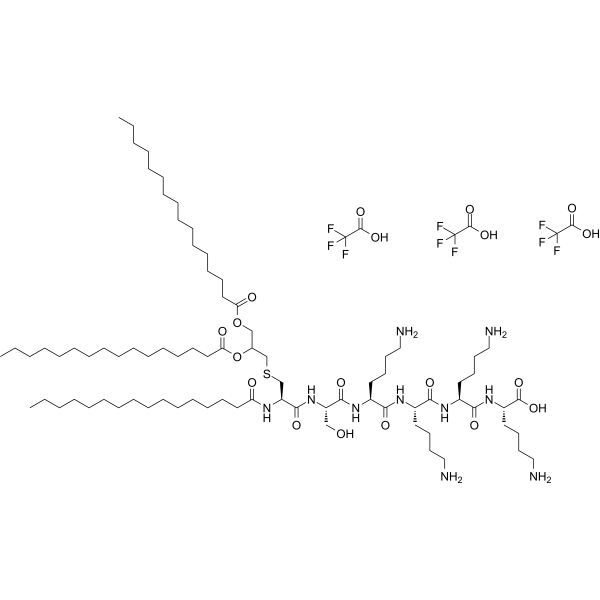
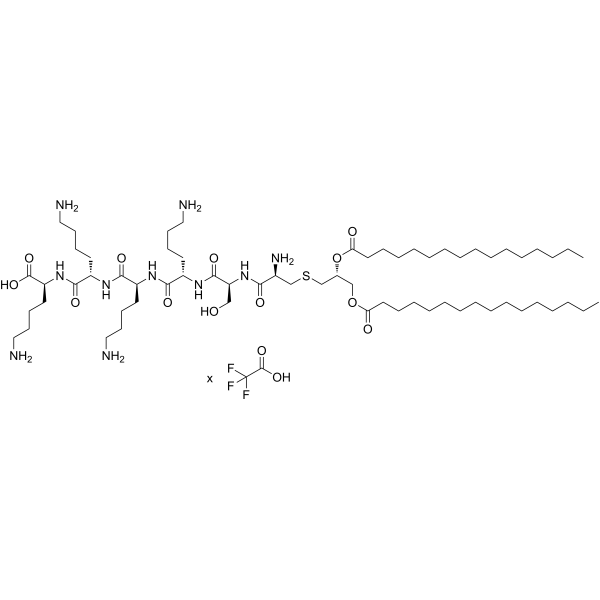
  • HY-P1180A
    Pam3CSK4 TFA
    15+ Cited Publications

    Pam3Cys-Ser-(Lys)4 TFA

    Toll-like Receptor (TLR) Infection Inflammation/Immunology
    Pam3CSK4 TFA is a toll-like receptor 1/2 (TLR1/2) agonist with an EC50 of 0.47 ng/mL for human TLR1/2 .
    Pam3CSK4 TFA
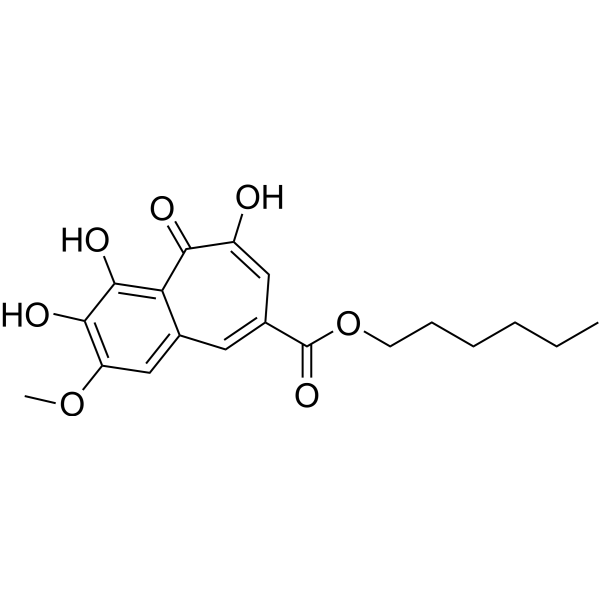
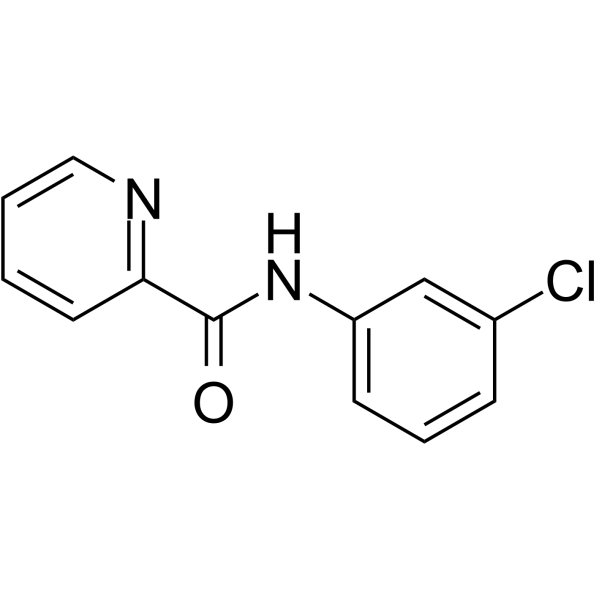
  • HY-108471
    CU-CPT22
    10+ Cited Publications

    Toll-like Receptor (TLR) Cancer
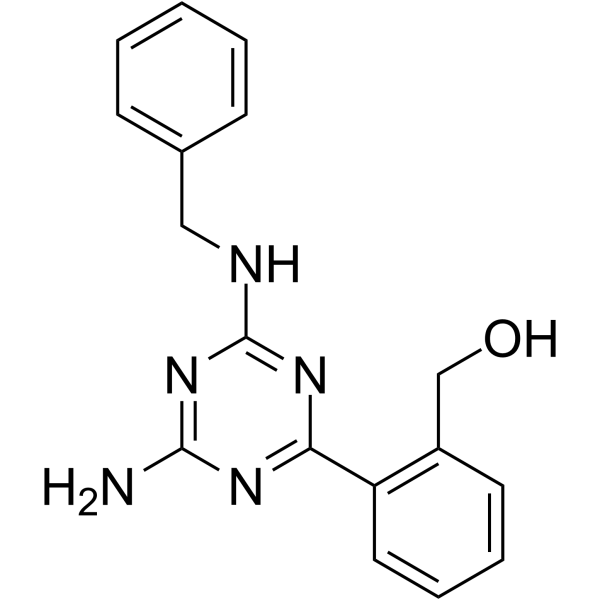
    CU-CPT22 is a potent protein complex of toll-like receptor 1 and 2 (TLR1/2) inhibitor, and competes with the synthetic triacylated lipoprotein (Pam3CSK4) binding to TLR1/2 with a Ki of 0.41 µM. CU-CPT22 blocks Pam3CSK4-induced TLR1/2 activation with an IC50 of 0.58 µM .
    CU-CPT22
  • HY-112146
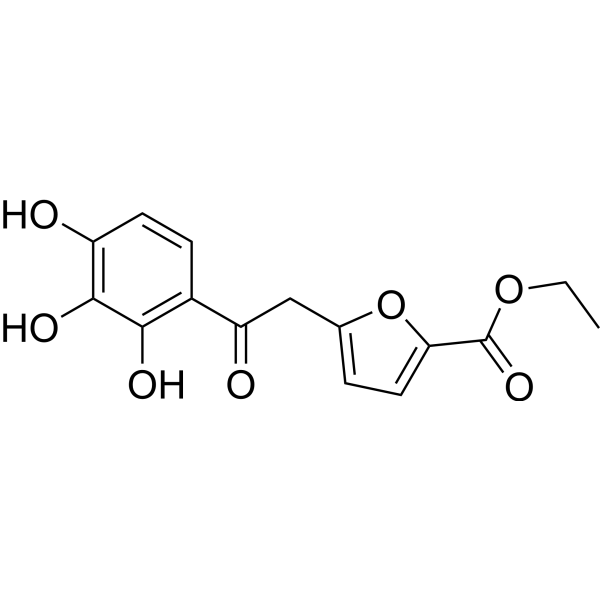
    MMG-11
    5 Publications Verification

    Toll-like Receptor (TLR) Inflammation/Immunology
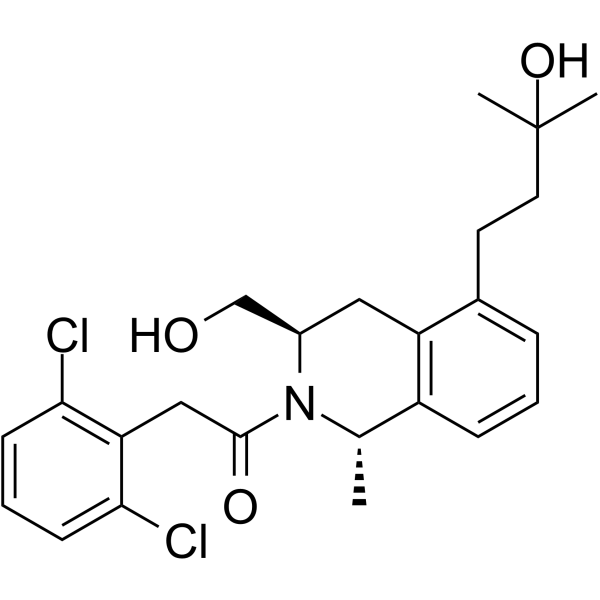
    MMG-11 is a potent and selective human TLR2 antagonist with low cytotoxicity. MMG-11 inhibits both TLR2/1 and TLR2/6 signaling with IC50s of 1.7 µM for Pam3CSK4-induced hTLR2/1 and 5.7 µM for Pam2CSK4-induced hTLR2/6 responses .
    MMG-11
  • HY-111052

    GABA Receptor Cytochrome P450 Neurological Disease Inflammation/Immunology
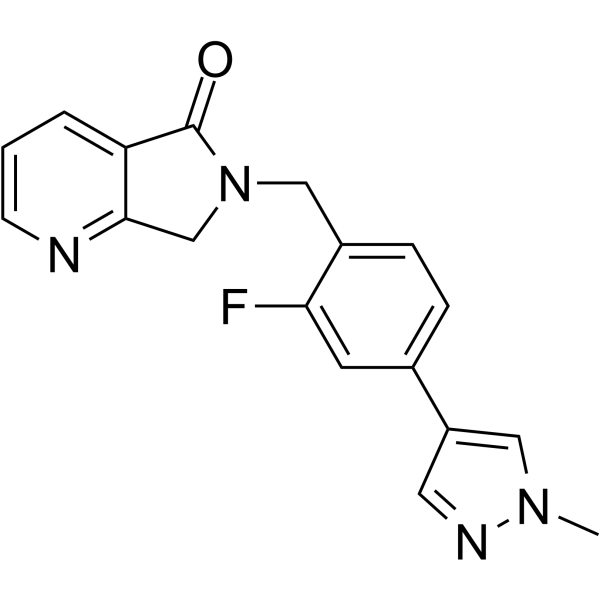
    AZD7325 is a potent and orally active partial selective PAM of GABAAα2 and Aα3 receptor (Ki=0.3 and 1.3 nM, respectively), and has less antagonistic efficacy at the Aα1 and Aα5 receptor subtypes . AZD7325 is a moderate CYP1A2 and a potent CYP3A4 inducer in vitro . AZD7325 has the potential for the investigation of anxiety and dravet syndrome . PAM: positive allosteric modulator.
    AZD7325
  • HY-113320

    5β-Androsterone

    GABA Receptor Endogenous Metabolite Neurological Disease
    Etiocholanolone (5β-Androsterone) is the excreted metabolite of testosterone and has anticonvulsant activity . Etiocholanolone is a less potent neurosteroid positive allosteric modulator (PAM) of the GABAA receptor than its enantiomer form .
    Etiocholanolone
  • HY-128770
    LY3154207
    2 Publications Verification

    Dopamine Receptor Neurological Disease
    LY3154207 is a potent, subtype selective, and orally available human dopamine D1 receptor positive allosteric modulator (PAM) with minimal allosteric agonist activity (EC50=3 nM) .
    LY3154207
  • HY-W115727B

    PAM,Anion,Mw 18 million

    Biochemical Assay Reagents Others
    Polyacrylamide,Anion,Mw 18 million (PAM,Anion,Mw 18 million) is a multifunctional high molecular weight anionic polyacrylamide copolymer. The anionic properties of Polyacrylamide,Anion,Mw 18 million enable it to be used as a flocculant to achieve charge neutralization and aggregation, while its high molecular weight properties provide viscoelastic properties for fluid applications. Polyacrylamide series materials can maintain enzyme activity in enzyme immobilization, act as drug carriers to achieve controlled release, serve as smart materials responding to temperature/pH stimuli, and be used for in vitro toxin adsorption and soft tissue filling through mechanisms such as physical entrapment, covalent binding or chemical crosslinking. Polyacrylamide finds applications in biomedical engineering, environmental management and industrial applications .
    Polyacrylamide,Anion,Mw 18 million
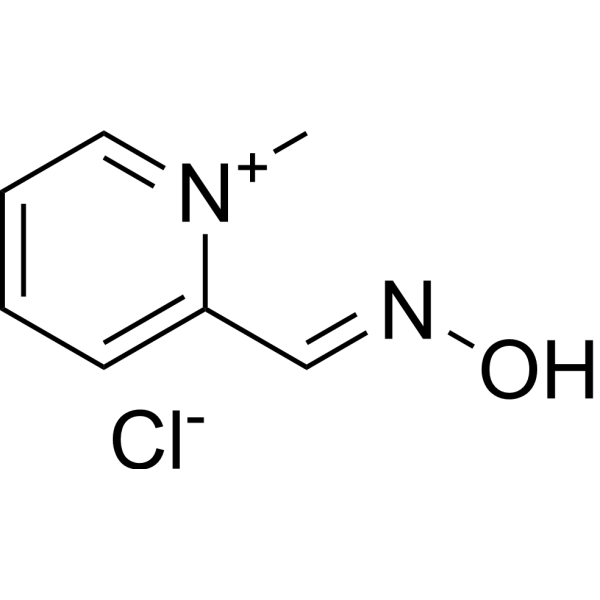
  • HY-B1200
    Pralidoxime chloride
    2 Publications Verification

    2-PAM chloride

    Cholinesterase (ChE) Neurological Disease
    Pralidoxime chloride is a potent reactivator of acetylcholinesterase (AChE). Pralidoxime chloride reactivates nerve agent-inhibited AChE via direct nucleophilic attack by the oxime moiety on the phosphorus center of the bound nerve agent. Pralidoxime chloride is an antidote for organophosphate poisoning .
    Pralidoxime chloride
  • HY-P1181A
    Pam2CSK4 TFA
    1 Publications Verification

    Toll-like Receptor (TLR) NO Synthase IKK Akt PKC NF-κB p38 MAPK Interleukin Related Cardiovascular Disease Infection Inflammation/Immunology Cancer
    Pam2CSK4 TFA is a TLR2 agonist. Pam2CSK4 TFA induces the expression of iNOS and NO in macrophage cell lines via TBK1 and MyD88 molecules. Pam2CSK4 TFA activates the NF-κB and Bruton's tyrosine kinase signaling pathways in platelets, and promotes platelet-endothelial cell interactions. TLR2 activation triggered by Pam2CSK4 TFA expands myeloid-derived suppressor cells (MDSCs) and suppresses anti-tumor immune responses in the tumor microenvironment. Pam2CSK4 TFA acts as a Th2-polarizing adjuvant in mouse vaccine models against Leishmania major and Brugia malayi. Pam2CSK4 TFA can be used in the research of various diseases, including thromboinflammatory diseases, sepsis, atherosclerosis, heart failure, influenza, lymphoma, melanoma, cutaneous leishmaniasis and lymphatic filariasis .
    Pam2CSK4 TFA
  • HY-P1180

    Pam3Cys-Ser-(Lys)4

    Toll-like Receptor (TLR) Infection Inflammation/Immunology
    Pam3CSK4 is a toll-like receptor 1/2 (TLR1/2) agonist with an EC50 of 0.47 ng/mL for human TLR1/2 .
    Pam3CSK4
  • HY-165613

    Dipalmitoyl-S-glyceryl-cysteine; S-[2,3-Bis(palmitoyloxy)propyl]cysteine

    Toll-like Receptor (TLR) Influenza Virus NF-κB Infection Inflammation/Immunology
    Pam2Cys (Dipalmitoyl-S-glyceryl-cysteine; S-[2,3-Bis(palmitoyloxy)propyl]cysteine) is a TLR2 agonist and immunostimulant. Pam2Cys binds to TLR2 to activate dendritic cells and trigger the TLR2-dependent NF-κB signaling pathway. Pam2Cys also induces dendritic cell maturation by upregulating the expression of cell surface MHC II molecules. Pam2Cys activates innate immune signaling pathways, drives pro-inflammatory and antimicrobial responses, enhances the expression of macrophage activation markers, increases phagocytic activity, induces the release of IL-12 and pro-inflammatory cytokines, and polarizes macrophages into a pro-inflammatory, antimicrobial phenotype without interfering with IL-10-induced macrophage polarization. Pam2Cys also serves as the lipid moiety in synthetic lipopeptide vaccines and possesses self-adjuvant properties. Pam2Cys enhances the immunogenicity of conjugated peptide segments and induces cellular and humoral immune responses. However, it does not activate CD4 T cells in mouse splenocyte cultures when used alone. Pam2Cys activates pulmonary TLR2 signaling pathways, triggers innate immune responses, recruits neutrophils and macrophages, induces the secretion of various cytokines, alleviates symptoms and damages associated with influenza A virus infection in mice without impairing adaptive immunity. Pam2Cys can be used in studies related to tuberculosis and influenza A virus infection .
    Pam2Cys
  • HY-W115727E

    PAM,average Mn 150000

    Biochemical Assay Reagents Others
    Polyacrylamide, average Mn 150000 (PAM, average Mn 150000) is a versatile, high-molecular-weight polyacrylamide copolymer. Polyacrylamide series materials can maintain enzyme activity in enzyme immobilization, act as drug carriers to achieve controlled release, serve as smart materials responding to temperature/pH stimuli, and be used for in vitro toxin adsorption and soft tissue filling through mechanisms such as physical entrapment, covalent binding or chemical crosslinking. Polyacrylamide finds applications in biomedical engineering, environmental management and industrial applications .
    Polyacrylamide,average Mn 150000
  • HY-W115727A

    PAM,Anion,Mw 14-16 million

    Biochemical Assay Reagents Others
    Polyacrylamide, Anion, Mw 14-16 million is a multifunctional high molecular weight anionic polyacrylamide copolymer. The anionic properties of Polyacrylamide, Anion, Mw 14-16 million enable it to be used as a flocculant to achieve charge neutralization and aggregation, while its high molecular weight properties provide viscoelastic properties for fluid applications. Polyacrylamide series materials can maintain enzyme activity in enzyme immobilization, achieve controlled release as a drug carrier, respond to temperature/pH stimulation as a smart material, and can also be used for in vitro toxin adsorption and soft tissue filling through mechanisms such as physical embedding, covalent bonding or chemical cross-linking. Polyacrylamide can be used in biomedical engineering, environmental management and industrial applications .
    Polyacrylamide,Anion,Mw 14-16 million
  • HY-120874

    PF-06372865; CVL-865

    GABA Receptor Neurological Disease
    Darigabat (PF-06372865) is an orally active, α2/α3/α5 subtype-selective GABAA positive allosteric modulator (PAM). Darigabat is a high affinity ligand at GABAA receptors containing α1/α2/α3/α5 subunits (Kis of 2.9 nM, 21 nM, 134 nM for α2, α1 PAM, α2 PAM, respectively), with low affinity for α4/α6 subunits. Darigabat can across the blood-brain barrier (BBB). Darigabat has anxiolytic activity and has the potential for epilepsy .
    Darigabat
  • HY-P1181

    Toll-like Receptor (TLR) NO Synthase IKK Akt PKC NF-κB p38 MAPK Interleukin Related Cardiovascular Disease Infection Inflammation/Immunology Cancer
    Pam2CSK4 is a TLR2 agonist. Pam2CSK4 induces the expression of iNOS and NO in macrophage cell lines via TBK1 and MyD88 molecules. Pam2CSK4 activates the NF-κB and Bruton's tyrosine kinase signaling pathways in platelets, and promotes platelet-endothelial cell interactions. TLR2 activation triggered by Pam2CSK4 expands myeloid-derived suppressor cells (MDSCs) and suppresses anti-tumor immune responses in the tumor microenvironment. Pam2CSK4 acts as a Th2-polarizing adjuvant in mouse vaccine models against Leishmania major and Brugia malayi. Pam2CSK4 can be used in the research of various diseases, including thromboinflammatory diseases, sepsis, atherosclerosis, heart failure, influenza, lymphoma, melanoma, cutaneous leishmaniasis and lymphatic filariasis .
    Pam2CSK4
  • HY-120613

    Opioid Receptor Neurological Disease
    BMS-986187 is an δ-opioid receptor-selective positive allosteric modulator (PAM) with an EC50 of 0.03 μM and a pKB of 6.02 (~1 μM). BMS-986187 has no observable PAM activity at the μ-receptor (EC50=3 μM) .
    BMS-986187
  • HY-18654
    ADX88178
    1 Publications Verification

    mGluR Neurological Disease
    ADX88178 is a potent metabotropic glutamate receptor 4 positive allosteric modulator (mGluR4 PAM) with an EC50 of 4 nM for human mGluR4.
    ADX88178
  • HY-129086

    iGluR Neurological Disease
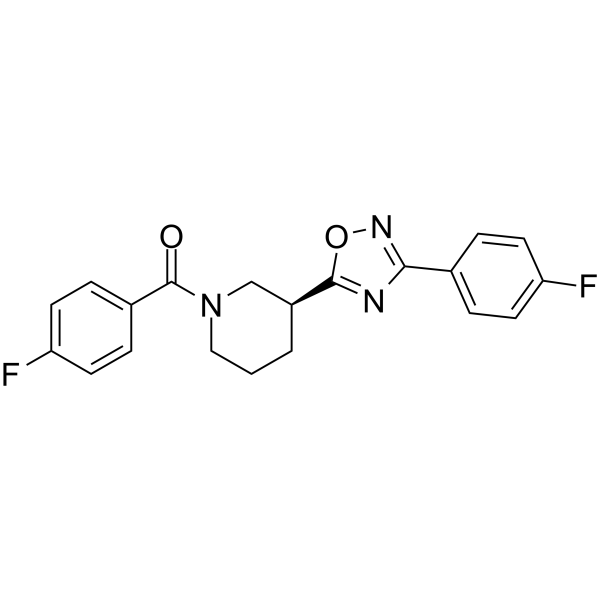
    BPAM344 is a kainate receptor (KAR) subunits GluK1b, GluK2a, and GluK3a positive allosteric modulator (PAM) .
    BPAM344
  • HY-W141789

    Biochemical Assay Reagents Others
    Pam3-Cys-OH is a lipoamino acid .
    Pam3-Cys-OH
  • HY-131004

    Cannabinoid Receptor Neurological Disease
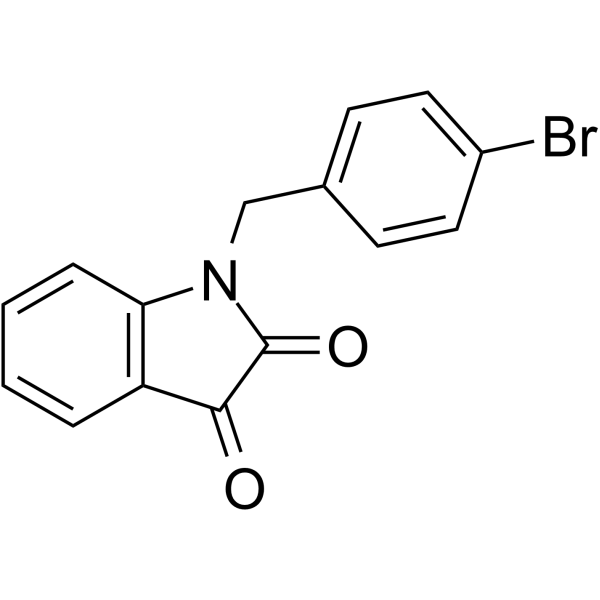
    CB2R PAM is an orally active cannabinoid type-2 receptors (CB2Rs) positive allosteric modulator. CB2R PAM displays antinociceptive activity in vivo in an experimental mouse model of neuropathic pain .
    CB2R PAM
  • HY-W115727D

    PAM,average Mn 40000

    Biochemical Assay Reagents Others
    Polyacrylamide (PAM), average Mn 40000 is a versatile, high-molecular-weight polyacrylamide copolymer. Polyacrylamide series materials can maintain enzyme activity in enzyme immobilization, act as drug carriers to achieve controlled release, serve as smart materials responding to temperature/pH stimuli, and be used for in vitro toxin adsorption and soft tissue filling through mechanisms such as physical entrapment, covalent binding or chemical crosslinking. Polyacrylamide finds applications in biomedical engineering, environmental management and industrial applications .
    Polyacrylamide,average Mn 40000
  • HY-103475

    GABA Receptor Neurological Disease
    GS39783 is a positive allosteric modulator (PAM) of GABABR. Positive modulation of the GABABR can be used for the research of Nicotine addiction .
    GS39783
  • HY-113346

    Tetrahydro-11-deoxycorticosterone

    GABA Receptor Endogenous Metabolite Neurological Disease
    Tetrahydrodeoxycorticosterone, an neurosteroid, is a potent positive allosteric modulator (PAM) of GABAA receptor. Tetrahydrodeoxycorticosterone has potent neuroinhibitory properties .
    Tetrahydrodeoxycorticosterone
  • HY-120023
    VU0453595
    2 Publications Verification

    mAChR Neurological Disease
    VU0453595 is a highly selective, systemically active M1 positive allosteric modulator (PAM, EC50=2140 nM) for the research of schizophrenia .
    VU0453595
  • HY-108340

    mAChR Neurological Disease
    PF-06767832 is a potent muscarinic M1 selective positive allosteric modulator (PAM), with the EC50 of 60 nM. PF-06767832 has good brain penetration .
    PF-06767832
  • HY-W338852

    Drug Metabolite Cancer
    Gentisuric acid, a metabolite of Aspirin (HY-14654), is a substrate of α-amidating monooxygenase (PAM). Gentisuric acid prevents DNA-damage by Mitomycin C (HY-13316) .
    Gentisuric acid
  • HY-100588

    mGluR Neurological Disease
    VU0364770 is a selective and potent positive allosteric modulator (PAM) of mGlu4. VU0346770 exhibits EC50s of 290 nM and 1.1 μM at rat mGlu4 and human mGlu4 receptor, respectively. VU0364770 exhibits antagonist activity at mGlu5 with a potency of 17.9 μM and PAM activity at mGlu6 with a potency of 6.8 μM. VU0364770 also possesses activity at MAO with Ki values of 8.5 and 0.72 μM for human MAO-A and human MAO-B, respectively .
    VU0364770
  • HY-108703A

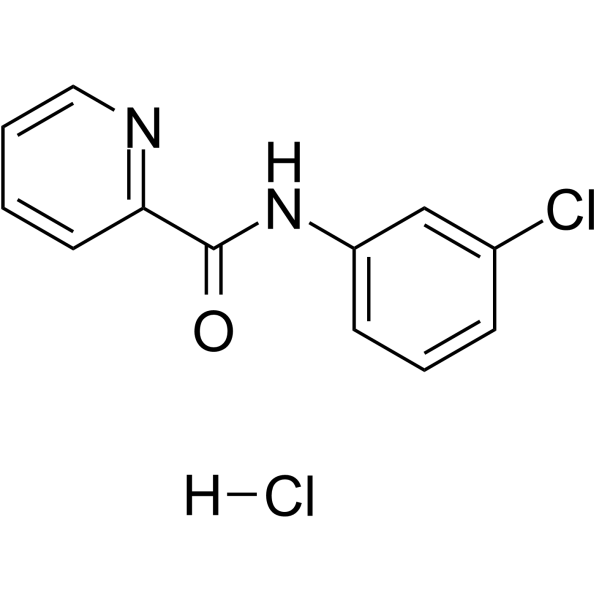
    PXT002331 monohydrochloride

    mGluR Neurological Disease
    Foliglurax monohydrochloride (PXT002331 monohydrochloride) is a highly selective and potent, brain-penetrant metabotropic glutamate receptor 4 positive allosteric modulator (mGluR4 PAM) , with an EC50 of 79 nM . Antiparkinsonian effect .
    Foliglurax monohydrochloride
  • HY-120530

    mGluR Neurological Disease
    JNJ-46281222 is an metabotropic glutamate (mGlu) 2-selective, highly potent PAM (positive allosteric modulator) with nanomolar affinity (Kd = 1.7 nM) and a high modulatory potency (pEC50 = 7.71) .
    JNJ-46281222
  • HY-136190

    TRP Channel Neurological Disease
    TRPC6-PAM-C20 is a selective positive allosteric modulator (PAM) of TRPC6 channels. TRPC6-PAM-C20 is a potent enhancer of channel activation, enabling low basal concentrations of DAG to induce activation of the ion channel. TRPC6-PAM-C20 induces increases in intracellular Ca 2+ concentrations ([Ca 2+]i) in TRPC6-expressing HEK293 cells with an EC50 of 2.37 μM. TRPC6-PAM-C20 can be used as a valuable tool to selectively exaggerate TRPC6-dependent signals .
    TRPC6-PAM-C20
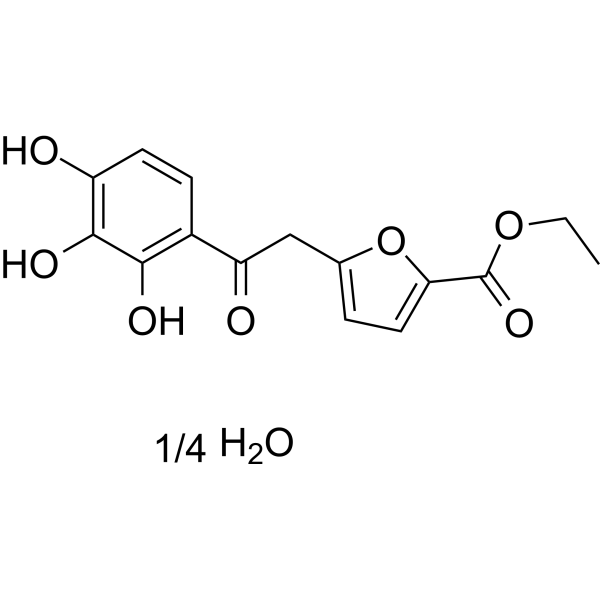
  • HY-112146A
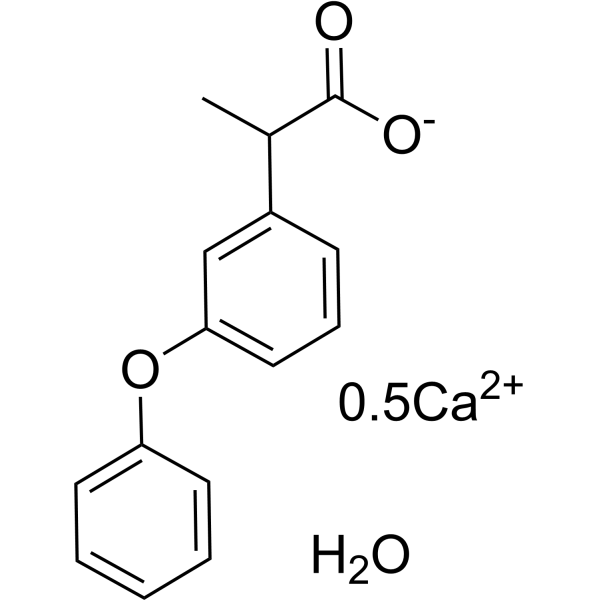
    MMG-11 quarterhydrate
    5 Publications Verification

    Toll-like Receptor (TLR) Inflammation/Immunology
    MMG-11 quarterhydrate is a potent and selective human TLR2 antagonist with low cytotoxicity. MMG-11 quarterhydrate inhibits both TLR2/1 and TLR2/6 signaling with IC50s of 1.7 μM for Pam3CSK4-induced hTLR2/1 and 5.7 μM for Pam2CSK4-induced hTLR2/6 responses .
    MMG-11 quarterhydrate
  • HY-141515

    Opioid Receptor Neurological Disease
    BMS-986121 is a positive allosteric modulator (PAM) of the μ opioid receptor extracted from patent WO2014107344. BMS-986121 is built on a chemical scaffold representing a new chemotype for μ receptor PAMs .
    BMS-986121
  • HY-122819

    CaSR Cardiovascular Disease
    Calindol hydrochloride is a positive allosteric modulator (PAM) of calcimimetic calcium-sensing receptor (CaSR) with an EC50 of 132 nM .
    Calindol hydrochloride
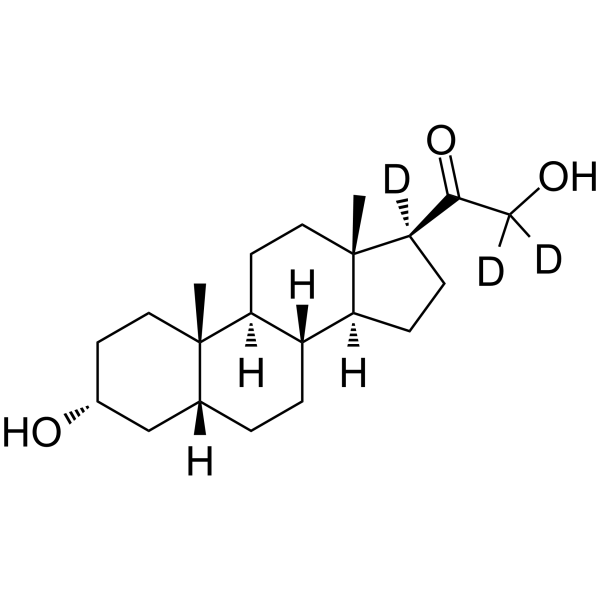
  • HY-113346S
    Tetrahydrodeoxycorticosterone-d3
    1 Publications Verification

    Tetrahydro-11-deoxycorticosterone-d3

    Isotope-Labeled Compounds GABA Receptor Endogenous Metabolite Neurological Disease
    Tetrahydrodeoxycorticosterone-d3 is the deuterium labeled Tetrahydrodeoxycorticosterone. Tetrahydrodeoxycorticosterone, an neurosteroid, is a potent positive allosteric modulator (PAM) of GABAA receptor. Tetrahydrodeoxycorticosterone has potent neuroinhibitory properties .
    Tetrahydrodeoxycorticosterone-d3
  • HY-12149

    nAChR Neurological Disease
    A-867744 is a highly potent and selective type II positive allosteric modulator (PAM) of the alpha7 nicotinic acetylcholine receptors (nAChR) with an EC50 of 1.0 μM .
    A-867744
  • HY-14417

    mGluR Neurological Disease
    VU0155041 is a potent, selective positive allosteric modulator (PAM) of mGluR4, with EC50s of 798 nM and 693 nM for human and rat mGluR4, respectively. VU0155041 has potential for the research of Parkinson's disease (PD) .
    VU0155041
  • HY-P1405

    Pam3Cys-Ser-(Lys)4-Biotin

    Toll-like Receptor (TLR) Infection Inflammation/Immunology
    Pam3CSK4-Biotin is biotinylated Pam3CSK4. Pam3CSK4-Biotin is a Toll-like receptor 1/2 (TLR1/2) agonist .
    Pam3CSK4-Biotin
  • HY-P1180B

    Pam3Cys-Ser-(Lys)4 trihydrochloride

    Biochemical Assay Reagents Others
    Pam3Cys-Ser-(Lys)4 trihydrochloride is a biochemical reagent that can be used as a biological material or organic compound for life science related research.
    Pam3CSK4 trihydrochloride
  • HY-100605

    mGluR Others
    VU0483605 is a potent and brain-penetrated mGlu1 receptor positive allosteric modulator (PAM). VU0483605 shows excellent mGlu1 PAM activity at both human and rat, with EC50 values of 390 and 356 nM, respectively .
    VU0483605
  • HY-107423

    iGluR Neurological Disease
    GNE 6901 (compound 40) is a potent GluN2A-selective NMDAR positive allosteric modulator (PAM) with an EC50 of 382 nM .
    GNE 6901
  • HY-103571

    mGluR Neurological Disease
    VU0285683 is a selective mGluR5 positive allosteric modulator (PAM). VU0285683 has anxiolytic-like activity in rodent models for anxiety .
    VU0285683
  • HY-116463

    Sigma Receptor Neurological Disease
    E1R is a positive allosteric modulator of sigma-1 receptors (Sig1R PAM) with cognition-enhancing activity .
    E1R
  • HY-15393

    mGluR Neurological Disease
    VU 0357121 is a positive and highly selective mGlu5R allosteric modulator (PAM) with an EC50 of 33 nM. VU 0357121 is inactive or very weakly antagonizing at other mGlu receptor subtypes .
    VU 0357121
  • HY-RS10011

    Small Interfering RNA (siRNA) Others

    PAM Human Pre-designed siRNA Set A contains three designed siRNAs for PAM gene (Human), as well as a negative control, a positive control, and a FAM-labeled negative control.

    PAM Human Pre-designed siRNA Set A
    PAM Human Pre-designed siRNA Set A
  • HY-136327

    DNA Alkylator/Crosslinker Cancer
    Phenylacetic acid mustard is the major metabolite of the cancer chemotherapeutic agent Chlorambucil (HY-13593). Chlorambucil is an alkylating agent with antitumor activity .
    Phenylacetic acid mustard
  • HY-118179

    mGluR Neurological Disease
    VU0486321 is a compound in a class of mGlu1 positive allosteric modulators (PAMs). VU0486321 maintains acceptable mGlu1 PAM potency, DMPK profile, CNS permeability, and mGluR selectivity.
    VU0486321
  • HY-15476

    mGluR Neurological Disease
    VU 0364439 is a mGlu4 positive allosteric modulator (PAM), with EC50 of 19.8 nM.
    VU 0364439
  • HY-121806

    mAChR Neurological Disease
    VU0486846 is an orally active and selective muscarinic acetylcholine receptor M1 positive allosteric modulator (PAM) .
    VU0486846
  • HY-14419

    mGluR Neurological Disease
    TCN238 is an orally bioavailable mGlu4 receptor positive allosteric modulator (PAM) with an EC50 of 1 μM .
    TCN238
  • HY-119078

    mGluR Neurological Disease
    VU0080241 is a positive allosteric modulator (PAM) of the metabotropic glutamate receptor subtype 4 (mGluR4), with an EC50 of 4.6 μM .
    VU0080241

Inquiry Online

Your information is safe with us. * Required Fields.

Salutation


Country or Region *

Applicant Name *


Organization Name *

Department *


Email Address *


Product Name *

Cat. No.


Requested quantity *

Phone Number *


Remarks

Inquiry Online

Inquiry Information

Product Name:
Cat. No.:
Quantity:
MCE Japan Authorized Agent:

