1. Search Result
Search Result
Results for "

RNA biosynthesis

" in MedChemExpress (MCE) Product Catalog:

39

Inhibitors & Agonists

2

Biochemical Assay Reagents

18

Natural
Products

13

Isotope-Labeled Compounds

6

Oligonucleotides

Cat. No. Product Name Target Research Areas Chemical Structure
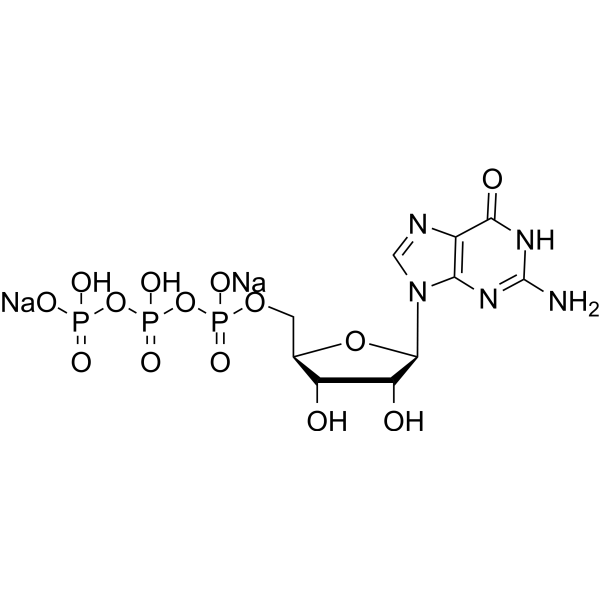
  • HY-W010737
    Guanosine-5'-triphosphate disodium salt
    Maximum Cited Publications
    8 Publications Verification

    5'-GTP disodium salt

    Exosomes Endogenous Metabolite MicroRNA Metabolic Disease
    Guanosine 5'-triphosphate (5'-GTP) trisodium salt is a G protein (G proteins) signaling activator and a high-energy precursor in the biosynthesis of nucleotide units in DNA and RNA. Guanosine 5'-triphosphate trisodium salt can promote myogenic cell differentiation by upregulating miRNA (miR133a, miR133b) and myogenic regulatory factor expression, and by inducing human myogenic precursor cells to release exosomes containing guanosine molecules. Guanosine-5'-triphosphate disodium salt holds promise for research in biosynthesis and skeletal muscle regeneration .
    Guanosine-5'-triphosphate disodium salt
  • HY-N0667
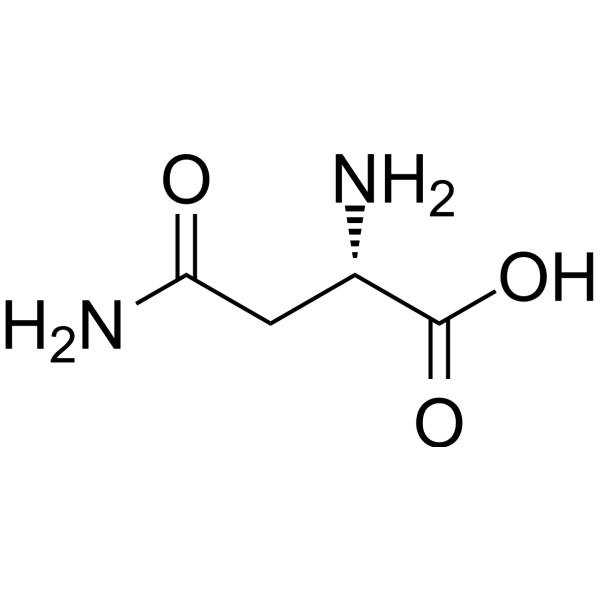
    L-Asparagine
    5 Publications Verification

    (-)-Asparagine; Asn; Asparamide

    Endogenous Metabolite Apoptosis DNA/RNA Synthesis Inflammation/Immunology
    L-Asparagine is an essential amino acid for leukemic cells and a substrate for L-Asparaginase. L-Asparaginase is a potent anti-leukemic enzyme that promotes asparagine (Asn) and glutamine (Gln) depletion and inhibits protein biosynthesis in lymphoblasts. Removal of L-asparagine from plasma by L-Asparaginase results in inhibition of RNA and DNA synthesis and subsequent apoptosis. L-Asparaginase has cell-killing ability in vitro and in vivo, and selectively inhibits the growth of cancer cells with low asparagine synthetase (AASNS) expression. L-Asparagine can be used as a biomarker and sensor for the study of childhood acute lymphoblastic leukemia .
    L-Asparagine
  • HY-12695
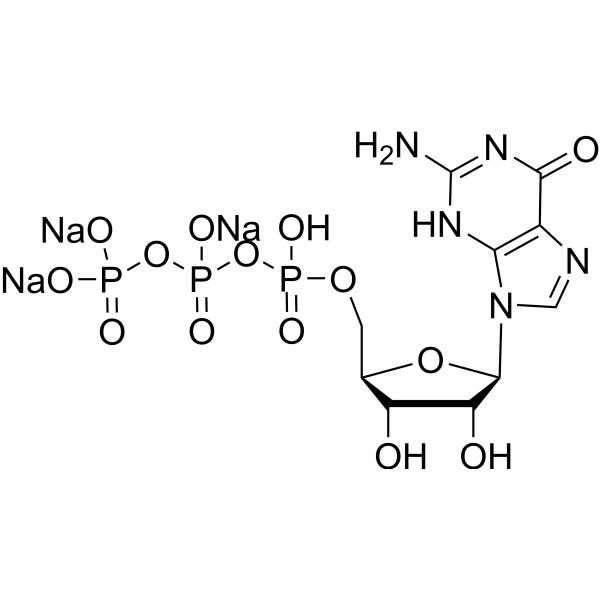
    Guanosine 5'-triphosphate trisodium
    5 Publications Verification

    5'-GTP trisodium

    Exosomes Endogenous Metabolite DNA/RNA Synthesis Metabolic Disease
    Guanosine 5'-triphosphate (5'-GTP) trisodium salt is a G protein (G proteins) signaling activator and a high-energy precursor in the biosynthesis of nucleotide units in DNA and RNA. Guanosine 5'-triphosphate trisodium salt can promote myogenic cell differentiation by upregulating miRNA (miR133a, miR133b) and myogenic regulatory factor expression, and by inducing human myogenic precursor cells to release exosomes containing guanosine molecules. Guanosine-5'-triphosphate trisodium salt holds promise for research in biosynthesis and skeletal muscle regeneration .
    Guanosine 5'-triphosphate trisodium
  • HY-N0157
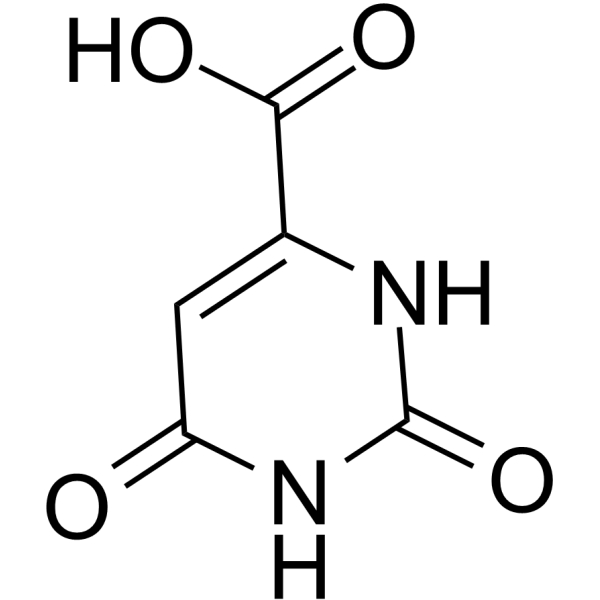
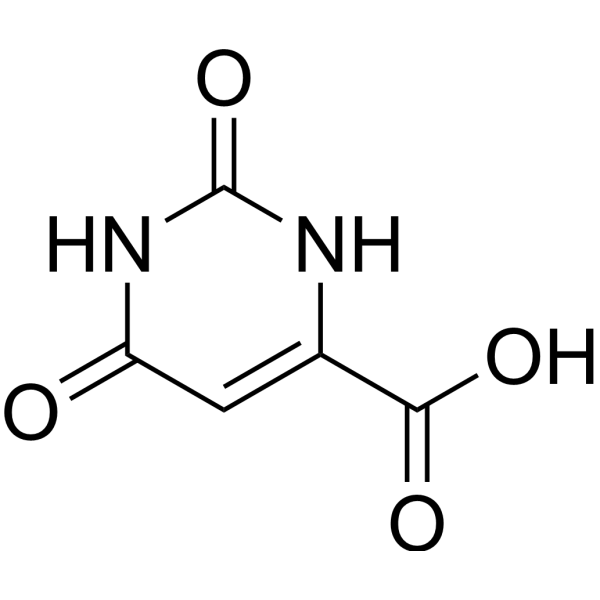
    Orotic acid
    3 Publications Verification

    6-Carboxyuracil; Vitamin B13

    Nucleoside Antimetabolite/Analog Endogenous Metabolite Metabolic Disease
    Orotic acid (6-Carboxyuracil), a precursor in biosynthesis of pyrimidine nucleotides and RNA, is released from the mitochondrial dihydroorotate dehydrogenase (DHODH) for conversion to UMP by the cytoplasmic UMP synthase enzyme. Orotic acid is a marker for measurement in routine newborn screening for urea cycle disorders. Orotic acid can induce hepatic steatosis and hepatomegaly in rats .
    Orotic acid
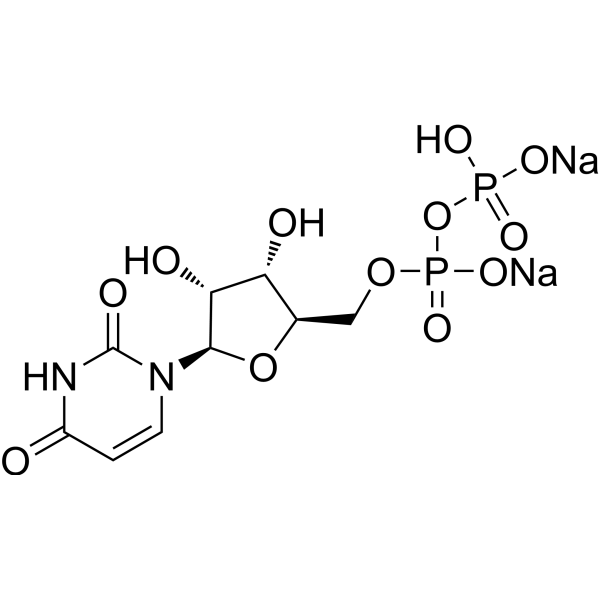
  • HY-W010832
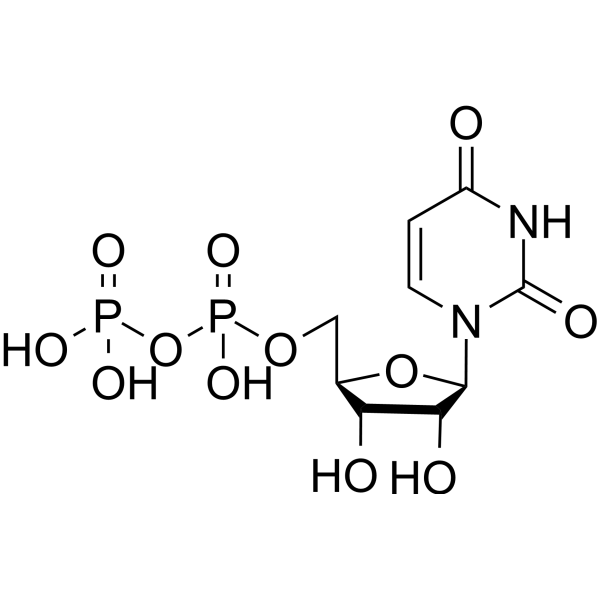
    Uridine-5'-diphosphate disodium salt
    2 Publications Verification

    P2Y Receptor DNA/RNA Synthesis Endogenous Metabolite Metabolic Disease Inflammation/Immunology
    Uridine-5'-diphosphate disodium salt is a potent, selective P2Y6 receptor native agonist (EC50=300 nM; pEC50=6.52 for human P2Y6 receptor). Uridine-5'-diphosphate disodium salt, an endogenous metabolite, catalyzes the glucuronidation of a wide array of substrates and is used in nucleic acid (RNA) biosynthesis .
    Uridine-5'-diphosphate disodium salt
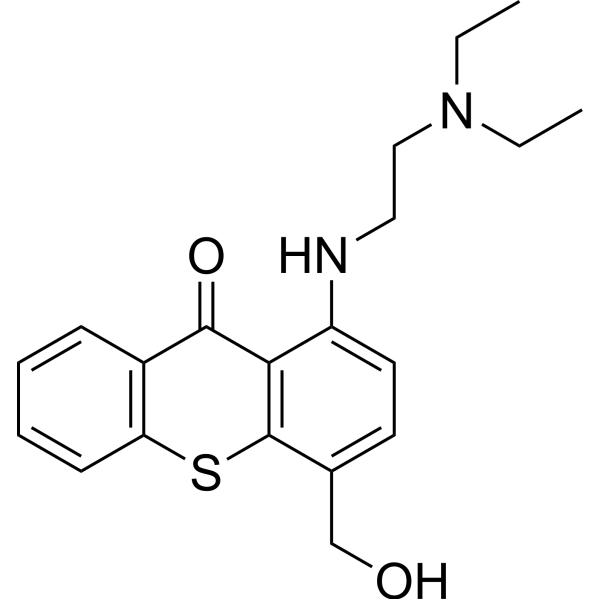
  • HY-B1099
    Hycanthone
    2 Publications Verification

    DNA/RNA Synthesis Topoisomerase Parasite Infection
    Hycanthone is a thioxanthenone DNA intercalator and inhibits RNA synthesis as well as the DNA topoisomerases I and II. Hycanthone inhibits nucleic acid biosynthesis and inhibits apurinic endonuclease-1 (APE1) by direct protein binding with a KD of 10 nM. Hycanthone is a bioactive metabolite of Lucanthone (HY-B2098) and has anti-schistosomal agent .
    Hycanthone
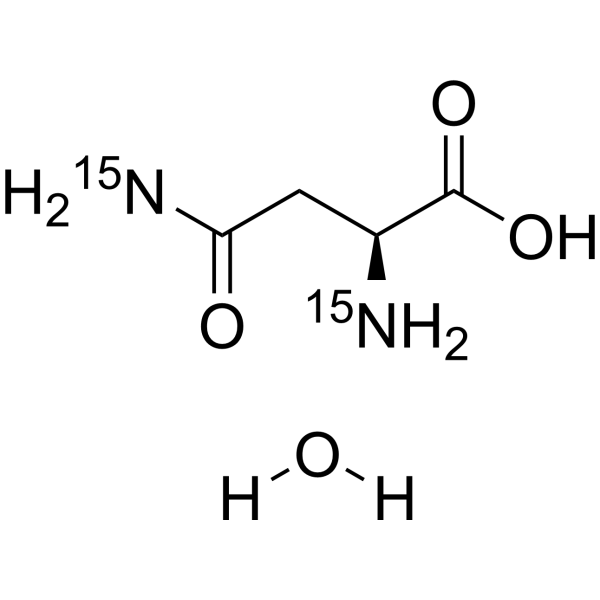
  • HY-N0667S2
    L-Asparagine-15N2 monohydrate
    1 Publications Verification

    (-)-Asparagine-15N2 monohydrate; Asn-15N2 monohydrate; Asparamide-15N2 monohydrate

    Isotope-Labeled Compounds Endogenous Metabolite Apoptosis DNA/RNA Synthesis Inflammation/Immunology
    L-Asparagine- 15N2 monohydrate is the 15N-labeled L-Asparagine monohydrate (HY-W017443). L-Asparagine monohydrate is an essential amino acid for leukemic cells and a substrate for L-Asparaginase. L-Asparaginase is a potent anti-leukemic enzyme that promotes asparagine (Asn) and glutamine (Gln) depletion and inhibits protein biosynthesis in lymphoblasts. Removal of L-asparagine from plasma by L-Asparaginase results in inhibition of RNA and DNA synthesis and subsequent apoptosis. L-Asparaginase has cell-killing ability in vitro and in vivo, and selectively inhibits the growth of cancer cells with low asparagine synthetase (AASNS) expression. L-Asparagine monohydrate can be used as a biomarker and sensor for the study of childhood acute lymphoblastic leukemia .
    L-Asparagine-15N2 monohydrate
  • HY-12695B
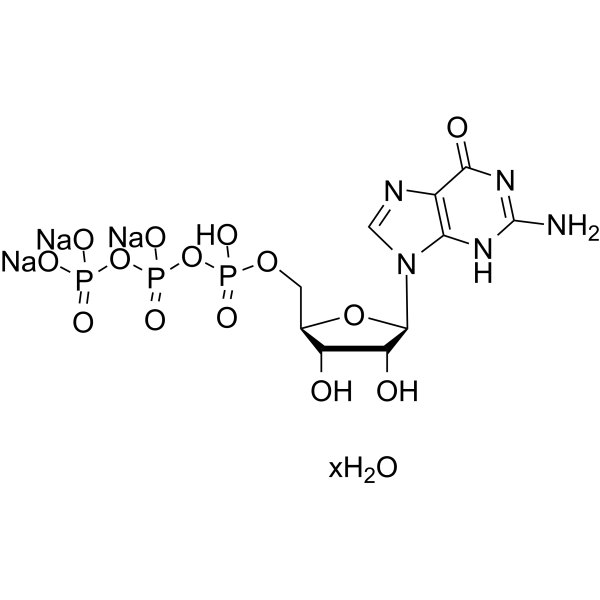
    Guanosine 5'-triphosphate trisodium salt hydrate
    Maximum Cited Publications
    8 Publications Verification

    5'-GTP trisodium salt hydrate

    Exosomes Endogenous Metabolite DNA/RNA Synthesis Metabolic Disease
    Guanosine 5'-triphosphate (5'-GTP) trisodium salt hydrate is a G protein (G proteins) signaling activator and a high-energy precursor in the biosynthesis of nucleotide units in DNA and RNA. Guanosine 5'-triphosphate trisodium salt hydrate can promote myogenic cell differentiation by upregulating miRNA (miR133a, miR133b) and myogenic regulatory factor expression, and by inducing human myogenic precursor cells to release exosomes containing guanosine molecules. Guanosine-5'-triphosphate disodium salt hydrate holds promise for research in biosynthesis and skeletal muscle regeneration .
    Guanosine 5'-triphosphate trisodium salt hydrate
  • HY-W017443
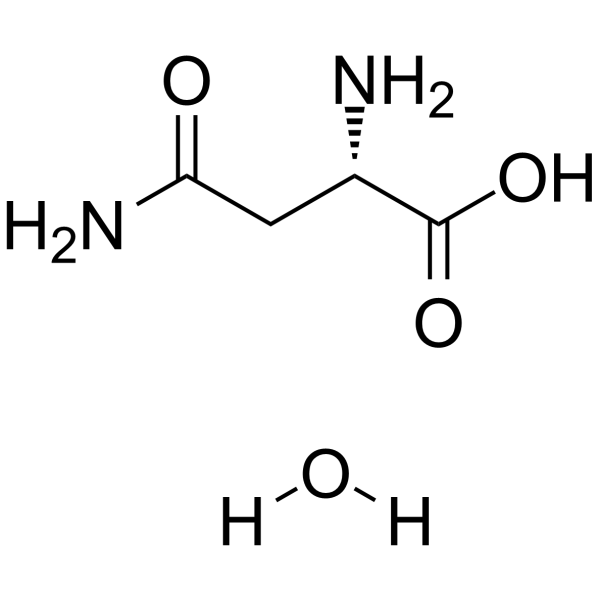
    L-Asparagine monohydrate
    5 Publications Verification

    Endogenous Metabolite Apoptosis DNA/RNA Synthesis Neurological Disease Metabolic Disease Inflammation/Immunology Cancer
    L-Asparagine monohydrate is an essential amino acid for leukemic cells and a substrate for L-Asparaginase. L-Asparaginase is a potent anti-leukemic enzyme that promotes asparagine (Asn) and glutamine (Gln) depletion and inhibits protein biosynthesis in lymphoblasts. Removal of L-asparagine from plasma by L-Asparaginase results in inhibition of RNA and DNA synthesis and subsequent apoptosis. L-Asparaginase has cell-killing ability in vitro and in vivo, and selectively inhibits the growth of cancer cells with low asparagine synthetase (AASNS) expression. L-Asparagine monohydrate can be used as a biomarker and sensor for the study of childhood acute lymphoblastic leukemia .
    L-Asparagine monohydrate
  • HY-113226
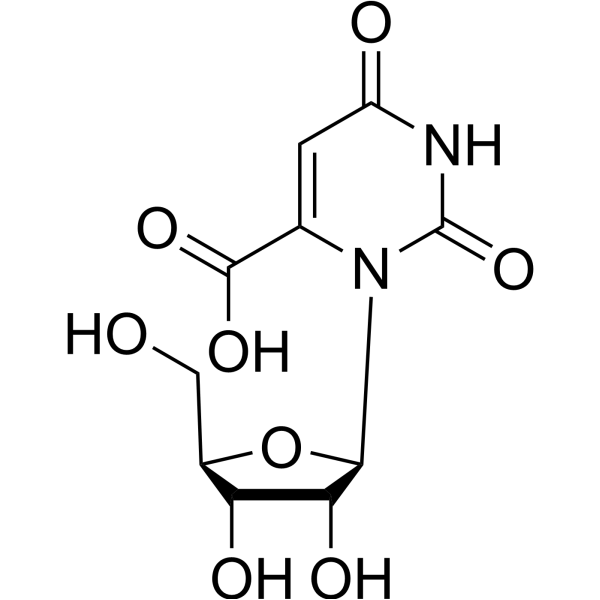
    Orotidine
    1 Publications Verification

    Endogenous Metabolite Others
    Orotidine, a nucleotide, is an intermediate in pyrimidine nucleotide biosynthesis in RNA and DNA. Orotidine is mainly found in bacteria, fungi and plants .
    Orotidine
  • HY-W013100
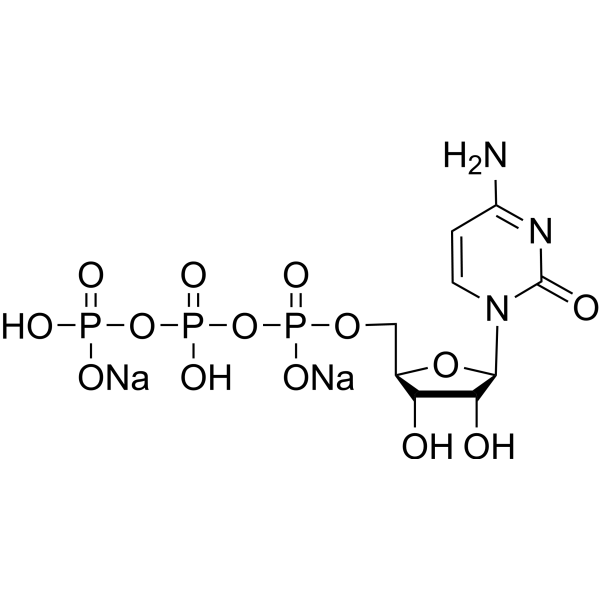
    Cytidine-5'-triphosphate disodium
    3 Publications Verification

    Cytidine triphosphate disodium; 5'-CTP disodium

    DNA/RNA Synthesis Nucleoside Antimetabolite/Analog Endogenous Metabolite Metabolic Disease
    Cytidine-5'-triphosphate (Cytidine triphosphate; 5'-CTP) disodium is a nucleoside triphosphate, that is invovled in biosynthesis of DNA, RNA and lipid. Cytidine triphosphate synthase can catalyze the formation of cytidine 5′-triphosphate from uridine 5′-triphosphate (UTP). Cytidine 5′-triphosphate disodium is an essential biomolecule in the de novo pyrimidine biosynthetic pathway in T. gondii .
    Cytidine-5'-triphosphate disodium
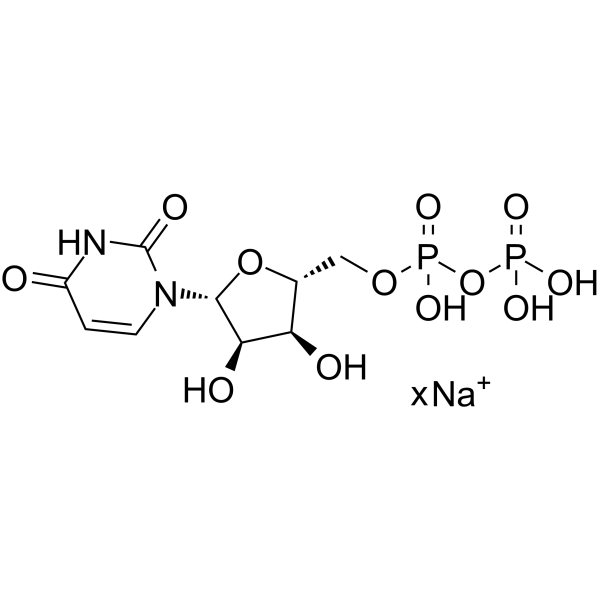
  • HY-W010820
    Uridine 5'-diphosphate sodium salt
    2 Publications Verification

    P2Y Receptor DNA/RNA Synthesis Endogenous Metabolite Metabolic Disease Inflammation/Immunology
    Uridine 5'-diphosphate sodium salt is a potent, selective P2Y6 receptor native agonist (EC50=300 nM; pEC50=6.52) and a potent P2Y14 antagonist (pEC50=7.28). Uridine 5'-diphosphate sodium salt, an endogenous metabolite, catalyzes the glucuronidation of a wide array of substrates and is used in nucleic acid (RNA) biosynthesis .
    Uridine 5'-diphosphate sodium salt
  • HY-125818I

    Cytidine triphosphate disodium salt, 100 mM Solution, PCR Grade; 5'-CTP disodium salt, 100 mM Solution, PCR Grade

    Biochemical Assay Reagents Metabolic Disease
    CTP (Cytidine triphosphate; 5'-CTP disodium salt) disodium salt, 100 mM Solution, PCR Grade is an immediate-use solution of cytidine triphosphate diodium salt. CTP is one of the four basic raw materials for RNA biosynthesis. CTP disodium salt is mainly used in molecular biology applications such as in vitro transcription (IVT), RNA synthesis and labeling .
    CTP disodium salt, 100 mM Solution, PCR Grade
  • HY-135751

    Antibiotic Bacterial DNA/RNA Synthesis Infection Cancer
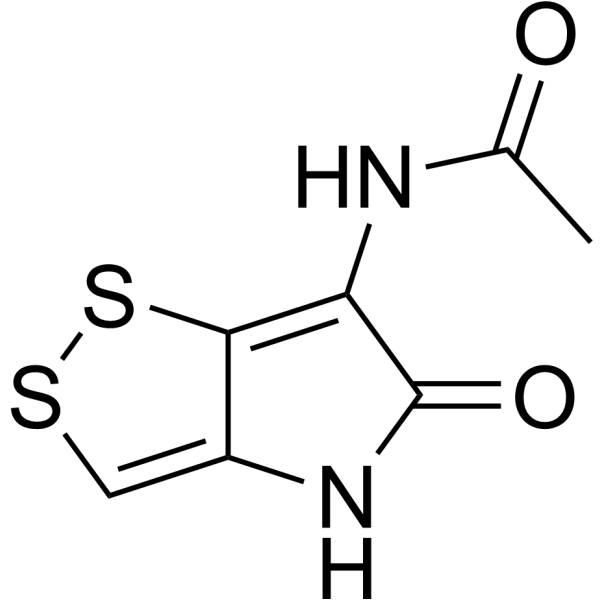
    Holomycin is an antibiotic with dithiolopyrrolone structure. Holomycin can inhibit bacterial RNA synthesis. Holomycin has antitumor activity. Holomycin can be used for the research of bacterial infection .
    Holomycin
  • HY-N0157R

    6-Carboxyuracil (Standard); Vitamin B13 (Standard)

    Reference Standards Nucleoside Antimetabolite/Analog Endogenous Metabolite Metabolic Disease
    Orotic acid (Standard) is the analytical standard of Orotic acid. This product is intended for research and analytical applications. Orotic acid (6-Carboxyuracil), a precursor in biosynthesis of pyrimidine nucleotides and RNA, is released from the mitochondrial dihydroorotate dehydrogenase (DHODH) for conversion to UMP by the cytoplasmic UMP synthase enzyme. Orotic acid is a marker for measurement in routine newborn screening for urea cycle disorders. Orotic acid can induce hepatic steatosis and hepatomegaly in rats .
    Orotic acid (Standard)
  • HY-N0667S5
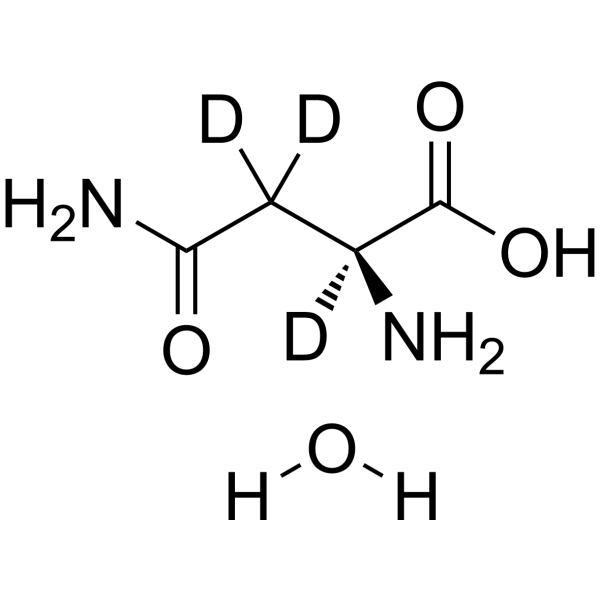
    L-Asparagine-d3 hydrate
    1 Publications Verification

    Isotope-Labeled Compounds Endogenous Metabolite Apoptosis DNA/RNA Synthesis Inflammation/Immunology
    L-Asparagine-d3 hydrate is the deuterium labeled L-Asparagine (HY-N0667). L-Asparagine is an essential amino acid for leukemic cells and a substrate for L-Asparaginase. L-Asparaginase is a potent anti-leukemic enzyme that promotes asparagine (Asn) and glutamine (Gln) depletion and inhibits protein biosynthesis in lymphoblasts. Removal of L-asparagine from plasma by L-Asparaginase results in inhibition of RNA and DNA synthesis and subsequent apoptosis. L-Asparaginase has cell-killing ability in vitro and in vivo, and selectively inhibits the growth of cancer cells with low asparagine synthetase (AASNS) expression. L-Asparagine can be used as a biomarker and sensor for the study of childhood acute lymphoblastic leukemia .
    L-Asparagine-d3 hydrate
  • HY-N11189

    Endogenous Metabolite Metabolic Disease
    α-D-Ribose-5-phosphate is an important intermediate metabolite in the pentose phosphate pathway and in the purine metabolism pathway .
    α-D-Ribose-5-phosphate
  • HY-N0667R

    (-)-Asparagine (Standard); Asn (Standard); Asparamide (Standard)

    Reference Standards Endogenous Metabolite Apoptosis DNA/RNA Synthesis Inflammation/Immunology
    L-Asparagine (Standard) is the analytical standard of L-Asparagine (HY-N0667). This product is intended for research and analytical applications. L-Asparagine is an essential amino acid for leukemic cells and a substrate for L-Asparaginase. L-Asparaginase is a potent anti-leukemic enzyme that promotes asparagine (Asn) and glutamine (Gln) depletion and inhibits protein biosynthesis in lymphoblasts. Removal of L-asparagine from plasma by L-Asparaginase results in inhibition of RNA and DNA synthesis and subsequent apoptosis. L-Asparaginase has cell-killing ability in vitro and in vivo, and selectively inhibits the growth of cancer cells with low asparagine synthetase (AASNS) expression. L-Asparagine can be used as a biomarker and sensor for the study of childhood acute lymphoblastic leukemia .
    L-Asparagine (Standard)
  • HY-W017443S

    Isotope-Labeled Compounds Endogenous Metabolite Apoptosis DNA/RNA Synthesis Neurological Disease Metabolic Disease Inflammation/Immunology Cancer
    L-Asparagine- 13C4, 15N2 monohydrateis the 13C-labeled and 15N-labeled L-Asparagine monohydrate (HY-W017443). L-Asparagine monohydrate is an essential amino acid for leukemic cells and a substrate for L-Asparaginase. L-Asparaginase is a potent anti-leukemic enzyme that promotes asparagine (Asn) and glutamine (Gln) depletion and inhibits protein biosynthesis in lymphoblasts. Removal of L-asparagine from plasma by L-Asparaginase results in inhibition of RNA and DNA synthesis and subsequent apoptosis. L-Asparaginase has cell-killing ability in vitro and in vivo, and selectively inhibits the growth of cancer cells with low asparagine synthetase (AASNS) expression. L-Asparagine monohydrate can be used as a biomarker and sensor for the study of childhood acute lymphoblastic leukemia .
    L-Asparagine-13C4,15N2 monohydrate
  • HY-N0157A
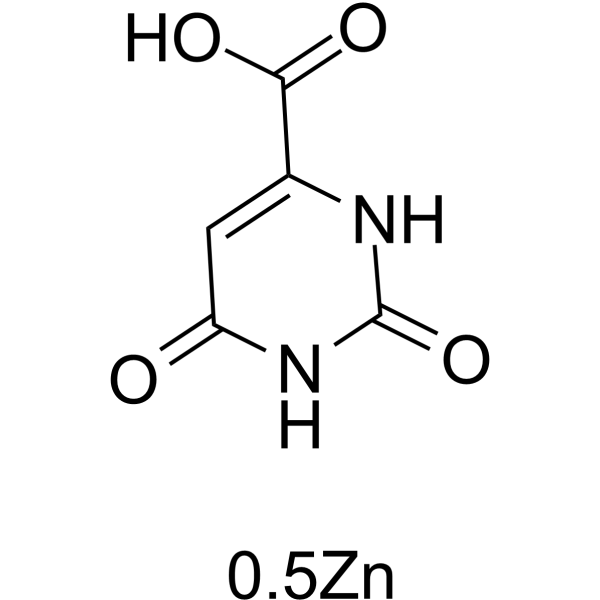
    Orotic acid zinc
    3 Publications Verification

    6-Carboxyuracil zinc; Vitamin B13 zinc

    Nucleoside Antimetabolite/Analog Endogenous Metabolite Metabolic Disease
    Orotic acid (zinc), a precursor in biosynthesis of pyrimidine nucleotides and RNA, is released from the mitochondrial dihydroorotate dehydrogenase (DHODH) for conversion to UMP by the cytoplasmic UMP synthase enzyme. Orotic acid (zinc) is a marker for measurement in routine newborn screening for urea cycle disorders. Orotic acid (zinc) can induce hepatic steatosis and hepatomegaly in rats .
    Orotic acid zinc
  • HY-N0667S3

    (-)-Asparagine-13C4 monohydrate; Asn-13C4 monohydrate; Asparamide-13C4 monohydrate

    Isotope-Labeled Compounds Endogenous Metabolite Apoptosis DNA/RNA Synthesis Inflammation/Immunology
    L-Asparagine- 13C4 monohydrate is the 13C-labeled L-Asparagine monohydrate (HY-W017443). L-Asparagine monohydrate is an essential amino acid for leukemic cells and a substrate for L-Asparaginase. L-Asparaginase is a potent anti-leukemic enzyme that promotes asparagine (Asn) and glutamine (Gln) depletion and inhibits protein biosynthesis in lymphoblasts. Removal of L-asparagine from plasma by L-Asparaginase results in inhibition of RNA and DNA synthesis and subsequent apoptosis. L-Asparaginase has cell-killing ability in vitro and in vivo, and selectively inhibits the growth of cancer cells with low asparagine synthetase (AASNS) expression. L-Asparagine monohydrate can be used as a biomarker and sensor for the study of childhood acute lymphoblastic leukemia .
    L-Asparagine-13C4 monohydrate
  • HY-N0157S1

    6-Carboxyuracil-13C,15N2 monohydrate; Vitamin B13-13C,15N2 monohydrate

    Nucleoside Antimetabolite/Analog Endogenous Metabolite Metabolic Disease
    Orotic acid- 13C, 15N2 (monohydrate) is the 13C and 15N labeled Orotic acid . Orotic acid (6-Carboxyuracil), a precursor in biosynthesis of pyrimidine nucleotides and RNA, is released from the mitochondrial dihydroorotate dehydrogenase (DHODH) for conversion to UMP by the cytoplasmic UMP synthase enzyme. Orotic acid is a marker for measurement in routine newborn screening for urea cycle disorders. Orotic acid can induce hepatic steatosis and hepatomegaly in rats .
    Orotic acid-13C,15N2 monohydrate
  • HY-W013100R

    Cytidine triphosphate disodium (Standard); 5'-CTP disodium (Standard)

    Reference Standards DNA/RNA Synthesis Nucleoside Antimetabolite/Analog Endogenous Metabolite Metabolic Disease
    Cytidine-5'-triphosphate (Cytidine triphosphate) (Standard) disodium is the analytical standard of Cytidine-5'-triphosphate disodium (HY-W013100). This product is intended for research and analytical applications. Cytidine-5'-triphosphate (Cytidine triphosphate; 5'-CTP) disodium is a nucleoside triphosphate, that is invovled in biosynthesis of DNA, RNA and lipid. Cytidine triphosphate synthase can catalyze the formation of cytidine 5′-triphosphate from uridine 5′-triphosphate (UTP). Cytidine 5′-triphosphate disodium is an essential biomolecule in the de novo pyrimidine biosynthetic pathway in T. gondii.
    Cytidine-5'-triphosphate disodium (Standard)
  • HY-119968

    Granaticin A; Litmomycin

    Bacterial Infection Cancer
    Granaticin A inhibits the initial stage of RNA biosynthesis, has anti-Gram-positive bacteria, Mycobacterium (weak) and Vaginal trichomonas activity, but also can inhibit tumor cells .
    Granaticin
  • HY-125818B

    Cytidine triphosphate sodium hydrate; 5'-CTP sodium hydrate

    DNA/RNA Synthesis Metabolic Disease
    Cytidine-5'-triphosphate sodium hydrate (Cytidine triphosphate sodium hydrate; 5'-CTP sodium hydrate) is the sodium hydrate form of Cytidine-5'-triphosphate (HY-125818). Cytidine-5'-triphosphate sodium hydrate is a nucleoside triphosphate, that is invovled in biosynthesis of DNA, RNA and lipid .
    Cytidine-5'-triphosphate sodium hydrate
  • HY-113225B

    GTP tritris

    Endogenous Metabolite Exosomes Cancer
    Guanosine triphosphate tritris (GTP tritris) serves as a vital enhancer of myogenic cell differentiation and plays a critical role in modulating miRNA-myogenic regulator factors. It also facilitates the release of exosomes enriched with guanosine and guanosine-derived molecules, and is regarded as an activated precursor for RNA synthesis. In mitochondrial function, GTP participates in the import of proteins into the matrix, which is essential for various regulated pathways, and is involved in initiating peptide synthesis through the binding of formylmethionyl-tRNA to the ribosome, as well as polypeptide chain elongation. Additionally, GTP acts as a phosphate and pyrophosphate carrier that channels chemical energy into specific biosynthetic pathways. It activates signal transducing G proteins that regulate cellular processes such as proliferation and differentiation, and its hydrolysis by small GTPases, including Ras and Rho, is integral to both proliferation and apoptosis. Furthermore, the small GTPase Rab is instrumental in vesicle docking, fusion, and formation. Beyond signal transduction, GTP is an energy-rich precursor in the enzymatic biosynthesis of DNA and RNA.
    Guanosine triphosphate tritris
  • HY-W017443S1

    Isotope-Labeled Compounds Endogenous Metabolite Apoptosis DNA/RNA Synthesis Neurological Disease Metabolic Disease Inflammation/Immunology Cancer
    L-Asparagine-amide- 15N monohydrate is the 15N-labeled L-Asparagine monohydrate (HY-W017443). L-Asparagine monohydrate is an essential amino acid for leukemic cells and a substrate for L-Asparaginase. L-Asparaginase is a potent anti-leukemic enzyme that promotes asparagine (Asn) and glutamine (Gln) depletion and inhibits protein biosynthesis in lymphoblasts. Removal of L-asparagine from plasma by L-Asparaginase results in inhibition of RNA and DNA synthesis and subsequent apoptosis. L-Asparaginase has cell-killing ability in vitro and in vivo, and selectively inhibits the growth of cancer cells with low asparagine synthetase (AASNS) expression. L-Asparagine monohydrate can be used as a biomarker and sensor for the study of childhood acute lymphoblastic leukemia .
    L-Asparagine-amide-15N monohydrate
  • HY-W017443R

    Reference Standards Endogenous Metabolite Apoptosis DNA/RNA Synthesis Neurological Disease Metabolic Disease Inflammation/Immunology Cancer
    L-Asparagine monohydrate (Standard) is the analytical standard of L-Asparagine monohydrate (HY-W017443). This product is intended for research and analytical applications. L-Asparagine monohydrate is an essential amino acid for leukemic cells and a substrate for L-Asparaginase. L-Asparaginase is a potent anti-leukemic enzyme that promotes asparagine (Asn) and glutamine (Gln) depletion and inhibits protein biosynthesis in lymphoblasts. Removal of L-asparagine from plasma by L-Asparaginase results in inhibition of RNA and DNA synthesis and subsequent apoptosis. L-Asparaginase has cell-killing ability in vitro and in vivo, and selectively inhibits the growth of cancer cells with low asparagine synthetase (AASNS) expression. L-Asparagine monohydrate can be used as a biomarker and sensor for the study of childhood acute lymphoblastic leukemia .
    L-Asparagine monohydrate (Standard)
  • HY-N0667S7

    (-)-Asparagine-13C4,15N2; Asn-13C4,15N2; Asparamide-13C4,15N2

    Isotope-Labeled Compounds Endogenous Metabolite Apoptosis DNA/RNA Synthesis Inflammation/Immunology
    L-Asparagine- 13C4, 15N2 ((-)-Asparagine- 13C4, 15N2) is the 13C and 15N-labeled L-Asparagine (HY-N0667). L-Asparagine is an essential amino acid for leukemic cells and a substrate for L-Asparaginase. L-Asparaginase is a potent anti-leukemic enzyme that promotes asparagine (Asn) and glutamine (Gln) depletion and inhibits protein biosynthesis in lymphoblasts. Removal of L-asparagine from plasma by L-Asparaginase results in inhibition of RNA and DNA synthesis and subsequent apoptosis. L-Asparaginase has cell-killing ability in vitro and in vivo, and selectively inhibits the growth of cancer cells with low asparagine synthetase (AASNS) expression. L-Asparagine can be used as a biomarker and sensor for the study of childhood acute lymphoblastic leukemia .
    L-Asparagine-13C4,15N2
  • HY-N15300

    Fungal Infection
    Acremorin E (Compound 7) is a terpenoid compound with antifungal activity. Acremorin E exerts its anti-C. gattiii effect by upregulating genes related to biosynthesis and RNA binding of ribosomes, as well as inhibiting RNA and nucleic acid metabolism and ATPase activity (MIC: 8 μg/mL) .
    Acremorin E
  • HY-W010832R

    Reference Standards P2Y Receptor DNA/RNA Synthesis Endogenous Metabolite Metabolic Disease Inflammation/Immunology
    Uridine-5'-diphosphate disodium salt is a potent, selective P2Y6 receptor native agonist (EC50=300 nM; pEC50=6.52 for human P2Y6 receptor). Uridine-5'-diphosphate disodium salt, an endogenous metabolite, catalyzes the glucuronidation of a wide array of substrates and is used in nucleic acid (RNA) biosynthesis .
    Uridine-5'-diphosphate disodium salt (Standard)
  • HY-B1099R

    DNA/RNA Synthesis Topoisomerase Parasite Reference Standards Infection
    Hycanthone (Standard) is the analytical standard of Hycanthone. This product is intended for research and analytical applications. Hycanthone is a thioxanthenone DNA intercalator and inhibits RNA synthesis as well as the DNA topoisomerases I and II. Hycanthone inhibits nucleic acid biosynthesis and inhibits apurinic endonuclease-1 (APE1) by direct protein binding with a KD of 10 nM. Hycanthone is a bioactive metabolite of Lucanthone (HY-B2098) and has anti-schistosomal agent .
    Hycanthone (Standard)
  • HY-N0667S1

    Isotope-Labeled Compounds Endogenous Metabolite Apoptosis DNA/RNA Synthesis Inflammation/Immunology
    L-Asparagine- 15N2,d8 is the 15N- and deuterium labeled L-Asparagine (HY-N0667). L-Asparagine is an essential amino acid for leukemic cells and a substrate for L-Asparaginase. L-Asparaginase is a potent anti-leukemic enzyme that promotes asparagine (Asn) and glutamine (Gln) depletion and inhibits protein biosynthesis in lymphoblasts. Removal of L-asparagine from plasma by L-Asparaginase results in inhibition of RNA and DNA synthesis and subsequent apoptosis. L-Asparaginase has cell-killing ability in vitro and in vivo, and selectively inhibits the growth of cancer cells with low asparagine synthetase (AASNS) expression. L-Asparagine can be used as a biomarker and sensor for the study of childhood acute lymphoblastic leukemia .
    L-Asparagine-15N2,d8
  • HY-N0667S4

    (-)-Asparagine-4-13C monohydrate; Asn-4-13C monohydrate; Asparamide-4-13C monohydrate

    Isotope-Labeled Compounds Endogenous Metabolite Apoptosis DNA/RNA Synthesis Inflammation/Immunology
    L-Asparagine-4- 13C monohydrate is the 13C-labeled L-Asparagine monohydrate (HY-W017443).L-Asparagine monohydrate is an essential amino acid for leukemic cells and a substrate for L-Asparaginase. L-Asparaginase is a potent anti-leukemic enzyme that promotes asparagine (Asn) and glutamine (Gln) depletion and inhibits protein biosynthesis in lymphoblasts. Removal of L-asparagine from plasma by L-Asparaginase results in inhibition of RNA and DNA synthesis and subsequent apoptosis. L-Asparaginase has cell-killing ability in vitro and in vivo, and selectively inhibits the growth of cancer cells with low asparagine synthetase (AASNS) expression. L-Asparagine monohydrate can be used as a biomarker and sensor for the study of childhood acute lymphoblastic leukemia .
    L-Asparagine-4-13C monohydrate
  • HY-W017443S4

    Isotope-Labeled Compounds Endogenous Metabolite Apoptosis DNA/RNA Synthesis Neurological Disease Metabolic Disease Inflammation/Immunology Cancer
    L-Asparagine-1,2,3,4- 13C4 monohydrate is the 13C labeled labeled L-Asparagine monohydrate (HY-W017443). L-Asparagine monohydrate is an essential amino acid for leukemic cells and a substrate for L-Asparaginase. L-Asparaginase is a potent anti-leukemic enzyme that promotes asparagine (Asn) and glutamine (Gln) depletion and inhibits protein biosynthesis in lymphoblasts. Removal of L-asparagine from plasma by L-Asparaginase results in inhibition of RNA and DNA synthesis and subsequent apoptosis. L-Asparaginase has cell-killing ability in vitro and in vivo, and selectively inhibits the growth of cancer cells with low asparagine synthetase (AASNS) expression. L-Asparagine monohydrate can be used as a biomarker and sensor for the study of childhood acute lymphoblastic leukemia .
    L-Asparagine-1,2,3,4-13C4 monohydrate
  • HY-N0667S

    Isotope-Labeled Compounds Endogenous Metabolite Apoptosis DNA/RNA Synthesis Inflammation/Immunology
    L-Asparagine- 13C4, 15N2,d8 is the 13C-labeled and 15N-labeled L-Asparagine (HY-N0667). L-Asparagine is an essential amino acid for leukemic cells and a substrate for L-Asparaginase. L-Asparaginase is a potent anti-leukemic enzyme that promotes asparagine (Asn) and glutamine (Gln) depletion and inhibits protein biosynthesis in lymphoblasts. Removal of L-asparagine from plasma by L-Asparaginase results in inhibition of RNA and DNA synthesis and subsequent apoptosis. L-Asparaginase has cell-killing ability in vitro and in vivo, and selectively inhibits the growth of cancer cells with low asparagine synthetase (AASNS) expression. L-Asparagine can be used as a biomarker and sensor for the study of childhood acute lymphoblastic leukemia .
    L-Asparagine-13C4,15N2,d8
  • HY-W017443S2

    Isotope-Labeled Compounds Endogenous Metabolite Apoptosis DNA/RNA Synthesis Neurological Disease Metabolic Disease Inflammation/Immunology Cancer
    L-Asparagine- 13C4, 15N2,d3 monohydrate is the deuterium, 13C-, and 15N-labeled L-Asparagine monohydrate (HY-W017443). L-Asparagine monohydrate is an essential amino acid for leukemic cells and a substrate for L-Asparaginase. L-Asparaginase is a potent anti-leukemic enzyme that promotes asparagine (Asn) and glutamine (Gln) depletion and inhibits protein biosynthesis in lymphoblasts. Removal of L-asparagine from plasma by L-Asparaginase results in inhibition of RNA and DNA synthesis and subsequent apoptosis. L-Asparaginase has cell-killing ability in vitro and in vivo, and selectively inhibits the growth of cancer cells with low asparagine synthetase (AASNS) expression. L-Asparagine monohydrate can be used as a biomarker and sensor for the study of childhood acute lymphoblastic leukemia .
    L-Asparagine-13C4,15N2,d3 monohydrate
  • HY-W017443S3

    Isotope-Labeled Compounds Endogenous Metabolite Apoptosis DNA/RNA Synthesis Neurological Disease Metabolic Disease Inflammation/Immunology Cancer
    L-Asparagine- 15N2,d3 monohydrate is the deuterium and 15N-labeled L-Asparagine monohydrate (HY-W017443). L-Asparagine monohydrate is an essential amino acid for leukemic cells and a substrate for L-Asparaginase. L-Asparaginase is a potent anti-leukemic enzyme that promotes asparagine (Asn) and glutamine (Gln) depletion and inhibits protein biosynthesis in lymphoblasts. Removal of L-asparagine from plasma by L-Asparaginase results in inhibition of RNA and DNA synthesis and subsequent apoptosis. L-Asparaginase has cell-killing ability in vitro and in vivo, and selectively inhibits the growth of cancer cells with low asparagine synthetase (AASNS) expression. L-Asparagine monohydrate can be used as a biomarker and sensor for the study of childhood acute lymphoblastic leukemia .
    L-Asparagine-15N2,d3 monohydrate
  • HY-N0157AR

    6-Carboxyuracil zinc (Standard); Vitamin B13 zinc (Standard)

    Nucleoside Antimetabolite/Analog Endogenous Metabolite Reference Standards Metabolic Disease
    Orotic acid (zinc) (Standard) is the analytical standard of Orotic acid (zinc). This product is intended for research and analytical applications. Orotic acid (zinc), a precursor in biosynthesis of pyrimidine nucleotides and RNA, is released from the mitochondrial dihydroorotate dehydrogenase (DHODH) for conversion to UMP by the cytoplasmic UMP synthase enzyme. Orotic acid (zinc) is a marker for measurement in routine newborn screening for urea cycle disorders. Orotic acid (zinc) can induce hepatic steatosis and hepatomegaly in rats .
    Orotic acid zinc (Standard)

Inquiry Online

Your information is safe with us. * Required Fields.

Salutation


Country or Region *

Applicant Name *


Organization Name *

Department *


Email Address *


Product Name *

Cat. No.


Requested quantity *

Phone Number *


Remarks

Inquiry Online

Inquiry Information

Product Name:
Cat. No.:
Quantity:
MCE Japan Authorized Agent:

