Search Result
Results for "
Rat colitis
" in MedChemExpress (MCE) Product Catalog:
2
Isotope-Labeled Compounds
| Cat. No. |
Product Name |
Target |
Research Areas |
Chemical Structure |
-
- HY-B1829A
-
|
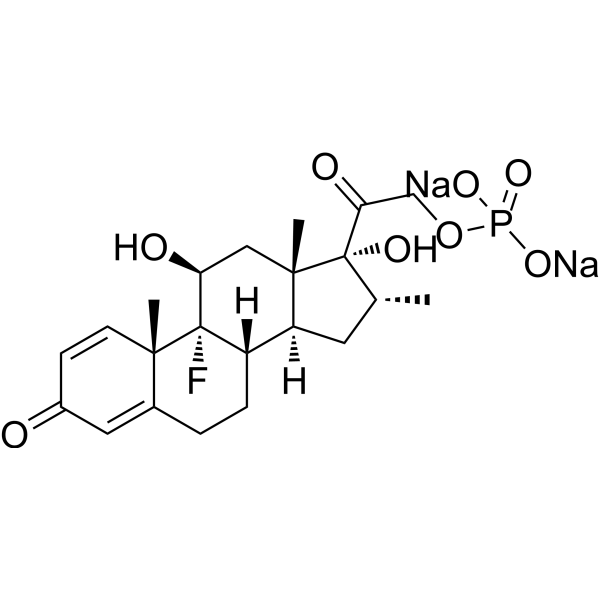
Dexamethasone 21-phosphate disodium
|
Glucocorticoid Receptor
TGF-β Receptor
Interleukin Related
|
Neurological Disease
Inflammation/Immunology
|
|
Dexamethasone phosphate (Dexamethasone 21-phosphate) disodium is a prodrug form of the glucocorticoid Dexamethasone (HY-14648). Dexamethasone phosphate disodium is produced by introducing a phosphate ester group at the 21-position of the Dexamethasone molecule, forming a salt with sodium ions, thereby significantly improving water solubility. Dexamethasone phosphate disodium inhibits LPS (HY-D1056)-induced degradation of IRAK-1 and IRAK-4, and blocks LPS-induced activation of TRAF6, p-TAK1 and p-JNK. Dexamethasone phosphate disodium inhibits the secretion of RANTES, TGF-β1 and NO, promotes the production of MIP-1α and IL-10, and blocks microglial migration. Dexamethasone phosphate disodium is almost completely converted to Dexamethasone in rat blood, and supports transdermal delivery via iontophoresis. Dexamethasone phosphate disodium can be used in research related to steroid-dependent ulcerative colitis, chemotherapy-induced vomiting, allergic asthma and acute colitis (inflammatory bowel disease) .
|
-
-
- HY-P10587
-
|
JNJ-77242113; JNJ-2113; PN-235
|
Interleukin Related
STAT
IFNAR
|
Inflammation/Immunology
|
|
Icotrokinra (JNJ-77242113) is an orally available, selective antagonist of the IL-23 receptor. Icotrokinra inhibits IL-23-induced STAT3 phosphorylation in peripheral blood mononuclear cells (IC50=5.6 pM) and inhibits IL-23-induced interferon IFN-γ production in NK cells with an IC50 of 18.4 pM. Icotrokinra exhibits anti-inflammatory activity in a rat TNBS-induced colitis model. Icotrokinra can be used in the study of psoriasis, psoriatic arthritis, and inflammatory bowel disease .
|
-
-
- HY-B1119
-
|
|
Environmental Pollutants
Antibiotic
Apoptosis
Bacterial
Fungal
|
Infection
Cancer
|
|
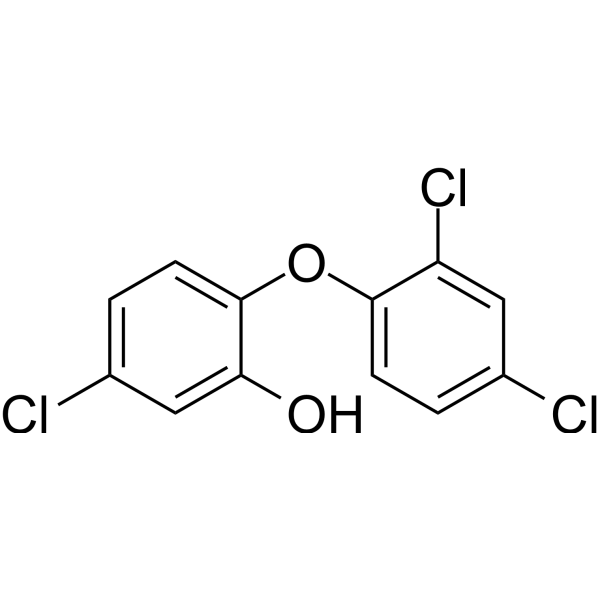
Triclosan is a broad-spectrum antibacterial agent that inhibits bacterial fatty acid synthesis at the enoyl-acyl carrier protein reductase (FabI) step. Triclosan inhibits E. coli enoyl-acyl carrier protein reductase (FabI) and FabI containing a glycine-to-valine substitution at position 93 (FabIG93V) with IC50s of 2 µM and 10 µM, respectively. Triclosan causes apoptotic effect in cultured rat neural stem cells (NSC). Triclosan exacerbates colitis and colitis-associated colorectal tumorigenesis in animal models .
|
-
-
- HY-P990217
-
|
|
Interleukin Related
|
Inflammation/Immunology
|
|
Anti-Mouse IL-23 p19 Antibody (G23-8) is a rat-derived anti-mouse IL-23 p19 IgG1 monoclonal antibody. Anti-Mouse IL-23 p19 Antibody (G23-8) alleviates inflammation by restoring CLDN8 expression. Anti-Mouse IL-23 p19 Antibody (G23-8) can be used for research on inflammation conditions such as colitis and asthma .
|
-
-
- HY-N6856
-
|
|
Bacterial
Endogenous Metabolite
|
Infection
Cancer
|
|
4-Hydroxycoumarin is an orally active coumarin derivative, one of the most versatile heterocyclic scaffolds, often used in the synthesis of various organic compounds. 4-Hydroxycoumarin possesses both electrophilic and nucleophilic properties. 4-Hydroxycoumarin is an HIV protease inhibitor and tyrosine kinase inhibitor. 4-Hydroxycoumarin has anti-inflammatory, antibacterial and anti-tumor effects .
|
-
-
- HY-B1350A
-
|
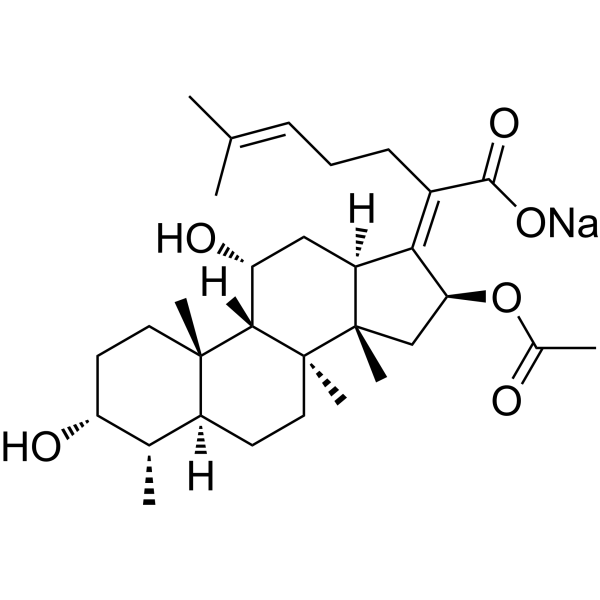
Sodium fusidate; SQ-16360
|
Bacterial
Antibiotic
Interleukin Related
|
Infection
Inflammation/Immunology
|
|
Fusidic acid sodium salt is an orally available antibacterial agent that inhibits bacterial protein synthesis by preventing the release of translation elongation factor G (EF-G) from ribosomes. Fusidic acid sodium salt inhibits the inhibitory and activating effects of interleukins IL-1 and IL-6 on glucose-induced insulin production and exhibits antidiabetic effects in a rat model. Fusidic acid sodium salt improves the symptoms of colitis in rats and inhibits the growth of Toxoplasma gondii and Listeria monocytogenes EGD in vitro, but not in mice .
|
-
-
- HY-N0213
-
Peiminine
Maximum Cited Publications
7 Publications Verification
Verticinone; Raddeanine
|
Autophagy
Caspase
Bcl-2 Family
PARP
p38 MAPK
ERK
NF-κB
Apoptosis
|
Inflammation/Immunology
Cancer
|
|
Peiminine is a compound that can be isolated from Bolbostemma paniculatum (Maxim) Franquet (Cucurbitaceae family). Peiminine can induce apoptosis in human hepatocellular carcinoma HepG2 cells through both extrinsic and intrinsic apoptotic pathways. Peiminine has anti-inflammatory, anticancer, anti-osteoporosis, cardioprotective and other activities in many animal models .
|
-
-
- HY-N7114A
-
|
|
Bacterial
P2Y Receptor
Succinate Dehydrogenase
Drug Intermediate
|
Infection
Inflammation/Immunology
|
|
Chloramphenicol succinate sodium is a prodrug of Chloramphenicol (HY-B0239), acting as a P2Y14R inhibitor with an IC50 of 1.585 nM. Chloramphenicol succinate sodium serves as a competitive substrate and inhibitor of succinate dehydrogenase (SDH), which may account for its toxicity. Chloramphenicol succinate sodium exerts a significant inhibitory effect on colitis. Chloramphenicol succinate sodium can be used in research related to myelosuppression, gray baby syndrome, aplastic anemia, bacterial meningitis and inflammatory bowel disease .
|
-
-
- HY-P990203
-
|
|
Integrin
|
Inflammation/Immunology
|
|
Anti-Mouse LPAM-1/Integrin α4β7 Antibody (DATK32) is a rat-derived anti-LPAM-1/Integrin α4β7 IgG2a, κ type antibody inhibitor. Anti-Mouse LPAM-1/Integrin α4β7 Antibody (DATK32) specifically reacts with both chains of the α4β7 heterodimer and blocks the adhesion to immobilized mucosal addressin cell adhesion molecule-1 (MAdCAM-1). Anti-Mouse LPAM-1/Integrin α4β7 Antibody (DATK32) suppresses the proliferation and cytokine secretion of CD8+ T cells. Anti-Mouse LPAM-1/Integrin α4β7 Antibody (DATK32) decreases Peyer’s patches and follicular B cells in mice. Anti-Mouse LPAM-1/Integrin α4β7 Antibody (DATK32) can be used for the researches of inflammation, such as ulcerative colitis .
|
-
-
- HY-107648
-
|
|
mAChR
|
Neurological Disease
Inflammation/Immunology
|
|
McN-A-343 is a selective M1 muscarinic agonist that stimulates muscarinic transmission in sympathetic ganglia. McN-A-343 produces a significant inhibitory effect on Muscarine (HY-121404)-evoked catecholamine secretion from the isolated perfused rat adrenal gland. McN-A-343 is involved in the regulation of neuronal firing and activates enteroendocrine L cells to release glucagon-like peptide 1 (GLP-1) and modulates the secretion of α-melanocyte stimulating hormone (α-MSH) from the pituitary gland in the central nervous system. McN-A-343 reduces colonic inflammation and oxidative stress in Acetic acid (HY-Y0319)-induced ulcerative colitis (UC) mice. McN-A-343 can be used for the study of ulcerative colitis .
|
-
-
- HY-P990284
-
|
|
C-type Lectin-like Receptors (CTLRs)
|
Metabolic Disease
Inflammation/Immunology
Cancer
|
|
Anti-Mouse CD205 Antibody (NLDC-145) is a rat-derived IgG2aκ type antibody inhibitor, targeting to mouse CD205. Anti-Mouse CD205 Antibody (NLDC-145) reacts with CD205 also known as DEC-205. Anti-Mouse CD205 Antibody (NLDC-145) can be used for the researches of cancer, inflammation, immunology and metabolic disease, such as colitis, D2F2/E2 tumor and diabetes .
|
-
-
- HY-B1829AR
-
|
Dexamethasone 21-phosphate disodium (Standard)
|
Glucocorticoid Receptor
Reference Standards
Interleukin Related
TGF-β Receptor
|
Neurological Disease
Metabolic Disease
Inflammation/Immunology
|
|
Dexamethasone phosphate (Dexamethasone 21-phosphate) disodium (Standard) is the analytical standard of Dexamethasone phosphate disodium (HY-B1829A). This product is intended for research and analytical applications. Dexamethasone phosphate (Dexamethasone 21-phosphate) disodium is a prodrug form of the glucocorticoid Dexamethasone (HY-14648). Dexamethasone phosphate disodium is produced by introducing a phosphate ester group at the 21-position of the Dexamethasone molecule, forming a salt with sodium ions, thereby significantly improving water solubility. Dexamethasone phosphate disodium inhibits LPS (HY-D1056)-induced degradation of IRAK-1 and IRAK-4, and blocks LPS-induced activation of TRAF6, p-TAK1 and p-JNK. Dexamethasone phosphate disodium inhibits the secretion of RANTES, TGF-β1 and NO, promotes the production of MIP-1α and IL-10, and blocks microglial migration. Dexamethasone phosphate disodium is almost completely converted to Dexamethasone in rat blood, and supports transdermal delivery via iontophoresis. Dexamethasone phosphate disodium can be used in research related to steroid-dependent ulcerative colitis, chemotherapy-induced vomiting, allergic asthma and acute colitis (inflammatory bowel disease).
|
-
-
- HY-P990178
-
-
-
- HY-N6856R
-
|
|
Reference Standards
Bacterial
Endogenous Metabolite
|
Infection
Cancer
|
|
4-Hydroxycoumarin (Standard) is the analytical standard of 4-Hydroxycoumarin. This product is intended for research and analytical applications. 4-Hydroxycoumarin is an orally active coumarin derivative, one of the most versatile heterocyclic scaffolds, often used in the synthesis of various organic compounds. 4-Hydroxycoumarin possesses both electrophilic and nucleophilic properties. 4-Hydroxycoumarin is an HIV protease inhibitor and tyrosine kinase inhibitor. 4-Hydroxycoumarin has anti-inflammatory, antibacterial and anti-tumor effects .
|
-
-
- HY-W747491
-
|
|
Isotope-Labeled Compounds
Antibiotic
Apoptosis
Bacterial
Fungal
|
Infection
Cancer
|
|
Triclosan- 13C12 is 13C labeled Triclosan (HY-B1119). Triclosan is a broad-spectrum antibacterial agent that inhibits bacterial fatty acid synthesis at the enoyl-acyl carrier protein reductase (FabI) step. Triclosan inhibits E. coli enoyl-acyl carrier protein reductase (FabI) and FabI containing a glycine-to-valine substitution at position 93 (FabIG93V) with IC50s of 2 μM and 10 μM, respectively. Triclosan causes apoptotic effect in cultured rat neural stem cells (NSC). Triclosan exacerbates colitis and colitis-associated colorectal tumorigenesis in animal models .
|
-
-
- HY-B1829
-
|
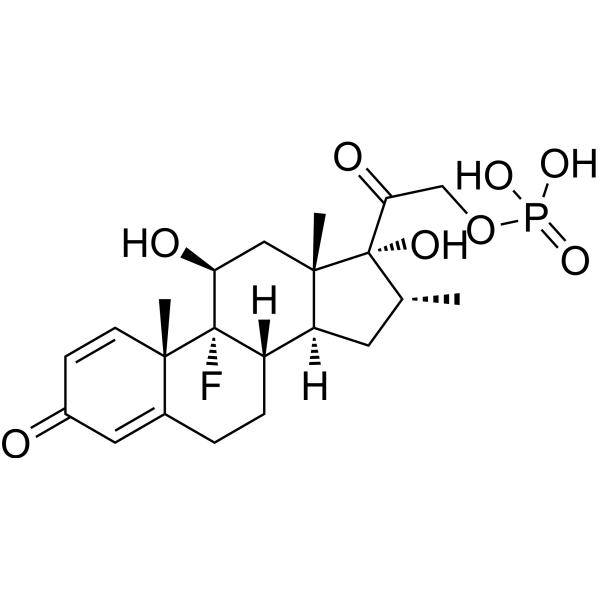
Dexamethasone 21-phosphate
|
Glucocorticoid Receptor
TGF-β Receptor
Interleukin Related
|
Neurological Disease
Inflammation/Immunology
|
|
Dexamethasone phosphate (Dexamethasone 21-phosphate) is a prodrug form of the glucocorticoid Dexamethasone (HY-14648). Dexamethasone phosphate is prepared by introducing a phosphate ester group to the hydroxyl group at position 21 of the Dexamethasone molecule. Dexamethasone phosphate inhibits LPS (HY-D1056)-induced degradation of IRAK-1 and IRAK-4, and blocks LPS-induced activation of TRAF6, p-TAK1 and p-JNK. Dexamethasone phosphate inhibits the secretion of RANTES, TGF-β1 and NO, promotes the production of MIP-1α and IL-10, and blocks microglial migration. Dexamethasone phosphate is almost completely converted to Dexamethasone in rat blood, and supports transdermal delivery via iontophoresis. Dexamethasone phosphate can be used in research related to steroid-dependent ulcerative colitis, chemotherapy-induced vomiting, allergic asthma and acute colitis (inflammatory bowel disease) .
|
-
-
- HY-P990287
-
|
|
CD1
|
Inflammation/Immunology
|
|
Anti-Mouse CD1d Antibody (19G11) is a rat-derived IgG1 type antibody inhibitor, targeting to mouse CD1d. Anti-Mouse CD1d Antibody (19G11) can neutralize CD1d and inhibit the activation of invariant natural killer T (iNKT) cells. Anti-Mouse CD1d Antibody (19G11) can be used for the researches of inflammation and immunology, such as colitis .
|
-
-
- HY-W653962
-
|
|
Isotope-Labeled Compounds
Apoptosis
Antibiotic
Fungal
Bacterial
|
Infection
Cancer
|
|
Triclosan- 13C6 is 13C labeled Triclosan. Triclosan is a broad-spectrum antibacterial agent that inhibits bacterial fatty acid synthesis at the enoyl-acyl carrier protein reductase (FabI) step. Triclosan inhibits E. coli enoyl-acyl carrier protein reductase (FabI) and FabI containing a glycine-to-valine substitution at position 93 (FabIG93V) with IC50s of 2 μM and 10 μM, respectively. Triclosan causes apoptotic effect in cultured rat neural stem cells (NSC). Triclosan exacerbates colitis and colitis-associated colorectal tumorigenesis in animal models .
|
-
-
- HY-P990295
-
|
|
Integrin
|
Metabolic Disease
Inflammation/Immunology
Cancer
|
|
Anti-Mouse CD103 Antibody (M290) is a rat-derived IgG2a κ type antibody inhibitor, targeting to mouse CD103. Anti-Mouse CD103 Antibody (M290) can neutralize CD103. Anti-Mouse CD103 Antibody (M290) can be used for the researches of cancer, inflammation, immunology and metabolic disease, such as B16.gp33 tumor, colitis and diabetes .
|
-
-
- HY-P990163
-
|
|
Transmembrane Glycoprotein
|
Inflammation/Immunology
|
|
Anti-Mouse Siglec-H Antibody (440c) is a rat-derived IgG2b type antibody inhibitor, targeting to mouse Siglec-H. Anti-Mouse Siglec-H Antibody (440c) recognizes sialic acid-binding immunoglobulin (Ig)-like lectin family (Siglec-H) selectively expressing on plasmacytoid DCs and interferon–producing cells. Anti-Mouse Siglec-H Antibody (440c) can be used for the researches of inflammation and immunology, such as colitis .
|
-
-
- HY-P10587A
-
|
JNJ-77242113 acetate; JNJ-2113 acetate; PN-235 acetate
|
Interleukin Related
STAT
IFNAR
|
Inflammation/Immunology
|
|
Icotrokinra (JNJ-77242113) acetate is an orally available, selective antagonist of the IL-23 receptor. Icotrokinra acetate inhibits IL-23-induced STAT3 phosphorylation in peripheral blood mononuclear cells (IC50=5.6 pM) and inhibits IL-23-induced interferon IFN-γ production in NK cells with an IC50 of 18.4 pM. Icotrokinra acetate exhibits anti-inflammatory activity in a rat TNBS-induced colitis model. Icotrokinra acetate can be used in the study of psoriasis, psoriatic arthritis, and inflammatory bowel disease .
|
-
-
- HY-B1119R
-
|
|
Reference Standards
Bacterial
Fungal
Antibiotic
Apoptosis
|
Infection
Cancer
|
|
Triclosan (Standard) is the analytical standard of Triclosan. This product is intended for research and analytical applications. Triclosan is a broad-spectrum antibacterial agent that inhibits bacterial fatty acid synthesis at the enoyl-acyl carrier protein reductase (FabI) step. Triclosan inhibits E. coli enoyl-acyl carrier protein reductase (FabI) and FabI containing a glycine-to-valine substitution at position 93 (FabIG93V) with IC50s of 2 µM and 10 µM, respectively. Triclosan causes apoptotic effect in cultured rat neural stem cells (NSC). Triclosan exacerbates colitis and colitis-associated colorectal tumorigenesis in animal models .
|
-
-
- HY-15048
-
|
|
PARP
|
Inflammation/Immunology
|
|
GPI 15427 is a potent inhibitor of the enzyme poly (ADP-ribose) polymerase-1 (PARP-1), which plays a harmful role during inflammation. In a rat model of gut injury and inflammation, including splanchnic artery occlusion (SAO) shock and dinitrobenzene sulfonic acid (DNBS)-induced colitis, GPI 15427 demonstrates strong anti-inflammatory effects that reduces inflammatory cell infiltration, histological injury. GPI 15427 also diminishes the accumulation of poly (ADP-ribose) in the ileum and colon of treated rats .
|
-
-
- HY-N0213R
-
|
Verticinone (Standard); Raddeanine (Standard)
|
Reference Standards
Autophagy
Caspase
Bcl-2 Family
PARP
p38 MAPK
ERK
NF-κB
Apoptosis
|
Inflammation/Immunology
Cancer
|
|
Peiminine (Standard) is the analytical standard of Peiminine. This product is intended for research and analytical applications. Peiminine is a compound that can be isolated from Bolbostemma paniculatum (Maxim) Franquet (Cucurbitaceae family). Peiminine can induce apoptosis in human hepatocellular carcinoma HepG2 cells through both extrinsic and intrinsic apoptotic pathways. Peiminine has anti-inflammatory, anticancer, anti-osteoporosis, cardioprotective and other activities in many animal models .
|
-
-
- HY-B1829R
-
|
Dexamethasone 21-phosphate (Standard)
|
Glucocorticoid Receptor
Reference Standards
TGF-β Receptor
Interleukin Related
|
Neurological Disease
Inflammation/Immunology
|
|
Dexamethasone phosphate (Standard) (Dexamethasone 21-phosphate (Standard)) is the analytical standard of Dexamethasone phosphate (HY-B1829). This product is intended for research and analytical applications. Dexamethasone phosphate (Dexamethasone 21-phosphate) is a prodrug form of the glucocorticoid Dexamethasone (HY-14648). Dexamethasone phosphate is prepared by introducing a phosphate ester group to the hydroxyl group at position 21 of the Dexamethasone molecule. Dexamethasone phosphate inhibits LPS (HY-D1056)-induced degradation of IRAK-1 and IRAK-4, and blocks LPS-induced activation of TRAF6, p-TAK1 and p-JNK. Dexamethasone phosphate inhibits the secretion of RANTES, TGF-β1 and NO, promotes the production of MIP-1α and IL-10, and blocks microglial migration. Dexamethasone phosphate is almost completely converted to Dexamethasone in rat blood, and supports transdermal delivery via iontophoresis. Dexamethasone phosphate can be used in research related to steroid-dependent ulcerative colitis, chemotherapy-induced vomiting, allergic asthma and acute colitis (inflammatory bowel disease).
|
-
-
- HY-176793
-
|
|
JAK
|
Infection
Inflammation/Immunology
Cancer
|
|
JAK1-IN-18 (Example 2) is a selective JAK1 inhibitor with an IC50 of 0.15 nM for JAK1 over JAK2 and JAK3. JAK1-IN-18 significantly reduces inflammation in DSS (HY-116282C)-induced ulcerative colitis (UC) mouse models and DNBS(HY-W324435)-induced Crohn's disease (CD) rat models. JAK1-IN-18 can be used for autoimmune diseases (such as inflammatory bowel disease), viral infections (such as HBV infection) and cancers (such as blood cancer) research .
|
-
-
- HY-162641
-
|
|
IRAK
NF-κB
p38 MAPK
TNF Receptor
|
Inflammation/Immunology
|
|
AF-45 inhibits IRAK4 and IRAK1, with IC50s of 128 nM and 1765 nM. AF-45 inhibits the release of IL-6 and TNF-α in macrophages, with IC50s of 0.53-1.54 μM and 0.6-2.75 μM. AF-45 is also an inhibitor for NF-κB/MAPK signaling pathway. AF-45 exhibits anti-inflammatory activities against DSS-induced ulcerative colitis and Lipopolysaccharide (HY-D1056)-induced acute lung injury in mouse model. AF-45 exhibits good pharmacokinetic characteristics in rat models .
|
-
-
- HY-P10587B
-
|
JNJ-77242113 (hydrochloride); JNJ-2113 (hydrochloride); PN-235 (hydrochloride)
|
Interleukin Related
STAT
IFNAR
|
Inflammation/Immunology
|
|
Icotrokinra (JNJ-77242113) hydrochloride is an orally available, selective antagonist of the IL-23 receptor. Icotrokinra hydrochloride inhibits IL-23-induced STAT3 phosphorylation in peripheral blood mononuclear cells (IC50=5.6 pM) and inhibits IL-23-induced interferon IFN-γ production in NK cells with an IC50 of 18.4 pM. Icotrokinra hydrochloride exhibits anti-inflammatory activity in a rat TNBS-induced colitis model. Icotrokinra hydrochloride can be used in the study of psoriasis, psoriatic arthritis, and inflammatory bowel disease .
|
-
-
- HY-W459577
-
|
|
SOD
|
Inflammation/Immunology
Cancer
|
|
Zinc picolinate is a zinc supplement. Zinc picolinate can mitigate colonic inflammation and enhances barrier function in a colitis rat. Zinc picolinate can inhibit uterine leiomyoma growth .
|
-
-
- HY-182503
-
|
|
Adenosine Kinase
|
Others
Inflammation/Immunology
|
|
GP515 is a potent and selective adenosine kinase inhibitor with a human IC50 of 4 nM. GP515 exerts tissue protective effects, produces long-lasting hepatic microcirculation effects after hemorrhagic shock, and induces dose- and time-related VEGF mRNA and protein expression in normoxic rat myocardial myoblasts, with additive VEGF increases during mild hypoxia and no effect during severe hypoxia. GP515 suppresses IFNγ synthesis and CD69 expression in DSS-induced colitis. GP515 also shows a dose-dependent suppression of TNF-α production with an IC50 of 80 μM and can be reversed in the presence of the cAMP antagonist (Rp)-cAMPS. Combinations of GP515 with either adenosine or rolipram led to an additive inhibition of TNF-α synthesis. GP515 can be used for the research of hemorrhagic shock .
|
-
-
- HY-183370
-
|
|
JAK
STAT
Interleukin Related
|
Inflammation/Immunology
|
|
JAK2/STAT3-IN-2 is an orally active JAK2/STAT3 inhibitor. JAK2/STAT3-IN-2 inhibits the phosphorylation of tyrosine residues in JAK2 and STAT3, blocks downstream signal transduction, disrupts the dimerization and nuclear translocation of STAT3, and suppresses pro-inflammatory transcriptional activity. JAK2/STAT3-IN-2 inhibits the expression of IL-17A and IL-17F, reduces immune cell infiltration, and inhibits the production of NO simultaneously. JAK2/STAT3-IN-2 exerts a protective effect in a mouse model of ulcerative colitis induced by DSS (HY-116282C). JAK2/STAT3-IN-2 can be used for the research of ulcerative colitis .
|
-
| Cat. No. |
Product Name |
Target |
Research Area |
-
- HY-P10587
-
|
JNJ-77242113; JNJ-2113; PN-235
|
Interleukin Related
STAT
IFNAR
|
Inflammation/Immunology
|
|
Icotrokinra (JNJ-77242113) is an orally available, selective antagonist of the IL-23 receptor. Icotrokinra inhibits IL-23-induced STAT3 phosphorylation in peripheral blood mononuclear cells (IC50=5.6 pM) and inhibits IL-23-induced interferon IFN-γ production in NK cells with an IC50 of 18.4 pM. Icotrokinra exhibits anti-inflammatory activity in a rat TNBS-induced colitis model. Icotrokinra can be used in the study of psoriasis, psoriatic arthritis, and inflammatory bowel disease .
|
-
- HY-P10587A
-
|
JNJ-77242113 acetate; JNJ-2113 acetate; PN-235 acetate
|
Interleukin Related
STAT
IFNAR
|
Inflammation/Immunology
|
|
Icotrokinra (JNJ-77242113) acetate is an orally available, selective antagonist of the IL-23 receptor. Icotrokinra acetate inhibits IL-23-induced STAT3 phosphorylation in peripheral blood mononuclear cells (IC50=5.6 pM) and inhibits IL-23-induced interferon IFN-γ production in NK cells with an IC50 of 18.4 pM. Icotrokinra acetate exhibits anti-inflammatory activity in a rat TNBS-induced colitis model. Icotrokinra acetate can be used in the study of psoriasis, psoriatic arthritis, and inflammatory bowel disease .
|
-
- HY-P10587B
-
|
JNJ-77242113 (hydrochloride); JNJ-2113 (hydrochloride); PN-235 (hydrochloride)
|
Interleukin Related
STAT
IFNAR
|
Inflammation/Immunology
|
|
Icotrokinra (JNJ-77242113) hydrochloride is an orally available, selective antagonist of the IL-23 receptor. Icotrokinra hydrochloride inhibits IL-23-induced STAT3 phosphorylation in peripheral blood mononuclear cells (IC50=5.6 pM) and inhibits IL-23-induced interferon IFN-γ production in NK cells with an IC50 of 18.4 pM. Icotrokinra hydrochloride exhibits anti-inflammatory activity in a rat TNBS-induced colitis model. Icotrokinra hydrochloride can be used in the study of psoriasis, psoriatic arthritis, and inflammatory bowel disease .
|
| Cat. No. |
Product Name |
Target |
Research Area |
Image |
-
- HY-P990217
-
|
|
Interleukin Related
|
Inflammation/Immunology
|
|
Anti-Mouse IL-23 p19 Antibody (G23-8) is a rat-derived anti-mouse IL-23 p19 IgG1 monoclonal antibody. Anti-Mouse IL-23 p19 Antibody (G23-8) alleviates inflammation by restoring CLDN8 expression. Anti-Mouse IL-23 p19 Antibody (G23-8) can be used for research on inflammation conditions such as colitis and asthma .
|
-
(5)
-
- HY-P990203
-
|
|
Integrin
|
Inflammation/Immunology
|
|
Anti-Mouse LPAM-1/Integrin α4β7 Antibody (DATK32) is a rat-derived anti-LPAM-1/Integrin α4β7 IgG2a, κ type antibody inhibitor. Anti-Mouse LPAM-1/Integrin α4β7 Antibody (DATK32) specifically reacts with both chains of the α4β7 heterodimer and blocks the adhesion to immobilized mucosal addressin cell adhesion molecule-1 (MAdCAM-1). Anti-Mouse LPAM-1/Integrin α4β7 Antibody (DATK32) suppresses the proliferation and cytokine secretion of CD8+ T cells. Anti-Mouse LPAM-1/Integrin α4β7 Antibody (DATK32) decreases Peyer’s patches and follicular B cells in mice. Anti-Mouse LPAM-1/Integrin α4β7 Antibody (DATK32) can be used for the researches of inflammation, such as ulcerative colitis .
|
-
(5)
-
- HY-P990284
-
|
|
C-type Lectin-like Receptors (CTLRs)
|
Metabolic Disease
Inflammation/Immunology
Cancer
|
|
Anti-Mouse CD205 Antibody (NLDC-145) is a rat-derived IgG2aκ type antibody inhibitor, targeting to mouse CD205. Anti-Mouse CD205 Antibody (NLDC-145) reacts with CD205 also known as DEC-205. Anti-Mouse CD205 Antibody (NLDC-145) can be used for the researches of cancer, inflammation, immunology and metabolic disease, such as colitis, D2F2/E2 tumor and diabetes .
|
-
(5)
-
- HY-P990178
-
-
(5)
-
- HY-P990287
-
|
|
CD1
|
Inflammation/Immunology
|
|
Anti-Mouse CD1d Antibody (19G11) is a rat-derived IgG1 type antibody inhibitor, targeting to mouse CD1d. Anti-Mouse CD1d Antibody (19G11) can neutralize CD1d and inhibit the activation of invariant natural killer T (iNKT) cells. Anti-Mouse CD1d Antibody (19G11) can be used for the researches of inflammation and immunology, such as colitis .
|
-
(5)
-
- HY-P990295
-
|
|
Integrin
|
Metabolic Disease
Inflammation/Immunology
Cancer
|
|
Anti-Mouse CD103 Antibody (M290) is a rat-derived IgG2a κ type antibody inhibitor, targeting to mouse CD103. Anti-Mouse CD103 Antibody (M290) can neutralize CD103. Anti-Mouse CD103 Antibody (M290) can be used for the researches of cancer, inflammation, immunology and metabolic disease, such as B16.gp33 tumor, colitis and diabetes .
|
-
(5)
-
- HY-P990163
-
|
|
Transmembrane Glycoprotein
|
Inflammation/Immunology
|
|
Anti-Mouse Siglec-H Antibody (440c) is a rat-derived IgG2b type antibody inhibitor, targeting to mouse Siglec-H. Anti-Mouse Siglec-H Antibody (440c) recognizes sialic acid-binding immunoglobulin (Ig)-like lectin family (Siglec-H) selectively expressing on plasmacytoid DCs and interferon–producing cells. Anti-Mouse Siglec-H Antibody (440c) can be used for the researches of inflammation and immunology, such as colitis .
|
-
(5)
| Cat. No. |
Product Name |
Category |
Target |
Chemical Structure |
| Cat. No. |
Product Name |
Chemical Structure |
-
- HY-W747491
-
|
|
|
Triclosan- 13C12 is 13C labeled Triclosan (HY-B1119). Triclosan is a broad-spectrum antibacterial agent that inhibits bacterial fatty acid synthesis at the enoyl-acyl carrier protein reductase (FabI) step. Triclosan inhibits E. coli enoyl-acyl carrier protein reductase (FabI) and FabI containing a glycine-to-valine substitution at position 93 (FabIG93V) with IC50s of 2 μM and 10 μM, respectively. Triclosan causes apoptotic effect in cultured rat neural stem cells (NSC). Triclosan exacerbates colitis and colitis-associated colorectal tumorigenesis in animal models .
|
-
-
- HY-W653962
-
|
|
|
Triclosan- 13C6 is 13C labeled Triclosan. Triclosan is a broad-spectrum antibacterial agent that inhibits bacterial fatty acid synthesis at the enoyl-acyl carrier protein reductase (FabI) step. Triclosan inhibits E. coli enoyl-acyl carrier protein reductase (FabI) and FabI containing a glycine-to-valine substitution at position 93 (FabIG93V) with IC50s of 2 μM and 10 μM, respectively. Triclosan causes apoptotic effect in cultured rat neural stem cells (NSC). Triclosan exacerbates colitis and colitis-associated colorectal tumorigenesis in animal models .
|
-
Your information is safe with us. * Required Fields.
Inquiry Information
- Product Name:
- Cat. No.:
- Quantity:
- MCE Japan Authorized Agent:

