Search Result
Results for "
Resveratrol
" in MedChemExpress (MCE) Product Catalog:
1
Biochemical Assay Reagents
8
Isotope-Labeled Compounds
| Cat. No. |
Product Name |
Target |
Research Areas |
Chemical Structure |
-
- HY-16561
-
-
-
- HY-16561R
-
|
trans-Resveratrol (Standard); SRT501 (Standard)
|
Reference Standards
IKK
Autophagy
Mitophagy
Sirtuin
Apoptosis
Bacterial
Fungal
Antibiotic
Keap1-Nrf2
|
Infection
Inflammation/Immunology
Cancer
|
|
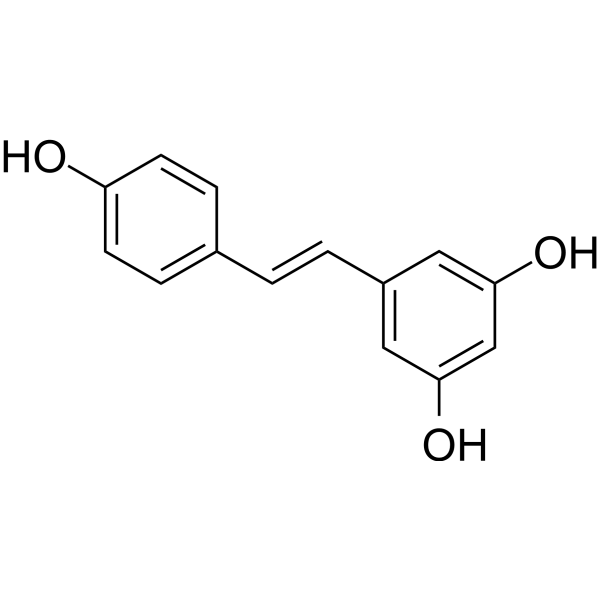
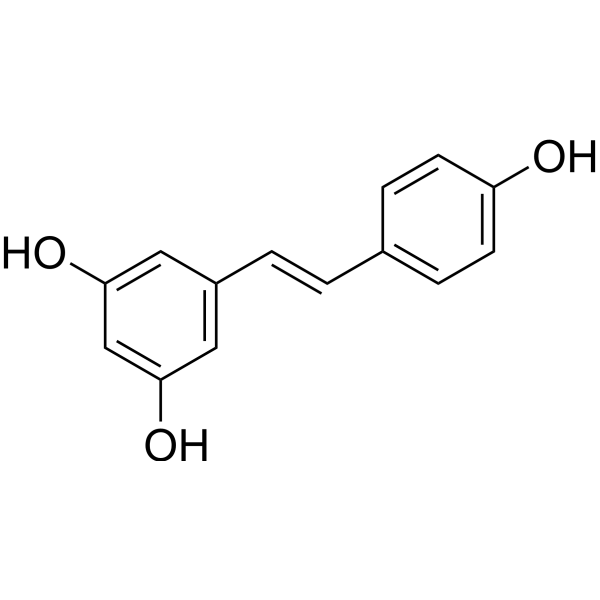
Resveratrol (Standard) is the analytical standard of Resveratrol. This product is intended for research and analytical applications. Resveratrol (trans-Resveratrol; SRT501), a natural polyphenolic phytoalexin that possesses anti-oxidant, anti-inflammatory, cardioprotective, and anti-cancer properties. Resveratrol (SRT 501) has a wide spectrum of targets including mTOR, JAK, β-amyloid, Adenylyl cyclase, IKKβ, DNA polymerase. Resveratrol also is a specific SIRT1 activator . Resveratrol is a potent pregnane X receptor (PXR) inhibitor . Resveratrol is an Nrf2 activator, ameliorates aging-related progressive renal injury in mice model . Resveratrol increases production of NO in endothelial cells .
|
-
-
- HY-N3841
-
|
epsilon-Viniferin
|
Cytochrome P450
|
Neurological Disease
Metabolic Disease
Inflammation/Immunology
|
|
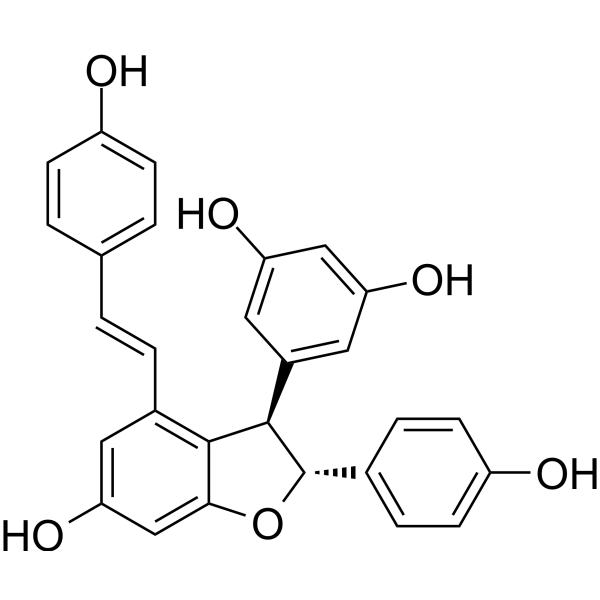
ε-Viniferin (epsilon-Viniferin), the dimer of Resveratrol and can be isolated from Vitis vinifera, displays a potent inhibitory for all the CYP activities, with Ki values from 0.5-20 μM. ε-Viniferin possesses potent antioxidant, anti-inflammatory, anti-diabetic, and anti-neurodegenerative capacity .
|
-
-
- HY-N2229
-
|
|
Cytochrome P450
Fungal
Bacterial
|
Infection
Inflammation/Immunology
Cancer
|
|
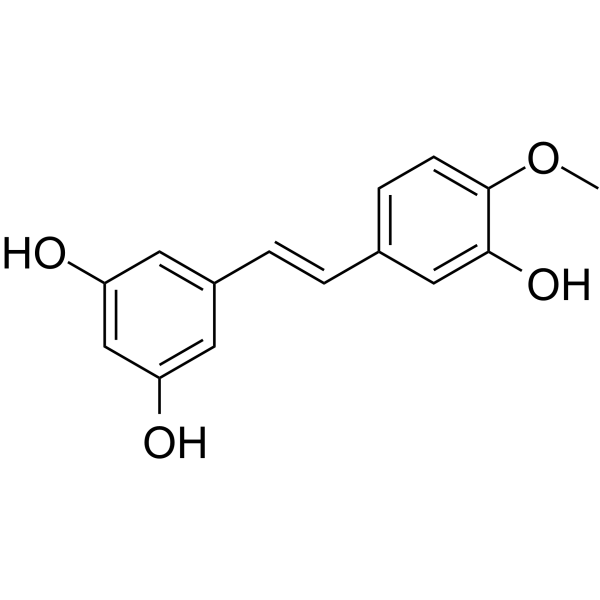
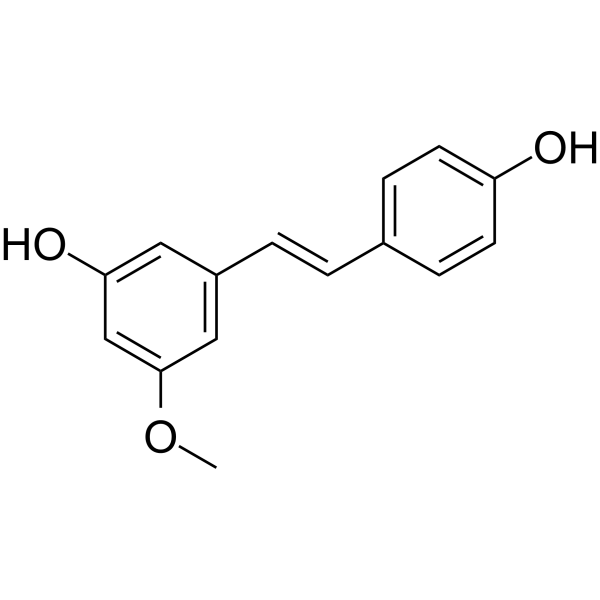
Rhapontigenin is a natural analog of resveratrol with anticancer, antioxidant, antifungal and antibacterial activities. Rhapontigenin is amechanism-based, potent and selective cytochrome P450 1A1 inactivator (IC50
= 400 nM). Rhapontigenin exhibits 400-fold and 23-fold selectivity for P450 1A1 over P450 1A2 and P450 1B1, respectively .
|
-
-
- HY-19340
-
|
(E)-2,3',4,5'-tetramethoxystilbene
|
Cytochrome P450
|
Cancer
|
|
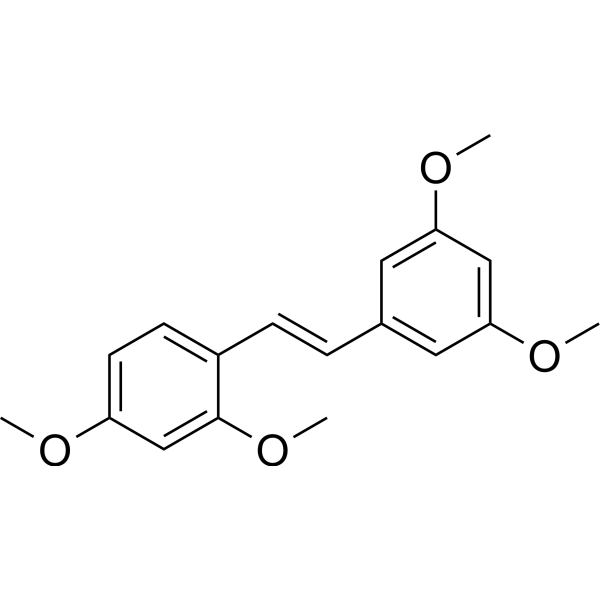
TMS ((E)-2,3',4,5'-tetramethoxystilbene) is a selective and competitive CYP1B1 inhibitor with an IC50 of 6 nM and a Ki value of 3 nM. TMS shows a lesser extent inhibitory effect on CYP1A1 (IC50=300 nM) and CYP1A2 (IC50=3.1 μM). TMS is a methylated derivative of resveratrol and has anti-cancer activity .
|
-
-
- HY-16561A
-
|
|
Enterovirus
NF-κB
|
Infection
Inflammation/Immunology
|
|
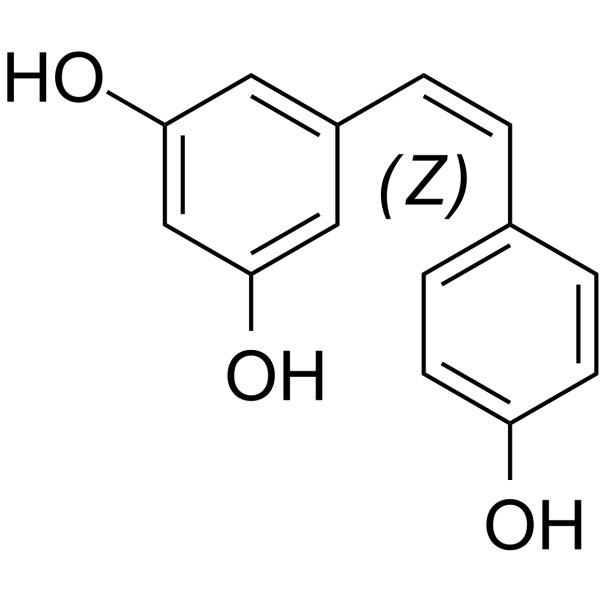
cis-Resveratrol exhibits signifcant antiviral activity. cis-Resveratrol inhibits enteroviruses with IC50s of 12.2 µM and 37.6 µM for coxsackievirus B3 (CVB3) and enterovirus 71 (EV71), respectively. cis-Resveratrol is the inhibitor for NF-κB signaling pathway .
|
-
-
- HY-N1408
-
|
trans-trismethoxy Resveratrol; (E)-Resveratrol trimethyl ether; trans-3,5,4'-Trimethoxystilbene
|
VEGFR
Reactive Oxygen Species (ROS)
Caspase
Apoptosis
|
Inflammation/Immunology
Cancer
|
|
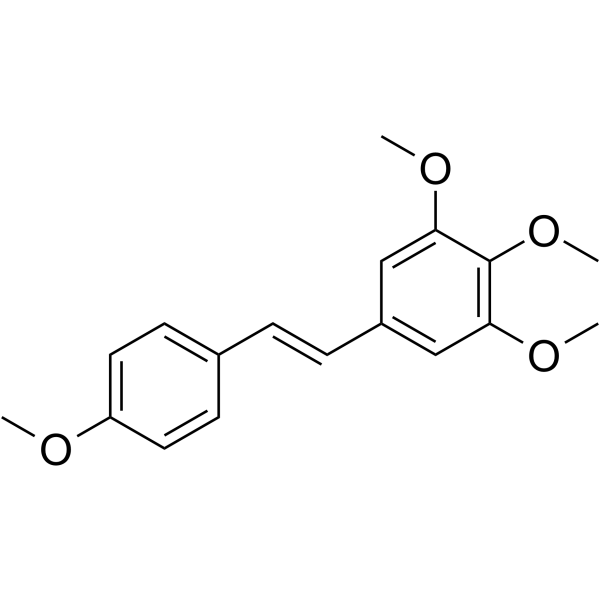
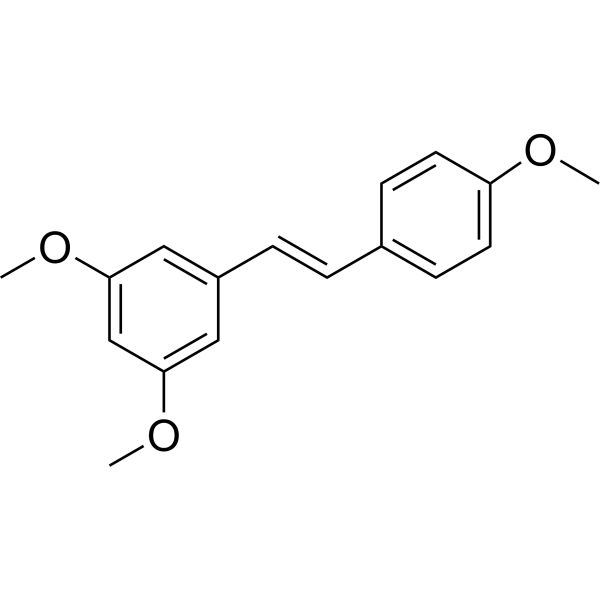
Trans-Trimethoxyresveratrol (trans-trismethoxy Resveratrol; (E)-Resveratrol trimethyl ether; trans-3,5,4'-Trimethoxystilbene) is an orally active natural derivative of Resveratrol (HY-16561). Trans-Trimethoxyresveratrol has an enhanced anticancer profile compared to Resveratrol, exhibiting higher potency than resveratrol, with improved cancer cell proliferation inhibition, induction of cell cycle arrest, decreased metastasis, and increased apoptosis. Trans-Trimethoxyresveratrol causes microtubule disassembling and tubulin depolymerization and exerts anti-angiogenic effects through VEGFR2. Trans-Trimethoxyresveratrol can be used for the studies of anti-angiogenic and anti-cancer (such as non-small cell lung cancer and osteosarcoma) .
|
-
-
- HY-N3059
-
-
-
- HY-N2387
-
|
|
Bacterial
Apoptosis
Autophagy
|
Infection
Cancer
|
|
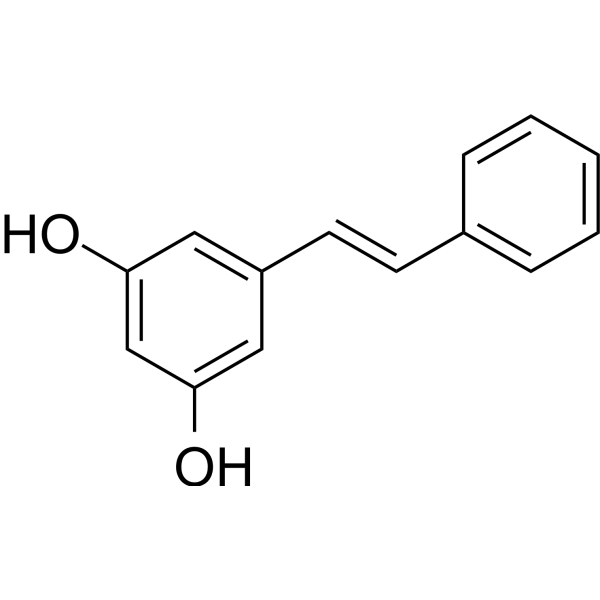
Pinosylvin is a?pre-infectious stilbenoid toxin?isolated from the heartwood of Pinus species, has anti-bacterial activities . Pinosylvin is a resveratrol analogue, can induce cell apoptosis and autophapy in leukemia cells .
|
-
-
- HY-124037
-
|
|
Sirtuin
|
Cancer
|
|
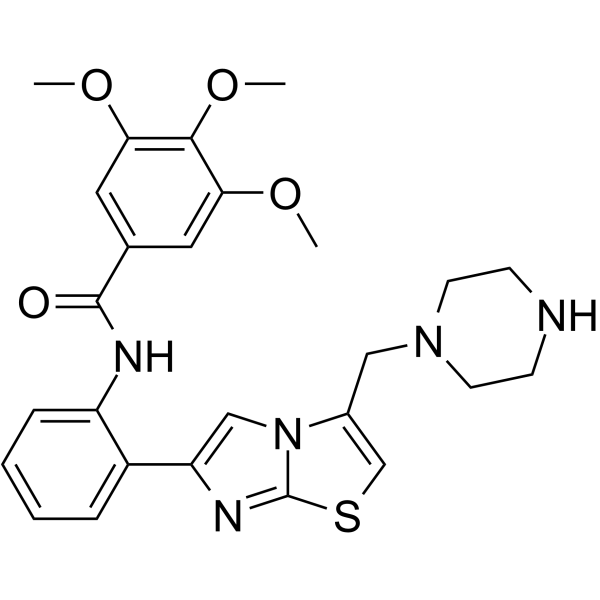
SRT 1460, a potent Sirtuin-1 (SIRT1) activator with an EC1.5 value of 2.9 μM, shows good selectivity for activation of SIRT1 versus SIRT2 and SIRT3 (EC1.5>300 μM), and is more potent than Resveratrol and the closest sirtuin homologues .
|
-
-
- HY-16561S
-
|
trans-Resveratrol-d4; SRT501-d4
|
Isotope-Labeled Compounds
DNA/RNA Synthesis
IKK
Autophagy
Mitophagy
Sirtuin
Apoptosis
Bacterial
Fungal
Antibiotic
Keap1-Nrf2
|
Infection
Inflammation/Immunology
Cancer
|
|
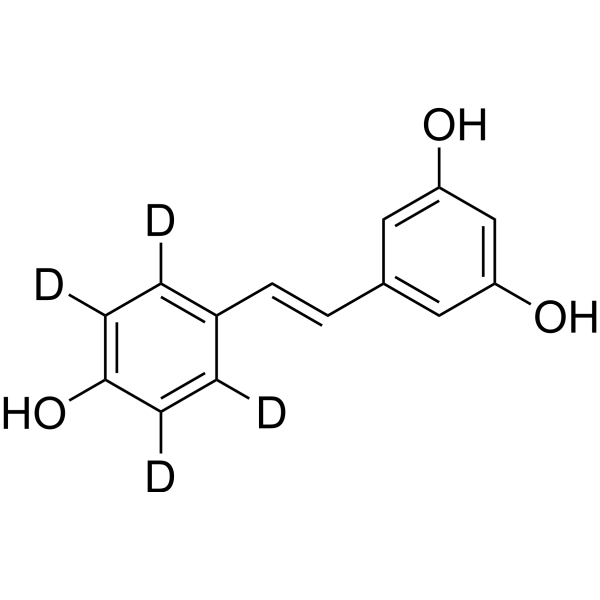
Resveratrol-d4 is the deuterium labeled Resveratrol. Resveratrol (trans-Resveratrol; SRT501), a natural polyphenolic phytoalexin that possesses anti-oxidant, anti-inflammatory, cardioprotective, and anti-cancer properties. Resveratrol (SRT 501) has a wide spectrum of targets including mTOR, JAK, β-amyloid, Adenylyl cyclase, IKKβ, DNA polymerase. Resveratrol also is a specific SIRT1 activator . Resveratrol is a potent pregnane X receptor (PXR) inhibitor . Resveratrol is an Nrf2 activator, ameliorates aging-related progressive renal injury in mice model . Resveratrol increases production of NO in endothelial cells .
|
-
-
- HY-124113
-
|
4′‐BR
|
Sirtuin
Apoptosis
Caspase
Lactate Dehydrogenase
GLUT
|
Metabolic Disease
Inflammation/Immunology
Cancer
|
|
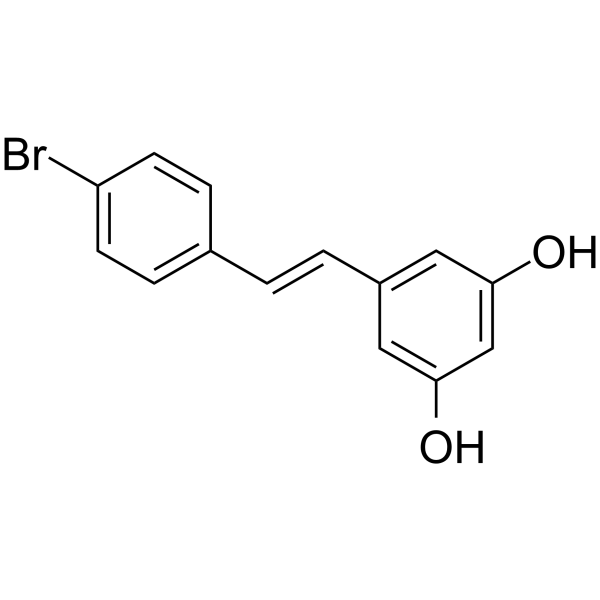
4'-Bromo-resveratrol (4′‐BR) is a dual SIRT1/SIRT3 inhibitor with an IC50 of 0.2 mM for both targets. 4'-Bromo-resveratrol induces caspase-dependent apoptosis, induces G0/G1 cell cycle arrest, and inhiibits proliferation. 4'-Bromo-resveratrol reduces lactate production, glucose uptake, and NAD +/NADH ratio, and downregulates lactate dehydrogenase A and glucose transporter 1 (GLUT1). 4'-Bromo-resveratrol can be used for the research of melanoma .
|
-
-
- HY-N4195
-
|
Resveratrol glycoside; trans-Resveratrol 4'-O-β-D-glucopyranoside
|
Glycosidase
|
Cardiovascular Disease
Metabolic Disease
|
|
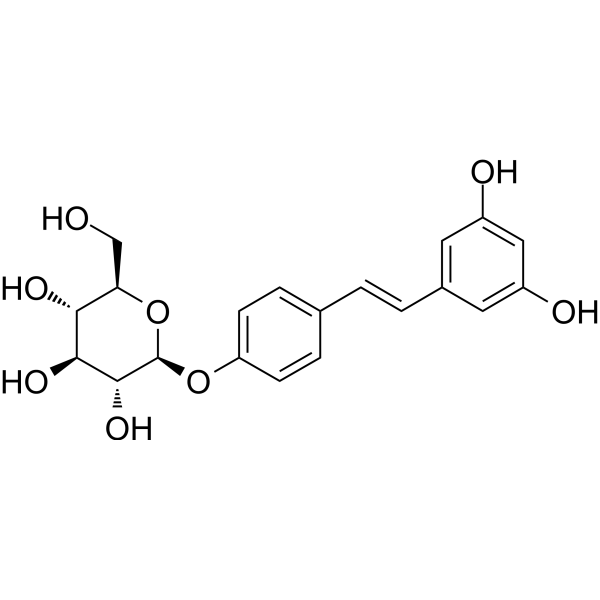
Resveratroloside (Resveratrol glycoside) is an orally active competitive inhibitor of α-glucosidase. Resveratroloside has hypoglycemic and cardioprotective effects. Resveratroloside can be used for the research of diabetes and heart system diseases .
|
-
-
- HY-N1410
-
|
|
STAT
NF-κB
|
Cancer
|
|
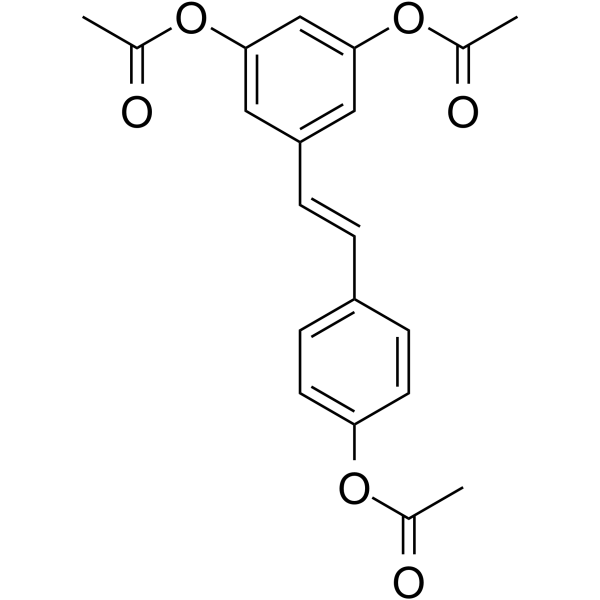
Triacetylresveratrol, an acetylated analog of Resveratrol. Triacetylresveratrol decreases the phosphorylation of STAT3 and NF-κB in a dose- and time- dependent manner in PANC-1 and BxPC-3 cells. Anticancer effects .
|
-
-
- HY-137977
-
DMU-212
2 Publications Verification
|
ERK
Apoptosis
|
Cancer
|
|
DMU-212 is a methylated derivative of Resveratrol (HY-16561), with antimitotic, anti-proliferative, antioxidant and apoptosis promoting activities. DMU-212 induces mitotic arrest via induction of apoptosis and activation of ERK1/2 protein. DMU-212 has orally active .
|
-
-
- HY-136203
-
-
-
- HY-N3540
-
|
|
Others
|
Inflammation/Immunology
|
|
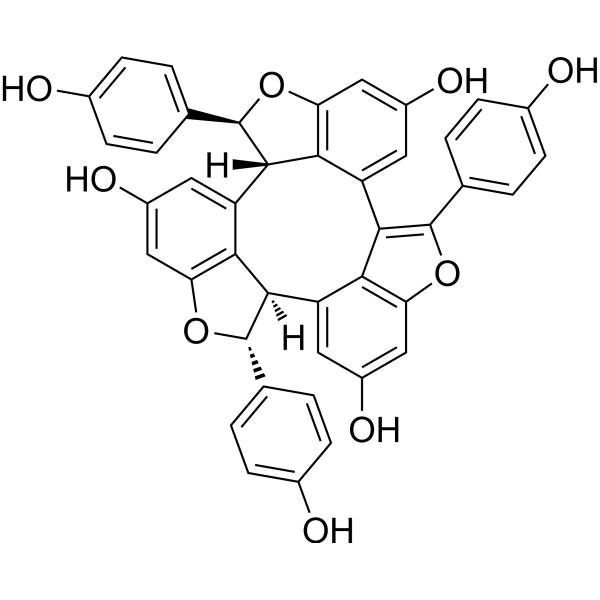
Caraphenol A is a resveratrol trimer and is able to transiently reduce interferon-induced transmembrane (IFITM) protein expression. Caraphenol A safely enhances lentiviral vector gene delivery to hematopoietic stem and progenitor cells . Caraphenol A also inhibits human cystathionine β-synthase (hCBS) and human cystathionine γ- lyase (hCSE) with IC50s of 5.9 μM and 12.1 μM, respectively .
|
-
-
- HY-159734
-
|
|
Apoptosis
|
Cancer
|
|
TPP-resveratrol is a conjugate of Resveratrol (HY-16561) and triphenylphosphine (TPP) with anticancer activity. TPP-resveratrol increases the potency of Resveratrol through mitochondrial-targeted delivery and induces mitochondria-mediated apoptosis .
|
-
-
- HY-157435
-
|
|
E1/E2/E3 Enzyme
Cytochrome P450
Proteasome
|
Cancer
|
|
PELI1-IN-1 (compound 3d) is a potent inhibitor of PELI1, E3 ubiquitin ligase. PELI1-IN-1 has anti-tumPELI1-IN-1, a Resveratrol (HY-16561) derivative, is an orally active PELI1 Inhibitor (Kd = 8.2 μM). PELI1-IN-1 markedly interrupts the interaction of PELI1 and SNAIL/SLUG, and inhibits the K63-polyubiquitization of SNAIL/SLUG by PELI1, subsequently downregulating the protein levels of epithelial-mesenchymal transition (EMT) effectors SNAIL/SLUG. PELI1-IN-1 significantly reduces the level of SNAIL, SLUG and Vimentin without affecting the PELI1 expression. PELI1-IN-1 targets the FHA domain of PELI1 and disrupts the interaction, leading to the anti-metastasis of TNBC cells in vitro and in vivo. PELI1-IN-1 shows no evident toxicity in vivo .
|
-
-
- HY-137932
-
-
-
- HY-126241
-
|
|
Aldehyde Dehydrogenase (ALDH)
|
Inflammation/Immunology
|
|
RV01 is an analogue of resveratrol, inhibits DNA damage, reduces acetaldehyde dehydrogenase 2 (ALDH2) mRNA expression induced by ethanol, and exhibits hydroxyl radical scavenging activity . RV01 decreases iNOS expression, with anti-neuroinflammatory activity .
|
-
-
- HY-N3841R
-
|
epsilon-Viniferin (Standard)
|
Reference Standards
Cytochrome P450
|
Neurological Disease
Metabolic Disease
Inflammation/Immunology
|
|
ε-Viniferin (Standard) is the analytical standard of ε-Viniferin. This product is intended for research and analytical applications. ε-Viniferin (epsilon-Viniferin), the dimer of Resveratrol and can be isolated from Vitis vinifera, displays a potent inhibitory for all the CYP activities, with Ki values from 0.5-20 μM. ε-Viniferin possesses potent antioxidant, anti-inflammatory, anti-diabetic, and anti-neurodegenerative capacity .
|
-
-
- HY-16561G
-
|
trans-Resveratrol; SRT501
|
DNA/RNA Synthesis
IKK
Autophagy
Mitophagy
Sirtuin
Apoptosis
Bacterial
Fungal
Keap1-Nrf2
|
Infection
Inflammation/Immunology
Cancer
|
|
Resveratrol (GMP) is Resveratrol (HY-16561) produced by using GMP guidelines. GMP small molecules work appropriately as an auxiliary reagent for cell therapy manufacture. Resveratrol (trans-Resveratrol; SRT501), a natural polyphenolic phytoalexin that possesses anti-oxidant, anti-inflammatory, cardioprotective, and anti-cancer properties. Resveratrol (SRT 501) has a wide spectrum of targets including mTOR, JAK, β-amyloid, Adenylyl cyclase, IKKβ, DNA polymerase. Resveratrol also is a specific SIRT1 activator . Resveratrol is a potent pregnane X receptor (PXR) inhibitor . Resveratrol is an Nrf2 activator, ameliorates aging-related progressive renal injury in mice model . Resveratrol increases production of NO in endothelial cells .
|
-
-
- HY-129156
-
|
|
Apoptosis
|
Cancer
|
|
HS-1793 is a Resveratrol (HY-16561) analogue with antitumor activities in a variety of cancer cell lines . HS-1793 induces cell apoptosis .
|
-
-
- HY-173463
-
|
|
Sirtuin
|
Metabolic Disease
Inflammation/Immunology
|
|
Sirtuin modulator 8 is a sirtuin modulator that can activate Sirtuin activity. Sirtuin modulator 8 significantly downregulates the expression of monocyte chemoattractant protein-1 (MCP-1) and upregulates the expression of fibroblast growth factor 21 (FGF21). Sirtuin modulator 8 regulates the expression of inflammation- and metabolism-related genes, showing potential for studying metabolic diseases (such as diabetes, obesity) and inflammatory diseases .
|
-
-
- HY-W614656
-
|
|
Drug Derivative
|
Neurological Disease
|
|
Pterostilbene glucoside, a stilbene derivative of Resveratrol (HY-16561), is a bioactive compound with potent protective effects against oxidative stress. Pterostilbene glucoside effectively protects M1 muscarinic receptor-transfected COS-7 cells from dopamine (DA)-induced deficits in calcium clearance. Pterostilbene glucoside can be used for the study of the reduction of age-related neuronal and behavioral deleterious effects .
|
-
-
- HY-16561S2
-
-
-
- HY-136204
-
-
-
- HY-144635
-
|
|
Monoamine Oxidase
Keap1-Nrf2
Reactive Oxygen Species (ROS)
|
Neurological Disease
|
|
Nrf2-ARE/hMAO-B/QR2 modulator 1 is a Resveratrol-based multitarget-directed ligands with IC50s of 8.05, 9.83 and 0.57 μM for hMAO-B, NRF2 and QR2. Nrf2-ARE/hMAO-B/QR2 modulator 1 has neuroprotection, decreasing ROS production in okadaic acid-treated mice hippocampal slices . Nrf2-ARE/hMAO-B/QR2 modulator 1 is a click chemistry reagent, it contains an Alkyne group and can undergo copper-catalyzed azide-alkyne cycloaddition (CuAAc) with molecules containing Azide groups.
|
-
-
- HY-N3841A
-
|
|
Cytochrome P450
|
Metabolic Disease
|
|
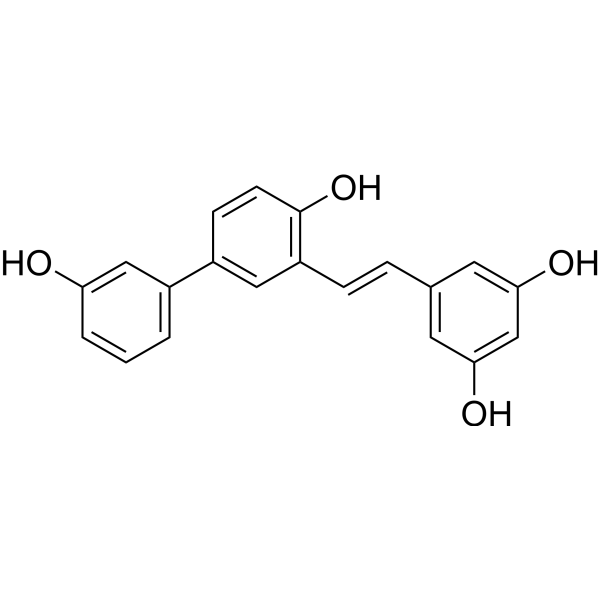
δ-Viniferin is a resveratrol dehydrodimer, an isomer of ε-Viniferin (HY-N3841) . ε-Viniferin (epsilon-Viniferin), the dimer of Resveratrol, displays a potent inhibitory for all the CYP activities, with Ki values from 0.5-20 μM. ε-Viniferin possesses potent antioxidant, anti-inflammatory, anti-diabetic, and anti-neurodegenerative capacity.
|
-
-
- HY-137912
-
|
|
Drug Metabolite
|
Endocrinology
Cancer
|
|
trans-Resveratrol-3-O-β-D-Glucuronide is an active metabolite of trans-resveratrol. trans-Resveratrol-3-O-β-D-Glucuronide reduces the proliferation of several intestinal cancer cell line. trans-Resveratrol-3-O-β-D-Glucuronide increases pyruvate production in livers .
|
-
-
- HY-177845
-
|
|
Liposome
|
Inflammation/Immunology
|
|
Liposomal Resveratrol is a specialized delivery system that encapsulates resveratrol within tiny liposomes. These liposomes act as protective shells, enhancing the absorption and bioavailability of resveratrol. Resveratrol is a polyphenol found in plants,
|
-
-
- HY-W034097S
-
-
-
- HY-171657
-
|
|
Drug Derivative
SOD
Interleukin Related
COX
Collagen
|
Inflammation/Immunology
|
|
4'-Acetoxy resveratrol is a Resveratrol (HY-16561) derivative. 4'-Acetoxy resveratrol upregulates gene expression of elastin, collagen types III and IV, superoxide dismutase (SOD), and catalase (CAT), while downregulating interleukins (IL-1A, IL-1R2, IL-6, IL-8) and cyclooxygenase-2 (COX-2) in human skin models. 4'-Acetoxy resveratrol can be used for skin reasearch .
|
-
-
- HY-16561S1
-
|
trans-Resveratrol-13C6; SRT501-13C6
|
Isotope-Labeled Compounds
DNA/RNA Synthesis
IKK
Autophagy
Mitophagy
Sirtuin
Apoptosis
Bacterial
Fungal
Antibiotic
Keap1-Nrf2
|
Infection
Inflammation/Immunology
Cancer
|
|
Resveratrol- 13C6 is the 13C-labeled Resveratrol. Resveratrol (trans-Resveratrol; SRT501), a natural polyphenolic phytoalexin that possesses anti-oxidant, anti-inflammatory, cardioprotective, and anti-cancer properties. Resveratrol (SRT 501) has a wide spectrum of targets including mTOR, JAK, β-amyloid, Adenylyl cyclase, IKKβ, DNA polymerase. Resveratrol also is a specific SIRT1 activator . Resveratrol is a potent pregnane X receptor (PXR) inhibitor . Resveratrol is an Nrf2 activator, ameliorates aging-related progressive renal injury in mice model . Resveratrol increases production of NO in endothelial cells .
|
-
-
- HY-N10766
-
|
|
Others
|
Others
|
|
Ampelopsins F is a bridged plant oligostilbene that can be isolated from Ampelopsis brevipedunculata var. hancei roots. Ampelopsins F is a resveratrol dimer .
|
-
-
- HY-N9778
-
|
|
Apoptosis
Bcl-2 Family
Caspase
Drug Derivative
|
Cancer
|
|
Phoyunbene B is a similar substance to Resveratrol (HY-16561). Phoyunbene B exhibits stronger growth inhibitory activity against human liver cancer cells HepG2 compared to Resveratrol. Phoyunbene B induces G2/M phase cell cycle arrest and apoptosis. Phoyunbene B increases Bax/Bcl-2 and activates Caspase-3. Phoyunbene B inhibits the invasion and migration of cancer cells. Phoyunbene B can be used for research on liver cancer .
|
-
-
- HY-112554
-
|
|
Phosphatase
|
Others
|
|
PDM11 is a derivative of antioxidant resveratrol. PDM11 do not exhibit any significant protective effect against oxidation of linoleate micelles initiated by radiolysis-generated hydroxyl radicals. PDM11 is inactive in resveratrol activity assays .
|
-
-
- HY-118634
-
|
R-4G
|
FATP
|
Metabolic Disease
|
|
Trans-Resveratrol-4'-O-D-Glucuronide (R-4G) is a metabolite of resveratrol with anti-fat accumulation property, and can be used for metabolic research .
|
-
-
- HY-177596
-
|
Cp3C
|
CCR
|
Others
|
|
Dicytidine 5′-triphosphate (Cp3C) is a cytosine-containing dinucleoside polyphosphate. Dicytidine 5′-triphosphate inhibits the intracellular accumulation of trans-resveratrol and trans-piceid. Dicytidine 5′-triphosphate induces the expression of CCR2 and upregulates the expression of PAL1 and 4CL1 .
|
-
-
- HY-177596A
-
|
Cp3C trisodium
|
CCR
|
Others
|
|
Dicytidine 5′-triphosphate (Cp3C) trisodium is a cytosine-containing dinucleoside polyphosphate. Dicytidine 5′-triphosphate trisodium inhibits the intracellular accumulation of trans-resveratrol and trans-piceid. Dicytidine 5′-triphosphate trisodium induces the expression of CCR2 and upregulates the expression of PAL1 and 4CL1 .
|
-
-
- HY-N3841B
-
|
|
Cytochrome P450
|
Neurological Disease
|
|
(Rac)-δ-Viniferin is a racemate of δ-Viniferin (HY-N3841A), an isomer of ε-Viniferin (HY-N3841). ε-Viniferin (epsilon-Viniferin), the dimer of Resveratrol, displays a potent inhibitory effect for all the CYP activities, with Ki values from 0.5-20 μM. ε-Viniferin possesses potent antioxidant, anti-inflammatory, anti-diabetic, and anti-neurodegenerative capacity .
|
-
-
- HY-131327
-
|
|
Tyrosinase
|
Cancer
|
|
Azo-resveratrol, an Azo compound, inhibits Mushroom tyrosinase (IC50=36.28 μM).
|
-
-
- HY-144159S
-
-
-
- HY-144158S
-
-
-
- HY-137912S1
-
-
-
- HY-N11790
-
|
|
Others
|
Others
|
|
Resveratrol-4′-O-(6′′-O-galloyl)-glucopyranoside is a polyphenol glycoside which can be isolated from Rheum tanguticum Maxim .
|
-
-
- HY-121989
-
|
(Z)-3,5,4'-Trimethoxystilbene
|
Microtubule/Tubulin
HCV
CDK
Akt
PAK
|
Infection
Metabolic Disease
Cancer
|
|
cis-Trismethoxy resveratrol ((Z)-3,5,4'-Trimethoxystilbene) is an anti-HCV agent and Tubulin inhibitor, with an IC50 of 4 μM against Tubulin. cis-Trismethoxy resveratrol induces G2/M phase cell cycle arrest, reduces DCLK1, decreases CDK1 levels, blocks phosphorylation of Akt Ser 473, and induces the expression of p21 Cip1/Waf1. cis-Trismethoxy resveratrol exhibits anti-tumor and hepatoprotective activities. cis-Trismethoxy resveratrol can be used in studies related to colon adenocarcinoma, hepatocellular carcinoma, hepatitis C, and liver injury .
|
-
-
- HY-N9867
-
|
|
TNF Receptor
|
Inflammation/Immunology
|
|
Gnetifolin E is a resveratrol trimer derivative that can be isolated from Gnetum brunonianum. Gnetifolin E has anti-inflammatory activity, and inhibits TNF-α .
|
-
-
- HY-118634S
-
-
- HY-N1410R
-
|
|
Reference Standards
STAT
NF-κB
|
Cancer
|
|
Triacetylresveratrol, an acetylated analog of Resveratrol. Triacetylresveratrol decreases the phosphorylation of STAT3 and NF-κB in a dose- and time- dependent manner in PANC-1 and BxPC-3 cells. Anticancer effects .
|
-
- HY-161867
-
|
|
Thrombin
|
Others
|
|
Platelet aggregation-IN-1 (Compound 10e) is an inhibitor for platelet aggregation, that inhibits 100% thrombin-induced platalet aggregation at 50 μM .
|
-
- HY-N3059R
-
|
trans-Pinostilbene (Standard)
|
Drug Metabolite
Reference Standards
|
Neurological Disease
Cancer
|
|
Pinostilbene (Standard) is the analytical standard of Pinostilbene. This product is intended for research and analytical applications. Pinostilbene (trans-Pinostilbene) is a major metabolite of Pterostilbene. Pinostilbene exhibits inhibitory effects on colon cancer cells .
|
-
- HY-N15473
-
|
(±)-Isopaucifloral F
|
Estrogen Receptor/ERR
Drug Derivative
|
Inflammation/Immunology
|
|
Isopaucifloral F ((±)-Isopaucifloral F) is a Resveratrol (HY-16561)-derived sesquiterpenes. Isopaucifloral F is an orally active ERβ agonist (EC50: 46.96 μM). Isopaucifloral F has antiosteoporosis activity. LD50 in rats: > 5 mg/kg .
|
-
- HY-162170
-
|
|
NF-κB
Keap1-Nrf2
p38 MAPK
|
Inflammation/Immunology
|
|
Anti-inflammatory agent 72 (compound 5) is a novel resveratrol derivative hybrid with benzoylhydrazine. Anti-inflammatory agent 72 shows anti-inflammatory and antioxidant activities by activating Nrf2 and inhibiting NF-κB p65/iNOS and MAPKs signaling pathways .
|
-
- HY-N2387R
-
|
|
Reference Standards
Bacterial
Apoptosis
Autophagy
|
Infection
Cancer
|
|
Pinosylvin (Standard) is the analytical standard of Pinosylvin. This product is intended for research and analytical applications. Pinosylvin is a pre-infectious stilbenoid toxin isolated from the heartwood of Pinus species, has anti-bacterial activities . Pinosylvin is a resveratrol analogue, can induce cell apoptosis and autophapy in leukemia cells .
|
-
- HY-168068
-
|
|
Drug Derivative
|
Neurological Disease
|
|
Res-Glu3 is the derivative of Resveratrol (HY-16561). Res-Glu3 mitigates the ROS accumulation, and exhibits neuroprotective efficacy against H2O2-caused cellular damage in PC12. Res-Glu3 exhibits antioxidant activity in rats ischemia reperfusion models .
|
-
- HY-129133
-
|
|
Drug Isomer
|
Others
|
|
cis-Miyabenol C is an isomer of the resveratrol trimer Miyabenol C, which can be isolated from grape herbs. Miyabenol C is an inhibitor of β-amyloid (Aβ) and amyloid β precursor protein (APP) in Alzheimer's disease model mice, and inhibit β-secretase activity without changing the protein level of β-secretase BACE1 .
|
-
- HY-149838
-
|
|
NF-κB
|
Cancer
|
|
NF-κB-IN-9 is a nuclear factor kappa B (NF-κB) targeting sonosensitizer (λex/λem=489/628 nm). NF-κB-IN-9 exhibits strong inhibition on NF-κB signaling due to its two resveratrol units in one molecule. NF-κB-IN-9 has anti-tumor activity and shows remarkable sonocytotoxicity against cancer cells. NF-κB-IN-9 has biosafety in eenograft mice model.
|
-
- HY-N2229R
-
|
|
Reference Standards
Cytochrome P450
Fungal
Bacterial
|
Infection
Inflammation/Immunology
Cancer
|
|
Rhapontigenin (Standard) is the analytical standard of Rhapontigenin. This product is intended for research and analytical applications. Rhapontigenin is a natural analog of resveratrol with anticancer, antioxidant, antifungal and antibacterial activities. Rhapontigenin is amechanism-based, potent and selective cytochrome P450 1A1 inactivator (IC50
= 400 nM). Rhapontigenin exhibits 400-fold and 23-fold selectivity for P450 1A1 over P450 1A2 and P450 1B1, respectively .
|
-
- HY-126311
-
|
3,4,5,4'-Tetrahydroxystibene
|
MDM-2/p53
Bcl-2 Family
Apoptosis
|
Cancer
|
|
4-Hydroxyresveratrol (3,4,5,4'-Tetrahydroxystibene), a Resveratrol (HY-16561) analog, differentially induces pro-apoptotic p53/Bax gene expression. 4-Hydroxyresveratrol induces apoptosis in SV40 virally transformed WI38 cells (WI38VA) cells, but not in WI38 cells. 4-Hydroxyresveratrol significantly induces the expression of p53, GADD45 and Bax genes and concomitantly suppresses the expression of bcl-2 gene in WI38VA .
|
-
- HY-Y0590
-
|
|
Environmental Pollutants
Reactive Oxygen Species (ROS)
Glutathione Reductase (GR)
|
Inflammation/Immunology
|
|
Copper (I) oxide is an oxidative stress inducer and cytotoxic agent. Copper (I) oxide causes dose-dependent decrease in the viability of airway epithelial cells by impairing the activities of catalase and glutathione reductase, generating reactive oxygen species, and increasing the levels of 8-isoprostane and the ratio of oxidized glutathione. However, when combined with Resveratrol (HY-16561), the cytotoxic effect induced by Copper (I) oxide is significantly attenuated, and oxidative damage is effectively alleviated .
|
-
- HY-N7970
-
|
|
Others
|
Others
|
|
Parthenocissin A is a resveratrol oligomer found in the stem of Parthenocissus quinquefolia .
|
-
- HY-181831
-
|
|
Drug Derivative
HIV
Epigenetic Reader Domain
|
Infection
|
|
XQ2 is a resveratrol (HY-16561) derivative and latency-reversing agent. XQ2 releases positive transcription elongation factor b (P-TEFb) from BRD4, thereby promoting Tat-dependent viral transcription. XQ2 reactivates latent HIV-1 via activating P-TEFb .
|
-
- HY-180117
-
|
|
MMP
STAT
Apoptosis
|
Cancer
|
|
MMP-2/9-IN-2 (Compound 6k) is a MMP-2 and MMP-9 inhibitor, with IC50 values of 29.27 and 24.87 μM respectively. MMP-2/9-IN-2 exhibits good selective toxicity against multiple human hepatoma cell lines. MMP-2/9-IN-2 induces cell cycle arrest and apoptosis, significantly inhibits cell migration and invasion. MMP-2/9-IN-2 inhibits the phosphorylation of the STAT3 signaling pathway. MMP-2/9-IN-2 shows strong anti-tumor activity in a nude mouse xenograft model of HepG2 liver cancer cells .
|
-
| Cat. No. |
Product Name |
Type |
-
- HY-16561G
-
|
trans-Resveratrol; SRT501
|
Fluorescent Dye
|
|
Resveratrol (GMP) is Resveratrol (HY-16561) produced by using GMP guidelines. GMP small molecules work appropriately as an auxiliary reagent for cell therapy manufacture. Resveratrol (trans-Resveratrol; SRT501), a natural polyphenolic phytoalexin that possesses anti-oxidant, anti-inflammatory, cardioprotective, and anti-cancer properties. Resveratrol (SRT 501) has a wide spectrum of targets including mTOR, JAK, β-amyloid, Adenylyl cyclase, IKKβ, DNA polymerase. Resveratrol also is a specific SIRT1 activator . Resveratrol is a potent pregnane X receptor (PXR) inhibitor . Resveratrol is an Nrf2 activator, ameliorates aging-related progressive renal injury in mice model . Resveratrol increases production of NO in endothelial cells .
|
| Cat. No. |
Product Name |
Type |
-
- HY-16561G
-
|
trans-Resveratrol; SRT501
|
Biochemical Assay Reagents
|
|
Resveratrol (GMP) is Resveratrol (HY-16561) produced by using GMP guidelines. GMP small molecules work appropriately as an auxiliary reagent for cell therapy manufacture. Resveratrol (trans-Resveratrol; SRT501), a natural polyphenolic phytoalexin that possesses anti-oxidant, anti-inflammatory, cardioprotective, and anti-cancer properties. Resveratrol (SRT 501) has a wide spectrum of targets including mTOR, JAK, β-amyloid, Adenylyl cyclase, IKKβ, DNA polymerase. Resveratrol also is a specific SIRT1 activator . Resveratrol is a potent pregnane X receptor (PXR) inhibitor . Resveratrol is an Nrf2 activator, ameliorates aging-related progressive renal injury in mice model . Resveratrol increases production of NO in endothelial cells .
|
| Cat. No. |
Product Name |
Category |
Target |
Chemical Structure |
-
- HY-16561
-
-
-
- HY-16561R
-
|
trans-Resveratrol (Standard); SRT501 (Standard)
|
Infection
Functional Molecules
Classification of Application Fields
Sunscreen
Anti-aging
Research of Health Products
Cosmetic Research
Plants
Inflammation/Immunology
Disease Research Fields
Source Classification
Cancer
|
Reference Standards
IKK
Autophagy
Mitophagy
Sirtuin
Apoptosis
Bacterial
Fungal
Antibiotic
Keap1-Nrf2
|
|
Resveratrol (Standard) is the analytical standard of Resveratrol. This product is intended for research and analytical applications. Resveratrol (trans-Resveratrol; SRT501), a natural polyphenolic phytoalexin that possesses anti-oxidant, anti-inflammatory, cardioprotective, and anti-cancer properties. Resveratrol (SRT 501) has a wide spectrum of targets including mTOR, JAK, β-amyloid, Adenylyl cyclase, IKKβ, DNA polymerase. Resveratrol also is a specific SIRT1 activator . Resveratrol is a potent pregnane X receptor (PXR) inhibitor . Resveratrol is an Nrf2 activator, ameliorates aging-related progressive renal injury in mice model . Resveratrol increases production of NO in endothelial cells .
|
-
-
- HY-N3841
-
-
-
- HY-N2229
-
-
-
- HY-16561A
-
-
-
- HY-N1408
-
|
trans-trismethoxy Resveratrol; (E)-Resveratrol trimethyl ether; trans-3,5,4'-Trimethoxystilbene
|
other families
Stilbenes
Classification of Application Fields
Plants
Disease Research Fields
Source Classification
Cancer
|
VEGFR
Reactive Oxygen Species (ROS)
Caspase
Apoptosis
|
|
Trans-Trimethoxyresveratrol (trans-trismethoxy Resveratrol; (E)-Resveratrol trimethyl ether; trans-3,5,4'-Trimethoxystilbene) is an orally active natural derivative of Resveratrol (HY-16561). Trans-Trimethoxyresveratrol has an enhanced anticancer profile compared to Resveratrol, exhibiting higher potency than resveratrol, with improved cancer cell proliferation inhibition, induction of cell cycle arrest, decreased metastasis, and increased apoptosis. Trans-Trimethoxyresveratrol causes microtubule disassembling and tubulin depolymerization and exerts anti-angiogenic effects through VEGFR2. Trans-Trimethoxyresveratrol can be used for the studies of anti-angiogenic and anti-cancer (such as non-small cell lung cancer and osteosarcoma) .
|
-
-
- HY-N3059
-
-
-
- HY-N2387
-
-
-
- HY-N4195
-
-
-
- HY-N1410
-
-
-
- HY-N3540
-
|
|
Leguminosae
Phenols
Polyphenols
Plants
Caragana sinica (Buchoz) Rehd.
|
Others
|
|
Caraphenol A is a resveratrol trimer and is able to transiently reduce interferon-induced transmembrane (IFITM) protein expression. Caraphenol A safely enhances lentiviral vector gene delivery to hematopoietic stem and progenitor cells . Caraphenol A also inhibits human cystathionine β-synthase (hCBS) and human cystathionine γ- lyase (hCSE) with IC50s of 5.9 μM and 12.1 μM, respectively .
|
-
-
- HY-N3841R
-
-
-
- HY-N3841A
-
-
-
- HY-N10766
-
-
-
- HY-N9778
-
-
-
- HY-N11790
-
-
-
- HY-N9867
-
-
-
- HY-N1410R
-
-
-
- HY-N3059R
-
-
-
- HY-N15473
-
-
-
- HY-N2387R
-
-
-
- HY-129133
-
|
|
Vitis vinifera cv. Zalema
Phenols
Plants
Vitaceae
Source Classification
|
Drug Isomer
|
|
cis-Miyabenol C is an isomer of the resveratrol trimer Miyabenol C, which can be isolated from grape herbs. Miyabenol C is an inhibitor of β-amyloid (Aβ) and amyloid β precursor protein (APP) in Alzheimer's disease model mice, and inhibit β-secretase activity without changing the protein level of β-secretase BACE1 .
|
-
-
- HY-N2229R
-
-
-
- HY-N7970
-
-
| Cat. No. |
Product Name |
Chemical Structure |
-
- HY-16561S
-
|
|
|
Resveratrol-d4 is the deuterium labeled Resveratrol. Resveratrol (trans-Resveratrol; SRT501), a natural polyphenolic phytoalexin that possesses anti-oxidant, anti-inflammatory, cardioprotective, and anti-cancer properties. Resveratrol (SRT 501) has a wide spectrum of targets including mTOR, JAK, β-amyloid, Adenylyl cyclase, IKKβ, DNA polymerase. Resveratrol also is a specific SIRT1 activator . Resveratrol is a potent pregnane X receptor (PXR) inhibitor . Resveratrol is an Nrf2 activator, ameliorates aging-related progressive renal injury in mice model . Resveratrol increases production of NO in endothelial cells .
|
-
-
- HY-16561S2
-
|
|
|
Resveratrol-(4-Hydroxyphenyl)- 13CN6 is the 13C labeled Resveratrol-(4-Hydroxyphenyl) .
|
-
-
- HY-W034097S
-
|
|
|
trans-Trismethoxy Resveratrol-d4 is the deuterium labeled trans-Trismethoxy Resveratrol .
|
-
-
- HY-16561S1
-
|
|
|
Resveratrol- 13C6 is the 13C-labeled Resveratrol. Resveratrol (trans-Resveratrol; SRT501), a natural polyphenolic phytoalexin that possesses anti-oxidant, anti-inflammatory, cardioprotective, and anti-cancer properties. Resveratrol (SRT 501) has a wide spectrum of targets including mTOR, JAK, β-amyloid, Adenylyl cyclase, IKKβ, DNA polymerase. Resveratrol also is a specific SIRT1 activator . Resveratrol is a potent pregnane X receptor (PXR) inhibitor . Resveratrol is an Nrf2 activator, ameliorates aging-related progressive renal injury in mice model . Resveratrol increases production of NO in endothelial cells .
|
-
-
- HY-144159S
-
|
|
|
Resveratrol 3,5-diglucuronide-d4 is the deuterium labeled Resveratrol 3,5-diglucuronide .
|
-
-
- HY-144158S
-
|
|
|
Resveratrol 3-sulfate-d4 (triethylamine) is the deuterium labeled Resveratrol 3-sulfate triethylamine .
|
-
-
- HY-137912S1
-
|
|
|
Resveratrol-3-O-beta-D-glucuronide- 13C6 is deuterium labeled trans-Resveratrol-3-O-β-D-Glucuronide.
|
-
-
- HY-118634S
-
|
|
|
trans-Resveratrol-4'-O-D-Glucuronide-d4 (R-4G-d4) is deuterium labeled trans-Resveratrol-4'-O-D-Glucuronide.
|
-
| Cat. No. |
Product Name |
|
Classification |
-
- HY-144635
-
|
|
|
Alkynes
|
|
Nrf2-ARE/hMAO-B/QR2 modulator 1 is a Resveratrol-based multitarget-directed ligands with IC50s of 8.05, 9.83 and 0.57 μM for hMAO-B, NRF2 and QR2. Nrf2-ARE/hMAO-B/QR2 modulator 1 has neuroprotection, decreasing ROS production in okadaic acid-treated mice hippocampal slices . Nrf2-ARE/hMAO-B/QR2 modulator 1 is a click chemistry reagent, it contains an Alkyne group and can undergo copper-catalyzed azide-alkyne cycloaddition (CuAAc) with molecules containing Azide groups.
|
| Cat. No. |
Product Name |
|
Classification |
-
- HY-177845
-
|
|
|
Liposome
|
|
Liposomal Resveratrol is a specialized delivery system that encapsulates resveratrol within tiny liposomes. These liposomes act as protective shells, enhancing the absorption and bioavailability of resveratrol. Resveratrol is a polyphenol found in plants,
|
-
- HY-177596A
-
|
Cp3C trisodium
|
|
Nucleotide Analogs
|
|
Dicytidine 5′-triphosphate (Cp3C) trisodium is a cytosine-containing dinucleoside polyphosphate. Dicytidine 5′-triphosphate trisodium inhibits the intracellular accumulation of trans-resveratrol and trans-piceid. Dicytidine 5′-triphosphate trisodium induces the expression of CCR2 and upregulates the expression of PAL1 and 4CL1 .
|
| Cat. No. |
Product Name |
Target |
Research Areas |
Chemical Structure |
-
- HY-16561G
-
|
trans-Resveratrol; SRT501
|
DNA/RNA Synthesis
IKK
Autophagy
Mitophagy
Sirtuin
Apoptosis
Bacterial
Fungal
Keap1-Nrf2
|
Infection
Inflammation/Immunology
Cancer
|
|
Resveratrol (GMP) is Resveratrol (HY-16561) produced by using GMP guidelines. GMP small molecules work appropriately as an auxiliary reagent for cell therapy manufacture. Resveratrol (trans-Resveratrol; SRT501), a natural polyphenolic phytoalexin that possesses anti-oxidant, anti-inflammatory, cardioprotective, and anti-cancer properties. Resveratrol (SRT 501) has a wide spectrum of targets including mTOR, JAK, β-amyloid, Adenylyl cyclase, IKKβ, DNA polymerase. Resveratrol also is a specific SIRT1 activator . Resveratrol is a potent pregnane X receptor (PXR) inhibitor . Resveratrol is an Nrf2 activator, ameliorates aging-related progressive renal injury in mice model . Resveratrol increases production of NO in endothelial cells .
|
-
Your information is safe with us. * Required Fields.
Inquiry Information
- Product Name:
- Cat. No.:
- Quantity:
- MCE Japan Authorized Agent:

