1. Search Result
Search Result
Pathways Recommended: MAPK/ERK Pathway
Results for "

Rho pathways

" in MedChemExpress (MCE) Product Catalog:

25

Inhibitors & Agonists

1

Peptides

10

Natural
Products

Targets Recommended:
Cat. No. Product Name Target Research Areas Chemical Structure
  • HY-16563
    Narciclasine
    Maximum Cited Publications
    22 Publications Verification

    Lycoricidinol

    ROCK Cancer
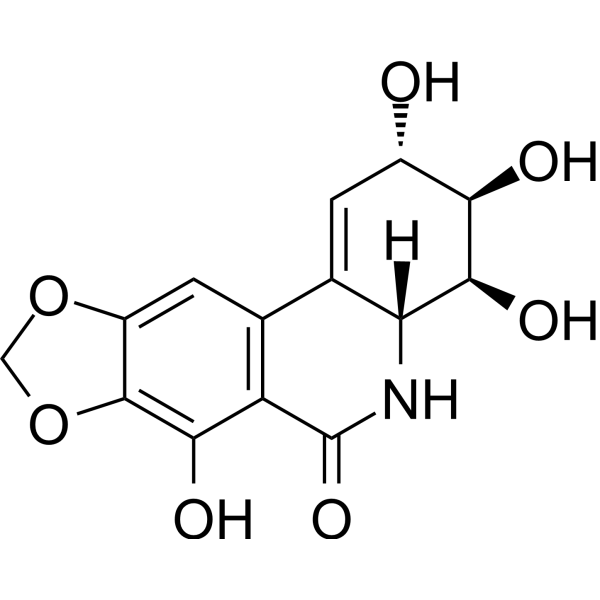
    Narciclasine is a plant growth modulator. Narciclasine modulates the Rho/Rho kinase/LIM kinase/cofilin signaling pathway, greatly increasing GTPase RhoA activity as well as inducing actin stress fiber formation in a RhoA-dependent manner.
    Narciclasine
  • HY-I0400
    N-Acetylneuraminic acid
    5 Publications Verification

    NANA; Lactaminic acid

    Tyrosinase Ras Influenza Virus Endogenous Metabolite Cardiovascular Disease Inflammation/Immunology Cancer
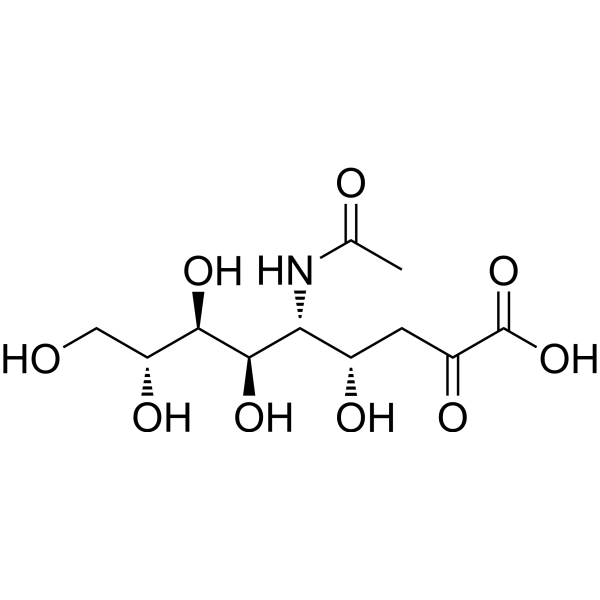
    N-Acetylneuraminic acid (NANA; Lactaminic acid), a nonphenolic structure, is the predominant form of sialic from Collocalia esculenta. N-Acetylneuraminic acid plays a biological role in myocardial injury, melanoma and viral or bacterial infection. N-Acetylneuraminic acid inhibits melanogenesis by reducing tyrosinase activity and triggers myocardial injury in vitro and in vivo by activation of the Rho/Rho-associated signaling pathway through binding to RhoA and Cdc42. N-Acetylneuraminic acid may prevent high fat diet (HFD)-induced inflammation and oxidative stress, thereby prevents hyperlipidemia-associated inflammation and oxidative stress. N-Acetylneuraminic acid is promising for research in the field of melanoma, coronary artery, obesity-related diseases and hyperlipidemia .
    N-Acetylneuraminic acid
  • HY-13991
    CCG-1423
    10+ Cited Publications

    Ras Apoptosis Cancer
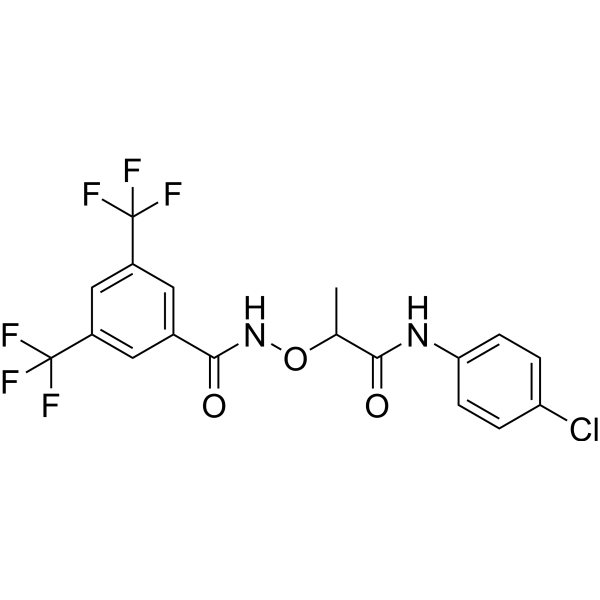
    CCG-1423 is an inhibitor of Rho/MRTF/SRF pathway. CCG-1423 shows activities in several cancer cells. CCG-1423 is a promising lead compound for the development of novel pharmacologic tools, and it can be used for the research of cancer and diabetes .
    CCG-1423
  • HY-108361
    CCG-203971
    2 Publications Verification

    Ras Inflammation/Immunology Cancer
    CCG-203971 is a second-generation Rho/MRTF/SRF pathway inhibitor. CCG-203971 potently targets RhoA/C-activated SRE-luciferase (IC50 =6.4 μM). CCG-203971 inhibits PC-3 cell migration with an IC50 of 4.2 μM. Potential anti-metastasis Agent .
    CCG-203971
  • HY-N6012
    (-)-Alkannin
    2 Publications Verification

    Apoptosis Inflammation/Immunology Cancer
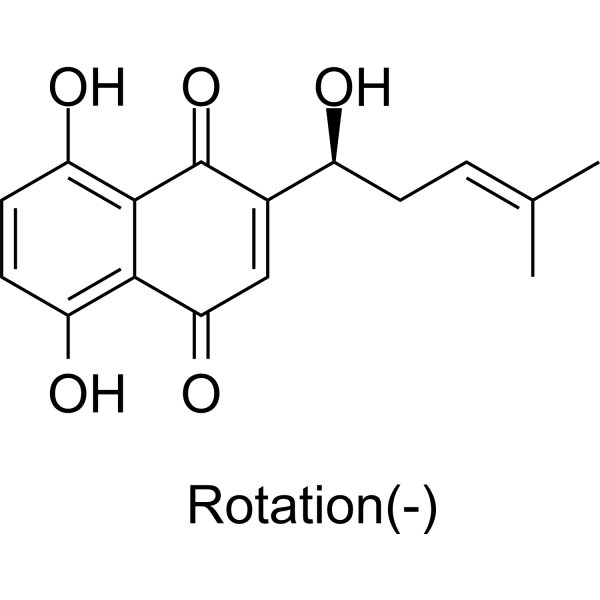
    (-)-Alkannin, found in Alkanna tinctoria, is used as a food coloring. (-)-Alkannin shows anticancer activity, arrests cell cycle, and induces apoptosis. (-)-Alkannin improves hepatic inflammation in a Rho-kinase pathway .
    (-)-Alkannin
  • HY-111432

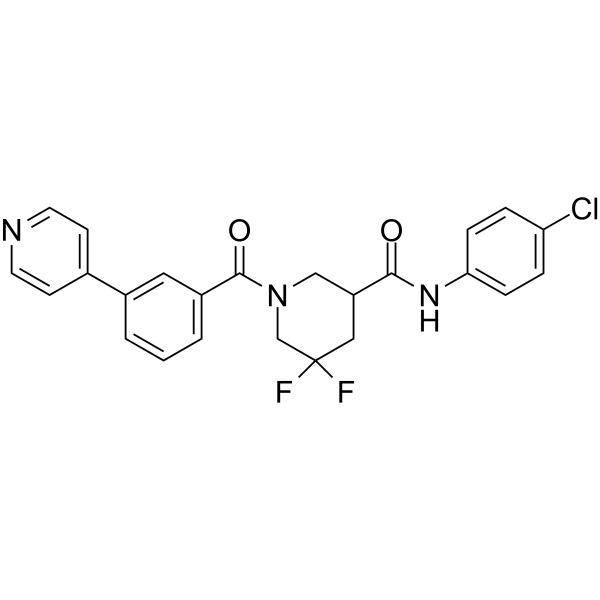
    Ras Others
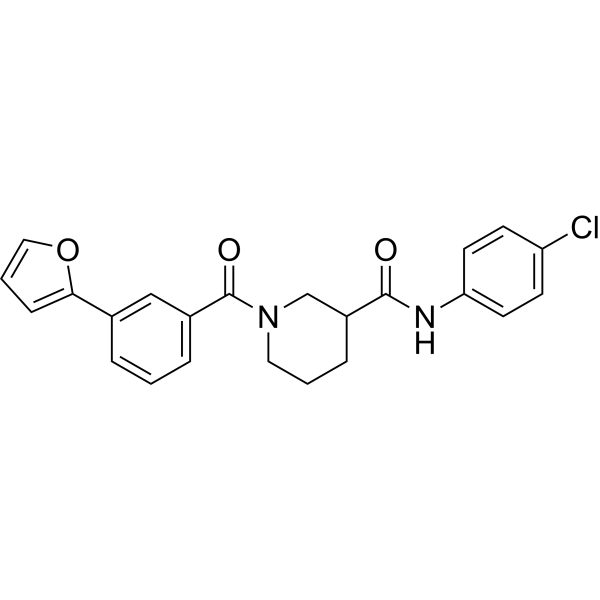
    CCG-232601 (compound 8f) is a potent and orally active Rho/MRTF/SRF transcriptional pathway inhibitor. CCG-232601 inhibits the development of Bleomycin-induced dermal fibrosis in mice. CCG-232601 has the potential for the research of antifibrotic for systemic scleroderma .
    CCG-232601
  • HY-121750
    CCG-222740
    1 Publications Verification

    Ras ROCK Cancer
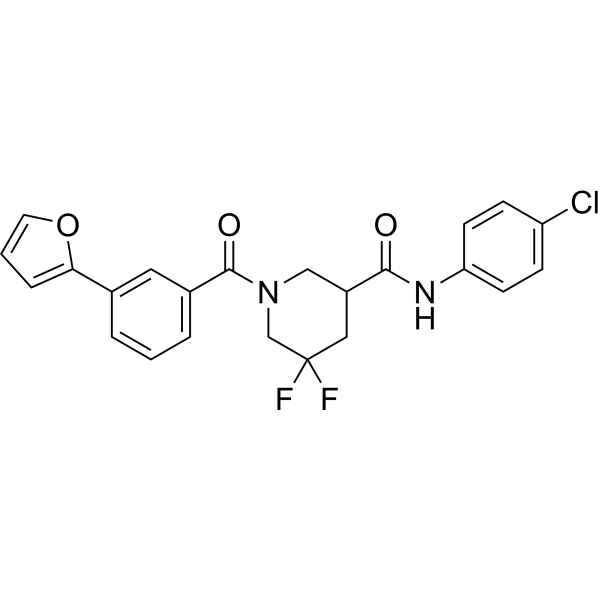
    CCG-222740 is an orally active and selective Rho/myocardin-related transcription factor (MRTF) pathway inhibitor . CCG-222740 is also a potent inhibitor of alpha-smooth muscle actin protein expression. CCG-222740 effectively reduces fibrosis in skin and blocks melanoma metastasis .
    CCG-222740
  • HY-B0515
    Ibandronate Sodium Monohydrate
    1 Publications Verification

    BM-210955; RPR-102289A

    Apoptosis Metabolic Disease Cancer
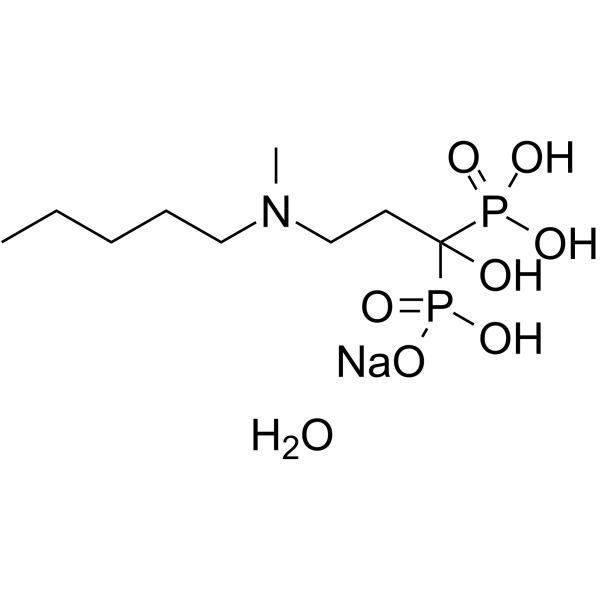
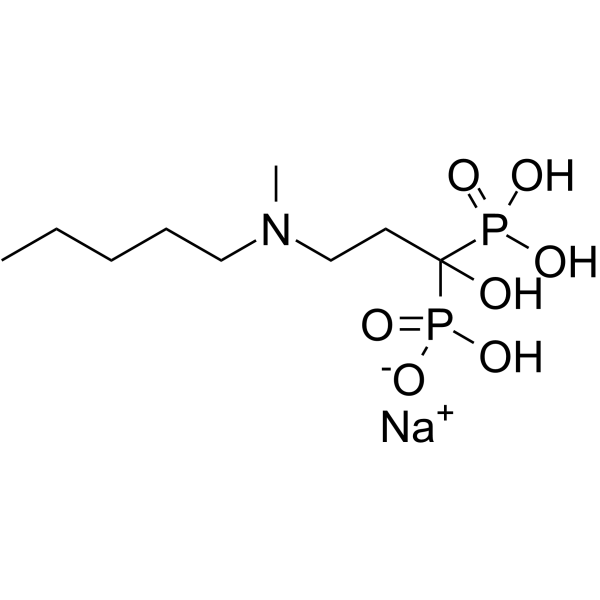
    Ibandronate Sodium Monohydrate (BM-210955; RPR-102289A) is an orally active, selective inhibitor of farnesyl pyrophosphate synthase (FPP synthase). Ibandronate Sodium Monohydrate can block the mevalonate pathway to inhibit the isoprenylation modification of small GTPases (such as RAS, RHO family proteins), induce tumor cell apoptosis and inhibit bone resorption. Ibandronate Sodium Monohydrate inhibits tumor cell proliferation (such as ER + breast cancer cells), promotes the expression of the pro-apoptotic gene FAS, and can produce synergistic anti-tumor effects with anti-estrogen compounds. Ibandronate Sodium Monohydrate is used in the study of osteoporosis and bone metastatic tumors (such as breast cancer bone metastasis) .
    Ibandronate Sodium Monohydrate
  • HY-19518

    NCX116; LBN

    Prostaglandin Receptor Neurological Disease
    Latanoprostene bunod (NCX116; LBN) is a nitric oxide-releasing prostaglandin F2α analog. Latanoprostene bunod is a prodrug that, upon instillation into the eye, is hydrolyzed by corneal esterases into two active metabolites: Latanoprost (HY-B0577) and NO. Latanoprost activates the prostaglandin FP receptor to increase the outflow of aqueous humor through the uveoscleral pathway. NO increases aqueous humor drainage through the trabecular meshwork pathway, achieving synergistic enhancement targeting the dual pathways of aqueous humor outflow. Latanoprostene bunod can be used in research related to open-angle glaucoma and ocular hypertension .
    Latanoprostene bunod
  • HY-N0430

    Coptisin

    Indoleamine 2,3-Dioxygenase (IDO) NF-κB p38 MAPK PI3K Akt Apoptosis Reactive Oxygen Species (ROS) Mitochondrial Metabolism DNA/RNA Synthesis ROCK LDLR Cardiovascular Disease Neurological Disease Metabolic Disease Inflammation/Immunology Cancer
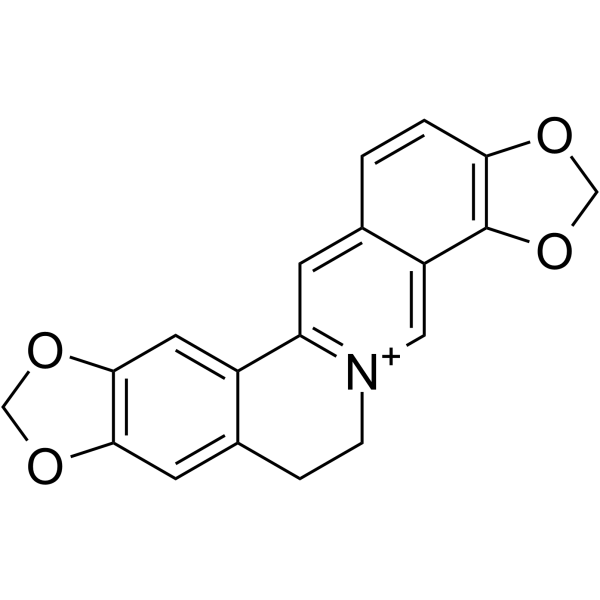
    Coptisine is an orally active and brain-penetrant alkaloid found in Coptis chinensis. Coptisine is a reversible, uncompetitive IDO inhibitor with a Ki of 5.8 μM and an IC50 of 6.3 μM. Coptisine suppresses neuroinflammation, reduces Aβ plaque burden and shows neuroprotective activity. Coptisine shows anti-inflammation activity by blocking NF-κB, MAPK, and PI3K/Akt activation. Coptisine inhibits cancer cells proliferation, induces DNA damage, G2/M phase cell cycle arrest, apoptosis, ROS production and mitochondrial dysfunction. Coptisine inhibits Rho/ROCK pathway activation, reduces arrhythmia, limits cardiac injury marker release, reduces infarct size, and preserves cardiac function in rat myocardial ischemia/reperfusion models. Coptisine downregulates HMGCR and upregulates LDLR and CYP7A1 to modulate cholesterol metabolism, reduces abnormal serum lipid levels, and promotes fecal bile acid excretion. Coptisine can be used for the research of cancer, hypercholesterolemia, Alzheimer’s disease, inflammatory disorders and cardiovascular disease .
    Coptisine
  • HY-N0430A
    Coptisine Sulfate
    5 Publications Verification

    Indoleamine 2,3-Dioxygenase (IDO) NF-κB p38 MAPK PI3K Akt Apoptosis Reactive Oxygen Species (ROS) Mitochondrial Metabolism DNA/RNA Synthesis ROCK LDLR Cardiovascular Disease Neurological Disease Metabolic Disease Inflammation/Immunology Cancer
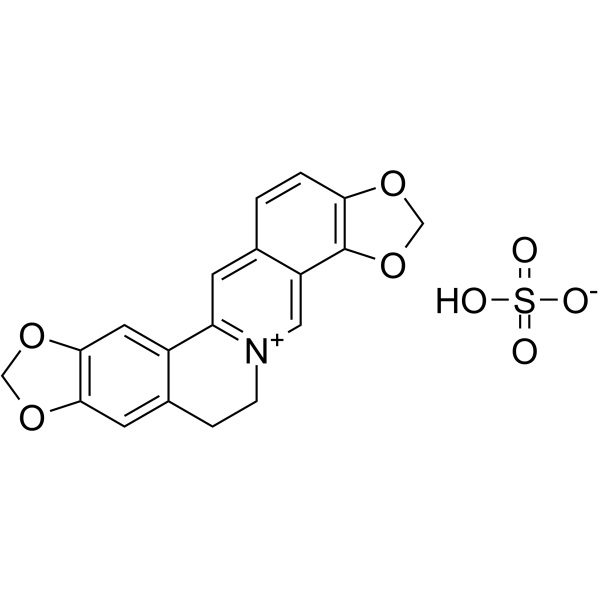
    Coptisine Sulfate is an orally active and brain-penetrant alkaloid found in Coptis chinensis. Coptisine Sulfate is a reversible, uncompetitive IDO inhibitor with a Ki of 5.8 μM and an IC50 of 6.3 μM. Coptisine Sulfate suppresses neuroinflammation, reduces Aβ plaque burden and shows neuroprotective activity. Coptisine Sulfate shows anti-inflammation activity by blocking NF-κB, MAPK, and PI3K/Akt activation. Coptisine Sulfate inhibits cancer cells proliferation, induces DNA damage, G2/M phase cell cycle arrest, apoptosis, ROS production and mitochondrial dysfunction. Coptisine Sulfate inhibits Rho/ROCK pathway activation, reduces arrhythmia, limits cardiac injury marker release, reduces infarct size, and preserves cardiac function in rat myocardial ischemia/reperfusion models. Coptisine Sulfate downregulates HMGCR and upregulates LDLR and CYP7A1 to modulate cholesterol metabolism, reduces abnormal serum lipid levels, and promotes fecal bile acid excretion. Coptisine Sulfate be used for the research of cancer, hypercholesterolemia, Alzheimer’s disease, inflammatory disorders and cardiovascular disease .
    Coptisine Sulfate
  • HY-N2438
    Methylophiopogonanone B
    2 Publications Verification

    Ras Microtubule/Tubulin Cancer
    Methylophiopogonanone B is a homoisoflavonoid compound. Methylophiopogonanone B can be isolated from O. japonicus root. Methylophiopogonanone B promotes Rho activation and Tubulin depolymerization. Methylophiopogonanone B significantly increases GTP-Rho, but not GTP-Rac or GTP-CDC42. Methylophiopogonanone B induces cell morphological change via melanocyte dendrite retraction and stress fiber formation. Methylophiopogonanone B exhibits strong antioxidant activity. Methylophiopogonanone B can be used in the research of cervical cancer .
    Methylophiopogonanone B
  • HY-B0515B
    Ibandronate Sodium
    1 Publications Verification

    Apoptosis Metabolic Disease Cancer
    Ibandronate Sodium is an orally active, selective inhibitor of farnesyl pyrophosphate synthase (FPP synthase). Ibandronate Sodium can block the mevalonate pathway to inhibit the isoprenylation modification of small GTPases (such as RAS, RHO family proteins), induce tumor cell apoptosis and inhibit bone resorption. Ibandronate Sodium inhibits tumor cell proliferation (such as ER+ breast cancer cells), promotes the expression of the pro-apoptotic gene FAS, and can produce synergistic anti-tumor effects with anti-estrogen compounds. Ibandronate Sodium is used in the study of osteoporosis and bone metastatic tumors (such as breast cancer bone metastasis) .
    Ibandronate Sodium
  • HY-N10341

    IFNAR ROCK Inflammation/Immunology Cancer
    Centaureidin is an orally active IFN-promoter that can be isolated from Bidens pilosa with an EC50 of 0.9 μg/mL. Centaureidin activates the Rho signal pathway, leading to actin and tubulin disassembly, and resulting in dendrite retraction and stress fiber formation in melanocytes. Centaureidin shows high tumor cell growth inhibitory activities. Centaureidin significantly inhibits paw edema in mice [1][2][3][4][5].
    Centaureidin
  • HY-I0400R

    NANA (Standard); Lactaminic acid (Standard)

    Reference Standards Tyrosinase Ras Influenza Virus Endogenous Metabolite Cardiovascular Disease Inflammation/Immunology Cancer
    N-Acetylneuraminic acid (Standard) is the analytical standard of N-Acetylneuraminic acid. This product is intended for research and analytical applications. N-Acetylneuraminic acid (NANA; Lactaminic acid), a nonphenolic structure, is the predominant form of sialic from Collocalia esculenta. N-Acetylneuraminic acid plays a biological role in myocardial injury, melanoma and viral or bacterial infection. N-Acetylneuraminic acid inhibits melanogenesis by reducing tyrosinase activity and triggers myocardial injury in vitro and in vivo by activation of the Rho/Rho-associated signaling pathway through binding to RhoA and Cdc42. N-Acetylneuraminic acid may prevent high fat diet (HFD)-induced inflammation and oxidative stress, thereby prevents hyperlipidemia-associated inflammation and oxidative stress. N-Acetylneuraminic acid is promising for research in the field of melanoma, coronary artery, obesity-related diseases and hyperlipidemia .
    N-Acetylneuraminic acid (Standard)
  • HY-16563R

    Lycoricidinol (Standard)

    Reference Standards ROCK Cancer
    Narciclasine (Standard) is the analytical standard of Narciclasine. This product is intended for research and analytical applications. Narciclasine is a plant growth modulator. Narciclasine modulates the Rho/Rho kinase/LIM kinase/cofilin signaling pathway, greatly increasing GTPase RhoA activity as well as inducing actin stress fiber formation in a RhoA-dependent manner.
    Narciclasine (Standard)
  • HY-N6012R

    Reference Standards Apoptosis Inflammation/Immunology Cancer
    (-)-Alkannin, found in Alkanna tinctoria, is used as a food coloring. (-)-Alkannin shows anticancer activity, arrests cell cycle, and induces apoptosis. (-)-Alkannin improves hepatic inflammation in a Rho-kinase pathway .
    (-)-Alkannin (Standard)
  • HY-113225B

    GTP tritris

    Endogenous Metabolite Exosomes Cancer
    Guanosine triphosphate tritris (GTP tritris) serves as a vital enhancer of myogenic cell differentiation and plays a critical role in modulating miRNA-myogenic regulator factors. It also facilitates the release of exosomes enriched with guanosine and guanosine-derived molecules, and is regarded as an activated precursor for RNA synthesis. In mitochondrial function, GTP participates in the import of proteins into the matrix, which is essential for various regulated pathways, and is involved in initiating peptide synthesis through the binding of formylmethionyl-tRNA to the ribosome, as well as polypeptide chain elongation. Additionally, GTP acts as a phosphate and pyrophosphate carrier that channels chemical energy into specific biosynthetic pathways. It activates signal transducing G proteins that regulate cellular processes such as proliferation and differentiation, and its hydrolysis by small GTPases, including Ras and Rho, is integral to both proliferation and apoptosis. Furthermore, the small GTPase Rab is instrumental in vesicle docking, fusion, and formation. Beyond signal transduction, GTP is an energy-rich precursor in the enzymatic biosynthesis of DNA and RNA.
    Guanosine triphosphate tritris
  • HY-134913

    ROCK Cardiovascular Disease Cancer
    Rhodblock 1a is an inhibitor of the Rho kinase signaling pathway. It inhibits the normal formation of the cleavage furrow during cell division by interfering with the localization and function of Rho pathway proteins, causing some cells to fail to form a cleavage furrow or the formed cleavage furrow to break, resulting in binucleated cells. Rhodblock 1a can be used to study the mechanism of cell division and is expected to be used in the research of diseases such as cardiovascular diseases and cancer .
    Rhodblock 1a
  • HY-W110138

    DNA/RNA Synthesis Cytochrome P450 ROCK Cancer
    Chloroxoquinoline is an anticancer agent. Chloroxoquinoline damages the DNA templates of cancer cells, inducing DNA breaks and cell death, and inhibits cell invasion via down-regulating Rho/Rho kinase signaling pathway. Chloroxoquinoline enhances the radiation sensitivity of Lewis lung cancer cells and xenograft tumors in tumor-bearing mouse models but decreases efficacy after long term exposure in rat models by auto-induction effects on CYP1A and CYP3A. Chloroxoquinoline has a broad-spectrum anticancer activity, such as non-small-cell lung carcinoma (NSCLC), breast cancer and gastric cancer .
    Chloroxoquinoline
  • HY-13991R

    Ras Apoptosis Cancer
    CCG-1423 (Standard) is the analytical standard of CCG-1423. This product is intended for research and analytical applications. CCG-1423 is an inhibitor of Rho/MRTF/SRF pathway. CCG-1423 shows activities in several cancer cells. CCG-1423 is a promising lead compound for the development of novel pharmacologic tools, and it can be used for the research of cancer and diabetes .
    CCG-1423 (Standard)
  • HY-105284R

    CP-70429 (Standard)

    Beta-lactamase Reference Standards Bacterial Antibiotic Infection
    N-Acetylneuraminic acid (Standard) is the analytical standard of N-Acetylneuraminic acid. This product is intended for research and analytical applications. N-Acetylneuraminic acid (NANA; Lactaminic acid), a nonphenolic structure, is the predominant form of sialic from Collocalia esculenta. N-Acetylneuraminic acid plays a biological role in myocardial injury, melanoma and viral or bacterial infection. N-Acetylneuraminic acid inhibits melanogenesis by reducing tyrosinase activity and triggers myocardial injury in vitro and in vivo by activation of the Rho/Rho-associated signaling pathway through binding to RhoA and Cdc42. N-Acetylneuraminic acid may prevent high fat diet (HFD)-induced inflammation and oxidative stress, thereby prevents hyperlipidemia-associated inflammation and oxidative stress. N-Acetylneuraminic acid is promising for research in the field of melanoma, coronary artery, obesity-related diseases and hyperlipidemia .
    Sulopenem (Standard)
  • HY-P10393

    ERα (295-311)

    Apoptosis Cancer
    ERα17p (ERα 295-311) is the epitope of the CaM binding site on the estrogen receptor α (ER), which interacts with calmodulin (CaM) in a calcium-dependent manner. ERα17p regulates the migration of cancer cells MCF-7, SK-BR-3, T47D, and MDA-MB-231 through Rho/ROCK and PI3K/Akt signaling pathways. ERα17p inhibits proliferations of breast cancer cells, induces apoptosis, and inhibits tumor growth in mouse models .
    ERα17p
  • HY-B0515R

    BM-210955 (Standard); RPR-102289A (Standard)

    Reference Standards Apoptosis Cancer
    Ibandronate Sodium Monohydrate (BM-210955; RPR-102289A) (Standard) is the analytical standard of Ibandronate Sodium Monohydrate (HY-B0515). This product is intended for research and analytical applications. Ibandronate Sodium Monohydrate (BM-210955; RPR-102289A) is an orally active, selective inhibitor of farnesyl pyrophosphate synthase (FPP synthase). Ibandronate Sodium Monohydrate can block the mevalonate pathway to inhibit the isoprenylation modification of small GTPases (such as RAS, RHO family proteins), induce tumor cell apoptosis and inhibit bone resorption. Ibandronate Sodium Monohydrate inhibits tumor cell proliferation (such as ER + breast cancer cells), promotes the expression of the pro-apoptotic gene FAS, and can produce synergistic anti-tumor effects with anti-estrogen compounds. Ibandronate Sodium Monohydrate is used in the study of osteoporosis and bone metastatic tumors (such as breast cancer bone metastasis) .
    Ibandronate Sodium Monohydrate (Standard)
  • HY-108361R

    Reference Standards Ras Inflammation/Immunology Cancer
    CCG-203971 (Standard) is the analytical standard of CCG-203971 (HY-108361). This product is intended for research and analytical applications. CCG-203971 is a second-generation Rho/MRTF/SRF pathway inhibitor. CCG-203971 potently targets RhoA/C-activated SRE-luciferase (IC50 =6.4 μM). CCG-203971 inhibits PC-3 cell migration with an IC50 of 4.2 μM. Potential anti-metastasis Agent .
    CCG-203971 (Standard)

Inquiry Online

Your information is safe with us. * Required Fields.

Salutation


Country or Region *

Applicant Name *


Organization Name *

Department *


Email Address *


Product Name *

Cat. No.


Requested quantity *

Phone Number *


Remarks

Inquiry Online

Inquiry Information

Product Name:
Cat. No.:
Quantity:
MCE Japan Authorized Agent:

