
Search Result
Results for "
SARS-CoV-2 viral replication
" in MedChemExpress (MCE) Product Catalog:
| Cat. No. |
Product Name |
Target |
Research Areas |
Chemical Structure |
-
- HY-13324
-
|
RTA 402; NSC 713200; CDDO Methyl ester
|
Keap1-Nrf2
SARS-CoV
Virus Protease
|
Cardiovascular Disease
Infection
Neurological Disease
Metabolic Disease
Inflammation/Immunology
Cancer
|
|
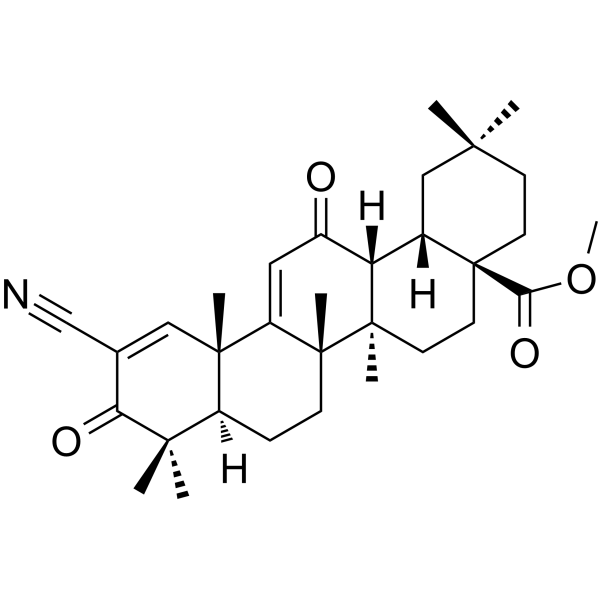
Bardoxolone (CDDO; RTA 401) methyl is an orally active and blood-brain-barrier-penetrant activator of Nrf2 and an inhibitor of SARS-CoV-2 3CL protease. Bardoxolone methyl inhibits SARS-CoV-2 replication in Vero cells with an EC50 value of 0.29 μM. Bardoxolone methyl increases levels of pNrf2 and HO-1, inhibits inflammatory mediators like pNFκB and MCP-1. Bardoxolone methyl activates the Nrf2 pathway to enhance antioxidant and anti-inflammatory responses, inhibits viral replication, and improves mitochondrial function. Bardoxolone methyl can be used in research on chemotherapy-induced neuropathic pain (CINP), COVID-19, and chronic kidney disease (CKD) .
|
-
-
- HY-N1996
-
|
|
COX
Lipoxygenase
SARS-CoV
Influenza Virus
|
Infection
Inflammation/Immunology
|
|
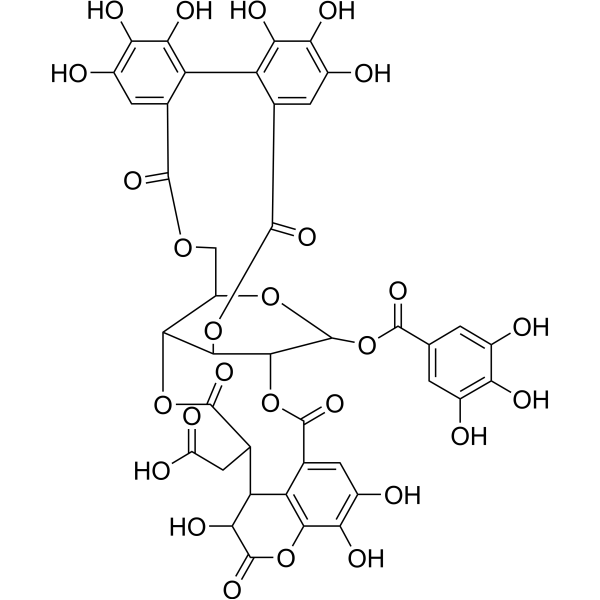
Chebulagic acid is a COX-LOX dual inhibitor isolated from the fruits of Terminalia chebula Retz, on angiogenesis. Chebulagic acid is a M2 serine to asparagine 31 mutation (S31N) inhibitor and influenza antiviral. Chebulagic acid also against SARS-CoV-2 viral replication with an EC50 of 9.76 μM.
|
-
-
- HY-172437
-
|
S-892216
|
Virus Protease
SARS-CoV
|
Infection
|
|
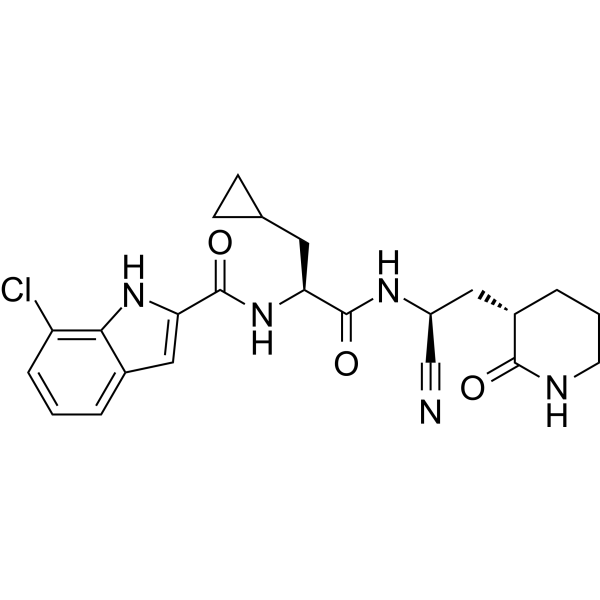
Secutrelvir is an oral SARS-CoV-2 3C-like protease (3CLpro) inhibitor and antiviral agent, with IC50 values of 0.655 nM and 0.697 nM against SARS-CoV-2 3CLpro, respectively. Secutrelvir forms a reversible covalent bond with the catalytic cysteine C145 of SARS-CoV-2 3CLpro, thereby inhibiting viral replication. Secutrelvir exhibits activity against multiple SARS-CoV-2 variants and can be used in research related to coronavirus disease 2019 (COVID-19) .
|
-
-
- HY-168034
-
|
|
STING
Integrin
NF-κB
SARS-CoV
|
Infection
Inflammation/Immunology
|
|
diABZI-4 is a STING activator and broad-spectrum antiviral agent with immunostimulatory activity. diABZI-4 triggers the TBK1-IRF3 and NF-κB signaling cascades by inducing STING oligomerization, thereby promoting the production of type I/III interferons and various proinflammatory cytokines. diABZI-4 exhibits broad-spectrum antiviral activity and effectively inhibits the replication of influenza A virus, SARS-CoV-2, herpes simplex virus, and other viruses. diABZI-4 also activates lymphocytes and macrophages to provide significant pre- and post-exposure protection in viral disease models. diABZI-4 can be used to study COVID-19, respiratory viral infections, and related immunopathological mechanisms .
|
-
-
- HY-172760
-
|
|
SARS-CoV
|
Infection
|
|
CIM-834 is an orally effective inhibitor of SARS-CoV-2 membrane protein. CIM-834 can prevent the assembly of infectious virus particles without inhibiting the synthesis of viral RNA. CIM-834 can reduce the viral titer in the lungs of SCID mice infected nasally with SARS-CoV-2, block the spread of SARS-CoV-2 among Syrian hamsters, and inhibit the replication of SARS-CoV-2 (including variants) and SARS-CoV. CIM-834 can be used in related research on COVID-19 .
|
-
-
- HY-131603
-
|
3TCTP
|
Reverse Transcriptase
HCV
HBV
SARS-CoV
Drug Derivative
|
Infection
|
|
Lamivudine triphosphate (3TCTP) is a phosphorylated Lamivudine (HY-B0250) (a nucleoside analogue). Lamivudine triphosphate inhibits the reverse transcriptase of HIV or HBV viruses to block viral replication by chain termination. Lamivudine triphosphate is also an inhibitor of the RdRp activity of the NS5B subunit of the HCV. Lamivudine triphosphate can be incorporated into the nascent RNA by the SARS-CoV-2 RdRp, thus halting mutations in the nascent SARS-CoV-2 RNA .
|
-
-
- HY-137958
-
|
AT-527
|
HCV
SARS-CoV
|
Infection
|
|
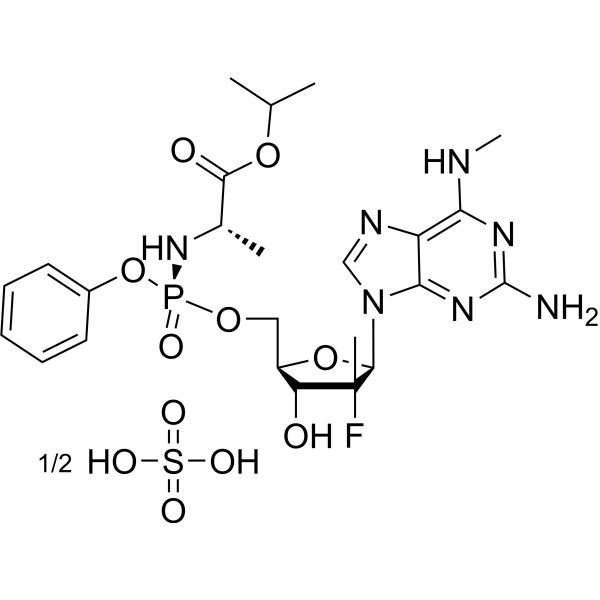
Bemnifosbuvir hemisulfate (AT-527), a hemisulfate salt of AT-511, a guanosine nucleotide proagent, is a potent and orally active HCV viral replication inhibitor. Bemnifosbuvir hemisulfate is highly effective in the control of SARS-CoV-2 (COVID-19) infection in vitro (EC90=0.47 μM). Bemnifosbuvir hemisulfate has pangenotypic antiviral activity .
|
-
-
- HY-N3266
-
|
|
Tyrosinase
Phosphatase
Cholinesterase (ChE)
SARS-CoV
PERK
JNK
p38 MAPK
TGF-beta/Smad
Apoptosis
Reactive Oxygen Species (ROS)
AMPK
MMP
|
Cardiovascular Disease
Infection
Neurological Disease
Inflammation/Immunology
Cancer
|
|
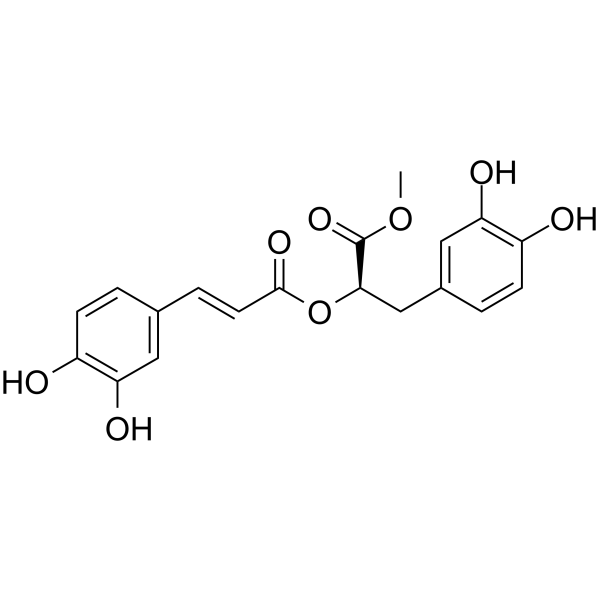
Methyl rosmarinate is an orally active hydroxycinnamic acid. Methyl rosmarinate exhibits an IC50 of 24.70 μM and a Ki of 15.29 μM against PTP1B, an IC50 of 41.46 μg/mL against BChE, a Ki of 0.61 mM against mushroom tyrosinase, and an IC50 of 2.50 μM against SARS-CoV-2 3CLpro. Methyl rosmarinate downregulates the phosphorylation levels of ERK, JNK, p38, Smad2 and Smad3. Methyl rosmarinate activates erythrocyte BPGM and promotes the production of 2,3-BPG. Methyl rosmarinate induces apoptosis of fibroblasts. Methyl rosmarinate prolongs the survival time of hypoxic mice. Methyl rosmarinate improves insulin sensitivity. Methyl rosmarinate binds to SARS-CoV-2 3CLpro and inhibits viral replication. Methyl rosmarinate induces glioblastoma cell death. Methyl rosmarinate activates the TGR5/AMPK axis and reduces the levels of ROS and MDA. Methyl rosmarinate shows inhibitory activity against MMP-1. Methyl rosmarinate can be used in research related to pulmonary fibrosis, hypoxia-induced injury, type 2 diabetes, Alzheimer's disease, hyperpigmentation disorders, COVID-19, glioblastoma and myocardial ischemia-reperfusion injury .
|
-
-
- HY-137958A
-
|
AT-511
|
HCV
SARS-CoV
|
Infection
|
|
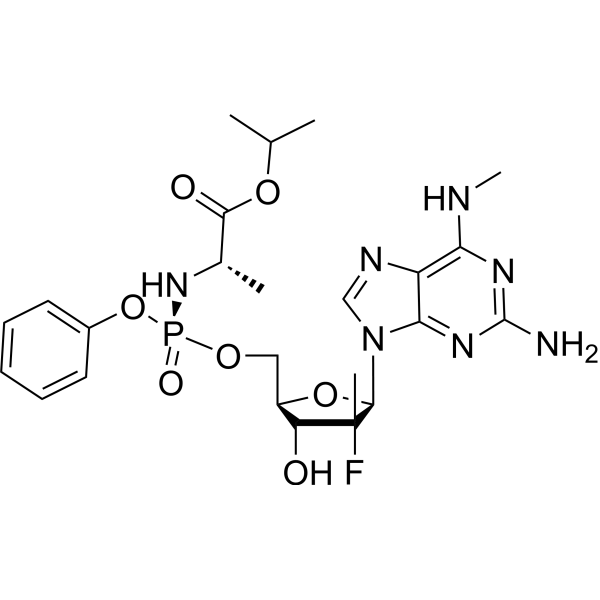
Bemnifosbuvir (AT-511) is a potent and orally active HCV viral replication inhibitor. Bemnifosbuvir is highly effective in the control of SARS-CoV-2 (COVID-19) infection in vitro (EC90=0.47 μM). Bemnifosbuvir has pangenotypic antiviral activity .
|
-
-
- HY-147020
-
|
NK01-63
|
SARS-CoV
|
Infection
|
|
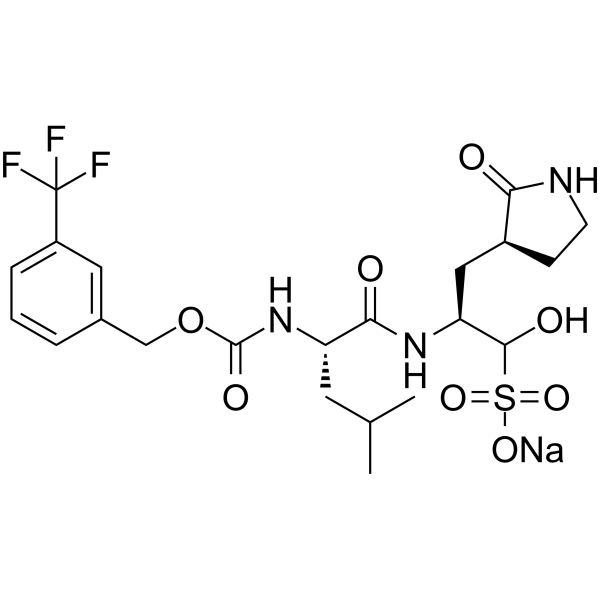
Coronastat is a potent inhibitor of the SARS-CoV-2 3CL protease. The SARS-CoV-2 3CL protease is a critical agent target for small molecule COVID-19, given its likely agentgability and essentiality in the viral maturation and replication cycle .
|
-
-
- HY-128788
-
|
|
DNA/RNA Synthesis
SARS-CoV
Endogenous Metabolite
Flavivirus
Lactate Dehydrogenase
|
Infection
|
|
ddhCTP is an endogenously produced pyrimidine base analog with a Kd of 17.0 nM for LLDH and an IC50 of 55.8 μM for GAPDH. By inhibiting key metabolic enzymes such as GAPDH, ddhCTP reduces glycolytic flux and shifts metabolic flow toward the pentose phosphate pathway, thereby regulating the redox balance of cells. As a competitive CTP analog, ddhCTP terminates RNA synthesis by flavivirus RdRps and SARS-CoV-2 RdRp, and inhibits Zika virus replication in vivo. ddhCTP can be used in studies related to viral infections, COVID-19 and Zika virus infections.
|
-
-
- HY-153228
-
|
PBI-0451
|
SARS-CoV
|
Infection
|
|
Pomotrelvir is a selective, competitive, orally active covalent inhibitor of the SARS-CoV-2 main protease (M pro), with an IC50 of 24 nM for wild-type SARS-CoV-2 M pro. Pomotrelvir inhibits viral polyprotein processing, thereby preventing viral replication. Pomotrelvir has shown broad antiviral activity against multiple SARS-CoV-2 variants (including Omicron) in cell-based experiments, and has an additive effect when combined with nucleoside analogs that target viral RNA synthesis. Pomotrelvir is primarily used for the research and development of COVID-19 antiviral drugs, especially for infections caused by SARS-CoV-2 and its variants .
|
-
-
- HY-137984
-
|
|
SARS-CoV
Apoptosis
|
Cancer
|
|
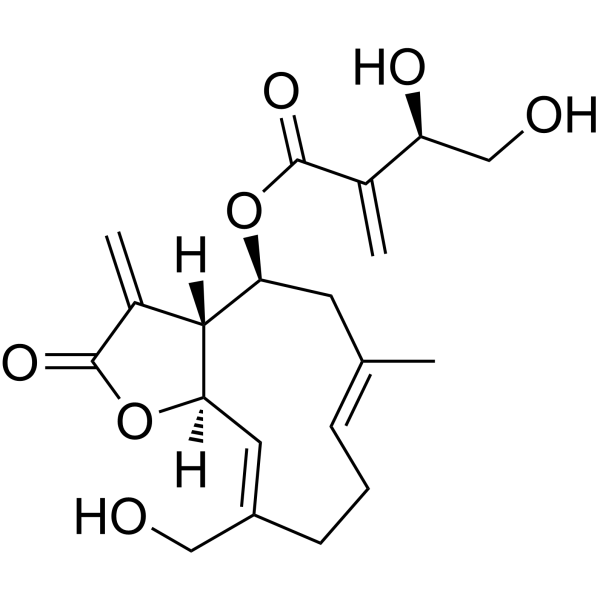
Cnicin is an orally bioavailable sesquiterpene lactone. Cnicin has antibacterial and antiproliferative properties and induces apoptosis in primary myeloma cells. Cnicin also exhibits activity against SARS-CoV-2. Cnicin inhibits the viral replication of SARS CoV-2 with an IC50 of 1.18 μg/mL. Cnicin can promote functional nerve regeneration .
|
-
-
- HY-145592
-
|
RO7020531; RG7854
|
Toll-like Receptor (TLR)
SARS-CoV
HBV
|
Infection
|
|
Ruzotolimod (RO7020531) is an orally active TLR7 agonist. Ruzotolimod inhibits WHV viral replication and, in combination with RO-7049389 (HY-145579), inhibits AAV-HBV viral load. Ruzotolimod can be used to study infection with COVID-19 or SARS-CoV-2 .
|
-
-
- HY-170524
-
|
|
SARS-CoV
DNA Methyltransferase
Cytochrome P450
|
Infection
|
|
TDI-015051 is a highly selective, orally active antiviral agent that targets the coronavirus NSP14 guanine-N7 methyltransferase. TDI-015051 binds to substrates in a non-competitive manner and forms a stable ternary complex, precisely blocking the capping and methylation processes of viral mRNA. TDI-015051 potently inhibits a variety of coronaviruses (including SARS-CoV-2 and MERS). By impairing viral replication and translation and inducing a moderate type I interferon-mediated immune response, it significantly reduces pulmonary viral load and exhibits a synergistic effect with Nirmatrelvir (HY-138687). In addition, TDI-015051 does not inhibit non-coronavirus methyltransferases, and the drug-resistant mutations it induces impair viral fitness, demonstrating excellent antiviral properties and safety. TDI-015051 can be used for research on COVID-19 and the replication mechanism of coronaviruses .The IC50 values of TDI-015051 against SARS-CoV-2, α-hCoV-NL63, α-hCoV-229E, β-hCoV-MERS are 0.15 nM, 1.7 nM, 2.6 nM and 3.6 nM, respectively, and the Ka value against SARS-CoV-2 is 0.061 nM .
|
-
-
- HY-139165
-
|
|
SARS-CoV
|
Infection
|
|
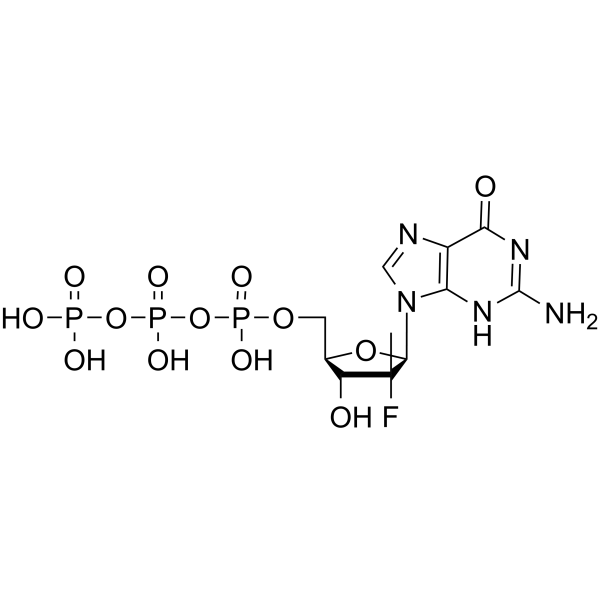
AT-9010, a triphosphate active metabolite of AT-527, is a potent inhibitor of NiRAN (a function essential for viral replication). AT-9010 can inhibit SARS-CoV-2 replication .
|
-
-
- HY-139165A
-
|
|
SARS-CoV
|
Infection
|
|
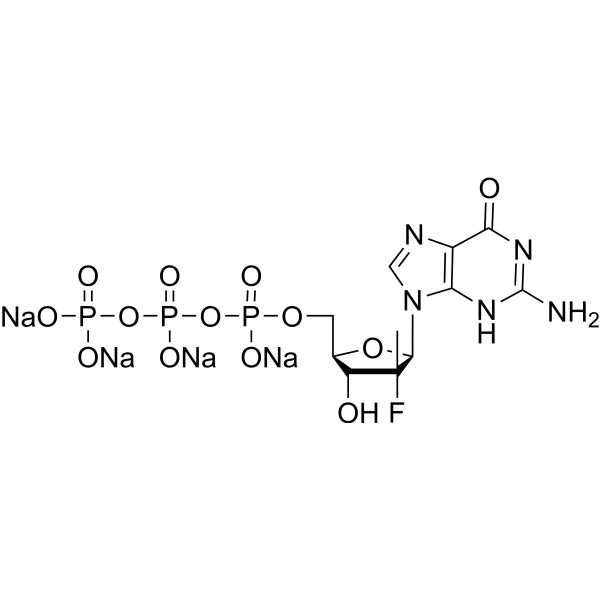
AT-9010 tetrasodium, a triphosphate active metabolite of AT-527, is a potent inhibitor of NiRAN (a function essential for viral replication). AT-9010 tetrasodium can inhibit SARS-CoV-2 replication .
|
-
-
- HY-105721
-
|
|
SARS-CoV
|
Infection
|
|
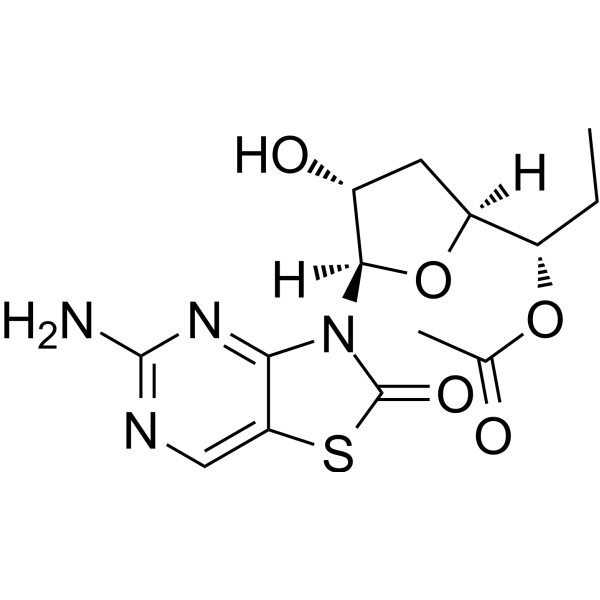
Aranotin strongly binds to Nsp15 viral protein. Aranotin can be used as promising SARS-CoV-2 replication strong inhibitor. Aranotin has the potential for COVID-19 research .
|
-
-
- HY-109072
-
|
|
DNA/RNA Synthesis
SARS-CoV
|
Infection
|
|
Riamilovir is an antiviral drug whose activity is primarily directed against RNA viruses. Riamilovir acts directly on the virus's RNA-dependent RNA polymerase, thereby preventing the virus from replicating. This mechanism allows Riamilovir to effectively reduce the amount of virus, accelerate the relief of symptoms, and help reduce the severity of the disease. Riamilovir can be used in the study of acute respiratory viral infections caused by new variants of SARS-CoV-2 .
|
-
-
- HY-162154
-
|
|
SARS-CoV
|
Infection
|
|
SARS-CoV-2-IN-75 (compound 13) is a SARS-CoV-2 inhibitor based on chloroacetamide inhibition. SARS-CoV-2-IN-75 inhibits cellular SARS-CoV-2 replication with an EC68 (half-log reduction in viral titer) of 3 μM .
|
-
-
- HY-178160
-
|
|
SARS-CoV
Virus Protease
|
Infection
|
|
SARS-CoV-2 PLpro-IN-2 (Compound 12) is a highly selective SARS-CoV-2 papain-like protease (PLpro) inhibitor of (IC50=0.06 μM). SARS-CoV-2 PLpro-IN-2 inhibits viral replication and immune evasion. SARS-CoV-2 PLpro-IN-2 exhibits antiviral efficacy in HeLa-ACE2 cells (EC50=2.9 μM). SARS-CoV-2 PLpro-IN-2 is promising for research of COVID-19 .
|
-
-
- HY-175461
-
|
|
SARS-CoV
|
Infection
|
|
AVI-4206 is a selective Mac1 inhibitor with an lC50 of 64 nM. AVI-4206 reduces viral replication, restores an interferon response, and leads to a survival benefit in an animal model of SARS-CoV-2 infection. AVI-4206 can be used the study of SARS-CoV-2 infection .
|
-
-
- HY-131603B
-
|
3TCTP TEA
|
Reverse Transcriptase
HCV
HBV
SARS-CoV
Drug Derivative
|
Infection
|
|
Lamivudine triphosphate (3TCTP) TEA is a phosphorylated Lamivudine (HY-B0250) (a nucleoside analogue). Lamivudine triphosphate TEA inhibits the reverse transcriptase of HIV or HBV viruses to block viral replication by chain termination. Lamivudine triphosphate TEA is also an inhibitor of the RdRp activity of the NS5B subunit of the HCV. Lamivudine triphosphate TEA can be incorporated into the nascent RNA by the SARS-CoV-2 RdRp, thus halting mutations in the nascent SARS-CoV-2 RNA .
|
-
-
- HY-N1996R
-
|
|
Reference Standards
COX
Lipoxygenase
SARS-CoV
Influenza Virus
|
Infection
Inflammation/Immunology
|
|
Chebulagic acid (Standard) is the analytical standard of Chebulagic acid. This product is intended for research and analytical applications. Chebulagic acid is a COX-LOX dual inhibitor isolated from the fruits of Terminalia chebula Retz, on angiogenesis. Chebulagic acid is a M2 serine to asparagine 31 mutation (S31N) inhibitor and influenza antiviral. Chebulagic acid also against SARS-CoV-2 viral replication with an EC50 of 9.76 μM.
|
-
-
- HY-174350
-
|
|
Casein Kinase
SARS-CoV
|
Infection
|
|
CK2-IN-15 (Compound Biv5) is a selective and potent bivalent protein kinase CK2 inhibitor with an IC50 value of 51 pM. CK2-IN-15 significantly reduces the replication of SARS-CoV-2 in HEK-ACE2-TMPRSS2 and Vero cells, and also reduces viral replication in an ex vivo model of human nasal epithelial cells. CK2-IN-15 is promising for research of β-coronavirus infection-related diseases .
|
-
-
- HY-144260
-
|
|
SARS-CoV
|
Infection
|
|
3CPLro-IN-1 (compound A17) is a potent and orally active inhibitor of SARS-CoV-2 3CLpro with an IC50 of 5.65 μM. 3-Chymotrypsin-like cysteine protease (3CLpro) is an indispensable protein in viral replication and represents an attractive agent target for fighting COVID-19 .
|
-
-
- HY-144263
-
|
|
SARS-CoV
|
Infection
|
|
3CPLro-IN-2 (compound C1) is a potent and orally active inhibitor of SARS-CoV-2 3CLpro with an IC50 and Ki of 1.55 and 6.09 μM, respectively. 3-Chymotrypsin-like cysteine protease (3CLpro) is an indispensable protein in viral replication and represents an attractive agent target for fighting COVID-19 .
|
-
-
- HY-173575
-
|
|
SARS-CoV
Virus Protease
|
Infection
|
|
SARS-CoV-2 3CLpro-IN-31 (Compound 13c) is a potent SARS-CoV-2 3CL protease (3CLpro) inhibitor of with an IC50 value of 37.33 nM. SARS-CoV-2 3CLpro-IN-31 blocks viral polyprotein cleavage and inhibits SARS-CoV-2 replication. SARS-CoV-2 3CLpro-IN-31 is promising for research of SARS-CoV-2 infection .
|
-
-
- HY-E70610
-
|
|
Virus Protease
SARS-CoV
|
Infection
|
|
SARS-CoV-2 main protease is a main protease (Mpro) of SARS-CoV-2, which plays a central role in viral replication and transcription and represents an attractive drug target for fighting COVID-19 .
|
-
-
- HY-161777
-
|
|
SARS-CoV
Virus Protease
|
Infection
|
|
SARS-CoV-2 Mpro-IN-23 (Compound 2) is an inhibitor for SARS-CoV-2 main protease (Mpro), which inhibits wildtype Mpro and mutant Mpro variants, with IC50 of 0.057-0.92 μM. SARS-CoV-2 Mpro-IN-23 inhibits the post-entry viral processes of wild-type SARS-CoV-2 single-round infectious particles (SRIPs), suppresses the viral replication of Mpro wildtype and Mpro mutants with EC50 of 0.02-0.52 μM .
|
-
-
- HY-W760546
-
|
|
SARS-CoV
Virus Protease
|
Infection
|
|
SARS-CoV-2 3CLpro-IN-15 (compound a) is a beta-nitrostyrene coronavirus SARS-CoV-2 inhibitor that targets the SARS-CoV-2 3CL protease (3CLpro). SARS-CoV-2 3CLpro-IN-15 inhibits viral replication and transcription and plays a key role in the discovery of anti-COVID-19 lead compounds .
|
-
-
- HY-164868
-
|
|
SARS-CoV
|
Infection
|
|
SARS-CoV-2-IN-106 (compound 19) is a SARS-CoV-2 papain-like protease inhibitor with the IC50 values of 0.44 μM and 0.18 μM for PLpro enzymatic and viral replication ,respectively .
|
-
-
- HY-155014
-
|
|
SARS-CoV
|
Infection
|
|
SARS-CoV-2-IN-44, a inhibitor of SARS-CoV-2, inhibits viral replication, with an EC50 of 0.6μM. SARS-CoV-2-IN-44 has no evident cytotoxic effect in Calu-3 cells and can be used for antiviral research .
|
-
-
- HY-156325
-
|
|
SARS-CoV
|
Infection
|
|
SARS-CoV-2-IN-62 (Compound R3b) is an inhibitor of SARS-CoV-2 replication and has low cytotoxicity. SARS-CoV-2-IN-62 inhibits viral replication in Vero E6 cells and Calu-3 cells, with EC50 values of 2.97 μM and 3.82 μM, respectively .
|
-
-
- HY-156337
-
|
|
SARS-CoV
|
Infection
|
|
SARS-CoV-2-IN-63 (Compound R3e) is an inhibitor of SARS-CoV-2 replication and has low cytotoxicity. SARS-CoV-2-IN-63 inhibits viral replication in Vero E6 cells and Calu-3 cells, with EC50 values of 1.99 μM and 1.92 μM, respectively .
|
-
-
- HY-175460
-
|
|
SARS-CoV
|
Infection
|
|
SARS-CoV-2-IN-117 (Compound C19) is a SARS-CoV-2 E protein inhibitor. SARS-CoV-2-IN-117 significantly inhibits SARS-CoV-2 E protein interaction with host ZO-1 PDZ2 domain. SARS-CoV-2-IN-117 has potent antiviral activity and significantly reduces viral replication. SARS-CoV-2-IN-117 can be used for COVID-19 research .
|
-
-
- HY-145277
-
|
|
SARS-CoV
|
Infection
|
|
SARS-CoV-2-IN-11 is a potent and nontoxic inhibitor of SARS-CoV-2 3CL protease (3CLpro) with an IC50 and EC50 of 0.17 and 1.45 nM, respectively. SARS-CoV-2 3C-like protease (3CLpro), an enzyme essential for viral replication, is an attractive target for intervention. SARS-CoV-2-IN-11 may lead to the emergence of effective SARS-CoV-2-specific antivirals .
|
-
-
- HY-145276
-
|
|
SARS-CoV
|
Infection
|
|
SARS-CoV-2-IN-10 is a potent and nontoxic inhibitor of SARS-CoV-2 3CL protease (3CLpro) with an IC50 and EC50 of 0.13 and 1.03 nM, respectively. SARS-CoV-2 3C-like protease (3CLpro), an enzyme essential for viral replication, is an attractive target for intervention. SARS-CoV-2-IN-11 may lead to the emergence of effective SARS-CoV-2-specific antivirals .
|
-
-
- HY-145435
-
|
|
SARS-CoV
|
Infection
|
|
SARS-CoV-2-IN-12 (Compound 27) is a potent SARS-CoV-2-related 3C-like protease inhibitor (Ki=32.1 pM) for preventing SARS-CoV-2 viral replication and that could be useful in the research of COVID-19 .
|
-
-
- HY-139165B
-
|
|
SARS-CoV
|
Infection
|
|
AT-9010 triethylamine,a triphosphate active metabolite of AT-527,is a potent inhibitor of NiRAN (a function essential for viral replication). AT-9010 triethylamine can inhibit SARS-CoV-2 replication .
|
-
-
- HY-155527
-
|
|
SARS-CoV
|
Infection
|
|
SARS-CoV-2 Mpro-IN-9 (compound c7) is a nonpeptidic, noncovalent SARS-CoV-2 M pro inhibitor (IC50=0.085 μM), with improved physicochemical and drug metabolism and pharmacokinetics (DMPK) properties. SARS-CoV-2 Mpro-IN-9 inhibits viral replication (EC50=1.10 μM) in SARS-CoV-2-infected Vero E6 cells, while exhibits low cytotoxic effects (CC50>50 μM) .
|
-
-
- HY-N144101
-
|
|
SARS-CoV
|
Infection
|
|
SARS-CoV MPro-IN-2 (compound 15) is a potent inhibitor of SARS-CoV-2 M pro with an IC50 value of 72.07 nM. The main protease (M pro) of the virus as the major enzyme processing viral polyproteins contributes to the replication and transcription of SARS-CoV-2 in host cells, and has been characterized as an attractive target in agent discovery. SARS-CoV MPro-IN-2 has the potential for the research of COVID-19 .
|
-
-
- HY-149050
-
|
|
Influenza Virus
SARS-CoV
|
Infection
|
|
Viral polymerase-IN-1 hydrochloride, a Gemcitabine (HY-17026) derivative, potently inhibits influenza A and B viruses infection with IC90 values of 11.4-15.9 μM. Viral polymerase-IN-1 hydrochloride is active against SARS-CoV-2 infection. Viral polymerase-IN-1 hydrochloride suppresses influenza virus infection by affecting viral RNA replication/transcription in cells .
|
-
-
- HY-170523
-
|
|
SARS-CoV
DNA Methyltransferase
|
Infection
|
|
RU-0415529 is an orally active inhibitor for SARS-CoV-2 nonstructural protein 14 (NSP14) with an IC50 of 356 nM. RU-0415529 binds to the SAH-stabilized cap binding pocket, inhibits viral RNA methylation and the viral replication. RU-0415529 exhibits anti-infectious activity in mouse models .
|
-
-
- HY-N3445
-
|
|
SARS-CoV
|
Infection
|
|
Jaceidin triacetate(compound 54) is a natural compound isolated formmarulabark.Jaceidin triacetatecan inhibitSARS-CoV-2 Mpro, with theIC50of 11.9μM.Jaceidin triacetateinhibits the replication of Sars-Cov-2 Viral in Vero-E6 cells .
|
-
-
- HY-141841
-
|
|
SARS-CoV
|
Infection
|
|
SARS-CoV-2-IN-7 inhibits viral replication with a nanomolar IC50 value (844 nM) in SARS-CoV-2-infected Vero E6 cells.
|
-
-
- HY-161789
-
|
|
PROTACs
SARS-CoV
Virus Protease
|
Infection
|
|
PROTAC SARS-CoV-2 Mpro degrader-3 (Compound P2) exhibits antiviral activity through the degradation of the main protease (Mpro) of human coronaviruses (HCoVs) (DC50=27 μM). PROTAC SARS-CoV-2 Mpro degrader-3 inhibits the viral replication, with EC50 of 4.6 μM, 4.6 μM, and 0.71 μM, for human coronaviruses HCoV-229E, HCoV-OC43 and SARS-CoV-2, respectively. (Pink: ligand for target protein Mpro ligand 2 (HY-161791); Black: linker (HY-161792); Blue: ligand for E3 ligase (S,R,S)-AHPC (HY-125845)) .
|
-
-
- HY-163857
-
|
|
SARS-CoV
|
Infection
|
|
SARS-CoV-2-IN-91 (Compound 194) is an inhibitor for SARS-CoV 2 with an EC50 of 28.92 μM. SARS-CoV-2-IN-91 inhibits the viral -1 programmed ribosome frame shift (-1PRF) element, and thereby inhibits the replication of SARS-CoV 2 .
|
-
-
- HY-N15365
-
|
|
Virus Protease
SARS-CoV
|
Infection
|
|
Antcin B is a SARS-CoV-2 3-chymotrypsin-like protease (3CL Pro) inhibitor. Antcin B binds to multiple key amino acid residues of 3CL Pro(such as Leu141, Asn142, Glu166, His163, etc.) through hydrogen bonds, salt bridges, and hydrophobic interactions, thereby inhibiting the activity of 3CL Pro, blocking the cleavage process of viral polyproteins, and suppressing the replication of the SARS-CoV-2 virus in host cells. Antcin B is promising for research of COVID-19 .
|
-
-
- HY-182292
-
|
|
|
Infection
|
|
SARS-CoV-2 3CLpro-IN-37 is a non-covalent SARS-CoV-2 3CLpro inhibitor with an IC50 of 3.2 nM. SARS-CoV-2 3CLpro-IN-37 blocks the cleavage and replication of viral polyproteins. SARS-CoV-2 3CLpro-IN-37 is applicable to research related to COVID-19 .
|
-
- HY-180387
-
|
|
SARS-CoV
Virus Protease
|
Infection
|
|
UAWJ246 is a covalent reversible inhibitor of the SARS-CoV-2 main protease (Mpro), with an IC50 of 0.045 μM and a Ki of 0.036 μM. UAWJ246 exhibits potent antiviral activity by inhibiting SARS-CoV-2 viral replication and shows low cytotoxicity. UAWJ246 can be used in research related to SARS-CoV-2 infection, such as studies on COVID-19 [1][2].
|
-
- HY-179556
-
|
|
SARS-CoV
|
Infection
|
|
SARS-CoV-2 nsp14-IN-10 is a highly potent and selective NSP14 (IC50 = 0.34 µM) S-adenosylmethionine (SAM) binding pocket inhibitor. SARS-CoV-2 nsp14-IN-10 demonstrates robust antiviral activity against SARS-CoV-2. SARS-CoV-2 nsp14-IN-10 exhibits broad-spectrum activity against other betacoronaviruses and inhibits SARS-CoV-2 at the replication stage. SARS-CoV-2 nsp14-IN-10 suppresses viral translation and exhibits immunostimulatory effects. SARS-CoV-2 nsp14-IN-10 specifically reverses NSP14-mediated alterations inhost transcriptome. SARS-CoV-2 nsp14-IN-10 can be used for the study of SARS-CoV-2 .
|
-
- HY-183185
-
|
|
SARS-CoV
|
Infection
|
|
BZ-30 is an orally active broad-spectrum SARS-CoV-2 inhibitor. BZ-30 acts on the early stage of the viral life cycle, can partially inhibit the endosomal entry process and reduce viral replication levels. BZ-30 reduces viral load, improves pulmonary pathological conditions, and decreases the lung-to-body weight ratio in hamster models challenged with SARS-CoV-2. BZ-30 can be used for research related to COVID-19 .
|
-
- HY-162719
-
|
|
DNA/RNA Synthesis
SARS-CoV
|
Infection
|
|
RH12 is a dual inhibitor for SARS-CoV-2 related RNA-dependent RNA polymerase (RdRp, IC50 is 4.42 nM) and human transmembrane serine protease 2 (TMPRSS2, IC50 is 4.2 nM). RH12 exhibits antiviral efficacy. RH12 inhibits viral replication and absorption, and exhibits a 90.5% virucidal effects on Vero-E6 cells. RH12 inhibits cell viability of Calu-3 with an IC50 of 17.5 nM .
|
-
- HY-163913
-
|
|
SARS-CoV
|
Infection
|
|
SARS-CoV-IN-5 (compound 49) is a highly selective, nonpeptidic and noncovalent 3CL pro inhibitor with IC50s of 38 nM, 21.1 nM and 86 nM for 3CL pro of SARS-CoV-1, SARS-CoV-2, Bat coronavirus WIV1, respectively. SARS-CoV-IN-5 inhibits the replication of the SARS-CoV-2 delta variant with an EC50 of 0.272 μM. SARS-CoV-IN-5 significantly reduces the lung viral copies in a K18-hACE2 transgenic mouse model. SARS-CoV-IN-5 has good target-specific and potential broad-spectrum anticoronavirus activities against SARS-CoV-1, WIV1, MERS, HCoV-OC43, HCoV-229E, and HKU9 .
|
-
- HY-179293
-
|
|
SARS-CoV
Virus Protease
|
Infection
|
|
SARS-CoV-2 PLpro-IN-3 (Compound 15) is a covalent inhibitor of the SARS-CoV-2 papain-like protease (PLpro), with an IC50 of 25 nM. SARS-CoV-2 PLpro-IN-3 has similar inhibitory activity against SARS-CoV PLpro (IC50 = 59 nM), but shows no inhibitory effect on human ubiquitin-specific protease 7 (USP7). The EC50 of SARS-CoV-2 PLpro-IN-3 in inhibiting SARS-CoV-2 replication in cells is 96 nM, significantly reducing the viral titer and viral RNA levels. SARS-CoV-2 PLpro-IN-3 can be used for studying SARS-CoV-2 drug resistance mutations .
|
-
- HY-175697
-
|
|
Glycosyltransferase
SARS-CoV
Angiotensin-converting Enzyme (ACE)
DNA/RNA Synthesis
|
Infection
|
|
Glycosyltransferase-IN-2 (Compound 20) is a Glycosyltransferase inhibitor. Glycosyltransferase-IN-2 has a broad-spectrum anticoronavirus activity with IC50s of 11.3, 5.5 and ~16.2 μM for MHV, HCoV-NL63 and SARS-CoV-2, respectively. Glycosyltransferase-IN-2 interferes with the coronavirus infectivity, alters viral protein glycosylation with inhibition of interaction with the ACE2 receptor or SC-VLP secretion, and inhibits RNA replication. Glycosyltransferase-IN-2 can be used for coronavirus infections research .
|
-
- HY-181983
-
|
|
SARS-CoV
|
Infection
|
|
VPC285785 is an orally active SARS-CoV-2 main protease inhibitor with an IC50 of 0.8 μM and a Kd of 2.7 μM. VPC285785 functionally inhibits the viral main protease-mediated processing of viral polyprotein precursors required for viral replication. VPC285785 reduces viral loads in the liver, brain and spleen tissues of MHV-infected mice. VPC285785 is applicable to the research of coronavirus infections .
|
-
- HY-182913
-
|
|
SARS-CoV
|
Infection
|
|
SARS-CoV-2-IN-122 is a SARS-CoV-2 inhibitor by targeting the S2 subunit of the spike protein. SARS-CoV-2-IN-122 interacts with residues linked to membrane fusion-associated conformational rearrangements, interfering with viral entry events. SARS-CoV-2-IN-122 inhibits SARS-CoV-2 replication, lacks direct virucidal activity, and does not impair viral-host cell attachment. SARS-CoV-2-IN-122 exhibits activity against SARS-CoV-2 variants including B.1 and Omicron (BA.2.86.1). SARS-CoV-2-IN-122 can be used for the research of coronavirus disease 2019 (COVID-19) .
|
-
- HY-179334
-
|
|
SARS-CoV
DNA/RNA Synthesis
|
Infection
|
|
DMA-155 is an antiviral agent with binding activity against SARS-CoV-2 5'-terminal stem-loop RNAs, with affinities of 51.1 μM (SL1), 61.1 μM (SL4), 54.5 μM (SL5a), 66.9 μM (SL5b) and 48.6 μM (SL6), respectively. DMA-155 inhibits SARS-CoV-2 viral replication and reduces SARS-CoV-2 viral RNA levels. DMA-155 is applicable to the research of COVID-19 .
|
-
- HY-170515A
-
|
|
E1/E2/E3 Enzyme
SARS-CoV
|
Infection
Neurological Disease
Cancer
|
|
(E),(Z)-RNF5 agonist 1 (Compound Analog-1) is a RNF5 agonist that can enhance the ubiquitination and degradation of SARS-CoV-2 E protein by RNF5. (E),(Z)-RNF5 agonist 1 effectively inhibits the replication of SARS-CoV-2 and significantly alleviates pulmonary pathological damage and systemic inflammatory response in mouse infection models. (E),(Z)-RNF5 agonist 1 has a strong cytotoxic effect on neuroblastoma and melanoma. (E),(Z)-RNF5 agonist 1 can be used for research on anti-cancer and anti-viral purposes .
|
-
- HY-181165
-
|
|
PKC
SARS-CoV
IFNAR
|
Infection
|
|
SB2960 is a receptor for activated protein C kinase 1 (RACK1) binder with a human KD of 5.65 μM. SB2960 can promote stress granule (SG) formation and exhibit potent antiviral activity across diverse viral species. SB2960 suppresses viral replication with minimal cytotoxicity by modulating host antiviral immune responses. SB2960 increases the thermal stability of RACK1 and reduces SARS-CoV-2 N protein levels. SB2960 enhances type I interferon (IFN-β) expression and inhibits RIG-I, ISG56, and RANTES expression. SB2960 can be used for the research of virus infection .
|
-
- HY-128788A
-
|
|
DNA/RNA Synthesis
SARS-CoV
Endogenous Metabolite
Flavivirus
Lactate Dehydrogenase
|
Infection
|
|
ddhCTP trisodium solution (100 mM) is an endogenously produced pyrimidine base analog with a Kd of 17.0 nM for LLDH and an IC50 of 55.8 μM for GAPDH. By inhibiting key metabolic enzymes such as GAPDH, ddhCTP trisodium reduces glycolytic flux and shifts metabolic flow toward the pentose phosphate pathway, thereby regulating the redox balance of cells. As a competitive CTP analog, ddhCTP trisodium terminates RNA synthesis by flavivirus RdRps and SARS-CoV-2 RdRp, and inhibits Zika virus replication in vivo. ddhCTP trisodium can be used in studies related to viral infections, COVID-19 and Zika virus infections .
|
-
- HY-183761
-
|
|
SARS-CoV
|
Infection
|
|
Antiviral agent 86 is an anti-coronavirus agent. Antiviral agent 86 acts as a binder of coronavirus non-structural protein 15 (nsp15), with a Ka value of 67 μM against human targets. Antiviral agent 86 inhibits the replication of HCoV-229E and SARS-CoV-2. Antiviral agent 86 exerts inhibitory effects at the post-entry lifecycle stage of coronaviruses in host cells and inhibits the formation of viral double-stranded RNA (dsRNA). Antiviral agent 86 exhibits an additive antiviral effect when used in combination with GS-441524. Antiviral agent 86 can be used in studies related to coronavirus infections .
|
-
- HY-W816575
-
|
|
RAR/RXR
SARS-CoV
|
Infection
|
MDI-403 is a retinoic acid receptor (RAR) agonist with an EC50 value of less than 1 μM. MDI-403 exhibits significant antiviral activity against SARS-CoV-2, and can dose-dependently inhibit the expression of viral nucleoprotein (NP) and reduce the proportion of infected cells. MDI-403 mainly acts during the virus invasion stage. MDI-403 can be used in research on anti-SARS-CoV-2 .
|
-
| Cat. No. |
Product Name |
Category |
Target |
Chemical Structure |
-
- HY-N1996
-
-
-
- HY-N3266
-
|
|
Structural Classification
Classification of Application Fields
Simple Phenylpropanols
Adenocarpus cincinnatus (Ball) Maire
Labiatae
Phenols
Polyphenols
Phenylpropanoids
Plants
Disease Research Fields
Source Classification
Cancer
|
Tyrosinase
Phosphatase
Cholinesterase (ChE)
SARS-CoV
PERK
JNK
p38 MAPK
TGF-beta/Smad
Apoptosis
Reactive Oxygen Species (ROS)
AMPK
MMP
|
|
Methyl rosmarinate is an orally active hydroxycinnamic acid. Methyl rosmarinate exhibits an IC50 of 24.70 μM and a Ki of 15.29 μM against PTP1B, an IC50 of 41.46 μg/mL against BChE, a Ki of 0.61 mM against mushroom tyrosinase, and an IC50 of 2.50 μM against SARS-CoV-2 3CLpro. Methyl rosmarinate downregulates the phosphorylation levels of ERK, JNK, p38, Smad2 and Smad3. Methyl rosmarinate activates erythrocyte BPGM and promotes the production of 2,3-BPG. Methyl rosmarinate induces apoptosis of fibroblasts. Methyl rosmarinate prolongs the survival time of hypoxic mice. Methyl rosmarinate improves insulin sensitivity. Methyl rosmarinate binds to SARS-CoV-2 3CLpro and inhibits viral replication. Methyl rosmarinate induces glioblastoma cell death. Methyl rosmarinate activates the TGR5/AMPK axis and reduces the levels of ROS and MDA. Methyl rosmarinate shows inhibitory activity against MMP-1. Methyl rosmarinate can be used in research related to pulmonary fibrosis, hypoxia-induced injury, type 2 diabetes, Alzheimer's disease, hyperpigmentation disorders, COVID-19, glioblastoma and myocardial ischemia-reperfusion injury .
|
-
-
- HY-137984
-
-
-
- HY-N1996R
-
-
-
- HY-N144101
-
-
-
- HY-N3445
-
-
-
- HY-N15365
-
|
|
Structural Classification
Microorganisms
Ketones, Aldehydes, Acids
Source Classification
|
Virus Protease
SARS-CoV
|
|
Antcin B is a SARS-CoV-2 3-chymotrypsin-like protease (3CL Pro) inhibitor. Antcin B binds to multiple key amino acid residues of 3CL Pro(such as Leu141, Asn142, Glu166, His163, etc.) through hydrogen bonds, salt bridges, and hydrophobic interactions, thereby inhibiting the activity of 3CL Pro, blocking the cleavage process of viral polyproteins, and suppressing the replication of the SARS-CoV-2 virus in host cells. Antcin B is promising for research of COVID-19 .
|
-
Your information is safe with us. * Required Fields.
Inquiry Information
- Product Name:
- Cat. No.:
- Quantity:
- MCE Japan Authorized Agent:

