

96 Results for "

Sugar Inhibitors

" in MedChemExpress (MCE) Product Catalog:
Products (96)

96 Results for "Sugar Inhibitors" in MCE Product Catalog:

45
45 Publications Verification
Cat. No.: HY-114118
CAS No.: 910463-68-2
Purity:  99.84%
Semaglutide is a long-acting, selective, competitive GLP-1R agonist that can penetrate the blood-brain barrier. After activating GLP-1R, Semaglutide promotes insulin secretion, inhibits gastric emptying and appetite, and at the same time enhances autophagy, inhibits oxidative stress and apoptosis. Semaglutide also regulates mitochondrial function and lipid metabolism (such as reducing de novo lipogenesis in the liver). Semaglutide has activities such as lowering blood sugar, reducing weight, neuroprotection (such as improving motor function in Parkinson's disease models, reducing α-synuclein aggregation) and improving hepatic steatosis. Semaglutide can be used for the study of neurodegenerative diseases and liver diseases such as type 2 diabetes, obesity, Parkinson's disease, metabolic associated fatty liver disease (MASLD), and cancer .
loading...
    loading...
45
45 Publications Verification
Cat. No.: HY-114118B
CAS No.: 1997361-85-9
Purity:  99.92%
Semaglutide acetate is a long-acting, selective, competitive GLP-1R agonist that can penetrate the blood-brain barrier. After activating GLP-1R, Semaglutide acetate promotes insulin secretion, inhibits gastric emptying and appetite, and at the same time enhances autophagy, inhibits oxidative stress and apoptosis. Semaglutide acetate also regulates mitochondrial function and lipid metabolism (such as reducing de novo lipogenesis in the liver). Semaglutide acetate has activities such as lowering blood sugar, reducing weight, neuroprotection (such as improving motor function in Parkinson's disease models, reducing α-synuclein aggregation) and improving hepatic steatosis. Semaglutide acetate can be used for the study of neurodegenerative diseases and liver diseases such as type 2 diabetes, obesity, Parkinson's disease, metabolic associated fatty liver disease (MASLD), and cancer .
loading...
    loading...
45
45 Publications Verification
Cat. No.: HY-114118A
Purity:  99.92%
Semaglutide TFA is a long-acting, selective, competitive GLP-1R agonist that can penetrate the blood-brain barrier. After activating GLP-1R, Semaglutide TFA promotes insulin secretion, inhibits gastric emptying and appetite, and at the same time enhances autophagy, inhibits oxidative stress and apoptosis. Semaglutide TFA also regulates mitochondrial function and lipid metabolism (such as reducing de novo lipogenesis in the liver). Semaglutide TFA has activities such as lowering blood sugar, reducing weight, neuroprotection (such as improving motor function in Parkinson's disease models, reducing α-synuclein aggregation) and improving hepatic steatosis. Semaglutide TFA can be used for the study of neurodegenerative diseases and liver diseases such as type 2 diabetes, obesity, Parkinson's disease, metabolic associated fatty liver disease (MASLD), and cancer .
loading...
    loading...
12
12 Cited Publications
Cat. No.: HY-W016715
CAS No.: 7048-04-6
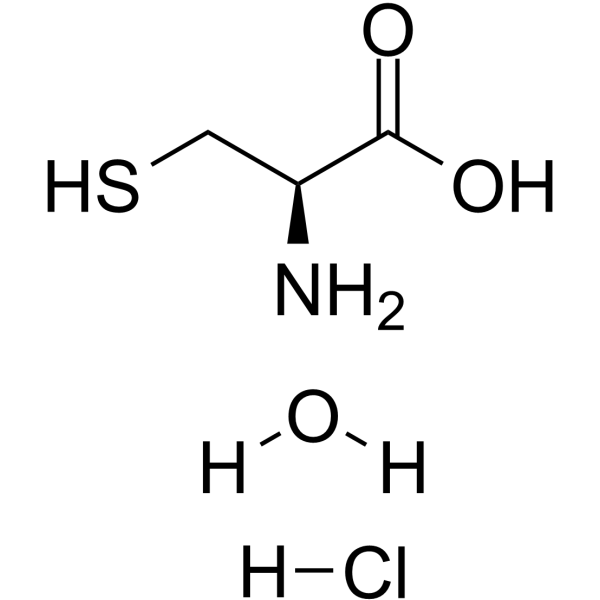
L-Cysteine hydrochloride hydrate is an orally active and essential amino acid, which acts as a precursor for biologically active molecules such as hydrogen sulphide (H2S), glutathione and taurine. L-Cysteine hydrochloride hydrate regulates CBS/H2S pathway, inhibits NF-κB activation and insulin and ghrelin secretion. L-Cysteine hydrochloride hydrate reduces blood sugar, vascular inflammation markers and appetite. L-Cysteine hydrochloride hydrate induces kidney damage. L-Cysteine hydrochloride hydrate can be used in the study of neurological diseases and diabetes .
loading...
    loading...
10
10 Cited Publications
Cat. No.: HY-N0640
CAS No.: 7084-24-4
Synonyms: Chrysontemin; Cyanidin 3-O-glucoside chloride
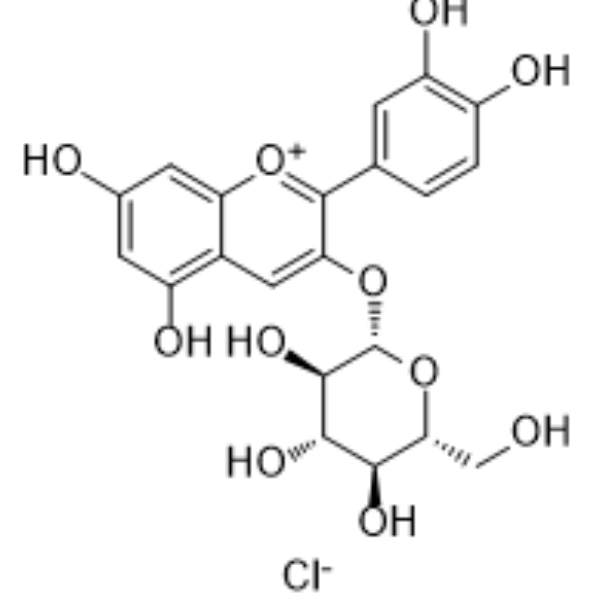
Kuromanin chloride (Chrysontemin) is derived from mulberry leaves and has the effect of increasing blood sugar concentration and maintaining lipid metabolism balance to reduce obesity. Kuromanin chloride can inhibit CD38 enzymatic activities .
loading...
    loading...
3
3 Cited Publications
Cat. No.: HY-112942A
CAS No.: 1007117-62-5
Purity:  92.51%
Synonyms: CMP-Neu5Ac sodium salt
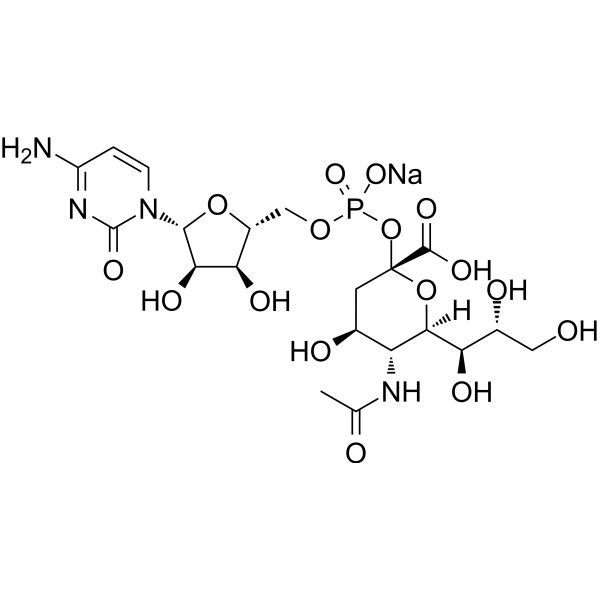
CMP-Sialic acid (CMP-Neu5Ac) sodium salt is an allosteric inhibitor of UDP-GlcNAc 2-epimerase. CMP-Sialic acid sodium salt provides a substrate for Golgi sialyltransferases. CMP-Sialic acid sodium salt is an important sugar nucleotide for biosynthesis of sialic acid and its conjugates .
loading...
    loading...
3
3 Cited Publications
Cat. No.: HY-123981
CAS No.: 47208-82-2
Purity:  99.72%
Target:  

Phosphatase

Research Areas:  

Cancer

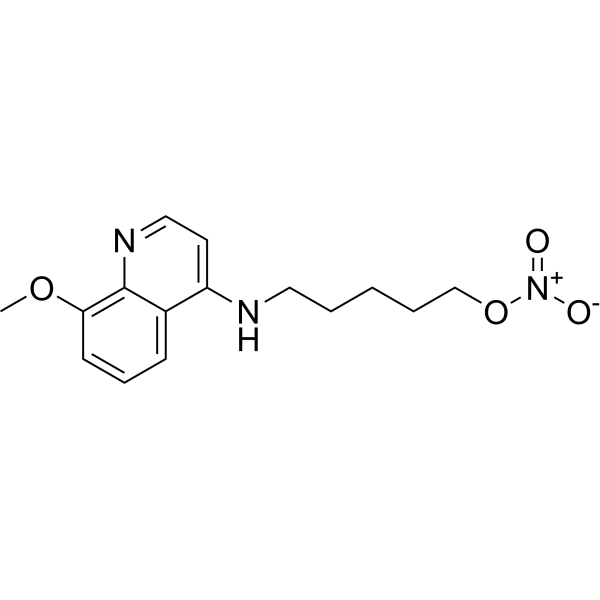
5MPN is a first-in-class, potent, orally active and selective 6-phosphofructo-2-kinase/fructose-2,6-bisphosphatase 4 (PFKFB4) inhibitor. 5MPN appears to be a competitive inhibitor of the F6P binding site (Ki=8.6 μM). 5MPN does not inhibit PFK-1 or PFKFB3. 5MPN targets the sugar metabolism of tumors and suppresses proliferation of multiple human cancer cell lines .
loading...
    loading...
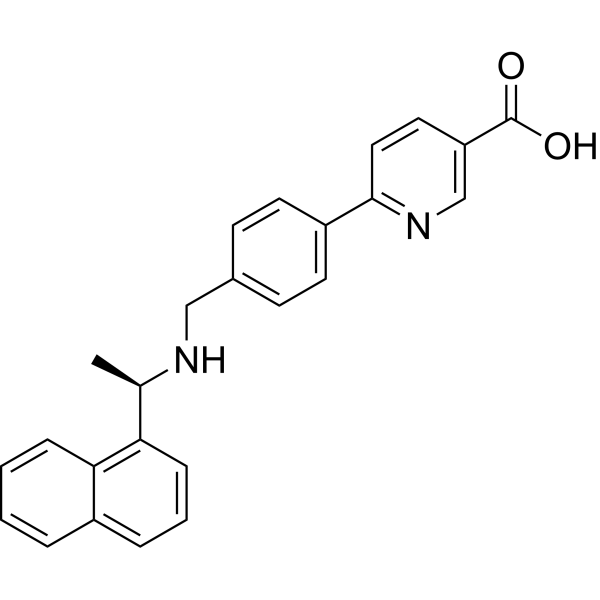
1
1 Cited Publications
Cat. No.: HY-164781
CAS No.: 1788963-83-6
Synonyms: MBE1
Research Areas:  

Metabolic Disease

KOTX1 is an orally active and selective ALDH1A3 inhibitor. KOTX1 improves glucose tolerance, insulin secretion and blood sugar levels in diabetic mouse models .
loading...
    loading...
1
1 Cited Publications
Cat. No.: HY-103673
CAS No.: 2139356-35-5
Purity:  99.52%
Target:  

Adenosine Deaminase

Research Areas:  

Neurological Disease

AMPD2 inhibitor 1 is an adenosine monophosphate deaminase 2 (AMPD2) inhibitor, used in the research of sugar craving, salt craving, umami craving, and addictions including agent, tobacco, nicotine and alcohol addictions.
loading...
    loading...
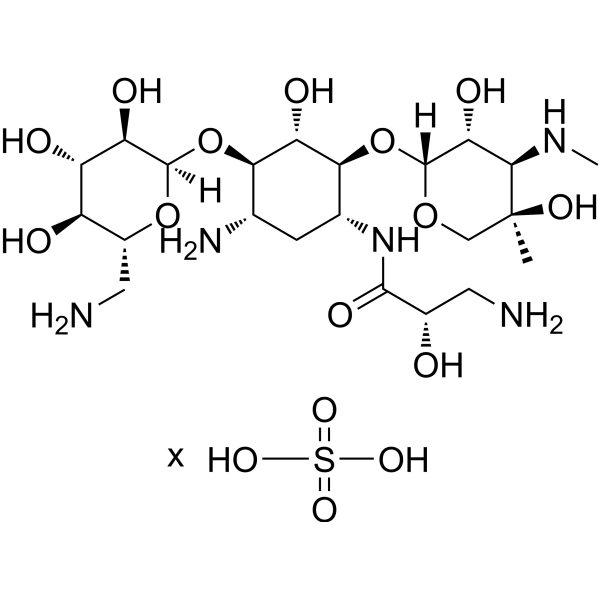
1
1 Cited Publications
Cat. No.: HY-100589
CAS No.: 67814-76-0
Purity:  ≥98.0%
Synonyms: Sch 21420 sulfate
Isepamicin sulfate (Sch 21420 sulfate) is a broad-spectrum aminoglycoside antibiotic. Isepamicin sulfate has considerable antimicrobial activity against some Gram-negative non-fermenting bacteria that are highly resistant to antibiotics. Isepamicin sulfate inhibits writhing reactions induced by Acetic acid (HY-Y0319), regulates vascular blood flow and blood pressure, and inhibits spontaneous uterine movements. Isepamicin sulfate has antidiuretic and blood sugar-raising effects. Isepamicin sulfate can be used in seizure research .
loading...
    loading...
1
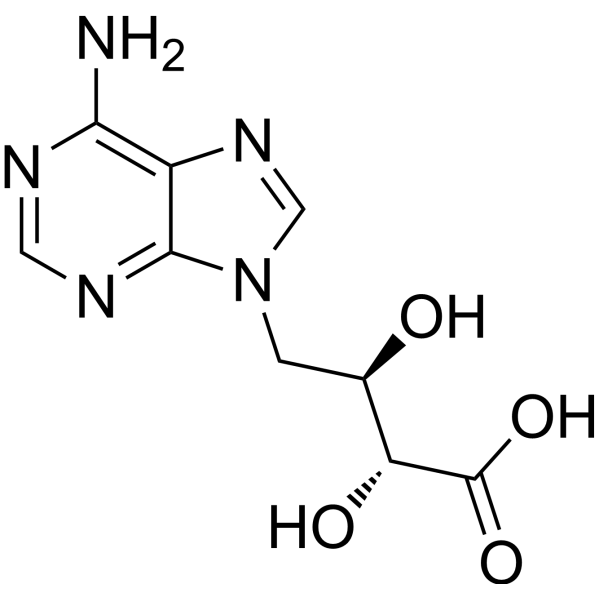
1 Cited Publications
Cat. No.: HY-114866
CAS No.: 23918-98-1
Purity:  97.9%
Synonyms: Lentinacin; D-Eritadenine; Lentysine
Research Areas:  

Infection

Eritadenine (D-Eritadenine) is a potent AdoHcyase inhibitor, with an IC50 value of 7 nM. Eritadenine is also an acyclic sugar adenosine analogue. Eritadenine exhibits an inhibitory effect on the growth of Cryptosporidium parvum, with a MIC50 of 3 μM. Eritadenine can be used in the research of colorectal adenocarcinoma .
loading...
    loading...
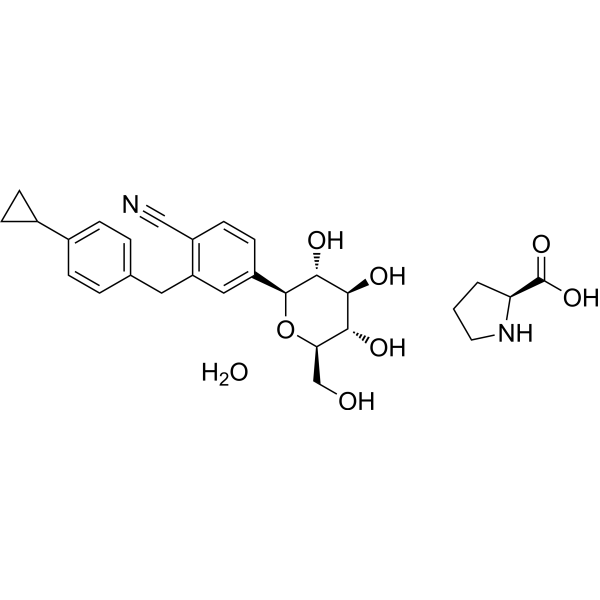
1
1 Cited Publications
Cat. No.: HY-109018B
CAS No.: 1661838-94-3
Purity:  99.43%
Target:  

SGLT

Research Areas:  

Metabolic Disease

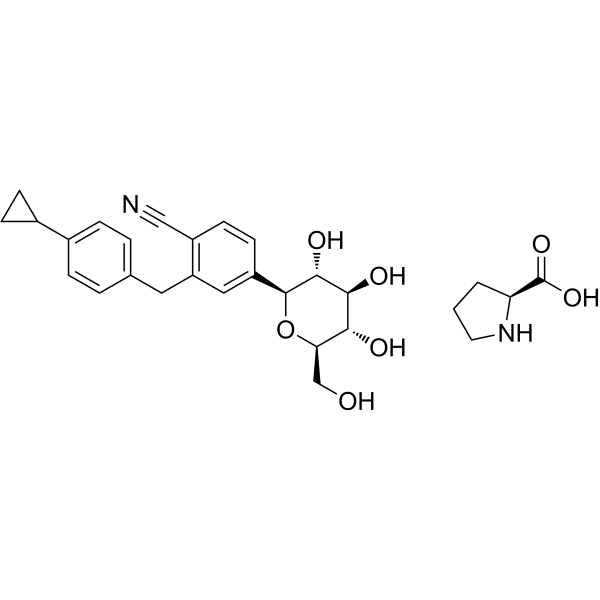
Velagliflozin proline hydrate is the clinical form of Velagliflozin (HY-109018). Velagliflozin is an oral sodium-glucose cotransporter 2 (SGLT2) inhibitor with antidiabetic activity. Velagliflozin reduces renal glucose reabsorption and stimulates glycosuria, which lowers blood sugar and insulin concentrations .
loading...
    loading...
1
1 Cited Publications
Cat. No.: HY-109018A
CAS No.: 1539295-26-5
Purity:  99.43%
Target:  

SGLT

Research Areas:  

Metabolic Disease

Velagliflozin proline is an oral sodium-glucose cotransporter 2 (SGLT2) inhibitor with antidiabetic activity. Velagliflozin proline reduces renal glucose reabsorption and stimulates glycosuria, which lowers blood sugar and insulin concentrations .
loading...
    loading...
Cat. No.: HY-N9914
CAS No.: 551-68-8
Synonyms: D-Allulose
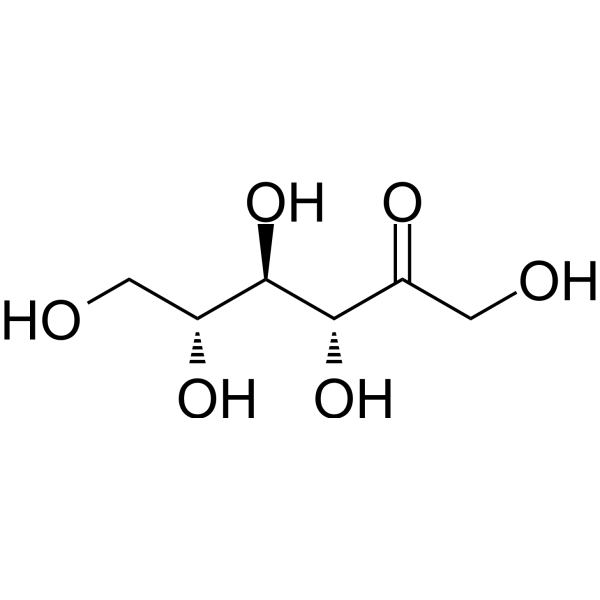
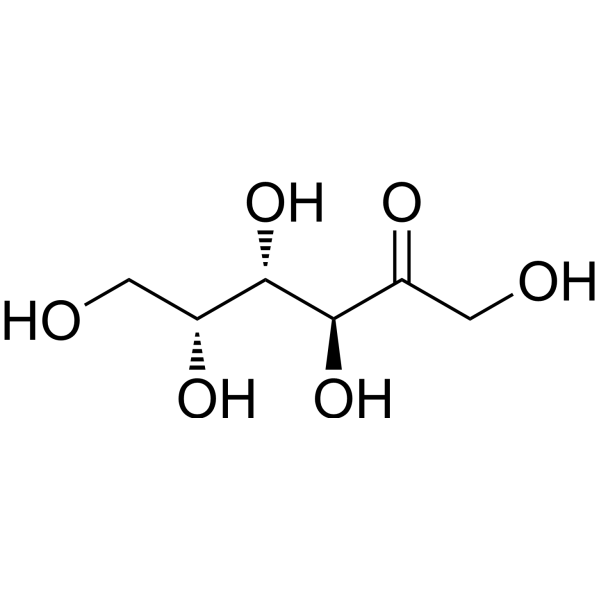
D-psicose is an orally active rare sugar. D-psicose inhibits p38-MAPK phosphorylation and MCP-1 expression. D-psicose inhibits the AGEs/RAGE/NF-κB pathway. D-psicose protects pancreatic β-islets, improves hyperglycemia and high-fat diet-induced non-alcoholic fatty liver disease .
loading...
    loading...
Cat. No.: HY-N2468
CAS No.: 6860-47-5
Synonyms: 1,4-β-D-Xylobiose; 1,4-D-Xylobiose
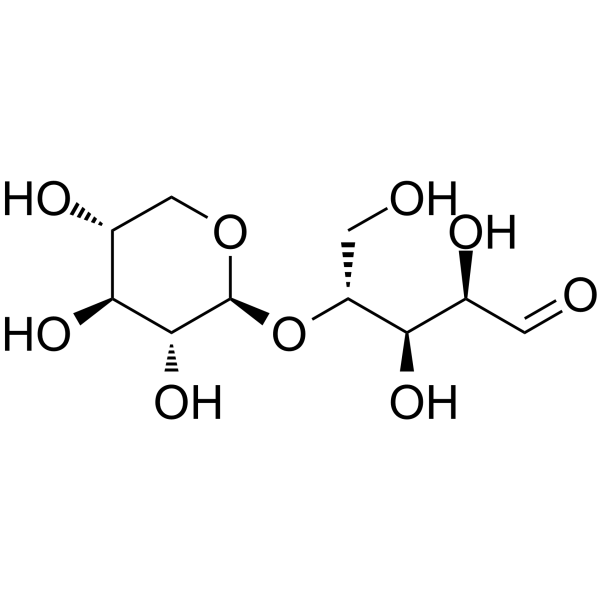
Xylobiose (1,4-β-D-Xylobiose; 1,4-D-Xylobiose) is an orally active Claudin 2/CLDN2 inhibitor and HSP27 inducer. Xylobiose works by regulating intestinal barrier function and glucose and lipid metabolism-related signaling pathways. Xylobiose inhibits CLDN2 expression to reduce intestinal permeability, induces HSP27 to enhance cell protection, and regulates the miR-122a/miR-33a axis to inhibit liver lipid synthesis and improve insulin resistance. Xylobiose can strengthen intestinal barrier integrity, reduce blood sugar and blood lipid levels, and reduce oxidative stress and inflammatory response. Xylobiose can be used in the study of type 2 diabetes and metabolic syndrome .
loading...
    loading...
Cat. No.: HY-Y0079
CAS No.: 673-06-3
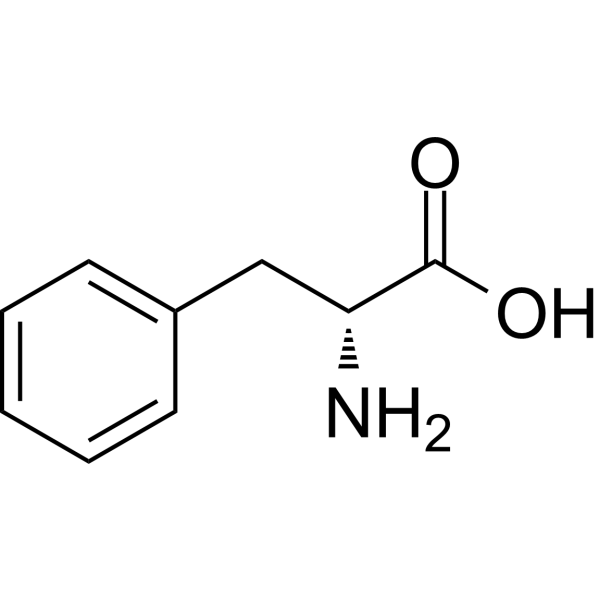
D-Phenylalanine is an atypical D-amino acid and an inhibitor of bacterial biofilm formation. D-Phenylalanine mainly replaces D-alanine (D-Ala) by incorporating into the fourth and fifth positions of bacterial peptidoglycan (PG), changing the cell wall structure, enhancing bacterial acid resistance and affecting biofilm formation. D-Phenylalanine may promote the secretion of peptide tyrosine tyrosine (PYY) in mammals by activating the intestinal GPR109B receptor. D-Phenylalanine can inhibit the maturation of microbial biofilms and promote the release of specific hormones. It can be used for antibacterial preservation, improving the yield of probiotics in the food industry, and studying appetite regulation and blood sugar control in metabolic diseases such as diabetes .
loading...
    loading...
Cat. No.: HY-N0538
CAS No.: 87-99-0
Synonyms: Xylite
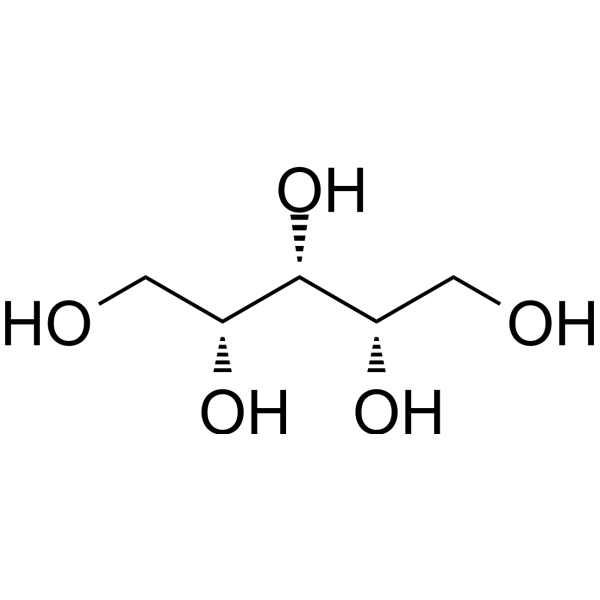
Xylitol can be classified as a polyol and sugar alcohol, exhibiting inhibitory activity on cancer cell proliferation. It induces autophagy (Autophagy) and cell death in A549 cells by activating the autophagy signaling pathway, as evidenced by the increased expression of LC3-II and Atg5-Atg12 upon Xylitol treatment. Additionally, Xylitol inhibits acetaldehyde production by Candida species, thereby reducing their carcinogenic potential. In vivo, Xylitol induces alterations in the gut microbiota of mice, which may enhance cholesterol accumulation and upregulate hepatic ChREBP, while also slowing tumor growth in the B16F10 melanoma C57BL/6 mouse model .
loading...
    loading...
Cat. No.: HY-114118CP
CAS No.: 910463-68-2
Semaglutide (crude) is the crude form of Semaglutide (HY-114118). Semaglutide is a long-acting, selective, competitive GLP-1R agonist that can penetrate the blood-brain barrier. After activating GLP-1R, Semaglutide promotes insulin secretion, inhibits gastric emptying and appetite, and at the same time enhances Autophagy, inhibits oxidative stress and Apoptosis. Semaglutide also regulates mitochondrial function and lipid metabolism (such as reducing de novo lipogenesis in the liver). Semaglutide has activities such as lowering blood sugar, reducing weight, neuroprotection (such as improving motor function in Parkinson's disease models, reducing α-synuclein aggregation) and improving hepatic steatosis. Semaglutide can be used for the study of neurodegenerative diseases and liver diseases such as type 2 diabetes, obesity, Parkinson's disease, metabolic associated fatty liver disease (MASLD), and cancer .
loading...
    loading...
Cat. No.: HY-114118S3
Purity:  96.04%
Semaglutide- 13C6, 15N TFA is the 13C- and 15N-labeled Semaglutide TFA (HY-114118A). Semaglutide TFA is a long-acting, selective, competitive GLP-1R agonist that can penetrate the blood-brain barrier. After activating GLP-1R, Semaglutide TFA promotes insulin secretion, inhibits gastric emptying and appetite, and at the same time enhances autophagy, inhibits oxidative stress and apoptosis. Semaglutide TFA also regulates mitochondrial function and lipid metabolism (such as reducing de novo lipogenesis in the liver). Semaglutide TFA has activities such as lowering blood sugar, reducing weight, neuroprotection (such as improving motor function in Parkinson's disease models, reducing α-synuclein aggregation) and improving hepatic steatosis. Semaglutide TFA can be used for the study of neurodegenerative diseases and liver diseases such as type 2 diabetes, obesity, Parkinson's disease, metabolic associated fatty liver disease (MASLD), and cancer .
loading...
    loading...
Cat. No.: HY-42680
CAS No.: 87-81-0
Synonyms: D-(-)-Tagatose
D-Tagatose (D-(-)-Tagatose) is a natural low-calorie rare sugar. D-Tagatose inhibits the activities of sucrase, maltase and intestinal disaccharidases, reduces the digestion of sucrose and starch, and blocks the absorption of sucrose, maltose and glucose. D-Tagatose promotes glucokinase activity and inhibits glycogen phosphorylase activity via tagatose-1-phosphate, regulates the synthesis and decomposition of hepatic glycogen, reduces postprandial and fasting blood glucose levels, and improves hyperinsulinemia. D-Tagatose regulates lipid profiles, stimulates GLP-1 secretion, and exhibits prebiotic effects. D-Tagatose is a bulking sweetener. D-Tagatose can be used in research related to diabetes, hyperlipidemia, dental caries, atherosclerosis and type 2 diabetes .
loading...
    loading...

