Search Result
Results for "
Syk inhibitors
" in MedChemExpress (MCE) Product Catalog:
3
Isotope-Labeled Compounds
| Cat. No. |
Product Name |
Target |
Research Areas |
Chemical Structure |
-
- HY-13038A
-
|
R788
|
Syk
FLT3
|
Inflammation/Immunology
Cancer
|
|
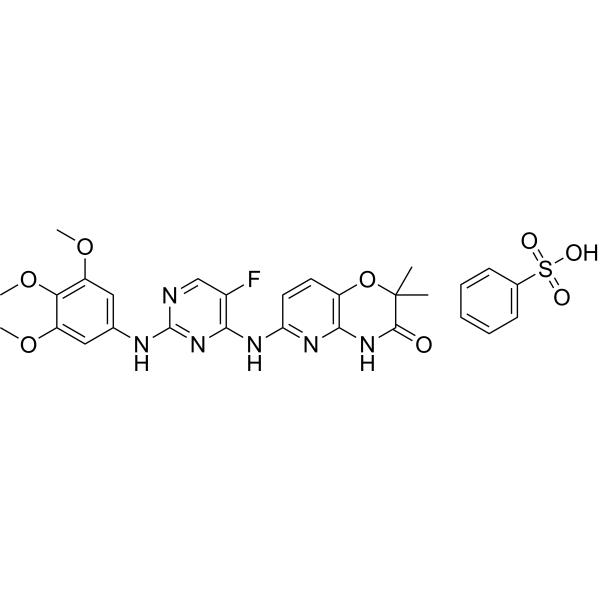
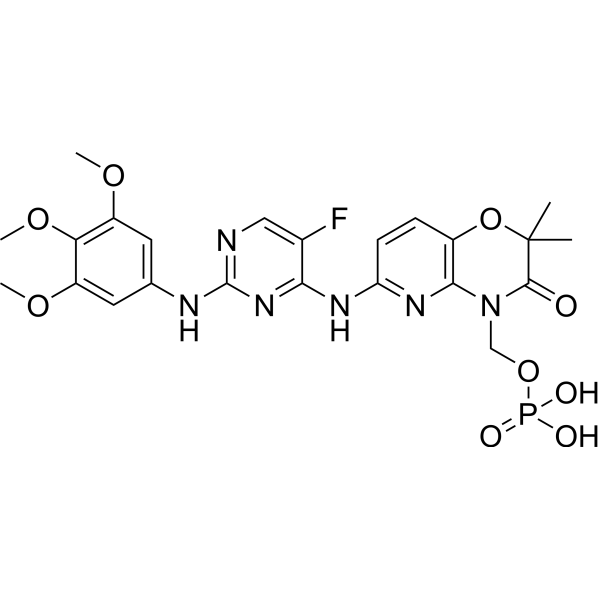
Fostamatinib (R788) is the oral proagent of the active compound R406 . R406 is an orally available and competitive Syk/FLT3 inhibitor with a Ki of 30 nM and an IC50 of 41 nM . R406 also inhibits Lyn (IC50=63 nM) and Lck (IC50=37 nM) .
|
-
-
- HY-10230
-
Midostaurin
Maximum Cited Publications
37 Publications Verification
PKC412; CGP 41251
|
PKC
VEGFR
c-Kit
NO Synthase
Apoptosis
|
Cancer
|
|
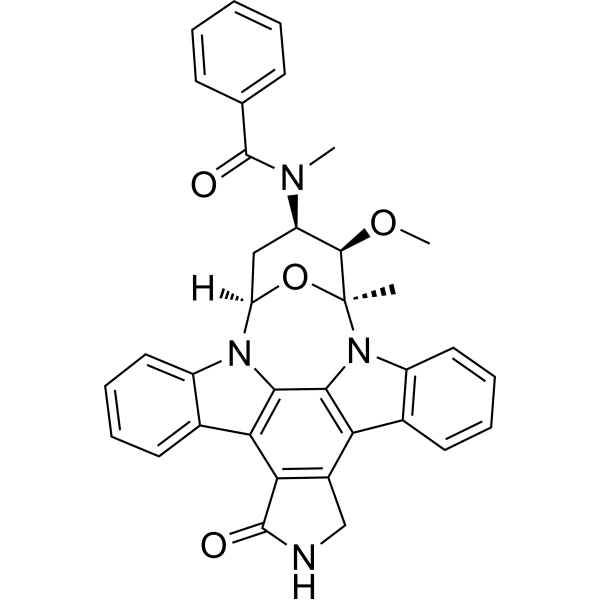
Midostaurin (PKC412; CGP 41251) is an orally active, reversible multi-targeted protein kinase inhibitor. Midostaurin inhibits PKCα/β/γ, Syk, Flk-1, Akt, PKA, c-Kit, c-Fgr, c-Src, FLT3, PDFRβ and VEGFR1/2 with IC50s ranging from 22-500 nM . Midostaurin also upregulates endothelial nitric oxide synthase (eNOS) gene expression. Midostaurin shows powerful anticancer effects .
|
-
-
- HY-12067
-
|
|
Syk
FLT3
Apoptosis
|
Inflammation/Immunology
Cancer
|
|
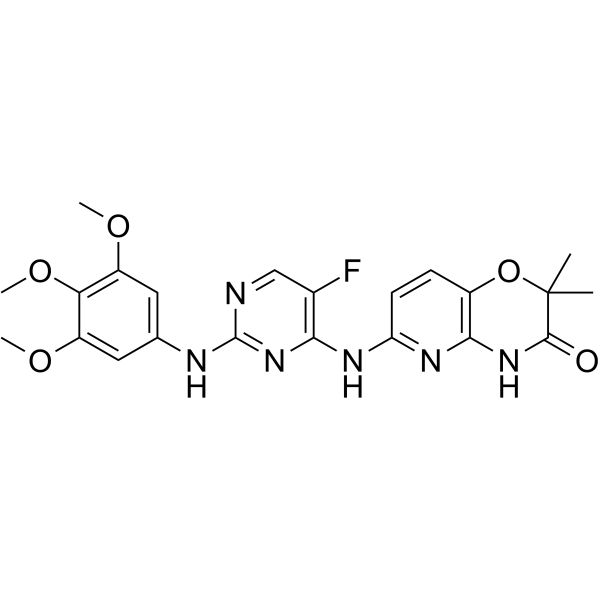
R406 is an orally available and competitive Syk/FLT3 inhibitor for ATP binding with a Ki of 30 nM, potently inhibits Syk kinase activity in vitro with an IC50 of 41 nM, measured at an ATP concentration corresponding to its Km value. R406 reduces immune complex-mediated inflammation . R406 also inhibits Lyn (IC50=63 nM) and Lck (IC50=37 nM) .
|
-
-
- HY-13518
-
|
Astringenin; trans-Piceatannol
|
Syk
Autophagy
Apoptosis
Endogenous Metabolite
|
Cancer
|
|
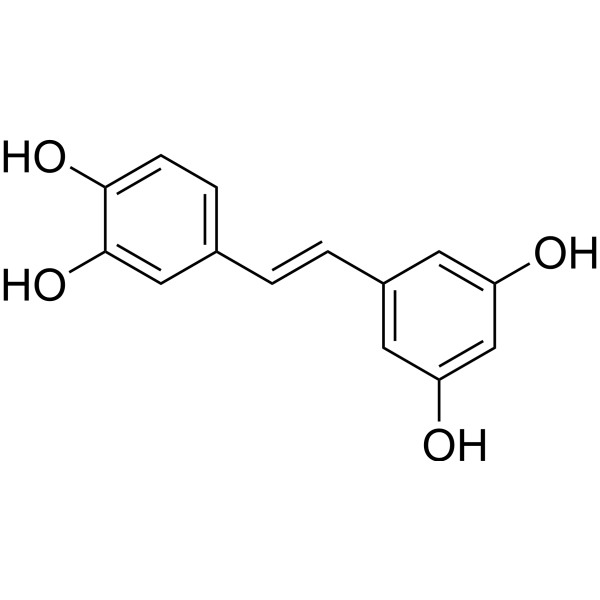
Piceatannol is a well-known Syk inhibitor and reduces the expression of iNOS induced by TNF. Piceatannol is an effective agent for research of acute lung injury (ALI) . Piceatannol is a naturally occurring polyphenolic stilbene found in various fruits and vegetables and exhibits anticancer and anti-inflammatory properties . Piceatannol induces apoptosis in DLBCL cell lines . Piceatannol induces autophagy and apoptosis in MOLT-4 human leukemia cells .
|
-
-
- HY-15968
-
|
GS-9973
|
Syk
|
Cancer
|
|
Entospletinib (GS-9973) is an orally bioavailable, selective Syk inhibitor with an IC50 of 7.7 nM.
|
-
-
- HY-103018
-
|
ASN-002
|
JAK
Syk
|
Inflammation/Immunology
Cancer
|
|
Gusacitinib (ASN-002) is an orally active dual SYK/JAK kinase inhibitor with IC50 values of 5, 46, 4, 11 and 8 nM for SYK, JAK1, JAK2, JAK3 and TYK2, respectively. Gusacitinib rapidly and significantly suppressed key inflammatory pathways implicated in atopic dermatitis pathogenesis. Gusacitinib can be used in the research of chronic hand eczema and cancers such as basal cell carcinoma .
|
-
-
- HY-145598
-
|
HMPL-523
|
Syk
|
Cancer
|
|
Sovleplenib (HMPL-523) is a highly potent, orally available and selective SYK inhibitor with an IC50 of 25 nM. Anti-tumor activity. Sovleplenib can be used for the research of immune thrombocytopenia (ITP) .
|
-
-
- HY-13038
-
|
R788Disodium
|
Syk
FLT3
|
Inflammation/Immunology
Cancer
|
|
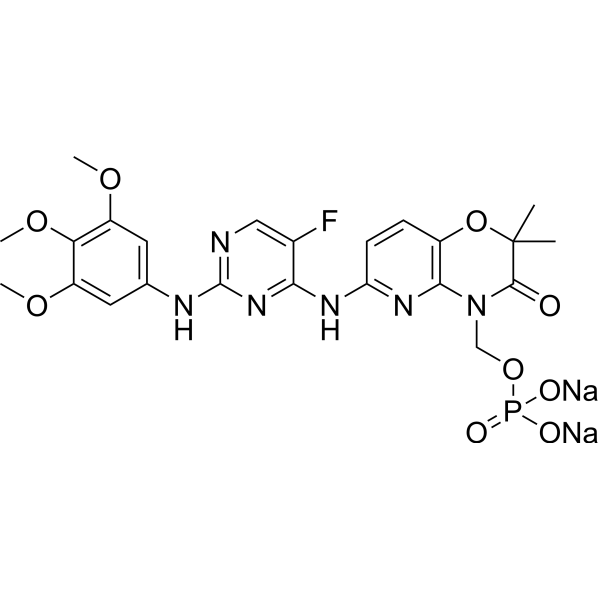
Fostamatinib Disodium (R788 Disodium) is the oral proagent of the active compound R406 . R406 is an orally available and competitive Syk/FLT3 inhibitor with a Ki of 30 nM and an IC50 of 41 nM . R406 also inhibits Lyn (IC50=63 nM) and Lck (IC50=37 nM) .
|
-
-
- HY-145015
-
|
HM43239
|
FLT3
Apoptosis
|
Cancer
|
|
Tuspetinib (HM43239) is an orally active and selective FLT3 inhibitor with IC50s of 1.1 nM, 1.8 nM and 1.0 nM for FLT3 WT, FLT3 internal tandem duplication (ITD) and FLT3 D835Y kinases, respectively. Tuspetinib inhibits the kinase activity of FLT3 as a reversible type I inhibitor and modulates p-STAT5, p-ERK, SYK, JAK1/2, and TAK1. Tuspetinib inhibits the proliferation and induces the apoptosis of leukemic cells .
|
-
-
- HY-15323
-
|
P505-15 Hydrochloride
|
Syk
Mixed Lineage Kinase
PAK
Pyk2
FAK
Apoptosis
Src
|
Cancer
|
|
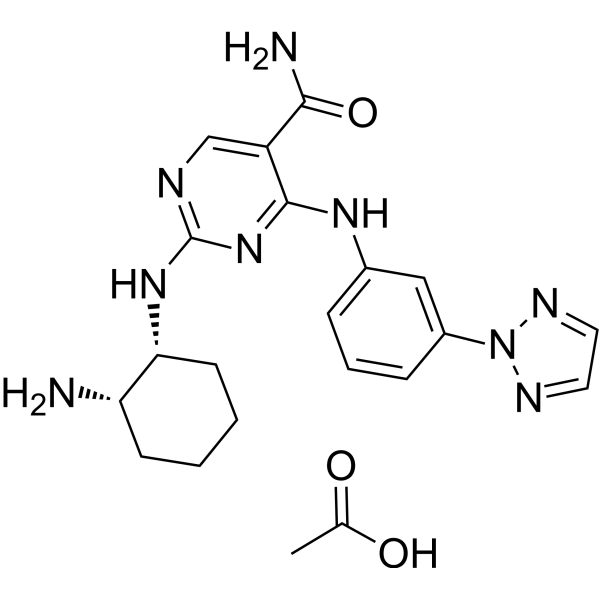
PRT062607 (P505-15) Hydrochloride is an orally available Syk inhibitor (IC50: 1 nM) that inhibits inflammation and induction Apoptosis. PRT062607 Hydrochloride exerts potent antitumor activity in tumor xenograft mouse models .
|
-
-
- HY-15999
-
|
PRT062070; PRT2070
|
JAK
Syk
|
Cancer
|
|
Cerdulatinib (PRT062070) is a selective Tyk2 inhibitor with an IC50 of 0.5 nM. Cerdulatinib (PRT062070) also is a dual JAK and SYK inhibitor with IC50s of 12, 6, 8 and 32 for JAK1, 2, 3 and SYK, respectively.
|
-
-
- HY-109091
-
|
GS-9876
|
Syk
|
Inflammation/Immunology
Cancer
|
|
Lanraplenib (GS-9876) is a highly selective and orally active SYK inhibitor (IC50=9.5 nM) in development for the treatment of inflammatory diseases. Lanraplenib (GS-9876) inhibits SYK activity in platelets via the glycoprotein VI (GPVI) receptor without prolonging bleeding time (BT) in monkeys or humans .
|
-
-
- HY-11108
-
|
|
Syk
FLT3
Apoptosis
|
Inflammation/Immunology
Cancer
|
|
R406 free base is an orally available and competitive Syk/FLT3 inhibitor for ATP binding with a Ki of 30 nM, potently inhibits Syk kinase activity in vitro with an IC50 of 41 nM, measured at an ATP concentration corresponding to its Km value. R406 free base reduces immune complex-mediated inflammation . R406 free base also inhibits Lyn (IC50=63 nM) and Lck (IC50=37 nM) .
|
-
-
- HY-14985
-
|
|
Syk
Apoptosis
|
Inflammation/Immunology
Cancer
|
|
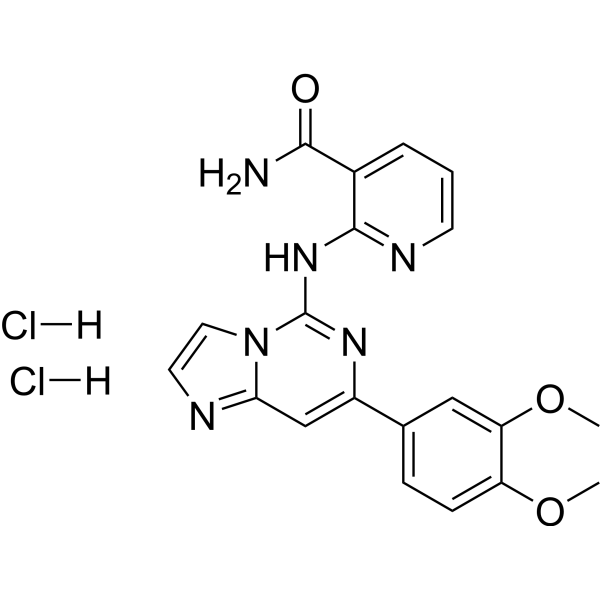
BAY 61-3606 dihydrochloride is an orally available, ATP-competitive, reversible and highly selective Syk inhibitor with a Ki of 7.5 nM an IC50 of 10 nM . BAY 61-3606 dihydrochloride reduces ERK1/2 and Akt phosphorylation in neuroblastoma cell . BAY 61-3606 dihydrochloride induces a large decrease of Syk phosphorylation in K-rn cell lysates . Bay 61-3606 dihydrochloride sensitizes TRAIL-induced apoptosis by downregulating Mcl-1 in breast cancer cells .
|
-
-
- HY-15322
-
|
P505-15; PRT-2607; BIIB-057
|
Syk
Apoptosis
Caspase
|
Inflammation/Immunology
Cancer
|
|
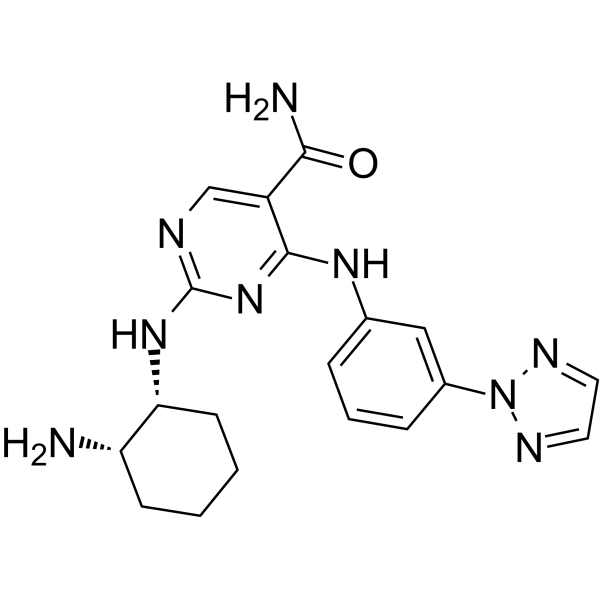
PRT062607 (P505-15; PRT-2607) is an orally active ATP-competitive Syk inhibitor with an IC50 value of 1 nM, and exhibits at least 80-fold selectivity over other kinases. PRT062607 blocks B cell antigen receptor-mediated activation, Fcε receptor 1-mediated basophil degranulation and microglial phagocytosis, and induces caspase-dependent apoptosis and microglial death. PRT062607 inhibits tumor growth and peripheral nerve injury-induced mechanical allodynia, and prevents neuronal loss. PRT062607 can be used in research related to rheumatoid arthritis, chronic lymphocytic leukemia, non-Hodgkin's lymphoma, neurodegenerative diseases and neuropathic pain .
|
-
-
- HY-100867A
-
|
TAK-659 monohydrochloride; CB-659 monohydrochloride
|
Syk
FLT3
|
Cancer
|
|
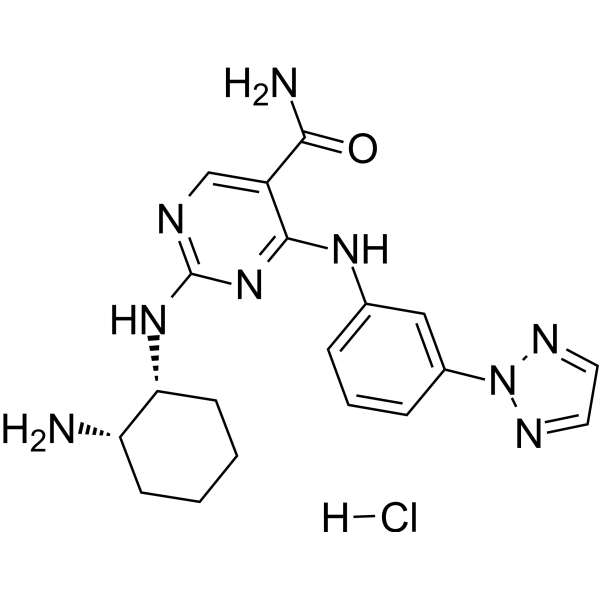
TAK-659 hydrochloride is a highly potent, selective, reversible and orally available dual inhibitor of spleen tyrosine kinase (SYK) and fms related tyrosine kinase 3 (FLT3), with an IC50 of 3.2 nM and 4.6 nM for SYK and FLT3, respectively. TAK-659 hydrochloride induces cell death in tumor cells but not in nontumor cells, and with potential for the treatment of chronic lymphocytic leukemia (CLL) .
|
-
-
- HY-13038B
-
|
R788 disodium hexahydrate
|
Syk
FLT3
|
Inflammation/Immunology
Cancer
|
|
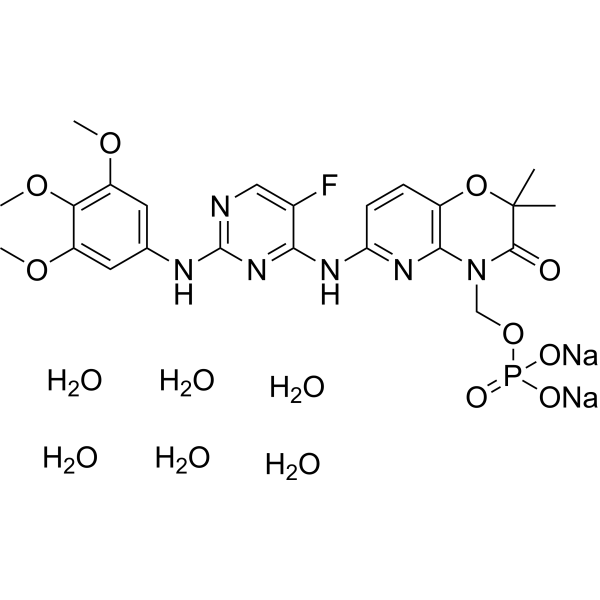
Fostamatinib (R788) disodium hexahydrate is the oral proagent of the active compound R406 . R406 is an orally available and competitive Syk/FLT3 inhibitor with a Ki of 30 nM and an IC50 of 41 nM . R406 also inhibits Lyn (IC50=63 nM) and Lck (IC50=37 nM) .
|
-
-
- HY-12072
-
|
|
Src
|
Inflammation/Immunology
|
|
Lck Inhibitor is a potent, orally active Lck (lymphocyte specific kinase) inhibitor with IC50s of 7, 2.1, 4.2 and 200 nM for Lck, Lyn, Src and Syk kinases, respectively. Lck Inhibitor shows >1000-fold selectivity for Lck over MAPK, CDK and RSK family representatives. Lck Inhibitor inhibits T cell proliferation and in vivo models of arthritis .
|
-
-
- HY-12974
-
|
PRT318
|
Syk
Apoptosis
|
Inflammation/Immunology
Cancer
|
|
PRT-060318 (PRT318) s a potent, selective and orally active tyrosine kinase Syk inhibitor with an IC50 of 3 nM. PRT-060318 suppresses chronic lymphocytic leukemia (CLL) B cell activation and migration, and induces apoptosis. PRT-060318 prevents Heparin (HY-17567)-induced thrombocytopenia and thrombosis in a transgenic mouse model. PRT-060318 dihydrochloride can be used for CLL and thrombus research .
|
-
-
- HY-N7675
-
|
|
NF-κB
TGF-beta/Smad
Syk
|
Cardiovascular Disease
Neurological Disease
Metabolic Disease
|
|
Flavanomarein is a substance with cytoprotective, anti-inflammatory and antioxidant activities, with a Ka of 3.064e-5 M against human Syk. Flavanomarein enhances the phosphorylation level of AKT, regulates the expression of PKC-δ, P85α, PKC-β1, Sirt1, Bcl-2 and ICAD, and inhibits the nuclear translocation of NF-κB p65. Flavanomarein regulates EMT marker proteins, promotes the proliferation of HK-2 cells, and protects neuronal cells from 6-OHDA-induced neurotoxic damage. Flavanomarein can be used in studies related to Parkinson's disease and diabetic nephropathy.
|
-
-
- HY-N0805
-
|
23-Acetylalismol B; 23-O-Acetylalisol B; Alisol B monoacetate
|
Apoptosis
Reactive Oxygen Species (ROS)
CDK
MMP
PARP
FXR
Syk
|
Cardiovascular Disease
Metabolic Disease
Inflammation/Immunology
Cancer
|
|
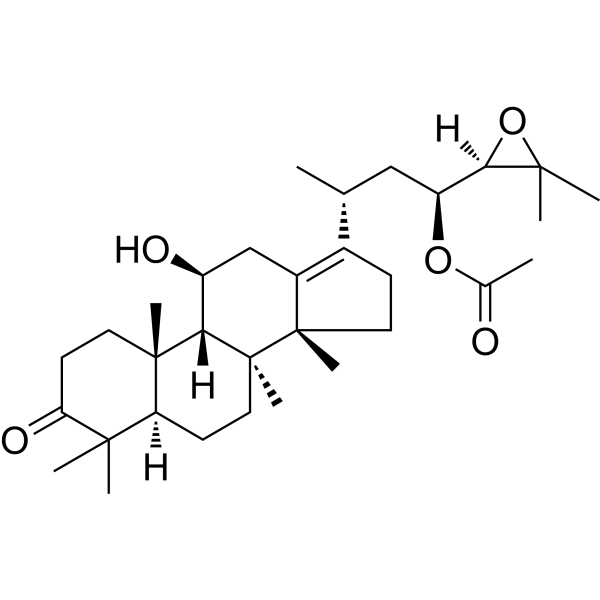
Alisol B 23-acetate is an orally active prototerpane-type triterpenoid. Alisol B 23-acetate can be isolated from Alisma orientalis. Alisol B 23-acetate induces Apoptosis, promotes ROS generation, downregulates CDK4/6, MMP-2/9, upregulates cleaved PARP, activates FXR and inhibits Syk. Alisol B 23-acetate has anti-inflammatory and hepatoprotective activities. Alisol B 23-acetate protects the kidney from ischemia-reperfusion injury. Alisol B 23-acetate has anticancer activity against ovarian cancer, colon cancer, lung cancer, and gastric cancer. Alisol B 23-acetate can be used in the study of atherosclerosis and allergic asthma .
|
-
-
- HY-16420
-
|
|
Syk
|
Inflammation/Immunology
|
|
R112 is a fast and reversible inhibitor of spleen tyrosine kinase (Syk) kinase. R112 inhibits Syk kinase activity with an IC50 value of 226 nM and a Ki value of 96 nM. R112 inhibits IgE-FcεRI signaling pathway. R112 can be used for the research of allergic rhinitis .
|
-
-
- HY-16902
-
|
|
Syk
|
Inflammation/Immunology
|
|
RO9021 is an orally bioavailable, novel ATP-competitive inhibitor of SYK, with an average IC50 of 5.6 nM.
|
-
-
- HY-15999A
-
|
PRT062070 hydrochloride; PRT2070 hydrochloride
|
Syk
JAK
|
Cancer
|
|
Cerdulatinib hydrochloride (PRT062070) is a selective, oral active and reversible ATP-competitive inhibitor of dual SYK and JAK, with IC50s of 32 nM, 0.5 nM, 12 nM, 6 nM and 8 nM for SYK and Tyk2, JAK1, 2, 3, respectively. Cerdulatinib hydrochloride could be used to research autoimmune disease and B-cell malignancies .
|
-
-
- HY-109091B
-
|
GS-9876 succinate
|
Syk
|
Inflammation/Immunology
Cancer
|
|
Lanraplenib succinate (GS-9876 succinate) is a highly selective and orally active SYK inhibitor (IC50=9.5 nM) in development for the treatment of inflammatory diseases. Lanraplenib succinate (GS-9876 succinate) inhibits SYK activity in platelets via the glycoprotein VI (GPVI) receptor without prolonging bleeding time (BT) in monkeys or humans .
|
-
-
- HY-109082
-
|
SKI-O-703
|
Syk
|
Inflammation/Immunology
|
|
Cevidoplenib (SKI-O-703) is an orally available inhibitor of spleen tyrosine kinase (Syk), with potential anti-inflammatory and immunomodulating activities. Cevidoplenib is also the mesylate form of SKI-O-592. Cevidoplenib and SKI-O-592 inhibits BCR-mediated survival, proliferation, and differentiation of B cells. And SKI-O-592 potently inhibits multiple kinases with IC50s of 6.2 nM (Syk), 1.859 μM (Jak2), 5.807 μM (Jak3), 0.412 μM (RET), 0.687 μM (KOR), 1.783 μM (FLT3), 16.96 μM (FGFR1), 5.662 μM (FGFR3), and 0.709 μM (Pyk2), respectively .
|
-
-
- HY-P6442
-
|
|
Chemerin Receptor
Syk
ERK
Src
p38 MAPK
P-selectin
|
Cardiovascular Disease
Neurological Disease
Inflammation/Immunology
|
|
Chemerin15 is an anti-inflammatory peptide derived from Chemerin. Chemerin15 binds to ChemR23. Chemerin15 inhibits TNFα-induced activation of Syk, ERK and Src kinases. Chemerin15 increases the expression of p-p38 mRNA and protein. Chemerin15 mediates phagocytosis, resolution of inflammation, CD62L shedding and downregulation of PSGL-1 expression in macrophages and microglia. Chemerin15 inhibits neutrophil-mediated vascular inflammation and myocardial ischemia-reperfusion injury via ChemR23. Chemerin15 enhances microglial phagocytosis, thereby alleviating cerebral ischemia-reperfusion injury .
|
-
-
- HY-100338
-
|
|
Btk
|
Cancer
|
|
CNX-500 is a probe consisting of a covalent Btk inhibitor (CC-292) chemically linked to biotin. CNX-500 retains inhibitory activity against Btk (IC50 of 0.5 nM) and the ability to form a covalent bond with Btk. CNX-500 has low inhibitory effects on kinase epidermal growth factor receptor, and upstream Src-family kinases including Syk and Lyn .
|
-
-
- HY-155978A
-
|
|
Tyrosinase
ERK
Interleukin Related
IFNAR
|
Inflammation/Immunology
|
|
RDN2150 TFA is a ZAP-70 inhibitor with an IC50 of 14.6 nM, and it exhibits selectivity for Syk over other kinases. RDN2150 TFA inhibits signal transduction and activation of T cells/CAR-T cells, reduces the phosphorylation level of Erk1/2, suppresses the induction of CD69 and IL-2, and downregulates phosphotyrosine signaling pathways including hnRNP sites in T cells. RDN2150 TFA can be used for psoriasis-related research .
|
-
-
- HY-78263
-
MNS
3 Publications Verification
NSC 170724; 5-(2-Nitrovinyl)benzodioxole
|
Src
Syk
NOD-like Receptor (NLR)
Integrin
PANoptosis
|
Neurological Disease
Inflammation/Immunology
Cancer
|
|
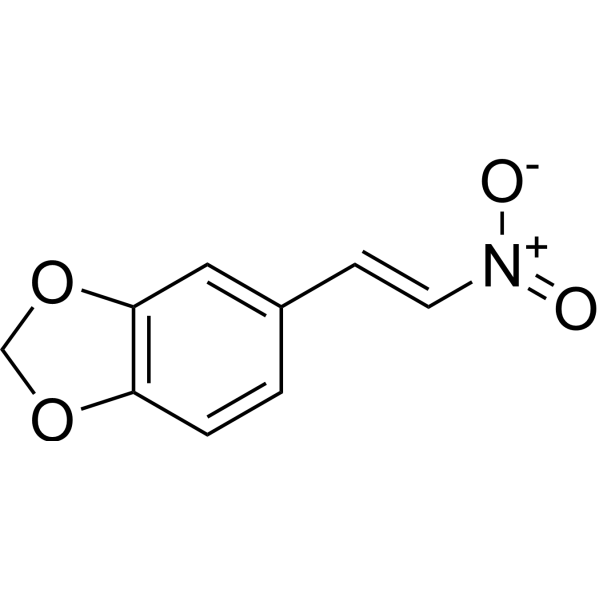
MNS (NSC 170724), the beta-nitrostyrene derivative, is an orally active tyrosine kinase inhibitor, a broad-spectrum antiplatelet agent, and a PANoptosis inhibitor. MNS inhibits Src, Syk, and FAK with IC50 of 27.3, 2.8, and 97.6 μM, respectively. MNS inhibits NLRP3 inflammasome and β1 integrin. MNS completely inhibits U46619, ADP-, arachidonic acid-, collagen-, and thrombin-induced platelet aggregation with IC50 values of 2.1, 4.1, 5.8, 7.0, and 12.7 μM, respectively. MNS is cytotoxic to a variety of cells .
|
-
-
- HY-112390A
-
|
|
Syk
5-HT Receptor
|
Inflammation/Immunology
|
|
Syk Inhibitor II is a potent, high selective and ATP-competitive Syk inhibitor with an IC50 of 41 nM. Syk Inhibitor II inhibits 5-HT release from RBL-cells with an IC50 of 460 nM. Syk Inhibitor II shows less potent against other kinases and has anti-allergic effect .
|
-
-
- HY-136198
-
|
|
Syk
PI3K
|
Cancer
|
|
SRX3207 is an orally active and first-in-class dual Syk/PI3K inhibitor, with IC50 values of 10.7 nM and 861 nM for Syk and PI3Kα, respectively. SRX3207 relieves tumor immunosuppression .
|
-
-
- HY-76474A
-
|
|
Apoptosis
Syk
|
Inflammation/Immunology
Cancer
|
|
BAY 61-3606 hydrochloride is an orally available, ATP-competitive, reversible and highly selective Syk inhibitor with a Ki of 7.5 nM and an IC50 of 10 nM . BAY 61-3606 hydrochloride reduces ERK1/2 and Akt phosphorylation in neuroblastoma cell. BAY 61-3606 hydrochloride induces a large decrease of Syk phosphorylation in K-rn cell lysates. BAY 61-3606 hydrochloride sensitizes TRAIL-induced apoptosis by downregulating Mcl-1 in breast cancer cells.
|
-
-
- HY-76474
-
|
|
Syk
Apoptosis
|
Inflammation/Immunology
Cancer
|
|
BAY 61-3606 is an orally available, ATP-competitive, reversible and highly selective Syk inhibitor with a Ki of 7.5 nM and an IC50 of 10 nM . BAY 61-3606 reduces ERK1/2 and Akt phosphorylation in neuroblastoma cell . BAY 61-3606 induces a large decrease of Syk phosphorylation in K-rn cell lysates . Bay 61-3606 sensitizes TRAIL-induced apoptosis by downregulating Mcl-1 in breast cancer cells .
|
-
-
- HY-12736A
-
|
|
Syk
ERK
|
Inflammation/Immunology
Cancer
|
|
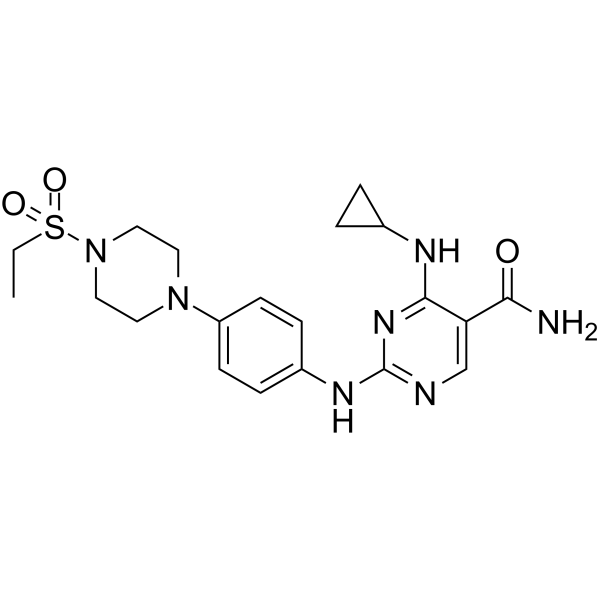
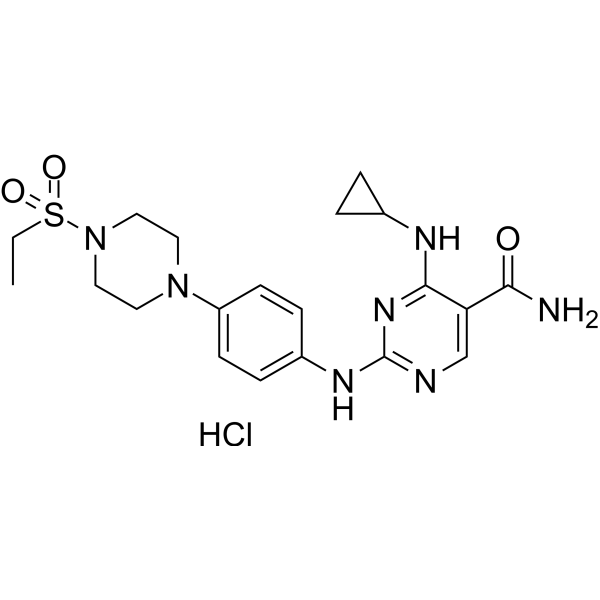
GSK143 dihydrochloride is an orally active and highly selective spleen tyrosine kinase (SYK) inhibitor with a pIC50 of 7.5. GSK143 dihydrochloride inhibits phosphorylated Erk (pErk: pIC50=7.1) . GSK143 dihydrochloride reduces inflammation and prevents recruitment of immune cells in the intestinal muscularis in mice .
|
-
-
- HY-131341
-
|
|
Syk
|
Inflammation/Immunology
Cancer
|
|
Syk-IN-4 is a potent, selective and orally bioavailable SYK inhibitor with an IC50 of 0.31 nM. SYK has emerged as a potential target for autoimmunity and hematological cancers .
|
-
-
- HY-112386
-
-
-
- HY-112319
-
-
-
- HY-15324
-
|
P505-15 acetate; PRT-2607 acetate; BIIB-057 acetate
|
Syk
Src
Mixed Lineage Kinase
PAK
Pyk2
FAK
Apoptosis
|
Cancer
|
|
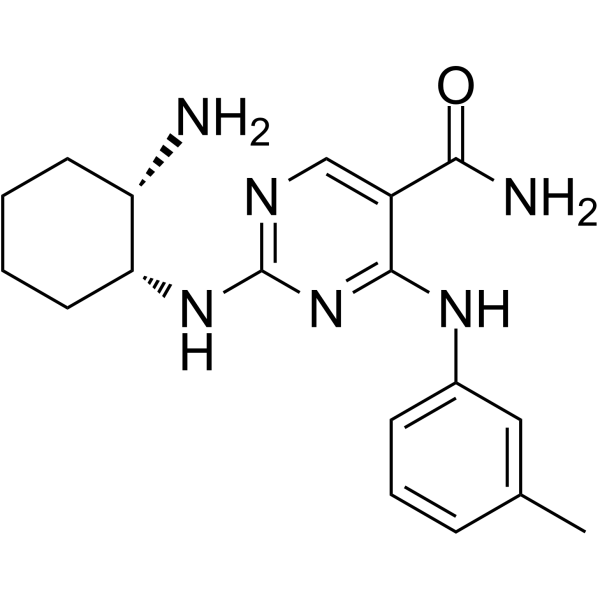
PRT062607 (P505-15) acetate is an orally available Syk inhibitor (IC50: 1 nM) that inhibits inflammation and induction Apoptosis. PRT062607 acetate exerts potent antitumor activity in tumor xenograft mouse models . .
|
-
-
- HY-12657
-
-
-
- HY-109082A
-
|
SKI-O-703 dimesylate
|
Syk
|
Inflammation/Immunology
|
|
Cevidoplenib is an orally available inhibitor of spleen tyrosine kinase (Syk), with potential anti-inflammatory and immunomodulating activities .
|
-
-
- HY-100867
-
|
TAK-659; CB-659
|
Syk
FLT3
|
Cancer
|
|
TAK-659 is a highly potent, selective, reversible and orally available dual inhibitor of spleen tyrosine kinase (SYK) and fms related tyrosine kinase 3 (FLT3), with an IC50 of 3.2 nM and 4.6 nM for SYK and FLT3, respectively. TAK-659 induces cell death in tumor cells but not in nontumor cells, and with potential for the treatment of chronic lymphocytic leukemia (CLL) .
|
-
-
- HY-112809
-
|
|
Syk
Src
LRRK2
GSK-3
JAK
VEGFR
Aurora Kinase
|
Inflammation/Immunology
|
|
GSK2646264 (Compound 44) is a potent and selective spleen tyrosine kinase (SYK) inhibitor with a pIC50 of 7.1. GSK2646264 also inhibits other kinases with pIC50 values of 5.4, 5.4, 5.3, 5, 4.5, <4.6 and <4.3 against LCK, LRRK2, GSK3β, JAK2, VEGFR2, Aurora B and Aurora A, respectively. GSK2646264 is penetrable into the epidermis and dermis of the skin .
|
-
-
- HY-145029
-
|
|
Syk
JAK
|
Cancer
|
|
SYK/JAK-IN-1 is a dual Syk/Jak2 kinase inhibitor. SYK/JAK-IN-1 is applicable to cancer-related research .
|
-
-
- HY-124146
-
|
|
Syk
|
Inflammation/Immunology
|
|
BI1002494 is an orally active, potent, and selective spleen tyrosine kinase (SYK) inhibitor. BI 1002494 exhibits an IC50 of 115 nM in inhibiting high-affinity IgE receptor-mediated mast cell and basophil degranulation. BI1002494 can be utilized in immunology reesearch .
|
-
-
- HY-12736
-
|
|
Syk
ERK
|
Inflammation/Immunology
Cancer
|
|
GSK143 is an orally active and highly selective spleen tyrosine kinase (SYK) inhibitor with a pIC50 of 7.5. GSK143 inhibits phosphorylated Erk (pErk: pIC50=7.1) . GSK143 reduces inflammation and prevents recruitment of immune cells in the intestinal muscularis in mice .
|
-
-
- HY-10230S
-
|
PKC412-d5; CGP 41251-d5
|
Isotope-Labeled Compounds
PKC
Syk
Akt
PKA
c-Kit
|
Cancer
|
|
Midostaurin-d5 (PKC412-d5) is a deuterium labeled Midostaurin. Midostaurin is a multi-targeted protein kinase inhibitor which inhibits PKCα/β/γ, Syk, Flk-1, Akt, PKA, c-Kit, c-Fgr, c-Src, FLT3, PDFRβ and VEGFR1/2 with IC50s ranging from 22-500 nM .
|
-
-
- HY-155978
-
|
|
Tyrosinase
IFNAR
ERK
Interleukin Related
|
Inflammation/Immunology
|
|
RDN2150 is a ZAP-70 inhibitor with an IC50 of 14.6 nM, and it exhibits selectivity for Syk over other kinases. RDN2150 inhibits signal transduction and activation of T cells/CAR-T cells, reduces the phosphorylation level of Erk1/2, suppresses the induction of CD69 and IL-2, and downregulates phosphotyrosine signaling pathways including hnRNP sites in T cells. RDN2150 can be used for psoriasis-related research .
|
-
-
- HY-112390
-
|
|
5-HT Receptor
Syk
|
Inflammation/Immunology
|
|
Syk Inhibitor II dihydrochloride is a potent, high selective and ATP-competitive Syk inhibitor with an IC50 of 41 nM. Syk Inhibitor II dihydrochloride inhibits 5-HT release from RBL-cells with an IC50 of 460 nM. Syk Inhibitor II dihydrochloride shows less potent against other kinases and has anti-allergic effect .
|
-
-
- HY-120533
-
|
|
Syk
|
Inflammation/Immunology
|
|
Syk-IN-11 (BIIB-057) is a selective Syk inhibitor with an IC50 Of 13 nM. Syk-IN-11 can be used in the study of arthritis and chronic lymphocytic leukemia .
|
-
- HY-155513
-
|
|
Syk
|
Cancer
|
|
Syk-IN-8 (compound 19q) is a Syk inhibitor, with antiproliferative activity against multiple hematological tumour cells. Syk-IN-8 inhibits PLCγ2 phosphorylation, can be used for research in blood cancers .
|
-
- HY-162427
-
|
|
Syk
|
Endocrinology
|
|
NMS-0963 (compound 1) is an inhibitor of spleen tyrosine kinase (SYK) with an oral activity and IC50 value of 3 nM. NMS-0963 inhibits BaF3-TEL/SYK cell line proliferative at 27 nM .
|
-
- HY-138961
-
|
|
Syk
|
Inflammation/Immunology
|
|
ER-27319, an acridone derivative, is a potent and selective SYK inhibitor, and inhibits the tyrosine phosphorylation of SYK and its activity. ER-27319 inhibits the release of antigen-induced allergic mediators from human and rat mast cells with an IC50 of 10 μM and can be used for study in allergic diseases .
|
-
- HY-N7314
-
|
|
Syk
|
Inflammation/Immunology
|
|
Asebogenin has antimalarial activity in vitro . Asebogenin can inhibit the phosphorylation of Syk, thereby effectively suppressing platelet activation and the formation of neutrophil extracellular traps .
|
-
- HY-15968R
-
|
GS-9973 (Standard)
|
Syk
Reference Standards
|
Cancer
|
|
Entospletinib (Standard) is the analytical standard of Entospletinib. This product is intended for research and analytical applications. Entospletinib (GS-9973) is an orally bioavailable, selective Syk inhibitor with an IC50 of 7.7 nM.
|
-
- HY-103018A
-
|
ASN-002 hydrochloride
|
JAK
Syk
|
Inflammation/Immunology
Cancer
|
|
Gusacitinib (ASN-002) hydrochloride is an orally active dual SYK/JAK kinase inhibitor with IC50 values of 5, 46, 4, 11 and 8 nM for SYK, JAK1, JAK2, JAK3 and TYK2, respectively. Gusacitinib hydrochloride rapidly and significantly suppressed key inflammatory pathways implicated in atopic dermatitis pathogenesis. Gusacitinib hydrochloride can be used in the research of chronic hand eczema and cancers such as basal cell carcinoma .
|
-
- HY-160930
-
|
|
p38 MAPK
Src
Syk
|
Inflammation/Immunology
|
|
TOP1288 is a narrow spectrum kinase inhibitor for P38α, Src and Syk kinase, with IC50 of 116nM, 24nM and 659nM, respectively. TOP1288 inhibits inflammatory cytokine release from inflamed biopsies and myofibroblasts .
|
-
- HY-124605
-
|
|
Syk
Btk
Apoptosis
|
Cancer
|
|
IQS-019 is a B cell receptor (BCR) kinase inhibitor. IQS-019 can inhibit the de-phosphorylation of constitutive and IgM-activated Syk, Lyn, and Btk. IQS-019 can inhibit cell proliferation, migration and induce apoptosis. IQS-019 exhibits antitumor activity and can be used for the research of cancer, such as B cell lymphoma .
|
-
- HY-N3702
-
|
|
Syk
|
Infection
Inflammation/Immunology
|
|
Dehydroabietinol is a SYK inhibitor with an IC50 of 46.4 μM. Dehydroabietinol inhibits the growth of Trypanosoma cruzi epimastigotes, Leishmania braziliensis promastigotes and Leishmania infantum promastigotes. Dehydroabietinol indirectly inhibits the growth of Plasmodium falciparum, alters the erythrocyte membrane, and induces spherostomatocyte transformation and endovesicle formation. Dehydroabietinol can be used in studies related to immune-mediated diseases, Chagas disease, leishmaniasis and malaria .
|
-
- HY-13038AR
-
|
R788 (Standard)
|
Reference Standards
Syk
FLT3
|
Inflammation/Immunology
Cancer
|
|
Fostamatinib (Standard) is the analytical standard of Fostamatinib. This product is intended for research and analytical applications. Fostamatinib (R788) is the oral proagent of the active compound R406 . R406 is an orally available and competitive Syk/FLT3 inhibitor with a Ki of 30 nM and an IC50 of 41 nM . R406 also inhibits Lyn (IC50=63 nM) and Lck (IC50=37 nM) .
|
-
- HY-156872
-
|
|
PI3K
EGFR
Syk
Apoptosis
|
Cancer
|
|
MTX-216 is a dual ATP-competitive inhibitor of PI3K and EGFR. MTX-216 cosuppresses Ki-67 and ribosomal S6 phosphorylation and induces apoptosis in NF1 LOF cells. MTX-216 suppresses the activity of SYK kinase, with an IC50 of 281 nM. MTX-216 is used in the research of Melanoma .
|
-
- HY-145015A
-
|
HM43239 hydrate
|
FLT3
Apoptosis
|
Cancer
|
|
Tuspetinib (HM43239) hydrate is an orally active and selective FLT3 inhibitor with IC50s of 1.1 nM, 1.8 nM and 1.0 nM for FLT3 WT, FLT3 internal tandem duplication (ITD) and FLT3 D835Y kinases, respectively. Tuspetinib hydrate inhibits the kinase activity of FLT3 as a reversible type I inhibitor and modulates p-STAT5, p-ERK, SYK, JAK1/2, and TAK1. Tuspetinib hydrate inhibits the proliferation and induces the apoptosis of leukemic cells .
|
-
- HY-145015B
-
|
HM43239 dihydrochloride
|
FLT3
Apoptosis
|
Cancer
|
|
Tuspetinib (HM43239) dihydrochloride is an orally active and selective FLT3 inhibitor with IC50s of 1.1 nM, 1.8 nM and 1.0 nM for FLT3 WT, FLT3 internal tandem duplication (ITD) and FLT3 D835Y kinases, respectively. Tuspetinib dihydrochloride inhibits the kinase activity of FLT3 as a reversible type I inhibitor and modulates p-STAT5, p-ERK, SYK, JAK1/2, and TAK1. Tuspetinib dihydrochloride inhibits the proliferation and induces the apoptosis of leukemic cells .
|
-
- HY-13518R
-
|
Astringenin (Standard); trans-Piceatannol (Standard)
|
Reference Standards
Syk
Autophagy
Apoptosis
Endogenous Metabolite
|
Cancer
|
|
Piceatannol (Standard) is the analytical standard of Piceatannol. This product is intended for research and analytical applications. Piceatannol is a well-known Syk inhibitor and reduces the expression of iNOS induced by TNF. Piceatannol is an effective agent for research of acute lung injury (ALI) . Piceatannol is a naturally occurring polyphenolic stilbene found in various fruits and vegetables and exhibits anticancer and anti-inflammatory properties . Piceatannol induces apoptosis in DLBCL cell lines . Piceatannol induces autophagy and apoptosis in MOLT-4 human leukemia cells .
|
-
- HY-10230R
-
|
PKC412 (Standard); CGP 41251 (Standard)
|
Reference Standards
PKC
VEGFR
c-Kit
NO Synthase
Apoptosis
|
Cancer
|
|
Midostaurin (Standard) is the analytical standard of Midostaurin. This product is intended for research and analytical applications. Midostaurin (PKC412; CGP 41251) is an orally active, reversible multi-targeted protein kinase inhibitor. Midostaurin inhibits PKCα/β/γ, Syk, Flk-1, Akt, PKA, c-Kit, c-Fgr, c-Src, FLT3, PDFRβ and VEGFR1/2 with IC50s ranging from 22-500 nM . Midostaurin also upregulates endothelial nitric oxide synthase (eNOS) gene expression. Midostaurin shows powerful anticancer effects .
|
-
- HY-112390C
-
|
|
5-HT Receptor
Syk
|
Inflammation/Immunology
|
|
Syk Inhibitor II hydrochloride is a potent, high selective and ATP-competitive Syk inhibitor with an IC50 of 41 nM. Syk Inhibitor II hydrochloride inhibits 5-HT release from RBL-cells with an IC50 of 460 nM. Syk Inhibitor II hydrochloride shows less potent against other kinases and has anti-allergic effect .
|
-
- HY-112390B
-
|
|
Syk
5-HT Receptor
|
Inflammation/Immunology
|
|
Syk Inhibitor II dihydrochloride dihydrate is a potent, high selective and ATP-competitive Syk inhibitor with an IC50 of 41 nM. Syk Inhibitor II dihydrochloride dihydrate inhibits 5-HT release from RBL-cells with an IC50 of 460 nM. Syk Inhibitor II dihydrochloride dihydrate shows less potent against other kinases and has anti-allergic effect .
|
-
- HY-149895
-
|
|
Syk
|
Cancer
|
|
Syk-IN-7 (compound 17) is an inhibitor of spleen tyrosine kinase (SYK) .
|
-
- HY-174284
-
|
|
Syk
|
Inflammation/Immunology
|
|
Syk-IN-13 (Compound A90) is a Syk inhibitor, and can be used for research of rheumatoid arthritis and/or systemic lupus .
|
-
- HY-169630
-
|
|
NF-κB
Prostaglandin Receptor
NO Synthase
Syk
|
Inflammation/Immunology
|
|
DBMB is an inhibitor of spleen tyrosine kinase (Syk), capable of significantly inhibiting the activity of Syk kinase. DBMB exhibits anti-inflammatory activity by suppressing the signaling of NF-κB, which in turn reduces the production of inflammatory mediators such as nitric oxide (NO) and prostaglandin E2 (PGE2). DBMB can be utilized in research on inflammatory diseases .
|
-
- HY-109091A
-
|
GS-9876 monosuccinate
|
Syk
|
Inflammation/Immunology
Cancer
|
|
Lanraplenib monosuccinate (GS-9876 monosuccinate) is a highly selective and orally active SYK inhibitor (IC50=9.5 nM) in development for the treatment of inflammatory diseases. Lanraplenib monosuccinate (GS-9876 monosuccinate) inhibits SYK activity in platelets via the glycoprotein VI (GPVI) receptor without prolonging bleeding time (BT) in monkeys or humans .
|
-
- HY-120214
-
|
|
Syk
RET
|
Inflammation/Immunology
|
|
TAS05567 is a potent, highly selective, ATP-competitive and orally active Syk inhibitor with an IC50 of 0.37 nM. In a panel of 192 kinases, TAS05567 only shows >70% inhibition of Syk and 4 other kinases (FLT3, JAK2, KDR and RET with IC50s of 10 nM, 4.8 nM, 600 nM and 29 nM, respectively). TAS05567 can be used for humoral immune-mediated inflammatory conditions such as autoimmune and allergic diseases .
|
-
- HY-103018S
-
|
ASN-002-d4
|
Isotope-Labeled Compounds
JAK
Syk
|
Inflammation/Immunology
Cancer
|
|
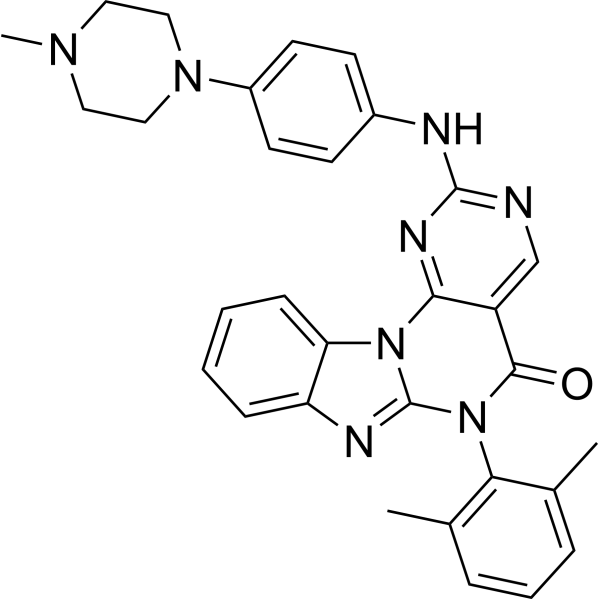
Gusacitinib-d4 (ASN-002-d4) is the deuterium labeled Gusacitinib (HY-103018). Gusacitinib (ASN-002) is an orally active dual SYK/JAK kinase inhibitor with IC50 values of 5, 46, 4, 11 and 8 nM for SYK, JAK1, JAK2, JAK3 and TYK2, respectively. Gusacitinib rapidly and significantly suppressed key inflammatory pathways implicated in atopic dermatitis pathogenesis. Gusacitinib can be used in the research of chronic hand eczema and cancers such as basal cell carcinoma .
|
-
- HY-108489
-
|
|
Syk
|
Inflammation/Immunology
|
|
ER-27319 (maleate), an acridone derivative, is a potent and selective SKY inhibitor, and inhibits the tyrosine phosphorylation of SYK and its activity. ER-27319 (maleate) inhibits the release of antigen-induced allergic mediators from human and rat mast cells with an IC50 of 10 μM and can be used for study in allergic diseases [1] [2] .
|
-
- HY-162257
-
|
|
Btk
|
Cancer
|
|
BTK-IN-34 (compound 9h) is a selective BTK inhibitor. BTK-IN-34 shows antiproliferative activity in RAMOS cells through selective inhibition of pBTK (Tyr223) without affecting Lyn and Syk, upstream proteins in the BCR signaling pathway .
|
-
- HY-123625
-
|
R-932348 choline
|
Interleukin Related
JAK
Syk
|
Inflammation/Immunology
|
|
R-348 (R-932348) choline is a potent and orally active JAK3 and Syk inhibitor. R-348 reduces IFN-γ, IL-6, and IL-10 expression. R-348 effectively diminishes acute cardiac allograft rejection .
|
-
- HY-13038R
-
|
R788Disodium (Standard)
|
Syk
FLT3
Reference Standards
|
Inflammation/Immunology
Cancer
|
|
Fostamatinib Disodium (Standard) is the analytical standard of Fostamatinib Disodium. This product is intended for research and analytical applications. Fostamatinib Disodium (R788 Disodium) is the oral proagent of the active compound R406 . R406 is an orally available and competitive Syk/FLT3 inhibitor with a Ki of 30 nM and an IC50 of 41 nM . R406 also inhibits Lyn (IC50=63 nM) and Lck (IC50=37 nM) .
|
-
- HY-13038BR
-
|
R788 disodium hexahydrate (Standard)
|
Syk
FLT3
Reference Standards
|
Inflammation/Immunology
Cancer
|
|
Fostamatinib (disodium hexahydrate) (Standard) is the analytical standard of Fostamatinib (disodium hexahydrate). This product is intended for research and analytical applications. Fostamatinib (R788) disodium hexahydrate is the oral proagent of the active compound R406 . R406 is an orally available and competitive Syk/FLT3 inhibitor with a Ki of 30 nM and an IC50 of 41 nM . R406 also inhibits Lyn (IC50=63 nM) and Lck (IC50=37 nM) .
|
-
- HY-125387
-
|
|
Src
|
Inflammation/Immunology
|
|
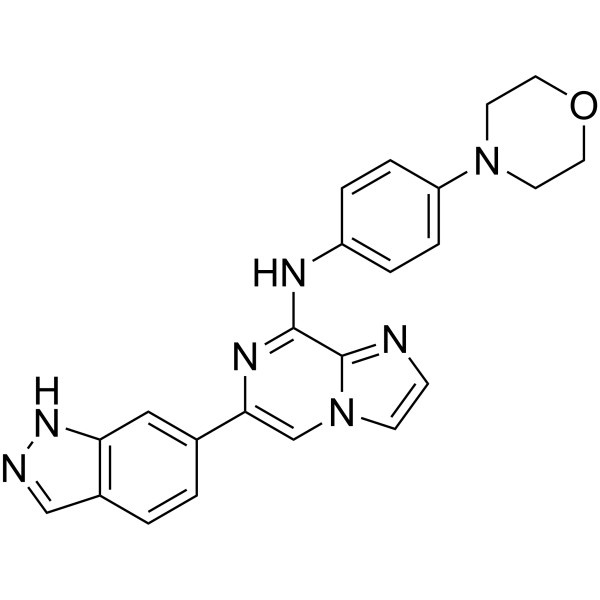
TOP1210 is a narrow-spectrum tyrosine kinase inhibitor with potent inhibitory activity against P38α, Src, and Syk kinases. TOP1210 effectively reduced proinflammatory cytokines released by peripheral blood monocytes, primary macrophages, HT29 cells, inflammatory cells in ulcerative colitis (UC) biopsies, and myofibroblasts isolated from inflamed colonic UC mucosa. TOP1210 showed significant anti-inflammatory effects in cell experiments and UC biopsies, superior to some selective kinase inhibitors. The multi-kinase inhibition of TOP1210 provides the possibility of obtaining a wider range of therapeutic effects, especially in the regulation of autoimmune responses .
|
-
- HY-W751179
-
|
PKC412-13C6; CGP 41251-13C6
|
Isotope-Labeled Compounds
Apoptosis
VEGFR
PKC
c-Kit
NO Synthase
|
Cancer
|
|
Midostaurin- 13C6 (PKC412- 13C6) is the 13C-labeled Midostaurin (HY-10230). Midostaurin (PKC412; CGP 41251) is an orally active, reversible multi-targeted protein kinase inhibitor. Midostaurin inhibits PKCα/β/γ, Syk, Flk-1, Akt, PKA, c-Kit, c-Fgr, c-Src, FLT3, PDFRβ and VEGFR1/2 with IC50s ranging from 22-500 nM . Midostaurin also upregulates endothelial nitric oxide synthase (eNOS) gene expression. Midostaurin shows powerful anticancer effects .
|
-
- HY-N0805R
-
|
23-Acetylalismol B (Standard); 23-O-Acetylalisol B (Standard); Alisol B monoacetate (Standard)
|
Reference Standards
Apoptosis
Reactive Oxygen Species (ROS)
CDK
MMP
PARP
FXR
Syk
|
Cardiovascular Disease
Metabolic Disease
Inflammation/Immunology
Cancer
|
|
Alisol B 23-acetate (Standard) is the analytical standard of Alisol B 23-acetate (HY-N0805). This product is intended for research and analytical applications. Alisol B 23-acetate is an orally active prototerpane-type triterpenoid. Alisol B 23-acetate can be isolated from Alisma orientalis. Alisol B 23-acetate induces Apoptosis, promotes ROS generation, downregulates CDK4/6, MMP-2/9, upregulates cleaved PARP, activates FXR and inhibits Syk. Alisol B 23-acetate has anti-inflammatory and hepatoprotective activities. Alisol B 23-acetate protects the kidney from ischemia-reperfusion injury. Alisol B 23-acetate has anticancer activity against ovarian cancer, colon cancer, lung cancer, and gastric cancer. Alisol B 23-acetate can be used in the study of atherosclerosis and allergic asthma .
|
-
- HY-183924
-
|
|
Syk
Tyrosinase
|
Inflammation/Immunology
|
|
SYK-IN-14 is an orally active Syk and ZAP-70 inhibitor with human Syk IC50 of 0.006 μM, human ZAP-70 IC50 of 0.23 μM. SYK-IN-14 functionally inhibits Syk kinase activity in vitro. SYK-IN-14 functionally inhibits ZAP-70 kinase activity in vitro. SYK-IN-14 suppresses passive cutaneous anaphylaxis reaction in Mus musculus mice. SYK-IN-14 suppresses Concanavalin A (HY-P2149)-induced IL-2 production in Mus musculus mice. SYK-IN-14 can be used for the research of allergic disorders and autoimmune diseases .
|
-
- HY-125585
-
|
|
Syk
|
Others
|
|
Syk-IN-2 (Page 78; 35) is a spleen tyrosine kinase (Syk) inhibitor .
|
-
- HY-18911
-
|
|
Syk
|
Inflammation/Immunology
|
|
Type-II-IN-1 (Compound 3) is a type II spleen tyrosine kinase (Syk) inhibitor with an IC50 of 2.1 nM. Type-II-IN-1 can bind to the DFG-out conformation of Syk. Type-II-IN-1 can be used for the research of immunology, such as asthma .
|
-
- HY-125500
-
|
|
p38 MAPK
Syk
Src
|
Neurological Disease
|
|
TOP1362 is a narrow spectrum kinase inhibitor. TOP1362 is a potent inhibitor of P38-α and Syk kinases with Kd values of 26 and 18 nM, respectively and an IC50 of 14 nM in the Src kinase activity assay. TOP1362 potently inhibits P38-α, Src and Syk. TOP1362 can be used in the research of dry eye syndrome .
|
-
- HY-156196
-
|
|
Syk
|
Inflammation/Immunology
|
|
BI 894416 is a spleen tyrosine kinase (SYK) inhibitor. BI 894416 has a deuterium-labeled derivative that can be used as an internal standard for bioanalytical studies. BI 894416 is applicable to the research of severe asthma .
|
-
- HY-112319A
-
|
|
Syk
|
Cardiovascular Disease
Inflammation/Immunology
|
|
MK-8457 is a dual inhibitor of spleen tyrosine kinase (SYK) and zeta-chain-associated protein kinase 70 (ZAP70). MK-8457 can be used for the researches of rheumatoid arthritis, hypertension .
|
-
- HY-103018R
-
|
ASN-002 (Standard)
|
Reference Standards
JAK
Syk
|
Inflammation/Immunology
Cancer
|
|
Gusacitinib (Standard) is the analytical standard of Gusacitinib (HY-103018). This product is intended for research and analytical applications. Gusacitinib (ASN-002) is an orally active dual SYK/JAK kinase inhibitor with IC50 values of 5, 46, 4, 11 and 8 nM for SYK, JAK1, JAK2, JAK3 and TYK2, respectively. Gusacitinib rapidly and significantly suppressed key inflammatory pathways implicated in atopic dermatitis pathogenesis. Gusacitinib can be used in the research of chronic hand eczema and cancers such as basal cell carcinoma .
|
-
- HY-100867AR
-
|
TAK-659 monohydrochloride (Standard); CB-659 monohydrochloride (Standard)
|
Syk
Reference Standards
FLT3
|
Cancer
|
|
Mivavotinib (monohydrochloride) (Standard) is the analytical standard of Mivavotinib (monohydrochloride) (HY-100867A). This product is intended for research and analytical applications. TAK-659 hydrochloride is a highly potent, selective, reversible and orally available dual inhibitor of spleen tyrosine kinase (SYK) and fms related tyrosine kinase 3 (FLT3), with an IC50 of 3.2 nM and 4.6 nM for SYK and FLT3, respectively. TAK-659 hydrochloride induces cell death in tumor cells but not in nontumor cells, and with potential for the treatment of chronic lymphocytic leukemia (CLL) .
|
-
- HY-123670
-
|
|
p38 MAPK
TNF Receptor
|
Inflammation/Immunology
|
|
RPR-200765A methanesulfonate is an orally active p38 MAPK inhibitor with an IC50 of 0.050 μM. RPR-200765A methanesulfonate shows weak activity against Lck, and exhibits no significant activity against ERK, ZAP70 or SYK. It inhibits the production of TNFα and can be used in the research of inflammatory diseases .
|
-
- HY-15322A
-
|
(rel)-P505-15; (rel)-PRT-2607; (rel)-BIIB-057
|
Syk
Drug Isomer
|
Inflammation/Immunology
|
|
(rel)-PRT062607 ((rel)-P505-15) is the relative configuration of PRT062607 (HY-15322). PRT062607 is a highly selective inhibitor of Syk kinase, with an IC50 value of 1-2 nM, and is more than 80 times less potent against Fgr, Lyn, FAK, Pyk2, and Zap70.
|
-
- HY-12974A
-
|
PRT318 dihydrochloride
|
Syk
Apoptosis
|
Inflammation/Immunology
Cancer
|
|
PRT-060318 (PRT318) dihydrochloride is a potent, selective and orally active tyrosine kinase Syk inhibitor with an IC50 of 3 nM. PRT-060318 dihydrochloride suppresses chronic lymphocytic leukemia (CLL) B cell activation and migration, and induces apoptosis. PRT-060318 dihydrochloride prevents Heparin (HY-17567)-induced thrombocytopenia and thrombosis in a transgenic mouse model. PRT-060318 dihydrochloride can be used for CLL and thrombus research .
|
-
- HY-182702
-
|
|
TREM receptor
Syk
|
Neurological Disease
|
|
As48 is a selective TREM2 agonist with a KD value of 12.48 μM in TRIC binding assay. As48 binds near the TREM2 cleavage region, forms hydrogen bonds with Gly68, reduces conformational flexibility in regions 58-102, restricts protease accessibility to the cleavage site. As48 activates SYK phosphorylation, enhances microglial phagocytosis, and induces downstream calcium signaling in TREM2-expressing cells. As48 inhibits TREM2 ectodomain shedding without affecting ADAM10/17 protease activities. As48 can be used for the research of Alzheimer's disease .
|
-
- HY-P991954
-
|
|
Complement System
Syk
|
Inflammation/Immunology
Cancer
|
|
GT103 is a human-derived monoclonal antibody targeting complement factor H (CFH). GT103 binds to a conformationally distinct epitope of CFH on tumor cells. GT103 activates the classical complement pathway, induces complement-dependent cytotoxicity, and triggers antibody-dependent cellular phagocytosis (ADCP) of tumor cells. GT103 increases calreticulin translocation to tumor cell plasma membranes. GT103 mediates B-cell activation via Syk kinase phosphorylation. GT103 inhibits tumor growth and metastasis in animal models. GT103 can be used for the research of non-small cell lung cancer .
|
-
| Cat. No. |
Product Name |
Target |
Research Area |
-
- HY-P6442
-
|
|
Chemerin Receptor
Syk
ERK
Src
p38 MAPK
P-selectin
|
Cardiovascular Disease
Neurological Disease
Inflammation/Immunology
|
|
Chemerin15 is an anti-inflammatory peptide derived from Chemerin. Chemerin15 binds to ChemR23. Chemerin15 inhibits TNFα-induced activation of Syk, ERK and Src kinases. Chemerin15 increases the expression of p-p38 mRNA and protein. Chemerin15 mediates phagocytosis, resolution of inflammation, CD62L shedding and downregulation of PSGL-1 expression in macrophages and microglia. Chemerin15 inhibits neutrophil-mediated vascular inflammation and myocardial ischemia-reperfusion injury via ChemR23. Chemerin15 enhances microglial phagocytosis, thereby alleviating cerebral ischemia-reperfusion injury .
|
| Cat. No. |
Product Name |
Target |
Research Area |
Image |
-
- HY-P991954
-
|
|
Complement System
Syk
|
Inflammation/Immunology
Cancer
|
|
GT103 is a human-derived monoclonal antibody targeting complement factor H (CFH). GT103 binds to a conformationally distinct epitope of CFH on tumor cells. GT103 activates the classical complement pathway, induces complement-dependent cytotoxicity, and triggers antibody-dependent cellular phagocytosis (ADCP) of tumor cells. GT103 increases calreticulin translocation to tumor cell plasma membranes. GT103 mediates B-cell activation via Syk kinase phosphorylation. GT103 inhibits tumor growth and metastasis in animal models. GT103 can be used for the research of non-small cell lung cancer .
|
-
(5)
| Cat. No. |
Product Name |
Category |
Target |
Chemical Structure |
-
- HY-13518
-
-
-
- HY-N7675
-
|
|
Cardiovascular Disease
Structural Classification
Classification of Application Fields
Cercis chinensis Bunge
Metabolic Disease
Plants
Compositae
Flavonoids
other families
Flavonones
Phenols
Polyphenols
Disease Research Fields
Source Classification
|
NF-κB
TGF-beta/Smad
Syk
|
|
Flavanomarein is a substance with cytoprotective, anti-inflammatory and antioxidant activities, with a Ka of 3.064e-5 M against human Syk. Flavanomarein enhances the phosphorylation level of AKT, regulates the expression of PKC-δ, P85α, PKC-β1, Sirt1, Bcl-2 and ICAD, and inhibits the nuclear translocation of NF-κB p65. Flavanomarein regulates EMT marker proteins, promotes the proliferation of HK-2 cells, and protects neuronal cells from 6-OHDA-induced neurotoxic damage. Flavanomarein can be used in studies related to Parkinson's disease and diabetic nephropathy.
|
-
-
- HY-N0805
-
-
-
- HY-N7314
-
-
-
- HY-N3702
-
|
|
Structural Classification
Terpenoids
Verbenaceae
Callicarpa bodinieri Levl.
Diterpenoids
Plants
Source Classification
|
Syk
|
|
Dehydroabietinol is a SYK inhibitor with an IC50 of 46.4 μM. Dehydroabietinol inhibits the growth of Trypanosoma cruzi epimastigotes, Leishmania braziliensis promastigotes and Leishmania infantum promastigotes. Dehydroabietinol indirectly inhibits the growth of Plasmodium falciparum, alters the erythrocyte membrane, and induces spherostomatocyte transformation and endovesicle formation. Dehydroabietinol can be used in studies related to immune-mediated diseases, Chagas disease, leishmaniasis and malaria .
|
-
-
- HY-13518R
-
-
-
- HY-N0805R
-
|
23-Acetylalismol B (Standard); 23-O-Acetylalisol B (Standard); Alisol B monoacetate (Standard)
|
Triterpenes
Structural Classification
Alisma plantago-aquatica Linn.
Terpenoids
Alismataceae
Plants
Source Classification
|
Reference Standards
Apoptosis
Reactive Oxygen Species (ROS)
CDK
MMP
PARP
FXR
Syk
|
|
Alisol B 23-acetate (Standard) is the analytical standard of Alisol B 23-acetate (HY-N0805). This product is intended for research and analytical applications. Alisol B 23-acetate is an orally active prototerpane-type triterpenoid. Alisol B 23-acetate can be isolated from Alisma orientalis. Alisol B 23-acetate induces Apoptosis, promotes ROS generation, downregulates CDK4/6, MMP-2/9, upregulates cleaved PARP, activates FXR and inhibits Syk. Alisol B 23-acetate has anti-inflammatory and hepatoprotective activities. Alisol B 23-acetate protects the kidney from ischemia-reperfusion injury. Alisol B 23-acetate has anticancer activity against ovarian cancer, colon cancer, lung cancer, and gastric cancer. Alisol B 23-acetate can be used in the study of atherosclerosis and allergic asthma .
|
-
| Cat. No. |
Product Name |
Chemical Structure |
-
- HY-10230S
-
|
|
|
Midostaurin-d5 (PKC412-d5) is a deuterium labeled Midostaurin. Midostaurin is a multi-targeted protein kinase inhibitor which inhibits PKCα/β/γ, Syk, Flk-1, Akt, PKA, c-Kit, c-Fgr, c-Src, FLT3, PDFRβ and VEGFR1/2 with IC50s ranging from 22-500 nM .
|
-
-
- HY-103018S
-
|
|
|
Gusacitinib-d4 (ASN-002-d4) is the deuterium labeled Gusacitinib (HY-103018). Gusacitinib (ASN-002) is an orally active dual SYK/JAK kinase inhibitor with IC50 values of 5, 46, 4, 11 and 8 nM for SYK, JAK1, JAK2, JAK3 and TYK2, respectively. Gusacitinib rapidly and significantly suppressed key inflammatory pathways implicated in atopic dermatitis pathogenesis. Gusacitinib can be used in the research of chronic hand eczema and cancers such as basal cell carcinoma .
|
-
-
- HY-W751179
-
|
|
|
Midostaurin- 13C6 (PKC412- 13C6) is the 13C-labeled Midostaurin (HY-10230). Midostaurin (PKC412; CGP 41251) is an orally active, reversible multi-targeted protein kinase inhibitor. Midostaurin inhibits PKCα/β/γ, Syk, Flk-1, Akt, PKA, c-Kit, c-Fgr, c-Src, FLT3, PDFRβ and VEGFR1/2 with IC50s ranging from 22-500 nM . Midostaurin also upregulates endothelial nitric oxide synthase (eNOS) gene expression. Midostaurin shows powerful anticancer effects .
|
-
| Cat. No. |
Product Name |
|
Classification |
-
- HY-125387
-
|
|
|
Alkynes
|
|
TOP1210 is a narrow-spectrum tyrosine kinase inhibitor with potent inhibitory activity against P38α, Src, and Syk kinases. TOP1210 effectively reduced proinflammatory cytokines released by peripheral blood monocytes, primary macrophages, HT29 cells, inflammatory cells in ulcerative colitis (UC) biopsies, and myofibroblasts isolated from inflamed colonic UC mucosa. TOP1210 showed significant anti-inflammatory effects in cell experiments and UC biopsies, superior to some selective kinase inhibitors. The multi-kinase inhibition of TOP1210 provides the possibility of obtaining a wider range of therapeutic effects, especially in the regulation of autoimmune responses .
|
Your information is safe with us. * Required Fields.
Inquiry Information
- Product Name:
- Cat. No.:
- Quantity:
- MCE Japan Authorized Agent:

