




Search Result
Results for "
T lymphocytes
" in MedChemExpress (MCE) Product Catalog:
3
Biochemical Assay Reagents
7
Isotope-Labeled Compounds
| Cat. No. |
Product Name |
Target |
Research Areas |
Chemical Structure |
-
- HY-13756
-
-
-
- HY-P9901
-
|
MDX-010; BMS-734016
|
CTLA-4
|
Cancer
|
|
Ipilimumab is a fully human monoclonal antibody IgG1κ that blocks the inhibitory receptor cytotoxic T lymphocyte antigen 4 (CTLA-4) on T cells. Ipilimumab can be used in unresectable or metastatic melanoma (MM) studies .
|
-
-
- HY-B0078
-
|
Imidazole Carboxamide
|
Nucleoside Antimetabolite/Analog
Apoptosis
|
Cancer
|
|
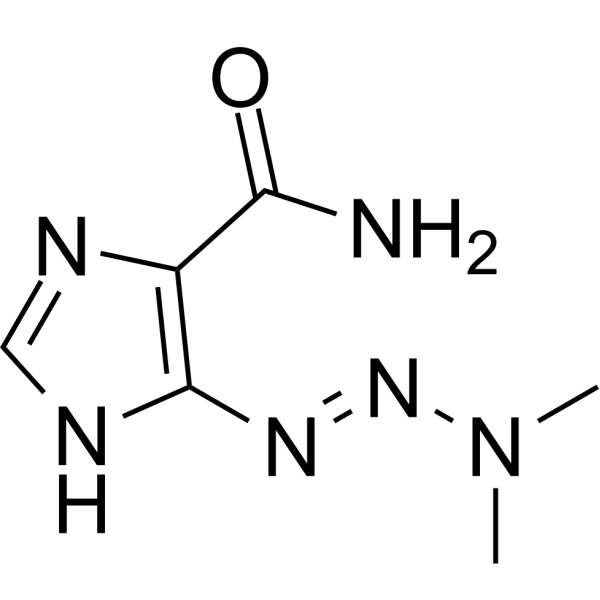
Dacarbazine is a nonspecific antineoplastic (antineoplastic) alkylating agent. Dacarbazine inhibits T and B lymphocyte responses with IC50 of 50 and 10 μg/mL, respectively. Dacarbazine can be used in the study of metastatic malignant melanoma .
|
-
-
- HY-W107464
-
|
|
PDI
|
Metabolic Disease
Inflammation/Immunology
|
|
G6PDi-1 is a reversible and non-competitive glucose-6-phosphate dehydrogenase (G6PD) inhibitor with an IC50 of 0.07 μM for human G6PD. G6PDi-1 depletes NADPH most strongly in lymphocytes. G6PDi-1 markedly decreases inflammatory cytokine production in T cells .
|
-
-
- HY-19344
-
|
SAR 1118; SHP-606
|
Integrin
|
Inflammation/Immunology
|
|
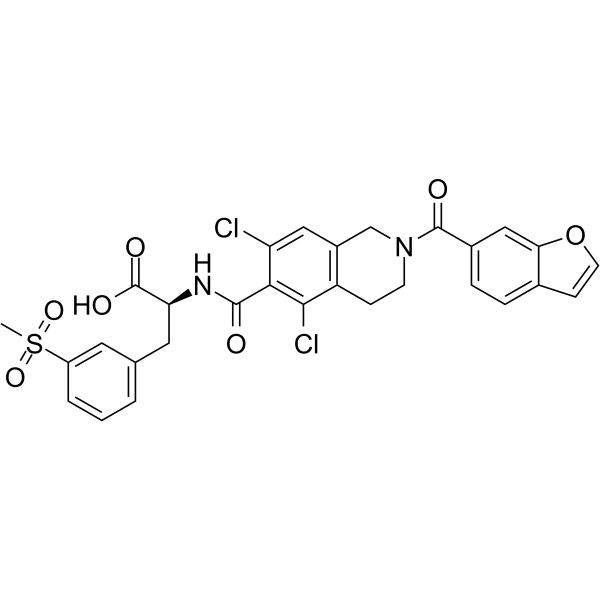
Lifitegrast (SAR 1118) is a potent integrin antagonist. Lifitegrast blocks the binding of intercellular adhesion molecule 1 (ICAM-1) to lymphocyte function-associated antigen 1 (LFA-1), interrupting the T cell-mediated inflammatory cycle. Lifitegrast inhibits Jurkat T cell attachment to ICAM-1 with an IC50 of 2.98 nM. Lifitegrast can be used for researching dry eye disease .
|
-
-
- HY-P9948
-
|
Campath-IH
|
Apoptosis
|
Cancer
|
|
Alemtuzumab (Campath-IH) is a humanized monoclonal antibody against CD52. Alemtuzumab does not cross-react with murine CD52. Alemtuzumab selectively targets the CD52 antigen to induce profound lymphocyte depletion, followed by recovery of T and B cells with regulatory phenotypes. Alemtuzumab is capable of complement-dependent cytotoxicity and antibody-dependent cell-mediated cytotoxicity (ADCC), as well as induction of apoptosis. Alemtuzumab has the potential for B-cell chronic lymphocytic leukaemia research .
|
-
-
- HY-13756A
-
|
FK506 monohydrate; Fujimycin monohydrate; FR900506 monohydrate
|
Phosphatase
FKBP
Autophagy
Bacterial
Antibiotic
|
Infection
Inflammation/Immunology
Cancer
|
|
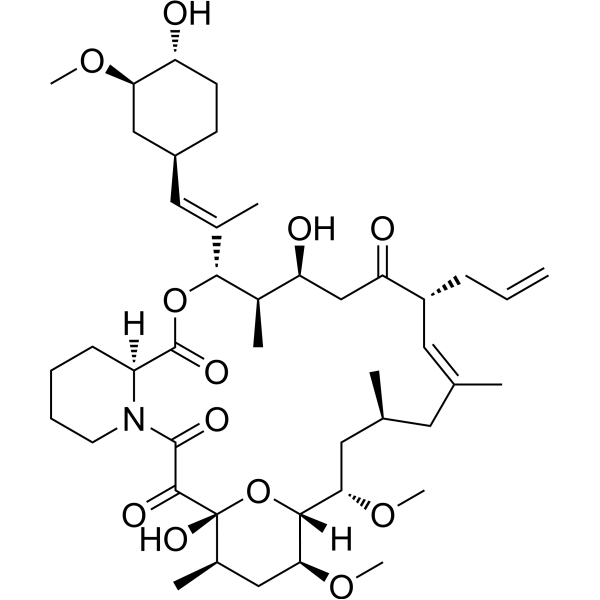
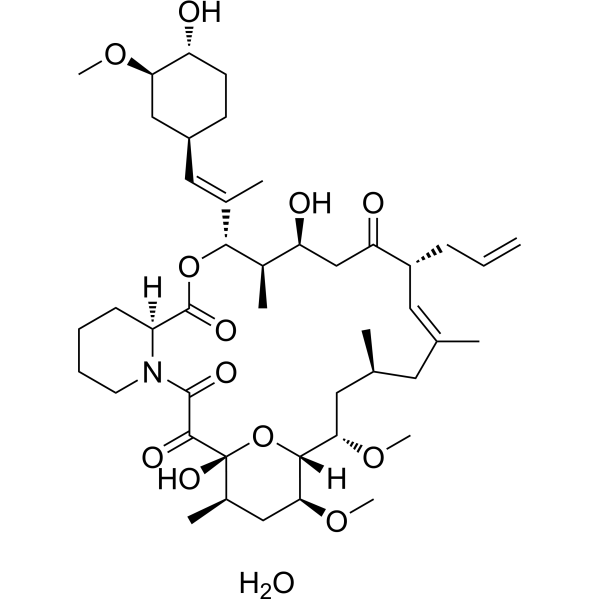
Tacrolimus monohydrate (FK506 monohydrate), a macrocyclic lactone, binds to FK506 binding protein (FKBP) to form a complex and inhibits calcineurin phosphatase, which inhibits T-lymphocyte signal transduction and IL-2 transcription. Immunosuppressive properties .
|
-
-
- HY-P990116
-
|
|
Osteopontin
|
Inflammation/Immunology
|
|
Anti-Mouse osteopontin/SPP1 Antibody (103D6) is a mouse-derived anti-mouse osteopontin/SPP1 IgG2c κ type antibody inhibitor. Anti-Mouse osteopontin/SPP1 Antibody (103D6) increases cytotoxic T lymphocyte lytic activity and suppresses colon tumor growth. Anti-Mouse osteopontin/SPP1 Antibody (103D6) ameliorates liver injury in common bile duct ligation (CBDL)-induced primary sclerosing cholangitis mice models .
|
-
-
- HY-100731
-
|
|
Cyclophilin
|
Inflammation/Immunology
Cancer
|
|
Cyclosporin is a cyclic decapeptide that could be isolated form the soil fungi Tolypocladium inflatum. Cyclosporin is an immunosuppressant thought to bind to cyclophilin in T-lymphocytes .
|
-
-
- HY-163028
-
|
|
Tim3
|
Cancer
|
|
ML-T7 is a potent Tim-3 inhibitor. ML-T7 blocks Tim-3 interactions with PtdSer and CEACAM1. ML-T7 not only enhances the antitumor activity of adoptive transfer therapy with cytotoxic T lymphocytes (CTLs) and CAR T cells but also increases the effector function of T cell. ML-T7 promotes NK cells’ killing activity against tumor cells and DC antigen-presenting capacity. ML-T7 directly exerts antitumor efficacy in preclinical tumor models either alone or in combination with Nivolumab (HY-P9903A). ML-T7 can be used for tumor immunotherapy research .
|
-
-
- HY-B0199A
-
|
RS 61443 hydrochloride; TM-MMF hydrochloride
|
Interleukin Related
|
Inflammation/Immunology
|
|
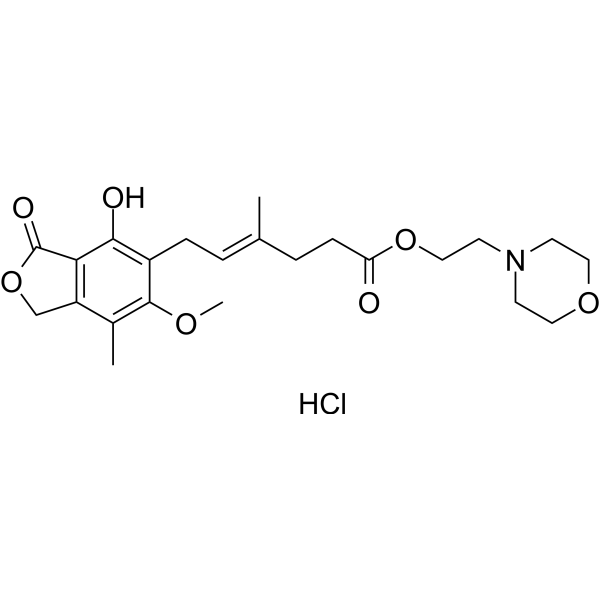
Mycophenolate mofetil (RS 61443; TM-MMF) hydrochloride is an orally active antimetabolic immunosuppressant with antiproliferative and anti-inflammatory properties. Mycophenolate mofetil hydrochloride significantly inhibits the production of B, T lymphocytes and the proliferation of smooth muscle cells by selectively blocking the de novo purine synthesis pathway. Mycophenolate mofetil hydrochloride effectively reduces adventitial inflammation, medial necrosis and intimal thickening in rat aortic allografts, and decreases the number of lymphocytes expressing the IL-2 receptor, thereby delaying xenograft rejection. Mycophenolate mofetil hydrochloride shows certain toxicity in a hamster-to-rat limb xenotransplantation model when used in combination with FK506 (HY-13756). Mycophenolate mofetil hydrochloride is widely used in studies related to allograft arteriosclerosis (chronic rejection) .
|
-
-
- HY-P1569
-
|
LCMV GP(33-41) M-peptide; gp33 epitope
|
Arenavirus
|
Infection
Inflammation/Immunology
|
|
LCMV gp33-41, the carboxyl-extended 9-aa-long peptide, is an lymphocytic choriomeningitis virus sequence restricted by MHC class I H-2Db molecules and presented to cytotoxic T lymphocytes .
|
-
-
- HY-19344A
-
|
SAR 1118 sodium; SHP-606 sodium
|
Integrin
|
Inflammation/Immunology
|
|
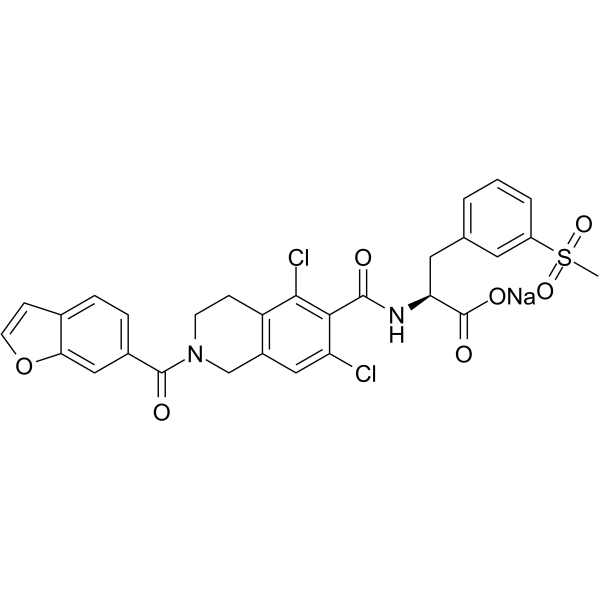
Lifitegrast (SAR 1118) sodium is a potent integrin antagonist. Lifitegrast sodium blocks the binding of intercellular adhesion molecule 1 (ICAM-1) to lymphocyte function-associated antigen 1 (LFA-1), interrupting the T cell-mediated inflammatory cycle. Lifitegrast sodium inhibits Jurkat T cell attachment to ICAM-1 with an IC50 of 2.98 nM. Lifitegrast sodium can be used for researching dry eye disease .
|
-
-
- HY-153128
-
|
|
DOCK
Drug Derivative
|
Inflammation/Immunology
|
|
DOCK2-IN-1 (Compound 3) is an analog of CPYPP (HY-110100) and a DOCK2 inhibitor (IC50 = 19.1 μM). DOCK2-IN-1 binds to the DHR-2 domain of DOCK2 and inhibits its mediated Rac guanine nucleotide exchange factor activity. DOCK2-IN-1 blocks chemokine receptor- and antigen receptor-mediated activation of Rac in lymphocytes. DOCK2-IN-1 significantly inhibits chemotaxis and T cell activation. DOCK2-IN-1 can be used in the research of transplant rejection and organ-specific autoimmune diseases .
|
-
-
- HY-P9918
-
|
Ticilimumab; CP-675206
|
CTLA-4
|
Inflammation/Immunology
Cancer
|
|
Tremelimumab (Ticilimumab) is a fully human monoclonal antibody specific for cytotoxic T-lymphocyte antigen-4 (CTLA-4) and can be used for metastatic melanoma research .
|
-
-
- HY-P99484
-
|
AGEN 1181
|
CTLA-4
|
Cancer
|
|
Botensilimab (AGEN 1181), a human anti-cytotoxic T-lymphocyte antigen 4 (CTLA-4) monoclonal antibody, is an innate and adaptive immune activator. Botensilimab can be used for the research of cancer .
|
-
-
- HY-111132
-
-
-
- HY-172240
-
|
TU2218 free base
|
Anaplastic lymphoma kinase (ALK)
VEGFR
|
Inflammation/Immunology
Cancer
|
|
Tosposertib (TU2218 free base) is an ALK5/VEGFR2 dual inhibitor (IC50 = 1.2 nM/4.9 nM). Tosposertib directly restores the activity of damaged cytotoxic T lymphocytes (CTLs) and natural killer cells inhibited by TGFβ and suppresses the activity and viability of regulatory T cells. Tosposertib can be used for the study of melanoma and colon cancer .
|
-
-
- HY-P4193
-
|
|
MHC
|
Inflammation/Immunology
Cancer
|
|
AH1 is an immunodominant MHC class I-restricted nonamer peptide recognized by CD8 + cytotoxic T lymphocytes. AH1 derives from the envelope protein (gp70) of an endogenous ecotropic murine leukemia virus and is presented by the MHC class I L d molecule. AH1 can be used for the research of colorectal carcinoma .
|
-
-
- HY-P1907
-
|
|
HPV
|
Cancer
|
|
Human Papillomavirus (HPV) E7 protein (49-57) is a cytotoxic T lymphocyte (CTL) epitope peptide derived from HPV16 E7 protein (sequence: RAHYNIVTF). Human Papillomavirus (HPV) E7 protein (49-57) induces E749-57-specific CTL responses. Human Papillomavirus (HPV) E7 protein (49-57) can be used for the research of cervical cancer .
|
-
-
- HY-P3333
-
|
|
MHC
|
Inflammation/Immunology
Cancer
|
|
KSPWFTTL is an immunodominant Kb-restricted epitope from the p15E transmembrane protein. KSPWFTTL can restore susceptibility of a tumor line to anti-AKR/Gross MuLV cytotoxic T lymphocytes .
|
-
-
- HY-147008
-
|
|
Epigenetic Reader Domain
|
Cancer
|
|
XP-524 is a potent BET and EP300 inhibitor. XP-524 shows great tumoricidal activity in vivo. XP-524 prevents KRAS-induced, neoplastic transformation in vivo and extends survival in two transgenic mouse models of aggressive PDAC. XP-524 also enhances the presentation of self-peptide and tumor recruitment of cytotoxic T lymphocytes. XP-524 has the potential for the research of pancreatic ductal adenocarcinoma (PDAC) .
|
-
-
- HY-P99961
-
|
JS004; Icatolimab
|
CD28
|
Cancer
|
|
Tifcemalimab (JS004; Icatolimab) is a humanized IgG4 monoclonal antibody against BTLA (B and T lymphocyte attenuator). By binding to BTLA, tifcemalimab blocks the interaction of HVEM-BTLA, thereby inhibiting the BTLA-mediated inhibitory signaling pathway. Tifcemalimab can be used in research related to squamous cell non-small cell lung cancer .
|
-
-
- HY-P990690
-
|
MEDI-5752
|
PD-1/PD-L1
CTLA-4
|
Cancer
|
|
Volrustomig (MEDI-5752) is a human IgG1 κ monoclonal antibody targeting CTLA4/PD1. The isotype control for Volrustomig is Human IgG1 kappa, Isotype Control (HY-P99001). Volrustomig anchors to the surface of T cells by binding PD-1, induces PD-1 internalization and degradation, and preferentially inhibits CTLA-4 on activated PD-1 + T cells. Volrustomig binds to tumor-infiltrating lymphocytes and a subset of PD-1 + B cells, enhances T cell function and IFNγ secretion. Volrustomig reduces the activation of non-tumor-infiltrating lymphocytes and exhibits manageable toxicity. Volrustomig can be used in research on various cancers, such as non-small cell lung cancer, gastric cancer, hepatobiliary cancer, and cervical cancer .
|
-
-
- HY-175802
-
|
HYBI-084
|
WDR5
Potassium Channel
|
Inflammation/Immunology
Cancer
|
|
HBI-2375 (HYBI-084) is a brain-penetrant WDR5 inhibitor with an IC50 of 4.48 nM. HBI-2375 binds to the WINR5 and disrupts MLL1-WDR5 protein-protein interactions. HBI-2375 inhibits cancer cells proliferation and shows anti-tumor activity in AML mouse models, and increases tumor CD8 + cytotoxic T lymphocyte infiltration. HBI-2375 inhibits hERG with an IC50 of 17 µM .
|
-
-
- HY-P99650
-
|
WT1
|
Transmembrane Glycoprotein
|
Cancer
|
|
Grisnilimab (WT1) is an IgG2a monoclonal antibody targeting CD7. Grisnilimab only binds to lymphoid tissues and T lymphocytes, with no off-target binding to normal tissues. Grisnilimab can be used to synthesize the immunotoxin WT1-SMPT-dgRTA, which exerts cytotoxic effects on T-lymphoblastic leukemia cells. Grisnilimab is applicable to relevant research on leukemia .
|
-
-
- HY-173447
-
|
|
NTPDase
CD73
|
Cancer
|
|
8-BuS-AMP is a NTPDase1 inhibitor and a CD73/CD39 inhibitor, with an IC50 of 35 μM and a Ki value of 0.292 μM against human NTPDase1; its Ki values against human CD73 and CD39 are 1.19 μM and 0.847 μM, respectively. 8-BuS-AMP binds to the substrate-binding pockets of NTPDase1 and CD73 to effectively block the conversion of ATP and AMP to adenosine, thereby enhancing the activation and proliferation of human peripheral T lymphocytes. 8-BuS-AMP possesses excellent enzymatic hydrolysis resistance and metabolic stability, resists hydrolysis by multiple NTPDase subtypes, and shows no activity against P2Y1 and P2Y12 receptors. 8-BuS-AMP can be used in purinergic signaling pathway and cancer-related studies .
|
-
-
- HY-P5470
-
|
|
EBV
IFNAR
|
Inflammation/Immunology
|
|
LMP2A (426-434) is a HLA-A2-restricted cytotoxic T lymphocyte (CTL) epitope of Epstein-Barr virus (EBV) latent membrane protein 2A (LMP2A). LMP2A (426-434) can trigger an immune response in individuals expressing different HLA-A*02 subtypes (A*02:01, A*02:03, A*02:06 and A*02:07). LMP2A (426-434) can induce a strong IFN-γ secretion response, stimulating the production of a high proportion of CD8 + IFN-γ + T cells. LMP2A (426-434) induces specific CTLs to effectively kill target cells expressing LMP2A. LMP2A (426-434) can be used to study EBV-related malignant tumors (such as Hodgkin's disease and nasopharyngeal carcinoma) .
|
-
-
- HY-P991179
-
|
|
TNF Receptor
|
Cancer
|
|
MK-4166 is a humanized IgG1 agonist monoclonal antibody targeting GITR. MK-4166 enhances the proliferation of both naïve and tumor-infiltrating T lymphocytes .
|
-
-
- HY-P990303
-
|
|
Nuclear Factor of activated T Cells (NFAT)
|
Others
|
|
Anti-Mouse 2C TCR Antibody (1B2) is a mouse-derived IgG1 type antibody inhibitor, targeting to mouse 2C TCR. Anti-Mouse 2C TCR Antibody (1B2) recognizes determinants on the variable regions of both the α and β subunits of the TCR (T cell receptor) expressed by the mouse cytotoxic T lymphocyte clone 2C. Anti-Mouse 2C TCR Antibody (1B2) can be used for the detections of immunofluorescence and flow cytometry .
|
-
-
- HY-113963
-
|
|
Apoptosis
|
Cancer
|
|
Ac- IETD- CHO is a potent, reversible inhibitor of granzyme B and caspase-8. Ac- IETD- CHO inhibits Fas-mediated apoptotic cell death, hemorrhage, and liver failure. Ac- IETD- CHO also inhibits cytotoxic T lymphocytes induced cell death .
|
-
-
- HY-14801
-
|
A-007
|
Drug Derivative
|
Inflammation/Immunology
Cancer
|
|
Sivifene (A-007) is a triaryl hydrazone. Sivifene has anticancer activity and immunomodulatory effects. Sivifene regulates immune regulation by upregulating CD45 T lymphocyte surface receptors .
|
-
-
- HY-P1569A
-
|
LCMV GP(33-41) M-peptide TFA; gp33 epitope TFA
|
Arenavirus
|
Inflammation/Immunology
|
|
LCMV gp33-41 (TFA), the carboxyl-extended 9-aa-long peptide, is an lymphocytic choriomeningitis virus sequence restricted by MHC class I H-2Db molecules and presented to cytotoxic T lymphocytes .
|
-
-
- HY-160768
-
|
|
Deubiquitinase
|
Inflammation/Immunology
Cancer
|
|
OTUB2-IN-1, a specific inhibitor of OTUB2 (KD: ~12 μM), reduces PD-L1 protein expression in tumor cells and inhibits tumor growth by promoting robust intra-tumor infiltration of cytotoxic T lymphocytes (CTL) .
|
-
-
- HY-175087
-
|
Ins(1,2,4,5,6)P5 sodium salt; 1,2,4,5,6-IP5 sodium salt
|
Calcium Channel
|
Others
|
|
D-myo-Inositol-1,2,4,5,6-pentaphosphate (Ins(1,2,4,5,6)P5) sodium salt is one of several different inositol oligophosphate isomers involved in signal transduction. In human Jurkat T lymphocytes, Ins(1,2,4,5,6)P5 (sodium salt) is phosphorylated to InsP6 by 1/3 kinase. D-myo-Inositol-1,2,4,5,6-pentaphosphate sodium salt is involved in calcium signaling .
|
-
-
- HY-18164
-
|
|
LPL Receptor
|
Inflammation/Immunology
|
|
TASP0277308 is a highly selective S1P1 antagonist. TASP0277308 possesses immunomodulatory activities, including lymphopenia, a block in T cell egress from the thymus, marginal zone B cell displacement, and the upregulation of CD69 expression on lymphocytes. TASP0277308 can be used for the research of collagen-induced arthritis in mice .
|
-
-
- HY-P3071
-
|
Stichodactyla helianthus neurotoxin
|
Potassium Channel
|
Neurological Disease
Inflammation/Immunology
|
|
ShK toxin blocks voltage-dependent potassium channel (Kv1.3 channel). ShK toxin can be isolated from the whole body extract of the Caribbean sea anemone (Stichodactylu helianthus). ShK toxin competes with dendrotoxin I and α-dendrotoxin for binding to synaptosomal membranes of rat brain, facilitates acetylcholine release. ShK toxin suppresses K+ currents in cultured rat dorsal root ganglion neurons. ShK toxin also inhibits T lymphocyte proliferation .
|
-
-
- HY-P3742
-
|
|
Tyrosinase
MHC
|
Cancer
|
|
Tyrosinase (192-200), human mouse is a HLA-B*4403-restricted tyrosinase epitope with affinity for HLA-B4403 and HLA-B4402. Tyrosinase (192-200), human mouse binds to HLA-B*4403 to form a complex, which is recognized by the autologous cytotoxic T lymphocyte clone 22/31 derived from melanoma. Tyrosinase (192-200), human mouse binds to HLA-B4402 to form a complex, which is recognized by the CTL clone 329B/5 derived from healthy HLA-B4402 donors. Tyrosinase (192-200), human mouse is applicable to melanoma-related research .
|
-
-
- HY-P990759
-
|
JNJ-75348780
|
CD22
CD3
|
Inflammation/Immunology
|
|
Rezetamig is a human bispecific antibody that recognizes the CD3 antigen on T-lymphocytes and the CD22 antigen on mature and malignant B-lymphocytes .
|
-
-
- HY-P2495A
-
-
-
- HY-P99760
-
|
BCD-145
|
CTLA-4
|
Cancer
|
|
Nurulimab (BCD-145) is an anti-cytotoxic T lymphocyte antigen-4 (anti-CTLA-4) human monoclonal antibody. Nurulimab can be can be used in research of melanoma .
|
-
-
- HY-124863A
-
|
|
SphK
|
Inflammation/Immunology
|
|
(R)-AAL is an immunomodulator. (R)-AAL decreases circulating T lymphocytes in rats, with an ID50 value of 0.009 mg/kg. (R)-AAL is a substrate of sphingosine kinase (SphK), which catalyzes the phosphorylation of (R)-AAL .
|
-
-
- HY-107091
-
|
DA-DKP
|
Endogenous Metabolite
|
Inflammation/Immunology
|
|
Aspartyl-alanyl-diketopiperazine (DA-DKP) is an immunomodulatory molecule generated by cleavage and cyclization from the N-terminus of human albumin and can modulate the inflammatory immune response through a molecular pathway implicated in T- lymphocyte anergy .
|
-
-
- HY-N10196
-
-
-
- HY-P99607
-
|
IDEC-151
|
HIV
|
Inflammation/Immunology
|
|
Clenoliximab (IDEC-151) is a macaque-human chimeric monoclonal antibody (immunoglobulin G4) specific for the CD4 molecule on the surface of T lymphocytes. Clenoliximab can be used for the research of rheumatoid arthritis .
|
-
-
- HY-106374
-
|
|
VEGFR
|
Cancer
|
|
Elpamotide is an epitope peptide derived from VEGFR2. Elpamotide induces cytotoxic T lymphocytes (CTLs) to kill VEGFR2-expressing endothelial cells. Elpamotide has potential immunostimulatory and antineoplastic activities. Elpamotide can be used in the research of cancer, such as pancreatic cancer .
|
-
-
- HY-175280
-
|
|
Molecular Glues
Src
|
Cancer
|
|
Lck degrader-1 (Compound 17) is a molecular glue degrader targeting lymphocyte-specific protein tyrosine kinase (LCK) (DC50=23.1 nM). Lck degrader-1 is promising for research of T-cell acute lymphoblastic leukemia (T-ALL) .
|
-
-
- HY-137704
-
|
|
TRP Channel
|
Others
|
|
2′-Deoxy-ADPR is an agonist for transient receptor potential melastatin 2 channel (TRPM2 channel). 2′-Deoxy-ADPR may acts as the signaling molecule in Jurkat T-lymphocytes .
|
-
-
- HY-P3333A
-
|
|
MHC
|
Inflammation/Immunology
Cancer
|
|
KSPWFTTL TFA is an immunodominant Kb-restricted epitope from the p15E transmembrane protein. KSPWFTTL TFA can restore susceptibility of a tumor line to anti-AKR/Gross MuLV cytotoxic T lymphocytes .
|
-
-
- HY-P10851
-
|
|
Apoptosis
|
Inflammation/Immunology
Cancer
|
|
HVEM(14-39) is a B- and T-lymphocyte attenuator (BTLA) peptide inhibitor. HVEM (14-39) can be combined with BTLA with a KD of 0.102 μM. HVEM(14-39) enhances the activation and proliferation of T cells by regulating the expression of BTLA and HVEM in T cells, and promotes the transformation of cells into effector memory T cells. HVEM(14-39) inhibits tumor cell proliferation and promotes late apoptosis. HVEM(14-39) has immunomodulatory effects and can be used in the study of cancer .
|
-
- HY-108161
-
|
|
Interleukin Related
|
Others
|
|
LF 1695 is an immunomodulator. LF 1695 enhances the proliferative response of T cells by increasing the production of IL2 (interleukin-2) or the expression of the IL2 receptor. LF 1695 also increases CONA-induced inhibitory activity in human lymphocytes. LF 1695 can be used to study the proliferative and inhibitory activity of T cell subpopulations, as well as their role in immune regulation .
|
-
- HY-139874
-
|
|
CXCR
|
Inflammation/Immunology
Cancer
|
|
CXCR2 antagonist 3 (compound 11h) is a potent antagonist of CXC chemokine receptor 2 (CXCR2). CXCR2 antagonist 3 demonstrates double-digit nanomolar potencies against CXCR2 and significantly inhibited neutrophil infiltration into the air pouch. CXCR2 antagonist 3 reduces the infiltration of neutrophils and MDSCs and enhance the infiltration of CD3 + T lymphocytes into the Pan02 tumor tissues .
|
-
- HY-W013727
-
|
|
Potassium Channel
|
Inflammation/Immunology
|
|
UK-78282, a novel piperidine, potent and selective Kv1.3 blocker with an IC50 of 200 nM. UK-78,282 effectively suppresses human T-lymphocyte activation in vitro. UK-78,282 binds to residues at the inner surface of the channel overlapping the site of action of verapamil .
|
-
- HY-P3071A
-
|
Stichodactyla helianthus neurotoxin TFA
|
Potassium Channel
|
Neurological Disease
Inflammation/Immunology
|
|
ShK toxin TFA (Stichodactyla helianthus neurotoxin TFA) is a neurotoxin. ShK toxin TFA blocks voltage-dependent potassium channel (Kv1.3 channel). ShK toxin TFA can be isolated from the whole body extract of the Caribbean sea anemone (Stichodactylu helianthus). ShK toxin TFA competes with dendrotoxin I and α-dendrotoxin for binding to synaptosomal membranes of rat brain, facilitates acetylcholine release. ShK toxin TFA suppresses K + currents in cultured rat dorsal root ganglion neurons. ShK toxin TFA also inhibits T lymphocyte proliferation .
|
-
- HY-P3736
-
|
MP-2
|
Interleukin Related
|
Cancer
|
|
Myelopeptide-2 is a peptide originally isolated from the supernatant of porcine bone marrow cell cultures, can restore mitogenic reactivity of human T lymphocytes inhibited by HL-60 leukemia cells or measles virus conditions. Myelopeptide-2 also recover depressed interleukin-2 (IL-2) synthesis and interleukin-2 receptor (IL-2R) expression. Myelopeptide-2 involves in immunity homeostasis, is perspective to be applied in antitumor and antivirus research .
|
-
- HY-P2495
-
-
- HY-E70856
-
|
|
PKC
|
Inflammation/Immunology
|
|
PKCθ is a member of the Ca 2+-independent PKC subfamily. PKCθ plays an important role in T cell activation. PKCθ is also required for the survival of activated peripheral T lymphocytes. PKCθ Recombinant Human Active Protein Kinase is a recombinant PKCθ protein that can be used to study PKCθ-related functions .
|
-
- HY-106171
-
|
|
Insulin Receptor
|
Metabolic Disease
|
|
NBI-6024, an altered peptide ligand (APL), is an epitope recognized by inflammatory interferon-gamma-producing T helper lymphocytes in type 1 diabetic patients .
|
-
- HY-P5742
-
|
|
EGFR
|
Cancer
|
|
ELAAWCRWGFLLALLPPGIAG (P5) is derived from rat HER2/neu protein with 21 amino acid length (aa 5-25). ELAAWCRWGFLLALLPPGIAG can induce cytotoxic T lymphocyte (CTL) responses in mice bearing HER2-positive tumours .
|
-
- HY-P5742A
-
|
|
EGFR
|
Cancer
|
|
ELAAWCRWGFLLALLPPGIAG TFA (P5) is derived from rat HER2/neu protein with 21 amino acid length (aa 5-25). ELAAWCRWGFLLALLPPGIAG TFA can induce cytotoxic T lymphocyte (CTL) responses in mice bearing HER2-positive tumours .
|
-
- HY-P10838
-
|
|
PD-1/PD-L1
Apoptosis
|
Cancer
|
|
PL120131 is a PD-1 antagonist, can specifically blocking the interaction between PD-1 and PD-L1, thereby effectively inhibiting the PD-1-mediated apoptosis signaling pathway. PL120131 rescues lymphocytes from apoptosis, maintains the survival and activity of T cells, and induces cytotoxic T lymphocytes to exert killing effects and recognize macrophages and dendritic cells. PL120131 can be used in research related to breast cancer and various malignant tumors .
|
-
- HY-142938
-
|
|
ROR
|
Inflammation/Immunology
|
|
RORγt agonist 3 is a potent agonist of RORγt. RORγt agonist 3 promotes the differentiation of Th17 cells and enhances the levels of pro-inflammatory cytokines, thereby increasing the cytotoxicity of lymphocytes. RORγt agonist 3 inhibits the production of regulatory T cells, which suppresses the immune response (extracted from patent WO2021136326A1, compound 23) .
|
-
- HY-142937
-
|
|
ROR
|
Inflammation/Immunology
|
|
RORγt agonist 2 is a potent agonist of RORγt. RORγt agonist 2 promotes the differentiation of Th17 cells and enhances the levels of pro-inflammatory cytokines, thereby increasing the cytotoxicity of lymphocytes. RORγt agonist 2 inhibits the production of regulatory T cells, which suppresses the immune response (extracted from patent WO2021136339A1, compound 17) .
|
-
- HY-162264
-
|
|
Microtubule/Tubulin
Proton Pump
Apoptosis
|
Inflammation/Immunology
Cancer
|
|
Tubulin polymerization/V-ATPase-IN-1 (compound F10) is a Tubulin polymerization/V-ATPase inhibitor. Tubulin polymerization/V-ATPase-IN-1 shows robust antiproliferation activity against four human cancer cell lines, and exerts antiproliferative activity by inhibiting tubulin and V-ATPase. Tubulin polymerization/V-ATPase-IN-1 induces immunogenic cell death in addition to apoptosis, and inhibits tumor growth in an RM-1 homograft model with enhanced T lymphocyte infiltration .
|
-
- HY-174760
-
|
|
mRNA
|
Inflammation/Immunology
|
|
Human CCL22 mRNA encodes the human C-C motif chemokine ligand 22 (CCL22) protein, a cytokine that displays chemotactic activity for monocytes, dendritic cells, natural killer cells and for chronically activated T lymphocytes. CCL22 also displays a mild activity for primary activated T lymphocytes and has no chemoattractant activity for neutrophils, eosinophils and resting T lymphocytes.
|
-
- HY-N6857C
-
-
- HY-174759
-
|
|
mRNA
|
Inflammation/Immunology
|
|
Human CCL23 mRNA encodes the human C-C motif chemokine ligand 23 (CCL23) protein, a cytokine that displays chemotactic activity on resting T lymphocytes and monocytes, lower activity on neutrophils and no activity on activated T lymphocytes. CCL23 is also a strong suppressor of colony formation by a multipotential hematopoietic progenitor cell line.
|
-
- HY-174758
-
|
|
mRNA
|
Inflammation/Immunology
|
|
Human CCL24 mRNA encodes the human C-C motif chemokine ligand 24 (CCL24) protein, a cytokine that displays chemotactic activity on resting T lymphocytes, a minimal activity on neutrophils, and is negative on monocytes and activated T lymphocytes. CCL24 also has antimicrobial activity, displaying an antibacterial effect on S. pneumoniae, S. aureus, Non-typeable H. influenzae, and P. aeruginosa.
|
-
- HY-109139A
-
|
NIR178 mesylate; PBF509 mesylate
|
Adenosine Receptor
|
Cancer
|
|
Taminadenant mesylate (NIR178 mesylate) is a potent adenosine A2A receptor antagonist with potential anti-tumor activity. Taminadenant mesylate can selectively bind and inhibit A2AR on T lymphocytes, thereby releasing adenosine/A2AR-mediated inhibition of T lymphocytes and activating T cell-mediated immune responses against tumor cells. Taminadenant mesylate works by reducing the proliferation of susceptible tumor cells. Taminadenant mesylate also showed effectiveness in reversing dyskinesias in Parkinson's disease models and was able to inhibit dyskinesias caused by L-DOPA .
|
-
- HY-174755
-
|
|
mRNA
|
Inflammation/Immunology
|
|
Human CCL27 mRNA encodes the human C-C motif chemokine ligand 27 (CCL27) protein, a chemotactic for skin-associated memory T lymphocytes. CCL27 also plays a role in mediating homing of lymphocytes to cutaneous sites. It specifically binds to chemokine receptor 10 (CCR10).
|
-
- HY-174766
-
|
|
mRNA
|
Inflammation/Immunology
|
|
Human CCL17 mRNA encodes the human C-C motif chemokine ligand 17 (CCL17) protein, a cytokine that displays chemotactic activity for T lymphocytes, but not monocytes or granulocytes. CCL17 plays important roles in T cell development in thymus as well as in trafficking and activation of mature T cells.
|
-
- HY-P990041
-
|
ADG-116
|
CTLA-4
|
Inflammation/Immunology
Cancer
|
|
Firastotug is an IgG1κ antibody targeting CTLA4. CTLA4 is a cytotoxic T lymphocyte-associated protein and a key immune checkpoint in the fields of autoimmunity and cancer .
|
-
- HY-153209
-
|
|
Biochemical Assay Reagents
|
Others
|
|
Adjuvant-4 is a vaccine adjuvant that enhances antigen-specific antibody titers and cytotoxic T lymphocyte (CTL) responses . Adjuvant is generally an oil-in-water emulsifier of mineral oil and mannitol monooleate.
|
-
- HY-123590
-
-
- HY-P991139
-
|
|
CTLA-4
|
Cancer
|
|
Futermestotug is a humanized immunoglobulin G1-κ monoclonal antibody targeting human cytotoxic T-lymphocyte associated protein 4 (CTLA4). Futermestotug is promising for research of various malignant tumors .
|
-
- HY-174764
-
|
|
mRNA
|
Inflammation/Immunology
|
|
Human CCL19 mRNA encodes the human C-C motif chemokine ligand 19 (CCL19) protein, a cytokine that may play a role in normal lymphocyte recirculation and homing. CCL19 also plays an important role in trafficking of T cells in thymus, and in T cell and B cell migration to secondary lymphoid organs.
|
-
- HY-160057
-
|
|
DNA Alkylator/Crosslinker
|
Cancer
|
|
GMT 8 aptamer sodium is a nucleic acid aptamer targeting different glioblastoma cell lines and exhibits high affinity. GMT 4 aptamer sodium also shows high binding affinity to the T lymphocyte cell line CCRF-CEM .
|
-
- HY-174765
-
|
|
mRNA
|
Inflammation/Immunology
|
|
Human CCL18 mRNA encodes the human C-C motif chemokine ligand 18 (CCL18) protein, a cytokine that displays chemotactic activity for naive T cells, CD4+ and CD8+ T cells and nonactivated lymphocytes, but not for monocytes or granulocytes. CCL18 may play a role in both humoral and cell-mediated immunity responses.
|
-
- HY-123221
-
|
|
Interleukin Related
|
Inflammation/Immunology
Cancer
|
|
RS-0481 is an orally active lymphocyte population function restorer. RS-0481 enhances IL-2 production activity. RS-0481 can re-establish the function of certain lymphoid cell populations impaired by the presence of a growing tumor in an animal. RS-0481 markedly augments the tumor-specific cytotoxic T lymphocytes, TDTH, and the nonspecific lymphokine-activated-killer-cell-like cell responses .
|
-
- HY-125881
-
|
|
LPL Receptor
|
Inflammation/Immunology
|
|
ASP1126 is a selective and orally active sphingosine-1-phosphate (S1P) agonist, with EC50 values of 7.12 nM, 517 nM for hS1P1 and hS1P3, respectively. ASP1126 decreases the number of peripheral lymphocytes, naive T cells, central memory T cells and effector memory T cells in the peripheral blood. ASP1126 has the potential to be applied in clinical transplantation with improved safety profile .
|
-
- HY-153209G
-
|
|
Biochemical Assay Reagents
|
Others
|
|
Adjuvant-4 (GMP) is a GMP grade Adjuvant-4. Adjuvant-4 is a vaccine adjuvant that enhances antigen-specific antibody titers and cytotoxic T lymphocyte (CTL) responses . Adjuvant is generally an oil-in-water emulsifier of mineral oil and mannitol monooleate.
|
-
- HY-174713
-
|
|
mRNA
|
Inflammation/Immunology
|
|
Human FASLG mRNA encodes the human Fas ligand (FASLG) protein, a member of the tumor necrosis factor superfamily. The primary function of the FASLG is the induction of apoptosis triggered by binding to FAS. The FAS/FASLG signaling pathway is essential for immune system regulation, including activation-induced cell death (AICD) of T cells and cytotoxic T lymphocyte induced cell death. It has also been implicated in the progression of several cancers.
|
-
- HY-P2521
-
|
|
Influenza Virus
|
Infection
Inflammation/Immunology
|
|
NS2 (114-121), Influenza, the 114-121 fragment of influenza nonstructural protein 2 (NS2), is a influenza-derived epitope. NS2 (114-121), Influenza can be used for the research of CD8 + cytotoxic T lymphocyte (CTL) in antiviral immune responses .
|
-
- HY-P1835
-
|
|
Influenza Virus
|
Inflammation/Immunology
|
|
CEF8, Influenza Virus NP (383-391), an influenza A virus nucleoprotein containing residues 383 to 391, is the most important HLA-B *2705-restricted epitope in the nucleoprotein of influenza A viruses and is associated with escape from cytotoxic T lymphocytes-mediated immunity .
|
-
- HY-P10838A
-
|
|
PD-1/PD-L1
Apoptosis
|
Cancer
|
|
PL120131 acetate is a PD-1 antagonist, can specifically blocking the interaction between PD-1 and PD-L1, thereby effectively inhibiting the PD-1-mediated apoptosis signaling pathway. PL120131 acetate rescues lymphocytes from apoptosis, maintains the survival and activity of T cells, and induces cytotoxic T lymphocytes to exert killing effects and recognize macrophages and dendritic cells. PL120131 acetate can be used in research related to breast cancer and various malignant tumors .
|
-
- HY-175057
-
|
|
Apoptosis
|
Inflammation/Immunology
Cancer
|
|
Ac-IETD-CHO TFA is a potent, reversible inhibitor of granzyme B and caspase-8. Ac-IETD-CHO TFA inhibits Fas-mediated apoptotic cell death, hemorrhage, and liver failure. Ac-IETD-CHO TFA also inhibits cytotoxic T lymphocytes induced cell death .
|
-
- HY-P11397
-
|
|
MHC
|
Cancer
|
|
VLPDVFIRCV, a melanoma antigen-derived peptide, is the intron sequence (nt 38-67) of the N-acetylglucosamine transferase V (GnT-V) gene. VLPDVFIRCV has a high affinity for MHC-I class molecules, but it cannot activate the immune response against natural tumor cells. The cytotoxic T lymphocytes (CTL) induced by VLPDVFIRCV can specifically lyse T2 cells loaded with this peptide in the chromium release experiment. VLPDVFIRCV can be used for vaccine design research .
|
-
- HY-10540
-
|
AEB071 acetate
|
PKC
NF-κB
|
Inflammation/Immunology
|
|
Sotrastaurin (AEB071) acetate is a selective, orally active PKC inhibitor. Sotrastaurin acetate inactivates NF-κB by inhibiting PKC α, β, θ, γ subtypes, thereby reducing the transcription levels of immune response-related genes. Sotrastaurin acetate effectively inhibits alloreactive T cell proliferation, conventional T cell activation, as well as the production of pro-inflammatory cytokines and B lymphocytes. Sotrastaurin acetate also maintains the functional and phenotypic stability of regulatory T cells, enhances Foxp3 expression and restores the balance of helper T lymphocytes. Sotrastaurin acetate can prolong the survival time of allografts, and alleviate inflammatory responses and myasthenic symptoms by reducing anti-AChR antibody levels. Sotrastaurin acetate is widely used in studies related to kidney transplantation, psoriasis and myasthenia gravis .
|
-
- HY-D3181
-
|
|
Fluorescent Dye
Caspase
|
Cancer
|
|
CyGbPF is a granzyme B-specific near-infrared fluorescent probe. CyGbPF can be cleaved by granzyme B to remove the peptide cage group, restoring near-infrared fluorescence. CyGbPF passively accumulates in mouse tumors, and its activated fluorescence correlates with granzyme B expression, CD8 + cytotoxic T lymphocyte populations, and CD4 + helper T lymphocyte populations in tumor tissues. CyGbPF is efficiently cleared by the kidneys, enabling the assessment of immune activation via optical urine analysis. CyGbPF allows real-time non-invasive evaluation of cancer immunotherapeutic efficacy in living animals. CyGbPF can be used in research on cancers such as breast cancer. Excitation wavelength/emission wavelength: approximately 658 nm/approximately 717 nm .
|
-
- HY-P11713
-
|
|
EBV
MHC
|
Infection
Cancer
|
|
EBNA3B 399-408 is an immunodominant HLA-A11-restricted cytotoxic T-lymphocyte epitope in EBNA3B. EBNA3B 399-408 can be used in the research of EBV infection, empyema-associated lymphoma, and nasal natural killer cell lymphoma .
|
-
- HY-P992061
-
|
|
CD3
Calcium Channel
|
Inflammation/Immunology
|
|
Anti-Mouse CD3E Antibody (500A2) is an antibody targeting mouse CD3ε, which specifically binds to the region on CD3ε adjacent to the T cell receptor binding site. Anti-Mouse CD3E Antibody (500A2) triggers functional signal transduction in immature T cells and activates naive T cells. When cross-linked, Anti-Mouse CD3E Antibody (500A2) induces a rapid, robust and transient increase in cytoplasmic calcium concentration, acting as a potent calcium flux inducer. Anti-Mouse CD3E Antibody (500A2) is suitable for multiple experimental techniques such as flow cytometry, immunoprecipitation and EMARS reactions. It can be used to detect CD3E expression on thymocytes, mature T lymphocytes and NK-T cells from different mouse strains, or to identify membrane cluster components of the TCR complex, and shows no cross-reactivity with rat leukocytes .
|
-
- HY-W244412
-
|
|
Biochemical Assay Reagents
|
Cancer
|
|
2,5-Dioxopyrrolidin-1-yl 6-hydrazinylnicotinate hydrochloride is an intermediate of a radionuclide molecular probe targeting the CD4 receptor. 2,5-Dioxopyrrolidin-1-yl 6-hydrazinylnicotinate hydrochloride serves as an imaging agent for heart transplant rejection. This CD4 probe is prepared by mixing leukocyte differentiation antigen 4 monoclonal antibody with a solution of 6-hydrazinylnicotinoyl succinimide ester hydrochloride, followed by extraction and reaction to obtain 6-hydrazinylnicotinate-leukocyte differentiation antigen 4 monoclonal antibody; this antibody is then mixed with N-tris (hydroxymethyl) glycine, stannous chloride and technetium for an oscillatory reaction. This CD4 probe exhibits high affinity for CD4 + T lymphocytes, along with the characteristics of high sensitivity and high specificity, enabling early diagnosis of acute rejection .
|
-
- HY-P11699
-
|
|
|
Inflammation/Immunology
|
|
AAPDNRETF is a dominant minor histocompatibility antigen presented by H-2D b, which antigen is expressed in C57BL/6 mice and can be recognized by T cells from C3H.SW mice, thereby inducing a strong immune response. AAPDNRETF can induce graft-versus-host disease in irradiated C57BL/6 recipient mice via transfer of sensitized T lymphocytes. AAPDNRETF is applicable to the research of graft-versus-host disease .
|
-
- HY-174625
-
|
|
mRNA
|
Inflammation/Immunology
|
|
Human IL2 mRNA encodes the human interleukin 2 (IL2) protein, a member of the interleukin 2 (IL2) cytokine subfamily. IL2 is produced by activated CD4+ and CD8+ T lymphocytes. It is important for the proliferation of T and B lymphocytes.
|
-
- HY-P992361
-
|
|
Transmembrane Glycoprotein
|
Cancer
|
|
HB0030 is a TIGIT inhibitor with antibody-dependent cellular cytotoxicity (ADCC) and complement-dependent cytotoxicity (CDC) activities. HB0030 enhances the expression of activation markers in natural killer (NK) cells, promotes the killing of regulatory T cells (Tregs), and reduces the proportion of FoxP3 + Treg in tumor-infiltrating lymphocytes. The combination of HB0030 with the anti-PD-L1/VEGF bispecific antibody HB0025 further enhances tumor suppression efficacy. HB0030 can be used in studies related to colorectal cancer, pancreatic adenocarcinoma, hepatocellular carcinoma, bladder cancer, breast cancer, non-small cell lung cancer, and advanced solid tumors .
|
-
- HY-180323
-
|
|
RAR/RXR
|
Inflammation/Immunology
|
|
ER-38925 is a retinoid agonist with selevtivity to retinoic acid receptor subtype α (RAR-α). ER-38925 prolongs the lifespan of the recipient mice dose-dependently. ER-38925 potently inhibits alloantigenstimulated donor T lymphocyte prolifertion in vitro. ER-38925 can prevent the development of antiallogeneic cytotoxic T lymphocyte response in mice. ER-38925 inhibits serum anti-DNA autoantibody production in mouse model of human chronic GVHD .
|
-
- HY-P992390
-
|
|
CD3
|
Inflammation/Immunology
|
|
IOR-T3 is a monoclonal antibody targeting CD3, with biological activities related to T cell activation regulation . IOR-T3 uses its variable region to competitively engage surface CD3 on lymphocytes and trigger robust T cell proliferation and activation. IOR-T3 and its derivatives can be used in studies related to acute transplant rejection .
|
-
- HY-P991530
-
|
|
Biochemical Assay Reagents
|
Inflammation/Immunology
Cancer
|
|
YH004 is an anti-CD137 agonistic monoclonal antibody, with immunostimulating and antineoplastic activities. YH004 activates CD137 expressed on a variety of leukocyte subsets including activated T lymphocytes and natural killer cells. YH004 enhances CD137-mediated signaling and induces cytotoxic T-lymphocyte (CTL) proliferation, cytokine production and promotes anti-tumor response mediated by CTL. YH004 induces NK-mediated tumor cell killing and suppresses the immunosuppressive activity of regulatory T cells. YH004 can be studied in anticancer research .
|
-
- HY-P11390
-
|
|
MHC
|
Cancer
|
|
BAGE (2-10) is a BAGE-encoded nonapeptide. BAGE (2-10) binds to the HLA-Cw*1601 molecule to form an antigen recognized by autologous cytotoxic T lymphocytes. BAGE (2-10) can be used in melanoma research .
|
-
- HY-P991835
-
|
|
CD28
|
Inflammation/Immunology
|
|
Anti-Mouse BTLA/CD272 Antibody (PJ196) reacts with mouse B- and T-lymphocyte attenuator (BTLA). BTLA is an Ig superfamily member. Recommend Isotype Controls: Rat IgG2a kappa, Isotype Control (HY-P990679) .
|
-
- HY-P10245
-
|
|
RSV
|
Inflammation/Immunology
|
|
Fusion glycoprotein 92-106 is a polypeptide from fusion protein of respiratory syncytial virus (RSV). Fusion glycoprotein 92-106 acts as MHC class I-restricted CTL epitope, that all 15 amino acids are required for efficient recognition by cytotoxic T lymphocyte (CTL) .
|
-
- HY-B0199
-
|
RS 61443; TM-MMF
|
Drug Metabolite
Apoptosis
Endogenous Metabolite
Bacterial
|
Cancer
|
|
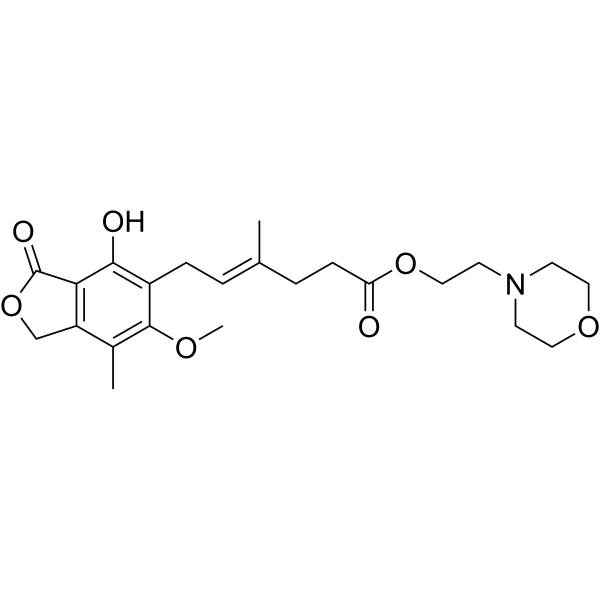
Mycophenolate mofetil (RS 61443) is the morpholinoethylester proagent of Mycophenolic acid. Mycophenolate mofetil inhibits de novo purine synthesis via the inhibition of inosine monophosphate dehydrogenase (IMPDH). Mycophenolate mofetil shows selective lymphocyte antiproliferative effects involve both T and B cells, preventing antibody formation .
|
-
- HY-P991833
-
|
|
CD28
|
Inflammation/Immunology
|
|
Anti-Mouse BTLA/CD272 Antibody (PK18.6) reacts with mouse B- and T-lymphocyte attenuator (BTLA). BTLA is an Ig superfamily member. Recommend Isotype Controls: Rat IgG1 kappa, Isotype Control (HY-P99979) .
|
-
- HY-NP188
-
|
LEL (FITC)
|
Fluorescent Dye
Biochemical Assay Reagents
|
Others
|
|
Lycopersicon esculentum (Tomato) Lectin (FITC) is Lycopersicon esculentum (Tomato) Lectin (HY-NP071) labeled with FITC (HY-66019). Lycopersicon esculentum (Tomato) Lectin (FITC) binds to poly-N-acetyllactosamine oligosaccharides. Lycopersicon esculentum (Tomato) Lectin (FITC) is a major component of carbohydrates on the surface of endothelial and epithelial cells .
|
-
- HY-155516
-
|
|
Potassium Channel
|
Inflammation/Immunology
|
|
KV1.3-IN-1 (Compound trans-18) is a KV1.3 channel inhibitor (IC50: 230 nM and 26.12 nM in Ltk cells and PHA-activated T-lymphocytes respectively). KV1.3-IN-1 impairs intracellular Ca 2+ signaling. KV1.3-IN-1 inhibits T-cell activation, proliferation, and colony formation .
|
-
- HY-P10593
-
|
|
Transmembrane Glycoprotein
Influenza Virus
|
Cancer
|
|
Influenza A NP (383-391) (HLA-B27) is a peptide sequence derived from tetanus toxin. Influenza A NP (383-391) (HLA-B27) is a broadly immunogenic CD4+ T helper cell epitope that enhances CD8+ cytotoxic T lymphocyte (CTL) responses. Influenza A NP (383-391) (HLA-B27) can be used in breast cancer research .
|
-
- HY-164670
-
|
|
p38 MAPK
MyD88
|
Inflammation/Immunology
|
|
D228 is an orally active antiinflammatory agent. D228 reduces ConA induced T lymphocyte cell proliferation (IC50: 42.85 μM) and LPS induced B lymphocyte cell proliferation (IC50: 3.15 μM). D228 is effective against inflammatory bowel disease (IBD). D228 alleviates the DSS (HY-116282C)-induced inflammation response in the IBD model by downregulating the MyD88/TRAF6/p38 signaling .
|
-
- HY-P992178
-
|
|
NF-κB
|
Cancer
|
|
ALLO-647 is a human monoclonal antibody targeting CD52. ALLO-647 transiently and selectively depletes host lymphocytes to promote the proliferation of allogeneic CAR T-cell following infusion. ALLO-647 can be used for the research of B-cell lymphoma and follicular lymphoma .
|
-
- HY-103317
-
-
- HY-101939
-
|
|
LPL Receptor
|
Neurological Disease
|
|
RP-001 is a picomolar short-acting S1P1 (EDG1) selective agonist, with an EC50 of 9 pM. RP-00 induces internalization and polyubiquitination of S1P1. RP-001 has little activity on S1P2-S1P4 and only moderate affinity for S1P5 .
|
-
- HY-101939A
-
|
|
LPL Receptor
|
Neurological Disease
|
|
RP-001 hydrochloride is a picomolar short-acting S1P1 (EDG1) selective agonist, with an EC50 of 9 pM. RP-00 hydrochloride induces internalization and polyubiquitination of S1P1. RP-001 hydrochloride has little activity on S1P2-S1P4 and only moderate affinity for S1P5 .
|
-
- HY-104037A
-
|
LYC-55716 sodium
|
ROR
|
Cancer
|
|
Cintirorgon sodium is a first-in-class, selective and orally bioavailable RORγ agonist. Cintirorgon sodium (LYC-55716) modulates gene expression of RORγ expressing T lymphocyte immune cells, resulting in enhanced effector function, as well as decreased immunosuppression, resulting in decreased tumor growth, and improved survival .
|
-
- HY-P1862
-
|
|
HSV
|
Infection
|
|
HSV-gB2 (498-505) is an immunodominant epitope from herpes simplex virus (HSV) glycoprotein B residues 498-505, acts as H-2Kb-restricted and HSV-1/2-cross-reactive cytotoxic T-lymphocyte (CTL) recognition epitope .
|
-
- HY-W009245
-
|
|
HIV
|
Infection
Cancer
|
|
Bz-RS-iSer(3-Ph)-OMe (compound 2), a Taxol derivative, inhibits HSV replication cycle at low cytotoxicity, blocks mitotic divisions of Vero cells, influences M-MSV induced tumor size and affects immune response by inhibiting PHA-induced T lymphocyte proliferation .
|
-
- HY-P990928
-
|
APVO-436
|
CD3
Interleukin Related
|
Inflammation/Immunology
Cancer
|
|
Mipletamig (APVO-436) is a bispecific CD123 x CD3 monoclonal antibody. Mipletamig simultaneously binds to both CD3-expressing T cells and CD123-expressing cancer cells, thereby crosslinking CD123-expressing tumor cells and cytotoxic T lymphocytes (CTLs). This results in the activation and proliferation of T-cells and causes CTL-mediated cell lysis of CD123-expressing tumor cells. Mipletamig can be used for the study of acute myeloid leukemia (AML) .
|
-
- HY-P99027
-
|
LAG525; IMP701; Hu5A8
|
LAG-3
|
Cancer
|
|
Ieramilimab (LAG525; IMP701) is a humanized IgG4 monoclonal antibody that binds to LAG-3, resulting in inhibition of LAG-3 interaction with MHC-II molecules. Ieramilimab restores T-cell and NK-cell-mediated antileukemic immunity by reducing exhaustion and augmenting cytokine output and cytotoxicity. Ieramilimab increases the infiltration of cytotoxic T lymphocytes and reduces baseline densities of regulatory T cells (Tregs) and ADAM10-expressing tumor cells. Ieramilimab can be used for the study of various malignancies including melanoma, RCC, and advanced solid tumors .
|
-
- HY-19344S2
-
|
|
Isotope-Labeled Compounds
Integrin
|
Inflammation/Immunology
|
|
Lifitegrast-d4-1 is deuterium labeled Lifitegrast. Lifitegrast (SAR 1118) is a potent integrin antagonist. Lifitegrast blocks the binding of intercellular adhesion molecule 1 (ICAM-1) to lymphocyte function-associated antigen 1 (LFA-1), interrupting the T cell-mediated inflammatory cycle. Lifitegrast inhibits Jurkat T cell attachment to ICAM-1 with an IC50 of 2.98 nM. Lifitegrast can be used for researching dry eye disease .
|
-
- HY-P11122
-
|
|
IFNAR
Interleukin Related
|
Inflammation/Immunology
|
MSP-1 P2 is a synthetic peptide of merozoite surface protein-1 (MSP-1). MSP-1 P2 stimulates umbilical cord blood lymphocytes to produce IFN-γ and IL-13, and this immune response is primarily mediated by CD4+ T cells. MSP-1 P2 can be used as a specific antigen stimulus to detect T cell responses and cytokine levels .
|
-
- HY-B0078R
-
|
Imidazole Carboxamide (Standard)
|
Apoptosis
Nucleoside Antimetabolite/Analog
Reference Standards
|
Cancer
|
|
Dacarbazine (Standard) is the analytical standard of Dacarbazine. This product is intended for research and analytical applications. Dacarbazine is a nonspecific antineoplastic (antineoplastic) alkylating agent. Dacarbazine inhibits T and B lymphocyte responses with IC50 of 50 and 10 μg/mL, respectively. Dacarbazine can be used in the study of metastatic malignant melanoma .
|
-
- HY-13756R
-
|
FK506 (Standard); Fujimycin (Standard); FR900506 (Standard)
|
Reference Standards
Phosphatase
FKBP
Bacterial
Autophagy
Antibiotic
|
Infection
Inflammation/Immunology
Cancer
|
|
Tacrolimus (Standard) is the analytical standard of Tacrolimus. This product is intended for research and analytical applications. Tacrolimus (FK506), a macrocyclic lactone, binds to FK506 binding protein (FKBP) to form a complex. Tacrolimus inhibits calcineurin phosphatase, which inhibits T-lymphocyte signal transduction and IL-2 transcription. Immunosuppressive properties .
|
-
- HY-107091A
-
|
(Rac)-DA-DKP
|
Others
|
Inflammation/Immunology
|
|
(Rac)-Aspartyl-alanyl-diketopiperazine ((Rac)-DA-DKP) is the racemic form of Aspartyl-alanyl-diketopiperazine (HY-107091). Aspartyl-alanyl-diketopiperazine is an immunomodulatory molecule generated by cleavage and cyclization from the N-terminus of human albumin and can modulate the inflammatory immune response through a molecular pathway implicated in T- lymphocyte anergy.
|
-
- HY-104037
-
|
LYC-55716
|
ROR
|
Cancer
|
|
Cintirorgon (LYC-55716) is a first-in-class, selective and orally bioavailable RORγ agonist. Cintirorgon (LYC-55716) modulates gene expression of RORγ expressing T lymphocyte immune cells, resulting in enhanced effector function, as well as decreased immunosuppression, resulting in decreased tumor growth, and improved survival .
|
-
- HY-19143
-
|
|
HIV
|
Infection
|
|
L-697639 is an inhibitor for HIV-1 reverse transcriptase (HIV-1 RT) with IC50 of 20-400 nM (in a template-primer-dependent manner). L-697639 exhibits antiviral activity, that inhibits 95% HIV-1 infection at concentrations of 12-200 nM in human T lymphocyte cultures .
|
-
- HY-P99152
-
|
Muromanab-CD3
|
CD3
Interleukin Related
IFNAR
|
Inflammation/Immunology
Cancer
|
|
Muromonab (Muromonab-CD3; OKT3) is a mouse monoclonal antibody targeting the CD3 antigen. Muromonab specifically binds to the CD3 antigen on the surface of human and higher primate T cells. Muromonab blocks the function of T cell receptors to recognize foreign antigens and inhibits T cell-mediated immune responses, including cell-mediated lymphocyte lysis and T cell proliferation responses. Muromonab can be used to study acute kidney, liver, heart and combined kidney-pancreas transplant rejection, and can also be used to study graft-versus-host disease in bone marrow transplant patients .
|
-
- HY-P990280
-
|
|
TNF Receptor
Transmembrane Glycoprotein
|
Inflammation/Immunology
Cancer
|
|
Anti-Mouse CD27 Antibody (RM27-3E5) is an agonistic rat-derived IgG2a κ type antibody, targeting to mouse CD27. Anti-Mouse CD27 Antibody (RM27-3E5) stimulates CD 27. Anti-Mouse CD27 Antibody (RM27-3E5) can be used for the researches of cancer and immunology, such as B16cOVA tumor .
|
-
- HY-174761
-
|
|
mRNA
|
Inflammation/Immunology
|
|
Human CCL21 mRNA encodes the human C-C motif chemokine ligand 21 (CCL21) protein, a chemokine that can inhibit hemopoiesis and stimulate chemotaxis. CCL21 is chemotactic in vitro for thymocytes and activated T cells, but not for B cells, macrophages, or neutrophils. It may also play a role in mediating homing of lymphocytes to secondary lymphoid organs.
|
-
- HY-19344R
-
|
SAR 1118 (Standard); SHP-606 (Standard)
|
Reference Standards
Integrin
|
Inflammation/Immunology
|
|
Lifitegrast (Standard) is the analytical standard of Lifitegrast. This product is intended for research and analytical applications. Lifitegrast (SAR 1118) is a potent integrin antagonist. Lifitegrast blocks the binding of intercellular adhesion molecule 1 (ICAM-1) to lymphocyte function-associated antigen 1 (LFA-1), interrupting the T cell-mediated inflammatory cycle. Lifitegrast inhibits Jurkat T cell attachment to ICAM-1 with an IC50 of 2.98 nM. Lifitegrast can be used for researching dry eye disease .
|
-
- HY-P10607
-
|
|
EBV
|
Cancer
|
|
IALYLQQNW is a specific nonapeptide sequence derived from the tumor-associated antigen latent membrane protein 1 (LMP1) encoded by Epstein-Barr virus (EBV). As a latent T-cell epitope, IALYLQQNW is able to activate EBV-specific cytotoxic T lymphocytes (CTLs), which are able to recognize and kill EBV-infected cells expressing LMP1. IALYLQQNW plays an important role in the immune response against EBV-associated tumors and can be used in the study of Hodgkin's disease and nasopharyngeal carcinoma .
|
-
- HY-P991543
-
|
|
CD2
|
Inflammation/Immunology
Cancer
|
|
BTI-322 is a human IgG1κ antibody directed against the CD2 antigen on T cells and NK cells. BTI-322 can block primary and memory alloantigen proliferative responses in vitro. BTI-322 recognizes over 90% of E-rosette-forming peripheral blood lymphocytes and T-cell leukemias. BTI-322 has immunosuppressive activity. BTI-322 effectively inhibits T cell responses in vitro to allogeneic cells. BTI-322 can be used as a T-cell deplting agent. BTI-322 can be studied in research for renal allograft rejection and steroid-refractory acute graft-versus-host disease .
|
-
- HY-N6857R
-
|
|
Reference Standards
NF-κB
|
Inflammation/Immunology
|
|
Armepavine (Standard) is the analytical standard of Armepavine. This product is intended for research and analytical applications. Armepavine, an active compound from Nelumbo nucifera, exerts not only anti-inflammatory effects on human peripheral blood mononuclear cells, but also immunosuppressive effects on T lymphocytes and on lupus nephritic mice. Armepavine inhibits TNF-α-induced MAPK and NF-κB signaling cascades .
|
-
- HY-13756S2
-
-
- HY-P1855
-
|
|
EGFR
|
Cancer
|
|
HER2/neu (654-662) GP2 is a nine amino acid peptide derived from the human epidermal growth factor receptor 2 (HER2/nue, 654–662), induces HLA-A2-restricted cytotoxic T lymphocytes (CTL) reactive to various epithelial cancers .
|
-
- HY-13756S
-
|
FK506-13C,d2; Fujimycin-13C,d2; FR900506-13C,d2
|
Phosphatase
FKBP
Bacterial
Autophagy
Antibiotic
|
Infection
Inflammation/Immunology
Cancer
|
|
Tacrolimus- 13C,d2 is a 13C-labeled and deuterium labeled Tacrolimus. Tacrolimus (FK506), a macrocyclic lactone, binds to FK506 binding protein (FKBP) to form a complex. Tacrolimus inhibits calcineurin phosphatase, which inhibits T-lymphocyte signal transduction and IL-2 transcription. Immunosuppressive properties .
|
-
- HY-156871
-
|
|
CaMK
|
Cancer
|
|
CAMK1D-IN-1 (compound I) is an inhibitor of CAMK1D, targeting cytotoxic T lymphocyte (CTL)-resistant tumor cells. CAMK1D impairs CTL-induced death receptor signaling and apoptosis by inhibiting caspases, making it a key and effective target for PD-L1-refractory tumors .
|
-
- HY-19344S
-
|
SAR 1118-d4; SHP-606-d4
|
Isotope-Labeled Compounds
|
Inflammation/Immunology
|
|
Lifitegrast-d4 (SAR 1118-d4) is deuterium labeled Lifitegrast. Lifitegrast (SAR 1118) is a potent integrin antagonist. Lifitegrast blocks the binding of intercellular adhesion molecule 1 (ICAM-1) to lymphocyte function-associated antigen 1 (LFA-1), interrupting the T cell-mediated inflammatory cycle. Lifitegrast inhibits Jurkat T cell attachment to ICAM-1 with an IC50 of 2.98 nM. Lifitegrast can be used for researching dry eye disease .
|
-
- HY-19344S1
-
|
SAR 1118-d6; SHP-606-d6
|
Isotope-Labeled Compounds
|
Inflammation/Immunology
|
|
Lifitegrast-d6 (SAR 1118-d6) is deuterium labeled Lifitegrast. Lifitegrast (SAR 1118) is a potent integrin antagonist. Lifitegrast blocks the binding of intercellular adhesion molecule 1 (ICAM-1) to lymphocyte function-associated antigen 1 (LFA-1), interrupting the T cell-mediated inflammatory cycle. Lifitegrast inhibits Jurkat T cell attachment to ICAM-1 with an IC50 of 2.98 nM. Lifitegrast can be used for researching dry eye disease .
|
-
- HY-P11145
-
|
|
Influenza Virus
|
Infection
Inflammation/Immunology
|
Influenza HA (529-537) is the amino acid sequence (IYATVAGSL) at positions 529-537 of the hemagglutinin (HA) of the influenza A virus. Influenza HA (529-537) can be recognized by three different specificities (H1-specific, H2-specific, H1/H2 cross-reactive) of CD8 + cytotoxic T-lymphocyte (CTL) clones. Influenza HA (529-537) can be used to understand T-cell immune specificity and to design new vaccines .
|
-
- HY-W014605
-
|
Diphencyprone
|
Interleukin Related
Apoptosis
p38 MAPK
IRE1
|
Inflammation/Immunology
Cancer
|
|
Diphenylcyclopropenone (Diphencyprone) is a potent hapten acting as a topical immunomodulatory agent, which induces an allergic contact dermatitis. Diphenylcyclopropenone induces an increase of cell-surface thiols in cells of a human monocytic cell line, THP-1. Diphenylcyclopropenone acts on the autoreactive T-lymphocytes within the follicular milieu to induce Apoptosis. Diphenylcyclopropenone can be used for alopecia areata research .
|
-
- HY-12680
-
PRN694
3 Publications Verification
|
Itk
|
Inflammation/Immunology
|
|
PRN694 is an irreversible, highly selective and potent covalent interleukin-2-inducible T-cell kinase (ITK) and resting lymphocyte kinase (RLK) dual inhibitor with IC50s of 0.3 nM and 1.4 nM, respectively. PRN694 exhibits extended target residence time on ITK and RLK, enabling durable attenuation of effector cells in vitro and in vivo .
|
-
- HY-175604
-
|
|
PD-1/PD-L1
|
Cancer
|
|
SCL-1 is an orally active anti-PD-1/PD-L1 inhibitor. SCL-1 can inhibit PD-1/PD-L1 binding. SCL-1 increases T cells, B cells and natural killer cells. SCL-1 exerts strong tumor growth inhibitory effects that were mediated by effector T-cell induction inside tumors and the up-regulated expression of long non-coding RNAs as neoantigens leading to cytotoxic T lymphocyte activation. SCL-1 can be used for the research of cancer, such as triple-negative breast cancer .
|
-
- HY-P992413
-
|
|
Integrin
|
Inflammation/Immunology
|
|
MOR102 is a fully human IgG4 monoclonal antibody and an ICAM-1 inhibitor, lacking cross-reactivity with ICAM-2 and ICAM-3. MOR102 binds to the LFA-1 binding site within ICAM-1 domain 1, blocks ICAM-1/LFA-1 interaction, binds human keratinocytes with increased binding to interferon-γ-stimulated keratinocytes. MOR102 inhibits lymphocyte adhesion, reduces lymphocyte proliferation, prevents local T-cell activation, reduces inflammatory infiltrate, restores orthokeratotic differentiation, and reduces epidermal thickness. MOR102 can be used for the research of psoriasis .
|
-
- HY-173000
-
|
|
Apoptosis
Ferroptosis
STAT
|
Cancer
|
|
STAT3-IN-40 (Compound 8b) is an anti-cancer agent. STAT3-IN-40 can trigger the immune responses of CD4+ and CD8+ T lymphocytes and induce ferroptosis and apoptosis of tumor cells by inhibiting the expression and phosphorylation of STAT3. STAT3-IN-40 can be used in the research of chemoimmunotherapeutic agents for cancer .
|
-
- HY-N6939
-
-
- HY-P991655
-
|
|
IFNAR
HIV
|
Infection
Inflammation/Immunology
|
|
AGS-009 is a humanized monoclonal neutralising antibody targeting IFN-α. AGS-009 significantly reduces activated lymphocytes, such as CD4 + and CD8 + T cells as well as B cells in SIV infection rhesus macaque models. AGS-009 can be used for autoimmune diseases like systemic lupus erythematosus (SLE) and HIV infections research .
|
-
- HY-12072
-
|
|
Src
|
Inflammation/Immunology
|
|
Lck Inhibitor is a potent, orally active Lck (lymphocyte specific kinase) inhibitor with IC50s of 7, 2.1, 4.2 and 200 nM for Lck, Lyn, Src and Syk kinases, respectively. Lck Inhibitor shows >1000-fold selectivity for Lck over MAPK, CDK and RSK family representatives. Lck Inhibitor inhibits T cell proliferation and in vivo models of arthritis .
|
-
- HY-130757
-
|
|
Endogenous Metabolite
|
Inflammation/Immunology
|
|
Remisporine B is a polyketide, that can be isolated from Penicillium sp. ZJ-SY2. Remisporine B exhibits immunosuppressive efficacy, that inhibits concanavalin A (HY-P2149)-induced T-cell proliferation and LPS (HY-D1056)- induced B-cell proliferations of mouse splenic lymphocytes with IC50 of 30.1 µg/mL and 32.4 µg/mL .
|
-
- HY-P1881
-
|
|
HPV
|
Cancer
|
|
HPV16-E711-20 epitope is a well-known HLA-A *0201-restricted human cytotoxic T lymphocyte (CTL) epitope of the HPV16 E7 protein that shows high-affinity binding to HLA-A2 in vitro. HPV16 CTL epitopes may be good candidates for the development of an effective peptide-based antitumor vaccine .
|
-
- HY-P990286
-
|
|
CD2
|
Inflammation/Immunology
Cancer
|
|
Anti-Rat CD2 Antibody (OX-34) is mouse-derived IgG2a κ type antibody inhibitor, targeting to rat CD2. Anti-Rat CD2 Antibody (OX-34) can block CD2 and inhibit the mixed lymphocyte reaction. Anti-Rat CD2 Antibody (OX-34) can be used for the researches of cancer, inflammation and immunology, such as RNK-16 tumor and arthritis .
|
-
- HY-13743
-
|
Linomide; FCF89; ABR212616
|
TNF Receptor
Interleukin Related
IFNAR
|
Neurological Disease
Inflammation/Immunology
Cancer
|
|
Roquinimex (Linomide) is an orally active immunomodulator with antineoplastic, anti-inflammatory, and antiangiogenic activity. Roquinimex suppresses TH1 lymphocyte cytokines (IL-2, IFN-γ), promotes TH2 lymphocyte cytokines (IL-4, IL-10), increases NK cell, activated monocyte, and T cell activity. Roquinimex blocks macrophage TNF-α production and suppresses IL-1/IL-6 secretion. Roquinimex exhibits in vivo antitumour activity, suppresses rodent autoimmune disease signs, and ameliorates murine colitis and psoriasis. Roquinimex can be used for the research of leukemia, inflammatory bowel disease, multiple sclerosis, and psoriasis .
|
-
- HY-N0591
-
|
(-)-Dehydrocostus lactone; Epiligulyl oxide
|
Bacterial
Apoptosis
p38 MAPK
NF-κB
MAPKAPK2 (MK2)
Akt
NO Synthase
Interleukin Related
Caspase
|
Infection
Inflammation/Immunology
Cancer
|
|
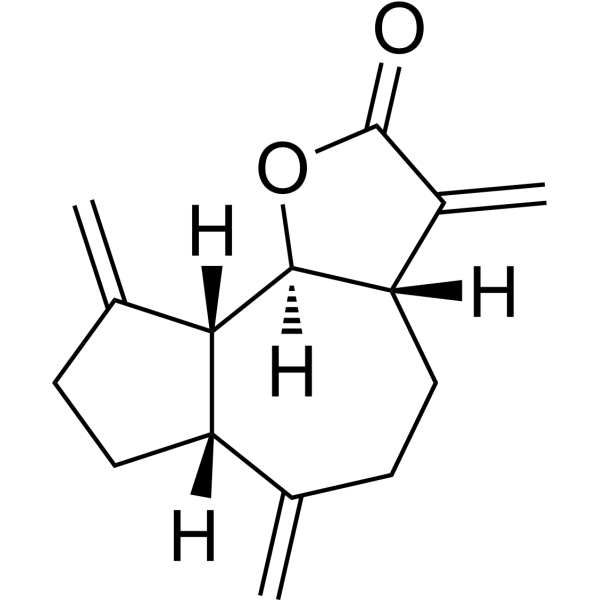
Dehydrocostus Lactone ((-)-Dehydrocostus lactone) is a natural sesquiterpene that can be isolated from Saussurea lappa. Dehydrocostus Lactone has multiple activities such as anti-inflammatory, antibacterial, anti-tumor, and immunomodulatory effects. Dehydrocostus Lactone has an MIC of 2 µg/mL against Mycobacterium tuberculosis. Dehydrocostus Lactone can also inhibit the killing activity of cytotoxic T lymphocytes and induce apoptosis in tumor cells .
|
-
- HY-P991827
-
|
|
CTLA-4
|
Inflammation/Immunology
|
|
Anti-Mouse CTLA-4 Antibody (UC10-4F10-11) reacts with mouse cytotoxic T lymphocyte antigen-4 (CTLA-4, CD152). Anti-Mouse CTLA-4 Antibody (UC10-4F10-11) promotes T cell co-stimulation by blocking CTLA-4 binding to the B7 co-receptors, allowing for CD28 binding. Recommend Isotype Controls: Polyclonal Armenian hamster IgG, Isotype Control (HY-P990305) .
|
-
- HY-P99762
-
|
MGD009
|
CD3
|
Cancer
|
|
Obrindatamab is a humanized anti-B7-H3/CD3 bispecific antibody. Obrindatamab binds to B7-H3 and CD3, thereby mediating redirected cytotoxic T-lymphocyte (CTL) activity against B7-H3-expressing cancer cells. Obrindatamab can be used in research of cancer .
|
-
- HY-13743R
-
|
Linomide (Standard); FCF89 (Standard); ABR212616 (Standard)
|
Reference Standards
TNF Receptor
Interleukin Related
IFNAR
|
Inflammation/Immunology
|
|
Roquinimex (Standard) is the analytical standard of Roquinimex (HY-13743). Roquinimex (Linomide) is an orally active immunomodulator with antineoplastic, anti-inflammatory, and antiangiogenic activity. Roquinimex suppresses TH1 lymphocyte cytokines (IL-2, IFN-γ), promotes TH2 lymphocyte cytokines (IL-4, IL-10), increases NK cell, activated monocyte, and T cell activity. Roquinimex blocks macrophage TNF-α production and suppresses IL-1/IL-6 secretion. Roquinimex exhibits in vivo antitumour activity, suppresses rodent autoimmune disease signs, and ameliorates murine colitis and psoriasis. Roquinimex can be used for the research of leukemia, inflammatory bowel disease, multiple sclerosis, and psoriasis .
|
-
- HY-104037R
-
|
LYC-55716 (Standard)
|
Reference Standards
ROR
|
Cancer
|
|
Cintirorgon (Standard) is the analytical standard of Cintirorgon (HY-104037). This product is intended for research and analytical applications. Cintirorgon (LYC-55716) is a first-in-class, selective and orally bioavailable RORγ agonist. Cintirorgon (LYC-55716) modulates gene expression of RORγ expressing T lymphocyte immune cells, resulting in enhanced effector function, as well as decreased immunosuppression, resulting in decreased tumor growth, and improved survival .
|
-
- HY-P991354
-
|
|
PD-1/PD-L1
|
Cancer
|
|
GR-1405 is a human monoclonal antibody (mAb) targeting B7-H1/PD-L1/CD274. GR-1405 enhances cytotoxic T lymphocyte (CTL)-mediated antitumor immune responses against PD-L1-expressing tumor cells. GR-1405 can be used in Lymphoma and Solid tumours research .
|
-
- HY-P991911
-
|
|
Scavenger Receptor Class B type I (SR-BI)
|
Cancer
|
|
PLT012 is a humanized IgG4 antibody targeting CD36. PLT012 inhibits the lipid-binding domain of CD36. PLT012 blocks CD36-mediated metabolic adaptation in regulatory T cells (Tregs) and CD8 + tumor-infiltrating lymphocytes (TILs), thereby inhibiting tumor growth and shifting the tumor microenvironment from immunosuppressive to immunosupportive. PLT012 reduces intratumoral Tregs, enhances CD8 + T cell infiltration and cytotoxic function, and increases the abundance of progenitor-exhausted T cells. PLT012 exerts robust antitumor activity and synergizes with anti-PD-L1 or standard-of-care regimens (anti-VEGF + anti-PD-L1). PLT012 can be used for hepatocellular carcinoma, colorectal cancer and solid tumor research .
|
-
- HY-P992177
-
|
|
PD-1/PD-L1
|
Inflammation/Immunology
Cancer
|
|
AI-025 is an anti-PD-1 antibody. AI-061, a combination formulation of AI-025 and ONC-392 (HY-P990042), inhibits the downregulation of cell activation and proliferation mediated by PD-1 and CTLA-4, thereby restoring immune function and activating cytotoxic T lymphocyte-mediated immune responses against tumor cells. AI-025 can be used in cancer research .
|
-
- HY-P1920
-
|
|
EBV
|
Inflammation/Immunology
|
|
CEF19, Epstein-Barr Virus latent NA-3A (458-466) is a single peptide epitope, YPLHEQHGM, representing residues 458-466 of the type 1 Epstein-Barr Virus (EBV) nuclear antigen 3A protein (B95.8 strain). CEF19, Epstein-Barr Virus latent NA-3A (458-466) can significantly affect cytotoxic T-lymphocyte (CTL) recognition .
|
-
- HY-P992182
-
|
|
Interleukin Related
IFNAR
CD28
|
Inflammation/Immunology
|
|
ANB032 is a human IgG4 kappa BTLA agonist monoclonal antibody. ANB032 inhibits activated T cell proliferation and reduces secretion of inflammatory cytokines. ANB032 can be used for the research of atopic dermatitis[1].
|
-
- HY-P3070
-
|
|
MHC
|
Infection
Others
|
|
H2-D b restricted epitopes VSV Nucleoprotein (52-59) is a 9-mer peptide derived from the nucleoprotein of Vesicular Stomatitis Virus (VSV). H2-D b restricted epitopes VSV Nucleoprotein (52-59) binds to MHC class I molecules and presents itself to CD8+ T cells, thereby activating cytotoxic T lymphocytes (CTLs), which can recognize and kill cells expressing the corresponding antigen. H2-D b restricted epitopes VSV Nucleoprotein (52-59) can be used in the development of CTL vaccines against Ebola virus .
|
-
- HY-B0199S
-
|
|
Isotope-Labeled Compounds
Interleukin Related
|
Cancer
|
|
Mycophenolate Mofetil-d4 is the deuterium labeled Mycophenolate Mofetil. Mycophenolate mofetil (RS 61443; TM-MMF) hydrochloride is an orally active antimetabolic immunosuppressant with antiproliferative and anti-inflammatory properties. Mycophenolate mofetil hydrochloride significantly inhibits the production of B, T lymphocytes and the proliferation of smooth muscle cells by selectively blocking the de novo purine synthesis pathway. Mycophenolate mofetil hydrochloride effectively reduces adventitial inflammation, medial necrosis and intimal thickening in rat aortic allografts, and decreases the number of lymphocytes expressing the IL-2 receptor, thereby delaying xenograft rejection. Mycophenolate mofetil hydrochloride shows certain toxicity in a hamster-to-rat limb xenotransplantation model when used in combination with FK506 (HY-13756). Mycophenolate mofetil hydrochloride is widely used in studies related to allograft arteriosclerosis (chronic rejection) .
|
-
- HY-B0199R
-
|
RS 61443 (Standard); TM-MMF (Standard)
|
Reference Standards
Interleukin Related
|
Cancer
|
|
Mycophenolate Mofetil (Standard) is the analytical standard of Mycophenolate Mofetil. This product is intended for research and analytical applications. Mycophenolate mofetil (RS 61443; TM-MMF) hydrochloride is an orally active antimetabolic immunosuppressant with antiproliferative and anti-inflammatory properties. Mycophenolate mofetil hydrochloride significantly inhibits the production of B, T lymphocytes and the proliferation of smooth muscle cells by selectively blocking the de novo purine synthesis pathway. Mycophenolate mofetil hydrochloride effectively reduces adventitial inflammation, medial necrosis and intimal thickening in rat aortic allografts, and decreases the number of lymphocytes expressing the IL-2 receptor, thereby delaying xenograft rejection. Mycophenolate mofetil hydrochloride shows certain toxicity in a hamster-to-rat limb xenotransplantation model when used in combination with FK506 (HY-13756). Mycophenolate mofetil hydrochloride is widely used in studies related to allograft arteriosclerosis (chronic rejection) .
|
-
- HY-B0199AS
-
|
RS 61443-d4 hydrochloride; TM-MMF-d4 hydrochloride
|
Isotope-Labeled Compounds
Interleukin Related
|
Cancer
|
|
Mycophenolate Mofetil-d4 hydrochloride is deuterated labeled Mycophenolate mofetil hydrochloride (HY-B0199A). Mycophenolate mofetil (RS 61443; TM-MMF) hydrochloride is an orally active antimetabolic immunosuppressant with antiproliferative and anti-inflammatory properties. Mycophenolate mofetil hydrochloride significantly inhibits the production of B, T lymphocytes and the proliferation of smooth muscle cells by selectively blocking the de novo purine synthesis pathway. Mycophenolate mofetil hydrochloride effectively reduces adventitial inflammation, medial necrosis and intimal thickening in rat aortic allografts, and decreases the number of lymphocytes expressing the IL-2 receptor, thereby delaying xenograft rejection. Mycophenolate mofetil hydrochloride shows certain toxicity in a hamster-to-rat limb xenotransplantation model when used in combination with FK506 (HY-13756). Mycophenolate mofetil hydrochloride is widely used in studies related to allograft arteriosclerosis (chronic rejection) .
|
-
- HY-182055
-
|
|
G-quadruplex
Keap1-Nrf2
Ferroptosis
Apoptosis
|
Cancer
|
|
Anticancer agent 309 (Compound HZ-1) is an anticancer agent and G-quadruplex binder, with Kd values of 2.46 μM and 1.61 μM for c-Myc G4 and KRAS G4, respectively. Anticancer agent 309 promotes the formation of intranuclear G4. Anticancer agent 309 shows higher selectivity for parallel G4 than for non-parallel G4. Anticancer agent 309 inhibits the NRF2 signaling pathway and reduces the expression of XCT and GPX4. Anticancer agent 309 induces Ferroptosis, Apoptosis and immunogenic cell death in cells. Anticancer agent 309 exerts antitumor efficacy against breast cancer. Anticancer agent 309 is applicable for the research of breast cancer .
|
-
- HY-P991762
-
|
|
Transmembrane Glycoprotein
|
Inflammation/Immunology
|
|
Anti-Rat CD4 Antibody (W3/25) reacts with rat CD4. Anti-Rat CD4 Antibody (W3/25) inhibits CD4+ T cell activation by downregulating the CD4 molecule on the surface of lymphocytes. Anti-Rat CD4 Antibody (W3/25) inhibits antigen-induced T cell proliferation and IL2 production in MLR experiments. Anti-Rat CD4 Antibody (W3/25) can be used for the study of experimental allergic encephalomyelitis (EAE). Recommend Isotype Controls: Mouse IgG1 kappa, Isotype Control (HY-P99977) .
|
-
- HY-N6939R
-
-
- HY-N0591R
-
|
(-)-Dehydrocostus lactone (Standard); Epiligulyl oxide (Standard)
|
Reference Standards
Bacterial
Apoptosis
p38 MAPK
NF-κB
MAPKAPK2 (MK2)
Akt
NO Synthase
Interleukin Related
Caspase
|
Infection
Inflammation/Immunology
Cancer
|
|
Dehydrocostus Lactone (Standard) ((-)-Dehydrocostus lactone (Standard)) is the analytical standard of Dehydrocostus Lactone (HY-N0591). This product is intended for research and analytical applications. Dehydrocostus Lactone is a natural sesquiterpene that can be isolated from Saussurea lappa. Dehydrocostus Lactone has multiple activities such as anti-inflammatory, antibacterial, anti-tumor, and immunomodulatory effects. Dehydrocostus Lactone has an MIC of 2 µg/mL against Mycobacterium tuberculosis. Dehydrocostus Lactone can also inhibit the killing activity of cytotoxic T lymphocytes and induce apoptosis in tumor cells.
|
-
- HY-174723
-
|
|
mRNA
|
Inflammation/Immunology
|
|
Human CXCR6 mRNA encodes the human C-X-C motif chemokine receptor 6 (CXCR6) protein, a G protein-coupled receptor that belongs to the CXC chemokine receptor family. CXCR6 and its exclusive ligand, chemokine ligand 16 (CCL16), are part of a signalling pathway that regulates T lymphocyte migration to various peripheral tissues (the liver, spleen red pulp, intestine, lungs, and skin) and promotes cell-cell interaction with dendritic cells and fibroblastic reticular cells.
|
-
- HY-153084A
-
|
|
mRNA
CD19
|
Cancer
|
|
CD19 CAR mRNA (Human) expresses CAR protein that specifically targets human CD19. CD19 CAR mRNA can trigger transitory expression of CAR, allowing T cells to be targeted without permanent genetic modification. CD19 CAR mRNA targets CD19 which is a transmembrane glycoprotein primarily expressed on B lymphocytes and is important in B cell activation. CD19 CAR mRNA can be studied in cancer research such as lymphoma and leukemia .
|
-
- HY-P5917
-
|
Vaejovis mexicanus peptide 24
|
Potassium Channel
|
Inflammation/Immunology
Cancer
|
|
Vm24-toxin (Vaejovis mexicanus peptide 24), a 36-residue peptide, is a potent and selective Kv1.3 blocker with a Kd of ~3 pM in lymphocytes. Vm24-toxin shows >1500-fold affinity for Kv1.3 over other assayed potassium channels. Vm24-toxin folds into a distorted cystine-stabilized α/β motif consisting of a single-turn α-helix and a three-stranded antiparallel β-sheet, stabilized by four disulfide bridges. Vm24-toxin attenuates the CD4 + effector memory T cell response to T cell receptor (TCR) stimulation .
|
-
- HY-P5917A
-
|
Vaejovis mexicanus peptide 24 TFA
|
Potassium Channel
|
Inflammation/Immunology
Cancer
|
|
Vm24-toxin (Vaejovis mexicanus peptide 24) TFA, a 36-residue peptide, is a potent and selective Kv1.3 blocker with a Kd of ~3 pM in lymphocytes. Vm24-toxin TFA shows >1500-fold affinity for Kv1.3 over other assayed potassium channels. Vm24-toxin TFA folds into a distorted cystine-stabilized α/β motif consisting of a single-turn α-helix and a three-stranded antiparallel β-sheet, stabilized by four disulfide bridges. Vm24-toxin TFA attenuates the CD4 + effector memory T cell response to T cell receptor (TCR) stimulation .
|
-
- HY-P992448
-
|
|
PD-1/PD-L1
|
Cancer
|
|
RC98 is a monoclonal antibody targeting programmed cell death ligand 1 (PD-L1) and acts as a selective PD-L1 inhibitor. RC98 binds specifically to human and cynomolgus monkey PD-L1. RC98 blocks the interaction between PD-L1 and its receptor PD-1 to reverse T-cell inactivation mediated by PD-1/PD-L1 signaling. RC98 enhances the cytotoxic T-lymphocyte-mediated anti-tumor immune response against PD-L1-expressing tumor cells. RC98 can be used for the research of tumor immunity and solid tumors .
|
-
- HY-P99052
-
|
BGB-A317
|
PD-1/PD-L1
|
Inflammation/Immunology
Cancer
|
|
Tislelizumab is a monoclonal antibody that specifically binds to programmed cell death receptor 1 (PD-1), blocking its interaction with programmed death ligand 1 (PD-L1) and programmed death ligand 2 (PD-L2). Tislelizumab can reactivate immune cells such as T lymphocytes and enhance anti-tumor activity. Tislelizumab can be used for the research of a variety of tumors including typical Hodgkin's lymphoma, urothelial carcinoma, non-small cell lung cancer and hepatocellular carcinoma .
|
-
- HY-150726
-
|
|
Toll-like Receptor (TLR)
Bacterial
|
Infection
Neurological Disease
Inflammation/Immunology
|
|
ODN 1668, a class B CpG ODN (oligodeoxynucleotide), is a TLR-9 agonist. ODN 1668 has strong immune regulatory properties, can enhance the level of antibody IgG2 subtype, promote the immune response of T cells and B cells, and can be used in the study of vaccine adjuvants. In addition, CpG ODN 1668 induces an antimicrobial immune response via a CaTLR9 dependent pathway in groupers. Sequence: 5'-tccatgacgttcctgatgct-3’ .
|
-
- HY-P1571
-
|
NP 396
|
Arenavirus
|
Inflammation/Immunology
|
|
Nucleoprotein (396-404) is the 396 to 404 fragment of lymphocytic choriomeningitis virus (LCMV). Nucleoprotein (396-404) is the H-2D(b)-restricted immunodominant epitope and can be used as a molecular model of viral antigen .
|
-
- HY-150726C
-
|
|
Toll-like Receptor (TLR)
Bacterial
|
Infection
Neurological Disease
Inflammation/Immunology
|
|
ODN 1668 sodium, a class B CpG ODN (oligodeoxynucleotide), is a TLR-9 agonist. ODN 1668 sodium has strong immune regulatory properties, can enhance the level of antibody IgG2 subtype, promote the immune response of T cells and B cells, and can be used in the study of vaccine adjuvants. In addition, CpG ODN 1668 sodium induces an antimicrobial immune response via a CaTLR9 dependent pathway in groupers. Sequence: 5'-tccatgacgttcctgatgct-3’ .
|
-
- HY-P1571A
-
|
NP 396 TFA
|
Arenavirus
|
Inflammation/Immunology
|
|
Nucleoprotein (396-404) TFA is the 396 to 404 fragment of lymphocytic choriomeningitis virus (LCMV). Nucleoprotein (396-404) TFA is the H-2D(b)-restricted immunodominant epitope and can be used as a molecular model of viral antigen .
|
-
- HY-P990848
-
|
|
CTLA-4
|
Infection
Inflammation/Immunology
|
|
Anti-CTLA-4/CD152 Antibody (BN13) is a kind of mouse IgG2a κ chimeric antibody inhibitor, targeting to human CTLA-4/CD152. Anti-CTLA-4/CD152 Antibody (BN13) can neutralize CTLA-4 (cytotoxic T lymphocyte antigen-4) also known as CD152. Anti-CTLA-4/CD152 Antibody (BN13) can be used for the researches of infection and immunology, such as human immunodeficiency virus (HIV) .
|
-
- HY-180888
-
|
|
Src
CD3
|
Inflammation/Immunology
|
|
Lck-IN-5 (example C10) is a potent and selective lymphocyte-specific protein tyrosine kinase (LCK) inhibitor. Lck-IN-5 selectively disrupts the interaction between the SH3 domain of LCK and the RK motif of CD3ε, thereby impairing LCK recruitment to the TCR. Lck-IN-5 modulates the activity of CD3ε-containing CAR and TRuC T cells, attenuating cytokine production and promoting a central-memory-like phenotype associated with enhanced persistence. Lck-IN-5 can be used for autoimmune diseases and graft-versus-host disease research .
|
-
- HY-118917
-
|
|
IMPDH
|
Inflammation/Immunology
|
|
VX-148 is an orally active immunosuppressant, which is a non-competitive inosine-5'-monophosphate dehydrogenase (IMPDH) inhibitor with Ki values for IMPDH Ⅱ and IMPDH Ⅰ of 6 and 14 nM respectively. VX-148 can significantly inhibit the proliferation of human peripheral blood mononuclear cells (PBMC) stimulated by T-cell mitogen (PHA) or B-cell mitogen (SPAS). VX-148 has high selectivity for lymphocytes (such as L1210, Jurkat T cells, and Raji B cells), but has no significant toxicity to non-lymphoid cells. VX-148 can inhibit antibody responses in mouse models and significantly prolong the survival time of transplanted skin in allogeneic skin transplantation models. VX-148 can be used in the research of autoimmune diseases (such as rheumatoid arthritis, psoriasis) and organ transplantation anti-rejection .
|
-
- HY-P990795
-
|
|
Osteopontin
|
Inflammation/Immunology
Cancer
|
|
Anti-Mouse osteopontin/SPP1 Antibody (100D3) is an anti-mouse osteopontin/SPP1 IgG2c monoclonal antibody. Anti-Mouse osteopontin/SPP1 Antibody (100D3) can reverse the inhibition of osteopontin (OPN) on T cells and enhance cytotoxic T lymphocyte (CTL) killing ability. Anti-Mouse osteopontin/SPP1 Antibody (100D3) can improve dentin density. Anti-Mouse osteopontin/SPP1 Antibody (100D3) can be used for researches on cancer and dental related conditions such as colon cancer. The recommend isotype control of Anti-Mouse osteopontin/SPP1 Antibody (100D3): Mouse IgG2c kappa, Isotype Control (HY-P99981) .
|
-
- HY-P10424
-
|
|
PD-1/PD-L1
|
Cancer
|
|
OPBP-1 is a D-peptide obtained by phage display screening, molecular docking and molecular dynamics simulation. OPBP-1 has high stability and strong antitumor and oral activity. OPBP-1 can selectively bind PD-L1 protein, significantly block the interaction between PD-1 and PD-L1, and this blocking effect helps to restore and improve the function of T lymphocytes and reduce the proportion of bone marrow derived suppressor cells (MDSCs) to combat tumor-induced immune escape. OPBP-1 can be used in cancer immunotherapy research .
|
-
- HY-106187B
-
|
|
|
Cancer
|
|
MART-1 (27-35) (human) (TFA) is the amino acid fragment spanning positions 27 to 35 of the MART-1 protein, and it represents an immunogenic epitope recognizable by HLA-A2-restricted melanoma-specific tumor-infiltrating lymphocytes (TILs). MART-1 (27-35) (human) (TFA) can be used in studies related to melanoma .
|
-
- HY-P990201
-
|
|
L-Selectin
|
Infection
Metabolic Disease
Inflammation/Immunology
|
|
Anti-Mouse L-Selectin/CD62L Antibody (Mel-14) is an anti-mouse L-Selectin/CD62L IgG2a monoclonal antibody. Anti-Mouse L-Selectin/CD62L Antibody (Mel-14) can significantly inhibit the migration of T cells and B cells. Anti-Mouse L-Selectin/CD62L Antibody (Mel-14) can block initial lymphocyte homing. Anti-Mouse L-Selectin/CD62L Antibody (Mel-14) can be used for researches on inflammation, metabolic and infection conditions such as diabetes and parasitic infections .
|
-
- HY-N3005
-
|
|
Apoptosis
Autophagy
NOD-like Receptor (NLR)
Pyroptosis
|
Inflammation/Immunology
Cancer
|
|
Britannin is an NLRP3 inhibitor with an IC50 of 3.630 μM, exhibiting anti-inflammatory activity. Britannin inhibits the activation and assembly of the NLRP3 inflammasome by blocking the interaction between NLRP3 and NEK7. Additionally, Britannin demonstrates antitumor activity by inhibiting the proliferation of tumor cells through blocking the interaction between HIF-1α and Myc, thereby suppressing PD-L1 expression and enhancing cytotoxic T lymphocyte activity. Britannin can also induce apoptosis and autophagy in liver cancer cells by activating ROS-regulated AMPK. Britannin holds promise for research in the fields of anti-inflammatory and antitumor therapeutics .
|
-
- HY-116282W
-
|
DSS (MW 6500-10000); DXS (MW 6500-10000)
|
HIV
|
Inflammation/Immunology
|
|
Dextran sulfate sodium salt (DSS) (MW 6500-10000) is a polymer of dehydrated glucose with a molecular weight of approximately 5000. Dextran sulfate sodium salt with different molecular weights exhibits different biological activities. Dextran sulfate sodium salt (MW 6500-10000) has antiviral activity against HIV-1 and HIV-2. Dextran sulfate sodium salt (MW 6500-10000) blocks the binding of virions to CD4 ⁺ T lymphocytes and inhibits syncytia formation. Dextran sulfate sodium salt (MW 6500-10000) also prevents experimental urolithiasis due to its cytoprotective actions. Moreover, because of its biocompatible and highly charged properties, Dextran sulfate sodium salt (MW 6500-10000) is a suitable choice for pharmaceutical systems .
|
-
- HY-P99144A
-
|
|
PD-1/PD-L1
|
Inflammation/Immunology
Cancer
|
|
Anti-Mouse PD-1 Antibody (S-5001) is a selective inhibitor targeting PD-1, blocking the PD-1/PD-L1 immune checkpoint axis through competitive binding to PD-1. Anti-Mouse PD-1 Antibody (S-5001) works by reversing the tumor immunosuppressive microenvironment and reactivating the anti-tumor activity of cytotoxic T lymphocytes. It can be used in research on tumors such as melanoma and HPV-positive oropharyngeal squamous cell carcinoma. Anti-Mouse PD-1 Antibody (S-5001) is often combined with photothermal therapy, chemotherapy, etc., to enhance efficacy .
|
-
- HY-D3330
-
|
|
Fluorescent Dye
|
Others
|
|
APC-Cy7 is an APC-tandem fluorochrome (allophycocyanin-cyanine 7) and degradable fluorochrome, with maximum absorption at ~650 nm, peak emission at 767 nm when excited by a 633 nm red laser, and cell-dependent degradation. APC-Cy7 undergoes time-dependent degradation (decoupling) when bound to peripheral blood leukocytes, leading to nonspecific APC channel signal, with degradation cell type-dependent. APC-Cy7 shows reduced degradation when immunolabeled cells have inhibited metabolic activity or are incubated with vitamin C. APC-Cy7 serves as a tandem fluorochrome in multiparametric flow cytometry for detection of leukocyte surface proteins when conjugated to specific antibodies (Ex/Em = 650 nm/778 nm) .
|
-
- HY-182566
-
|
|
HIV
|
Infection
|
|
ITI-367 is a HIV-1 inhibitor that targets the nuclear localization signal 1 (NLS-1) of HIV-1 matrix protein and the interaction between HIV-1 pre-integration complex (PIC) and importin-β. ITI-367 inhibits HIV-1 replication at the pre-integration stage, reduces the formation of 2-LTR circles, and sequesters viral DNA in the cytoplasm. ITI-367 can be used for the research of HIV infection .
|
-
- HY-181507
-
|
|
CD28
IFNAR
TNF Receptor
Interleukin Related
|
Cancer
|
|
CD28-IN-3 is a CD28 inhibitor with an IC50 of 7.80 μM and a Kd of 52.45 μM. CD28-IN-3 selectively blocks the CD28-B7 interaction, thereby inhibiting CD28-mediated costimulation. CD28-IN-3 suppresses the production of proinflammatory cytokines IFN-γ, IL-2 and TNF-α. CD28-IN-3 can be used in the research of checkpoint-resistant cancers .
|
-
- HY-107091R
-
|
DA-DKP (Standard)
|
Reference Standards
MEK
p38 MAPK
IFNAR
TNF Receptor
Ras
JNK
|
Inflammation/Immunology
|
|
Aspartyl-alanyl-diketopiperazine (DA-DKP) (Standard) is the analytical standard of Aspartyl-alanyl-diketopiperazine (HY-107091). This product is intended for research and analytical applications. Aspartyl-alanyl-diketopiperazine is an immunomodulatory molecule and anti-inflammatory agent. Aspartyl-alanyl-diketopiperazine increases the level of active Rap1 in activated human T lymphocytes and reduces the phosphorylation levels of Ras, ATF-2, c-jun, MEK1, MEKK1, ERK1, JNK1,2,3, p38MAPK and MEF-2. Aspartyl-alanyl-diketopiperazine inhibits the production of pro-inflammatory cytokines, including the levels of IFN-γ and TNF-α. Aspartyl-alanyl-diketopiperazine can be used in studies of inflammatory immune responses .
|
-
- HY-N17413
-
|
|
Bacterial
Na+/K+ ATPase
NF-κB
Nuclear Factor of activated T Cells (NFAT)
|
Cardiovascular Disease
Infection
Inflammation/Immunology
|
|
(-)-γ-Cuparenol is a sesquiterpene compound with an IC50 of 23.6 μg/mL against porcine Na +/K +-ATPase. (-)-γ-Cuparenol reduces phytohemagglutinin (PHA)-induced activation of NF-AT and NF-κB in Jurkat cells. (-)-γ-Cuparenol inhibits the growth of Gram-positive bacteria and some Gram-negative bacteria. (-)-γ-Cuparenol exhibits weak inhibitory activity against Candida albicans. (-)-γ-Cuparenol is applicable for research related to immunoregulation, cardiovascular diseases and bacterial infections .
|
-
- HY-N1724
-
|
Antibiotic X 4357B; Folimycin; X 4357B
|
Proton Pump
Bacterial
Antibiotic
|
Infection
Inflammation/Immunology
Cancer
|
|
Concanamycin A (Folimycin; Antibiotic X 4357B) is a macrolide antibiotic, a vacuolar type H +-ATPase (V-ATPase) inhibitor. Concanamycin A is also an inhibitor of lysosomal acidification, can be used to T cell-mediated inflammation research - .
|
-
- HY-108831
-
|
|
Integrin
|
Inflammation/Immunology
Cancer
|
|
Natalizumab (AN100226; BG00002) is a humanized monoclonal IgG4 antibody inhibitor that selectively targets α4 integrin (CD49d). It blocks the interaction of integrins such as α4β1 (VLA-4) with vascular cell adhesion molecule VCAM-1, intercellular adhesion molecule ICAM-1, and fibronectin by competitively binding to the α4 subunit. Natalizumab inhibits the adhesion, retention, and transendothelial migration of immune cells (such as CD4 + T cells), reducing the infiltration of inflammatory cells into the central nervous system or lesion sites, thus exerting anti-inflammatory and immunomodulatory activity. Natalizumab is used in the study of relapsing-remitting multiple sclerosis (RRMS) and also has applications in the study of autoimmune or inflammation-related diseases such as Crohn's disease, B-cell lymphoma, and non-infectious uveitis. Natalizumab can also prevent lymphocytes from entering the central nervous system, thereby preventing acute demyelinating relapses .
|
-
- HY-183844
-
|
|
|
Cancer
|
|
C5F2-HCB is a CYP-mediated inhibitor of the biosynthesis of arachidonic acid epoxygenase product (±) 14,15-EET (HY-150084), with an IC50 of 3.1 μM. C5F2-HCB inhibits EET-driven oxidative phosphorylation (OXPHOS) associated with tumor hypoxia, converting an immunologically "cold" tumor microenvironment into a "hot" one. C5F2-HCB reverses the immune-excluded tumor microenvironment in ER +HER2 − breast cancer allograft models. C5F2-HCB can be used in research related to ER +HER2 − breast cancer .
|
-
- HY-108831A
-
|
AN100226; BG00002
|
Integrin
|
Inflammation/Immunology
Cancer
|
|
Natalizumab (Anti-CD49d) (AN100226; BG00002) Solution is a humanized monoclonal IgG4 antibody inhibitor that selectively targets α4 integrin (CD49d), blocking the interaction of integrins such as α4β1 (VLA-4) with vascular cell adhesion molecule VCAM-1, intercellular adhesion molecule ICAM-1, and fibronectin by competitively binding to the α4 subunit. Natalizumab solution inhibits the adhesion, retention, and transendothelial migration of immune cells (such as CD4 + T cells), reducing the infiltration of inflammatory cells into the central nervous system or lesion sites, thereby exerting anti-inflammatory and immunomodulatory activity. Natalizumab (Anti-CD49d) solution is used in the study of relapsing-remitting multiple sclerosis (RRMS) and is also applied in the research of autoimmune or inflammation-related diseases such as Crohn's disease, B-cell lymphoma, and non-infectious uveitis. Natalizumab (Anti-CD49d) can also prevent lymphocytes from entering the central nervous system, thus preventing acute demyelinating relapses .
|
-
- HY-N19844
-
|
|
Others
|
Cardiovascular Disease
|
|
3-Heptadecylcatechol is an urushiphenol compound found in Toxicodendron vernicifluum resin and poison oak urushiol. 3-Heptadecylcatechol exhibits anti-platelet aggregation and immune regulation activity. 3-Heptadecylcatechol can be used for the research of thrombotic disorders .
|
-
- HY-P990876
-
|
PF-06480605; RVT-3101
|
TNF Receptor
NF-κB
IFNAR
|
Inflammation/Immunology
|
|
Afimkibart (PF-06480605; RVT-3101) is a fully human monoclonal antibody that selectively inhibits trimeric tumor necrosis factor-like ligand 1A (TL1A). Afimkibart neutralizes active trimeric TL1A, blocks TL1A-induced signaling pathways. Afimkibart inhibits NF-κB activation and IFN-γ production. Afimkibart can be used for the research of inflammatory bowel disease .
|
-
- HY-112448
-
|
|
Src
Interleukin Related
|
Inflammation/Immunology
|
|
Lck-IN-6 (Compound 12g) is a Lck inhibitor with an IC50 of 3 nM. Lck-IN-6 inhibits the production of IL-2. Lck-IN-6 can be used in the research of rheumatoid arthritis and inflammatory bowel disease .
|
-
- HY-P991918
-
|
IgG2-AAS
|
Transmembrane Glycoprotein
Interleukin Related
|
Inflammation/Immunology
Cancer
|
|
KHK2840 is a potent CD40 agonist with a Kd value of 0.485 nM for hCD40. KHK2840 delivers agonistic signals in tumor-bearing hCD40 transgenic mice and human peripheral blood B cells. KHK2840 upregulates CD80, CD86, CD95 and IL-12p70 expression. KHK2840 enhances antitumor efficacy of anti-PD-1 antibody and Paclitaxel (HY-B0015). KHK2840 can be used for the research of cancer, such as colon cancer and melanoma .
|
-
- HY-P11460
-
|
|
Drug Derivative
|
Infection
|
|
Vectofusin-1 is a histidine-rich cationic amphipathic peptide derived from the LAH4 (HY-P0311) peptide family, and also acts as a Viral entry enhancer. Vectofusin-1 promotes the adhesion and fusion of retroviral/lentiviral vectors with cell membranes during viral entry, thereby improving transduction efficiency. Vectofusin-1 potently enhances lentiviral transduction of cells .
|
-
-
-
HY-L031
-
|
|
783 compounds
|
|
Immuno-Oncology is a type of immunotherapy that has the specific purpose of treating cancer. It works by stimulating our immune system to fight back. Normally, our immune system is able to destroy cancer cells in our body, however sometimes cancer cells can adapt and mutate, effectively hiding from our immune system. This is when tumors can develop and become a threat to our health. Immuno-oncology involves mobilizing lymphocytes to recognize and eliminate cancer cells using the body’s immune system. There are several immuno-oncology treatments available, including Immune cell therapy (CAR-T), monoclonal antibodies (mABs) and checkpoint inhibitors, cytokines and cancer vaccines.
MCE Small Molecule Immuno-Oncology Compound Library offers 783 bioactive tumor immunology compounds that target some important checkpoints such as PD1/PD-L1, CXCR, Sting, IDO, TLR, etc. This library is a useful tool for Immuno-oncology research.
|
| Cat. No. |
Product Name |
Type |
-
- HY-153209G
-
|
|
Fluorescent Dyes
|
|
Adjuvant-4 (GMP) is a GMP grade Adjuvant-4. Adjuvant-4 is a vaccine adjuvant that enhances antigen-specific antibody titers and cytotoxic T lymphocyte (CTL) responses . Adjuvant is generally an oil-in-water emulsifier of mineral oil and mannitol monooleate.
|
-
- HY-D3181
-
|
|
Fluorescent Dyes
|
|
CyGbPF is a granzyme B-specific near-infrared fluorescent probe. CyGbPF can be cleaved by granzyme B to remove the peptide cage group, restoring near-infrared fluorescence. CyGbPF passively accumulates in mouse tumors, and its activated fluorescence correlates with granzyme B expression, CD8 + cytotoxic T lymphocyte populations, and CD4 + helper T lymphocyte populations in tumor tissues. CyGbPF is efficiently cleared by the kidneys, enabling the assessment of immune activation via optical urine analysis. CyGbPF allows real-time non-invasive evaluation of cancer immunotherapeutic efficacy in living animals. CyGbPF can be used in research on cancers such as breast cancer. Excitation wavelength/emission wavelength: approximately 658 nm/approximately 717 nm .
|
-
- HY-D3330
-
|
|
Fluorescent Dyes
|
|
APC-Cy7 is an APC-tandem fluorochrome (allophycocyanin-cyanine 7) and degradable fluorochrome, with maximum absorption at ~650 nm, peak emission at 767 nm when excited by a 633 nm red laser, and cell-dependent degradation. APC-Cy7 undergoes time-dependent degradation (decoupling) when bound to peripheral blood leukocytes, leading to nonspecific APC channel signal, with degradation cell type-dependent. APC-Cy7 shows reduced degradation when immunolabeled cells have inhibited metabolic activity or are incubated with vitamin C. APC-Cy7 serves as a tandem fluorochrome in multiparametric flow cytometry for detection of leukocyte surface proteins when conjugated to specific antibodies (Ex/Em = 650 nm/778 nm) .
|
| Cat. No. |
Product Name |
Type |
-
- HY-NP188
-
|
LEL (FITC)
|
Biochemical Assay Reagents
|
|
Lycopersicon esculentum (Tomato) Lectin (FITC) is Lycopersicon esculentum (Tomato) Lectin (HY-NP071) labeled with FITC (HY-66019). Lycopersicon esculentum (Tomato) Lectin (FITC) binds to poly-N-acetyllactosamine oligosaccharides. Lycopersicon esculentum (Tomato) Lectin (FITC) is a major component of carbohydrates on the surface of endothelial and epithelial cells .
|
-
- HY-116282W
-
|
DSS (MW 6500-10000); DXS (MW 6500-10000)
|
Biochemical Assay Reagents
|
|
Dextran sulfate sodium salt (DSS) (MW 6500-10000) is a polymer of dehydrated glucose with a molecular weight of approximately 5000. Dextran sulfate sodium salt with different molecular weights exhibits different biological activities. Dextran sulfate sodium salt (MW 6500-10000) has antiviral activity against HIV-1 and HIV-2. Dextran sulfate sodium salt (MW 6500-10000) blocks the binding of virions to CD4 ⁺ T lymphocytes and inhibits syncytia formation. Dextran sulfate sodium salt (MW 6500-10000) also prevents experimental urolithiasis due to its cytoprotective actions. Moreover, because of its biocompatible and highly charged properties, Dextran sulfate sodium salt (MW 6500-10000) is a suitable choice for pharmaceutical systems .
|
-
- HY-153209G
-
|
|
Biochemical Assay Reagents
|
|
Adjuvant-4 (GMP) is a GMP grade Adjuvant-4. Adjuvant-4 is a vaccine adjuvant that enhances antigen-specific antibody titers and cytotoxic T lymphocyte (CTL) responses . Adjuvant is generally an oil-in-water emulsifier of mineral oil and mannitol monooleate.
|
| Cat. No. |
Product Name |
Target |
Research Area |
-
- HY-P1569
-
|
LCMV GP(33-41) M-peptide; gp33 epitope
|
Arenavirus
|
Infection
Inflammation/Immunology
|
|
LCMV gp33-41, the carboxyl-extended 9-aa-long peptide, is an lymphocytic choriomeningitis virus sequence restricted by MHC class I H-2Db molecules and presented to cytotoxic T lymphocytes .
|
-
- HY-P4193
-
|
|
MHC
|
Inflammation/Immunology
Cancer
|
|
AH1 is an immunodominant MHC class I-restricted nonamer peptide recognized by CD8 + cytotoxic T lymphocytes. AH1 derives from the envelope protein (gp70) of an endogenous ecotropic murine leukemia virus and is presented by the MHC class I L d molecule. AH1 can be used for the research of colorectal carcinoma .
|
-
- HY-P1907
-
|
|
HPV
|
Cancer
|
|
Human Papillomavirus (HPV) E7 protein (49-57) is a cytotoxic T lymphocyte (CTL) epitope peptide derived from HPV16 E7 protein (sequence: RAHYNIVTF). Human Papillomavirus (HPV) E7 protein (49-57) induces E749-57-specific CTL responses. Human Papillomavirus (HPV) E7 protein (49-57) can be used for the research of cervical cancer .
|
-
- HY-P3333
-
|
|
MHC
|
Inflammation/Immunology
Cancer
|
|
KSPWFTTL is an immunodominant Kb-restricted epitope from the p15E transmembrane protein. KSPWFTTL can restore susceptibility of a tumor line to anti-AKR/Gross MuLV cytotoxic T lymphocytes .
|
-
- HY-P11460
-
|
|
Drug Derivative
|
Infection
|
|
Vectofusin-1 is a histidine-rich cationic amphipathic peptide derived from the LAH4 (HY-P0311) peptide family, and also acts as a Viral entry enhancer. Vectofusin-1 promotes the adhesion and fusion of retroviral/lentiviral vectors with cell membranes during viral entry, thereby improving transduction efficiency. Vectofusin-1 potently enhances lentiviral transduction of cells .
|
-
- HY-P5470
-
|
|
EBV
IFNAR
|
Inflammation/Immunology
|
|
LMP2A (426-434) is a HLA-A2-restricted cytotoxic T lymphocyte (CTL) epitope of Epstein-Barr virus (EBV) latent membrane protein 2A (LMP2A). LMP2A (426-434) can trigger an immune response in individuals expressing different HLA-A*02 subtypes (A*02:01, A*02:03, A*02:06 and A*02:07). LMP2A (426-434) can induce a strong IFN-γ secretion response, stimulating the production of a high proportion of CD8 + IFN-γ + T cells. LMP2A (426-434) induces specific CTLs to effectively kill target cells expressing LMP2A. LMP2A (426-434) can be used to study EBV-related malignant tumors (such as Hodgkin's disease and nasopharyngeal carcinoma) .
|
-
- HY-P1571
-
|
NP 396
|
Arenavirus
|
Inflammation/Immunology
|
|
Nucleoprotein (396-404) is the 396 to 404 fragment of lymphocytic choriomeningitis virus (LCMV). Nucleoprotein (396-404) is the H-2D(b)-restricted immunodominant epitope and can be used as a molecular model of viral antigen .
|
-
- HY-113963
-
|
|
Apoptosis
|
Cancer
|
|
Ac- IETD- CHO is a potent, reversible inhibitor of granzyme B and caspase-8. Ac- IETD- CHO inhibits Fas-mediated apoptotic cell death, hemorrhage, and liver failure. Ac- IETD- CHO also inhibits cytotoxic T lymphocytes induced cell death .
|
-
- HY-P1569A
-
|
LCMV GP(33-41) M-peptide TFA; gp33 epitope TFA
|
Arenavirus
|
Inflammation/Immunology
|
|
LCMV gp33-41 (TFA), the carboxyl-extended 9-aa-long peptide, is an lymphocytic choriomeningitis virus sequence restricted by MHC class I H-2Db molecules and presented to cytotoxic T lymphocytes .
|
-
- HY-P3071
-
|
Stichodactyla helianthus neurotoxin
|
Potassium Channel
|
Neurological Disease
Inflammation/Immunology
|
|
ShK toxin blocks voltage-dependent potassium channel (Kv1.3 channel). ShK toxin can be isolated from the whole body extract of the Caribbean sea anemone (Stichodactylu helianthus). ShK toxin competes with dendrotoxin I and α-dendrotoxin for binding to synaptosomal membranes of rat brain, facilitates acetylcholine release. ShK toxin suppresses K+ currents in cultured rat dorsal root ganglion neurons. ShK toxin also inhibits T lymphocyte proliferation .
|
-
- HY-P3742
-
|
|
Tyrosinase
MHC
|
Cancer
|
|
Tyrosinase (192-200), human mouse is a HLA-B*4403-restricted tyrosinase epitope with affinity for HLA-B4403 and HLA-B4402. Tyrosinase (192-200), human mouse binds to HLA-B*4403 to form a complex, which is recognized by the autologous cytotoxic T lymphocyte clone 22/31 derived from melanoma. Tyrosinase (192-200), human mouse binds to HLA-B4402 to form a complex, which is recognized by the CTL clone 329B/5 derived from healthy HLA-B4402 donors. Tyrosinase (192-200), human mouse is applicable to melanoma-related research .
|
-
- HY-P2495A
-
-
- HY-P10424
-
|
|
PD-1/PD-L1
|
Cancer
|
|
OPBP-1 is a D-peptide obtained by phage display screening, molecular docking and molecular dynamics simulation. OPBP-1 has high stability and strong antitumor and oral activity. OPBP-1 can selectively bind PD-L1 protein, significantly block the interaction between PD-1 and PD-L1, and this blocking effect helps to restore and improve the function of T lymphocytes and reduce the proportion of bone marrow derived suppressor cells (MDSCs) to combat tumor-induced immune escape. OPBP-1 can be used in cancer immunotherapy research .
|
-
- HY-106374
-
|
|
VEGFR
|
Cancer
|
|
Elpamotide is an epitope peptide derived from VEGFR2. Elpamotide induces cytotoxic T lymphocytes (CTLs) to kill VEGFR2-expressing endothelial cells. Elpamotide has potential immunostimulatory and antineoplastic activities. Elpamotide can be used in the research of cancer, such as pancreatic cancer .
|
-
- HY-P3333A
-
|
|
MHC
|
Inflammation/Immunology
Cancer
|
|
KSPWFTTL TFA is an immunodominant Kb-restricted epitope from the p15E transmembrane protein. KSPWFTTL TFA can restore susceptibility of a tumor line to anti-AKR/Gross MuLV cytotoxic T lymphocytes .
|
-
- HY-P10851
-
|
|
Apoptosis
|
Inflammation/Immunology
Cancer
|
|
HVEM(14-39) is a B- and T-lymphocyte attenuator (BTLA) peptide inhibitor. HVEM (14-39) can be combined with BTLA with a KD of 0.102 μM. HVEM(14-39) enhances the activation and proliferation of T cells by regulating the expression of BTLA and HVEM in T cells, and promotes the transformation of cells into effector memory T cells. HVEM(14-39) inhibits tumor cell proliferation and promotes late apoptosis. HVEM(14-39) has immunomodulatory effects and can be used in the study of cancer .
|
-
- HY-P1855
-
|
|
EGFR
|
Cancer
|
|
HER2/neu (654-662) GP2 is a nine amino acid peptide derived from the human epidermal growth factor receptor 2 (HER2/nue, 654–662), induces HLA-A2-restricted cytotoxic T lymphocytes (CTL) reactive to various epithelial cancers .
|
-
- HY-P5917A
-
|
Vaejovis mexicanus peptide 24 TFA
|
Potassium Channel
|
Inflammation/Immunology
Cancer
|
|
Vm24-toxin (Vaejovis mexicanus peptide 24) TFA, a 36-residue peptide, is a potent and selective Kv1.3 blocker with a Kd of ~3 pM in lymphocytes. Vm24-toxin TFA shows >1500-fold affinity for Kv1.3 over other assayed potassium channels. Vm24-toxin TFA folds into a distorted cystine-stabilized α/β motif consisting of a single-turn α-helix and a three-stranded antiparallel β-sheet, stabilized by four disulfide bridges. Vm24-toxin TFA attenuates the CD4 + effector memory T cell response to T cell receptor (TCR) stimulation .
|
-
- HY-P3071A
-
|
Stichodactyla helianthus neurotoxin TFA
|
Potassium Channel
|
Neurological Disease
Inflammation/Immunology
|
|
ShK toxin TFA (Stichodactyla helianthus neurotoxin TFA) is a neurotoxin. ShK toxin TFA blocks voltage-dependent potassium channel (Kv1.3 channel). ShK toxin TFA can be isolated from the whole body extract of the Caribbean sea anemone (Stichodactylu helianthus). ShK toxin TFA competes with dendrotoxin I and α-dendrotoxin for binding to synaptosomal membranes of rat brain, facilitates acetylcholine release. ShK toxin TFA suppresses K + currents in cultured rat dorsal root ganglion neurons. ShK toxin TFA also inhibits T lymphocyte proliferation .
|
-
- HY-P3736
-
|
MP-2
|
Interleukin Related
|
Cancer
|
|
Myelopeptide-2 is a peptide originally isolated from the supernatant of porcine bone marrow cell cultures, can restore mitogenic reactivity of human T lymphocytes inhibited by HL-60 leukemia cells or measles virus conditions. Myelopeptide-2 also recover depressed interleukin-2 (IL-2) synthesis and interleukin-2 receptor (IL-2R) expression. Myelopeptide-2 involves in immunity homeostasis, is perspective to be applied in antitumor and antivirus research .
|
-
- HY-P2495
-
-
- HY-P10593
-
|
|
Transmembrane Glycoprotein
Influenza Virus
|
Cancer
|
|
Influenza A NP (383-391) (HLA-B27) is a peptide sequence derived from tetanus toxin. Influenza A NP (383-391) (HLA-B27) is a broadly immunogenic CD4+ T helper cell epitope that enhances CD8+ cytotoxic T lymphocyte (CTL) responses. Influenza A NP (383-391) (HLA-B27) can be used in breast cancer research .
|
-
- HY-P11122
-
|
|
IFNAR
Interleukin Related
|
Inflammation/Immunology
|
MSP-1 P2 is a synthetic peptide of merozoite surface protein-1 (MSP-1). MSP-1 P2 stimulates umbilical cord blood lymphocytes to produce IFN-γ and IL-13, and this immune response is primarily mediated by CD4+ T cells. MSP-1 P2 can be used as a specific antigen stimulus to detect T cell responses and cytokine levels .
|
-
- HY-P1881
-
|
|
HPV
|
Cancer
|
|
HPV16-E711-20 epitope is a well-known HLA-A *0201-restricted human cytotoxic T lymphocyte (CTL) epitope of the HPV16 E7 protein that shows high-affinity binding to HLA-A2 in vitro. HPV16 CTL epitopes may be good candidates for the development of an effective peptide-based antitumor vaccine .
|
-
- HY-106171
-
|
|
Insulin Receptor
|
Metabolic Disease
|
|
NBI-6024, an altered peptide ligand (APL), is an epitope recognized by inflammatory interferon-gamma-producing T helper lymphocytes in type 1 diabetic patients .
|
-
- HY-P5742
-
|
|
EGFR
|
Cancer
|
|
ELAAWCRWGFLLALLPPGIAG (P5) is derived from rat HER2/neu protein with 21 amino acid length (aa 5-25). ELAAWCRWGFLLALLPPGIAG can induce cytotoxic T lymphocyte (CTL) responses in mice bearing HER2-positive tumours .
|
-
- HY-P5742A
-
|
|
EGFR
|
Cancer
|
|
ELAAWCRWGFLLALLPPGIAG TFA (P5) is derived from rat HER2/neu protein with 21 amino acid length (aa 5-25). ELAAWCRWGFLLALLPPGIAG TFA can induce cytotoxic T lymphocyte (CTL) responses in mice bearing HER2-positive tumours .
|
-
- HY-P10838
-
|
|
PD-1/PD-L1
Apoptosis
|
Cancer
|
|
PL120131 is a PD-1 antagonist, can specifically blocking the interaction between PD-1 and PD-L1, thereby effectively inhibiting the PD-1-mediated apoptosis signaling pathway. PL120131 rescues lymphocytes from apoptosis, maintains the survival and activity of T cells, and induces cytotoxic T lymphocytes to exert killing effects and recognize macrophages and dendritic cells. PL120131 can be used in research related to breast cancer and various malignant tumors .
|
-
- HY-P2665
-
|
|
Peptides
|
Others
|
|
Lymphocyte activating pentapeptide is a short peptide sequence found in the Fc region of human IgG1 that has the ability to activate lymphocytes. Lymphocyte activating pentapeptide can be used to study the activation mechanisms of B cells and T cells, and their role in immune responses .
|
-
- HY-P1870
-
-
- HY-105039
-
|
G209-2M; GP100:209-217(210M); MPS-22
|
Peptides
|
Cancer
|
|
Disomotide (G209-2M) is a melanoma antigen that enhances the generation of cytotoxic T lymphocytes (CTL) recognizing native G209 as well as melanoma .
|
-
- HY-P10264
-
|
MAGE-3(168-176), human
|
Peptides
|
Cancer
|
|
MAGE-3 peptide (MAGE-3 168-176, human) is a peptide encoded by human MAGE-3 gene, which is expressed in tumor cells, presented by HLA and recognized by cytolytic T lymphocytes (CTL) as tumor antigen .
|
-
- HY-P2521
-
|
|
Influenza Virus
|
Infection
Inflammation/Immunology
|
|
NS2 (114-121), Influenza, the 114-121 fragment of influenza nonstructural protein 2 (NS2), is a influenza-derived epitope. NS2 (114-121), Influenza can be used for the research of CD8 + cytotoxic T lymphocyte (CTL) in antiviral immune responses .
|
-
- HY-P1835
-
|
|
Influenza Virus
|
Inflammation/Immunology
|
|
CEF8, Influenza Virus NP (383-391), an influenza A virus nucleoprotein containing residues 383 to 391, is the most important HLA-B *2705-restricted epitope in the nucleoprotein of influenza A viruses and is associated with escape from cytotoxic T lymphocytes-mediated immunity .
|
-
- HY-P10245
-
|
|
RSV
|
Inflammation/Immunology
|
|
Fusion glycoprotein 92-106 is a polypeptide from fusion protein of respiratory syncytial virus (RSV). Fusion glycoprotein 92-106 acts as MHC class I-restricted CTL epitope, that all 15 amino acids are required for efficient recognition by cytotoxic T lymphocyte (CTL) .
|
-
- HY-P1862
-
|
|
HSV
|
Infection
|
|
HSV-gB2 (498-505) is an immunodominant epitope from herpes simplex virus (HSV) glycoprotein B residues 498-505, acts as H-2Kb-restricted and HSV-1/2-cross-reactive cytotoxic T-lymphocyte (CTL) recognition epitope .
|
-
- HY-P10607
-
|
|
EBV
|
Cancer
|
|
IALYLQQNW is a specific nonapeptide sequence derived from the tumor-associated antigen latent membrane protein 1 (LMP1) encoded by Epstein-Barr virus (EBV). As a latent T-cell epitope, IALYLQQNW is able to activate EBV-specific cytotoxic T lymphocytes (CTLs), which are able to recognize and kill EBV-infected cells expressing LMP1. IALYLQQNW plays an important role in the immune response against EBV-associated tumors and can be used in the study of Hodgkin's disease and nasopharyngeal carcinoma .
|
-
- HY-P11145
-
|
|
Influenza Virus
|
Infection
Inflammation/Immunology
|
Influenza HA (529-537) is the amino acid sequence (IYATVAGSL) at positions 529-537 of the hemagglutinin (HA) of the influenza A virus. Influenza HA (529-537) can be recognized by three different specificities (H1-specific, H2-specific, H1/H2 cross-reactive) of CD8 + cytotoxic T-lymphocyte (CTL) clones. Influenza HA (529-537) can be used to understand T-cell immune specificity and to design new vaccines .
|
-
- HY-P2524
-
|
|
Peptides
|
Cancer
|
|
MAGE-3 (271-279) is a 271-279 residue peptide derived from melanoma antigens encoded by MAGE-3. MAGE-3 is a cytolytic T lymphocyte (CTL)-defined MAGE-3 protein associated with the human leukocyte antigen (HLA)-A2 molecule. MAGE-3 is overexpressed in different human tumor types, including malignant melanoma, but not by normal tissues except for testis and placenta .
|
-
- HY-P1920
-
|
|
EBV
|
Inflammation/Immunology
|
|
CEF19, Epstein-Barr Virus latent NA-3A (458-466) is a single peptide epitope, YPLHEQHGM, representing residues 458-466 of the type 1 Epstein-Barr Virus (EBV) nuclear antigen 3A protein (B95.8 strain). CEF19, Epstein-Barr Virus latent NA-3A (458-466) can significantly affect cytotoxic T-lymphocyte (CTL) recognition .
|
-
- HY-P3070
-
|
|
MHC
|
Infection
Others
|
|
H2-D b restricted epitopes VSV Nucleoprotein (52-59) is a 9-mer peptide derived from the nucleoprotein of Vesicular Stomatitis Virus (VSV). H2-D b restricted epitopes VSV Nucleoprotein (52-59) binds to MHC class I molecules and presents itself to CD8+ T cells, thereby activating cytotoxic T lymphocytes (CTLs), which can recognize and kill cells expressing the corresponding antigen. H2-D b restricted epitopes VSV Nucleoprotein (52-59) can be used in the development of CTL vaccines against Ebola virus .
|
-
- HY-P5917
-
|
Vaejovis mexicanus peptide 24
|
Potassium Channel
|
Inflammation/Immunology
Cancer
|
|
Vm24-toxin (Vaejovis mexicanus peptide 24), a 36-residue peptide, is a potent and selective Kv1.3 blocker with a Kd of ~3 pM in lymphocytes. Vm24-toxin shows >1500-fold affinity for Kv1.3 over other assayed potassium channels. Vm24-toxin folds into a distorted cystine-stabilized α/β motif consisting of a single-turn α-helix and a three-stranded antiparallel β-sheet, stabilized by four disulfide bridges. Vm24-toxin attenuates the CD4 + effector memory T cell response to T cell receptor (TCR) stimulation .
|
-
- HY-P10496A
-
|
|
Peptides
|
Cancer
|
|
MAGE-A1-derived peptide acetate is a short peptide sequence derived from MAGE-A1 protein. As a tumor-specific antigen, MAGE-A1-derived peptide acetate can be recognized and activated by cytotoxic T lymphocytes (CTLs), thereby generating an immune response to tumor cells expressing MAGE-A1. This immune response can lead to the lysis and death of tumor cells. MAGE-A1-derived peptide acetate can be used in the study of tumor immunity .
|
-
- HY-P10496
-
|
|
Peptides
|
Cancer
|
|
MAGE-A1-derived peptide is a short peptide sequence derived from MAGE-A1 protein. As a tumor-specific antigen, MAGE-A1-derived peptide can be recognized and activated by cytotoxic T lymphocytes (CTLs), thereby generating an immune response to tumor cells expressing MAGE-A1. This immune response can lead to the lysis and death of tumor cells. MAGE-A1-derived peptide can be used in the study of tumor immunity .
|
-
- HY-P1571A
-
|
NP 396 TFA
|
Arenavirus
|
Inflammation/Immunology
|
|
Nucleoprotein (396-404) TFA is the 396 to 404 fragment of lymphocytic choriomeningitis virus (LCMV). Nucleoprotein (396-404) TFA is the H-2D(b)-restricted immunodominant epitope and can be used as a molecular model of viral antigen .
|
-
- HY-P11426
-
|
|
Peptides
|
Cancer
|
|
gp100 (17-25) is an immunogenic peptide. gp100 (17-25) can generate tumor-specific HLA-A3-restricted T lymphocytes. gp100 (17-25) can be used for melanoma research .
|
-
- HY-P10838A
-
|
|
PD-1/PD-L1
Apoptosis
|
Cancer
|
|
PL120131 acetate is a PD-1 antagonist, can specifically blocking the interaction between PD-1 and PD-L1, thereby effectively inhibiting the PD-1-mediated apoptosis signaling pathway. PL120131 acetate rescues lymphocytes from apoptosis, maintains the survival and activity of T cells, and induces cytotoxic T lymphocytes to exert killing effects and recognize macrophages and dendritic cells. PL120131 acetate can be used in research related to breast cancer and various malignant tumors .
|
-
- HY-175057
-
|
|
Apoptosis
|
Inflammation/Immunology
Cancer
|
|
Ac-IETD-CHO TFA is a potent, reversible inhibitor of granzyme B and caspase-8. Ac-IETD-CHO TFA inhibits Fas-mediated apoptotic cell death, hemorrhage, and liver failure. Ac-IETD-CHO TFA also inhibits cytotoxic T lymphocytes induced cell death .
|
-
- HY-P11397
-
|
|
MHC
|
Cancer
|
|
VLPDVFIRCV, a melanoma antigen-derived peptide, is the intron sequence (nt 38-67) of the N-acetylglucosamine transferase V (GnT-V) gene. VLPDVFIRCV has a high affinity for MHC-I class molecules, but it cannot activate the immune response against natural tumor cells. The cytotoxic T lymphocytes (CTL) induced by VLPDVFIRCV can specifically lyse T2 cells loaded with this peptide in the chromium release experiment. VLPDVFIRCV can be used for vaccine design research .
|
-
- HY-P11713
-
|
|
EBV
MHC
|
Infection
Cancer
|
|
EBNA3B 399-408 is an immunodominant HLA-A11-restricted cytotoxic T-lymphocyte epitope in EBNA3B. EBNA3B 399-408 can be used in the research of EBV infection, empyema-associated lymphoma, and nasal natural killer cell lymphoma .
|
- HY-P11699
-
|
|
|
Inflammation/Immunology
|
|
AAPDNRETF is a dominant minor histocompatibility antigen presented by H-2D b, which antigen is expressed in C57BL/6 mice and can be recognized by T cells from C3H.SW mice, thereby inducing a strong immune response. AAPDNRETF can induce graft-versus-host disease in irradiated C57BL/6 recipient mice via transfer of sensitized T lymphocytes. AAPDNRETF is applicable to the research of graft-versus-host disease .
|
- HY-P11390
-
|
|
MHC
|
Cancer
|
|
BAGE (2-10) is a BAGE-encoded nonapeptide. BAGE (2-10) binds to the HLA-Cw*1601 molecule to form an antigen recognized by autologous cytotoxic T lymphocytes. BAGE (2-10) can be used in melanoma research .
|
- HY-P3644
-
|
|
Peptides
|
Cancer
|
|
EEKLIVVAF is a pepitide, can be recognized on HLA-B44 by the anti-melanoma cytolytic T-cell (CTL) clone LB33- CTL-159/5 .
|
- HY-106187B
-
|
|
|
Cancer
|
|
MART-1 (27-35) (human) (TFA) is the amino acid fragment spanning positions 27 to 35 of the MART-1 protein, and it represents an immunogenic epitope recognizable by HLA-A2-restricted melanoma-specific tumor-infiltrating lymphocytes (TILs). MART-1 (27-35) (human) (TFA) can be used in studies related to melanoma .
|
-
- HY-K3110
-
|
|
|
MCE T-Cell Expansion Medium (Serum-Free) is a specialized culture medium formulated for the in vitro cultivation and robust expansion of human T lymphocytes without the need for serum.
|
| Cat. No. |
Product Name |
Target |
Research Area |
Image |
-
- HY-P9901
-
|
MDX-010; BMS-734016
|
CTLA-4
|
Cancer
|
|
Ipilimumab is a fully human monoclonal antibody IgG1κ that blocks the inhibitory receptor cytotoxic T lymphocyte antigen 4 (CTLA-4) on T cells. Ipilimumab can be used in unresectable or metastatic melanoma (MM) studies .
|
-
(5)
-
- HY-P990876
-
|
PF-06480605; RVT-3101
|
TNF Receptor
NF-κB
IFNAR
|
Inflammation/Immunology
|
|
Afimkibart (PF-06480605; RVT-3101) is a fully human monoclonal antibody that selectively inhibits trimeric tumor necrosis factor-like ligand 1A (TL1A). Afimkibart neutralizes active trimeric TL1A, blocks TL1A-induced signaling pathways. Afimkibart inhibits NF-κB activation and IFN-γ production. Afimkibart can be used for the research of inflammatory bowel disease .
|
-
(5)
-
- HY-P9948
-
|
Campath-IH
|
Apoptosis
|
Cancer
|
|
Alemtuzumab (Campath-IH) is a humanized monoclonal antibody against CD52. Alemtuzumab does not cross-react with murine CD52. Alemtuzumab selectively targets the CD52 antigen to induce profound lymphocyte depletion, followed by recovery of T and B cells with regulatory phenotypes. Alemtuzumab is capable of complement-dependent cytotoxicity and antibody-dependent cell-mediated cytotoxicity (ADCC), as well as induction of apoptosis. Alemtuzumab has the potential for B-cell chronic lymphocytic leukaemia research .
|
-
(5)
-
- HY-P990116
-
|
|
Osteopontin
|
Inflammation/Immunology
|
|
Anti-Mouse osteopontin/SPP1 Antibody (103D6) is a mouse-derived anti-mouse osteopontin/SPP1 IgG2c κ type antibody inhibitor. Anti-Mouse osteopontin/SPP1 Antibody (103D6) increases cytotoxic T lymphocyte lytic activity and suppresses colon tumor growth. Anti-Mouse osteopontin/SPP1 Antibody (103D6) ameliorates liver injury in common bile duct ligation (CBDL)-induced primary sclerosing cholangitis mice models .
|
-
(5)
-
- HY-P99052
-
|
BGB-A317
|
PD-1/PD-L1
|
Inflammation/Immunology
Cancer
|
|
Tislelizumab is a monoclonal antibody that specifically binds to programmed cell death receptor 1 (PD-1), blocking its interaction with programmed death ligand 1 (PD-L1) and programmed death ligand 2 (PD-L2). Tislelizumab can reactivate immune cells such as T lymphocytes and enhance anti-tumor activity. Tislelizumab can be used for the research of a variety of tumors including typical Hodgkin's lymphoma, urothelial carcinoma, non-small cell lung cancer and hepatocellular carcinoma .
|
-
(5)
-
- HY-P99144A
-
|
|
PD-1/PD-L1
|
Inflammation/Immunology
Cancer
|
|
Anti-Mouse PD-1 Antibody (S-5001) is a selective inhibitor targeting PD-1, blocking the PD-1/PD-L1 immune checkpoint axis through competitive binding to PD-1. Anti-Mouse PD-1 Antibody (S-5001) works by reversing the tumor immunosuppressive microenvironment and reactivating the anti-tumor activity of cytotoxic T lymphocytes. It can be used in research on tumors such as melanoma and HPV-positive oropharyngeal squamous cell carcinoma. Anti-Mouse PD-1 Antibody (S-5001) is often combined with photothermal therapy, chemotherapy, etc., to enhance efficacy .
|
-
(5)
-
- HY-108831A
-
|
AN100226; BG00002
|
Integrin
|
Inflammation/Immunology
Cancer
|
|
Natalizumab (Anti-CD49d) (AN100226; BG00002) Solution is a humanized monoclonal IgG4 antibody inhibitor that selectively targets α4 integrin (CD49d), blocking the interaction of integrins such as α4β1 (VLA-4) with vascular cell adhesion molecule VCAM-1, intercellular adhesion molecule ICAM-1, and fibronectin by competitively binding to the α4 subunit. Natalizumab solution inhibits the adhesion, retention, and transendothelial migration of immune cells (such as CD4 + T cells), reducing the infiltration of inflammatory cells into the central nervous system or lesion sites, thereby exerting anti-inflammatory and immunomodulatory activity. Natalizumab (Anti-CD49d) solution is used in the study of relapsing-remitting multiple sclerosis (RRMS) and is also applied in the research of autoimmune or inflammation-related diseases such as Crohn's disease, B-cell lymphoma, and non-infectious uveitis. Natalizumab (Anti-CD49d) can also prevent lymphocytes from entering the central nervous system, thus preventing acute demyelinating relapses .
|
-
(5)
-
- HY-P99762
-
|
MGD009
|
CD3
|
Cancer
|
|
Obrindatamab is a humanized anti-B7-H3/CD3 bispecific antibody. Obrindatamab binds to B7-H3 and CD3, thereby mediating redirected cytotoxic T-lymphocyte (CTL) activity against B7-H3-expressing cancer cells. Obrindatamab can be used in research of cancer .
|
-
(5)
-
- HY-P9918
-
|
Ticilimumab; CP-675206
|
CTLA-4
|
Inflammation/Immunology
Cancer
|
|
Tremelimumab (Ticilimumab) is a fully human monoclonal antibody specific for cytotoxic T-lymphocyte antigen-4 (CTLA-4) and can be used for metastatic melanoma research .
|
-
(5)
-
- HY-P99484
-
|
AGEN 1181
|
CTLA-4
|
Cancer
|
|
Botensilimab (AGEN 1181), a human anti-cytotoxic T-lymphocyte antigen 4 (CTLA-4) monoclonal antibody, is an innate and adaptive immune activator. Botensilimab can be used for the research of cancer .
|
-
(5)
-
- HY-P99152
-
|
Muromanab-CD3
|
CD3
Interleukin Related
IFNAR
|
Inflammation/Immunology
Cancer
|
|
Muromonab (Muromonab-CD3; OKT3) is a mouse monoclonal antibody targeting the CD3 antigen. Muromonab specifically binds to the CD3 antigen on the surface of human and higher primate T cells. Muromonab blocks the function of T cell receptors to recognize foreign antigens and inhibits T cell-mediated immune responses, including cell-mediated lymphocyte lysis and T cell proliferation responses. Muromonab can be used to study acute kidney, liver, heart and combined kidney-pancreas transplant rejection, and can also be used to study graft-versus-host disease in bone marrow transplant patients .
|
-
(5)
-
- HY-P990795
-
|
|
Osteopontin
|
Inflammation/Immunology
Cancer
|
|
Anti-Mouse osteopontin/SPP1 Antibody (100D3) is an anti-mouse osteopontin/SPP1 IgG2c monoclonal antibody. Anti-Mouse osteopontin/SPP1 Antibody (100D3) can reverse the inhibition of osteopontin (OPN) on T cells and enhance cytotoxic T lymphocyte (CTL) killing ability. Anti-Mouse osteopontin/SPP1 Antibody (100D3) can improve dentin density. Anti-Mouse osteopontin/SPP1 Antibody (100D3) can be used for researches on cancer and dental related conditions such as colon cancer. The recommend isotype control of Anti-Mouse osteopontin/SPP1 Antibody (100D3): Mouse IgG2c kappa, Isotype Control (HY-P99981) .
|
-
(5)
-
- HY-108831
-
|
|
Integrin
|
Inflammation/Immunology
Cancer
|
|
Natalizumab (AN100226; BG00002) is a humanized monoclonal IgG4 antibody inhibitor that selectively targets α4 integrin (CD49d). It blocks the interaction of integrins such as α4β1 (VLA-4) with vascular cell adhesion molecule VCAM-1, intercellular adhesion molecule ICAM-1, and fibronectin by competitively binding to the α4 subunit. Natalizumab inhibits the adhesion, retention, and transendothelial migration of immune cells (such as CD4 + T cells), reducing the infiltration of inflammatory cells into the central nervous system or lesion sites, thus exerting anti-inflammatory and immunomodulatory activity. Natalizumab is used in the study of relapsing-remitting multiple sclerosis (RRMS) and also has applications in the study of autoimmune or inflammation-related diseases such as Crohn's disease, B-cell lymphoma, and non-infectious uveitis. Natalizumab can also prevent lymphocytes from entering the central nervous system, thereby preventing acute demyelinating relapses .
|
-
(5)
-
- HY-P99961
-
|
JS004; Icatolimab
|
CD28
|
Cancer
|
|
Tifcemalimab (JS004; Icatolimab) is a humanized IgG4 monoclonal antibody against BTLA (B and T lymphocyte attenuator). By binding to BTLA, tifcemalimab blocks the interaction of HVEM-BTLA, thereby inhibiting the BTLA-mediated inhibitory signaling pathway. Tifcemalimab can be used in research related to squamous cell non-small cell lung cancer .
|
-
(5)
-
- HY-P990690
-
|
MEDI-5752
|
PD-1/PD-L1
CTLA-4
|
Cancer
|
|
Volrustomig (MEDI-5752) is a human IgG1 κ monoclonal antibody targeting CTLA4/PD1. The isotype control for Volrustomig is Human IgG1 kappa, Isotype Control (HY-P99001). Volrustomig anchors to the surface of T cells by binding PD-1, induces PD-1 internalization and degradation, and preferentially inhibits CTLA-4 on activated PD-1 + T cells. Volrustomig binds to tumor-infiltrating lymphocytes and a subset of PD-1 + B cells, enhances T cell function and IFNγ secretion. Volrustomig reduces the activation of non-tumor-infiltrating lymphocytes and exhibits manageable toxicity. Volrustomig can be used in research on various cancers, such as non-small cell lung cancer, gastric cancer, hepatobiliary cancer, and cervical cancer .
|
-
(5)
-
- HY-P99650
-
|
WT1
|
Transmembrane Glycoprotein
|
Cancer
|
|
Grisnilimab (WT1) is an IgG2a monoclonal antibody targeting CD7. Grisnilimab only binds to lymphoid tissues and T lymphocytes, with no off-target binding to normal tissues. Grisnilimab can be used to synthesize the immunotoxin WT1-SMPT-dgRTA, which exerts cytotoxic effects on T-lymphoblastic leukemia cells. Grisnilimab is applicable to relevant research on leukemia .
|
-
(5)
-
- HY-P991179
-
|
|
TNF Receptor
|
Cancer
|
|
MK-4166 is a humanized IgG1 agonist monoclonal antibody targeting GITR. MK-4166 enhances the proliferation of both naïve and tumor-infiltrating T lymphocytes .
|
-
(5)
-
- HY-P990303
-
|
|
Nuclear Factor of activated T Cells (NFAT)
|
Others
|
|
Anti-Mouse 2C TCR Antibody (1B2) is a mouse-derived IgG1 type antibody inhibitor, targeting to mouse 2C TCR. Anti-Mouse 2C TCR Antibody (1B2) recognizes determinants on the variable regions of both the α and β subunits of the TCR (T cell receptor) expressed by the mouse cytotoxic T lymphocyte clone 2C. Anti-Mouse 2C TCR Antibody (1B2) can be used for the detections of immunofluorescence and flow cytometry .
|
-
(5)
-
- HY-P990759
-
|
JNJ-75348780
|
CD22
CD3
|
Inflammation/Immunology
|
|
Rezetamig is a human bispecific antibody that recognizes the CD3 antigen on T-lymphocytes and the CD22 antigen on mature and malignant B-lymphocytes .
|
-
(5)
-
- HY-P99760
-
|
BCD-145
|
CTLA-4
|
Cancer
|
|
Nurulimab (BCD-145) is an anti-cytotoxic T lymphocyte antigen-4 (anti-CTLA-4) human monoclonal antibody. Nurulimab can be can be used in research of melanoma .
|
-
(5)
-
- HY-P99027
-
|
LAG525; IMP701; Hu5A8
|
LAG-3
|
Cancer
|
|
Ieramilimab (LAG525; IMP701) is a humanized IgG4 monoclonal antibody that binds to LAG-3, resulting in inhibition of LAG-3 interaction with MHC-II molecules. Ieramilimab restores T-cell and NK-cell-mediated antileukemic immunity by reducing exhaustion and augmenting cytokine output and cytotoxicity. Ieramilimab increases the infiltration of cytotoxic T lymphocytes and reduces baseline densities of regulatory T cells (Tregs) and ADAM10-expressing tumor cells. Ieramilimab can be used for the study of various malignancies including melanoma, RCC, and advanced solid tumors .
|
-
(5)
-
- HY-P99607
-
|
IDEC-151
|
HIV
|
Inflammation/Immunology
|
|
Clenoliximab (IDEC-151) is a macaque-human chimeric monoclonal antibody (immunoglobulin G4) specific for the CD4 molecule on the surface of T lymphocytes. Clenoliximab can be used for the research of rheumatoid arthritis .
|
-
(5)
-
- HY-P991543
-
|
|
CD2
|
Inflammation/Immunology
Cancer
|
|
BTI-322 is a human IgG1κ antibody directed against the CD2 antigen on T cells and NK cells. BTI-322 can block primary and memory alloantigen proliferative responses in vitro. BTI-322 recognizes over 90% of E-rosette-forming peripheral blood lymphocytes and T-cell leukemias. BTI-322 has immunosuppressive activity. BTI-322 effectively inhibits T cell responses in vitro to allogeneic cells. BTI-322 can be used as a T-cell deplting agent. BTI-322 can be studied in research for renal allograft rejection and steroid-refractory acute graft-versus-host disease .
|
-
(5)
-
- HY-P990201
-
|
|
L-Selectin
|
Infection
Metabolic Disease
Inflammation/Immunology
|
|
Anti-Mouse L-Selectin/CD62L Antibody (Mel-14) is an anti-mouse L-Selectin/CD62L IgG2a monoclonal antibody. Anti-Mouse L-Selectin/CD62L Antibody (Mel-14) can significantly inhibit the migration of T cells and B cells. Anti-Mouse L-Selectin/CD62L Antibody (Mel-14) can block initial lymphocyte homing. Anti-Mouse L-Selectin/CD62L Antibody (Mel-14) can be used for researches on inflammation, metabolic and infection conditions such as diabetes and parasitic infections .
|
-
(5)
-
- HY-P990928
-
|
APVO-436
|
CD3
Interleukin Related
|
Inflammation/Immunology
Cancer
|
|
Mipletamig (APVO-436) is a bispecific CD123 x CD3 monoclonal antibody. Mipletamig simultaneously binds to both CD3-expressing T cells and CD123-expressing cancer cells, thereby crosslinking CD123-expressing tumor cells and cytotoxic T lymphocytes (CTLs). This results in the activation and proliferation of T-cells and causes CTL-mediated cell lysis of CD123-expressing tumor cells. Mipletamig can be used for the study of acute myeloid leukemia (AML) .
|
-
(5)
-
- HY-P990280
-
|
|
TNF Receptor
Transmembrane Glycoprotein
|
Inflammation/Immunology
Cancer
|
|
Anti-Mouse CD27 Antibody (RM27-3E5) is an agonistic rat-derived IgG2a κ type antibody, targeting to mouse CD27. Anti-Mouse CD27 Antibody (RM27-3E5) stimulates CD 27. Anti-Mouse CD27 Antibody (RM27-3E5) can be used for the researches of cancer and immunology, such as B16cOVA tumor .
|
-
(5)
-
- HY-P991655
-
|
|
IFNAR
HIV
|
Infection
Inflammation/Immunology
|
|
AGS-009 is a humanized monoclonal neutralising antibody targeting IFN-α. AGS-009 significantly reduces activated lymphocytes, such as CD4 + and CD8 + T cells as well as B cells in SIV infection rhesus macaque models. AGS-009 can be used for autoimmune diseases like systemic lupus erythematosus (SLE) and HIV infections research .
|
-
(5)
-
- HY-P990286
-
|
|
CD2
|
Inflammation/Immunology
Cancer
|
|
Anti-Rat CD2 Antibody (OX-34) is mouse-derived IgG2a κ type antibody inhibitor, targeting to rat CD2. Anti-Rat CD2 Antibody (OX-34) can block CD2 and inhibit the mixed lymphocyte reaction. Anti-Rat CD2 Antibody (OX-34) can be used for the researches of cancer, inflammation and immunology, such as RNK-16 tumor and arthritis .
|
-
(5)
-
- HY-P990041
-
|
ADG-116
|
CTLA-4
|
Inflammation/Immunology
Cancer
|
|
Firastotug is an IgG1κ antibody targeting CTLA4. CTLA4 is a cytotoxic T lymphocyte-associated protein and a key immune checkpoint in the fields of autoimmunity and cancer .
|
-
(5)
-
- HY-P991139
-
|
|
CTLA-4
|
Cancer
|
|
Futermestotug is a humanized immunoglobulin G1-κ monoclonal antibody targeting human cytotoxic T-lymphocyte associated protein 4 (CTLA4). Futermestotug is promising for research of various malignant tumors .
|
-
(5)
-
- HY-P991354
-
|
|
PD-1/PD-L1
|
Cancer
|
|
GR-1405 is a human monoclonal antibody (mAb) targeting B7-H1/PD-L1/CD274. GR-1405 enhances cytotoxic T lymphocyte (CTL)-mediated antitumor immune responses against PD-L1-expressing tumor cells. GR-1405 can be used in Lymphoma and Solid tumours research .
|
-
(5)
-
- HY-P990848
-
|
|
CTLA-4
|
Infection
Inflammation/Immunology
|
|
Anti-CTLA-4/CD152 Antibody (BN13) is a kind of mouse IgG2a κ chimeric antibody inhibitor, targeting to human CTLA-4/CD152. Anti-CTLA-4/CD152 Antibody (BN13) can neutralize CTLA-4 (cytotoxic T lymphocyte antigen-4) also known as CD152. Anti-CTLA-4/CD152 Antibody (BN13) can be used for the researches of infection and immunology, such as human immunodeficiency virus (HIV) .
|
-
(5)
-
- HY-P992061
-
|
|
CD3
Calcium Channel
|
Inflammation/Immunology
|
|
Anti-Mouse CD3E Antibody (500A2) is an antibody targeting mouse CD3ε, which specifically binds to the region on CD3ε adjacent to the T cell receptor binding site. Anti-Mouse CD3E Antibody (500A2) triggers functional signal transduction in immature T cells and activates naive T cells. When cross-linked, Anti-Mouse CD3E Antibody (500A2) induces a rapid, robust and transient increase in cytoplasmic calcium concentration, acting as a potent calcium flux inducer. Anti-Mouse CD3E Antibody (500A2) is suitable for multiple experimental techniques such as flow cytometry, immunoprecipitation and EMARS reactions. It can be used to detect CD3E expression on thymocytes, mature T lymphocytes and NK-T cells from different mouse strains, or to identify membrane cluster components of the TCR complex, and shows no cross-reactivity with rat leukocytes .
|
-
(5)
-
- HY-P992361
-
|
|
Transmembrane Glycoprotein
|
Cancer
|
|
HB0030 is a TIGIT inhibitor with antibody-dependent cellular cytotoxicity (ADCC) and complement-dependent cytotoxicity (CDC) activities. HB0030 enhances the expression of activation markers in natural killer (NK) cells, promotes the killing of regulatory T cells (Tregs), and reduces the proportion of FoxP3 + Treg in tumor-infiltrating lymphocytes. The combination of HB0030 with the anti-PD-L1/VEGF bispecific antibody HB0025 further enhances tumor suppression efficacy. HB0030 can be used in studies related to colorectal cancer, pancreatic adenocarcinoma, hepatocellular carcinoma, bladder cancer, breast cancer, non-small cell lung cancer, and advanced solid tumors .
|
-
(5)
-
- HY-P992390
-
|
|
CD3
|
Inflammation/Immunology
|
|
IOR-T3 is a monoclonal antibody targeting CD3, with biological activities related to T cell activation regulation . IOR-T3 uses its variable region to competitively engage surface CD3 on lymphocytes and trigger robust T cell proliferation and activation. IOR-T3 and its derivatives can be used in studies related to acute transplant rejection .
|
-
(5)
-
- HY-P991530
-
|
|
Biochemical Assay Reagents
|
Inflammation/Immunology
Cancer
|
|
YH004 is an anti-CD137 agonistic monoclonal antibody, with immunostimulating and antineoplastic activities. YH004 activates CD137 expressed on a variety of leukocyte subsets including activated T lymphocytes and natural killer cells. YH004 enhances CD137-mediated signaling and induces cytotoxic T-lymphocyte (CTL) proliferation, cytokine production and promotes anti-tumor response mediated by CTL. YH004 induces NK-mediated tumor cell killing and suppresses the immunosuppressive activity of regulatory T cells. YH004 can be studied in anticancer research .
|
-
(5)
-
- HY-P991835
-
|
|
CD28
|
Inflammation/Immunology
|
|
Anti-Mouse BTLA/CD272 Antibody (PJ196) reacts with mouse B- and T-lymphocyte attenuator (BTLA). BTLA is an Ig superfamily member. Recommend Isotype Controls: Rat IgG2a kappa, Isotype Control (HY-P990679) .
|
-
(5)
-
- HY-P991833
-
|
|
CD28
|
Inflammation/Immunology
|
|
Anti-Mouse BTLA/CD272 Antibody (PK18.6) reacts with mouse B- and T-lymphocyte attenuator (BTLA). BTLA is an Ig superfamily member. Recommend Isotype Controls: Rat IgG1 kappa, Isotype Control (HY-P99979) .
|
-
(5)
-
- HY-P992178
-
|
|
NF-κB
|
Cancer
|
|
ALLO-647 is a human monoclonal antibody targeting CD52. ALLO-647 transiently and selectively depletes host lymphocytes to promote the proliferation of allogeneic CAR T-cell following infusion. ALLO-647 can be used for the research of B-cell lymphoma and follicular lymphoma .
|
-
(5)
-
- HY-P992413
-
|
|
Integrin
|
Inflammation/Immunology
|
|
MOR102 is a fully human IgG4 monoclonal antibody and an ICAM-1 inhibitor, lacking cross-reactivity with ICAM-2 and ICAM-3. MOR102 binds to the LFA-1 binding site within ICAM-1 domain 1, blocks ICAM-1/LFA-1 interaction, binds human keratinocytes with increased binding to interferon-γ-stimulated keratinocytes. MOR102 inhibits lymphocyte adhesion, reduces lymphocyte proliferation, prevents local T-cell activation, reduces inflammatory infiltrate, restores orthokeratotic differentiation, and reduces epidermal thickness. MOR102 can be used for the research of psoriasis .
|
-
(5)
-
- HY-P991827
-
|
|
CTLA-4
|
Inflammation/Immunology
|
|
Anti-Mouse CTLA-4 Antibody (UC10-4F10-11) reacts with mouse cytotoxic T lymphocyte antigen-4 (CTLA-4, CD152). Anti-Mouse CTLA-4 Antibody (UC10-4F10-11) promotes T cell co-stimulation by blocking CTLA-4 binding to the B7 co-receptors, allowing for CD28 binding. Recommend Isotype Controls: Polyclonal Armenian hamster IgG, Isotype Control (HY-P990305) .
|
-
(5)
-
- HY-P991911
-
|
|
Scavenger Receptor Class B type I (SR-BI)
|
Cancer
|
|
PLT012 is a humanized IgG4 antibody targeting CD36. PLT012 inhibits the lipid-binding domain of CD36. PLT012 blocks CD36-mediated metabolic adaptation in regulatory T cells (Tregs) and CD8 + tumor-infiltrating lymphocytes (TILs), thereby inhibiting tumor growth and shifting the tumor microenvironment from immunosuppressive to immunosupportive. PLT012 reduces intratumoral Tregs, enhances CD8 + T cell infiltration and cytotoxic function, and increases the abundance of progenitor-exhausted T cells. PLT012 exerts robust antitumor activity and synergizes with anti-PD-L1 or standard-of-care regimens (anti-VEGF + anti-PD-L1). PLT012 can be used for hepatocellular carcinoma, colorectal cancer and solid tumor research .
|
-
(5)
-
- HY-P992177
-
|
|
PD-1/PD-L1
|
Inflammation/Immunology
Cancer
|
|
AI-025 is an anti-PD-1 antibody. AI-061, a combination formulation of AI-025 and ONC-392 (HY-P990042), inhibits the downregulation of cell activation and proliferation mediated by PD-1 and CTLA-4, thereby restoring immune function and activating cytotoxic T lymphocyte-mediated immune responses against tumor cells. AI-025 can be used in cancer research .
|
-
(5)
-
- HY-P992182
-
|
|
Interleukin Related
IFNAR
CD28
|
Inflammation/Immunology
|
|
ANB032 is a human IgG4 kappa BTLA agonist monoclonal antibody. ANB032 inhibits activated T cell proliferation and reduces secretion of inflammatory cytokines. ANB032 can be used for the research of atopic dermatitis[1].
|
-
(5)
-
- HY-P991762
-
|
|
Transmembrane Glycoprotein
|
Inflammation/Immunology
|
|
Anti-Rat CD4 Antibody (W3/25) reacts with rat CD4. Anti-Rat CD4 Antibody (W3/25) inhibits CD4+ T cell activation by downregulating the CD4 molecule on the surface of lymphocytes. Anti-Rat CD4 Antibody (W3/25) inhibits antigen-induced T cell proliferation and IL2 production in MLR experiments. Anti-Rat CD4 Antibody (W3/25) can be used for the study of experimental allergic encephalomyelitis (EAE). Recommend Isotype Controls: Mouse IgG1 kappa, Isotype Control (HY-P99977) .
|
-
(5)
-
- HY-P992448
-
|
|
PD-1/PD-L1
|
Cancer
|
|
RC98 is a monoclonal antibody targeting programmed cell death ligand 1 (PD-L1) and acts as a selective PD-L1 inhibitor. RC98 binds specifically to human and cynomolgus monkey PD-L1. RC98 blocks the interaction between PD-L1 and its receptor PD-1 to reverse T-cell inactivation mediated by PD-1/PD-L1 signaling. RC98 enhances the cytotoxic T-lymphocyte-mediated anti-tumor immune response against PD-L1-expressing tumor cells. RC98 can be used for the research of tumor immunity and solid tumors .
|
-
(5)
-
- HY-P991918
-
|
IgG2-AAS
|
Transmembrane Glycoprotein
Interleukin Related
|
Inflammation/Immunology
Cancer
|
|
KHK2840 is a potent CD40 agonist with a Kd value of 0.485 nM for hCD40. KHK2840 delivers agonistic signals in tumor-bearing hCD40 transgenic mice and human peripheral blood B cells. KHK2840 upregulates CD80, CD86, CD95 and IL-12p70 expression. KHK2840 enhances antitumor efficacy of anti-PD-1 antibody and Paclitaxel (HY-B0015). KHK2840 can be used for the research of cancer, such as colon cancer and melanoma .
|
-
(5)
| Cat. No. |
Product Name |
Category |
Target |
Chemical Structure |
-
- HY-13756
-
-
-
- HY-N1724
-
-
-
- HY-B0199
-
-
-
- HY-N3005
-
-
-
- HY-13756A
-
-
-
- HY-N0591
-
-
-
- HY-B0199A
-
|
RS 61443 hydrochloride; TM-MMF hydrochloride
|
Structural Classification
Monophenols
Classification of Application Fields
Phenols
Endogenous metabolite
Disease Research Fields
Source Classification
Cancer
|
Interleukin Related
|
|
Mycophenolate mofetil (RS 61443; TM-MMF) hydrochloride is an orally active antimetabolic immunosuppressant with antiproliferative and anti-inflammatory properties. Mycophenolate mofetil hydrochloride significantly inhibits the production of B, T lymphocytes and the proliferation of smooth muscle cells by selectively blocking the de novo purine synthesis pathway. Mycophenolate mofetil hydrochloride effectively reduces adventitial inflammation, medial necrosis and intimal thickening in rat aortic allografts, and decreases the number of lymphocytes expressing the IL-2 receptor, thereby delaying xenograft rejection. Mycophenolate mofetil hydrochloride shows certain toxicity in a hamster-to-rat limb xenotransplantation model when used in combination with FK506 (HY-13756). Mycophenolate mofetil hydrochloride is widely used in studies related to allograft arteriosclerosis (chronic rejection) .
|
-
-
- HY-N6939
-
-
-
- HY-13756R
-
-
-
- HY-B0199R
-
|
RS 61443 (Standard); TM-MMF (Standard)
|
Structural Classification
Monophenols
Phenols
Endogenous metabolite
Source Classification
|
Reference Standards
Interleukin Related
|
|
Mycophenolate Mofetil (Standard) is the analytical standard of Mycophenolate Mofetil. This product is intended for research and analytical applications. Mycophenolate mofetil (RS 61443; TM-MMF) hydrochloride is an orally active antimetabolic immunosuppressant with antiproliferative and anti-inflammatory properties. Mycophenolate mofetil hydrochloride significantly inhibits the production of B, T lymphocytes and the proliferation of smooth muscle cells by selectively blocking the de novo purine synthesis pathway. Mycophenolate mofetil hydrochloride effectively reduces adventitial inflammation, medial necrosis and intimal thickening in rat aortic allografts, and decreases the number of lymphocytes expressing the IL-2 receptor, thereby delaying xenograft rejection. Mycophenolate mofetil hydrochloride shows certain toxicity in a hamster-to-rat limb xenotransplantation model when used in combination with FK506 (HY-13756). Mycophenolate mofetil hydrochloride is widely used in studies related to allograft arteriosclerosis (chronic rejection) .
|
-
-
- HY-N10196
-
-
-
- HY-N6857R
-
-
-
- HY-130757
-
|
|
Microorganisms
Xanthones
Phenols
Source Classification
|
Endogenous Metabolite
|
|
Remisporine B is a polyketide, that can be isolated from Penicillium sp. ZJ-SY2. Remisporine B exhibits immunosuppressive efficacy, that inhibits concanavalin A (HY-P2149)-induced T-cell proliferation and LPS (HY-D1056)- induced B-cell proliferations of mouse splenic lymphocytes with IC50 of 30.1 µg/mL and 32.4 µg/mL .
|
-
-
- HY-N6939R
-
-
-
- HY-N0591R
-
-
-
- HY-N17413
-
-
-
- HY-N19844
-
-
| Cat. No. |
Product Name |
Chemical Structure |
-
- HY-13756S
-
1 Publications Verification
|
|
Tacrolimus- 13C,d2 is a 13C-labeled and deuterium labeled Tacrolimus. Tacrolimus (FK506), a macrocyclic lactone, binds to FK506 binding protein (FKBP) to form a complex. Tacrolimus inhibits calcineurin phosphatase, which inhibits T-lymphocyte signal transduction and IL-2 transcription. Immunosuppressive properties .
|
-
-
- HY-B0199S
-
|
|
|
Mycophenolate Mofetil-d4 is the deuterium labeled Mycophenolate Mofetil. Mycophenolate mofetil (RS 61443; TM-MMF) hydrochloride is an orally active antimetabolic immunosuppressant with antiproliferative and anti-inflammatory properties. Mycophenolate mofetil hydrochloride significantly inhibits the production of B, T lymphocytes and the proliferation of smooth muscle cells by selectively blocking the de novo purine synthesis pathway. Mycophenolate mofetil hydrochloride effectively reduces adventitial inflammation, medial necrosis and intimal thickening in rat aortic allografts, and decreases the number of lymphocytes expressing the IL-2 receptor, thereby delaying xenograft rejection. Mycophenolate mofetil hydrochloride shows certain toxicity in a hamster-to-rat limb xenotransplantation model when used in combination with FK506 (HY-13756). Mycophenolate mofetil hydrochloride is widely used in studies related to allograft arteriosclerosis (chronic rejection) .
|
-
-
- HY-13756S2
-
|
|
|
Tacrolimus-d3 (FK506-d3) is deuterium labeled Tacrolimus. Tacrolimus (FK506), a macrocyclic lactone, binds to FK506 binding protein (FKBP) to form a complex. Tacrolimus inhibits calcineurin phosphatase, which inhibits T-lymphocyte signal transduction and IL-2 transcription. Immunosuppressive properties .
|
-
-
- HY-B0199AS
-
|
|
|
Mycophenolate Mofetil-d4 hydrochloride is deuterated labeled Mycophenolate mofetil hydrochloride (HY-B0199A). Mycophenolate mofetil (RS 61443; TM-MMF) hydrochloride is an orally active antimetabolic immunosuppressant with antiproliferative and anti-inflammatory properties. Mycophenolate mofetil hydrochloride significantly inhibits the production of B, T lymphocytes and the proliferation of smooth muscle cells by selectively blocking the de novo purine synthesis pathway. Mycophenolate mofetil hydrochloride effectively reduces adventitial inflammation, medial necrosis and intimal thickening in rat aortic allografts, and decreases the number of lymphocytes expressing the IL-2 receptor, thereby delaying xenograft rejection. Mycophenolate mofetil hydrochloride shows certain toxicity in a hamster-to-rat limb xenotransplantation model when used in combination with FK506 (HY-13756). Mycophenolate mofetil hydrochloride is widely used in studies related to allograft arteriosclerosis (chronic rejection) .
|
-
-
- HY-19344S2
-
|
|
|
Lifitegrast-d4-1 is deuterium labeled Lifitegrast. Lifitegrast (SAR 1118) is a potent integrin antagonist. Lifitegrast blocks the binding of intercellular adhesion molecule 1 (ICAM-1) to lymphocyte function-associated antigen 1 (LFA-1), interrupting the T cell-mediated inflammatory cycle. Lifitegrast inhibits Jurkat T cell attachment to ICAM-1 with an IC50 of 2.98 nM. Lifitegrast can be used for researching dry eye disease .
|
-
-
- HY-19344S
-
|
|
|
Lifitegrast-d4 (SAR 1118-d4) is deuterium labeled Lifitegrast. Lifitegrast (SAR 1118) is a potent integrin antagonist. Lifitegrast blocks the binding of intercellular adhesion molecule 1 (ICAM-1) to lymphocyte function-associated antigen 1 (LFA-1), interrupting the T cell-mediated inflammatory cycle. Lifitegrast inhibits Jurkat T cell attachment to ICAM-1 with an IC50 of 2.98 nM. Lifitegrast can be used for researching dry eye disease .
|
-
-
- HY-19344S1
-
|
|
|
Lifitegrast-d6 (SAR 1118-d6) is deuterium labeled Lifitegrast. Lifitegrast (SAR 1118) is a potent integrin antagonist. Lifitegrast blocks the binding of intercellular adhesion molecule 1 (ICAM-1) to lymphocyte function-associated antigen 1 (LFA-1), interrupting the T cell-mediated inflammatory cycle. Lifitegrast inhibits Jurkat T cell attachment to ICAM-1 with an IC50 of 2.98 nM. Lifitegrast can be used for researching dry eye disease .
|
-
| Cat. No. |
Product Name |
|
Classification |
-
- HY-153084A
-
|
|
|
mRNA
CAR-T
|
|
CD19 CAR mRNA (Human) expresses CAR protein that specifically targets human CD19. CD19 CAR mRNA can trigger transitory expression of CAR, allowing T cells to be targeted without permanent genetic modification. CD19 CAR mRNA targets CD19 which is a transmembrane glycoprotein primarily expressed on B lymphocytes and is important in B cell activation. CD19 CAR mRNA can be studied in cancer research such as lymphoma and leukemia .
|
-
- HY-150726
-
|
|
|
CpG ODNs
|
|
ODN 1668, a class B CpG ODN (oligodeoxynucleotide), is a TLR-9 agonist. ODN 1668 has strong immune regulatory properties, can enhance the level of antibody IgG2 subtype, promote the immune response of T cells and B cells, and can be used in the study of vaccine adjuvants. In addition, CpG ODN 1668 induces an antimicrobial immune response via a CaTLR9 dependent pathway in groupers. Sequence: 5'-tccatgacgttcctgatgct-3’ .
|
-
- HY-150726C
-
|
|
|
CpG ODNs
|
|
ODN 1668 sodium, a class B CpG ODN (oligodeoxynucleotide), is a TLR-9 agonist. ODN 1668 sodium has strong immune regulatory properties, can enhance the level of antibody IgG2 subtype, promote the immune response of T cells and B cells, and can be used in the study of vaccine adjuvants. In addition, CpG ODN 1668 sodium induces an antimicrobial immune response via a CaTLR9 dependent pathway in groupers. Sequence: 5'-tccatgacgttcctgatgct-3’ .
|
-
- HY-174761
-
|
|
|
mRNA
Chemokine & Receptors
|
|
Human CCL21 mRNA encodes the human C-C motif chemokine ligand 21 (CCL21) protein, a chemokine that can inhibit hemopoiesis and stimulate chemotaxis. CCL21 is chemotactic in vitro for thymocytes and activated T cells, but not for B cells, macrophages, or neutrophils. It may also play a role in mediating homing of lymphocytes to secondary lymphoid organs.
|
-
- HY-174760
-
|
|
|
mRNA
Chemokine & Receptors
|
|
Human CCL22 mRNA encodes the human C-C motif chemokine ligand 22 (CCL22) protein, a cytokine that displays chemotactic activity for monocytes, dendritic cells, natural killer cells and for chronically activated T lymphocytes. CCL22 also displays a mild activity for primary activated T lymphocytes and has no chemoattractant activity for neutrophils, eosinophils and resting T lymphocytes.
|
-
- HY-174759
-
|
|
|
mRNA
Chemokine & Receptors
|
|
Human CCL23 mRNA encodes the human C-C motif chemokine ligand 23 (CCL23) protein, a cytokine that displays chemotactic activity on resting T lymphocytes and monocytes, lower activity on neutrophils and no activity on activated T lymphocytes. CCL23 is also a strong suppressor of colony formation by a multipotential hematopoietic progenitor cell line.
|
-
- HY-174758
-
|
|
|
mRNA
Chemokine & Receptors
|
|
Human CCL24 mRNA encodes the human C-C motif chemokine ligand 24 (CCL24) protein, a cytokine that displays chemotactic activity on resting T lymphocytes, a minimal activity on neutrophils, and is negative on monocytes and activated T lymphocytes. CCL24 also has antimicrobial activity, displaying an antibacterial effect on S. pneumoniae, S. aureus, Non-typeable H. influenzae, and P. aeruginosa.
|
-
- HY-174755
-
|
|
|
mRNA
Chemokine & Receptors
|
|
Human CCL27 mRNA encodes the human C-C motif chemokine ligand 27 (CCL27) protein, a chemotactic for skin-associated memory T lymphocytes. CCL27 also plays a role in mediating homing of lymphocytes to cutaneous sites. It specifically binds to chemokine receptor 10 (CCR10).
|
-
- HY-174766
-
|
|
|
mRNA
Chemokine & Receptors
|
|
Human CCL17 mRNA encodes the human C-C motif chemokine ligand 17 (CCL17) protein, a cytokine that displays chemotactic activity for T lymphocytes, but not monocytes or granulocytes. CCL17 plays important roles in T cell development in thymus as well as in trafficking and activation of mature T cells.
|
-
- HY-153209
-
|
|
|
Adjuvant
|
|
Adjuvant-4 is a vaccine adjuvant that enhances antigen-specific antibody titers and cytotoxic T lymphocyte (CTL) responses . Adjuvant is generally an oil-in-water emulsifier of mineral oil and mannitol monooleate.
|
-
- HY-174764
-
|
|
|
mRNA
Chemokine & Receptors
|
|
Human CCL19 mRNA encodes the human C-C motif chemokine ligand 19 (CCL19) protein, a cytokine that may play a role in normal lymphocyte recirculation and homing. CCL19 also plays an important role in trafficking of T cells in thymus, and in T cell and B cell migration to secondary lymphoid organs.
|
-
- HY-160057
-
|
|
|
Aptamers
|
|
GMT 8 aptamer sodium is a nucleic acid aptamer targeting different glioblastoma cell lines and exhibits high affinity. GMT 4 aptamer sodium also shows high binding affinity to the T lymphocyte cell line CCRF-CEM .
|
-
- HY-174765
-
|
|
|
mRNA
Chemokine & Receptors
|
|
Human CCL18 mRNA encodes the human C-C motif chemokine ligand 18 (CCL18) protein, a cytokine that displays chemotactic activity for naive T cells, CD4+ and CD8+ T cells and nonactivated lymphocytes, but not for monocytes or granulocytes. CCL18 may play a role in both humoral and cell-mediated immunity responses.
|
-
- HY-174713
-
|
|
|
mRNA
|
|
Human FASLG mRNA encodes the human Fas ligand (FASLG) protein, a member of the tumor necrosis factor superfamily. The primary function of the FASLG is the induction of apoptosis triggered by binding to FAS. The FAS/FASLG signaling pathway is essential for immune system regulation, including activation-induced cell death (AICD) of T cells and cytotoxic T lymphocyte induced cell death. It has also been implicated in the progression of several cancers.
|
-
- HY-174625
-
|
|
|
mRNA
Interleukin & Receptors
|
|
Human IL2 mRNA encodes the human interleukin 2 (IL2) protein, a member of the interleukin 2 (IL2) cytokine subfamily. IL2 is produced by activated CD4+ and CD8+ T lymphocytes. It is important for the proliferation of T and B lymphocytes.
|
-
- HY-160055
-
|
|
|
Aptamers
|
|
GMT 4 aptamer sodium is a nucleic acid aptamer targeting different glioblastoma cell lines and exhibits high affinity. GMT 4 aptamer sodium also shows high binding affinity to the T lymphocyte cell line CCRF-CEM .
|
-
- HY-174723
-
|
|
|
mRNA
Chemokine & Receptors
|
|
Human CXCR6 mRNA encodes the human C-X-C motif chemokine receptor 6 (CXCR6) protein, a G protein-coupled receptor that belongs to the CXC chemokine receptor family. CXCR6 and its exclusive ligand, chemokine ligand 16 (CCL16), are part of a signalling pathway that regulates T lymphocyte migration to various peripheral tissues (the liver, spleen red pulp, intestine, lungs, and skin) and promotes cell-cell interaction with dendritic cells and fibroblastic reticular cells.
|
Your information is safe with us. * Required Fields.
Inquiry Information
- Product Name:
- Cat. No.:
- Quantity:
- MCE Japan Authorized Agent:

