1. Search Result
Search Result
Isoforms Recommended: MAP3K7/TAK1
Results for "

TAK1

" in MedChemExpress (MCE) Product Catalog:

63

Inhibitors & Agonists

1

Biochemical Assay Reagents

6

Peptides

16

Natural
Products

3

Recombinant Proteins

2

Isotope-Labeled Compounds

13

Antibodies

5

Oligonucleotides

Cat. No. Product Name Target Research Areas Chemical Structure
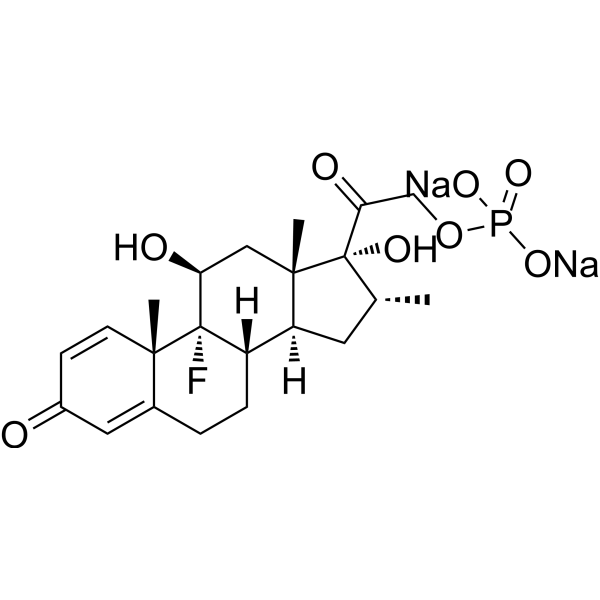
  • HY-B1829A
    Dexamethasone phosphate disodium
    10+ Cited Publications

    Dexamethasone 21-phosphate disodium

    Glucocorticoid Receptor TGF-β Receptor Interleukin Related Neurological Disease Inflammation/Immunology
    Dexamethasone phosphate (Dexamethasone 21-phosphate) disodium is a prodrug form of the glucocorticoid Dexamethasone (HY-14648). Dexamethasone phosphate disodium is produced by introducing a phosphate ester group at the 21-position of the Dexamethasone molecule, forming a salt with sodium ions, thereby significantly improving water solubility. Dexamethasone phosphate disodium inhibits LPS (HY-D1056)-induced degradation of IRAK-1 and IRAK-4, and blocks LPS-induced activation of TRAF6, p-TAK1 and p-JNK. Dexamethasone phosphate disodium inhibits the secretion of RANTES, TGF1 and NO, promotes the production of MIP-1α and IL-10, and blocks microglial migration. Dexamethasone phosphate disodium is almost completely converted to Dexamethasone in rat blood, and supports transdermal delivery via iontophoresis. Dexamethasone phosphate disodium can be used in research related to steroid-dependent ulcerative colitis, chemotherapy-induced vomiting, allergic asthma and acute colitis (inflammatory bowel disease) [1] .
    Dexamethasone phosphate disodium
  • HY-103490
    Takinib
    25+ Cited Publications

    EDHS-206

    MAP3K Apoptosis Infection Inflammation/Immunology Cancer
    Takinib (EDHS-206) is an orally active and selective TAK1 inhibitor (IC50=9.5 nM), more than 1.5 log more potent than the second and third ranked targets, IRAK4 (120 nM) and IRAK1 (390 nM), respectively. Takinib is an inhibitor of autophosphorylated TAK1 that non-competitively binds within the ATP binding pocket. Takinib induces apoptosis following TNFα stimulation in cell models of rheumatoid arthritis and metastatic breast cancer. Takinib is also a P. falciparum protein kinase 9 (PfPK9) inhibitor (KD(app) of 0.46 μM) [1] .
    Takinib
  • HY-12686
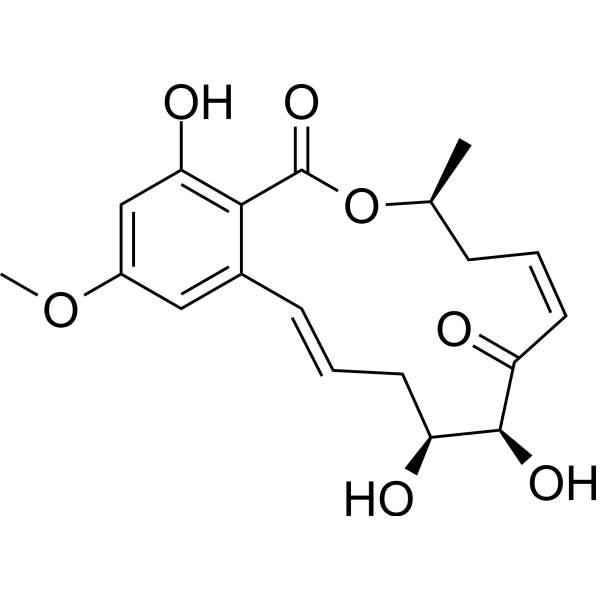
    5Z-7-Oxozeaenol
    Maximum Cited Publications
    29 Publications Verification

    FR148083; L783279; LL-Z 1640-2

    MAP3K VEGFR Antibiotic Infection Inflammation/Immunology
    5Z-7-Oxozeaenol is a natural anti-protozoan compound from fungal origin, acting as a potent irreversible and selective inhibitor of TAK1 and VEGF-R2, with IC50s of 8 nM and 52 nM, respectively.
    5Z-7-Oxozeaenol
  • HY-D0885
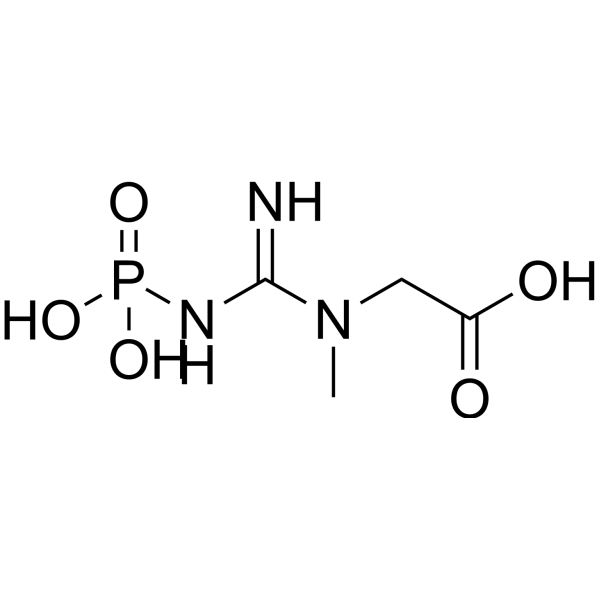
    Phosphocreatine
    3 Publications Verification

    Creatine phosphate; Creatinephosphoric acid

    Endogenous Metabolite MAP3K Akt Mitochondrial Metabolism ERK Apoptosis ROS Kinase Metabolic Disease
    Phosphocreatine (creatine phosphate) is an organic compound found in vertebrate skeletal muscles. Phosphocreatine enhances antioxidant activity, and activates the TAK1 pathway to protect the heart. Phosphocreatine normalizing mitochondrial function and reducing oxidative stress via Akt mediated Nrf2/HO-1 pathway. Phosphocreatine provides renal protection by suppressing Apoptosis and ROS (Reactive Oxygen Species) generation through ERK mediated mediated Nrf-2/HO-1 pathway. [1] .
    Phosphocreatine
  • HY-147141
    HS-276
    2 Publications Verification

    IRAK TNF Receptor Casein Kinase Interleukin Related Inflammation/Immunology
    HS-276 is an orally active, potent and highly selective TAK1 inhibitor, with a Ki of 2.5 nM. HS-276 shows significant inhibition of TAK1, CLK2, GCK, ULK2, MAP4K5, IRAK1, NUAK, CSNK1G2, CAMKKβ-1, and MLK1, with IC50 values of 8.25, 29, 33, 63, 125, 264, 270, 810, 1280, and 5585 nM, respectively. HS-276 reduces the expression of TNF, IL-6, and IL-1β. HS-276 can be used for rheumatoid arthritis (RA) research [1].
    HS-276
  • HY-D0885B
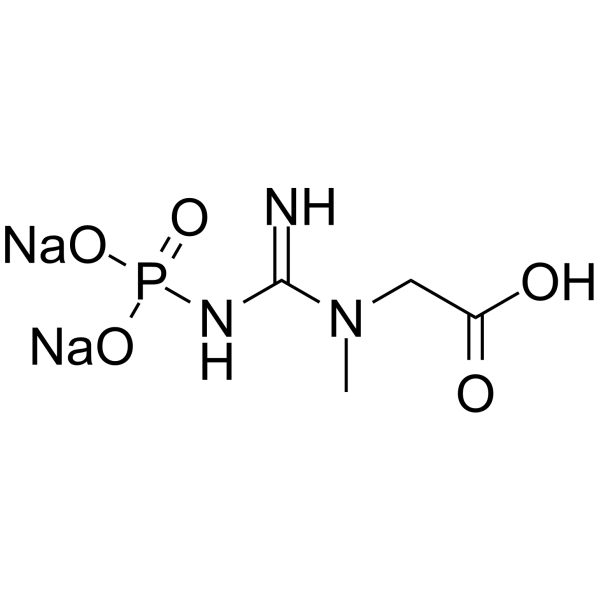
    Phosphocreatine disodium
    3 Publications Verification

    Disodium creatine phosphate

    Endogenous Metabolite MAP3K Akt Mitochondrial Metabolism ERK Apoptosis ROS Kinase Metabolic Disease
    Phosphocreatine (disodium) is an organic compound found in vertebrate skeletal muscles. Phosphocreatine (disodium) enhances antioxidant activity, and activates the TAK1 pathway to protect the heart. Phosphocreatine (disodium) normalizing mitochondrial function and reducing oxidative stress via Akt mediated Nrf2/HO-1 pathway. Phosphocreatine (disodium) provides renal protection by suppressing Apoptosis and ROS (Reactive Oxygen Species) generation through ERK mediated mediated Nrf-2/HO-1 pathway. [1] .
    Phosphocreatine disodium
  • HY-N0753

    Apoptosis Autophagy Reactive Oxygen Species (ROS) GSK-3 β-catenin MAP3K JNK NF-κB p38 MAPK Neurological Disease Inflammation/Immunology Cancer
    Eupalinolide B is a germ sesquiterpene. Eupalinolide B can be isolated from Eupatorium lindleyanum. Eupalinolide B induces Apoptosis, elevates ROS, promotes Autophagy. regulates GSK-3β/β-catenin, targets UBE2D3 and TAK1, activates ROS-ER-JNK, inhibits NF-κB and MAPKs. Eupalinolide B has anticancer activity against pancreatic cancer and liver cancer. Eupalinolide B relieves rheumatoid arthritis, acute lung injury, periodontitis, depression [1] .
    Eupalinolide B
  • HY-15434
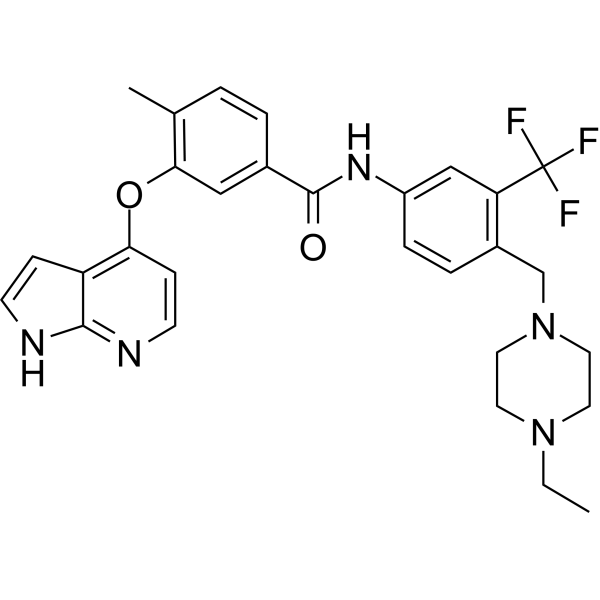
    NG25
    20+ Cited Publications

    MAP4K MAP3K Inflammation/Immunology Cancer
    NG25 is a potent dual TAK1 and MAP4K2 inhibitor, with IC50s of 149 nM and 21.7 nM, respectively.
    NG25
  • HY-10456
    TAK-715
    10+ Cited Publications

    p38 MAPK Casein Kinase Wnt Inflammation/Immunology
    TAK-715 is an orally active and potent p38 MAPK inhibitor with IC50s of 7.1 nM, 200 nM for p38α and p38β, respectively. TAK-715 inhibits casein kinase I (CK1δ/ε) to regulate activation of Wnt/β-catenin signaling. TAK-715 shows good significant efficacy in a rat arthritis model [1] .
    TAK-715
  • HY-145015

    HM43239

    FLT3 Apoptosis Cancer
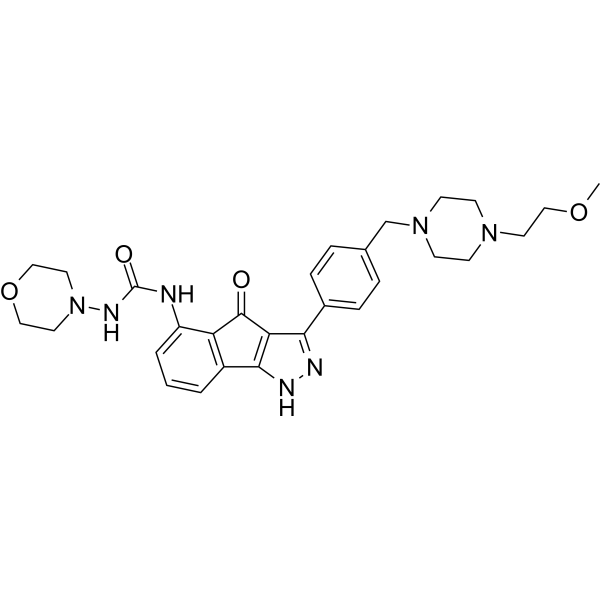
    Tuspetinib (HM43239) is an orally active and selective FLT3 inhibitor with IC50s of 1.1 nM, 1.8 nM and 1.0 nM for FLT3 WT, FLT3 internal tandem duplication (ITD) and FLT3 D835Y kinases, respectively. Tuspetinib inhibits the kinase activity of FLT3 as a reversible type I inhibitor and modulates p-STAT5, p-ERK, SYK, JAK1/2, and TAK1. Tuspetinib inhibits the proliferation and induces the apoptosis of leukemic cells [1] .
    Tuspetinib
  • HY-W011121
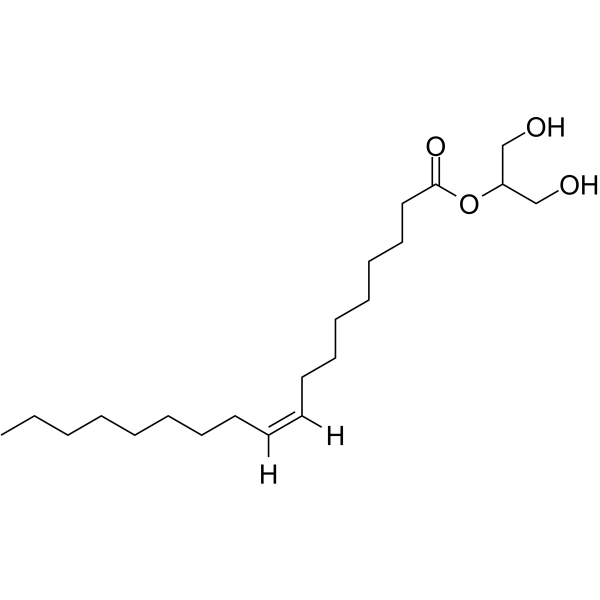
    2-Oleoylglycerol
    1 Publications Verification

    2-OG

    GPR119 NF-κB TGF-beta/Smad GLP Receptor Metabolic Disease
    2-Oleoylglycerol (2-OG) is a lipid found in the diet. It is a GPR119 agonist, with an EC50 value of 2.5 μM in activating hGPR119 in transiently transfected COS-7 cells. 2-Oleoylglycerol enhances the inflammatory response of macrophages and promotes fibrosis by activating the GPR119/TAK1/NF-κB/TGF-β1 signaling pathway. It also stimulates glucagon-like peptide 1 (GLP-1) secretion in vivo. 2-Oleoylglycerol is expected to be used in the research of non-alcoholic steatohepatitis (NASH) [1] .
    2-Oleoylglycerol
  • HY-15504A
    RGB-286638 free base
    3 Publications Verification

    CDK GSK-3 MEK JAK Cancer
    RGB-286638 is a CDK inhibitor that inhibits the kinase activity of cyclin T1-CDK9, cyclin B1-CDK1, cyclin E-CDK2, cyclin D1-CDK4, cyclin E-CDK3, and p35-CDK5 with IC50s of 1, 2, 3, 4, 5 and 5 nM, respectively; also inhibits GSK-3β, TAK1, Jak2 and MEK1, with IC50s of 3, 5, 50, and 54 nM.
    RGB-286638 free base
  • HY-15504
    RGB-286638
    3 Publications Verification

    CDK GSK-3 MEK JAK Cancer
    RGB-286638 is a CDK inhibitor that inhibits the kinase activity of cyclin T1-CDK9, cyclin B1-CDK1, cyclin E-CDK2, cyclin D1-CDK4, cyclin E-CDK3, and p35-CDK5 with IC50s of 1, 2, 3, 4, 5 and 5 nM, respectively; also inhibits GSK-3β, TAK1, Jak2 and MEK1, with IC50s of 3, 5, 50, and 54 nM.
    RGB-286638
  • HY-136848

    MAP3K Src FGFR Ribosomal S6 Kinase (RSK) LIM Kinase (LIMK) Cancer
    SM1-71 (compound 5) is a potent TAK1 inhibitor, with a Ki of 160 nM, it also can covalently inhibit MKNK2, MAP2K1/2/3/4/6/7, GAK, AAK1, BMP2K, MAP3K7, MAPKAPK5, GSK3A/B, MAPK1/3, SRC, YES1, FGFR1, ZAK (MLTK), MAP3K1, LIMK1 and RSK2. SM1-71 can inhibit proliferation of multiple cancer cell lines [1] .
    SM1-71
  • HY-122642

    MAP3K Inflammation/Immunology
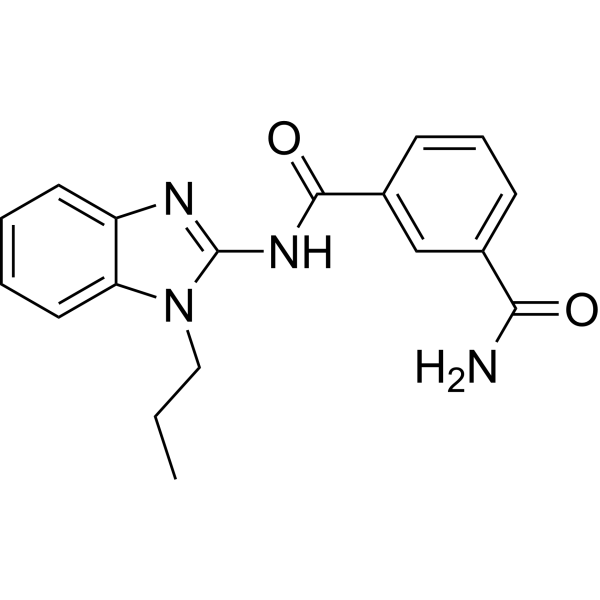
    TAK1-IN-4 (Compound 14) is a TAK1 inhibitor [1].
    TAK1-IN-4
  • HY-N2435
    [8]-Shogaol
    4 Publications Verification

    COX Apoptosis Cancer
    [8]-Shogaol, a kind of stimulating compound in ginger, has antiplatelet (IC50=5 μM), anti-cancer and anti-inflammatory activity. [8]-Shogaol inhibited COX-2 (IC50=17.5 μM), which led to the decline of human leukemia cells. 8-Shogaol Selective direction TAK1 sum TAK1-TAB1 (IC50=5 μM), suppress IKK, Akt sum MAPK signal pathway, and reverse synovitis synovial sum Air dampness (RA).
    [8]-Shogaol
  • HY-N0894
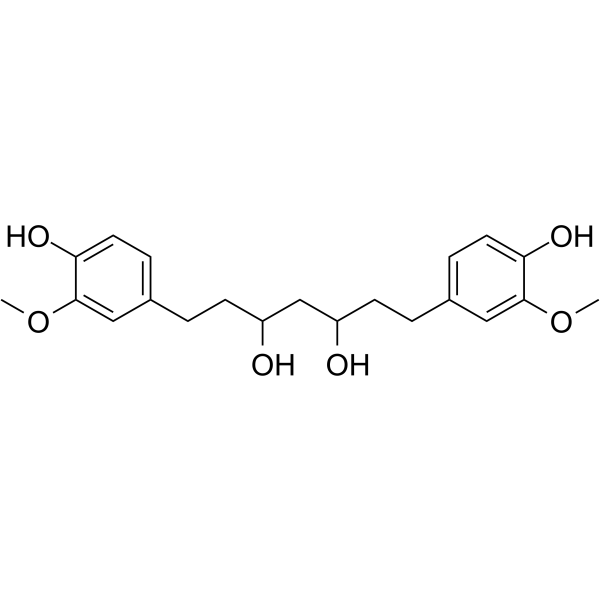
    Octahydrocurcumin
    1 Publications Verification

    Hexahydrobisdemethoxycurcumin

    Apoptosis MAP4K NF-κB COX Inflammation/Immunology Cancer
    Octahydrocurcumin (Hexahydrobisdemethoxycurcumin) is an orally active anticancer and anti-inflammatory agent, and is the final hydrogenated metabolite of Curcumin (HY-N0005) in vivo. Octahydrocurcumin exerts its anti-tumor and anti-inflammatory effects by inducing the mitochondrial apoptosis pathway and inhibiting the TAK1-NF-κB-COX-2 pathway, respectively [1] .
    Octahydrocurcumin
  • HY-114454
    INH14
    5 Publications Verification

    IKK Inflammation/Immunology Cancer
    INH14 is a cell permeable inhibitor of IKKα/IKKβ, with IC50s of 8.97 and 3.59 μM, respectively. INH14 inhibits the IKKα/β-dependent TLR inflammatory response. INH14 also inhibits downstream of TAK1/TAB1 and NF-kB pathways. Anti-inflammatory and anti-cancer activity [1].
    INH14
  • HY-115630

    RIP kinase Caspase Apoptosis Cancer
    cRIPGBM chloride, an orally active, proapoptotic derivative. cRIPGBM can be generated from glioblastoma multiforme (GBM) cancer stem cells (CSCs). cRIPGBM(chloride) targets to receptor-interacting protein kinase 2 (RIPK2) to induce caspase 1-dependent apoptosis. cRIPGBM(chloride) suppresses the formation of RIPK2/TAK1 (prosurvival complex), and increases the formation of RIPK2/caspase 1 (proapoptotic complex). cRIPGBM(chloride) exerts potent anti-tumor activity in vivo in animal models [1].
    cRIPGBM chloride
  • HY-132172

    MAP3K Cancer
    TAK1-IN-2 is a potent and selective TAK1 inhibitor, with an IC50> of 2 nM [1].
    TAK1-IN-2
  • HY-77251
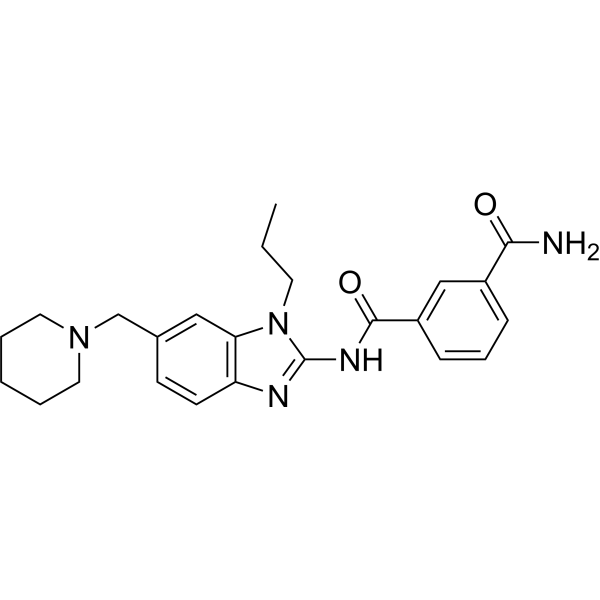
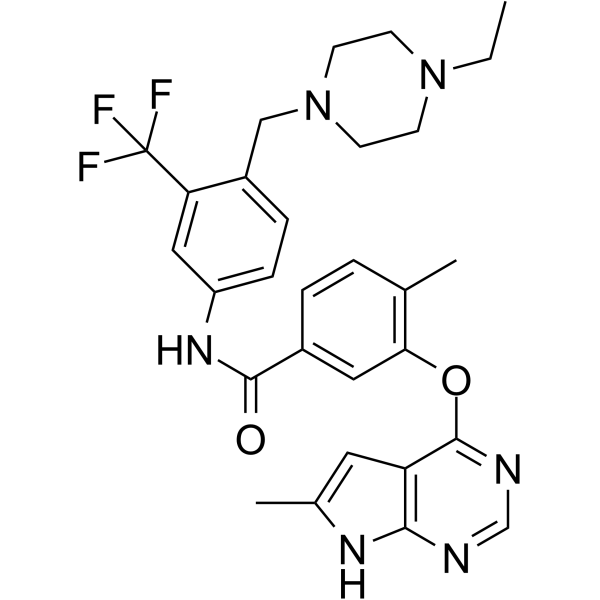
    TAK1/MAP4K2 inhibitor 1
    1 Publications Verification

    MAP4K MAP3K Cancer
    TAK1/MAP4K2 inhibitor 1 is a potent dual TGFβ-activated kinase 1 (TAK1) and mitogen-activated protein kinase kinase kinase kinase 2 (MAP4K2) inhibitor, with IC50s of 41.1 nM and 18.2 nM, respectively.
    TAK1/MAP4K2 inhibitor 1
  • HY-115743

    MAP3K Cancer
    TAK1-IN-3 is a potent ATP-competitive TAK1 inhibitor.
    TAK1-IN-3
  • HY-W013636C
    2-Ketoglutaric acid potassium
    5+ Cited Publications

    Alpha-Ketoglutaric acid potassium

    Tyrosinase Endogenous Metabolite TNF Receptor Neurological Disease Metabolic Disease
    2-Ketoglutaric acid (Alpha-Ketoglutaric acid) (potassium) is an intermediate in the production of ATP or GTP in the Krebs cycle. 2-Ketoglutaric acid potassium is a reversible and orally active inhibitor of tyrosinase with an IC50 value of 15 mM. 2-Ketoglutaric acid potassium also acts as the major carbon skeleton for nitrogen-assimilatory reactions. 2-Ketoglutaric acid potassium significantly suppresses abnormal intestinal permeability, delocalization of tight junction proteins from the intestinal cells, expression of TNFα in vitro and in vivo. 2-Ketoglutaric acid potassium directly binds to TAK1, and inhibits the TRAF6-TAK1 interaction. 2-Ketoglutaric acid potassium also alleviates inflammatory bowel disease (IBD) symptoms and gut microbiota dysbiosis, evident by the improvements in the intestine length [1] .
    2-Ketoglutaric acid potassium
  • HY-D0885D
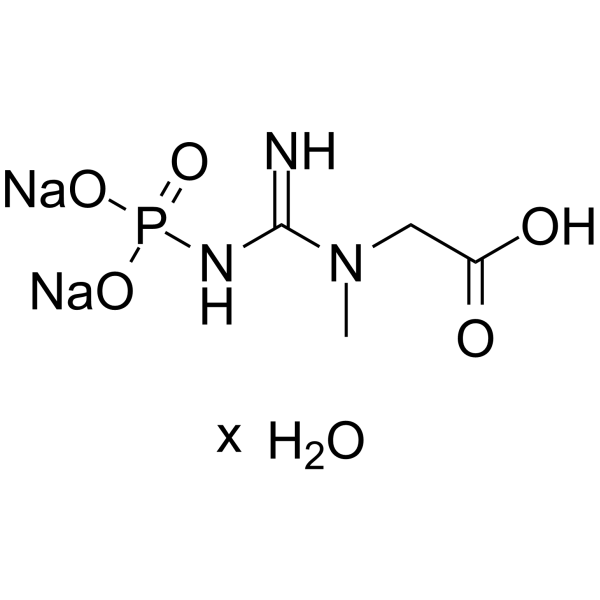
    Phosphocreatine disodium hydrate
    3 Publications Verification

    Endogenous Metabolite MAP3K Akt Mitochondrial Metabolism ERK Apoptosis ROS Kinase Metabolic Disease
    Phosphocreatine (disodium hydrate) is an organic compound found in vertebrate skeletal muscles. Phosphocreatine (disodium hydrate) enhances antioxidant activity, and activates the TAK1 pathway to protect the heart. Phosphocreatine (disodium hydrate) normalizing mitochondrial function and reducing oxidative stress via Akt mediated Nrf2/HO-1 pathway. Phosphocreatine (disodium hydrate) Phosphocreatine (disodium hydrate) provides renal protection by suppressing Apoptosis and ROS (Reactive Oxygen Species) generation through ERK mediated mediated Nrf-2/HO-1 pathway. [1] .
    Phosphocreatine disodium hydrate
  • HY-150612

    p38 MAPK Cancer
    (R)-STU104 is a potent and orally active TAK1-MKK3 interaction inhibitor with IC50s of 0.58 μM and 4.0 μM for TNF-α and MKK3 phosphorylation. (R)-STU104 suppresses the TAK1/MKK3/p38/MnK1/MK2/elF4E signal pathways through binding with MKK3 and disrupting the TAK1 phosphorylating MKK3. (R)-STU104 can be used for researching ulcerative colitis [1].
    (R)-STU104
  • HY-169949

    MAP3K NF-κB MMP Leukotriene Receptor Inflammation/Immunology
    TAK-756 is a selective transforming growth factor β-activated kinase 1 (TAK1) inhibitor with a target pIC50 of 8.6. TAK-756 can inhibit TAK1 autophosphorylation and downstream NF-κB phosphorylation, suppress the production of inflammatory and catabolic factors such as MMP-3 and IL-6. TAK-756 exhibits anti-inflammatory effects in a rat joint inflammation model. TAK-756 can be used for the research of inflammatory joint disease, osteoarthritis [1].
    TAK-756
  • HY-N1904

    8-Methoxyapigenin

    IKK NF-κB p38 MAPK PI3K Akt Reactive Oxygen Species (ROS) Interleukin Related TNF Receptor Apoptosis Caspase Bcl-2 Family Cardiovascular Disease Inflammation/Immunology Cancer
    4′-Hydroxywogonin (8-Methoxyapigenin), a flavonoid, could be isolated from a variety of plants including Scutellaria barbata and Verbena littoralis. 4′-Hydroxywogonin has anti-inflammatory activity via TAK1/IKK/NF-κB, MAPKs and PI3/AKT signaling pathways. 4′-Hydroxywogonin inhibits angiogenesis by disrupting PI3K/AKT signaling. 4′-Hydroxywogonin inhibits cell proliferation and induces apoptosis [1] .
    4′-Hydroxywogonin
  • HY-16129

    Calmodulin Checkpoint Kinase (Chk) MAPKAPK2 (MK2) MAP3K Cancer
    CBP-501, a cell-permeable calmodulin-binding peptide and a G2-abrogating drug candidate, inhibits the activity of multiple Ser 216-specific kinases, such as MAPKAP-K2, C-Tak1, CHK1 and CHK2, with IC50 values of 0.9 μM, 1.4 μM 3.4 μM and 6.5 μM, respectively. CBP-501 is used for various types of cancer [1] .
    CBP-501
  • HY-120823

    MAP3K p38 MAPK Inflammation/Immunology
    PF-05381941 is a potent dual inhibitor of TAK1/p38α, with IC50s of 156 and186 nM, respectively [1].
    PF-05381941
  • HY-134911

    IRAK CDK Inflammation/Immunology Cancer
    HS-243 is a potent and selective IRAK-4 and IRAK-1 inhibitor, with IC50 values of 20 and 24 nM. HS-243 shows minimal TAK1 (transforming growth factor β-activated kinase 1) inhibition activity, with a IC50 of 0.5 μM. HS-243 shows anti-inflammatory and anticancer activity [1].
    HS-243
  • HY-151363

    IRAK Inflammation/Immunology
    IRAK4-IN-21 (compound 17) is an orally active, potent and selective IRAK4 inhibitor with IC50 values of 5 and 56 nM for IRAK4 and TAK1, respectively. IRAK4-IN-21 effectively inhibits IL-23 production (IC50=0.17 μM) and can be used in studies of autoimmune diseases such as plaque psoriasis and psoriatic arthritis [1].
    IRAK4-IN-21
  • HY-151365

    IRAK Inflammation/Immunology
    IRAK4-IN-22 (compound 18) is an orally active, potent and selective IRAK4 inhibitor with IC50 values of 3 and 17 nM for IRAK4 and TAK1, respectively. IRAK4-IN-21 effectively inhibits IL-23 production (IC50=0.10 µM) and can be used in studies of autoimmune diseases such as plaque psoriasis and psoriatic arthritis [1].
    IRAK4-IN-22
  • HY-D0885C

    Creatine phosphate dipotassium; Creatinephosphoric acid dipotassium

    Endogenous Metabolite MAP3K Akt Mitochondrial Metabolism ERK Apoptosis ROS Kinase Metabolic Disease
    Phosphocreatine (creatine phosphate) is an organic compound found in vertebrate skeletal muscles. Phosphocreatine enhances antioxidant activity, and activates the TAK1 pathway to protect the heart. Phosphocreatine normalizing mitochondrial function and reducing oxidative stress via Akt mediated Nrf2/HO-1 pathway. Phosphocreatine provides renal protection by suppressing Apoptosis and ROS (Reactive Oxygen Species) generation through ERK mediated mediated Nrf-2/HO-1 pathway. [1] .
    Phosphocreatine dipotassium
  • HY-153320

    MAP3K Cancer
    AZ-TAK1, an ATP-competitive small molecule inhibitor of TAK1, dephosphorylates TAK1, p38, and IκB-α in lymphoma cell lines [1].
    AZ-TAK1
  • HY-P5522A
    TriDAP dihydrochloride
    1 Publications Verification

    L-Ala-γ-D-Glu-meso-diaminopimelic acid dihydrochloride

    NOD-like Receptor (NLR) NF-κB MAP3K MEK ERK p38 MAPK Interleukin Related SARS-CoV Infection Inflammation/Immunology
    TriDAP dihydrochloride (L-Ala-γ-D-Glu-meso-diaminopimelic acid dihydrochloride) is a NOD1 agonist with a Kd value of 34.5 μM. TriDAP dihydrochloride enhances the binding of NOD1-RICK, promotes RICK phosphorylation, and activates the NF-κB, TAK1, MEK/ERK, p38 and interferon response pathways. TriDAP dihydrochloride downregulates Runx2 via increasing ubiquitination and reduces trabecular bone parameters. TriDAP dihydrochloride decreases IκBα levels and increases p65 levels. TriDAP dihydrochloride induces the secretion of proinflammatory mediators IL-8 and prostaglandins, triggers tissue inflammation and innate immune activation, and inhibits SARS-CoV-2 replication in lung epithelial cells. TriDAP dihydrochloride increases the RANKL/OPG ratio in mice, reduces bone mass and enhances osteoclast activity, and inhibits new bone formation by decreasing the mineralization deposition rate in mice. TriDAP dihydrochloride can be used in research related to pulpitis, chronic ulcerative colitis, Crohn's disease and SARS-CoV-2 infection [1] .
    TriDAP dihydrochloride
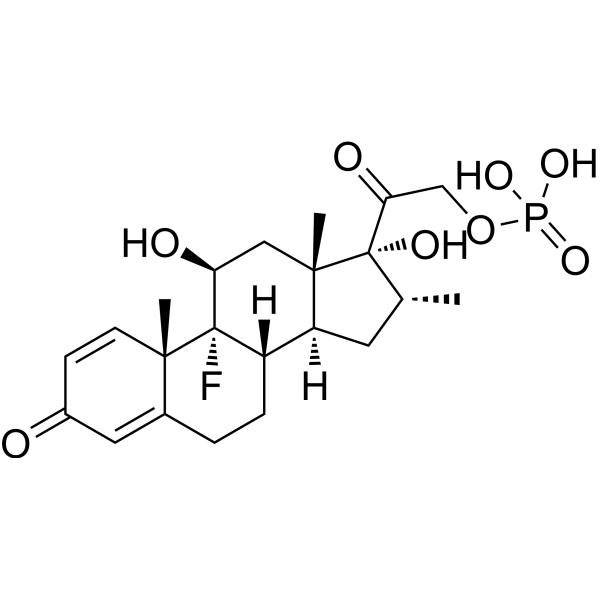
  • HY-B1829
    Dexamethasone phosphate
    10+ Cited Publications

    Dexamethasone 21-phosphate

    Glucocorticoid Receptor TGF-β Receptor Interleukin Related Neurological Disease Inflammation/Immunology
    Dexamethasone phosphate (Dexamethasone 21-phosphate) is a prodrug form of the glucocorticoid Dexamethasone (HY-14648). Dexamethasone phosphate is prepared by introducing a phosphate ester group to the hydroxyl group at position 21 of the Dexamethasone molecule. Dexamethasone phosphate inhibits LPS (HY-D1056)-induced degradation of IRAK-1 and IRAK-4, and blocks LPS-induced activation of TRAF6, p-TAK1 and p-JNK. Dexamethasone phosphate inhibits the secretion of RANTES, TGF-β1 and NO, promotes the production of MIP-1α and IL-10, and blocks microglial migration. Dexamethasone phosphate is almost completely converted to Dexamethasone in rat blood, and supports transdermal delivery via iontophoresis. Dexamethasone phosphate can be used in research related to steroid-dependent ulcerative colitis, chemotherapy-induced vomiting, allergic asthma and acute colitis (inflammatory bowel disease) [1] .
    Dexamethasone phosphate
  • HY-150612S

    Isotope-Labeled Compounds p38 MAPK Cancer
    (R)-STU104-d6 is a deuterium labeled (R)-STU104 (HY-150612). (R)-STU104 is a potent and orally active TAK1-MKK3 interaction inhibitor with IC50s of 0.58 μM and 4.0 μM for TNF-α and MKK3 phosphorylation. (R)-STU104 suppresses the TAK1/MKK3/p38/MnK1/MK2/elF4E signal pathways through binding with MKK3 and disrupting the TAK1 phosphorylating MKK3. (R)-STU104 can be used for researching ulcerative colitis [1].
    (R)-STU104-d6
  • HY-157871

    MAP3K Cancer
    TAK1-IN-5 (Compound 26) is an inhibitor of the transforming growth factor-β activated kinase (TAK1) with an IC50 value of 55 nM. TAK1-IN-5 can inhibit the growth of MPC-11 and H929 cells with a GI50 lower than 30 nM. TAK1-IN-5 can be used in the study of multiple myeloma [1].
    TAK1-IN-5
  • HY-N0894R

    Hexahydrobisdemethoxycurcumin (Standard)

    Reference Standards Apoptosis COX NF-κB MAP4K Inflammation/Immunology Cancer
    Octahydrocurcumin (Hexahydrobisdemethoxycurcumin) is a hydrogenated derivative of curcumin and a metabolite of curcumin. Octahydrocurcumin is an orally active anticancer and anti-inflammatory agent, and is the final hydrogenated metabolite of Curcumin (HY-N0005) in vivo. Octahydrocurcumin exerts its anti-tumor and anti-inflammatory effects by inducing the mitochondrial apoptosis pathway and inhibiting the TAK1-NF-κB-COX-2 pathway, respectively [1] .
    Octahydrocurcumin (Standard)
  • HY-P5522

    L-Ala-γ-D-Glu-meso-diaminopimelic acid

    NOD-like Receptor (NLR) NF-κB MAP3K MEK ERK p38 MAPK Interleukin Related SARS-CoV Infection Inflammation/Immunology
    TriDAP (L-Ala-γ-D-Glu-meso-diaminopimelic acid) is a NOD1 agonist with a Kd value of 34.5 μM. TriDAP enhances the binding of NOD1-RICK, promotes RICK phosphorylation, and activates the NF-κB, TAK1, MEK/ERK, p38 and interferon response pathways. TriDAP downregulates Runx2 via increasing ubiquitination and reduces trabecular bone parameters. TriDAP decreases IκBα levels and increases p65 levels. TriDAP induces the secretion of proinflammatory mediators IL-8 and prostaglandins, triggers tissue inflammation and innate immune activation, and inhibits SARS-CoV-2 replication in lung epithelial cells. TriDAP increases the RANKL/OPG ratio in mice, reduces bone mass and enhances osteoclast activity, and inhibits new bone formation by decreasing the mineralization deposition rate in mice. TriDAP can be used in research related to pulpitis, chronic ulcerative colitis, Crohn's disease and SARS-CoV-2 infection [1] .
    TriDAP
  • HY-RS09537

    Small Interfering RNA (siRNA) Others

    NR2C2 Human Pre-designed siRNA Set A contains three designed siRNAs for NR2C2 gene (Human), as well as a negative control, a positive control, and a FAM-labeled negative control.

    NR2C2 Human Pre-designed siRNA Set A
    NR2C2 Human Pre-designed siRNA Set A
  • HY-W995241

    COX NF-κB Inflammation/Immunology
    BPD is a COX-2 and TAK1-NF-κB inhibitor, with an IC50 of 18.5 μM for COX-2. BPD inhibits the expression of iNOS, TNF-α, IL-6 and IL-1β at the transcriptional level. BPD has anti-inflammatory activity. BPD can inhibit Carrageenan-induced paw oedema and LPS-induced septic death [1].
    BPD
  • HY-P2161

    Kisspeptin Receptor Cancer
    TAK-683 is a potent full KISS1 receptor (KISS1R) agonist (IC50=170 pM) with improved metabolic stability. TAK-683 is a nonapeptide metastin analog, exhibits agonistic activities to KISS1R with EC50 values of 0.96 nM and 1.6 nM for human and rat, respectively [1]. TAK-683 depletes GnRH in the hypothalamus and reduces plasma FSH, LH, and testosterone levels in vivo, it has the potential for the study of hormone-dependent prostate cancer [1] .
    TAK-683
  • HY-16129A

    Calmodulin MAP3K MAPKAPK2 (MK2) Checkpoint Kinase (Chk) Cancer
    CBP-501 acetate, a cell-permeable calmodulin-binding peptide and a G2-abrogating drug candidate, inhibits the activity of multiple Ser 216-specific kinases, such as MAPKAP-K2, C-Tak1, CHK1 and CHK2, with IC50 values of 0.9 μM, 1.4 μM 3.4 μM and 6.5 μM, respectively. CBP-501 acetate is used for various types of cancer [1] .
    CBP-501 acetate
  • HY-145015A

    HM43239 hydrate

    FLT3 Apoptosis Cancer
    Tuspetinib (HM43239) hydrate is an orally active and selective FLT3 inhibitor with IC50s of 1.1 nM, 1.8 nM and 1.0 nM for FLT3 WT, FLT3 internal tandem duplication (ITD) and FLT3 D835Y kinases, respectively. Tuspetinib hydrate inhibits the kinase activity of FLT3 as a reversible type I inhibitor and modulates p-STAT5, p-ERK, SYK, JAK1/2, and TAK1. Tuspetinib hydrate inhibits the proliferation and induces the apoptosis of leukemic cells [1] .
    Tuspetinib hydrate
  • HY-145015B

    HM43239 dihydrochloride

    FLT3 Apoptosis Cancer
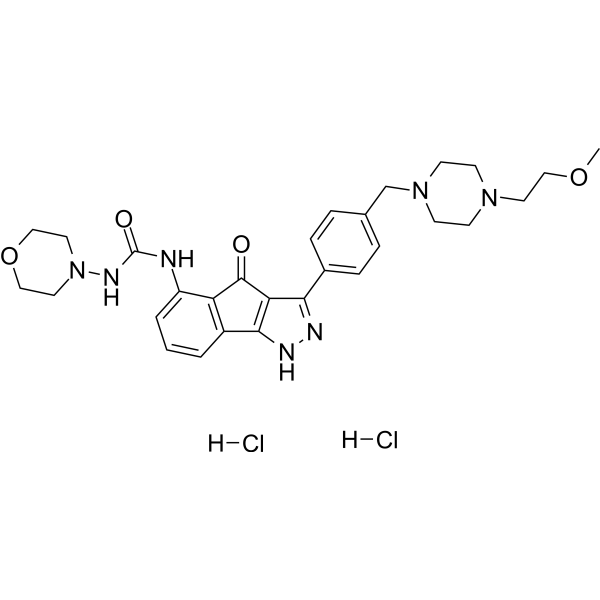
    Tuspetinib (HM43239) dihydrochloride is an orally active and selective FLT3 inhibitor with IC50s of 1.1 nM, 1.8 nM and 1.0 nM for FLT3 WT, FLT3 internal tandem duplication (ITD) and FLT3 D835Y kinases, respectively. Tuspetinib dihydrochloride inhibits the kinase activity of FLT3 as a reversible type I inhibitor and modulates p-STAT5, p-ERK, SYK, JAK1/2, and TAK1. Tuspetinib dihydrochloride inhibits the proliferation and induces the apoptosis of leukemic cells [1] .
    Tuspetinib dihydrochloride
  • HY-15434R

    MAP4K MAP3K Inflammation/Immunology Cancer
    NG25 (Standard) is the analytical standard of NG25. This product is intended for research and analytical applications. NG25 is a potent dual TAK1 and MAP4K2 inhibitor, with IC50s of 149 nM and 21.7 nM, respectively.
    NG25 (Standard)
  • HY-N2435R

    Reference Standards COX Apoptosis Cancer
    -Shogaol (Standard) is the analytical standard of -Shogaol. This product is intended for research and analytical applications. -Shogaol, a kind of stimulating compound in ginger, has antiplatelet (IC50=5 μM), anti-cancer and anti-inflammatory activity. -Shogaol inhibited COX-2 (IC50=17.5 μM), which led to the decline of human leukemia cells. 8-Shogaol Selective direction TAK1 sum TAK1-TAB1 (IC50=5 μM), suppress IKK, Akt sum MAPK signal pathway, and reverse synovitis synovial sum Air dampness (RA) [1] .
    [8]-Shogaol (Standard)
  • HY-N15315

    Apoptosis MAP3K NF-κB Others
    Triptriolide inhibits Puromycin aminonucleoside PAN (HY-15695)-induced apoptosis in mouse podocytes through regulation of Bcl-2 family proteins and inhibition of Caspase-3. Triptriolide promotes the cell survival, protects and restores the podocyte function through activation of TAK1-NF-κB signaling pathway and upregulation of podocin [1].
    Triptriolide
  • HY-15434A

    MAP3K MAP4K Cancer
    NG25 trihydrochloride is a dual TAK1 and MAP4K2 inhibitor (IC50: 149 nM and 21.7 nM respectively). NG25 sensitizes the breast cancer cells to Doxorubicin (HY-15142A), and enhances apoptosis. NG25 trihydrochloride can be used for research of various cancers [1] .
    NG25 trihydrochloride

Inquiry Online

Your information is safe with us. * Required Fields.

Salutation


Country or Region *

Applicant Name *


Organization Name *

Department *


Email Address *


Product Name *

Cat. No.


Requested quantity *

Phone Number *


Remarks

Inquiry Online

Inquiry Information

Product Name:
Cat. No.:
Quantity:
MCE Japan Authorized Agent: