




Search Result
Results for "
Th1
" in MedChemExpress (MCE) Product Catalog:
3
Biochemical Assay Reagents
4
Isotope-Labeled Compounds
| Cat. No. |
Product Name |
Target |
Research Areas |
Chemical Structure |
-
- HY-117287
-
|
BMS-986165
|
JAK
STAT
Interleukin Related
IFNAR
|
Inflammation/Immunology
|
|
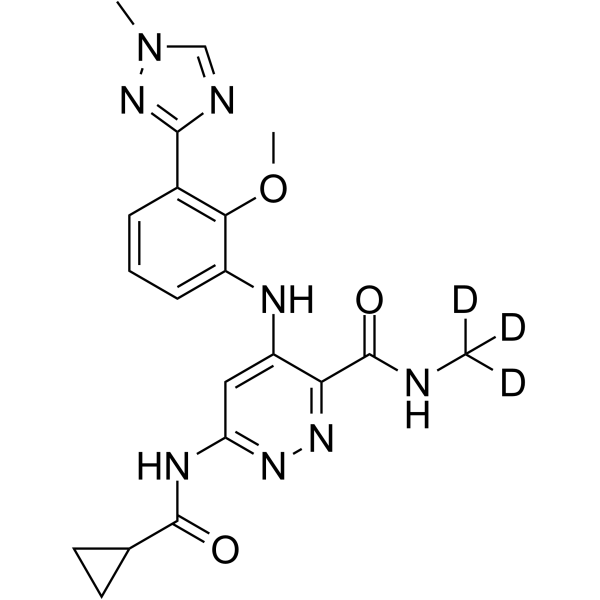
Deucravacitinib (BMS-986165) is an orally active allosteric inhibitor of tyrosine kinase 2 (TYK2), with an IC50 of 0.2 nM and a Ki of 0.02 nM against the JH2 domain of TYK2, and it exhibits selectivity over other JAK subtypes and most of the kinome. Deucravacitinib blocks IL-23, IL-12, p-STAT1/3 and Type I IFN signaling, and inhibits Th17/Th1-mediated psoriasis inflammation . Deucravacitinib can be used in research related to moderate-to-severe plaque psoriasis, inflammatory bowel disease and systemic lupus erythematosus [1] .
|
-
-
- HY-15648B
-
GSK-J4
Maximum Cited Publications
55 Publications Verification
|
Histone Demethylase
Apoptosis
|
Cancer
|
|
GSK-J4 is a potent dual inhibitor of H3K27me3/me2-demethylases JMJD3/KDM6B and UTX/KDM6A with IC50s of 8.6 and 6.6 μM, respectively. GSK-J4 inhibits LPS-induced TNF-α production in human primary macrophages with an IC50 of 9 μM. GSK J4 is a cell permeable proagent of GSK-J1 [1] . GSK-J4 induces endoplasmic reticulum stress-related apoptosis .
|
-
-
- HY-100754
-
|
PF-06651600
|
JAK
Interleukin Related
STAT
|
Inflammation/Immunology
|
|
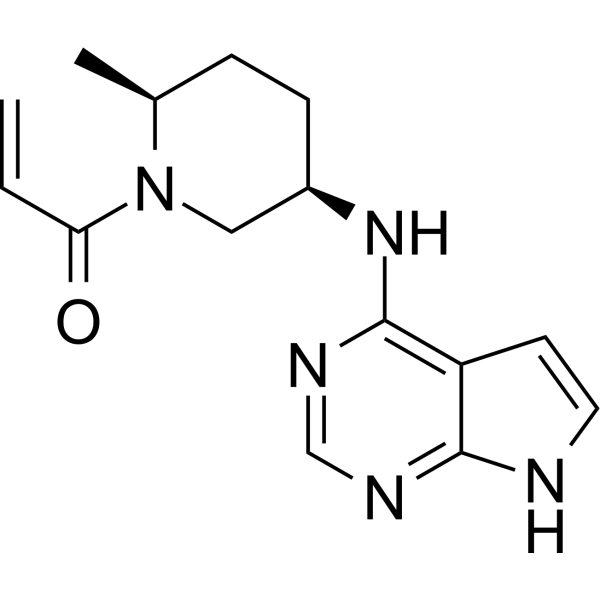
Ritlecitinib (PF-06651600) is a highly selective, orally active, irreversible covalent JAK3 inhibitor (IC50=33 nM) without inhibitory activity towards JAK1, JAK2, and TYK2 (IC50 >10 μ M). Ritlecitinib rapidly inactivates the JAK3 kinase, and blocks signaling and downstream STAT phosphorylation mediated by common gamma chain cytokines such as IL-2 and IL-15. Ritlecitinib can inhibit Th1/Th17 cell differentiation and function, and effectively suppress preclinical animal models such as alopecia areata, adjuvant-induced arthritis (AIA), and experimental autoimmune encephalomyelitis (EAE) [1] .
|
-
-
- HY-P1240
-
|
Myelin Oligodendrocyte Glycoprotein Peptide (35-55), mouse, rat
|
Endogenous Metabolite
|
Neurological Disease
Inflammation/Immunology
|
|
MOG (35-55) mouse, rat (Myelin Oligodendrocyte Glycoprotein Peptide (35-55), mouse, rat) is a minor component of CNS myelin. MOG (35-55) mouse, rat has encephalitogenic activity and induces T cell proliferative. MOG (35-55) mouse, rat induces Th1 cytokine response as well as relatively high levels of IgG antibodies. MOG (35-55) mouse, rat produces a relapsing-remitting neurological disease with extensive plaque-like demyelination. MOG (35-55) mouse, rat (MOG (35-55)) can be used for experimental autoimmune encephalomyelitis (EAE) modeling [1] .
|
-
-
- HY-153808
-
|
|
Toll-like Receptor (TLR)
|
Inflammation/Immunology
|
|
Complete Freund's adjuvant (CFA) is an immunoadjuvant emulsified with antigen by its discoverer Jules T. Freund to enhance an animal's immune response to an antigen. Complete Freund's adjuvant (CFA) is also an inducer of the Th1 immune response and a ligand of TLRs. Complete Freund's adjuvant (CFA) contains heat-killed inactive tuberculosis bacilli and consists of a paraffin oil-in-water emulsion. Complete Freund's adjuvant (CFA) stimulates a strong and durable immune response and can be used to induce persistent inflammatory pain models in mice, experimental autoimmune myocarditis (EAM) models, and more. Incomplete Freund's adjuvant (IFA) (HY-153808A) is another type of Freund's Adjuvant that stimulates a weaker immune response [1] .
|
-
-
- HY-146244
-
|
ODN 2006; PF-3512676; CpG 7909; ODN 7909
|
Toll-like Receptor (TLR)
Bacterial
NO Synthase
Apoptosis
|
Infection
Cancer
|
|
Agatolimod ((ODN 2006; PF-3512676; CpG 7909)) is a TLR9 agonist and immunomodulator with an EC50 of 180 nM against human TLR9. Agatolimod activates and upregulates the expression of both TLR9 and TLR6, and mediates downstream signaling pathways via IRAK4, IRF5, IRF7. Agatolimod induces Th1-type innate and adaptive immune responses, activates various immune cells and promotes antigen presentation, regulates antibody levels and immune cell infiltration, upregulates the secretion of multiple cytokines, induces apoptosis and cell cycle arrest, enhances cytotoxicity, and clears intracellular Salmonella. Agatolimod is applicable to research on COVID-19, breast cancer, lung adenocarcinoma, HPV-related tumors, melanoma, and salmonellosis [1] .
|
-
-
- HY-101092
-
QS-21-Api
Maximum Cited Publications
7 Publications Verification
Stimulon
|
NOD-like Receptor (NLR)
|
Inflammation/Immunology
Cancer
|
|
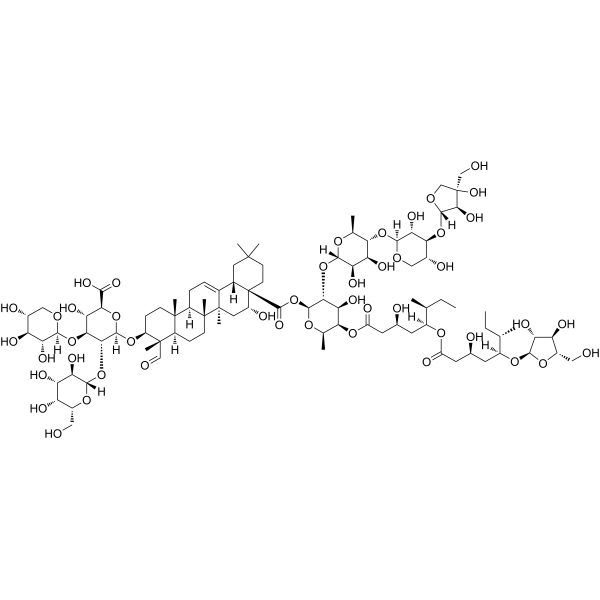
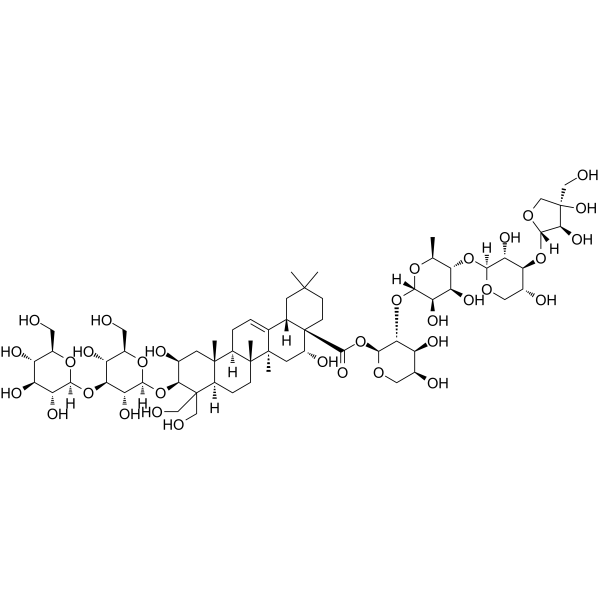
QS-21-Api, an immunostimulatory saponin, could be used as a potent vaccine adjuvant. QS-21-Api stimulates Th2 humoral and Th1 cell-mediated immune responses through action on antigen presenting cells (APCs) and T cells. QS-21-Api can activate the NLRP3 inflammasome with subsequent release of caspase-1 dependent cytokines, IL-1β and IL-18 [1] .
|
-
-
- HY-126360
-
|
|
TNF Receptor
Interleukin Related
|
Inflammation/Immunology
|
|
Oxazolone is a haptenizing agent that induces acute or chronic inflammation of the large intestine and is used to construct models of colitis. Oxazolone can cause Th1/Th2-dependent colitis with weight loss and diarrhea. Oxazolone-induced inflammation can be mitigated by neutralizing anti-IL-4 or anti-TNF-α antibodies or decoy IL-13R2-α-FC proteins [1].
|
-
-
- HY-150724
-
|
1018 ISS
|
Toll-like Receptor (TLR)
|
Inflammation/Immunology
|
|
ODN 1018 (1018 ISS) is a TLR9 agonist and immune modulator. ODN 1018 exhibits adjuvant activity and augments CD8+ T cell responses with LNP-encapsulated OVA peptides. ODN 1018 triggers sustained suppression of allergic airway inflammation. ODN 1018 can be used for the research of allergic asthma and systemic lupus erythematosus [1] .
|
-
-
- HY-N2279
-
|
|
Eukaryotic Initiation Factor (eIF)
|
Inflammation/Immunology
Cancer
|
|
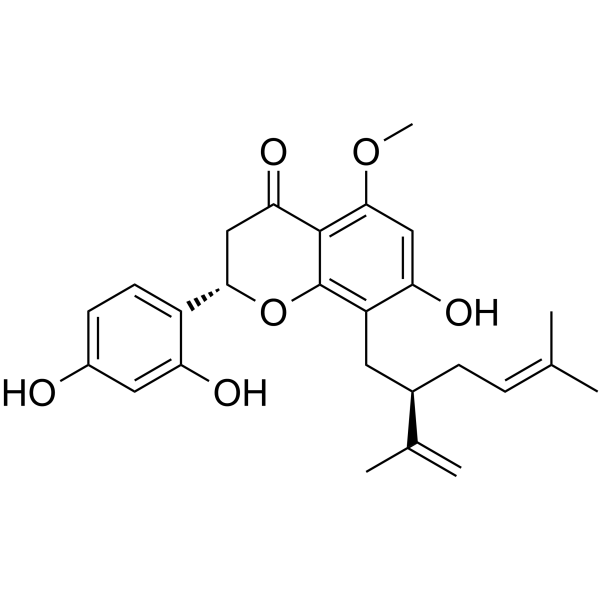
Kurarinone is an orally active flavonoid isolated from matrine that inhibits the pathogenesis of experimental autoimmune encephalomyelitis by inhibiting cell differentiation of Th1 and Th17. Kurarinone has antitumor and anti-inflammatory activity [1] .
|
-
-
- HY-153808B
-
|
|
Toll-like Receptor (TLR)
|
Inflammation/Immunology
|
|
Complete Freund's adjuvant (CFA, 1 mg/ml) is an immunoadjuvant emulsified with antigen that can enhance an animal's immune response to an antigen. Complete Freund's adjuvant (CFA, 1 mg/ml) is also an inducer of the Th1 immune response and a ligand of TLRs. Complete Freund's adjuvant (CFA, 1 mg/ml) contains heat-killed inactive tuberculosis bacilli and consists of a paraffin oil-in-water emulsion. Complete Freund's adjuvant (CFA, 1 mg/ml) stimulates a strong and durable immune response and can be used to induce rheumatoid arthritis in rats, and more [1] .
|
-
-
- HY-P99396
-
|
BI 655130
|
Interleukin Related
|
Inflammation/Immunology
|
|
Spesolimab (BI 655130) is a mouse-derived humanized IgG1k antibody against IL-36R. IL-36 plays an important role in the immune system and Spesolimab is being investigated in palmoplantar pustulosis (PPP). Spesolimab was associated with a reduction in biomarkers associated with the innate, Th1/Th17 and neutrophil pathways [1] .
|
-
-
- HY-15648F
-
|
|
Histone Demethylase
|
Cancer
|
|
GSK-J4 hydrochloride is a potent dual inhibitor of H3K27me3/me2-demethylases JMJD3/KDM6B and UTX/KDM6A with IC50s of 8.6 and 6.6 μM, respectively. GSK-J4 hydrochloride inhibits LPS-induced TNF-α production in human primary macrophages with an IC50 of 9 μM. GSK-J4 hydrochloride is a cell permeable proagent of GSK-J1 [1] .
|
-
-
- HY-B1077
-
|
R-16341
|
Calcium Channel
Dopamine Receptor
Autophagy
Apoptosis
|
Neurological Disease
Inflammation/Immunology
Cancer
|
|
Penfluridol (R-16341) is a potent, long-acting, first-generation, oral diphenylbutylpiperidine antipsychotic agent by targeting D2-like dopamine receptor. Penfluridol effectively inhibits TNFα-induced NF-κB activation and alleviates the severity of arthritis and colitis in vivo. Penfluridol is a Ca2+-calmodulin inhibitor. Penfluridol induces apoptosis and autophagy. Penfluridol is used for chronic schizophrenia, acute psychosis, Tourette syndrome and autoimmune diseases. Penfluridol inhibites the growth of E. faecalis planktonic cells with the MIC of 7.81 μg/ml [1] .
|
-
-
- HY-117985B
-
|
DA-1229 tartrate
|
Dipeptidyl Peptidase
Autophagy
|
Metabolic Disease
Inflammation/Immunology
|
|
Evogliptin (DA-1229) tartrate is an orally active DPP4 inhibitor with significant and sustained hypoglycaemic effects in mouse models. Evogliptin tartrate also inhibits the production of inflammatory and fibrotic signals in hepatocytes by inducing autophagy. Evogliptin tartrate can be used in studies of type 2 diabetes, osteoporosis, renal impairment and chronic liver inflammation [1] .
|
-
-
- HY-P1240A
-
|
Myelin Oligodendrocyte Glycoprotein Peptide (35-55), mouse, rat TFA
|
Endogenous Metabolite
|
Neurological Disease
Inflammation/Immunology
|
|
MOG (35-55) (MOG (35-55)) TFA is a minor component of CNS myelin. MOG (35-55) (TFA) has encephalitogenic activity and induces T cell proliferative. MOG (35-55) (TFA) induces Th1 cytokine response as well as relatively high levels of IgG antibodies. MOG (35-55) (TFA) produces a relapsing-remitting neurological disease with extensive plaque-like demyelination. MOG (35-55) (MOG (35-55)) TFA can be used for experimental autoimmune encephalomyelitis (EAE) modeling [1] .
|
-
-
- HY-137131
-
|
DC-Cholesterol hydrochloride
|
Amyloid-β
Liposome
IFNAR
Interleukin Related
|
Neurological Disease
Inflammation/Immunology
|
|
DC-Chol hydrochloride is a cationic lipid. DC-Chol hydrochloride could inhibit Aβ40 fibril formation under appropriate experimental conditions. DC-Chol hydrochloride strongly inhibits amyloidogenesis of oxidized hCT in a dose-dependent manner. DC-Chol hydrochloride induces the production of Th1 (IL-2 and IFN-γ) and Th2 (IL-5) cytokines. DC-Chol hydrochloride can enhance the body's immune response to antigens. DC-Chol hydrochloride is used as a gene delivery vector. DC-Chol hydrochloride can be used in research in areas such as hepatitis B vaccines to improve vaccine immunity [1] .
|
-
-
- HY-16734A
-
|
MT-1303 hydrochloride
|
LPL Receptor
|
Cardiovascular Disease
Inflammation/Immunology
|
|
Amiselimod (MT-1303) hydrochloride is converted to its active metabolite Amiselimod phosphate by sphingosine kinases in vivo. Amiselimod hydrochloride is an orally active and high selectivity sphingosine 1-phosphate receptor-1 (S1P1) agonist, designed to reduce the bradycardia effects associated with fingolimod and other S1P receptor modulators. Amiselimod hydrochloride inhibits chronic colitis via inhibiting infiltration of colitogenic Th1 and Th17 cells into the colon. Amiselimod hydrochloride inhibits lupus nephritis by reducing the infiltration of autoreactive T cells into the kidneys. Amiselimod hydrochloride is promising for research of autoimmune diseases [1] .
|
-
-
- HY-108522
-
PA452
1 Publications Verification
|
RAR/RXR
|
Metabolic Disease
|
|
PA452, retinoic X receptor (RXR) specific antagonist, inhibits the effect of Retinoic acid (RA) on Th1/Th2 development [1].
|
-
-
- HY-112137
-
|
|
Caspase
Interleukin Related
MyD88
|
Inflammation/Immunology
|
|
Trehalose-6,6'-dibehenate is an orally active glycolipid. Trehalose-6,6'-dibehenate activates Mincle and inflammasome, inducing IL-1β secretion in a caspase activity-dependent manner. Trehalose-6,6'-dibehenate exerts a Myd88-dependent adjuvant activity. Trehalose-6,6'-dibehenate induces Th-1/Th-17 immune responses [1] .
|
-
-
- HY-P2358
-
|
|
NF-κB
p38 MAPK
|
Infection
Inflammation/Immunology
|
|
PSMα3 is an inhibitor of NF-κB p65 and p38 MAPK. PSMα3 forms membrane pores and binds to residues of human insulin B chain to inhibit insulin aggregation. PSMα3 forms α-type amyloid-like fibrils to exert cytotoxic effects, and acts as a functional amyloid virulence determinant of Staphylococcus aureus. PSMα3 is applicable to research related to spondyloarthritis, rheumatoid arthritis, insulin-derived amyloidosis, and Staphylococcus aureus infection [1] .
|
-
-
- HY-134771
-
|
AS1617612
|
STAT
|
Inflammation/Immunology
|
|
YM-341619 (AS1617612) is a potent and orally active STAT6 inhibitor with an IC50 of 0.70 nM. YM-341619 inhibits Th2 differentiation in mouse spleen T cells induced by IL-4 (IC50=0.28 nM) without affecting Th1 cell differentiation [1]. YM-341619 is a promising compound for the the research of allergic diseases, such as allergic asthma .
|
-
-
- HY-100754C
-
|
PF-06651600 tosylate
|
JAK
Interleukin Related
STAT
|
Inflammation/Immunology
|
|
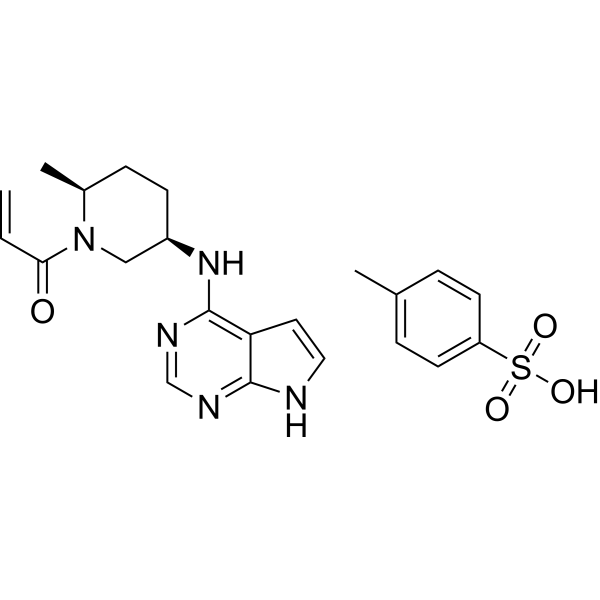
Ritlecitinib (PF-06651600) tosylate is a highly selective, orally active, irreversible covalent JAK3 inhibitor (IC50=33 nM) without inhibitory activity towards JAK1, JAK2, and TYK2 (IC50 >10 μ M). Ritlecitinib tosylate rapidly inactivates the JAK3 kinase, and blocks signaling and downstream STAT phosphorylation mediated by common gamma chain cytokines such as IL-2 and IL-15. Ritlecitinib tosylate can inhibit Th1/Th17 cell differentiation and function, and effectively suppress preclinical animal models such as alopecia areata, adjuvant-induced arthritis (AIA), and experimental autoimmune encephalomyelitis (EAE) [1] .
|
-
-
- HY-114360
-
|
|
Endogenous Metabolite
COX
Interleukin Related
Glutathione Peroxidase
TNF Receptor
|
Neurological Disease
Metabolic Disease
Inflammation/Immunology
Cancer
|
|
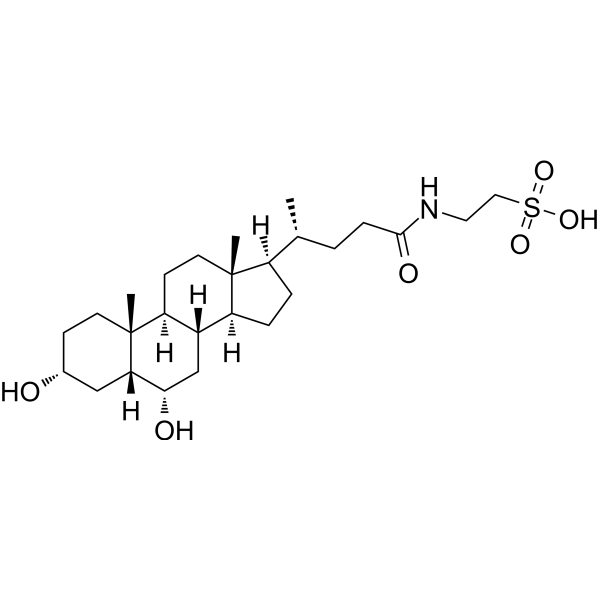
Taurohyodeoxycholic acid is an orally active 6 alpha-hydroxylated bile acid. Taurohyodeoxycholic acid decreases colonic MPO activity, TNF-α, lL-6 serum levels and the expression of COX-2. Taurohyodeoxycholic acid alleviates trinitrobenzene sulfonic acid induced ulcerative colitis via regulating Th1/Th2 and Th17/Treg cells balance. Taurohyodeoxycholic acid ameliorates high-fat diet-induced nonalcoholic fatty liver disease in mice. Taurohyodeoxycholic acid prevents Taurochenodeoxycholic acid (HY-N2027)-induced hepatotoxicity in bile fistula rats. Taurohyodeoxycholic acid can be used for the study of nonalcoholic fatty liver disease (NAFLD), colitis and biliary fistula [1] .
|
-
-
- HY-150217
-
|
ODN 10101
|
Toll-like Receptor (TLR)
|
Infection
Inflammation/Immunology
|
|
CpG ODN 10101 (ODN 10101; CPG 10101) is a selective agonist targeting TLR9, a synthetic oligodeoxynucleotide modified with phosphate thioester. CpG ODN 10101 activates B cells and plasmacytoid dendritic cells (pDCs), inducing the production of cytokines and chemokines such as interferon-IFN-α, interferon-inducible protein IP-10, and 2'5'-oligoadenylate synthase (2'5'-OAS), regulating innate immunity and promoting Th1 adaptive immune responses. CpG ODN 10101 also possesses antiviral properties and enhances vaccine immunogenicity, making it suitable as an immunomodulator and vaccine adjuvant for vaccine development in chronic hepatitis C and infectious diseases such as melioidosis, pertussis, and respiratory syncytial virus (RSV) [1] .
|
-
-
- HY-101092B
-
-
-
- HY-164485
-
|
|
Toll-like Receptor (TLR)
SARS-CoV
|
Infection
|
|
INI-4001 is a TLR7/8 agonist and vaccine adjuvant. INI-4001 regulates innate and adaptive immune responses by activating murine TLR7 and human TLR7/TLR8. INI-4001 enhances IgG and neutralizing antibody responses against Powassan virus (POWV), reduces viral loads in the brain, liver and spleen, provides complete protection against lethal POWV challenge, and skews immune responses toward a Th1 phenotype. When INI-4001 is used in combination with Al (OH)3 and SARS-CoV-2 RBD antigen, it efficiently adsorbs to Al (OH)3, promotes Th1 immunity and enhances SARS-CoV-2 neutralizing antibody responses. INI-4001 is applicable to research related to Powassan virus infection and COVID-19 [1] .
|
-
-
- HY-P990219
-
|
|
Interleukin Related
|
Infection
Inflammation/Immunology
|
|
Anti-Mouse IL-2 Antibody (JES6-1A12) is an anti-mouse IL-2 IgG1 monoclonal antibody. Anti-Mouse IL-2 Antibody (JES6-1A12) can inhibit Treg amplification and enhance Th1 response. Anti-Mouse IL-2 Antibody (JES6-1A12) can form a complex with IL-2 for experimentation. Anti-Mouse IL-2 Antibody (JES6-1A12) can be used for research on infection conditions such as malaria [1] .
|
-
-
- HY-164278
-
|
|
STING
Cathepsin
|
Cancer
|
|
diABZI-V/C-Mal is a STING agonist (with a STING EC50 of 314 nM in TH1 dual reporter cells) and a Cathepsin B substrate. diABZI-V/C-Mal activates STING, thereby triggering the IRF3 signaling pathway. diABZI-V/C-Mal is cleaved by Cathepsin B to regenerate diABZI-NH2 [1].
|
-
-
- HY-W012732
-
|
|
Environmental Pollutants
Parasite
Drug Isomer
TNF Receptor
HIV
NF-κB
Interleukin Related
|
Neurological Disease
Cancer
|
|
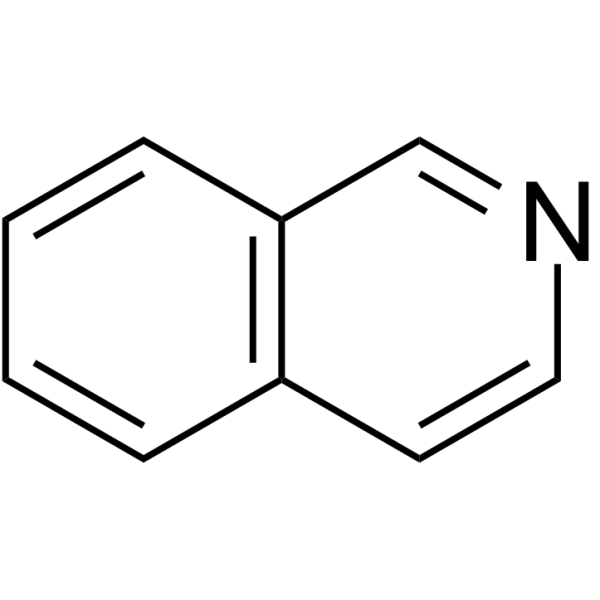
Isoquinoline is an analog of pyridine. Isoquinoline-based alkaloids, such as p-tolyl bisisoquinoline, phthaloyl isoquinoline, and naphthyl isoquinoline, exhibit anticancer activity.
Berberine, an isoquinoline alkaloid, exerts anti-inflammatory effects in diabetic mice by downregulating the gene expression ratios of pro-/anti-inflammatory and Th1/Th2 cytokines.
Additionally, some isoquinoline-based compounds also possess antidepressant, antibacterial, antimalarial, and anti-HIV activities [1] .
|
-
-
- HY-113238A
-
|
SulfoliThocholic acid disodium; LCAS disodium
|
GPR39
ROR
|
Metabolic Disease
Inflammation/Immunology
|
|
Lithocholic acid 3-sulfate disodium is a GPR39 agonist, with EC50 values of 41 μM and 42.4 μM in M39-20 and hGPR39-2 cells, respectively, in the absence of Zn 2+, and 0.88 μM and 0.97 μM in the presence of Zn 2+. Lithocholic acid 3-sulfate disodium acts as a RORγt ligand. Lithocholic acid 3-sulfate disodium stimulates the GPR39 receptor to initiate intracellular calcium signaling, independent of the Zn 2+-binding sites H17 and H19. LCA-3-S selectively inhibits Th17 cell differentiation by targeting RORγt. Lithocholic acid 3-sulfate disodium can be used in the research of cholestatic liver diseases [1] .
|
-
-
- HY-136065
-
|
|
PTEN
Phosphatase
Parasite
Apoptosis
|
Infection
Metabolic Disease
Inflammation/Immunology
Cancer
|
|
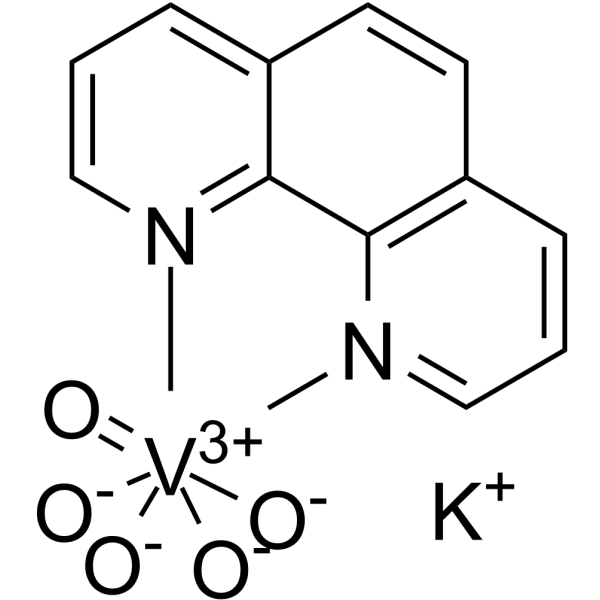
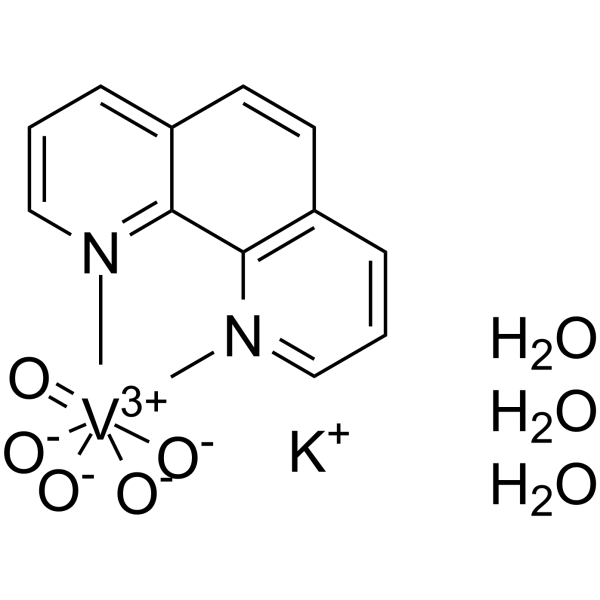
bpV(phen), a insulin-mimetic agent, is a potent protein tyrosine phosphatase (PTP) and PTEN inhibitor with IC50s of 38 nM, 343 nM and 920 nM for PTEN, PTP-β and PTP-1B, respectively. bpV(phen) inhibits proliferation of the protozoan parasite Leishmania in vitro. bpV(phen) strongly induces the secretion of a large number of chemokines and pro-inflammatory cytokines, and it activates a Th1-type pathway (IL-12, IFNγ). bpV(phen) can also induce cell apoptosis, and has anti-angiogenic and anti-tumor activity [1] .
|
-
-
- HY-N0440
-
|
|
Influenza Virus
NF-κB
5 alpha Reductase
Keap1-Nrf2
Lactate Dehydrogenase
Apoptosis
|
Infection
Neurological Disease
Inflammation/Immunology
Endocrinology
Cancer
|
|
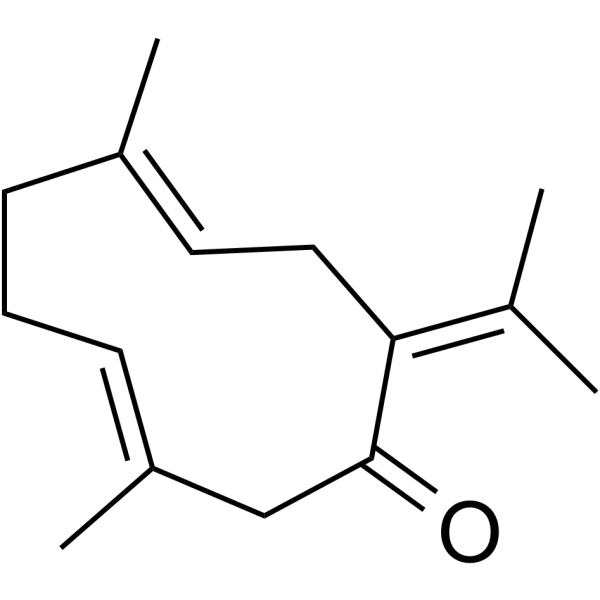
Germacrone is a sesquiterpene compound with multiple biological activities. Germacrone inhibits the H1N1 and H3N2 influenza A virus and the influenza B virus. Germacrone blocks the progressionof arthritis by regulating Th1/Th2 balance and inhibiting NF-κB signaling. Germacrone can arrest the cell cycle at G0/G1 and G2/M phases and induce apoptosis in breast cancer cells. Germacrone inhibits 5α-reductase and has anti-androgenic effect. Germacrone has neuroprotective functions and can be used for the study of traumatic brain injury (TBI). Germacrone also has antioxidant activity [1] .
|
-
-
- HY-N4087
-
|
|
Mitophagy
Autophagy
Ferroptosis
Interleukin Related
IFNAR
Reactive Oxygen Species (ROS)
|
Inflammation/Immunology
Cancer
|
|
Platycodin D2 is an orally active triterpenoid saponin found in Platycodon grandiflorum. Platycodin D2 induces mitophagy in cancer cells through NIX, thereby activating the P21/CyclinA2 pathway and promoting cell senescence. Platycodin D2 induces mitochondrial dysfunction, enhances autophagy, inhibits hepatocellular carcinoma cell proliferation, and exhibits anti-tumor activity against multiple cancer cell types. Platycodin D2 promotes mRNA expression of T-bet, GATA-3, Th1 cytokines IL-2 and IFN-γ, and Th2 cytokines IL-4 and IL-10, enhances splenocyte proliferation, and acts as a vaccine adjuvant with low rabbit red blood cell hemolytic activity. Platycodin D2 induces mitochondrial ROS production, incomplete autophagy, and ferroptosis to inhibit breast cancer cell proliferation. Platycodin D2 can be used for the research of cancer, inflammation and immunology [1] .
|
-
-
- HY-125390
-
|
CL-087
|
Toll-like Receptor (TLR)
|
Inflammation/Immunology
Cancer
|
|
SM-360320 (CL-087) is a potent, orally active TLR7 agonist. SM-360320 is a immuno-modulator and exerts an antitumor effect. SM-360320 can act in synergy with DNA vaccines leading to an enhanced Th1 antibody response [1]. SM-360320 can inhibit HCV replication in hepatocytes via a type I IFN-independent mechanism in addition to its IFN-mediated activity .
|
-
-
- HY-P991257
-
MK-1966
1 Publications Verification
|
Interleukin Related
CXCR
MHC
|
Cancer
|
|
MK-1966 is an anti-IL-10 antibody. MK-1966 inhibits secretion of cytokines from activated macrophages, production of CC and CXC chemokines, and a TH1 response, down-regulates MHC and costimulatory molecules on dendritic cells (DCs), and induces regulatory T cells. MK-1966 can be used for the research of cancer , such as gastric cancer [1] .
|
-
-
- HY-126037
-
|
|
ROR
|
Inflammation/Immunology
|
|
(±)-ML 209 (compound 4n), a diphenylpropanamide, is a retinoic acid-related orphan receptor RORγ antagonist with an IC50 of 1.1 μM. (±)-ML 209 inhibits RORγt transcriptional activity with an IC50 of 300 nM in HEK293t cells. (±)-ML 209 inhibits the transcriptional activity of RORγt, but not RORα in cells. (±)-ML 209 selectively inhibits murine Th17 cell differentiation without affecting the differentiation of naïve CD4 + T cells into other lineages, including Th1 and regulatory T cells [1].
|
-
-
- HY-P10109
-
|
|
Glucose-6-Phosphate Isomerase (GPI)
|
Inflammation/Immunology
|
|
G6PI 325-339 (human) is an efficient inducer of arthritis in B10.Q mice. G6PI 325-339 (human) primes Th1 and Th17 cells cross-reacted with the murine G6PI protein. G6PI 325-339 (human) induces arthritis model operating through a T and B cell-dependent pathway but without antibody effector mechanisms [1].
|
-
-
- HY-122818
-
|
Bisperoxovanadium(phen) trihydrate
|
PTEN
Phosphatase
Parasite
Apoptosis
|
Infection
Metabolic Disease
Inflammation/Immunology
Cancer
|
|
BpV(phen) trihydrate, a insulin-mimetic agent, is a potent protein tyrosine phosphatase (PTP) and PTEN inhibitor with IC50s of 38 nM, 343 nM and 920 nM for PTEN, PTP-β and PTP-1B, respectively. BpV(phen) trihydrate inhibits proliferation of the protozoan parasite Leishmania in vitro. bpV(phen) trihydrate strongly induces the secretion of a large number of chemokines and pro-inflammatory cytokines, and it activates a Th1-type pathway (IL-12, IFNγ). BpV(phen) trihydrate can also induce cell apoptosis, and has anti-angiogenic and anti-tumor activity [1] .
|
-
-
- HY-N0885
-
|
Telobufotoxin; Telocinobufogenin
|
JAK
STAT
mTOR
PI3K
Akt
Polo-like Kinase (PLK)
Na+/K+ ATPase
Apoptosis
Bacterial
|
Infection
Cardiovascular Disease
Neurological Disease
Inflammation/Immunology
Cancer
|
|
Telocinobufagin (Telobufotoxin; Telocinobufogenin) is an orally active bufadienolide with potential anti-tumor effects. Telocinobufagin exerts its anti-cancer effects on non-small cell carcinoma, osteosarcoma, thyroid cancer, breast cancer and head and neck squamous cell carcinoma by inhibiting the STAT3, JAK2/STAT3, LARP1-mTOR, PI3K/Akt/Snail and PLK1 pathways, and can also induce tumor cell apoptosis. Telocinobufagin enhances the Th1 immune response and protects against Salmonella typhimurium infection. Telocinobufagin has a strong cardiac-stimulating effect by inhibiting the activity of Na +/K +-ATPase, and it can promote renal fibrosis. Telocinobufagin demonstrates non-opioid analgesic effects in various acute pain models [1] .
|
-
-
- HY-16668
-
-
-
- HY-120628
-
|
|
Integrin
|
Inflammation/Immunology
|
|
BMS-587101 is a potent and orally active antagonist of leukocyte function associated antigen-1 (LFA-1). BMS-587101 has anti-inflammatory effects and can be used for rheumatoid arthritis research [1] .
|
-
-
- HY-159102
-
|
|
Toll-like Receptor (TLR)
|
Inflammation/Immunology
|
|
PVP-037.2 is a TLR7/8 agonist. PVP-037.2 can serve as an adjuvant to enhance vaccine-induced TH1 type immune responses, increasing the production of antigen-specific antibodies IgG1 and IgG2c [1].
|
-
-
- HY-13743
-
|
Linomide; FCF89; ABR212616
|
TNF Receptor
Interleukin Related
IFNAR
|
Neurological Disease
Inflammation/Immunology
Cancer
|
|
Roquinimex (Linomide) is an orally active immunomodulator with antineoplastic, anti-inflammatory, and antiangiogenic activity. Roquinimex suppresses TH1 lymphocyte cytokines (IL-2, IFN-γ), promotes TH2 lymphocyte cytokines (IL-4, IL-10), increases NK cell, activated monocyte, and T cell activity. Roquinimex blocks macrophage TNF-α production and suppresses IL-1/IL-6 secretion. Roquinimex exhibits in vivo antitumour activity, suppresses rodent autoimmune disease signs, and ameliorates murine colitis and psoriasis. Roquinimex can be used for the research of leukemia, inflammatory bowel disease, multiple sclerosis, and psoriasis [1] .
|
-
-
- HY-N10116A
-
|
|
Interleukin Related
IFNAR
Calcium Channel
Bacterial
CCR
|
Infection
Cancer
|
|
Calamenene is a sesquiterpene compound . Calamenene promotes dendritic cell maturation, upregulates CD1a, CD80, CD83, CD86, HLA-DR and CCR7 on the cell surface, reduces endocytic activity, enhances T cell-stimulating capacity, drives Th1 polarization through the secretion of IL-12, induces IFN-γ production, decreases IL-4 generation, and triggers intracellular Ca 2+ mobilization as well as dendritic cell migration towards MIP-3β. Calamenene exerts bacteriostatic and bactericidal growth-inhibitory effects against pathogenic *Vibrio harveyi*. Calamenene can be used in studies related to cancer and bacterial infections [1] .
|
-
-
- HY-N0440R
-
|
|
Reference Standards
Influenza Virus
NF-κB
5 alpha Reductase
Keap1-Nrf2
Lactate Dehydrogenase
Apoptosis
|
Infection
Neurological Disease
Inflammation/Immunology
Endocrinology
Cancer
|
|
Germacrone (Standard) is an analytical standard of Gemmacrone (HY-N0440). This product is intended for research and analytical applications. Germacrone (Standard) is a sesquiterpene compound with multiple biological activities. Germacrone (Standard) inhibits the H1N1 and H3N2 influenza A viruses and the influenza B virus. Germacrone (Standard) blocks the progressionof arthritis by regulating Th1/Th2 balance and inhibiting NF-κB signaling. Germacrone (Standard) can arrest the cell cycle at G0/G1 and G2/M phases and induce apoptosis in breast cancer cells. Germacrone (Standard) inhibits 5α-reductase and has anti-androgenic effect. Germacrone (Standard) has neuroprotective functions and can be used for the study of traumatic brain injury (TBI). Germacrone (Standard) also has antioxidant activity [1] .
|
-
-
- HY-156466
-
|
|
STAT
Interleukin Related
IFNAR
|
Inflammation/Immunology
|
|
QL-1200186 is a selective, orally active, allosteric inhibitor targeting the tyrosine kinase TYK2 pseudokinase domain JH2 (IC50=0.06 nM, TYK2 JH2), with 164-fold selectivity over TYK1 JH2 (IC50=9.85 nM,TYK1 JH2). QL-1200186 first stabilizes the TYK2 JH2 conformation, inhibits the activity of the JH1 catalytic domain, and blocks the IFNα, IL-12/IL-23-mediated JAK-STAT signaling pathway. QL-1200186 can inhibit the production of Th1/Th17 cell-related cytokines (such as IFNγ, IL-23), reduce immune cell activation, and has no significant effect on JAK1/2/3 kinase activity. QL-1200186 can significantly improve skin inflammation in the Imiquimod (HY-B0180)-induced psoriasis mouse model and reduce the Psoriasis Area and Severity Index (PASI) score. QL-1200186 can be used in the study of autoimmune diseases such as psoriasis and systemic lupus erythematosus (SLE) [1].
|
-
-
- HY-P990837
-
|
|
Interleukin Related
|
Inflammation/Immunology
|
|
Anti-IL-4 Antibody (MP4-25D2) is a kind of rat IgG1 κ chimeric antibody inhibitor, targeting to human IL-4. Anti-IL-4 Antibody (MP4-25D2) can neutralize human IL-4 (interleukin-4). Anti-IL-4 Antibody (MP4-25D2) can be used for the inflammation and immunology [1] .
|
-
-
- HY-158694A
-
|
|
Toll-like Receptor (TLR)
|
Inflammation/Immunology
|
|
TLR7 agonist 20 hydrochloride is a selective Toll-like receptor 7 (TLR7) agonist with an EC50 of 0.22 μM. TLR7 agonist 20 hydrochloride, as an immunostimulant and vaccine adjuvant, enhances the production of anti-spike protein antibodies, increases IgG2b and IgG2c levels, and thereby drives Th1-type immune responses in mice. TLR7 agonist 20 hydrochloride can be used in studies related to non-inflammatory potent vaccine adjuvants [1].
|
-
-
- HY-142998
-
|
|
Liposome
Interleukin Related
IFNAR
|
Infection
Inflammation/Immunology
|
|
Vaxfectin is a second-generation cationic lipid-based suspension that adjuvants effectively both pDNA and protein-based vaccines. Vaxfectin can boost the immune response against a range of pDNA-expressed pathogenic antigens in vivo. Vaxfectin can increase IgG titers and give rise to an IL-6 dependent enhancement of the humoral immune response without altering the Th1 type immune response. Vaxfectin can be studied for vaccine formulation [1] .
|
-
- HY-167692
-
|
|
STAT
|
Others
|
|
JI069 is a novel JAK-STAT inhibitor that demonstrates potent activity in suppressing Th1, Th2, and Th17 differentiation while promoting iTreg differentiation. JI069 effectively inhibits STAT3 activation as well as the activation of other STATs, including STAT1, STAT5, and STAT6. JI069 has shown significant therapeutic potential in alleviating symptoms of collagen-induced arthritis in mice while inhibiting cytokine production from T cells and the phosphorylation of STAT3 in synovial cells.
|
-
- HY-103637
-
|
VTP-43742
|
ROR
|
Inflammation/Immunology
|
|
Vimirogant (VTP-43742) is a potent, selective, and orally active RORγt inhibitor (Ki=3.5 nM; IC50=17 nM). Vimirogant exhibits >1000-fold selectivity versus the RORα and RORβ isotypes. Vimirogant inhibits Th17 differentiation and IL-17A secretion from mouse splenocytes (IC50=57 nM) without affecting Th1, Th2, or Treg cell differentiation. Vimirogant has the potential for autoimmune disorders research [1] .
|
-
- HY-120225
-
|
|
p38 MAPK
|
Inflammation/Immunology
|
|
NJK14047 inhibits p38 MAPK and the differentation of naive T-cells to Th1 and Th17 cells. NJK14047 ameliorates the collage-induced rheumatoid arthritis and Imiquimod (HY-B0180)-induced psoriasis in mice [1].
|
-
- HY-125209A
-
|
|
Apoptosis
PARP
DNA/RNA Synthesis
|
Cancer
|
|
TH5427 hydrochloride is a NUDT5 inhibitor with a human target IC50 of 29 nM, ~690-fold selectivity over MTH1 in vitro, and selective functional inhibition over other NUDIX hydrolases including NUDT9 [1].TH5427 hydrochloride binds to the active site of NUDT5, blocking enzymatic activity related to ADP-ribose metabolism and PAR-derived ATP synthesis [1].TH5427 hydrochloride blocks progestin-dependent nuclear ATP synthesis, impairs progestin-induced chromatin remodeling, inhibits histone H1 displacement, disrupts progestin-dependent gene regulation, and abrogates progestin-dependent proliferation in breast cancer cells [1].TH5427 hydrochloride functions as a versatile probe to study nuclear ATP dynamics and ADP-ribose-related metabolism in cells [1].TH5427 hydrochloride engages NUDT5 at physiological temperatures, as demonstrated by Drug Affinity Responsive Target Stability (DARTS) assay [1].TH5427 hydrochloride stabilizes NUDT5 against thermal denaturation in cell lysates and intact cells, as shown by cellular thermal shift assay (CETSA) [1].TH5427 hydrochloride functionally inhibits NUDT5 activity, leading to downstream effects on oxidative DNA damage and DNA replication in triple-negative breast cancer (TNBC) cells .TH5427 hydrochloride suppresses proliferation of TNBC cells without inducing cell death or apoptosis, slows DNA replication in TNBC cells, promotes accumulation of oxidative DNA lesions, and triggers DNA damage response in TNBC cells .TH5427 hydrochloride suppresses growth of TNBC cells in vitro, inhibits growth of TNBC xenograft tumors in nude mice in vivo, and shows greater potency against TNBC cell lines compared to ER-positive and normal-like breast cell lines .TH5427 hydrochloride can be used for the research of breast cancer and triple-negative breast cancer [1] .
|
-
- HY-117985
-
|
DA-1229
|
Dipeptidyl Peptidase
Autophagy
|
Metabolic Disease
Inflammation/Immunology
|
|
Evogliptin (DA-1229) is an orally active DPP4 inhibitor with significant and sustained hypoglycaemic effects in mouse models. Evogliptin also inhibits the production of inflammatory and fibrotic signals in hepatocytes by inducing autophagy. Evogliptin can be used in studies of type 2 diabetes, osteoporosis, renal impairment and chronic liver inflammation [1] .
|
-
- HY-103637A
-
|
VTP-43742 hydrochloride
|
ROR
|
Inflammation/Immunology
|
|
Vimirogant (VTP-43742) hydrochloride is a potent, selective, and orally active RORγt inhibitor (Ki=3.5 nM; IC50=17 nM). Vimirogant hydrochloride exhibits >1000-fold selectivity versus the RORα and RORβ isotypes. Vimirogant hydrochloride inhibits Th17 differentiation and IL-17A secretion from mouse splenocytes (IC50=57 nM) without affecting Th1, Th2, or Treg cell differentiation. Vimirogant hydrochloride has the potential for autoimmune disorders research [1] .
|
-
- HY-W130878
-
|
|
Complement System
Toll-like Receptor (TLR)
NF-κB
|
Inflammation/Immunology
|
|
4-Octylphenol is a hormone disruptor that has gender-specific effects on male reproductive cells, significantly reducing the mitotic index and the number of spermatogonia. 4-Octylphenol can cause inflammatory damage to fish gills by activating the complement system through the C3a/C3aR axis and the C5a/C5aR1 axis, this leads to complement activation and causes immune suppression due to the imbalance between Th1/Th2 cells and regulatory T cells (Treg)/Th17 cells, as well as inflammatory damage via the Toll-like receptor 7 (Toll-like Receptor (TLR))/IκBα/NF-κB pathway [1] .
|
-
- HY-178240
-
|
|
Interleukin Related
Endogenous Metabolite
TNF Receptor
|
Inflammation/Immunology
|
|
rel-(1S,2R)-Dihydro bupropion is a metabolite of bupropion. rel-(1S,2R)-Dihydro bupropion can promote endogenous IL-10 production and inhibit Th1 cytokines (IL-12 and TNF-α). rel-(1S,2R)-Dihydro bupropion can induce immune response transition from Th1 to Th2. rel-(1S,2R)-Dihydro bupropion can be used for research on inflammatory conditions [1].
|
-
- HY-101871
-
-
- HY-N15846
-
|
|
Drug Derivative
|
Infection
Inflammation/Immunology
|
|
VSA 1, a semisynthetic QS-21 (HY-101092) analog, is a saponin adjuvant. VSA 1 potentiates antigen-specific IgG1 and IgG2a immune responses in BALB/c mice, indicating a mixed Th1/Th2 immune response. VSA 1 significantly improves vaccine efficacy after primary immunization and enhances homologous protection [1].
|
-
- HY-120137
-
|
|
Histone Methyltransferase
|
Cancer
|
|
CMP-5 is a potent, specific, and selective PRMT5 inhibitor, while displays no activity against PRMT1, PRMT4, and PRMT7 enzymes. CMP-5 selectively blocks S2Me-H4R3 by inhibiting PRMT5 methyltransferase activity on histone preparations. CMP-5 prevents Epstein-Barr virus (EBV)-driven B-lymphocyte transformation but leaving normal B cells unaffected [1] .
|
-
- HY-174642
-
|
|
mRNA
|
Inflammation/Immunology
|
|
Human IL12A mRNA encodes the human interleukin 12A (IL12A) protein, a subunit of a cytokine that acts on T and natural killer cells, and has a broad array of biological activities. IL12A is required for the T-cell-independent induction of interferon (IFN)-gamma, and is important for the differentiation of both Th1 and Th2 cells.
|
-
- HY-158694
-
|
|
Toll-like Receptor (TLR)
|
Inflammation/Immunology
|
|
TLR7 agonist 20 is a selective Toll-like receptor 7 (TLR7) agonist with an EC50 of 0.22 μM. TLR7 agonist 20, as an immunostimulant and vaccine adjuvant, enhances the production of anti-spike protein antibodies, increases IgG2b and IgG2c levels, and thereby drives Th1-type immune responses in mice. TLR7 agonist 20 can be used in studies related to non-inflammatory potent vaccine adjuvants [1].
|
-
- HY-178966
-
|
|
STING
|
Infection
Inflammation/Immunology
|
|
STING agonist-48 is a potent STING agonist that exhibits STING-dependent activity in vitro (EC50 = 4.02 μM). STING agonist-48 prefers to bind with the transmembrane domain (TMD) over the cytosolic cyclic dinucleotide (CDN) domain. STING agonist-48 shows adjuvant efficacy, enhancing IgG and Th1/Th2 cytokine responses in humanized STING mice. STING agonist-48 can be used for the study of inflammation-related diseases [1].
|
-
- HY-174641
-
|
|
mRNA
|
Inflammation/Immunology
|
|
Human IL12B mRNA encodes the human interleukin 12B (IL12B) protein, a subunit of interleukin 12, is a cytokine that acts on T and natural killer cells, and has a broad array of biological activities. IL12B has been found to be important for sustaining a sufficient number of memory/effector Th1 cells to mediate long-term protection to an intracellular pathogen.
|
-
- HY-164454
-
|
|
Aurora Kinase
STAT
JAK
Mitosis
|
Inflammation/Immunology
|
|
AJI-100 is a dual-target inhibitor of Aurora kinase A and JAK2 with IC50 values of 12.7 nM and 18.5 nM, respectively. AJI-100 directly blocks Aurora kinase A to inhibit T cell mitosis and cell polarity, and inhibits JAK2 activation to inhibit STAT3 phosphorylation, thereby reducing the differentiation of TH1 and TH17 cells. AJI-100 can be used in studies on regulating immune responses and preventing graft-versus-host disease (GVHD) [1].
|
-
- HY-100754A
-
|
PF-06651600 malonate
|
JAK
Interleukin Related
STAT
|
Inflammation/Immunology
|
|
Ritlecitinib (PF-06651600) malonate is a highly selective, orally active, irreversible covalent JAK3 inhibitor (IC50=33 nM) without inhibitory activity towards JAK1, JAK2, and TYK2 (IC50 >10 μ M). Ritlecitinib malonate rapidly inactivates the JAK3 kinase, and blocks signaling and downstream STAT phosphorylation mediated by common gamma chain cytokines such as IL-2 and IL-15. Ritlecitinib malonate can inhibit Th1/Th17 cell differentiation and function, and effectively suppress preclinical animal models such as alopecia areata, adjuvant-induced arthritis (AIA), and experimental autoimmune encephalomyelitis (EAE) [1] .
|
-
- HY-16734
-
|
MT-1303
|
LPL Receptor
|
Cardiovascular Disease
Inflammation/Immunology
|
|
Amiselimod (MT-1303) is converted to its active metabolite Amiselimod phosphate by sphingosine kinases in vivo. Amiselimod is an orally active and high selectivity sphingosine 1-phosphate receptor-1 (S1P1) agonist, designed to reduce the bradycardia effects associated with fingolimod and other S1P receptor modulators. Amiselimod inhibits chronic colitis via inhibiting infiltration of colitogenic Th1 and Th17 cells into the colon. Amiselimod inhibits lupus nephritis by reducing the infiltration of autoreactive T cells into the kidneys. Amiselimodis promising for research of autoimmune diseases [1] .
|
-
- HY-W795993
-
|
|
Transmembrane Glycoprotein
|
Inflammation/Immunology
|
|
TJU103 is a CD4 inhibitor. TJU103 inhibits autoreactive CD4 + T cells by disrupting the function of the CD4 during activation. TJU103 decreases mononuclear cell infiltration in brain and spinal cord tissue of experimental allergic encephalomyelitis (EAE) mice model. TJU103 downregulates Th1 and Th2 cytokine levels in response to proteolipid protein epitope 139-151 (PLPe) and exhibits inhibitory effects both after the appearance of EAE symptoms and upon rechallenge with Ag. TJU103 can be used for autoimmune diseases like EAE and sclerosis (MS) research [1].
|
-
- HY-143885
-
|
|
JAK
|
Inflammation/Immunology
|
|
JAK1/TYK2-IN-3 is a potent, selective and orally active dual TYK2/JAK1 inhibitor with IC50 values of 6 and 37 nM, respectively. JAK1/TYK2-IN-3 also shows selectively relative to JAK2 (IC50=140 nM) and JAK3 (IC50=362 nM). JAK1/TYK2-IN-3 shows anti-inflammatory effect by regulating the expression of related TYK2/JAK1-regulated genes, as well as the formation of Th1, Th2, and Th17 cells [1].
|
-
- HY-123568
-
|
BCH-1393
|
TNF Receptor
|
Cancer
|
|
PBI-1393 (BCH-1393) is an anticancer agent that enhances Th1 type cytokine production and primary T cell activation [1].
|
-
- HY-177300
-
|
|
Toll-like Receptor (TLR)
HBV
IFNAR
Interleukin Related
|
Infection
Inflammation/Immunology
|
|
TLR7/8 agonist 13 is an orally active dual agonist of TLR7 (lowest effective concentrations (LEC) [hTLR7] = 1.6 μM) and TLR8 (LEC [hTLR8] = 1.6 μM). TLR7/8 agonist 13 exhibits agonistic activity against human peripheral blood mononuclear cells (hPBMCs) (LEC [hPBMC] = 0.5 μM). TLR7/8 agonist 13 induces endogenous IFNα, activating myeloid dendritic cells and monocytes toward a TH1 phenotype in mice and cynomolgus monkeys. TLR7/8 agonist 13 reduces viral load and HBV surface antigen expression in a mouse model of chronic AAV-HBV infection. TLR7/8 agonist 13 has the potential to indirectly induce IFNγ, which may promote HBV antigen-specific CD8 T cell-mediated responses. TLR7/8 agonist 13 can be used to study hepatitis B virus [1].
|
-
- HY-P1052A
-
|
|
PKC
|
Inflammation/Immunology
|
|
Myelin Basic Protein(87-99) TFA is an encephalitogenic peptide that induces basic protein-specific T cell proliferation. Myelin Basic Protein(87-99) TFA causes a Th1 polarization in peripheral blood mononuclear cells with is implicated of multiple sclerosis (MS) [1] .
|
-
- HY-P10109A
-
|
hG6PI (325-339) hydrochloride
|
Glucose-6-Phosphate Isomerase (GPI)
|
Inflammation/Immunology
|
|
G6PI 325-339 (human) hydrochloride is an efficient inducer of arthritis in B10.Q mice. G6PI 325-339 (human) hydrochloride primes Th1 and Th17 cells cross-reacted with the murine G6PI protein. G6PI 325-339 (human) hydrochloride induces arthritis model operating through a T and B cell-dependent pathway but without antibody effector mechanisms [1].
|
-
- HY-161255
-
|
|
NO Synthase
|
Inflammation/Immunology
|
|
3,4-DAA is an orally active Anthranilic acid derivative with potent immunosuppressive activities. 3, 4-DAA can alleviate the severity of colitis through inhibiting Th1 cells response, promoting Th2 cytokines expression and inducing CD4 +CD25 + T cells expression [1]. 3,4-DAA suppressed expression of inducible nitric oxide synthase (iNOS) and nitric oxide (NO) release from EOC20 cells induced by IFN-γ and Lipopolysaccharide .
|
-
- HY-163704
-
|
|
IFNAR
Interleukin Related
|
Inflammation/Immunology
Cancer
|
|
KRN7000 analog 1 exhibits good Th1-biased immune response through induction of interferon-γ (IFN-γ) and reduction of interleukin-4 (IL-4). KRN7000 analog 1 is potential as an antitumor agent and vaccine adjuvant [1].
|
-
- HY-159754
-
|
|
Toll-like Receptor (TLR)
|
Inflammation/Immunology
|
|
HS201 is a nucleotide extract that can be used as a vaccine adjuvant. HS201 can activate Toll-like receptors and trigger Th1 immune responses. HS201 is mainly used in inactivated vaccines for diseases such as foot-and-mouth disease.
|
-
- HY-P990224
-
|
|
Interleukin Related
Bacterial
|
Infection
Cancer
|
|
Anti-Mouse IL-12 p75 Antibody (R2-9A5) is a rat-derived IgG2b κ type antibody inhibitor, targeting to mouse IL-12 p75. Anti-Mouse IL-12 p75 Antibody (R2-9A5) can neutralize IL-12. Anti-Mouse IL-12 p75 Antibody (R2-9A5) can be used for the researches of infection and cancer, such as E. coli infection and MCA205 sarcoma [1] .
|
-
- HY-162727
-
|
|
IFNAR
Interleukin Related
CD1
|
Inflammation/Immunology
Cancer
|
|
GCS-12 is a Th1/2-balanced sulfonamide glycolipid with improved interaction with CD1d. GCS-12 is an agonist for natural killer T (NKT) cell, that induces the secretion of cytokine IFN-γ and IL-4, and exhibits immunomodulatory and anti-tumor activities in mice [1].
|
-
- HY-15648BR
-
|
|
Histone Demethylase
Apoptosis
|
Cancer
|
|
GSK-J4 (Standard) is the analytical standard of GSK-J4. This product is intended for research and analytical applications. GSK-J4 is a potent dual inhibitor of H3K27me3/me2-demethylases JMJD3/KDM6B and UTX/KDM6A with IC50s of 8.6 and 6.6 μM, respectively. GSK-J4 inhibits LPS-induced TNF-α production in human primary macrophages with an IC50 of 9 μM. GSK J4 is a cell permeable proagent of GSK-J1 [1] . GSK-J4 induces endoplasmic reticulum stress-related apoptosis .
|
-
- HY-15648FR
-
|
|
Histone Demethylase
|
Cancer
|
|
GSK-J4 (hydrochloride) (Standard) is the analytical standard of GSK-J4 (hydrochloride). This product is intended for research and analytical applications. GSK-J4 hydrochloride is a potent dual inhibitor of H3K27me3/me2-demethylases JMJD3/KDM6B and UTX/KDM6A with IC50s of 8.6 and 6.6 μM, respectively. GSK-J4 hydrochloride inhibits LPS-induced TNF-α production in human primary macrophages with an IC50 of 9 μM. GSK-J4 hydrochloride is a cell permeable proagent of GSK-J1 [1] .
|
-
- HY-W777138
-
|
|
Isotope-Labeled Compounds
Endogenous Metabolite
TNF Receptor
Interleukin Related
|
Inflammation/Immunology
|
|
rel-(1S,2R)-Dihydro bupropion-d9 is the deuterium labeled rel-(1S,2R)-Dihydro bupropion (HY-178240). rel-(1S,2R)-Dihydro bupropion is a metabolite of bupropion. rel-(1S,2R)-Dihydro bupropion can promote endogenous IL-10 production and inhibit Th1 cytokines (IL-12 and TNF-α). rel-(1S,2R)-Dihydro bupropion can induce immune response transition from Th1 to Th2. rel-(1S,2R)-Dihydro bupropion can be used for research on inflammatory conditions [1].
|
-
- HY-W745349
-
|
|
Isotope-Labeled Compounds
Endogenous Metabolite
TNF Receptor
Interleukin Related
|
Inflammation/Immunology
|
|
rel-(1S,2R)-Dihydro bupropion-d9 hydrochloride is the deuterium labeled rel-(1S,2R)-Dihydro bupropion hydrochloride (HY-178240). rel-(1S,2R)-Dihydro bupropion is a metabolite of bupropion. rel-(1S,2R)-Dihydro bupropion can promote endogenous IL-10 production and inhibit Th1 cytokines (IL-12 and TNF-α). rel-(1S,2R)-Dihydro bupropion can induce immune response transition from Th1 to Th2. rel-(1S,2R)-Dihydro bupropion can be used for research on inflammatory conditions [1].
|
-
- HY-P10982
-
|
|
Toll-like Receptor (TLR)
|
Inflammation/Immunology
|
|
SjDX5-53 is a selective TLR2 inducer derived from a 3 kDa peptide from Schistosoma japonicum eggs. SjDX5-53 inhibits inflammatory Th1 and Th17 responses by inducing tolerogenic dendritic cells (tolDCs) and promoting the generation of regulatory T cells (Tregs) and their suppressive capacity. SjDX5-53 is primarily used in the treatment of autoimmune and inflammatory diseases such as colitis and psoriasis [1].
|
-
- HY-164455
-
|
|
STAT
JAK
Aurora Kinase
Mitosis
|
Inflammation/Immunology
|
|
AJI-214 is a dual-target inhibitor of Aurora kinase A and JAK2. AJI-214 directly blocks Aurora kinase A to inhibit T cell mitotic progression and cell polarity, and inhibits JAK2 activation to inhibit STAT3 phosphorylation, thereby reducing the differentiation of TH1 and TH17 cells. AJI-214 can be used in studies on regulating immune responses and preventing graft-versus-host disease (GVHD) [1].
|
-
- HY-P99911
-
|
MEDI-6383
|
Orexin Receptor (OX Receptor)
|
Inflammation/Immunology
Cancer
|
|
Efizonerimod alfa (MEDI-6383) is a recombinant human OX40L IgG4P Fc fusion protein that assembles into a hexameric structure and exerts potent agonist activity upon binding to OX40. The activity of Efizonerimod alfa is enhanced by Fcγ receptor-mediated aggregation. Efizonerimod alfa binds to OX40 on the surface of activated T cells, induces NF-κB promoter activity in OX40-expressing T cells, and triggers the production of Th1-type cytokines, T cell proliferation, and resistance to regulatory T cell (Treg)-mediated suppression. Efizonerimod alfa enhances the cytolytic activity of tumor-reactive T cells and slows tumor growth in immunodeficient mice. Efizonerimod alfa induces the proliferation of CD4, CD8, and B cells in the peripheral blood of healthy non-human primates. Efizonerimod alfa can be used in the research of advanced solid malignancies and melanoma [1].
|
-
- HY-108522R
-
|
|
Reference Standards
RAR/RXR
|
Metabolic Disease
|
|
PA452 (Standard) is the analytical standard of PA452 (HY-108522). This product is intended for research and analytical applications. PA452, retinoic X receptor (RXR) specific antagonist, inhibits the effect of Retinoic acid (RA) on Th1/Th2 development [1].
|
-
- HY-168158
-
-
- HY-168157
-
-
- HY-16668R
-
|
Tyrphostin 1 (Standard); AG9 (Standard)
|
Interleukin Related
Reference Standards
|
Inflammation/Immunology
|
|
Tyrphostin A1 (Standard) is the analytical standard of Tyrphostin A1. This product is intended for research and analytical applications. Tyrphostin A1 (AG9) can inhibit CD40L-stimulated IL-12 production and antigen-induced Th1 cell production in macrophage culture.
|
-
- HY-113846A
-
|
|
Histone Methyltransferase
|
Cancer
|
|
CMP-5 dihydrochloride is a potent, specific, and selective PRMT5 inhibitor, while displays no activity against PRMT1, PRMT4, and PRMT7 enzymes. CMP-5 dihydrochloride selectively blocks S2Me-H4R3 by inhibiting PRMT5 methyltransferase activity on histone preparations. CMP-5 dihydrochloride prevents EBV-driven B-lymphocyte transformation but leaving normal B cells unaffected [1] .
|
-
- HY-113846
-
|
|
Histone Methyltransferase
|
Cancer
|
|
CMP-5 hydrochloride is a potent, specific, and selective PRMT5 inhibitor, while displays no activity against PRMT1, PRMT4, and PRMT7 enzymes. CMP-5 hydrochloride selectively blocks S2Me-H4R3 by inhibiting PRMT5 methyltransferase activity on histone preparations. CMP-5 hydrochloride prevents EBV-driven B-lymphocyte transformation but leaving normal B cells unaffected [1] .
|
-
- HY-W012732S2
-
|
|
Isotope-Labeled Compounds
Environmental Pollutants
Parasite
Drug Isomer
TNF Receptor
HIV
NF-κB
Interleukin Related
|
Neurological Disease
Cancer
|
|
Isoquinoline- 15N is the 15N-labeled Isoquinoline (HY-W012732). Isoquinoline is an analog of pyridine. Isoquinoline-based alkaloids, such as p-tolyl bisisoquinoline, phthaloyl isoquinoline, and naphthyl isoquinoline, exhibit anticancer activity. Berberine, an isoquinoline alkaloid, exerts anti-inflammatory effects in diabetic mice by downregulating the gene expression ratios of pro-/anti-inflammatory and Th1/Th2 cytokines. Additionally, some isoquinoline-based compounds also possess antidepressant, antibacterial, antimalarial, and anti-HIV activities.
|
-
- HY-181740
-
|
|
CD1
|
Cancer
|
|
GCB-27b is an immunostimulant that binds to CD1d. GCB-27b forms a stable and long-lasting complex with CD1d, which is presented to the TCR of NKT cells to drive immune responses. GCB-27b induces a Th1-skewed immune response in *Mus musculus*, resulting in high expression of IFN−γ with restricted IL-4 levels. GCB-27b is applicable to research related to lung metastasis of melanoma [1].
|
-
- HY-W761985
-
|
|
Insecticide
|
Inflammation/Immunology
|
|
Furathiocarb is a carbamate pro-insecticide and a contact allergen. Furathiocarb is commonly used in studies related to contact allergy. Furathiocarb induces significant proliferation of MHC II-positive B cells in auricular lymph node cells and induces the production of Th1 cytokines (such as IL-2, TNF-γ and IFN-γ). However, Furathiocarb does not induce respiratory allergy in mice. After absorption through the abdominal skin of isolated rats, Furathiocarb is completely metabolized into carbofuran, and its permeation amount increases with time and dosage. The skin permeation rates of both emulsifiable concentrate (EC) and wettable powder (WP) formulations of Furathiocarb are higher than that of Furathiocarb itself, with no significant difference between the two formulations [1] .
|
-
- HY-181739
-
|
|
CD1
|
Cancer
|
|
GCB-27a is a CD1d-binding immunostimulant and antitumor agent. GCB-27a binds to CD1d to form a stable complex and presents it to NKT cells, enhancing hydrophobic interactions within the A' pocket of CD1d through branched-chain conformation restriction. GCB-27a induces a Th1-biased immune response, drives IFN−γ production and limits IL-4 levels. GCB-27a is applicable to research related to melanoma lung metastasis [1].
|
-
- HY-13743R
-
|
Linomide (Standard); FCF89 (Standard); ABR212616 (Standard)
|
Reference Standards
TNF Receptor
Interleukin Related
IFNAR
|
Inflammation/Immunology
|
|
Roquinimex (Standard) is the analytical standard of Roquinimex (HY-13743). Roquinimex (Linomide) is an orally active immunomodulator with antineoplastic, anti-inflammatory, and antiangiogenic activity. Roquinimex suppresses TH1 lymphocyte cytokines (IL-2, IFN-γ), promotes TH2 lymphocyte cytokines (IL-4, IL-10), increases NK cell, activated monocyte, and T cell activity. Roquinimex blocks macrophage TNF-α production and suppresses IL-1/IL-6 secretion. Roquinimex exhibits in vivo antitumour activity, suppresses rodent autoimmune disease signs, and ameliorates murine colitis and psoriasis. Roquinimex can be used for the research of leukemia, inflammatory bowel disease, multiple sclerosis, and psoriasis [1] .
|
-
- HY-100754R
-
|
PF-06651600 (Standard)
|
JAK
Reference Standards
Interleukin Related
STAT
|
Inflammation/Immunology
|
|
Ritlecitinib (Standard) is the analytical standard of Ritlecitinib (HY-100754). This product is intended for research and analytical applications. Ritlecitinib (PF-06651600) is a highly selective, orally active, irreversible covalent JAK3 inhibitor (IC50=33 nM) without inhibitory activity towards JAK1, JAK2, and TYK2 (IC50 >10 μ M). Ritlecitinib rapidly inactivates the JAK3 kinase, and blocks signaling and downstream STAT phosphorylation mediated by common gamma chain cytokines such as IL-2 and IL-15. Ritlecitinib can inhibit Th1/Th17 cell differentiation and function, and effectively suppress preclinical animal models such as alopecia areata, adjuvant-induced arthritis (AIA), and experimental autoimmune encephalomyelitis (EAE) [1] .
|
-
- HY-100754CR
-
|
PF-06651600 tosylate (Standard)
|
JAK
Reference Standards
Interleukin Related
STAT
|
Inflammation/Immunology
|
|
Ritlecitinib (tosylate) (Standard) is the analytical standard of Ritlecitinib (tosylate) (HY-100754C). This product is intended for research and analytical applications. Ritlecitinib (PF-06651600) tosylate is a highly selective, orally active, irreversible covalent JAK3 inhibitor (IC50=33 nM) without inhibitory activity towards JAK1, JAK2, and TYK2 (IC50 >10 μ M). Ritlecitinib tosylate rapidly inactivates the JAK3 kinase, and blocks signaling and downstream STAT phosphorylation mediated by common gamma chain cytokines such as IL-2 and IL-15. Ritlecitinib tosylate can inhibit Th1/Th17 cell differentiation and function, and effectively suppress preclinical animal models such as alopecia areata, adjuvant-induced arthritis (AIA), and experimental autoimmune encephalomyelitis (EAE) [1] .
|
-
- HY-P992182
-
|
|
Interleukin Related
IFNAR
CD28
|
Inflammation/Immunology
|
|
ANB032 is a human IgG4 kappa BTLA agonist monoclonal antibody. ANB032 inhibits activated T cell proliferation and reduces secretion of inflammatory cytokines. ANB032 can be used for the research of atopic dermatitis[1].
|
-
- HY-B1077R
-
|
R-16341 (Standard)
|
Reference Standards
Calcium Channel
Dopamine Receptor
Autophagy
Apoptosis
|
Neurological Disease
Inflammation/Immunology
Cancer
|
|
Penfluridol (Standard) is the analytical standard of Penfluridol. This product is intended for research and analytical applications. Penfluridol (R-16341) is a potent, long-acting, first-generation, oral diphenylbutylpiperidine antipsychotic agent by targeting D2-like dopamine receptor. Penfluridol effectively inhibits TNFα-induced NF-κB activation and alleviates the severity of arthritis and colitis in vivo. Penfluridol is a Ca2+-calmodulin inhibitor. Penfluridol induces apoptosis and autophagy. Penfluridol is used for chronic schizophrenia, acute psychosis, Tourette syndrome and autoimmune diseases. Penfluridol inhibites the growth of E. faecalis planktonic cells with the MIC of 7.81 μg/ml [1] .
|
-
| Cat. No. |
Product Name |
Type |
-
- HY-137131
-
|
DC-Cholesterol hydrochloride
|
Biochemical Assay Reagents
|
|
DC-Chol hydrochloride is a cationic lipid. DC-Chol hydrochloride could inhibit Aβ40 fibril formation under appropriate experimental conditions. DC-Chol hydrochloride strongly inhibits amyloidogenesis of oxidized hCT in a dose-dependent manner. DC-Chol hydrochloride induces the production of Th1 (IL-2 and IFN-γ) and Th2 (IL-5) cytokines. DC-Chol hydrochloride can enhance the body's immune response to antigens. DC-Chol hydrochloride is used as a gene delivery vector. DC-Chol hydrochloride can be used in research in areas such as hepatitis B vaccines to improve vaccine immunity [1] .
|
-
- HY-113238A
-
|
SulfoliThocholic acid disodium; LCAS disodium
|
Biochemical Assay Reagents
|
|
Lithocholic acid 3-sulfate disodium is a GPR39 agonist, with EC50 values of 41 μM and 42.4 μM in M39-20 and hGPR39-2 cells, respectively, in the absence of Zn 2+, and 0.88 μM and 0.97 μM in the presence of Zn 2+. Lithocholic acid 3-sulfate disodium acts as a RORγt ligand. Lithocholic acid 3-sulfate disodium stimulates the GPR39 receptor to initiate intracellular calcium signaling, independent of the Zn 2+-binding sites H17 and H19. LCA-3-S selectively inhibits Th17 cell differentiation by targeting RORγt. Lithocholic acid 3-sulfate disodium can be used in the research of cholestatic liver diseases [1] .
|
-
- HY-142998
-
|
|
Biochemical Assay Reagents
|
|
Vaxfectin is a second-generation cationic lipid-based suspension that adjuvants effectively both pDNA and protein-based vaccines. Vaxfectin can boost the immune response against a range of pDNA-expressed pathogenic antigens in vivo. Vaxfectin can increase IgG titers and give rise to an IL-6 dependent enhancement of the humoral immune response without altering the Th1 type immune response. Vaxfectin can be studied for vaccine formulation [1] .
|
| Cat. No. |
Product Name |
Target |
Research Area |
-
- HY-P1240
-
|
Myelin Oligodendrocyte Glycoprotein Peptide (35-55), mouse, rat
|
Endogenous Metabolite
|
Neurological Disease
Inflammation/Immunology
|
|
MOG (35-55) mouse, rat (Myelin Oligodendrocyte Glycoprotein Peptide (35-55), mouse, rat) is a minor component of CNS myelin. MOG (35-55) mouse, rat has encephalitogenic activity and induces T cell proliferative. MOG (35-55) mouse, rat induces Th1 cytokine response as well as relatively high levels of IgG antibodies. MOG (35-55) mouse, rat produces a relapsing-remitting neurological disease with extensive plaque-like demyelination. MOG (35-55) mouse, rat (MOG (35-55)) can be used for experimental autoimmune encephalomyelitis (EAE) modeling [1] .
|
-
- HY-P1240A
-
|
Myelin Oligodendrocyte Glycoprotein Peptide (35-55), mouse, rat TFA
|
Endogenous Metabolite
|
Neurological Disease
Inflammation/Immunology
|
|
MOG (35-55) (MOG (35-55)) TFA is a minor component of CNS myelin. MOG (35-55) (TFA) has encephalitogenic activity and induces T cell proliferative. MOG (35-55) (TFA) induces Th1 cytokine response as well as relatively high levels of IgG antibodies. MOG (35-55) (TFA) produces a relapsing-remitting neurological disease with extensive plaque-like demyelination. MOG (35-55) (MOG (35-55)) TFA can be used for experimental autoimmune encephalomyelitis (EAE) modeling [1] .
|
-
- HY-P1240B
-
|
Myelin Oligodendrocyte Glycoprotein Peptide (35-55), mouse, rat acetate
|
Peptides
|
Neurological Disease
Inflammation/Immunology
|
|
MOG (35-55) (Myelin Oligodendrocyte Glycoprotein Peptide (35-55), mouse, rat) acetate is a minor component of CNS myelin. MOG (35-55) (acetate) has encephalitogenic activity and induces T cell proliferative. MOG (35-55) (acetate) induces Th1 cytokine response as well as relatively high levels of IgG antibodies. MOG (35-55) (acetate) produces a relapsing-remitting neurological disease with extensive plaque-like demyelination. MOG (35-55) (Myelin Oligodendrocyte Glycoprotein Peptide (35-55), mouse, rat) acetate can be used for experimental autoimmune encephalomyelitis (EAE) modeling [1] .
|
-
- HY-P2358
-
|
|
NF-κB
p38 MAPK
|
Infection
Inflammation/Immunology
|
|
PSMα3 is an inhibitor of NF-κB p65 and p38 MAPK. PSMα3 forms membrane pores and binds to residues of human insulin B chain to inhibit insulin aggregation. PSMα3 forms α-type amyloid-like fibrils to exert cytotoxic effects, and acts as a functional amyloid virulence determinant of Staphylococcus aureus. PSMα3 is applicable to research related to spondyloarthritis, rheumatoid arthritis, insulin-derived amyloidosis, and Staphylococcus aureus infection [1] .
|
-
- HY-P10109
-
|
|
Glucose-6-Phosphate Isomerase (GPI)
|
Inflammation/Immunology
|
|
G6PI 325-339 (human) is an efficient inducer of arthritis in B10.Q mice. G6PI 325-339 (human) primes Th1 and Th17 cells cross-reacted with the murine G6PI protein. G6PI 325-339 (human) induces arthritis model operating through a T and B cell-dependent pathway but without antibody effector mechanisms [1].
|
-
- HY-P1052
-
|
|
Peptides
|
Inflammation/Immunology
|
|
Myelin Basic Protein(87-99) is an encephalitogenic peptide that induces basic protein-specific T cell proliferation. Myelin Basic Protein(87-99) causes a Th1 polarization in peripheral blood mononuclear cells with is implicated of multiple sclerosis (MS) [1] .
|
-
- HY-P1052A
-
|
|
PKC
|
Inflammation/Immunology
|
|
Myelin Basic Protein(87-99) TFA is an encephalitogenic peptide that induces basic protein-specific T cell proliferation. Myelin Basic Protein(87-99) TFA causes a Th1 polarization in peripheral blood mononuclear cells with is implicated of multiple sclerosis (MS) [1] .
|
-
- HY-P2507
-
|
|
Peptides
|
Cancer
|
|
NY-ESO-1 (87-111) is a pan-MHC class II-restricted peptide sequence. NY-ESO-1 (87-111) binds to multiple HLA-DR and HLA-DP4 molecules, and stimulates Th1-type and Th-2/Th0-type CD4 + T cells when presented in the context of HLA-DR and HLA-DP4 molecules [1].
|
-
- HY-P10109A
-
|
hG6PI (325-339) hydrochloride
|
Glucose-6-Phosphate Isomerase (GPI)
|
Inflammation/Immunology
|
|
G6PI 325-339 (human) hydrochloride is an efficient inducer of arthritis in B10.Q mice. G6PI 325-339 (human) hydrochloride primes Th1 and Th17 cells cross-reacted with the murine G6PI protein. G6PI 325-339 (human) hydrochloride induces arthritis model operating through a T and B cell-dependent pathway but without antibody effector mechanisms [1].
|
-
- HY-P10456
-
|
|
Peptides
|
Inflammation/Immunology
|
|
[Leu144,Arg147]-PLP (139-151) is a mutant peptide fragment of myelin proteolipid protein (PLP), with the tryptophan and histidine at positions 144 and 147 respectively replaced by leucine and arginine. [Leu144,Arg147]-PLP (139-151) also serves as a T cell receptor (TCR) antagonist for encephalitogenic Th1 clones, blocking their activation in vitro. Furthermore, [Leu144,Arg147]-PLP (139-151) can inhibit the development of experimental autoimmune encephalomyelitis (EAE) [1].
|
-
- HY-P10982
-
|
|
Toll-like Receptor (TLR)
|
Inflammation/Immunology
|
|
SjDX5-53 is a selective TLR2 inducer derived from a 3 kDa peptide from Schistosoma japonicum eggs. SjDX5-53 inhibits inflammatory Th1 and Th17 responses by inducing tolerogenic dendritic cells (tolDCs) and promoting the generation of regulatory T cells (Tregs) and their suppressive capacity. SjDX5-53 is primarily used in the treatment of autoimmune and inflammatory diseases such as colitis and psoriasis [1].
|
-
- HY-P10314
-
|
L144-PLP(139-151)
|
Peptides
|
Inflammation/Immunology
|
|
[Leu144]-PLP (139-151) (L144-PLP(139-151)) is a peptide ligand of T cell receptor. [Leu144]-PLP (139-151) is a TCR antagonist for encephalitogenic Th1 clones, blocking their activation [1].
|
| Cat. No. |
Product Name |
Target |
Research Area |
Image |
-
- HY-P99396
-
|
BI 655130
|
Interleukin Related
|
Inflammation/Immunology
|
|
Spesolimab (BI 655130) is a mouse-derived humanized IgG1k antibody against IL-36R. IL-36 plays an important role in the immune system and Spesolimab is being investigated in palmoplantar pustulosis (PPP). Spesolimab was associated with a reduction in biomarkers associated with the innate, Th1/Th17 and neutrophil pathways [1] .
|
-
(5)
-
- HY-P990219
-
|
|
Interleukin Related
|
Infection
Inflammation/Immunology
|
|
Anti-Mouse IL-2 Antibody (JES6-1A12) is an anti-mouse IL-2 IgG1 monoclonal antibody. Anti-Mouse IL-2 Antibody (JES6-1A12) can inhibit Treg amplification and enhance Th1 response. Anti-Mouse IL-2 Antibody (JES6-1A12) can form a complex with IL-2 for experimentation. Anti-Mouse IL-2 Antibody (JES6-1A12) can be used for research on infection conditions such as malaria [1] .
|
-
(5)
-
- HY-P991257
-
MK-1966
1 Publications Verification
|
Interleukin Related
CXCR
MHC
|
Cancer
|
|
MK-1966 is an anti-IL-10 antibody. MK-1966 inhibits secretion of cytokines from activated macrophages, production of CC and CXC chemokines, and a TH1 response, down-regulates MHC and costimulatory molecules on dendritic cells (DCs), and induces regulatory T cells. MK-1966 can be used for the research of cancer , such as gastric cancer [1] .
|
-
(5)
-
- HY-P990034
-
|
MLTA3698A; RG7415; PRO283698
|
Inhibitory Antibodies
|
Inflammation/Immunology
|
|
Pateclizumab (MLTA3698A) is a humanized antibody against lymphotoxin α (LTα), a transiently expressed cytokine on activated B and T cells (Th1, Th17), which are implicated in rheumatoid arthritis (RA) pathogenesis [1].
|
-
(5)
-
- HY-P990837
-
|
|
Interleukin Related
|
Inflammation/Immunology
|
|
Anti-IL-4 Antibody (MP4-25D2) is a kind of rat IgG1 κ chimeric antibody inhibitor, targeting to human IL-4. Anti-IL-4 Antibody (MP4-25D2) can neutralize human IL-4 (interleukin-4). Anti-IL-4 Antibody (MP4-25D2) can be used for the inflammation and immunology [1] .
|
-
(5)
-
- HY-P990224
-
|
|
Interleukin Related
Bacterial
|
Infection
Cancer
|
|
Anti-Mouse IL-12 p75 Antibody (R2-9A5) is a rat-derived IgG2b κ type antibody inhibitor, targeting to mouse IL-12 p75. Anti-Mouse IL-12 p75 Antibody (R2-9A5) can neutralize IL-12. Anti-Mouse IL-12 p75 Antibody (R2-9A5) can be used for the researches of infection and cancer, such as E. coli infection and MCA205 sarcoma [1] .
|
-
(5)
-
- HY-P99911
-
|
MEDI-6383
|
Orexin Receptor (OX Receptor)
|
Inflammation/Immunology
Cancer
|
|
Efizonerimod alfa (MEDI-6383) is a recombinant human OX40L IgG4P Fc fusion protein that assembles into a hexameric structure and exerts potent agonist activity upon binding to OX40. The activity of Efizonerimod alfa is enhanced by Fcγ receptor-mediated aggregation. Efizonerimod alfa binds to OX40 on the surface of activated T cells, induces NF-κB promoter activity in OX40-expressing T cells, and triggers the production of Th1-type cytokines, T cell proliferation, and resistance to regulatory T cell (Treg)-mediated suppression. Efizonerimod alfa enhances the cytolytic activity of tumor-reactive T cells and slows tumor growth in immunodeficient mice. Efizonerimod alfa induces the proliferation of CD4, CD8, and B cells in the peripheral blood of healthy non-human primates. Efizonerimod alfa can be used in the research of advanced solid malignancies and melanoma [1].
|
-
(5)
-
- HY-P992182
-
|
|
Interleukin Related
IFNAR
CD28
|
Inflammation/Immunology
|
|
ANB032 is a human IgG4 kappa BTLA agonist monoclonal antibody. ANB032 inhibits activated T cell proliferation and reduces secretion of inflammatory cytokines. ANB032 can be used for the research of atopic dermatitis[1].
|
-
(5)
| Cat. No. |
Product Name |
Category |
Target |
Chemical Structure |
-
- HY-101092
-
-
-
- HY-N2279
-
-
-
- HY-P2358
-
-
-
- HY-114360
-
-
-
- HY-101092B
-
-
-
- HY-W012732
-
|
|
Marine natural products
Source Classification
|
Environmental Pollutants
Parasite
Drug Isomer
TNF Receptor
HIV
NF-κB
Interleukin Related
|
|
Isoquinoline is an analog of pyridine. Isoquinoline-based alkaloids, such as p-tolyl bisisoquinoline, phthaloyl isoquinoline, and naphthyl isoquinoline, exhibit anticancer activity.
Berberine, an isoquinoline alkaloid, exerts anti-inflammatory effects in diabetic mice by downregulating the gene expression ratios of pro-/anti-inflammatory and Th1/Th2 cytokines.
Additionally, some isoquinoline-based compounds also possess antidepressant, antibacterial, antimalarial, and anti-HIV activities [1] .
|
-
-
- HY-N0440
-
-
-
- HY-N4087
-
|
|
Triterpenes
Structural Classification
Classification of Application Fields
Terpenoids
Platycodon grandiflorus (Jacq.) A. DC.
Campanulaceae
Plants
Disease Research Fields
Source Classification
Cancer
|
Mitophagy
Autophagy
Ferroptosis
Interleukin Related
IFNAR
Reactive Oxygen Species (ROS)
|
|
Platycodin D2 is an orally active triterpenoid saponin found in Platycodon grandiflorum. Platycodin D2 induces mitophagy in cancer cells through NIX, thereby activating the P21/CyclinA2 pathway and promoting cell senescence. Platycodin D2 induces mitochondrial dysfunction, enhances autophagy, inhibits hepatocellular carcinoma cell proliferation, and exhibits anti-tumor activity against multiple cancer cell types. Platycodin D2 promotes mRNA expression of T-bet, GATA-3, Th1 cytokines IL-2 and IFN-γ, and Th2 cytokines IL-4 and IL-10, enhances splenocyte proliferation, and acts as a vaccine adjuvant with low rabbit red blood cell hemolytic activity. Platycodin D2 induces mitochondrial ROS production, incomplete autophagy, and ferroptosis to inhibit breast cancer cell proliferation. Platycodin D2 can be used for the research of cancer, inflammation and immunology [1] .
|
-
-
- HY-N0885
-
-
-
- HY-N10116A
-
|
|
Cupressaceae
Cupressus L.
Plants
Source Classification
|
Interleukin Related
IFNAR
Calcium Channel
Bacterial
CCR
|
|
Calamenene is a sesquiterpene compound . Calamenene promotes dendritic cell maturation, upregulates CD1a, CD80, CD83, CD86, HLA-DR and CCR7 on the cell surface, reduces endocytic activity, enhances T cell-stimulating capacity, drives Th1 polarization through the secretion of IL-12, induces IFN-γ production, decreases IL-4 generation, and triggers intracellular Ca 2+ mobilization as well as dendritic cell migration towards MIP-3β. Calamenene exerts bacteriostatic and bactericidal growth-inhibitory effects against pathogenic *Vibrio harveyi*. Calamenene can be used in studies related to cancer and bacterial infections [1] .
|
-
-
- HY-N0440R
-
|
|
Structural Classification
Terpenoids
Sesquiterpenes
Plants
Curcuma longa
Source Classification
Zingiberaceae
|
Reference Standards
Influenza Virus
NF-κB
5 alpha Reductase
Keap1-Nrf2
Lactate Dehydrogenase
Apoptosis
|
|
Germacrone (Standard) is an analytical standard of Gemmacrone (HY-N0440). This product is intended for research and analytical applications. Germacrone (Standard) is a sesquiterpene compound with multiple biological activities. Germacrone (Standard) inhibits the H1N1 and H3N2 influenza A viruses and the influenza B virus. Germacrone (Standard) blocks the progressionof arthritis by regulating Th1/Th2 balance and inhibiting NF-κB signaling. Germacrone (Standard) can arrest the cell cycle at G0/G1 and G2/M phases and induce apoptosis in breast cancer cells. Germacrone (Standard) inhibits 5α-reductase and has anti-androgenic effect. Germacrone (Standard) has neuroprotective functions and can be used for the study of traumatic brain injury (TBI). Germacrone (Standard) also has antioxidant activity [1] .
|
-
-
- HY-N15846
-
|
|
Structural Classification
Lipid
|
Drug Derivative
|
|
VSA 1, a semisynthetic QS-21 (HY-101092) analog, is a saponin adjuvant. VSA 1 potentiates antigen-specific IgG1 and IgG2a immune responses in BALB/c mice, indicating a mixed Th1/Th2 immune response. VSA 1 significantly improves vaccine efficacy after primary immunization and enhances homologous protection [1].
|
-
| Cat. No. |
Product Name |
Chemical Structure |
-
- HY-117287
-
|
|
|
Deucravacitinib (BMS-986165) is an orally active allosteric inhibitor of tyrosine kinase 2 (TYK2), with an IC50 of 0.2 nM and a Ki of 0.02 nM against the JH2 domain of TYK2, and it exhibits selectivity over other JAK subtypes and most of the kinome. Deucravacitinib blocks IL-23, IL-12, p-STAT1/3 and Type I IFN signaling, and inhibits Th17/Th1-mediated psoriasis inflammation . Deucravacitinib can be used in research related to moderate-to-severe plaque psoriasis, inflammatory bowel disease and systemic lupus erythematosus [1] .
|
-
-
- HY-W777138
-
|
|
|
rel-(1S,2R)-Dihydro bupropion-d9 is the deuterium labeled rel-(1S,2R)-Dihydro bupropion (HY-178240). rel-(1S,2R)-Dihydro bupropion is a metabolite of bupropion. rel-(1S,2R)-Dihydro bupropion can promote endogenous IL-10 production and inhibit Th1 cytokines (IL-12 and TNF-α). rel-(1S,2R)-Dihydro bupropion can induce immune response transition from Th1 to Th2. rel-(1S,2R)-Dihydro bupropion can be used for research on inflammatory conditions [1].
|
-
-
- HY-W745349
-
|
|
|
rel-(1S,2R)-Dihydro bupropion-d9 hydrochloride is the deuterium labeled rel-(1S,2R)-Dihydro bupropion hydrochloride (HY-178240). rel-(1S,2R)-Dihydro bupropion is a metabolite of bupropion. rel-(1S,2R)-Dihydro bupropion can promote endogenous IL-10 production and inhibit Th1 cytokines (IL-12 and TNF-α). rel-(1S,2R)-Dihydro bupropion can induce immune response transition from Th1 to Th2. rel-(1S,2R)-Dihydro bupropion can be used for research on inflammatory conditions [1].
|
-
-
- HY-W012732S2
-
|
|
|
Isoquinoline- 15N is the 15N-labeled Isoquinoline (HY-W012732). Isoquinoline is an analog of pyridine. Isoquinoline-based alkaloids, such as p-tolyl bisisoquinoline, phthaloyl isoquinoline, and naphthyl isoquinoline, exhibit anticancer activity. Berberine, an isoquinoline alkaloid, exerts anti-inflammatory effects in diabetic mice by downregulating the gene expression ratios of pro-/anti-inflammatory and Th1/Th2 cytokines. Additionally, some isoquinoline-based compounds also possess antidepressant, antibacterial, antimalarial, and anti-HIV activities.
|
-
| Cat. No. |
Product Name |
|
Classification |
-
- HY-159102
-
|
|
|
Azide
|
|
PVP-037.2 is a TLR7/8 agonist. PVP-037.2 can serve as an adjuvant to enhance vaccine-induced TH1 type immune responses, increasing the production of antigen-specific antibodies IgG1 and IgG2c [1].
|
-
- HY-175421
-
|
|
|
Alkynes
|
|
ArMan is an aryl mannoside ligand that can be chemically functionalized onto the surface of virus-like particles (VLPs) through click chemistry. VLPs can be used to target DC-SIGN dendritic cells, promote the selective co-binding of DC-SIGN and TLR7, and lead to a Th1-type immune response. VLP-ArMan-OvaI/II can significantly inhibit tumor growth in the mouse melanoma model [1].
|
| Cat. No. |
Product Name |
|
Classification |
-
- HY-153808
-
|
|
|
Adjuvant
|
|
Complete Freund's adjuvant (CFA) is an immunoadjuvant emulsified with antigen by its discoverer Jules T. Freund to enhance an animal's immune response to an antigen. Complete Freund's adjuvant (CFA) is also an inducer of the Th1 immune response and a ligand of TLRs. Complete Freund's adjuvant (CFA) contains heat-killed inactive tuberculosis bacilli and consists of a paraffin oil-in-water emulsion. Complete Freund's adjuvant (CFA) stimulates a strong and durable immune response and can be used to induce persistent inflammatory pain models in mice, experimental autoimmune myocarditis (EAM) models, and more. Incomplete Freund's adjuvant (IFA) (HY-153808A) is another type of Freund's Adjuvant that stimulates a weaker immune response [1] .
|
-
- HY-146244
-
|
ODN 2006; PF-3512676; CpG 7909; ODN 7909
|
|
CpG ODNs
|
|
Agatolimod ((ODN 2006; PF-3512676; CpG 7909)) is a TLR9 agonist and immunomodulator with an EC50 of 180 nM against human TLR9. Agatolimod activates and upregulates the expression of both TLR9 and TLR6, and mediates downstream signaling pathways via IRAK4, IRF5, IRF7. Agatolimod induces Th1-type innate and adaptive immune responses, activates various immune cells and promotes antigen presentation, regulates antibody levels and immune cell infiltration, upregulates the secretion of multiple cytokines, induces apoptosis and cell cycle arrest, enhances cytotoxicity, and clears intracellular Salmonella. Agatolimod is applicable to research on COVID-19, breast cancer, lung adenocarcinoma, HPV-related tumors, melanoma, and salmonellosis [1] .
|
-
- HY-150724
-
|
1018 ISS
|
|
CpG ODNs
|
|
ODN 1018 (1018 ISS) is a TLR9 agonist and immune modulator. ODN 1018 exhibits adjuvant activity and augments CD8+ T cell responses with LNP-encapsulated OVA peptides. ODN 1018 triggers sustained suppression of allergic airway inflammation. ODN 1018 can be used for the research of allergic asthma and systemic lupus erythematosus [1] .
|
-
- HY-153808B
-
|
|
|
Adjuvant
|
|
Complete Freund's adjuvant (CFA, 1 mg/ml) is an immunoadjuvant emulsified with antigen that can enhance an animal's immune response to an antigen. Complete Freund's adjuvant (CFA, 1 mg/ml) is also an inducer of the Th1 immune response and a ligand of TLRs. Complete Freund's adjuvant (CFA, 1 mg/ml) contains heat-killed inactive tuberculosis bacilli and consists of a paraffin oil-in-water emulsion. Complete Freund's adjuvant (CFA, 1 mg/ml) stimulates a strong and durable immune response and can be used to induce rheumatoid arthritis in rats, and more [1] .
|
-
- HY-137131
-
|
DC-Cholesterol hydrochloride
|
|
Cholesterol
|
|
DC-Chol hydrochloride is a cationic lipid. DC-Chol hydrochloride could inhibit Aβ40 fibril formation under appropriate experimental conditions. DC-Chol hydrochloride strongly inhibits amyloidogenesis of oxidized hCT in a dose-dependent manner. DC-Chol hydrochloride induces the production of Th1 (IL-2 and IFN-γ) and Th2 (IL-5) cytokines. DC-Chol hydrochloride can enhance the body's immune response to antigens. DC-Chol hydrochloride is used as a gene delivery vector. DC-Chol hydrochloride can be used in research in areas such as hepatitis B vaccines to improve vaccine immunity [1] .
|
-
- HY-150217
-
|
ODN 10101
|
|
CpG ODNs
|
|
CpG ODN 10101 (ODN 10101; CPG 10101) is a selective agonist targeting TLR9, a synthetic oligodeoxynucleotide modified with phosphate thioester. CpG ODN 10101 activates B cells and plasmacytoid dendritic cells (pDCs), inducing the production of cytokines and chemokines such as interferon-IFN-α, interferon-inducible protein IP-10, and 2'5'-oligoadenylate synthase (2'5'-OAS), regulating innate immunity and promoting Th1 adaptive immune responses. CpG ODN 10101 also possesses antiviral properties and enhances vaccine immunogenicity, making it suitable as an immunomodulator and vaccine adjuvant for vaccine development in chronic hepatitis C and infectious diseases such as melioidosis, pertussis, and respiratory syncytial virus (RSV) [1] .
|
-
- HY-142998
-
|
|
|
Cationic Lipids
|
|
Vaxfectin is a second-generation cationic lipid-based suspension that adjuvants effectively both pDNA and protein-based vaccines. Vaxfectin can boost the immune response against a range of pDNA-expressed pathogenic antigens in vivo. Vaxfectin can increase IgG titers and give rise to an IL-6 dependent enhancement of the humoral immune response without altering the Th1 type immune response. Vaxfectin can be studied for vaccine formulation [1] .
|
-
- HY-174642
-
|
|
|
mRNA
Interleukin & Receptors
|
|
Human IL12A mRNA encodes the human interleukin 12A (IL12A) protein, a subunit of a cytokine that acts on T and natural killer cells, and has a broad array of biological activities. IL12A is required for the T-cell-independent induction of interferon (IFN)-gamma, and is important for the differentiation of both Th1 and Th2 cells.
|
-
- HY-174641
-
|
|
|
mRNA
|
|
Human IL12B mRNA encodes the human interleukin 12B (IL12B) protein, a subunit of interleukin 12, is a cytokine that acts on T and natural killer cells, and has a broad array of biological activities. IL12B has been found to be important for sustaining a sufficient number of memory/effector Th1 cells to mediate long-term protection to an intracellular pathogen.
|
-
- HY-159754
-
|
|
|
Adjuvant
|
|
HS201 is a nucleotide extract that can be used as a vaccine adjuvant. HS201 can activate Toll-like receptors and trigger Th1 immune responses. HS201 is mainly used in inactivated vaccines for diseases such as foot-and-mouth disease.
|
-
- HY-159745
-
|
|
|
Adjuvant
|
|
Liposomal adjuvant (M107) is mainly composed of phospholipids and prepared with highly purified immunostimulatory substances, with a pH value of 5-7. This adjuvant is safe, non-toxic, and metabolizable. It can induce strong Th1-mediated cellular immunity. This adjuvant is suitable for various pet vaccines, such as feline panleukopenia, rhinotracheitis, calicivirus (FRC), canine distemper, adenovirus, parvovirus, parainfluenza (DAPP), and others.
|
Your information is safe with us. * Required Fields.
Inquiry Information
- Product Name:
- Cat. No.:
- Quantity:
- MCE Japan Authorized Agent:

