

1. Search Result
Search Result
Results for "

VP

" in MedChemExpress (MCE) Product Catalog:

67

Inhibitors & Agonists

1

Biochemical Assay Reagents

8

Peptides

2

Inhibitory Antibodies

9

Natural
Products

18

Recombinant Proteins

8

Isotope-Labeled Compounds

7

Antibodies

6

Oligonucleotides

Cat. No. Product Name Target Research Areas Chemical Structure
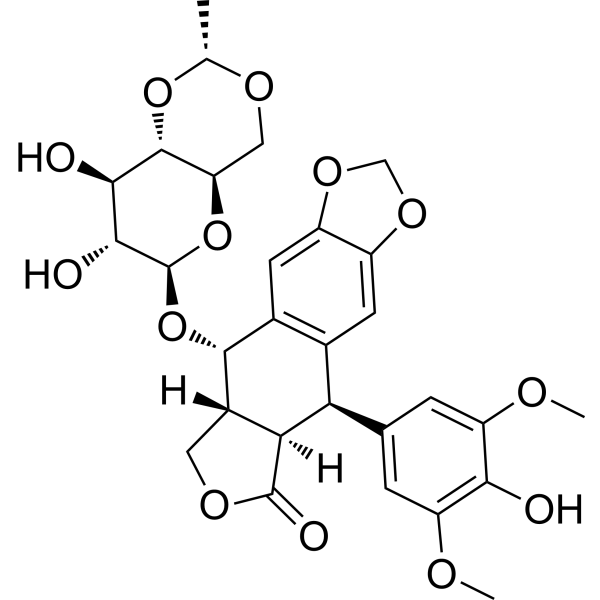
  • HY-13629
    Etoposide
    Maximum Cited Publications
    173 Publications Verification

    VP-16; VP-16-213

    Topoisomerase Autophagy Mitophagy Bacterial Apoptosis Antibiotic Infection Cancer
    Etoposide (VP-16; VP-16-213) is an anti-cancer chemotherapy agent. Etoposide inhibits topoisomerase II, thus stopping DNA replication. Etoposide induces cell cycle arrest, apoptosis and autophagy .
    Etoposide
  • HY-14805
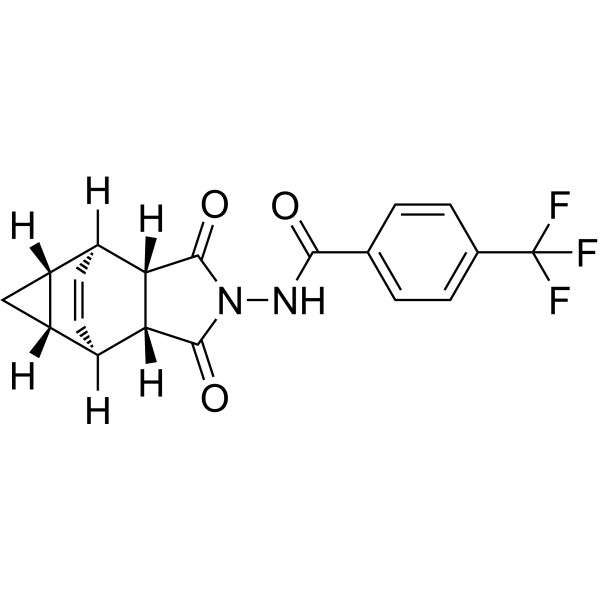
    Tecovirimat
    1 Publications Verification

    ST-246

    Orthopoxvirus Arenavirus Infection
    Tecovirimat (ST-246) is an orally bioavailable and selective compound against orthopoxviruses including vaccinia, monkeypox, camelpox, cowpox, ectromelia (mousepox), smallpox and variola viruses. Tecovirimat is evaluated against vaccinia, cowpox virus, ectromelia virus with EC50 values of 0.01 μM, 0.48 μM and 0.05 μM, respectively. Tecovirimat targets the orthopoxvirus protein VP37 which is necessary for membrane envelopment of intracellular mature virus particles to form enveloped virus. Tecovirimat exerts antiviral activity on the target of the cowpox virus V061 gene, which is homologous to vaccinia virus F13L, encoding a major envelope protein (p37) required for production of extracellular virus .
    Tecovirimat
  • HY-19952
    Pleconaril
    1 Publications Verification

    VP 63843; Win 63843

    Enterovirus Infection
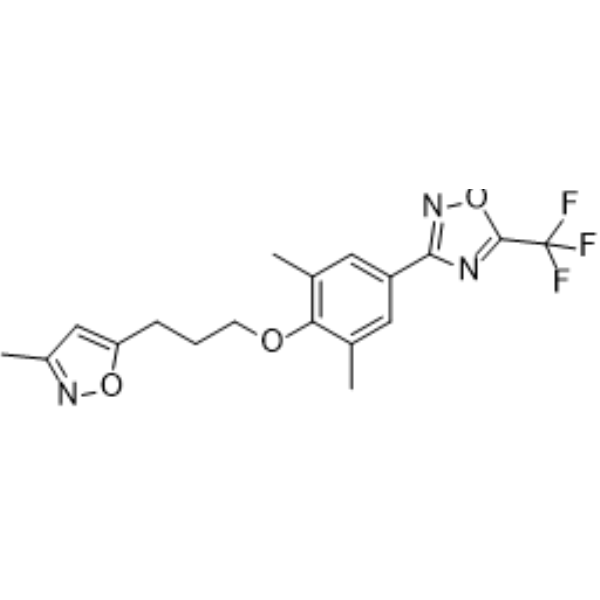
    Pleconaril is a picornavirus capsid binding inhibitor that prevents attachment and/or virus uncoating. Pleconaril has potential for use in rhinoviruses and enteroviruses research .
    Pleconaril
  • HY-401424

    Polyoxyethylene(36) Castor Oil; PEG-36 Castor Oil

    Environmental Pollutants Biochemical Assay Reagents Others
    Cremophor EL-36 is a non-ionic surfactant, mainly used as a solubilizing carrier for poorly soluble Paclitaxel (HY-B0015). For example, Cremophor EL-36 can enhance the intracellular influx of Etoposide (HY-13629) without affecting drug efflux, and can dose-dependently increase the accumulation of VP-16 in lung adenocarcinoma cells (such as PC-14 and A549), significantly enhancing its cytotoxic effect .
    Cremophor EL-36
  • HY-112258
    IMP-1088
    5+ Cited Publications

    DNA/RNA Synthesis Infection
    IMP-1088 is a potent human N-myristoyltransferases NMT1 and NMT2 dual inhibitor with IC50s of <1 nM for HsNMT1 and HsNMT2. IMP-1088 has a Kd of <210 pM for HsNMT1. IMP-1088 efficiently blocks rhinovirus replication by blocking rhinovirus virus-encoded protein (VP0) N-myristoylation. IMP-1088 protects host cells from the cytotoxic effects of viral infection .
    IMP-1088
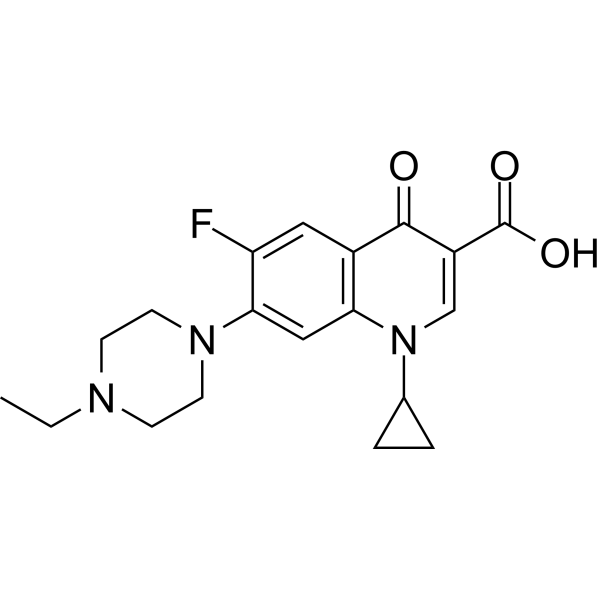
  • HY-B0502
    Enrofloxacin
    15+ Cited Publications

    BAY VP 2674; PD160788

    Bacterial Antibiotic Orthopoxvirus Infection
    Enrofloxacin (BAY Vp 2674) is an effective antibiotic with an MIC90 of 0.312 μg/mL for Mycoplasma bovis.
    Enrofloxacin
  • HY-W019940

    Environmental Pollutants Endogenous Metabolite Inflammation/Immunology
    2-Methoxy-4-vinylphenol (2M4VP), a naturally Germination inhibitor, exerts potent anti-inflammatory effects .
    2-Methoxy-4-vinylphenol
  • HY-19350
    BML-210
    2 Publications Verification

    HDAC Apoptosis Cancer
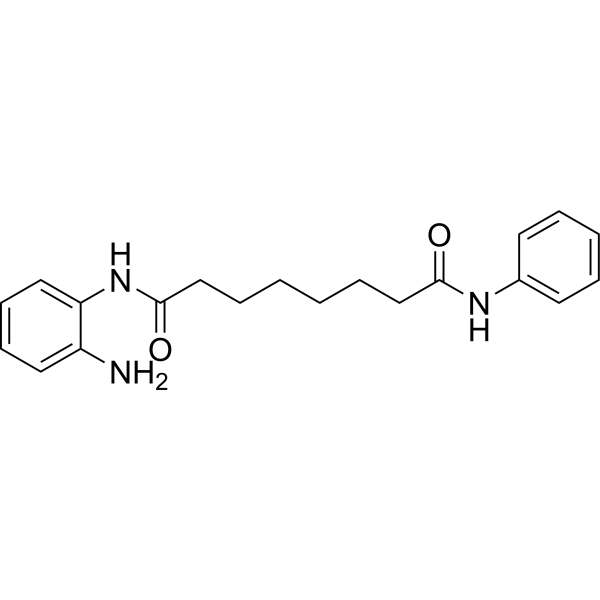
    BML-210 is a potent HDAC inhibitor. BML-210 can inhibit the HDAC4-VP16-driven reporter signal with an apparent IC50 of ∼5 µM. BML-210 has a specific disruptive effect on the HDAC4:MEF2 interaction. BML-210 causes an increase in the G0/G1 phase. BML-210 induces apoptosis and displays antitumour activities in orthotopic mammary tumours in mice .
    BML-210
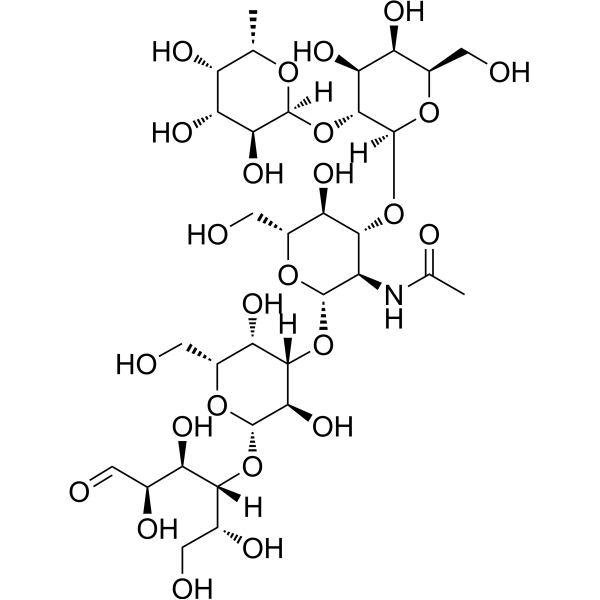
  • HY-W019806

    LNFP I

    Endogenous Metabolite CDK Reactive Oxygen Species (ROS) Apoptosis Enterovirus Bacterial Infection Inflammation/Immunology
    Lacto-N-fucopentaose I (LNFPI) is a human milk oligosaccharide (HMO), possessing antiviral and antibacterial activity. Lacto-N-fucopentaose I can reduce capsid protein VP1 to block virus adsorption, promote CDK2 and reduce cyclin E to recover cell cycle S phase block. Lacto-N-fucopentaose I inhibits ROS production and apoptosis in virus-infected cells. Lacto-N-fucopentaose I can also regulate intestinal microbiota to affect immune system development .
    Lacto-N-fucopentaose I
  • HY-128879A

    Phosphodiesterase (PDE) GSK-3 Tau Protein Cardiovascular Disease Neurological Disease Inflammation/Immunology
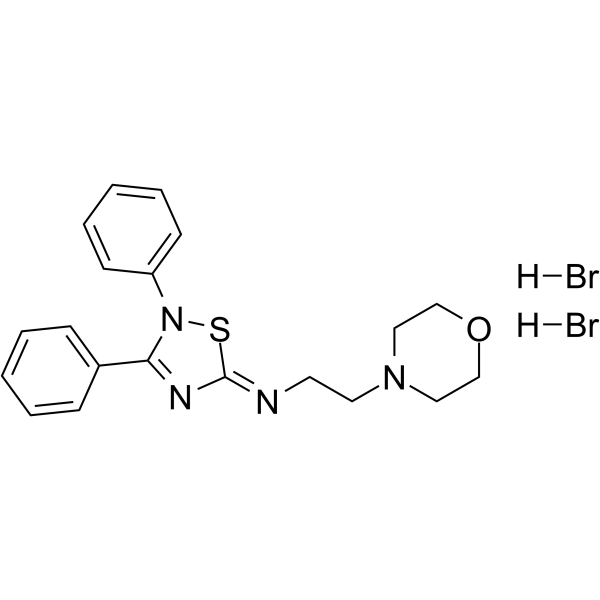
    VP3.15 dihydrobromide is a highly potent, orally bioavailable, and CNS-penetrant PDE7-GSK3 dual inhibitor, with IC50 values of 1.59 μM and 0.88 μM against PDE7 and GSK3, respectively . VP3.15 dihydrobromide elevates intracellular cAMP levels, suppresses immune responses, enhances remyelination, limits excessive tau phosphorylation, and alleviates neuroinflammation and neuronal loss. VP3.15 dihydrobromide promotes oligodendrocyte precursor cell differentiation, improves in vivo remyelination, inhibits autoimmune encephalomyelitis, and mitigates germinal matrix-intraventricular hemorrhage-related brain injury, cerebral atrophy, ventricular enlargement, and cognitive impairment. VP3.15 dihydrobromide can be used in research related to multiple sclerosis and germinal matrix-intraventricular hemorrhage .
    VP3.15 dihydrobromide
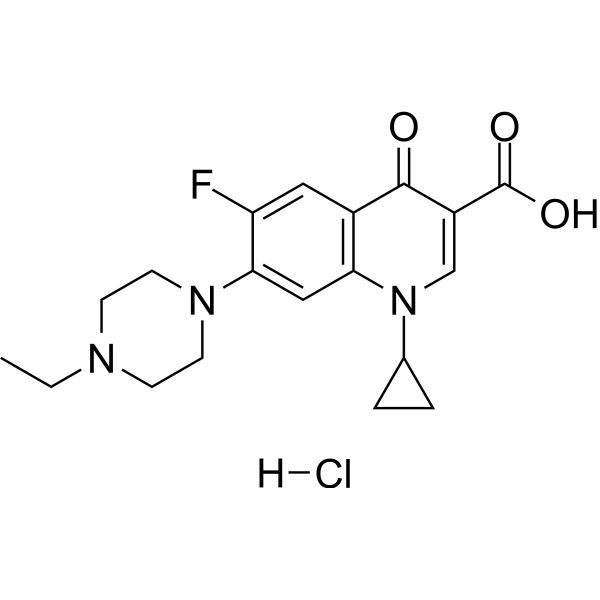
  • HY-B0502A
    Enrofloxacin monohydrochloride
    15+ Cited Publications

    BAY VP 2674 monohydrochloride; PD160788 monohydrochloride

    Bacterial Antibiotic Orthopoxvirus Infection
    Enrofloxacin monohydrochloride (BAY Vp 2674 monohydrochloride) is an effective antibiotic with an MIC90 of 0.312 μg/mL for Mycoplasma bovis. Enrofloxacin monohydrochloride shows inhibitory activity against vaccinia virus (VV).
    Enrofloxacin monohydrochloride
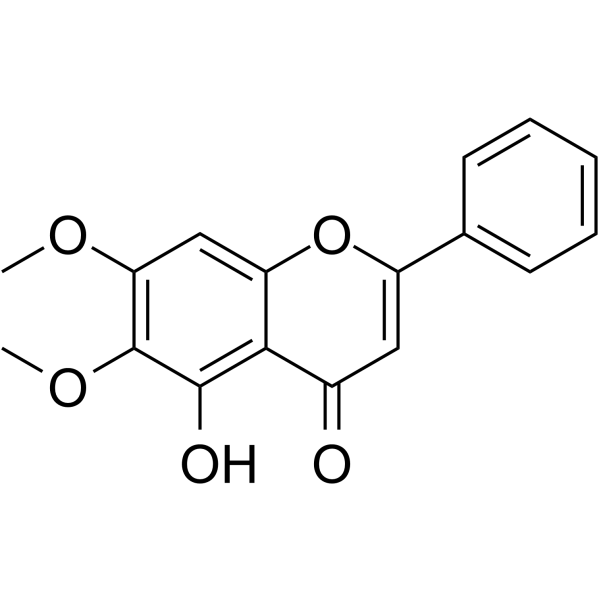
  • HY-N2036
    Mosloflavone
    1 Publications Verification

    TNF Receptor Enterovirus Bacterial Infection
    Mosloflavone is a flavonoid isolated from Scutellaria baicalensis Georgi with ?anti-EV71 activity. Mosloflavone? inhibits VP2 virus replication and protein expression during the initial stage of virus infection and inhibits viral VP2 capsid protein synthesis. Mosloflavone is a promising biocide and inhibits P. aeruginosa virulence and biofilm formation.
    Mosloflavone
  • HY-13629R
    Etoposide (Standard)
    1 Publications Verification

    VP-16 (Standard); VP-16-213 (Standard)

    Reference Standards Topoisomerase Autophagy Mitophagy Bacterial Apoptosis Antibiotic Infection Cancer
    Etoposide (Standard) is the analytical standard of Etoposide. This product is intended for research and analytical applications. Etoposide (VP-16; VP-16-213) is an anti-cancer chemotherapy agent. Etoposide inhibits topoisomerase II, thus stopping DNA replication. Etoposide induces cell cycle arrest, apoptosis and autophagy .
    Etoposide (Standard)
  • HY-W012017

    Enterovirus Infection
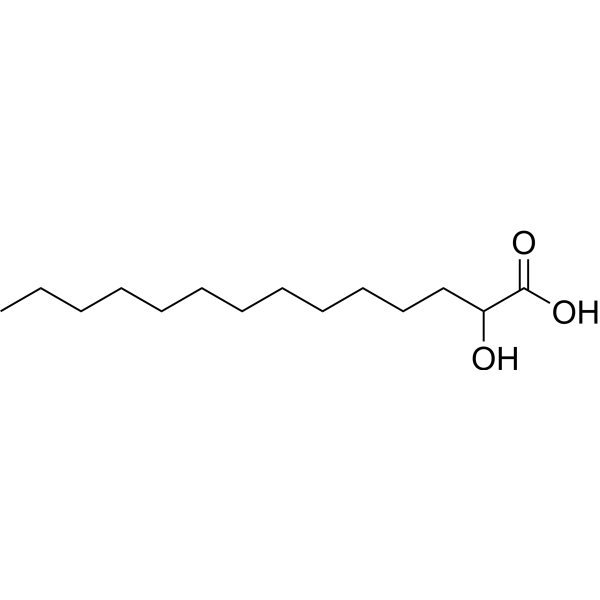
    2-Hydroxytetradecanoic acid is a hydroxy fatty acid that inhibits cleavage between the enterovirus capsid proteins VP4 and VP2. 2-Hydroxytetradecanoic Acid has anti-virus activity .
    2-Hydroxytetradecanoic acid
  • HY-P0056A

    GnRH Receptor Cancer
    Histrelin acetate, a GnRH analogue, is a GnRH Receptor agonist. Histrelin acetate increases serum luteinising hormone (LH), follicle stimulating hormone (FSH) and testosterone levels. Histrelin acetate can be used in the research of prostate cancer, endometriosis .
    Histrelin acetate
  • HY-W019940R

    Reference Standards Endogenous Metabolite Inflammation/Immunology
    2-Methoxy-4-vinylphenol (Standard) is the analytical standard of 2-Methoxy-4-vinylphenol. This product is intended for research and analytical applications. 2-Methoxy-4-vinylphenol (2M4VP), a naturally Germination inhibitor, exerts potent anti-inflammatory effects .
    2-Methoxy-4-vinylphenol (Standard)
  • HY-154585

    Nucleoside Antimetabolite/Analog Others
    VP-U-6 is a nucleoside analog that can be used in oligonucleotide synthesis .
    VP-U-6
  • HY-P1163A

    Vasopressin Receptor Cardiovascular Disease Neurological Disease
    D[LEU4,LYS8]-VP TFA is a selective agonist of vasopressin V1b receptor, with the Kis of 0.16 nM, 0.52 nM, and 0.1.38 nM for rat, human and mouse V1b receptor, respectively. D[LEU4,LYS8]-VP TFA has weak antidiuretic, vasopressor, and in vitro oxytocic activities .
    D[LEU4,LYS8]-VP TFA
  • HY-133813A

    Drug Metabolite Neurological Disease
    Apovincaminic acid hydrochloride salt is an orally active and brain-penetrant main active metabolite of Vinpocetine (VP). Apovincaminic acid hydrochloride salt exerts a neuroprotective type of action .
    Apovincaminic acid hydrochloride salt
  • HY-12994

    MDT-637

    RSV Infection
    MDT-637 (VP 14637) is a novel respiratory syncytial virus (RSV) fusion inhibitor with an IC50 of 1.42 ng/mL.
    VP-14637
  • HY-B0502R

    BAY VP 2674 (Standard); PD160788 (Standard)

    Reference Standards Bacterial Antibiotic Endogenous Metabolite Orthopoxvirus Infection
    Enrofloxacin (Standard) is the analytical standard of Enrofloxacin. This product is intended for research and analytical applications. Enrofloxacin (BAY Vp 2674) is an effective antibiotic with an MIC90 of 0.312 μg/mL for Mycoplasma bovis.
    Enrofloxacin (Standard)
  • HY-14805A
    Tecovirimat monohydrate
    1 Publications Verification

    ST-246 monohydrate

    Orthopoxvirus Arenavirus Infection
    Tecovirimat (ST-246) monohydrate is the monohydrate form of Tecovirimat (HY-14805). Tecovirimat monohydrate is an orally bioavailable and selective compound against orthopoxviruses [including vaccinia, monkeypox, camelpox, cowpox, ectromelia (mousepox), smallpox and variola viruses]. Tecovirimat monohydrate is evaluated against vaccinia, cowpox virus, ectromelia virus with EC50 values of 0.01 μM, 0.48 μM and 0.05 μM, respectively. Tecovirimat monohydrate targets the orthopoxvirus protein VP37 which is necessary for membrane envelopment of intracellular mature virus particles to form enveloped virus. Tecovirimat monohydrate exerts antiviral activity on the target of the cowpox virus V061 gene, which is homologous to vaccinia virus F13L, encoding a major envelope protein (p37) required for production of extracellular virus. Tecovirimat monohydrate could be used in the study for orthopoxvirus-induced diseases .
    Tecovirimat monohydrate
  • HY-P0056

    GnRH Receptor Cancer
    Histrelin, a GnRH analogue, is a GnRH Receptor agonist. Histrelin increases serum luteinising hormone (LH), follicle stimulating hormone (FSH) and testosterone levels. Histrelin can be used in the research of prostate cancer, endometriosis .
    Histrelin
  • HY-111233

    WIN-51711

    Enterovirus Infection
    Disoxaril (WIN-51711) is an antivirus agent with activity against poliovirus types 1 and 2. Disoxaril inserts into the hydrophobic interior of virus capsid protein VP1 to stabilize virion conformation, inhibits poliovirus uncoating, and prevents viral RNA release and synthesis. Disoxaril can be used for the research of poliovirus infection .
    Disoxaril
  • HY-128879

    Phosphodiesterase (PDE) GSK-3 Neurological Disease
    VP3.15 is a potent, orally bioavailable and CNS-penetrant dual phosphodiesterase (PDE)7- glycogen synthase kinase (GSK)3 inhibitor, with IC50s of 1.59 μM and 0.88 μM for PDE7 and GSK-3, respectively. VP3.15 has neuroprotective and neuroreparative activities, thus as potential combined anti-inflammatory and pro-remyelinating therapies for multiple sclerosis (MS) .
    VP3.15
  • HY-W881465

    Nucleoside Antimetabolite/Analog Phosphoramidites Metabolic Disease
    5'(E)-VP-2'-OMe-U Phosphoramidite is a monomeric raw material that can be used for nucleic acid synthesis.
    5'(E)-VP-2'-OMe-U phosphoramidite
  • HY-B0502S

    BAY VP 2674-d5; PD160788-d5

    Bacterial Antibiotic Endogenous Metabolite Infection
    Enrofloxacin-d5 is the deuterium labeled Enrofloxacin. Enrofloxacin (BAY Vp 2674) is an effective antibiotic with an MIC90 of 0.312 μg/mL for Mycoplasma bovis.
    Enrofloxacin-d5
  • HY-113761

    Filovirus Infection
    ASN03576800 could be a potent inhibitor for Ebola virus matrix protein VP40 in process of viral assembly and budding process. ASN03576800 occupies the RNA binding region of VP40 .
    ASN03576800
  • HY-122046

    Endogenous Metabolite Infection
    Amb123203 is an antiviral compound with the activity of inhibiting viral budding. Amb123203 exerts its effect by blocking the interaction between mVP40 and Nedd4 proteins. Amb123203 has a significant inhibitory effect on the budding of VP40 virus-like particles (VLPs) of Marburg (MARV) and Ebola viruses. Amb123203 can effectively target RNA viruses that rely on the PPxY L domain for efficient budding, showing broad-spectrum antiviral activity. The discovery of Amb123203 provides an important basis for the development of new broad-spectrum antiviral compounds .
    Amb123203
  • HY-14805S

    ST-246-d4

    Isotope-Labeled Compounds Orthopoxvirus Arenavirus Infection
    Tecovirimat-d4 (ST-246-d4) is a deuterium-labelled Tecovirimat (HY-14805). Tecovirimat is an orally bioavailable and selective compound against orthopoxviruses [including vaccinia, monkeypox, camelpox, cowpox, ectromelia (mousepox), smallpox and variola viruses]. Tecovirimat is evaluated against vaccinia, cowpox virus, ectromelia virus with EC50 values of 0.01 μM, 0.48 μM and 0.05 μM, respectively. Tecovirimat targets the orthopoxvirus protein VP37 which is necessary for membrane envelopment of intracellular mature virus particles to form enveloped virus. Tecovirimat exerts antiviral activity on the target of the cowpox virus V061 gene, which is homologous to vaccinia virus F13L, encoding a major envelope protein (p37) required for production of extracellular virus. Tecovirimat could be used in the study for orthopoxvirus-induced diseases .
    Tecovirimat-d4
  • HY-CE01868

    VP-Coenzyme A; Valproyl-CoA; Valproyl-coenzyme A

    Biochemical Assay Reagents Metabolic Disease
    VP-CoA (VP-Coenzyme A) is a coenzyme A derivative .
    VP-CoA
  • HY-W744243

    VP-16-d4; VP-16-213-d4

    Isotope-Labeled Compounds Apoptosis Topoisomerase Bacterial Autophagy Mitophagy Antibiotic Cancer
    Etoposide-d4 (VP-16-d4; VP-16-213-d4) is the deuterium labeled Etoposide (HY-13629). Etoposide (VP-16; VP-16-213) is an anti-cancer chemotherapy agent. Etoposide inhibits topoisomerase II, thus stopping DNA replication. Etoposide induces cell cycle arrest, apoptosis and autophagy .
    Etoposide-d4
  • HY-W1119957

    Biochemical Assay Reagents Others
    5'-VP-2'-OMe-U phosphoramidite is a phosphoramidite that contains 5’ DMT and uridine with 2’-O-methyl protection. 5'-VP-2'-OMe-U Phosphoramidite can be used to synthesize oligonucleotide.
    5'-VP-2'-OMe-U phosphoramidite
  • HY-P1163

    Vasopressin Receptor Cardiovascular Disease Neurological Disease
    D[LEU4,LYS8]-VP is a selective agonist of vasopressin V1b receptor, with the Kis of 0.16 nM, 0.52 nM, and 0.1.38 nM for rat, human and mouse V1b receptor, respectively. D[LEU4,LYS8]-VP has weak antidiuretic, vasopressor, and in vitro oxytocic activities .
    D[LEU4,LYS8]-VP
  • HY-W881466

    DNA/RNA Synthesis Others
    5'(E)-VP-2'-OMe-Bz-A Phosphoramidite is a phosphoramidate nucleotide precursor compound, which is mainly used to synthesize stable and functionalized modified oligonucleotides and is used in the development and synthesis of nucleic acid drugs .
    5'(E)-VP-2'-OMe-Bz-A Phosphoramidite
  • HY-P991153

    Virus Protease Infection
    Potravitug is a humanized immunoglobulin G1-κ monoclonal antibody targeting the major capsid protein VP1 of BK polyomavirus (BKV). Potravitug is promising for research of BKV-infection-related diseases, such as BKV-induced nephropathy after organ transplantation .
    Potravitug
  • HY-145850

    Enterovirus Infection
    EV-A71-IN-1 is a human enterovirus A71 (EV-A71) capsid protein inhibitor with an EC50 of 0.27 μM against EV-A71. EV-A71-IN-1 is a capsid binder that blocks the interaction between the viral VP1 and the host receptor hSCARB2. EV-A71-IN-1 inhibits a series of different human enteroviruses without significant cytotoxicity (CC50>56.2 μM) .
    EV-A71-IN-1
  • HY-115965R

    Reference Standards Bacterial Antibiotic Infection
    VP-4604 (Standard) is the analytical standard of VP-4604. This product is intended for research and analytical applications. VP-4604 is a potent anti-methicillin-resistant Staphylococcus aureus (MRSA) agent. VP-4604 exhibits significant microbial growth inhibition toward Staphylococcus aureus (ATCC 43300) with MIC of 4-8 μg/mL. VP-4604 inhibits the growth of methicillin‐resistant Staphylococcus aureus with growth inhibition >95%[1].
    VP-4604 (Standard)
  • HY-115965

    Bacterial Antibiotic Infection
    VP-4604 is a potent anti-methicillin-resistant Staphylococcus aureus (MRSA) agent. VP-4604 exhibits significant microbial growth inhibition toward Staphylococcus aureus (ATCC 43300) with MIC of 4-8 µg/mL. VP-4604 inhibits the growth of methicillin‐resistant Staphylococcus aureus with growth inhibition >95% .
    VP-4604
  • HY-115964

    Bacterial Antibiotic Infection
    VP-4556 is a potent anti-methicillin-resistant Staphylococcus aureus (MRSA) agent. VP-4556 exhibits significant microbial growth inhibition toward Staphylococcus aureus (ATCC 43300) with MIC of 8 µg/mL. VP-4556 inhibits the growth of methicillin‐resistant Staphylococcus aureus with growth inhibition >95% .
    VP-4556
  • HY-W024297

    Bacterial Infection
    VP-4509, an anti-methicillin‐resistant Staphylococcus aureus (MRSA) agent, with the MIC of 49.3 µM. VP-4509 also possesses high antibacterial activity towards gram-negative bacteria P. aeruginosa .
    VP-4509
  • HY-13629S

    VP-16-d3; VP-16-213-d3

    Isotope-Labeled Compounds Topoisomerase Antibiotic Apoptosis Bacterial Autophagy Mitophagy Infection Cancer
    Etoposide-d3 (VP-16-d3) is the deuterium labeled Etoposide (HY-13629). Etoposide (VP-16) is an anti-cancer chemotherapy agent. Etoposide inhibits topoisomerase II, thus stopping DNA replication. Etoposide induces cell cycle arrest, apoptosis and autophagy .
    Etoposide-d3
  • HY-13629S1

    VP-16-13C,d3; VP-16-213-13C,d3

    Isotope-Labeled Compounds Topoisomerase Autophagy Mitophagy Bacterial Apoptosis Antibiotic Infection Cancer
    Etoposide- 13C,d3 is the 13C- and deuterium labeled Etoposide. Etoposide (VP-16; VP-16-213) is an anti-cancer chemotherapy agent. Etoposide inhibits topoisomerase II, thus stopping DNA replication. Etoposide induces cell cycle arrest, apoptosis and autophagy .
    Etoposide-13C,d3
  • HY-403188

    DNA/RNA Synthesis Others
    5'(E)-VP-2'-OMe-Bz-C Phosphoramidite is a phosphoramidite monomer used in nucleic acid synthesis, such as oligonucleotides.
    5'(E)-VP-2'-OMe-Bz-C Phosphoramidite
  • HY-106122

    VP 19

    Topoisomerase DNA/RNA Synthesis Cancer
    NK-611 (VP 19) is an epipodophyllotoxin derivative. NK-611 induces DNA double-strand breaks by inhibiting topoisomerase II (IC50 = 56 μM). NK-611 does not inhibit microtubule polymerization, thus avoiding the side effects of the parent compound, Podofilox (HY-15552). NK-611 exhibits broad-spectrum antitumor activity and demonstrates potent efficacy in in vivo models of leukemia. NK-611 can be used in cancer research .
    NK-611
  • HY-B0502AR

    BAY VP 2674 monohydrochloride (Standard); PD160788 monohydrochloride (Standard)

    Reference Standards Bacterial Antibiotic Endogenous Metabolite Orthopoxvirus Infection
    Enrofloxacin (monohydrochloride) (Standard) is the analytical standard of Enrofloxacin (monohydrochloride). This product is intended for research and analytical applications. Enrofloxacin monohydrochloride (BAY Vp 2674 monohydrochloride) is an effective antibiotic with an MIC90 of 0.312 μg/mL for Mycoplasma bovis. Enrofloxacin monohydrochloride shows inhibitory activity against vaccinia virus (VV).
    Enrofloxacin monohydrochloride (Standard)
  • HY-B0502AS

    BAY VP 2674-d5 hydrochloride; PD160788-d5 hydrochloride

    Isotope-Labeled Compounds Bacterial Antibiotic Endogenous Metabolite Infection
    Enrofloxacin-d5 (hydrochloride) is deuterium labeled Enrofloxacin (monohydrochloride). Enrofloxacin monohydrochloride (BAY Vp 2674 monohydrochloride) is an effective antibiotic with an MIC90 of 0.312 μg/mL for Mycoplasma bovis.
    Enrofloxacin-d5 hydrochloride
  • HY-B0502AS1

    BAY VP 2674-d5 hydriodide; PD160788-d5 hydriodide

    Isotope-Labeled Compounds Bacterial Antibiotic Endogenous Metabolite Infection
    Enrofloxacin-d5 (hydriodide) is the deuterium labeled Enrofloxacin (monohydrochloride). Enrofloxacin monohydrochloride (BAY Vp 2674 monohydrochloride) is an effective antibiotic with an MIC90 of 0.312 μg/mL for Mycoplasma bovis.
    Enrofloxacin-d5 hydriodide
  • HY-RS16746

    Small Interfering RNA (siRNA) Others

    Avp Mouse Pre-designed siRNA Set A contains three designed siRNAs for Avp gene (Mouse), as well as a negative control, a positive control, and a FAM-labeled negative control.

    Avp Mouse Pre-designed siRNA Set A
    Avp Mouse Pre-designed siRNA Set A
  • HY-W012017R

    Reference Standards Enterovirus Infection
    2-Hydroxytetradecanoic acid is a hydroxy fatty acid that inhibits cleavage between the enterovirus capsid proteins VP4 and VP2. 2-Hydroxytetradecanoic Acid has anti-virus activity .
    2-Hydroxytetradecanoic acid (Standard)

Inquiry Online

Your information is safe with us. * Required Fields.

Salutation


Country or Region *

Applicant Name *


Organization Name *

Department *


Email Address *


Product Name *

Cat. No.


Requested quantity *

Phone Number *


Remarks

Inquiry Online

Inquiry Information

Product Name:
Cat. No.:
Quantity:
MCE Japan Authorized Agent:

