Search Result
Results for "
YAP/TEAD
" in MedChemExpress (MCE) Product Catalog:
2
Isotope-Labeled Compounds
| Cat. No. |
Product Name |
Target |
Research Areas |
Chemical Structure |
-
- HY-B0146
-
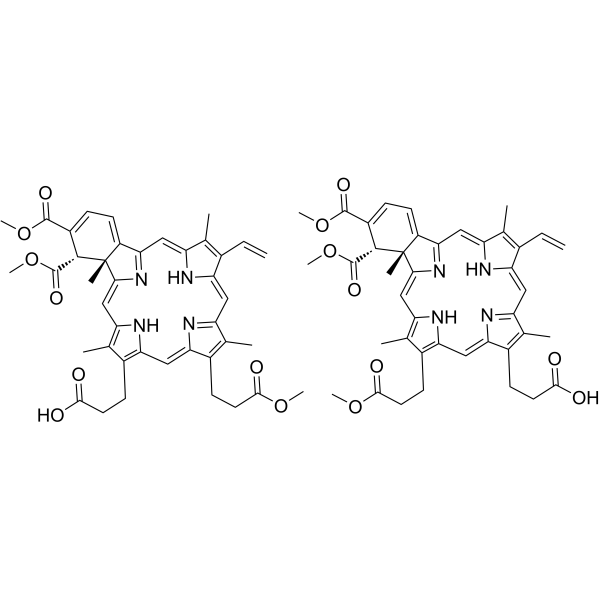
Verteporfin
Maximum Cited Publications
266 Publications Verification
CL 318952
|
YAP
Apoptosis
Autophagy
Photosensitizer
|
Cancer
|
|
Verteporfin (CL 318952) is a photosensitizer for photodynamic therapy to eliminate the abnormal blood vessels in the eye associated with conditions such as age-related macular degeneration. Verteporfin is a YAP inhibitor which disrupts YAP-TEAD interactions. Verteporfin induces cell apoptosis . Verteporfinis an autophagy inhibitor that blocks autophagy at an early stage by inhibiting autophagosome formation .
|
-
-
- HY-153811
-
IAG933
3 Publications Verification
YAP-TEAD-IN-3
|
YAP
Apoptosis
|
Cancer
|
|
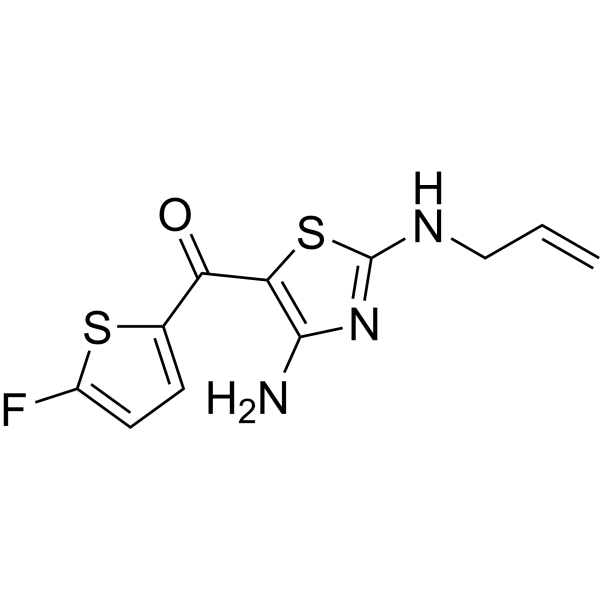
IAG933 (YAP-TEAD-IN-3) is an orally available YAP/TAZ-TEAD inhibitor that has anti-tumor effects and promotes apoptosis. IAG933 YAP-TEAD-IN-3 inhibits Avi-human TEAD 4217-434, with an IC50 value of 9 nM .
|
-
-
- HY-134956
-
VT104
3 Publications Verification
|
YAP
|
Cancer
|
|
VT104 is a potent and orally active YAP/TAZ inhibitor. VT104 prevents palmitoylation of endogenous TEAD1 and TEAD3 proteins. VT104 can be used in research of cancer .
|
-
-
- HY-B0990
-
Thiostrepton
Maximum Cited Publications
24 Publications Verification
|
Bacterial
Antibiotic
YAP
|
Infection
|
|
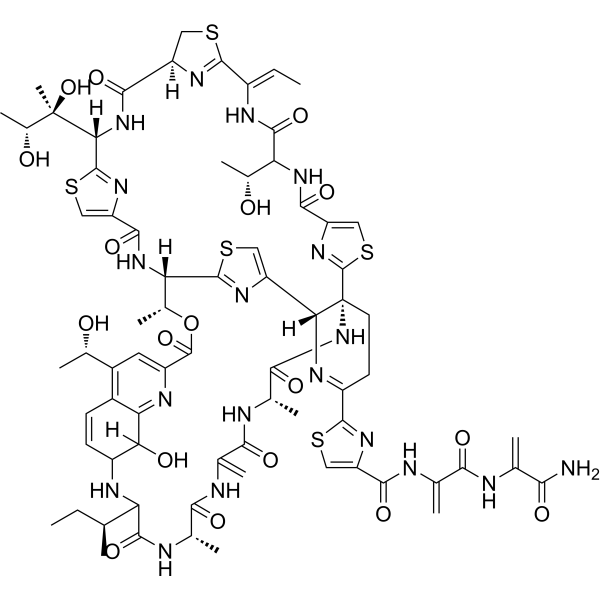
Thiostrepton is a thiazole antibiotic which selectively inhibits FOXM1. FOXM1 binds to YAP/TEAD complex. YAP/TEAD/FOXM1 complex binding at regulatory regions of genes governing cell cycle may impact cell proliferation .
|
-
-
- HY-138565
-
|
|
YAP
|
Cancer
|
|
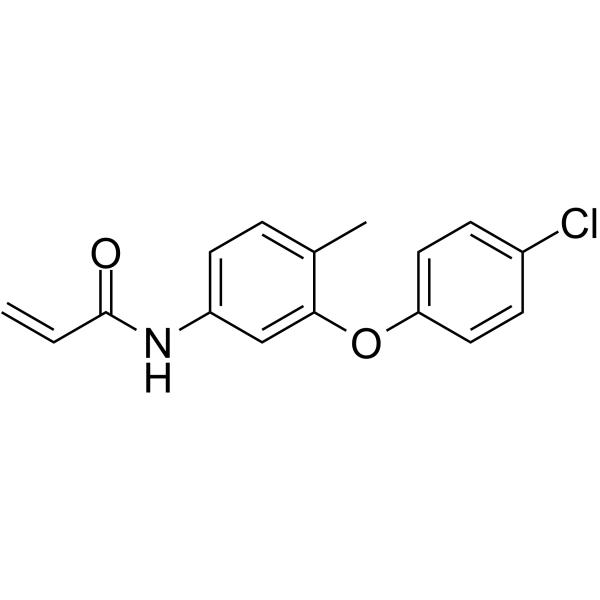
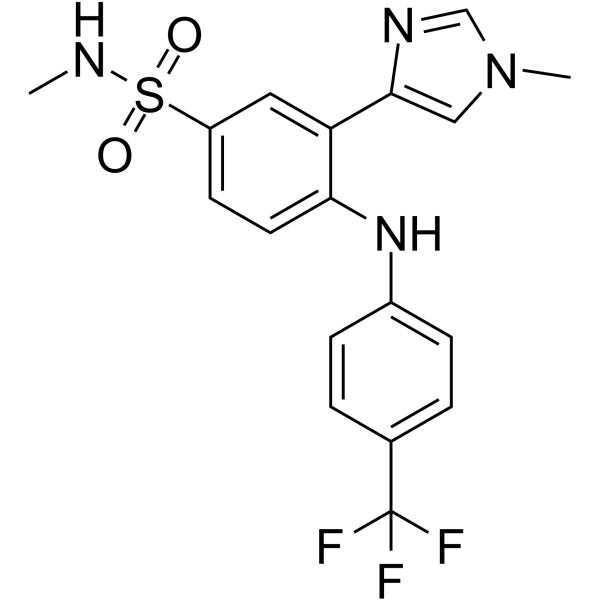
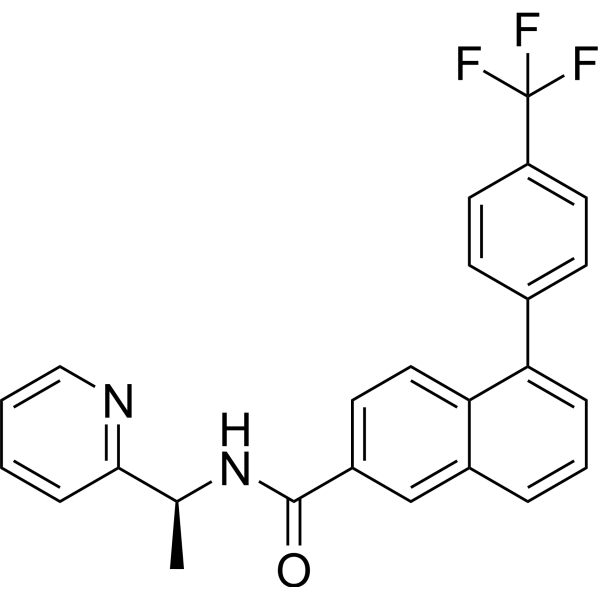
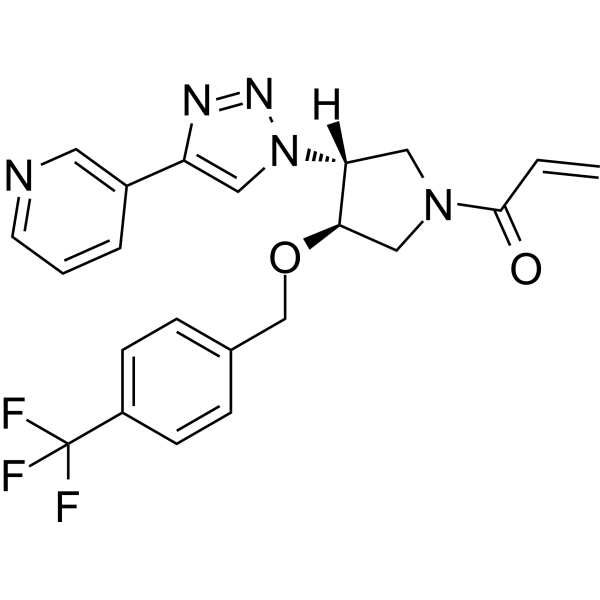
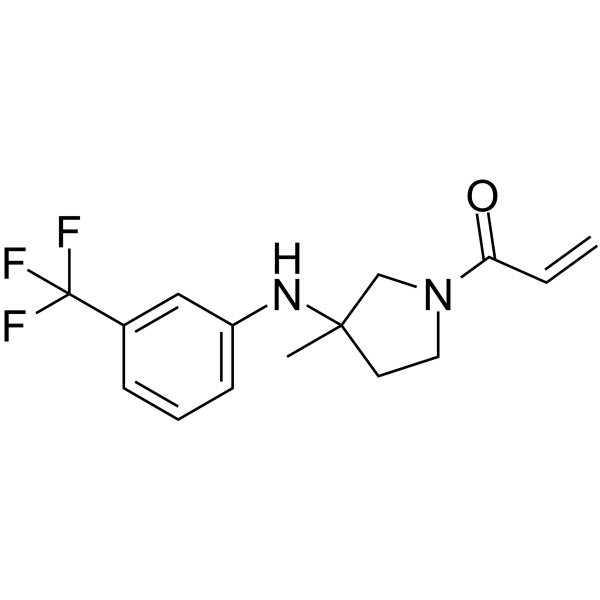
K-975 is a potent, selective and orally active TEAD inhibitor, with a strong inhibitory effect against protein-protein interactions between YAP1/TAZ and TEAD. K-975 covalently binds to Cys359 located in the palmitate-binding pocket of TEAD via an acrylamide structure. K-975 exhibits antitumor activity on malignant pleural mesothelioma .
|
-
-
- HY-147214
-
|
|
YAP
|
Cancer
|
|
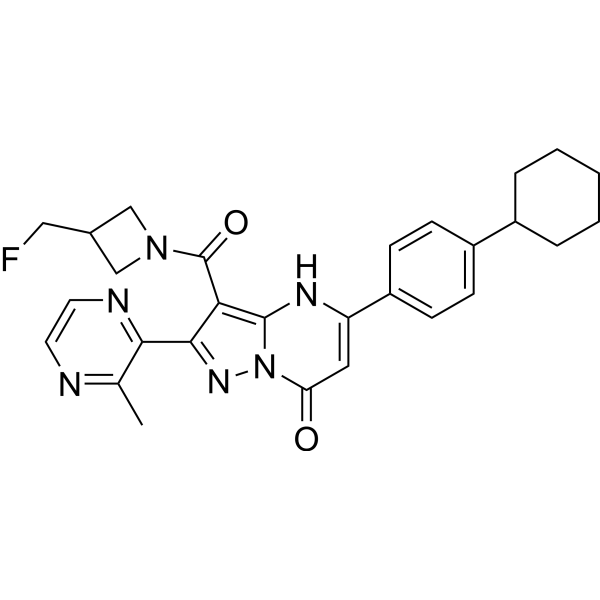
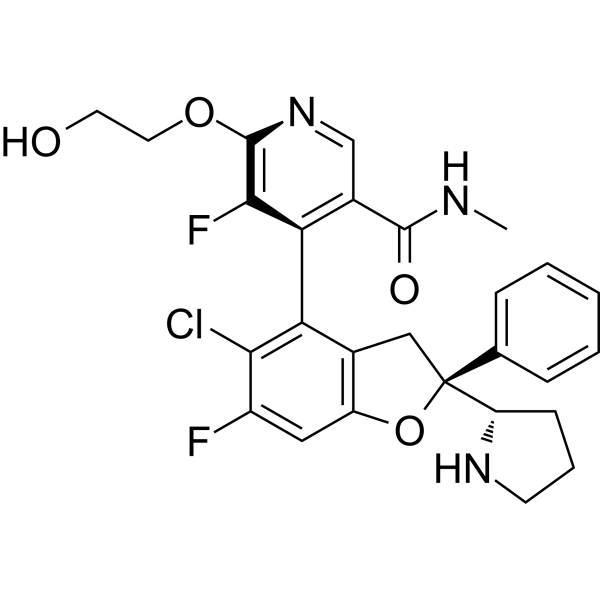
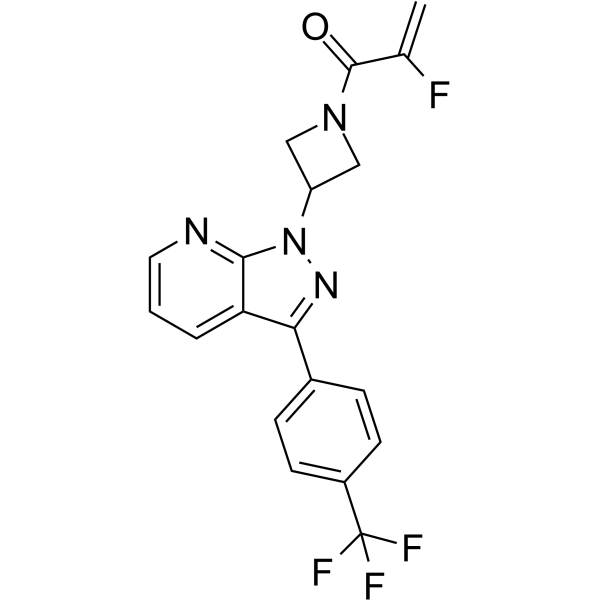
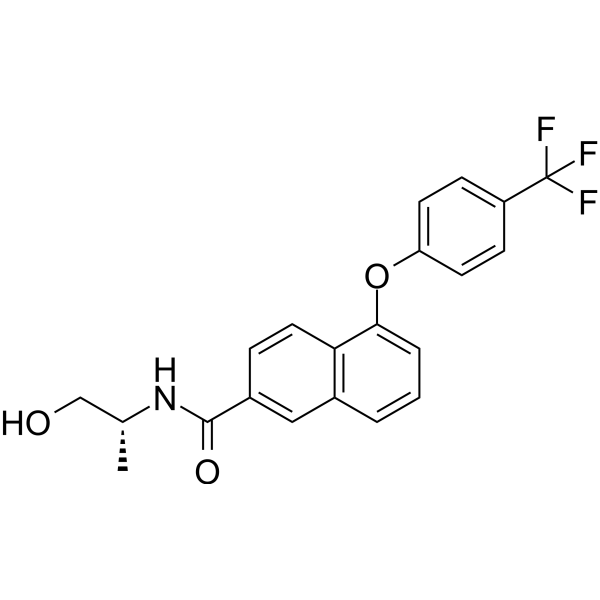
GNE-7883 is a pan-TEAD inhibitor that blocks the association of YAP/TAZ with TEAD. GNE-7883 effectively reduces chromatin accessibility at TEAD motifs, inhibits cell proliferation in multiple cell line models, and achieves strong anti-tumor efficacy in vivo. In addition, GNE-7883 effectively overcomes intrinsic and acquired resistance to KRAS (Kirsten rat sarcoma viral oncogene homolog) G12C inhibitors in multiple preclinical models by inhibiting YAP/TAZ activation .
|
-
-
- HY-B1221
-
|
|
COX
AMPK
Potassium Channel
Chloride Channel
Calcium Channel
Parasite
|
Inflammation/Immunology
|
|
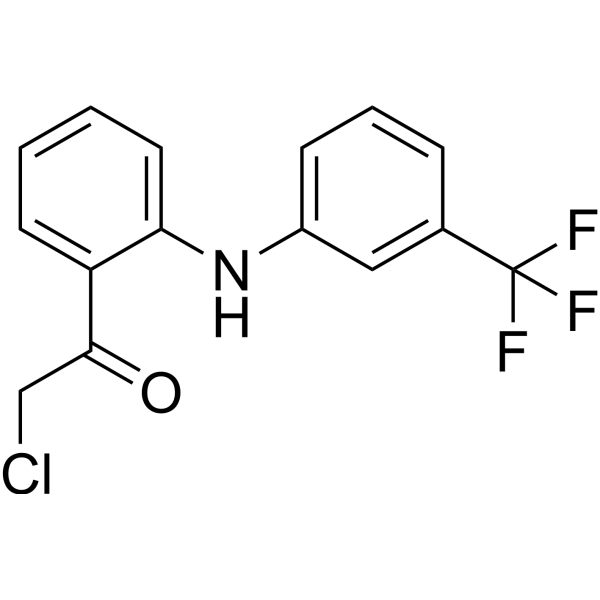
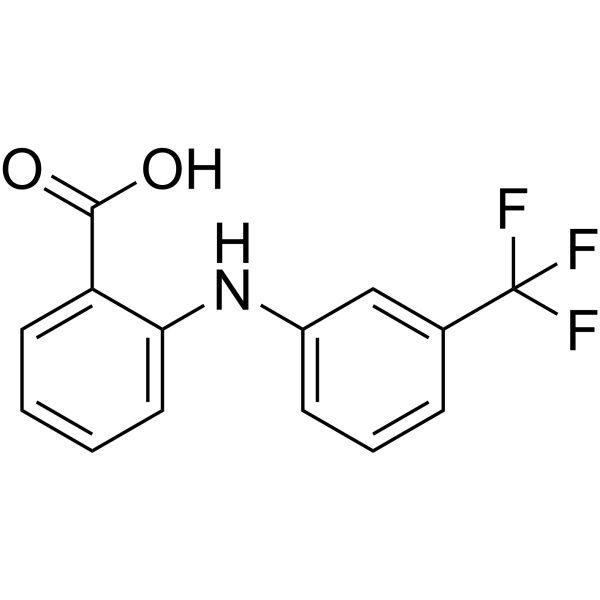
Flufenamic acid is a non-steroidal anti-inflammatory agent, inhibits cyclooxygenase (COX), activates AMPK, and also modulates ion channels, blocking chloride channels and L-type Ca 2+ channels, modulating non-selective cation channels (NSC), activating K + channels. Flufenamic acid binds to the central pocket of TEAD2 YBD and inhibits both TEAD function and TEAD-YAP-dependent processes, such as cell migration and proliferation.
|
-
-
- HY-400902
-
|
|
YAP
VEGFR
Hippo (MST)
|
Cancer
|
VT3989 is an orally active pan-TEAD autopalmitoylation inhibitor that modulates the Hippo signaling pathway. VT3989 directly binds to TEAD transcription factors to block their palmitoylation modification, thereby disrupting the formation of YAP/TAZ-TEAD complexes and inhibiting downstream oncogenic transcriptional activity. VT3989 effectively inhibits the growth of NF2-deficient schwannoma and meningioma cells and reverses the Schwann cell phenotype. In addition, VT3989 exerts a synergistic effect when combined with Osimtinib (HY-15772) in EGFR-mutant non-small cell lung cancer models, significantly delaying tumor recurrence and prolonging survival. VT3989 can be used for the research of epithelioid hemangioendothelioma, malignant pleural mesothelioma, type 2 neurofibromatosis and related advanced solid tumors .
|
-
-
- HY-155338
-
|
|
YAP
|
Cancer
|
|
SWTX-143 is an orally active YAP/TAZ-TEAD inhibitor that binds to the palmitoylation pocket of all four TEAD isoforms. SWTX-143 causes irreversible and specific inhibition of the transcriptional activity of YAP/TAZ-TEAD and shows antitumor activity .
|
-
-
- HY-125016
-
TT-10
2 Publications Verification
TAZ-K
|
YAP
|
Cardiovascular Disease
Cancer
|
|
TT-10 (TAZ-K) is an activator of YES-associated protein (YAP)-transcriptional enhancer factor domain (TEAD) activity. TT-10 can be used for the research of heart diseases accompanied by cardiomyocyte loss .
|
-
-
- HY-125269
-
|
|
YAP
|
Cancer
|
|
TED-347 is a potent, irreversible, covalent and allosteric inhibitor at YAP-TEAD protein-protein interaction with an EC50 of 5.9 μM for TEAD4⋅Yap1 protein-protein interaction. TED-347 specifically and covalently bonds with Cys-367 within the central pocket of TEAD4 with a Ki of 10.3 μM. TED-347 blocks TEAD transcriptional activity and has antitumor activity .
|
-
-
- HY-134955
-
VT103
5 Publications Verification
|
YAP
|
Cancer
|
|
VT103, an analog of VT101, is an orally active and selective TEAD1 protein palmitoylation inhibitor. VT103 inhibits YAP/TAZ-TEAD promoted gene transcription, blocks TEAD auto-palmitoylation, and disrupts interaction between YAP/TAZ and TEAD. VT103 can be used for the research of cancer .
|
-
-
- HY-175357
-
|
|
YAP
|
Cancer
|
|
YAP/TEAD-IN-2 (Compound T-1) is a YAP/TEAD inhibitor. YAP/TEAD-IN-2 inhibits the luciferase activity driven by YAP/TEAD in 293T cells. YAP/TEAD-IN-2 exhibits strong anti-proliferative activity against human pleural mesothelioma NCI-H226 cells. YAP/TEAD-IN-2 can be used for the study of diseases associated with Hippo pathway dysregulation, particularly cancers .
|
-
-
- HY-168016
-
|
|
PROTACs
YAP
|
Cancer
|
|
PROTAC YAP degrader-1 is a VHL-recruiting PROTAC degrader (DC50=8.2 μM) and antiproliferative agent that targets YAP. PROTAC YAP degrader-1 recruits the E3 ligase VHL and binds to VHL to form a ternary complex containing YAP. PROTAC YAP degrader-1 inhibits the nuclear localization of YAP in cancer cells, reduces YAP/TEAD-mediated transcription, and induces TAZ protein degradation. PROTAC YAP degrader-1 reduces the oncogenic activity of YAP and exerts antiproliferative effects in the Huh7 xenograft mouse model. PROTAC YAP degrader-1 can be used for the research of hepatocellular carcinoma and mesothelioma .
|
-
-
- HY-P2244
-
|
|
YAP
|
Cancer
|
|
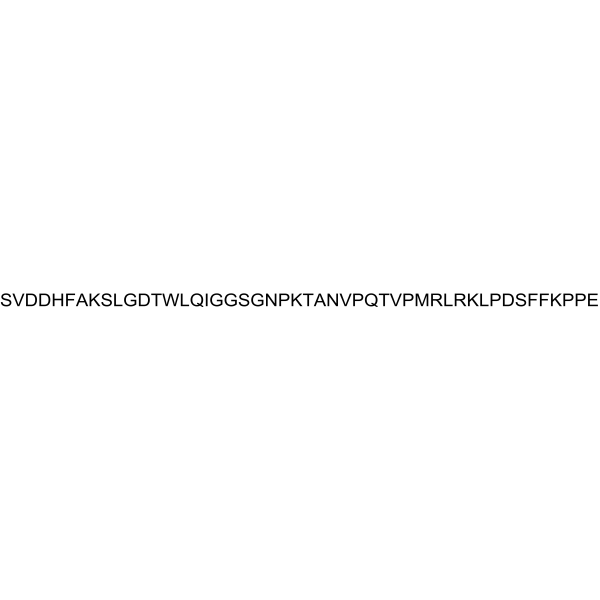
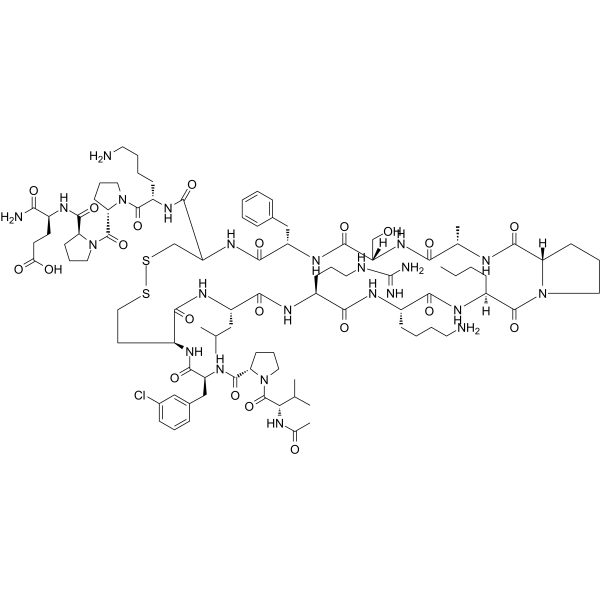
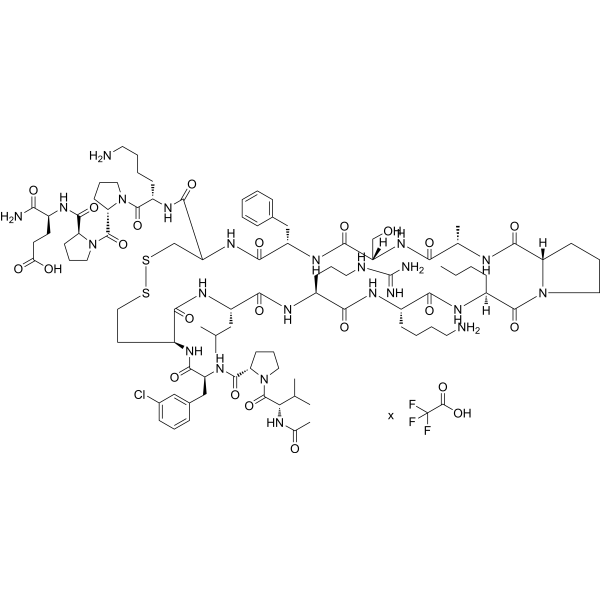
YAP-TEAD-IN-1 is a potent and competitive inhibitor of?YAP–TEAD interaction (IC50=25 nM). YAP-TEAD-IN-1 is a 17mer peptide and shows a higher the binding affinity to TEAD1 (Kd=15 nM) than YAP (50-171) (Kd=40 nM) .
|
-
-
- HY-P2244A
-
|
|
YAP
|
Cancer
|
|
YAP-TEAD-IN-1 TFA is a potent and competitive peptide inhibitor of YAP-TEAD interaction (IC50=25 nM). YAP-TEAD-IN-1 TFA is a 17mer peptide and shows a higher the binding affinity to TEAD1 (Kd=15 nM) than YAP (50-171) (Kd= 40 nM) .
|
-
-
- HY-P1727
-
|
|
YAP
|
Cancer
|
|
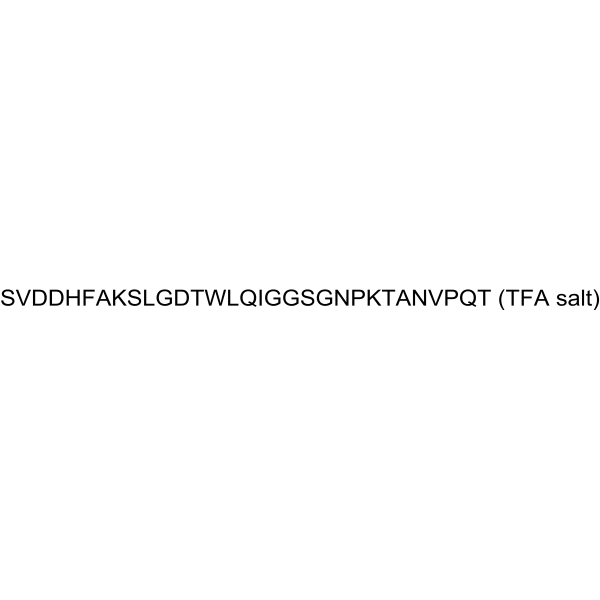
Super-TDU is a specific YAP antagonist targeting YAP-TEADs interaction. Super-TDU suppresses tumor growth in gastric cancer mouse model .
|
-
-
- HY-147322
-
|
|
YAP
|
Cancer
|
|
YAP/TAZ inhibitor-2 is a potent and orally active TEAD-YAP/TAZ inhibitor with an EC50 value of 3 nM. YAP/TAZ inhibitor-2 shows anti-proliferative activity. YAP/TAZ inhibitor-2 shows antitumor activity .
|
-
-
- HY-147135
-
|
TEAD-IN-3
|
YAP
Apoptosis
|
Cancer
|
|
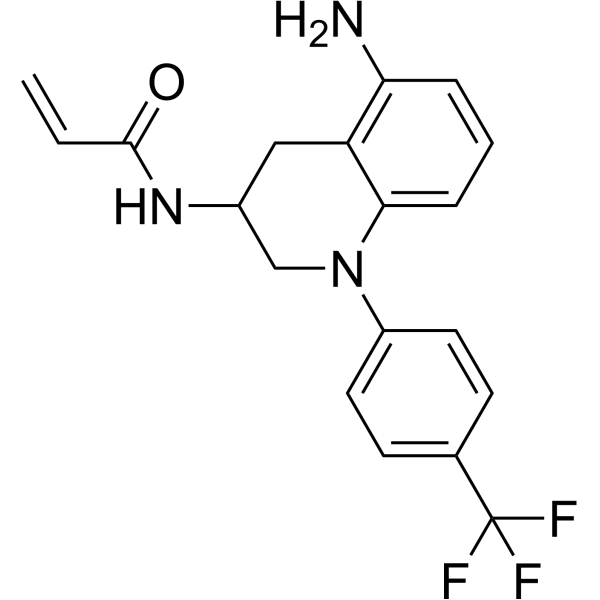
MYF-03-69 (TEAD-IN-3) is a covalent and irreversible TEAD inhibitor with IC50s of 385, 143, 558 and 173 nM for TEAD1, TEAD2, TEAD3 and TEAD4. MYF-03-69 disrupts YAP-TEAD association, suppresses TEAD transcriptional activity (IC50 = 56 nM) and up-regulates apoptosis gene BMF. MYF-03-69 selectively inhibits mesothelioma cancer cells with defective Hippo signaling. MYF-03-69 can be used for the study of malignant pleural mesothelioma (MPM) .
|
-
-
- HY-139603
-
|
|
YAP
|
Cancer
|
|
MYF-01-37 is a covalent TEAD inhibitor targeting Cys380. MYF-01-37 has a reversible inhibition on YAP/TEAD interaction .
|
-
-
- HY-174275
-
|
|
YAP
|
Inflammation/Immunology
Cancer
|
|
TEAD1/3/4-IN-1 is an orally active inhibitor of TEAD1/3/4. TEAD1/3/4-IN-1 inhibits the YAP/TAZ-TEAD interaction, with its EC50 being 2 nM. TEAD1/3/4-IN-1 has anti-proliferative activity against NCI-H226 cells. TEAD1/3/4-IN-1 can be used in the research of lung squamous cell carcinoma .
|
-
-
- HY-158342
-
|
|
PROTACs
YAP
|
Cancer
|
|
PROTAC TEAD degrader-1 is a TEAD2 degrader and antiproliferative agent with selective activity toward TEAD2 relative to other TEAD family members. PROTAC TEAD degrader-1 relies on CRBN and the proteasome system for TEAD2 degradation; disruption of CRBN binding attenuates this activity. PROTAC TEAD degrader-1 decreases expression of YAP target genes CYR61 and CTGF. PROTAC TEAD degrader-1 can be used for the research of NF2-deficient cancer .
|
-
-
- HY-137479
-
|
|
YAP
|
Cancer
|
|
TEAD-IN-1 (Compound 2) is potent TEAD autopalmitoylation inhibitor, with an IC50 of 603 nM. TEAD-IN-1 increases the interaction of TEAD and VGLL4. TEAD-IN-1 decreases the interaction of YAP and TEAD. TEAD-IN-1 can be used for the research of cancer .
|
-
-
- HY-147208
-
|
|
YAP
|
Cancer
|
|
MSC-4106 is an orally active and potent inhibitor of YAP/TAZ-TEAD. MSC-4106 inhibits TEAD1 or TEAD3 auto-palmitoylation and shows inhibitory effect on NCI-H226 tumor xenograft model .
|
-
-
- HY-163173
-
|
|
YAP
|
Cancer
|
|
TEAD-IN-8 is a novel TEAD inhibitor, which potently and specifically inhibits TEAD-YAP transcriptional activities. TM2, alone or in combination with MEK inhibitors, exhibits potent antiproliferative effects in YAP-dependent cancer cells .
|
-
-
- HY-151525
-
|
|
YAP
|
Cancer
|
|
YAP-TEAD-IN-2 (compound 6) is a potent YAP-TEAD PPI (protein-protein interaction) inhibitor with IC50 is 2.7 nM .
|
-
-
- HY-151525A
-
|
|
YAP
|
Cancer
|
|
(R,S)-YAP-TEAD-IN-2 is the racemic mixture of YAP-TEAD-IN-2 (HY-151525). YAP-TEAD-IN-2 (Compound 6) is a potent inhibitor of YAP-TEAD PPIs (protein-protein interaction) with an IC50 of 2.7 nM .
|
-
-
- HY-168704
-
|
|
YAP
TAM Receptor
Survivin
|
Cancer
|
|
YAP/TAZ-TEAD-IN-2 (Compound 51) is a YAP/TAZ-TEAD inhibitor that inhibits the interaction between YAP/TAZ and TEAD. YAP/TAZ-TEAD-IN-2 suppresses the transcriptional activity of TEAD, with an IC50 of 1.2 nM. YAP/TAZ-TEAD-IN-2 inhibits YAP/TAZ-TEAD target genes expression (Cyr61, CTGF, AXL and Survivin) and breast cancer cell proliferation .
|
-
-
- HY-150256
-
|
|
YAP
|
Cancer
|
|
YTP-17 is an orally active YAP-TEAD protein-protein interaction inhibitor with an IC50 of 4 nM. YTP-17 shows anti-tumor efficacy .
|
-
-
- HY-B0146R
-
|
CL 318952 (Standard)
|
Reference Standards
YAP
Apoptosis
Autophagy
|
Cancer
|
|
Verteporfin (Standard) is the analytical standard of Verteporfin. This product is intended for research and analytical applications. Verteporfin (CL 318952) is a photosensitizer for photodynamic therapy to eliminate the abnormal blood vessels in the eye associated with conditions such as age-related macular degeneration. Verteporfin is a YAP inhibitor which disrupts YAP-TEAD interactions. Verteporfin induces cell apoptosis . Verteporfinis an autophagy inhibitor that blocks autophagy at an early stage by inhibiting autophagosome formation .
|
-
-
- HY-170311
-
|
|
YAP
|
Cancer
|
|
YAP/TEAD-IN-1 (compound 4) is a potent YAP and TEAD inhibitor. YAP/TEAD-IN-1 shows antioxidant activity. YAP/TEAD-IN-1 shows antiproliferation activity for tumor cells. YAP/TEAD-IN-1 shows little cytotoxic activity for human normal cells .
|
-
-
- HY-161443
-
|
|
YAP
|
Cancer
|
|
TEAD-IN-9 (compound 17) is a TEAD1 inhibitor with an IC50 of 0.29 μM. TEAD-IN-9 targets the palmitoyl pocket of TEAD, thereby effectively inhibiting the binding of YAP-TEAD and blocking the transcriptional function of YAP-TEAD .
|
-
-
- HY-169316
-
|
|
YAP
|
Cancer
|
|
YAP/TAZ inhibitor-4 (Compound 45) is an inhibitor of YAP/TAZ, exhibiting TEAD transcriptional activation inhibitory activity by suppressing the binding of YAP or TAZ to TEAD .
|
-
-
- HY-179440
-
|
|
YAP
|
Cancer
|
|
EA-C15 is a potent and selective TEAD inhibitor with an IC50 of 0.34 μM. EA-C15 covalently binds to the TEAD palmitoylation site, blocks palmitoylation and transcriptional activity, and inhibits YAP-dependent cancer cell proliferation and YAP-TEAD target gene (CTGF and CYR61) transcription. EA-C15 can be used for cancer research .
|
-
-
- HY-159912
-
|
|
YAP
|
Cancer
|
|
pan-TEAD-IN-1 (Compound 3) is an orally active pan-TEAD inhibitor targeting the palmitoylation site of TEAD, disrupting its interaction with the coactivators YAP/TAZ, thereby suppressing the transcriptional upregulation of oncogenes (e.g., Ctgf and Cyr61) in the Hippo signaling pathway. pan-TEAD-IN-1 exhibits excellent activity with a luciferase IC50 of 0.36 nM and an H226 cell IC50 of 1.52 nM. It also shows favorable pharmacokinetics (AUC0–∞ = 228.7 μg/mL·min, T1/2 = 183.9 min). In TEAD-dependent xenograft mouse models, pan-TEAD-IN-1 significantly inhibited tumor growth, showing promise for research in TEAD-dependent cancers .
|
-
-
- HY-P1728
-
|
|
YAP
|
Cancer
|
|
Super-TDU (1-31) is a peptide fragment of Super-TDU. Super-TDU (1-31) is an inhibitor of YAP-TEAD complex. Super-TDU shows potent anti-tumor activity and suppresses tumor growth in gastric cancer mouse model .
|
-
-
- HY-170764
-
|
|
YAP
|
Cancer
|
|
M3686 (Compound 29) is a potent, selective TEAD1 inhibitor with an IC50 value of 51 nM. M3686 also shows weaker binding activity on TEAD3. M3686 potently inhibits cell viability against YAP-dependent NCI-H226 cell line with an IC50 value of 0.06 uM. M3686 shows strong anti-tumor effects in the NCI-H226 xenograft model .
|
-
-
- HY-P1728A
-
|
|
YAP
|
Cancer
|
|
Super-TDU (1-31) TFA is a peptide fragment of Super-TDU. Super-TDU (1-31) TFA is an inhibitor of YAP-TEAD complex. Super-TDU TFA shows potent anti-tumor activity and suppresses tumor growth in gastric cancer mouse model .
|
-
-
- HY-186022
-
|
|
Ligands for Target Protein for PROTAC
YAP
|
Cancer
|
|
YAP/TAZ-TEAD-IN-3 is a YAP/TAZ-TEAD interaction inhibitor with an IC50 of 1.8 nM. YAP/TAZ-TEAD-IN-3 can be used as a TEAD1 ligand to construct PROTACs, such as PROTAC TEAD degrader-2 (HY-186021) .
|
-
-
- HY-156024
-
|
|
YAP
|
Others
|
|
TEAD-IN-6 (Example 11-1) is a TEAD modulator that blocks the interaction between YAP1/TAZ and TEAD. TEAD-IN-6 can be used in cancer research .
|
-
-
- HY-P1727A
-
|
|
YAP
|
Cancer
|
|
Super-TDU TFA is a specific YAP antagonist targeting YAP-TEADs interaction. Super-TDU TFA suppresses tumor growth in gastric cancer mouse model .
|
-
-
- HY-B1221S1
-
|
|
Isotope-Labeled Compounds
COX
AMPK
Potassium Channel
Chloride Channel
Calcium Channel
Parasite
|
Inflammation/Immunology
|
|
Flufenamic acid- 13C6 is the 13C6 labeled Flufenamic acid. Flufenamic acid is a non-steroidal anti-inflammatory agent, inhibits cyclooxygenase (COX), activates AMPK, and also modulates ion channels, blocking chloride channels and L-type Ca 2+ channels, modulating non-selective cation channels (NSC), activating K+ channels. Flufenamic acid binds to the central pocket of TEAD2 YBD and inhibits both TEAD function and TEAD-YAP-dependent processes, such as cell migration and proliferation.
|
-
-
- HY-B1221R
-
|
|
Reference Standards
COX
AMPK
Potassium Channel
Chloride Channel
Calcium Channel
Parasite
|
Inflammation/Immunology
|
|
Flufenamic acid (Standard) is the analytical standard of Flufenamic acid. This product is intended for research and analytical applications. Flufenamic acid is a non-steroidal anti-inflammatory agent, inhibits cyclooxygenase (COX), activates AMPK, and also modulates ion channels, blocking chloride channels and L-type Ca 2+ channels, modulating non-selective cation channels (NSC), activating K + channels. Flufenamic acid binds to the central pocket of TEAD2 YBD and inhibits both TEAD function and TEAD-YAP-dependent processes, such as cell migration and proliferation.
|
-
-
- HY-B1221S
-
|
|
Isotope-Labeled Compounds
COX
AMPK
Potassium Channel
Chloride Channel
Calcium Channel
Parasite
|
Inflammation/Immunology
|
|
Flufenamic acid-d4 is deuterium labeled Flufenamic acid. Flufenamic acid is a non-steroidal anti-inflammatory agent, inhibits cyclooxygenase (COX), activates AMPK, and also modulates ion channels, blocking chloride channels and L-type Ca 2+ channels, modulating non-selective cation channels (NSC), activating K+ channels. Flufenamic acid binds to the central pocket of TEAD2 YBD and inhibits both TEAD function and TEAD-YAP-dependent processes, such as cell migration and proliferation.
|
-
-
- HY-157083
-
|
|
YAP
|
Cancer
|
|
mCMY020 is a covalent inhibitor of TEAD. mCMY020 effectively reduces YAP (Yes-associated protein)-driven transcription and selectively slows the proliferation of Hippo-deficient cancer cells. mCMY020 can be used in cancer research .
|
-
-
- HY-168085
-
|
|
YAP
Apoptosis
|
Cancer
|
|
CV-4-26 (Compound 22) is a covalent inhibitor of TEAD. CV-4-26 inhibits YAP/TEAD-based transcription, leading to the reduction of CTGF and CYR61 expression. CV-4-26 inhibits Huh7 and HepG2 cell colony formation, induces cell cycle arrest, and apoptosis. CV-4-26 shows antitumor activity against hepatocellular carcinoma (HCC) and hepatoblastoma (HB) .
|
-
-
- HY-183728
-
|
|
YAP
|
Cancer
|
|
LC-TEAD01 is a potent covalent transcription enhancer-associated domain (TEAD) inhibitor with an IC50 of 116 nM and a Ki of 0.132 μM. LC-TEAD01 disrupts the TEAD-YAP interaction and inhibits TEAD-dependent transcriptional activity. LC-TEAD01 suppresses the proliferation of NF2-deficient cancer cells. LC-TEAD01 inhibits tumor growth in NF2-deficient xenograft models. LC-TEAD01 can be used in studies related to NF2-deficient malignant pleural mesothelioma .
|
-
-
- HY-186021
-
|
|
PROTACs
YAP
|
Cancer
|
|
PROTAC TEAD degrader-2 (Compound 31) is an efficient TEAD1 PROTAC degrader with a DC50 of 0.6 nM. PROTAC TEAD degrader-2 inhibits the YAP/TAZ-TEAD interaction, with a IC50 of 1.8 nM. PROTAC TEAD degrader-2 exhibits significant selective inhibitory activity against YAP-dependent cancer cells and effectively suppresses the transcriptional activity mediated by YAP. PROTAC TEAD degrader-2 can be used for research on mesothelioma and glioma .
|
-
-
- HY-179706
-
|
|
YAP
|
Cancer
|
|
VS3 is a YAP-TEAD interaction inhibitor. VS3 directly disrupts the interaction between YAP-TEAD by binding to TEAD4 Interface 3 (Kd = 6 μM) on the surface. VS3 exhibits anti-proliferative activity against HT29, HCT116, and A2780. VS3 can be used for research on colorectal adenocarcinoma and ovarian cancer .
|
-
-
- HY-182673
-
|
|
YAP
|
Cancer
|
|
VT102 is a TEAD1 inhibitor with a human IC50 of 391 nM. VT102 inhibits auto-palmitoylation, attenuates YAP/TEAD1 interaction, reduces expression of TEAD target genes, and inhibits YAP-mediated luciferase reporter activity. VT102 exerts weak cell growth inhibitory activity in cancer cells. VT102 can be used for the research of cancer .
|
-
- HY-182672
-
|
|
YAP
|
Cancer
|
|
VT101 is a TEAD inhibitor with an IC50 of 454 nM. VT101 is applicable for cancer research .
|
-
| Cat. No. |
Product Name |
Target |
Research Area |
-
- HY-B0990
-
Thiostrepton
Maximum Cited Publications
24 Publications Verification
|
Bacterial
Antibiotic
YAP
|
Infection
|
|
Thiostrepton is a thiazole antibiotic which selectively inhibits FOXM1. FOXM1 binds to YAP/TEAD complex. YAP/TEAD/FOXM1 complex binding at regulatory regions of genes governing cell cycle may impact cell proliferation .
|
-
- HY-P2244
-
|
|
YAP
|
Cancer
|
|
YAP-TEAD-IN-1 is a potent and competitive inhibitor of?YAP–TEAD interaction (IC50=25 nM). YAP-TEAD-IN-1 is a 17mer peptide and shows a higher the binding affinity to TEAD1 (Kd=15 nM) than YAP (50-171) (Kd=40 nM) .
|
-
- HY-P2244A
-
|
|
YAP
|
Cancer
|
|
YAP-TEAD-IN-1 TFA is a potent and competitive peptide inhibitor of YAP-TEAD interaction (IC50=25 nM). YAP-TEAD-IN-1 TFA is a 17mer peptide and shows a higher the binding affinity to TEAD1 (Kd=15 nM) than YAP (50-171) (Kd= 40 nM) .
|
-
- HY-P1727
-
|
|
YAP
|
Cancer
|
|
Super-TDU is a specific YAP antagonist targeting YAP-TEADs interaction. Super-TDU suppresses tumor growth in gastric cancer mouse model .
|
-
- HY-P1728
-
|
|
YAP
|
Cancer
|
|
Super-TDU (1-31) is a peptide fragment of Super-TDU. Super-TDU (1-31) is an inhibitor of YAP-TEAD complex. Super-TDU shows potent anti-tumor activity and suppresses tumor growth in gastric cancer mouse model .
|
-
- HY-P1728A
-
|
|
YAP
|
Cancer
|
|
Super-TDU (1-31) TFA is a peptide fragment of Super-TDU. Super-TDU (1-31) TFA is an inhibitor of YAP-TEAD complex. Super-TDU TFA shows potent anti-tumor activity and suppresses tumor growth in gastric cancer mouse model .
|
-
- HY-P1727A
-
|
|
YAP
|
Cancer
|
|
Super-TDU TFA is a specific YAP antagonist targeting YAP-TEADs interaction. Super-TDU TFA suppresses tumor growth in gastric cancer mouse model .
|
| Cat. No. |
Product Name |
Category |
Target |
Chemical Structure |
| Cat. No. |
Product Name |
Chemical Structure |
-
- HY-B1221S1
-
|
|
|
Flufenamic acid- 13C6 is the 13C6 labeled Flufenamic acid. Flufenamic acid is a non-steroidal anti-inflammatory agent, inhibits cyclooxygenase (COX), activates AMPK, and also modulates ion channels, blocking chloride channels and L-type Ca 2+ channels, modulating non-selective cation channels (NSC), activating K+ channels. Flufenamic acid binds to the central pocket of TEAD2 YBD and inhibits both TEAD function and TEAD-YAP-dependent processes, such as cell migration and proliferation.
|
-
-
- HY-B1221S
-
|
|
|
Flufenamic acid-d4 is deuterium labeled Flufenamic acid. Flufenamic acid is a non-steroidal anti-inflammatory agent, inhibits cyclooxygenase (COX), activates AMPK, and also modulates ion channels, blocking chloride channels and L-type Ca 2+ channels, modulating non-selective cation channels (NSC), activating K+ channels. Flufenamic acid binds to the central pocket of TEAD2 YBD and inhibits both TEAD function and TEAD-YAP-dependent processes, such as cell migration and proliferation.
|
-
Your information is safe with us. * Required Fields.
Inquiry Information
- Product Name:
- Cat. No.:
- Quantity:
- MCE Japan Authorized Agent:

