
1. Search Result
Search Result
Results for "

Zn

" in MedChemExpress (MCE) Product Catalog:

119

Inhibitors & Agonists

14

Fluorescent Dye

17

Biochemical Assay Reagents

4

Peptides

2

MCE Kits

7

Natural
Products

5

Recombinant Proteins

9

Isotope-Labeled Compounds

5

Antibodies

1

Click Chemistry

Cat. No. Product Name Target Research Areas Chemical Structure
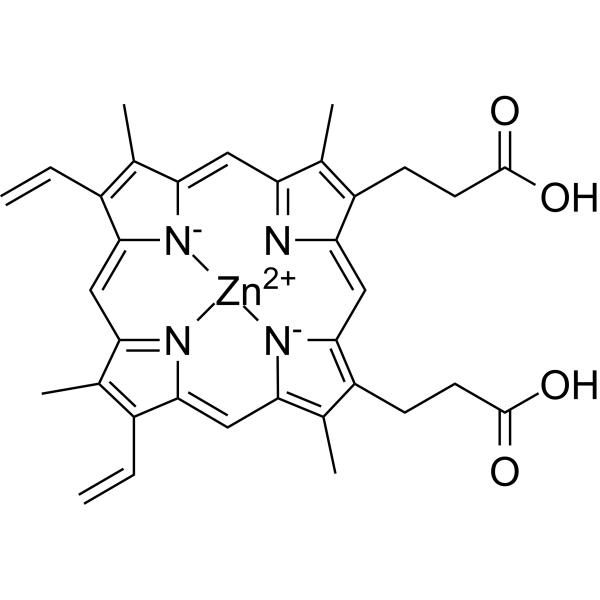
  • HY-101193
    Zinc Protoporphyrin
    65+ Cited Publications

    Zn(II)-protoporphyrin IX; ZnPP; Zinc Protoporphyrin-9

    Reactive Oxygen Species (ROS) Endogenous Metabolite Apoptosis Cardiovascular Disease Metabolic Disease Cancer
    Zinc Protoporphyrin (Zn(II)-protoporphyrin IX) is an orally active and competitive heme oxygenase-1 (HO-1) inhibitor. Zinc Protoporphyrin regulates expression of HO-1 at the transcriptional level. The effect of Zinc Protoporphyrin on HO-1 expression is controversial.  It was shown to induce HO-1 expression in some cells, but suppress it in others. Zinc Protoporphyrin is used as a screening marker of iron deficiency in vivo. Zinc Protoporphyrin has anti-cancer activity .
    Zinc Protoporphyrin
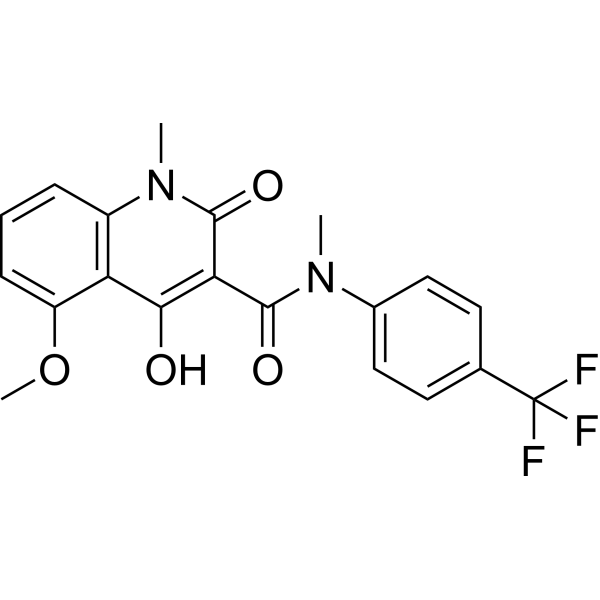
  • HY-10528
    Tasquinimod
    15+ Cited Publications

    ABR-215050

    HDAC Cancer
    Tasquinimod is an oral antiangiogenic agent, which has the potential for castration-resistant prostate cancer treatment. Tasquinimod binds to the regulatory Zn 2+ binding domain of HDAC4 with Kd of 10-30 nM. Tasquinimod also is a S100A9 inhibitor .
    Tasquinimod
  • HY-101200

    SIN-1 chloride

    Apoptosis Autophagy Reactive Oxygen Species (ROS) Annexin A NF-κB Cardiovascular Disease Neurological Disease Inflammation/Immunology Cancer
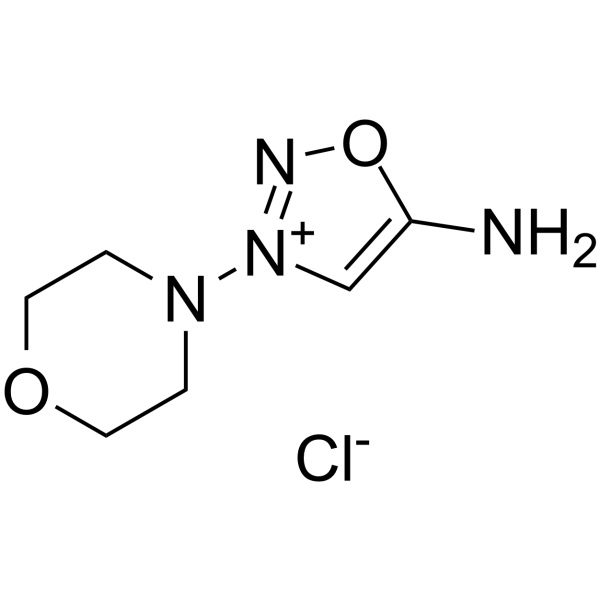
    Linsidomine hydrochloride (SIN-1 chloride) is a spontaneous ROS/RNS generator and peroxynitrite donor. Linsidomine hydrochloride is a vasodilator and platelet aggregation inhibitor. Linsidomine hydrochloride induces oxidative stress-induced chondrocyte apoptosis and necrosis. Linsidomine hydrochloride inhibits the migration, proliferation and neointima formation of vascular smooth muscle cells by inhibiting the expression of annexin A2. In addition, low doses of Linsidomine hydrochloride shows protective effects on Zn 2+ treated nerve cells .
    Linsidomine hydrochloride
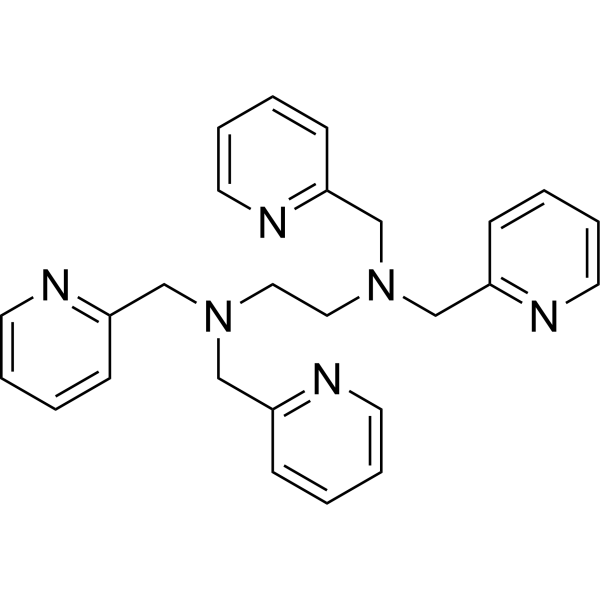
  • HY-100202
    TPEN
    20+ Cited Publications

    TPEDA

    MOFs Reactive Oxygen Species (ROS) Apoptosis Autophagy Cancer
    TPEN (TPEDA) is a specific cell-permeable heavy metal chelator. TPEN has a higher affinity for Zn 2+, but a lower affinity for Mg 2+ and Ca 2+. TPEN induces DNA damage and increases intracellular ROS production. TPEN also inhibits cell proliferation and induces apoptosis .
    TPEN
  • HY-132295
    Azenosertib
    4 Publications Verification

    Zn-c3

    Wee1 Cancer
    Azenosertib (ZN-c3) is a selective, orally active inhibitor for Wee1 inhibitor (IC50=3.9 nM). Azenosertib exhibits antitumor activity .
    Azenosertib
  • HY-Y1878C
    Copper sulfate anhydrous, 99%
    2 Publications Verification

    Cupric sulfate anhydrous, 99%

    Environmental Pollutants Bacterial Infection Metabolic Disease
    Anhydrous copper sulfate, 99% (Cupric sulfate anhydrous, 99%) is an orally administerable disinfectant. Anhydrous copper sulfate, 99% can be used as a biomaterial or organic compound related to life sciences research, and it can increase the Cu content in rat organs .
    Copper sulfate anhydrous, 99%
  • HY-14603
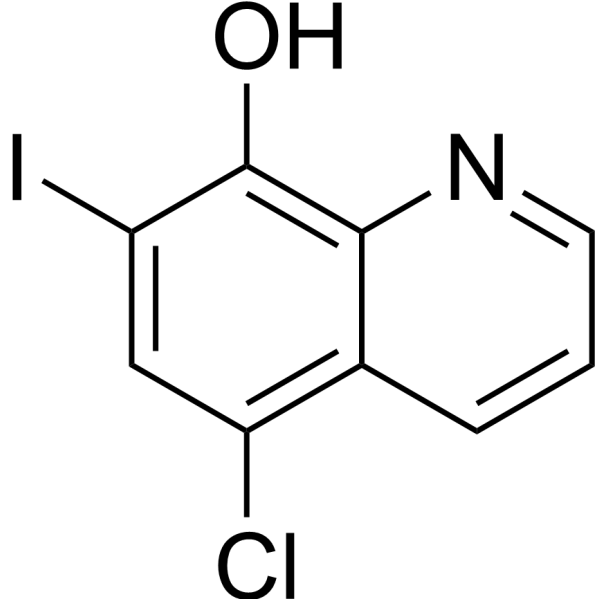
    Clioquinol
    5+ Cited Publications

    Iodochlorohydroxyquinoline

    Environmental Pollutants Antibiotic Autophagy Parasite Fungal Mitophagy Infection Neurological Disease Inflammation/Immunology Cancer
    Clioquinol (Iodochlorhydroxyquin) is a topical antifungal agent with anticancer activity. Clioquinol acts as an oral antimicrobial agent for the research of diarrhea and skin infections. Antibiotic . Clioquinol is a chelator that binds to Zn 2+ and Cu 2+ with a greater affinity than it binds to Ca 2+ and Mg 2+. Clioquinol freely crosses the blood-brain barrier. Clioquinol can be used for the study of Alzheimer's disease .
    Clioquinol
  • HY-16074
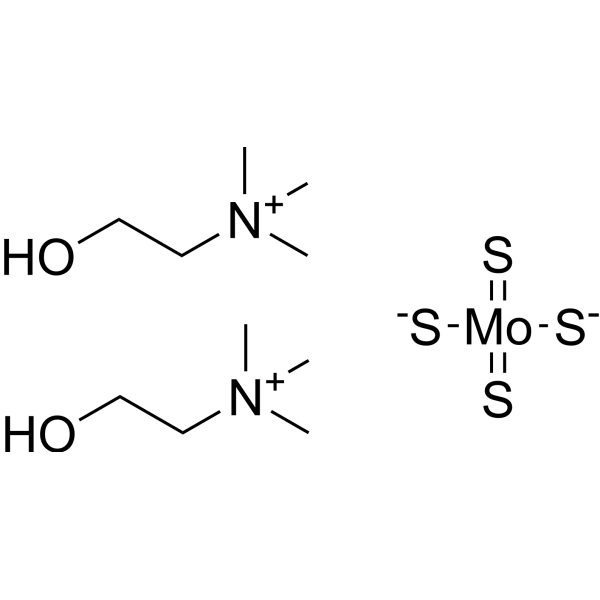
    ATN-224
    4 Publications Verification

    Bischolinetetrathiomolybdate

    SOD Cancer
    ATN-224 is an orally active Cu 2+/Zn 2+-superoxide dismutase 1 (SOD1) inhibitor. ATN-224 inhibits SOD1 activity in endothelial cells, an effect that is dose dependent with an IC50 of 17.5 nM.
    ATN-224
  • HY-137255

    3-Sulfotaurolithocholic acid disodium

    GPR39 Inflammation/Immunology
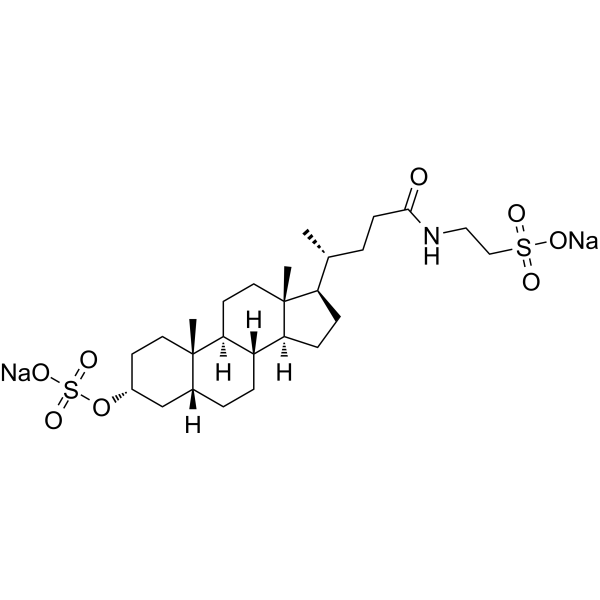
    Taurolithocholic acid 3-sulfate disodium is a GPR39 agonist with EC50s of 71.6  and 69.4 (absence of Zn 2+) and 9 and 9.6 μM (presence of Zn 2+) in M39-20 and hGPR39-2 cells, respectively. Taurolithocholic acid 3-sulfate disodium stimulates GPR39 receptors to initiate intracellular calcium signaling, independent of Zn 2+ binding sites H17 and H19. Taurolithocholic acid 3-sulfate disodium can be used for the research of gallbladder disease .
    Taurolithocholic acid 3-sulfate disodium
  • HY-119287
    TSQ
    5 Publications Verification

    Fluorescent Dye Others
    TSQ is a cytosolic zinc ion fluorescence probe that is membrane permeable and can be used for intracellular imaging of zinc proteins (λmax ~470 nm). TSQ can combine with Zn 2+ in the presence of Ca 2+ and Mg 2+ to produce blue fluorescence (Ex/Em = 334/495 nm) .
    TSQ
  • HY-W127776

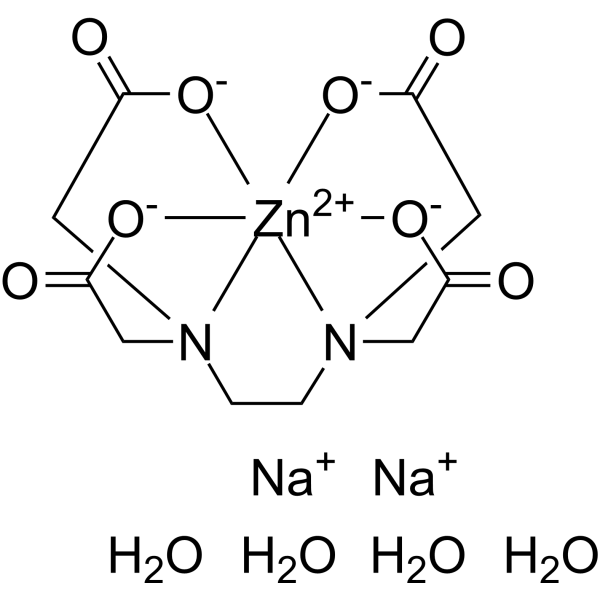
    Ethylenediaminetetraacetic acid zinc disodium tetrahydrate

    Biochemical Assay Reagents Others
    Zn(II)-EDTA (Ethylenediaminetetraacetic acid zinc) disodium tetrahydrate is a coordinating agent. Zn(II)-EDTA disodium tetrahydrate coordinates with Zn 2+ to modify its solvated structure, provides pre-synthesized EDTA-Zn complexes that release Zn 2+ to repair zinc anode defects under interfacial electric field, adsorbs onto zinc anode surface to block oxygen and water molecules, inhibits corrosion and hydrogen evolution reactions, promotes uniform Zn 2+ deposition, suppresses zinc dendrite formation, and modulates the hydrogen bonding network within the electrolyte. Zn(II)-EDTA disodium tetrahydrate acts as an electrolyte additive to enhance reversibility and stability of zinc anodes in aqueous zinc-ion batteries .
    Zn(Ⅱ)-EDTA disodium tetrahydrate
  • HY-113238A

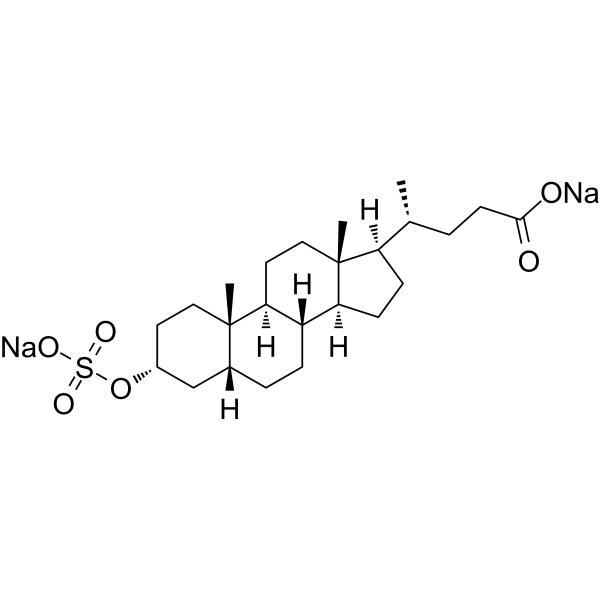
    Sulfolithocholic acid disodium; LCAS disodium

    GPR39 ROR Metabolic Disease Inflammation/Immunology
    Lithocholic acid 3-sulfate disodium is a GPR39 agonist, with EC50 values of 41 μM and 42.4 μM in M39-20 and hGPR39-2 cells, respectively, in the absence of Zn 2+, and 0.88 μM and 0.97 μM in the presence of Zn 2+. Lithocholic acid 3-sulfate disodium acts as a RORγt ligand. Lithocholic acid 3-sulfate disodium stimulates the GPR39 receptor to initiate intracellular calcium signaling, independent of the Zn 2+-binding sites H17 and H19. LCA-3-S selectively inhibits Th17 cell differentiation by targeting RORγt. Lithocholic acid 3-sulfate disodium can be used in the research of cholestatic liver diseases .
    Lithocholic acid 3-sulfate disodium
  • HY-NP009

    Bacterial Infection Neurological Disease
    α-Lactalbumin is a globular whey protein that exists in milk. α-Lactalbumin binds Ca 2+, Mg 2+, Mn 2+, Na +, K + and Zn 2+ ions; among these, Ca 2+ binding enhances protein stability, while Zn 2+ binding reduces stability and induces aggregation. α-Lactalbumin forms amyloid fibrils, amorphous aggregates, nanoparticles and nanotubes depending on external conditions. α-Lactalbumin exhibits bactericidal and antiviral activities. α-Lactalbumin has anxiolytic and antidepressant activities, and its effects are enhanced under stress conditions .
    α-Lactalbumin
  • HY-124171
    Zinquin ethyl ester
    1 Publications Verification

    Fluorescent Dye Drug Derivative Others
    Zinquin ethyl ester is a cell-permeable and lipophilic fluorescent derivative of Zinquin (HY-D0982). Zinquin ethyl ester reacts with protein-bound Zn 2+ in cells and forms fluorescent ternary adducts. Zinquin ethyl ester undergoes hydrolysis by intracellular esterases impeding its efflux across the plasma membrane (Ex/Em = 370/470 nm) .
    Zinquin ethyl ester
  • HY-N2362

    DL-2-Aminopropionic acid

    Endogenous Metabolite Metabolic Disease
    DL-alanine, an orally active amino acid, is the racemic compound of L- and D-alanine. DL-alanine is employed both as a reducing and a capping agent, used with silver nitrate aqueous solutions for the production of nanoparticles. DL-alanine can be used for the research of transition metals chelation, such as Cu(II), Zn(II), Cd(11). DL-alanine, a sweetener, is classed together with glycine and sodium saccharin. DL-alanine plays a key role in the glucose-alanine cycle between tissues and liver .
    DL-Alanine
  • HY-108699

    GPR39 Neurological Disease Endocrinology
    TM-N1324 is an agonist of G-Protein-Coupled Receptor 39 (GPR39) with EC50s of 9 nM/5 nM in the presence of Zn 2+, and 280 nM/180 nM in the absence of Zn 2+ for human/murine GPR39.
    TM-N1324
  • HY-B0600

    AFP-168; MK2452

    Prostaglandin Receptor Cardiovascular Disease Others
    Tafluprost (AFP-168) is an anti-glaucoma prostaglandin (PG) analog. Tafluprost can inhibit the apoptosis of retinal ganglion cells (RGCs) and rat RGCs cells. Tafluprost promotes axon regeneration by regulating Zn 2+-mTORpathway, inhibits intracellular lipid accumulation in human preorbital adipocytes. Tafluprost can be used in the study of optic nerve injury in glaucoma .
    Tafluprost
  • HY-W583212

    ZnMP

    Biochemical Assay Reagents Heme Oxygenase (HO) Inflammation/Immunology
    Zn (II) Mesoporphyrin IX (ZnMP) is a heme oxygenase inhibitor with photochemical substrate activity. Zn (II) Mesoporphyrin IX specifically inhibits the activity of bone marrow heme oxygenase. In vitro, Zn (II) Mesoporphyrin IX inhibits the growth of erythroid and myeloid progenitor cells in rabbit bone marrow, and blocks the rhG-CSF-induced mobilization of these progenitor cells into the peripheral blood, exhibiting toxicity to hematopoietic growth and progenitor cell production in rabbits. Zn (II) Mesoporphyrin IX undergoes irreversible photochemical decomposition conforming to first-order kinetic characteristics when irradiated with UV-B in 95% ethanol solution. Zn (II) Mesoporphyrin IX can be used in hematopoietic regulation research, but its photolability and toxic effects on the hematopoietic system require attention .
    Zn(II) Mesoporphyrin IX
  • HY-E70199

    APN/CD13

    Aminopeptidase Cardiovascular Disease
    Aminopeptidase N (rat) (APN/CD13) is a Zn 2+-dependent membrane-bound exopeptidase that preferentially degrades proteins and peptides with N-terminal neutral amino acids. Aminopeptidase N (rat) is inhibited by angiotensin IV and participates in the regulation of angiotensin IV half-life in the rat striatum .
    Aminopeptidase N (rat)
  • HY-163428

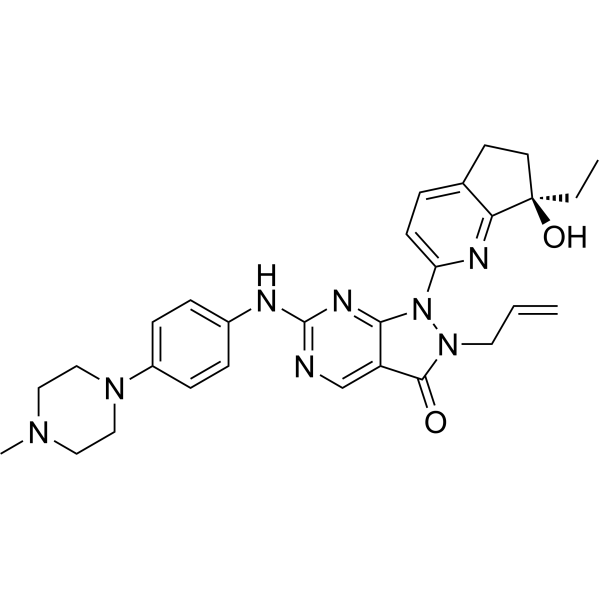
    Zn-A-1041

    EGFR Inflammation/Immunology Cancer
    ZN-A-1041 inhibits HER2 in BT474 cell and wt-EGFR in H838 cells, with IC50s of 9.5 nM and 12 μM respectively. ZN-A-1041 can be used for research of cancer and inflammation .
    Perzebertinib
  • HY-D0156

    Fluorescent Dye Others
    ZnAF-1, a fluorescein-based zinc sensor containing the N,N-bis(2-pyridylmethyl)ethylenediamine chelating unit, can be used for Zn2+ detection . ZnAF-1 can bind Zn(II) with a 1 : 1 stoichiometry .
    ZnAF-1
  • HY-D0179

    Biochemical Assay Reagents Infection Cardiovascular Disease
    Cyclam is a metal chelator that forms metal complexes with a variety of metal ions. Cyclam metal complexes exhibits anti-HIV (such as AMD3100), nitric oxide (NO) releasing and scavenging (such as Zn(II)-Cyclam and Ru(II)-Cyclam), and SOD mimetic (such as Mn(III)-Cyclam and Zn(II)-Cyclam) activities .
    Cyclam
  • HY-D0982

    Fluorescent Dye Others
    Zinquin is a cell-impermeant fluorescent sensor and used to observe reactive Zn 2+. λex/λem=368/490 nm.
    Zinquin
  • HY-W587430

    Glycolithocholate sulfate disodium; Sulfolithocholylglycine disodium; SLCG disodium

    HIV GPR39 Infection Inflammation/Immunology
    Glycolithocholic acid 3-sulfate disodium is a GPR39 agonist with EC50s of 47.9  and 66.8 μM (absence of Zn 2+) and 8 and 8.7 μM (presence of Zn 2+) in M39-20 and hGPR39-2 cells, respectively. Glycolithocholic acid 3-sulfate disodium stimulates GPR39 receptors to initiate intracellular calcium signaling, independent of Zn 2+ binding sites H17 and H19. Glycolithocholic acid 3-sulfate disodium also inhibits replication of HIV-1 in vitro. Glycolithocholic acid 3-sulfate disodium can be used for the research of HIV infection and gallbladder disease .
    Glycolithocholic acid 3-sulfate disodium
  • HY-12168

    BAY 12-9566

    MMP Cancer
    Tanomastat (BAY 12-9566) is an orally bioavailable, non-peptidic biphenyl matrix metalloproteinases (MMPs) inhibitor with a Zn-binding carboxyl group. The Ki values are 11, 143, 301, and 1470 nM for MMP-2, MMP-3, MMP-9, MMP-13 respectively. Tanomastat shows anti-invasive and antimetastatic activity in several experimental tumor models .
    Tanomastat
  • HY-158779

    SSP4

    Fluorescent Dye Others
    Sulfane sulfur probe 4 (SSP4) is a fluorescent probe used to detect sulfane sulfur species (Ex/Em=494/515 nm). Sulfane sulfur probe 4 exhibits high sensitivity in detecting sulfane sulfur, even in the presence of other substances such as homocysteine, methionine, cysteine, glutathione, N-acetyl-L-cysteine, glycine, tyrosine, tryptophan, arginine, and metal ions (Fe 2+, Fe 3+, Mg 2+, Ca 2+, and Zn 2+) .
    Sulfane sulfur probe 4
  • HY-E70377

    Cu/Zn SOD

    SOD Inflammation/Immunology Cancer
    Cu/Zn Superoxide dismutase (Cu/Zn SOD; SOD1) is a cytosolic copper-zinc dimer form of superoxide dismutase enzyme. Cu/Zn Superoxide dismutase has oxygen radical enzymatic dismutation .
    Cu/Zn Superoxide dismutase
  • HY-109560

    Zn-DTPA trisodium

    Biochemical Assay Reagents Others
    Pentetate zinc trisodium (Zn-DTPA trisodium) forms stable chelates with metal ions by exchanging zinc for a metal of greater binding capacity .
    Pentetate zinc trisodium
  • HY-21170E

    Zinc(II) Triflate

    Biochemical Assay Reagents Others
    Zinc trifluoromethanesulfonate (Zinc (II) Triflate) is a Zn 2+ salt commonly used in potentiometric titration to determine the stability constants of Zn 2+-quinoline sulfonamide complexes. Aqueous solutions of Zinc trifluoromethanesulfonate form micellar structures, which result in poor desolvation kinetics of Zn 2+ and induce dendrite growth on zinc anodes, failing to support long-term cycling of zinc anodes .
    Zinc trifluoromethanesulfonate
  • HY-101193R

    Zn(II)-protoporphyrin IX (Standard); ZnPP (Standard); Zinc Protoporphyrin-9 (Standard)

    Reference Standards Reactive Oxygen Species (ROS) Endogenous Metabolite Apoptosis Cardiovascular Disease Metabolic Disease Cancer
    Zinc Protoporphyrin (Standard) is the analytical standard of Zinc Protoporphyrin. This product is intended for research and analytical applications. Zinc Protoporphyrin (Zn(II)-protoporphyrin IX) is an orally active and competitive heme oxygenase-1 (HO-1) inhibitor and markedly attenuates the protective effects of Phloroglucinol (PG) against H2O2 . Zinc Protoporphyrin is used as a screening marker of iron deficiency in individual pregnant women and children, but also to assess population iron status in combination with haemoglobin concentration . Zinc Protoporphyrin has anti-cancer activity .
    Zinc Protoporphyrin (Standard)
  • HY-W001939

    Biochemical Assay Reagents Cancer
    4-Acetylbenzoic acid is a Zn(II) complex. 4-Acetylbenzoic acid is a derivative of benzoic acid that is commonly used in chemical synthesis. 4-Acetylbenzoic acid has an IC50 of 331.3 μM in murine L929 fibroblasts and an IC50 of 176 μM in metastatic melanoma B16 F10 cell lines .
    4-Acetylbenzoic acid
  • HY-E70565

    Endonuclease Inflammation/Immunology
    O-Glycoprotease is an O-glycoprotein-specific endoprotease that catalyzes the hydrolysis of peptide bonds directly adjacent to the O-polymer in native mucin-type O-glycosylated proteins. O-Glycoprotease sequence is from Akkermansia muciniphila, recombinantly expressed in E.coli, with a 6×His tag at the C-terminus.
    The enzyme maintains high activity between pH 5.5-7.5 and is resistant to 1M NaCl, but is highly sensitive to EDTA (0.5 mM EDTA) and can be inhibited by Zn 2+.
    O-Glycoprotease
  • HY-W112937

    MOFs Others
    Zn(II)TMPyP tetrachloride is a biochemical reagent that can be used as a biological material or organic compound for life science related research.
    Zn(II)TMPyP tetrachloride
  • HY-D0159

    Fluorescent Dye Others
    ZnAF-1F is a potent fluorophore for with an Kd value of 2.2 nM. ZnAF-1F can be used as fluorescent probes for Zn 2+ in cells. ZnAF-1F shows λ excitation of 489 nm and λ emission of 514 nm .
    ZnAF-1F
  • HY-D0159A

    Fluorescent Dye Others
    ZnAF-1F tetraTFA is a potent fluorophore for with an Kd value of 2.2 nM. ZnAF-1F tetraTFA can be used as fluorescent probes for Zn 2+ in cells. ZnAF-1F tetraTFA shows λ excitation of 489 nm and λ emission of 514 nm .
    ZnAF-1F tetraTFA
  • HY-D0158

    Biochemical Assay Reagents Others
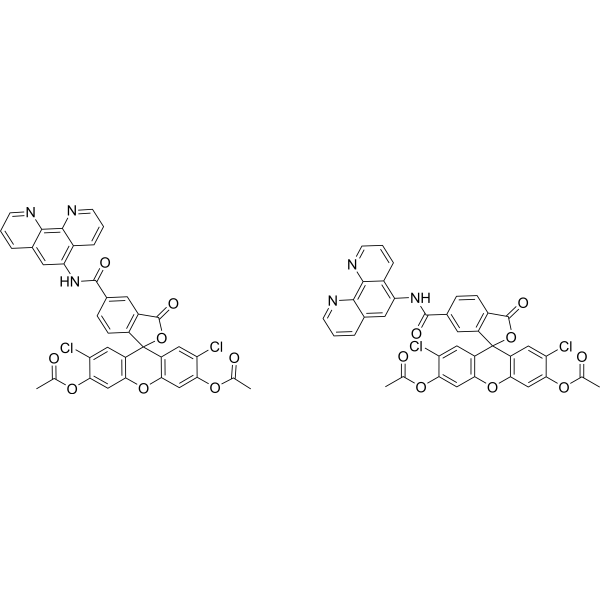
    ZnAF-2DAavailable for testing Zn(2+)fluorescence, as Zn(2+)Probe (after esterase hydrolysis).
    ZnAF-2 DA
  • HY-D1894

    Fluorescent Dye Others
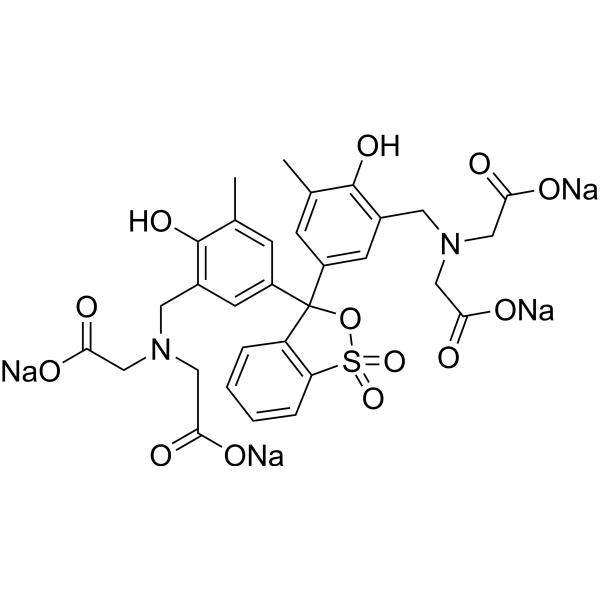
    5-Br-PAPS is a highly specific Zn 2+ metallochromic indicator. 5-Br-PAPS is used in assays for measuring free Zn 2+ by forming a deeply colored red Zn 2+ complex .
    5-Br-PAPS
  • HY-137159

    Aminopeptidase Ligands for Target Protein for PROTAC IAP Cancer
    Bestatin methyl ester is a cell permeable Zn2+-binding aminopeptidases inhibitor. Bestatin methyl ester inhibits spore cell differentiation .
    Bestatin methyl ester
  • HY-DY1055

    Fluorescent Dye Others
    TSQ (solution) is a cytosolic zinc ion fluorescence probe that is membrane permeable and can be used for intracellular imaging of zinc proteins (λmax ~470 nm). TSQ can combine with Zn 2+ in the presence of Ca 2+ and Mg 2+ to produce blue fluorescence (Ex/Em = 334/495 nm) .
    Solvent and concentration: DMSO: 10 mM
    TSQ (solution)
  • HY-P2516

    Tau Protein Neurological Disease
    Tau Peptide (275-305) (Repeat 2 domain) is the Alzheimer's Tau fragment R2, corresponding to the second repeat unit of the microtubule-binding domain, which is believed to be pivotal to the biochemical properties of full tau protein. Tau Peptide (275-305) specifically coordinates with group IIB metal ions (Zn²⁺, Cd²⁺, Hg²⁺), which can induce their conformational changes and significantly promote their pathological accumulation. Tau Peptide (275-305) can be used to study the role of heavy metals in neurodegenerative diseases .
    Tau Peptide (275-305) (Repeat 2 domain)
  • HY-N2362S2

    DL-2-Aminopropionic acid-d3

    Endogenous Metabolite Metabolic Disease
    DL-Alanine-d3 is the deuterium labeled DL-Alanine. DL-alanine, an amino acid, is the racemic compound of L- and D-alanine. DL-alanine is employed both as a reducing and a capping agent, used with silver nitrate aqueous solutions for the production of nanoparticles. DL-alanine can be used for the research of transition metals chelation, such as Cu(II), Zn(II), Cd(11). DL-alanine, a sweetener, is classed together with glycine, and sodium saccharin. DL-alanine plays a key role in the glucose-alanine cycle between tissues and liver .
    DL-Alanine-d3
  • HY-D1264

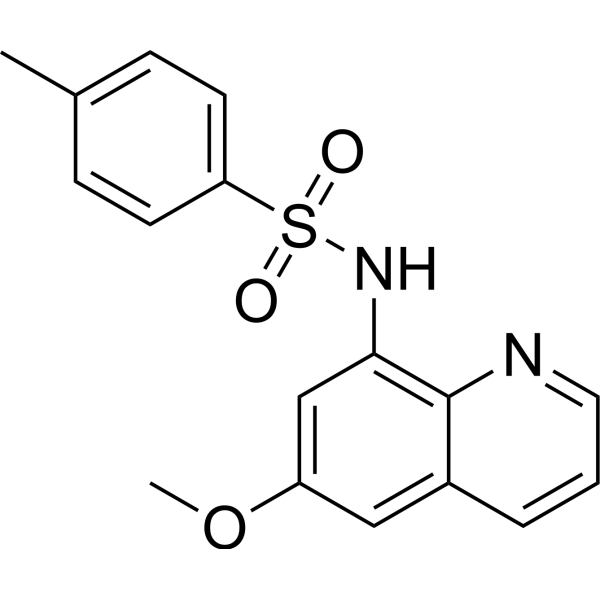
    Zn-green

    Fluorescent Dye Others
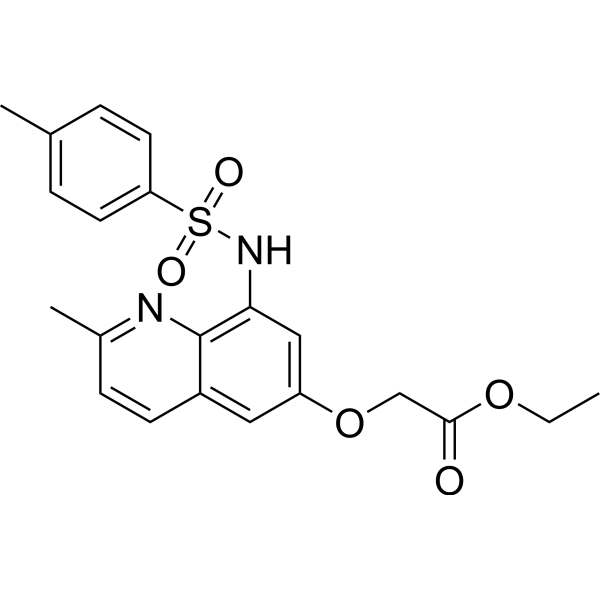
    PMQA (Zn-green), an 8-aminoquinoline-based ratiometric fluorescent sensor, demonstrates the Zn 2+-induced redshift of emission (85 nm). PMQA (Zn-green) is a cell membrane-permeable probe and suitable for imaging Zn 2+ in living cells .
    PMQA
  • HY-175260

    Estrogen Receptor/ERR Cancer
    ZN-c5 is a selective and orally active estrogen receptor degrader. ZN-c5 exhibits high potency in the cellular assay (MCF-7, IC50 = 0.3 nM) and binds with high affinity to ERα and ERβ (IC50 = 0.4 nM and 0.8 nM, respectively). ZN-c5 inhibits tumor growth in MCF-7 mouse xenograft model and WHIM20 xenograft model. ZN-c5 can be used for the study of breast cancer .
    ZN-c5
  • HY-W583271

    Vasopressin Receptor Biochemical Assay Reagents Metabolic Disease
    Zn(II) Deuteroporphyrin IX 2,4 bis ethylene glycol is a heme oxygenase (HO) inhibitor, and inhibiting HO activity can reduce the release of hypothalamic hormones like AVP, OT, and ANP caused by hyperosmolarity. Zn(II) Deuteroporphyrin IX 2,4 bis ethylene glycol can be used for research on hyperbilirubinemia .
    Zn(II) Deuteroporphyrin IX 2,4 bis ethylene glycol
  • HY-D0157

    Biochemical Assay Reagents Others
    ZnAF-2, 6-iso- is a cell-impermeable compound that acts as a high-affinity Zn2 -specific fluorescent probe (Kd = 2.7 nM). It exhibits low basal fluorescence with an approximately 51-fold increase in fluorescence intensity upon stoichiometric (1:1) binding to Zn2 . Little affinity for Ca2 , Mg2 , Na or K .
    ZnAF-2
  • HY-D1441

    Fluorescent Dye Others
    Zinquin AM ester is an AM ester form of Zinquin. Zinquin, a fluorescent dye, is a commonly used sensor for cellular Zn 2+ status .
    Zinquin AM ester
  • HY-B1159S

    8-Hydroxy-5-nitroquinoline-d4; 5-Nitro-8-quinolinol-d4

    Bacterial Autophagy Antibiotic Infection Cancer
    Nitroxoline-d4 is the deuterium labeled Nitroxoline. Nitroxoline is an antibiotic that has proven to be very effective at combating biofilm infections. Nitroxoline functions by chelating Fe 2+ and Zn 2+ ions from the biofilm matrix .
    Nitroxoline-d4
  • HY-153141

    RNA MTase Cancer
    MP-1 is a potent Fumarate hydratase-dependent hit. MP-1 engages an array of functional cysteines, including one lying in the Zn-finger domain of the tRNA methyltransferase enzyme TRMT1. MP-1 causes fumarate hydratase-dependent synthetic lethality in a metastatic hereditary leiomyomatosis and renal cell carcinoma cell line .
    MP-1
  • HY-W585934

    Fru-Phe

    Angiotensin-converting Enzyme (ACE) Cardiovascular Disease
    Fructose-phenylalanine (Fru-Phe) is a non-competitive angiotensin-converting enzyme (ACE) inhibitor (IC50 =0.19 mM) with antioxidant activities. Fructose-phenylalanine forms a stable complex with Zn 2+ ions at the ACE active site, blocking the conversion of angiotensin I to II and thereby lowering blood pressure. Fructose-phenylalanine is promising for research of cardiovascular diseases .
    Fructose-phenylalanine
  • HY-10528S

    ABR-215050-d3

    HDAC Isotope-Labeled Compounds Cancer
    Tasquinimod-d3 (ABR-215050-d3) is the deuterium labeled Tasquinimod (HY-10528). Tasquinimod is an oral antiangiogenic agent, which plays an important role in castration-resistant prostate cancer. Tasquinimod binds to the regulatory Zn 2+ binding domain of HDAC4 with Kd of 10-30 nM. Tasquinimod also is a S100A9 inhibitor .
    Tasquinimod-d3

Inquiry Online

Your information is safe with us. * Required Fields.

Salutation


Country or Region *

Applicant Name *


Organization Name *

Department *


Email Address *


Product Name *

Cat. No.


Requested quantity *

Phone Number *


Remarks

Inquiry Online

Inquiry Information

Product Name:
Cat. No.:
Quantity:
MCE Japan Authorized Agent:

