Search Result
Results for "
affinity probes
" in MedChemExpress (MCE) Product Catalog:
1
Biochemical Assay Reagents
| Cat. No. |
Product Name |
Target |
Research Areas |
Chemical Structure |
-
- HY-D0989
-
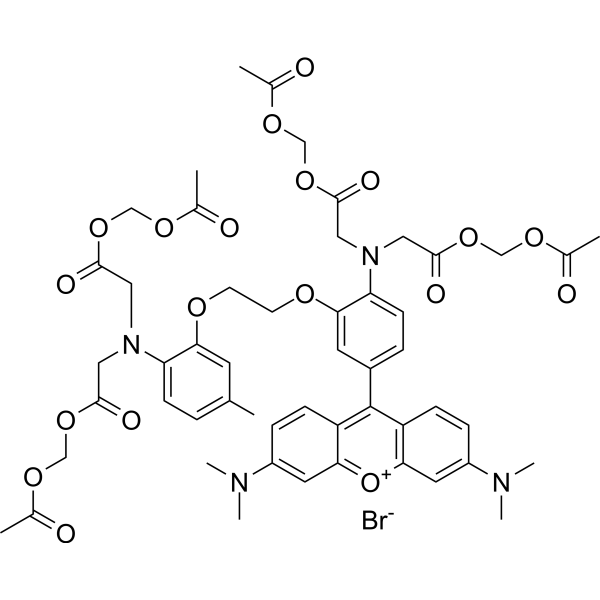
Rhod-2 AM
Maximum Cited Publications
33 Publications Verification
|
Fluorescent Dye
|
Others
|
|
Rhod-2 is a high-affinity visible light excitation wavelength Ca 2+ fluorescent probe, Rhod-2, AM is an acetyl methyl ester derivative of Rhod-2, which has cell membrane permeability and can easily enter cells with simple culture. Once it enters the cell, it is sheared by its lactesterase to produce Rhod-2 without membrane permeability, which remains in the cell to perform the corresponding physiological functions. Maximum excitation/emission wavelength: 549/578 nm .
|
-
-
- HY-101140
-
-
-
- HY-16993
-
|
|
Apoptosis
WDR5
|
Cancer
|
|
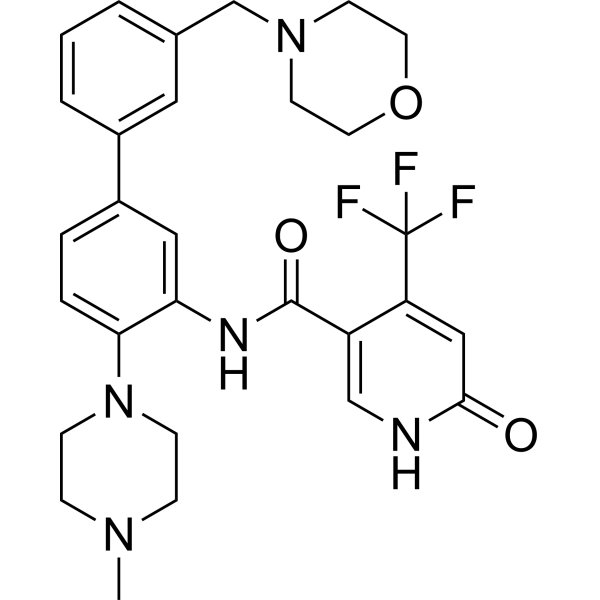
OICR-9429, a chemical probe, is high affinity WD repeat domain 5 (WDR5) inhibitor, competitively blocks WDR5 interaction with MLL protein via binding the central peptide-binding pocket of WDR5. OICR-9429 can suppress histone H3K4 trimethylation and can be used for the research of various cancers including non-MLL-rearranged leukaemia, colon, pancreatic, prostate cancer and bladder cancer (BCa) .
|
-
-
- HY-141511
-
|
|
Fluorescent Dye
|
Neurological Disease
Cancer
|
|
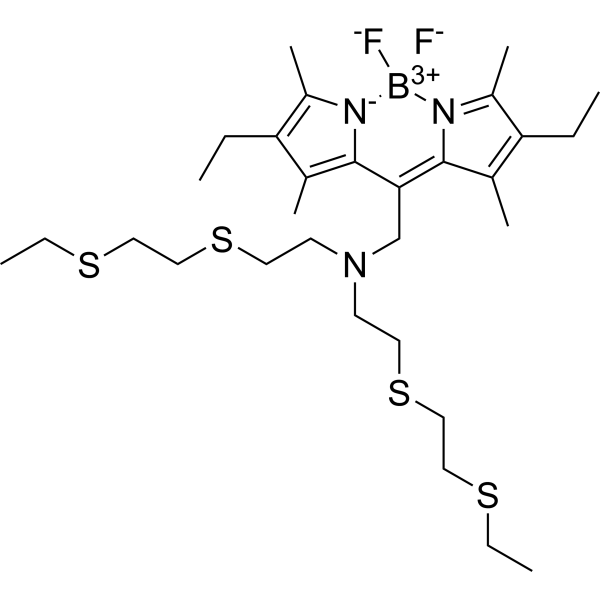
Coppersensor-1 (CS1) is a membrane-permeable fluorescent dye. Coppersensor-1 has a picomolar affinity for Cu + with high selectivity over competing cellular metalions. Coppersensor-1 as a probe, can selective and sensitive detection of copper(I) ions (Cu +) in biological samples, including live cells. Coppersensor-1 can be used for the research of imaging of severe diseases such as cancer, cardiovascular disorders and neurogenerative diseases .
|
-
-
- HY-W010936
-
|
NBMPR
|
Adenosine Receptor
|
Neurological Disease
|
|
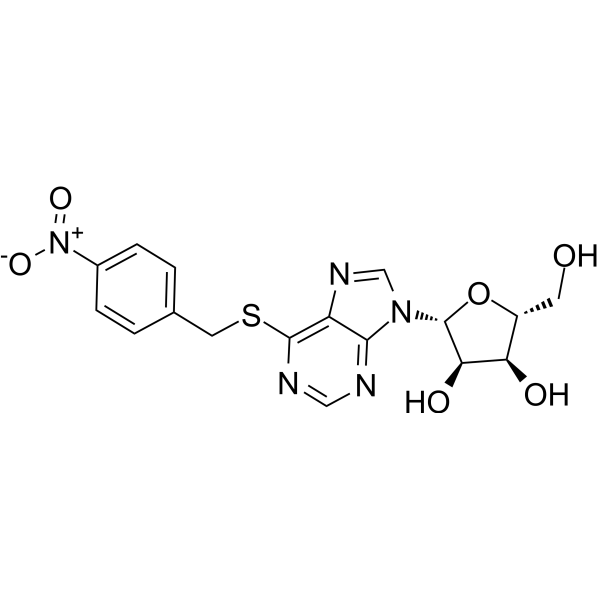
Nitrobenzylthioinosine is an ENT1 transporter inhibitor that binds to ENT1 transporter with high affinity. Nitrobenzylthioinosine is a photoaffinity probe for adenosine uptake sites in brain. Nitrobenzylthioinosine can cross the blood-brain barrier .
|
-
-
- HY-103242
-
|
|
Amyloid-β
|
Neurological Disease
|
|
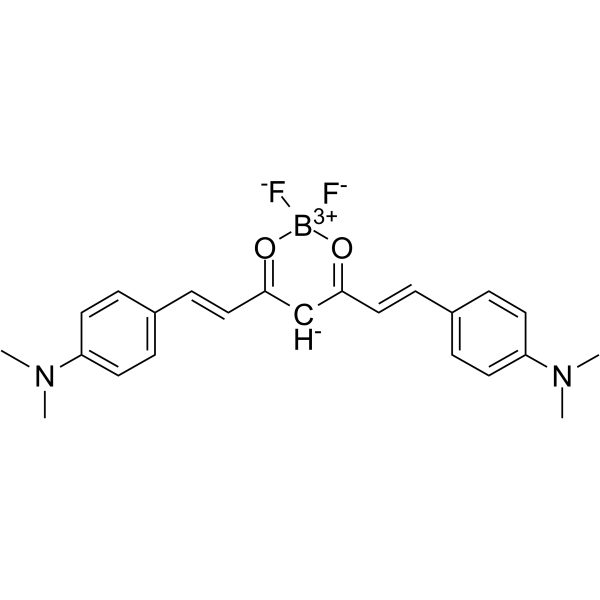
CRANAD-2 is a specific near-infrared (NIR) fluorescent probe for detecting Aβ plaques (unbound to Aβ: Ex=640 nm; Em=805 nm; after binding: Em=715 nm). CRANAD-2 penetrates the blood-brain barrier and has high affinity for Aβ aggregates, with a Kd value of 38 nM. CRANAD-2 is applicable to research related to Alzheimer's disease and neurodegenerative diseases .
|
-
-
- HY-12583
-
|
|
Histone Methyltransferase
Epigenetic Reader Domain
|
Cancer
|
|
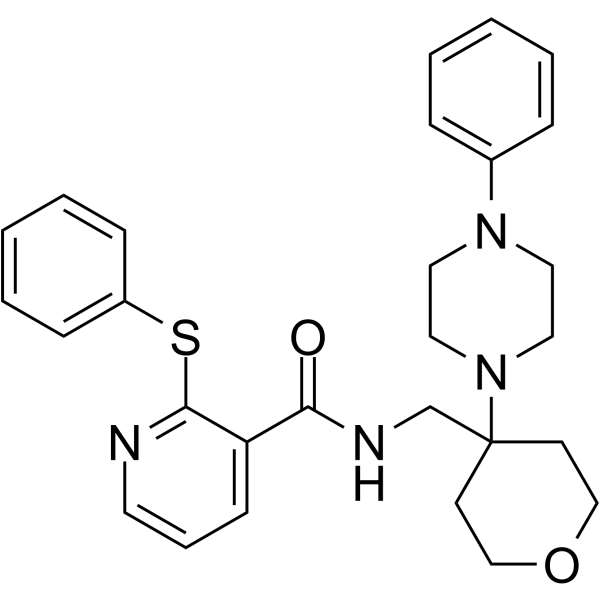
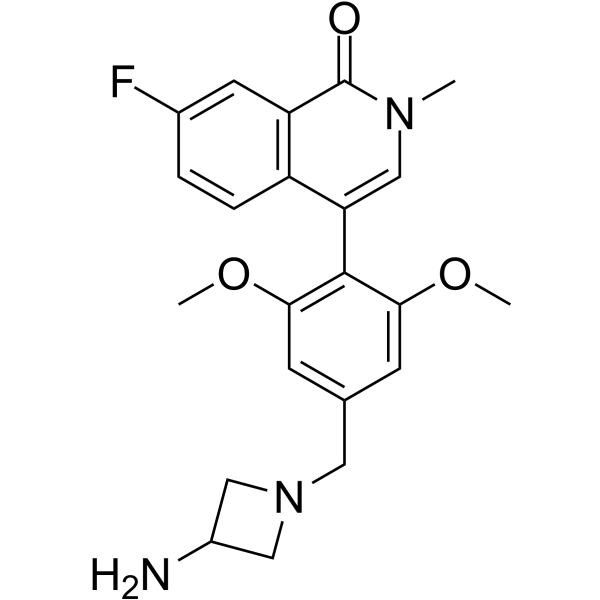
A-366, a chemical probe, is a potent, highly selective, peptide-competitive histone methyltransferase G9a inhibitor with IC50s of 3.3 and 38 nM for G9a and GLP (EHMT1), respectively. A-366 shows >1000-fold selectivity over 21 other methyltransferases. A-366 is also a potent, nanomolar inhibitor of the Spindlin1-H3K4me3-interaction (IC50=182.6 nM). A-366 displays high affinity at human histamine H3 receptor (Ki=17 nM) and shows subtype selectivity among subsets of the histaminergic and dopaminergic receptor families .
|
-
-
- HY-107725
-
|
|
Neuropeptide Y Receptor
|
Metabolic Disease
|
|
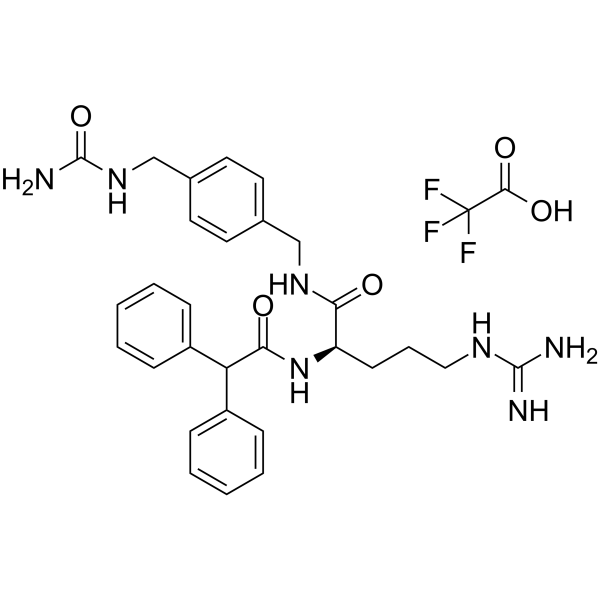
BIBO3304, a chemical probe, is a potent, orally active, and selective neuropeptide Y (NPY) Y1 receptor antagonist, with subnanomolar affinity for both the human and the rat Y1 receptor (IC50=0.38 and 0.72 nM, respectively) .
|
-
-
- HY-101418
-
|
|
P2X Receptor
|
Neurological Disease
|
|
JNJ-47965567 is a centrally permeable, high-affinity, selective P2X7 antagonist, with pKis of 7.9 and 8.7 for human and rat P2X7, respectively. JNJ-47965567 can be used to probe the role of central P2X7 in rodent models of CNS pathophysiology .
|
-
-
- HY-110322A
-
PPTN
4 Publications Verification
|
P2Y Receptor
|
Inflammation/Immunology
|
|
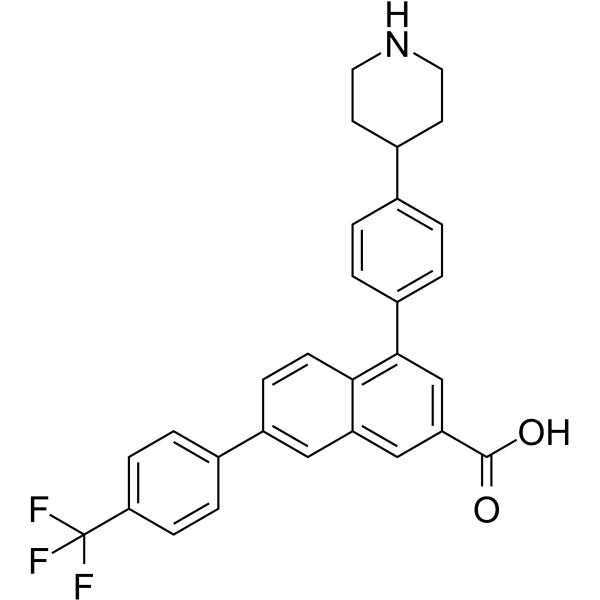
PPTN, a chemical probe, is a potent, high-affinity, competitive and highly selective P2Y14 receptor antagonist with a KB value of 434 pM. PPTN exhibits no agonist or antagonist effect at the P2Y1, P2Y2, P2Y4, P2Y6, P2Y11, P2Y12, or P2Y13 receptors. Anti-inflammatory and immune activity .
|
-
-
- HY-153552A
-
|
|
FAP
|
Cancer
|
|
NH2-UAMC1110 TFA is an aminobutoxy derivative of the fibroblast activation protein (FAP) inhibitor UAMC1110 (HY-100684), and is a precursor compound for the synthesis of FAP inhibitor probes, not directly used in bioactivity experiments. For example, NH2-UAMC1110 TFA is involved in the synthesis of the radiotracer FAPI-QS, which exhibits high tumor selectivity and high dose effect, and has been used in tumor diagnosis. NH2-UAMC1110 TFA structurally incorporates an active amino group, allowing it to form covalent bonds with various molecules (such as DOTA, DATA5m, radionuclide chelators, etc.) to synthesize molecular imaging probes or targeted compounds with the ability to target FAP. NH2-UAMC1110 TFA specifically binds to the FAP active site, inhibiting its proline-selective serine protease activity (including dipeptidyl peptidase and endopeptidase activity), blocking FAP-mediated tissue remodeling-related processes. Its key activity is high targeting and high affinity, and its core function is to act as a targeting module coupled with bifunctional chelators (such as DOTA, DATA5m). NH2-UAMC1110 TFA can be applied to diagnostic imaging studies of tumors expressing FAP (such as colorectal cancer, pancreatic cancer, etc.), and also provides molecular tools for targeted research of FAP-related diseases with high FAP expression, such as fibrosis and arthritis .
|
-
-
- HY-152231
-
|
|
Fluorescent Dye
Ligands for E3 Ligase
|
Others
|
|
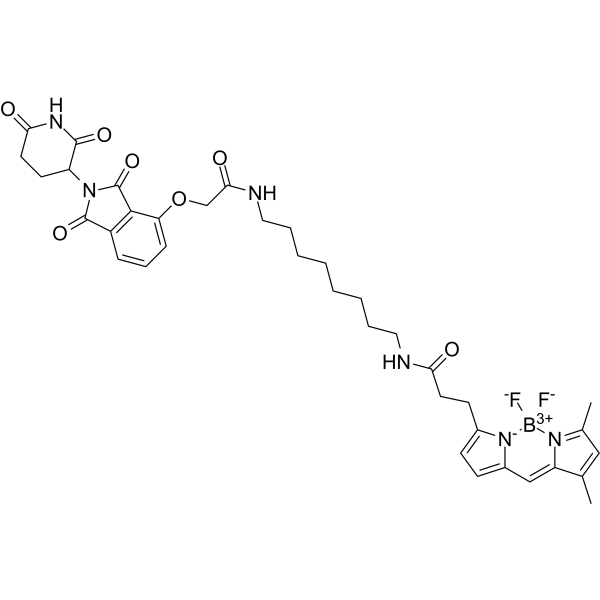
BODIPY FL thalidomide is a high-affinity and selective human cereblon (CRBN)-targeting fluorescent probe with a Kd of 3.6 nM. BODIPY FL thalidomide enables use as a probe in time-resolved fluorescence resonance energy transfer (TR-FRET) binding assays for cereblon ligands. BODIPY FL thalidomide supports development of highly sensitive, selective, stable cereblon TR-FRET binding assays (Ex/Em = 502/510 nm) .
|
-
-
- HY-P2031
-
|
|
Arp2/3 Complex
|
Others
|
|
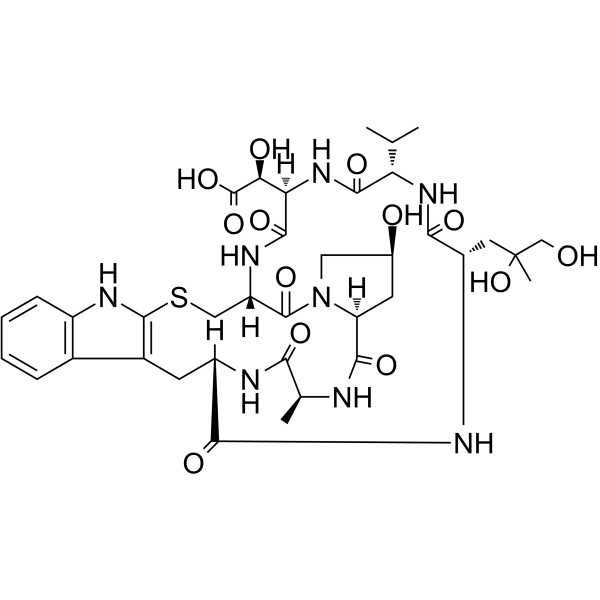
Phallacidin is a natural bicyclic heptapeptide derived from the poisonous mushroom Amanita phalloides. Phallacidin binds to filamentous actin specifically with high affinity, with a Kd of 20 nM. After binding to F-actin, Phallacidin strongly inhibits its depolymerization, stabilizes microfilament structures, and prevents their disruption by drugs such as cytochalasins. When conjugated with a fluorophore, Phallacidin serves as a specific fluorescent probe for F-actin, which is used to clearly visualize the distribution of actin in the cytoskeleton (e.g., stress fibers, cortical peripheral bands) under fluorescence microscopy .
|
-
-
- HY-DY1020
-
|
|
Fluorescent Dye
|
Others
|
Rhod-2 (solution) is a high-affinity visible light excitation wavelength Ca 2+ fluorescent probe, Rhod-2, AM is an acetyl methyl ester derivative of Rhod-2, which has cell membrane permeability and can easily enter cells with simple culture. Once it enters the cell, it is sheared by its lactesterase to produce Rhod-2 without membrane permeability, which remains in the cell to perform the corresponding physiological functions. Maximum excitation/emission wavelength: 549/578 nm . Solvent and concentration: DMSO: 1 mM
|
-
-
- HY-D1808
-
|
|
Fluorescent Dye
|
Others
|
Vari Fluor 488-Streptavidin is a dye marker of Vari Fluor-streptavidin consisting of labeling streptavidin with a Vari Fluor series of fluorescent probes. Streptavidin is a high-affinity tetramer protein, each tetramer consisting of four identical streptavidin subunits. Streptavidin binds to biotin specifically via a reversible non-covalent effect. Streptavidin can achieve rapid and efficient detection of biotin markers, and is often used in immunofluorescence (IF), enzyme-linked immunosorbent assay (ELISA), immunohistochemical staining (IFH), in situ hybridization (ISH) and other experiments. Ex/Em=490 nm/515 nm. Product Concentration: 0.8 mg/mL
|
-
-
- HY-D1805
-
|
|
Fluorescent Dye
|
Others
|
Vari Fluor 647-Streptavidin is a dye marker of Vari Fluor-streptavidin consisting of labeling streptavidin with a Vari Fluor series of fluorescent probes. Streptavidin is a high-affinity tetramer protein, each tetramer consisting of four identical streptavidin subunits. Streptavidin binds to biotin specifically via a reversible non-covalent effect. Streptavidin can achieve rapid and efficient detection of biotin markers, and is often used in immunofluorescence (IF), enzyme-linked immunosorbent assay (ELISA), immunohistochemical staining (IFH), in situ hybridization (ISH) and other experiments. Ex/Em=650 nm/665 nm.
Product Concentration: 0.8 mg/mL
|
-
-
- HY-159098
-
|
|
Molecular Glues
PROTACs
Histone Acetyltransferase
|
Cardiovascular Disease
|
|
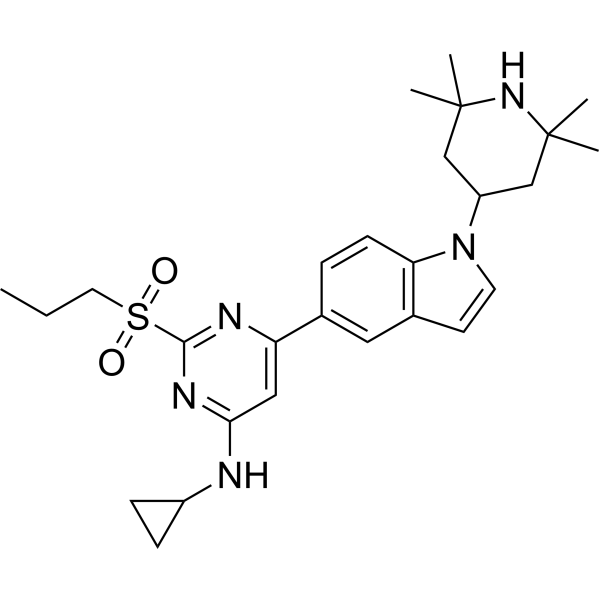
dWIZ-1 is an orally active molecular glue and chemical probe targeting the WIZ transcription factor, which based on an IMiD backbone, binding to human WIZ with an affinity of 3.5 μM. dWIZ-1 recruits WIZ to the cereblon-DDB1 complex via its ZF7 domain, thereby triggering proteasome-dependent degradation of WIZ. dWIZ-1 significantly induces fetal hemoglobin expression in erythroblasts while reducing the level of inhibitory H3K9 dimethylation at WIZ binding sites such as the β-globin locus. Meanwhile, dWIZ-1 does not affect the proliferation and differentiation of erythroblasts, and no cytotoxicity is observed in in vitro cells or cynomolgus monkey models. dWIZ-1 serves as a critical tool molecule for investigating the mechanism and underlying pathways of sickle cell disease .
|
-
-
- HY-153552
-
|
|
FAP
|
Cancer
|
|
NH2-UAMC1110 is an aminobutoxy derivative of the fibroblast activation protein (FAP) inhibitor UAMC1110 (HY-100684), and is a precursor compound for the synthesis of FAP inhibitor probes, not directly used in bioactivity experiments. For example, NH2-UAMC1110 is involved in the synthesis of the radiotracer FAPI-QS, which exhibits high tumor selectivity and high dose-response, and has been used for tumor diagnosis. NH2-UAMC1110 introduces an active amino group into its structure, enabling it to form covalent bonds with various molecules (such as DOTA, DATA5m, radionuclide chelators, etc.), thereby synthesizing molecular imaging probes or targeted compounds with the ability to target FAP. NH2-UAMC1110 specifically binds to the FAP active site, inhibiting its proline-selective serine protease activity (including dipeptidyl peptidase and endopeptidase activity), blocking FAP-mediated tissue remodeling processes. Its key activity is high targeting and high affinity, and its core function is to be coupled with bifunctional chelators (such as DOTA, DATA5m) as a targeting module. NH2-UAMC1110 can be applied to diagnostic imaging studies of tumors expressing FAP (such as colorectal cancer, pancreatic cancer, etc.), and also provides molecular tools for targeted research of FAP-related diseases with high FAP expression, such as fibrosis and arthritis .
|
-
-
- HY-148116
-
|
|
Epigenetic Reader Domain
|
Cancer
|
|
DN02 is a potent, selective BRD8 bromodomain probe. DN02 has exhibits high affinity for the BRD8 (1) (Ki=32 nM), which is 30-fold more affinity than BRD8 (2) (Ki>1000 nM) .
|
-
-
- HY-P5287
-
|
|
Integrin
|
Cancer
|
|
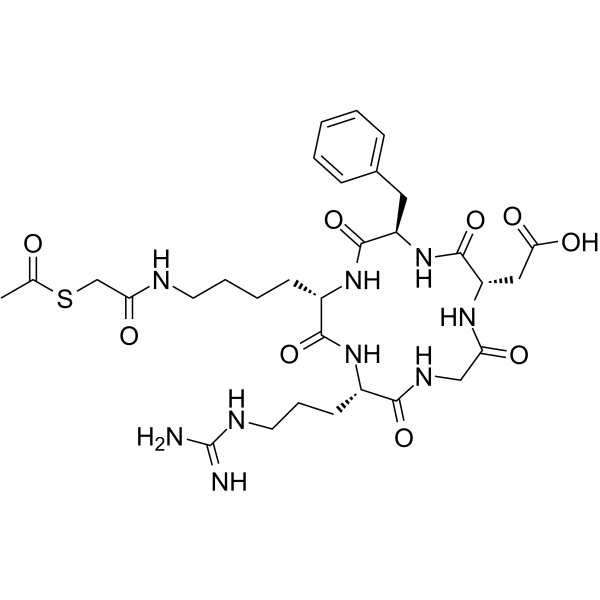
cRGDfK-thioacetyl ester is a bioactive polypeptide molecule. cRGDfK peptide has a selective affinity for integrins. cRGDfK peptide can modify NIR fluorescent probes for cancer targeting imaging .
|
-
-
- HY-101140A
-
-
-
- HY-101189
-
|
|
Histamine Receptor
|
Neurological Disease
Endocrinology
|
|
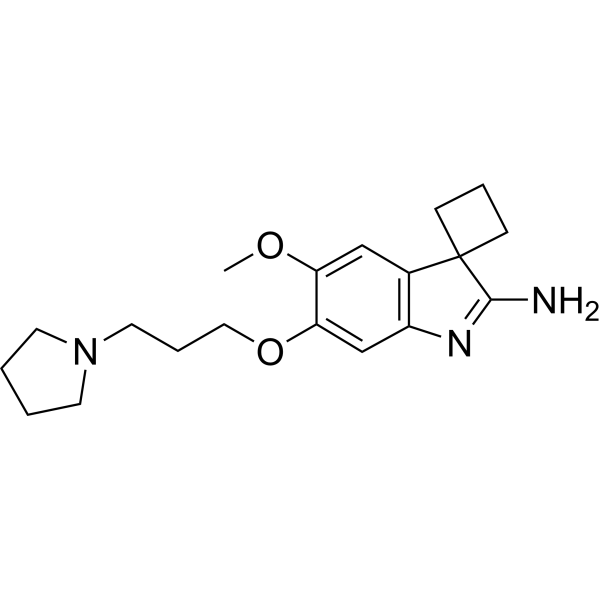
JNJ-39758979, a chemical probe, is a selective, orally active, and high-affinity histamine H4 receptor antagonist with Kis of 12.5, 5.3, and 25 nM for human, mouse, and monkey histamine H4 receptor, respectively. JNJ-39758979 functionally antagonizes histamine-induced cAMP inhibition with a pA2 of 7.9 in transfected cells. JNJ-39758979 shows good anti-inflammatory and antipruritic activity .
|
-
-
- HY-110374
-
|
|
Epigenetic Reader Domain
Apoptosis
|
Cancer
|
|
NVS-CECR2-1, a non-BET family Bromodomain (BRD) inhibitor, is a potent and selective cat eye syndrome chromosome region, candidate 2 (CECR2) inhibitor. NVS-CECR2-1 binds to CECR2 BRD with high affinity (IC50=47 nM; KD=80 nM). NVS-CECR2-1 exhibits cytotoxic activity and induces apoptosis against various cancer cells by targeting CECR2 as well as via CECR2-independent mechanism . NVS-CECR2-1 is a chemical probe.
|
-
-
- HY-D1807
-
|
|
Fluorescent Dye
|
Others
|
Vari Fluor 555-Streptavidin is a dye marker of Vari Fluor-streptavidin consisting of labeling streptavidin with a Vari Fluor series of fluorescent probes. Streptavidin is a high-affinity tetramer protein, each tetramer consisting of four identical streptavidin subunits. Streptavidin binds to biotin specifically via a reversible non-covalent effect. Streptavidin can achieve rapid and efficient detection of biotin markers, and is often used in immunofluorescence (IF), enzyme-linked immunosorbent assay (ELISA), immunohistochemical staining (IFH), in situ hybridization (ISH) and other experiments. Ex/Em=555 nm/565 nm. Product Concentration: 0.8 mg/mL
|
-
-
- HY-W024615
-
|
3-(3-Methyl-3H-diazirin-3-yl)propanoic acid
|
Drug Intermediate
Biochemical Assay Reagents
|
Others
|
|
Me-diazirine-cooh (3-(3-Methyl-3H-diazirin-3-yl) propanoic acid) is a molecular building block containing an aliphatic diazirine ring. Me-diazirine-cooh undergoes orthogonal coupling in solid-phase peptide synthesis to introduce the Diazirine group into collagen-mimetic peptides. Me-diazirine-cooh is used to construct the photoaffinity probe P1 .
|
-
-
- HY-160062
-
|
|
Mucin
|
Cancer
|
|
S2.2 aptamer sodium is a nucleic acid-based MUC1-binding aptamer with high affinity and low toxicity. Upon binding to its target, S2.2 aptamer sodium undergoes a conformational switch and restores fluorescence signal, serving as a targeted imaging agent for MUC1-positive cancer cells. S2.2 aptamer sodium enables targeted delivery to breast cancer cells with overexpressed MUC1. When formulated as the S2.2-PEG-MZF molecular probe, S2.2 aptamer sodium possesses the functions of T2 signal inhibition, magnetic field-induced hyperthermia and targeted magnetic resonance molecular imaging. In the S2.2-PEG-MZF/DOX nanoliposome, S2.2 aptamer sodium supports targeted thermochemotherapy, effectively inhibiting cancer cell proliferation and invasion as well as inducing apoptosis, and is widely used in studies related to breast cancer .
|
-
-
- HY-122653A
-
|
|
PROTACs
|
Cancer
|
|
CCT367766 formic is a potent and the third generation heterobifunctional and Cereblon-based pirin targeting protein degradation probe (PDP, or PROTAC), depletes pirin protein expression at low concentration. CCT367766 formic exhibits a moderate affinity for the CRBN-DDB1 complex with an IC50 value of 490 nM. CCT367766 formic reveals a good affinity for the recombinant pirin and CRBN with Kd values of 55 nM and 120 nM, respectively. CCT367766 formic provides a potential chemical tool to study a largely unexplored protein .
|
-
-
- HY-D2413
-
|
BODIPY FL PEG4-VH032
|
Fluorescent Dye
|
Others
|
|
BODIPY FL VH032 is a high-affinity VHL fluorescent probe with a Kd value of 3.01 nM. BODIPY FL VH032 consists of von Hippel-Lindau (VHL) ligand VH032 (HY-120217) and BODIPY FL (HY-43520). BODIPY FL VH032 can be used for time-resolved fluorescence resonance energy transfer (TR-FRET) detection for high-throughput identification and characterization of VHL ligands with maximum excitation emission wavelength: 504/520 nm .
|
-
-
- HY-D1806
-
|
|
Fluorescent Dye
|
Others
|
Vari Fluor 594-Streptavidin is a dye marker of Vari Fluor-streptavidin consisting of labeling streptavidin with a Vari Fluor series of fluorescent probes. Streptavidin is a high-affinity tetramer protein, each tetramer consisting of four identical streptavidin subunits. Streptavidin binds to biotin specifically via a reversible non-covalent effect. Streptavidin can achieve rapid and efficient detection of biotin markers, and is often used in immunofluorescence (IF), enzyme-linked immunosorbent assay (ELISA), immunohistochemical staining (IFH), in situ hybridization (ISH) and other experiments. Ex/Em=590 nm/617 nm. Product Concentration: 0.8 mg/mL
|
-
-
- HY-113553
-
|
(p-Aminophenyl)phosphocholine; p-Aminophenylphosphorylcholine; 4-APPC
|
Endogenous Metabolite
|
Metabolic Disease
|
|
4-Aminophenylphosphorylcholine ((p-Aminophenyl)phosphocholine) is a probe that can be conjugated to agarose gels to generate adsorbents for affinity precipitation experiments.
|
-
-
- HY-D2345
-
|
|
Fluorescent Dye
Carbonic Anhydrase
|
Cancer
|
|
GZ22-4 is a near-infrared (NIR) fluorescent probe. GZ22-4 shows high affinity for carbonic anhydrase IX (CAIX), with a Kd of 0.2 nM. GZ22-4 can be used for the research of visualize CAIX-positive tumors .
|
-
-
- HY-176548
-
|
|
YAP
Annexin A
|
Inflammation/Immunology
|
|
PY-PAP is a photoactivatable affinity probe and a derivative of PY-60 (HY-141644). PY-PAP retains the cellular function of activating YAP transcriptional activity. In 293A cells, PY-PAP can label cathepsin D (CTSD) and annexin A2 (ANXA2) through ultraviolet crosslinking and click reactions. PY-PAP plays a key role in identifying ANXA2 as the specific target of PY-60 .
|
-
-
- HY-12946
-
|
|
Glucocorticoid Receptor
Cytochrome P450
HCV Protease
|
Infection
Inflammation/Immunology
|
|
BI 653048, a chemical probe, is a selective and orally active nonsteroidal glucocorticoid (GC) agonist with an IC50 value of 55 nM . BI 653048 inhibits CP1A2, CYP2D6, CYP2C9, CYP2C19 and CYP3A4 isoforms’ activity and reduces affinity for the hERG ion channel (IC50>30 μM) . BI 653048 (Compound 103) is also a HCV NS3 protease inhibitor that can reduce viral loads infected with the hepatitis C virus .
|
-
-
- HY-D1809
-
|
|
Fluorescent Dye
|
Others
|
Vari Fluor 405-Streptavidin is a dye marker of Vari Fluor-streptavidin consisting of labeling streptavidin with a Vari Fluor series of fluorescent probes. Streptavidin is a high-affinity tetramer protein, each tetramer consisting of four identical streptavidin subunits. Streptavidin binds to biotin specifically via a reversible non-covalent effect. Streptavidin can achieve rapid and efficient detection of biotin markers, and is often used in immunofluorescence (IF), enzyme-linked immunosorbent assay (ELISA), immunohistochemical staining (IFH), in situ hybridization (ISH) and other experiments. Ex/Em=405 nm/431 nm. Product Concentration: 0.8 mg/mL
|
-
-
- HY-D1804
-
|
|
Fluorescent Dye
|
Others
|
Vari Fluor 680-Streptavidin is a dye marker of Vari Fluor-streptavidin consisting of labeling streptavidin with a Vari Fluor series of fluorescent probes. Streptavidin is a high-affinity tetramer protein, each tetramer consisting of four identical streptavidin subunits. Streptavidin binds to biotin specifically via a reversible non-covalent effect. Streptavidin can achieve rapid and efficient detection of biotin markers, and is often used in immunofluorescence (IF), enzyme-linked immunosorbent assay (ELISA), immunohistochemical staining (IFH), in situ hybridization (ISH) and other experiments. Ex/Em=680 nm/701 nm. Product Concentration: 0.8 mg/mL
|
-
-
- HY-151761
-
|
|
ADC Linker
|
Others
|
|
H-L-Lys(4-N3-Z)-OH hydrochloride is a click chemistry reagent containing an azide group. H-L-Lys(4-N3-Z)-OH hydrochloride contains a lysine-modified azide moiety and as a bioorthogonal ligation handle. H-L-Lys(4-N3-Z)-OH hydrochloride is an infrared probe and a photo-affinity reagent . It contains an azide group and can undergo copper-catalyzed azide-alkyne cycloaddition (CuAAc) with molecules containing alkyne groups. It can also undergo ring strain-promoted alkyne-azide cycloaddition (SPAAC) with molecules containing DBCO or BCN groups.
|
-
-
- HY-125209A
-
|
|
Apoptosis
PARP
DNA/RNA Synthesis
|
Cancer
|
|
TH5427 hydrochloride is a NUDT5 inhibitor with a human target IC50 of 29 nM, ~690-fold selectivity over MTH1 in vitro, and selective functional inhibition over other NUDIX hydrolases including NUDT9 .TH5427 hydrochloride binds to the active site of NUDT5, blocking enzymatic activity related to ADP-ribose metabolism and PAR-derived ATP synthesis .TH5427 hydrochloride blocks progestin-dependent nuclear ATP synthesis, impairs progestin-induced chromatin remodeling, inhibits histone H1 displacement, disrupts progestin-dependent gene regulation, and abrogates progestin-dependent proliferation in breast cancer cells .TH5427 hydrochloride functions as a versatile probe to study nuclear ATP dynamics and ADP-ribose-related metabolism in cells .TH5427 hydrochloride engages NUDT5 at physiological temperatures, as demonstrated by Drug Affinity Responsive Target Stability (DARTS) assay .TH5427 hydrochloride stabilizes NUDT5 against thermal denaturation in cell lysates and intact cells, as shown by cellular thermal shift assay (CETSA) .TH5427 hydrochloride functionally inhibits NUDT5 activity, leading to downstream effects on oxidative DNA damage and DNA replication in triple-negative breast cancer (TNBC) cells .TH5427 hydrochloride suppresses proliferation of TNBC cells without inducing cell death or apoptosis, slows DNA replication in TNBC cells, promotes accumulation of oxidative DNA lesions, and triggers DNA damage response in TNBC cells .TH5427 hydrochloride suppresses growth of TNBC cells in vitro, inhibits growth of TNBC xenograft tumors in nude mice in vivo, and shows greater potency against TNBC cell lines compared to ER-positive and normal-like breast cell lines .TH5427 hydrochloride can be used for the research of breast cancer and triple-negative breast cancer .
|
-
-
- HY-153748
-
|
|
Glutathione Peroxidase
|
Cancer
|
|
ML162-yne is a potent GPX4-inhibitor affinity probe . ML162-yne is a click chemistry reagent, it contains an Alkyne group and can undergo copper-catalyzed azide-alkyne cycloaddition (CuAAc) with molecules containing Azide groups.
|
-
-
- HY-D2268
-
|
|
Fluorescent Dye
Amyloid-β
|
Neurological Disease
|
|
QM-FN-SO3 is a BBB-penetrable near-infrared (NIR) aggregation-induced emission (AIE)-active probe for Aβ plaques. QM-FN-SO3 can be used for in vivo detection of Aβ plaques. QM-FN-SO3 has ultra-high S/N ratio, binding affinity, and high-performance NIR emission .
|
-
-
- HY-151801
-
|
|
mAChR
|
Others
|
|
DIBA-Cy5 is a fluorescent DIBA antagonist made up be DIBA-alkyne binding Cyanine5 fluorophores (Cy5) and polyethylene glycol (PEG) biomolecules. DIBA-Cy5 can serve as a fluorescent ligand, suitable for probe attachment through click chemistry. DIBA-Cy5 exerts a high binding affinity to type-2 mAChR (M2R) with the Kd value of 1.80 nM, can directly stain M2R receptors in the sinoatrial node of a mouse heart .
|
-
-
- HY-W171935
-
|
|
MNK
|
Others
|
|
MNK-IN-5 is a MNK inhibitor that suppresses MNK activity .
|
-
-
- HY-161011
-
|
|
Arp2/3 Complex
|
Others
|
|
Spire2/FMN2 PPI-IN-1 (Compound 13) is a selective inhibitory fragment targeting the Spire2-FMN2 interaction, with an IC50 of 62 μM. Spire2/FMN2 PPI-IN-1 has affinity for KIND2, with a Kd of 87.7 μM, and does not inhibit KIND1. Spire2/FMN2 PPI-IN-1 can be used for the development of chemical probes for the Spire2-FMN2 interaction .
|
-
-
- HY-151679
-
|
|
ADC Linker
|
Others
|
|
Fmoc-L-Lys(4-N3-Z)-OH is a click chemistry reagent containing an azide group. Fmoc-L-Lys(4-N3-Z)-OH acts as Lysine building-block for SPPS containing an Azide moiety as a bioorthogonal ligation handle, an infrared probe and a photo-affinity reagent. It can be decaged by trans-cyclooctenols via a strain-promoted 1,3-dipolar cycloaddition . Fmoc-L-Lys(4-N3-Z)-OH is a click chemistry reagent, it contains an Azide group and can undergo copper-catalyzed azide-alkyne cycloaddition reaction (CuAAc) with molecules containing Alkyne groups. It can also undergo strain-promoted alkyne-azide cycloaddition (SPAAC) reactions with molecules containing DBCO or BCN groups.
|
-
-
- HY-129953F
-
|
PGF2α-biotin
|
Biochemical Assay Reagents
Prostaglandin Receptor
|
Others
|
|
Prostaglandin F2α-biotin (PGF2α-biotin) is a biotinylated form of Prostaglandin F2α (HY-12956). Prostaglandin F2α-biotin can be used in the study of the mechanism of action of prostaglandins. In addition, Prostaglandin F2α-biotin can be detected in the ethanolic extract of Hawm Gra Dang Ngah rice .
|
-
-
- HY-D2999
-
|
|
Fluorescent Dye
|
Metabolic Disease
|
|
NIR-RED ATP Probe is a NIR-II fluorescent probe. NIR-RED ATP Probe exhibits high affinity and selectivity for ATP and can non-invasively and with high contrast detect changes in ATP concentration at the cellular level, with minimal interference to the abundant biomolecules within the cells. NIR-RED ATP Probe can be used as a biomarker detection tool for drug-induced liver injury (DILI) .
|
-
-
- HY-172137
-
|
|
FAP
|
Cancer
|
|
FAPI-FUSCC-07 is a targeted probe for fibroblast activation protein (FAP), exhibiting high affinity binding to FAP for applications in molecular imaging, tumor diagnosis, and radiotherapy .
|
-
-
- HY-P5287A
-
|
|
Integrin
|
Cancer
|
|
cRGDfK-thioacetyl ester TFA is a bioactive polypeptide molecule. cRGDfK peptide has a selective affinity for integrins. cRGDfK peptide can modify NIR fluorescent probes for cancer targeting imaging .
|
-
-
- HY-101182
-
|
|
Microtubule/Tubulin
|
Neurological Disease
|
|
THK-5117, an arylquinoline derivative, displays high binding affinity to tau fibrils with a Ki of 10.5 nM. THK-5117 has high binding affinity to tau protein aggregates and tau-rich Alzheimer disease (AD) brain homogenates. 18F-THK-5117 has the potential to act as a tau imaging PET probe .
|
-
-
- HY-D0157
-
|
|
Biochemical Assay Reagents
|
Others
|
|
ZnAF-2, 6-iso- is a cell-impermeable compound that acts as a high-affinity Zn2 -specific fluorescent probe (Kd = 2.7 nM). It exhibits low basal fluorescence with an approximately 51-fold increase in fluorescence intensity upon stoichiometric (1:1) binding to Zn2 . Little affinity for Ca2 , Mg2 , Na or K .
|
-
-
- HY-156842
-
|
|
Amyloid-β
|
Neurological Disease
|
|
MCAAD-3 is a near-infrared Aβ imaging probe with blood-brain barrier penetrability. MCAAD-3 has a strong affinity for Aβ polymers (Ki >106 nM) and can label Aβ plaques in the brains of transgenic mice .
|
-
- HY-P2510
-
|
|
Thyroid Hormone Receptor
|
Metabolic Disease
|
|
Parathyroid Hormone (1-34), human, biotinylated is a probe for the parathyroid hormone receptor, can be used for analyzing the interaction between parathyroid hormone and parathyroid hormone receptors in living cells and for purifying hormone-receptor complexes with affinity columns .
|
-
- HY-175086
-
|
DOPI-3,4,5-P3-fluorescein triethylammonium; PI(3,4,5)P3-fluorescein triethylammonium; PIP3[3',4',5']-fluorescein triethylammonium
|
Fluorescent Dye
|
Others
|
|
PtdIns-(3,4,5)-P3 is a second messenger. PtdIns-(3,4,5)-P3-fluorescein triethylammonium is a fluorescent probe that can detect any protein that has a high-affinity binding interaction with inositol-(3,4,5)-triphosphate phospholipids .
|
-
- HY-P11265
-
|
|
GnRH Receptor
Fluorescent Dye
|
Cancer
|
|
YQGN-7 is a targeted fluorescent probe for the gonadotropin-releasing hormone receptor (RnRHR). YQGN-7 exhibits high selectivity and affinity for breast cancer cells (KD = 217.8 nM). YQGN-7 achieves precise visualization of the primary and metastatic lesions of breast cancer by targeting the highly expressed GnRHR in tumor cells. YQGN-7 can be used in the research of breast cancer breast-conserving surgery (BCS) .
|
-
- HY-161011A
-
|
|
Arp2/3 Complex
|
Others
|
|
Spire2/FMN2 PPI-IN-1 (Compound 13) dihydrochloride is a selective inhibitory fragment targeting the Spire2-FMN2 interaction, with an IC50 of 62 μM. Spire2/FMN2 PPI-IN-1 dihydrochloride has affinity for KIND2, with a Kd of 87.7 μM, and does not inhibit KIND1. Spire2/FMN2 PPI-IN-1 dihydrochloride can be used for the development of chemical probes for the Spire2-FMN2 interaction .
|
-
- HY-136219
-
|
|
Fluorescent Dye
|
Others
|
|
Protein kinase affinity probe 1 is a novel protein kinase affinity probe for the functional identification of protein kinases (PKs). Protein kinase affinity probe 1 is a modified Purvalanol B (HY-18299) probe with 50% beads loading (Compound S3) .
|
-
- HY-D1684
-
|
|
Amyloid-β
|
Neurological Disease
|
|
DCDAPH (Compound 2c) is a novel smart NIRF probe for detection of β-amyloid (Aβ) plaques (λex/λem=597/665 nm in PBS). DCDAPH shows high affinity for Aβ aggregates (Ki=37 nM, Kd=27 nM). DCDAPH shows good blood brain barrier permeation and can meet most of the requirements for the detection of Aβ plaques both in vitro and in vivo .
|
-
- HY-145837
-
|
|
Neuropeptide Y Receptor
|
Cancer
|
|
Y1R probe-1 (Compound 39) is a high-affinity fluorescence probe for the Neuropeptide Y Y1 Receptor. Y1R probe-1 has the potential for the research of cancer disease .
|
-
- HY-121637
-
-
- HY-169295
-
|
|
Biochemical Assay Reagents
|
Others
|
|
RAP 1 is a reactive affinity probe (RAP) that selectively labels SLC6A8 in the presence of guanine alanine (GPA). RAP 1 can be used as a chemical probe for identifying and studying potential drug binding sites on SLC6A8 .
|
-
- HY-126829
-
|
|
HDAC
|
Cancer
|
|
Coumarin-SAHA is a fluorescent probe for determining the binding affinities (kd) and the dissociation off-rates (koff) of the HDAC8-inhibitor complexes .
|
-
- HY-D2327
-
|
|
Dipeptidyl Peptidase
|
Others
|
|
DPP-8/9 probe-1 (compound 20) is a fluorescent probe targeting Dipeptidyl Peptidase DPP8/9, which can be selectively labeled and visualized in vitro by fluorescence microscopy Active DPP8/9. DPP-8/9 probe-1 contains a nitrobenzoxadiazole (NBD) tag and has high affinity and selectivity for DPP8/9 over related S9 family members (IC50 of 210 nM and 15 nM, respectively) .
|
-
- HY-155698
-
|
|
Fluorescent Dye
CXCR
|
Others
|
|
Mz438 is high-affinity and selective fluorescent CXCR2 ligand. Mz438 is a small-molecule-based fluorescent probe targeting the IABS of CXCR2 .
|
-
- HY-119581
-
|
9-Methyl-7-bromoeudistomin D
|
Fluorescent Dye
|
Neurological Disease
|
|
MBED (9-Methyl-7-bromoeudistomin D) is a RyR agonist. MBED is a high-affinity caffeine-like probe, helps identify the caffeine-binding site in RyRs .
|
-
- HY-D2380
-
|
|
G-quadruplex
|
Cancer
|
|
H2S probe 1 (compound 1NND) is a derivative of nitrobenzoxadiazole (NBD) with antitumor activity. H2S probe 1 is cytotoxic to human pancreatic cancer cell MIA PaCa-2 (IC50=77.9 nM) and has a high affinity for human telomeric G-quadruplex (G4) (Kd=1.72 μM). H2S probe 1 can be used in cancer research .
|
-
- HY-101181
-
|
|
Microtubule/Tubulin
|
Neurological Disease
|
|
THK-5105, an arylquinoline derivative, displays high binding affinity to tau fibrils. THK-5105 has high binding affinity to tau protein aggregates and tau-rich Alzheimer disease (AD) brain homogenates. 18F-THK-5105 has the potential to act as a tau imaging PET probe .
|
-
- HY-111188
-
|
|
Adrenergic Receptor
|
Others
|
|
A55453 is a prazosin analogue and a potent α1-adrenergic antagonist. 125I-A55453 is a high-affinity alpha 1-adrenergic receptor probe .
|
-
- HY-116222
-
|
|
Fluorescent Dye
|
Endocrinology
|
|
A 53693 is a rigid catecholamine with selective adrenergic agonist activity. A 53693 has affinity for certain rat alpha-2 receptor subtypes. A 53693 shows high selectivity for alpha-2 receptors and, in contrast, has low affinity for alpha-1 receptors. A 53693 is used as a probe in biological studies to explore the molecular interactions of alpha agonist compounds .
|
-
- HY-157556
-
|
|
GHSR
|
Others
|
|
BPP-2 is a GHSR ligand with an F element. Using 18F isotope labeling BPP-2, a PET probe targeting GHSR can be obtained. The binding affinity Ki of 18F-BPP-2 for GHSR is 274 nM .
|
-
- HY-155772
-
|
|
Adenosine Receptor
Fluorescent Dye
|
Inflammation/Immunology
|
|
LUF7690 (Compound 9) is a clickable and covalent affinity-based probe (AfBP) that targets the human A3AR (hA3AR). LUF7690 can be used in the detection and characterization of the hA3AR in different types of granulocytes, among other cell types .
|
-
- HY-122653
-
|
|
PROTACs
|
Cancer
|
|
CCT367766 is a potent and the third generation heterobifunctional and Cereblon-based pirin targeting protein degradation probe (PDP, or PROTAC), depletes pirin protein expression at low concentration. CCT367766 exhibits a moderate affinity for the CRBN-DDB1 complex with an IC50 value of 490 nM. CCT367766 reveals a good affinity for the recombinant pirin and CRBN with Kd values of 55 nM and 120 nM, respectively. CCT367766 provides a potential chemical tool to study a largely unexplored protein .
|
-
- HY-160063
-
|
|
Fluorescent Dye
DNA Alkylator/Crosslinker
|
Cancer
|
|
SW1 aptamer sodium is a high-affinity DNA aptamer (Kd: 123.62 nM) that targets liver cancer SMMC-7721 cells and targets intracellular components within the nucleus. SW1 aptamer sodium can also identify various other types of cancer cells and tissues, serving as an effective molecular probe for clinical cancer diagnosis .
|
-
- HY-136214
-
|
|
Integrin
|
Inflammation/Immunology
Cancer
|
|
R-BC154 acetate is a selective fluorescent α9β1 integrin antagonist. R-BC154 acetate acts as a useful high affinity, activation dependent integrin probe, which can be used to investigate α9β1 and α4β1 integrin binding activity .
|
-
- HY-172534
-
|
|
Fluorescent Dye
EGFR
TSPO
|
Cancer
|
|
BPN-01 is a fluorescent probe targeting translocator protein (TSPO) and human epidermal growth factor receptor 2 (HER2) with binding affinities of -10.7 kcal/mol for TSPO and -11.3 kcal/mol for HER2. BPN-01 is promising for research of solid tumor imaging during fluorescence image-guided surgery (FIGS) (Ex/Em = 475/510 nm) .
|
-
- HY-D2268A
-
|
|
Amyloid-β
Fluorescent Dye
|
Neurological Disease
|
|
QM-FN-SO3 ammonium is a BBB-penetrable near-infrared (NIR) aggregation-induced emission (AIE)-active probe for Aβ plaques. QM-FN-SO3 ammonium can be used for in vivo detection of Aβ plaques. QM-FN-SO3 ammonium has ultra-high S/N ratio, binding affinity, and high-performance NIR emission .
|
-
- HY-147115
-
|
|
Fluorescent Dye
|
Others
|
|
4-Azidophlorizin is a high affinity probe and photoaffinity label for the glucose transporter in brush border membranes . 4-Azidophlorizin is a click chemistry reagent, it contains an Azide group and can undergo copper-catalyzed azide-alkyne cycloaddition reaction (CuAAc) with molecules containing Alkyne groups. It can also undergo strain-promoted alkyne-azide cycloaddition (SPAAC) reactions with molecules containing DBCO or BCN groups.
|
-
- HY-145699
-
|
|
5-HT Receptor
|
Others
|
|
UCSF686 is a probe with which to study the function of the 5-HT5AR. UCSF686 loses affinity at 5-HT5AR (>10 000 nM) but not at 5-HT1AR, 5-HT2BR, and 5-HT7R. UCSF686 controls for off-target effects .
|
-
- HY-173138
-
|
|
Monoamine Oxidase
|
Neurological Disease
|
|
FCOB02 is a monoamine oxidase B (MAO-B) ligand. FCOB02 can be labeled as [18F]FCOB02, a 4-methylcoumarin-like targeting probe. [18F]FCOB02 has a high affinity for MAO-B with an IC50 of 10.68 nM. [18F]FCOB02 can be used in specific MAO-B imaging as well as quantitative analysis in vivo .
|
-
- HY-W205529
-
|
|
Fluorescent Dye
|
Neurological Disease
|
|
RO 16-6491 Free base is a selective, reversible inhibitor of monoamine oxidase type B (MAO-B), exhibiting high affinity and specificity for binding sites in human frontal cortex mitochondria and platelet membranes. RO 16-6491 demonstrates a fast dissociation of bound radioactivity at 20 degrees C, indicating its dynamic binding properties. RO 16-6491 also acts as a substrate for MAO-B, suggesting that its oxidation may produce a stable intermediate responsible for its potent inhibitory effects. RO 16-6491 serves as an excellent radioligand probe for investigating the regional tissue distribution of MAO-B in various physiological and pathological states.
|
-
- HY-172666F
-
|
Biotin ceramide (d18:0/6:0)
|
Fluorescent Dye
|
Neurological Disease
|
|
C6 Biotin dihydro ceramide is an affinity probe that allows C6 dihydro ceramide to be detected or immobilized through interaction with the biotin ligand.
|
-
- HY-175133
-
|
Biotin ceramide (t18:0/6:0)
|
Fluorescent Dye
|
Others
|
|
C6 Biotin phytoceramide (t18:0/6:0) is an affinity probe that allows C6 phytoceramide to be detected or immobilized through interaction with the biotin ligand .
|
-
- HY-175147
-
-
- HY-P11785
-
|
|
Claudin
|
Cancer
|
|
Cpe30 MT2 is a short peptide that binds tightly junction protein Claudin‑4 (CLDN4) with high affinity, with a Kd value of 1.97 nM. Cpe30 MT2 can be used for the synthesis of PET molecular imaging probes targeting pancreatic cancer .
|
-
- HY-113331F
-
|
|
Biochemical Assay Reagents
|
Others
|
|
Thromboxane B2-biotin is an affinity probe that allows detection of thromboxane B2 through an interaction with the biotin ligand. Thromboxane B2-biotin is designed to allow thromboxane B2 to be detected in complexes with protein binding partners .
|
-
- HY-18909
-
|
|
Src
Bcr-Abl
Pyk2
p38 MAPK
c-Kit
|
Others
|
|
Multi-kinase-IN-11 (Compound 1a) is a DFG-out conformation-targeted multi-kinase inhibitor, including SRC, LCK, ABL, PYK2, CSK, HCK, P38 and C-KIT. Multi-kinase-IN-11 serves as a scaffold for the preparation of fluorescently labeled binding probes and affinity matrices .
|
-
- HY-101140AR
-
|
|
Keap1-Nrf2
Reference Standards
|
Metabolic Disease
Inflammation/Immunology
|
|
KI696 isomer (Standard) is the analytical standard of KI696 isomer (HY-101140A). This product is intended for research and analytical applications. KI696 isomer is the less active isomer of KI696 (HY-101140). KI696 is a high affinity probe that disrupts the Keap1/NRF2 interaction .
|
-
- HY-101140R
-
|
|
Keap1-Nrf2
Reference Standards
|
Metabolic Disease
Inflammation/Immunology
|
|
KI696 (Standard) is the analytical standard of KI696 (HY-101140). This product is intended for research and analytical applications. KI696 is a high affinity probe that disrupts the Keap1/NRF2 interaction. KI696 is a potent and selective inhibitor of the KEAP1/NRF2 interaction .
|
-
- HY-107725R
-
|
|
Reference Standards
Neuropeptide Y Receptor
|
Metabolic Disease
|
|
BIBO3304 (Standard) is the analytical standard of BIBO3304 (HY-107725). This product is intended for research and analytical applications. BIBO3304, a chemical probe, is a potent, orally active, and selective neuropeptide Y (NPY) Y1 receptor antagonist, with subnanomolar affinity for both the human and the rat Y1 receptor (IC50=0.38 and 0.72 nM, respectively) .
|
-
- HY-W244412
-
|
|
Biochemical Assay Reagents
|
Cancer
|
|
2,5-Dioxopyrrolidin-1-yl 6-hydrazinylnicotinate hydrochloride is an intermediate of a radionuclide molecular probe targeting the CD4 receptor. 2,5-Dioxopyrrolidin-1-yl 6-hydrazinylnicotinate hydrochloride serves as an imaging agent for heart transplant rejection. This CD4 probe is prepared by mixing leukocyte differentiation antigen 4 monoclonal antibody with a solution of 6-hydrazinylnicotinoyl succinimide ester hydrochloride, followed by extraction and reaction to obtain 6-hydrazinylnicotinate-leukocyte differentiation antigen 4 monoclonal antibody; this antibody is then mixed with N-tris (hydroxymethyl) glycine, stannous chloride and technetium for an oscillatory reaction. This CD4 probe exhibits high affinity for CD4 + T lymphocytes, along with the characteristics of high sensitivity and high specificity, enabling early diagnosis of acute rejection .
|
-
- HY-DY1087
-
|
|
Fluorescent Dye
|
Cancer
|
Coppersensor 1 (solution) is a membrane-permeable fluorescent dye. Coppersensor-1 has a picomolar affinity for Cu + with high selectivity over competing cellular metalions. Coppersensor-1 as a probe, can selective and sensitive detection of copper(I) ions (Cu +) in biological samples, including live cells. Coppersensor-1 can be used for the research of imaging of severe diseases such as cancer, cardiovascular disorders and neurogenerative diseases . Solvent and concentration: DMSO: 2 mM
|
-
- HY-D2962
-
|
|
Fluorescent Dye
|
Neurological Disease
|
CAQ is a near-infrared fluorescent probe based on a curcumin scaffold (Ex/Em = 565/635). CAQ exhibits high affinity for Aβ1-42 aggregates (Kd = 78.89 nM) and excellent selectivity toward common biomolecules. CAQ’s emission wavelength shows significant solvent dependence. CAQ, by incorporating intramolecular rotation donors and quinoline functional groups, can be used for the specific detection and imaging of Aβ aggregates in Alzheimer's disease .
|
-
- HY-101418R
-
|
|
P2X Receptor
Reference Standards
|
Neurological Disease
|
|
JNJ-47965567 (Standard) is the analytical standard of JNJ-47965567 (HY-101418). This product is intended for research and analytical applications. JNJ-47965567 is a centrally permeable, high-affinity, selective P2X7 antagonist, with pKis of 7.9 and 8.7 for human and rat P2X7, respectively. JNJ-47965567 can be used to probe the role of central P2X7 in rodent models of CNS pathophysiology .
|
-
- HY-D3303
-
|
8-iso PGA2-biotin
|
Biochemical Assay Reagents
|
Metabolic Disease
|
|
8-iso Prostaglandin A2-biotin (8-iso PGA2-biotin) is an affinity probe conjugated with biotin, consisting of 8-iso Prostaglandin A2 (8-iso PGA2). 8-iso PGA2 is an isoprostaglandane produced by the radical-catalyzed peroxidation of arachidonic acid. 8-iso Prostaglandin A2-biotin can be detected by its interaction with a biotin ligand .
|
-
- HY-P11618
-
|
|
Glycoprotein VI
|
Cancer
|
|
10P3Me is a Glypican-3 (GPC3)-targeting probe with a Ka of 93.8 nM for the human target. 10P3Me exhibits high binding affinity to GPC3, targets GPC3-positive cells, and serves as an agent for PET imaging. 10P3Me selectively accumulates in GPC3-positive tumor tissues, including subcutaneous xenograft models and orthotopic HepG2-LUC liver cancer models, to achieve precise localization of lesions .
|
-
- HY-175083
-
|
|
Drug Derivative
PI3K
|
Others
|
|
PtdIns-(4,5)-P2-biotin trisodium is a Biotin-labeled PtdIns-(4,5)-P2 analog. PtdIns-(4,5)-P2-biotin trisodium is an affinity probe of PI3Kγ. PI3Kγ can catalyse the phosphorylation of PtdIns-(4,5)-P2 at the 3′-OH group, giving rise to the second messenger PtdIns(3,4,5)-P3 .
|
-
- HY-101189R
-
|
|
Histamine Receptor
Reference Standards
|
Neurological Disease
Endocrinology
|
|
JNJ-39758979 (Standard) is the analytical standard of JNJ-39758979 (HY-101189). This product is intended for research and analytical applications. JNJ-39758979, a chemical probe, is a selective, orally active, and high-affinity histamine H4 receptor antagonist with Kis of 12.5, 5.3, and 25 nM for human, mouse, and monkey histamine H4 receptor, respectively. JNJ-39758979 functionally antagonizes histamine-induced cAMP inhibition with a pA2 of 7.9 in transfected cells. JNJ-39758979 shows good anti-inflammatory and antipruritic activity .
|
-
- HY-133240
-
|
|
DNA Alkylator/Crosslinker
Calcium Channel
Potassium Channel
Sodium Channel
|
Infection
|
|
trans-AzoTAB is a photoresponsive potassium/sodium/calcium channel modulator and DNA-binding agent. trans-AzoTAB undergoes trans-cis isomerization driven by light, with variable polarity and DNA affinity. trans-AzoTAB also enhances voltage-gated potassium currents and inhibits sodium and calcium currents in cardiomyocytes, thereby reducing spontaneous electrical activity and excitation conduction velocity. In addition, trans-AzoTAB induces compaction and frozen conformation of λ-phage DNA, and non-sequence-dependently inhibits transcription and translation processes in the dark; its activity can be reversed and restored by visible light after activation with ultraviolet irradiation. trans-AzoTAB can serve as a probe for two-photon optical regulation of myocardial excitability, and is used to construct photoresponsive interfacial polymer structures .
|
-
| Cat. No. |
Product Name |
Type |
-
- HY-D0989
-
Rhod-2 AM
Maximum Cited Publications
33 Publications Verification
|
Fluorescent Dyes
|
|
Rhod-2 is a high-affinity visible light excitation wavelength Ca 2+ fluorescent probe, Rhod-2, AM is an acetyl methyl ester derivative of Rhod-2, which has cell membrane permeability and can easily enter cells with simple culture. Once it enters the cell, it is sheared by its lactesterase to produce Rhod-2 without membrane permeability, which remains in the cell to perform the corresponding physiological functions. Maximum excitation/emission wavelength: 549/578 nm .
|
-
- HY-141511
-
|
|
Fluorescent Dyes
|
|
Coppersensor-1 (CS1) is a membrane-permeable fluorescent dye. Coppersensor-1 has a picomolar affinity for Cu + with high selectivity over competing cellular metalions. Coppersensor-1 as a probe, can selective and sensitive detection of copper(I) ions (Cu +) in biological samples, including live cells. Coppersensor-1 can be used for the research of imaging of severe diseases such as cancer, cardiovascular disorders and neurogenerative diseases .
|
-
- HY-DY1020
-
|
|
Fluorescent Dyes
|
Rhod-2 (solution) is a high-affinity visible light excitation wavelength Ca 2+ fluorescent probe, Rhod-2, AM is an acetyl methyl ester derivative of Rhod-2, which has cell membrane permeability and can easily enter cells with simple culture. Once it enters the cell, it is sheared by its lactesterase to produce Rhod-2 without membrane permeability, which remains in the cell to perform the corresponding physiological functions. Maximum excitation/emission wavelength: 549/578 nm . Solvent and concentration: DMSO: 1 mM
|
-
- HY-D1808
-
|
|
Fluorescent Dyes
|
Vari Fluor 488-Streptavidin is a dye marker of Vari Fluor-streptavidin consisting of labeling streptavidin with a Vari Fluor series of fluorescent probes. Streptavidin is a high-affinity tetramer protein, each tetramer consisting of four identical streptavidin subunits. Streptavidin binds to biotin specifically via a reversible non-covalent effect. Streptavidin can achieve rapid and efficient detection of biotin markers, and is often used in immunofluorescence (IF), enzyme-linked immunosorbent assay (ELISA), immunohistochemical staining (IFH), in situ hybridization (ISH) and other experiments. Ex/Em=490 nm/515 nm. Product Concentration: 0.8 mg/mL
|
-
- HY-D1805
-
|
|
Fluorescent Dyes
|
Vari Fluor 647-Streptavidin is a dye marker of Vari Fluor-streptavidin consisting of labeling streptavidin with a Vari Fluor series of fluorescent probes. Streptavidin is a high-affinity tetramer protein, each tetramer consisting of four identical streptavidin subunits. Streptavidin binds to biotin specifically via a reversible non-covalent effect. Streptavidin can achieve rapid and efficient detection of biotin markers, and is often used in immunofluorescence (IF), enzyme-linked immunosorbent assay (ELISA), immunohistochemical staining (IFH), in situ hybridization (ISH) and other experiments. Ex/Em=650 nm/665 nm.
Product Concentration: 0.8 mg/mL
|
-
- HY-D1807
-
|
|
Fluorescent Dyes
|
Vari Fluor 555-Streptavidin is a dye marker of Vari Fluor-streptavidin consisting of labeling streptavidin with a Vari Fluor series of fluorescent probes. Streptavidin is a high-affinity tetramer protein, each tetramer consisting of four identical streptavidin subunits. Streptavidin binds to biotin specifically via a reversible non-covalent effect. Streptavidin can achieve rapid and efficient detection of biotin markers, and is often used in immunofluorescence (IF), enzyme-linked immunosorbent assay (ELISA), immunohistochemical staining (IFH), in situ hybridization (ISH) and other experiments. Ex/Em=555 nm/565 nm. Product Concentration: 0.8 mg/mL
|
-
- HY-D2413
-
|
BODIPY FL PEG4-VH032
|
Fluorescent Dyes
|
|
BODIPY FL VH032 is a high-affinity VHL fluorescent probe with a Kd value of 3.01 nM. BODIPY FL VH032 consists of von Hippel-Lindau (VHL) ligand VH032 (HY-120217) and BODIPY FL (HY-43520). BODIPY FL VH032 can be used for time-resolved fluorescence resonance energy transfer (TR-FRET) detection for high-throughput identification and characterization of VHL ligands with maximum excitation emission wavelength: 504/520 nm .
|
-
- HY-D1806
-
|
|
Fluorescent Dyes
|
Vari Fluor 594-Streptavidin is a dye marker of Vari Fluor-streptavidin consisting of labeling streptavidin with a Vari Fluor series of fluorescent probes. Streptavidin is a high-affinity tetramer protein, each tetramer consisting of four identical streptavidin subunits. Streptavidin binds to biotin specifically via a reversible non-covalent effect. Streptavidin can achieve rapid and efficient detection of biotin markers, and is often used in immunofluorescence (IF), enzyme-linked immunosorbent assay (ELISA), immunohistochemical staining (IFH), in situ hybridization (ISH) and other experiments. Ex/Em=590 nm/617 nm. Product Concentration: 0.8 mg/mL
|
-
- HY-D2345
-
|
|
Fluorescent Dyes
|
|
GZ22-4 is a near-infrared (NIR) fluorescent probe. GZ22-4 shows high affinity for carbonic anhydrase IX (CAIX), with a Kd of 0.2 nM. GZ22-4 can be used for the research of visualize CAIX-positive tumors .
|
-
- HY-D1809
-
|
|
Fluorescent Dyes
|
Vari Fluor 405-Streptavidin is a dye marker of Vari Fluor-streptavidin consisting of labeling streptavidin with a Vari Fluor series of fluorescent probes. Streptavidin is a high-affinity tetramer protein, each tetramer consisting of four identical streptavidin subunits. Streptavidin binds to biotin specifically via a reversible non-covalent effect. Streptavidin can achieve rapid and efficient detection of biotin markers, and is often used in immunofluorescence (IF), enzyme-linked immunosorbent assay (ELISA), immunohistochemical staining (IFH), in situ hybridization (ISH) and other experiments. Ex/Em=405 nm/431 nm. Product Concentration: 0.8 mg/mL
|
-
- HY-D1804
-
|
|
Fluorescent Dyes
|
Vari Fluor 680-Streptavidin is a dye marker of Vari Fluor-streptavidin consisting of labeling streptavidin with a Vari Fluor series of fluorescent probes. Streptavidin is a high-affinity tetramer protein, each tetramer consisting of four identical streptavidin subunits. Streptavidin binds to biotin specifically via a reversible non-covalent effect. Streptavidin can achieve rapid and efficient detection of biotin markers, and is often used in immunofluorescence (IF), enzyme-linked immunosorbent assay (ELISA), immunohistochemical staining (IFH), in situ hybridization (ISH) and other experiments. Ex/Em=680 nm/701 nm. Product Concentration: 0.8 mg/mL
|
-
- HY-D2268
-
|
|
Fluorescent Dyes
|
|
QM-FN-SO3 is a BBB-penetrable near-infrared (NIR) aggregation-induced emission (AIE)-active probe for Aβ plaques. QM-FN-SO3 can be used for in vivo detection of Aβ plaques. QM-FN-SO3 has ultra-high S/N ratio, binding affinity, and high-performance NIR emission .
|
-
- HY-151801
-
|
|
Fluorescent Dyes
|
|
DIBA-Cy5 is a fluorescent DIBA antagonist made up be DIBA-alkyne binding Cyanine5 fluorophores (Cy5) and polyethylene glycol (PEG) biomolecules. DIBA-Cy5 can serve as a fluorescent ligand, suitable for probe attachment through click chemistry. DIBA-Cy5 exerts a high binding affinity to type-2 mAChR (M2R) with the Kd value of 1.80 nM, can directly stain M2R receptors in the sinoatrial node of a mouse heart .
|
-
- HY-129953F
-
|
PGF2α-biotin
|
Fluorescent Dyes
|
|
Prostaglandin F2α-biotin (PGF2α-biotin) is a biotinylated form of Prostaglandin F2α (HY-12956). Prostaglandin F2α-biotin can be used in the study of the mechanism of action of prostaglandins. In addition, Prostaglandin F2α-biotin can be detected in the ethanolic extract of Hawm Gra Dang Ngah rice .
|
-
- HY-D2999
-
|
|
Fluorescent Dyes
|
|
NIR-RED ATP Probe is a NIR-II fluorescent probe. NIR-RED ATP Probe exhibits high affinity and selectivity for ATP and can non-invasively and with high contrast detect changes in ATP concentration at the cellular level, with minimal interference to the abundant biomolecules within the cells. NIR-RED ATP Probe can be used as a biomarker detection tool for drug-induced liver injury (DILI) .
|
-
- HY-D1684
-
|
|
Fluorescent Dyes
|
|
DCDAPH (Compound 2c) is a novel smart NIRF probe for detection of β-amyloid (Aβ) plaques (λex/λem=597/665 nm in PBS). DCDAPH shows high affinity for Aβ aggregates (Ki=37 nM, Kd=27 nM). DCDAPH shows good blood brain barrier permeation and can meet most of the requirements for the detection of Aβ plaques both in vitro and in vivo .
|
-
- HY-D2327
-
|
|
Fluorescent Dyes
|
|
DPP-8/9 probe-1 (compound 20) is a fluorescent probe targeting Dipeptidyl Peptidase DPP8/9, which can be selectively labeled and visualized in vitro by fluorescence microscopy Active DPP8/9. DPP-8/9 probe-1 contains a nitrobenzoxadiazole (NBD) tag and has high affinity and selectivity for DPP8/9 over related S9 family members (IC50 of 210 nM and 15 nM, respectively) .
|
-
- HY-D2921
-
|
|
Fluorescent Dyes
|
|
BODIPY-FL-Vindoline is a high-affinity fluorescent probe for the pregnane X receptor (PXR), with a Kd of 256 nM. BODIPY-FL-Vindoline can be used in the research of drug metabolism and drug-drug interactions .
|
-
- HY-D2380
-
|
|
Fluorescent Dyes
|
|
H2S probe 1 (compound 1NND) is a derivative of nitrobenzoxadiazole (NBD) with antitumor activity. H2S probe 1 is cytotoxic to human pancreatic cancer cell MIA PaCa-2 (IC50=77.9 nM) and has a high affinity for human telomeric G-quadruplex (G4) (Kd=1.72 μM). H2S probe 1 can be used in cancer research .
|
-
- HY-D2268A
-
|
|
Fluorescent Dyes
|
|
QM-FN-SO3 ammonium is a BBB-penetrable near-infrared (NIR) aggregation-induced emission (AIE)-active probe for Aβ plaques. QM-FN-SO3 ammonium can be used for in vivo detection of Aβ plaques. QM-FN-SO3 ammonium has ultra-high S/N ratio, binding affinity, and high-performance NIR emission .
|
-
- HY-172666F
-
|
Biotin ceramide (d18:0/6:0)
|
Fluorescent Dyes
|
|
C6 Biotin dihydro ceramide is an affinity probe that allows C6 dihydro ceramide to be detected or immobilized through interaction with the biotin ligand.
|
-
- HY-175133
-
|
Biotin ceramide (t18:0/6:0)
|
Fluorescent Dyes
|
|
C6 Biotin phytoceramide (t18:0/6:0) is an affinity probe that allows C6 phytoceramide to be detected or immobilized through interaction with the biotin ligand .
|
-
- HY-175147
-
|
|
Fluorescent Dyes
|
|
Progesterone 3-PEG11-biotin is an affinity probe. Progesterone 3-PEG11-biotin allows progesterone to be detected or immobilized using the biotin ligand.
|
-
- HY-DY1087
-
|
|
Fluorescent Dyes
|
Coppersensor 1 (solution) is a membrane-permeable fluorescent dye. Coppersensor-1 has a picomolar affinity for Cu + with high selectivity over competing cellular metalions. Coppersensor-1 as a probe, can selective and sensitive detection of copper(I) ions (Cu +) in biological samples, including live cells. Coppersensor-1 can be used for the research of imaging of severe diseases such as cancer, cardiovascular disorders and neurogenerative diseases . Solvent and concentration: DMSO: 2 mM
|
-
- HY-D2962
-
|
|
Fluorescent Dyes
|
CAQ is a near-infrared fluorescent probe based on a curcumin scaffold (Ex/Em = 565/635). CAQ exhibits high affinity for Aβ1-42 aggregates (Kd = 78.89 nM) and excellent selectivity toward common biomolecules. CAQ’s emission wavelength shows significant solvent dependence. CAQ, by incorporating intramolecular rotation donors and quinoline functional groups, can be used for the specific detection and imaging of Aβ aggregates in Alzheimer's disease .
|
-
- HY-D3303
-
|
8-iso PGA2-biotin
|
Fluorescent Dyes
|
|
8-iso Prostaglandin A2-biotin (8-iso PGA2-biotin) is an affinity probe conjugated with biotin, consisting of 8-iso Prostaglandin A2 (8-iso PGA2). 8-iso PGA2 is an isoprostaglandane produced by the radical-catalyzed peroxidation of arachidonic acid. 8-iso Prostaglandin A2-biotin can be detected by its interaction with a biotin ligand .
|
| Cat. No. |
Product Name |
Type |
-
- HY-D0157
-
|
|
Biochemical Assay Reagents
|
|
ZnAF-2, 6-iso- is a cell-impermeable compound that acts as a high-affinity Zn2 -specific fluorescent probe (Kd = 2.7 nM). It exhibits low basal fluorescence with an approximately 51-fold increase in fluorescence intensity upon stoichiometric (1:1) binding to Zn2 . Little affinity for Ca2 , Mg2 , Na or K .
|
| Cat. No. |
Product Name |
Target |
Research Area |
-
- HY-P2031
-
|
|
Arp2/3 Complex
|
Others
|
|
Phallacidin is a natural bicyclic heptapeptide derived from the poisonous mushroom Amanita phalloides. Phallacidin binds to filamentous actin specifically with high affinity, with a Kd of 20 nM. After binding to F-actin, Phallacidin strongly inhibits its depolymerization, stabilizes microfilament structures, and prevents their disruption by drugs such as cytochalasins. When conjugated with a fluorophore, Phallacidin serves as a specific fluorescent probe for F-actin, which is used to clearly visualize the distribution of actin in the cytoskeleton (e.g., stress fibers, cortical peripheral bands) under fluorescence microscopy .
|
-
- HY-P5287
-
|
|
Integrin
|
Cancer
|
|
cRGDfK-thioacetyl ester is a bioactive polypeptide molecule. cRGDfK peptide has a selective affinity for integrins. cRGDfK peptide can modify NIR fluorescent probes for cancer targeting imaging .
|
-
- HY-P5287A
-
|
|
Integrin
|
Cancer
|
|
cRGDfK-thioacetyl ester TFA is a bioactive polypeptide molecule. cRGDfK peptide has a selective affinity for integrins. cRGDfK peptide can modify NIR fluorescent probes for cancer targeting imaging .
|
-
- HY-P2510
-
|
|
Thyroid Hormone Receptor
|
Metabolic Disease
|
|
Parathyroid Hormone (1-34), human, biotinylated is a probe for the parathyroid hormone receptor, can be used for analyzing the interaction between parathyroid hormone and parathyroid hormone receptors in living cells and for purifying hormone-receptor complexes with affinity columns .
|
-
- HY-P11265
-
|
|
GnRH Receptor
Fluorescent Dye
|
Cancer
|
|
YQGN-7 is a targeted fluorescent probe for the gonadotropin-releasing hormone receptor (RnRHR). YQGN-7 exhibits high selectivity and affinity for breast cancer cells (KD = 217.8 nM). YQGN-7 achieves precise visualization of the primary and metastatic lesions of breast cancer by targeting the highly expressed GnRHR in tumor cells. YQGN-7 can be used in the research of breast cancer breast-conserving surgery (BCS) .
|
-
- HY-P11785
-
|
|
Claudin
|
Cancer
|
|
Cpe30 MT2 is a short peptide that binds tightly junction protein Claudin‑4 (CLDN4) with high affinity, with a Kd value of 1.97 nM. Cpe30 MT2 can be used for the synthesis of PET molecular imaging probes targeting pancreatic cancer .
|
-
- HY-P11618
-
|
|
Glycoprotein VI
|
Cancer
|
|
10P3Me is a Glypican-3 (GPC3)-targeting probe with a Ka of 93.8 nM for the human target. 10P3Me exhibits high binding affinity to GPC3, targets GPC3-positive cells, and serves as an agent for PET imaging. 10P3Me selectively accumulates in GPC3-positive tumor tissues, including subcutaneous xenograft models and orthotopic HepG2-LUC liver cancer models, to achieve precise localization of lesions .
|
| Cat. No. |
Product Name |
Category |
Target |
Chemical Structure |
-
- HY-P2031
-
|
|
Structural Classification
Microorganisms
Classification of Application Fields
Ketones, Aldehydes, Acids
Other Diseases
Disease Research Fields
Source Classification
|
Arp2/3 Complex
|
|
Phallacidin is a natural bicyclic heptapeptide derived from the poisonous mushroom Amanita phalloides. Phallacidin binds to filamentous actin specifically with high affinity, with a Kd of 20 nM. After binding to F-actin, Phallacidin strongly inhibits its depolymerization, stabilizes microfilament structures, and prevents their disruption by drugs such as cytochalasins. When conjugated with a fluorophore, Phallacidin serves as a specific fluorescent probe for F-actin, which is used to clearly visualize the distribution of actin in the cytoskeleton (e.g., stress fibers, cortical peripheral bands) under fluorescence microscopy .
|
-
| Cat. No. |
Product Name |
|
Classification |
-
- HY-176548
-
|
|
|
Alkynes
|
|
PY-PAP is a photoactivatable affinity probe and a derivative of PY-60 (HY-141644). PY-PAP retains the cellular function of activating YAP transcriptional activity. In 293A cells, PY-PAP can label cathepsin D (CTSD) and annexin A2 (ANXA2) through ultraviolet crosslinking and click reactions. PY-PAP plays a key role in identifying ANXA2 as the specific target of PY-60 .
|
-
- HY-151761
-
|
|
|
Azide
Labeling and Fluorescence Imaging
|
|
H-L-Lys(4-N3-Z)-OH hydrochloride is a click chemistry reagent containing an azide group. H-L-Lys(4-N3-Z)-OH hydrochloride contains a lysine-modified azide moiety and as a bioorthogonal ligation handle. H-L-Lys(4-N3-Z)-OH hydrochloride is an infrared probe and a photo-affinity reagent . It contains an azide group and can undergo copper-catalyzed azide-alkyne cycloaddition (CuAAc) with molecules containing alkyne groups. It can also undergo ring strain-promoted alkyne-azide cycloaddition (SPAAC) with molecules containing DBCO or BCN groups.
|
-
- HY-153748
-
|
|
|
Alkynes
|
|
ML162-yne is a potent GPX4-inhibitor affinity probe . ML162-yne is a click chemistry reagent, it contains an Alkyne group and can undergo copper-catalyzed azide-alkyne cycloaddition (CuAAc) with molecules containing Azide groups.
|
-
- HY-151679
-
|
|
|
Azide
|
|
Fmoc-L-Lys(4-N3-Z)-OH is a click chemistry reagent containing an azide group. Fmoc-L-Lys(4-N3-Z)-OH acts as Lysine building-block for SPPS containing an Azide moiety as a bioorthogonal ligation handle, an infrared probe and a photo-affinity reagent. It can be decaged by trans-cyclooctenols via a strain-promoted 1,3-dipolar cycloaddition . Fmoc-L-Lys(4-N3-Z)-OH is a click chemistry reagent, it contains an Azide group and can undergo copper-catalyzed azide-alkyne cycloaddition reaction (CuAAc) with molecules containing Alkyne groups. It can also undergo strain-promoted alkyne-azide cycloaddition (SPAAC) reactions with molecules containing DBCO or BCN groups.
|
-
- HY-155772
-
|
|
|
Alkynes
|
|
LUF7690 (Compound 9) is a clickable and covalent affinity-based probe (AfBP) that targets the human A3AR (hA3AR). LUF7690 can be used in the detection and characterization of the hA3AR in different types of granulocytes, among other cell types .
|
-
- HY-147115
-
|
|
|
Azide
|
|
4-Azidophlorizin is a high affinity probe and photoaffinity label for the glucose transporter in brush border membranes . 4-Azidophlorizin is a click chemistry reagent, it contains an Azide group and can undergo copper-catalyzed azide-alkyne cycloaddition reaction (CuAAc) with molecules containing Alkyne groups. It can also undergo strain-promoted alkyne-azide cycloaddition (SPAAC) reactions with molecules containing DBCO or BCN groups.
|
| Cat. No. |
Product Name |
|
Classification |
-
- HY-160062
-
|
|
|
Aptamers
|
|
S2.2 aptamer sodium is a nucleic acid-based MUC1-binding aptamer with high affinity and low toxicity. Upon binding to its target, S2.2 aptamer sodium undergoes a conformational switch and restores fluorescence signal, serving as a targeted imaging agent for MUC1-positive cancer cells. S2.2 aptamer sodium enables targeted delivery to breast cancer cells with overexpressed MUC1. When formulated as the S2.2-PEG-MZF molecular probe, S2.2 aptamer sodium possesses the functions of T2 signal inhibition, magnetic field-induced hyperthermia and targeted magnetic resonance molecular imaging. In the S2.2-PEG-MZF/DOX nanoliposome, S2.2 aptamer sodium supports targeted thermochemotherapy, effectively inhibiting cancer cell proliferation and invasion as well as inducing apoptosis, and is widely used in studies related to breast cancer .
|
-
- HY-160063
-
|
|
|
Aptamers
|
|
SW1 aptamer sodium is a high-affinity DNA aptamer (Kd: 123.62 nM) that targets liver cancer SMMC-7721 cells and targets intracellular components within the nucleus. SW1 aptamer sodium can also identify various other types of cancer cells and tissues, serving as an effective molecular probe for clinical cancer diagnosis .
|
Your information is safe with us. * Required Fields.
Inquiry Information
- Product Name:
- Cat. No.:
- Quantity:
- MCE Japan Authorized Agent:

