





1. Search Result
Search Result
Results for "

amyotrophic

" in MedChemExpress (MCE) Product Catalog:

103

Inhibitors & Agonists

2

Screening Libraries

1

Biochemical Assay Reagents

9

Peptides

3

Inhibitory Antibodies

6

Natural
Products

2

Recombinant Proteins

1

Isotope-Labeled Compounds

3

Antibodies

9

Oligonucleotides

Cat. No. Product Name Target Research Areas Chemical Structure
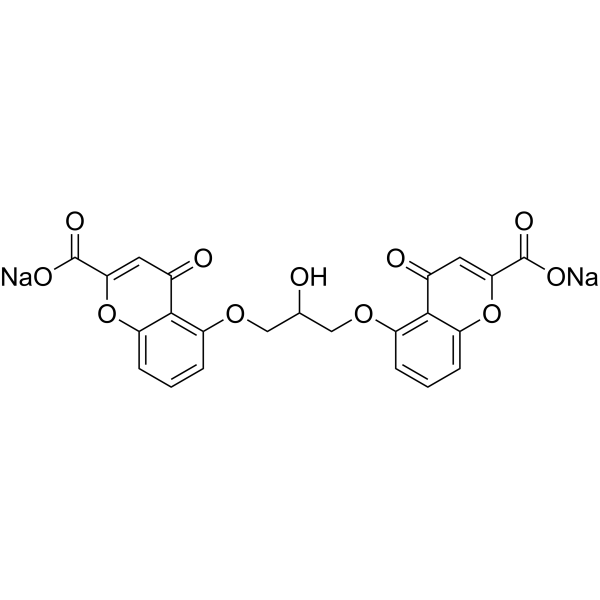
  • HY-B0320A
    Cromolyn disodium
    Maximum Cited Publications
    8 Publications Verification

    Cromoglycate disodium; Cromoglicic acid disodium; FPL-670

    GSK-3 NF-κB Amyloid-β Neurological Disease Metabolic Disease Inflammation/Immunology Cancer
    Cromolyn (Cromoglycate) disodium is an orally active GSK-3β inhibitor with an IC50 of 2.0 μM. Cromolyn disodium is also a mast cell stabilizer that can inhibit the release of mediators from mast cells, regulate reflex bronchoconstriction, and reduce non-specific bronchial hyperreactivity, and Cromolyn disodium can be used in the research of bronchial asthma. In addition, Cromolyn disodium has multiple activities such as anti-inflammatory, anti-allergic, anti-histamine, anti-cancer, and neuroprotective effects .
    Cromolyn disodium
  • HY-132580
    Tofersen
    2 Publications Verification

    BIIB067; ISIS-SOD1Rx; ISIS 333611

    SOD Neurological Disease
    Tofersen (BIIB067) is an antisense oligonucleotide and SOD1 mRNA inhibitor with an IC50 of 320 pM. Tofersen mediates RNase H-dependent degradation of SOD1 mRNA to reduce SOD1 protein levels in cerebrospinal fluid and serum. Tofersen downregulates cerebrospinal fluid neurofilament light chain, neurofilament heavy chain, amyloid-beta 1-40, amyloid-beta 1-42, neuropeptide Y, ubiquitin C-terminal hydrolase L1, neuropentraxins 1, 2, R, corticotropin-releasing hormone, IL-15, and serum neurofilament light chain, neurofilament heavy chain. Tofersen can be used for the research of superoxide dismutase 1-associated amyotrophic lateral sclerosis .
    Tofersen
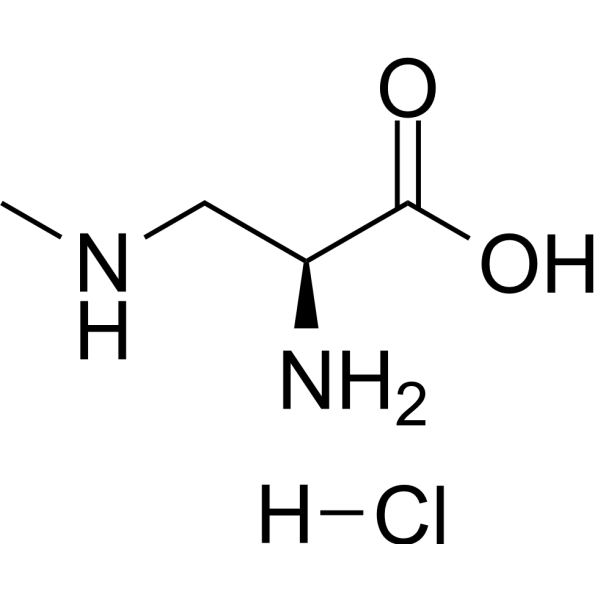
  • HY-W015546
    β-N-methylamino-L-alanine hydrochloride
    2 Publications Verification

    BMAA hydrochloride

    Bacterial mGluR PKC Infection Neurological Disease Inflammation/Immunology Cancer
    β-N-methylamino-L-alanine hydrochloride (BMAA hydrochloride) is a neurotoxin produced by cyanobacteria. β-N-methylamino-L-alanine hydrochloride activates mGluR3 and inhibits PKC. β-N-methylamino-L-alanine hydrochloride can be used in the research of neurodegenerative diseases and immune diseases .
    β-N-methylamino-L-alanine hydrochloride
  • HY-156438

    NT-0796

    NOD-like Receptor (NLR) Interleukin Related Neurological Disease
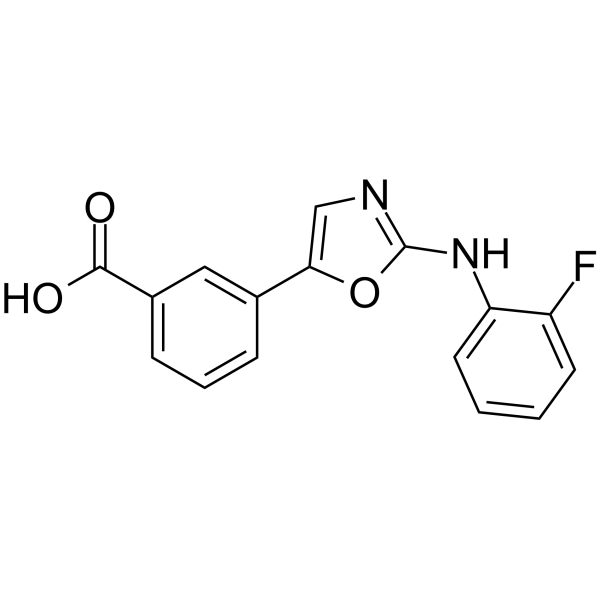
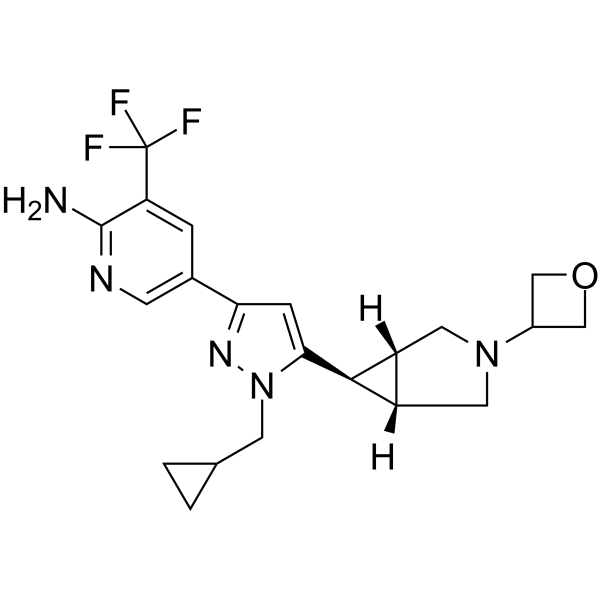
    Ruvonoflast (NT-0796) is an orally active, selective and CNS-penetrant NLRP3 inflammasome inhibitor. Ruvonoflast inhibits IL-1β release in human PBMC cells with an IC50 value of 0.32 nM. Ruvonoflast is an isopropyl ester that undergoes intracellular conversion to Ruvonoflast, the carboxylic acid active species. Ruvonoflast reverses high fat diet-induced obesity, systemic inflammation and astrogliosis in the diet-induced obesity mouse model. Ruvonoflast is promising for research of neurodegenerative disorders, including Alzheimer’s disease, Parkinson’s disease, multiple sclerosis, and amyotrophic lateral sclerosis .
    Ruvonoflast
  • HY-134477
    NF-κΒ activator 2
    5 Publications Verification

    NF-κB Neurological Disease
    NF-κΒ activator 2 is a potent and orally active NF- B activator, with an EC50 of 1.58 μM. NF-κΒ activator 2 induces SOD2 through increasing NF- B expression and activation. NF-κΒ activator 2 can be used for the research of amyotrophic lateral sclerosis (ALS) .
    NF-κΒ activator 2
  • HY-132580A
    Tofersen sodium
    2 Publications Verification

    BIIB067 sodium; ISIS-SOD1Rx sodium; ISIS 333611 sodium

    SOD Neurological Disease
    Tofersen (BIIB067) sodium is an antisense oligonucleotide and SOD1 mRNA inhibitor with an IC50 of 320 pM. Tofersen sodium mediates RNase H-dependent degradation of SOD1 mRNA to reduce SOD1 protein levels in cerebrospinal fluid and serum. Tofersen sodium downregulates cerebrospinal fluid neurofilament light chain, neurofilament heavy chain, amyloid-beta 1-40, amyloid-beta 1-42, neuropeptide Y, ubiquitin C-terminal hydrolase L1, neuropentraxins 1, 2, R, corticotropin-releasing hormone, IL-15, and serum neurofilament light chain, neurofilament heavy chain. Tofersen sodium can be used for the research of superoxide dismutase 1-associated amyotrophic lateral sclerosis .
    Tofersen sodium
  • HY-114332

    MAP3K JNK Neurological Disease Metabolic Disease
    GNE-8505 is an orally active, blood-brain barrier-permeable selective dual leucine zipper kinase (DLK) inhibitor. GNE-8505 has an IC50 of 0.144 μM for pJNK, and EC50 of 0.457 μM for DRG. GNE-8505 inhibits the DLK/JNK pathway, reduces stress-induced c-Jun phosphorylation levels, decreases neuronal death and suppresses axonal degeneration. GNE-8505 reduces phosphorylated c-Jun levels in the retina, spinal cord and brain tissues of mice. GNE-8505 is applicable to research related to Alzheimer's disease and amyotrophic lateral sclerosis (ALS) .
    GNE-8505
  • HY-N12060

    Bcl-2 Family Caspase Apoptosis Autophagy Reactive Oxygen Species (ROS) Akt JNK ERK Cardiovascular Disease Neurological Disease
    Ginkgo biloba extract is a natural product that can be isolated from Ginkgo biloba leaves . Ginkgo biloba extract alleviates oxidative stress-induced neuronal apoptosis (Apoptosis) by stabilizing mitochondrial function, regulating Bcl-2 family proteins and inhibiting caspase activation. Ginkgo biloba extract alleviates testicular injury by upregulating SKP2 and inhibiting Beclin1-independent autophagy (Autophagy) . Ginkgo biloba extract alleviates various types of neuronal damage in animal models. Ginkgo biloba extract reduces behavioral sensitization in rats. Ginkgo biloba extract counteracts Aβ-induced neurotoxicity by blocking a series of Aβ-triggered events, including glucose uptake, ROS accumulation, AKT activation, mitochondrial dysfunction, JNK and ERK 1/2 pathways, and apoptosis, and also interferes with the formation of Aβ oligomers. Ginkgo biloba extract is applicable to research related to cerebral hypoperfusion, testicular injury, Alzheimer's disease, Parkinson's disease, multi-infarct dementia, stroke, traumatic brain injury and amyotrophic lateral sclerosis .
    Ginkgo biloba extract
  • HY-14774
    Monepantel
    1 Publications Verification

    AAD1566; NUZ-001

    mTOR Parasite nAChR Autophagy Infection Neurological Disease Cancer
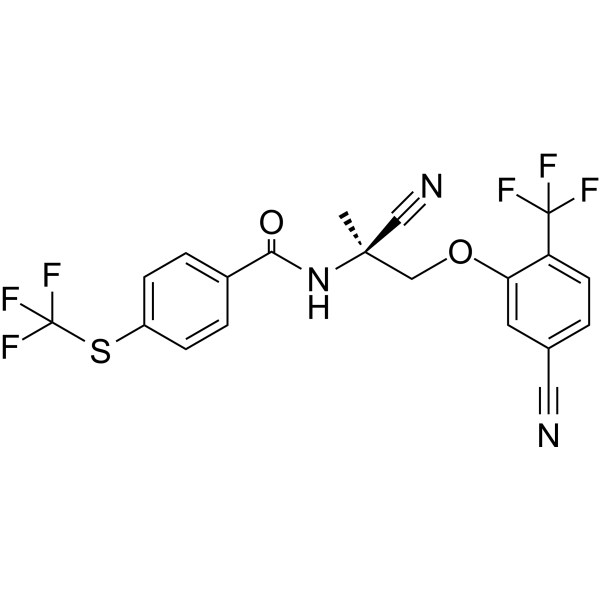
    Monepantel (AAD1566, NUZ-001), an antiparasitic agent, is an orally active mTOR inhibitor. Monepantel triggers autophagy through the deactivation of mTOR/p70S6K signalling pathway. Monepantel is a positive allosteric modulator of a nematode-specific clade of nAChR subunits. Monepantel can be used for the study of amyotrophic lateral sclerosis (ALS) and ovarian cancer .
    Monepantel
  • HY-147410
    Ulefnersen
    1 Publications Verification

    ION-363

    DNA/RNA Synthesis Neurological Disease
    Ulefnersen (ION363) is an Antisense Oligonucleotide (ASO) directed against the 6th intron of the fused-in sarcoma (FUS) transcript to silence FUS in a non-allele-specific manner. Ulefnersen can reduce postnatal levels of FUS protein in the brain and spinal cord in disease-relevant mouse model of ALS-FUS , delaying motor neuron degeneration. Ulefnersen can be used in the research of Amyotrophic Lateral Sclerosis (ALS) .
    Ulefnersen
  • HY-W011978

    Endogenous Metabolite Mitochondrial Metabolism Neurokinin Receptor Caspase Interleukin Related Neurological Disease Inflammation/Immunology
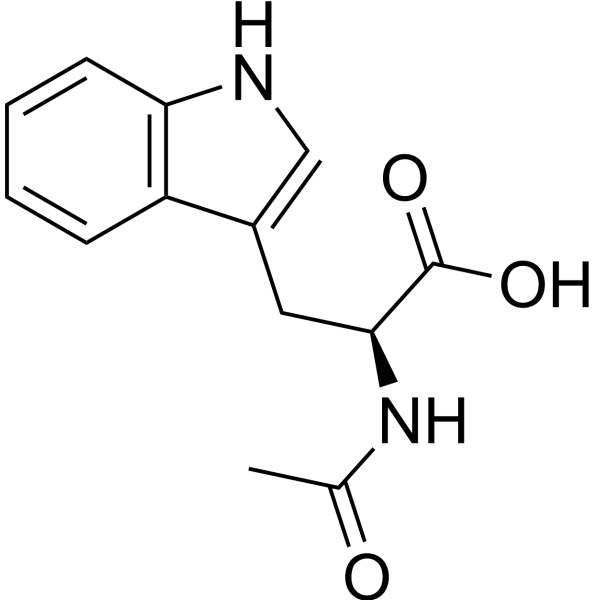
    N-Acetyl-L-tryptophan is an antagonist of the neurokinin-1 receptor (NK-1R), disrupting the binding of substance P (SP) to NK-1R. This action provides neuroprotective effects, improving memory deficits and motor impairments. N-Acetyl-L-tryptophan is also an inhibitor of cytochrome c (Cytochrome c), and it exerts antioxidant and anti-inflammatory effects by inhibiting the expression of IL-1β and the activation of caspase-1. N-Acetyl-L-tryptophan holds promise for research in neurodegenerative and inflammatory diseases .
    N-Acetyl-L-tryptophan
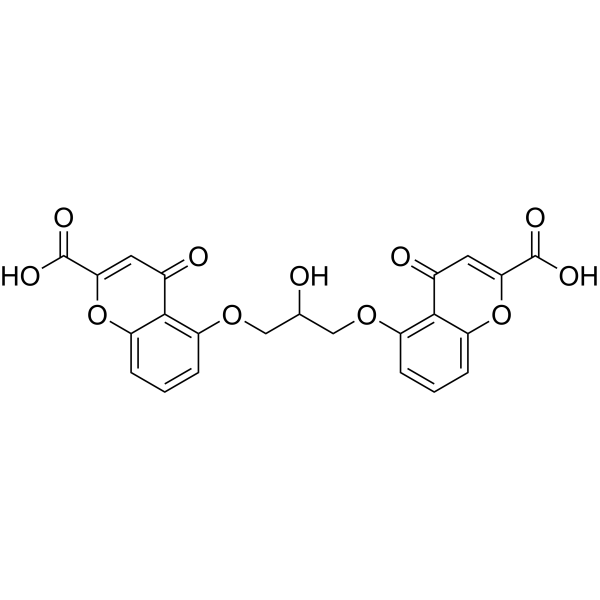
  • HY-B1619
    Cromolyn
    Maximum Cited Publications
    8 Publications Verification

    Cromoglycate; Cromoglicic acid; FPL-670 free acid

    GSK-3 NF-κB Amyloid-β Neurological Disease Metabolic Disease Inflammation/Immunology Cancer
    Cromolyn (Cromoglycate) is an orally active GSK-3β inhibitor with an IC50 of 2.0 μM. Cromolyn is also a mast cell stabilizer that can inhibit the release of mediators from mast cells, regulate reflex bronchoconstriction, and reduce non-specific bronchial hyperreactivity, and Cromolyn can be used in the research of bronchial asthma. In addition, Cromolyn has multiple activities such as anti-inflammatory, anti-allergic, anti-histamine, anti-cancer, and neuroprotective effects .
    Cromolyn
  • HY-P10368

    Dynamin Reactive Oxygen Species (ROS) Infection Cardiovascular Disease Neurological Disease Inflammation/Immunology
    P110 heptapeptide is a peptide inhibitor of the Drp1-Fis1 interaction. P110 heptapeptide has anti-inflammatory, immunomodulatory, mitochondrial protective, and neuroprotective activities. Without blocking the physiological functions of Drp1, P110 heptapeptide reduces pathological functions in many models of neurodegeneration, ischemia, and sepsis. P110 heptapeptide can be used for research on neurological and inflammatory diseases .
    P110 heptapeptide
  • HY-153399A

    ABBV-CLS-7262 THAM sodium

    Eukaryotic Initiation Factor (eIF) Neurological Disease Cancer
    Fosigotifator (ABBV-CLS-7262) THAM sodium is a brain penetrant, orally active EIF2b (eukaryotic initiation factor) activator. Fosigotifator THAM sodium stabilizes the elF2B complex and boosts the activity, including that of complexes carrying pathogenic vanishing white matter (VWM) mutations. Fosigotifator THAM sodium is an integrated stress response inhibitor (ISRI). Fosigotifator THAM sodium can be used for amyotrophic lateral sclerosis research .
    Fosigotifator THAM sodium
  • HY-P99008
    Atibuclimab
    2 Publications Verification

    IC14

    Toll-like Receptor (TLR) Infection Neurological Disease Inflammation/Immunology
    Atibuclimab (IC14), is a chimeric monoclonal antibody directed against CD14 and is composed of murine variable and human IgG4 Fc regions. Atibuclimab attenuates Lipopolysaccharides (HY-D1056) (LPS)-induced symptoms and strongly inhibits LPS-induced proinflammatory cytokine release, while only delaying the release of the anti-inflammatory cytokines soluble TNF receptor type I and IL-1 receptor antagonist. Atibuclimab can be used for the research of amyotrophic lateral sclerosis, sepsis, community-acquired pneumonia, or acute lung injury .
    Atibuclimab
  • HY-144425

    NEKs Inflammation/Immunology
    BSc5367 is a potent Nek1 inhibitor with an IC50 of 11.5 nM. NIMA-related protein kinase Nek1 is crucially involved in cell cycle regulation, DNA repair and microtubule regulation and dysfunctions of Nek1 play key roles in amyotrophic lateral sclerosis (ALS), polycystic kidney disease (PKD) and several types of radiotherapy resistant cancer .
    BSc5367
  • HY-158201

    Eukaryotic Initiation Factor (eIF) Neurological Disease
    ATF4-IN-1 (Compound 21) is an ATF4 inhibitor and also an eIF2B activator. ATF4-IN-1 can be used in research on neurodegenerative diseases .
    ATF4-IN-1
  • HY-14604
    Xaliproden hydrochloride
    1 Publications Verification

    SR57746A; SR57746 hydrochloride

    5-HT Receptor Dopamine Receptor Trk Receptor PKC ERK Akt JNK Neurological Disease Metabolic Disease
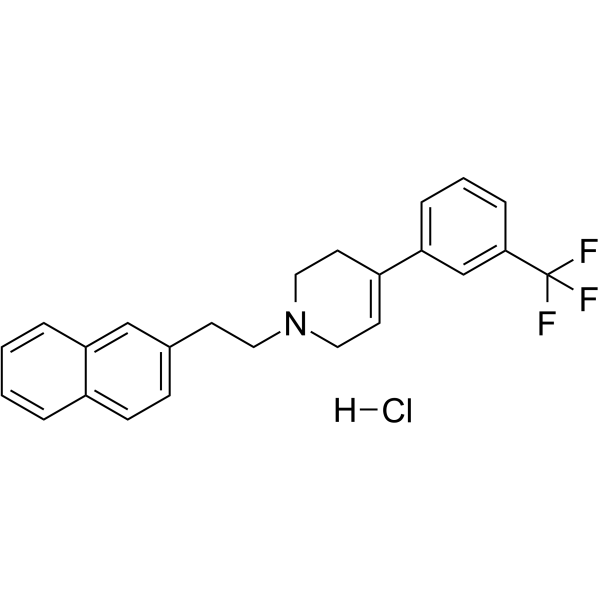
    Xaliproden (SR57746) hydrochloride (SR57746A) is an orally active, highly selective 5-HT1A receptor agonist. Xaliproden hydrochloride activates pertussis toxin-sensitive G protein-coupled signaling cascades, as well as the PKC, ERK1/ERK2, Akt and p21 Ras/MEK-1 pathways. Xaliproden hydrochloride also downregulates the JNK/p66/c-Jun signaling pathway, induces phosphorylation of the shc adaptor protein, regulates extracellular dopamine and 5-HT levels, and induces [ 35S]GTPγS labeling in rat brain structures rich in 5-HT1A receptors. Xaliproden hydrochloride exerts neurotrophic, neuroprotective, renoprotective, anti-inflammatory, anti-apoptotic, anti-fibrotic and analgesic effects. Xaliproden hydrochloride also enhances NGF-induced neurite outgrowth, promotes motor neuron survival, attenuates renal tubular injury and inhibits chemotherapy-induced mechanical allodynia, without activating or altering NGF-induced TrkA receptor activation. Xaliproden hydrochloride can be used in the research of motor neuron disease, diabetic nephropathy, chemotherapy-induced peripheral neuropathy, amyotrophic lateral sclerosis, Alzheimer's disease, acute tonic nociceptive pain, inflammatory pain, depression and anxiety .
    Xaliproden hydrochloride
  • HY-132581
    Tadnersen
    1 Publications Verification

    BIIB078; IONIS-C9Rx

    Ras Others Neurological Disease
    Tadnersen (BIIB078), an antisense oligonucleotide (ASO), selectively targets C9ORF72 transcript variants 1 and 3 that carry the expansion .
    Tadnersen
  • HY-132806

    RG-7816; RO-7017773

    GABA Receptor Neurological Disease
    Alogabat is a positive allosteric modulator (PAM) and agonist (Ki <100 nM) of the GABAA α5 receptor, targeting the α5β3γ2 subunit with a Ki of 8.7 nM. Alogabat increases the expression level of α5β3γ2 in oocytes (1.97-fold). GABAA has been implicated in cognitive impairment associated with central nervous system (CNS) disorders, brain cancer (including brain tumors such as medulloblastoma), and can be used in the study of mild cognitive impairment (MCI), amnestic MCI (aMCI), age-associated memory impairment (AAMI), age-related cognitive decline (ARCD), dementia, Alzheimer's disease (AD), prodromal AD, post-traumatic stress disorder (PTSD), schizophrenia, bipolar disorder, amyotrophic lateral sclerosis (ALS), cognitive impairment associated with cancer treatment, mental retardation, Parkinson's disease (PD), autism spectrum disorder, fragile X, Rett syndrome, obsessive-compulsive behavior, and substance addiction .
    Alogabat
  • HY-12412

    NCGC-00183434

    Caspase Inflammation/Immunology Cancer
    ML132 (NCGC-00183434) is a selective caspase 1 inhibitor with an IC50 value of 0.023 nM. ML132 has good stability and can be used as a caspase 1 molecular probe. ML132 is applicable to research in the fields of anticancer and anti-inflammatory studies .
    ML132
  • HY-148787

    SAR443820; DNL788

    RIP kinase Neurological Disease Inflammation/Immunology
    Oditrasertib (SAR443820) is an orally active, BBB-penetrable and selective reversible inhibitor of RIPK1. Oditrasertib can be used in the research of chronic inflammatory central nervous system diseases, such as amyotrophic lateral sclerosis and multiple sclerosis .
    Oditrasertib
  • HY-153898

    Amyloid-β Neurological Disease
    rTRD01 is an orally active, specific TDP-43 binder that targets the RRM1 and RRM2 domains of TDP-43. rTRD01 partially disrupts the interaction between TDP-43 and c9orf72 repeat RNA, but does not affect the binding of TDP-43 to canonical binding sequences. rTRD01 exhibits significant neuroprotective effects in zebrafish models, improves motor function and protects against paraquat (a widely used herbicide)-induced neurodegeneration, with no teratogenicity at high concentrations. rTRD01 is not a general antioxidant and cannot counteract Rotenone (HY-B1756)-induced neuronal death. rTRD01 can be used to study amyotrophic lateral sclerosis and other TDP-43 proteinopathies .
    rTRD01
  • HY-148455

    Casein Kinase Neurological Disease
    Casein kinase 1δ-IN-3 (Compound 23a) is a casein kinase 1 delta (CK1d) inhibitor with a pIC50 of 6.5376 M .
    Casein kinase 1δ-IN-3
  • HY-168972

    Prostetin/12k

    MAP4K Mixed Lineage Kinase Neurological Disease Inflammation/Immunology
    Famlasertib is a potent, brain-penetrant MAP4K inhibitor with IC50s value of 0.3 nM, 23.7 nM, and 44.7 nM for HGK (MAP4K4), MLK3, and MLK1, respectively. Famlasertib shows motor neuron protection and anti-inflammatory properties. Famlasertib can be used for the study of amyotrophic lateral sclerosis (ALS) .
    Famlasertib
  • HY-156117

    STING Cancer
    LB244 is a homologue of BB-Cl-amidine, which is an orally effective STING inhibitor (EC50=0.8 μM) and can be used to inhibit STING-dependent inflammatory diseases. The pharmacokinetic properties of LB244 indicate limited oral activity in mice .
    LB244
  • HY-132845

    PTC857

    α-synuclein Cytochrome P450 Ferroptosis Lipoxygenase Neurological Disease
    Utreloxastat (PTC857) is an orally active and blood-brain barrier-permeable 15-lipooxygenase inhibitor. Utreloxastat is a weak inhibitor of CYP1A2 and 2B6 with an IC50 of >5.3 μM. Utreloxastat reduces oxidative stress and inhibits the consumption of reduced glutathione and ferroptosis. Utreloxastat can be used in the study of neurodegenerative diseases characterized by high levels of oxidative stress and mitochondrial pathology, such as amyotrophic lateral sclerosisc .
    Utreloxastat
  • HY-P3414A
    Proteasome-activating peptide 1 TFA
    3 Publications Verification

    Proteasome Neurological Disease
    Proteasome-activating peptide 1 TFA is a peptide and a potent proteasome activator. Proteasome-activating peptide 1 TFA increases the chymotrypsin-like proteasomal catalytic activity and, consequently, proteolytic rates both in vitro and in culture. Proteasome-activating peptide 1 TFA prevents protein aggregation in a cellular model of amyotrophic lateral sclerosis .
    Proteasome-activating peptide 1 TFA
  • HY-112412

    PDGFR Neurological Disease
    PDGFR Tyrosine kinase-IN-1, a multikinase inhibitor, inhibits PDGFR, EGFR, FGFR, PKA, and PKC, respectively. PDGFR Tyrosine kinase-IN-1 can be used for the research of amyotrophic lateral sclerosis .
    PDGFR Tyrosine kinase-IN-1
  • HY-125999

    Reactive Oxygen Species (ROS) Neurological Disease
    EPI-589, a quinone derivative, is a safe and well tolerated oxidoreductase enzyme inhibitor and a free radical scavenger, with blood-brain barrier permeable and orally available. EPI-589 is a redox-active neuroprotectant that effectively delays the symptoms of motor neuron disease in wobbler mice. EPI-589 can be used in amyotrophic lateral sclerosis (ALS) research .
    EPI-589
  • HY-145313

    Tau Protein Neurological Disease
    TTBK1-IN-2 (compound 29) is a potent Tau-Tubulin kinase (TTBK1) inhibitor with IC50s of 0.24 and 4.22 µM, respectively. TTBK1-IN-2 reveals good brain penetration in vivo and is able to reduce TDP-43 phosphorylation not only in cell cultures but also in the spinal cord of transgenic TDP-43 mice .
    TTBK1-IN-2
  • HY-141878

    RIBOTAC DNA/RNA Synthesis Neurological Disease
    di-Ellipticine-RIBOTAC is a RNase recruiting chimera (RIBOTAC) degrader, capable of specifically binding and degrading expanded G4C2 RNA repeat (r(G4C2) exp). di-Ellipticine-RIBOTAC selectively binds the three-dimensional (3D) structure formed by r(G4C2) exp and that recruits an endogenous ribonuclease (RNase) to cleave r(G4C2) exp. di-Ellipticine-RIBOTAC selectively degrades the mutant chromosome 9 open reading frame 72 (C9orf72) allele and reduces quantities of toxic dipeptide repeat proteins (DPRs) translated from r(G4C2) exp. di-Ellipticine-RIBOTAC significantly improves the pathological phenotype of amyotrophic lateral sclerosis/ frontotemporal dementia (c9ALS/FTD) in cells and mouse models. di-Ellipticine-RIBOTAC can be used for the study of amyotrophic lateral sclerosis (ALS) and frontotemporal dementia (FTD) .
    di-Ellipticine-RIBOTAC
  • HY-179492

    hnRNP Neurological Disease
    ACI-19278 is a TDP-43 PET tracer with an average Kd of 25 nM. ACI-19278 only binds to pathological TDP-43 aggregates and does not cross-react with Aβ, Tau, etc. [ 18F]ACI-19278 successfully visualized the TDP-43 pathology in the human brain through positron emission computed tomography. ACI-19278 can be used for in vivo diagnosis of TDP-43 protein lesions .
    ACI-19278
  • HY-W012985

    ATP Synthase Apoptosis Metabolic Disease Cancer
    Methyl pyruvate is a methyl ester derivative of pyruvic acid. Methyl pyruvate induces insulin release and membrane depolarization. Methyl pyruvate rescues proteasome damage and nuclear localization of TdP-43 caused by overexpression of σ1RE102Q by enhancing ATP synthesis. Methyl pyruvate selectively protects normal lung fibroblasts from cell death induced by Irinotecan (HY-16562). Methyl pyruvate promotes apoptosis and necrosis in cancer cells and downregulates angiogenesis and cell cycle pathways. Methyl pyruvate is an effective substrate for dihydrodihydrogen dehydrogenase.
    Methyl pyruvate
  • HY-105005

    AAD-2004

    Prostaglandin Receptor PGE synthase Reactive Oxygen Species (ROS) Apoptosis Neurological Disease Inflammation/Immunology
    Crisdesalazine (AAD-2004) is a microsomal prostaglandin E2 synthase-1 (mPGES-1) inhibitor. Crisdesalazine acts as a potent free radical scavenger that directly neutralizes reactive oxygen species (ROS) including hydrogen peroxide, exerting neuroprotective effects against apoptosis and axonal damage. Crisdesalazine inhibits PGE2 production, mediates inflammatory responses, and promotes the conversion of macrophages from the pro-inflammatory M1 phenotype to the anti-inflammatory M2 phenotype. Crisdesalazine is applicable to neuroprotection research in multiple sclerosis and spinal cord injury .
    Crisdesalazine
  • HY-160115

    DNA/RNA Synthesis Neurological Disease
    TDP-43 degrader-1 (Compound example 7) is a TDP-43 degrader. TDP-43 degrader-1 reduces the aggregation of TDP-43-positive HuR stress granules in cells and promotes the relocalization of abnormally distributed TDP-43 in the cytoplasm to the nucleus. TDP-43 degrader-1 can be used in the study of amyotrophic lateral sclerosis and Alzheimer's disease .
    TDP-43 degrader-1
  • HY-161875

    Histone Acetyltransferase Metabolic Disease Cancer
    NAT1-IN-1 (compound 350) is a potent N-acetyltransferase 1 (NAT1)-targeted inhibitor, with an IC50 of 44 nM. NAT1-IN-1 can be used for the research of hypermetabolic diseases such as amyotrophic lateral sclerosis, cancer cachexia, and sepsis .
    NAT1-IN-1
  • HY-118858

    EAAT Neurological Disease Cancer
    UCPH-102 is a highly selective EAAT1 inhibitor with an IC50 of 0.43 µM. UCPH-102 exhibits a specific anti-proliferative effect on T-ALL cells. UCPH-102 also shows good blood-brain permeability, which can be used in studies of amyotrophic lateral sclerosis, Alzheimer’s disease, chronic pain and obsessive compulsive disorder .
    UCPH-102
  • HY-147410A
    Ulefnersen sodium
    1 Publications Verification

    ION-363 sodium

    DNA/RNA Synthesis Neurological Disease
    Ulefnersen sodium (ION363) is an Antisense Oligonucleotide (ASO) directed against the 6th intron of the fused-in sarcoma (FUS) transcript to silence FUS in a non-allele-specific manner. Ulefnersen sodium can reduce postnatal levels of FUS protein in the brain and spinal cord in disease-relevant mouse model of ALS-FUS , delaying motor neuron degeneration. Ulefnersen sodium can be used in the research of Amyotrophic Lateral Sclerosis (ALS) .
    Ulefnersen sodium
  • HY-148629

    JNK Neurological Disease
    GDC-0134 (RG6000) is a modulator targeting dual leucine zipper kinase (DLK) that can cross the blood-brain barrier. By inhibiting the kinase activity of DLK, GDC-0134 blocks the activation of the downstream JNK signaling pathway, suppresses DLK-dependent retrograde signal transduction of axon-to-soma degeneration, and exerts neuroprotective activity. GDC-0134 reduces TDP-43 protein aggregation and decreases the degree of neuromuscular junction denervation in motor neurons. GDC-0134 can be used in the research of amyotrophic lateral sclerosis (ALS), Alzheimer's disease and other DLK-related neurodegenerative diseases .
    GDC-0134
  • HY-172450

    Interleukin Related Neurological Disease Inflammation/Immunology
    AIM4 is a compound that can inhibit the aggregation of TDP-43. AIM4 has good biocompatibility and anti-inflammatory activity. AIM4 can be used in the research of diseases such as amyotrophic lateral sclerosis .
    AIM4
  • HY-130495

    CDDO-Trifluoethyl amide; RTA 404; TP-500

    Keap1-Nrf2 Apoptosis Cancer
    CDDO-TFEA (RTA 404; TP-500) is a trifluoroacetamide derivative of CDDO with enhanced ability to cross the blood-brain barrier. CDDO is an Nrf2 activator that inhibits proliferation and induces differentiation and apoptosis in various cancer cells. CDDO-TFEA can enhance Nrf2 expression and signaling in various neurodegenerative disease models, including those mimicking multiple sclerosis, amyotrophic lateral sclerosis, and Huntington's disease. CDDO-TFEA induces apoptosis and blocks colony formation in Ewing's sarcoma and neuroblastoma cell lines with IC50 values ranging from 85-170 nM.
    CDDO-TFEA
  • HY-W392413

    Drug Derivative Reactive Oxygen Species (ROS) Cardiovascular Disease Neurological Disease Metabolic Disease Inflammation/Immunology
    Glutathione monoethyl ester is a glutathione derivative that can be transported into cells and hydrolyzed into glutathione. Glutathione monoethyl ester downregulates the gene expression of TEN1 and CTC1 while upregulating TERT expression. Glutathione monoethyl ester enhances telomerase activity, promotes proliferation and differentiation in aged bone marrow stromal cells, while elevating glutathione levels and reducing oxidative stress, protein aggregation and cell death in motor neuronal cells. Glutathione monoethyl ester confers broad multi-organ protection against cerebral ischemia, renal injury, liver damage, and pancreatitis. Glutathione monoethyl ester can be used for the research of amyotrophic lateral sclerosis, stroke, acute renal failure, liver injury, and acute pancreatitis .
    Glutathione monoethyl ester
  • HY-153019

    SOD Neurological Disease
    NUCC-0000323 is a potent superoxide dismutase 1 (SOD1) inhibitor. NUCC-0000323 inhibits SOD1 expression. NUCC-0000323 can be used in research of amyotrophic lateral sclerosis (ALS) .
    NUCC-0000323
  • HY-N15352

    Liposome Neurological Disease
    C20 Sphingomyelin (d18:1/20:1) is a sphingomyelin substance. The level of C20 Sphingomyelin (d18:1/20:1) is associated with amyotrophic lateral sclerosis and primary lateral sclerosis .
    C20 Sphingomyelin (d18:1/20:1)
  • HY-172967

    Toll-like Receptor (TLR) Neurological Disease
    SARM1-IN-5 (compound 1-23-a) is a SARM1 inhibitor. SARM1-IN-5 can be used in the study of axonal degeneration related diseases such as Alzheimer’s disease, Parkinson’s disease, amyotrophic lateral sclerosis (ALS), and multiple sclerosis (MS) .
    SARM1-IN-5
  • HY-P11035

    Ephrin Receptor Neurological Disease Cancer
    APY-d3 is a EphA4-LBD antagonistic peptide with a Kd of 138  nM. APY-d3 is constrained into a bioactive β-hairpin conformation via a head-to-tail disulfide bond. APY-d3 can be used for cancers like gastric and pancreatic cancers and neurodegenerative diseases like amyotrophic lateral sclerosis and Alzheimer’s disease research .
    APY-d3
  • HY-123982

    SOD Neurological Disease
    SOD1-Derlin-1 inhibitor-2 (compound 56-59) is an inhibitor of SOD1-Derlin-1 interaction. SOD1-Derlin-1 inhibitor-2 attenuates the interactions between Derlin-1 and SOD1 mut. SOD1-Derlin-1 inhibitor-2 can be used for the research of amyotrophic lateral sclerosis (ALS) .
    SOD1-Derlin-1 inhibitor-2
  • HY-138131

    SOD Neurological Disease
    SOD1-Derlin-1 inhibitor-1 (compound 56-20) is an inhibitor of SOD1-Derlin-1 interaction. SOD1-Derlin-1 inhibitor-1 inhibits SOD1 G93A-Derlin-1 complex with an IC50 value of 7.11 μM. SOD1-Derlin-1 inhibitor-1 can be used for the research of amyotrophic lateral sclerosis .
    SOD1-Derlin-1 inhibitor-1
  • HY-W141374

    DNA/RNA Synthesis Neurological Disease
    CB096 is an r(G4C2) exp RNA binder with EC50 values of 19 μM, 20 μM and 33 μM. CB096 selectively interacts with the 5′CGG/3′GGC 1×1 GG internal loop motif of folded r(G4C2) exp RNA, alters motif dynamics and closed base pairs, and rescues disease-related pathways. CB096 can be used for research on inherited amyotrophic lateral sclerosis/frontotemporal dementia (c9ALS/FTD) .
    CB096

Inquiry Online

Your information is safe with us. * Required Fields.

Salutation


Country or Region *

Applicant Name *


Organization Name *

Department *


Email Address *


Product Name *

Cat. No.


Requested quantity *

Phone Number *


Remarks

Inquiry Online

Inquiry Information

Product Name:
Cat. No.:
Quantity:
MCE Japan Authorized Agent:

