35 Results for "

antimicrobial preservative

" in MedChemExpress (MCE) Product Catalog:
Products (35)

35 Results for "antimicrobial preservative" in MCE Product Catalog:

64
64 Publications Verification
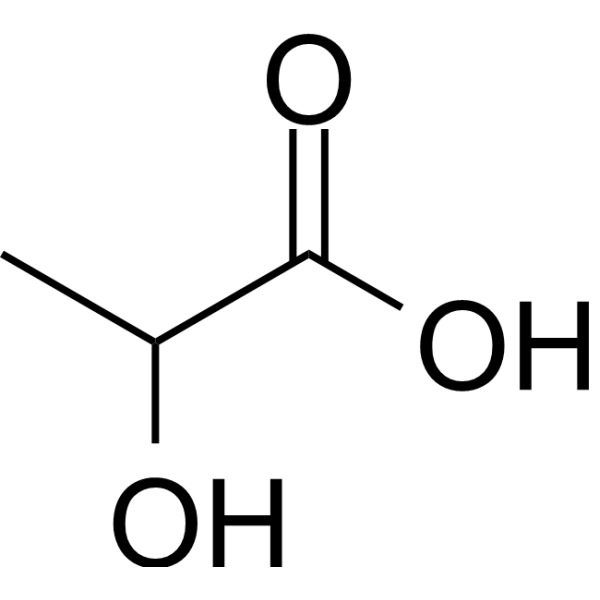
Cat. No.: HY-B2227
CAS No.: 50-21-5
Synonyms: DL-Lactic acid; E-270
Lactic acid (DL-Lactic acid) is a hydroxycarboxylic acid receptor 1 (HCAR1) activator and an epigenetic modulator inducing lysine residues lactylation. Lactic acid is a glycolysis end-product, bridging the gap between glycolysis and oxidative phosphorylation. Lactic acid is an oncometabolite and has immune protective role of lactate in anti-tumor immunity . Lactic acid also has antimicrobial activity, which can be used as a food preservative .
loading...
    loading...
63
63 Cited Publications
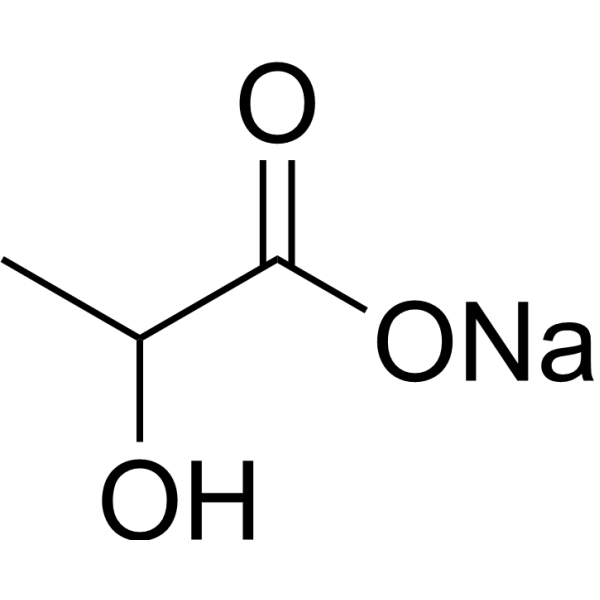
Cat. No.: HY-B2227B
CAS No.: 72-17-3
Synonyms: DL-Lactic acid sodium; E-270 sodium
Lactic acid (DL-Lactic acid) sodium (60% w/w in water) is a hydroxycarboxylic acid receptor 1 (HCAR1) activator and an epigenetic modulator inducing lysine residues lactylation. Lactic acid sodium (60% w/w in water) is a glycolysis end-product, bridging the gap between glycolysis and oxidative phosphorylation. Lactic acid sodium (60% w/w in water) is an oncometabolite and has immune protective role of lactate in anti-tumor immunity . Lactic acid sodium (60% w/w in water) also has antimicrobial activity, which can be used as a food preservative .
This product has a content (w/w) of 60%, and 1 mL of the system contains 798 mg of Lactic acid sodium, i.e., a concentration of 798 mg/mL (i.e., 7.12 M).
loading...
    loading...
63
63 Cited Publications
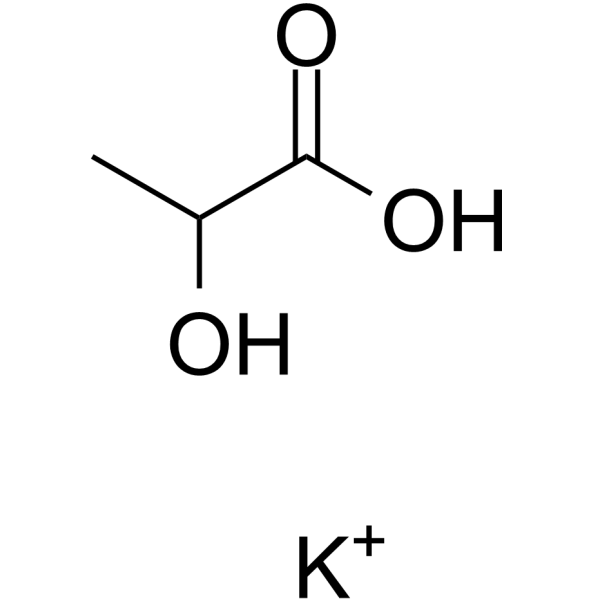
Cat. No.: HY-B2227C
CAS No.: 996-31-6
Synonyms: DL-Lactic acid potassium; E-270 potassium
Lactic acid (DL-Lactic acid) potassium is a hydroxycarboxylic acid receptor 1 (HCAR1) activator and an epigenetic modulator inducing lysine residues lactylation. Lactic acid potassium is a glycolysis end-product, bridging the gap between glycolysis and oxidative phosphorylation. Lactic acid potassium is an oncometabolite and has immune protective role of lactate in anti-tumor immunity . Lactic acid also potassium has antimicrobial activity, which can be used as a food preservative .
loading...
    loading...
63
63 Cited Publications
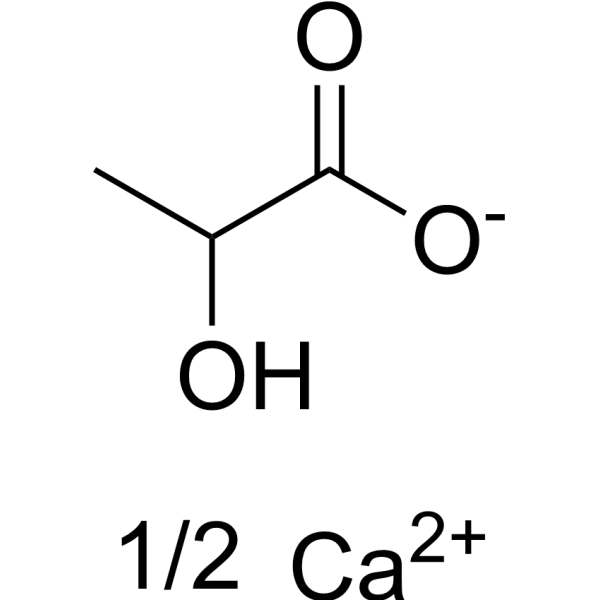
Cat. No.: HY-B2227A
CAS No.: 814-80-2
Synonyms: DL-Lactic acid calcium; E-270 calcium
Lactic acid (DL-Lactic acid) calcium is a hydroxycarboxylic acid receptor 1 (HCAR1) activator and an epigenetic modulator inducing lysine residues lactylation. Lactic acid calcium is a glycolysis end-product, bridging the gap between glycolysis and oxidative phosphorylation. Lactic acid calcium is an oncometabolite and has immune protective role of lactate in anti-tumor immunity . Lactic acid calcium also has antimicrobial activity, which can be used as a food preservative .
loading...
    loading...
2
2 Cited Publications
Cat. No.: HY-B2232
CAS No.: 8001-54-5
Synonyms: Alkyldimethylbenzylammonium chloride
Research Areas:  

Infection

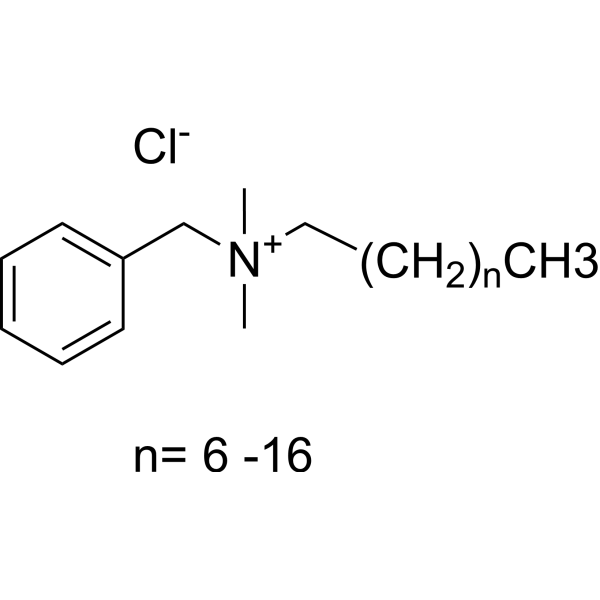
Benzalkonium (Alkyldimethylbenzylammonium) chloride (51% in water) is a quaternary ammonium preservative, cationic surfactant, and antimicrobial (Antimicrobial) agent. Benzalkonium chloride (51% in water) is toxic .
loading...
    loading...
2
2 Cited Publications
Cat. No.: HY-B1431
CAS No.: 94-26-8
Synonyms: Butyl parahydroxybenzoate; Butyl paraben; Butyl 4-hydroxybenzoate
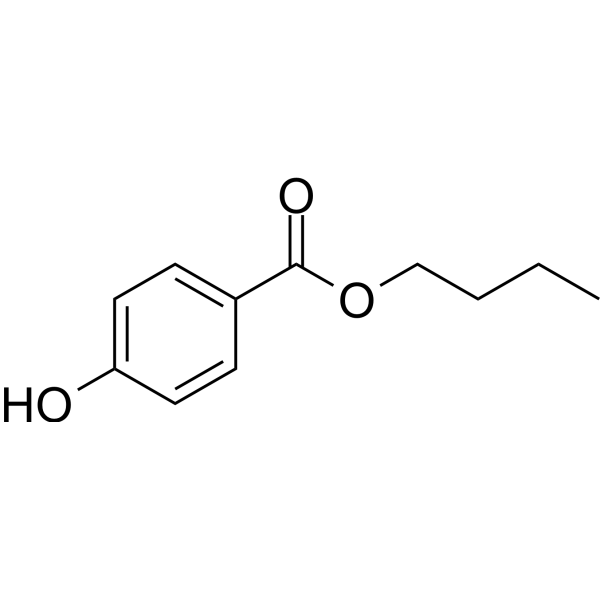
Butylparaben is an organic compound that has proven to be a very successful antimicrobial preservative in cosmetics, can also be used in active molecule suspensions, and as a food flavoring additive .
loading...
    loading...
2
2 Cited Publications
Cat. No.: HY-B2232A
CAS No.: 8001-54-5
Synonyms: Alkyldimethylbenzylammonium chloride (solid)
Research Areas:  

Infection

Benzalkonium chloride (solid) (Alkyldimethylbenzylammonium chloride (solid)) is a quaternary ammonium preservative, cationic surfactant, and antimicrobial (Antimicrobial) agent. Benzalkonium chloride (solid) is toxic .
loading...
    loading...
1
1 Cited Publications
Cat. No.: HY-127032
CAS No.: 75345-27-6
Purity:  ≥99.0%
Synonyms: Polidronium chloride
Research Areas:  

Infection

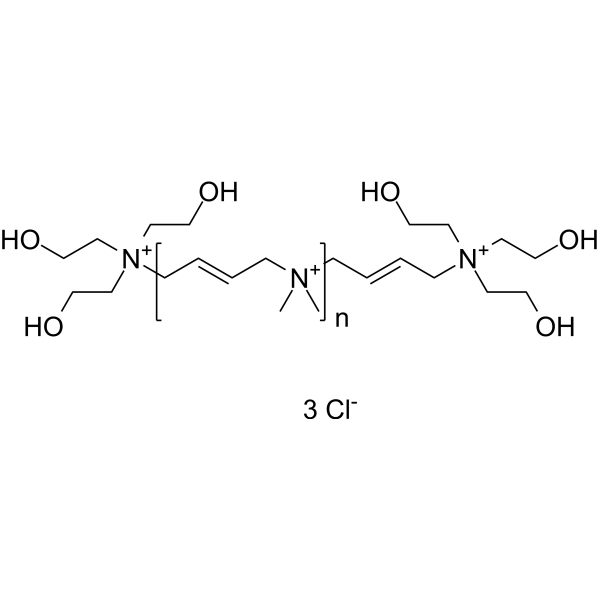
Polyquaternium-1 (Polidronium chloride; PQ-1) is an antimicrobial preservative and an activator of NF-κB. Polyquaternium-1 targets bacterial cell membranes, commonly used in ophthalmic surgery. Polyquaternium-1 adsorbs to the surface of microbial membranes through its polycationic properties, destroying membrane integrity and inducing potassium ion leakage, leading to bacterial death. Polyquaternium-1 exerts antimicrobial effects at a concentration of 0.001% and has low toxicity to mammalian cells. Polyquaternium-1 can be used to prepare products such as glaucoma eye drops (Travoprost preparations containing PQ-1), artificial tears, and contact lens solutions to reduce the ocular surface toxicity of traditional preservatives such as benzalkonium chloride (HY-B2232) .
loading...
    loading...
Cat. No.: HY-W250308
CAS No.: 28211-04-3
Synonyms: Epsilon-polylysine (MW 3800-4200); ε-Polylysine (MW 3800-4200); ε-PL (MW 3800-4200)
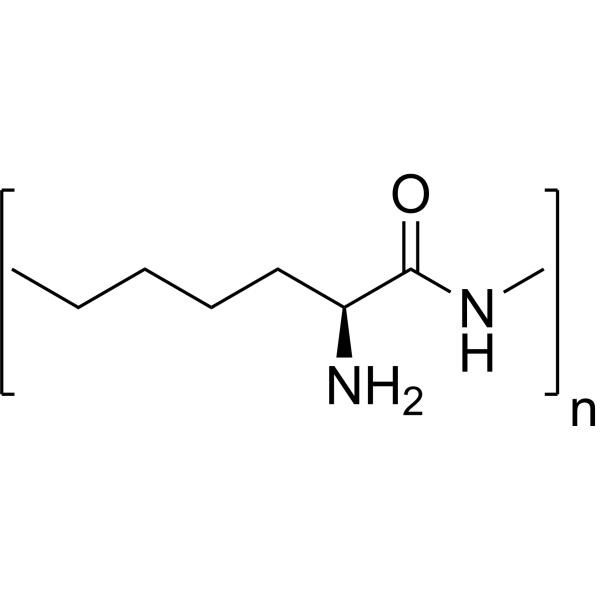
Epsilon-polylysine is an antimicrobial peptide that can be produced by bacteria such as Streptomyces. Epsilon-polylysine inhibits the growth of microorganisms such as bacteria, yeasts and molds and is therefore often used as a green food additive and preservative in various food and beverage products. Epsilon-polylysine has a variety of properties, including thermal stability, resistance to acidic conditions, and broad-spectrum antimicrobial activity. Epsilon-polylysine can be loaded on other materials to form nanoparticles or form nanofiber membranes for targeted delivery to exert sustained antibacterial efficacy. Epsilon-polylysine is also used as a liposome stabilizer .
loading...
    loading...
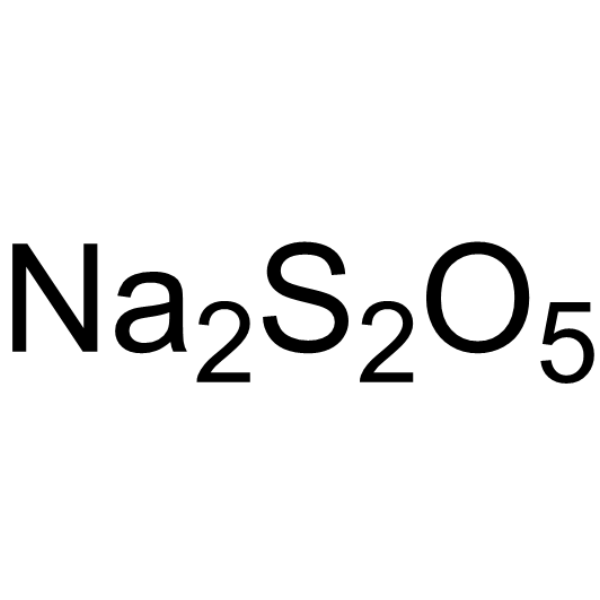
Cat. No.: HY-Y1326
CAS No.: 7681-57-4
Sodium metabisulfite, a sulfite salt, is used as an antioxidant and antimicrobial agent in a variety of drugs and functions as a preservative in many food preparations .
loading...
    loading...
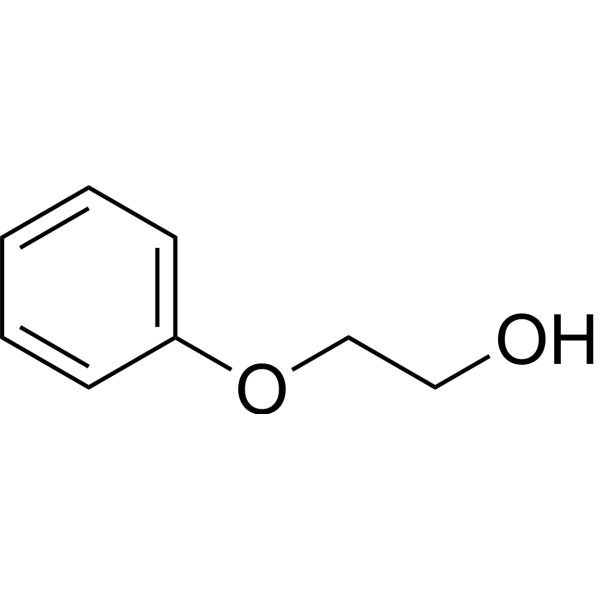
Cat. No.: HY-B1729
CAS No.: 122-99-6
Research Areas:  

Infection

Phenoxyethanol has a broad spectrum of antimicrobial agent. Phenoxyethanol is an uncouple agent in oxidative phosphorylation from respiration and competitively inhibits malate dehydrogenase. Phenoxyethanol is used as a preservative in cosmetic, vaccine, and textile, et al .
loading...
    loading...
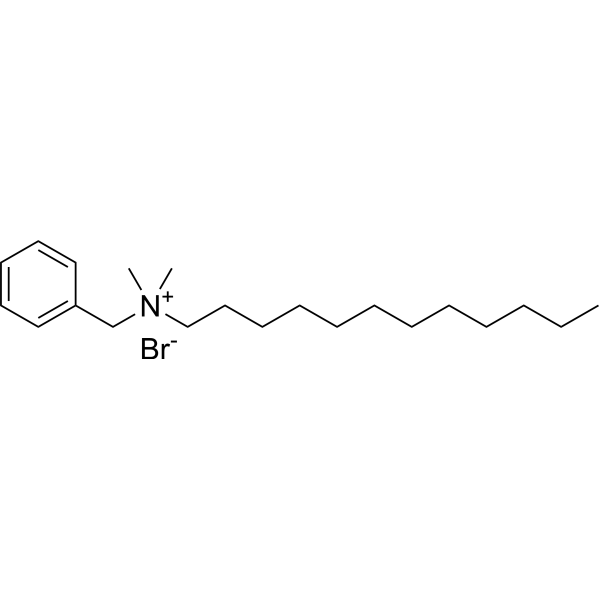
Cat. No.: HY-W099594
CAS No.: 7281-04-1
Synonyms: Benzyldimethyldodecylammonium bromide
N-Benzyl-N, N-dimethyldodecan-1-aminium bromide, also known as Benzalkonium Chloride (BAC), is a quaternary ammonium compound widely used as an antimicrobial and surfactant in various industries. BAC is commonly used as a disinfectant and antiseptic in a variety of products including hand sanitizers, disinfectant wipes and eye drops. Its ability to kill bacteria, viruses and fungi makes it an effective tool in preventing the spread of infection. BAC is also used as a preservative and disinfectant in the food industry. It is added to food packaging and processing equipment to prevent the growth of microorganisms and increase the shelf life of foods. Additionally, BACs are found in many household products such as cleaning solutions, fabric softeners and personal care products. Its surfactant properties allow it to be used to reduce surface tension and increase the effectiveness of cleaning agents. Although BAC has many uses, ingestion or exposure to high concentrations of BAC can cause skin irritation and other adverse effects.
loading...
    loading...
Cat. No.: HY-W094710
CAS No.: 126-96-5
Synonyms: Sodium hydrogen diacetate
Research Areas:  

Infection

Sodium diacetate (Sodium hydrogen diacetate) is a multifunctional biochemical reagent with antibacterial (bacteria) and antifungal (fungi) activities. Sodium diacetate exerts its antimicrobial effect mainly by effectively penetrating the cell walls of microorganisms and interfering with enzyme interactions. Sodium diacetate inhibits the growth and survival of fungi such as Botrytis cinerea, as well as bacteria such as Listeria and Escherichia coli. Sodium diacetate inhibits the growth of endothelial cells. Sodium diacetate can be used in the synthesis of food preservatives, flavoring agents and pH control additives .
loading...
    loading...
Cat. No.: HY-B2227R
CAS No.: 50-21-5
Synonyms: DL-Lactic acid (Standard); E-270 (Standard)
Lactic acid (Standard) (DL-Lactic acid (Standard)) is the analytical standard of Lactic acid (HY-B2227). This product is intended for research and analytical applications. Lactic acid (DL-Lactic acid) is a hydroxycarboxylic acid receptor 1 (HCAR1) activator and an epigenetic modulator inducing lysine residues lactylation. Lactic acid is a glycolysis end-product, bridging the gap between glycolysis and oxidative phosphorylation. Lactic acid is an oncometabolite and has immune protective role of lactate in anti-tumor immunity . Lactic acid also has antimicrobial activity, which can be used as a food preservative .
loading...
    loading...
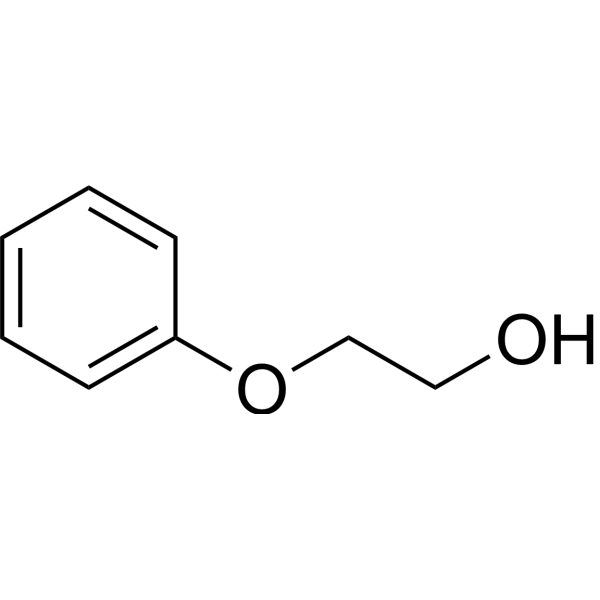
Cat. No.: HY-B1729R
CAS No.: 122-99-6
Phenoxyethanol (Standard) is the analytical standard of Phenoxyethanol. This product is intended for research and analytical applications. Phenoxyethanol has a broad spectrum of antimicrobial agent. Phenoxyethanol is an uncouple agent in oxidative phosphorylation from respiration and competitively inhibits malate dehydrogenase. Phenoxyethanol is used as a preservative in cosmetic, vaccine, and textile, et al .
loading...
    loading...
Cat. No.: HY-158761
CAS No.: 133029-32-0
Synonyms: PAPB
Target:  

Bacterial

Research Areas:  

Infection

Polyaminopropyl biguanide (PAPB) is a positively charged antimicrobial polymer and cosmetic preservative. Polyaminopropyl biguanide inhibits the growth and division of negatively charged microorganisms via charge-based adsorption. Polyaminopropyl biguanide exhibits broad-spectrum in vitro activity against foodborne microorganisms and postharvest fruit pathogens. Polyaminopropyl biguanide can be used in studies related to citrus postharvest diseases and foodborne bacterial infections .
loading...
    loading...
Cat. No.: HY-N2552
CAS No.: 130-24-5
Research Areas:  

Infection Cancer

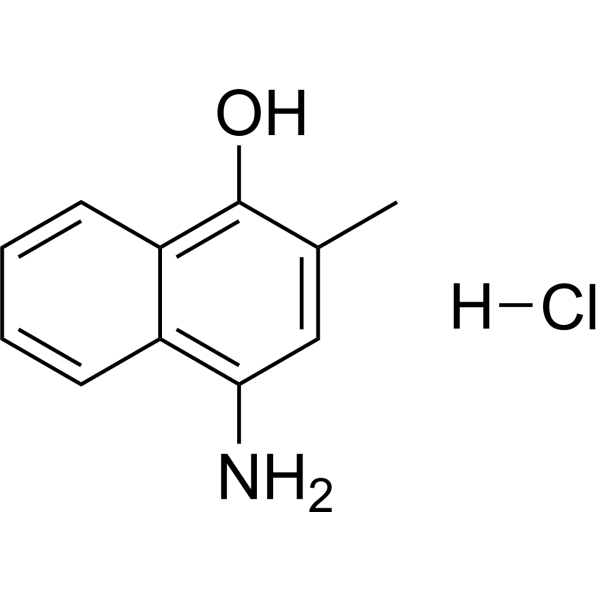
Vitamin K5 hydrochloride is a photosensitizer and a antimicrobial agent. Vitamin K5 hydrochloride is a specific PKM2 inhibitor with IC50 values of 28, 191 and 120 μM for PKM2, PKM1 and PKL. Vitamin K5 hydrochloride induces apoptosis of colon 26 cells. Vitamin K5 hydrochloride can be used for the research of infection and cancer, and it also can be used as a preservative for pharmaceuticals, foods, and beverages .
loading...
    loading...
Cat. No.: HY-B1814
CAS No.: 83-70-5
Synonyms: Synkamin; Synkamin base
Research Areas:  

Infection Cancer

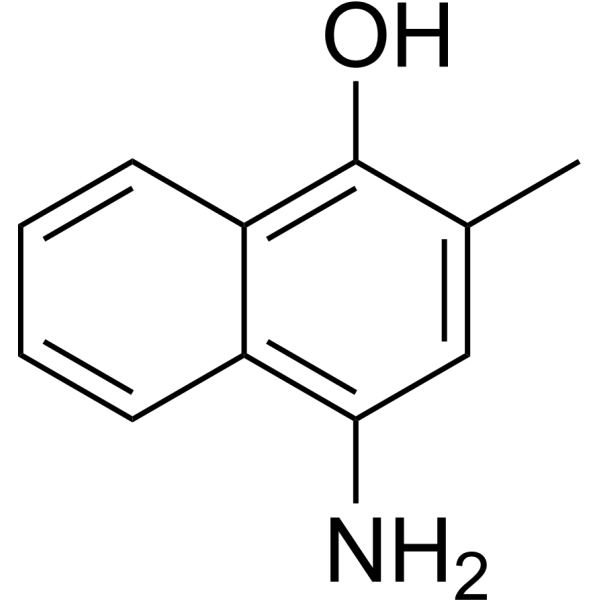
Vitamin K5 (Synkamin) is a photosensitizer and a antimicrobial agent. Vitamin K5 is a specific PKM2 inhibitor with IC50 values of 28, 191 and 120 μM for PKM2, PKM1 and PKL. Vitamin K5 induces apoptosis of colon 26 cells. Vitamin K5 can be used for the research of infection and cancer, and it also can be used as a preservative for pharmaceuticals, foods, and beverages .
loading...
    loading...
Cat. No.: HY-B2227BS
CAS No.: 344299-52-1
Synonyms: DL-Lactic acid-d4 sodium; E-270-d4 sodium
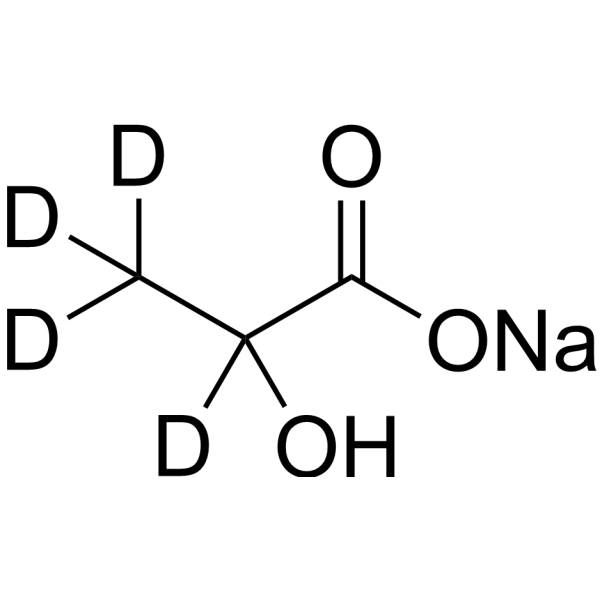
Lactic acid-d4 (DL-Lactic acid-d4) sodium (60% in water) is the deuterium labeled Lactic acid sodium (60% in water) (HY-B2227B) . Lactic acid (DL-Lactic acid) sodium (60% w/w in water) is a hydroxycarboxylic acid receptor 1 (HCAR1) activator and an epigenetic modulator inducing lysine residues lactylation. Lactic acid sodium (60% w/w in water) is a glycolysis end-product, bridging the gap between glycolysis and oxidative phosphorylation. Lactic acid sodium (60% w/w in water) is an oncometabolite and has immune protective role of lactate in anti-tumor immunity . Lactic acid sodium (60% w/w in water) also has antimicrobial activity, which can be used as a food preservative .
loading...
    loading...
Cat. No.: HY-B2227BS1
CAS No.: 1219802-24-0
Synonyms: DL-Lactic acid-d3 sodium; E-270-d3 sodium
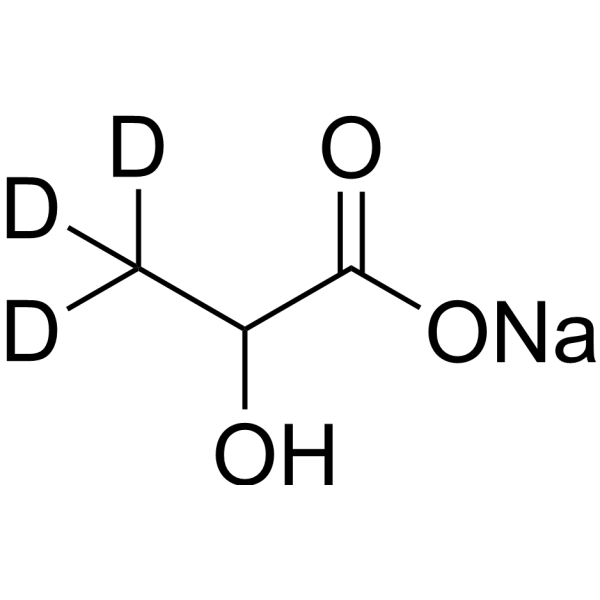
Lactic acid-d3 (DL-Lactic acid-d3) sodium (60% in water) is the deuterium labeled Lactic acid sodium (60% in water) (HY-B2227B) . Lactic acid (DL-Lactic acid) sodium (60% w/w in water) is a hydroxycarboxylic acid receptor 1 (HCAR1) activator and an epigenetic modulator inducing lysine residues lactylation. Lactic acid sodium (60% w/w in water) is a glycolysis end-product, bridging the gap between glycolysis and oxidative phosphorylation. Lactic acid sodium (60% w/w in water) is an oncometabolite and has immune protective role of lactate in anti-tumor immunity . Lactic acid sodium (60% w/w in water) also has antimicrobial activity, which can be used as a food preservative .
loading...
    loading...

