Search Result
Results for "
apparatus
" in MedChemExpress (MCE) Product Catalog:
3
Biochemical Assay Reagents
2
Isotope-Labeled Compounds
| Cat. No. |
Product Name |
Target |
Research Areas |
Chemical Structure |
-
- HY-16592
-
|
BFA; Cyanein; Decumbin
|
Autophagy
Mitophagy
HSV
Antibiotic
Bacterial
|
Infection
Cancer
|
|
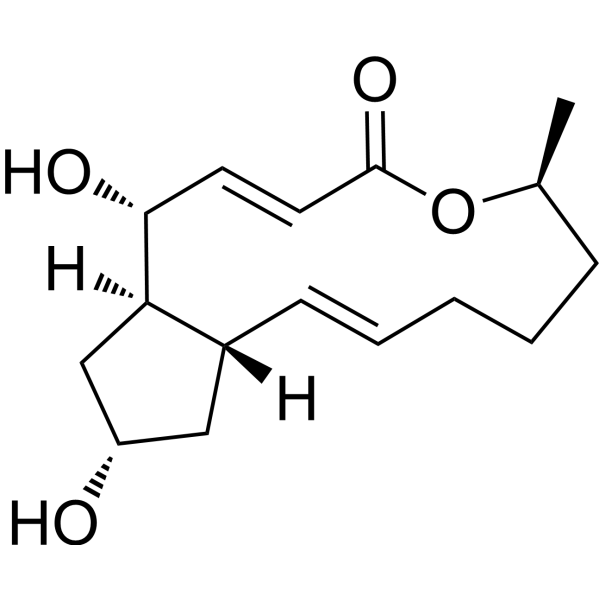
Brefeldin A (BFA) is a lactone antibiotic and a specific inhibitor of protein trafficking. Brefeldin A blocks the transport of secreted and membrane proteins from endoplasmic reticulum to Golgi apparatus . Brefeldin A is also an autophagy and mitophagy inhibitor . Brefeldin A inhibits HSV-1 and has anti-cancer activity .
|
-
-
- HY-D1533
-
|
|
Fluorescent Dye
|
Others
|
|
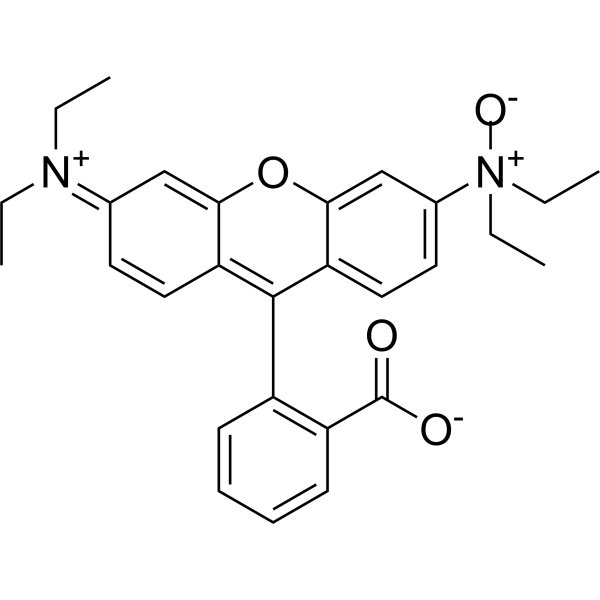
RhoNox-1 is a fluorescent probe for the specific detection of divalent iron ions, and when RhoNox-1 reacts with Fe 2+. RhoNox-1 can generate an irreversible orange (red) fluorescent product (Ex/Em:540/575 nm) . FeRhoNox-1 can enter the cell well, suitable for the detection of Fe 2+ in living cells, and tends to be localized in the Golgi apparatus .
|
-
-
- HY-D1612
-
|
|
Fluorescent Dye
|
Others
|
|
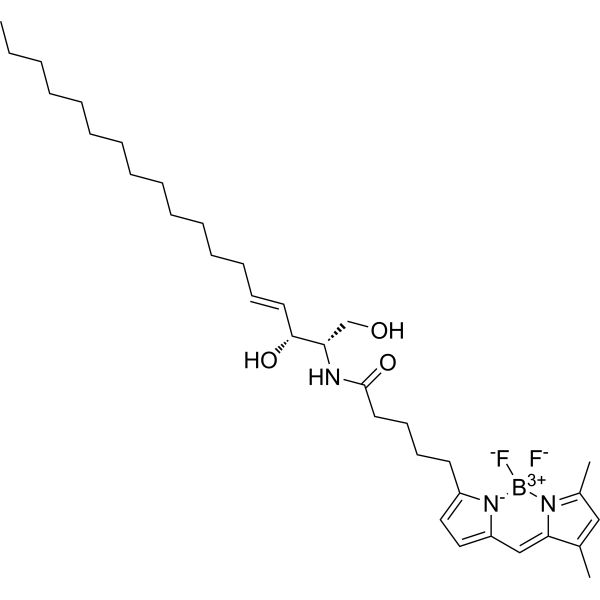
The Golgi apparatus is composed of flattened vesicles superimposed on each other by unit membranes. The flattened vesicles are round with expanded and perforated edges. The Golgi fluorescent probe is a BODIPY-labeled ceramide derivative, the synthesis of which occurs in the endoplasmic reticulum and can then be transported to the Golgi via ceramide transport protein (CERT) or vesicular translocation, allowing specific labeling of the dye . BODIPY Fl C5-Ceramide is a Golgi-specific green fluorescent dye, which can visualise individual cells . Ex/Em= 505 nm/512 nm.
|
-
-
- HY-W356116
-
|
Nbd-ceramide
|
Fluorescent Dye
|
Others
|
|
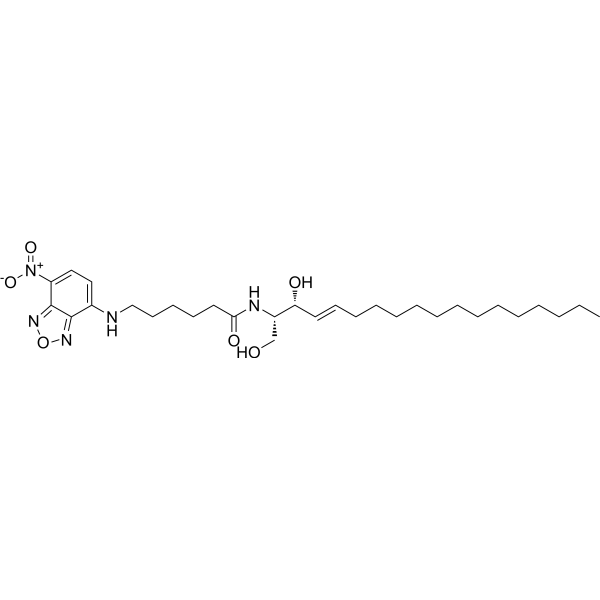
C6 NBD Ceramide is a Golgi apparatus fluorescent probe with cell membrane permeability. C6 NBD Ceramide can be used for fast and convenient green fluorescent labeling of Golgi in living and fixed cells, and can be used to observe changes in Golgi morphology in living cells (Ex=466 nm, Em=536 nm). C6-NBD-ceramide is metabolized to fluorescent sphingomyelin and glucosylceramide, can be used for the study of sphingolipid transport and metabolic mechanism .
|
-
-
- HY-132182
-
HPA-12
1 Publications Verification
|
Ceramidase
Autophagy
Apoptosis
ATF6
|
Neurological Disease
Cancer
|
|
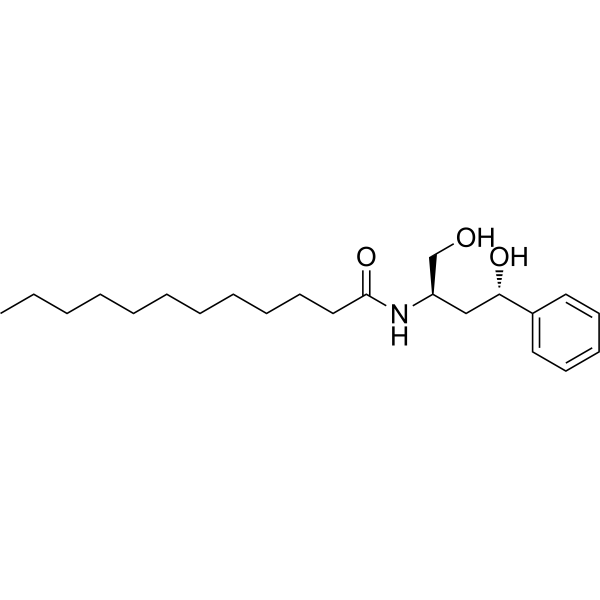
HPA-12 is a blood-brain barrier-permeable small-molecule inhibitor of ceramide transfer protein (CERT) with four stereoisomers (the (1R,3R)-stereoisomer exhibits the highest activity). HPA-12 blocks the transport of ceramide from the endoplasmic reticulum to the Golgi apparatus by binding to the START domain of CERT, leading to intracellular ceramide accumulation and inhibition of sphingomyelin (SM) synthesis. HPA-12 induces endoplasmic reticulum stress via the GRP78/ATF6/CHOP axis and activates mitochondrial autophagy, thereby inhibiting cell growth and inducing apoptosis. In in vivo experiments, HPA-12 significantly reduces the leukemia burden and splenomegaly in mouse models of acute myeloid leukemia (AML) and prolongs survival. HPA-12 is applicable for the research of lipid metabolism in acute myeloid leukemia and Alzheimer's disease .
|
-
-
- HY-B2050
-
|
|
Environmental Pollutants
Herbicide
Microtubule/Tubulin
|
Others
|
|
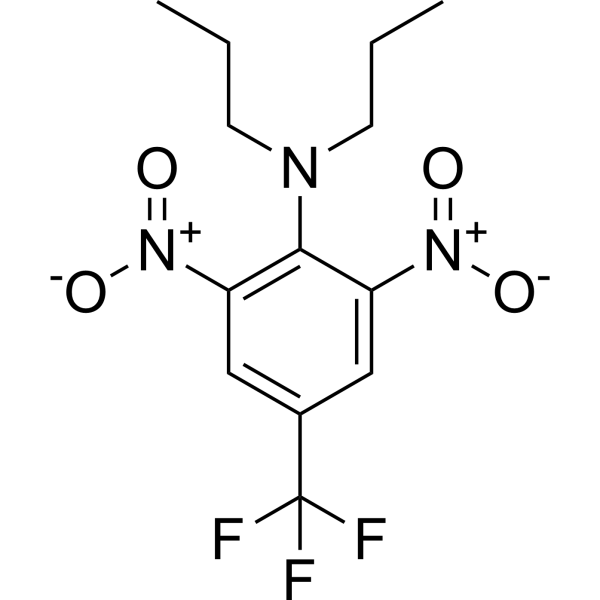
Trifluralin is a selective, preemergence, soil-applied herbicide providing control of many important annual grass and broadleaf weed species. Trifluralin prevents weed growth by inhibiting root development through the interruption of mitosis. Trifluralin binds to tubulin and results in the failure of spindle apparatus and cell plate formation. Trifluralin inhibits radicle development on roots. Trifluralin inhibits cell mitosis. Trifluralin is considered to be neurotoxic and haematotoxic .
|
-
-
- HY-DY1030
-
|
|
Fluorescent Dye
|
Others
|
RhoNox-1 (solution) is a fluorescent probe for the specific detection of divalent iron ions, and when RhoNox-1 reacts with Fe 2+. RhoNox-1 can generate an irreversible orange (red) fluorescent product (Ex/Em:540/575 nm). FeRhoNox-1 can enter the cell well, suitable for the detection of Fe 2+ in living cells, and tends to be localized in the Golgi apparatus . Solvent and concentration: DMSO: 5 mM
|
-
-
- HY-W007577
-
|
|
Drug Metabolite
|
Others
|
|
4-Nitrobenzaldehyde is a widely used industrial chemical intermediate and also the main photodegradation product of the broad-spectrum antibiotic Chloramphenicol (HY-B0239). 4-Nitrobenzaldehyde has genotoxic and mutagenic effects and poses a certain threat to human health and ecosystems .
|
-
-
- HY-D1735
-
|
Golgi-Red Tracke
|
Fluorescent Dye
|
Others
|
|
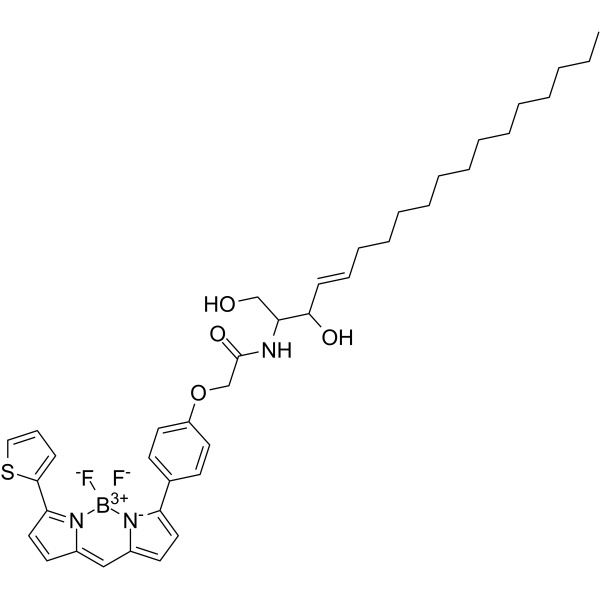
The Golgi apparatus is composed of flattened vesicles superimposed on each other by unit membranes. The flattened vesicles are round with expanded and perforated edges. The Golgi fluorescent probe is a BODIPY-labeled ceramide derivative, the synthesis of which occurs in the endoplasmic reticulum and can then be transported to the Golgi via ceramide transport protein (CERT) or vesicular translocation, allowing specific labeling of the dye. BODIPY TR Ceramide (Golgi-Red Tracke) is a Golgi-specific fluorescent dye, which can visualise individual cells . Ex/Em=589 nm/616 nm.
|
-
-
- HY-119500
-
|
|
HIV
Bacterial
|
Infection
Inflammation/Immunology
Cancer
|
|
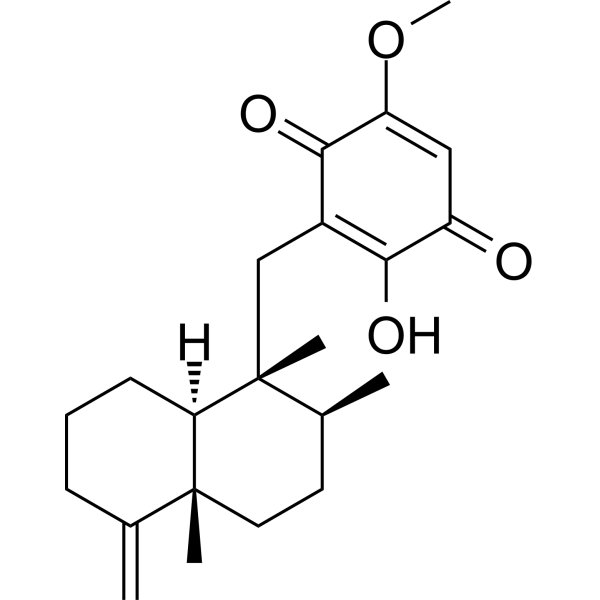
Ilimaquinone, a marine sponge metabolite, displays anticancer activity via GADD153-mediated pathway. Ilimaquinone can induce vesiculation of the Golgi apparatus . Ilimaquinone exerts anti-HIV, anti-microbial, anti-inflammatory, and effects .
|
-
-
- HY-159621
-
|
ES5
|
Annexin A
|
Endocrinology
|
|
Endosidine 5 (ES5) inhibits EPS (extracellular polymeric substance) secretion and cell wall expansion. Endosidine 5 alters secretion of ECM (extracellular matrix) material in Penium margaritaceum by affecting the Golgi apparatus. Endosidine 5 interferes with recycling endosomes through Annexin A6, thereby promoting the release and expression of mRNA into the cytoplasm .
|
-
-
- HY-137975
-
|
|
Bacterial
|
Endocrinology
|
|
Exo2 is a secretion inhibitor. Exo2 perturbs trafficking of Shiga toxin between endosomes and the trans-Golgi network. Exo2 blocks secretory cargo exit from the ER (endoplasmic reticulum) and disrupts the Golgi apparatus, but does not affect the morphology of the TGN (trans-Golgi network) Exo2 can stimulate calcium-dependent exocytosis in permeabilized adrenal chromaff in cells .
|
-
-
- HY-W008048
-
|
|
Nucleoside Antimetabolite/Analog
|
Others
|
|
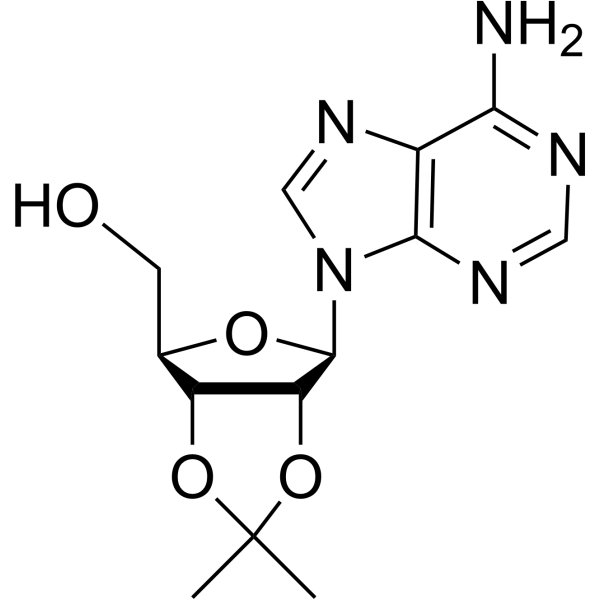
2',3'-O-Isopropylideneadenosine is a nucleoside compound and also a Golgi-targeting moiety. 2',3'-O-Isopropylideneadenosine constitutes a furanose ribose group that undergoes cyclization at the O (2') and O (3') atoms. As a component of the fluorescent probe TPE-Ade, 2',3'-O-Isopropylideneadenosine enables specific Golgi localization for fluorescence imaging. 2',3'-O-Isopropylideneadenosine participates in the synthesis of aggregation-induced emission (AIE) fluorescent probes .
|
-
-
- HY-143209B
-
|
|
Liposome
|
Cancer
|
|
DSPE-PEG3400 is a phospholipid-PEG polymer conjugate that can be used in drug delivery applications. DSPE-PEG3400 serves as a material for preparing nanocarriers, which is used to prolong blood circulation time, enhance stability and improve encapsulation efficiency .
|
-
-
- HY-16592R
-
|
BFA (Standard); Cyanein (Standard); Decumbin (Standard)
|
Reference Standards
Autophagy
Mitophagy
HSV
Antibiotic
Bacterial
|
Infection
Cancer
|
|
Brefeldin A (Standard) (BFA (Standard)) is the analytical standard of Rutin. This product is intended for research and analytical applications. Brefeldin A (BFA) is a lactone antibiotic and a specific inhibitor of protein trafficking. Brefeldin A blocks the transport of secreted and membrane proteins from endoplasmic reticulum to Golgi apparatus. Brefeldin A is also an autophagy and mitophagy inhibitor. Brefeldin A inhibits HSV-1 and has anti-cancer activity.
|
-
-
- HY-D2297
-
|
|
Fluorescent Dye
|
Others
|
|
AIE-GA is a Golgi apparatus (GA) fluorescent probe (green channel: λex = 405 nm, λem = 500-700 nm). AIE-GA has a favourable binding ability to interact with COX-2. AIE-GA binds to the cyclooxygenase catalytic site of COX-2 .
|
-
-
- HY-D2324
-
|
|
Fluorescent Dye
|
Others
|
|
EE-Flipper 33 is a Flipper probe designed to evaluate the mechanism of early endocytosis. EE-Flipper has a pKa value of 10.6 and is capable of tracking approximately 70% of early endosomes (EE) in live cells. Furthermore, EE-Flipper 33 can also label the Golgi apparatus in live cells with an internal pH ranging from 6.0 to 6.7 .
|
-
-
- HY-D2317
-
|
|
Fluorescent Dye
|
Others
|
|
HaloFlipper 30 is a fluorescent probe that covalently reacts with HaloTag fusion proteins to form an ester bond, which allows the probe to be stably attached to membrane structures. HaloFlipper 30 has high specificity, precision and good cell permeability .
|
-
-
- HY-N15683
-
|
|
Biochemical Assay Reagents
|
Others
|
|
3-Hydroxyechinenone is a chromophore of the orange carotenoid protein (OCP). 3-Hydroxyechinenone is involved in the photoprotective mechanism of the photosynthetic apparatus of cyanobacteria .
|
-
-
- HY-N16325
-
|
|
Fluorescent Dye
|
Others
|
|
Golgi-laurdan, a derivative of Laurdan (HY-D0080), is a fluorescent probe. Golgi-Laurdanmimics the structure NBD C6 Ceramide that can be used for the study of the Golgi apparatus .
|
-
-
- HY-E70286
-
|
MGAT4B
|
Biochemical Assay Reagents
|
Cancer
|
|
N-Acetylglucosaminyltransferase V (MGAT4B) is the enzyme that catalyzes the formation of the β1,6-GlcNAc branch of N-glycans in the Golgi apparatus using UDP-GlcNAc as the donor substrate. N-Acetylglucosaminyltransferase V is involved in cancer malignancy and autoimmune disease etiology .
|
-
-
- HY-156242
-
|
|
Paraptosis
|
Cancer
|
|
BQZ-485 is a a potent GDI2 inhibitor through the interaction with Tyr245. BQZ-485 disrupts the intrinsic GDI2-Rab1A interaction, thereby abolishing vesicular transport from the endoplasmic reticulum (ER) to the Golgi apparatus and initiating subsequent paraptosis events .
|
-
-
- HY-112944A
-
|
CMP-NeuNAz sodium
|
Sialyltransferase
|
Infection
|
|
CMP-SiaNAz (CMP-NeuNAz) sodium is a sialic acid nucleotide sugar derivative. CMP-SiaNAz sodium is integrated into the glycosidic chain through the action of STs in the Golgi apparatus, forming SiaNAz substances. CMP-SiaNAz sodium can serve as a substrate for bacterial-derived sialic acid transferases and is used for chemical enzymatic labeling and imaging of cell surface glycosides .
|
-
-
- HY-173331
-
|
|
Chloride Channel
Apoptosis
Autophagy
|
Cancer
|
|
Antitumor agent-201 (Compound 10) is a chloride transport activator that targets the Golgi apparatus. Its EC50 for promoting the transmembrane transport of chloride ions is 1.53 mol%, and its IC50 against HepG2 cells is 7.13 μM. Antitumor agent-201 exerts its anti-cancer activity by selectively acting on the Golgi apparatus, disrupting the chloride ion homeostasis within it, reducing the expression of key proteins such as GM130 and GRASP55, altering the structure and function of the Golgi apparatus, triggering Autophagy of the Golgi apparatus, and further inducing Apoptosis of cancer cells and arresting cancer cells in the G2/M phase. Antitumor agent-201 can be used in the research field of cancer diseases .
|
-
-
- HY-W007577R
-
|
|
Reference Standards
Drug Metabolite
|
Others
|
|
4-Nitrobenzaldehyde (Standard) is the analytical standard of 4-Nitrobenzaldehyde (HY-W007577). This product is intended for research and analytical applications. 4-Nitrobenzaldehyde is a widely used industrial chemical intermediate and also the main photodegradation product of the broad-spectrum antibiotic Chloramphenicol (HY-B0239). 4-Nitrobenzaldehyde has genotoxic and mutagenic effects and poses a certain threat to human health and ecosystems .
|
-
-
- HY-161798
-
|
|
Others
|
Cancer
|
|
Orpinolide is a withanolide analog that has anti-leukemia properties. It disrupts the internal balance of the Golgi apparatus, which is related to signaling through inositol 4-phosphate at the interface of the endoplasmic reticulum and Golgi membrane .
|
-
-
- HY-W698895
-
|
|
Isotope-Labeled Compounds
Biochemical Assay Reagents
|
Others
|
|
4-Nitrobenzaldehyde-d4 is the deuterium labeled 4-Nitrobenzaldehyde (HY-W007577). 4-Nitrobenzaldehyde is a photodegradation product of chloramphenicol. 4-Nitrobenzaldehyde inhibits plant growth and induces damage of photosynthetic apparatus .
|
-
-
- HY-D1749
-
|
|
Fluorescent Dye
|
Others
|
|
C6 NBD L-threo-ceramide is a cell-permeable analog of ceramides that is tagged with a fluorescent group C6 nitrobenzoxadiazole (C6 NBD). It is rapidly transferred between liposomes, labels the Golgi apparatus, and is metabolized to C6 NBD sphingomyelin in BHK cells and V79 fibroblasts.
|
-
-
- HY-19156A
-
|
ICI-D 6888 hydrochloride
|
Angiotensin Receptor
|
Others
|
|
ZD-6888 hydrochloride (ICI-D 6888 hydrochloride) is an antagonist for angiotensin II, which competitively inhibits the angiotensin II-mediated release of renin, affects the renal structure and function .
|
-
-
- HY-D1687
-
|
|
Fluorescent Dye
|
Others
|
|
Flubi-2 is a fluorescein-biotin based pH-ratio dye (Ex=480 nm, Em= 520-560 nm) with a pK value of 6.7. Flubi-2 is a hydrolysis product of Flubida-2 (non-fluorescent, membrane permeable). Flubi-2 can be used for pH determination of organelles of the secretory pathway (such as golgi apparatus and endoplasmic reticulum) in living cells .
|
-
-
- HY-111182
-
|
Hogival; Oestrone-3-acetate; Puboestrene
|
Estrogen Receptor/ERR
|
Endocrinology
|
|
Estrone acetate (Hogival) is an estrogen derivative and an estrogen receptor (ER) activator. It promotes mammary gland development, stimulates pituitary prolactin secretion, and induces the proliferation and activation of lactotrophs (e.g., by reducing prolactin storage granule size while increasing rough endoplasmic reticulum and Golgi apparatus volume density). Estrone acetate holds potential for endocrine research, particularly in studying estrogen's effects on pituitary function, prolactin regulation, and mammary tumor models .
|
-
-
- HY-B2050S
-
|
|
Isotope-Labeled Compounds
Microtubule/Tubulin
|
Others
|
|
Trifluralin-d14 is the deuterium labeled Trifluralin. Trifluralin is a selective, preemergence, soil-applied herbicide providing control of many important annual grass and broadleaf weed species. Trifluralin prevents weed growth by inhibiting root development through the interruption of mitosis. Trifluralin binds to tubulin and results in the failure of spindle apparatus and cell plate formation. Trifluralin inhibits radicle development on roots. Trifluralin inhibits cell mitosis. Trifluralin is considered to be neurotoxic and haematotoxic .
|
-
-
- HY-B2050R
-
|
|
Reference Standards
Microtubule/Tubulin
Herbicide
|
Others
|
|
Trifluralin (Standard) is the analytical standard of Trifluralin. This product is intended for research and analytical applications. Trifluralin is a selective, preemergence, soil-applied herbicide providing control of many important annual grass and broadleaf weed species. Trifluralin prevents weed growth by inhibiting root development through the interruption of mitosis. Trifluralin binds to tubulin and results in the failure of spindle apparatus and cell plate formation. Trifluralin inhibits radicle development on roots. Trifluralin inhibits cell mitosis. Trifluralin is considered to be neurotoxic and haematotoxic .
|
-
-
- HY-D2967
-
|
|
Fluorescent Dye
|
Neurological Disease
|
|
Golgi-NO is a Golgi-targeted fluorescent probe for nitric oxide (NO) (Ex/Em: 560 nm/589 nm). Golgi-NO exhibits excellent selectivity for various potential interfering substances. Golgi-NO can be used to study the function of NO within the Golgi apparatus in disease models such as Alzheimer's disease (AD) .
|
-
-
- HY-D3200
-
|
|
Fluorescent Dye
Cuproptosis
|
Others
|
|
Dns-LLC is a cell-permeable Cu +-selective fluorescent probe that forms a 1:1 complex with Cu +. The thiol group of Dns-LLC plays a key binding role, while the sulfonamide and amide groups jointly contribute to the stabilization of the complex. Upon binding to Cu + in aqueous buffer solutions, Dns-LLC generates a turn-on fluorescence response, which can be used for the detection of Cu + in the Golgi apparatus .
|
-
-
- HY-P0307B
-
|
|
Biochemical Assay Reagents
|
Neurological Disease
|
|
Penetratin-Cys is a cell-penetrating peptide derived from Antennapedia Peptide (HY-P0307) via C-terminal cysteine modification. Penetratin-Cys acts as a cytotoxin and reduces the viability of differentiated neuronal cells. Penetratin-Cys localizes to the perinuclear region and binds to the Golgi apparatus. Penetratin-Cys can be used in research related to neurological disorders .
|
-
-
- HY-D3198
-
|
|
Fluorescent Dye
Endogenous Metabolite
|
Cancer
|
|
NIR-fluorescent ceramide is a neutral near-infrared (NIF) fluorescent probe (λem=650 nm) based on the C-bridged nitrobenzoxadiazole SCOTfluor core, which enables visualization of lipid metabolic processes such as sphingolipid trafficking. The emission signal of NIR-fluorescent ceramide increases significantly in liposomal environments. NIR-fluorescent ceramide acts as an intracellular trafficking tracer, localizing to regions surrounding the endoplasmic reticulum and Golgi apparatus within a short period, and then translocating to recycling lysosomes over a longer period, thus enabling real-time visualization of sphingolipid trafficking and biological lipid functions in living cells. NIR-fluorescent ceramide also generates metabolic uptake profiles and provides multiple metabolic readouts in human cancer cell lines .
|
-
-
- HY-181446
-
|
|
Endogenous Metabolite
|
Others
|
|
PtdIns-(4,5)-P2 (1,2-dipalmitoyl) ammonium (PI(4,5)P2) is a signaling molecule. PtdIns-(4,5)-P2 (1,2-dipalmitoyl) ammonium is critical at multiple stages of endocytosis, where it sequentially recruits adaptor proteins and accessory proteins to endocytic sites. PtdIns-(4,5)-P2 (1,2-dipalmitoyl) ammonium is considered essential for maintaining the structure of the Golgi apparatus and the transport of proteins within the Golgi apparatus .
|
-
-
- HY-D2958
-
|
|
Fluorescent Dye
|
Others
|
|
ZP1BG is a SNAP tag fluorescent probe for detecting Zn 2+, which is formed by the covalent connection of the zinc sensor ZP1 from the Zinpyr family with the benzyl guanine group. ZP1BG can be used to detect the concentration of Zn 2+ in neuronal organelles such as the Golgi apparatus and mitochondria .
|
-
-
- HY-D3255
-
|
|
Fluorescent Dye
|
Others
|
|
CTAP-1 is a monovalent copper ion probe. CTAP-1 binds to monovalent copper Cu (I) to inhibit photoinduced electron transfer, thereby enhancing fluorescence emission. CTAP-1 produces copper-dependent perinuclear staining that colocalizes with mitochondria and the Golgi apparatus. CTAP-1 can be used for imaging Cu (I) pools, excitation/emission Wavelength: 365/480 nm .
|
-
-
- HY-185306
-
|
PP 745
|
Herbicide
Phosphatase
β-glucuronidase
|
Metabolic Disease
|
|
Morfamquat dichloride (PP 745) is a bipyridine herbicide. Acute poisoning by Morfamquat dichloride strongly stimulates the reticuloendothelial system, causes lysosomal membrane damage and enzyme leakage, and interferes with the function of hepatocyte Golgi apparatus and related glucose metabolic pathways. Morfamquat dichloride significantly increases the activities of acid phosphatase and β-glucuronidase, exerting toxic effects on mice, while pre-administration of vitamin E alleviates such toxicity .
|
-
-
- HY-180147
-
|
|
Microtubule/Tubulin
Reactive Oxygen Species (ROS)
Apoptosis
|
Cancer
|
|
Microtubule-IN-14 (Compound 10u) is a microtubule inhibitor. Microtubule-IN-14 inhibits the polymerization of tubulin, thereby preventing the formation of the spindle apparatus in cell mitosis and blocking the cell cycle at the G2/M phase. Microtubule-IN-14 induces a decrease in mitochondrial membrane potential and a burst of reactive oxygen species (ROS), promoting tumor cell apoptosis. Microtubule-IN-14 can be used for the study of non-small cell lung cancer and liver cancer .
|
-
-
- HY-180148
-
|
|
Microtubule/Tubulin
Reactive Oxygen Species (ROS)
Apoptosis
|
Cancer
|
|
Microtubule-IN-15 (Compound 10v) is a microtubule inhibitor. Microtubule-IN-15 inhibits the polymerization of tubulin, thereby preventing the formation of the spindle apparatus in cell mitosis and blocking the cell cycle at the G2/M phase. Microtubule-IN-15 induces a decrease in mitochondrial membrane potential and a burst of reactive oxygen species (ROS), promoting tumor cell apoptosis. Microtubule-IN-15 can be used for the study of non-small cell lung cancer and liver cancer .
|
-
-
- HY-D2982
-
|
|
Fluorescent Dye
|
Infection
|
|
BTP9-Neu5Ac is a fluorescent imaging probe specifically designed for detecting the neuraminidase (NA) sialidase activity of influenza viruses. BTP9-Neu5Ac can visualize the intracellular Golgi localization of the viral NA activity. BTP9-Neu5Ac can be used for precise and temporal monitoring of the key enzyme activities during the viral life cycle .
|
-
-
- HY-D2970
-
|
|
Fluorescent Dye
|
Neurological Disease
|
|
Golgi-P is a near-infrared Golgi-targeted fluorescent probe specifically used for the detection of Golgi polarity in living cells and living tissues. Golgi-P exhibits a significant polarity-dependent spectral behavior, with its emission wavelength shifting redward with polarity (Ex/Em: 700 nm/780-825 nm). Golgi-P achieves near-infrared fluorescence imaging directly in the brain tissue of depressed mice. Golgi-P combines polarity sensing with Golgi-targeting functionality, providing a new tool for the molecular diagnosis of depression .
|
-
-
- HY-E71366
-
|
|
Glycosidase
Endogenous Metabolite
|
Metabolic Disease
|
|
Endo-1,4-β-D-glucanase is a glycoside hydrolase that cleaves internal β-1,4-glycosidic bonds in cellulose and related β-D-glucans (β-D-Glucan) (HY-139413). Endo-1,4-β-D-glucanase randomly cuts long, insoluble cellulose polymer chains into shorter, soluble fragments such as oligosaccharides, thereby paving the way for further digestion into glucose .
|
-
| Cat. No. |
Product Name |
Type |
-
- HY-D1533
-
|
|
Fluorescent Dyes
|
|
RhoNox-1 is a fluorescent probe for the specific detection of divalent iron ions, and when RhoNox-1 reacts with Fe 2+. RhoNox-1 can generate an irreversible orange (red) fluorescent product (Ex/Em:540/575 nm) . FeRhoNox-1 can enter the cell well, suitable for the detection of Fe 2+ in living cells, and tends to be localized in the Golgi apparatus .
|
-
- HY-D1612
-
|
|
Fluorescent Dyes
|
|
The Golgi apparatus is composed of flattened vesicles superimposed on each other by unit membranes. The flattened vesicles are round with expanded and perforated edges. The Golgi fluorescent probe is a BODIPY-labeled ceramide derivative, the synthesis of which occurs in the endoplasmic reticulum and can then be transported to the Golgi via ceramide transport protein (CERT) or vesicular translocation, allowing specific labeling of the dye . BODIPY Fl C5-Ceramide is a Golgi-specific green fluorescent dye, which can visualise individual cells . Ex/Em= 505 nm/512 nm.
|
-
- HY-W356116
-
|
Nbd-ceramide
|
Fluorescent Dyes
|
|
C6 NBD Ceramide is a Golgi apparatus fluorescent probe with cell membrane permeability. C6 NBD Ceramide can be used for fast and convenient green fluorescent labeling of Golgi in living and fixed cells, and can be used to observe changes in Golgi morphology in living cells (Ex=466 nm, Em=536 nm). C6-NBD-ceramide is metabolized to fluorescent sphingomyelin and glucosylceramide, can be used for the study of sphingolipid transport and metabolic mechanism .
|
-
- HY-DY1030
-
|
|
Fluorescent Dyes
|
RhoNox-1 (solution) is a fluorescent probe for the specific detection of divalent iron ions, and when RhoNox-1 reacts with Fe 2+. RhoNox-1 can generate an irreversible orange (red) fluorescent product (Ex/Em:540/575 nm). FeRhoNox-1 can enter the cell well, suitable for the detection of Fe 2+ in living cells, and tends to be localized in the Golgi apparatus . Solvent and concentration: DMSO: 5 mM
|
-
- HY-D1735
-
|
Golgi-Red Tracke
|
Fluorescent Dyes
|
|
The Golgi apparatus is composed of flattened vesicles superimposed on each other by unit membranes. The flattened vesicles are round with expanded and perforated edges. The Golgi fluorescent probe is a BODIPY-labeled ceramide derivative, the synthesis of which occurs in the endoplasmic reticulum and can then be transported to the Golgi via ceramide transport protein (CERT) or vesicular translocation, allowing specific labeling of the dye. BODIPY TR Ceramide (Golgi-Red Tracke) is a Golgi-specific fluorescent dye, which can visualise individual cells . Ex/Em=589 nm/616 nm.
|
-
- HY-D2297
-
|
|
Fluorescent Dyes
|
|
AIE-GA is a Golgi apparatus (GA) fluorescent probe (green channel: λex = 405 nm, λem = 500-700 nm). AIE-GA has a favourable binding ability to interact with COX-2. AIE-GA binds to the cyclooxygenase catalytic site of COX-2 .
|
-
- HY-D2324
-
|
|
Fluorescent Dyes
|
|
EE-Flipper 33 is a Flipper probe designed to evaluate the mechanism of early endocytosis. EE-Flipper has a pKa value of 10.6 and is capable of tracking approximately 70% of early endosomes (EE) in live cells. Furthermore, EE-Flipper 33 can also label the Golgi apparatus in live cells with an internal pH ranging from 6.0 to 6.7 .
|
-
- HY-D2317
-
|
|
Fluorescent Dyes
|
|
HaloFlipper 30 is a fluorescent probe that covalently reacts with HaloTag fusion proteins to form an ester bond, which allows the probe to be stably attached to membrane structures. HaloFlipper 30 has high specificity, precision and good cell permeability .
|
-
- HY-D1749
-
|
|
Fluorescent Dyes
|
|
C6 NBD L-threo-ceramide is a cell-permeable analog of ceramides that is tagged with a fluorescent group C6 nitrobenzoxadiazole (C6 NBD). It is rapidly transferred between liposomes, labels the Golgi apparatus, and is metabolized to C6 NBD sphingomyelin in BHK cells and V79 fibroblasts.
|
-
- HY-D1687
-
|
|
Fluorescent Dyes
|
|
Flubi-2 is a fluorescein-biotin based pH-ratio dye (Ex=480 nm, Em= 520-560 nm) with a pK value of 6.7. Flubi-2 is a hydrolysis product of Flubida-2 (non-fluorescent, membrane permeable). Flubi-2 can be used for pH determination of organelles of the secretory pathway (such as golgi apparatus and endoplasmic reticulum) in living cells .
|
-
- HY-D2967
-
|
|
Fluorescent Dyes
|
|
Golgi-NO is a Golgi-targeted fluorescent probe for nitric oxide (NO) (Ex/Em: 560 nm/589 nm). Golgi-NO exhibits excellent selectivity for various potential interfering substances. Golgi-NO can be used to study the function of NO within the Golgi apparatus in disease models such as Alzheimer's disease (AD) .
|
-
- HY-D3200
-
|
|
Fluorescent Dyes
|
|
Dns-LLC is a cell-permeable Cu +-selective fluorescent probe that forms a 1:1 complex with Cu +. The thiol group of Dns-LLC plays a key binding role, while the sulfonamide and amide groups jointly contribute to the stabilization of the complex. Upon binding to Cu + in aqueous buffer solutions, Dns-LLC generates a turn-on fluorescence response, which can be used for the detection of Cu + in the Golgi apparatus .
|
-
- HY-D3198
-
|
|
Fluorescent Dyes
|
|
NIR-fluorescent ceramide is a neutral near-infrared (NIF) fluorescent probe (λem=650 nm) based on the C-bridged nitrobenzoxadiazole SCOTfluor core, which enables visualization of lipid metabolic processes such as sphingolipid trafficking. The emission signal of NIR-fluorescent ceramide increases significantly in liposomal environments. NIR-fluorescent ceramide acts as an intracellular trafficking tracer, localizing to regions surrounding the endoplasmic reticulum and Golgi apparatus within a short period, and then translocating to recycling lysosomes over a longer period, thus enabling real-time visualization of sphingolipid trafficking and biological lipid functions in living cells. NIR-fluorescent ceramide also generates metabolic uptake profiles and provides multiple metabolic readouts in human cancer cell lines .
|
-
- HY-D2958
-
|
|
Fluorescent Dyes
|
|
ZP1BG is a SNAP tag fluorescent probe for detecting Zn 2+, which is formed by the covalent connection of the zinc sensor ZP1 from the Zinpyr family with the benzyl guanine group. ZP1BG can be used to detect the concentration of Zn 2+ in neuronal organelles such as the Golgi apparatus and mitochondria .
|
-
- HY-D3255
-
|
|
Fluorescent Dyes
|
|
CTAP-1 is a monovalent copper ion probe. CTAP-1 binds to monovalent copper Cu (I) to inhibit photoinduced electron transfer, thereby enhancing fluorescence emission. CTAP-1 produces copper-dependent perinuclear staining that colocalizes with mitochondria and the Golgi apparatus. CTAP-1 can be used for imaging Cu (I) pools, excitation/emission Wavelength: 365/480 nm .
|
-
- HY-D2982
-
|
|
Fluorescent Dyes
|
|
BTP9-Neu5Ac is a fluorescent imaging probe specifically designed for detecting the neuraminidase (NA) sialidase activity of influenza viruses. BTP9-Neu5Ac can visualize the intracellular Golgi localization of the viral NA activity. BTP9-Neu5Ac can be used for precise and temporal monitoring of the key enzyme activities during the viral life cycle .
|
-
- HY-D2970
-
|
|
Fluorescent Dyes
|
|
Golgi-P is a near-infrared Golgi-targeted fluorescent probe specifically used for the detection of Golgi polarity in living cells and living tissues. Golgi-P exhibits a significant polarity-dependent spectral behavior, with its emission wavelength shifting redward with polarity (Ex/Em: 700 nm/780-825 nm). Golgi-P achieves near-infrared fluorescence imaging directly in the brain tissue of depressed mice. Golgi-P combines polarity sensing with Golgi-targeting functionality, providing a new tool for the molecular diagnosis of depression .
|
| Cat. No. |
Product Name |
Type |
-
- HY-W007577
-
|
|
Biochemical Assay Reagents
|
|
4-Nitrobenzaldehyde is a widely used industrial chemical intermediate and also the main photodegradation product of the broad-spectrum antibiotic Chloramphenicol (HY-B0239). 4-Nitrobenzaldehyde has genotoxic and mutagenic effects and poses a certain threat to human health and ecosystems .
|
-
- HY-143209B
-
|
|
Biochemical Assay Reagents
|
|
DSPE-PEG3400 is a phospholipid-PEG polymer conjugate that can be used in drug delivery applications. DSPE-PEG3400 serves as a material for preparing nanocarriers, which is used to prolong blood circulation time, enhance stability and improve encapsulation efficiency .
|
-
- HY-W007577R
-
|
|
Biochemical Assay Reagents
|
|
4-Nitrobenzaldehyde (Standard) is the analytical standard of 4-Nitrobenzaldehyde (HY-W007577). This product is intended for research and analytical applications. 4-Nitrobenzaldehyde is a widely used industrial chemical intermediate and also the main photodegradation product of the broad-spectrum antibiotic Chloramphenicol (HY-B0239). 4-Nitrobenzaldehyde has genotoxic and mutagenic effects and poses a certain threat to human health and ecosystems .
|
| Cat. No. |
Product Name |
Target |
Research Area |
-
- HY-P0307B
-
|
|
Biochemical Assay Reagents
|
Neurological Disease
|
|
Penetratin-Cys is a cell-penetrating peptide derived from Antennapedia Peptide (HY-P0307) via C-terminal cysteine modification. Penetratin-Cys acts as a cytotoxin and reduces the viability of differentiated neuronal cells. Penetratin-Cys localizes to the perinuclear region and binds to the Golgi apparatus. Penetratin-Cys can be used in research related to neurological disorders .
|
| Cat. No. |
Product Name |
Category |
Target |
Chemical Structure |
| Cat. No. |
Product Name |
Chemical Structure |
-
- HY-W698895
-
|
|
|
4-Nitrobenzaldehyde-d4 is the deuterium labeled 4-Nitrobenzaldehyde (HY-W007577). 4-Nitrobenzaldehyde is a photodegradation product of chloramphenicol. 4-Nitrobenzaldehyde inhibits plant growth and induces damage of photosynthetic apparatus .
|
-
-
- HY-B2050S
-
|
|
|
Trifluralin-d14 is the deuterium labeled Trifluralin. Trifluralin is a selective, preemergence, soil-applied herbicide providing control of many important annual grass and broadleaf weed species. Trifluralin prevents weed growth by inhibiting root development through the interruption of mitosis. Trifluralin binds to tubulin and results in the failure of spindle apparatus and cell plate formation. Trifluralin inhibits radicle development on roots. Trifluralin inhibits cell mitosis. Trifluralin is considered to be neurotoxic and haematotoxic .
|
-
| Cat. No. |
Product Name |
|
Classification |
-
- HY-W008048
-
|
|
|
Nucleoside Analogs
Adenosine
|
|
2',3'-O-Isopropylideneadenosine is a nucleoside compound and also a Golgi-targeting moiety. 2',3'-O-Isopropylideneadenosine constitutes a furanose ribose group that undergoes cyclization at the O (2') and O (3') atoms. As a component of the fluorescent probe TPE-Ade, 2',3'-O-Isopropylideneadenosine enables specific Golgi localization for fluorescence imaging. 2',3'-O-Isopropylideneadenosine participates in the synthesis of aggregation-induced emission (AIE) fluorescent probes .
|
-
- HY-143209B
-
|
|
|
Pegylated Lipids
|
|
DSPE-PEG3400 is a phospholipid-PEG polymer conjugate that can be used in drug delivery applications. DSPE-PEG3400 serves as a material for preparing nanocarriers, which is used to prolong blood circulation time, enhance stability and improve encapsulation efficiency .
|
Your information is safe with us. * Required Fields.
Inquiry Information
- Product Name:
- Cat. No.:
- Quantity:
- MCE Japan Authorized Agent:

